Sugar Hangover: Why You Feel “Off” After Too Much Sugar (El Paso Back Clinic Guide)
If you’ve ever eaten a lot of sweets and then woken up (or hit a wall a few hours later) feeling tired, foggy, cranky, or headachy, you’re not imagining it. Many people call this a “sugar hangover.” It’s not an official medical diagnosis, but the experience is real for many people—and there are clear reasons it can happen.
At El Paso Back Clinic®, we see something important: when your body is stressed—by poor sleep, dehydration, inflammation, neck tension, headaches, and irregular meals—you can feel worse after a sugar-heavy day. That’s why our clinic approach is often integrative, combining chiropractic care, functional rehabilitation, and nurse practitioner support when appropriate.
Let’s break down what a sugar hangover is, what it feels like, why it happens, and what to do—without hype and without scary claims.
What Is a “Sugar Hangover”?
A sugar hangover is a short-term slump that can happen after eating a lot of added sugar or refined carbs (like candy, pastries, sweet coffee drinks, soda, or a big plate of white pasta). People often feel symptoms like:
Fatigue
Headache
Brain fog
Irritability
Cravings
Thirst or dry mouth
Low motivation
Upset stomach (sometimes)
Houston Methodist explains the basic idea: simple carbs can be digested quickly, causing a blood sugar spike, and if that spike is big enough, it can lead to unpleasant side effects.
Levels (a metabolic health education site) also describes the sugar hangover pattern as feeling “crummy” after a sugar splurge, often tied to glucose swings.
Why It Happens: The Spike → Crash Cycle
Your body runs on glucose (blood sugar). After you eat, glucose rises. Then your body releases insulin, which helps move glucose into cells for energy.
When you eat a lot of sugar (especially on an empty stomach), the swing can be bigger:
Sugar absorbs fast
Sugary and refined foods often have little fiber, so they hit your bloodstream quickly.
Insulin response can be strong
A bigger spike can trigger a bigger insulin response.
Blood sugar can drop quickly afterward
That drop is what many people call the “crash.”
Some people experience a true pattern called reactive hypoglycemia—blood sugar that drops after eating. Mayo Clinic notes that reactive hypoglycemia can improve with food choices like high-fiber meals, avoiding sugary foods on an empty stomach, and eating smaller meals spaced throughout the day.
Stress hormones can kick in
When your body senses a drop in blood sugar, it may release hormones (like adrenaline) to bring levels back up. This can feel like:
jitters
anxiety
sweating
irritability
Levels describes these hormone shifts as part of why people can feel shaky, wired, or off during a crash.
Dehydration can cause headaches and fatigue
Some people get thirstier after a sugar-heavy day, and dehydration can worsen headaches and brain fog.
What a Sugar Hangover Feels Like (And Why Headaches Are Common)
A sugar hangover can feel like your brain is “slow.” That’s partly because your brain is sensitive to energy changes.
Common complaints include:
Headache + neck tightness
Brain fog
Heavy fatigue
Mood swings
Sugar cravings
Levels connects sugar hangover symptoms to glucose swings and the body’s stress response.
At El Paso Back Clinic®, we also notice something practical: headaches often come with muscle tension, especially in the neck, upper back, and jaw—and tension can feel worse when you’re dehydrated and underslept. (This doesn’t mean sugar “causes” all headaches. It means sugar swings can be one more stressor on a tense system.)
Who Is More Likely to Get Sugar Hangovers?
Anyone can feel it, but it’s more common if you have:
Irregular meals (skipping breakfast, long gaps)
Poor sleep
High stress
A mostly refined-carb diet
A lot of sugary drinks
Prediabetes or diabetes risk factors
If you have diabetes (or take glucose-lowering meds), you should treat big swings seriously and follow your care plan.
Business Insider also notes that sugar can contribute to feeling sick a few hours after eating sweets, even separate from alcohol hangovers.
Is a Sugar Hangover Dangerous?
Usually, it’s temporary and improves within hours.
But you should get medical help if you have:
Fainting or near-fainting
Confusion that doesn’t clear
Severe weakness
Chest pain
Repeated vomiting
Symptoms plus known diabetes/insulin use
Mayo Clinic provides clear guidance that post-meal low blood sugar patterns should be managed with dietary structure and, when needed, medical evaluation.
What To Do: A Simple “Next-Day Reset” Plan
You don’t need a cleanse. You need stability.
Step 1: Hydrate first
Start the day with water.
Helpful options:
Water
Unsweetened electrolyte drink (if you’re very thirsty)
Herbal tea
Try to avoid:
Sugary coffee drinks
Soda or sweet tea (as they can restart the spike)
Levels emphasizes hydration and avoiding more sugar when you’re trying to stabilize.
Step 2: Eat a steady breakfast (protein + fiber)
Pick something that slows digestion:
Eggs + veggies
Greek yogurt + berries + nuts
Oatmeal + chia + peanut butter
Beans + avocado + salsa (easy and filling)
Mayo Clinic recommends high-fiber foods and avoiding sugary/refined carbs on an empty stomach—especially for people prone to post-meal drops.
Step 3: Walk for 10–20 minutes
A short walk after eating helps many people feel clearer and less sluggish.
Step 4: Calm the “tension loop” (neck, jaw, shoulders)
If your sugar hangover comes with headaches, try:
Gentle neck range-of-motion
Shoulder rolls
Slow nasal breathing (2–3 minutes)
Light stretching
At El Paso Back Clinic®, we focus on restoring function after neck and back strain, and many patients notice that reducing mechanical stress can help them feel better overall—especially when headaches are linked to tension patterns.
Step 5: Don’t “punish” yourself with extreme restriction
A common mistake is skipping food all day. That can create more cravings and more swings.
Better:
normal meals
protein + fiber each time
water
early bedtime
How to Prevent Sugar Hangovers (Without Giving Up All Treats)
Prevention is mostly about how you eat sugar, not whether you ever eat it.
Use the “anchor meal” rule
If you want dessert, have it after a real meal that includes:
protein
fiber
healthy fat
This slows the glucose rise.
Avoid “liquid sugar” most days
Sugary drinks are one of the easiest ways to overshoot your daily sugar without feeling full.
Keep added sugar within reasonable limits
The American Heart Association recommends:
Women: no more than 25 g (about 6 teaspoons) added sugar/day
Men: no more than 36 g (about 9 teaspoons) added sugar/day
Watch for hidden sugar
Johns Hopkins points out that added sugar hides in many “normal” foods and can add up fast.
Common hidden sources:
flavored yogurt
granola bars
cereals
sauces and dressings
“coffee drinks”
sports/energy drinks
Where Chiropractic + Nurse Practitioner Support Fits (El Paso Back Clinic Approach)
A sugar hangover is usually a metabolic + lifestyle issue first. Chiropractic is not a “blood sugar cure.” But integrative care can help because real life is not a one-system-only world.
At El Paso Back Clinic®, our clinical model is built around restoring function and supporting whole-body recovery with a multidisciplinary team.
How a Nurse Practitioner (NP) can help
An NP can:
review symptoms and timing (what you ate + when you crashed)
screen for risk factors (prediabetes, diabetes, anemia, thyroid issues)
recommend lab work when appropriate
build a realistic food plan (not extreme)
help with sleep and stress strategies
Dr. Alexander Jimenez, DC, APRN, FNP-BC often frames this as building repeatable daily habits that support recovery—rather than chasing “quick fixes.”
How chiropractic care can support the “stress and tension side”
Sugar hangovers often come with:
headaches
neck tension
poor sleep
low activity the next day
Chiropractic care may help by:
assessing neck/back mechanics that contribute to tension headaches
improving mobility so you can move and walk more comfortably
El Paso Back Clinic focuses on restoring function after neck, back, and soft-tissue issues through integrated approaches.
Why a combined approach can be stronger
Because a “sugar hangover” often sits on top of other real-world problems:
bad sleep
dehydration
stress overload
chronic tightness
irregular meals
low protein/fiber patterns
Integrative chiropractic + NP care can address both:
the chemical side (glucose swings, nutritional structure)
the structural side (tension, headaches, movement limits)
That’s the practical “whole-person” logic behind multidisciplinary care at El Paso Back Clinic®.
A Quick Word on Nutrition Scope and Safety
Nutrition rules can differ by state and profession. The American Nutrition Association explains that nutrition regulations vary and that the scope of practice can differ across states and providers.
If your symptoms are frequent, intense, or confusing, the safest move is a clinical evaluation—especially if you might have reactive hypoglycemia or diabetes risk.
When to Get Checked (Don’t Ignore These Patterns)
Make an appointment if:
you crash after meals often (2–5 hours later)
headaches + fatigue are frequent
cravings feel out of control
you have a family history of diabetes
you feel shaky, sweaty, or confused after eating
Mayo Clinic recommends a dietary structure for reactive hypoglycemia patterns and supports evaluation when symptoms persist.
Key Takeaways
A “sugar hangover” is a real experience for many people, often driven by glucose spikes and crashes.
Symptoms can include fatigue, headache, brain fog, irritability, and cravings.
The best fix is stable meals, hydration, and light movement, not extreme restriction.
Long-term prevention includes limiting added sugar and watching hidden sugars.
At El Paso Back Clinic®, integrative care can support both the metabolic plan (NP) and the tension/movement side (chiropractic + rehab).
Affordable Healthy Eating in El Paso, TX: Tips from El Paso Back Clinic® for Wellness and Chiropractic Care
A man and woman are eating some fresh fruit as a snack.
In El Paso, Texas, people often wonder about ways to boost their wellness and lifestyle. A big question is: How do I make healthy eating affordable? At El Paso Back Clinic®, we know that good nutrition is key to feeling great and healing the body. We help patients eat better without breaking the bank as the leading provider of wellness chiropractic care in El Paso. To make healthy eating affordable in El Paso, try meal planning, choosing seasonal or frozen produce, using beans for protein, shopping at sales and discount stores, and cooking at home more often. We also suggest using local spots like farmers’ markets and food pantries to save on nutritious foods.
At El Paso Back Clinic®, making healthy eating affordable means smart shopping, such as buying seasonal produce, buying in bulk at local markets, and cutting food waste through batch cooking. Our integrative chiropractic care fits right in. We offer holistic, patient-centered services that mix spinal adjustments with nutrition counseling, physical rehab, and lifestyle coaching. This helps fix the main causes of health problems. Led by Dr. Alex Jimenez, DC, APRN, FNP-BC, our clinic focuses on whole-body wellness to support your healthy eating goals.
Healthy eating gives you energy, helps you control your weight, and helps fight disease. In the Paso del Norte area, including El Paso, eating a balanced diet with the right calories provides the needed nutrients and reduces the risk of conditions like obesity and diabetes (Paso del Norte Health Foundation, n.d.). Many folks skip enough fruits and veggies, but our tips at El Paso Back Clinic® can help change that.
Why Healthy Eating Matters at El Paso Back Clinic®
El Paso mixes cultures, with many Mexican flavors in its meals. But eating out can cost more and offer less nutrition. In the U.S., eating out accounts for 46% of food spending, and it can lead to weight gain (City of El Paso, n.d.). Cooking at home lets you pick ingredients and sizes. Local efforts like Eat Well El Paso work with eateries to add healthier choices, making it simpler to eat well even outside.
Wellness is more than food—it’s about body balance too. At El Paso Back Clinic®, our integrative chiropractic care fixes spinal problems that impact health. We link nutrition to better results, helping patients in El Paso live stronger.
Meal Planning: A Simple Start from El Paso Back Clinic®
Meal planning saves cash and keeps you healthy. Begin by writing out weekly meals. Check your kitchen first to use what you have and skip waste (Scripps Health, n.d.). This stops random buys.
Here are easy tips:
Plan with sales: Check store flyers and build recipes around cheap items.
Add mix: Include a variety of proteins, veggies, and grains for balance.
Prep early: Make big batches and freeze. Saves time on rushed days (American Heart Association, n.d.).
Try apps: Use MyPlate’s Shop Simple for deals and ideas (Office of Disease Prevention and Health Promotion, 2024).
At El Paso Back Clinic®, we teach meal planning in our nutrition counseling. It fits local tastes, like healthy tacos with beans.
Our meal prep services make it even easier. We offer macro-friendly options like Player Bowls and overnight oats starting at $6. These are packed with nutrients to fuel your day and support recovery (El Paso Back Clinic, n.d.).
Picking Affordable Produce with Clinic Advice
Produce brings vitamins, but fresh produce can be expensive. Choose seasonal fruits and veggies for low prices and fantastic flavor. In Texas, look for in-season items like summer tomatoes or winter greens (Lone Star Circle of Care, 2024).
Frozen or canned: Often cheaper and nutritious. Get fruits in water or juice and veggies without salt (American Heart Association, n.d.).
Farmers’ markets: El Paso markets offer fresh, local produce at great prices. Hunt for closing deals.
Grow some: Plant herbs or simple veggies if you can—it’s low-cost fun.
No waste: Buy what you’ll eat. Freeze leftovers for blends or broths.
Seasonal picks in El Paso let you enjoy chiles at a low price. At our clinic, we suggest anti-inflammatory foods to reduce pain and aid healing.
Budget Protein: Tips from El Paso Back Clinic®
Protein builds strength and fills you up, but meat adds up. Swap in beans, lentils, and tofu for savings. They also provide fiber (Lone Star Circle of Care, 2024).
Beans/lentils: Dry or canned for soups, salads, and burritos.
Eggs/nuts: Cheap and store well.
Seafood weekly: Canned tuna or salmon on a budget (Scripps Health, n.d.).
Veggie days: One or two meat-free meals cut costs.
Beans work in El Paso dishes. Our nutrition team recommends them to help fight inflammation, which ties into chiropractic care.
Smart Shopping at El Paso Back Clinic®’s View
Smart shopping gets you more value. Use sales, coupons, and stores like Aldi or markets.
List it: Follow it to dodge extras.
Bulk buys: Cheaper for rice and oats.
Read labels: Less sugar, salt.
Eat first: Avoid hunger buys (Lone Star Circle of Care, 2024).
Programs like SNAP help low-income folks (Office of Disease Prevention and Health Promotion, 2024). El Paso pantries give free or cheap food.
We guide patients on shopping in counseling sessions, linking it to wellness plans.
Home Cooking and Batch Methods
Home cooking beats eating out for savings. Batch cooking uses big meals to store extras, cutting waste.
Easy recipes: Roast veggies or bean mixes (Scripps Health, n.d.).
Double it: Cook more, freeze half.
Reuse: Chicken becomes tacos next.
Local healthy: Whole grains and veggies in Mexican food.
Paso del Norte Health Foundation classes teach affordable cooking (Paso del Norte Health Foundation, n.d.).
At El Paso Back Clinic®, batch cooking fits our meal prep. We provide ready meals for busy patients to support rehab.
El Paso Resources for Savings
El Paso offers help for healthy food.
Markets: Low-price fresh produce.
Pantries: Free items from places like the Kelly Center (Paso del Norte Health Foundation, n.d.).
Eat Well: Healthier menus at spots like Andale and Track One (City of El Paso, n.d.).
Restaurants: Queen’s Table for cauliflower and Pokeworks for bowls (Tripadvisor, 2026).
WIC and school programs aid families (Office of Disease Prevention and Health Promotion, 2024).
Our clinic ties these to care, suggesting coaching resources.
Blending Chiropractic Care at El Paso Back Clinic®
Healthy eating teams with our integrative care. We do spinal adjustments, nutrition advice, rehab, and coaching.
El Paso Back Clinic® is El Paso’s go-to for injury and wellness. Our 30,000+ square feet include gyms and therapy spots. We use non-invasive methods such as decompression and acupuncture (El Paso Back Clinic, n.d.).
Holistic: Fixes roots, not just pain.
Nutrition: Anti-inflammatory foods for less swelling.
Custom: Plans for El Paso patients.
This supports affordable habits through long-term health education.
Dr. Alexander Jimenez’s Observations
Dr. Alex Jimenez, our leader with 30+ years of experience, sees nutrition as the core of healing. He promotes affordable macro- and probiotic supplements for gut health, reducing inflammation (Jimenez, n.d.a).
In El Paso, he says healthy fajitas keep flavor while nourishing (Jimenez, n.d.b). Probiotics in yogurt help digestion, boosting chiropractic results (Jimenez, n.d.c).
Gut link: To immunity, pain cut.
Plans: Adjustments plus diet for metabolism.
Local: Webinars on loss and swelling for locals.
His dual skills drive natural, cheap wellness.
Wrapping Up
Affordable healthy eating in El Paso uses planning, choices, and resources. At El Paso Back Clinic®, we pair this with chiropractic for full wellness. Dr. Jimenez’s tips show nutrition and care team up.
Jimenez, A. (n.d.b). Dr. Alexander Jimenez, DC, APRN, FNP-BC, IFMCP, CFMP, ATN ♛ – Injury Medical Clinic PA | LinkedIn. Retrieved from https://www.linkedin.com/in/dralexjimenez/
Post-Holiday Reset in El Paso: Support Your Body’s Natural Detox System (No Extreme Cleanses Needed)
Patient speaks with a doctor about maintaining health during the holidays.
If you feel a little “off” after the holidays, you’re not alone. Extra sugar, richer foods, late nights, travel, and more alcohol than usual can leave you feeling bloated, tired, foggy, and stiff. The good news: you don’t need an extreme cleanse to “fix” it.
At El Paso Back Clinic, we like to keep it simple and safe. Your body already has a detox system. Your liver helps process and break down substances, your kidneys filter waste into urine, and your digestive system helps move waste out. A smart “reset” means giving your body what it needs to do that job well—hydration, whole foods, fiber, sleep, and gentle movement—instead of stressing your system with harsh detox plans. (NCCIH, 2024) NCCIH
Below are friendly, realistic steps to support your natural detox pathways after holiday treats—plus how an integrative chiropractor and nurse practitioner team can help you build a plan that fits your life.
First: What “Detox” Really Means (And What It Doesn’t)
A lot of “detox” marketing makes it sound like toxins are stuck in your body and you must flush them out fast. But the truth is:
Your body is always “detoxing” through normal organ function.
Most extreme detox programs don’t have strong research behind them.
Some cleanses can backfire by cutting calories too low, reducing fiber, or pushing supplements your body doesn’t need.
The National Center for Complementary and Integrative Health explains that many “detox” programs are marketed to remove toxins, but research is limited, and many studies are of low quality. (NCCIH, 2024) NCCIH
The safer goal: lighten the load (less alcohol, less added sugar, fewer ultra-processed foods) and increase the basics (water, fiber, sleep, movement).
Step 1: Hydration That Supports Your Kidneys and Digestion
Hydration supports circulation and kidney filtration. It also helps your digestion move smoothly—especially when you increase your fiber intake.
A practical guideline from Mayo Clinic notes that total daily fluid needs vary, but gives general estimates (including fluids from food and drinks). (Mayo Clinic, n.d.) Mayo Clinic
Slow down at night so you don’t wake up to use the bathroom
Local note (El Paso): Dry air and big temperature swings can sneak up on you. If you’re outdoors, walking, or traveling, you may need more fluids than you think.
Step 2: Eat Whole Foods That “Nourish the Reset”
After a holiday stretch, your body usually does best with simple, colorful, balanced meals.
A “reset plate” you can repeat all week
½ plate: vegetables (raw, roasted, steamed, soups)
¼ plate: protein (fish, chicken, turkey, eggs, tofu, beans)
¼ plate: high-fiber carbs (oats, quinoa, brown rice, potatoes, fruit)
Many post-holiday reset guides emphasize returning to whole foods and cutting back on processed foods as a core step in recovery. (UPMC, 2015; Baptist Health, 2018) El Paso Back Clinic® • 915-850-0900+1
Step 3: Keep an Eye on Alcohol and Added Sugar
Two common holiday stressors on your system are alcohol and added sugar.
Alcohol: why “less is better” for a reset
The CDC notes your liver can only process small amounts of alcohol, and the rest can harm your liver and other organs as it moves through the body. (CDC, 2025) CDC The NIAAA also explains that alcohol affects many body systems—not only the liver. (NIAAA, 2025) NIAAA
Try this for 3–7 days:
Pick alcohol-free days
If you drink, slow down and alternate with water
Eat before drinking (not after)
Added sugar: a simple limit to remember
The FDA explains the Daily Value for added sugars is 50 grams per day (based on a 2,000-calorie diet), and the Dietary Guidelines recommend keeping added sugars under 10% of total calories. (FDA, 2024) U.S. Food and Drug Administration The CDC provides similar guidance and explains how added sugars can accumulate quickly. (CDC, 2024) CDC
Easy swaps that still feel satisfying
Replace soda with sparkling water + citrus
Replace candy with fruit + nuts
Replace pastries with Greek yogurt + berries
Replace sugary coffee drinks with lightly sweetened or unsweetened options
Step 4: Sleep Is One of Your Strongest “Reset Tools”
Sleep is not lazy. It’s repair time.
The CDC notes adults generally need at least 7 hours of sleep per night. (CDC, 2024) CDC When sleep drops, people often notice more cravings, a worse mood, and lower pain tolerance—so the reset gets harder.
A simple sleep reset checklist
Keep the same wake time most days
Get daylight in your eyes in the morning (even 5–10 minutes helps)
Stop heavy meals 2–3 hours before bed
Reduce screen time 30–60 minutes before sleep
Keep your room cool and dark
Dr. Jimenez also discusses how irregular sleep and late-night light exposure can disrupt your rhythm and contribute to brain fog and fatigue patterns. (Jimenez, n.d.) El Paso, TX Doctor Of Chiropractic
Step 5: Light Exercise Supports Circulation and Helps You Feel “Unstuck”
You don’t need a hard workout to support your body after the holidays. You need consistent, gentle movement.
El Paso Back Clinic often emphasizes circulation and movement as a supportive strategy for overall function, including how exercise helps blood and lymph flow and how integrative therapies can support the body’s natural processes. (Jimenez, 2025) El Paso Back Clinic® • 915-850-0900
Pick one simple movement option daily
10–30 minute walk
Gentle yoga flow
Light stretching + deep breathing
Easy cycling
Mobility work (hips, spine, shoulders)
“After-meal” movement (small but powerful)
5–10 minute walk after meals
Gentle spinal twists (seated or lying)
Calf raises or marching in place while cooking
Step 6: Stress, Digestion, and the Vagus Nerve Connection
After the holidays, stress can show up in the body as:
tight shoulders/neck
shallow breathing
bloating or “nervous stomach”
headaches
trouble sleeping
Dr. Jimenez explains that vagal tone is a key factor in maintaining calm and balance, influencing the stress response and digestion. (Jimenez, 2025) El Paso, TX Doctor Of Chiropractic
Two “reset” tools that take 2 minutes
Box breathing: inhale 4 seconds, hold 4, exhale 4, hold 4 (repeat 4 times)
These are small steps, but they can help your body shift from “fight or flight” to “rest and digest.”
How El Paso Back Clinic Can Help You Reset (The Integrative Way)
A post-holiday reset is easier when pain, stiffness, or stress is not getting in your way. El Paso Back Clinic describes a multidisciplinary approach that includes chiropractic care and functional medicine-style wellness support. El Paso Back Clinic® • 915-850-0900+1
Integrative chiropractic care may support your reset by helping you:
move better (so walking and exercise feel doable)
reduce tension patterns that build up during travel and long sitting
improve posture and mobility habits that affect breathing and comfort
Dr. Jimenez also writes about how travel and routine changes can increase postural strain, stiffness, and fatigue—and how chiropractic and integrative care can help people restore balance after those disruptions. (Jimenez, 2025) El Paso, TX Doctor Of Chiropractic
Nurse practitioner + functional medicine support can help you:
check for health issues that make fatigue worse (when appropriate)
create realistic nutrition and sleep plans (not extreme rules)
El Paso Back Clinic lists ways to connect, including calling 915-850-0900 and using online appointment options. El Paso Back Clinic® • 915-850-0900+1
A Simple 7-Day Post-Holiday Reset Plan (Doable, Not Perfect)
Days 1–2: Hydrate + simplify
Water on waking + water with meals
One big veggie-based meal per day (salad, soup, stir-fry)
10–20 minute walk
Lights out a little earlier
Days 3–5: Add fiber + cut added sugar
Add beans, oats, chia, berries, greens
Skip sugary drinks
Keep alcohol low or pause it
Add 5–10 minutes of stretching daily
Days 6–7: Lock in your “normal”
Choose 2–3 simple meals you can repeat next week
Pick your exercise rhythm (walks, yoga, mobility)
Keep the same sleep/wake schedule
Plan your next grocery run so your kitchen supports your goals
When to Get Checked Instead of “Resetting” at Home
Call a clinician if you have:
severe belly pain, ongoing vomiting, blood in stool
chest pain, fainting, or shortness of breath
yellowing of skin/eyes, dark urine, extreme fatigue
symptoms of dehydration that don’t improve
concerns about alcohol dependence or withdrawal
Also, if you have kidney disease, liver disease, heart conditions, or diabetes on medication, or you’re pregnant, avoid detox supplements and extreme plans. NCCIH recommends caution with many detox/cleanse products, citing limited evidence and potential safety concerns. (NCCIH, 2024) NCCIH
Takeaway: The Best “Detox” Is Basic Care Done Consistently
After holiday treats, your body usually doesn’t need punishment—it needs support:
And if pain, stress, or stubborn symptoms are blocking your progress, a team that blends chiropractic care + nurse practitioner support can help you reset in a smart, structured way. El Paso Back Clinic® • 915-850-0900+1
Uncover the advantages of integrating chiropractic care with intermittent fasting for optimal health benefits.
Intermittent Fasting and Chiropractic Care: A Holistic Approach to Wellness
In today’s health-conscious world, individuals are increasingly turning to natural, sustainable methods to enhance well-being, manage pain, and promote vibrant health. Intermittent fasting (IF) and chiropractic care are two complementary strategies that have gained popularity for their synergistic effects, supporting weight loss, reducing inflammation, improving metabolic health, and enhancing the body’s natural healing processes. This guide explores the principles of intermittent fasting, its various approaches, its benefits, and how it complements chiropractic care to optimize health outcomes. Practical meal plans for fasting and non-fasting days are included to help individuals adopt a healthier lifestyle through integrative, nonsurgical approaches.
What Is Intermittent Fasting?
Intermittent fasting (IF) is an eating pattern that cycles between periods of eating and fasting, focusing on when you eat rather than what you eat. During fasting periods, calorie intake is minimal or zero, allowing the body to tap into stored energy, such as fat, for fuel. Unlike restrictive diets, IF offers flexibility in food choices while emphasizing timing to achieve health benefits. Research shows IF supports weight loss, improves metabolic function, and enhances overall wellness (Vasim et al., 2022).
Types of Intermittent Fasting Schedules
Intermittent fasting can be tailored to individual lifestyles and goals. Here are the most common approaches:
16:8 Method (Time-Restricted Feeding)
Description: Consume all meals within an 8-hour window and fast for the remaining 16 hours daily. For example, eat between 10 a.m. and 6 p.m., fasting until the next day.
Best For: Beginners or those with busy schedules due to its simplicity.
Example: First meal at noon, last meal by 8 p.m.
5:2 Diet
Description: Eat normally for five days and restrict calorie intake to 500–600 calories on two non-consecutive days.
Best For: Those seeking flexibility without daily fasting.
Example: Fast on Tuesday and Friday, eating normally on other days.
Alternate-Day Fasting (ADF)
Description: Alternate between fasting days (no calories or up to 500 calories) and normal eating days.
Best For: Individuals seeking intensive calorie restriction.
Example: Fast on Monday, eat normally on Tuesday, fast on Wednesday, and so on.
OMAD (One Meal a Day)
Description: Consume all daily calories in a single meal within a one-hour window, fasting for 23 hours.
Best for: Those who are comfortable with extended fasting and disciplined eating.
Example: Eat one nutrient-dense meal at 6 p.m., fast until 6 p.m. the next day.
Extended Fasting
Description: Fast for 24 hours or longer, typically once or twice weekly.
Best For: Advanced fasters or those under medical supervision.
Example: Fast from dinner one day to dinner the next (24-hour fast).
Consulting a healthcare professional can help determine the best approach based on individual needs and health conditions.
Benefits of Intermittent Fasting
Intermittent fasting offers numerous evidence-based health benefits:
Weight Loss and Fat Reduction
IF promotes weight loss by reducing calorie intake and encouraging fat burning. A systematic review found IF led to significant weight loss in overweight individuals, comparable to traditional diets (Welton et al., 2020). Time-restricted feeding also preserved muscle mass while reducing fat mass in resistance-trained individuals (Moro et al., 2016).
Improved Metabolic Health
IF enhances insulin sensitivity, lowers blood sugar levels, and reduces the risk of type 2 diabetes. It promotes fatty acid metabolism to ketones, supporting metabolic health (Vasim et al., 2022).
Reduced Inflammation
Chronic inflammation contributes to the development of pain and disease. IF reduces inflammatory markers, such as interleukin-6, aiding in pain management and overall health (Moro et al., 2016).
Enhanced Cardiovascular Health
IF improves lipid profiles, lowers blood pressure, and reduces cardiovascular risks (Malinowski et al., 2019).
Improved Brain Health
IF supports autophagy and reduces oxidative stress, thereby improving memory and delaying the progression of neurological diseases (Liu et al., 2023).
Increased Longevity
IF activates cellular repair pathways, potentially extending lifespan by supporting microbiomes and minimizing cell death (Reddy et al., 2024).
Improved Quality of Life
IF practitioners report high satisfaction, reduced cravings, and minimal side effects, such as headaches, which typically resolve without intervention (Shalabi et al., 2023).
Chronic Pain Management
IF may reduce musculoskeletal pain by lowering inflammation and improving metabolic function, with some studies showing improved pain outcomes (Cuevas-Cervera et al., 2022).
Why Combine Intermittent Fasting with Chiropractic Care?
Chiropractic care focuses on restoring spinal alignment and musculoskeletal function to enhance the body’s healing capabilities. When paired with IF, this integrative approach amplifies the benefits for pain management, reducing inflammation, and promoting overall wellness. Here’s why they work together:
Reduced Inflammation
IF lowers systemic inflammation, while chiropractic adjustments reduce nerve irritation and localized inflammation, thereby accelerating recovery from conditions such as sciatica or back pain.
Enhanced Nervous System Function
Chiropractic care corrects spinal misalignments to optimize nervous system function. IF supports this by promoting cellular cleanup and enhancing neural health.
Improved Metabolic Efficiency
IF improves insulin sensitivity and fat metabolism, thereby reducing musculoskeletal strain associated with excess weight. Chiropractic care enhances joint mobility, reducing mechanical stress.
Support for Natural Healing
Chiropractic care removes nervous system interference, while IF redirects energy to repair during fasting periods, aiding injury recovery.
Holistic Pain Management
IF addresses metabolic and inflammatory pain factors, while chiropractic care corrects structural issues, offering comprehensive relief.
Personalized Care
Integrative practitioners create tailored plans that combine IF and chiropractic care with patient education to ensure adherence and optimal outcomes.
Nonsurgical Treatments and Integrative Medicine
This holistic approach incorporates nonsurgical treatments to address pain and dysfunction:
Chiropractic Adjustments
Correct spinal misalignments to improve mobility and reduce nerve irritation, effective for sciatica, neck pain, and back pain.
Targeted Exercises
Strengthen muscles, improve flexibility, and enhance posture to stabilize the spine and prevent injuries.
Acupuncture
Stimulates points to reduce pain, improve energy flow, and support metabolic balance.
Integrative Medicine
Incorporates nutrition, lifestyle changes, and stress management to address the whole person, with IF supporting metabolic health.
These therapies promote long-term pain relief and injury prevention through a patient-centered approach.
Functional Medicine’s Influence Beyond Joints- Video
Sample Meal Plans
Below are practical meal plans for fasting and non-fasting days to support a healthy lifestyle.
Fast Day Meal Plan (500–600 Calories, 5:2 Diet)
Goal: Consume 500–600 calories in one or two nutrient-dense, high-protein, low-carb meals for satiety.
Sample Day (Single Meal):
Dinner (6 p.m., ~450 calories):
Grilled chicken breast (4 oz, 187 calories)
Steamed broccoli with olive oil and lemon (2 cups, 100 calories)
Mixed green salad with cucumber and vinegar dressing (1 cup, 50 calories)
Black coffee or herbal tea (0 calories) Total: ~437 calories
Alternative (Two Mini-Meals):
Lunch (1 p.m., ~250 calories):
Hard-boiled egg (1, 78 calories)
Spinach salad with cherry tomatoes and balsamic vinegar (1 cup, 50 calories)
Grilled shrimp (3 oz, 120 calories)
Dinner (6 p.m., ~250 calories):
Baked salmon (3 oz, 175 calories)
Steamed asparagus (1 cup, 40 calories)
Herbal tea (0 calories) Total: ~463 calories
Tips:
Avoid snacking to maximize fasting benefits.
Choose high-volume, low-calorie vegetables.
Include healthy fats for satiety.
Non-Fast Day Meal Plan (Normal Eating)
Goal: Eat balanced, nutrient-dense meals focusing on whole foods.
Sample Day:
Breakfast (8 a.m.):
Oatmeal with almond milk, berries, and chia seeds (1 cup, 300 calories)
Black coffee (0 calories)
Lunch (1 p.m.):
Grilled turkey wrap with whole-grain tortilla, avocado, lettuce, and tomato (400 calories)
Raw carrots with hummus (1 cup carrots, 2 tbsp hummus, 150 calories)
Snack (4 p.m.):
Apple with almond butter (1 tbsp, 200 calories)
Dinner (7 p.m.):
Baked cod with quinoa and roasted Brussels sprouts (450 calories)
Mixed green salad with olive oil and lemon dressing (100 calories)
Dessert:
Dark chocolate (1 oz, 170 calories) Total: ~1,770 calories (adjust based on needs)
Tips:
Listen to hunger cues, as IF may reduce appetite.
Prioritize lean proteins, vegetables, and healthy fats.
Stay hydrated with water or herbal tea.
Practical Tips for Intermittent Fasting Success
Start Gradually: Begin with the 16:8 method for an easier transition.
Stay Hydrated: Drink water, herbal tea, or black coffee during fasting to curb hunger.
Plan Nutrient-Dense Meals: Focus on high-protein, low-carb foods on fast days (Jimenez, 2025).
Avoid Late-Night Eating: Eating earlier aligns with circadian rhythms (Patterson et al., 2017).
Incorporate Exercise: Pair IF with light activities, such as walking or yoga, and avoid intense workouts on fast days.
Monitor Side Effects: Temporary headaches or lethargy are common but typically resolve within a short period (Shalabi et al., 2023).
Consult Professionals: Work with a chiropractor or integrative practitioner for personalized guidance.
Potential Risks and Considerations
IF is not suitable for everyone. Pregnant women, individuals with eating disorders, or those with diabetes should avoid IF or seek medical supervision. Combining IF with intense exercise may impair musculoskeletal development in adolescents (Wang et al., 2025). Older adults or those with compromised health should proceed cautiously (Liu et al., 2023). Regular check-ins with a healthcare provider ensure safety and efficacy.
Integrating Intermittent Fasting into a Wellness Lifestyle
Maximize benefits by adopting a holistic approach:
Regular Chiropractic Care: Maintain Spinal Health for Optimal Recovery.
Balanced Nutrition: Focus on whole foods on non-fast days.
Intermittent fasting and chiropractic care offer a synergistic approach to health, promoting weight loss, reducing inflammation, and supporting natural healing. By following tailored fasting schedules, nutrient-dense meal plans, and integrative therapies, individuals can achieve lasting wellness. Consult a healthcare professional to create a personalized plan and start your journey to a healthier, pain-free life.
References
Cuevas-Cervera, M., et al. (2022). The effectiveness of intermittent fasting, time-restricted feeding, caloric restriction, a ketogenic diet, and the Mediterranean diet as part of the treatment plan to improve health and chronic musculoskeletal pain: A systematic review. International Journal of Environmental Research and Public Health, 19(11), 6698.
de Cabo, R., & Mattson, M. P. (2019). Effects of intermittent fasting on health, aging, and disease. The New England Journal of Medicine, 381(26), 2541–2551.
Liu, S., et al. (2023). The health-promoting effects and the mechanism of intermittent fasting. Journal of Diabetes Research, 2023, 4038546.
Malinowski, B., et al. (2019). Intermittent fasting in cardiovascular disorders—An overview. Nutrients, 11(3), 673.
Moro, T., et al. (2016). Effects of eight weeks of time-restricted feeding (16/8) on basal metabolism, maximal strength, body composition, inflammation, and cardiovascular risk factors in resistance-trained males. Journal of Translational Medicine, 14(1), 290.
Patterson, R. E., & Sears, D. D. (2017). Metabolic effects of intermittent fasting. Annual Review of Nutrition, 37, 371–393.
Reddy, B. L., et al. (2024). Health benefits of intermittent fasting. Microbial Physiology, 34(1), 142–152.
Shalabi, H., et al. (2023). Intermittent fasting: Benefits, side effects, quality of life, and knowledge of the Saudi population. Cureus, 15(2), e34722.
Vasim, I., et al. (2022). Intermittent fasting and metabolic health. Nutrients, 14(3), 631.
Wang, Z., et al. (2025). A combination of intermittent fasting and endurance exercise impedes the development of the musculoskeletal system in non-obese growing rats. Nutrition Research and Practice, 19(4), 483–496.
Chronic pain is a common health issue which affects many people in the United States. While several medical conditions, such as fibromyalgia and myofascial pain syndrome, can cause chronic pain, it may also develop due to a variety of other health issues. Research studies have found that widespread inflammation is the leading cause of chronic pain. Inflammation is a natural defense mechanism to injury, illness, or infection. But, if the inflammatory process continues for too long, it can become problematic.
Inflammation signals the immune system to heal and repair damaged tissue as well as to protect itself against bacteria and viruses. As mentioned above, however, chronic inflammation can cause a variety of health issues, including chronic pain symptoms. Healthy lifestyle modifications can help manage chronic pain, but first, let’s understand the common causes of chronic pain.
What is Acute Inflammation?
Acute inflammation, by way of instance, occurs following an injury or something as simple as a sore throat. It is a natural response with adverse effects, meaning it works locally in the region where the health issue is found. The common signs of acute inflammation include swelling, redness, warmth, pain and loss of function, as stated by the National Library of Medicine. When acute inflammation develops, the blood vessels dilate causing blood flow to increase, and white blood cells in the injured region promote recovery.
During severe inflammation, compounds called cytokines are released by the damaged tissue. The cytokines act as “emergency signals” which bring on the human body’s own immune cells, as well as hormones and numerous nutrients to repair the health issue. Additionally, hormone-like substances, known as prostaglandins, cause blood clots to heal damaged tissue, and these may also trigger fever and pain as part of the inflammatory procedure. As the damage or injury recovers, the inflammation subsides.
What is Chronic Inflammation?
Unlike acute inflammation, chronic inflammation has long-term effects. Chronic inflammation, also known as persistent inflammation, produces low-levels of inflammation throughout the human body, as demonstrated by an increase in immune system markers located in blood and cell tissues. Chronic inflammation may also cause the progression of various diseases and conditions. Elevated levels of inflammation may sometimes trigger even if there is no injury, illness, or infection, which may also cause the immune system to react.
As a result, the human body’s immune system could begin attacking healthy cells, tissues, or organs. Researchers are still trying to understand the consequences of chronic inflammation in the human body and the mechanisms involved in this natural defense process. By way of instance, chronic inflammation has been associated with a variety of health issues, such as heart disease, and stroke.
One theory suggests that when inflammation remains in the blood vessels, it can encourage the accumulation of plaque. According to the American Heart Association, or the AHA, if the immune system identifies plaque as a foreign invader, the white blood cells can attempt to wall off the plaque found in the blood flowing through the arteries. This can create a blood clot which may block the blood flow to the heart or brain, causing it to become unstable and rupture. Cancer is another health issue associated with chronic inflammation. Furthermore, according to the National Cancer Institute, DNA damage can also be caused by chronic inflammation.
Persistent, low-grade inflammation frequently doesn’t have any symptoms, but healthcare professionals can check for a C-reactive protein, or CRP, known as lipoic acid, a marker for inflammation found in the blood. Elevated levels of CRP are associated with an increased risk of cardiovascular disease. Elevated CRP levels may be found in chronic disorders like lupus or rheumatoid arthritis.
In the case of other chronic conditions, such as fibromyalgia, the nervous system over-reacts to specific stimulation, however, it’s inflammation which causes chronic pain symptoms. Subjectively, it’s almost impossible to tell the difference between the chronic pain caused by an oversensitive nervous system and the chronic pain caused by widespread inflammation. Apart from searching for clues in the bloodstream, a person’s nutrition, lifestyle habits, and environmental exposures, can also promote chronic inflammation.
Inflammation is the immune system’s natural defense mechanism against injury, illness, or infection. While this inflammatory response can help heal and repair tissues, chronic, widespread inflammation can cause a variety of health issues, including chronic pain symptoms. A balanced nutrition, including a variety of diets and fasting, can help reduce inflammation. Fasting, also known as caloric restriction, promotes cell apoptosis and mitochondrial recovery. The fasting mimicking diet, which is a part of the longevity diet plan, is a dietary program which “tricks” the human body into a fasting state to experience the benefits of traditional fasting. Before following any of the diets described in this article, make sure to consult a doctor.
Dr. Alex Jimenez D.C., C.C.S.T. Insight
Nutrition, Diets, Fasting and Chronic Pain
Anti-inflammatory diets mainly consist of eating fresh fruits and vegetables, fish, and fats. The Mediterranean diet plan, by way of instance, is an anti-inflammatory diet which promotes eating moderate amounts of nuts, ingesting very little meat, and drinking wine. Anti-inflammatory food parts, such as omega-3 fatty acids, protect the human body against the damage brought on by inflammation.
An anti-inflammatory diet also involves staying away from foods which could promote inflammation. It is ideal to decrease the amount of foods you eat which are high in trans and saturated fats, such as meats. Additionally, an anti-inflammatory diet limits the consumption of refined carbohydrates and foods, such as bread and rice. These also promote cutting back on the utilization of margarine and oils that are packed with omega-6 fatty acids, such as sunflower, safflower and corn oils.
Fasting, or caloric restriction, has long been known to decrease oxidative stress and slow down the mechanisms of aging in various organisms. The effects of fasting involve programmed cell death, or apoptosis, transcription, mobile energy efficiency, mitochondrial biogenesis, antioxidant mechanisms, and circadian rhythm. Fasting also contributes to mitochondrial autophagy, known as mitophagy, where genes in the mitochondria are stimulated to undergo apoptosis, which promotes mitochondrial recovery.
Intermittent fasting can help you fight inflammation, improve digestion, and boost your longevity. The human body is designed to be able to survive for extended periods of time without food. Research studies have demonstrated that intermittent fasting can have positive changes in the overall composition of your gut microbiota. Moreover, intermittent fasting can reduce insulin resistance while increasing the immune system response. Finally, intermittent fasting can promote the production of a substance, known as ?-hydroxybutyrate, that blocks a portion of the immune system involved in inflammatory ailments as well as substantially reducing the production of inflammatory markers, such as cytokines and the C-reactive protein, or CRP, previously mentioned above.
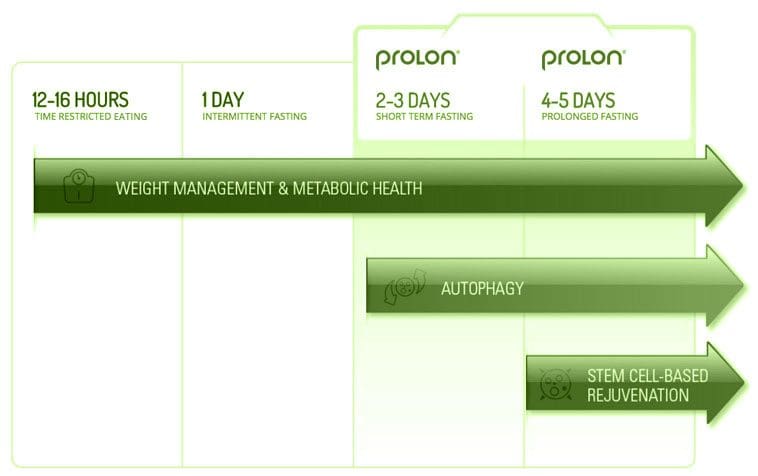
The Longevity Diet Plan, presented in the book by Dr. Valter Longo, eliminates the consumption of processed foods which can cause inflammation, promoting well-being and longevity. This unique dietary program, unlike most traditional diets, doesn’t promote weight loss. Although you may experience weight reduction, the emphasis of this unique dietary program is on eating healthier. The Longevity Diet Plan has been demonstrated to help activate stem cell-based renewal, reduce abdominal fat, and prevent age-related bone and muscle loss, as well as build resistance to developing cardiovascular disease, Alzheimer’s disease, diabetes, and cancer.
The fasting mimicking diet, or FMD, allows you to experience the benefits of traditional fasting without depriving your body of food. The main difference of the FMD is that instead of completely eliminating all food for several days or even weeks, you only restrict your calorie intake for five days out of the month. The FMD can be practiced once a month to help promote overall health and wellness.
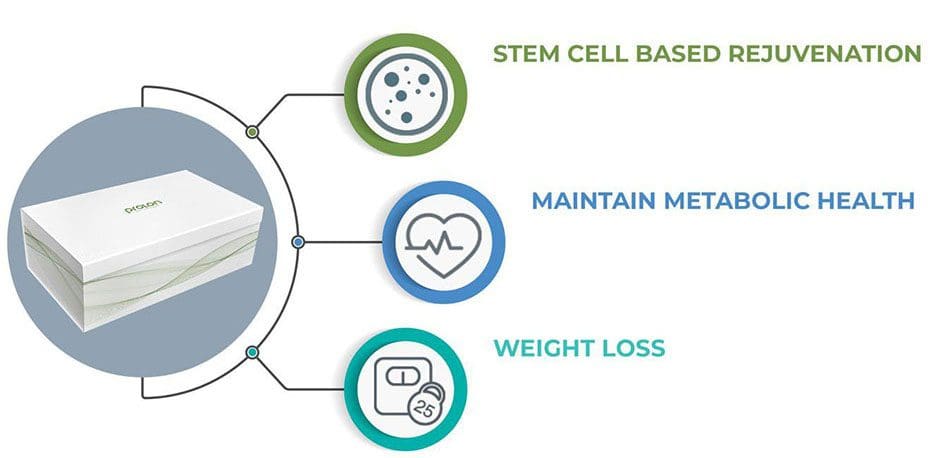
While anyone can follow the FMD on their own, the ProLon� fasting mimicking diet offers a 5-day meal program which has been individually packed and labeled for each day, that serves the foods you need for the FMD in precise quantities and combinations. The meal program is made up of ready-to-eat or easy-to-prepare, plant-based foods, including bars, soups, snacks, supplements, a drink concentrate, and teas. Before starting the ProLon� fasting mimicking diet, 5-day meal program, or any of the lifestyle modifications described above, please make sure to talk to a healthcare professional to find out which chronic pain treatment is right for you.
The scope of our information is limited to chiropractic, spinal health issues, and functional medicine articles, topics, and discussions. To further discuss the subject matter above, please feel free to ask Dr. Alex Jimenez or contact us at 915-850-0900 .
Curated by Dr. Alex Jimenez
Additional Topic Discussion: Acute Back Pain
Back pain is one of the most prevalent causes of disability and missed days at work worldwide. Back pain attributes to the second most common reason for doctor office visits, outnumbered only by upper-respiratory infections. Approximately 80 percent of the population will experience back pain at least once throughout their life. Your spine is a complex structure made up of bones, joints, ligaments, and muscles, among other soft tissues. Injuries and/or aggravated conditions, such as herniated discs, can eventually lead to symptoms of back pain. Sports injuries or automobile accident injuries are often the most frequent cause of back pain, however, sometimes the simplest of movements can have painful results. Fortunately, alternative treatment options, such as chiropractic care, can help ease back pain through the use of spinal adjustments and manual manipulations, ultimately improving pain relief.
XYMOGEN�s Exclusive Professional Formulas are available through select licensed health care professionals. The internet sale and discounting of XYMOGEN formulas are strictly prohibited.
Proudly, Dr. Alexander Jimenez makes XYMOGEN formulas available only to patients under our care.
Please call our office in order for us to assign a doctor consultation for immediate access.
If you are a patient of Injury Medical & Chiropractic Clinic, you may inquire about XYMOGEN by calling 915-850-0900.
For your convenience and review of the XYMOGEN products please review the following link.*XYMOGEN-Catalog-Download
* All the above XYMOGEN policies remain strictly in force.
El Paso, Tx. Chiropractor, Dr. Alex Jimenez presents the “Fasting Mimicking Diet�” (FMD�) by ProLon�. He introduces how the plan works, what it includes, and the benefits.
This 5-day meal program provides nutrients in precise quantities and combinations that nourish the body, but the body does not recognize�it as food and mimics a fast. This diet is the secret to fasting!
Research has shown certain types of diets that can mimic fasting, which enables the body to experience the health effects of a fast safely.
Fast Mimicking diet, what does it mean?
A Fasting Mimicking and Enhancing� Diet (FMED�) is a high nutrition, low protein, low carbohydrate meal plan, that benefits aging, poor health, inflammation and maintaining optimal health.
What does plan consist of?
The ProLon� plan is followed 5-days each month.
Suggested you follow a healthy diet for remaining 25 days.
Provides natural, healthy ingredients to nourish body while body believes it’s fasting.
Meal is low in carbohydrates & proteins
Contains healthy fatty acids
Plant-based soups
Bars
Crackers
Olives
Drinks
Supplements
How Diet Is Taken?
The diet should be taken for 5 consecutive days
Patient transitions one day then resumes normal diet gradually.
Specific combination of food provided for each day: Breakfast, Lunch, Dinner, and Snacks.
Missed meal can be made up any time same day.
Diet should be taken as recommended by healthcare professional.
After Completing the Diet?
6th-day diet ends, patient should avoid binge eating and resume normal diet gradually.
Should start with liquid foods:
Soups and fruit juices
Followed by light meals:
Rice, pasta and small portions of meat, fish
Body Performance Enhancement:
Allows body to trigger set of protection measures
Greater focus
Clarity
Energy
Leaner body
Decrease excess body fat
Preserve lean muscle mass
Fastest way to lose fat (belly fat)
Enhances cellular function
Promote stem cell-based renewal (cleans up aging & damaged cells)
Director of the Longevity Institute at the University of Southern California and The Program on Longevity and Cancer at IFOM in Milan designed the FMD.
He is considered the global leader in nutrition and aging.
His research team took on the journey to uncover an intervention that slows/reverses biological aging and delays the onset of age-related diseases.
Because it is risky nowadays to fast on water only, doctor Longo developed a natural plant-based meal program that imitates fasting while still feeding the body.
The ProLon Fasting Mimicking Formulation is only healthcare technology to be granted a patent for promoting tissue/organ regeneration, Longevity, and Healthspan by the USPTO.
Why is it that the ketogenic diet and intermittent fasting always seem to fall within the same topic of conversation? This is simply because intermittent fasting may be utilized as an instrument to achieve ketosis, the metabolic state associated with the keto diet. During intermittent fasting, the human body is depleted of glycogen stores. Once these glycogen stores are eliminated, fat stores are then released into the bloodstream in order to be converted into energy molecules, known as ketones, from the liver.
What is Ketosis?
Ketosis is a metabolic state which uses ketone bodies, or ketones, as fuel for energy. On a normal carbohydrate-based diet, the human body burns glucose as its main fuel source, where excess glucose is subsequently stored as glycogen. If the human body cannot utilize sugar as fuel for energy, it will utilize glycogen as fuel for energy. Once glycogen is depleted, you begin to burn fat. The ketogenic diet generates a metabolic state which enables you to break down fat into ketones, or ketone bodies, in the liver for energy.
There are 3 major types ketone bodies found in the blood, urine, and breath, including:
Acetoacetate: The type of ketone which is created first. It may be converted to beta-hydroxybutyrate or flipped into acetone.
Acetone: Made spontaneously in the breakdown of acetoacetate. It is a very volatile ketone and it is frequently detectable on the breath once an individual first enters ketosis.
Beta-hydroxybutyrate (BHB): The type of ketone which is utilized for energy and is most abundant on the bloodstream as soon as you’re completely into ketosis. It is the kind that is located in exogenous ketones and what blood tests quantify.
Intermittent Fasting in the Keto Diet
Intermittent fasting is composed of eating within a specific feeding window rather than eating throughout the day. Each individual, whether they are conscious of it or not, fasts intermittently from dinner to breakfast. There are lots of methods to intermittent fasting. A few individuals fast for 16-20 hours intervals on alternate days while others follow a 24-hour day fast. The most common intermittent fasting variety is the 16/8 method, in which you eat in an 8-hour window followed by a 16-hour fasting window.
Other fasting programs incorporate the 20/4 or even 14/10 methods. Other people follow 24-hour fasts one or two times each week. Intermittent fasting can get you in ketosis quicker because your cells will immediately absorb your glycogen stores and begin burning fat. However, what about once you get into ketosis? Is intermittent fasting worth following consistently? Following the ketogenic diet and intermittent fasting can be a great addition towards an individual’s overall health and wellness, providing various health benefits.
The keto diet and intermittent fasting can provide the following health benefits, including:
Healthy weight-loss
Fat reduction, not muscle reduction
Balancing cholesterol levels
Enhancing insulin sensitivity
Maintaining blood glucose levels steady
Health Benefits of the Ketogenic Diet
The ketogenic diet dramatically reduces your caloric intake, forcing your body to burn fat instead of sugar, which makes it a powerful tool for weight reduction. While individual results vary, the keto diet has always resulted in a decrease in body fat in a selection of situations. Within a 2017 study, subjects who followed a very low carbohydrate keto meal program significantly decreased body fat percentage and body fat mass, losing an average of 7.6 lbs and 2.6 percent body fat while preserving lean muscle mass.
Likewise, a 2004 research detecting the long-term consequences of a ketogenic diet in overweight patients discovered that the weight and body mass of those patients diminished dramatically over the span of two decades. Individuals who radically reduced their carb intake saw a substantial decline in LDL (bad) cholesterol, triglycerides, and enhanced insulin sensitivity. In 2012, researchers compared a ketogenic diet to eating fewer calories for overweight kids and adults. The results showed kids after the keto diet lost significantly more body fat. They also revealed a dramatic decline in insulin levels, a biomarker of Type 2 diabetes.
Health Benefits of Intermittent Fasting
Studies have shown that intermittent fasting may be an effective weight loss tool, more powerful than just cutting calories. In one analysis, intermittent fasting has been proven to be as successful as constant calorie restriction in combating obesity. In studies done by the NIH, there was reported weight reduction with over 84 percent of participants, regardless of which fasting program they picked.
Much like ketosis, intermittent fasting increases fat loss while preserving lean muscle mass. In one study, researchers reasoned that fasting led to greater weight loss compared to a low-carb diet, though the overall caloric consumption was exactly the same. If you are attempting to lose weight, then a keto diet or intermittent fasting can be a massive help. But that is not where the rewards stop.
Intermittent Fasting and the Keto Diet for Mental Health
Both intermittent fasting and the ketogenic diet can provide various mental health advantages. Both have been clinically shown to boost memory, improve mental clarity and focus, as well as prevent the development of neurological disorders like Alzheimer’s and epilepsy. On a carb-based diet, changes in glucose can cause changes in energy levels. During ketosis, your brain employs a more consistent supply of fuel: ketones from the fat stores, leading to better productivity and psychological performance.
Whenever you’ve got a consistent and clean energy source from ketones, the brain works better. In addition to this, ketones are better at protecting your brain. Studies reveal that ketone bodies might have antioxidant properties which protect your brain cells from free radicals and oxidative stress. In one study conducted on adults with diminished memory, the growth of BHB ketones in their own blood helped enhance cognition. Also, when you’ve got difficulty staying focused, your hormones can be to blame.
Your brain has two chief neurotransmitters: glutamate and GABA. Glutamate will help you form new memories, and get your brain cells to communicate with one another. GABA is what helps restrain glutamate. If there is too much glutamate, it can cause brain cells to quit working and finally perish. GABA is there to control and slow down glutamate. If GABA levels are reduced, glutamate reigns free and you experience mental fog. Ketones stop damage to cells by processing surplus glutamate into GABA. Considering that ketones raise GABA and lessen glutamate, they assist in preventing cell damage, preventing cell death and enhancing mental focus.
Researchers believe that intermittent fasting enhances memory, decreases oxidative stress, and conserves learning abilities. Since your cells are under moderate strain whilst fasting, the top cells adapt to the stress by improving their particular ability to deal with these circumstances while the weakest tissues die. This is much like the strain that your body gets when you reach the gym.
Exercise is a kind of stress that your body adjusts to improve and get more powerful. This also applies for intermittent fasting: so long as you are still alternate between routine eating habits and fasting, it is going to continue to benefit you. Implying equally that ketosis and intermittent fasting will help improve your cognitive functioning because of the synergistic and protective effects of ketones.
The ketogenic diet and intermittent fasting are two different nutritional strategies which provide many common health benefits. According to various research studies, both the keto diet and intermittent fasting can help boost ketones, helping the body burn fat more efficiently than any other nutritional strategy. And when these are utilized together, they definitely form a powerful dietary program. The article above discusses the differences between the ketogenic diet and intermittent fasting as well as demonstrates the health benefits of both of these dietary programs and how they can help improve overall health and wellness. Dr. Alex Jimenez D.C., C.C.S.T. Insight
The Perks of Intermittent Fasting and the Keto Diet
The ketogenic diet and intermittent fasting possess similar health benefits because both approaches involve ketosis. Ketosis has lots of physical and mental advantages, from weight loss to enhanced brain function. People following a ketogenic diet may use intermittent fasting as a tool to achieve ketosis and enhance their general well-being. The scope of our information is limited to chiropractic and spinal health issues. To discuss the subject matter, please feel free to ask Dr. Jimenez or contact us at�915-850-0900�.
Curated by Dr. Alex Jimenez
Additional Topic Discussion:�Acute Back Pain
Back pain�is one of the most prevalent causes of disability and missed days at work worldwide. Back pain attributes to the second most common reason for doctor office visits, outnumbered only by upper-respiratory infections. Approximately 80 percent of the population will experience back pain at least once throughout their life. The spine is a complex structure made up of bones, joints, ligaments, and muscles, among other soft tissues. Injuries and/or aggravated conditions, such as�herniated discs, can eventually lead to symptoms of back pain. Sports injuries or automobile accident injuries are often the most frequent cause of back pain, however, sometimes the simplest of movements can have painful results. Fortunately, alternative treatment options, such as chiropractic care, can help ease back pain through the use of spinal adjustments and manual manipulations, ultimately improving pain relief. �
IFM's Find A Practitioner tool is the largest referral network in Functional Medicine, created to help patients locate Functional Medicine practitioners anywhere in the world. IFM Certified Practitioners are listed first in the search results, given their extensive education in Functional Medicine