Fats are an essential�part of the ketogenic diet since they constitute approximately 70 percent of your dietary calories. However, the type of fat you eat on the ketogenic diet is also important and there may be some confusion regarding good fats and bad fats. The following article discusses exactly what fats you need to include and what fats you must avoid while on the keto diet.
Good Fats on the Ketogenic Diet
The type of “good” fats included while on the ketogenic diet are divided into four groups: saturated fats, monounsaturated fats (MUFAs), polyunsaturated fats (PUFAs), and naturally-occurring trans fats. All fats can be classified into more than one group, however, we classify them according to the most dominant of these mixtures. It’s essential to be able to recognize what type of fat you are eating on the ketogenic diet. Below, we will describe each group of good fat so you can properly implement them into your own food choices.
Saturated Fats
For many years, saturated fats were considered to be detrimental for heart health and we were advised to�limit their�consumption as much as possible. However, recent research studies have demonstrated no substantial connection between saturated fats and the increased risk of cardiovascular disease. As a matter of fact, including healthy saturated fats into your diet can have many benefits.
One type of saturated fat contains medium-chain triglycerides (MCTs), which can be largely found in coconut oil, or in small quantities in butter and palm oil, and it may be digested quite easily by the human body. Medium-chain triglycerides pass through the liver for immediate use as energy when consumed. MCTs are beneficial towards promoting weight loss and improving athletic performance.
Health benefits of saturated fats on the keto diet can include:
Improved HDL and LDL cholesterol levels
Maintenance of bone density
Boosting of immune system health
Support in creation of important hormones like cortisol and testosterone
Raising of HDL (good) cholesterol in the blood to prevent buildup of LDL in the arteries
Improved HDL to LDL ratio
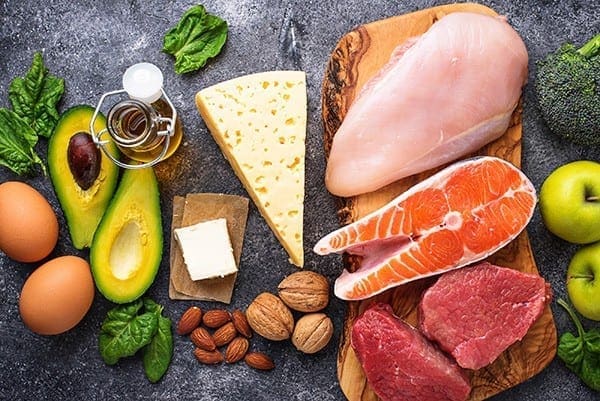
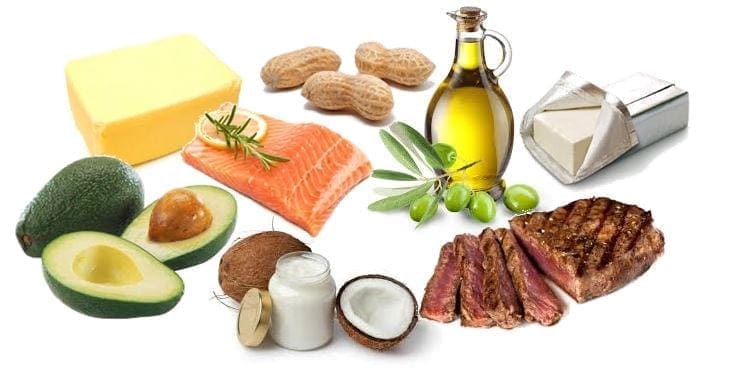
Recommended types of saturated fats while on the ketogenic diet include:
Butter
Red meat
Cream
Lard
Coconut oil
Eggs
Palm oil
Cocoa butter
Monounsaturated Fats
Unlike saturated fats, monounsaturated fats, also referred to as monounsaturated fatty acids or MUFAs,�have been approved as a healthy source of fat for several years. A variety of research studies have connected them to numerous health benefits associated with improved levels of “good” cholesterol and better insulin resistance, among other health benefits, as described below.
Health benefits of MUFAs on the keto diet can include:
Increased HDL cholesterol
Lowered blood pressure
Lowered risk for heart disease
Reduced belly fat
Reduced insulin resistance
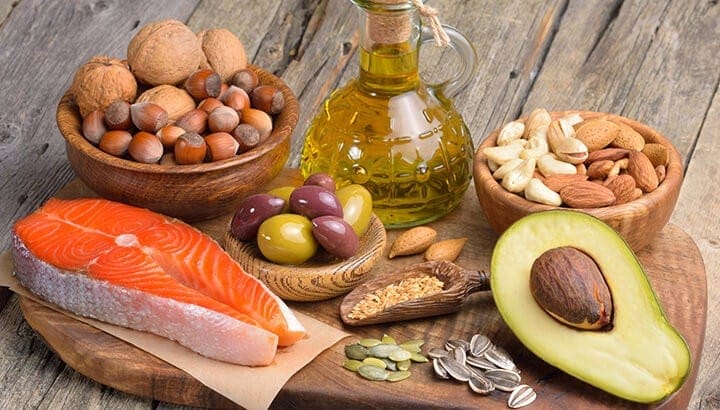
Recommended types of MUFAs while on the ketogenic diet include:
Extra virgin olive oil
Avocados and avocado oil
Macadamia nut oil
Goose fat
Lard and bacon fat
Healthy Polyunsaturated Fats
The most important point to keep in mind about eating polyunsaturated fats, also referred to as polyunsaturated fatty acids or PUFAs, on the ketogenic diet is that the specific type you consume actually matters. When heated, some polyunsaturated fats may produce substances that can cause inflammation in the human body, increasing the risk of cardiovascular disease and even cancer.
Many PUFAs must be consumed cold and they should never be utilized for cooking. PUFAs can be found both in very processed oils and in very healthy sources. The right types can additionally provide many health benefits on the ketogenic diet, particularly because several of these include omega 3s and omega 6s, both of which are essential nutrients in a healthy and balanced diet.
Health benefits of PUFAs on the keto diet can include:
Reduced risk of heart disease
Reduced risk of stroke
Lowered risk of autoimmune disorders and other inflammatory diseases
Improved symptoms of depression
Improved symptoms of ADHD
Recommended types of PUFAs while on the ketogenic diet include:
Extra virgin olive oil
Flaxseeds and flaxseed oil
Walnuts
Fatty fish and fish oil
Sesame oil
Chia seeds
Nut oils
Avocado oil
Naturally-Occurring Trans Fats
Many people might be confused to see trans fats classified as “good” fats. While most trans fats are considered to be extremely unhealthy and even harmful, one type of trans fat, known as vaccenic acid, can be found naturally in various kinds of food, such as in grass-fed animal products and dairy fats. These naturally-occurring trans fats also provide several health benefits on the keto diet.
Health benefits of naturally-occurring trans fats on the keto diet include:
Reduced risk of heart disease
Reduced risk of diabetes and obesity
Possible protection against cancer risk
Recommended types of naturally-occurring trans fats while on the ketogenic diet include:
Grass-fed animal products
Dairy fats like butter and yogurt
When following a ketogenic diet, or any other low carb diet, eating the right type of fat is essential, especially since these make up about 70 percent of your daily caloric intake. The type of fat you eat is classified into various groups depending on the dominant amount found in the mixture. Extra Virgin Olive Oil, for example, is approximately 73 percent monounsaturated fat, therefore, it is considered a monounsaturated fat. Butter is about 65 percent saturated fat and thus, is a saturated fat.�It’s essential to be able to recognize what type of fat you are eating on the ketogenic diet in order to enjoy its health benefits. Dr. Alex Jimenez D.C., C.C.S.T. Insight
Bad Fats on the Ketogenic Diet
One of the greatest advantages of the ketogenic diet is the capacity to eat lots of satisfying dietary fats such as those mentioned previously. However, we have to also cover the kinds of fats that you should reduce or eliminate from your diet in order to prevent damaging your�well-being. On the keto diet, the quality of food you eat is especially important to achieve ketosis.
Unhealthy Polyunsaturated Fats and Processed Trans Fats
Processed trans fats are the group of fat which most people as the “bad” fats and the truth is, they can actually be quite damaging to your overall health and wellness.� Artificial trans fats are made during food production via the processing of polyunsaturated fats. That is the reason why it’s very important to choose PUFAs which are unprocessed and not overheated or modified. The consumption of unhealthy PUFAs can create harmful free radicals where processed trans fats often contain genetically modified seeds.
Health risks of unhealthy polyunsaturated fats and processed trans fats include:
Increased risk of heart disease
Increased risk of cancer
Reduced HDL cholesterol and increased LDL cholesterol
Pro-inflammatory
Bad for the health of your gut
Examples of unhealthy polyunsaturated fats and processed trans fats to avoid include:
Hydrogenated and partially hydrogenated oils found in processed products like cookies, crackers, margarine, and fast food
Processed vegetable oils like cottonseed, sunflower, safflower, soybean, and canola oils
In conclusion, it’s essential to recognize what type of fat you are eating while on the ketogenic diet. In the end, the function of the ketogenic diet will always be to enhance your health, which includes eating the appropriate amount of fat, protein, and carbohydrate ratio as well as picking food resources which promote health and wellness. The scope of our information is limited to chiropractic and spinal health issues. To discuss the subject matter, please feel free to ask Dr. Jimenez or contact us at�915-850-0900�.
Curated by Dr. Alex Jimenez
Additional Topic Discussion:�Acute Back Pain
Back pain�is one of the most prevalent causes of disability and missed days at work worldwide. Back pain attributes to the second most common reason for doctor office visits, outnumbered only by upper-respiratory infections. Approximately 80 percent of the population will experience back pain at least once throughout their life. The spine is a complex structure made up of bones, joints, ligaments, and muscles, among other soft tissues. Injuries and/or aggravated conditions, such as�herniated discs, can eventually lead to symptoms of back pain. Sports injuries or automobile accident injuries are often the most frequent cause of back pain, however, sometimes the simplest of movements can have painful results. Fortunately, alternative treatment options, such as chiropractic care, can help ease back pain through the use of spinal adjustments and manual manipulations, ultimately improving pain relief. �
Cancer is the second leading cause of death in the United States. Research studies have estimated that approximately 595,690 Americans die from cancer every year, that’s about 1,600 deaths every day, on average. Cancer is frequently treated utilizing a combination of surgery, chemotherapy, and radiation. Recent research studies have analyzed a variety of nutritional strategies for cancer treatment. Early research studies suggest�that the ketogenic diet may help treat cancer.
What is the Ketogenic Diet?
The ketogenic diet is a very low-carb, high-fat diet which is often compared with the Atkins diet and other low carb diets. Also commonly known as the keto diet, this nutritional strategy entails drastically reducing your consumption of carbohydrates and instead substituting them with fat. This dietary shift is what causes the human body to enter a state of ketosis, the well-known metabolic state associated with the keto�diet. Ketosis utilizes fat as the cell’s main source of energy, rather than sugar or glucose.
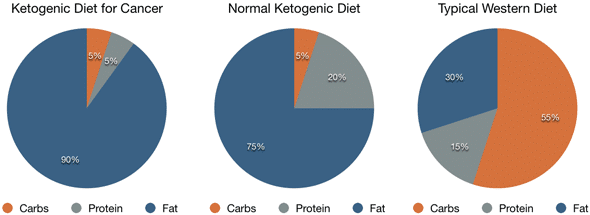
Ketosis causes a considerable increase in the levels of ketones. In general, a ketogenic diet used for weight loss consists of about 60 to 75 percent of calories from fat, with 15 to 30 percent of calories from protein and 5 to 10 percent of calories from carbohydrates. However, when a ketogenic diet is used therapeutically to treat cancer, the fat content might be significantly higher, up to 90 percent of calories from fat, and the protein content will also be considerably lower, up to 5 percent of calories from protein.
The Role of Blood Sugar in Cancer
Many cancer treatments are designed to target the biological differences between cancer cells and normal cells. Nearly all cancer cells share one common characteristic: they feed off of blood sugar or glucose in order to grow and multiply. During the ketogenic diet, several conventional metabolic processes are modified and blood sugar levels decrease, “starving” cancer cells. As a result, cancer cells have been demonstrated to grow much slower, often decreasing in size or even dying.
This nutritional strategy as a form of cancer treatment was first proposed by Otto Heinrich Warburg,�a leading cell biologist. Otto Warburg led to the discovery that cancer cells are unable to flourish using energy produced from cellular respiration but instead from glucose fermentation. The Warburg effect developed from the role of glycolysis and lactic acid fermentation to transfer energy, compensating for lower dependence on oxidative phosphorylation and limited mitochondrial respiration.
Benefits of the Keto�Diet for Cancer
The ketogenic diet provides other benefits in cancer treatment. Primarily, reducing carbohydrates from your diet can quickly lower calorie intake, reducing the energy available to the cells. In turn, this may slow down tumor development and the progression of cancer. Additionally, the ketogenic diet may help lower insulin levels. Insulin is an anabolic hormone which promotes cell growth, including cancerous cells. Therefore, lower insulin may help slow down tumor development.
The Ketogenic Diet and Cancer in Animals
Researchers have analyzed the ketogenic diet as an alternative cancer treatment for many decades. Until recently, most research studies�were performed in animals. A big number of these animal research studies have demonstrated that the ketogenic diet can reduce tumor growth and improve survival levels in mice.
One research study in mice reviewed the cancer-fighting effects of the ketogenic diet along with other diets. Strikingly, the researchers found that 60 percent of mice following the ketogenic diet survived. This increased to 100 percent in mice that received a ketone supplement while on the keto�diet. None lived on a standard diet.
The Ketogenic Diet and Cancer in Humans
Despite the promising evidence of the benefits of the ketogenic diet as a form of cancer treatment in animals, research studies in humans have only just started. At present, the limited research studies does seem to demonstrate that a ketogenic diet may decrease tumor size and decrease the progression�of certain cancers. One of the few documented cases was conducted on a 65-year-old woman with brain cancer. Following surgery, she followed a ketogenic diet and the tumor’s progression decreased.
However, 10 weeks after returning to a normal diet, she experienced a substantial increase in tumor growth. Similar case reports analyzed the reactions to a ketogenic diet in two women who were undergoing therapy for advanced brain cancer. Researchers discovered that glucose uptake was decreased from the tumors of both patients. One of the women reported improved quality of life and stayed on the diet for 12 weeks. During that time her disease showed no further progression.
One research study tracked tumor growth in response to a high-carbohydrate diet versus a ketogenic diet in 27 patients with gastrointestinal cancer. Tumor growth increased by 32.2 percent in patients who received the high-carb diet while tumor growth decreased by 24.3 percent in patients on the ketogenic diet. In a different research study, three out of five patients on a ketogenic diet combined with radiation or chemotherapy experienced complete remission.
Can the Ketogenic Diet Help Prevent Cancer?
A variety of research studies have also demonstrated that the ketogenic diet can help prevent cancer in the first place. Primarily, it can help reduce several risk factors for cancer. The keto diet may help decrease IGF-1 levels. Insulin-like growth factor 1, or IGF-1, is a hormone that’s essential for cell growth while reducing programmed cell death. This hormone can play a part in the evolution and progression of cancer. The ketogenic diet is thought to decrease IGF-1 levels, thereby decreasing the effects insulin has on cell growth, reducing the risk of cancer.
The ketogenic diet can also help lower blood sugar levels and decrease the risk of diabetes. Other evidence indicates that people with elevated glucose and diabetes have an increased risk of developing cancer. Research studies show that a ketogenic diet can be extremely effective at lowering blood sugar levels and handling diabetes. The keto diet can reduce obesity. Obesity can be a risk factor for cancer. Since the ketogenic diet is a powerful weight loss tool, it may also help reduce the chance of cancer by fighting obesity.
Emerging research studies continue to demonstrate that sugar or glucose is the main source of fuel for cancer. Researchers have attempted to demonstrate that regulating the metabolic functions within the human body is the real solution towards treating cancer. The ketogenic diet can help treat cancer because it limits the amount of sugar in the body and instead replaces it with ketones, “starving” cancer cells and decreasing cell growth and cancer progression. Dr. Alex Jimenez D.C., C.C.S.T. Insight
Conclusion
A ketogenic diet offers many health advantages. Based on animal and early research studies in humans, it may also serve as a cancer treatment. However, it’s important to keep in mind that further research studies are still required to conclude the effects of the ketogenic diet on cancer. You shouldn’t avoid conventional cancer therapy in favor of an alternative treatment option like the keto�diet.�The scope of our information is limited to chiropractic and spinal health issues. To discuss the subject matter, please feel free to ask Dr. Jimenez or contact us at�915-850-0900�.
Curated by Dr. Alex Jimenez
Additional Topic Discussion:�Acute Back Pain
Back pain�is one of the most prevalent causes of disability and missed days at work worldwide. Back pain attributes to the second most common reason for doctor office visits, outnumbered only by upper-respiratory infections. Approximately 80 percent of the population will experience back pain at least once throughout their life. The spine is a complex structure made up of bones, joints, ligaments, and muscles, among other soft tissues. Injuries and/or aggravated conditions, such as�herniated discs, can eventually lead to symptoms of back pain. Sports injuries or automobile accident injuries are often the most frequent cause of back pain, however, sometimes the simplest of movements can have painful results. Fortunately, alternative treatment options, such as chiropractic care, can help ease back pain through the use of spinal adjustments and manual manipulations, ultimately improving pain relief. �
The benefits that come from a ketogenic diet are much like those of any strict low-carb diet. The effect may be greater since protein is significantly more restricted. This raises ketones more, and reduces insulin (the fat-storing hormone).
Weight Loss
Turning your body to some fat-burning machine has clear benefits for weight loss. Fat burning is significantly increased while insulin, the hormone that focuses on fat-storing, drops considerably. This produces the perfect circumstances.
About 20 scientific research of the maximum category (RCTs) reveal that, compared to other diets, low-fat and ketogenic diets result in more effective weight reduction.
Reverse Type 2 Diabetes
A ketogenic diet is excellent for reversing type 2 diabetes, because it lowers blood-sugar levels as well as also helping to reverse the negative effect of elevated insulin levels from this condition.
Improved Mental Focus
Ketosis ends in a steady stream of gas (ketones) to the brain. And on a ketogenic diet you stay away from swings in blood glucose. This contributes to the experience of concentration and attention.
A lot of people use keto diets specifically for improved mental performance. Interestingly, there is a frequent misperception that eating a great deal of carbs6 is necessary for proper brain functioning. When ketones aren’t available but this is only true.
Following a couple of times (up to a week) of keto adaptation, through that people can experience some difficulty concentrating, have headaches and be easily irritated, both the human body and mind can run smoothly on ketones.
Inside this state, lots of men and women experience more energy and enhanced mental focus.
Increased physical endurance
Ketogenic diets may vastly increase your physical endurance, by giving you constant access to all of the energy of your own fat stores.
The body’s source of stored carbohydrates (glycogen) only lasts for a few hours of intense exercise, or less. But your fat stores hold sufficient energy to easily last for weeks or perhaps months.
When you’re accommodated to burning primarily carbs — like most individuals are now — that your fat stores aren’t readily accessible, and they can not fuel your brain. This results in needing to fill up by eating before, during and after exercise sessions that are longer. Or even simply to fuel your everyday activities and prevent “hanger” (hungry and irritable). On a ketogenic diet this dilemma is solved. As the body and brain can be fueled 24/7 from the stores that are powerful, you can keep going.
Whether you are competing in a bodily endurance event, or just trying to remain focused on reaching some other target, your body gets the fuel it needs to keep you going and going.
Two Problems
So how is it possible that the majority of people feel that carbohydrates are essential to do exercise? There are just two reasons. Not, and to unlock the power of ketogenic diets for bodily endurance rather suffer reduced performance, you’ll need:
Enough fluid and salt
Fourteen days of adaptation into burning fat — it does not happen immediately
Metabolic Syndrome
There are many studies demonstrating that low-carb diets improve markers of metabolic syndrome, such as blood lipids, insulin levels, HDL-cholesterol, LDL particle size and fasting blood sugar levels. Improvements have been demonstrated to be greater when carbs and protein are limited to some the point of becoming.
Epilepsy
The ketogenic diet is a proven medical therapy for epilepsy that’s been utilized since the 1920s. Traditionally it has been used in children with uncontrolled epilepsy despite drugs.
More recently it has also been tested successfully by adults with epilepsy, with similar good results. There are randomized controlled trials that demonstrate the potency of the ketogenic diet in seizures in patients with epilepsy.
Employing a ketogenic diet in epilepsy is that usually enables people to take less anti-epileptic drugs, while staying seizure-free. It is not uncommon to even be in a position to completely stop taking these drugs.
As a number of medications have side effects, such as nausea, reduced concentration, personality changes or even reduced IQ — being able to shoot less or no medications can be enormously beneficial.
More Prevalent Advantages
The advantages will be the most frequent ones. However there are many others that are potentially even more unexpected and, at least for some people, lifechanging.
The scope of our information is limited to chiropractic and spinal injuries and conditions. To discuss options on the subject matter, please feel free to ask Dr. Jimenez or contact us at 915-850-0900 .�
By Dr. Alex Jimenez
Additional Topics: Wellness
Overall health and wellness are essential towards maintaining the proper mental and physical balance in the body. From eating a balanced nutrition as well as exercising and participating in physical activities, to sleeping a healthy amount of time on a regular basis, following the best health and wellness tips can ultimately help maintain overall well-being. Eating plenty of fruits and vegetables can go a long way towards helping people become healthy.
A ketogenic diet, or keto diet, is a diet, which turns your system into a fat-burning machine. It has some initial side effects towards health and functionality, as well as many advantages for weight loss.
A ketogenic diet is comparable to other rigorous low-carb diets, like the Atkins diet plan or LCHF (low carb, higher fat). These diets wind up being ketogenic more or less by accident. The main difference between LCHF and keto is that protein is restricted in the latter.
A keto diet plan is made specifically to lead to ketosis. It’s possible to measure and adapt to achieve optimal ketone amounts for wellness or for bodily and psychological performance. Below, you can learn how to use keto to achieve your personal goals.
What is Ketosis?
The keto in a ketogenic diet stems in the fact that it leaves the body to create small fuel molecules known as ketones. This is an alternate fuel for your body, used when blood sugar (glucose) is in short supply.
Ketones are produced if you eat hardly any carbs (that are quickly broken down into blood sugar) and only moderate levels of protein (excess protein can also be converted to blood sugar). Ketones are produced in the liver, from fat. They are then used throughout the entire body as fuel. The brain is an organ which requires a lot of energy to function and fat can’t be used for energy by it. The brain can only run on glucose or ketones.
On a ketogenic diet your entire body switches its fuel source to operate almost entirely on fat. Insulin levels become very low and fat burning increases dramatically. It becomes easy to get into your fat stores to burn them off. If you are trying to drop weight, this is obviously excellent, but in addition, there are other benefits, such as less appetite and a continuous supply of energy.
Once the body produces ketones, it’s supposedly in ketosis. The quickest way to get there is by fasting, not eating anything, but obviously, it is not feasible to fast. A ketogenic diet, on the other hand, can be eaten forever and also results in ketosis. Without even having to fast, it has many of the benefits of fasting. including weight loss.
What to Eat on a Ketogenic Diet
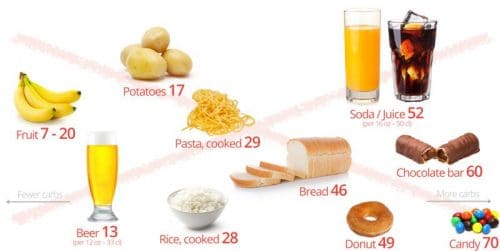
Here are typical foods to enjoy on a ketogenic diet. The amounts are net carbs per 100 g. To remain in ketosis, lower is generally better:
The most essential thing to achieve ketosis is to stay away from eating most carbohydrates. You will need to keep intake ideally under 20 grams but under 50 grams per day of carbs is accepted. The fewer carbs the more successful.
Try to avoid
Here is what you shouldn’t eat on a keto diet, meals full of sugar and starch, including starchy foods such as bread, rice, pasta and potatoes. These foods are much higher in carbohydrates, as you can see.
The amounts are g of digestible carbs per 100 g (3.5 oz), unless otherwise noticed.
This usually means you will want to completely prevent sweet sugary foods, also starchy foods such as bread, pasta, rice and potatoes. Basically follow the guidelines to get a diet that is low-carb that is rigorous, and remember it is assumed to be full of fat, not high in protein.
A rough guideline is under 10 percent energy from carbs (the fewer carbs, the more successful), 15 to 25 percent protein (the lower end is more successful), and 70 percent or more from fat.
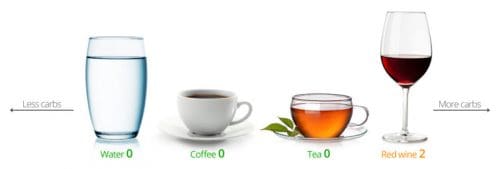
What to Drink on a Ketogenic Diet
So what do you drink on a keto diet? Water is ideal, and so is tea or coffee. Use no additives. A small amount of milk or cream is OK (but beware of caffe latte!) . The glass of wine is fine.
How Low is Keto?
The fewer carbohydrates you consume, the larger the effects on fat and blood sugar will be. A keto diet is a strict low-carb diet, and consequently highly effective.
We recommend following the dietary advice as strictly as you can. When you are contented with your weight and health, you might carefully try eating more liberally (if you would like to).
The scope of our information is limited to chiropractic and spinal injuries and conditions. To discuss options on the subject matter, please feel free to ask Dr. Jimenez or contact us at 915-850-0900 .�
By Dr. Alex Jimenez
Additional Topics: Wellness
Overall health and wellness are essential towards maintaining the proper mental and physical balance in the body. From eating a balanced nutrition as well as exercising and participating in physical activities, to sleeping a healthy amount of time on a regular basis, following the best health and wellness tips can ultimately help maintain overall well-being. Eating plenty of fruits and vegetables can go a long way towards helping people become healthy.
There’s been a lot of discussion about the advantages of intermittent fasting (IF) in the community lately. Paul Jaminet mentions its role in the function of the metabolism as well as it’s role in boosting the immune system. In his novel, Health Diet, he discusses how IF may be helpful for those attempting to shed weight, among other benefits.
Intermittent fasting is an eating pattern where you cycle between times of fasting and eating. It does not state anything about which foods to eat, but instead when they should be eaten by you. There are numerous different fasting methods, all of that which split the days and weeks to eating intervals and fasting intervals.
Most people fast; daily, while they sleep. Fasting is often as easy as stretching that. You can drink water, coffee, tea and other non-caloric drinks, although no food is permitted during the fasting period. Some forms of intermittent fasting allow small amounts of low-calorie foods . Taking supplements is generally allowed while fasting, as long as there are no calories in them.
From an evolutionary perspective, intermittent fasting has been likely the ordinary state of affairs. There were no restaurants, no grocery stores or convenience stores, and food was not nearly as readily accessible or easy to come by as it is today. Nor were there watches, lunch breaks, programs or the sort of construction and routine we have in today’s world. This means it is very likely that our paleo ancestors had days when they ate lightly or did not eat, and possibly did move 12-16 hours between meals on a regular basis.
Therefore, while intermittent fasting is a part of our legacy, and that it can be useful in certain situations, Its not believed to be a suitable strategy for everyone. Why? Because cortisol levels can be elevated due to fasting. One of cortisol’s effects is that it raises blood glucose. In someone with blood glucose regulation difficulties, fasting can make them worse.
This has been seen again and again with many patients. Many patients have blood sugar imbalances. And it is usually not as straightforward as “high blood sugar” or “low blood sugar”. They frequently have a combination of both (reactive hypoglycemia), or strange blood sugar patterns which, on the outside, do not make much sense. These folks are not currently eating a Standard American Diet. Most of them are on a paleo-type or low-carb dietplan. Yet they have blood sugar issues.
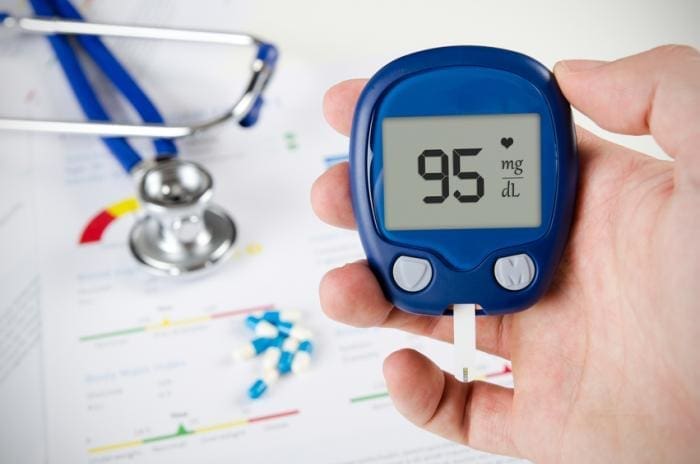
In these cases, cortisol dysregulation is almost always the culprit. Whenever these patients try fasting, their blood sugar management gets worse. Its been frequently observed that blood sugar readings in the 90s and even low 100s are recorded from fasting, in spite of the fact that they are eating a low-carb, paleo-type diet.
That’s why intermittent fasting is often not recommended for those who have blood sugar regulation issues. Instead, its suggested that they eat every 2-3 hours. This helps to maintain stable blood sugar during the day and prevents cortisol and other stress hormones like epinephrine and norepinephrine from becoming involved. When patients that have been fasting and experiencing high blood sugar readings switch to eating this way, their blood sugar numbers almost always hastens.
There’s a controversial standpoint about how eating every 2-3 hours is “normal” in the evolutionary view. But neither is driving in traffic or staying up till 2:00am on Facebook. It’s not a set of rules, although the paleo template is there to direct us. This should also be a reminder that there’s no “one size fits all” approach when it comes to healthcare. Successful therapy depends on addressing them and identifying the underlying mechanisms.
The scope of our information is limited to chiropractic and spinal injuries and conditions. To discuss options on the subject matter, please feel free to ask Dr. Jimenez or contact us at 915-850-0900 .�
By Dr. Alex Jimenez
Additional Topics: Wellness
Overall health and wellness are essential towards maintaining the proper mental and physical balance in the body. From eating a balanced nutrition as well as exercising and participating in physical activities, to sleeping a healthy amount of time on a regular basis, following the best health and wellness tips can ultimately help maintain overall well-being. Eating plenty of fruits and vegetables can go a long way towards helping people become healthy.
Intermittent fasting is not a diet, but a diet program that is supposed to accelerate fat loss and muscle development compared to traditional eating schedules. It is promoted primarily from the scientific community, however, there are no scientific research (as of February 2014) who have affirmed intermittent fasting to gaining muscle while losing weight.
With metabolic restriction, intermittent fasting may lead to weight reduction. In a recent review (Varady, 2011) and a recent randomized clinical trial (Harvie et al., 2011), many writers concluded that intermittent fasting and daily caloric restriction are equally effective at promoting weight loss in overweight and obese individuals. No research to date has been performed with athletes that require upkeep of strength, muscular size, and function.
Intermittent Fasting Approach & Scientific Support
There have been many suggested methods for intermittent fasting, from skipping a single meal daily to eating only every other day. The majority of these diets are encouraged through webpages, blogs, and books published by exercise and diet enthusiasts.
Up to now, regardless of the focused marketing of intermittent fasting into the athletic community, there are just a few well-controlled, scientific research exploring the effects of intermittent fasting on the body composition and performance in athletes. Currently, the majority of the scientific evidence for the health benefits of intermittent fasting has arrived from animal studies (Longo and Mattson, 2014) and the unwanted effects of intermittent fasting have originated from Muslim athletes throughout Ramadan (review: (Chaouachi et al., 2009), both with restricted ability to be translated into the overall athletic community. Even more and more human research have been conducted to confirm claims discovered in animals, many studies have been with patients with a certain illness or condition (ex. Rheumatoid arthritis, hypertension, and obesity) rather than in healthy, energetic individuals.
Similarities Among Strategies
The different intermittent fasting approaches tend to emphasize their differences (and therefore purported superiority) however, there are also many similarities. Among the advantages of the form of caloric control is that it allows people. Instead of linking “appetite” with “panic” or even “want” (Ganley 1989), “hunger” can theoretically be newly associated with “achievement” or “pride”, or simply dismissed.
Really, with any method, there’s a critical transition period of approximately 3-6 weeks through which the human body and mind adapt to the new eating schedule (Longo and Mattson, 2014). This period can be extremely uncomfortable, as restricted eating was anecdotally associated with intense hunger, irritability, loss of stamina, loss of libido, along with other unwanted side effects (Dirks and Leeuwenburgh 2006; Johnstone 2007; Heilbronn, Smith, et al. 2005). When the body is accustomed, however, the hunger levels may decrease and disposition might become more favorable in contrast to prior to the program began. Elevated mood and diminished hunger on caloric restrictive diets are noted in some (Wing et al. 1991) although not all (ex. (Heilbronn, Smith, et al., 2005) research.
Intermittent fasting isn’t a weight loss program per se; only if calories are restricted will somebody lose weight. Although intermittent fasting is one way to limit intake of total calories to achieve weight loss (Varady et al., 2009; Varady, 2011; Harvie et al., 2011), there have not been any studies to date on athletes who prioritize maintenance of muscle size and strength. In actuality, there are conflicting views on whether intermittent caloric limitation. daily calorie restriction greatest maintain lean muscle mass (Varady, 2011; Johnstone, 2007).
All of these approaches emphasize the value of the nutritional quality of the meals that are consumed. Nutrients like fiber, fat, protein, vitamins, and minerals are crucial for good health and, because nutrients aren’t consumed while fasting, they are especially important when breaking the fast. Additionally, drinking a lot of water has been encouraged both to stay hydrated and to alleviate hunger. John Berardi of Precision Nutrition (see “More info”) allows green powders, green tea, and branched chain amino acids during his quick, but it’s unknown how these supplements influence appetite, energy levels, muscle synthesis/breakdown, or the general advantages of intermittent fasting.
Exercising and Intermittent Fasting
All intermittent fasting approaches can be damaging to athletic gains for several reasons. To begin with, meals in close proximity to your workout are essential for optimal performance, healing, and muscle gain (Aragon and Schoenfeld, 2013). Secondly, greater appetite sensations can hinder compliance in addition to increase the potential to over-consume meals when it becomes available (Hawks and Gas,t 1998). Despite the frequent belief that you will burn off more fat if you exercise while firming, performing aerobic exercise in the fasted state is not recommended (review: (Schoenfeld 2011)). Actually:
Performing aerobic exercise following consuming carbohydrates doesn’t hinder fat oxidation (Febbraio et al., 2000; p Bock et al., 2008),
Performing aerobic exercise fasted will also promote reduction of lean muscle mass, since muscle will be burned for fuel (Lemon and Mullin, 1980),
Exercising at a fasted state often does not result in an optimal exercise. In contrast, having readily available energy will allow optimal performance that will burn off more calories overall and lead to the Greatest gains (Loy et al., 1986; Schabort et al., 1999),
Exercising at the fasted condition, fed state reduces static and dynamic balance and can increase the risk of harm (Johnson and Leck, 2010).
There are fewer studies investing the effects of doing resistance training in the fasted vs. fed state, but it is anticipated that the same points hold true.
Intermittent fasting recommends consuming at least 5 grams BCAAs before a workout when exercising during your fasting period. There’s no proof substantiating that claim, although this bolus of BCAAs in your blood flow theoretically could help maintain muscle protein throughout the exercise. In one study, a BCAA infusion prior to a workout in the fasted state failed to enhance performance in one set of individuals onto a rated incremental exercise test (Varnier et al., 1994). So that you can enjoy a complete meal that is post-workout advocates also advise to program your schedule, but they tend to dismiss the importance for pre-workout nourishment.
As you can see, all diet programs share a frequent theme of compartmentalizing “fasting” and “eating” periods. Because there is no one method that’s best so many versions of those diets exist. Further, some individuals who attempt fasting use a hybrid of present approaches to discover a technique that is successful.
Most importantly, intermittent fasting isn’t suggested for pregnant women, women that are breastfeeding, people with diabetes, or other people who wish to closely regulate their blood sugar. In addition, there has not been a study on participants that are underweight, very old, or very young.
The scope of our information is limited to chiropractic and spinal injuries and conditions. To discuss options on the subject matter, please feel free to ask Dr. Jimenez or contact us at 915-850-0900 .�
By Dr. Alex Jimenez
Additional Topics: Wellness
Overall health and wellness are essential towards maintaining the proper mental and physical balance in the body. From eating a balanced nutrition as well as exercising and participating in physical activities, to sleeping a healthy amount of time on a regular basis, following the best health and wellness tips can ultimately help maintain overall well-being. Eating plenty of fruits and vegetables can go a long way towards helping people become healthy.
Though the truth has a tendency to get distorted by time, diet and exercise tendencies have origins in science. Benefits are exaggerated. Hazards are downplayed. Meanwhile science takes a back seat to marketing.
An individual need not look any farther than the emerging tendency of intermittent fasting for a prime illustration. Advocates for taking breaks from eating, for up to 24 hours a week, tout it as a safe and effective method for improving health and wellness. That message has been reaching more and more ears as of late.
“Right now, we are in a vital juncture for fasting,” states Brad Pilon, an expert on occasional fasting and author of the novel Eat Stop Eat. “It’s becoming extremely popular.”
Intermittent Fasting: Know the Facts
Such may become so popular, in fact, that it’s moving into trend territory, indicates Pilon. And if something becomes a fad, only for a short period although intensely popular, several problems normally ensue. For one, he states, nutrition experts and many doctors have a tendency toward dismissing fads from hand. So clients and their patients, while shielded from the claims of dieting evangelists that are overzealous, can lose out on the advantages of fasting right.
Yet another concern is that promoters of intermittent fasting will, perhaps unintentionally, encourage extreme behaviour, such as bingeing. This is reflected in the photos accompanying many recent new articles on “the fast diet” or even the “5:2 diet.” Often, they portray people eating loads of high-calorie, high-fat foods, like hamburgers, french fries and cake. The implication being that if you fast two days a week, you are able to consume a lot during the remaining five days.
Not so, say more moderate proponents of fasting. Their take on intermittent fasting: eat sensibly the majority of the time, eat nothing for a protracted period every now and then, gratify only on occasion (maybe once a week, state, on a predetermined “cheat day”). There is study, they assert, to back up the health benefits of wisely.
There is indeed a large body of research to support the health benefits of fasting, although most of it has been conducted on animals, not humans. Still, the results have been promising. Fasting has been shown to improve biomarkers of illness, decrease stress and preserve memory and learning function, based on Mark Mattson, senior investigator at the National Institute on Aging, part of the US National Institutes of Health. Mattson has investigated the health advantages of intermittent fasting on the cardiovascular system and brain in rodents, also has known for “well-controlled human studies” in people “across a assortment of body mass indexes” (J Nutr Biochem 2005;16:129–37).
There are several theories about why fasting offers physiological advantages, says Mattson. “The one which we have researched a great deal, and designed experiments to examine, is the hypothesis that during the fasting period, cells are under a mild strain,” he states. “And they respond to the stress adaptively by enhancing their ability to deal with additional stressors and, possibly, to resist illness.”
Although the term “stress” is frequently used in a negative sense, taxing the body and mind has benefits. Consider exercise, which stresses, in particular, muscles and the cardiovascular system. So long as you give the body time to recover, it will grow stronger. “There is considerable similarity between how cells react to the pressure of exercise and how cells react to intermittent fasting,” says Mattson.
Additional Research: Intermittent Fasting
Mattson has contributed to several additional research on intermittent fasting and caloric restriction. In one, obese adults with moderate asthma consumed only 20% of their normal calorie intake on alternative days (Free Radical Bio Med 2007;42:665–74). Participants that stuck to the diet lost 8 percent of their initial body weight over eight months. They also found a decrease in markers of oxidative stress and inflammation, and improvement of several indicators and asthma-related symptoms.
In another study, Mattson and colleagues researched the effects of intermittent and continuous energy limitation on weight loss and various biomarkers (such as conditions such as breast cancer, diabetes and cardiovascular disease) among young obese woman (Int rheumatoid arthritis 2011;35:714–27). They discovered for improving weight loss, insulin sensitivity and other wellness biomarkers that restriction was as effective as continuous restriction.
Mattson has also investigated the protective benefits of fasting to neurons. Should youn’t eat for 10 – 16 hours, then your body will go for energy, and fatty acids called ketones will probably be released into the bloodstream. It has been demonstrated to protect memory and learning says disease processes in the mind, as well as Mattson.
But maybe it isn’t so much that the fasting that creates health benefits, per se, because the consequent overall reduction in calorie intake (if, in other words, you don’t overeat on nonfasting days, which could cause a caloric surplus rather than a deficit). That seems, at least, to be true in slowing diseases like cancer in mice, according to Dr. Stephen Freedland, associate professor of urology and pathology at the Duke University Medical Center in Durham, North Carolina.
“Caloric restriction, undernutrition without malnutrition, is the only experimental approach consistently shown to prolong survival in animal models,” Freedland and colleagues stated in a study on the effects of intermittent fasting on prostate cancer growth in mice (Prostate Cancer Prostatic Dis 2010; 13:350–5). From the study, mice fasted twice weekly for 24 hours, but were otherwise permitted to eat at liberty. During days, the mice overate. They did not lose weight. Intermittent fasting using compensatory overeating “did not enhance mouse success nor did it delay prostrate tumor growth,” the study concluded.
To improve health, the aim should be to shed weight by reducing the entire amount of calories consumed, indicates Freedland, rather than focusing on if those calories are consumed. “If you [do not] eat two days every week, and restrict what you eat another five days, you will lose weight. It is one approach to losing weight,” he says. “I am not sure it works any better than trimming down marginally seven days each week.”
People should also be skeptical of books written for wide audiences that describe the science behind fasting or another health trend, ” he says. One purpose of writing a novel for the consumer market, after all, would be to sell as many copies as you can. Authors tend to present evidence, while ignoring the facts and their impact. “It has a whole lot of spin when you compose a book.”
The scope of our information is limited to chiropractic and spinal injuries and conditions. To discuss options on the subject matter, please feel free to ask Dr. Jimenez or contact us at 915-850-0900 .�
By Dr. Alex Jimenez
Additional Topics: Wellness
Overall health and wellness are essential towards maintaining the proper mental and physical balance in the body. From eating a balanced nutrition as well as exercising and participating in physical activities, to sleeping a healthy amount of time on a regular basis, following the best health and wellness tips can ultimately help maintain overall well-being. Eating plenty of fruits and vegetables can go a long way towards helping people become healthy.
IFM's Find A Practitioner tool is the largest referral network in Functional Medicine, created to help patients locate Functional Medicine practitioners anywhere in the world. IFM Certified Practitioners are listed first in the search results, given their extensive education in Functional Medicine