Chronic stress is a continued and constant feeling of stress that negatively affects the body’s health if left untreated. It is caused by everyday pressures from work, family, or trauma, but instead of calming down and going back to a neutral demeanor, the worry and anxiety keep going. Chronic stress happens when the body experiences stressors to an intense degree, that the nervous system is not able to activate the relaxation response regularly.
Normal stress is an essential part of the body�s fight or flight response that keeps an individual safe from danger and ensures survival when something threatening occurs. If the stress becomes chronic and is not managed appropriately it can be detrimental causing or exacerbating serious health problems that include:
Mental health problems
Depression
Anxiety
Disorders
Cardiovascular disease/s
Heart disease
High blood pressure
Abnormal heart rhythms
Heart attack
Stroke
This affects almost every system in the body, directly and indirectly. The body can handle acute/short-term stress, but not chronic stress. Despite how chronic stress can damage overall health, chiropractic can bring the body back into balance and help manage the stress.
Chronic Stress Health
There are a variety of factors that can lead to the onset of chronic stress and include:
Mental health problems related to depression, anxiety, etc
Traumatic events like natural disasters, automobile accident, injuries
Caring for a family member or elder that is sick
Continued exposure to negativity from social media, news, etc
Chronic blue light exposure from electronic devices
Unhealthy habits related to poor sleep, unhealthy diet, and lack of exercise
Chronic illness
Having no stress management techniques or unhealthy coping methods
The body is not meant to be in a constant state of stress, as it does not allow the body to repair itself and rest properly. This can lead to the breakdown of cellular processes, proper organ functions, and lead to disease. Chronic stress has been linked to heart disease, diabetes, and depression.
Identification
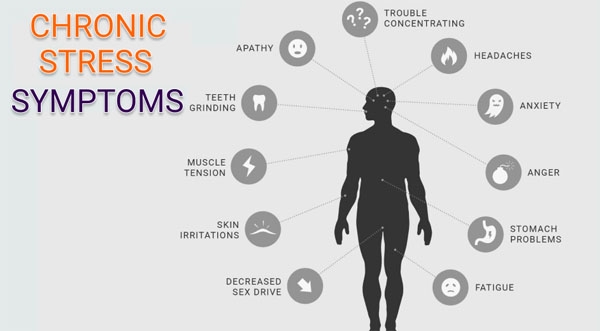
It is not easy to recognize chronic stress. This is because of its long-lasting nature that individuals get so accustomed to, that it becomes normal. Symptoms to look for when identifying chronic stress:
Mood fluctuations and/or irritability
Always worrying about something
No time to take care of oneself or take part in enjoyable activities
Little inconveniences become too much to handle
Constantly getting colds or infections
Rely on unhealthy coping mechanisms like junk food, or alcohol to manage the stress
Management Techniques
The ability to properly manage chronic stress is crucial for achieving optimal health. Management can be simple and straightforward. Options for management include:
Chiropractic
Healthy diet
Sleep improvement
Regular physical activity
Relaxation techniques like massage and heat therapy
Time management skills improvement
Reduced screen exposure specifically at night
Less time on social media
Mindfulness practice like meditation
Spinal Alignment
The techniques listed address reducing the external cues that affect internal health brought on by the stress response. Addressing internal imbalances will help the body return to a state of homeostasis. A common underlying imbalance that contributes to chronic stress is spinal misalignment. This is a root cause that could be over-activating the stress response which limits the body’s ability to return to a relaxed state.
Chiropractic Management
Spinal misalignment/s hinders the nervous system’s ability to regulate the body’s stress response. This is due to improper nerve signaling and poor blood, and energy flow. Chiropractic is a research-oriented, science-based natural medical approach that specializes in addressing spinal issues. It gets the body’s natural healing ability to activate returning the body’s natural state of balance.
Most Recommended Chiropractor
��
Dr. Alex Jimenez’s Blog Post Disclaimer
The scope of our information is limited to chiropractic, musculoskeletal, physical medicines, wellness, and sensitive health issues and/or functional medicine articles, topics, and discussions. We use functional health & wellness protocols to treat and support care for injuries or disorders of the musculoskeletal system. Our posts, topics, subjects, and insights cover clinical matters, issues, and topics that relate and support directly or indirectly our clinical scope of practice.*
Our office has made a reasonable attempt to provide supportive citations and has identified the relevant research study or studies supporting our posts. We also make copies of supporting research studies available to the board and or the public upon request. We understand that we cover matters that require an additional explanation as to how it may assist in a particular care plan or treatment protocol; therefore, to further discuss the subject matter above, please feel free to ask Dr. Alex Jimenez or contact us at 915-850-0900. The provider(s) Licensed in Texas& New Mexico*
References
Abdallah, Chadi G, and Paul Geha. Chronic Pain and Chronic Stress: Two Sides of the Same Coin?.Chronic stress (Thousand Oaks, Calif.) vol. 1 (2017): 2470547017704763. doi:10.1177/2470547017704763
Everyone experiences stress at some point in their life. In fact, it is becoming a sort of new normal in today�s hectic, fast paced, high pressure society. Chiropractic treatment can help relieve stress symptoms and achieve optimal health!
However, a large percentage of the United States population is feeling a significant impact from the stress in their lives; 77 percent say they experience physical stress related symptoms on a regular basis. Additionally, 73 percent report experiencing stress related psychological symptoms including anxiety and depression. These are not accurate numbers though because many people never seek help for their stress issues.
Stress symptoms should not be taken lightly. It is important to address the symptoms and find ways to reduce the stress. Chiropractic is an effective stress reliever.
What Is Stress?
In literal terms, stress is the state of emotional or mental strain, pressure, or tension that result from difficulties, adverse situations, or extremely demanding circumstances. However, the very nature of stress by definition makes it very subjective. What is an adverse situation to one person may not even faze another. What one person finds to be an extremely demanding circumstance would to another barely warrant a second thought. This makes it difficult to pin down a precise, universal definition. More often, the term stress is more often used to describe the set of symptoms that are caused by stress and those symptoms can be as varied as the people who experience them.
What Are The Symptoms Of Stress?
Stress symptoms can affect the entire body, both physically and mentally. Common symptoms of stress include:
Technically, stress itself does not have a negative impact on health. Some people deal with situations that others would consider to be stressful, yet they never exhibit the first symptom. This again speaks to the subjective nature of stress. Different people experience different symptoms and it is a combination of the stress symptoms and how the person handles those symptoms that adversely affect health.
Ultimately, stress symptoms can lead to some very serious conditions including heart disease, hypertension, diabetes, obesity, and even certain cancers. Psychologically, it can lead to social withdrawal and social phobias. It is also often directly linked to alcohol and drug abuse.
How Can Chiropractic Help Relieve Stress Symptoms?
Chiropractic cannot get rid of stress, but it can help relieve stress symptoms. The more stress the body endures, the more sensitive it becomes to pain and physical imbalances. Chiropractic can help with bringing the body back into balance, aligning the spine, and relieving pain.
On a larger scale, the simple act of aligning the spine helps to relieve stress in the body that the person may not even be aware of experiencing. The physical stress of a misaligned spine can exacerbate stress symptoms and make a person more susceptible to stressful stimuli in their environment.
Chiropractic helps to improve circulation which is essential in relieving muscle tension. This is integral in achieving and maintaining a relaxed, balanced state. It shuts down the fight or flight response that is a common accompaniment to stress, and allows the body to rest and heal.
Stress symptoms are should not be ignored. They can lead to several very serious health conditions. If you are experiencing stress in your life or stress symptoms (you don�t have to recognize that you are under stress to experience its symptoms) pay attention. Those symptoms aren�t likely to go away but instead get worse. Take care of yourself; get help for your stress.
Injury Medical Clinic:�Whiplash Pain Treatment Chiropractor
Getting a good night�s sleep is absolutely integral to good spinal health. Sometimes, though that isn�t possible. According to the National Sleep Foundation, 92 percent of people believe that a�comfortable mattress is important for good, restful sleep. A bad mattress, or one that is old, or one that is simply wrong for your body can contribute to sleep deprivation, lower back pain, headaches, stiff neck, and anxiety and depression. With so much at stake, it�s easy to see just how important it is to select a good mattress.
Ask About How The Mattress Is Made
Learn about the construction� and what the different components mean for your comfort. Different mattresses have different coils and they are arranged differently. The padding can vary in thickness. The depth can range from 7 inches to 18 inches on the average. Understanding the various components can make it easier for you to find the one that is right for you.
Look For Comfort, As Well As, Support
A good mattress is comfortable and has good support. Support is good but if you don�t have comfort then it won�t be effective.
If it is too firm (too much support) it will cause pain on your body�s pressure points. You want your hips and shoulders to slightly sink into the mattress. However, if you prefer a mattress that is firmer to support your back, you can get one with padding on top.
Don�t Let Price Be The Determining Factor
You naturally want to get the most for your dollar, but remember that you get what you pay for. A cheap mattress can translate to a poor quality one.
Look for quality and value rather than price. If money is an issue, do some comparison shopping to find the mattress you want for the best price.
Sales are another way to save money on a purchase, but look out for advertising gimmicks. Know the meaning of the terms that are used and know what you are looking for before you go for that so-called great deal.
Educate Yourself On The Different Mattress Types
Do you want a memory foam or would latex work better for you? What exactly is an innerspring mattress? Are adjustable beds really all they are cracked up to be? Do some research and brush up on the different�types of mattresses�so that you can approach your shopping trip with confidence and as an educated consumer. It will definitely work in your favor.
In The End, It�s All About Personal Preference
There is no mattress that is a one size (or type) fits all. Different people will respond differently to mattresses. The best thing to do is try them out. Spend at least 20 minutes laying down before you make the decision to purchase or not.
Finally, if you find that your�quality of sleep�has recently gotten worse, that you are tossing and turning or wake up with pain in your back, neck, or head, it could be time to change your mattress � or pillow. If you can see your mattress sagging, that could be another indication that it is time to get a new one.
Mattresses are designed to withstand a certain degree of wear and tear, but they don�t last forever. The quality, the weight and other factors contribute to how quickly it wears out. So if you notice any of the warning signs it may be time to get a new mattress so that you can get back to peaceful, restful sleep.
Injury Medical Clinic: Back Pain Care & Treatments
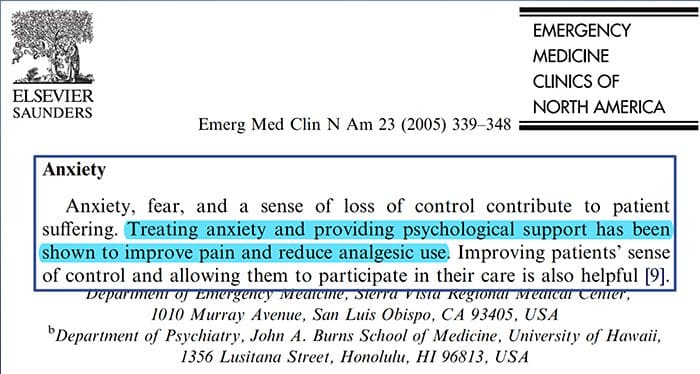
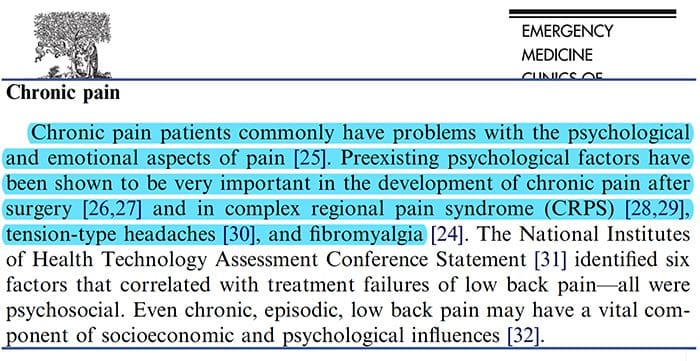
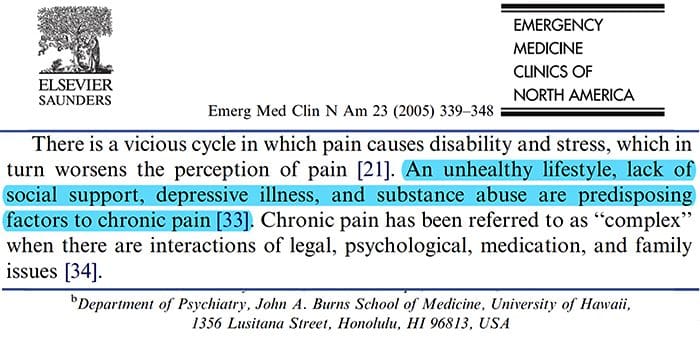
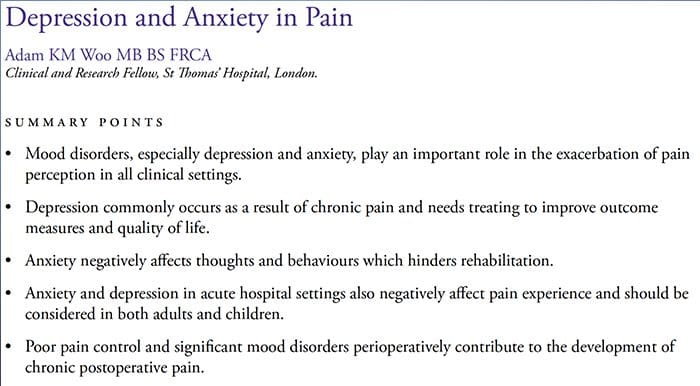
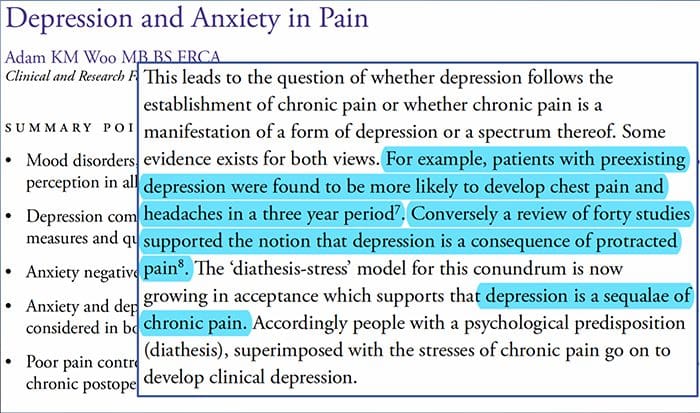
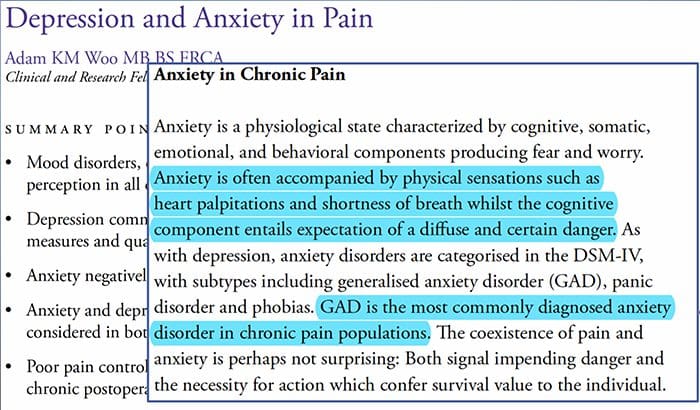
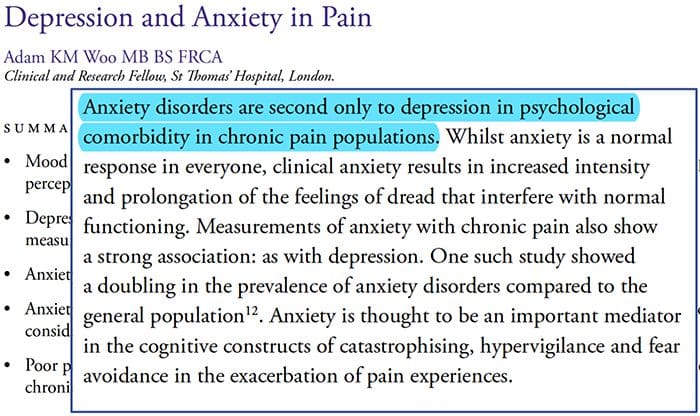
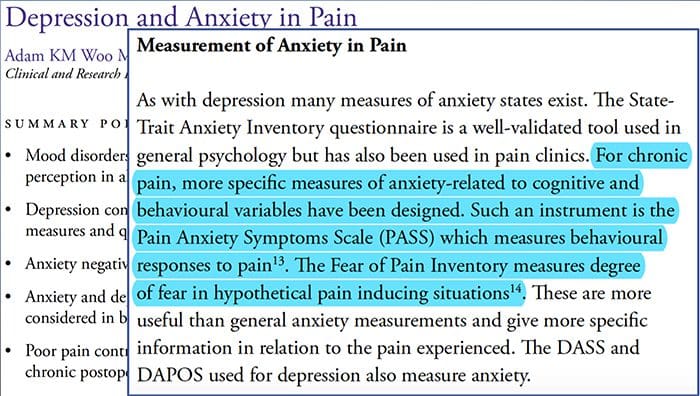
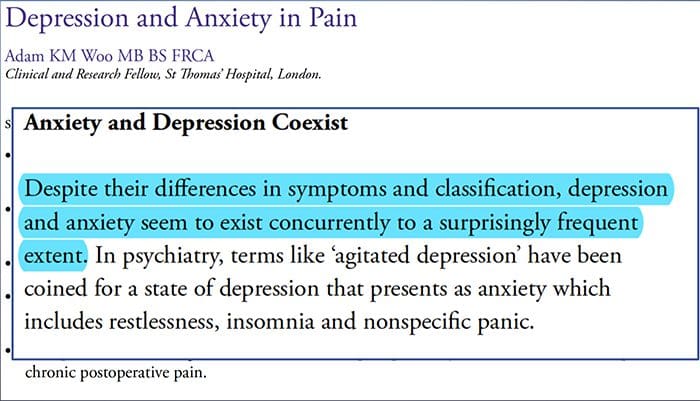
Pain Anxiety Depression�Everyone has experienced pain, however, there are those with depression, anxiety, or both. Combine this with pain and it can become pretty intense and difficult to treat. People that are suffering from depression, anxiety or both tend to experience severe and long term pain more so than other people.
The way anxiety, depression, and pain overlap each other is seen in chronic and in some disabling pain syndromes, i.e. low back pain, headaches, nerve pain and fibromyalgia. Psychiatric disorders contribute to the pain intensity and also increase the risk of disability.
Depression:�A (major depressive disorder or clinical depression) is a common but serious mood disorder. It causes severe symptoms that affect how an individual feels, thinks, and how the handle daily activities, i.e. sleeping, eating and working. To be diagnosed with depression, the symptoms must be present for at least two weeks.
Persistent sad, anxious, or �empty� mood.
Feelings of hopelessness, pessimistic.
Irritability.
Feelings of guilt, worthlessness, or helplessness.
Loss of interest or pleasure in activities.
Decreased energy or fatigue.
Moving or talking slowly.
Feeling restless & having trouble sitting still.
Difficulty concentrating, remembering, or making decisions.
Thoughts of death or suicide & or suicide attempts.
Aches or pains, headaches, cramps, or digestive problems without a clear physical cause and/or that do not ease with treatment.
Not everyone who is depressed experiences every symptom. Some experience only a few symptoms while others may experience several. Several persistent symptoms in addition to low mood are�required�for a diagnosis of major depression. The severity and frequency of symptoms along with the duration will vary depending on the individual and their particular illness. Symptoms can also vary depending on the stage of the illness.
PAIN ANXIETY DEPRESSION
Objectives:
What is the relationship?
What is the neurophysiology behind it?
What are the central consequences?
Brain Changes In Pain
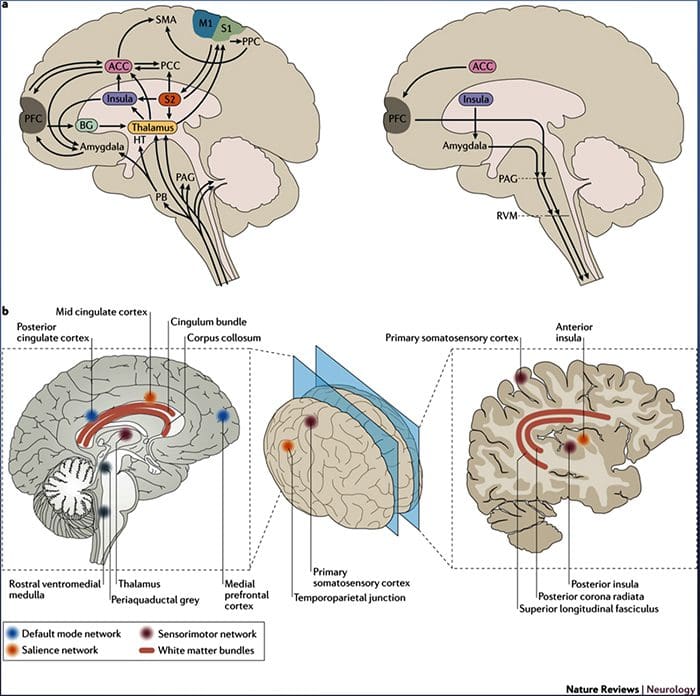
Figure 1 Brain pathways, regions and networks involved in acute and chronic pain
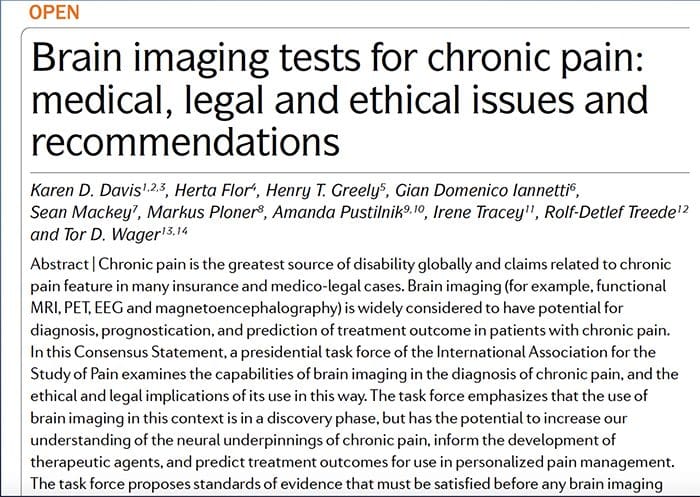
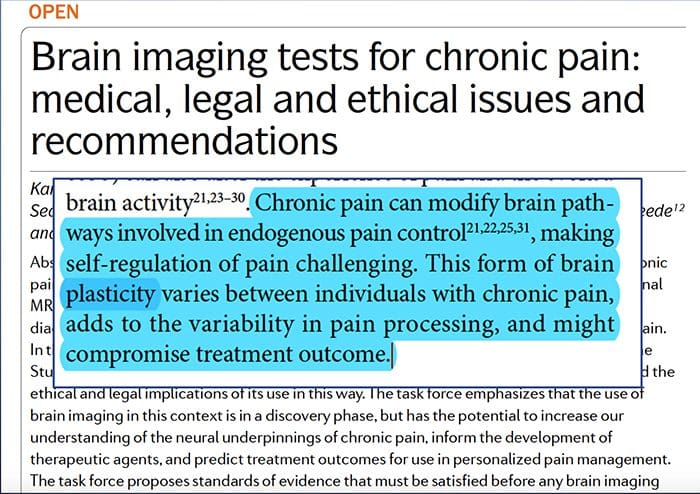
Davis, K. D. et al. (2017) Brain imaging tests for chronic pain: medical, legal and ethical issues and recommendations Nat. Rev. Neurol. doi:10.1038/nrneurol.2017.122
PAIN, ANXIETY AND DEPRESSION
Conclusion:
Pain, especially chronic is associated with depression and anxiety
The physiological mechanisms leading to anxiety and depression can be multifactorial in nature
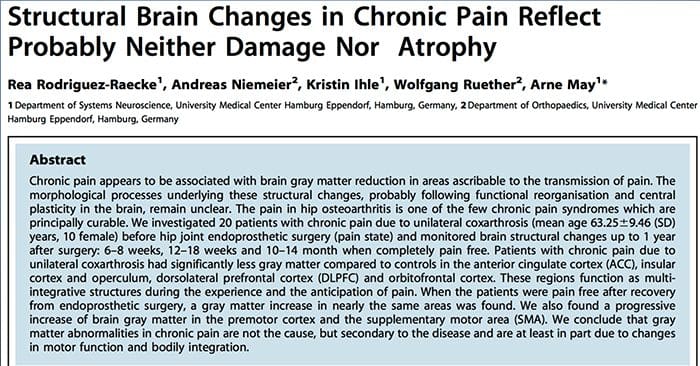
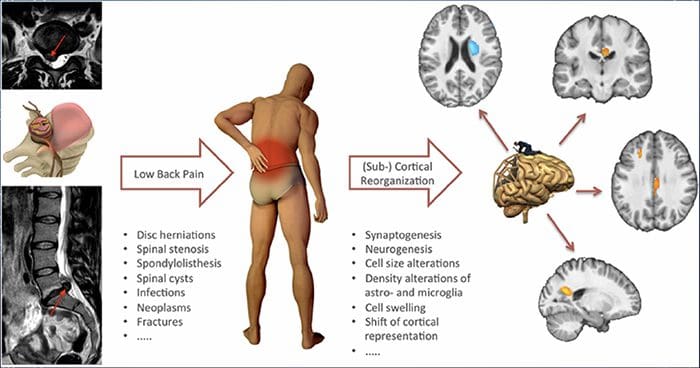
Pain causes changes in brain structure and function
This change in structure and function can alter the ability for the brain to modulate pain as well as control mood.
Everyone experiences pain from time to time. Pain is a physical feeling of discomfort caused by injury or illness. When you pull a muscle or cut your finger, for instance, a signal is sent through the nerve roots to the brain, signaling you that something is wrong in the body. Pain may be different for everyone and there are several ways of feeling and describing pain. After an injury or illness heals, the pain will subside, however, what happens if the pain continues even after you’ve healed?
Chronic pain is often defined as any pain which lasts more than 12 weeks. Chronic pain can range from mild to severe and it can be the result of previous injury or surgery, migraine and headache, arthritis, nerve damage, infection and fibromyalgia. Chronic pain can affect an individual’s emotional and mental disposition, making it more difficult to relieve the symptoms. Research studies have demonstrated that psychological interventions can assist the chronic pain recovery process. Several healthcare professionals, like a doctor of chiropractic, can provide chiropractic care together with psychological interventions to help restore the overall health and wellness of their patients. The purpose of the following article is to demonstrate the role of psychological interventions in the management of patients with chronic pain, including headache and back pain.
The Role of Psychological Interventions in the Management of Patients with Chronic Pain
Abstract
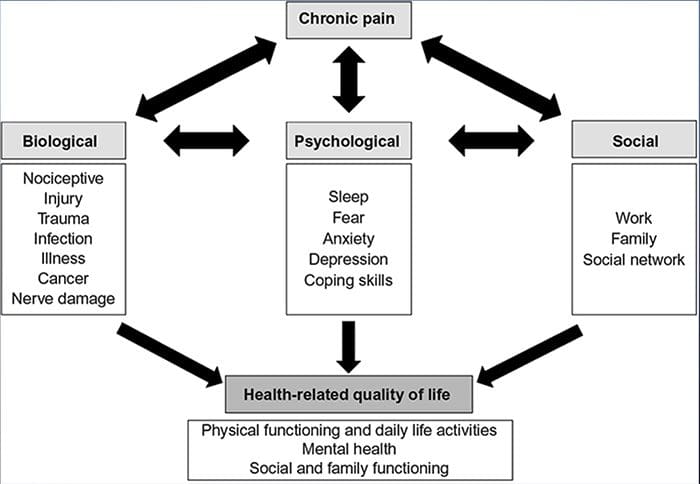
Chronic pain can be best understood from a biopsychosocial perspective through which pain is viewed as a complex, multifaceted experience emerging from the dynamic interplay of a patient�s physiological state, thoughts, emotions, behaviors, and sociocultural influences. A biopsychosocial perspective focuses on viewing chronic pain as an illness rather than disease, thus recognizing that it is a subjective experience and that treatment approaches are aimed at the management, rather than the cure, of chronic pain. Current psychological approaches to the management of chronic pain include interventions that aim to achieve increased self-management, behavioral change, and cognitive change rather than directly eliminate the locus of pain. Benefits of including psychological treatments in multidisciplinary approaches to the management of chronic pain include, but are not limited to, increased self-management of pain, improved pain-coping resources, reduced pain-related disability, and reduced emotional distress � improvements that are effected via a variety of effective self-regulatory, behavioral, and cognitive techniques. Through implementation of these changes, psychologists can effectively help patients feel more in command of their pain control and enable them to live as normal a life as possible despite pain. Moreover, the skills learned through psychological interventions empower and enable patients to become active participants in the management of their illness and instill valuable skills that patients can employ throughout their lives.
Chronic pain has previously been determined to affect the psychological health of those with persistent symptoms, ultimately altering their overall mental and emotional disposition. In addition, patients with overlapping conditions, including stress, anxiety and depression, can make treatment a challenge. The role of chiropractic care is to restore as well as maintain and improve the original alignment of the spine through the use of spinal adjustments and manual manipulations. Chiropractic care allows the body to naturally heal itself without the need for drugs/medications and surgical interventions, although these can be referred to by a chiropractor if needed. However, chiropractic care focuses on the body as a whole, rather than on a single injury and/or condition and its symptoms. Spinal adjustments and manual manipulations, among other treatment methods and techniques commonly used by a chiropractor, require awareness of the patient’s mental and emotional disposition in order to effectively provide them with overall health and wellness. Patients who visit my clinic with emotional distress from their chronic pain are often more susceptible to experience psychological issues as a result. Therefore, chiropractic care can be a fundamental psychological intervention for chronic pain management, along with those demonstrated below.
Introduction
Pain is a ubiquitous human experience. It is estimated that approximately 20%�35% of adults experience chronic pain.[1,2] The National Institute of Nursing Research reports that pain affects more Americans than diabetes, heart disease, and cancer combined.[3] Pain has been cited as the primary reason to seek medical care in the United States.[4] Furthermore, pain relievers are the second most commonly prescribed medications in physicians� offices and emergency rooms.[5] Further solidifying the importance of adequate assessment of pain, the Joint Commission on the Accreditation of Healthcare Organizations issued a mandate requiring that pain be evaluated as the fifth vital sign during medical visits.[6]
The International Association for the Study of Pain (IASP) defines pain as �an unpleasant sensory and emotional experience associated with actual or potential tissue damage, or described in terms of such damage�.[7] The IASP�s definition highlights the multidimensional and subjective nature of pain, a complex experience that is unique to each individual. Chronic pain is typically differentiated from acute pain based on its chronicity or persistence, its physiological maintenance mechanisms, and/or its detrimental impact on an individual�s life. Generally, it is accepted that pain that persists beyond the expected period of time for tissue healing following an injury or surgery is considered chronic pain. However, the specific timeframe constituting an expected healing period is variable and often difficult to ascertain. For ease of classification, certain guidelines suggest that pain persisting beyond a 3�6 month time window is considered chronic pain.[7] Nevertheless, classification of pain based solely on duration is a strictly practical and, in some instances, arbitrary criterion. More commonly, additional factors such as etiology, pain intensity, and impact are considered alongside duration when classifying chronic pain. An alternative way to characterize chronic pain has been based on its physiological maintenance mechanism; that is, pain that is thought to emerge as a result of peripheral and central reorganization. Common chronic pain conditions include musculoskeletal disorders, neuropathic pain conditions, headache pain, cancer pain, and visceral pain. More broadly, pain conditions may be primarily nociceptive (producing mechanical or chemical pain), neuropathic (resulting from nerve damage), or central (resulting from dysfunction in the neurons of the central nervous system).[8]
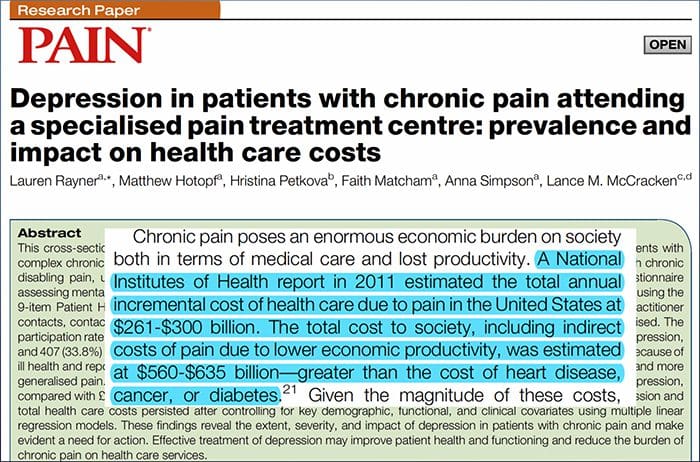
Unfortunately, the experience of pain is frequently characterized by undue physical, psychological, social, and financial suffering. Chronic pain has been recognized as the leading cause of long-term disability in the working- age American population.[9] Because chronic pain affects the individual at multiple domains of his/her existence it also constitutes an enormous financial burden to our society. The combined direct and indirect costs of pain have been estimated to range from $125 billion to $215 billion, annually.[10,11] The widespread implications of chronic pain include increased reports of emotional distress (eg, depression, anxiety, and frustration), increased rates of pain-related disability, pain-related alterations in cognition, and reduced quality of life. Thus, chronic pain can be best understood from a biopsychosocial perspective through which pain is viewed as a complex, multifaceted experience emerging from the dynamic interplay of a patient�s physiological state, thoughts, emotions, behaviors, and sociocultural influences.
Pain Management
Given the widespread prevalence of pain and its multi-dimensional nature, an ideal pain management regimen will be comprehensive, integrative, and interdisciplinary. Current approaches to the management of chronic pain have increasingly transcended the reductionist and strictly surgical, physical, or pharmacological approach to treatment. Current approaches recognize the value of a multidisciplinary treatment framework that targets not only nociceptive aspects of pain but also cognitive-evaluative, and motivational-affective aspects alongside equally unpleasant and impacting sequelae. The interdisciplinary management of chronic pain typically includes multimodal treatments such as combinations of analgesics, physical therapy, behavioral therapy, and psychological therapy. The multimodal approach more adequately and comprehensively addresses pain management at the molecular, behavioral, cognitive-affective, and functional levels. These approaches have been shown to lead to superior and long-lasting subjective and objective outcomes including pain reports, mood, restoration of daily functioning, work status, and medication or health care use; multimodal approaches have also been shown to be more cost-effective than unimodal approaches.[12,13] The focus of this review will be specifically on elucidating the benefits of psychology in the management of chronic pain.
Patients will typically initially present to a physician�s office in the pursuit of a cure or treatment for their ailment/acute pain. For many patients, depending on the etiology and pathology of their pain alongside biopsychosocial influences on the pain experience, acute pain will resolve with the passage of time, or following treatments aimed at targeting the presumed cause of pain or its transmission. Nonetheless, some patients will not achieve resolution of their pain despite numerous medical and complementary interventions and will transition from an acute pain state to a state of chronic, intractable pain. For instance, research has demonstrated that approximately 30% of patients presenting to their primary-care physician for complaints related to acute back pain will continue to experience pain and, for many others, severe activity limitations and suffering 12 months later.[14] As pain and its consequences continue to develop and manifest in diverse aspects of life, chronic pain may become primarily a biopsychosocial problem, whereby numerous biopsychosocial aspects may serve to perpetuate and maintain pain, thus continuing to negatively impact the affected individual�s life. It is at this point that the original treatment regimen may diversify to include other therapeutic components, including psychological approaches to pain management.
Psychological approaches for the management of chronic pain initially gained popularity in the late 1960s with the emergence of Melzack and Wall�s �gate-control theory of pain�[15] and the subsequent �neuromatrix theory of pain�.[16] Briefly, these theories posit that psychosocial and physiological processes interact to affect perception, transmission, and evaluation of pain, and recognize the influence of these processes as maintenance factors involved in the states of chronic or prolonged pain. Namely, these theories served as integral catalysts for instituting change in the dominant and unimodal approach to the treatment of pain, one heavily dominated by strictly biological perspectives. Clinicians and patients alike gained an increasing recognition and appreciation for the complexity of pain processing and maintenance; consequently, the acceptance of and preference for multidimensional conceptualizations of pain were established. Currently, the biopsychosocial model of pain is, perhaps, the most widely accepted heuristic approach to understanding pain.[17] A biopsychosocial perspective focuses on viewing chronic pain as an illness rather than disease, thus recognizing that it is a subjective experience and that treatment approaches are aimed at the management, rather than the cure, of chronic pain.[17] As the utility of a broader and more comprehensive approach to the management of chronic pain has become evident, psychologically-based interventions have witnessed a remarkable rise in popularity and recognition as adjunct treatments. The types of psychological interventions employed as part of a multidisciplinary pain treatment program vary according to therapist orientation, pain etiology, and patient characteristics. Likewise, research on the effectiveness of psychologically based interventions for chronic pain has shown variable, albeit promising, results on key variables studied. This overview will briefly describe frequently employed psychologically based treatment options and their respective effectiveness on key outcomes.
Current psychological approaches to the management of chronic pain include interventions that aim to achieve increased self-management, behavioral change, and cognitive change rather than directly eliminate the locus of pain. As such, they target the frequently overlooked behavioral, emotional, and cognitive components of chronic pain and factors contributing to its maintenance. Informed by the framework offered by Hoffman et al[18] and Kerns et al,[19] the following frequently employed psychologically-based treatment domains are reviewed: psychophysiological techniques, behavioral approaches to treatment, cognitive behavioral therapy, and acceptance-based interventions.
Psychophysiological Techniques
Biofeedback
Biofeedback is a learning technique through which patients learn to interpret feedback (in the form of physiological data) regarding certain physiological functions. For instance, a patient may use biofeedback equipment to learn to recognize areas of tension in their body and subsequently learn to relax those areas to reduce muscular tension. Feedback is provided by a variety of measurement instruments that can yield information about brain electrical activity, blood pressure, blood flow, muscle tone, electrodermal activity, heart rate, and skin temperature, among other physiological functions in a rapid manner. The goal of biofeedback approaches is for the patient to learn how to initiate physiological self-regulatory processes by achieving voluntary control over certain physiological responses to ultimately increase physiological flexibility through greater awareness and specific training. Thus a patient will use specific self-regulatory skills in an attempt to reduce an undesired event (eg, pain) or maladaptive physiological reactions to an undesired event (eg, stress response). Many psychologists are trained in biofeedback techniques and provide these services as part of therapy. Biofeedback has been designated as an efficacious treatment for pain associated with headache and temporomandibular disorders (TMD).[20] A meta-analysis of 55 studies revealed that biofeedback interventions (including various biofeedback modalities) yielded significant improvements with regard to frequency of migraine attacks and perceptions of headache management self-efficacy when compared to control conditions.[21] Studies have provided empirical support for biofeedback for TMD, albeit more robust improvements with regard to pain and pain-related disability have been found for protocols that combine biofeedback with cognitive behavioral skills training, under the assumption that a combined treatment approach more comprehensively addresses the gamut of biopsychosocial problems that may be encountered as a result of TMD.[22]
Behavioral Approaches
Relaxation Training
It is generally accepted that stress is a key factor involved in the exacerbation and maintenance of chronic pain.[16,23] Stress can be predominantly of an environmental, physical, or psychological/emotional basis, though typically these mechanisms are intricately intertwined. The focus of relaxation training is to reduce tension levels (physical and mental) through activation of the parasympathetic nervous system and through attainment of greater awareness of physiological and psychological states, thereby achieving reductions in pain and increasing control over pain. Patients can be taught several relaxation techniques and practice them individually or in conjunction with one another, as well as adjuvant components to other behavioral and cognitive pain management techniques. The following are brief descriptions of relaxation techniques commonly taught by psychologists specializing in the management of chronic pain.
Diaphragmatic breathing. Diaphragmatic breathing is a basic relaxation technique whereby patients are instructed to use the muscles of their diaphragm as opposed to the muscles of their chest to engage in deep breathing exercises. Breathing by contracting the diaphragm allows the lungs to expand down (marked by expansion of abdomen during inhalation) and thus increase oxygen intake.[24]
Progressive muscle relaxation (PMR). PMR is characterized by engaging in a combination of muscle tension and relaxation exercises of specific muscles or muscle groups throughout the body.[25] The patient is typically instructed to engage in the tension/relaxation exercises in a sequential manner until all areas of the body have been addressed.
Autogenic training (AT). AT is a self-regulatory relaxation technique in which a patient repeats a phrase in conjunction with visualization to induce a state of relaxation.[26,27] This method combines passive concentration, visualization, and deep breathing techniques.
Visualization/Guided imagery. This technique encourages patients to use all of their senses in imagining a vivid, serene, and safe environment to achieve a sense of relaxation and distraction from their pain and pain-related thoughts and sensations.[27]
Collectively, relaxation techniques have generally been found to be beneficial in the management of a variety of types of acute and chronic pain conditions as well as in the management of important pain sequelae (eg, health-related quality of life).[28�31] Relaxation techniques are usually practiced in conjunction with other pain management modalities, and there is considerable overlap in the presumed mechanisms of relaxation and biofeedback, for instance.
Operant Behavior Therapy
Operant behavior therapy for chronic pain is guided by the original operant conditioning principles proposed by Skinner[32] and refined by Fordyce[33] to be applicable to pain management. The main tenets of the operant conditioning model as it relates to pain hold that pain behavior can eventually evolve into and be maintained as chronic pain manifestations as a result of positive or negative reinforcement of a given pain behavior as well as punishment of more adaptive, non-pain behavior. If reinforcement and the ensuing consequences occur with sufficient frequency, they can serve to condition the behavior, thus increasing the likelihood of repeating the behavior in the future. Therefore, conditioned behaviors occur as a product of learning of the consequences (actual or anticipated) of engaging in the given behavior. An example of a conditioned behavior is continued use of medication � a behavior that results from learning through repeated associations that taking medication is followed by removal of an aversive sensation (pain). Likewise, pain behaviors (eg, verbal expressions of pain, low activity levels) can be become conditioned behaviors that serve to perpetuate chronic pain and its sequelae. Treatments that are guided by operant behavior principles aim to extinguish maladaptive pain behaviors through the same learning principles that these may have been established by. In general, treatment components of operant behavior therapy include graded activation, time contingent medication schedules, and use of reinforcement principles to increase well behaviors and decrease maladaptive pain behaviors.
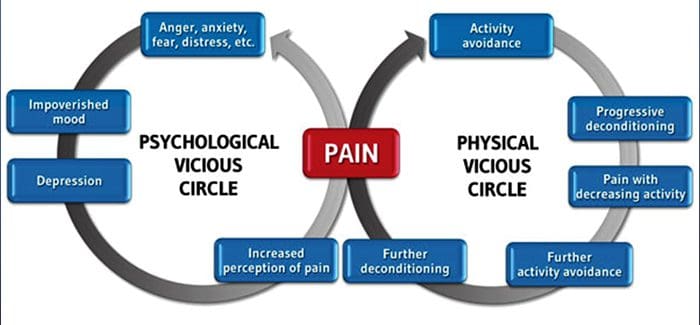
Graded activation. Psychologists can implement graded activity programs for chronic pain patients who have vastly reduced their activity levels (increasing likelihood of physical deconditioning) and subsequently experience high levels of pain upon engaging in activity. Patients are instructed to safely break the cycle of inactivity and deconditioning by engaging in activity in a controlled and time-limited fashion. In this manner, patients can gradually increase the length of time and intensity of activity to improve functioning. Psychologists can oversee progress and provide appropriate reinforcement for compliance, correction of misperceptions or misinterpretations of pain resulting from activity, where appropriate, and problem-solve barriers to adherence. This approach is frequently embedded within cognitive-behavioral pain management treatments.
Time-contingent medication schedules. A psychologist can be an important adjunct healthcare provider in overseeing the management of pain medications. In some cases, psychologists have the opportunity for more frequent and in-depth contact with patients than physicians and thus can serve as valuable collaborators of an integrated multidisciplinary treatment approach. Psychologists can institute time-contingent medication schedules to reduce the likelihood of dependence on pain medications for attaining adequate control over pain. Furthermore, psychologists are well equipped to engage patients in important conversations regarding the importance of proper adherence to medications and medical recommendations and problem-solve perceived barriers to safe adherence.
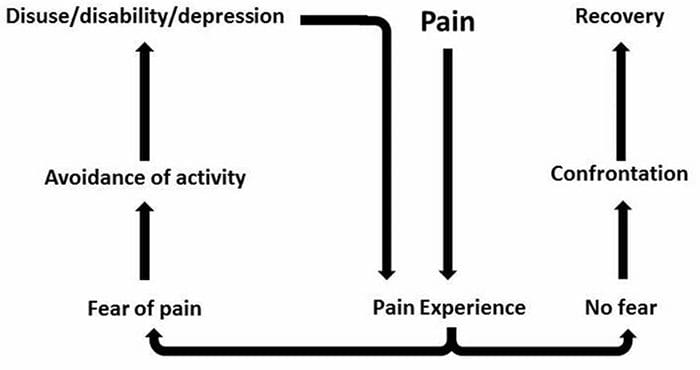
Fear-avoidance. The fear-avoidance model of chronic pain is a heuristic most frequently applied in the context of chronic low back pain (LBP).[34] This model draws largely from the operant behavior principles described previously. In essence, the fear-avoidance model posits that when acute pain states are repeatedly misinterpreted as danger signals or signs of serious injury, patients may be at risk of engaging in fear-driven avoidance behaviors and cognitions that further reinforce the belief that pain is a danger signal and perpetuate physical deconditioning. As the cycle continues, avoidance may generalize to broader types of activity and result in hypervigilance of physical sensations characterized by misinformed catastrophic interpretations of physical sensations. Research has shown that a high degree of pain catastrophizing is associated with maintenance of the cycle.[35] Treatments aimed at breaking the fear-avoidance cycle employ systematic graded exposure to feared activities to disconfirm the feared, often catastrophic, consequences of engaging in activities. Graded exposure is typically supplemented with psychoeducation about pain and cognitive restructuring elements that target maladaptive cognitions and expectations about activity and pain. Psychologists are in an excellent position to execute these types of interventions that closely mimic exposure treatments traditionally used in the treatment of some anxiety disorders.
Though specific graded exposure treatments have been shown to be effective in the treatment of complex regional pain syndrome type I (CRPS-1)[36] and LBP[37] in single-case designs, a larger-scale randomized controlled trial comparing systematic graded exposure treatment combined with multidisciplinary pain program treatment with multidisciplinary pain program treatment alone and with a wait-list control group found that the two active treatments resulted in significant improvements on outcome measures of pain intensity, fear of movement/injury, pain self-efficacy, depression, and activity level.[38] Results from this trial suggest that both interventions were associated with significant treatment effectiveness such that the graded exposure treatment did not appear to result in additional treatment gains.[38] A cautionary note in the interpretation of these results highlights that the randomized controlled trial (RCT) included a variety of chronic pain conditions that extended beyond LBP and CRPS-1 and did not exclusively include patients with high levels of pain-related fear; the interventions were also delivered in group formats rather than individual formats. Although in-vivo exposure treatments are superior at reducing pain catastrophizing and perceptions of harmfulness of activities, exposure treatments seem to be as effective as graded activity interventions in improving functional disability and chief complaints.[39] Another clinical trial compared the effectiveness of treatment-based classification (TBC) physical therapy alone to TBC augmented with graded activity or graded exposure for patients with acute and sub-acute LBP.[40] Outcomes revealed that there were no differences in 4-week and 6-month outcomes for reduction of disability, pain intensity, pain catastrophizing, and physical impairment among treatment groups, although graded exposure and TBC yielded larger reductions in fear-avoidance beliefs at 6 months.[40] Findings from this clinical trial suggest that enhancing TBC with graded activity or graded exposure does not lead to improved outcomes with regard to measures associated with the development of chronic LBP beyond improvements achieved with TBC alone.[40]
Cognitive-Behavioral Approaches
Cognitive-behavioral therapy (CBT) interventions for chronic pain utilize psychological principles to effect adaptive changes in the patient�s behaviors, cognitions or evaluations, and emotions. These interventions are generally comprised of basic psychoeducation about pain and the patient�s particular pain syndrome, several behavioral components, coping skills training, problem-solving approaches, and a cognitive restructuring component, though the exact treatment components vary according to the clinician. Behavioral components may include a variety of relaxation skills (as reviewed in the behavioral approaches section), activity pacing instructions/graded activation, behavioral activation strategies, and promotion of resumption of physical activity if there is a significant history of activity avoidance and subsequent deconditioning. The primary aim in coping skills training is to identify current maladaptive coping strategies (eg, catastrophizing, avoidance) that the patient is engaging in alongside their use of adaptive coping strategies (eg, use of positive self-statements, social support). As a cautionary note, the degree to which a strategy is adaptive or maladaptive and the perceived effectiveness of particular coping strategies varies from individual to individual.[41] Throughout treatment, problem-solving techniques are honed to aid patients in their adherence efforts and to help them increase their self-efficacy. Cognitive restructuring entails recognition of current maladaptive cognitions the patient is engaging in, challenging of the identified negative cognitions, and reformulation of thoughts to generate balanced, adaptive alternative thoughts. Through cognitive restructuring exercises, patients become increasingly adept at recognizing how their emotions, cognitions, and interpretations modulate their pain in positive and negative directions. As a result, it is presumed that the patients will attain a greater perception of control over their pain, be better able to manage their behavior and thoughts as they relate to pain, and be able to more adaptively evaluate the meaning they ascribe to their pain. Additional components sometimes included in a CBT intervention include social skills training, communication training, and broader approaches to stress management. Via a pain-oriented CBT intervention, many patients profit from improvements with regard to their emotional and functional well-being, and ultimately their global perceived health-related quality of life.
CBT interventions are delivered within a supportive and empathetic environment that strives to understand the patient�s pain from a biopsychosocial perspective and in an integrated manner. Therapists see their role as �teachers� or �coaches� and the message communicated to patients is that of learning to better manage their pain and improve their daily function and quality of life as opposed to aiming to cure or eradicate the pain. The overarching goal is to increase the patients� understanding of their pain and their efforts to manage pain and its sequelae in a safe and adaptive manner; therefore, teaching patients to self-monitor their behavior, thoughts, and emotions is an integral component of therapy and a useful strategy to enhance self-efficacy. Additionally, the therapist endeavors to foster an optimistic, realistic, and encouraging environment in which the patient can become increasingly skilled at recognizing and learning from their successes and learning from and improving upon unsuccessful attempts. In this manner, therapists and patients work together to identify patient successes, barriers to adherence, and to develop maintenance and relapse-prevention plans in a constructive, collaborative, and trustworthy atmosphere. An appealing feature of the cognitive behavioral approach is its endorsement of the patient as an active participant of his/her pain rehabilitation or management program.
Research has found CBT to be an effective treatment for chronic pain and its sequelae as marked by significant changes in various domains (ie, measures of pain experience, mood/affect, cognitive coping and appraisal, pain behavior and activity level, and social role function) when compared with wait-list control conditions.[42] When compared with other active treatments or control conditions, CBT has resulted in notable improvements, albeit smaller effects (effect size ~ 0.50), with regard to pain experience, cognitive coping and appraisal, and social role function.[42] A more recent meta-analysis of 52 published studies compared behavior therapy (BT) and CBT against treatment as usual control conditions and active control conditions at various time-points.[43] This meta-analysis concluded that their data did not lend support for BT beyond improvements in pain immediately following treatment when compared with treatment as usual control conditions.[43] With regard to CBT, they concluded that CBT has limited positive effects for pain disability, and mood; nonetheless, there are insufficient data available to investigate the specific influence of treatment content on selected outcomes.[43] Overall, it appears that CBT and BT are effective treatment approaches to improve mood; outcomes that remain robust at follow-up data points. However, as highlighted by several reviews and meta-analyses, a critical factor to consider in evaluating the effectiveness of CBT for the management of chronic pain is centered on issues of effective delivery, lack of uniform treatment components, differences in delivery across clinicians and treatment populations, and variability in outcome variables of interest across research trials.[13] Further complicating the interpretation of effectiveness findings are patient characteristics and additional variables that may independently affect treatment outcome.
Acceptance-Based Approaches
Acceptance-based approaches are frequently identified as third-wave cognitive-behavioral therapies. Acceptance and commitment therapy (ACT) is the most common of the acceptance-based psychotherapies. ACT emphasizes the importance of facilitating the client�s progress toward attaining a more valued and fulfilling life by increasing psychological flexibility rather than strictly focusing on restructuring cognitions.[44] In the context of chronic pain, ACT targets ineffective control strategies and experiential avoidance by fostering techniques that establish psychological flexibility. The six core processes of ACT include: acceptance, cognitive defusion, being present, self as context, values, and committed action.[45] Briefly, acceptance encourages chronic pain patients to actively embrace pain and its sequelae rather than attempt to change it, in doing so encouraging the patient to cease a futile fight directed at the eradication of their pain. Cognitive defusion (deliteralization) techniques are employed to modify the function of thoughts rather than to reduce their frequency or restructure their content. In this manner, cognitive defusion may simply alter the undesirable meaning or function of negative thoughts and thus decrease the attachment and subsequent emotional and behavioral response to such thoughts. The core process of being present emphasizes a non-judgmental interaction between the self and private thoughts and events. Values are utilized as guides for electing behaviors and interpretations that are characterized by those values an individual strives to instantiate in everyday life. Finally, through committed action, patients can realize behavior changes aligned with individual values. Thus, ACT utilizes the six core principles in conjunction with one another to take a holistic approach toward increasing psychological flexibility and decreasing suffering. Patients are encouraged to view pain as inevitable and accept it in a nonjudgmental manner so that they can continue to derive meaning from life despite the presence of pain. The interrelated core processes exemplify mindfulness and acceptance processes and commitment and behavior change processes.[45]
Results of research on the effectiveness of ACT-based approaches for the management of chronic pain are promising, albeit still warranting further evaluation. A RCT comparing ACT with a waitlist control condition reported significant improvements in pain catastrophizing, pain-related disability, life satisfaction, fear of movements, and psychological distress that were maintained at the 7 month follow-up.[46] A larger trial reported significant improvements for pain, depression, pain-related anxiety, disability, medical visits, work status, and physical performance.[47] A recent meta-analysis evaluating acceptance-based interventions (ACT and mindfulness-based stress reduction) in patients with chronic pain found that, in general, acceptance-based therapies lead to favorable outcomes for patients with chronic pain.[48] Specifically, the meta-analysis revealed small to medium effect sizes for pain intensity, depression, anxiety, physical wellbeing, and quality of life, with smaller effects found when controlled clinical trials were excluded and only RCTs were included in the analyses.[48] Other acceptance-based interventions include contextual cognitive-behavioral therapy and mindfulness-based cognitive therapy, though empirical research on the effectiveness of these therapies for the management of chronic pain is still in its infancy.
Expectations
An important and vastly overlooked common underlying element of all treatment approaches is consideration of the patient�s expectation for treatment success. Despite the numerous advances in the formulation and delivery of effective multidisciplinary treatments for chronic pain, relatively little emphasis has been placed on recognizing the importance of expectations for success and on focusing efforts on enhancement of patients� expectations. The recognition that placebo for pain is characterized by active properties leading to reliable, observable, and quantifiable changes with neurobiological underpinnings is currently at the vanguard of pain research. Numerous studies have confirmed that, when induced in a manner that optimizes expectations (via manipulation of explicit expectations and/or conditioning), analgesic placebos can result in observable and measurable changes in pain perception at a conscious self-reported level as well as a neurological pain-processing level.[49,50] Analgesic placebos have been broadly defined as simulated treatments or procedures that occur within a psychosocial context and exert effects on an individual�s experience and/or physiology.[51] The current conceptualization of placebo emphasizes the importance of the psychosocial context within which placebos are embedded. Underlying the psychosocial context and ritual of treatment are patients� expectations. Therefore, it is not surprising that the placebo effect is intricately embedded in virtually every treatment; as such, clinicians and patients alike will likely benefit from recognition that therein lies an additional avenue by which current treatment approaches to pain can be enhanced.
It has been proposed that outcome expectancies are core influences driving the positive changes attained through the various modes of relaxation training, hypnosis, exposure treatments, and many cognitive-oriented therapeutic approaches. Thus, a sensible approach to the management of chronic pain capitalizes on the power of patients� expectations for success. Regrettably, too often, health care providers neglect to directly address and emphasize the importance of patients� expectations as integral factors contributing to successful management of chronic pain. The zeitgeist in our society is that of mounting medicalization of ailments fueling the general expectation that pain (even chronic pain) ought to be eradicated through medical advancements. These all too commonly held expectations leave many patients disillusioned with current treatment outcomes and contribute to an incessant search for the �cure�. Finding the �cure� is the exception rather than the rule with respect to chronic pain conditions. In our current climate, where chronic pain afflicts millions of Americans annually, it is in our best interest to instill and continue to advocate a conceptual shift that instead focuses on effective management of chronic pain. A viable and promising route to achieving this is to make the most of patients� positive (realistic) expectations and educate pain patients as well as the lay public (20% of whom will at some future point become pain patients) on what constitutes realistic expectations regarding the management of pain. Perhaps, this can occur initially through current, evidence-based education regarding placebo and nonspecific treatment effects such that patients can correct misinformed beliefs they may have previously held. Subsequently clinicians can aim to enhance patients� expectations within treatment contexts (in a realistic fashion) and minimize pessimistic expectations that deter from treatment success, therefore, learning to enhance their current multidisciplinary treatments through efforts guided at capitalizing on the improvements placebo can yield, even within an �active treatment�. Psychologists can readily address these issues with their patients and help them become advocates of their own treatment success.
Emotional Concomitants of Pain
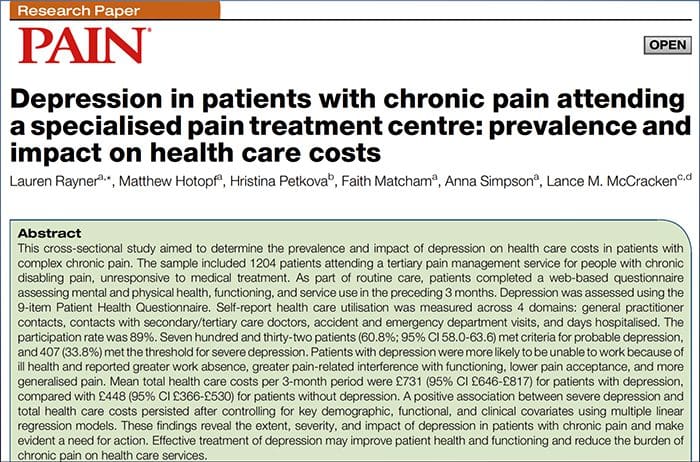
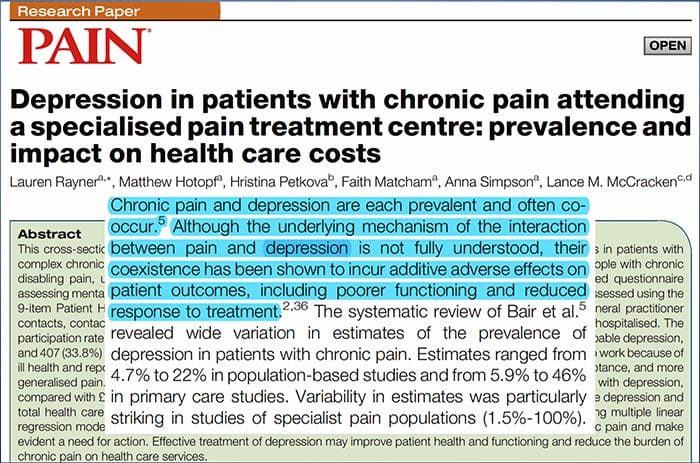
An often challenging aspect of the management of chronic pain is the unequivocally high prevalence of comorbid emotional distress. Research has demonstrated that depression and anxiety disorders are upward to three times more prevalent among chronic pain patients than among the general population.[52,53] Frequently, pain patients with psychiatric comorbidities are labeled �difficult patients� by healthcare providers, possibly diminishing the quality of care they will receive. Patients with depression have poorer outcomes for both depression and pain treatments, compared with patients with single diagnoses of pain or depression.[54,55] Psychologists are remarkably suited to address most of the psychiatric comorbidities typically encountered in chronic pain populations and thus improve pain treatment outcomes and decrease the emotional suffering of patients. Psychologists can address key symptoms (eg, anhedonia, low motivation, problem-solving barriers) of depression that readily interfere with treatment participation and emotional distress. Moreover, irrespective of a psychiatric comorbidity, psychologists can help chronic pain patients process important role transitions they may undergo (eg, loss of job, disability), interpersonal difficulties they may be encountering (eg, sense of isolation brought about by pain), and emotional suffering (eg, anxiety, anger, sadness, disappointment) implicated in their experience. Thus, psychologists can positively impact the treatment course by reducing the influence of emotional concomitants that are addressed as part of therapy.
Conclusion
Benefits of including psychological treatments in multidisciplinary approaches to the management of chronic pain are abundant. These include, but are not limited to, increased self-management of pain, improved pain-coping resources, reduced pain-related disability, and reduced emotional distress-improvements that are effected via a variety of effective self-regulatory, behavioral, and cognitive techniques. Through implementation of these changes, a psychologist can effectively help patients feel more in command of their pain control and enable them to live as normal a life as possible despite pain. Moreover, the skills learned through psychological interventions empower and enable patients to become active participants in the management of their illness and instill valuable skills that patients can employ throughout their lives. Additional benefits of an integrated and holistic approach to the management of chronic pain may include increased rates of return to work, reductions in health care costs, and increased health-related quality of life for millions of patients throughout the world.
Footnotes
Disclosure:No conflicts of interest were declared in relation to this paper.
In conclusion, psychological interventions can be effectively used to help relieve symptoms of chronic pain along with the use of other treatment modalities, such as chiropractic care. Furthermore, the research study above demonstrated how specific psychological interventions can improve the outcome measures of chronic pain management. Information referenced from the National Center for Biotechnology Information (NCBI). The scope of our information is limited to chiropractic as well as to spinal injuries and conditions. To discuss the subject matter, please feel free to ask Dr. Jimenez or contact us at 915-850-0900 .
Curated by Dr. Alex Jimenez
Additional Topics: Back Pain
According to statistics, approximately 80% of people will experience symptoms of back pain at least once throughout their lifetimes. Back pain is a common complaint which can result due to a variety of injuries and/or conditions. Often times, the natural degeneration of the spine with age can cause back pain. Herniated discs occur when the soft, gel-like center of an intervertebral disc pushes through a tear in its surrounding, outer ring of cartilage, compressing and irritating the nerve roots. Disc herniations most commonly occur along the lower back, or lumbar spine, but they may also occur along the cervical spine, or neck. The impingement of the nerves found in the low back due to injury and/or an aggravated condition can lead to symptoms of sciatica.
1.�Boris-Karpel S. Policy and practice issues in pain management. In: Ebert MH, Kerns RD, editors.�Behavioral and psychopharmacologic pain management.�New York: Cambridge University Press; 2010. pp. 407�433.
2.�Harstall C, Ospina M. How prevalent is chronic pain?�Pain: Clinical Updates.�2003;11(2):1�4.
4.�Abbot FV, Fraser MI. Use and abuse of over-the-counter analgesic agents.�J Psychiatry Neurosci.�1998;23(1):13�34.�[PMC free article]�[PubMed]
5.�Schappert SM, Burt CW. Ambulatory care visits to physician offices, hospital outpatient departments, and emergency departments: United States, 2001�02.�Vital Health Stat.�2006;13(159):1�66.�[PubMed]
6.�Joint Commission of Accreditation of Healthcare Organizations.�Pain assessment and management: an organizational approach.�Oakbrook, IL: 2000.
7.�Merskey H, Bogduk N, editors.�Classification of chronic pain.�2nd edition. Seattle, WA: IASP Press; 1994. Task Force on Taxonomy of the IASP Part III: Pain terms, a current list with definitions and notes on usage; pp. 209�214.
8.�Woessner J. A conceptual model of pain: treatment modalities.�Pract Pain Manag.�2003;3(1):26�36.
9.�Loeser JD. Economic implications of pain management.�Acta Anaesthesiol Scand.�1999;43(9):957�959.[PubMed]
10.�National Research Council.�Musculoskeletal disorders and the workplace: low back and upper extremities.�Washington, DC: National Academy Press; 2001.�[PubMed]
11.�US Bureau of the Census.�Statistical abstract of the United States: 1996.�116th edition. Washington, DC:
12.�Flor H, Fydrich T, Turk DC. Efficacy of multidisciplinary pain treatment centers: a meta-analytic review.�Pain.�1992;49(2):221�230.�[PubMed]
13.�McCracken LM, Turk DC. Behavioral and cognitive-behavioral treatment for chronic pain: outcome, predictors of outcome, and treatment process.�Spine.�2002;27(22):2564�2573.�[PubMed]
14.�Von Korff M, Saunders K. The course of back pain in primary care.�Spine.�1996;21(24):2833�2837.[PubMed]
15.�Melzack R, Wall PD. Pain mechanisms: a new theory.�Science.�1965;150(699):971�979.�[PubMed]
16.�Melzack R. Pain and stress: a new perspective. In: Gatchel RJ, Turk DC, editors.�Psychosocial factors in pain: critical perspectives.�New York: Guilford Press; 1999. pp. 89�106.
17.�Gatchel RJ. The conceptual foundations of pain management: historical overview. In: Gatchel RJ, editor.�Clinical essentials of pain management.�Washington, DC: American Psychological Association; 2005. pp. 3�16.
18.�Hoffman BM, Papas RK, Chatkoff DK, Kerns RD. Meta-analysis of psychological interventions for chronic low back pain.�Health Psychol.�2007;26(1):1�9.�[PubMed]
19.�Kerns RD, Sellinger J, Goodin BR. Psychological treatment of chronic pain.�Annu Rev Clin Psychol.�2010 Sep 27;�[Epub ahead of print]
20.�Yucha C, Montgomery D.�Evidence-based practice in biofeedback and neurofeedback.�Wheat Ridge, CO: AAPB; 2008.
21.�Nestoriuc Y, Martin A. Efficacy of biofeedback for migraine: a meta-analysis.�Pain.�2007;128(1�2):111�127.�[PubMed]
22.�Gardea MA, Gatchel RJ, Mishra KD. Long-term efficacy of biobehavioral treatment of temporomandibular disorders.�J Behav Med.�2001;24(4):341�359.�[PubMed]
23.�Turk DC, Monarch ES. Biopsychosocial perspective on chronic pain. In: Turk DC, Gatchel RJ, editors.�Psychosocial approaches to pain management: a practitioner�s handbook.�2nd edition. New York: Guilford Press; 2002. pp. 3�29.
24.�Philips HC.�The psychological management of chronic pain: a treatment manual.�New York: Springer Publishing; 1988. Orientation: chronic pain and the self-management approach; pp. 45�60.
25.�Bernstein DA, Borkovek TD.�Progressive muscle relaxation training: a manual for helping professions.Champaign, IL: Research Press; 1973.
26.�Linden W.�Autogenic training: a clinical guide.�New York: Guilford; 1990.
27.�Jamison RN.�Mastering chronic pain: a professional�s guide to behavioral treatment.�Sarasota, FL: Professional Resource Press; 1996.
28.�Baird CL, Sands L. Effect of guided imagery with relaxation on health-related quality of life in older women with osteoarthritis.�Res Nurs Health.�2006;29(5):442�451.�[PubMed]
29.�Carroll D, Seers K. Relaxation for the relief of chronic pain: a systematic review.�J Adv Nurs.�1998;27(3):476�487.�[PubMed]
30.�Morone NE, Greco CM. Mind-body interventions for chronic pain in older adults: a structured review.�Pain Med.�2007;8(4):359�375.�[PubMed]
31.�Mannix LK, Chandurkar RS, Rybicki LA, Tusek DL, Solomon GD. Effect of guided imagery on quality of life for patients with chronic tension-type headache.�Headache.�1999;39(5):326�334.�[PubMed]
32.�Skinner BF.�Science and human behavior.�New York: Free Press; 1953.
33.�Fordyce WE.�Behavioural methods for chronic pain and illness.�London, UK: The CV Mosby Company; 1976.
34.�Vlayen JW, Linton SJ. Fear-avoidance and its consequences in chronic musculoskeletal pain: a state of the art.�Pain.�2000;85(3):317�332.�[PubMed]
35.�Vlayen JW, de Jong J, Sieben J, Crombez G. Graded exposure�in vivo�for pain-related fear. In: Turk DC, Gatchel RJ, editors.�Psychosocial approaches to pain management: a practitioner�s handbook.�2nd edition. New York: Guilford Press; 2002. pp. 210�233.
36.�De Jong JR, Vlaeyen JW, Onghena P, Cuypers C, den Hollander M, Ruijgrok J. Reduction of pain-related fear in complex regional pain syndrome type I: the application of graded exposure in vivo.�Pain.�2005;116(3):264�275.�[PubMed]
37.�Boersma K, Linton S, Overmeer T, Jansson M, Vlaeyen J, de Jong J. Lowering fear-avoidance and enhancing function through exposure in vivo: a multiple baseline study across six patients with back pain.�Pain.�2004;108(1�2):8�16.�[PubMed]
38.�Bliokas VV, Cartmill TK, Nagy BJ. Does systematic graded exposure in vivo enhance outcomes in multidisciplinary chronic pain management groups?�Clin J Pain.�2007;23(4):361�374.�[PubMed]
39.�Leeuw M, Goossens ME, van Breukelen GJ, et al. Exposure in vivo versus operant graded activity in chronic low back pain patients: results of a randomized controlled trial.�Pain.�2008;138(1):192�207.[PubMed]
40.�George SZ, Zeppieri G, Cere AL, et al. A randomized trial of behavioral physical therapy interventions for acute and sub-acute low back pain (NCT00373867)�Pain.�2008;140(1):145�157.�[PMC free article][PubMed]
41.�Roditi D, Waxenberg LB, Robinson ME. Frequency and perceived effectiveness of coping define important subgroups of patients with chronic pain.�Clin J Pain.�2010;26(8):677�682.�[PubMed]
42.�Morley S, Eccleston C, Williams A. Systematic review and meta-analysis of randomized controlled trials of cognitive behaviour therapy and behaviour therapy for chronic pain in adults, excluding headache.�Pain.�1999;80(1�2):1�13.�[PubMed]
43.�Eccleston C, Williams AC, Morley S. Psychological therapies for the management of chronic pain (excluding headache) in adults.�Cochrane Database Syst Rev.�2009;(2):CD007407.�[PubMed]
44.�Blackledge JT, Hayes SC. Emotion regulation in acceptance and commitment therapy.�J Clin Psychol.�2001;57(2):243�255.�[PubMed]
45.�Hayes SC, Luoma JB, Bond FW, Masuda A, Lillis J. Acceptance and commitment therapy: model, processes, and outcomes.�Behav Res Ther.�2006;44(1):1�25.�[PubMed]
46.�Wicksell RK, Ahlqvist J, Bring A, Melin L, Olsson GL. Can exposure strategies improve functioning and life satisfaction in people with chronic pain and whiplash-associated disorders (WAD)? A randomized controlled trial.�Cogn Behav Ther.�2008;37(3):169�182.�[PubMed]
47.�Vowles KE, McCracken LM. Acceptance and values-based action in chronic pain: a study of treatment effectiveness and process.�J Consult Clinl Psychol.�2008;76(3):397�407.�[PubMed]
48.�Veehof MM, Oskam MJ, Schreurs KMG, Bohlmeijer ET. Acceptance-based interventions for the treatment of chronic pain: a systematic review and meta-analysis.�Pain.�2011;152(3):533�542.�[PubMed]
49.�Wager TD, Rilling JK, Smith EE, et al. Placebo-induced changes in�f�MRI in the anticipation and experience of pain.�Science.�2004;303(5661):1162�1167.�[PubMed]
50.�Price DD, Craggs J, Verne GN, Perlstein WM, Robinson ME. Placebo analgesia is accompanied by large reductions in pain-related brain activity in irritable-bowel syndrome patients.�Pain.�2007;127(1�2):63�72.�[PubMed]
51.�Price D, Finniss D, Benedetti F. A comprehensive review of the placebo effect: recent advances and current thought.�Annu Rev Psychol.�2008;59:565�590.�[PubMed]
52.�Holroyd KA. Recurrent headache disorders. In: Dworkin RH, Breitbart WS, editors.�Psychosocial aspects of pain: a handbook for health care providers.�Seattle, WA: IASP Press; 2004. pp. 370�403.
53.�Fishbain DA. Approaches to treatment decisions for psychiatric comorbitity in the management of the chronic pain patient.�Med Clin North Am.�1999;83(3):737�760.�[PubMed]
54.�Bair MJ, Robinson RL, Katon W, Kroenke K. Depression and pain comorbidity � a literature review.�Arch Intern Med.�2003;163(20):2433�2445.�[PubMed]
55.�Poleshuck EL, Talbot NL, Su H, et al. Pain as a predictor of depression treatment outcomes in women with childhood sexual abuse.�Compr Psychiatry.�2009;50(3):215�220.�[PMC free article]�[PubMed]
Psychological therapy, also known as psychotherapy, refers to the use of psychological methods to help change an individual’s way of thinking as well as improve their coping skills in order for them to learn how to best deal with stress. Psychological therapies have widely been utilized as a part of the multidisciplinary management of chronic pain. Common psychotherapies include, cognitive-behavioral therapy, mindfulness-based stress reduction and even chiropractic care. The connection between the mind and the body in relation to disease and illness have long been discussed in many research studies.
Evidence-based research studies have demonstrated that proper stress management through the use of psychological therapy as well as mindfulness interventions can effectively benefit patients with chronic pain. By way of instance, chiropractic care can safely and effectively help reduce stress, anxiety and depression by correcting spinal misalignments, or subluxation. A balanced spine can improve mood and mental health. Chiropractic care can include lifestyle modifications, such as nutritional advice, physical activity and exercise recommendations, and promote better sleeping habits, to further enhance the benefits of the treatment. The purpose of the following article is to demonstrate how psychological therapies impact the management of chronic pain.
Psychological Therapies for the Management of Chronic Pain
Abstract
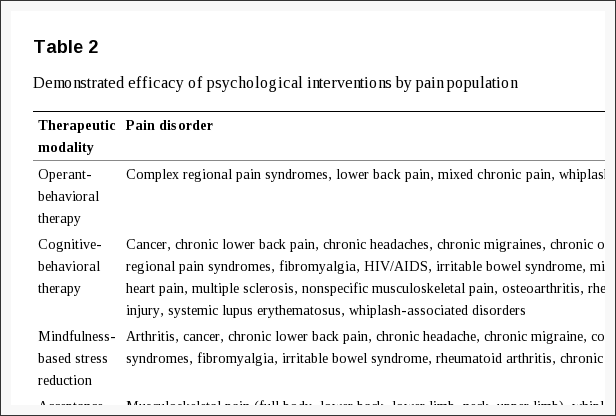
Pain is a complex stressor that presents a significant challenge to most aspects of functioning and contributes to substantial physical, psychological, occupational, and financial cost, particularly in its chronic form. As medical intervention frequently cannot resolve pain completely, there is a need for management approaches to chronic pain, including psychological intervention. Psychotherapy for chronic pain primarily targets improvements in physical, emotional, social, and occupational functioning rather than focusing on resolution of pain itself. However, psychological therapies for chronic pain differ in their scope, duration, and goals, and thus show distinct patterns of treatment efficacy. These therapies fall into four categories: operant-behavioral therapy, cognitive-behavioral therapy, mindfulness-based therapy, and acceptance and commitment therapy. The current article explores the theoretical distinctiveness, therapeutic targets, and effectiveness of these approaches as well as mechanisms and individual differences that factor into treatment response and pain-related dysfunction and distress. Implications for future research, dissemination of treatment, and the integration of psychological principles with other treatment modalities are also discussed.
Chiropractic care is an alternative treatment option which utilizes spinal adjustments and manual manipulations to treat injuries and/or conditions associated with the musculoskeletal and nervous system. Chiropractic treatment primarily focuses on spinal health, however, because the spine is the root of the nervous system, chiropractic care can also be effectively used to treat a variety of mental health issues. As a chiropractor, I make sure to focus on the body as a whole, rather than treating the symptoms of a single injury and/or condition. The truth of the matter is, chiropractic treatment must also deal with the emotional component of each health issue in order to provide overall relief. Psychosomatic disorders, refers to a physical illness caused or aggravated by a mental factor, such as stress. Chiropractic care can be utilized as a psychological therapy, in which, a chiropractor may recommend a series of lifestyle modifications to help reduce stress, anxiety and depression, together with spinal adjustments and manual manipulations to reduce symptoms associated with mental health issues. Furthermore, the understanding of the connection between the mind and body is essential in chiropractic treatment towards overall health and wellness.
Introduction to the Non-Pharmacological Treatment of Pain
Pain is an essential biological function that signals disturbance or damage in the body, prevents further harm through overuse of the afflicted area, and promotes physiological homeostasis.[1] Whether through abnormal healing, additional bodily damage, or failed medical intervention, pain may become chronic. Chronic pain no longer signals damage to the body and is instead a detriment to the physical and psychological well-being of the sufferer. Unfortunately, medical intervention frequently cannot resolve chronic pain, resulting in increased need for management approaches to pain, as is the approach to other chronic medical conditions.[2] In recent years, the biopsychosocial model has informed research and intervention in pain psychology, wherein physical, cognitive, affective, and interpersonal factors are used to inform treatment.[2] Currently, psychological interventions for chronic pain target a variety of domains, including physical functioning, pain medication use, mood, cognitive patterns, and quality of life, while changes in pain intensity may be secondary.[3] As such, psychological interventions for pain are ideally suited as complementary treatments to medical treatment.[4] In order to articulate the distinct philosophies and effects of each psychological intervention, it is important to first consider the variety of ways that pain affects psychological functioning.
Psychological Reactions to Pain
Recurrent pain may contribute to development of maladaptive cognitions and behavior that worsen daily functioning, increase psychiatric distress, or prolong the experience of pain.[5] Individuals suffering from chronic pain tend to show increased vulnerability to a variety of psychiatric conditions, including depressive disorders,[6] anxiety disorders,[7] and posttraumatic stress disorder.[7] However, the relationship between depression and pain is likely bidirectional, as the presence of a major depressive disorder has been identified as a key risk factor in the transition from acute pain to chronic pain.[8] Additionally, individuals with pain may suffer from significant anxiety and depressive symptomatology that does not reach the severity of a clinical diagnosis.[9] Further, chronic pain negatively impacts quality of life[10] and contributes to higher levels of disability.[10] Individuals with chronic pain are also vulnerable to higher rates of obesity,[11] sleep disturbance,[12] and fatigue,[13] show greater rates of medical utilization,[10] and are vulnerable to problematic pain medication use.[14] Given the negative psychological consequences of chronic pain, it is worthwhile to consider three psychological mechanisms related to pain-related distress that have proven to be suitable targets for intervention: pain catastrophizing, fear of pain, and pain acceptance.
Pain catastrophizing is defined as a negative cognitive and affective mental set related to expected or actual pain experience.[15] Pain catastrophizing is characterized by magnification of the negative effects of pain, rumination about pain, and feelings of helplessness in coping with pain.[16] Pain catastrophizing has been associated with various forms of dysfunction, including increased rates of depression[17] and anxiety,[16] greater functional impairment and disability due to pain,[17] and lower overall quality of life.[18] Individuals who catastrophize about their pain report lower levels of perceived control over pain,[19] poorer emotional and social functioning,[20] and poorer responses to medical intervention.[21] Pain catastrophizing also contributes to poorer pain coping and overall functioning, making pain catastrophizing a viable target for psychological intervention. Addressing catastrophic thoughts about pain improves physical and psychological functioning in the short term[22] and improves the likelihood of returning to work despite the presence of persistent pain.[23]
Pain-related fear is another psychological mechanism that has significant implications for physical and psychological functioning in chronic pain. Pain-related fear reflects a fear of injury or worsening of one�s physical condition through activities that may trigger pain.[24] Pain-related fear is associated with increased pain intensity[25] and increased disability.[26] Pain-related fear contributes to disability by fostering passive or avoidant pain-coping behaviors that contribute to physical deconditioning and pain.[27] If left unaddressed, fear of pain can impair gains in physical rehabilitation settings.[28] Evidence suggests that pain catastrophizing precedes pain-related fear,[24] but both of these mechanisms uniquely contribute to pain and physical disability.[5,29]
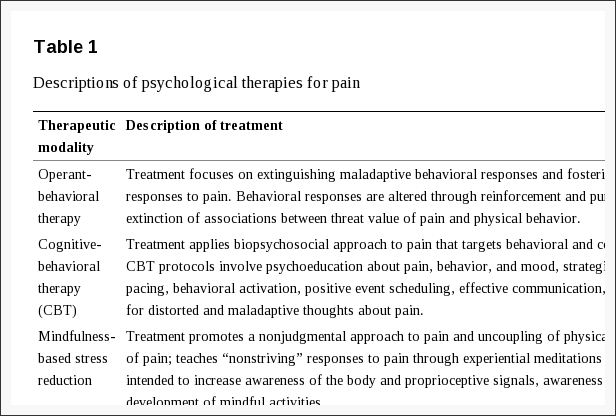
Recently, there has been increased attention to the psychological flexibility model, which extends the fear-avoidance model of chronic pain and proposes to improve treatment outcomes through fostering of accepting attitudes towards pain.[30] Psychological flexibility has been defined as an ability to engage in the present moment in a way that allows the individual to either maintain or adjust his or her behavior in the way that is most consistent with internally held goals and values;[31] this idea is especially important in times of greater pain, given the narrowing of focus that is common during times of pain.[32] Similar to psychological acceptance, which fosters a nonjudgmental approach to distressing thoughts and emotions, pain acceptance is defined as a process of nonjudgmentally acknowledging pain, stopping maladaptive attempts to control pain, and learning to live a richer life in spite of pain.[33] Pain acceptance influences emotional functioning through two distinct mechanisms: a willingness to experience pain, which buffers against negative emotional reactions to pain, and continued engagement in valued activities despite the presence of pain, which bolsters positive emotions.[34] Acceptance of pain is theorized to uncouple the occurrence of catastrophic thoughts about pain from subsequent emotional suffering[35] and reduces reliance on control- or avoidance-based coping,[36] thereby freeing cognitive and emotional resources for more meaningful pursuits.[33] Pain acceptance has demonstrated positive associations with cognitive, emotional, social, and occupational functioning in chronic pain populations.[36] Acceptance of pain predicts lower levels of pain catastrophizing[37] and greater levels of positive affect, which in turn reduce the association between pain intensity and negative emotions.[38] Pain acceptance is a particularly salient target for intervention in mindfulness- and acceptance-based therapies for chronic pain, which will be discussed later (see Table 1).
Table 1: Descriptions of psychological therapies for pain.
Psychological Intervention as an Approach to Pain Management
Operant Behavioral Approaches
Fordyce[39] proposed a behavioral model of pain adaptation in which maladaptive behavioral responses to pain develop through contingent relief from pain or pain-related fear. According to this theory, a behavioral drive to avoid pain leads individuals to avoid behaviors that are painful but maintain their physical and emotional health; this avoidance contributes to the development and maintenance of pain chronicity, deconditioning, and depression.[40] Operant therapy for chronic pain utilizes reinforcement and punishment contingencies to reduce pain-related behaviors and foster more adaptive behaviors, including graded patterns of activity, activity pacing, and time-contingent medication management.[40] Behavioral therapy for pain has shown positive effects on a variety of domains, including pain experience, mood, negative cognitive appraisals, and functioning in social roles.[3]
A recent application of learning theory to chronic pain involves in vivo exposure treatment for pain-related fear, which focuses on decreasing the perceived harmfulness of physical activity.[41] Learning theory posits that the aversive signal of pain may be passed to neutral stimuli (like physical movement behaviors), which contributes to avoidant behavior. In vivo exposure therapy extinguishes threat, fear, and behavioral avoidance through progressively increasing engagement in painful behaviors in the absence of catastrophic outcomes; when these behaviors are performed without serious negative consequences, patients may realize that their expectations about the consequences of physical movement and pain are unrealistic.[24,42] Consistent with exposure treatments for phobias and other anxiety disorders, in vivo exposure treatment for fear of pain involves development of a personalized, graded hierarchy of activities that elicit a fearful response, psychoeducation related to pain, fear, and behavior, and ultimately slow and systematic exposure to activities related to the individual�s fear hierarchy.[41] In vivo exposure treatment for pain-related fear has demonstrated efficacy in improving pain, pain catastrophizing, and functional disability,[41] and in decreasing pain-related fear and anxiety, depression, and anxiety.[43] Exclusively behavioral approaches to pain have been less prevalent in recent years but have demonstrated efficacy in lower back pain samples, among others (see Table 2). The effects of in vivo exposure on functional disability appear to be mediated by decreased catastrophizing and perceived harmfulness of activity[41] but may be differentially effective for patients of differing baseline levels of functionality.[40]
Table 2: Demonstrated efficacy of psychological interventions by pain population.
Cognitive-Behavioral Therapy
Cognitive-behavioral therapy (CBT) adopts a biopsychosocial approach to the treatment of chronic pain by targeting maladaptive behavioral and cognitive responses to pain and social and environmental contingencies that modify reactions to pain.[44] CBT principles have demonstrated efficacy for a variety of psychiatric disorders and physical illnesses, in addition to pain.[45] CBT for pain develops coping skills intended to manage pain and improve psychological functioning, including structured relaxation, behavioral activation and scheduling of pleasurable events, assertive communication, and pacing of behavior in order to avoid prolongation or exacerbation of pain flares. Unlike operant-behavioral approaches, CBT for pain also addresses maladaptive beliefs about pain and pain catastrophizing through formal use of cognitive restructuring: identification and replacement of unrealistic or unhelpful thoughts about pain with thoughts that are oriented towards adaptive behavior and positive functioning.[44] CBT for pain has been widely implemented as a standard treatment for pain and constitutes the current �gold standard� for psychological intervention for pain.[44]
According to recent meta-analytic studies,[45] CBT for pain demonstrates small-to-medium effect sizes in a variety of domains and shows effects on pain and functioning comparable to standard medical care for pain.[3] CBT significantly improves disability and pain catastrophizing after treatment and yields longer-term improvements in disability, above and beyond the effects of usual medical care,[3] as well as smaller effects on pain, catastrophizing, and mood when compared to no treatment.[3] CBT-related changes in helplessness and catastrophizing are uniquely predictive of later changes in pain intensity and pain-related interference in daily functioning.[22] CBT is also a valuable adjunct treatment in physical rehabilitation programs.[46] The benefits of CBT for pain have been noted in many chronic pain populations (see Table 2) but may not be as robust in some populations, including fibromyalgia.[47] Further, some have suggested that the effects of CBT are at best moderately sized and not maintained long-term.[30] The intractable nature of chronic pain may make adaptation difficult as attempts to control pain may prove ineffectual, ultimately contributing to greater psychological distress.[36] Recent efforts have thus expanded the cognitive-behavioral model of pain intervention to address these issues, which has yielded two newer treatment modalities: mindfulness-based stress reduction (MBSR) and acceptance and commitment therapy (ACT). Unlike CBT, these approaches focus on fostering acceptance of chronic pain rather than emphasizing strategies for controlling pain, thereby improving emotional well-being and greater engagement in nonpain-related pursuits. Though these interventions both target acceptance of pain, they differ in their therapeutic implementation and approach to meditation and daily practice.
Mindfulness-Based Stress Reduction
Mindfulness-based interventions approach seeks to uncouple the sensory aspects of pain from the evaluative and emotional aspects of pain,[48] and promote detached awareness of the somatic and psychological sensations within the body.[48] As the chronic pain signal often cannot be extinguished, this detachment may enhance individual responses to chronic pain.[48] Through mindful awareness and meditation, thoughts about pain can be viewed as discrete events rather than an indication of an underlying problem that necessitates immediate and possibly maladaptive responses.[49] An individual may then recognize these sensations or thoughts as something familiar, which may serve to ameliorate emotional or maladaptive behavioral responses to pain.
MBSR is a form of meditation developed in Eastern philosophy and later adapted to Western intervention that enhances awareness and acceptance of physical, cognitive, and emotional states and disconnects psychological reactions from the uncontrollable experience of pain flares.[44] MBSR interventions have traditionally been structured as 2-hour sessions occurring weekly over 10 weeks that develop awareness of the body and proprioceptive signals, awareness of the breath and physical sensations, and development of mindful activities (such as eating, walking, and standing).[48] MBSR promotes mindfulness through daily meditation, which is a requisite component of the treatment.[50] The mechanisms underlying effective MBSR intervention may be similar to desensitization to pain, as meditations involve motionless sitting practices that expose participants to painful sensations in the absence of catastrophic consequences.[48,50] In this way, MBSR interventions may function similarly to in vivo exposure for pain but serve the additional purpose of increasing tolerance for negative emotions, thereby fostering more adaptive responses to pain.[50] MBSR also reduces rumination[51] and interoception of distressing physical signals[52] and increases mindful awareness[51] and acceptance of pain.[53] MBSR necessitates cultivation of daily mindfulness practices,[48] yet compliance rates of MBSR have been found to compare favorably to behavioral pain management techniques.[54] However, evidence on the importance of daily practice is mixed; the amount of time devoted to these mindful activities correlates with symptom improvement in some studies,[55] yet compliance rates appear to correlate only modestly with improvement in others.[54] Unlike CBT, which identifies thoughts as distorted and in need of change, practitioners of mindfulness adopt a nonjudgmental approach to thoughts as �discrete events� that encourage emotional distance from thoughts.[44,50] Further, CBT is a goal-oriented treatment modality, targeting an increased relaxation response or an altered behavioral or thought response, whereas mindfulness does not prescribe specific goals, relying instead on nonjudgmental observation.[50] Further, mindfulness instructors are expected to engage in their own daily mindfulness practices, whereas CBT practitioners do not necessarily need daily practice in CBT to teach it effectively.[50]
MBSR has demonstrated efficacy in addressing the severity of medical symptoms and psychological symptoms,[48] pain intensity,[56] and coping with stress and pain;[54] these treatment gains may last up to 4 years after intervention in many domains.[54] MBSR has been effective in diverse pain samples,[48,54,56] and in individuals with irritable bowel syndrome,[52] neck pain,[57] migraine,[57] fibromyalgia,[58] and chronic musculoskeletal pain.[59] Additionally, MBSR addresses co-occurring symptoms of depression in individuals with some chronic pain conditions like fibromyalgia[60] and enhances the effects of multidisciplinary treatment on disability, anxiety, depression, and catastrophizing.[61] Meta-analytic studies of MBSR in chronic pain have shown small to moderate effects of MBSR on anxiety, depression, and psychological distress in patients with chronic illnesses including pain,[62] and these benefits tend to be robust across studies.[63] However, as with CBT, MBSR may be differentially effective across populations; a recent longitudinal study noted greater improvements in pain, health-related quality of life, and psychological well-being for back or neck pain than in fibromyalgia, chronic migraine, or headache.[57]
Acceptance and Commitment Therapy
ACT adopts a theoretical approach that thoughts do not need to be targeted or changed; instead, responses to thoughts may be altered so that their negative consequences are minimized.[31] ACT interventions improve well-being through nonjudgmental and purposeful acknowledgment of mental events (ie, thoughts and emotions), fostering acceptance of these events, and increasing the ability of the individual to remain present and aware of personally relevant psychological and environmental factors; in doing so, individuals are able to adjust their behavior in a way that is consistent with their goals or values, rather than focusing on immediate relief from thoughts and emotions.[31] In the treatment of pain, ACT fosters purposeful awareness and acceptance of pain, thereby minimizing the focus on reducing pain or thought content and instead directing efforts towards fulfilling behavioral functioning.[44] ACT shares conceptual similarity with MBSR due to shared goals of promoting mindfulness and acceptance of pain but, unlike MBSR, ACT does not utilize daily mindful meditation and instead focuses on identification of the values and goals of the individual, which serve to direct behavior.[64] ACT-based interventions have demonstrated benefits on various aspects of mental health in chronic pain populations, including mental health quality of life, self-efficacy, depression, and anxiety.[65] Some studies of ACT interventions for chronic pain have reported medium or larger effect sizes for improvements in pain-related anxiety and distress, disability, number of medical visits, current work status, and physical performance,[66,67] with smaller effects of this intervention noted on pain and depression.[64] However, meta-analytic studies of acceptance-based therapies for pain have revealed that ACT does not show incrementally greater efficacy in comparison to other established psychological treatments for chronic pain.[64]
Future Directions and Remaining Questions
The extant literature suggests that each of the previously reviewed psychological interventions has retained value for the treatment of chronic pain. At present, there is little evidence of the superiority of any treatment approach, with one exception: CBT has demonstrated incrementally greater benefit in many areas than the effects of behavioral therapy.[3] As previously noted, however, operant-behavioral principles have been adopted for newer treatment approaches like in vivo exposure for fear of pain, which has demonstrated good benefit in multidisciplinary treatment with some pain populations.[41] Recent reviews have concluded that MBSR and ACT are promising but yield generally comparable effects to CBT, despite their distinct intervention methods.[64] The ability to draw conclusions regarding treatment superiority is further limited by the smaller number of high-quality studies of ACT or MBSR compared to the more robust CBT literature.[64]
Some critical questions remain regarding the comparative effectiveness of these interventions. First, the effects of CBT are significant in the short term but are not consistently maintained across time, possibly due to decreased adherence.[3] It is conceivable that acceptance-based approaches, which are predicated less on mechanistic coping strategies and instead foster accepting attitudes towards pain, may show greater rates of long-term adherence and longer-term benefits than CBT, though future study of this question is needed. Further, some pain disorders (such as fibromyalgia) have shown comparatively poorer treatment response to CBT than other pain disorders in some studies, which highlights the possible benefit of alternative interventions in such populations. Indeed, ACT and MBSR have also shown efficacy in fibromyalgia populations, though there remains a need to identify predictors of differential treatment response.[65]
Safety and Tolerability of Psychological Therapies
Psychological therapies for pain are presumed to be at low risk for adverse effects to the recipient; as a result, there is a dearth of empirical evidence regarding the risks of psychological interventions.[68] Some have suggested that patients who enter psychological treatment face risks of incorrect psychological diagnosis, psychological dependence, undermining of a patient�s ability to make their own decisions, or manipulation by the therapist to achieve nontherapeutic goals.[69,70] However, these concerns are alleviated through proper clinical and ethical training of practitioners and are not typically considered salient risks of psychological therapies when they are properly administered.[70] Recently, there has been a call for additional research to address the possibility of adverse psychotherapeutic effects[71] as well as a more systematic method of monitoring and identifying adverse events related to psychotherapy.[68] Though the rates of adverse effects of psychotherapy are still largely unknown, it is encouraging that recent studies have begun to specifically report the incidence of adverse events directly.[72]
Factors Affecting the Outcomes of Psychological Intervention
Practitioners should be cautioned against the assumption of homogeneity among patients with pain disorders, as a variety of factors may predict treatment response.[69,71] Turk[73] proposed that individuals coping with comparable levels of pain show distinct patterns of response that could be clustered into recognizable subclasses: �dysfunctional� patients, who report high levels of pain-related interference and distress; �interpersonally distressed� patients, who report lacking the support of loved ones in coping with their pain; and �adaptive copers,� who report notably higher levels of function and perceived social support and lower levels of pain-related dysfunction. Turk proposed that these patient subgroups respond differently to psychological intervention, and subsequent findings have supported this idea: �dysfunctional� patients have demonstrated greater response to interdisciplinary treatment involving psychological care than �interpersonally distressed� patients.[74] Identification of patient subgroups may be accomplished using instruments like the Multidisciplinary Pain Inventory[75] and through detailed assessment of chronic pain intensity and disability.[76] Additionally, patients� readiness to adopt a self-management approach to their own chronic pain appears to have significant implications for treatment response;[77] patients who are in the precontemplation stage of treatment readiness may benefit more from insight-focused therapy, versus those in an action stage, who may benefit more from establishing relaxation-based and other active coping strategies.[77] Patient readiness to self-manage pain may be assessed using the Pain Stages of Change Questionnaire.[77] Additionally, treatment response may be subject to patient beliefs about the importance of intervention-specific behaviors and about one�s own ability to perform these actions.[78]
Additionally, there may be demographic, psychological, and medical differences among patients that are relevant to treatment response, including the etiology of pain conditions, socioeconomic status, and cultural and ethnic background; these factors require further empirical research in order to optimize clinical outcomes but have not yet received adequate attention in the clinical literature.[79] For example, baseline levels of physical functioning appear to predict response to certain psychological treatment modalities like in vivo exposure for fear of pain.[40] Further, baseline levels of pain, depression, and anxiety have been found to predict dropout rates in some samples,[80,81] though these effects are not apparent in all samples.[3] In addition to being an important mechanism of treatment, there is evidence that baseline levels of fear of pain may also predict differential treatment response; individuals more fearful of pain at the outset of a multidisciplinary pain treatment program showed greater responsiveness to in vivo exposure for this problem.[28] The presence of medical comorbidities that are likely to impact future functioning is also important to consider; recently, psychological interventions have been developed that address comorbid symptoms of sleep,[82] obesity,[29] and fatigue[83] that may accompany chronic pain. Hybrid treatments may be more important in independent clinical practice, where comorbidity is more common.[82] Notably, there is little evidence that personality variables factor significantly into treatment response; most of the connections between personality traits and variables relevant to psychological intervention for pain are theoretical and have not consistently emerged in empirical research.[84,85]
Patient age is also an important consideration in examining responses to interventions for pain. Older adults have increased risks of various ailments related to pain, including arthritis and osteoporosis, but may have poor tolerance to medications for these conditions.[86] Further, age may alter psychological reactions to pain; the emotional aspects of pain are more strongly correlated with pain catastrophizing in younger adults than older adults while sensory aspects of pain appear more strongly related to pain catastrophizing in older adults.[87] Additionally, treatment protocols may require accommodation for elderly populations; addressing an elderly patient�s fear of movement may be complicated by a fear of falling that is absent in younger populations.[88] As memory concerns are more common in older adulthood, treatment protocols may be improved if they minimize the demand for memorized tasks.[89] Unfortunately, research is lacking for specific psychological interventions in elderly populations.[86] In general, psychological interventions are presumed to be of low risk for older adults,[90] and CBT for pain has received comparatively greater empirical support for older adults.[88] Overall, the efficacy of psychological intervention for pain in older adults is an area that warrants additional study in the future.
Treatment availability is a key consideration for psychological intervention, especially for patients in poverty or living in remote geographical locations. Though it is beyond the scope of this paper to review ethnic and socioeconomic contributors to health, low socioeconomic status is a significant risk factor for the development of chronic pain and factors heavily into racial disparities in health outcomes.[91] As financial challenges may restrict access to traditional psychological interventions, the importance of alternative modalities for provision of mental health interventions for chronic pain is paramount. Teleinterventions[92] and Internet-based interventions[93] may be viable for psychological treatment of chronic pain; Internet-based programs delivering ACT,[94] CBT,[46] and mindfulness interventions[95] have demonstrated benefits in psychosocial functioning, mood, and pain coping. However, methodologically rigorous clinical trials and evidence for maximally effective and efficient implementation of these programs are needed, as many interventions have shown modest effects and comparatively high dropout rates.[96]
Combining psychological treatment modalities with one another and with other medical interventions may constitute the next logical step in enhancing treatment outcomes. Institution of a flexible, goal-oriented approach, akin to ACT, may enhance engagement and adherence in CBT.[97] Additionally, a combination of graded in vivo exposure and ACT may show incremental benefit in addressing pain-related fear and anxiety.[98] Effects of CBT may also be enhanced in conjunction with treatments like biofeedback[99] and hypnosis.[100] A word of caution: presentation of psychological treatment by nontraditional practitioners may show variable effectiveness unless treatment approaches are adjusted appropriately.[101] If trained properly, however, appropriately-designed cognitive-behavioral interventions can be effectively administered by physiotherapists,[102] physical therapists,[103] nurses, and occupational therapists.[104]
Conclusion
Psychotherapy constitutes a valuable modality for addressing the behavioral, cognitive, emotional, and social factors that both result from and contribute to pain-related dysfunction and distress through enhancement of self-management strategies. There are several distinct psychological interventions that differ in their theoretical approaches, therapeutic targets, and areas of efficacy, but CBT, ACT, MBSR, and operant behavioral approaches to pain may all play important roles for enhancing the self-management abilities of individuals with chronic pain. However, there remains a need to identify predictors of differential treatment response and salient patient subgroups to optimize treatment outcomes, as well as additional and alternative means to provision of psychological services for those who are unwilling or unable to engage in traditional psychotherapy. More empirical research into contributing factors of differential treatment response and the dissemination of psychological treatment for pain may result in significant savings to the physical, emotional, and financial costs of chronic pain.
Footnotes
Disclosure:�The author reports no conflicts of interest in this work.
In conclusion, psychological therapies, such as cognitive-behavioral therapy, mindfulness-based stress reduction and even chiropractic care, have been demonstrated to effective help treat chronic pain, according to research studies. The connection between the mind and body has previously been referenced as a cause for a variety of health issues, including chronic pain. Finally, the article above demonstrated the effects of psychological therapy for chronic pain management. Information referenced from the National Center for Biotechnology Information (NCBI). The scope of our information is limited to chiropractic as well as to spinal injuries and conditions. To discuss the subject matter, please feel free to ask Dr. Jimenez or contact us at 915-850-0900 .
Curated by Dr. Alex Jimenez
Additional Topics: Back Pain
According to statistics, approximately 80% of people will experience symptoms of back pain at least once throughout their lifetimes. Back pain is a common complaint which can result due to a variety of injuries and/or conditions. Often times, the natural degeneration of the spine with age can cause back pain. Herniated discs occur when the soft, gel-like center of an intervertebral disc pushes through a tear in its surrounding, outer ring of cartilage, compressing and irritating the nerve roots. Disc herniations most commonly occur along the lower back, or lumbar spine, but they may also occur along the cervical spine, or neck. The impingement of the nerves found in the low back due to injury and/or an aggravated condition can lead to symptoms of sciatica.
1.�Craig AD. A new view of pain as a homeostatic emotion.�Trends Neurosci.�2003;26(6):303�307.[PubMed]
2.�Gatchel RJ. Comorbidity of chronic pain and mental health disorders: the biopsychosocial perspective.�Am Psychol.�2004;59(8):795�805.�[PubMed]
3.�Williams AC, Eccleston C, Morley S. Psychological therapies for the management of chronic pain (excluding headache) in adults.�Cochrane Database Syst Rev.�2012;11:CD007407.�[PubMed]
4.�Turk DC, Audette J, Levy RM, Mackey SC, Stanos S. Assessment and treatment of psychosocial comorbidities in patients with neuropathic pain.�Mayo Clin Proc.�2010;85(Suppl 3):S42�S50.[PMC free article]�[PubMed]
5.�Thibault P, Loisel P, Durand MJ, Catchlove R, Sullivan MJ. Psychological predictors of pain expression and activity intolerance in chronic pain patients.�Pain.�2008;139(1):47�54.�[PubMed]
6.�Bair MJ, Robinson RL, Katon W, Kroenke K. Depression and pain comorbidity: a literature review.�Arch Intern Med.�2003;163(20):2433�2445.�[PubMed]
7.�McWilliams LA, Cox BJ, Enns MW. Mood and anxiety disorders associated with chronic pain: an examination in a nationally representative sample.�Pain.�2003;106(1�2):127�133.�[PubMed]
8.�Young Casey C, Greenberg MA, Nicassio PM, Harpin RE, Hubbard D. Transition from acute to chronic pain and disability: a model including cognitive, affective, and trauma factors.�Pain.�2008;134(1�2):69�79.[PubMed]
9.�Geenen R, Newman S, Bossema ER, Vriezekolk JE, Boelen PA. Psychological interventions for patients with rheumatic diseases and anxiety or depression.�Best Pract Res Clin Rheumatol.�2012;26(3):305�319.[PubMed]
10.�Winkelmann A, Perrot S, Schaefer C, et al. Impact of fibromyalgia severity on health economic costs: results from a European cross- sectional study.�Appl Health Econ Health Policy.�2011;9(2):125�136.[PubMed]
11.�Wright LJ, Schur E, Noonan C, Ahumada S, Buchwald D, Afari N. Chronic pain, overweight, and obesity: findings from a community-based twin registry.�J Pain.�2010;11(7):628�635.�[PMC free article][PubMed]
12.�Smith MT, Haythornthwaite JA. How do sleep disturbance and chronic pain inter-relate? Insights from the longitudinal and cognitive- behavioral clinical trials literature.�Sleep Med Rev.�2004;8(2):119�132.[PubMed]
13.�Kato K, Sullivan PF, Eveng�rd B, Pedersen NL. Chronic widespread pain and its comorbidities: a population-based study.�Arch Intern Med.�2006;166(15):1649�1654.�[PubMed]
14.�Richardson LP, Russo JE, Katon W, et al. Mental health disorders and long-term opioid use among adolescents and young adults with chronic pain.�J Adolesc Health.�2012;50(6):553�558.�[PMC free article][PubMed]
15.�Sullivan MJ, Thorn B, Haythornthwaite JA, et al. Theoretical perspectives on the relation between catastrophizing and pain.�Clin J Pain.�2001;17(1):52�64.�[PubMed]
16.�Sullivan MJL, Bishop SR, Pivik J. The pain catastrophizing scale: development and validation.�Psychol Assess.�1995;7(4):524�532.
17.�Keefe FJ, Brown GK, Wallston KA, Caldwell DS. Coping with rheumatoid arthritis pain: catastrophizing as a maladaptive strategy.�Pain.�1989;37(1):51�56.�[PubMed]
18.�Wollaars MM, Post MW, van Asbeck FW, Brand N. Spinal cord injury pain: the influence of psychologic factors and impact on quality of life.�Clin J Pain.�2007;23(5):383�391.�[PubMed]
19.�Crisson JE, Keefe FJ. The relationship of locus of control to pain coping strategies and psychological distress in chronic pain patients.�Pain.�1988;35(2):147�154.�[PubMed]
20.�Hamilton NA, Karoly P, Zautra AJ. Health goal cognition and adjustment in women with fibromyalgia.�J Behav Med.�2005;28(5):455�466.�[PubMed]
21.�Mankovsky T, Lynch M, Clark A, Sawynok J, Sullivan MJ. Pain catastrophizing predicts poor response to topical analgesics in patients with neuropathic pain.�Pain Res Manag.�2012;17(1):10�14.[PMC free article]�[PubMed]
22.�Burns JW, Glenn B, Bruehl S, Harden RN, Lofland K. Cognitive factors influence outcome following multidisciplinary chronic pain treatment: a replication and extension of a cross-lagged panel analysis.�Behav Res Ther.�2003;41(10):1163�1182.�[PubMed]
23.�Sullivan MJL, Adams H, Ellis T. Targeting catastrophic thinking to promote return to work in individuals with fibromyalgia.�J Cogn Psychother.�2012;26(2):130�142.
24.�Leeuw M, Goossens ME, Linton SJ, Crombez G, Boersma K, Vlaeyen JW. The fear-avoidance model of musculoskeletal pain: current state of scientific evidence.�J Behav Med.�2007;30(1):77�94.�[PubMed]
25.�Demmelmaier I, Asenl�f P, Lindberg P, Denison E. Biopsychosocial predictors of pain, disability, health care consumption, and sick leave in first-episode and long-term back pain: a longitudinal study in the general population.�Int J Behav Med.�2010;17(2):79�89.�[PubMed]
26.�Zale EL, Lange KL, Fields SA, Ditre JW. The relation between pain-related fear and disability: a meta-analysis.�J Pain.�2013;14(10):1019�1030.�[PMC free article]�[PubMed]
27.�Samwel HJ, Evers AW, Crul BJ, Kraaimaat FW. The role of helplessness, fear of pain, and passive pain-coping in chronic pain patients.�Clin J Pain.�2006;22(3):245�251.�[PubMed]
28.�Werneke MW, Hart DL, George SZ, Stratford PW, Matheson JW, Reyes A. Clinical outcomes for patients classified by fear-avoidance beliefs and centralization phenomenon.�Arch Phys Med Rehabil.�2009;90(5):768�777.�[PubMed]
29.�Somers TJ, Keefe FJ, Pells JJ, et al. Pain catastrophizing and pain-related fear in osteoarthritis patients: relationships to pain and disability.�J Pain Symptom Manage.�2009;37(5):863�872.�[PMC free article][PubMed]
30.�Pincus T, McCracken LM. Psychological factors and treatment opportunities in low back pain.�Best Pract Res Clin Rheumatol.�2013;27(5):625�635.�[PubMed]
31.�Hayes SC, Luoma JB, Bond FW, Masuda A, Lillis J. Acceptance and commitment therapy: model, processes and outcomes.�Behav Res Ther.�2006;44(1):1�25.�[PubMed]
32.�Eccleston C, Crombez G, Aldrich S, Stannard C. Worry and chronic pain patients: a description and analysis of individual differences.�Eur J Pain.�2001;5(3):309�318.�[PubMed]
33.�McCracken LM. Learning to live with the pain: acceptance of pain predicts adjustment in persons with chronic pain.�Pain.�1998;74(1):21�27.�[PubMed]
34.�Kranz D, Bollinger A, Nilges P. Chronic pain acceptance and affective well-being: a coping perspective.�Eur J Pain.�2010;14(10):1021�1025.�[PubMed]
35.�Vowles KE, McCracken LM, Eccleston C. Patient functioning and catastrophizing in chronic pain: the mediating effects of acceptance.�Health Psychol.�2008;27(Suppl 2):S136�S143.�[PubMed]
36.�McCracken LM, Eccleston C. A prospective study of acceptance of pain and patient functioning with chronic pain.�Pain.�2005;118(1�2):164�169.�[PubMed]
37.�Vowles KE, McCracken LM, Eccleston C. Processes of change in treatment for chronic pain: the contributions of pain, acceptance, and catastrophizing.�Eur J Pain.�2007;11(7):779�787.�[PubMed]
38.�Kratz AL, Davis MC, Zautra AJ. Pain acceptance moderates the relation between pain and negative affect in female osteoarthritis and fibromyalgia patients.�Ann Behav Med.�2007;33(3):291�301.[PMC free article]�[PubMed]
39.�Fordyce WE.�Behavioral Methods for Chronic Pain and Illness.�St Louis, MO: Mosby; 1976. p. 1.
40.�Gatzounis R, Schrooten MG, Crombez G, Vlaeyen JW. Operant learning theory in pain and chronic pain rehabilitation.�Curr Pain Headache Rep.�2012;16(2):117�126.�[PubMed]
41.�Leeuw M, Goossens ME, van Breukelen GJ, et al. Exposure in vivo versus operant graded activity in chronic low back pain patients: results of a randomized controlled trial.�Pain.�2008;138(1):192�207.[PubMed]
42.�den Hollander M, de Jong JR, Volders S, Goossens ME, Smeets RJ, Vlaeyen JW. Fear reduction in patients with chronic pain: a learning theory perspective.�Expert Rev Neurother.�2010;10(11):1733�1745.[PubMed]
43.�Woods MP, Asmundson GJ. Evaluating the efficacy of graded in vivo exposure for the treatment of fear in patients with chronic back pain: a randomized controlled clinical trial.�Pain.�2008;136(3):271�280.[PubMed]
44.�Day MA, Thorn BE, Burns JW. The continuing evolution of biopsychosocial interventions for chronic pain.�J Cogn Psychother.�2012;26(2):114�129.
45.�Hofmann SG, Asnaani A, Vonk IJ, Sawyer AT, Fang A. The efficacy of cognitive behavioral therapy: a review of meta-analyses.�Cognit Ther Res.�2012;36(5):427�440.�[PMC free article]�[PubMed]
46.�Buhrman M, Fredriksson A, Edstr�m G, et al. Guided Internet-delivered cognitive behavioural therapy for chronic pain patients who have residual symptoms after rehabilitation treatment: randomized controlled trial.�Eur J Pain.�2013;17(5):753�765.�[PubMed]
47.�Bennett R, Nelson D. Cognitive behavioral therapy for fibromyalgia.�Nat Clin Pract Rheumatol.�2006;2(8):416�424.�[PubMed]
48.�Kabat-Zinn J. An outpatient program in behavioral medicine for chronic pain patients based on the practice of mindfulness meditation: theoretical considerations and preliminary results.�Gen Hosp Psychiatry.�1982;4(1):33�47.�[PubMed]
49.�Lauwerier E, Van Damme S, Goubert L, Paemeleire K, Devulder J, Crombez G. To control or not? A motivational perspective on coping with pain.�Acta Neurol Belg.�2012;112(1):3�7.�[PubMed]
50.�Baer RA. Mindfulness training as a clinical intervention: a conceptual and empirical review.�Clin Psychol: Sci Pract.�2003;10(2):125�143.
51.�Campbell TS, Labelle LE, Bacon SL, Faris P, Carlson LE. Impact of Mindfulness-Based Stress Reduction (MBSR) on attention, rumination and resting blood pressure in women with cancer: a waitlist-controlled study.�J Behav Med.�2012;35(3):262�271.�[PubMed]
52.�Garland EL, Gaylord SA, Palsson O, Faurot K, Douglas Mann J, Whitehead WE. Therapeutic mechanisms of a mindfulness-based treatment for IBS: effects on visceral sensitivity, catastrophizing, and affective processing of pain sensations.�J Behav Med.�2012;35(6):591�602.�[PMC free article]�[PubMed]
53.�Kabat-Zinn J.�Full Catastrophe Living: The Program of the Stress Reduction Clinic at the University of Massachusetts Medical Center.�New York, NY: Delta; 1990.
54.�Kabat-Zinn J, Lipworth L, Burney R, Sellers W. Four-year follow-up of a meditation-based program for the self-regulation of chronic pain: treatment outcomes and compliance.�Clin J Pain.�1986;2(3):159�173.
55.�Carmody J, Baer RA. Relationships between mindfulness practice and levels of mindfulness, medical and psychological symptoms and well-being in a mindfulness-based stress reduction program.�J Behav Med.�2008;31(1):23�33.�[PubMed]
56.�Randolph P, Caldera YM, Tacone AM, Greak BL. The long-term combined effects of medical treatment and a mindfulness-based behavioral program for the multidisciplinary management of chronic pain in West Texas.�Pain Digest.�1999;9:103�112.
57.�Rosenzweig S, Greeson JM, Reibel DK, Green JS, Jasser SA, Beasley D. Mindfulness-based stress reduction for chronic pain conditions: variation in treatment outcomes and role of home meditation practice.�J Psychosom Res.�2010;68(1):29�36.�[PubMed]
58.�Grossman P, Tiefenthaler-Gilmer U, Raysz A, Kesper U. Mindfulness training as an intervention for fibromyalgia: evidence of postintervention and 3-year follow-up benefits in well-being.�Psychother Psychosom.�2007;76(4):226�233.�[PubMed]
59.�Plews-Ogan M, Owens JE, Goodman M, Wolfe P, Schorling J. A pilot study evaluating mindfulness-based stress reduction and massage for the management of chronic pain.�J Gen Intern Med.�2005;20(12):1136�1138.�[PMC free article]�[PubMed]
60.�Sephton SE, Salmon P, Weissbecker I, et al. Mindfulness meditation alleviates depressive symptoms in women with fibromyalgia: results of a randomized clinical trial.�Arthritis Rheum.�2007;57(1):77�85.[PubMed]
61.�Cassidy EL, Atherton RJ, Robertson N, Walsh DA, Gillett R. Mindfulness, functioning and catastrophizing after multidisciplinary pain management for chronic low back pain.�Pain.�2012;153(3):644�650.�[PubMed]
62.�Bohlmeijer E, Prenger R, Taal E, Cuijpers P. The effects of mindfulness-based stress reduction therapy on mental health of adults with a chronic medical disease: a meta-analysis.�J Psychosom Res.�2010;68(6):539�544.�[PubMed]
63.�Merkes M. Mindfulness-based stress reduction for people with chronic diseases.�Aust J Prim Health.�2010;16(3):200�210.�[PubMed]
64.�Veehof MM, Oskam MJ, Schreurs KM, Bohlmeijer ET. Acceptance-based interventions for the treatment of chronic pain: a systematic review and meta-analysis.�Pain.�2011;152(3):533�542.�[PubMed]
65.�Wicksell RK, Kemani M, Jensen K, et al. Acceptance and commitment therapy for fibromyalgia: a randomized controlled trial.�Eur J Pain.�2013;17(4):599�611.�[PubMed]
66.�McCracken LM, MacKichan F, Eccleston C. Contextual cognitive-behavioral therapy for severely disabled chronic pain sufferers: effectiveness and clinically significant change.�Eur J Pain.�2007;11(3):314�322.�[PubMed]
67.�Vowles KE, McCracken LM. Acceptance and values-based action in chronic pain: a study of treatment effectiveness and process.�J Consult Clin Psychol.�2008;76(3):397�407.�[PubMed]
68.�Dimidjian S, Hollon SD. How would we know if psychotherapy were harmful?�Am Psychol.�2010;65(1):21�33.�[PubMed]
69.�Berk M, Parker G. The elephant on the couch: side-effects of psychotherapy.�Aust N Z J Psychiatry.�2009;43(9):787�794.�[PubMed]
70.�Green B. Adverse effects of psychotherapy.�Advances in Psychiatric Treatment.�2011;17(6):476.
71.�Barlow DH. Negative effects from psychological treatments: a perspective.�Am Psychol.�2010;65(1):13�20.�[PubMed]
72.�Shadick NA, Sowell NF, Frits ML, et al. A randomized controlled trial of an internal family systems-based psychotherapeutic intervention on outcomes in rheumatoid arthritis: a proof-of-concept study.�J Rheumatol.�2013;40(11):1831�1841.�[PubMed]
73.�Turk DC. The potential of treatment matching for subgroups of patients with chronic pain: lumping versus splitting.�Clin J Pain.�2005;21(1):44�55.�discussion 69�72.�[PubMed]
74.�Turk DC, Okifuji A, Sinclair JD, Starz TW. Differential responses by psychosocial subgroups of fibromyalgia syndrome patients to an interdisciplinary treatment.�Arthritis Care Res.�1998;11(5):397�404.[PubMed]
75.�Kerns RD, Turk DC, Rudy TE. The West Haven-Yale multidimensional pain inventory (WHYMPI)�Pain.�1985;23(4):345�356.�[PubMed]
76.�Von Korff M, Ormel J, Keefe FJ, Dworkin SF. Grading the severity of chronic pain.�Pain.�1992;50(2):133�149.�[PubMed]
77.�Kerns RD, Rosenberg R, Jamison RN, Caudill MA, Haythornthwaite J. Readiness to adopt a self-management approach to chronic pain: the Pain Stages of Change Questionnaire (PSOCQ)�Pain.�1997;72(1�2):227�234.�[PubMed]
78.�Kratz AL, Molton IR, Jensen MP, Ehde DM, Nielson WR. Further evaluation of the Motivational Model of Pain Self-Management: coping with chronic pain in multiple sclerosis.�Ann Behav Med.�2011;41(3):391�400.�[PMC free article]�[PubMed]
79.�Reese C, Mittag O. Psychological interventions in the rehabilitation of patients with chronic low back pain: evidence and recommendations from systematic reviews and guidelines.�Int J Rehabil Res.�2013;36(1):6�12.�[PubMed]
80.�Kraaimaat F, Brons MR, Geenen R, Bijlsma JW. The effect of cognitive behavior therapy in patients with rheumatoid arthritis.�Behav Res Ther.�1995;33(5):487�495.�[PubMed]
81.�Wetherell JL, Afari N, Rutledge T, et al. A randomized, controlled trial of acceptance and commitment therapy and cognitive-behavioral therapy for chronic pain.�Pain.�2011;152(9):2098�2107.�[PubMed]
82.�Tang NK, Goodchild CE, Salkovskis PM. Hybrid cognitive-behaviour therapy for individuals with insomnia and chronic pain: a pilot randomised controlled trial.�Behav Res Ther.�2012;50(12):814�821.[PubMed]
83.�Knoop H, Stulemeijer M, Prins JB, van der Meer JW, Bleijenberg G. Is cognitive behaviour therapy for chronic fatigue syndrome also effective for pain symptoms?�Behav Res Ther.�2007;45(9):2034�2043.[PubMed]
84.�Bishop SR. What do we really know about mindfulness-based stress reduction?�Psychosom Med.�2002;64(1):71�83.�[PubMed]
85.�Turner JA, Holtzman S, Mancl L. Mediators, moderators, and predictors of therapeutic change in cognitive-behavioral therapy for chronic pain.�Pain.�2007;127(3):276�286.�[PubMed]
86.�Park J, Hughes AK. Nonpharmacological approaches to the management of chronic pain in community-dwelling older adults: a review of empirical evidence.�J Am Geriatr Soc.�2012;60(3):555�568.[PubMed]
87.�Kraaij V, Pruymboom E, Garnefski N. Cognitive coping and depressive symptoms in the elderly: a longitudinal study.�Aging Ment Health.�2002;6(3):275�281.�[PubMed]
88.�Keefe FJ, Porter L, Somers T, Shelby R, Wren AV. Psychosocial interventions for managing pain in older adults: outcomes and clinical implications.�Br J Anaesth.�2013;111(1):89�94.�[PMC free article][PubMed]
89.�Nicholson NL, Blanchard EB. A controlled evaluation of behavioral treatment of chronic headache in the elderly.�Behav Ther.�1993;24(3):395�408.
90.�Morone NE, Greco CM. Mind-body interventions for chronic pain in older adults: a structured review.�Pain Med.�2007;8(4):359�375.�[PubMed]
91.�Fuentes M, Hart-Johnson T, Green CR. The association among neighborhood socioeconomic status, race and chronic pain in black and white older adults.�J Natl Med Assoc.�2007;99(10):1160�1169.[PMC free article]�[PubMed]
92.�Naylor MR, Naud S, Keefe FJ, Helzer JE. Therapeutic Interactive Voice Response (TIVR) to reduce analgesic medication use for chronic pain management.�J Pain.�2010;11(12):1410�1419.�[PMC free article][PubMed]
93.�Hoch DB, Watson AJ, Linton DA, et al. The feasibility and impact of delivering a mind-body intervention in a virtual world.�PLoS One.�2012;7(3):e33843.�[PMC free article]�[PubMed]
94.�Buhrman M, Skoglund A, Husell J, et al. Guided internet-delivered acceptance and commitment therapy for chronic pain patients: a randomized controlled trial.�Behav Res Ther.�2013;51(6):307�315.[PubMed]
95.�Davis MC, Zautra AJ. An online mindfulness intervention targeting socioemotional regulation in fibromyalgia: results of a randomized controlled trial.�Ann Behav Med.�2013;46(3):273�284.�[PubMed]
96.�Macea DD, Gajos K, Daglia Calil YA, Fregni F. The efficacy of Web-based cognitive behavioral interventions for chronic pain: a systematic review and meta-analysis.�J Pain.�2010;11(10):917�929.[PubMed]
97.�Schrooten MG, Vlaeyen JW, Morley S. Psychological interventions for chronic pain: reviewed within the context of goal pursuit.�Pain Management.�2012;2(2):141�150.�[PubMed]
98.�Bailey KM, Carleton RN, Vlaeyen JW, Asmundson GJ. Treatments addressing pain-related fear and anxiety in patients with chronic musculoskeletal pain: a preliminary review.�Cogn Behav Ther.�2010;39(1):46�63.�[PubMed]
99.�Glombiewski JA, Sawyer AT, Gutermann J, Koenig K, Rief W, Hofmann SG. Psychological treatments for fibromyalgia: a meta-analysis.�Pain.�2010;151(2):280�295.�[PubMed]
100.�Castel A, Casc�n R, Padrol A, Sala J, Rull M. Multicomponent cognitive-behavioral group therapy with hypnosis for the treatment of fibromyalgia: long-term outcome.�J Pain.�2012;13(3):255�265.[PubMed]
101.�Gross AR, Kaplan F, Huang S, et al. Psychological care, patient education, orthotics, ergonomics and prevention strategies for neck pain: a systematic overview update as part of the ICON Project.�Open Orthop J.�2013;7:530�561.�[PMC free article]�[PubMed]
102.�Hunt MA, Keefe FJ, Bryant C, et al. A physiotherapist-delivered, combined exercise and pain coping skills training intervention for individuals with knee osteoarthritis: a pilot study.�Knee.�2013;20(2):106�112.�[PubMed]
103.�Bruflat AK, Balter JE, McGuire D, Fethke NB, Maluf KS. Stress management as an adjunct to physical therapy for chronic neck pain.�Phys Ther.�2012;92(10):1348�1359.�[PMC free article]�[PubMed]
104.�Lamb SE, Mistry D, Lall R, et al. Back Skills Training Trial Group Group cognitive behavioural interventions for low back pain in primary care: extended follow-up of the Back Skills Training Trial (ISRCTN54717854)�Pain.�2012;153(2):494�501.�[PubMed]
If you’ve experienced a headache, you’re not alone. Approximately 9 out of 10 individuals in the United States suffer from headaches. While some are intermittent, some frequent, some are dull and throbbing, and some cause debilitating pain and nausea, getting rid of the head pain is an immediate response for many. But, how can you most effectively relieve a headache?
Research studies have demonstrated that chiropractic care is an effective alternative treatment option for many types of headaches. A 2014 report in the Journal of Manipulative and Physiological Therapeutics (JMPT) discovered that spinal adjustments and manual manipulations used in chiropractic care improved outcome measures for the treatment of chronic and acute neck pain as well as improved the benefits of a variety of treatment approaches for neck pain. Furthermore, a 2011 JMPT study found that chiropractic care can improve and reduce the frequency of migraine and cervicogenic headaches.
How Does Chiropractic Care Treat Headaches?
Chiropractic care focuses on the treatment of a variety of injuries and/or conditions of the musculoskeletal and nervous system, including headache. A chiropractor utilizes spinal adjustments and manual manipulations to carefully correct the alignment of the spine. A subluxation, or a spinal misalignment, has been demonstrated to cause symptoms, such as neck and back pain, and headache and migraine. A balanced spine can improve spine function as well as alleviate structural stress. In addition, a doctor of chiropractic can help treat headaches and other painful symptoms by supplying nutritional advice, offering posture and ergonomics advice and recommending stress management and exercise advice. Chiropractic care can ultimately ease muscle tension along the surrounding structures of the spine, restoring the spine’s original function.
Furthermore, chiropractic care can safely and effectively treat other spinal health issues, including symptoms of neck and lower back pain due to cervical and lumbar herniated discs, among other injuries and/or conditions. A chiropractor understands how a spinal misalignment, or subluxation, can affect different areas of the body and they will treat the body as a whole rather than focusing on the symptom alone. Chiropractic treatment can help the human body naturally restore its original health and wellness.
It is well-known that chiropractic care is effective for a variety of injuries and/or conditions, however, over the last few years, research studies have found that chiropractic can enhance our well-being by managing our stress. A number of these recent research studies demonstrated that chiropractic care can alter immune function, affect heart rate, and also reduce blood pressure. A 2011 research from Japan indicated that chiropractic may have a much bigger influence on your body than you believe.
Stress is an essential indicator of health, and chronic pain symptoms can tremendously affect wellness. Researchers in Japan sought to check whether chiropractic could alter stress levels in 12 men and women with neck pain and headache. But scientists at Japan wanted to find a more objective picture of how chiropractic spinal adjustments and manual manipulations affect the nervous system, so they used PET scans to monitor brain activity and salvia trials to monitor hormone changes.
After chiropractic care, patients had altered brain activity in the areas of the brain responsible for pain processing and stress reactions. They also had significantly reduced cortisol levels, indicating decreased stress. Participants also reported lower pain scores and a greater quality of life after treatment. Mindfulness interventions, such as chiropractic care, are fundamental stress management methods and techniques. Chronic stress can lead to a variety of health issues, including neck and back pain as well as headache and migraine. Other mindfulness interventions can also safely and effectively help improve symptoms. The purpose of the following article is to demonstrate the effectiveness of another mindfulness intervention, known as mindfulness-based stress reduction, on perceived pain intensity and quality of life in patients previously diagnosed with chronic headache.
The Effectiveness of Mindfulness-Based Stress Reduction on Perceived Pain Intensity and Quality of Life in Patients With Chronic Headache
Abstract
The aim of this study was to determine the effectiveness of Mindfulness-Based Stress reduction (MBSR) on perceived pain intensity and quality of life in patients with chronic headache. Thus, forty patients based on the diagnosis of a neurologist and diagnostic criteria of the International Headache Society (IHS) for migraine and chronic tension-type headache were selected and randomly assigned to the intervention group and control group, respectively. The participants completed the Pain and quality of life (SF-36) questionnaire. The intervention group enrolled in an eight-week MBSR program that incorporated meditation and daily home practice, per week, session of 90-minutes. Results of covariance analysis with the elimination of the pre-test showed significantly improvement of pain and quality of life in the intervention group compared with the control group. The findings from this study revealed that MBSR can be used non-pharmacological intervention for improvement the quality of life and development of strategies to cope with pain in patients with chronic headache. And can be used in combination with other therapies such as pharmacotherapy.
Keywords:chronic pain, migraine headache, mindfulness, quality of life, tension headache
Dr. Alex Jimenez’s Insight
Chronic headache is a debilitating symptoms which affects many people. There are many different types of headaches, however, a majority of them often share a common trigger. Chronic stress can cause a variety of health issues of not properly managed, including muscle tension, which may lead to spinal misalignment, or subluxation, as well as other symptoms, such as neck and back pain, headaches and migraines. Stress management methods and techniques can ultimately help improve and manage stress associated symptoms. Mindfulness interventions like chiropractic care and mindfulness-based stress reduction have been determined to effectively help reduce stress and alleviate chronic headache symptoms.
Introduction
Headache is one of the most common complaints investigated in adult and pediatric neurological clinics. The vast majority of these headaches are migraine and tension-type headaches (Kurt & Kaplan, 2008). Headaches are classified into two categories of main or primary and secondary headaches. Ninety percent of headaches are primary headaches, among which migraine and tension headaches are the most common types (International Headache Society [IHS], 2013). According to the definition, migraine headache is usually unilateral and pulsating in nature and lasts from 4 to 72 hours. The associated symptoms include nausea, vomiting, increased sensitivity to light, sound and pain, and it generally increases with increasing physical activity. Also, tension headache is characterized by bilateral, non-pulsating pain, pressure or tightness, blunt pain, like a bandage or a hat, and a continuum of mild to moderate pain, preventing daily life activities (IHS, 2013).
Stovner et al. (2007) using the IHS diagnostic criteria, estimated the percentages of the adult population with an active headache disorder about 46% for headache in general, 42% for tension-type headache. This suggests that the incidence and the prevalence of tension-type headache are much higher than it was predicted. It is estimated that about 12 to 18 percent of the people have migraines (Stovner & Andree, 2010). Women are more likely to experience migraines compared to men, migraine prevalence is about 6% for men and 18% for women (Tozer et al., 2006).
Migraine and tension-type headaches are common and well-documented responses to psychological and physiological stressors (Menken, Munsat, & Toole, 2000). Migraine is a periodic and debilitating chronic pain and has a negative impact on quality of life, relationships and productivity. The World Health Organization (WHO) has announced the severe migraine as one of the most debilitating diseases with the nineteenth rank (IHS, 2013; Menken et al., 2000).
Despite the development of many medications for treatment and prevention of migraine attacks, a number of patients find them ineffective and some other find them inappropriate because of their side effects and side-effects often times lead to early discontinuation of treatment. As a result, a great interest in the development of non-pharmacologic treatments can be observed (Mulleners, Haan, Dekker, & Ferrari, 2010).
Biological factors alone cannot explain vulnerability to the experience of the headache, the onset of the attack and its course, intensified attacks of headache, headache-related disability and also the quality of life in patients with chronic headache. Negative life events are (as psychosocial factor) often known as a key factor in the development and exacerbation of headache (Nash & Thebarge, 2006).
The program of Mindfulness-Based Stress reduction (MBSR) is among the treatments, which have been studied in the past two decades on a variety of chronic pain. MBSR developed by Kabat-Zinn and used in a wide range of population with stress-related disorders and chronic pain (Kabat-Zinn, 1990). Especially in recent years, many studies have been conducted to examine the therapeutic effects of MBSR. Most studies have shown the significant effects of MBSR on different psychological conditions including the reduction of psychological symptoms of distress, anxiety, rumination, anxiety and depression (Bohlmeijer, Prenger, Taal, & Cuijpers, 2010; Carlson, Speca, Patel, & Goodey, 2003; Grossman, Niemann, Schmidt, & Walach, 2004; Jain et al., 2007; Kabat-Zinn, 1982; Kabat-Zinn, Lipworth, & Burney, 1985; Kabat-Zinn et al., 1992; Teasdale et al., 2002), pain (Flugel et al., 2010; Kabat-Zinn, 1982; Kabat-Zinn et al., 1985; La Cour & Petersen, 2015; Rosenzweig et al., 2010; Zeidan, Gordon, Merchant, & Goolkasian, 2010) and quality of life (Brown & Ryan, 2003; Carlson et al., 2003; Flugel et al., 2010; Kabat-Zinn, 1982; La Cour & Petersen, 2015; Morgan, Ransford, Morgan, Driban, & Wang, 2013; Rosenzweig et al., 2010).
Bohlmeijer et al. (2010) conducted a meta-analysis of eight randomized controlled studies on the effects of MBSR program, concluded that MBSR has small effects on depression, anxiety and psychological distress in people with chronic medical diseases. Also Grossman et al. (2004) in a meta-analysis of 20 controlled and uncontrolled studies on the effects of the MBSR program on physical and mental health of medical and non-medical samples, found an effect size of moderate for controlled studies on mental health. No effect sizes for specific symptoms such as depression and anxiety were reported. The most recent review includes 16 studies controlled and uncontrolled, This review reports that MBSR intervention decrease pain intensity, and most controlled trial studies (6 of 8) show higher reductions in pain intensity for intervention group compared with control group (Reiner, Tibi, & Lipsitz, 2013).
In another study, researchers found significant effect sizes for some subscales of quality of life for example vitality scale and bodily pain, nonsignificant effect sizes for pain and significant medium to large size effects for lower general anxiety and depression (La Cour & Petersen, 2015). Also in a study by Rosenzweig et al. (2010) on patients with chronic pain including those suffering from migraine, there were significant differences in pain intensity, pain-related functional limitations between patients. However, those suffering from migraine experienced the lowest improvement in pain and different aspects of quality of life. In general, different groups of chronic pain showed significant improvements in pain intensity and pain-related functional limitations in this study. Two other studies were conducted by Kabat-Zinn and using MBSR methods for treating patients with chronic pain, including a number of patients with chronic headaches. Statistical analysis showed a significant reduction in pain, pain interference with daily activities, medical and psychiatric signs and symptoms, anxiety and depression, negative body image, pain interference with daily activities, use of the drug and also increase in confidence (Kabat-Zinn, 1982; Kabat-Zinn et al., 1985).
Due to pain and loss of function and reduced work productivity and increased use of health care, chronic headache impose costs on individual and society, it seems that the chronic headache is a major health problem and finding ways to control and treat this problem could be of great importance. The main objective of this study was to evaluate the effectiveness of MBSR in addition to conventional pharmacotherapy in a clinical population sample of patients with chronic headache to show the effectiveness of this technique as a method of pain management and enhancement of the quality of life in patients with chronic headaches.
Methods
Participants and Procedure
This is a randomized controlled trial two- group �pretest-posttest� study design. Also an approval was obtained from the Ethics Committee of Zahedan University of Medical Sciences. The participants selected through convenience sampling method from patients with chronic migraine and tension-type headache, diagnosed by a neurologist and a psychiatrist using IHS diagnostic criteria-referred to university hospitals of Zahedan University of Medical Sciences, Zahedan-Iran.
After evaluating each patient for meeting the inclusion and exclusion criteria and taking an initial interview, 40 out of eighty-seven primary patients with chronic headache were selected and randomly assigned into two equal groups of intervention and control. Both the control and intervention groups received common pharmacotherapy under the supervision of the neurologist. During therapy sessions three subjects, due to the lack of a regular presence or exclusion criteria, opted out or were excluded from the study.
Inclusion Criteria
(1) Informed consent to participate in the sessions.
(2) Minimum age of 18 years.
(3) Minimum educational qualification of middle-school degree.
(4) The diagnosis of chronic headache (primary chronic migraine and tension-type headache) by the neurologist and according to IHS diagnostic criteria.
(5) 15 or more days per month for more than 3 months and least six months history of migraines and tension-type headache
Exclusion Criteria
(1) Subjects who were not willing to continue the participation in the study or leave the study for any reason.
(2) Other chronic pain problems.
(3) Psychosis, delirium and cognitive disorders.
(4) Cases of interpersonal difficulties interfering with teamwork.
(5) Drug and substance abuse.
(6) Mood disorder
Intervention Groups
Therapy sessions (MBSR) were held for 1.5 to 2 hours a week for the members of the intervention group (drug plus MBSR); While no MBSR was performed for the control group (only common drugs used) until the end of the research. The MBSR was carried out for 8 weeks. In this study, the 8-session MBSR program (Chaskalon, 2011) has been used. To do the meditation homework while training participants in sessions, the necessary measures have been provided in a CD and a booklet. If any one of subjects did not participate in a session or sessions, at the beginning of the next session the therapist would provide written notes of the sessions to the subjects, in addition to repeat the previous session summaries. MBSR program and discussions were presented to the patients in the eight sessions including: understanding pain and its aetiology, discuss about relationship stress, anger and emotion with pain, Understanding negative automatic thoughts, identyfying thoughts and feelings, introducing the concept of Acceptance, breathing space, three-minute breathing space, breath focus exercise, pleasant and unpleasant events daily, behavioral activation, mindfulness of routine activity, body scan practice, Seeing and hearing exercise, sitting meditation, mindful walking, reading poems related to mindfulness and also discuss how to keep up what has been developed over the whole course, discuss plans and positive reasons for maintaining the practice. Patients also received information about learning how to detect any future relapses as well as strategies and plans on which to base early detection of symptom pain attacks and for being self-directed towards new situations.
Control Group
Patients who were randomized in the control group were continuing usual pharmacotherapy(including specific and nonspecific drugs) by their neurologist until the end of the research.
Instruments
Two main tools were used in the pre-test and post-test to collect data, in addition to demographic data form. Headache log was used to determine the perceived intensity of pain using three parts: (1) 10-point likert-scale ratings, (2) the number of hours of pain per day and (3) pain frequency during the month. Each part is scored from 0 to 100, the highest level being 100. Since each patient rates their perceived pain intensity in the questionnaire, validity and reliability are not considered. And the other was a short-form 36 questionnaire (SF-36). The questionnaire is applicable in the various age groups and different diseases. The reliability and validity of the questionnaire was approved by Ware et al (Ware, Osinski, Dewey, & Gandek, 2000). The SF-36 assesses the perception of the quality of life in 8 subscales include: physical functioning (PF), role limitations due to physical health (RP), bodily pain (PB), general health (GH), energy and vitality (VT), social functioning (SF), role limitations due to emotional problems (RE) and affect health (AH). The tool has also two summary scales for Physical Component Summary (PCS) and Mental Component Summary (MCS) scores. Each scale is scored from 0 to 100, the highest functional status level being 100. The validity and reliability of the SF-36 were examined in an Iranian population. Internal consistency coefficients were between 0.70 and 0.85 for the 8 subscales and test-retest coefficients were between 0.49 and 0.79 with an interval of one week (Montazeri, Goshtasebi, Vahdaninia, & Gandek, 2005).
Data Analysis
For analyzing the data, in addition to the use of descriptive indicators, to compare the results of the intervention and control groups, the analysis of covariance was used to determine the effectiveness and the removal of the pre-test results at 95% confidence level.
Drop-Out
During therapy sessions three subjects, due to the lack of a regular presence or exclusion criteria, opted out or were excluded from the study. Thirty-seven out of 40 patients completed current study and the gathered data were then analyzed.
Results
Analysis for comparison of demographic distribution between the two groups was performed using chi-square and independent t-test. Demographic data of both groups are shown in Table 1. Distribution of age, educational years, gender and marital status were the same in each group.
Table 1: Demographic characteristics of participants.
Table 2 shows the results of analysis of covariance (ANCOVA). Levene�s test was non-significant, F (1, 35) = 2.78, P = 0.105, indicating that the assumption of homogeneity of variance had been approved. This finding shows that the variances across groups are equal and no difference was observed between two groups.
Table 2: The results of covariance analysis for the effectiveness of MBSR on pain intensity.
The main effect of MBSR intervention was significant, F (1, 34) = 30.68, P = 0.001, partial ?2 = 0.47, indicating that the pain intensity was lower after MBSR intervention (Mean = 53.89, SD.E = 2.40) than control group (Mean = 71.94, SD.E = 2.20). The covariate (pre-test of pain) was also significant, F (1, 34) = 73.41, P = 0.001, partial ?2 = 0.68, indicating that level of pain intensity before MBSR intervention had a significant effect on level of pain intensity. In other words, there was a positive relationship in the pain scores between pre-test and post-test. Therefore, the first research hypothesis is confirmed and MBSR treatment on perceived intensity was effective in patients with chronic headache and could reduce the intensity of perceived pain in these patients. All significant values are reported at p<0.05.
The second hypothesis of this study is the effectiveness of MBSR technique on quality of life in patients with chronic headache. To evaluate the effectiveness of MBSR technique on quality of life in patients with chronic headaches and eliminating the confounding variables and the effect of pre-test, for the analysis of data, multivariate covariance analysis (MANCOVA) of the dimensions of quality of life is used that Table 3 shows the results of analysis in the intervention group.
Table 3: The results of covariance analysis for the effectiveness of MBSR on quality of life.
The Table 3 shows the results of analysis of covariance (MANCOVA). The following information is needed to understand the results presented in Table 3.
The box�s test was non- significant, F = 1.08, P = 0.320, indicating that the variance�covariance matrices are the same in two groups and therefore the assumption of homogeneity is met. Also F (10, 16) = 3.153, P = 0.020, Wilks� Lambda = 0.33, partial ?2 = 0.66, indicating was a significant difference between the pre-test of the groups in the dependent variables.
Levene�s test was non-significant in some of dependent variables including [PF: F (1, 35) = 3.19, P = 0.083; RF: F (1, 35) = 1.92, P = 0.174; BP: F (1, 35) = 0.784, P = 0.382; GH: F (1, 35) = 0.659, P = 0.422; PCS: F (1, 35) = 2.371, P = 0.133; VT: F (1, 35) = 4.52, P = 0.141; AH: F (1, 35) = 1.03, P = 0.318], indicating that the assumption of homogeneity of variance had been approved in subscales of quality of life and Levene�s test was significant in some of dependent variables including [RE: F (1, 35) = 4.27, P = 0.046; SF: F (1, 35) = 4.82, P = 0.035; MCS: F (1, 35) = 11.69, P = 0.002], showing that the assumption of homogeneity of variance had been broken in subscales of quality of life.
The main effect of MBSR intervention was significant for some of dependent variables including [RP: F (1, 25) = 5.67, P = 0.025, partial ?2 = 0.18; BP: F (1, 25) = 12.62, P = 0.002, partial ?2 = 0.34; GH: F (1, 25) = 9.44, P = 0.005, partial ?2 = 0.28; PCS: F (1, 25) = 9.80, P = 0.004, partial ?2 = 0.28; VT: F (1, 25) = 12.60, P = 0.002, partial ?2 = 0.34; AH: F (1, 25) = 39.85, P = 0.001, partial ?2 = 0.61; MCS: F (1, 25) = 12.49, P = 0.002, partial ?2 = 0.33], these results indicating that subscales of RP, BP, GH, PCS, VT, AH, and MCS were higher after MBSR intervention [RP: Mean = 61.62, SD.E = 6.18; BP: Mean = 48.97, SD.E = 2.98; GH: Mean = 48.77, SD.E = 2.85; PCS: Mean = 58.52, SD.E = 2.72; VT: Mean = 44.99, SD.E = 2.81; AH: Mean = 52.60, SD.E = 1.97; MCS: Mean = 44.82, SD.E = 2.43] than control group [RP: Mean = 40.24, SD.E = 5.62; BP: Mean = 33.58, SD.E = 2.71; GH: Mean = 36.05, SD.E = 2.59; PCS: Mean = 46.13, SD.E = 2.48; VT: Mean = 30.50, SD.E = 2.56; AH: Mean = 34.49, SD.E = 1.80; MCS: Mean = 32.32, SD.E = 2.21].
Nonetheless, the main effect of MBSR intervention was non-significant for some of dependent variables including [PF: F (1, 25) = 1.05, P = 0.314, partial ?2 = 0.04; RE: F (1, 25) = 1.74, P = 0.199, partial ?2 = 0.06; SF: F (1, 25) = 2.35, P = 0.138, partial ?2 = 0.09]. These results indicating, although the means in these subscales of quality of life were higher [PF: Mean = 75.43, SD.E = 1.54; RE: Mean = 29.65, SD.E = 6.02; SF: Mean = 51.96, SD.E = 2.63] than the control group [PF: Mean = 73.43, SD.E = 1.40; RE: Mean = 18.08, SD.E = 5.48; SF: Mean = 46.09, SD.E = 2.40], But Mean difference was non-significant.
In summary, Covariance analysis (MANCOVA) results in Table 3 indicate a statistically significant difference in the scores of subscales of role limitation due to physical health (RP), bodily pain (BP), general health (GH), energy and vitality (VT), Affect health (AH) and sum of physical health dimensions (PCS) and mental health (MCS). And also indicates that there was not a statistically significant difference in subscale scores of physical functioning (PF), role limitations due to emotional problems (RE) and social functioning (SF) in the intervention group. All significant values are reported at p<0.05.
Discussion
This study aimed to evaluate the effectiveness of MBSR on perceived pain intensity and quality of life in patients with chronic headache. The results showed that MBSR treatment was significantly effective on reduction of pain intensity perception. The results of current study are consistent with the results of other researchers who had used the same method for chronic pain (e.g. Flugel et al., 2010; Kabat-Zinn, 1982; Kabat-Zinn et al., 1985; La Cour & Petersen, 2015; Reibel, Greeson, Brainard, & Rosenzweig, 2001; Reiner et al., 2013; Rosenzweig et al., 2010; zeidan et al., 2010). For example, in two studies conducted by Kabat-Zinn, where the MBSR program was used for treating patients with chronic pain by physicians, a number of patients with chronic headache were also included. The first study of the two studies, showed a significant reduction in pain, pain interference with daily activities, medical signs and psychiatric disorders, including anxiety and depression (Kabat-Zinn, 1982). The results of second study showed significant reduction in pain, negative body image, anxiety, depression, pain interference with daily activities, medical symptoms, medication use, and also showed an increase in self-confidence (Kabat-Zinn et al., 1985).
Also, the findings of the current study are consistent with the results of Rosenzweig et al. (2010), their results suggest that MBSR program is effective for reduction, physical pain, quality of life and psychological well-being of patients with various chronic pains and mindfulness is effective on emotional and sensory components of pain perception by self-regulation of attention through meditation activities. Although the results of Rosenzweig et al. (2010) showed that among patients with chronic pain the minimal impact on the reduction in bodily pain and improvement in quality of life was related to patients with fibromyalgia, chronic headache. In another study conducted by Flugel et al. (2010), although positive changes were observed in the frequency and the intensity of pain, the pain reduction was not statistically significant.
In another study, pain severity significantly reduced after the intervention in patients with tension headache. In addition, the MBSR group showed higher scores in mindful awareness in comparison with the control group (Omidi & Zargar, 2014). In a pilot study by Wells et al. (2014), their results showed that MBSR with pharmacological treatment was possible for patients with migraines. Although the small sample size of this pilot study did not provide power to detect a significant difference in the pain severity and migraine frequency, results demonstrated this intervention had a beneficial effect on headache duration, disability, self-efficacy.
In explaining the results of the effectiveness of mindfulness based therapies for pain it can be said, psychological models of chronic pain such as fear-avoidance model showed that the ways by which people interpret their feelings of pain and respond to them are important determinants in the experience of pain (Schutze, Rees, Preece, & Schutze, 2010). Pain catastrophizing is significantly associated with fear and anxiety caused by pain, the cognitive paths through which the fear of pain can be caused and also the pain-related disability is associated and also because the negative cognitive assessment of pain explains 7 to 31% of the variance of the pain intensity. Therefore, any mechanism that can reduce pain catastrophizing or make changes in its process can reduce the perception of pain intensity and the disability caused by that. Schutz et al. (2010) argue that the little mindfulness is the primer of pain catastrophizing. In fact, it seems that the tendency of the individual to engage in the automatic processing processes rather than knowledge-based processes with attention of insufficient flexibility, and lack of awareness of the present moment (Kabat-Zinn, 1990), will cause people to think more about the pain and thus overestimate the resulting risk of it. Thus, little mindfulness allows for the development of negative cognitive evaluation of the pain (Kabat-Zinn, 1990).
Another possible reason may be that the pain acceptance and readiness for change increase positive emotions, leading to a reduction in pain intensity through effects on the endocrine system and the production of endogenous opioids and reduction in pain-related disability or preparing individuals for the use of effective strategies to deal with pain (Kratz, Davis, & Zautra, 2007). Another possible reason to explain the results of the present study in its effectiveness on pain reduction can be the fact that chronic pain is developed due to an overactive stress response system (Chrousos & Gold, 1992). The result is the disturbing of the physical and mental processes. Mindfulness can allow for the access to the frontal cortex and improve it, brain areas that integrate physical and mental functions (Shapiro et al., 1995). The result is the creation of a little stimulation that reduces the intensity and the experience of physical and mental pain. Thus, pain impulses are experienced as feeling of the real pain rather than a negative recognition. The result is the closing of the pain channels that can reduce pain (Astin, 2004).
Mindfulness meditation Reduces Pain Through several Brain Mechanisms and various pathways such as changing of attention in meditation practices might impress both sensory and affective components of pain perception. On the other hand, mindfulness reduces the reactivity to distressing thoughts and feelings that accompany pain perception and strengthen the pain. Also, mindfulness reduces psychological symptoms such as comorbid anxiety and depression and increases parasympathetic activity, which can promote deep muscle relaxation that may reduce pain. Finally, mindfulness may decrease stress and mood dysfunction-related psychophysiologic activation by strengthening reframing negative situation and self-regulation skills. Higher level of mindfulness predicted lower levels of anxiety, depression, catastrophic thinking and disability. Other research has showed that mindfulness has an important role in cognitive and emotional control, and may be useful in reframing negative situations (Zeidan et al., 2011; Zeidan, Grant, Brown, McHaffie, & Coghill, 2012).
The second aim of this study was to determine the effectiveness of the MBSR program on quality of life in patients with chronic headache. This study showed that this treatment was significantly effective on quality of life dimensions, including role limitations due to health status, bodily pain, general health, energy and vitality, emotional health and overall physical and mental health scales. However, the MBSR program could not significantly increase the quality of life in physical functioning, role limitations due to emotional problems and social functioning. It seems apparent from previous and current studies and as well as from the present study that MBSR no effect on physical and social functions. This is likely because that the effects on pain levels in patients with headache are small, and that change is slow. On the other hand, patients with chronic pain have often learned to ignore pain in order to function normally (La Cour & Petersen, 2015). Although, the changes have been in the desired direction and increased the mean scores of the intervention group compared with the control group. These findings are consistent with previous findings (Brown & Ryan, 2003; Carlson et al., 2003; Flugel et al., 2010; Kabat-Zinn, 1982; La Cour & Petersen, 2015; Morgan et al., 2013; Reibel et al., 2001; Rosenzweig et al., 2010).
With regard to the content of the MBSR sessions, this program emphasizes the application of techniques to reduce stress, deal with pain and the awareness of the situation. Giving up the fight and accepting the present situation, without judgment, is the main concept of the program (Flugel et al., 2010). In fact, changes in acceptance without judgment are associated with improvement in quality of life (Rosenzweig et al., 2010). MBSR is aimed to increase awareness of the present moment. The treatment plan is a new and personal way to deal with stress to the individual. External stressors are part of life and cannot be changed, but coping skills and how to respond to the stress can be changed (Flugel et al., 2010). McCracken and velleman (2010) showed that cognitive flexibility and higher mindfulness is associated with less suffering and disability in patients. Patients with chronic pain with higher levels of mindfulness reported less depression, stress, anxiety and pain and also improvement in the self-efficacy and quality of life. Morgan et al. (2013) studying arthritis patients achieved similar results, so that patients with higher levels of mindfulness reported lower stress, depression and higher self-efficacy and quality of life. As noted above it was expected that pain reduction in patients leads to reduced fear and anxiety associated with pain and thereby reduces the resulting functioning limitations. Also, the results of the several studies (Cho, Heiby, McCracken, Lee, & Moon, 2010; McCracken, Gauntlett-Gilbert, & Vowles, 2007; Rosenzweig et al., 2010; Schutz et al., 2010) confirm this finding.
Several studies have been done to evaluate the effectiveness of different types of mindfulness-based treatments on chronic pain, including patients with headache. Unlike other research that examined heterogeneous sets of patients with chronic pain, the advantage of this study is that, it has been only performed on patients with chronic headache.
In the end, it should be acknowledged that there are some limitations in this study such as small sample size, lack of a long-term follow-up program, participants� medication use and arbitrary treatments; and despite the efforts of researchers, the lack of fully similar pharmacotherapy for all participants can confound the test results and make it difficult to generalize the results. Since the present study is the first of its type in patients with chronic headache in Iran, it is suggested that similar studies should be carry out in this field, with larger sample sizes as possible. And further studies investigate the stability of the treatment results in long-term follow-up periods of time.
Conclusion
According to the findings of this study it can be concluded that MBSR methods generally are effective on perceived pain intensity and quality of life of patients with chronic headache. Although there was no statistically significant difference in some aspects of quality of life, such as physical functioning, role limitations due to emotional problems and social functioning, but overall changes in mean were desired to the study. Thus the integrating of MBSR treatment with conventional medical therapy in the treatment protocol for patients with chronic headache can be advised. The researcher also believes that despite the shortcomings and deficiencies of current research, this study could be a new approach to the treatment of chronic headache and could provide a new horizon in this field of treatment.
Acknowledgements
This research was supported (as a thesis) in part by Zahedan University of Medical Sciences. We would like to thank all participants in the study, local healers, the staff of hospitals- Ali -ebn-abitaleb, Khatam-al-anbia and Ali asghar- for their support and help.
In conclusion,�chiropractic care is a safe and effective alternative treatment option utilized to help improve as well as manage chronic headache symptoms by carefully and gently realigning the spine as well as providing stress management methods and techniques. Because stress has been associated with a variety of health issues, including subluxation, or misalignment of the spine, and chronic headache, mindfulness interventions like chiropractic care and mindfulness-based stress reduction (MBSR) are fundamental towards chronic headache. Finally, the article above demonstrated that MBSR can be effectively used as a mindfulness intervention for chronic headache and to improve overall health and wellness. Information referenced from the National Center for Biotechnology Information (NCBI). The scope of our information is limited to chiropractic as well as to spinal injuries and conditions. To discuss the subject matter, please feel free to ask Dr. Jimenez or contact us at 915-850-0900 .
Curated by Dr. Alex Jimenez
Additional Topics: Back Pain
According to statistics, approximately 80% of people will experience symptoms of back pain at least once throughout their lifetimes. Back pain is a common complaint which can result due to a variety of injuries and/or conditions. Often times, the natural degeneration of the spine with age can cause back pain. Herniated discs occur when the soft, gel-like center of an intervertebral disc pushes through a tear in its surrounding, outer ring of cartilage, compressing and irritating the nerve roots. Disc herniations most commonly occur along the lower back, or lumbar spine, but they may also occur along the cervical spine, or neck. The impingement of the nerves found in the low back due to injury and/or an aggravated condition can lead to symptoms of sciatica.
1. Astin J A. Health psychology therapies for the management of pain. Clinical Journal of Pain. 2004;20:27�32. http://dx.doi.org/10.1097/00002508-200401000-00006 . [PubMed]
2. Bohlmeijer E, Prenger R, Taal E, Cuijpers P. The effects of mindfulness-based stress reduction therapy on mental health of adults with a chronic medical disease: a meta-analysis. J Psychosom Res. 2010;68(6):539�544. http://dx.doi.org/10.1016/j.jpsychores.2009.10.005 . [PubMed]
3. Brown K. W, Ryan R. M. The benefits of being present: mindfulness and its role in psychological well-being. J Pers Soc Psychol. 2003;84(4):822�848. http://dx.doi.org/10.1037/0022-3514.84.4.822 . [PubMed]
4. Carlson L. E, Speca M, Patel K. D, Goodey E. Mindfulness-based stress reduction in relation to quality of life, mood, symptoms of stress, and immune parameters in breast and prostate cancer outpatients. Psychosom Med. 2003;65(4):571�581. [PubMed]
5. Chaskalson M. The mindful workplace: developing resilient individuals and resonant organizations with MBSR. John Wiley & Sons; 2011.
6. Cho S, Heiby E. M, McCracken L. M, Lee S. M, Moon D. E. Pain-related anxiety as a mediator of the effects of mindfulness on physical and psychosocial functioning in chronic pain patients in Korea. J Pain. 2010;11(8):789�797. http://dx.doi.org/10.1016/j.jpain.2009.12.006 . [PubMed]
7. Chrousos G. P, Gold P. W. The concepts of stress and stress system disorders. Overview of physical and behavioral homeostasis. JAMA. 1992;267(9):1244�1252. http://dx.doi.org/10.1001/jama.1992.03480090092034 . [PubMed]
8. Flugel Colle K. F, Vincent A, Cha S. S, Loehrer L. L, Bauer B. A, Wahner-Roedler D. L. Measurement of quality of life and participant experience with the mindfulness-based stress reduction program. Complement Ther Clin Pract. 2010;16(1):36�40. http://dx.doi.org/10.1016/j.ctcp.2009.06.008 . [PubMed]
9. Grossman P, Niemann L, Schmidt S, Walach H. Mindfulness-based stress reduction and health benefits. A meta-analysis. J Psychosom Res. 2004;57(1):35�43. http://dx.doi.org/10.1016/S0022-3999(03)00573-7 . [PubMed]
10. Headache Classification Committee of the International Headache, Society. The International Classification of Headache Disorders, 3rd edition (beta version) Cephalalgia. 2013;33(9):629�808. http://dx.doi.org/10.1177/0333102413485658 . [PubMed]
11. Jain S, Shapiro S. L, Swanick S, Roesch S. C, Mills P. J, Bell I, Schwartz G. E. A randomized controlled trial of mindfulness meditation versus relaxation training: effects on distress, positive states of mind, rumination, and distraction. Ann Behav Med. 2007;33(1):11�21. http://dx.doi.org/10.1207/s15324796abm3301_2 . [PubMed]
12. Kabat-Zinn J. An outpatient program in behavioral medicine for chronic pain patients based on the practice of mindfulness meditation: theoretical considerations and preliminary results. Gen Hosp Psychiatry. 1982;4(1):33�47. [PubMed]
13. Kabat-Zinn Jon, University of Massachusetts Medical Center/Worcester . Stress Reduction Clinic. Full catastrophe living: using the wisdom of your body and mind to face stress, pain, and illness. New York, N.Y: Delacorte Press; 1990.
14. Kabat-Zinn J, Lipworth L, Burney R. The clinical use of mindfulness meditation for the self-regulation of chronic pain. J Behav Med. 1985;8(2):163�190. http://dx.doi.org/10.1007/BF00845519 . [PubMed]
15. Kabat-Zinn J, Massion A. O, Kristeller J, Peterson L. G, Fletcher K. E, Pbert L, Santorelli S. F. Effectiveness of a meditation-based stress reduction program in the treatment of anxiety disorders. Am J Psychiatry. 1992;149(7):936�943. http://dx.doi.org/10.1176/ajp.149.7.936 . [PubMed]
16. Kratz A. L, Davis M. C, Zautra A. J. Pain acceptance moderates the relation between pain and negative affect in female osteoarthritis and fibromyalgia patients. Ann Behav Med. 2007;33(3):291�301. http://dx.doi.org/10.1080/08836610701359860 . [PMC free article] [PubMed]
17. Kurt S, Kaplan Y. Epidemiological and clinical characteristics of headache in university students. Clin Neurol Neurosurg. 2008;110(1):46�50. http://dx.doi.org/10.1016/j.clineuro.2007.09.001 . [PubMed]
18. La Cour P, Petersen M. Effects of mindfulness meditation on chronic pain: a randomized controlled trial. Pain Med. 2015;16(4):641�652. http://dx.doi.org/10.1111/pme.12605 . [PubMed]
19. McCracken L. M, Gauntlett-Gilbert J, Vowles K. E. The role of mindfulness in a contextual cognitive-behavioral analysis of chronic pain-related suffering and disability. Pain. 2007;131(1-2):63�69. http://dx.doi.org/10.1016/j.pain.2006.12.013 . [PubMed]
20. McCracken L. M, Velleman S. C. Psychological flexibility in adults with chronic pain: a study of acceptance, mindfulness, and values-based action in primary care. Pain. 2010;148(1):141�147. http://dx.doi.org/10.1016/j.pain.2009.10.034 . [PubMed]
21. Menken M, Munsat T. L, Toole J. F. The global burden of disease study: implications for neurology. Arch Neurol. 2000;57(3):418�420. http://dx.doi.org/10.1001/archneur.57.3.418 . [PubMed]
22. Montazeri A, Goshtasebi A, Vahdaninia M, Gandek B. The Short Form Health Survey (SF-36): translation and validation study of the Iranian version. Qual Life Res. 2005;14(3):875�882. http://dx.doi.org/10.1007/s11136-004-1014-5 . [PubMed]
23. Morgan N. L, Ransford G. L, Morgan L. P, Driban J. B, Wang C. Mindfulness is associated with psychological symptoms, self-efficacy, and quality of life among patients with symptomatic knee osteoarthritis. Osteoarthritis and Cartilage. 2013;21(Supplement):S257�S258. http://dx.doi.org/10.1016/j.joca.2013.02.535 .
24. Mulleners W. M, Haan J, Dekker F, Ferrari M. D. Preventive treatment for migraine. Ned Tijdschr Geneeskd. 2010;154:A1512. [PubMed]
25. Nash J. M, Thebarge R. W. Understanding psychological stress, its biological processes, and impact on primary headache. Headache. 2006;46(9):1377�1386. http://dx.doi.org/10.1111/j.1526-4610.2006.00580.x . [PubMed]
26. Omidi A, Zargar F. Effect of mindfulness-based stress reduction on pain severity and mindful awareness in patients with tension headache: a randomized controlled clinical trial. Nurs Midwifery Stud. 2014;3(3):e21136. [PMC free article] [PubMed]
27. Reibel D. K, Greeson J. M, Brainard G. C, Rosenzweig S. Mindfulness-based stress reduction and health-related quality of life in a heterogeneous patient population. Gen Hosp Psychiatry. 2001;23(4):183�192. http://dx.doi.org/10.1016/S0163-8343(01)00149-9 . [PubMed]
28. Reiner K, Tibi L, Lipsitz J. D. Do mindfulness-based interventions reduce pain intensity? A critical review of the literature. Pain Med. 2013;14(2):230�242. http://dx.doi.org/10.1111/pme.12006 . [PubMed]
29. Rosenzweig S, Greeson J. M, Reibel D. K, Green J. S, Jasser S. A, Beasley D. Mindfulness-based stress reduction for chronic pain conditions: variation in treatment outcomes and role of home meditation practice. J Psychosom Res. 2010;68(1):29�36. http://dx.doi.org/10.1016/j.jpsychores.2009.03.010 . [PubMed]
30. Schutze R, Rees C, Preece M, Schutze M. Low mindfulness predicts pain catastrophizing in a fear-avoidance model of chronic pain. Pain. 2010;148(1):120�127. http://dx.doi.org/10.1016/j.pain.2009.10.030 . [PubMed]
31. Shapiro D. H, Wu J, Hong C, Buchsbaum M. S, Gottschalk L, Thompson V. E, Hillyard D, Hetu M, Friedman G. Exploring the relationship between having control and losing control to functional neuroanatomy within the sleeping state. Psychologia. 1995;38:133�145.
32. Stovner L, Hagen K, Jensen R, Katsarava Z, Lipton R, Scher A, Zwart J. A. The global burden of headache: a documentation of headache prevalence and disability worldwide. Cephalalgia. 2007;27(3):193�210. http://dx.doi.org/10.1111/j.1468-2982.2007.01288.x . [PubMed]
33. Stovner L. J, Andree C. Prevalence of headache in Europe: a review for the Eurolight project. J Headache Pain. 2010;11(4):289�299. http://dx.doi.org/10.1007/s10194-010-0217-0 . [PMC free article] [PubMed]
34. Teasdale J. D, Moore R. G, Hayhurst H, Pope M, Williams S, Segal Z. V. Metacognitive awareness and prevention of relapse in depression: empirical evidence. J Consult Clin Psychol. 2002;70(2):275�287. http://dx.doi.org/10.1037/0022-006X.70.2.275 . [PubMed]
35. Tozer B. S, Boatwright E. A, David P. S, Verma D. P, Blair J. E, Mayer A. P, Files J. A. Prevention of migraine in women throughout the life span. Mayo Clin Proc. 2006;81(8):1086�1091. quiz 1092. http://dx.doi.org/10.4065/81.8.1086 . [PubMed]
36. Ware J. E, Kosinski M, Dewey J. E, Gandek B. SF-36 health survey: manual and interpretation guide. Quality Metric Inc; 2000.
37. Wells R. E, Burch R, Paulsen R. H, Wayne P. M, Houle T. T, Loder E. Meditation for migraines: a pilot randomized controlled trial. Headache. 2014;54(9):1484�1495. http://dx.doi.org/10.1111/head.12420 . [PubMed]
38. Zeidan F, Gordon N. S, Merchant J, Goolkasian P. The effects of brief mindfulness meditation training on experimentally induced pain. J Pain. 2010;11(3):199�209. http://dx.doi.org/10.1016/j.jpain.2009.07.015 . [PubMed]
39. Zeidan F, Grant J. A, Brown C. A, McHaffie J. G, Coghill R. C. Mindfulness meditation-related pain relief: evidence for unique brain mechanisms in the regulation of pain. Neurosci Lett. 2012;520(2):165�173. http://dx.doi.org/10.1016/j.neulet.2012.03.082 . [PMC free article] [PubMed]
40. Zeidan F, Martucci K. T, Kraft R. A, Gordon N. S, McHaffie J. G, Coghill R. C. Brain mechanisms supporting the modulation of pain by mindfulness meditation. The Journal of Neuroscience. 2011;31(14):5540�5548. http://dx.doi.org/10.1523/JNEUROSCI.5791-10.2011 . [PMC free article] [PubMed]
IFM's Find A Practitioner tool is the largest referral network in Functional Medicine, created to help patients locate Functional Medicine practitioners anywhere in the world. IFM Certified Practitioners are listed first in the search results, given their extensive education in Functional Medicine