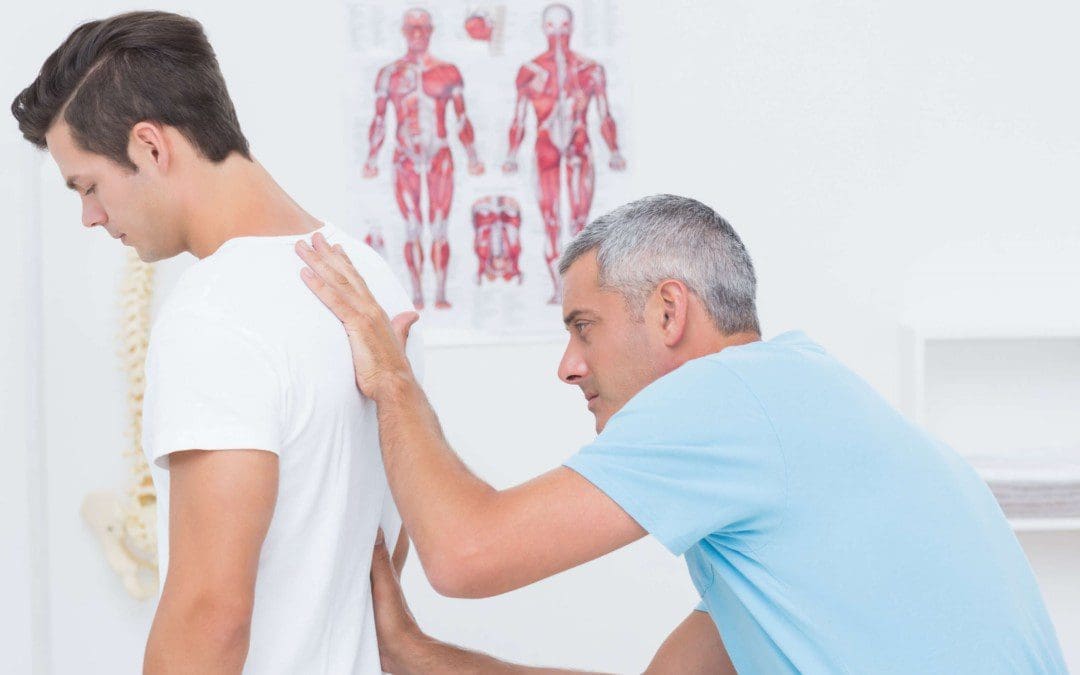
The spine makes sure that the body is staying upright while making sure that it stands, twists, bends, and turns without feeling any sort of pain. However, as the body begins to naturally age, so does the spine as the spinal discs begin to start wear and tear causing unwanted back issues that will affect a person’s quality of life. Luckily there are treatments that help alleviate back pain issues and can help restore the spine back to its original function. In this article, we will be taking a look at what is sciatica, the symptoms it causes to a person, and how decompression therapy can help alleviate sciatica symptoms. By referring patients to qualified and skilled providers specializing in spinal decompression therapy. To that end, and when appropriate, we advise our patients to refer to our associated medical providers based on their examination. We find that education is the key to asking valuable questions to our providers. Dr. Alex Jimenez DC provides this information as an educational service only. Disclaimer
Can my insurance cover it? Yes, it may. If you are uncertain, here is the link to all the insurance providers we cover. If you have any questions, please call Dr. Jimenez at 915-850-0900.
What Is Sciatica?
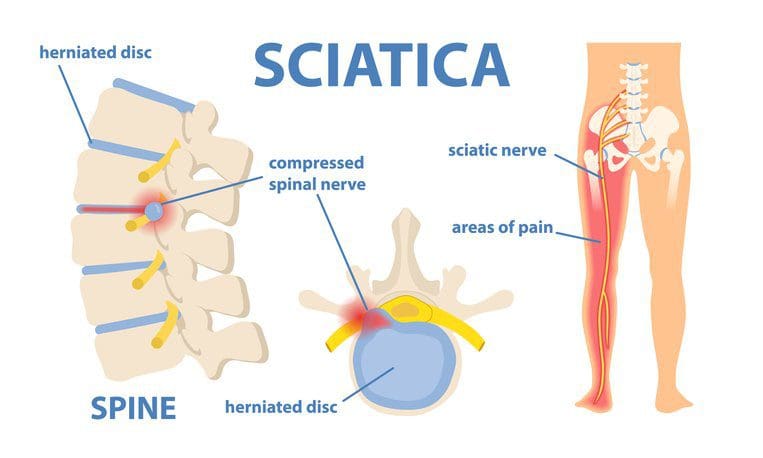
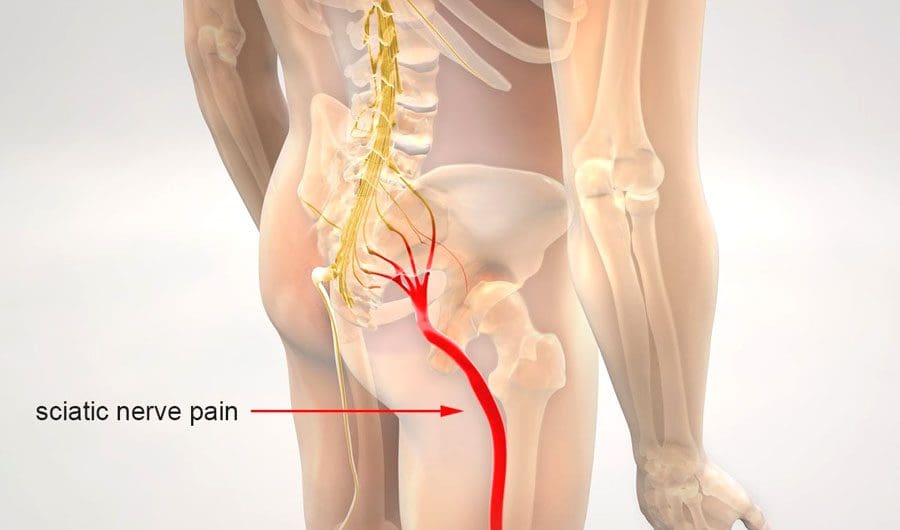
Since the spine is encompassed by ligaments, the spinal cord, soft tissues, and trillions of nerves spread out throughout the entire body, these nerves ensure that the sensations are being felt when a person is feeling something they are touching or feeling impacted on. When the body begins to feel pain and starts to affect the nerves, it can send a sharp shooting pain that can cause a person to feel weakness in the leg muscles, known as sciatica. Research studies have shown that sciatica radiates pain along the sciatic nerve that travels down from the lower back to the leg. Sciatica usually occurs when the spine is suffering from a herniated disc, and that affected disc is touching the sciatic nerve causing sharp shooting pain down the leg.
Other research studies have found that when individuals describe how sciatica pain feels, there are many different ways to express it depending on the cause and how severe the pain is. Sometimes the pain would often be described as sharp, shooting pain that goes down on one leg or as excruciating burning pain that either comes or goes or even may be constant. Sciatica can also come suddenly or gradually on the leg when the sciatic nerve has been pinched.
What Are The Symptoms?
Research studies have shown that sciatica symptoms can range from being infrequent and irritating to severe and debilitating. Since the sciatic nerve root is compressed or pinched, the symptoms can affect the specific spinal nerve root originating from the sciatic nerve. Some of the common symptoms that are caused by sciatica usually involve one leg at a time and are seen as:
Pain that is shooting down the leg
Numbness or tingling sensation that is felt in the back of the leg
Muscle weakness that is in the leg and foot
Posture change can alleviate or aggravate the pain
Treating Sciatica With Decompression-Video
The video above shows where the sciatic nerve is and how sciatica affects the leg. One of the many treatments that can alleviate sciatica nerve pain is spinal decompression therapy. Spinal decompression allows the spine to be gently pulled by traction, causing instant relief to the individual. Spinal decompression therapy also allows the beneficial nutrients to enter the spinal cord and increases the disc height on the spine. Since a herniated disc causes sciatica, spinal decompression allows the herniated disc, which affects the sciatic nerve, to retreat to the spine before it was herniated. This will cause instant relief to the individual that was affected by sciatica, and they can start on their wellness journey pain-free. If you want to learn more about spinal decompression therapy, this link will explain the benefits of spinal decompression and how it can alleviate low back pain symptoms.
Utilizing Decompression Therapy For Sciatica
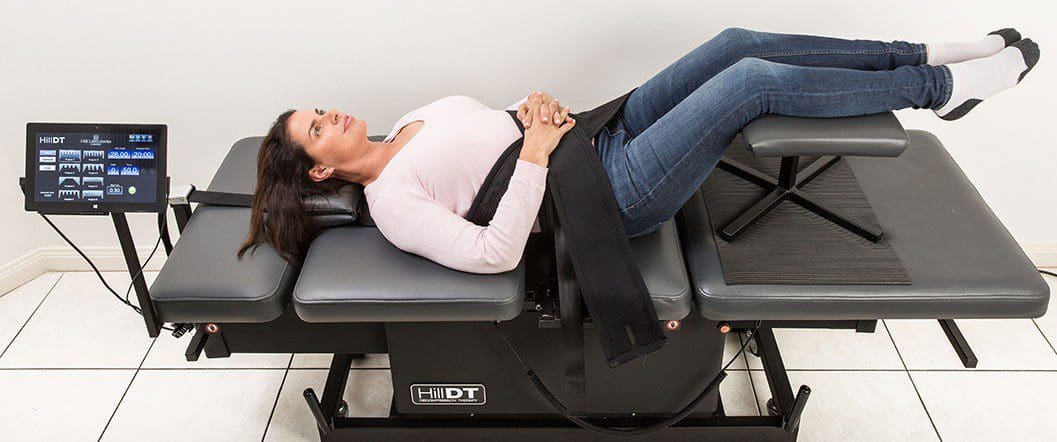
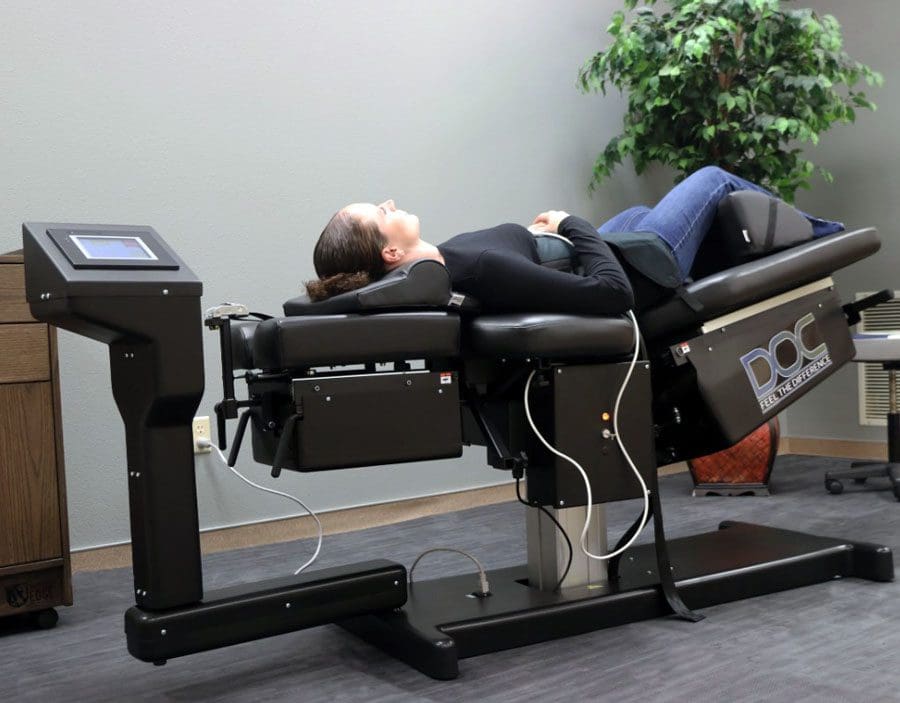
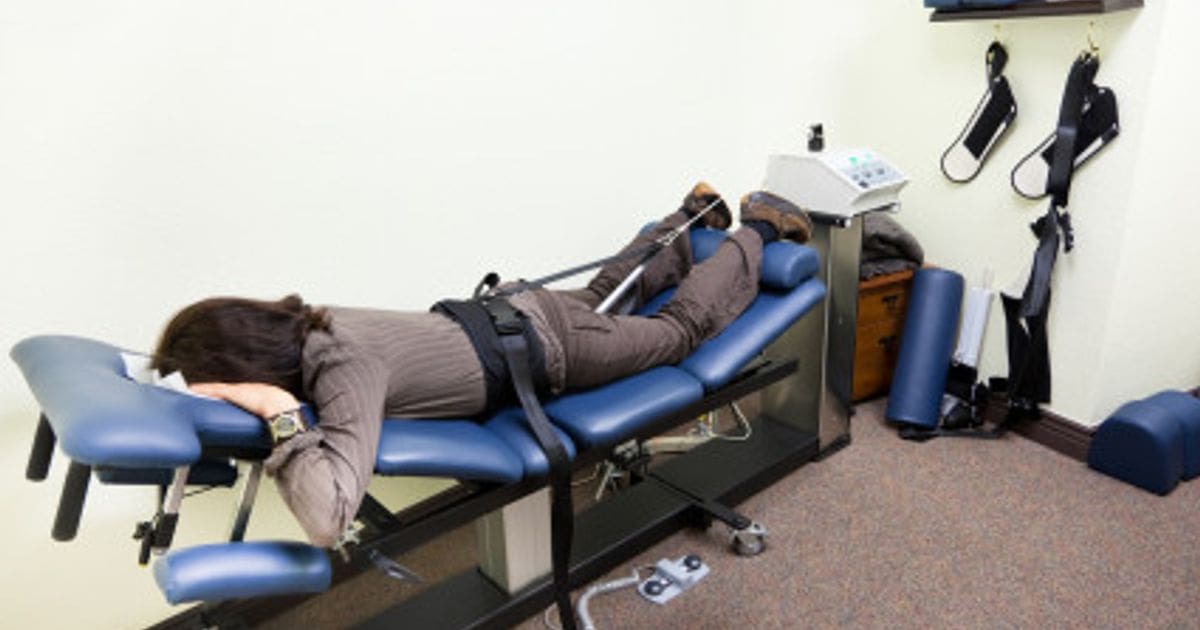
With sciatica causing many individuals pain, many treatments are utilized to alleviate sciatica nerve pain and dampen the inflammatory effects it has caused. Research studies have found that non-surgical spinal decompression therapy is used to reduce low back pain and pain associated with sciatica and increase disc height in the spine. When individuals are lying down on the decompression table, they are strapped in. The machine allows the spine to be gently stretched out through traction, causing instant relief to the individual. Other research studies have shown that decompression therapy allows the decompression machine to effectively stretch the spine gently that has been suffering from back issues like sciatica, herniated discs, and low back pain. This gentle stretch allows the herniated disc to stop pressing on the sciatic nerve and causes relief to the individual.
Conclusion
The spine is encompassed by ligaments, the spinal cord, soft tissues, and nerves that help protect the spine from injury. However, when the spine does get injured, it can cause the spinal disc to bulge out or herniate and touch the sciatic nerve to cause immense shooting pain down the leg. This is known as sciatica, and it can cause a person to have immense shooting sharp pain that can affect a person’s quality of life. Treatments like decompression therapy allow the individuals suffering from sciatica to feel instant relief as their compressed spine is being gently pulled and causing the herniated disc to stop touching the sciatic nerve. Combined with physical therapy, spinal decompression allows the individual to be pain-free from sciatica and will enable them to continue their wellness journey.
References
Apfel, Christian C, et al. “Restoration of Disk Height through Non-Surgical Spinal Decompression Is Associated with Decreased Discogenic Low Back Pain: A Retrospective Cohort Study.” BMC Musculoskeletal Disorders, U.S. National Library of Medicine, 8 July 2010, https://pubmed.ncbi.nlm.nih.gov/20615252/.
Hochschuler, Stephen. “Sciatica Symptoms.” Spine, Spine-Health, 5 June 2019, https://www.spine-health.com/conditions/sciatica/sciatica-symptoms.
Kang, Jeong-Il, et al. “Effect of Spinal Decompression on the Lumbar Muscle Activity and Disk Height in Patients with Herniated Intervertebral Disk.” Journal of Physical Therapy Science, The Society of Physical Therapy Science, Nov. 2016, https://www.ncbi.nlm.nih.gov/pmc/articles/PMC5140813/.
Medical Professionals, Cleveland Clinic. “Sciatica: Causes, Symptoms, Treatment, Prevention & Pain Relief.” Cleveland Clinic, 25 Mar. 2020, https://my.clevelandclinic.org/health/diseases/12792-sciatica.
Staff, Mayo Clinic. “Sciatica.” Mayo Clinic, Mayo Foundation for Medical Education and Research, 1 Aug. 2020, https://www.mayoclinic.org/diseases-conditions/sciatica/symptoms-causes/syc-20377435.
The body is home to the spine, where it is allowed to move, twist, bend, and run around without being in pain. When a person suffers from a back injury or pulled a muscle, the pain can range from a dull ache to a sudden sharp pain that hinders and affects their quality of life. Luckily many treatments can help manage back pain and possibly reverse the effects. One of the treatments is spinal decompression, and it can help alleviate back pain issues like bulging discs. In this article, we will be looking at what is bulging disc is, its symptoms, and its factors, as well as how spinal decompression can help alleviate bulging disc. By referring patients to qualified and skilled providers specializing in spinal decompression therapy. To that end, and when appropriate, we advise our patients to refer to our associated medical providers based on their examination. We find that education is the key to asking valuable questions to our providers. Dr. Alex Jimenez DC provides this information as an educational service only. Disclaimer
Can my insurance cover it? Yes, it may. If you are uncertain, here is the link to all the insurance providers we cover. If you have any questions, please call Dr. Jimenez at 915-850-0900.
What Is A Bulging Disc?
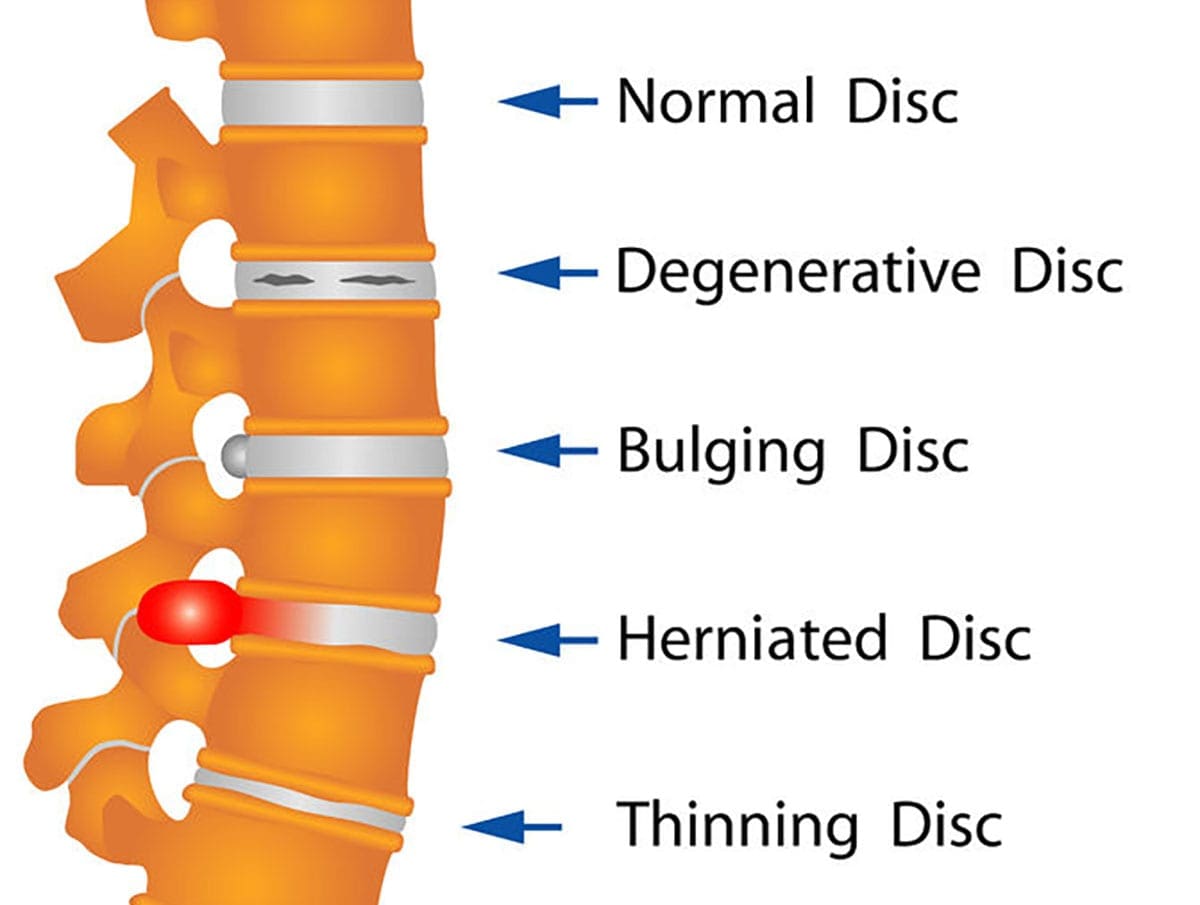
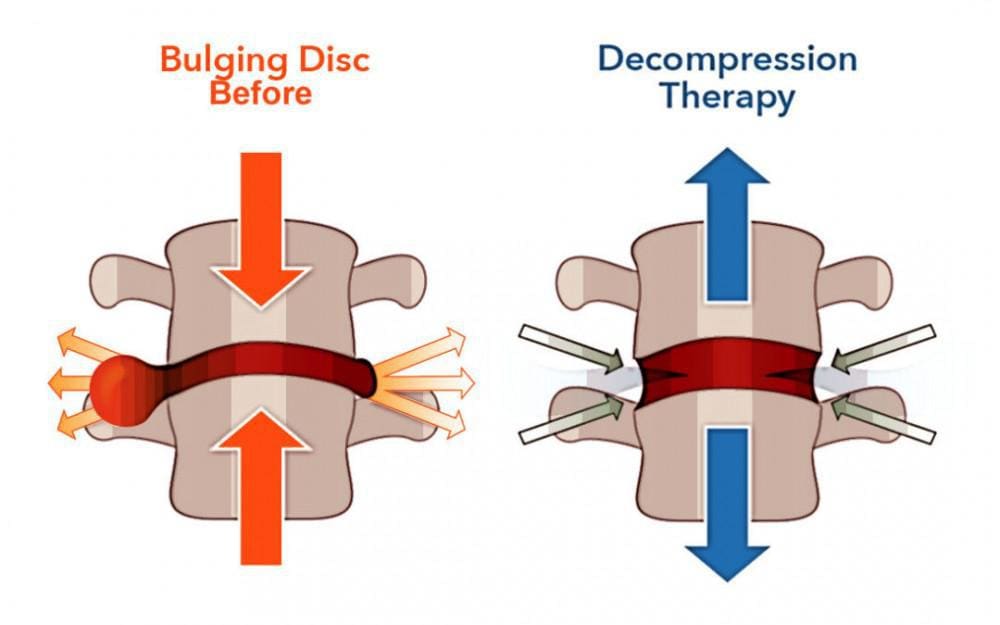
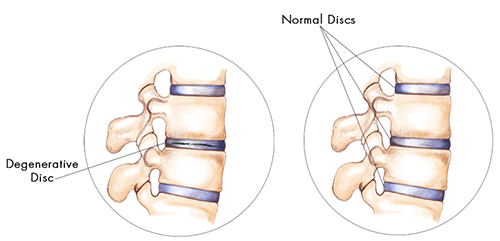
The spinal discs in the spine are flat circular cushions between the spine’s vertebrae and help protect the spine from any injuries. As the body ages naturally, the spinal discs will begin to lose their function through wear and tear. Research studies have shown that when the spinal discs begin to wear and tear with age, it can cause the disc to be dehydrated and cause the cartilage to be stiff. When this happens, the outer layer of the spinal disc will begin to protrude out and will not touch the nerve. If the protruding bulge continues to get worse and starts to crack the outer wall, the inner wall of the spinal disc will begin to come out and touch the spinal nerve root causing pain to the individual. This is known as a herniated disc.
Other research studies have found that when the spine has bulging discs, it is one of the causes of low back pain as about 80% of many individuals suffer from some back pain. Low back pain has many different diagnoses when this happens to the back, and DDD (degenerative disc disease) and disc herniation/bulging are the most common symptoms. These two common symptoms usually go hand in hand and, if not treated, will begin to cause a hindrance to the individual, leaving them with low back pain.
The Symptoms & Factors
The symptoms and factors of disc herniation/bulging vary depending on how severe the pain is. The pain from disc herniation can range from a dull, mild ache on the lower back to a sharp, sudden pain that travels from the lower back down to the leg. Research studies have shown that the primary symptoms of lumbar disc herniation are radicular pain, sensory abnormalities, and weakness in the lumbosacral nerve root. This will increase the pressure on the spinal disc causing the individual to be in pain while sitting. Other research studies have found that other common symptoms and factors that are caused by disc herniation/bulging include:
Excess weight: Can be compressed onto the spinal disc, causing disc herniation
Aging: Can naturally cause wear and tear on the spinal disc
Spinal Decompression Therapy Affecting Bulging Discs- Video
The video above shows how spinal decompression therapy can help alleviate bulging discs by using traction to stretch the spine gently. Spinal decompression is when individuals are lying down on the traction table and are strapped in as their spine is being pulled gently, causing the spinal disc to receive the beneficial nutrients back into the spine and allowing any herniation or bulging disc to go back to normal on the spine. Research studies have shown that utilizing physical therapy and spinal decompression therapy can help many individuals suffering from low back pain, herniated disc, or leg pain. By incorporating spinal decompression therapy into their wellness journey, many individuals will begin to feel relief and be pain-free. If you want to learn more about spinal decompression therapy, this link will explain the benefits of spinal decompression and how it can alleviate low back pain symptoms.
The Effects Of Spinal Decompression On Bulging Disc
Research studies have found that a lumbar herniation/bulging disc on the spine can induce neurological signs that can hinder a person with muscle weakness. One of the many treatments that can help alleviate bulging discs is spinal decompression therapy. Spinal decompression therapy and physical therapy can help stabilize the spine and can help improve muscle strength while providing a gentle stretch on the spine to allow the bulging discs to retreat to the spine, causing instant relief. Other research studies have shown that incorporating the two treatments are effective for many individuals by improving their pain and disability. This will allow their spine to be pain-free and restore their original function in the body.
Conclusion
The spine’s primary function is to make sure that the body is moving around without feeling any pain. As the body naturally ages over time, so does the spine as the spinal disc start to wear and tear, causing them to bulge out of the spine. If they start to press against the spinal nerve root, it can lead to herniation and cause shooting pain down from the lower parts of the body. Luckily some treatments allow the individual to feel relief, which is spinal decompression. Spinal decompression helps the spine by gently stretching it with a traction table, causing the nutrients and fluids to enter the spine and cause instant relief. When spinal decompression is combined with physical therapy, many individuals will notice that they are feeling no pain in their back and can continue their wellness journey.
References
Al Qaraghli, Mustafa I, and Orlando De Jesus. “Lumbar Disc Herniation.” StatPearls [Internet]. Treasure Island (FL), StatPearls Publishing, 30 Aug. 2021, https://www.ncbi.nlm.nih.gov/books/NBK560878/.
Amin, Raj M, et al. “Lumbar Disc Herniation.” Current Reviews in Musculoskeletal Medicine, Springer US, Dec. 2017, https://www.ncbi.nlm.nih.gov/pmc/articles/PMC5685963/.
Choi, Jioun, et al. “Influences of Spinal Decompression Therapy and General Traction Therapy on the Pain, Disability, and Straight Leg Raising of Patients with Intervertebral Disc Herniation.” Journal of Physical Therapy Science, U.S. National Library of Medicine, Feb. 2015, https://pubmed.ncbi.nlm.nih.gov/25729196/.
Medical Professionals, Cleveland Clinic. “Herniated Disk: What It Is, Diagnosis, Treatment & Outlook.” Cleveland Clinic, 1 July 2021, https://my.clevelandclinic.org/health/diseases/12768-herniated-disk.
Shelerud, Randy A. “Bulging Disk vs. Herniated Disk: What’s the Difference?” Mayo Clinic, Mayo Foundation for Medical Education and Research, 23 Apr. 2019, https://www.mayoclinic.org/diseases-conditions/herniated-disk/expert-answers/bulging-disk/faq-20058428.
Sciatica is experienced as lower back pain and pain that radiates down the back of the legs. It is pain caused by compression, irritation, or inflammation of the sciatic nerve. It is generally experienced on one side of the body. Body movements like twisting, bending, sitting, or responses like coughing and sneezing can worsen the pain. Individuals with sciatica also experience muscle weakness, numbness, tingling, or electrical shock-like sensations. Injury Medical Chiropractic and Functional Medicine Clinic offer manual and motorized sciatic nerve decompression to stretch/realign the spine, release the compressed nerves, and relieve pain.
Sciatic Nerve Decompression
The spine consists of 23 spinal discs that are shock absorbers for the body during movement. Each disc consists of a soft inner core of a gel substance and a thick outer layer. Wear and tear of the spinal discs from aging, degenerative disc disease, repetitive physical activities like lifting and bending, obesity, and poor posture are some of the factors that can stress the spine, causing the thick outer layer of the spinal disc to crack/breakdown causing the soft inner core to leak out forming a bulging or herniated disc. This type of injury compresses, pinches, or irritates one or more nerve roots that form the sciatic nerve, triggering sciatica.
Spinal stenosis or the narrowing of the spinal canal.
Spondylolisthesis, or the slipping or dislocation of the spinal vertebrae in the lower part of the spine.
Are also known sciatica causes.
Symptoms
Common compressed nerve symptoms include:
Pain or burning sensations radiating down the leg.
Because branches of the sciatic nerve extend from the lumbar spine through the buttocks and down the leg, pain, burning sensations or dull aching can present along the nerve’s pathway if the nerve gets compressed or irritated.
Weakness in the affected leg.
When walking or moving the legs, the nerves transmit information to the brain, stimulating the muscles to react in specific ways.
A pinched sciatic nerve can cause interference with relaying signals, resulting in weakness.
Numbness.
The compression impedes blood circulation and nerve energy transmission.
Spinal decompression therapy relieves pressure on the spine by pulling/stretching it in small increments. Non-surgical spinal decompression creates negative pressure within the discs. The negative pressure pulls or vacuums back the disc material that has protruded or herniated and an abundance of nutrients to activate the healing response. The chiropractor, physical therapist, or nurse uses motorized medical equipment with sensors linked to a computer-aided system to perform the procedure. The equipment is designed to adjust the pull force accordingly to prevent muscle resistance. The adjustable table also allows the spine to be stretched at different angles to target the upper or lower back.
The objective of spinal decompression treatment is to relieve the symptoms of sciatica or disc disorders and heal the injured disc. We utilize spinal decompression as an effective tool in treating a vast array of spinal conditions.
DRX9000 Non-Surgical Spinal Decompression
References
Berry, James A et al. “A Review of Lumbar Radiculopathy, Diagnosis, and Treatment.” Cureus vol. 11,10 e5934. 17 Oct. 2019, doi:10.7759/cureus.5934
Davis D, Maini K, Vasudevan A. Sciatica. [Updated 2022 Feb 4]. In: StatPearls [Internet]. Treasure Island (FL): StatPearls Publishing; 2022 Jan-. Available from: https://www.ncbi.nlm.nih.gov/books/NBK507908/
Giuffre BA, Jeanmonod R. Anatomy, Sciatic Nerve. [Updated 2021 Jul 29]. In: StatPearls [Internet]. Treasure Island (FL): StatPearls Publishing; 2022 Jan-. Available from: https://www.ncbi.nlm.nih.gov/books/NBK482431/
National Institutes of Health. (2019.) “Sciatica.” https://medlineplus.gov/sciatica.html
Motorized non-surgical decompression helps relieve pain, removes pressure on the nerves, promotes healing, and increases blood flow to the spine. Spinal discs cannot attain nutrients from the blood without circulation. Decompression opens the spine, flooding the discs with nutrients that result in quicker and optimal healing. This, combined with manual chiropractic adjustments and therapeutic massage, can help get an individual to a pain-free lifestyle.
Spinal Discs
The soft disc material that separates each spinal bone can lose hydration, causing the material to dry out and compress. The discs can also compress from pressure from added weight, trauma from an automobile accident, work, school, and sports injury. Often the soft gel center of the discs spills out, causing a disc herniation. This is usually accompanied by:
Numbness
Tingling
Soreness
Stiffness
Sharp pain
Dull pain
Achiness
Muscle Weakness
Stinging/Burning sensation
Leg pain
Poor balance
These are often indicators of a nerve or nerve bundle, including the sciatic nerve becoming compressed by a herniated disc, bulging disc or slipped disc, stenosis, facet syndrome, or degenerative disc disease. When this happens, the symptoms may be felt in the back or neck area, and/or they may spread out into the arms, hands, legs, or feet.
We focus on providing expert chiropractic treatment that incorporates the most current research and technology into personalized treatment plans. Our goal is to help the individual heal as quickly as possible while educating and training them to use tools to maintain health and wellness.
What Is Spinal Decompression?
References
Andersson, G B, and R A Deyo. “History and physical examination in patients with herniated lumbar discs.” Spine vol. 21,24 Suppl (1996): 10S-18S. doi:10.1097/00007632-199612151-00003
Apfel, Christian C et al. “Restoration of disk height through non-surgical spinal decompression is associated with decreased discogenic low back pain: a retrospective cohort study.” BMC musculoskeletal disorders vol. 11 155. 8 Jul. 2010, doi:10.1186/1471-2474-11-155
Cherkin, DC, and F A MacCornack. “Patient evaluations of low back pain care from family physicians and chiropractors.” The Western journal of medicine vol. 150,3 (1989): 351-5.
Koçak, Fatmanur Aybala et al. “Comparison of the short-term effects of the conventional motorized traction with non-surgical spinal decompression performed with a DRX9000 device on pain, functionality, depression, and quality of life in patients with low back pain associated with lumbar disc herniation: A single-blind randomized controlled trial.” Turkish Journal of physical medicine and rehabilitation vol. 64,1 17-27. 16 Feb. 2017, doi:10.5606/tftrd.2017.154
Urban, Jill PG, and Sally Roberts. “Degeneration of the intervertebral disc.” Arthritis research & therapy vol. 5,3 (2003): 120-30. doi:10.1186/ar629
The body can move, twist, turn and bend due to the spine making sure that the body is upright and functioning without pain. When a person is injured or pulls a muscle that causes pain to the back, it can hinder them from doing their daily activities. The pain can range from a dull, mild ache to a sudden sharp pain affecting a person. Luckily there are ways to treat back pain that can help improve the quality of life of a person while also reducing the pain symptoms. In this article, we will be looking at intradiscal pressure and how disc degeneration can affect it and seeing the effects of vertebral decompression relieving disc degeneration on the spine. By referring patients to qualified and skilled providers specializing in spinal decompression therapy. To that end, and when appropriate, we advise our patients to refer to our associated medical providers based on their examination. We find that education is the key to asking valuable questions to our providers. Dr. Alex Jimenez DC provides this information as an educational service only. Disclaimer
Can my insurance cover it? Yes, it may. If you are uncertain, here is the link to all the insurance providers we cover. If you have any questions, please call Dr. Jimenez at 915-850-0900.
What Is Intradiscal Pressure?
In the body, the spine is protected by ligaments, the spinal cord, soft tissues, and spinal discs from injuries. When a person stretches and hears the spinal joints pop, the spinal fluid starts to allow the beneficial nutrients to nourish the spine and keep it healthy. This is known as intradiscal pressure, and research studies show that intradiscal pressure is influenced by the fluid flow of the spine, causing intradiscal pressure to be necessary for disc height and axial compliance for the spine for it to be healthy. Other research studies have shown the effects of respiration on intradiscal pressure in a healthy prone individual. However, if the spine has been influenced by disc degeneration, the intradiscal pressure is reduced and can cause spinal issues to develop over time. The spinal load must be healthy for intradiscal pressure because it requires respiratory movement when the body is in motion and in a sitting or standing position.
How Does Disc Degeneration Affect Intradiscal Pressure?
Back pain remains the second most common symptom for many individuals to visit their primary physicians. The spine is protected by soft tissues and spinal discs that allow the body to stay upright and do stuff in its range of motion. When the back gets injured, it can cause a person to be in pain and hinder them, depending on how severe the injury is. Some of the pain sources can include DDD or degenerative disc disease.
Research studies have shown that DDD (degenerative disc disease) can occur when the spine has been injured due to heavy lifting, vibrations, immobilization, and trauma. When these factors start to cause stress to the spinal discs, it can cause the intradiscal pressure to increase and cause low back pain to affect the body, as research shows.
Axial Decompression Therapy-Video
The video above shows how axial decompression therapy is used for individuals suffering from low back pain, herniated disc, or DDD (degenerative disc disease). Research studies have shown that when the body begins to age normally, the spinal disc will wear down and cause the bones to rub together. Utilizing decompression therapy as part of their wellness treatment can help alleviate the painful symptoms that the person was feeling. Decompression therapy uses traction to gently stretch the spine, allowing the beneficial nutrients and oxygen to go back into the spinal disc. This will enable individuals to feel instant relief and get them back on their wellness journey pain-free. If you want to learn more about spinal decompression therapy, this link will explain the benefits of spinal decompression and how it can alleviate low back pain symptoms.
The Effects Of Vertebral Decompression For Disc Degeneration
Many treatments can help the effects of disc degeneration, from elevating to chronic issues on the spine. One of those treatments is vertebral decompression. Research studies have found that when individuals utilize a 6-week treatment on the decompression machine will begin to notice a reduction in pain while an increase in the disc height on the spine. The gentle traction will stretch the spine slowly, alleviate the chronic back symptoms, and repair the spinal discs by allowing nutrients to go in. Other research studies have shown that decompression therapy creates negative pressure on the spine, allowing the intervertebral disc to increase hydration. This negative pressure alleviates the stress of the nerve root that the disc is applying to and causes the person to be in pain. When combined with physical therapy, the individual will begin to feel much better.
Conclusion
The spine is protected by ligaments, soft tissue, the spinal cord, and spinal discs while keeping the body to stay upright while it is in motion. When there is an injury or a pulled muscle that causes the person to be in pain, it can affect the spine and the back. This will cause chronic issues to develop, causing the individual to be in constant pain and making them miserable. Luckily, there are treatments to treat back pain and alleviate the spine, and decompression therapy can help lower the symptoms. Decompression therapy allows the individual to be strapped to a traction table and gets their spine gently pulled to cause instant relief. This will allow the spine to decompress and the nutrients to rehydrate the spinal discs, providing the individual to become pain-free.
References
Apfel, Christian C, et al. “Restoration of Disk Height through Non-Surgical Spinal Decompression Is Associated with Decreased Discogenic Low Back Pain: A Retrospective Cohort Study.” BMC Musculoskeletal Disorders, BioMed Central, 8 July 2010, https://www.ncbi.nlm.nih.gov/pmc/articles/PMC2912793/.
Choi, Jioun, et al. “Influences of Spinal Decompression Therapy and General Traction Therapy on the Pain, Disability, and Straight Leg Raising of Patients with Intervertebral Disc Herniation.” Journal of Physical Therapy Science, The Society of Physical Therapy Science, Feb. 2015, https://www.ncbi.nlm.nih.gov/pmc/articles/PMC4339166/.
Li, Jai-Qi, et al. “Comparison of in Vivo Intradiscal Pressure between Sitting and Standing in Human Lumbar Spine: A Systematic Review and Meta-Analysis.” Life (Basel, Switzerland), U.S. National Library of Medicine, 20 Mar. 2022, https://pubmed.ncbi.nlm.nih.gov/35330208/.
Medical Professionals, Cleveland Clinic. “Degenerative Disk Disease: Causes, Symptoms & Treatment.” Cleveland Clinic, 27 May 2021, https://my.clevelandclinic.org/health/diseases/16912-degenerative-disk-disease.
Palepu, V, et al. “Biomechanics of Disc Degeneration.” Advances in Orthopedics, Hindawi Publishing Corporation, 17 June 2012, https://www.ncbi.nlm.nih.gov/pmc/articles/PMC3382964/.
Sato, K, et al. “In Vivo Intradiscal Pressure Measurement in Healthy Individuals and in Patients with Ongoing Back Problems.” Spine, U.S. National Library of Medicine, 1 Dec. 1999, https://pubmed.ncbi.nlm.nih.gov/10626309/.
Vergroesen, Pieter-Paul A, et al. “Intradiscal Pressure Depends on Recent Loading and Correlates with Disc Height and Compressive Stiffness.” European Spine Journal : Official Publication of the European Spine Society, the European Spinal Deformity Society, and the European Section of the Cervical Spine Research Society, U.S. National Library of Medicine, Nov. 2014, https://pubmed.ncbi.nlm.nih.gov/25031105/.
The spine holds the body together by ensuring that it is kept upright and not in pain when it is in motion. The musculoskeletal system is connected to the spine as the spine makes sure that the body’s center is supported when a person moves, walks, twists, and turns when doing daily activities. When the back gets injured, or the spinal cord gets compressed, it can cause back and spinal pain issues that can hinder a person causing them to be in immense pain and affect their daily lives. Even neck pain can be a nuisance as the cervical discs get compressed and the muscles get stiff. Luckily, many treatments can alleviate back pain and help with neck pain through non-surgical methods. In this article, we will be looking at axial pain and how it affects the neck, and how cervical axial decompression can alleviate neck pain. By referring patients to qualified and skilled providers specializing in spinal decompression therapy. To that end, and when appropriate, we advise our patients to refer to our associated medical providers based on their examination. We find that education is the key to asking valuable questions to our providers. Dr. Alex Jimenez DC provides this information as an educational service only. Disclaimer
Can my insurance cover it? Yes, it may. If you are uncertain, here is the link to all the insurance providers we cover. If you have any questions, please call Dr. Jimenez at 915-850-0900.
What Is Axial Pain?
The spine is an S-shaped curve protected by ligaments, soft tissues, the spinal cord, and spinal discs from injuries. When the spine gets injured, many back issues start to affect the spine as the spinal discs get compressed, herniated, or even touch the nerve root like the sciatic nerve, causing sharp shooting pain down the leg. However, it is known as axial pain when a person starts to have mixed pain symptoms that begin to affect a person’s quality of life. Research studies have shown that axial pain is considered a syndrome with both nociceptive and neuropathic pain while also being a high socioeconomic impact on people. When individuals have neuropathic pain, it can be due to the result of injured nerves that will contribute to back pain and neck pain.
Neck Pain
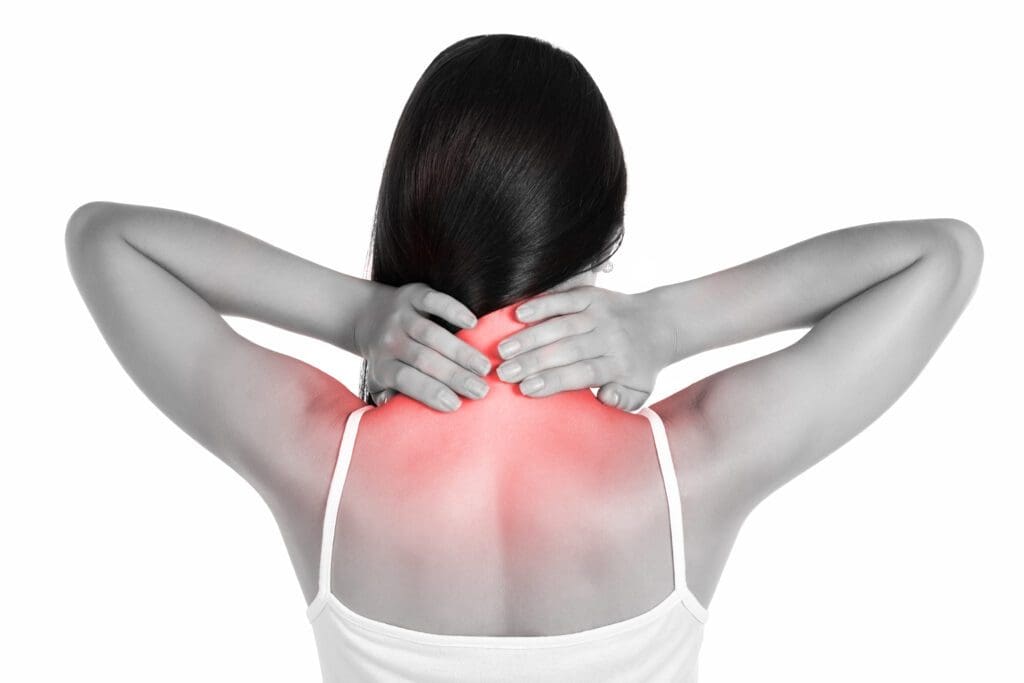
As one of the most common musculoskeletal disorders that affect many individuals, research studies have shown that neck pain is a multifactorial disease that causes individuals to be in pain. Some of the risk factors that can cause neck pain can be from:
Other research studies have shown that since the neck is flexible and supports the head’s weight, it is vulnerable to many injuries and conditions that will cause pain and restricted movements like muscle strains, worn-out joints, nerve compression, and whiplash injuries. There are also two types of neck pains that can affect the cervical spine: axial pain, where the pain is felt in the neck mostly, and radical pain, where the pain affects the shoulders.
How To Operate The DRX9000-Video
The video above explains how to operate the DXR9000 decompression machine. The DRX9000 is part of spinal decompression therapy. It utilizes traction to gently stretch the spine to all the nutrients that go back into the spine and cause instant relief to many individuals. Many decompression machines allow many decompression treatments to the lumbar spine and provide relief to the cervical spine. With physical therapy, decompression therapy can alleviate the painful symptoms that affect a person’s quality of life and continue on their wellness journey. If you want to learn more about spinal decompression therapy, this link will explain the benefits of spinal decompression and how it can alleviate low back pain symptoms.
How Cervical Axial Decompression Reduces Neck Pain
Since many individuals suffer from neck pain, many treatments can alleviate neck pain. Research studies have shown that treatment for neck pain usually depends on the cause and the best way to reduce neck pain includes:
Gentle stretches
Use heat or ice packs
Traction therapy
Physical therapy
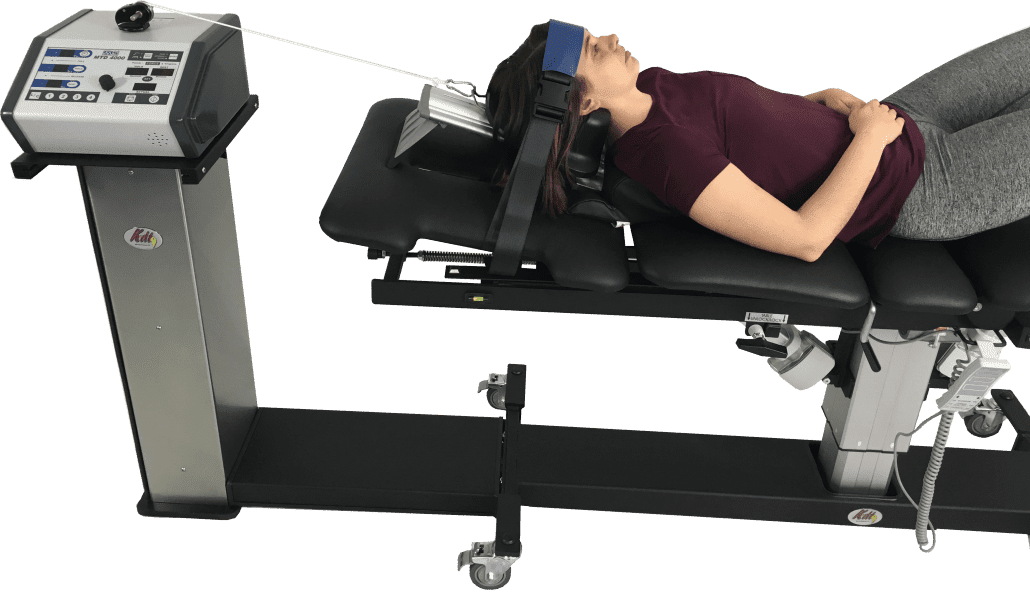
With traction therapy, many individuals are placed in a supine position on a decompression traction table and are strapped in so they won’t slide off. For cervical treatment, individuals are lying on the table as their head is positioned in a cervical cradle unit and strapped in as the traction machine gently stretches the cervical spinal joints to reduce the pressure on the neck. Research studies have shown that cervical decompression can directly reduce the volume of the hernia by creating negative pressure on the intervertebral discs to cause instant relief. Cervical decompression can also increase the intervertebral disc height and decompress the cervical nerve root to diminish the painful symptoms that cause neck pain.
Conclusion
All in all, neck pain is common for many individuals worldwide, caused by stress, injuries, or neuromusculoskeletal disorders. With neck pain, many individuals will feel muscle stiffness and compressed discs that can hinder a person and cause many unwanted issues that they don’t need. Utilizing decompression therapy can help alleviate neck pain and help repair the cervical disc by allowing the nutrients to rehydrate the cervical spine. With physical therapy, many individuals can feel instant relief from decompression and even add small changes to their lifestyle habits that can lower their stress levels and continue on their wellness journey without being in pain.
References
Förster, Matti, et al. “Axial Low Back Pain: One Painful Area–Many Perceptions and Mechanisms.” PloS One, Public Library of Science, 2 July 2013, https://www.ncbi.nlm.nih.gov/pmc/articles/PMC3699535/.
Kazeminasab, Somaye, et al. “Neck Pain: Global Epidemiology, Trends and Risk Factors.” BMC Musculoskeletal Disorders, BioMed Central, 3 Jan. 2022, https://www.ncbi.nlm.nih.gov/pmc/articles/PMC8725362/.
Staff, Mayo Clinic. “Neck Pain.” Mayo Clinic, Mayo Foundation for Medical Education and Research, 31 July 2020, https://www.mayoclinic.org/diseases-conditions/neck-pain/symptoms-causes/syc-20375581.
Xu, Qing, et al. “Nonsurgical Spinal Decompression System Traction Combined with Electroacupuncture in the Treatment of Multi-Segmental Cervical Disc Herniation: A Case Report.” Medicine, Lippincott Williams & Wilkins, 21 Jan. 2022, https://www.ncbi.nlm.nih.gov/pmc/articles/PMC8772752/.
Athletes and fitness enthusiasts work hard to stay in shape, but they are also at an increased risk for a lumbar hyperextension injury. Lumbar hyperextension injuries happen when the low back is bent backward repeatedly or overarches repeatedly. The repetitive stress can lead to severe complications and damage the nerves, vertebrae, and backbones. Motorized decompression therapy could be a treatment option.
Lumbar Hyperextension Injury
Injuries can be caused by overuse, improper mechanics and technique, lack of proper conditioning, insufficient stretching, or trauma. When looking for symptoms of lumbar hyperextension injuries, the first is low back pain that is severe and lasts at least a few days while becoming more intense with time. The lower back pain that worsens when extending, or arching the back, in addition to stiffness, muscle spasms, radiating buttock and thigh pain, tight hamstrings, and difficulty standing or walking, can be indicators of a lumbar hyperextension injury. However, this could be difficult to distinguish from other injuries like muscle strain, disc herniation, and stenosis; this is why a proper examination by a medical professional is recommended.
Treatment
Initial treatment consists of resting, sitting out from the sport, and other activities that could aggravate the back.
A doctor may recommend over-the-counter non-steroidal anti-inflammatory medications.
Heat and ice can also be used to increase circulation and relieve pain.
If hyperextension of the back continues even after rest, it could signify a stress fracture in the vertebrae. This condition is referred to as spondylolysis.Spondylolysis is an overuse injury. It occurs in individuals who participate in sports like gymnastics, diving, volleyball, football, and weight lifting. Spondylolysis and spondylolisthesis are common in adolescent athletes experiencing lower back pain.
A doctor may assign a back brace to prevent movement, allowing the bone to heal back together.
A doctor could also recommend physical therapy for 6-12 weeks after the diagnosis and once the bones have had time to heal.
Rehabilitation exercises focus on improving back flexibility and strength.
Athletes can be cleared to return to their sport within 3-6 months.
Surgery is rarely necessary and only looked into if the individual continues to have persistent pain after 6-12 months of treatment.
This changes the spine’s position, takes the pressure off the nerves and discs, and restores the cushioning.
As the machine pulls the body, a vacuum effect fills the discs with oxygen and nutrients to stimulate healing.
Computer technology controls treatment duration, angle, intensity, and relaxation.
Prevention
Athletes and fitness enthusiasts are recommended to seek professional help to retrain how they perform repetitive and excessive high-impact activities. Specifically, those involving hyperextension movements like kicking, jumping, running, and back bending help minimize the risk of developing a back injury. They are also recommended to maintain body conditioning, back and hamstring flexibility, core muscle strength and endurance, cardiovascular fitness, and properly warming up and stretching before and after the physical activities.
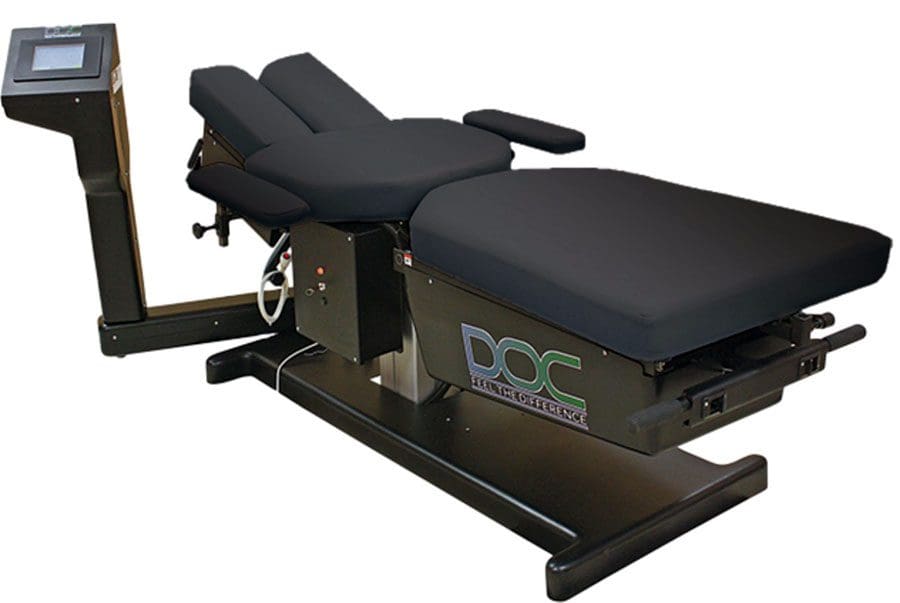
DOC Decompression Table
References
Ball, J.R., Harris, C.B., Lee, J. et al. Lumbar Spine Injuries in Sports: Review of the Literature and Current Treatment Recommendations. Sports Med – Open 5, 26 (2019). https://doi.org/10.1186/s40798-019-0199-7
Carter, D R, and V H Frankel. “Biomechanics of hyperextension injuries to the cervical spine in football.” The American journal of sports medicine vol. 8,5 (1980): 302-9. doi:10.1177/036354658000800502
Goetzinger, Sara, et al. “Spondylolysis in Young Athletes: An Overview Emphasizing Nonoperative Management.” Journal of sports medicine (Hindawi Publishing Corporation) vol. 2020 9235958. 21 Jan. 2020, doi:10.1155/2020/9235958
Lawrence, Kevin J et al. “Lumbar spondylolysis in the adolescent athlete.” Physical therapy in sport: official journal of the Association of Chartered Physiotherapists in Sports Medicine vol. 20 (2016): 56-60. doi:10.1016/j.ptsp.2016.04.003
Low Back Pain: Could it be a Spondy? Nationwide Children’s Hospital. (n.d.). https://www.nationwidechildrens.org/specialties/sports-medicine/sports-medicine-articles/low-back-pain-could-it-be-a-spondy.
IFM's Find A Practitioner tool is the largest referral network in Functional Medicine, created to help patients locate Functional Medicine practitioners anywhere in the world. IFM Certified Practitioners are listed first in the search results, given their extensive education in Functional Medicine