Back Clinic Auto Accident Injuries Chiropractic and Physical Therapy Team. Many automobile accidents occur throughout the world every year, affecting a wide number of individuals, both physically and mentally. From neck and back pain to bone fractures and whiplash, auto accident injuries and their associated symptoms can challenge the daily lives of those who experienced unexpected circumstances.
Dr. Alex Jimenez’s collection of articles discusses auto injuries caused by trauma, including which specific symptoms affect the body and the particular treatment options available for each injury or condition resulting from an auto accident. Being involved in a motor vehicle accident can not only lead to injuries but they can be full of confusion and frustrations.
It is very important to have a qualified provider specializing in these matters completely assess the circumstances surrounding any injury. For more information, please feel free to contact us at (915) 850-0900 or text to call Dr. Jimenez personally at (915) 540-8444.
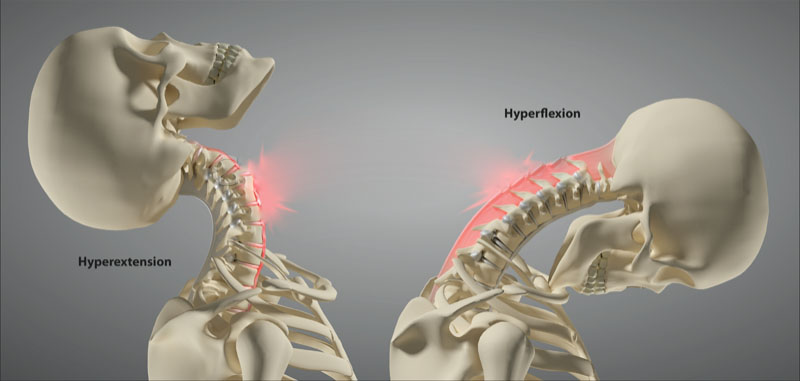
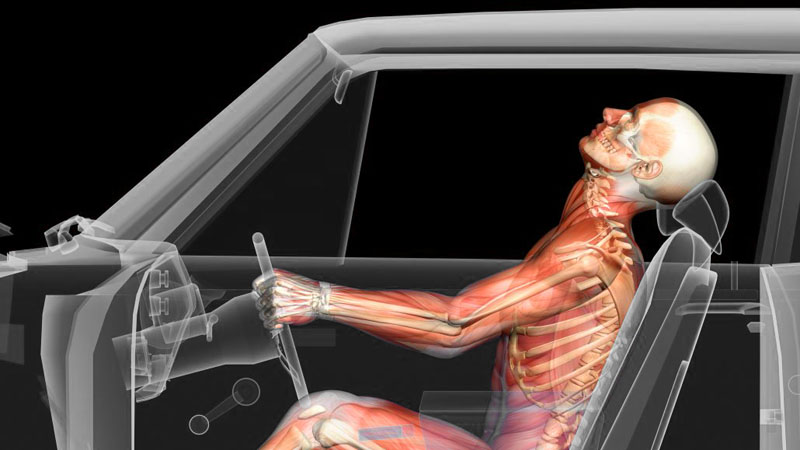
While bruising, soreness, and scrapes are common, whiplash and chronic whiplash injuries may not show for several days or weeks. While today's vehicles are safer than ever, they can still only do so much when it comes to the body and musculoskeletal health. Being involved in an automobile accident, even a light tap can give a sudden jolt to the spine that although the individual might not have felt anything like discomfort or pain, it was enough to shift the disc/s out of place or set them up to shift out of place. No one wants to be involved in a car or motorcycle accident, but regardless of good driving habits, or how advanced the safety features on the vehicle might be, the average driver will be involved in three to four automobile accidents in their life.
Whiplash
Whiplash and chronic whiplash injuries are common in motor vehicle accidents. More than 3 million Americans will see a doctor and a chiropractor for automobile accidents and whiplash effects. It only takes a 2.5 mph hit to cause an injury. And whiplash doesn't only happen when hit from behind, there are several ways an individual can be subjected to whiplash, including being T-boned, amusement park rides, and falling off a bicycle or a horse.
Symptoms
Most whiplash symptoms develop in the first twenty-four hours, but this is not always the case. Common symptoms include:
Most individuals realize they have whiplash a day or two after, but for others, it can take a few weeks or even months to present. Whiplash is classified by degree or grade:
Grade 0
The individual has no complaints and there are no symptoms/signs of physical injury.
Grade 1
There is neck pain but there are no physical signs of injury.
Grade 2
There are signs/symptoms of musculoskeletal damage and neck pain is presenting.
Grade 3
There are signs/symptoms of neurological damage and neck pain is presenting.
The average amount of time most individuals stay home from work is around 40 days. However, when whiplash pain lasts longer than a few weeks, it is deemed to be chronic whiplash.
Chronic Whiplash
Some individuals with whiplash experience painful symptoms for years. This is true of those that avoid or refuse medical attention and learn to live with it.
Treatment Options
There are very effective methods for treating whiplash and chronic whiplash injuries. Depending on the extent of the injury/s, developing the right treatment/rehabilitation plan requires individual consultation with a chiropractor to discuss options that can include:
Pain Relief
The pain can be excruciating. Over-the-counter pain relievers like ibuprofen for temporary relief. However, the individual will need extended treatment to ensure it does not become chronic pain.
Neck Brace
Neck braces help limit the pain, but should not be worn for more than three or four days. If worn for too long the neck muscles are prevented from gaining the strength needed to support the head.
Don't Sit For Too Long
Avoid keeping the head in any one position for too long. This includes sitting in bed, watching TV, or working at a desk. This places a large amount of pressure and stress on the neck, making the pain even more severe and longer-lasting.
Sleeping Properly and Comfortably
For many, it can be difficult to get into a comfortable position when sleeping. Sleeping on the back with the head turned to one side can worsen the pain. Try a high-quality ergonomic pillow that allows the individual to sleep on their side and takes the pressure off of the neck.
Spinal Alignment
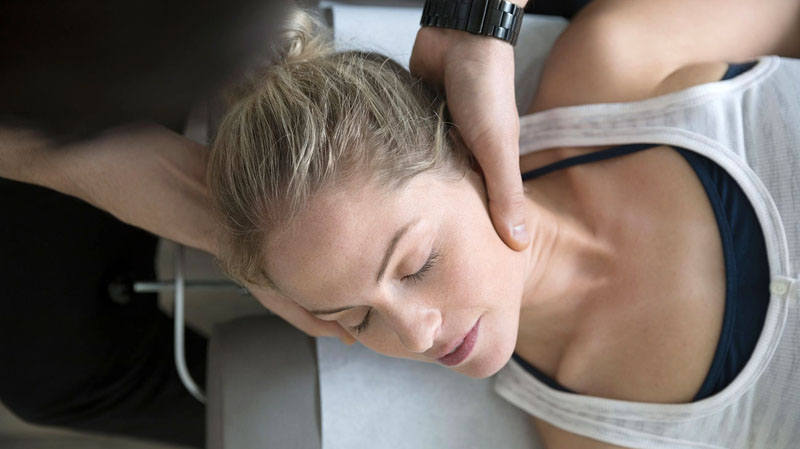
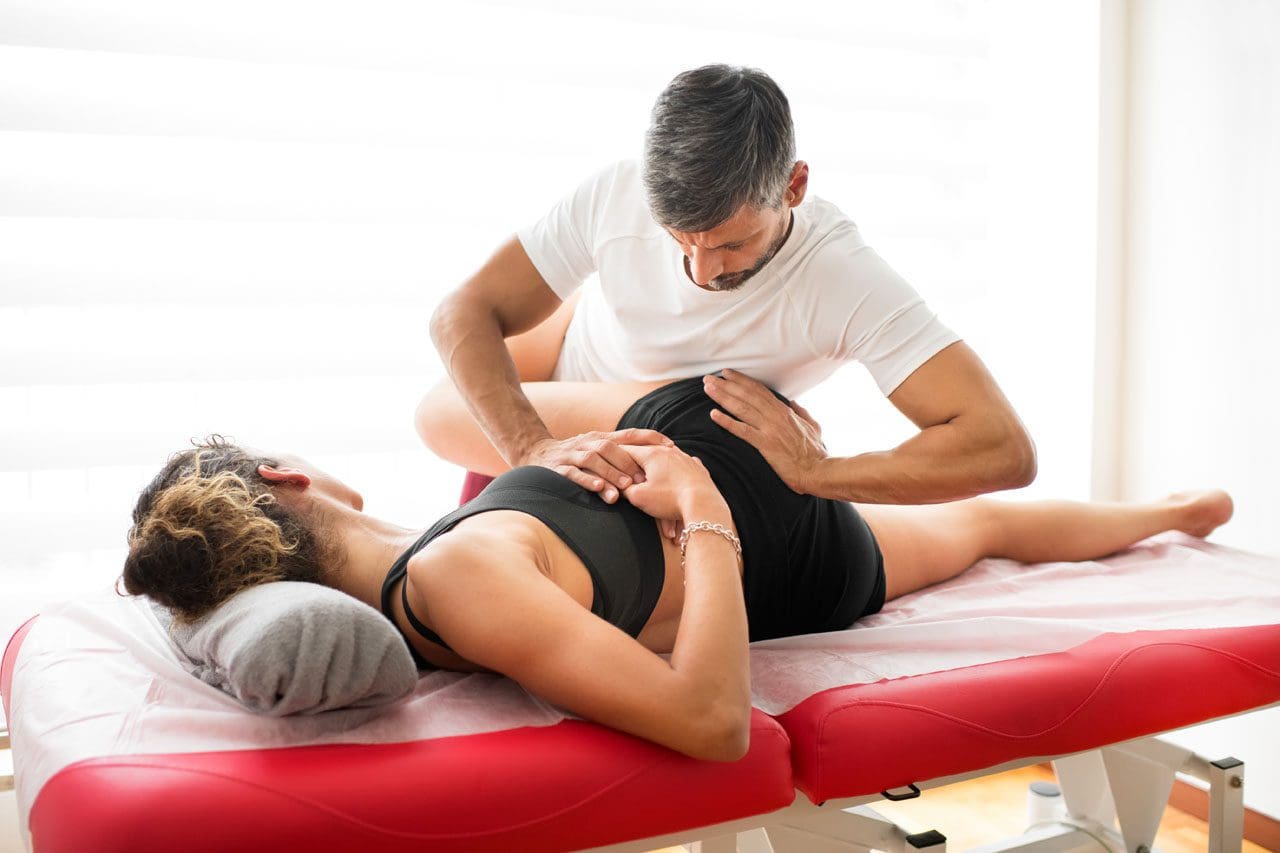
Whiplash can cause the spine to shift out of alignment. This can lead to additional problems in the back or shoulders. It�s always a good idea to see a chiropractor that specializes in motor vehicle accident injuries to realign the spine and neck, as well as for rehabilitation to strengthen the muscles and prevent further injuries. See a chiropractor for an evaluation of the injuries and develop a customized treatment plan that works for the individual's condition.
Everyone is different
Some individuals can be stiff and sore for a few days and then are okay with not much pain. Some individuals experience severe pain immediately after the wreck, while others have no pain for days or even weeks. Both scenarios are pretty common. Soft tissue injuries can be very deceiving. Some don�t experience any pain for months after the accident. Many don�t think they need to see a doctor or chiropractor because there is no pain or symptoms. However, underneath serious problems could be getting ready to present including:
Constant headaches
Numbness or pins and needles in the hands or arms
Pain between the shoulder blades
Poor posture
Chronic muscle tension
Painful spasms
Degeneration of the discs
Painful inflamed arthritis
The quick development of arthritis
Sore, tight, or inflexible muscles
Sleep disturbances
Fatigue
Dizziness
Body Composition
A decrease in physical activity
Physical inactivity is a primary factor in the progression of sarcopenia. Resistance exercise can help maintain muscle mass and help build muscular strength. Individuals that are more sedentary can exacerbate the effects of sarcopenia.
A decrease in motor neurons
Aging is accompanied by motor neuron loss resulting from cell death. This leads to a decrease in muscle fiber. This decrease in muscle fibers leads to:
Impaired performance
A reduction in functional capacity
A decreased ability to perform everyday tasks
Dr. Alex Jimenez�s Blog Post Disclaimer
The scope of our information is limited to chiropractic, musculoskeletal, physical medicines, wellness, and sensitive health issues and/or functional medicine articles, topics, and discussions. We use functional health & wellness protocols to treat and support care for injuries or disorders of the musculoskeletal system. Our posts, topics, subjects, and insights cover clinical matters, issues, and topics that relate and support directly or indirectly our clinical scope of practice.*
Our office has made a reasonable attempt to provide supportive citations and has identified the relevant research study or studies supporting our posts. We also make copies of supporting research studies available to the board and or the public upon request. We understand that we cover matters that require an additional explanation as to how it may assist in a particular care plan or treatment protocol; therefore, to further discuss the subject matter above, please feel free to ask Dr. Alex Jimenez or contact us at 915-850-0900. The provider(s) Licensed in Texas& New Mexico*
Driving with back pain can make trips a nightmare. Here are some driving tips to save your back when on the move. There is nothing like the freedom of hitting the open road. Family, friends, or solo, the destination along with new sights breezing by, refreshes the mind. With the COVID pandemic, many have turned to trucks, cars, SUVs, and RVs for a comfortable, safe mode of transportation.
Back pain from driving can become a serious issue. Studies have shown how low back pain, and spending a significant amount of time driving are interconnected. And other studies have also shown living a sedentary lifestyle like sitting for a long time will lead to some form of back pain that can become exacerbated by elongated driving. Road trips and regular commuting can both impact an individual's spine. It depends on the length of time drivers are behind the wheel as well as any present spinal conditions.
Long commutes and road trips can take a toll on the body that can continue to increase in its severity. Individuals live most of their lives in a flexed/flexing posture. Meaning that there is the ability to shift positions and move around. This could be like Sleeping curled up, then on the back, sitting at a desk/workstation, then standing, stretching out, twisting, and bending.
Driving creates a whole different type of spinal stress because of the physical mechanics involved. Automobiles generate different types of forces on the back. Factors such as accelerating, decelerating, swaying side to side, and vibrations all can contribute to back pain. To elaborate the feet and legs control the vehicle, and so are not able to help stabilize the spine, and vibration from uneven/loose gravel roads can cause issues with the spinal discs.
Discomfort and pain can occur for the driver and passenger/s. Individuals with diagnosed back condition/s can experience a worsening of symptoms and an increase in pain. This could be a postural imbalance, sciatica, or arthritis. Here are some driving tips to show how to prevent back pain before, during, and after the trip.
Before Driving
Prevention is the best way to decrease back pain when driving. The following precautions are recommended:
Think about getting helpful sitting aids/lumbar support cushions, like memory foam and air-filled seat cushions.
If specifically dealing with tailbone pain, a support with a tailbone cutout is recommended.
Optimize the seat by placing the back a little beyond fully upright. From 100 to 105-110 degrees, so the individual maintains proper posture. Inclining more can lead to a forward-head posture that can cause neck pain.
The seat should be close enough to the steering wheel to provide a relaxed upper body posture. However, make sure that the legs are not too close to the steering wheel and there is room to maneuver. The seat should be level around 5 degrees upward to provide support to the legs.
If unable to provide lumbar support rolling up a towel/thick sweater etc can be placed in the small of the back providing a quick fix.
The Drive
Eyes on the road and hands at 10 and 2 but don�t take the focus off the spine.
If driving for more than 20 minutes, it is recommended to make adjustments/changes in the seated position. Just a slight tweak can reduce the driving forces on the spine.
Driving for longer than an hour then short breaks are necessary. Pit stops are spine savers. Just like work breaks that involve standing, walking around, and stretching out, bending forward and leaning backward will keep the spine flexible, uncompressed with optimal blood flow.
Heated seats can help soothetight back muscles. It acts as a heating pad.
Remove items from pockets, especially wallets or similar objects in the back pocket. This can lead to an asymmetrical position that leads to shifting weight/stress loads to one side creating an added strain on the spine and awkward postures.
Stopping
After driving for an extended period, resting is vital to spine health. Utilize time out of the vehicle to continue prevention.
Sitting right after driving is not recommended.
Right after driving the body needs to move after being in the static driving/passenger position for some time.
Standing, walking, and doing some gentle stretches are recommended. Back extensions and side bending are examples.
Core exercises can help and should also be incorporated into a regular physical exercise regimen.
However, exercises after long or strenuous drives when the body is fatigued are not recommended, as intense exercise can lead to injury or worsening of back pain.
Pain Continues After
If there was a small/low amount of pain or if it was a pain-free experience then perhaps the driving tips helped. If the pain continues and there was no help with these driving tips, it might be time to see a doctor or chiropractor. Minor aches and pains can be expected, but if there is pain lasting longer than a few days or limits function, then seeking out medical advice is recommended.
Car Accident Chiropractic Treatment
Dr. Alex Jimenez�s Blog Post Disclaimer
The scope of our information is limited to chiropractic, musculoskeletal, physical medicines, wellness, and sensitive health issues and/or functional medicine articles, topics, and discussions. We use functional health & wellness protocols to treat and support care for injuries or disorders of the musculoskeletal system. Our posts, topics, subjects, and insights cover clinical matters, issues, and topics that relate and support directly or indirectly our clinical scope of practice.*
Our office has made a reasonable attempt to provide supportive citations and has identified the relevant research study or studies supporting our posts. We also make copies of supporting research studies available to the board and or the public upon request. We understand that we cover matters that require an additional explanation as to how it may assist in a particular care plan or treatment protocol; therefore, to further discuss the subject matter above, please feel free to ask Dr. Alex Jimenez or contact us at 915-850-0900. The provider(s) Licensed in Texas& New Mexico*
When it comes to patient care and medical-legal issues in El Paso, Truide Torres Jimenez is a dedicated champion, fiercely committed to guiding her patients through complex claims processes and legal disputes. With over 20 years of experience in claims resolution, Truide has built her reputation on empathy, resilience, and unwavering dedication. She is your go-to patient advocate, prepared to fight for what matters most: your well-being and fair treatment. The proper care matters.
“I will find the best way to help you. No matter what complexities are present. Someone can always help. We offer appropriate options. You choose what is best for yourself! "
Education
Legal & Governmental Studies
Affiliations and Certifications:
Legal Studies
Services Provided:
Patient Clinical Advocate Claims Management Case Management Health Coach
Truide’s journey is rooted in her calling to serve those in need. Day after day, she acts as a bridge between patients and the legal and clinical worlds, ensuring each individual receives the attention and support they deserve, as they wish and need. Her extensive experience as a liaison in medical-legal issues equips her to handle even the most challenging cases, removing obstacles and providing peace of mind for her clients.
Truide’s Core Values: Purpose, Commitment, Dedication, Beneficence, Client Autonomy, Nonmaleficence, and Personal Perseverance
Purpose For Truide, each day is an opportunity to fulfill her greater purpose. Driven by her faith and compassion, she finds meaning in every case, treating each patient interaction as a chance to make a positive impact. Her purpose is not only professional but spiritual, as she seeks divine guidance as she serves others.
Commitment With a deep-seated commitment to her patients, Truide has mastered the art of persistence. She sees each challenge as an opportunity to push harder, working tirelessly to ensure her clients receive the support and justice they need.
Dedication Truide believes in the power of dedication. She often tells her children, “When you have a purpose, commit to it fully.” Her success is a testament to this principle, as her team rallies around each case with laser focus and unwavering effort. For Truide, dedication isn’t just a word; it’s a way of life.
Perseverance Every patient Truide encounters brings a unique set of struggles. She empathizes deeply with their fears and frustrations and channels that understanding into action. Truide and her team are relentless in their pursuit of fair outcomes, empowering their clients to autonomously navigate even the toughest battles with confidence.
A Personal Commitment to Advocacy
As a devoted wife, mother, and pet lover, Truide brings compassion and a personal touch to every interaction. She recognizes the injustices that can arise, particularly for those who may face language barriers or lack knowledge of the legal system. If she can’t assist directly, she connects patients with the right resources, ensuring that everyone has a voice. Ultimately, it’s your choice. It's your autonomy that matters.
Reach Out to Truide for Compassionate Support
If you or a loved one needs assistance navigating clinical or medical-legal matters in El Paso, reach out to Truide Torres Jimenez. Her dedication to patient care and justice is unmatched, and she is ready to stand by your side every step of the way. Many talented professionals can help you. We offer legal options, and you choose what is best for you and your loved ones.
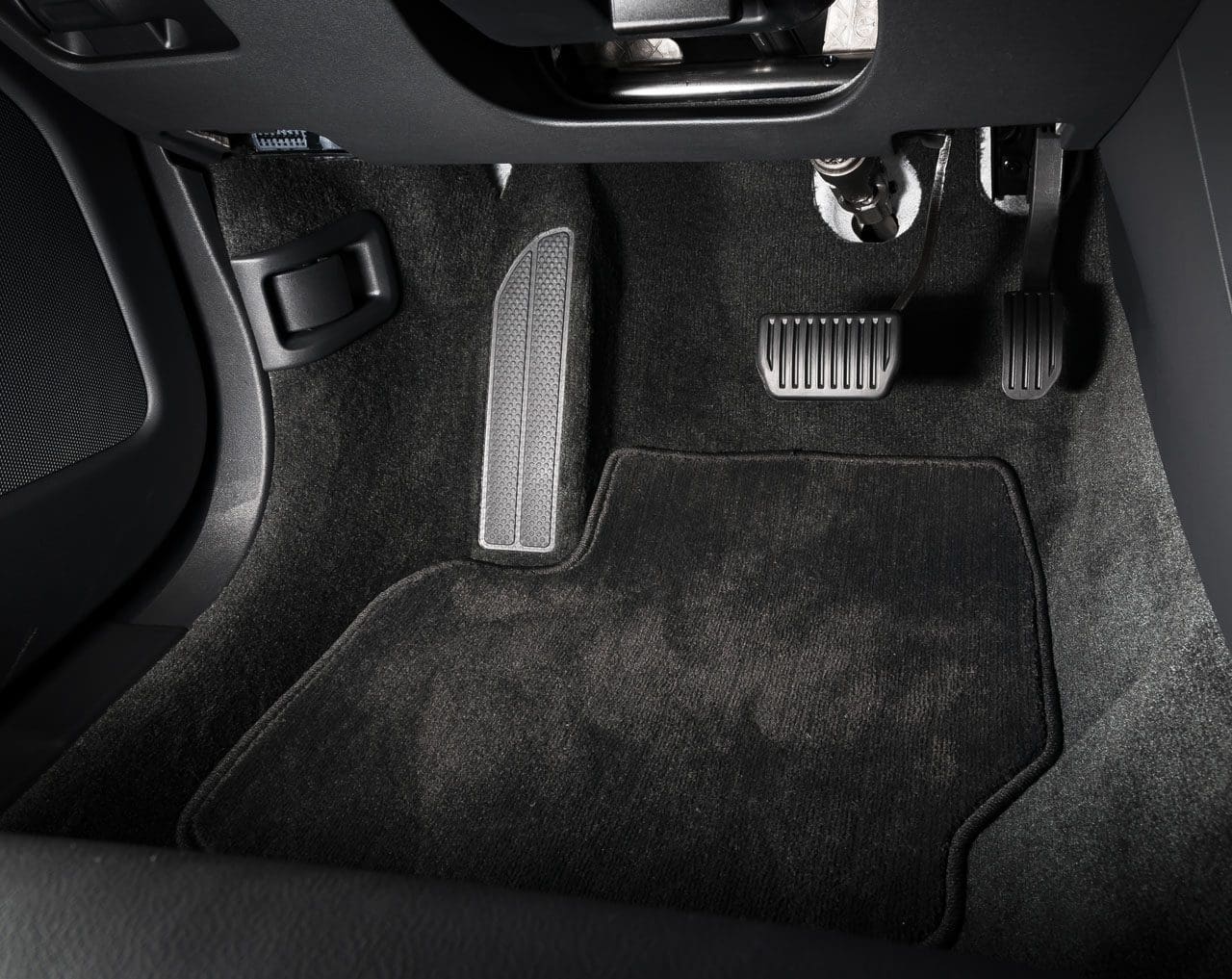
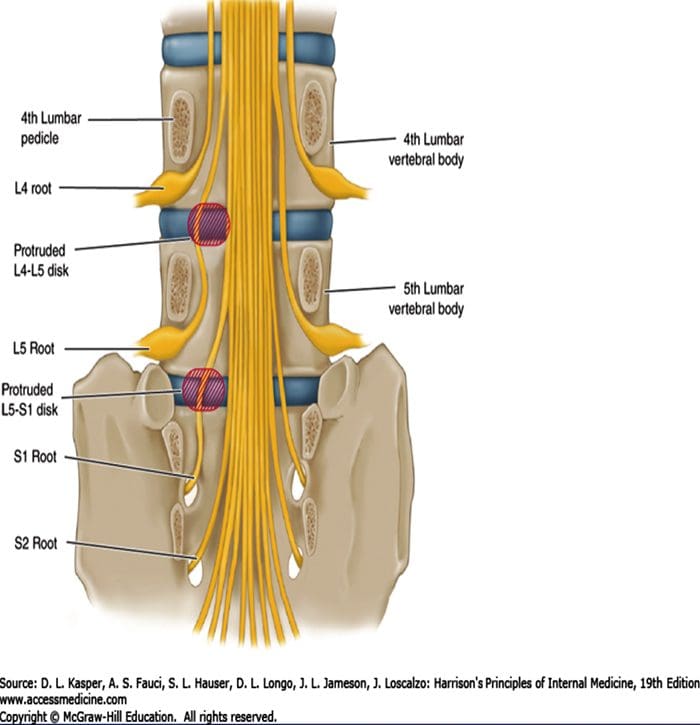
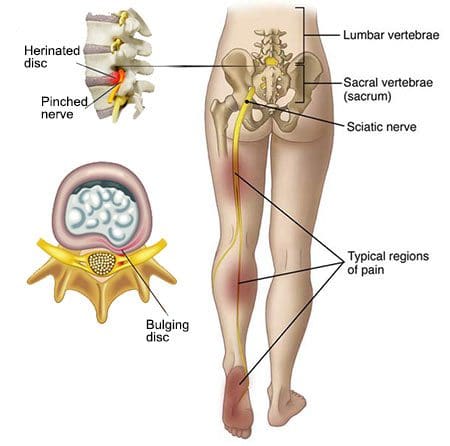
Part 2 delayed braking reaction time caused by sciatica, we continue with the spinal cord, nerves, and how they communicate with the brain. A herniated disc can cause sciatica, which is a compressing of the nerve/s in and around the spinal cord. This compression causes a pinching of the nerve/s like bending a water hose cuts off the flow and damages the hose, is what happens to the spinal nerve/s cutting proper blood flow, and proper synapse/signal flow.
This occurs from the damage to the nerve/s and could delay braking signals for a split second. But that is all that is needed for an auto accident to happen. A delay in braking time has been found in individuals with herniated/bulging/ruptured/slipped discs. Fortunately, through chiropractic and physical therapy, the nerves can be re-stimulated and brought back to optimal function.
�
�
Communication
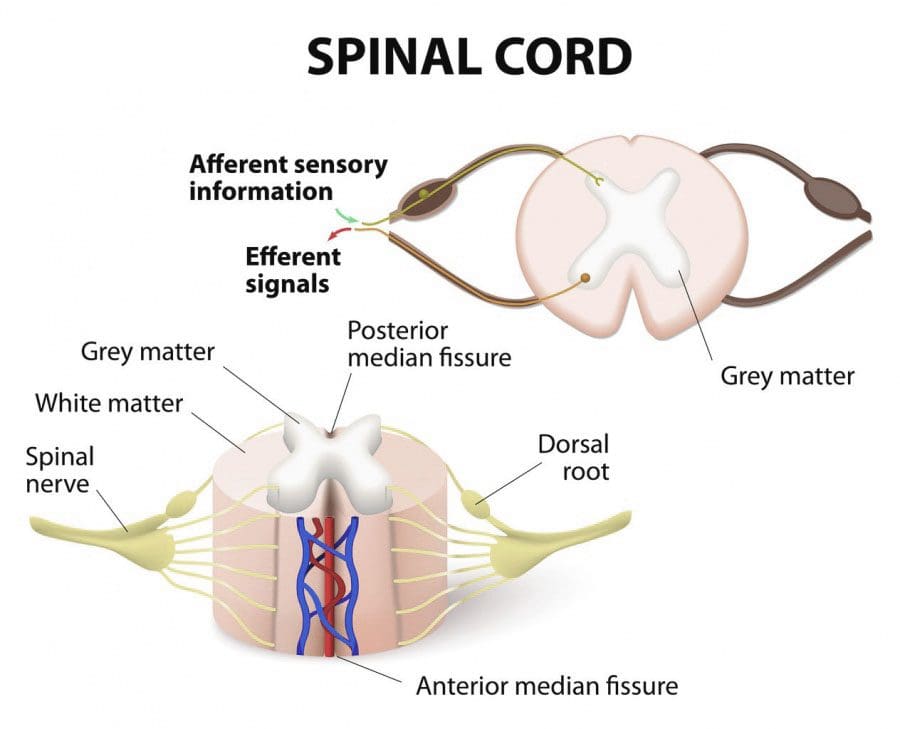
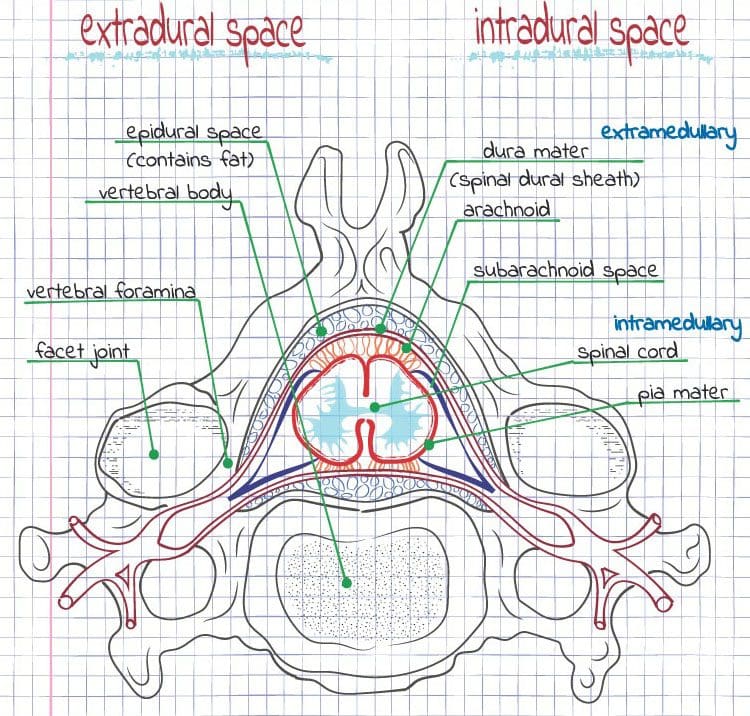
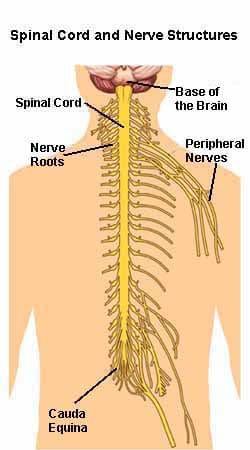
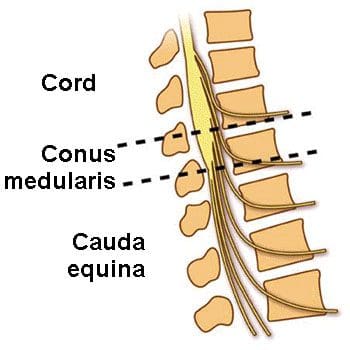
The spinal cord is about one inch across at its widest and around eighteen inches long. The spinal cord is a type of tube that is filled with nerves and cerebrospinal fluid. This protects and nourishes the cord. Spinal cord added protection includes:
There are three types of membranes surrounding the spinal cord referred to as meninges. The outer membrane is known as the dura mater, the middle membrane is the arachnoid mater and the innermost membrane is the pia mater. �
� These membranes can become inflamed and damaged by disease or trauma. Arachnoiditis is caused by inflammation of the arachnoid lining that results in intense stinging and burning pain. This can happen post-surgery and can cause the scarring of nerve/s.
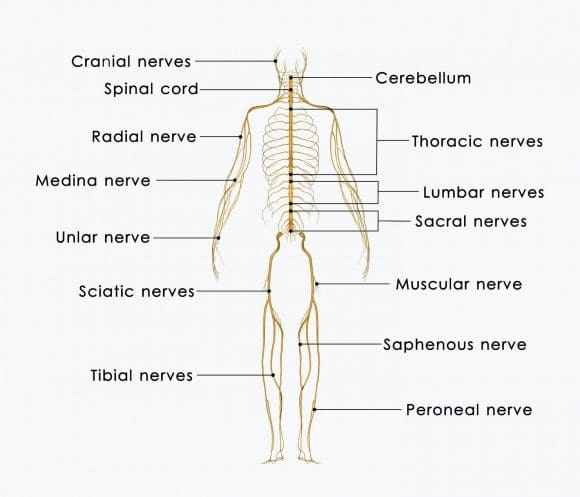
The nerves exit the spinal column and branch out to the rest of the body. All parts of the body are controlled by specific spinal nerves. The nerves are placed in and around the area they control. Like the nerves in the neck area branch out into the arms. This is why a neck ache/pain issue can lead to pain spreading into the arms and hands.
Thoracic spine controls the middle of the body,
The lumbar spine extends into the outer legs controlling that area
Sacral nerves control the middle of the legs and organ functions of the pelvis
�
The brain
Two major types of nerves: sensory and motor. Sensory nerves send information like:
Touch
Temperature
Pain
These get sent to the brain via the spinal cord. Motor nerves relay signals from the brain back to the muscles making them contract voluntarily or reflexively. Peripheral nervous system - the PNS has nerves that extend down the spinal canal and branch out at openings in the vertebrae called foramina. �
�
�
Signals/messages get sent to and from the brain aka the central nervous system. It sends all types of signals including pain and initiates movement. For example, the nerves reflexively make the spine twist and turn when driving to keep balance when turning and braking. The peripheral nervous system is a collection of millions of nerves throughout the torso and limbs. This system conveys messages to the central nervous system.
�
Referred pain
When a health problem/issue/condition takes place in one part of the body with pain being felt in another or several areas, pain specialists call it referred pain.
�
Nerves
Nerves exiting the spinal cord is done in pairs with one being a sensory nerve, and the other a motor nerve. Motor nerves initiate movement and bodily function. Damage to a motor nerve could cause a weakness in a muscle or loss of function. For example, a prick in the foot that is not felt could mean there is some sensational loss, indicating a problem with the sensory nerves and or possible nerve damage. These are the nerves that control pain, temperature, etc. Sensory nerve issues can feel like shooting electrical pain Continuing with activities could exacerbate the nerve damage.
�
Cauda Equina
� The spinal cord ends at the lumbar low back, where the nerves extend in a bundle of strands called cauda equina, called this because it looks like a horsetail. These nerves provide motor and sensory function to the:
Legs
Intestines
Genitals
Bladder
Therefore, based on this knowledge there is adequate information displaying how sciatica could cause a delayed braking reaction time based on the nerves' dysfunctional signal firing. Chiropractic treatment could be an option to help an individual realign their spine, work out tight muscles, nerves, ligaments preventing any further damage, and getting the individual back in top form.
�
Chiropractors & Sciatica Syndrome Expose
NCBI Resources
�
Dr. Alex Jimenez�s Blog Post Disclaimer
The scope of our information is limited to chiropractic, musculoskeletal, physical medicines, wellness, and sensitive health issues and/or functional medicine articles, topics, and discussions. We use functional health & wellness protocols to treat and support care for injuries or disorders of the musculoskeletal system. Our posts, topics, subjects, and insights cover clinical matters, issues, and topics that relate and support directly or indirectly our clinical scope of practice.*
Our office has made a reasonable attempt to provide supportive citations and has identified the relevant research study or studies supporting our posts. We also make copies of supporting research studies available to the board and or the public upon request. We understand that we cover matters that require an additional explanation as to how it may assist in a particular care plan or treatment protocol; therefore, to further discuss the subject matter above, please feel free to ask Dr. Alex Jimenez or contact us at 915-850-0900. The provider(s) Licensed in Texas& New Mexico*
Research has found that individuals with disc herniation/s can have a delayed braking time when driving. After undergoing surgery these individuals showed significant improvement in braking time.
Based on this information Dr. Jimenez looks at how individuals with functional sciatica, (often caused by a herniated disc) meaning they can move and operate a vehicle to a certain point without generating pain, however they often put themselves in extreme/awkward positions just to operate, could also have a delay in brake reaction time. �
�
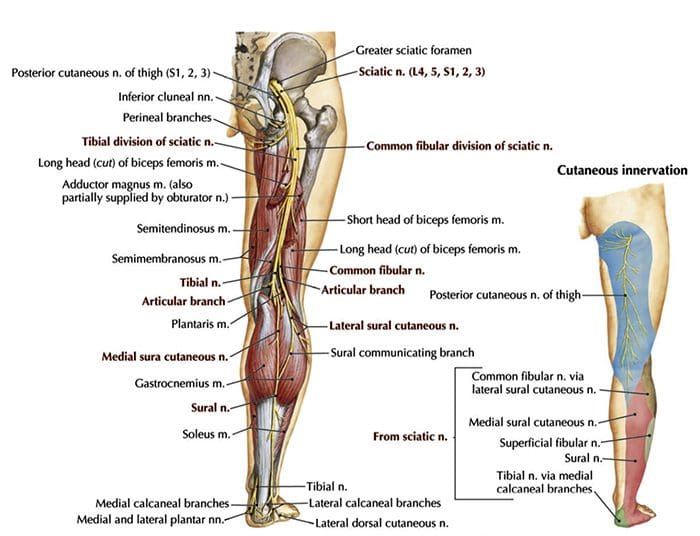
Sciatic Nerve
The sciatic nerve is a large nerve that travels from the lower back down both of the legs and into the feet.�Sciatica begins in the low back. The nerve roots in the lower spine come together and turn into the sciatic nerve. Sciatica happens when these nerves get pinched/compressed. This usually occurs from a herniated disc or when the spinal canal narrows called stenosis.
�
Symptoms
Typically, sciatica causes:
Pain in the leg/s
Shooting pain that goes down from the low back, through the leg, calf and sometimes into the foot
Electrical pain running/shooting down the leg
Burning pain
Pain from slight movement
Numbness
Weakness
�
A car accident can cause sciatica, but now it seems that sciatica can cause an automobile accident because of delayed braking reaction time. People with sciatica that is present without pain often say there is a constant non-painful tingling, numbness, or numbing sensation along the leg that lets them know the sciatica is still there.
This could be insufficient blood flow from wherever the impingement is happening. Keep in mind that there could be multiple areas of impingement. Just like the slow blood flow, they may find when they drive the impingement slows the motor-sensory signal and braking time to depress the brake pedal fast enough to avoid a collision.
�
Nerve Treatment
Sciatica can be treated non-surgically with:
Chiropractic
Physical therapy
24 to 48 hours of rest
Over the counter pain relievers like ibuprofen or acetaminophen
Muscle spasms can be treated with heat or ice
� Patients with sciatica feel better with time, usually a few weeks. However, if pain continues, other forms of treatment can be discussed.�A doctor or chiropractor may advise�light exercise and therapeutic stretching. As recovery progresses they may give you exercises to strengthen the back and core.
With new automobiles implementing automatic braking systems has helped significantly reduce accidents, however, there are still bugs to sort out. This is normal with these computerized systems. Reliance upon these systems, especially those with sciatica, herniated, or bulging disc/s, could be a dangerous combination, specifically when it comes to braking reaction time.
Sciatica Pain* Treatment Relief
�
Dr. Alex Jimenez�s Blog Post Disclaimer
The scope of our information is limited to chiropractic, musculoskeletal, physical medicines, wellness, and sensitive health issues and/or functional medicine articles, topics, and discussions. We use functional health & wellness protocols to treat and support care for injuries or disorders of the musculoskeletal system. Our posts, topics, subjects, and insights cover clinical matters, issues, and topics that relate and support directly or indirectly our clinical scope of practice.*
Our office has made a reasonable attempt to provide supportive citations and has identified the relevant research study or studies supporting our posts. We make copies of supporting research studies available to the board and or the public upon request. We understand that we cover matters that require added explanation as to how it may assist in a particular care plan or treatment protocol; therefore, to further discuss the subject matter above, please feel free to ask Dr. Alex Jimenez or contact us at 915-850-0900. The provider(s) Licensed in Texas& New Mexico*
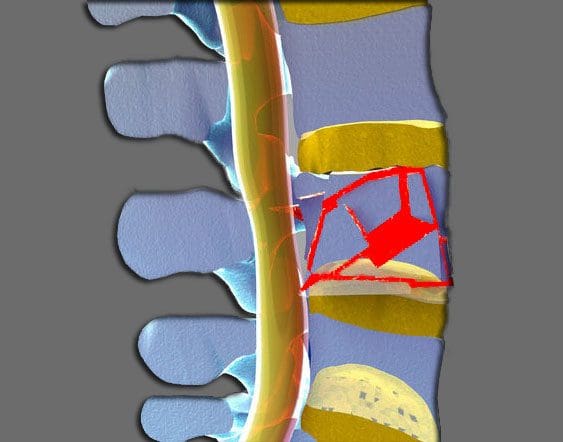
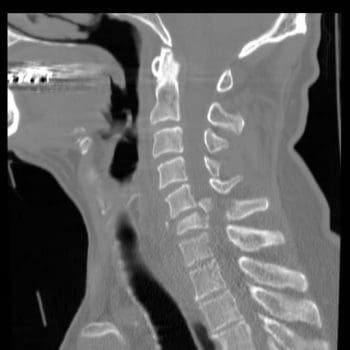
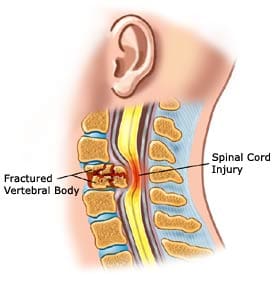
A burst fracture describes an injury to the spine where the vertebrae get compressed severely. These types of injuries occur from severe trauma, like an automobile accident or a serious fall, sports injury, work injury. These injuries entail a great deal of force into the spine, so much so that a vertebra can get crushed.
When crushed in the front of the spine, a wedge-shaped fracture occurs and is known as a compression fracture.
But if the vertebral body gets crushed in all directions this is known as a burst fracture.
The term burst means that the vertebral body spreads out in all directions.
Severe Injury
This is a much more severe injury than a compression fracture. With the bones crushed and possible rough jagged edges, if they spread out the spinal cord has a high probability of being injured. The fragments can bruise the spinal cord causing paralysis or partial neurologic injury. The spine becomes far less stable than from a compression fracture.
Nerve Injury
Neurologic injuries from a burst fracture can range from no injury to paralysis. This depends on the amount of force present at the time of the injury and how much the spinal canal is compromised.
A greater amount of force equals more bony fragments that can be forced into the spinal canal and cause higher loss of spinal cord function.
This can cause loss of:
Strength
Sensation
Reflexes below the injury
With an incomplete spinal cord injury, partial paralysis or partial reflex loss occurs.
With a mild burst fracture, only short-term symptoms could be present and no neurologic injury.
Intense Pain
Burst fractures can cause intense pain and the pain is right where the trauma took place.
But pain can also present in the legs and feet depending on how the spinal nerves were affected, shifted or pinched. Patients complain of an electric tingling or shooting type sensation in their legs with spinal cord compression. With a burst fracture, individuals are unable to walk right after the trauma. But the pain percentage present is severe enough that they know not to try and walk.
Diagnosis
If at the sight of the accident the patient says that they have severe back pain should not be in a seated flexed position. They need to be kept lying flat and transported in a flat position.
If they stand or sit with a burst fracture, it can increase the possibility of a neurologic injury.
Burst fractures require immediate medical attention from an orthopedic or neurosurgeon. The patient is taken to an emergency room and x-rays, CT scans are gathered.
The diagnosis of a burst fracture is typically made with x-rays and a CT scan.
Sometimes, an MRI will be ordered to assess the amount of:
Soft tissue trauma
Bleeding
Ligament injury
The CT scan and x-rays allow the doctor to determine the level of the fracture, and if it is a:
Compression fracture
Burst fracture
Fracture-dislocation
This will determine how much the spinal canal has been compromised and if its angulation or angle has taken an abnormal bend or curve. These factors all contribute to the development of an optimal treatment plan.
The physical exam will document:
Spinal deformity and Angulation of the spine
Tenderness of the spine where the fracture is located
Neurologic exam
Neurologic exam should include testing:
Muscle strength
Sensation
Reflexes of the lower extremities
Testing of bowel and bladder control
Treatment & Recovery
A stable burst fracture can be treated without surgery.
A stable burst fracture falls into these parameters:
There is no neurologic injury
The angulation is less than 20 degrees
The amount of spinal canal compromise is less than 50%
With this type of treatment, a brace along with physical therapy/chiropractic can have excellent results.
A turtle or clamshell brace TLSO�(Thoracic Lumbar Sacral Orthosis) is a body cast used in the treatment of a burst fracture.
The brace is worn for eight to twelve weeks for adequate and optimal healing.
There are times when a fracture thought stable and treated can start to angulate. This may require surgery. However, all burst fractures require some form of treatment.
Recovery
Nonsurgical treatment patients stay in the hospital for one or two days while their brace is fit.
X-rays are done in the standing position to make sure the spine stays stable.
Pain medications are prescribed for three to four weeks
Non-narcotic medications can begin after the final week
When the brace is removed, physical therapy and chiropractic are instituted to help return strength to the core and lower extremities.
Surgical patients will remain in the hospital for three to five days.
They will be fitted with a brace after the incisions present less pain and are recovered from the surgery.
They can walk within one or two days with the help of a physical therapist.
X-rays are taken to follow the position of the spine and see how the healing is progressing.
Chiropractic/Physical therapy is implemented to help with core strength and lower extremity strength.
Recovery time depends on the severity of the neurologic injury.
Patients that don’t have a neurologic injury can make a full recovery with return to most activities.
Patients with partial neurological injuries can also expect to fully recover.
Unfortunately, with permanent neurologic injury, recovery can be limited.
But treatment for burst fractures today is superior to what they were years ago, especially with spine specialists and specific spinal procedures.
Chiropractic Rehab
Chiropractic is not a treatment for fractures but is a treatment for subluxations and rehabilitation with these types of fractures. Once a fracture has stabilized and healed properly, a chiropractic evaluation can rule out any lingering subluxation, herniation, and joint restriction. The adjustments are safe and effective in establishing optimal function to a subluxated joint.
Chiropractic Treatment For Car Accident Injuries El Paso, Texas
We focus on what works for you. We also strive to create fitness and better the body through researched methods and total wellness programs. These programs are natural and use the body�s own ability to achieve goals of improvement.
NCBI Resources
Chiropractors can help alleviate some of the long-term and immediate concerns associated with bone fractures. A chiropractor can help with compression techniques which are beneficial in maintaining the bone in place for healing. A chiropractor may also advocate wellness techniques, such as a healthy diet that will optimize the body�s ability to restore its original health and wellness. Chiropractors may also educate a patient on a variety of exercises and stretches to reduce the likelihood of complications and which, if done properly and at fixed intervals, will promote quicker recovery.
Mr. Manuel Lozano was involved in a car accident which resulted in back pain. The painful symptoms began to manifest, and Mr. Lozano struggled to participate in his everyday physical activities. That's when Manuel Lozano found chiropractic care with Dr. Alex Jimenez. Manuel Lozano received chiropractic care with Dr. Jimenez and found tremendous pain relief from his symptoms. Manuel Lozano discusses how Dr. Jimenez taught him how to improve his overall quality of life. Manuel Lozano highly recommends Dr. Jimenez, a chiropractor in El Paso, TX, as the non-surgical choice for automobile accident injuries.
El Paso Back Clinic
We are blessed to present to you�El Paso�s Premier Wellness & Injury Care Clinic.
As El Paso�s Chiropractic Rehabilitation Clinic & Integrated Medicine Center,�we passionately are focused on treating patients after frustrating injuries and chronic pain syndromes. We focus on improving your ability through flexibility, mobility and agility programs tailored for all age groups and disabilities.
We want you to live a life filled with more energy, positive attitude, better sleep, less pain, proper body weight and educated on how to maintain this way of life.
I assure you, I will only accept the best for you�
If you have enjoyed this video and we have helped you in any way, please feel free to subscribe and recommend�us.
IFM's Find A Practitioner tool is the largest referral network in Functional Medicine, created to help patients locate Functional Medicine practitioners anywhere in the world. IFM Certified Practitioners are listed first in the search results, given their extensive education in Functional Medicine