About 80% of patients visiting a chiropractor receive some type of spinal manipulation, while chiropractors offer a number of treatments for musculoskeletal conditions. Spinal manipulation is a distinctive type of hands on treatment (manual therapy) that’s different from several other kinds of manual therapy such as massage and mobilization. While chiropractors sometimes consult with spinal manipulation as an “alteration” or a part of an adjustment, the term spinal manipulation is simpler to define, more accurate, and more widely used global.
What’s Spinal Manipulation?
Spinal manipulation is the use of a force (a rapid, shallow push) to spinal joints that moves the goal joint or nearby joints slightly beyond their normal range of movement. Spinal manipulation is often accompanied by an audible “pop”. This can be considered to be dissolved gas discharged from joint fluids with a quick drop in pressure. This gas abruptly joins into little bubbles, making a popping sound. Studies have demonstrated that it is not always essential to hear the audible pop for a spinal manipulation to work.
Chiropractors perform the majority of spinal manipulations in the US, followed by osteopathic physicians, physical therapists, and medical doctors.
What is the Aim of Spinal Manipulation?
Restore function to mechanical disorders of the spinal column and the aim of spinal manipulation is to reduce pain in.
Your chiropractor is trained in this highly-specialized form of manual therapy and may discover if your condition is suitable for this type of treatment. Spinal manipulation continues to be demonstrated to be most successful when coupled with lifestyle adjustments, as well as active treatments, such as stretching and exercise.
What Conditions Does Spinal Manipulation Treat?
While the precise mechanism through which spinal manipulation works is doubtful as of this time, numerous theories are being studied, including stretching tight muscles, stimulating the nervous system, unlocking trapped spinal joints and freeing entrapped joint folds.
Spinal manipulation was proven to be safe and effective for specific types of recent start neck and back malady, along with for more lasting or recurring musculoskeletal ailments. Your chiropractor is trained to identify any serious underlying conditions that might preclude spinal manipulation or perhaps manual treatment in virtually any form. She or he would then refer you to the appropriate medical specialist.
In conclusion, your chiropractor is extraordinarily trained to determine if you are a candidate for spinal manipulation and can also offer alternative kinds of manual therapy, together with active self-treatment recommendations.
What is a Herniated Disc?
Herniation of the nucleus pulposus (HNP) occurs when the nucleus pulposus (gel-like substance) breaks through the anulus fibrosus (tire-like structure) of an intervertebral disc (spinal shock absorber).
A herniated disc occurs most often in the lumbar region of the spine especially at the L4-L5 and L5-S1 levels (L = Lumbar, S = Sacral). This is because the lumbar spine carries most of the body’s weight. People between the ages of 30 and 50 appear to be vulnerable because the elasticity and water content of the nucleus decreases with age.
The progression to an actual HNP varies from slow to sudden onset of symptoms. There are four stages: (1) disc protrusion (2) prolapsed disc (3) disc extrusion (4) sequestered disc. Stages 1 and 2 are referred to as incomplete, where 3 and 4 are complete herniations. Pain resulting from herniation may be combined with a radiculopathy, which means neurological deficit. The deficit may include sensory changes (i.e. tingling, numbness) and/or motor changes (i.e. weakness, reflex loss). These changes are caused by nerve compression created by pressure from interior disc material.
Progression of Herniated Disc
The extremities affected are dependent upon the vertebral level at which the HNP occurred. Consider the following examples:
Cervical – Pain in the neck, shoulders, and arms Thoracic – Pain radiates into the chest Lumbar – Pain extends into the buttocks, thighs, legs
Cauda Equina Syndrome occurs from a central disc herniation and is serious requiring immediate surgical intervention. The symptoms include bilateral leg pain, loss of perianal sensation (anus), paralysis of the bladder, and weakness of the anal sphincter.
Diagnosis of a Herniated Disc
The spine is examined with the patient laying down and standing. Due to muscle spasm, a loss of normal spinal curvature may be noted. Radicular pain (inflammation of a spinal nerve) may increase when pressure is applied to the affected spinal level.
A Lasegue test, also known as Straight-leg Raising Test, is performed. The patient lies down, the knee is extended, and the hip is flexed. If pain is aggravated or produced, it is an indication the lower lumbosacral nerve roots are inflamed.
Other neurological tests are performed to determine loss of sensation and/or motor function. Abnormal reflexes are noted as these changes may indicate the location of the herniation.
Radiographs are helpful, but Computed Axial Tomography (CAT) or Magnetic Resonance Imaging (MRI) provides more detail. The MRI is the best method enabling the physician to see the soft spinal tissues unseen in a conventional x-ray.
Radiographic Evidence of HNP
The findings from the examination and tests are compared to make a proper diagnosis. This includes determining the location of the herniation so treatment options can be reviewed with the patient.
What Is Neck Pain (Cervical Pain)?� The cervical spine is a marvelous and complex structure. It is capable of supporting a head weighing 15 or more pounds while moving in several directions. No other region of the spine has such freedom of movement. This combination however, complexity and mobility, make the neck susceptible to pain and injury.
Quick Cervical Spine Anatomy Lesson
This complex structure includes 7 small vertebrae, intervertebral discs to absorb shock, joints, the spinal cord, 8 nerve roots, vascular elements, 32 muscles, and ligaments.
The nerve roots stem from the spinal cord like tree branches through foramen in the vertebrae. Each nerve root transmits signals (nerve impulses) to and from the brain, shoulders, arms, and chest. A vascular system of 4 arteries and veins run through the neck to circulate blood between the brain and the heart. Joints, muscles, and ligaments facilitate movement and serve to stabilize the structure.
Neck mobility is matchless. It is capable of moving the head in many directions: 90� of flexion (forward motion), 90� of extension (backward motion), 180� of rotation (side to side), and almost 120� of tilt to either shoulder.
Neck Pain Causes
The causes of neck pain are as varied as the list is long. Consider a few examples:
Injury and Accidents: Whiplash is a common injury sustained during an auto accident. This is typically termed a hyperextension and/or hyperflexion injury because the head is forced to move backward and/or forward rapidly beyond the neck’s normal range of motion. The unnatural and forceful movement affects the muscles and ligaments in the neck. Muscles react by tightening and contracting creating muscle fatigue resulting in pain and stiffness.
Growing Older: Degenerative disorders such as osteoarthritis, spinal stenosis, and degenerative disc disease are known to affect the spine.
Osteoarthritis is a common joint disorder causing progressive deterioration of cartilage. The body reacts by forming new bone termed osteophytes (bone spurs) that impact joint motion.
Spinal stenosis causes the foramen, small neural passageways, to narrow possibly compressing and entrapping nerve roots. Stenosis may cause neck, shoulder, and arm pain and numbness when these nerves are unable to function normally.
Degenerative disc disease (DDD) can cause the intervertebral discs to become less hydrated, resulting in decreased disc elasticity and height. Over time, a disc may bulge or herniate causing upper extremity pain, tingling, and numbness.
Everyday Life: Poor posture, obesity, and weak abdominal muscles disrupt the spine’s balance often causing the neck to bend forward to compensate. Stress and emotional tension can cause muscles to tighten and contract resulting in pain and stiffness.
Other Disease Processes: Although neck pain is commonly caused by strain, prolonged pain and/or neurologic deficit may be an indication of something more serious. These symptoms should not be ignored. Spinal infection, spinal cord compression, tumor, fracture, and other disorders can occur. If head injury has been sustained, more than likely the neck has been affected too. It is wise to seek medical attention promptly.
Neck Pain Diagnosis: Figuring Out What is Causing Your Pain
Obtaining a proper diagnosis is paramount to determine the best course of treatment for neck pain. You have to know what spinal condition is causing your neck pain before you can know how to treat it.
The physician will take the your medical history. The oral segment of the examination often includes many questions such as:
When did the pain start?
What activities preceded the pain?
What have you tried to relieve the neck pain?
Does the pain radiate or travel into other body parts?
What makes the pain less or greater?
A physical examination includes observing the your posture, range of motion, and physical condition. Any movement generating pain is carefully noted. The physician will palpate or feel the curvature of the spine, vertebral alignment, and detect muscle spasm.
The neurological examination tests the patient’s reflexes, muscle strength, sensory and/or motor changes, and pain distribution.
Radiographic studies may be ordered. An x-ray can reveal narrowing of disc space, fracture, osteophyte formation, and osteoarthritis. Bulging discs and herniations, often responsible for neurologic symptoms, are detected using MRI.
If nerve damage is suspected, the physician may order a special test to measure how quickly nerves conduct impulses. These tests are termed nerve conduction studies and/or electromyography. Typically these studies are not performed immediately because it may take several weeks for nerve impairment to become apparent.
Common Questions About Neck Pain
I woke up with neck pain. What can I do?
Daily life (and night life) can take its toll on your neck. You may have slept wrong last night, causing your neck muscles to tighten. The best thing to do is give your body time to heal on its own. To get through the day without letting the pain interfere with your normal activities, you have a few options.
Gently stretch your neck.
Take over-the-counter pain medications, such as Tylenol or Advil.
Alternate between heat and ice treatments on your neck: 20 minutes of heat followed by 20 minutes of ice should help the pain and the healing process.
Will I need surgery?
Most patients with neck pain respond well to non-surgical treatments (such as medication), so cervical spine surgery is seldom needed to treat it. In fact, less than 5% of neck pain patients need surgery. However, there are situations when you may want to go ahead with spine surgery.
Non-surgical treatment is not helping�that is, you’ve tried a combination of chiropractic care, physical therapy, medication, massage, exercises, and more, and you’re still in pain.
You experience progressive neurological symptoms (numbness, tingling, weakness) involving your arms and legs.
You’re having trouble with balance or walking.
You are otherwise in good health.
Generally, surgery is done for degenerative disc disease, trauma, or spinal instability. These conditions may put pressure on your spinal cord or on the nerves coming from the spine.
Typically, surgeons use 2 surgical techniques for cervical spine surgery.
Decompression, where they remove tissue pressing against a nerve structure
Stabilization, where they work to limit motion between vertebrae
There are different types of decompression procedures such as discectomy, corpectomy, and TransCorporeal MicroDecompression (TCMD).
Discectomy: The surgeon removes all or part of a damaged disc.
Corpectomy: The vertebral body is removed to access whatever is compressing the spinal cord or nerve.
TransCorporeal MicroDecompression (TCMD): The surgeon accesses the cervical spine from the front of the neck. TCMD is performed through a small channel made in the vertebral body to access and decompress the spinal cord and nerve.
Your surgeon will determine what’s best for your condition.
Stabilization surgery is sometimes�but not always�done at the same time as a decompression surgery. In some forms of decompression surgery, the surgeon may need to remove a large portion of the vertebra or vertebrae. That results in an unstable spine, meaning that it moves in abnormal ways, and that puts you more at risk for serious neurological injury. In that case, the surgeon will restabilize the spine. Commonly, this is done with a fusion and spinal instrumentation, or implantation of an artificial disc.
Some patients are at high-risk for poor bone healing or unsuccessful fusion. Smoking and diabetes are two of several risk factors that impede bone healing and fusion. A bone growth stimulator may be recommended and prescribed for patients with certain risk factors.
What are some non-surgical options for treating my neck pain?
Less than 5% of neck pain patients will need surgery, and there are a lot of options for you to try before surgery.
Let�s chat about chiropractic and pregnancy. For those of you that didn�t read my last post, What I Wish I Would�ve Known the First Time Around, I am the daughter of a chiropractor. My dad, Dr. Robert J. Natusch, Jr, DC, recently retired after near 40 years with offices in Northern New Jersey. My brother and sister-in-law are both licensed chiropractors at their family owned and operated practice, Upper Valley Chiropractic in Lebanon, New Hampshire (you can find them on Facebook).
Chiropractic � a Lifestyle of Health
My two siblings and I grew up vaccine-free, drug-free, and antibiotic-free. We never took over-the-counter pain meds or pills, even for headaches. If we had an issue, my dad would give us an adjustment and my mom gave us an herbal or holistic remedy and sent us on our way. To me, that was normal!
I was born at home. Those in attendance for my birth aside from my mom and dad? My older brother (21 months older) and my aunt, to tend to my brother while my mom and dad labored with me. I was mere minutes old when I received my first adjustment. It was our way of life and continues to be for my husband, our two sons, and I. It is our weekly preventative healthcare maintenance. Dr. John Tenpenny is our �primary� care doctor and if you�re in Florida, I highly recommend him.
Why the Two Go Together
Since you�re reading this, I�m guessing you�re curious how chiropractic care and pregnancy can be in the same sentence. Some feel those two are taboo and many were shocked when I told them I�d continue to see my chiropractor weekly through my 9 months of pregnancy. The gasps came when I told them my chiropractor adjusted me while I was in labor with my childrenand he came to my house again after my children were born to give them their first adjustments, too! I�m sure I�m a smidge biased, but thankfully, this has become much more mainstream. And personally, I feel moms and babes are all the better for it!
I don�t have many official references for this post, except what I�ve heard my dad repeat in his lectures my entire life.
�It is vital for moms to get adjusted through their pregnancy and beyond. Since you�re gradually adding weight to your abdomen, that causes lower back stress. Your whole posture and skeletal structure slowly alters for the duration of the pregnancy. This can amplify current misalignments.�
But, let�s get a little more in depth as to why this is important while you�re growing another human being inside you.
(Please remember, I am not a licensed chiropractor. This post is not intended to diagnose, cure, or treat any disease or health concern. This information is for educational purposes only.)
This image shows a few vertebrae within your spine. The vertebrae are your bones. The blue and red slivers are your sponge-like discs that cushion your vertebrae so your bones don�t rub on each other and cause pain. The yellow parts are the nerves nestled safely in between your vertebrae which send and receive signals to and from your brain to your organs. When that perfect structure is altered by things like bad posture, carrying your baby on your hip, sleeping on a pillow, crossing your legs, tripping, falling, carrying a purse on one shoulder, car accidents, sports, etc., etc. those messages are not able to be sent or received properly. It�s like a garden hose with the water on full blast, but there�s a kink in the line. The water won�t be at its fullest potential because there is a blockage.�
That�s the red nerve and disc within this picture. The organs which are connected to that nerve are not sending and receiving the complete message to and from the brain because the vertebra is putting pressure (a kink) in that nerve. That causes pain which may even be felt elsewhere in the body and not felt within the spine. You may treat the symptom of pain unsuccessfully until you get to the source which lies within the spine.
Just think for a moment, does that nerve have anything to do with the organ that helps grow your baby? Maybe it�s the one that represents your uterus. If left unadjusted, your body is not able to operate to its fullest potential and ability when growing your little one. Messages are not being sent or received fully. The consequences of not rectifying the issue may not reveal itself until delivery!
A simple adjustment (or series of adjustments depending on the severity and years of your life without chiropractic care) can aid in rectifying the issue and allowing your body to operate at its fullest potential and health while growing your baby.
Call Today!
How The Pelvis Benefits From Chiropractic
Let�s take a moment to look at how God designed our birthing pelvis.
Our pelvis is designed with a cartilage substance to connect our pubic (pubis) bone. During pregnancy, labor, and birth, the body sends signals to control that cartilage. When it softens, it�s time for the baby to soon make his arrival! If there is a communication kink somewhere within the spine, those signals would not be clearly communicated. You�d be so much better off addressing the misalignment (know as a subluxation) now � well before delivery day � so your body can relax in its designed location.
When people ask me if it�s safe to be adjusted during pregnancy, the analogy of the kinked water hose comes to mind. Our female bodies are created and designed to grow and carry a baby. A chiropractor�s job is to keep my spine in the correct alignment so my body can function to its fullest potential. During the most spine-altering 9 months in my life, I would never think to neglect my weekly chiropractic adjustments! That�s like deciding to stay home from the grocery store when you need food.
Every parent can say they only want the best, optimal health for their child once they are born. Being under a chiropractor�s care allows you the ability to give your child the best, optimal health while they are in your womb.
Though the most visible kinesiology tape users might be professional athletes, Olympians, or weekend warriors � a much smaller clientele is also proving the advantages of this unique treatment. With a special line designed for sensitive skin and playful prints and colors that will speak to the sticker and Band-Aid loving child, it�s not surprising that kinesiology tape is quickly becoming more than an athlete�s aid.
While the uses and applications of kinesiology tape for pediatric treatment are growing daily, here is a quick run down of how kinesiology tape is being used in pediatric care today:
Pain &�Swelling Relief
� When kinesiology tape is applied to an injured or inflamed area, children can enjoy some relief without having to take pain medication or sit through icing and therapy treatments.
Orthopedic Treatment
� Children often don�t understand the purpose behind rehabilitation exercises, so kinesiology tape provides an additional or alternative treatment for children with orthopedic injuries, weak or underdeveloped muscles, gait abnormalities, paralysis � even poor posture.
Neuromuscular Disorders
� Kinesiology tape has proven effective to activate weak muscles and inhibit overactive muscles.� With a simple and safe taping application, children suffering from neuromuscular conditions like cerebral palsy, or muscular dystrophy could see improvements in symptoms and movement ability. It has also been shown to improve muscle tone in genetic disorders like Downs Syndrome and other conditions causing either spasticity, atrophy or poor muscle tone.
For children dealing with serious medical conditions, a colorful and painless treatment that can be worn for several days, even while playing and bathing, can make a big difference in their comfort level.
Interested in learning more about pediatric kinesiology taping? Dr. Kenzo Kaze, the creator of Kinesio Tape, provides step by step guidelines for taping infants and children in his manual, Kinesio Taping in Pediatrics available at Theratape.com.
For a list of successful case studies where kinesiology tape has provided improvement for children, check out Theratape�s research compilation as well as this case report (pdf) from Novel Physiotherapies. Hopefully, as more and more case studies document positive results, the use of kinesiology tape in pediatric care will continue to expand and increase.
Perhaps you bent the wrong way while lifting something heavy. Or you�re dealing with a degenerative condition like arthritis. Whatever the cause, once you have low back pain, it can be hard to shake. About one in four Americans say they�ve had a recent bout of low back pain. And almost everyone can expect to experience back pain at some point in their lives.
Sometimes, it�s clearly serious: You were injured, or you feel numbness, weakness, or tingling in the legs. Call the doctor, of course. But for routine and mild low back pain, here are a few simple tips to try at home.
Chill It
Ice is best in the first 24 to 48 hours after an injury because it reduces inflammation, says E. Anne Reicherter, PhD, PT, DPT, associate professor of Physical Therapy at the University of Maryland School of Medicine. �Even though the warmth feels good because it helps cover up the pain and it does help relax the muscles, the heat actually inflames the inflammatory processes,� she says. After 48 hours, you can switch to heat if you prefer. Whether you use heat or ice � take it off after about 20 minutes to give your skin a rest. If pain persists, talk with a doctor.
Keep Moving
�Our spines are like the rest of our body � they�re meant to move,� says Reicherter. Keep doing your daily activities. Make the beds, go to work, walk the dog. Once you�re feeling better, regular aerobic exercises like swimming, bicycling, and walking can keep you � and your back � more mobile. Just don�t overdo it. There�s no need to run a marathon when your back is sore.
Stay Strong
Once your low back pain has receded, you can help avert future episodes of back pain by working the muscles that support your lower back, including the back extensor muscles. �They help you maintain the proper posture and alignment of your spine,� Reicherter says. Having strong hip, pelvic, and abdominal muscles also gives you more back support. Avoid abdominal crunches, because they can actually put more strain on your back.
Stretch
Don�t sit slumped in your desk chair all day. Get up every 20 minutes or so and stretch the other way. �Because most of us spend a lot of time bending forward in our jobs, it�s important to stand up and stretch backward throughout the day,� Reicherter says. Don�t forget to also stretch your legs. Some people find relief from their back pain by doing a regular stretching routine, like yoga.
Think Ergonomically
Design your workspace so you don�t have to hunch forward to see your computer monitor or reach way out for your mouse. Use a desk chair that supports your lower back and allows you to keep your feet planted firmly on the floor.
Watch Your Posture
Slumping makes it harder for your back to support your weight. Be especially careful of your posture when lifting heavy objects. Never bend over from the waist. Instead, bend and straighten from the knees.
Wear Low Heels
Exchange your four-inch pumps for flats or low heels (less than 1 inch). High heels may create a more unstable posture, and increase pressure on your lower spine.
These could be signs that you have a nerve problem or another underlying medical condition that needs to be treated.
Call Today!
Are Functional Orthotics Part of Your Wellness Protocol?
Most Chiropractors advertise pain relief without drugs and care for injuries. Recently, some doctors and practices have begun labeling and promoting themselves as Wellness Centers. A wellness practice is focused on both maintaining a pre-existing level of musculoskeletal balance and postural health and preventing conditions that might alter this state of health. The challenge is, how can healthy patients be protected from problems that might arise in the future? The answer is simple: custom-made orthotics. Custom orthotics may be traditionally seen as a preventative measure, but so are most treatments of old. They are the perfect, foundational support your patients will never want to go without.
Wellness is a great concept�one of those �win-win� situations for doctor and patient. Orthotics are the perfect way to implement this concept and help establish a �preventative� approach, in addition to the traditional reactive ones, if need be. Let�s take at a look at the foundation of the body, and see just how useful they can be.
Look To The Feet
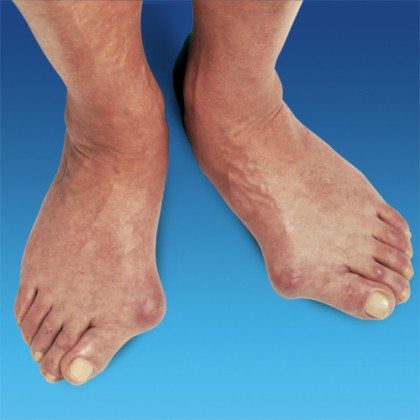
The feet are the foundation of the body. By age 40, nearly everyone has a foot condition of�some sort, many of which eventually contributing to health concerns farther up the Kinetic Chain (Figure 1). Therefore, it�s in the best interest of healthy patients to be offered a wellness program which stresses preventative care for normal, healthy feet, in order to prevent foot problems from occurring later in life.
�Pictured above, patient with severe bunions, or Hallux Valgus.
Figure 1. While 99% of all feet are normal at birth, 8% develop troubles by the first year of age, 41% at age 5, and 80% by age 20 (Fig. 1).�By age 40, nearly everyone has a foot condition of some sort.
How Can Orthotics Help?
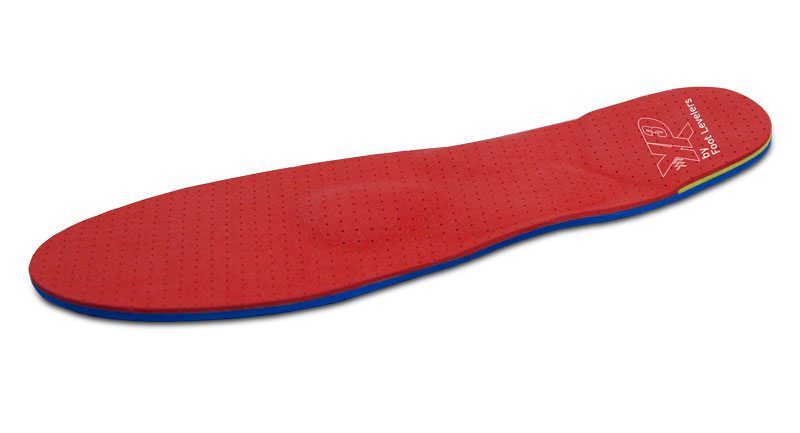
Patients who participate in Chiropractic wellness programs can benefit from custom-made orthotics nearly as much as patients who seek Chiropractic care for musculoskeletal injuries and conditions. Foot Levelers� custom orthotics have been shown to effectively support the pedal foundation for both categories of patients, and can prevent problems well into the future with static and dynamic support.
Static support.Static support. A 1999 study using radiographic measurements found that custom-made, flexible orthotics can significantly improve the alignment of the arches when standing.2 In the wellness-practice concept of orthotic use, custom-made, flexible orthotics can be used to maintain a properly functioning arch alignment.
Dynamic support. During gait, the foot undergoes substantial changes and must permit a smooth transfer of the body�s center of mass over the leg in order to conserve energy and keep the work expenditure to a minimum.3 This requires a flexible, yet supportive orthotic that accommodates varying weights and forces and allows proper movement and function of the foot, while supporting all three arches�in order to prevent eventual arch collapse.
Postural benefits. Since the entire body structure is balanced on one foot at a time when walking and running, improving foot alignment can help maintain knee, hip, pelvic and even spinal postural alignment,4 and prevent joint degeneration (of the hip, knee, or spinal joints). A pelvic or spinal tilt or recurrent subluxations will often respond rapidly to orthotic support of the arches in the feet.
Orthotics For Everyone
Custom-made, flexible orthotics have long been recognized as a valid adjunct to Chiropractic care for many musculoskeletal conditions. In the wellness model of Chiropractic care, Foot Levelers� custom-made, flexible orthotics (Fig. 2) can be utilized as a preventative modality for the preservation of optimal arch support and the postponement or prevention of joint imbalances in later years. Therefore, orthotics are appropriate for virtually all Chiropractic patients.
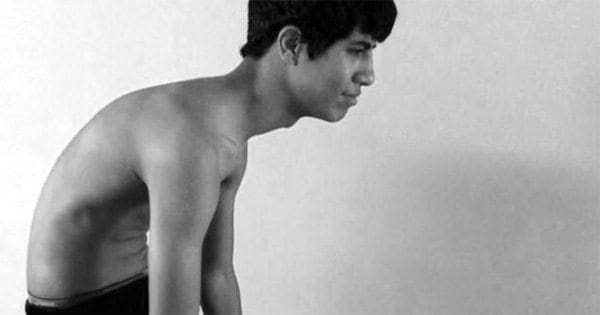
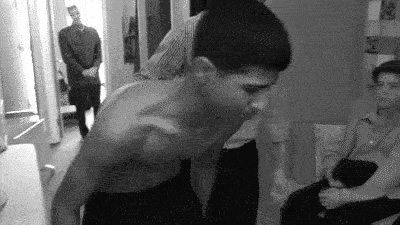
After pulling out a tree root Muntathar experienced excruciating pain which forced him into a extreme hunched position. If he tried to stand up he would get terrible pain and numbness all down his leg. Despite being to emergency 9 times, he had found no help in the medical world. So as a last resort he decided to travel from America to Australia to see Dr. Ian. Watch as after 2 weeks of specific Gonstead Chiropractic care, Mun stands straight and tall once more and gets his life back. We hope you enjoy this very special case.
The video�(see at bottom of post) was posted on Reddit by user Duggerdean with the comment: �I used to be a skeptic about chiropractic care until I started watching this channel. His latest video is so amazing.�
The video they refer to is that of Dr Ian Watch, who practices at Gonstead Chiropractic in Victoria, Australia � and his teenage patient�Muntathar Altaii from the US.
Despite going to A&E nine times, he says no one was able to help him.
Day 1
Dr Ian X-rays Mun�s back and sees one of the joints isn�t functioning properly. The measurements are also quite a long way out which suggests the sacrum (the large triangular bone at the base of the spine) has rotated.
Mun Also Has No Feeling In His Right Leg
Dr Ian makes what he calls �a very small correction� at the first appointment. After just 10 minutes, he�s already got a small amount of feeling back in his leg.
Mun then confesses he hopes to be better by his graduation � on June 17. No pressure.
Day 2
Mun Reports He�s Slept Well For The First Time In Three Months
Dr Ian identifies a huge amount of upper cervical nerve pressure in his neck. His head sits higher on one side than the other. So, Dr Ian makes another �adjustment�.
Day 4
Mun has a lot more movement. He can move his leg easily, whereas before he would have to pick it up even to walk.
Day 7
After further manipulation of Mun�s spine (with assistance to keep it stable), Mun tells Dr Ian how desperate he�d become after his injury. �At first I didn�t want to even live anymore,� he says, �because I couldn�t walk anywhere.�
Day 10
‘Now he just walks like he�s been playing too much X-Box� jokes Dr Ian.
For The First Time, Mun�s Taller Than The Doctor
Transformation In Just 10 Days Is Pretty Incredible
Call Today!
Photo Mun Sent Back To His Family That Night
Before & After
Mun�s High School Graduation Picture � He Got His Wish Last Week
Mun, Second From Left, With His Dad
Now Mun Wants To Be A Chiropractor When He�s Older, Of Course!
Back pain is one of the most common complaints reported by a majority of the population. Although the symptom generally occurs temporarily and it typically resolves on its own, some cases of back pain can become chronic or persistent.
A variety of factors, including trauma or injury from an accident and/or an aggravated condition, can manifest symptoms of back pain, however, the natural degeneration of the structures of the body are described to be the most prevalent cause for back complications resulting in pain and discomfort. Degenerative scoliosis is an infrequent cause for back pain in adults.
Scoliosis most frequently develops in children and adolescents. When it is diagnosed in adulthood, it is known as adult degenerative scoliosis. Other spinal degenerative disorders associated with adult scoliosis include: spinal stenosis; spondylolisthesis; degenerative disc disease; osteoporosis; and compression fractions in the vertebrae.
Adult degenerative scoliosis is characterized as the abnormal, side-to-side curvature of the spine due to the degeneration of the facet joints, which provide flexibility to the spine, allowing it to bend and twist easily. The distinctive scoliosis curve which forms into a �C� shape along the spine, most commonly develops in the lumbar spine. Individuals with scoliosis describe noticing a change in their posture. With the disorder, instead of carrying weight vertically, the upper body begins to lean to one side. Also, an adult with degenerative scoliosis may notice that one shoulder is positioned higher than the other in a mirror.
Causes & Symptoms of Adult Degenerative Scoliosis
Click here or Call today
Over the natural wear-and-tear changes that begin to occur in the body as we age, the bones and other connective tissues surrounding each structure of the body begin to gradually degenerate, weakening and breaking down. When this occurs in the spine, the alignment of the vertebral bones may become altered, taking on an abnormal curve: scoliosis. Adult degenerative scoliosis most commonly develops among people over 65 years of age.
As the degeneration progresses, the changes in the spine caused by the scoliosis may interfere with the individual�s balance, altering the person�s gait, or manner of walking. Because of this, adult scoliosis causes considerable back pain. Other symptoms of the disorder include: spinal rigidity; stiffness; loss of sensation in the extremities; fatigued muscles; sciatica; and even respiratory and cardiac complications in severe cases.
The Different Forms of Scoliosis
Adolescent scoliosis, also known as idiopathic scoliosis, is the most common type of scoliosis. The differences between the two are often misunderstood by the general population. Idiopathic scoliosis develops in children and adolescents between 10 and 18 years of age. This form of the disorder is still unknown to experts as to why it occurs in the first place. In severe cases of adolescent scoliosis, the lateral shift of the spine can change immediately with the child�s growth, which may often require the use of a brace as well as other treatment methods to slow down or stop the abnormal curvature of the spine, caused by scoliosis.
Different from adolescent or idiopathic scoliosis, there is a known cause for adult or degenerative scoliosis. Adult degenerative scoliosis is caused by the gradual deterioration of the facet joints found in the back due to aging, the same type of process which can lead to osteoarthritis in the spine. The pressure that builds up from the degenerating facet joints has been previously identified as the leading cause for the abnormal lateral shift, or curving to one side, of the spine. The scoliosis itself is rarely the cause for back pain. The true cause for the symptoms is the result of the inflammation of the degenerating facet joints, which can usually progress slowly at about 1 to 2 degrees per year. As a result, treatment for scoliosis is not focused on slowing down the progress of the scoliosis curvature, but instead, it is focused on relieving the back pain and other symptoms associated with the disorder.
Treating Scoliosis Pain with Chiropractic
Depending on the severity and location of the degeneration leading to scoliosis, there are a variety of treatments available to help alleviate the symptoms of the disorder, including both nonsurgical and surgical options. The goals of non-surgical treatments are to reduce pain as well as increase the strength, flexibility and range of motion of the spine to help reduce future symptoms and help correct the curvature of the spine. The majority of individuals with adult scoliosis can find relief without the need for surgery.
Chiropractic care focuses on the diagnosis, treatment and prevention of injuries and conditions related to the musculoskeletal and nervous system. Chiropractic utilizes safe and effective spinal adjustments and manual manipulations, which are performed by a qualified and experienced chiropractic professional to help improve and maintain the natural mobility of the facet joints while reducing the irritation and inflammation on the surrounding structures of the spine. Through the use of chiropractic treatment, a chiropractor will gradually realign the spine, decreasing the symptoms of back pain, reducing the lateral curvature of scoliosis and restoring the original health and wellness of the spine. In addition, a chiropractor may recommend a series of stretches as well as strengthening exercises to keep the soft tissues and joints flexible and speed up the rehabilitation process.
Scoliosis Pain and Chiropractic
Because every individual�s condition is unique, the same forms of treatment may not always benefit everyone. Visiting a variety of healthcare professionals can help patients determine the best treatment option that fits their specific needs for recovery. Other treatment plans may include the temporal use of medication for pain management, physical therapy and the use of back braces. More severe cases of adult scoliosis may require surgical intervention to help relieve the individual�s symptoms and restore their sense of well-being.
For more information, please feel free to ask Dr. Jimenez or contact us at 915-850-0900 .�
By Dr. Alex Jimenez
Additional Topics: Low Back Pain After Auto Injury
After being involved in an automobile accident, the sheer force of the impact can cause damage or injury to the body, primarily to the structures surrounding the spine. An auto collision can ultimately affect the bones, muscles, tendons, ligaments and other tissues surrounding the spine, commonly the lumbar region of the spine, causing symptoms such as low back pain. Sciatica is a common set of symptoms after an automobile accident, which may require immediate medical attention to determine its source and follow through with treatment.
IFM's Find A Practitioner tool is the largest referral network in Functional Medicine, created to help patients locate Functional Medicine practitioners anywhere in the world. IFM Certified Practitioners are listed first in the search results, given their extensive education in Functional Medicine



















 Static support.Static support. A 1999 study using radiographic measurements found that custom-made, flexible orthotics can significantly improve the alignment of the arches when standing.2 In the wellness-practice concept of orthotic use, custom-made, flexible orthotics can be used to maintain a properly functioning arch alignment.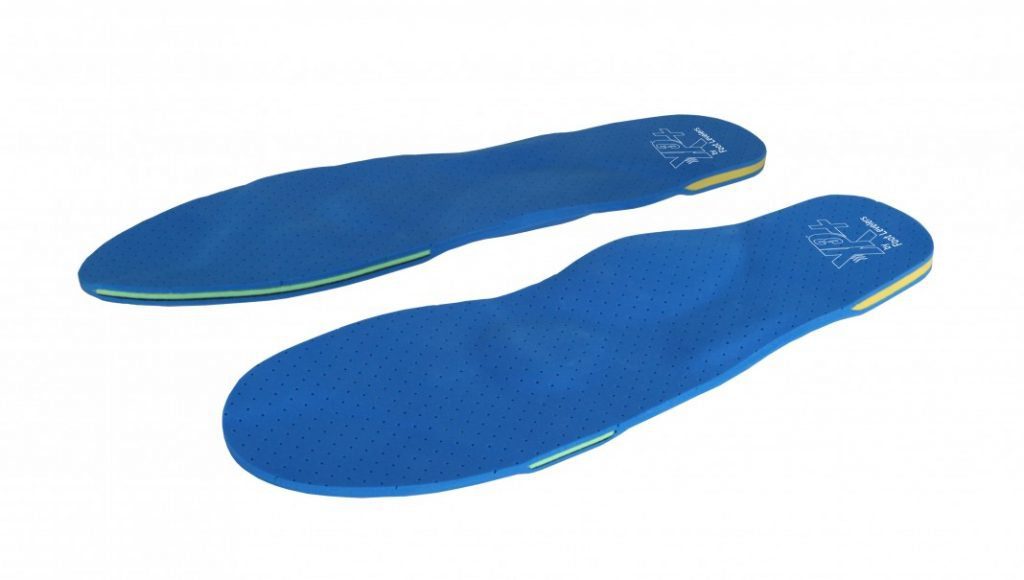

 Shoes for Kids