Can knowing how to stretch your back help reduce pain and improve your range of motion?
Stretch Your Back
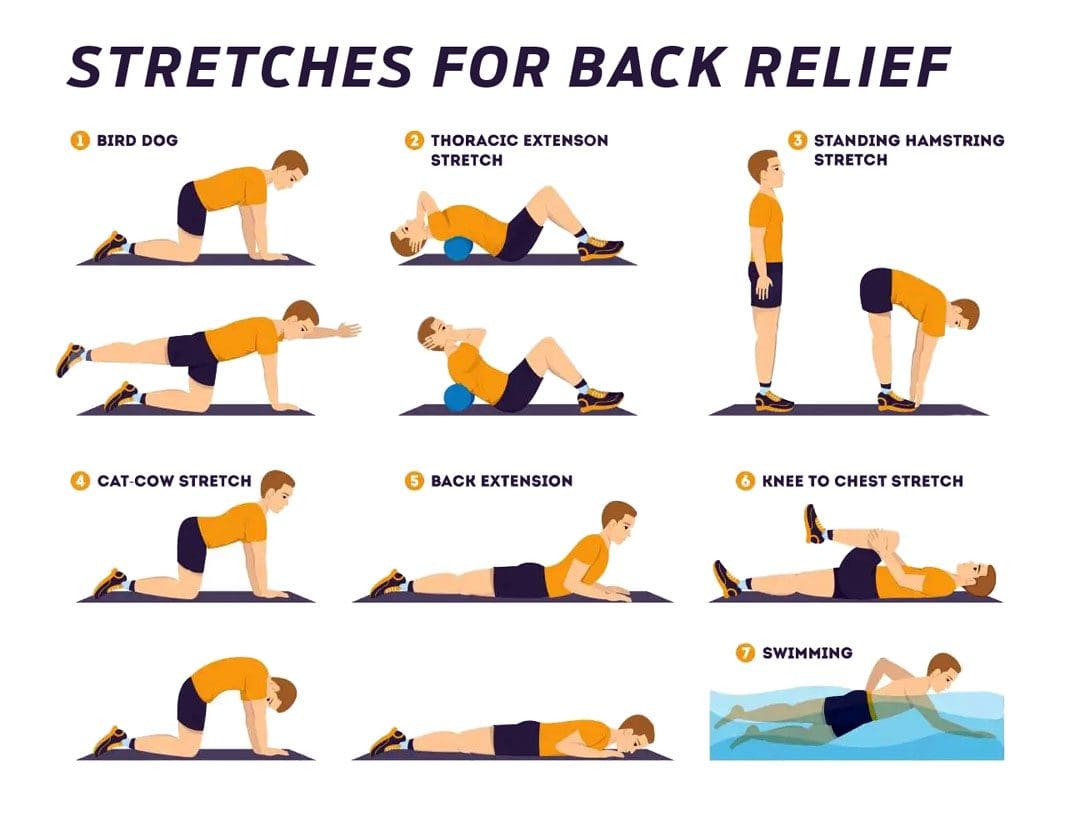
Over time, muscle tension can cause significant back pain and increase the risk of a back injury. Getting into a regular back stretching routine can help prevent back and spinal issues. These exercises can be performed when your back hurts to ease a backache or to avoid future problems. However, before beginning an exercise or stretch regimen, talk to your healthcare provider about any questions and what is safe for you. A few things to be mindful of are:
When stretching, don’t try to push past your pain limit.
Listen to your body, which leads to a calmer nervous system.
Take special care when stretching during pregnancy, as the hormones supporting your pregnancy could lead to overstretching or injury.
Warm Up
Stretching cold muscles can lead to injury. Always warm up first.
Do between five and 10 minutes of mild activity, such as walking.
Apply heat for 15 to 20 minutes before stretching.
Knees-to-Chest Back Stretch
To perform:
Lie on your back with your feet flat on the floor.
Bring your legs toward your chest With your knees bent.
Place your hands behind your thighs or on the shins, and pull the legs down toward your chest.
Pull until there is a gentle stretch.
Hold for 15 seconds.
Return to the starting position.
Do a total of 10 reps.
Supine Twist Back Stretch
To perform:
Lie on your back with your knees bent and feet flat on the floor.
Keep your back flat on the floor, rotate your hips to the left, and lower your legs until you feel the stretch.
Hold for 15 seconds.
Return to the starting position.
Next, rotate the hips to the right and lower your legs to the floor until you feel a gentle stretch.
Hold for 15 seconds.
Return to the starting position.
Repeat for nine reps.
Prone Bridging Back Stretch
To perform:
Lie on your stomach.
Prop yourself up on your elbows.
Extend your back.
Start straightening your elbows, further extending the back.
Continue straightening the elbows until the stretch is felt.
Hold for 15 seconds.
Return to the starting position.
Repeat for nine reps.
Supine Butt Lift Back Stretch
To perform:
Lie on your back with your knees bent and feet flat on the floor.
Push down through the feet as you slowly raise yourself off the floor.
Hold for 10 seconds.
Return to starting position.
Repeat for nine reps.
Seated Forward Curl Back Stretch
To perform:
Sit in a chair with your feet flat on the ground.
Bend forward until your chest is on your thighs, and you can touch the ground with your hands.
Hold for 10 seconds.
Return to the starting position.
Repeat for nine reps.
Side Stretch
To perform:
Stand up straight with your arms at your sides and feet shoulder-width apart.
Bend sideways to the left while sliding your left hand down your thigh and reaching your right arm over your head.
Hold for 10 seconds.
Return to the starting position.
Now, bend to the right while sliding your right hand down your thigh and reaching your left arm over your head.
Hold for 10 seconds.
Repeat for nine reps.
Other Treatments to Loosen a Tight Back
Many healthcare providers recommend other treatments for back pain before using medication. Recommended treatments that can help loosen the back include: (Sudhakaran P. 2021)
Acupuncture
Acupuncture needles are inserted in release points to unblock stagnated blood and energy circulation.
Incorporating foods like those on the Mediterranean diet, which emphasizes fish, vegetables, and olive oil, can help reduce chronic inflammation and help with back pain.
Injury Medical Chiropractic and Functional Medicine Clinic
Injury Medical Chiropractic and Functional Medicine Clinic works for you to relieve pain, restore function, prevent injury, and help mitigate issues through adjustments that help the body realign itself. We build optimal health and wellness solutions with primary healthcare providers and specialists to integrate a treatment plan to resolve musculoskeletal problems.
Stretching Benefits
References
Sudhakaran P. (2021). Acupuncture for Low-Back Pain. Medical acupuncture, 33(3), 219–225. https://doi.org/10.1089/acu.2020.1499
Foley, C., & Litscher, G. (2024). The Biggest Obstacle to the Integration of Acupuncture: The Meaning of Qi from the Ancients to Einstein. Medical acupuncture, 36(1), 5–11. https://doi.org/10.1089/acu.2023.0054
U.S. Department of Defense. (2012). Complementary Alternative Medicine for Low Back Pain. Retrieved from https://media.defense.gov/2019/Oct/22/2002198454/-1/-1/0/CAM%20FOR%20LOW%20BACK%20PAIN.PDF
Can individuals dealing with scoliosis incorporate various exercises and stretches to improve their posture and reduce pain?
What Is Scoliosis?
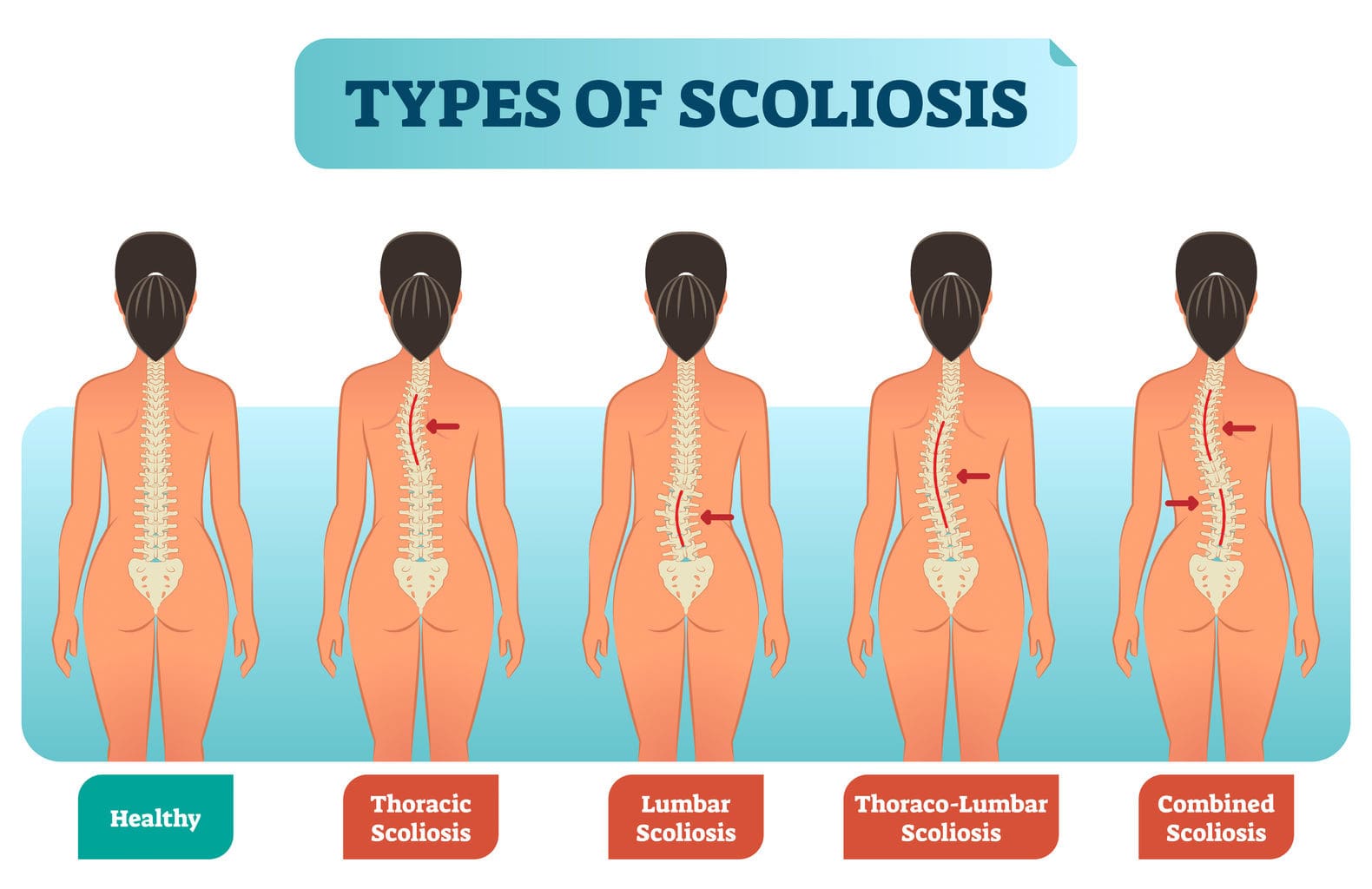
More often than anything, many people have tried to maintain proper posture to prevent musculoskeletal and spinal conditions from forming. However, it can be difficult to maintain an appropriate posture when strenuous environmental factors come into play. This can range from being in a hunched position to developing spinal conditions that can affect the curvature of the spine. One of the most well-known spinal conditions many people can develop through numerous risk factors is spinal scoliosis. Spinal scoliosis is often defined as a curvature deviation in the normal vertical spinal line. (Janicki & Alman, 2007) This causes the spine to develop an S or C curve in the thoracic or lumbar portion of the spine, leading to overlapping risk profiles in the body and causing pain-like symptoms that can make a person feel miserable. Today’s article looks at scoliosis, how it affects the body, and how various exercises can help manage scoliosis. We discuss with certified medical providers who inform our patients how non-surgical treatments, like various exercises, help manage symptoms associated with scoliosis. While asking informed questions to our associated medical providers, we advise patients to include various exercises and pain management techniques to reduce pain-like symptoms correlating with scoliosis. Dr. Alex Jimenez, D.C., encompasses this information as an academic service. Disclaimer.
How Does It Affect The Body?
Since scoliosis is a spinal deformity condition that affects the spine, it can happen at any age and is categorized into four group forms:
Congenital (Presented by birth)
Neuromuscular (Resulted from cerebral palsy or muscular dystrophy)
Idiopathic (The common spinal condition)
Degenerative (Adult-onset scoliosis)
Within these four groups of scoliosis, some of the pain-like symptoms can vary depending on the size of the curve and how far the progression leads to overlapping risk profiles in the thoracic and lumbar spine portions. (Aebi, 2005) Some of the symptoms that are associated with scoliosis are back pain. Many individuals with scoliosis, especially adolescent individuals, have back pain associated with adolescent idiopathic scoliosis due to increasing age, injuries, and how severe the spine is curved. (Achar & Yamanaka, 2020) Additional symptoms that many individuals experience with scoliosis that can affect their bodies have specific features that cause pain. Individuals with scoliosis often have increasing asymmetrical pain when standing for prolonged periods and residing at rest, thus mimicking sciatica pain. (Zaina et al., 2023) This is because pain is one of the biomarkers for scoliosis. When pain starts to affect the body, issues like muscle dysfunction, concave disc pressure, asymmetrical facet joint strains, and a high BMI (body mass index) become the main mechanical parameters in the body. They are assessed by doctors when being examined. (Ilharreborde et al., 2023) When individuals are being assessed by their doctors to manage scoliosis, non-surgical treatments can help manage the pain-like symptoms and restore joint stability and mobility to the body.
Movement Medicine: Chiropractic Care- Video
Various Exercises For Managing Scoliosis
When many individuals dealing with scoliosis go in for non-surgical treatments, they will be assessed and evaluated by pain specialists to determine what the next steps for treatment can be provided for them. For scoliosis, non-surgical treatments like chiropractic care can be provided to reduce the musculoskeletal conditions associated with scoliosis. Chiropractors utilize mechanical and manual spinal manipulation of the spine. They can set the vertebra back in place while restoring the spinal joint with optimal motion, improving the range of motion, and allowing the body to function properly. (Milne et al., 2022) At the same time, chiropractors can recommend various exercises and stretches to help manage symptoms associated with scoliosis as part of their treatment plan. Incorporating various exercises can help rectify spinal deformity, help the different muscle groups become stronger, and allow the individual to work a bit on managing scoliosis symptoms. Below are some of the various exercises and stretches to manage scoliosis.
Practicing Good Posture
Practicing good posture can benefit many individuals with scoliosis, especially young ones. Many people realize that maintaining good posture can help reduce muscle pain and tension in the back. It allows many people to realign their bodies and retrain them to stand with good posture naturally. Maintaining good posture, whether standing or seated, can allow doctors to scan the body for any tension signs. For those with scoliosis, it can gradually strengthen the weak core muscles in their bodies.
Abdominal Presses
Abdominal presses allow the individual to maintain neutral spinal alignment while strengthening the abdominal core muscles. To do this:
Individuals must lie on their backs on a yoga mat, keeping their backs in a neutral, tension-free position with bent knees.
They raise both feet and thighs off the mat to form a 90-degree angle with their knees above the hips. *They can support themselves with a chair or wall.
Next, individuals can use their hands to push and pull the knees with their abdominal muscles.
When doing this static exercise, make sure that they hold for three full breaths in two sets of ten and relax in between.
Bird-Dog
Bird-dog is a yoga move that can help stretch tight and weak muscles in the back and allow the body to balance itself. To do this:
Individuals can be on their hands and knees with a neutral spine position on a yoga mat, ensuring their hands are under their shoulders and their knees are under their hips.
With controlled breathing, extend one arm straight out while extending the opposite leg back.
Maintain the position for five to thirty seconds, andslowly return to the neutral spine.
Repeat the motion with the opposite for 10 to 15 reps.
Incorporating these exercises can help manage pain-like symptoms associated with scoliosis, help many individuals strengthen their weak muscles, and help improve their posture on their health and wellness journey.
Ilharreborde, B., Simon, A. L., Shadi, M., & Kotwicki, T. (2023). Is scoliosis a source of pain? J Child Orthop, 17(6), 527-534. https://doi.org/10.1177/18632521231215861
Janicki, J. A., & Alman, B. (2007). Scoliosis: Review of diagnosis and treatment. Paediatr Child Health, 12(9), 771-776. https://doi.org/10.1093/pch/12.9.771
Milne, N., Longeri, L., Patel, A., Pool, J., Olson, K., Basson, A., & Gross, A. R. (2022). Spinal manipulation and mobilisation in the treatment of infants, children, and adolescents: a systematic scoping review. BMC Pediatr, 22(1), 721. https://doi.org/10.1186/s12887-022-03781-6
Zaina, F., Marchese, R., Donzelli, S., Cordani, C., Pulici, C., McAviney, J., & Negrini, S. (2023). Current Knowledge on the Different Characteristics of Back Pain in Adults with and without Scoliosis: A Systematic Review. J Clin Med, 12(16). https://doi.org/10.3390/jcm12165182
For individuals trying to retrain their body movements for back health improvement, what is the spinal area that helps the body twist, bend, and stand upright?
Lumbosacral Joint L5-S1
The L5-S1, also called the lumbosacral joint, is a term used to describe a part of the spine. It is where the lumbar spine ends and the sacral spine begins, and it connects these bones. The lumbosacral joint is also susceptible to misalignment and injury, such as disc herniation or a spinal disorder called spondylolisthesis.
The spinal column is the structure that allows the body to stand upright and helps you twist, bend, and alter trunk and neck position. Typically, 24 movable bones in the spine connect to the sacrum and the coccyx, or the tailbone. The sacrum and the coccyx each have multiple bones that fuse over time. L5-S1 consists of the last bone in the lumbar spine, called L5, and the triangle-shaped bone under it, known as the sacrum. S1 is at the top of the sacrum and comprises five fused bones.
Risk of Injury
Each area of the spine has a curve that goes in opposite directions. The places where the spinal curve directions change are junctional levels. The risk of injuries may be higher at junctional levels because the body weight shifts direction as the curves shift. The L5-S1 junction is located between the lumbar curve and the sacral curve. The lumbar curve sweeps forward, and the sacral curve goes backward.
The lumbosacral joint L5-S1 junction is highly vulnerable to misalignment, wear and tear, and injury. This is because the top of the sacrum is positioned at an angle for most individuals. Aging and injury increase the vulnerability of the L5-S1 junction even more. Pain coming from L5-S1 is usually treated with:
Heat and/or ice
Over-the-counter anti-inflammatory medications
Prescription pain medications
Muscle relaxers
Physical therapy
Chiropractic adjustments
Epidural steroid injections
If these therapies do not help, surgery may be recommended. L5-S1 is one of the two most common sites for back surgery.
Conditions
Disc herniation at L5-S1 is a common injury and cause of sciatica, which can cause pain and other issues (MedlinePlus, 2024). The L5-S1 junction is often the site of a condition known as spondylolisthesis.
Disc Herniation
Discs separate the vertebrae, cushioning the spinal column and allowing movement between vertebrae. A disc herniation means the disc slips out of place. (MedlinePlus, 2022) A disc herniation at L5-S1 is a common cause of sciatica. Symptoms of sciatica include:
Burning
Numbness
Pain or tingling that radiates from the buttock down the leg to the knee or foot.
Disc herniation can also cause chronic back pain and stiffness and trigger painful muscle spasms. Bowel problems are also possible with disc issues at L5-S1. Research links irritable bowel syndrome to herniated discs in the lower back. (Bertilson BC, Heidermakr A, Stockhaus M. 2015) Additional studies found disc problems at L5-S1 can lead to difficulty with sphincter control. (Akca N. et al., 2014) Initial treatments for disc herniation include rest and pain relievers to reduce inflammation and swelling, then physical therapy. Most recover with conservative interventions, and those who don’t may require a steroid injection or surgery. (MedlinePlus, 2022)
Spondylolisthesis
Spondylolisthesis occurs when a vertebra slips forward relative to the bone below it. The most common form of this condition is degenerative spondylolisthesis, which generally begins when the spine wears down with age. Isthmic spondylolisthesis is another common variation and starts as a tiny fracture in the pars interarticularis, a bone that connects the adjoining parts of the facet joint. (American Academy of Orthopaedic Surgeons, 2020) These fractures often occur before age 15, but symptoms do not develop until adulthood. Degeneration of the spine in later adulthood can further worsen the condition.
The angle of the sacrum can also contribute to spondylolisthesis. This is because the S1 tips down in the front and up in the back rather than being horizontal. Individuals with a greater tilt are usually at a higher risk of spondylolisthesis. (Gong S. et al., 2019) However, individuals with spondylolisthesis may not have any symptoms. Those who do may experience: (American Academy of Orthopaedic Surgeons, 2020)
Back stiffness
Standing difficulties
Walking difficulties
Lower back pain
Hamstring tightness
Spondylolisthesis is typically treated with non-surgical interventions that can include:
Pain medications
Heat and/or ice application
Physical therapy
Epidural steroid injections
Usually, non-surgical care is tried for at least six months. If pain and symptoms persist, surgery may be an option. Spinal fusion surgery can be effective but requires a long recovery time and can have additional risks.
Injury Medical Chiropractic and Functional Medicine Clinic
Injury Medical Chiropractic and Functional Medicine Clinic works with primary healthcare providers and specialists to develop an optimal health and wellness solution. We focus on what works for you to relieve pain, restore function, and prevent injury. Regarding musculoskeletal pain, specialists like chiropractors, acupuncturists, and massage therapists can help mitigate the pain through spinal adjustments that help the body realign itself. They can also work with other medical professionals to integrate a treatment plan to resolve musculoskeletal issues.
Chiropractic Healing After Trauma
References
MedlinePlus. (2024). Sciatica. Retrieved from https://medlineplus.gov/sciatica.html
MedlinePlus. (2022). Herniated disk. Retrieved from https://medlineplus.gov/ency/article/000442.htm
American Association of Neurological Surgeons. (2024). Herniate disc. https://www.aans.org/patients/conditions-treatments/herniated-disc/
Bertilson, B. C., Heidermark, A., & Stockhaus, M. (2015). Irritable Bowel Syndrome–a Neurological Spine Problem. Journal of Advances in Medicine and Medical Research, 4(24), 4154–4168. https://doi.org/10.9734/BJMMR/2014/9746
Akca, N., Ozdemir, B., Kanat, A., Batcik, O. E., Yazar, U., & Zorba, O. U. (2014). Describing a new syndrome in L5-S1 disc herniation: Sexual and sphincter dysfunction without pain and muscle weakness. Journal of craniovertebral junction & spine, 5(4), 146–150. https://doi.org/10.4103/0974-8237.147076
American Academy of Orthopaedic Surgeons. (2020). Spondylolysis and spondylolisthesis. https://orthoinfo.aaos.org/en/diseases–conditions/spondylolysis-and-spondylolisthesis/
Gong, S., Hou, Q., Chu, Y., Huang, X., Yang, W., & Wang, Z. (2019). Anatomical factors and pathological parts of isthmic fissure and degenerative lumbar spondylolisthesis.
Can correcting body misalignments and the elements of unhealthy posture help achieve a healthy posture?
Healthy Posture
Maintaining a healthy posture is more important than ever, as individuals from all walks of life realize how practicing awkward and unhealthy postures can wreak havoc on their bodies and quality of life. Unhealthy postures include rounding the upper and lower back, slouching, and forward head posture. Over time, these postures make daily activities more difficult or painful. Mobility, stability, and strengthening exercises can address unhealthy posture problems and issues, along with practicing correct sitting, standing, and resting postural habits to reinforce proper alignment daily. A chiropractic and physical therapy team can treat and train individuals to restore correct and healthy posture.
Body Alignment
Ideal posture involves correct body alignment or how the structural parts, such as the head, trunk, hips, knees, etc., relate to an individual’s form. Whether standing, sitting, lying down, or moving, body parts need to be balanced in relationship to each other to avoid unnecessary stress on the spine and musculoskeletal system. (Bone Health & Osteoporosis Foundation, 2024)
Posture Types
Posture is considered static when sitting or standing still and dynamic when moving. Both are categorized as active postures as they require the activation of stabilizing muscles to deal with gravity and maintain alignment. Lying down and remaining still is considered an inactive posture, as muscle involvement is minimal. However, both have the potential to be healthy or unhealthy.
Proper Body Alignment
An easy way to check proper alignment while standing is to stand against a wall with the base of the head, shoulder blades, and buttocks flush against the wall, with enough space for a hand wide enough to slide in between the wall and the small of the back. This exercise correctly lines up the head, shoulders, and hips to reduce or eliminate undue stress on the spine. Body balance is the foundation for active and inactive postures concerning workstations, industrial ergonomics, daily activities, and sports. (Mayo Clinic, 2023) Healthy alignment is a standard position in which all body joints are centered and balanced and the most mechanically efficient position for static or dynamic activities. Biomechanical efficiency (the ability to use the body’s muscles and joints to perform movements while minimizing energy use and maximizing output) enables the muscles surrounding the joints to work in balance and efficiently activate, which, in turn, helps reduce strain, tension, and injury. Balanced muscles also conserve energy, leading to better daily stamina.
Development of Imbalances
Individuals develop position and movement habits in joint positioning that have led to imbalanced muscles. When this is the case, some muscles can be chronically stretched, and others become chronically tight, all to hold the body up or move around, which can lead to postural conditions like upper crossed (Physiopedia, 2024) or lower crossed syndrome (Physiopedia, 2024) which often leads to pain and/or mobility issues.
Posture Assessment
The recommended way to determine if one’s posture is healthy or poor is by conducting a posture assessment. The examination looks at joint positions and gathers visual information about the planes into which parts of each joint move and the axes around which those movements occur (Singla D. and Veqar Z., 2014) (Debra Coglianese et al., 2006). In a posture assessment, body alignment is compared with the ideal standard, a plumb line, usually a string with a small weight attached to the bottom to help maintain straightness. The other end of the string is affixed to the ceiling to be used as an accurate reference for correct alignment. (Singla D. and Veqar Z. 2014) During a posture assessment, the patient stands next to the plumb line while the doctor or therapist compares the relative positions of the following areas:
Ears
Shoulder joint
Spine
Hip joint
Knee joint
Ankle joint
Feet
Any areas that don’t match the reference can indicate misalignments in one or several regions.
Making Corrections
Chiropractic care can help correct unhealthy posture by realigning the spine and strengthening the musculoskeletal system:
Spinal Adjustments
Chiropractors use their hands or instruments to apply controlled force to the spine to realign the vertebrae. This can help relieve pressure on muscles, ligaments, and nerves, which can improve posture.
Corrective Exercises
Chiropractors can create custom exercises to strengthen postural muscles and maintain proper alignment.
Massage Therapy
Chiropractors can use massage therapy to work on strained ligaments and soft tissue.
Guidance and Training
Chiropractors can teach patients how to move to encourage a neutral spine and provide strategies for maintaining healthy posture.
A posture corrector or brace can also help teach and engage the correct muscles to achieve proper alignment. However, it should not be relied on long-term because promoting and activating one’s stabilizing muscles is important rather than relying on a brace for prolonged periods.
Injury Medical Chiropractic and Functional Medicine Clinic
Achieving and maintaining proper posture requires consistent work and development. Retraining the body and maintaining its optimal health requires daily efforts through exercise, conscious position corrections, and ergonomics. Injury Medical Chiropractic and Functional Medicine Clinic works with primary healthcare providers and specialists to develop an optimal health and wellness solution. We focus on what works for you to relieve pain, restore function, and prevent injury. Regarding musculoskeletal pain, specialists like chiropractors, acupuncturists, and massage therapists can help mitigate the pain through spinal adjustments that help the body realign itself. They can also work with other medical professionals to integrate a treatment plan to resolve musculoskeletal issues.
Upper Cross Syndrome
References
Bone Health & Osteoporosis Foundation. (2024). Proper body alignment. https://www.bonehealthandosteoporosis.org/patients/treatment/exercisesafe-movement/proper-body-alignment/
Mayo Clinic. (2023). Mayo Clinic Q and A: Proper posture and body alignment. https://newsnetwork.mayoclinic.org/discussion/mayo-clinic-q-and-a-proper-posture-and-body-alignment/
Singla, D., & Veqar, Z. (2014). Methods of postural assessment used for sports persons. Journal of clinical and diagnostic research: JCDR, 8(4), LE01–LE4. https://doi.org/10.7860/JCDR/2014/6836.4266
Coglianese, D. (2006). Muscles: Testing and Function With Posture and Pain, ed 5 (with Primal Anatomy CD-ROM). Physical Therapy, 86(2), 304-305. https://doi.org/https://doi.org/10.1093/ptj/86.2.304
Can individuals maintain proper hydration levels in their bodies to prevent spinal pain and other musculoskeletal conditions?
Introduction
When making small changes to better their health and wellness, many understand that eating nutritional foods, exercising, and finding ways to reduce the pain and stress that environmental factors have affected the body. However, there is also another crucial component to a person’s health and wellness, and that is staying hydrated. Many individuals sometimes don’t realize that the human body contains about 60% of the water, which helps every vital organ, muscle, tissue, and vertebra in the body to function. However, many individuals who do not consume enough water due to a stressful event, exercising, or just wanting to drink sugary drinks will feel pain and discomfort in their bodies. This can range from mild headaches to back pain. Today’s article focuses on what spinal pain correlates with the back, why staying hydrated can reduce spinal pain and ways to stay hydrated. We talk with certified associated medical providers who inform our patients to maintain proper hydration to reduce the chances of spinal pain affecting their bodies. While asking their associated medical provider intricate questions, we advise patients to incorporate daily hydration levels as part of their routine to reduce the chances of spinal pain from returning. Dr. Alex Jimenez, D.C., includes this information as an academic service. Disclaimer.
Spinal Pain Is Correlated With The Back
Do you feel constant aches or pains after a stressful day? Do you feel like chugging gallons of water but still feel thirsty? Or have you been noticing that you have been dealing with limited mobility that has been causing you pain and discomfort in your lower back? These pain-like scenarios are multifactorial and can correlate with spinal pain affecting the back. Now, many people wonder why spinal pain is associated with back pain. The spine is crucial in allowing the individual to be upright and move around during daily activities. The spinal vertebrae discs are between the bones, which would enable shock absorption when a person twists, bends, or flexes so the bones don’t rub together. However, when the body ages, the spine does, too, which causes the intervertebral disc to gradually fall and change the dynamics of the affected spine segments. (Kos et al., 2019) To that point, when the intervertebral disc becomes compressed due to degeneration, it can lead to the development of back pain.
Since low back pain is a multifactorial musculoskeletal condition, many individuals often develop low back pain from numerous environmental risk factors like physical labor, excessive sitting or standing, poor dieting, andphysical inactivity, which can cause individuals to have a loss of sensation, reduced reflexes, limited range of movements and tenderness can affect a person’s gait and posture. (Kabeer et al., 2023) When the spinal discs are being compressed, the water inside the disc becomes dehydrated and is linked to lower back pain. (Cheung et al., 2023) When the spinal discs are dehydrated in the spine due to improper hydration, it can lead to immobility, cause the disc to degenerate, and cause spinal structural defects that cause the surrounding muscles and tissues to have biomechanical instability and inflammation. (Hauser et al., 2022) When the body starts dehydrating, it retrieves water from the spine and other parts to sustain life and keep the vital organs functioning.
Eating Right To Feel Better- Video
Why Staying Hydrated Can Reduce Spinal Pain
Proper hydration is key to reducing the chances of spinal pain. By staying hydrated with plain, pure water, individuals can stay focused, remove toxins from the body, aid in weight reduction, and reduce muscle and low back pain. (Nsiah-Asamoah & Buxton, 2021) Drinking at least 64 ounces of water a day can rehydrate the body and prevent future issues that can cause pain.Proper hydration allows the body to maintain cell activity and regulate body temperature, reducing the chances of pain affecting the body.
Ways to Stay Hydrated
There are ways to stay hydrated and allow the body to have proper hydration levels. Incorporating hydrating fruits and vegetables can help aid in proper hydration as these fruits and vegetables contain about 90% water and the essential nutrients. Additionally, when individuals try to get their hydration levels back up, they are encouraged to drink more fluids as they prefer, especially if they feel unwell. This is to ensure that the body is hydrated enough so that individuals can receive subcutaneous or intravenous fluid supplements combined with regular fluid intake. (Li et al., 2023) Another way many individuals can stay hydrated is to combine non-surgical treatments like chiropractic care and spinal decompression to help realign and lengthen the spine to reduce unwanted pressure on the spinal discs and rehydrate them. The combination of non-surgical treatments and drinking plenty of hydrating fluids can help many individuals dealing with back pain associated with the spine as they start to make small changes to their routine and can live a life pain-free.
References
Cheung, S. T. Y., Cheung, P. W. H., & Cheung, J. P. Y. (2023). Why Are Some Intervertebral Discs More Prone to Degeneration?: Insights Into Isolated Thoracic “Dysgeneration”. Spine (Phila Pa 1976), 48(12), E177-E187. https://doi.org/10.1097/BRS.0000000000004632
Hauser, R. A., Matias, D., Woznica, D., Rawlings, B., & Woldin, B. A. (2022). Lumbar instability as an etiology of low back pain and its treatment by prolotherapy: A review. J Back Musculoskelet Rehabil, 35(4), 701-712. https://doi.org/10.3233/BMR-210097
Kabeer, A. S., Osmani, H. T., Patel, J., Robinson, P., & Ahmed, N. (2023). The adult with low back pain: causes, diagnosis, imaging features and management. Br J Hosp Med (Lond), 84(10), 1-9. https://doi.org/10.12968/hmed.2023.0063
Li, S., Xiao, X., & Zhang, X. (2023). Hydration Status in Older Adults: Current Knowledge and Future Challenges. Nutrients, 15(11). https://doi.org/10.3390/nu15112609
Nsiah-Asamoah, C. N. A., & Buxton, D. N. B. (2021). Hydration and water intake practices of commercial long-distance drivers in Ghana: what do they know and why does it matter? Heliyon, 7(3), e06512. https://doi.org/10.1016/j.heliyon.2021.e06512
Can individuals support their parasympathetic nervous system to maintain a relaxed state and avoid excessive agitation, stress, anxiety, and dysregulation?
Parasympathetic Nervous System
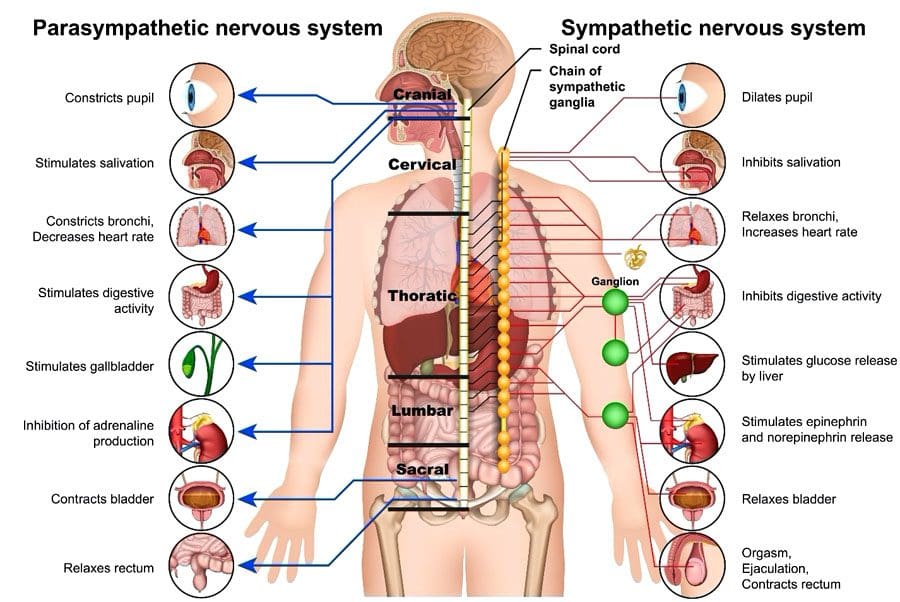
The parasympathetic nervous system (PSNS) involves organs and cells that release neurotransmitters that help the body maintain essential functions like heart rate, breathing, digestion, relaxation, thinking, and sleep. It is part of the autonomic nervous system, which includes the nerves and neurotransmitters that control the body’s internal organs to maintain reliable function. The autonomic nervous system regulates a continual balance between the parasympathetic nervous system’s rest-and-digest functions and the sympathetic nervous system’s fight-or-flight responses.
Functions and Responses
The parasympathetic nervous system includes nerves and neurotransmitters (chemical messengers) distributed throughout the body and is often described as promoting the body’s rest-and-digest state. The body’s needs regulate the control and effects of the system. Certain medications and health issues can modify or alter the function of the autonomic nervous system, including sympathetic and parasympathetic areas. The parasympathetic and sympathetic nervous systems collaborate to control cells, tissues, and organs. The body requires constant functioning and adjustment of both systems. (McQuade J. D. et al., 2017) Functions include: (Valenti V. E. et al., 2024)
Saliva secretion to break down food.
Maintaining blood pressure, resting heart, and breathing rate.
Producing enzymes in the stomach and intestines to break down food further and absorb nutrients.
Kidney balancing of fluid and mineral levels by producing urine.
Constricting pupils (making the dark circle in the eye smaller) to see details up close.
Maintaining focus and concentration to think, remember, and make decisions.
Releasing hormones to fall asleep and stay asleep.
Providing consistent muscle stimulation to maintain endurance for muscle activity.
All functions are adjusted based on the body’s needs.
Activation
The parasympathetic response constantly works to keep the body active, engaged, and healthy and can be stimulated simply by relaxing and resting. Individuals can sometimes focus on promoting their body’s parasympathetic activity through stretching, slow movements, relaxing sounds or music, meditation, and similar activities. Individuals who frequently feel anxious or stressed and have difficulty relaxing could benefit from guidance from a therapist or coach on learning to engage the parasympathetic nervous system. (Goren O. et al., 2024) This can involve activities such as guided meditation or talk therapy, which can help individuals work through fears and anxieties.
Dysregulation
Some medical conditions are associated with dysregulation. Heart disease, respiratory disease, sleep disorders, mental health conditions, and behavioral conditions can be associated with overactive or underactive parasympathetic or sympathetic nervous system regulation. (Veerakumar A. et al., 2022) Various mental health and physical health disorders can involve symptom fluctuations that affect the autonomic nervous system. For example, anxiety disorders can cause periods of overeating as well as loss of appetite and episodic indigestion, nausea, and vomiting. Symptoms of dysregulation can include: (McQuade J. D. et al., 2017)
Excessive sleepiness
Insomnia
Difficulty concentrating
Confusion
Anxiety – nervousness or agitation
A feeling of a rapid heart rate
Shortness of breath
Dry mouth
Throat tightness
Indigestion
Stomachaches
Nausea
Vomiting
Cold hands and feet
Sweating or clammy hands
Sadness
Depression
Dizziness or feeling physically off-balance
Any of these symptoms can develop and resolve quickly. Most individuals experience symptoms or parasympathetic nervous system dysfunction when an unexpected stressful event occurs, and the response is considered normal in traumatic, shocking, sad, or high-stress circumstances. (Veerakumar A. et al., 2022)
Medications may induce parasympathetic overactivity or underactivity until the medicine is broken down and removed from the body. (Valenti V. E. et al., 2024)
Nerves
The system comprises nerves that release hormones and neurotransmitters and nerves that respond to the hormones and neurotransmitters. Parasympathetic activation and response include: (Valenti V. E. et al., 2024)
The nerves that activate the parasympathetic nervous system run throughout the body, primarily in the brain, heart, lungs, stomach, and intestines.
The brain, heart, lungs, stomach, intestines, muscles, liver, kidneys, reproductive organs, eyes, and mouth are among the areas of the body that respond to stimulation.
The vagus nerve, one of the cranial nerves, is closely associated with parasympathetic nervous system activity. It runs from the brainstem down into the throat, heart, lungs, and digestive system. (Valenti V. E. et al., 2024) Surgical, medical, and alternative interventions are used to regulate the activity of the parasympathetic nervous system and are targeted toward regulating and controlling the activity of the vagus nerve. (Hernández-Domínguez R. A. et al., 2024)
PSNS Support
Living with any parasympathetic nervous system dysfunction can be challenging. For individuals with heart or lung disease, healthcare providers will evaluate the medical condition and recommend surgery or medication to control symptoms and avoid complications. (Hernández-Domínguez R. A. et al., 2024) Individuals who are living with a mental health disorder or behavioral disorder that is associated with any dysregulation of the parasympathetic nervous system activity may benefit from a combination of behavioral interventions and medication to help control symptoms long term. (Goren O. et al., 2024)
Injury Medical Chiropractic and Functional Medicine Clinic
The spinal cord has multiple functions in restoring, rejuvenating, and strengthening the nervous system. Chiropractic care has a highly responsive therapeutic effect on the nervous system because of its focus on the spine. Spinal decompression, traction, soft tissue manipulation, and other treatments help regulate and restore the function of the nervous system. Chiropractic benefits:
Reduce and/or eliminate pain.
Improves the quality of sleep.
Increases energy.
Improves cognition and clarity.
Reduces or eliminates headaches and migraines.
Improves digestive function.
Improves balance and coordination.
Increases flexibility and mobility.
Regulates respiration.
Regulates lower heart rate.
At Injury Medical Chiropractic and Functional Medicine Clinic, our areas of practice include Chronic Pain, Personal Injury, Auto Accident Care, Work Injuries, Back Injury, Low Back Pain, Neck Pain, Migraine Headaches, Sports Injuries, Sciatica, Scoliosis, Complex Herniated Discs, Fibromyalgia, Chronic Pain, Complex Injuries, Stress Management, Wellness & Nutrition, Functional Medicine Treatments, and in-scope care protocols. We focus on what works for every patient to restore function. If other treatment is needed, individuals will be referred to a clinic or physician best suited to their injury, condition, or ailment.
Chiropractic Secrets Exposed
References
McQuade, J. D., Penzel, T. E., Silk, J. S., & Lee, K. H. (2017). Parasympathetic Nervous System Reactivity Moderates Associations Between Children’s Executive Functioning and Social and Academic Competence. Journal of abnormal child psychology, 45(7), 1355–1367. https://doi.org/10.1007/s10802-016-0246-5
Valenti, V. E., Vanderlei, L. C. M., & Godoy, M. F. (2024). Editorial: Understanding the role of the autonomic nervous system in health and disease. Frontiers in neuroscience, 18, 1446832. https://doi.org/10.3389/fnins.2024.1446832
Goren, O., Paz, A., Bar-Kalifa, E., Gilboa-Schectman, E., Wolff, M., & Atzil-Slonim, D. (2024). Clients’ and therapists’ parasympathetic interpersonal and intrapersonal regulation dynamics during psychotherapy for depression. Psychotherapy research : journal of the Society for Psychotherapy Research, 1–15. Advance online publication. https://doi.org/10.1080/10503307.2024.2378038
Veerakumar, A., Yung, A. R., Liu, Y., & Krasnow, M. A. (2022). Molecularly defined circuits for cardiovascular and cardiopulmonary control. Nature, 606(7915), 739–746. https://doi.org/10.1038/s41586-022-04760-8
Hernández-Domínguez, R. A., Herrera-Orozco, J. F., Salazar-Calderón, G. E., Chávez-Canales, M., Márquez, M. F., González-Álvarez, F., Totomoch-Serra, A., Reyes-Cruz, T., Lip, F., & Aceves-Buendía, J. J. (2024). Optogenetic modulation of cardiac autonomic nervous system. Autonomic neuroscience : basic & clinical, 255, 103199. https://doi.org/10.1016/j.autneu.2024.103199
Can understanding the nucleus pulposus help in body positioning and prevention for individuals wanting to practice spinal hygiene and protect their discs from injury?
Nucleus Pulposus
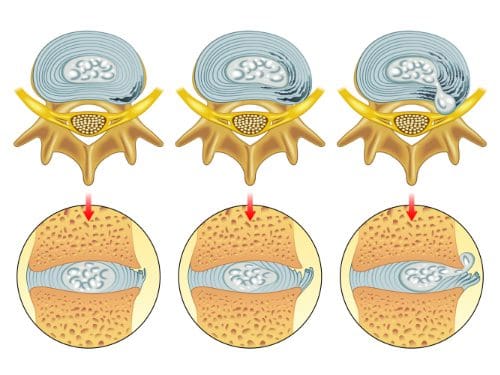
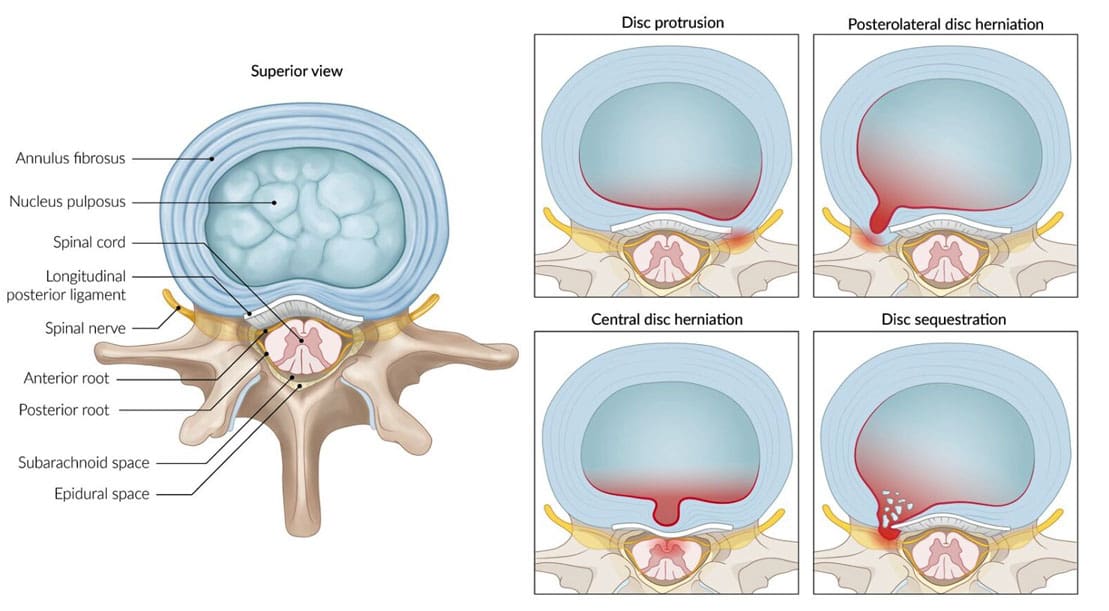
The spinal discs are located between the spine’s vertebrae and are the body’s natural impact and shock absorbers. Within the disc is the nucleus pulposus, which plays a major role in providing the spine with shock absorption during movement. (Zhou Z. et al., 2014) The discs have a tough outer portion and a soft inner core. They are the:
It forms the tough circular exterior and comprises concentric sheets of collagen fibers or lamellae surrounding the inner core.
It has cartilaginous endplates that firmly attach to the vertebrae above and below.
Nucleus Pulposus
The nucleus pulposus is the inner core soft filling of the discs.
It contains a network of fibers suspended in a mucoprotein gel with a water base to maintain strength and pliability.
The near-liquid consistency makes it responsive to movement to handle the body’s axial load.
It helps maintain spinal suspension to prevent pressure on the bones and prevent bone-to-bone contact, reducing the potential for injuries and pain.
Shock Absorber
Each intervertebral disc is a shock-absorbing cushion, with the nucleus pulposus providing shock-absorbing properties (Zhou Z. et al., 2014). The intervertebral discs move as the body moves. For example, when arching the back, the disc moves forward slightly, and when twisting, the disc twists as well.
Spinal Action
The intervertebral disc supports spinal movements. When bending, twisting, arching, or tilting the spine, the nucleus pulposus swivels to accommodate these actions. These repeated spinal actions, which occur throughout the day and night, contribute to shifting positions while sitting, working, playing sports, carrying groceries, performing house chores, etc. An example is bending forward to pick something up. This action involves forward spinal flexion, which is bending the spine forward, flattening, or rounding. When bending using flexion, the spinal bones come closer together, pushing the nucleus pulposus toward the back.
Injuries
The disc can be pushed too far back with persistent or excessive spinal flexion. If the fibers of the annulus fibrosus become weak, they can tear, causing the nucleus pulposus to leak out and disc herniation. Generally, the nucleus pulposus will leak to the side and back; however, this corresponds to the location of the very sensitive nerve root/s with which it can come into contact, causing pain and other symptoms. The most common causes of disc herniation are degenerative wear and tear changes of the disc and trauma. Disc degeneration occurs as the body ages; it weakens the annulus fibers, allowing the nucleus pulposus to distend, bulge, or herniate.
Aging
Disc degeneration occurs with age but can also occur with injuries to the area. In young individuals, the nucleus pulposus is mostly water. For this age group, a herniation from trauma is more likely than in older individuals. (Ucar, D. et al., 2021) But as the body ages, the discs, especially the nucleus pulposus, begin to dry out. This dehydration leads to a significant loss of disc height. (UCLA Health, 2024) By age 60 or 70, the discs may be composed entirely of fiber, which can cause the shock absorption function not to work and disappear.
Chiropractic therapy is among the more conservative treatment options for a herniated disc and may be tried first before proceeding with more invasive treatments. Injury Medical Chiropractic and Functional Medicine Clinic works with primary healthcare providers and specialists to develop an optimal health and wellness solution that fully benefits the individual to get back to normal.
The Science of Functional Healing
References
Zhou, Z., Gao, M., Wei, F., Liang, J., Deng, W., Dai, X., Zhou, G., & Zou, X. (2014). Shock absorbing function study on denucleated intervertebral disc with or without hydrogel injection through static and dynamic biomechanical tests in vitro. BioMed research international, 2014, 461724. https://doi.org/10.1155/2014/461724
Nosikova, Y. S., Santerre, J. P., Grynpas, M., Gibson, G., & Kandel, R. A. (2012). Characterization of the annulus fibrosus-vertebral body interface: identification of new structural features. Journal of anatomy, 221(6), 577–589. https://doi.org/10.1111/j.1469-7580.2012.01537.x
Ucar, D., Duman, S., Bayram, Y., & Ucar, B. Y. (2021). Extruded disc herniations are experienced earlier by inactive young people in the high-tech gaming era. Journal of medicine and life, 14(3), 402–407. https://doi.org/10.25122/jml-2021-1059
IFM's Find A Practitioner tool is the largest referral network in Functional Medicine, created to help patients locate Functional Medicine practitioners anywhere in the world. IFM Certified Practitioners are listed first in the search results, given their extensive education in Functional Medicine