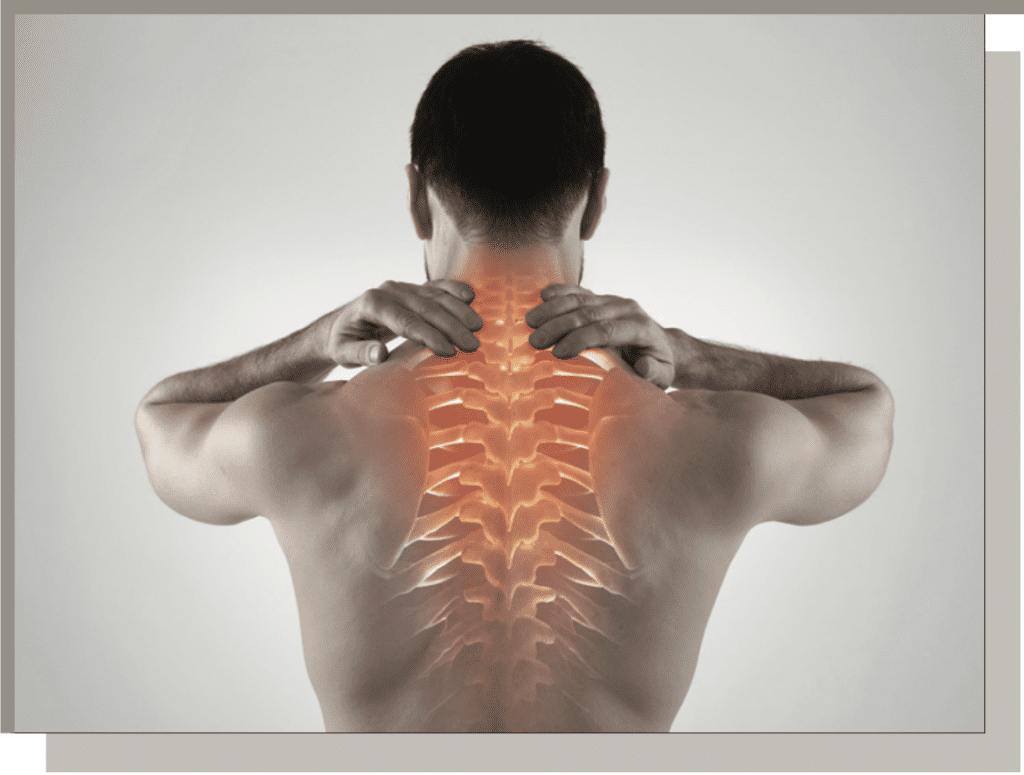
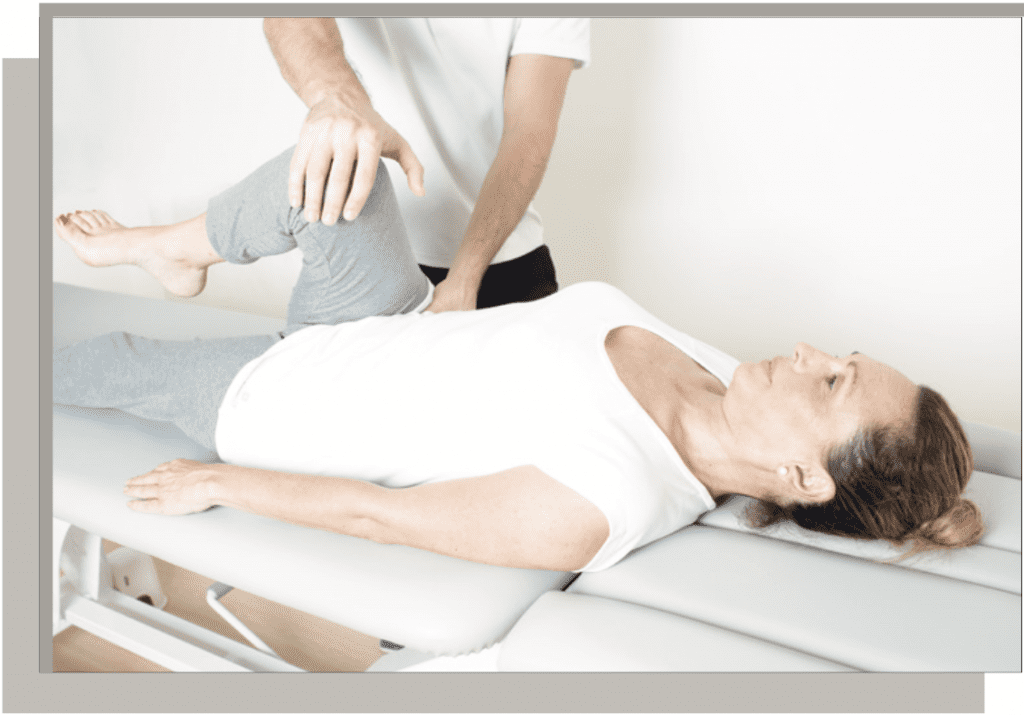
The Schroth Method is a non-surgical principle of scoliosis treatment using scoliosis-specific exercise based on curve-pattern.
The scoliosis exercises do not resemble traditional exercises and the Schroth method includes a proprietary corrective breathing technique known as rotational breathing also known as rotational angular breathing (RAB). Each patient with scoliosis has a unique curve pattern and the goal of the Schroth method is to de-flex and de-rotate the trunk allowing a return to a more �normal� physiological position.
The term scoliosis exercise leads people to think it�s easy to manage scoliosis via exercise � well it can be, once mastered. It is important that training is conducted by an experienced and knowledgeable expert in Schroth methodology. With focused instruction in the newest evolution of the Schroth method, it is possible for the patient to learn the skills needed for lifetime management, to incorporate those into daily life.
Schroth Method Goals
Patients incorporating the Schroth Method into their lives can expect a few, many, or all of the following:
Spinal stabilization and better balance via improved body mechanics
Halt scoliosis curve progression � in adolescents we strive for reduction
Improve lung capacity via corrective breathing and active rib mobilization
Relieve or reduce pain as a result of scoliosis
Improve strength and flexibility
Prevent or avoid surgery
Improve postural appearance
Learn to maintain spinal corrections during daily activities
Empowerment given the knowledge and tools to manage one�s own unique scoliosis
For post-surgical scoliosis patients, the Schroth Method helps to improve posture and create stability above and below the fused spinal segments
The scoliosis treatment programs are comprehensive outpatient Schroth Method programs for those with mild, moderate or severe scoliosis:
Adolescent scoliosis
Adult scoliosis
Post-surgical scoliosis
Scheuermann�s Kyphosis
Rotational Breathing
Why Schroth rotational breathing for scoliosis?
�During physiological respiratory movement, all regions of the trunk, thorax and abdomen expand, with the purpose of increasing the volume and the air intake to the lungs. The thoracic cage and inhalation muscles on one side and the lung mass on the other, form two elastic systems in opposite directions, joined by two sheets of pleural space. The scoliosis deformation process causes morphological changes to the trunk. some areas of the trunk protrude or become convex, and others sink in or become concave. Breathing mechanics do not function normally. The deformity causes an imbalance in all muscles of the trunk.�
� from “Best Practice in Conservative Scoliosis Care”, by Dr. Hans-Rudolf Weiss
Corrective rotational breathing is the proprietary feature of the Schroth Method and Schroth Best Practice� scoliosis exercise protocols.
During Schroth instruction, the patient learns how to change their breathing pattern in order to decrease the risk of scoliotic curve progression. The focus is on expansion of the collapsed concave areas during inspiration. This enhances mobility and promotes a more balanced posture.
According to the conclusions of various research studies, the physiotherapy program as developed by Schroth can be regarded as highly effective for the prevention or treatment of secondary functional impairment, particularly with respect to the restrictive ventilatory disorder. It has also already been shown to have a beneficial effect on scoliosis related pain.
Schroth Method Exercise Examples
The scope of our information is limited to chiropractic and spinal injuries and conditions. To discuss options on the subject matter, please feel free to ask Dr. Jimenez or contact us at 915-850-0900 .
By Dr. Alex Jimenez
Additional Topics: Lower Back Pain After Auto Injury
After being involved in an automobile accident, neck injuries and aggravated conditions, such as whiplash, are some of the most commonly reported types of injuries, due to the force of the impact. A study discovered, however, that the seat of a vehicle can often lead to injuries as well, causing lower back pain and other symptoms. Lower back pain is also among one of the most common types of automobile accident injuries in the U.S. alone.
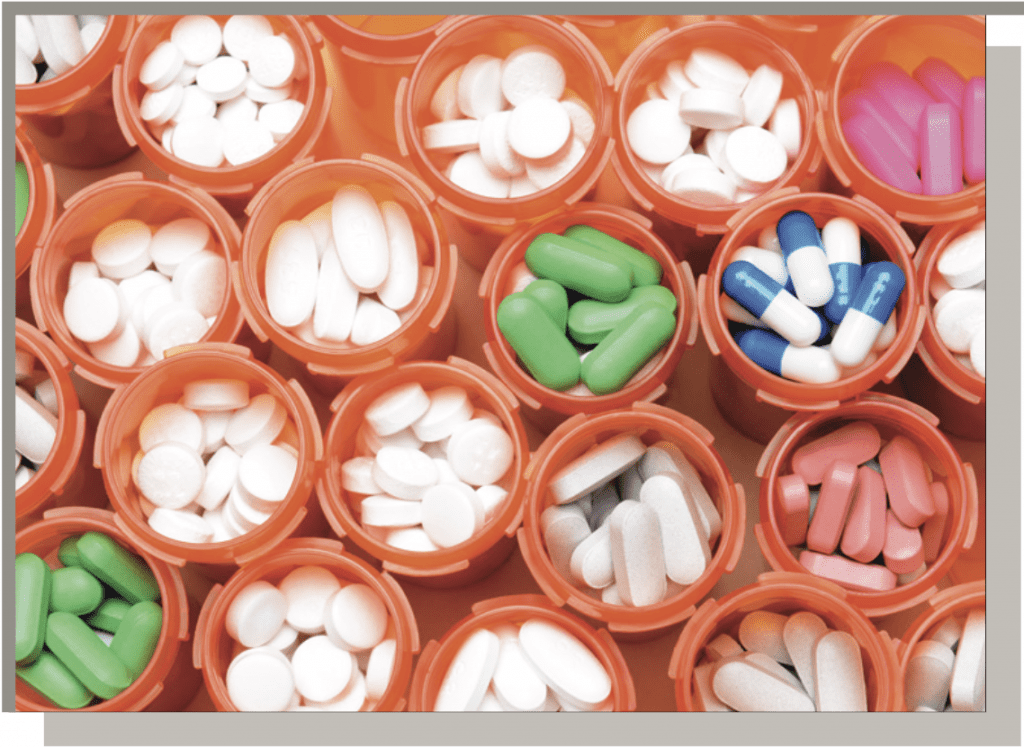
The sheer magnitude of America�s prescription opioid abuse epidemic has evoked visceral responses and calls-to-action from public and private sectors. As longtime advocates of drug-free management of acute, subacute and chronic back, neck and neuro-musculoskeletal pain, the chiropractic profession is aligned with these important initiatives and committed to actively participate in solving the prescription opioid addiction crisis.As professionals dedicated to health and well-being, Doctors of Chiropractic (DCs) are educated, trained and positioned�to deliver non-pharmacologic pain management and play a leading role in �America�s Opioid Exit Strategy.�
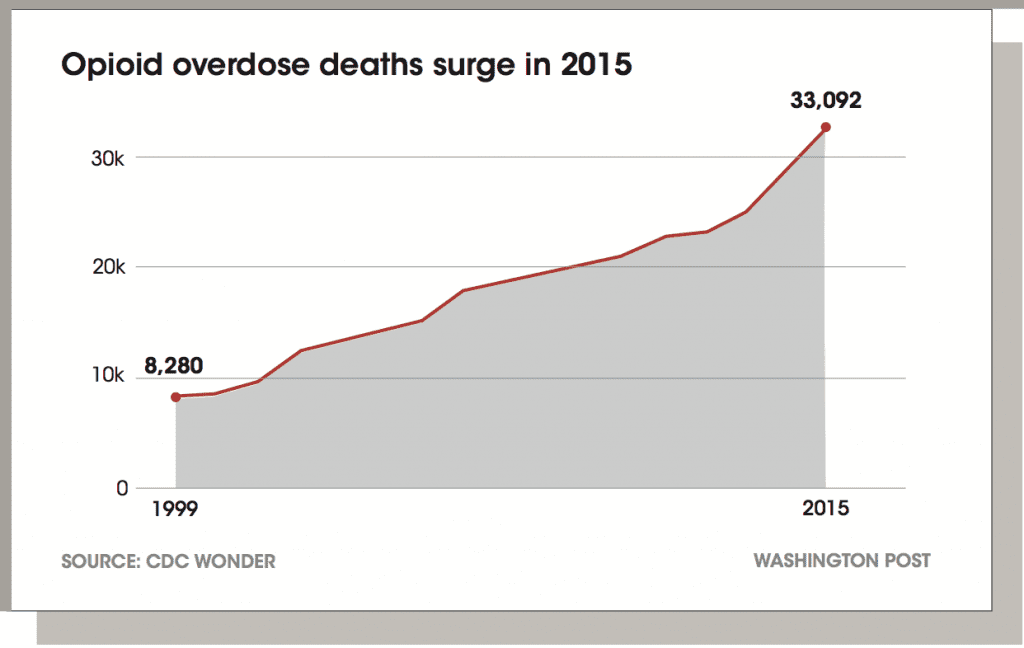
Data released by the Centers for Disease Control and Prevention (CDC) revealed that opioid deaths continued to surge in 2015, surpassing 30,000 for the first time in recent history. CDC Director Tom Frieden said,�The epidemic of deaths involving opioids continues to worsen. Prescription opioid misuse and use of heroin and illicitly manufactured fentanyl are intertwined and deeply troubling problems.�1
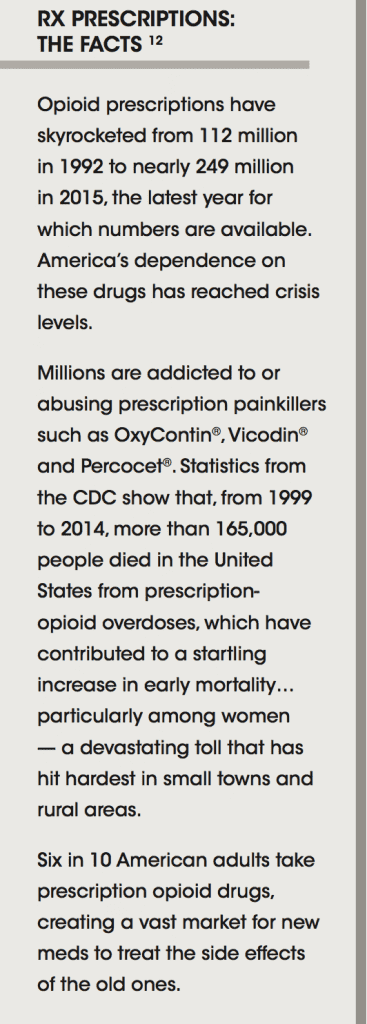
The human toll of prescription opioid use, abuse, dependence, overdose and poisoning have rightfully become a national public health concern. Along with the tragic loss of life, it is also creating a monumental burden on our health and related health care costs:
Health care costs for opioid abusers are eight times higher than for nonabusers.2
A new retrospective cohort study shows a 72 percent increase in hospitalizations related to opioid abuse/dependence from 2002 to 2012. Not surprisingly, inpatient charges more than quadrupled over that time. Previous estimates of the annual excess costs of opioid abuse
to payers range from approximately $10,000 to $20,000 per patient, imposing a substantial economic burden on payers.3
A recent government study puts the economic burden to the U.S. economy at $78.5 billion annually. For this study, CDC researchers analyzed the financial impact to include direct health care costs, lost productivity and costs to the criminal justice system.4
AMERICA�S COMMITMENT TO PRESCRIPTION OPIOID ABUSE: A PAINFUL REALITY CHECK
As a non-pharmacologic approach to effectively address acute, subacute and chronic non- cancer pain, integrative care management answers the needs of individuals nationwide.
With patient access to opioids becoming more restricted through more responsible clinician prescribing and government-mandated reduced production of opioids — and as those who are addicted become empowered to reduce their utilization — people experiencing pain face new, daunting challenges:
Without the use of drugs, how will they cope with pain?
How can they get referrals and access to drug-free care that will be effective for acute, subacute and chronic pain?
How can they ensure that their health care plans and insurance will cover the cost of non- pharmacologic care?
While the chiropractic profession lauds many of the noteworthy announcements and strides to overcome opioid addiction, these recommendations fall short in providing meaningful answers and solutions for those who are suffering from pain.
It is encouraging to see the July 22, 2016 enactment of the Comprehensive Addiction and Recovery Act (P.L. 114-198), the first major federal addiction legislation in 40 years, and the most comprehensive effort undertaken to address the opioid epidemic. It encompasses
all six pillars necessary for such a coordinated response � prevention, treatment, recovery, law enforcement, criminal justice reform and overdose reversal.5 The recent passage of the 21st Century Cures Act included $1 billion for states to use to fight opioid abuse.6 Unfortunately, this legislation has drawn critics who say it is simply a huge de-regulatory giveaway to the pharmaceutical and medical device industry.7
Closer examination of these legislative initiatives points to the absence of programs that address non-pharmacologic options for those fighting drug addiction, notably chiropractic care. When paired with the U.S. Surgeon General�s declaration of war on addiction,8 the government�s designation of �Prescription Opioid and Heroin Epidemic Awareness Week,� 9 and the commitment from 40 prescriber groups to ensure that 540,000 health care providers would complete training on appropriate opioid prescribing within two years,10 these �solutions� appear woefully inadequate to address the challenges of those who need effective, drug- free pain management.
This follow-up discussion to �Chiropractic: A Safer Strategy than Opioids� (June 2016), examines the positive steps as well as the shortcomings of initiatives undertaken from July 2016 – March 2017 to address the opioid crisis. It also assesses the current landscape of opportunities to offer patients, doctors and payers meaningful programs to effectively address acute, subacute and chronic neck, low back and neuro-musculoskeletal pain without the use of painkillers.
The chiropractic profession contends this should be a top priority, and it appears that a growing number of stakeholders are in agreement. In fact, the world�s second-largest pharmaceutical company has agreed to disclose in its marketing material that opioid painkillers might carry a serious risk of addiction, and promised not to promote prescription opioids for unapproved uses, such as long-term back pain.11
Based upon the evidence articulated in this document, it becomes clear that chiropractic care is a key component of �America�s Opioid Exit Strategy� on several levels:
�Perform first-line assessment and care for neck, back and neuro-musculoskeletal pain to avoid opiate prescribing from the first onset of pain.
�Provide care throughout treatment to mitigate the introduction of drugs.
�Offer an effective approach to acute, subacute and chronic pain management that helps addicts achieve a wellness focused, pain-free lifestyle as they reduce their utilization of opioids.
It�s also a compelling opportunity for our health system, commercial and government payers, employers — and most importantly patients — to resolve the issues surrounding pain at lower costs, with improved outcomes and without drugs or surgery.
Further complicating the situation: escalating prices of the opioid OD drug naloxone may threaten efforts to reduce opioid-related deaths across America, warn teams at
Yale University and the Mayo Clinic.13
Naloxone is a drug given to people who overdose on prescription opioids and heroin. If administered in time, it can reverse the toxic and potentially deadly effects of �opioid intoxication.�
The research team called attention to skyrocketing prices for the lifesaving antidote, noting:
Hospira (a Pfizer Inc. company) charges $142 for a 10-pack of naloxone — up 129 percent since 2012.
Amphastar�s 1 milligram version of naloxone is used off-label as a nasal spray. It�s priced around $40 — a 95 percent increase since September 2014.
Newer,easier-to-use formulations are even more expensive — a two-dose package of Evzio (naloxone) costs $4,500, an increase of more than 500 percent over two years.�The challenge is as the
price goes up for naloxone, it becomes less accessible for patients,� said Ravi Gupta, the study�s lead author.
Government & Regulators Restrict Access To Opioids
In the wake of this firestorm surrounding opioid abuse, and following the dissemination of prescribing guidelines introduced by the CDC, it becomes evident that certain market forces are influencing the battle against opioid addiction and the availability of drugs.
Among the most egregious stakeholders are those in the pharmaceutical sector.There are numerous instances which document their role attempting to thwart many legislative initiatives throughout the country to combat drug abuse.They impose exorbitant costs for life-saving antidotes, and aggressively develop and market the use of more drugs to fight opioid-induced side effects such as constipation. It becomes apparent that many of their answers to opioid addiction are simply more pills.14
The opioid market is worth nearly $10 billion in annual sales, and has expanded to include an unlimited universe of medications aimed at treating secondary effects rather than controlling pain.15 Given the financial incentives to produce, sell and distribute drugs, it�s no wonder that pharmaceutical companies (pharmcos) have a material interest in promoting drug utilization.
This set of behaviors has drawn extensive criticism.
�The root cause of our opiate epidemic has been the over-prescribing of prescription pain medications. Physicians get little to no training related to addiction in general, but particularly around opiate prescriptions. Over the past year, however, you hear more and more physicians admitting �we are part of the problem and can be part of the solution�.�16
—- Michael Botticelli, former White House drug policy director, commonly called the nation�s drug czar.
While physicians have been responding to calls for more responsible prescribing, the drug industry has historically been accused of providing physicians with misleading information regarding the addictive qualities of certain drugs.Appropriate education of prescribers is a key component of necessary change.
For example, when semisynthetic opioids like oxycodone and hydrocodone � found in Percocet and Vicodin respectively � were first approved in the mid�20th century, they were recommended only for managing pain during terminal illnesses such as cancer, or for acute short-term pain, like recovery from surgery, to ensure patients wouldn�t get addicted. But in the 1990s, doctors came under increasing pressure to use opioids to treat the millions of Americans suffering from chronic non-malignant conditions, like back pain and osteoarthritis.
A physician pain specialist helped lead the campaign, claiming prescription opioids were a �gift from nature,� with assurances to his fellow doctors � based on a 1986 study of only 38 patients � that fewer than one percent of long-term users became addicted.17
Today, drug makers may be getting their �wings clipped� with the introduction of new government directives slashing production of popular prescription painkillers. In 2016, the U.S. Drug Enforcement Administration (DEA) finalized a previous order on 2017 production quotas for a variety of Schedule I and II drugs, including addictive narcotics like oxycodone, hydromorphone, codeine and fentanyl. The agency has the authority to set limits on manufacturing under the Controlled Substances Act. The DEA said it is reducing �the amount of almost every Schedule II opiate and opioid medication� by at least 25 percent.18 Some, like hydrocodone, commonly known by brand names like Vicodin or Lortab, will be cut by one-third.
Despite these setbacks, the drug industry continues to launch strong initiatives that fight state- mandated opioid limits. Amid the crisis and regardless of the pressures urging a shift away from opioid use, the makers of prescription painkillers recently adopted a 50-state strategy that includes hundreds of lobbyists and millions in campaign contributions to help kill or weaken measures aimed at stemming the tide of prescription opioids.19
While the drug makers vow they�re combating the addiction problem,The Associated Press
and the Center for Public Integrity found that these manufacturers often employ a statehouse playbook of delay and defend tactics.This includes funding advocacy groups that use the veneer of independence to fight limits on the drugs, such as OxyContin, Vicodin and Fentanyl, a potent, synthetic opioid pain medication with a rapid onset and short duration of action that is estimated to be between 50 and 100 times as potent as morphine.20
In its national update released Dec. 16, 2016 in the Morbidity and Mortality Weekly Report, the CDC reported that more than 300,000 Americans have lost their lives to an opioid overdose since 2000.
As enforcement restricts the availability of prescription opioids, people addicted
to painkillers — such as oxycodone (OxyContin) and morphine — have increasingly turned to — street drugs like heroin.21
These independent sources also found that the drug makers and allied advocacy groups employed an annual average of 1,350 lobbyists in legislative hubs from 2006 through 2015, when opioids� addictive nature came under increasing scrutiny.
�The opioid lobby has been doing everything it can to preserve the status quo of aggressive prescribing.They are reaping enormous profits from aggressive prescribing.�22
Andrew Kolodny, MD, founder, Physicians for Responsible Opioid Prescribing
Undaunted by these interferences, and buoyed by a thirst for profits, pharmcos are now fueling other creative solutions to drive even greater revenues from the sale and distribution of drugs.
It now appears that pharmcos are directing their activities toward medicines known as abuse-deterrent formulations: opioids with physical and/or chemical barriers have built-in properties that make the pills difficult to crush,chew or dissolve.This aims to deter abuse through intranasal and intravenous routes of administration.These drugs ultimately are more lucrative, since they�re protected by patent and do not yet have generic competitors.They cost insurers more than generic opioids without the tamper-resistant technology.23
Skeptics warn that they carry the same risks of addiction as other opioid versions, and the U.S. FDA noted that they don�t prevent the most common form of abuse � swallowing pills whole.
�This is a way that the pharmaceutical industry can evade responsibility, get new patents and continue to pump pills into the system,� said Dr. Anna Lembke, Chief of Addiction Medicine at the Stanford University School of Medicine.24
Drug makers have discovered yet another way to profit from addicts taking high doses of prescription opioid painkillers � the new billion-dollar drug to treat opioid-induced constipation (OIC) rather than controlling pain.
Studies show that constipation afflicts 40-90 percent of opioid patients.Traditionally,doctors advised people to cut down the dosage of their pain meds, take them less often or try non-drug interventions. By promoting OIC as a condition in need of more targeted treatment, the drug industry is creating incentives to maintain painkillers at full strength and add another pill instead.25
Collectively, the subsets of new pharmaceutical submarkets to treat opioid addiction, overdoses, and side effects such as OIC are estimated to be worth at least $1 billion a year in sales.These economics, some experts say, work against efforts to end the epidemic.26
While there is continued pressure to limit the number and scope of opiates for patients, new government statistics reveal that drug overdose deaths continue to surge in the United States, now exceeding the number of deaths caused by motor vehicle accidents.27 Although it is reported that the number of opioid prescriptions has fallen across the U.S. over the past three years, with intermittent data on this decline in states such as West Virginia and Ohio, they still kill more Americans each year than any other drug.
Just over 33,000 (63 percent) of the more than 52,000 fatalities reported in 2015 are linked to the illicit use of prescription painkillers.28 States including Massachusetts, and most recently Virginia, have declared public health emergencies as the number of deaths has escalated.29
Regardless of whether these issues are viewed from the perspective of patients, clinician prescribers, or government regulators, the status quo is clearly not acceptable.
Responsible Prescribing
�My new patient didn�t mention his back pain until the very end of the visit.As he was rising to leave, he asked casually if I could refill his Percocet. I told him I am not a pain or a back specialist and that I generally prescribe muscle relaxants or anti-inflammatory medications for back pain � not opioids, which are addictive and do not really treat the underlying problem.
The patient persisted. He said his prior internist always prescribed it, and the medication also helped his mood. He promised he had its use under control and did not feel he needed to take more and more to achieve the same effect.
I didn�t relent. I offered to refer him to a back specialist instead. It was an uncomfortable end to an otherwise positive visit.
Unfortunately, we doctors are enablers.Too many of us fill those prescriptions for chronic pain. And when we don�t, too many of our patients leave us for other doctors who will. Or worse, they turn to buying heroin on the street.�30
Marc Siegel, MD, FOX NEWS
Clinical prescribers of pain medications are beginning to recognize their responsibilities for increased prescribing vigilance, and are expected to become important advocates for drug-free pain care. More than half of doctors across America are curtailing opioid prescriptions, and nearly 1 in 10 have stopped prescribing the drugs, according to a new nationwide online survey. More than one-third of the respondents said the reduction in prescribing has hurt patients with chronic pain.
The survey, conducted for The Boston Globe by the SERMO physicians social network, offers fresh evidence of the changes in prescribing practices in response to the opioid crisis that has killed thousands in New England and elsewhere around the country.The deaths awakened fears of addiction and accidental overdose, and led to state and federal regulations aimed at reining in excessive prescribing.
Doctors face myriad pressures as they struggle to treat addiction and chronic pain, two complex conditions in which most physicians receive little training.Those responding to the survey gave two main reasons for cutting back: the risks and hassles involved in prescribing opioids, and a better understanding of the drugs� hazards.31
In Wisconsin, the Medical Society says the state�s effort to fight the opioid epidemic is showing results.A new report found about eight million fewer opioids were dispensed between July and September 2016 compared to the same time during the previous year.The Medical Society says it�s doing more to help physicians monitor patients� use of opioids by supporting the release of an enhanced prescription drug monitoring program � or PDMP. Starting in April 2017, doctors will have to access the program while pharmacists will only have 24 hours to enter information instead of seven days.This gives doctors an update in case patients are going from doctor to doctor for more prescriptions.32
Prescription drug monitoring programs (PDMPs), launched in 2013, are state-run electronic databases used to track the prescribing and dispensing of controlled prescription drugs to patients.They are designed to monitor this information for suspected abuse or diversion (i.e., channeling drugs into illegal use), and can give a prescriber or pharmacist critical information regarding a patient�s controlled substance prescription history.This information can help prescribers and pharmacists identify patients at high-risk who would benefit from early interventions.
PDMPs continue to be among the most promising state-level interventions to improve opioid prescribing, inform clinical practice and protect patients at risk.33
Hospital Admissions Due To Heroin, Painkillers Rose 64% 2005-2014
Researchers found misuse of prescription painkillers and street opioids climbed nationwide, related hospital stays jumped from 137 per 100,000 people to 225 per 100,000 in that decade.
States where overdoses required at least 70 percent more hospital beds between 2009 and 2014 were North Carolina, Oregon, South Dakota and Washington.
In 2014, the District of Columbia, Maryland, Massachusetts, New York, Rhode Island and West Virginia each reported rates above 300 per 100,000 people — far above the national average.34
Health Plans Report Limited Prescribing Is Paying Off
According to IMS Health, a global health information and technology firm, the rate of opioid prescribing in the U.S. has dropped since its peak in 2012.The drop is the first that has been reported since the early 1990s, when OxyContin first hit the market and pain became �the fifth vital sign� doctors were encouraged to more aggressively treat.35
However, continued pressure on physician prescribing patterns and opportunities for therapies other than opioids may be paying off. Prescriptions for powerful painkillers dropped significantly among patients covered by Massachusetts� largest insurer after measures were introduced to reduce opioid use.36 The Blue Cross Blue Shield of Massachusetts program serves as an example of a private health insurer collaborating on a public health goal.
In 2012, the insurer � the state�s largest, with 2.8 million members � instituted a program intended to induce doctors and patients to weigh the risks of opioids and consider alternatives.As part of that initiative, first-time opioid prescriptions are limited to 15 days, with a refill allowed for 15 more days. Blue Cross must approve in advance any prescription for longer than a month or for any long-acting opioid such as OxyContin. Pharmacy mail orders for opioids are prohibited.
Doctors and others who prescribe must assess the patient�s risk of abusing drugs and develop a treatment plan that considers options other than opioids. And patients with chronic pain are referred to case managers who advise on therapies other than opioids.
By the end of 2015, the average monthly prescribing rate for opioids decreased almost 15 percent, from 34 per 1,000 members to 29. About 21 million fewer opioid doses were dispensed during the three years covered in the study.37
In another example, Highmark (Pennsylvania) shared data in December 2016 showing that the number of prescriptions for opioids it reimbursed in each of the past three months was lower than in any of the prior nine months. One leading health plan in the state reported that 16 percent of its insured population received at least one opioid prescription in 2016, down from 20 percent in 2015.38 UPMC Health Plan indicated it is using �an algorithm to identify patients who may be at risk for opioid addiction,� and training doctors to use other pain management tools.
Mounting Evidence & Support For Non-Pharmacologic Care For Acute, Subacute & Chronic Back, Neck & Neuro-Musculoskeletal Pain
The earlier sections of this white paper have focused on the continuing and growing problem of opioid use, abuse and addiction. It is essential that this information is understood and appreciated as it clearly calls for a wholesale change in the approach American health care providers and patients bring to the care and management of pain.
No matter what is done to address the use, abuse and addiction associated with opioids it is a fact of life that opioid containing products will continue to be required by individuals suffering severe, intractable and unrelenting pain.This issue is not about the cessation of all opioid use, rather it is about not turning to opioids before they are required, and not until all less onerous approaches to pain management have been exhausted.
We began this discussion with three questions in mind:
�Without the use of drugs, how will they cope with pain?
How can they get referrals and access to drug-free care that will be effective for both acute, subacute and chronic pain?
�How can they ensure that their health care plans and insurance will cover the cost of non- pharmacologic care?
According to new guidelines developed by the American College of Physicians,39 conservative non-drug treatments should be favored over drugs for most back pain. The guidelines are an update that include a review of more than 150 recent studies and conclude that,�For acute and subacute pain, the guidelines recommend non-drug therapies first, such as applying heat, massage, acupuncture, or spinal manipulation, which is often done by a chiropractor.�
The Wall Street Journal
As we have previously noted the CDC, FDA and IOM have all called for the early use of non- pharmacologic approaches to pain and pain management. Unfortunately, beyond asserting the need to move in this direction, little, if any, guidance has been offered to providers, patients and payors on how to accomplish this important transition.
It is a fact that a chasm exists between the worlds of pharmacologic based management of pain, and the non-pharmacologic based management of pain. Medical physicians are not going to suddenly attain knowledge and understanding of practices, procedures and management options that they have never been trained in or exposed to. Similarly, the non-pharmacologic providers addressing pain management do not encounter or understand the barriers that prevent prescribers from directing patients toward non-pharma approaches.These two spheres of healthcare are distinct and separate, and demonstrate little, if any, knowledge about the other.
The first step is to provide resources to prescribers that will detail the indications, effectiveness, efficiency and safety of non-pharmacologic approaches. In particular, the chiropractic profession, through its 70,000 practitioners in the United States, represents a significant and proven non- pharmacologic approach for reducing the need for opioids, opioid-related products and non- opioid pain medications.
Chiropractic, like other complementary health care approaches, suffers from a lack of awareness about its high level of education, credentialing and regulation. In addition, a substantial awareness gap exists among frontline providers in terms of referring patients to chiropractors as part of patient care.
The chiropractic profession and the health care consumer are equally supported by a robust oversight infrastructure.This infrastructure ranges from institutional and programmatic accreditation of chiropractic education by agencies recognized by the U.S. Department of Education to standardize national credentialing examinations and licensure by state agencies and ongoing professional development as a requirement for continued practice in many states.
Typically, after earning a Bachelor of Science, chiropractors follow a four-year curriculum to earn a Doctor of Chiropractic (DC) as a prerequisite to earning the right to independent practice. Chiropractic, medical, osteopathic, dental, optometric and naturopathic education share a similar foundation in the basic sciences, followed by discipline-specific content that focuses on the unique contribution of each provider type. For example, a medical student pursues the study of pharmacology and surgery, while a chiropractic student studies the intricacies of manual approaches to health care and the acquisition of the skills needed to perform spinal adjusting or manipulation.
Chiropractors also pursue specialization in specific areas, such as radiology, through structured residency programs, similar to other disciplines. DCs also pursue focus areas related to various methods of spinal adjusting and related patient management.
For over a century, DCs have studied the relationship between structure, primarily the spine, and function, primarily of the nervous system, and how this interrelationship impacts health and well- being. Due to this emphasis on the spine, chiropractors have become associated with spinal and skeletal pain syndromes, and bring their non-surgical, non-drug rationale to the management of these problems.
DCs are the quintessential example of non-pharmacologic providers of health care with particular expertise in neuro-musculoskeletal conditions.
A Look At The Evidence
While the United States is attempting to deal with its opioid epidemic, our nation is making only limited headway in providing non-pharmacologic approaches to patients with pain.
Over 100 million Americans suffer with chronic pain,40 and an estimated 75 to 85 percent of all Americans will experience some form of back pain during their lifetime. However, 50 percent of
all patients who suffer from an episode of low back pain will have a recurrent episode within one year.41 Surgery has a very limited role in the management of spinal pain, and is only considered appropriate in a handful of cases per hundred patients. Likewise, opioids have very limited utility in the spinal pain environment with the recommended use of these drugs being limited to three days.
Of special relevance, this data relates to the most commonly-reported pain conditions:42
When asked about four common types of pain, respondents of a National Institute of Health Statistics survey indicated that low back pain was the most common (27 percent), followed by severe headache or migraine pain (15 percent), neck pain (15 percent) and facial ache or pain (4 percent).
Back pain is the leading cause of disability in Americans under 45 years old. More than 26 million Americans between the ages of 20-64 experience frequent back pain.
Adults with low back pain are often in worse physical and mental health than people who do not have low back pain: 28 percent of adults with low back pain report limited activity due to a chronic condition, as compared to 10 percent of adults who do not have low back pain. Also, adults reporting low back pain were three times as likely to be in fair or poor health and more than four times as likely to experience serious psychological distress as people without low back pain.
Results of a 2010 study indicate that DCs provide approximately 94 percent of the manipulation services performed in the U.S.,43 with a number of published studies documenting manipulation, along with other drug-free interventions, as effective for the management of neck44 and back pain.45 Most high-quality guidelines target the noninvasive management of nonspecific low back pain and recommend education, staying active/exercising, manual therapy, and paracetamol or NSAIDs as first-line treatments.46
Action Needed
Care pathways and clinical guidelines need to be modified to bring greater attention to the use of non-pharmacologic approaches to pain management. Primary medical care providers must be encouraged to make recommendations or referrals to drug-free resources and appropriate providers, such as DCs, rather than turning to the prescription pad when managing patients who have pain, particularly those with spinal pain. Patients should be educated about non- pharmacologic options for dealing with pain first and foremost, and the dangers of opioids.
For these good intentions to be effective, drug-free pathways will need to be funded by payers in the private sector and government. Government leadership and policy support for introducing innovative reimbursement initiatives by the CMS is a critical step toward allowing health providers to acquire familiarity with non-pharmaceutical approaches.These could frame and stimulate use of evidence-based care options and promote referrals, access to care and reimbursement. By re- engineering these approaches to care to fit the current health care landscape, rather than simply reacting to the opioid crisis by de-emphasizing pain treatment, CMS can better serve patients.
One example: CMS should consider a chronic pain shared-savings program targeting accountable care organizations (ACOs), where success is tied explicitly to patient functional outcomes. Benchmarking against ACO performance measures to determine if care results in savings or losses would allow these organizations to work towards meeting or exceeding quality performance standards � leading to receiving a portion of the savings generated. By incorporating incentives, this type of model would be consistent for more effective integrative intervention for pain.47
Fortunately, progressive thinking is gaining traction in this area. In a January 5, 2017 posting on the CMS Blog, authors wrote that the CMS is focusing on significant programs, including increased use of evidence-based practices for acute and chronic pain management.
�We are working with Medicare and Medicaid beneficiaries, their families and caregivers, health care providers, health insurance plans and states to improve how opioids are prescribed by providers and used by beneficiaries, how opioid use disorder is identified and managed, and how alternative approaches to pain management can be promoted.�48
While we applaud CMS, we feel it is important to point out that this approach begins with a focus on how opioids are prescribed.The focus needs to shift to early applications of non-pharmacologic approaches first and not as a follow-on after the drug path has been established.
Documented Results & Cost Savings
WORKPLACE INJURIES
Back pain is the most common occupational injury in the United States and Canada,49 and represents the most common non-fatal occupational injury, according to the U.S. Bureau of Labor Statistics. Musculoskeletal disorders (MSDs), such as sprains or strains resulting from overexertion in lifting, accounted for 31 percent (356,910 cases) of the total cases for all workers.50
Most recently, Maine Department of Labor data showed injuries to a person�s lumbar region represented 14.3 percent of all injuries reported in 2014, up from 10.7 percent just five years earlier.51 Health care employees have among the highest rates of musculoskeletal injuries for workers, second only to those working in the transportation and warehousing sectors.52
Opiates are not a safe alternative especially when operating heavy machinery, transportation or caring for patients because side effects can alter performance and have tragic outcomes.
Take for example, a 56-year-old nurse at the Maine Medical Center in Portland. She relies on a comprehensive strategy to address her chronic back pain, which originates from having to wear heavy lead aprons when giving radiation treatments, and moving patients and equipment. Her regimen, which includes regularly seeing a chiropractor, exercises, stretches and building up her core muscles, has helped her to control her pain.53
In terms of the value of a �gatekeeper� health care provider for insured workers like this nurse, a study published in Journal of Occupation Rehabilitation (September 17, 2016) cites this factor as
a significant predictor of the duration of the first episode of a worker�s compensation claim. They analyzed a cohort of 5,511 workers, comparing the duration of financial compensation and the occurrence of a second episode of compensation for back pain among patients seen by three types of first health care providers: physicians, chiropractors and physical therapists in the context of workers� compensation.54
When compared with medical doctors, chiropractors were associated with shorter duration of compensation and physical therapists (PT) with longer ones.There was also greater likelihood that PT patients were more likely to seek additional types of care that incurred longer compensation duration.
Additionally, earlier research confirms that on a case adjusted basis 42.7 percent of workers who initially visited a surgeon underwent surgery compared with only 1.5 percent of those who first consulted a chiropractor.55
Medicaid
The National Academy for State Health Policy (NASHP), an independent academy of state health policymakers dedicated to helping states achieve excellence in health policy and practice, recently studied chronic pain management therapies in Medicaid, including policy considerations for non-pharmacological alternatives to opioids. A non-profit and non-partisan organization, NASHP provides a forum for constructive work across branches and agencies of state government on critical health issues.56
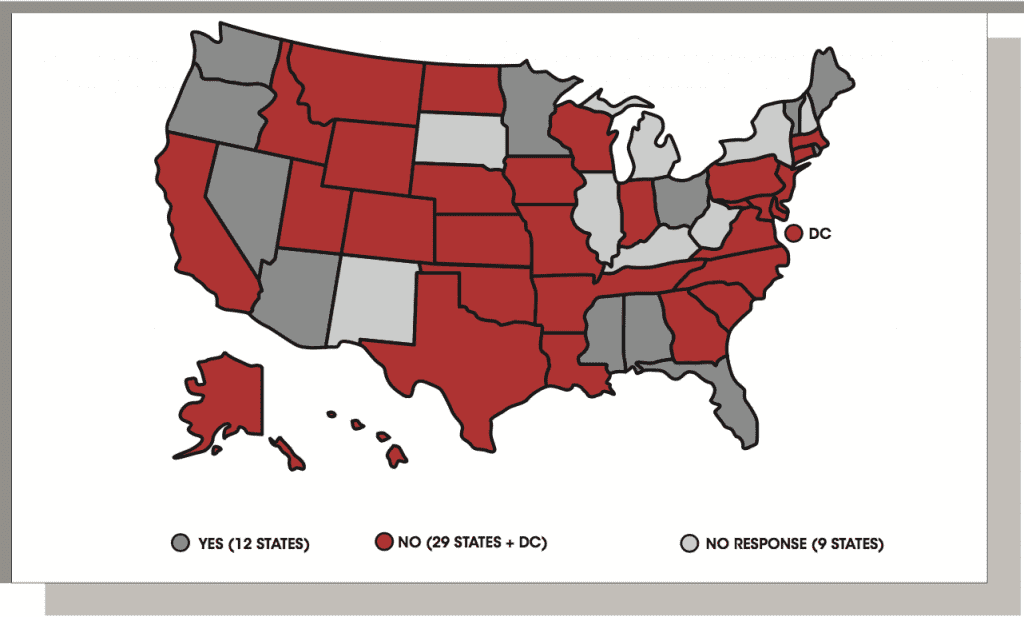
SURVEY RESULTS:
�Has your Medicaid agency implemented specific policies or programs to encourage or require alternative pain management strategies in lieu of opioids for acute or chronic non-cancer pain?�
A September 2016 NASHP report states that although most Medicaid agencies cover services that can be used as alternatives to opioids for pain management, significantly fewer states have policies or procedures in place to encourage their use.
Between March and June 2016, NASHP conducted a survey of all 51 Medicaid agencies to determine the extent to which states have implemented specific programs or policies to encourage or require non-opioid therapies for acute or chronic non-cancer pain.They contacted each Medicaid director via email and, in cases of non-response, followed up with Medicaid medical directors. Ultimately, they received responses from 41 states and the District of Columbia.
Because reimbursement is a key incentive to access alternative care, they also note the most recent results of Medicaid agency reimbursement data from The Henry J. Kaiser Family Foundation (KFF):57
Among the key findings, researchers found most Medicaid agencies cover services that can be used to treat pain in lieu of opioids, but less than half have taken steps to specifically encourage or require their use. Non-pharmacological therapies commonly used to address pain include physical therapy, cognitive behavioral therapy, and exercise, as well as other services, commonly known as Complementary and Alternative Medicine (CAM), including chiropractic manipulation, acupuncture and massage.
They point out that while the current literature on non-pharmacological alternatives is mixed, there is a growing body of evidence to support the use of alternative services to treat chronic pain. For example, a systematic review suggests lower costs for patients experiencing spine pain who received chiropractic care.58
This finding is substantiated in Rhode Island, where the state�s Section 1115 Demonstration authorizes certain individuals enrolled in Medicaid managed care delivery systems to receive CAM services for chronic pain.59 Rhode Island Medicaid has implemented this benefit through its Communities of Care program, a state initiative designed to reduce unnecessary emergency room utilization. Medicaid managed care enrollees with four or more emergency room visits within a 12-month period are eligible to receive acupuncture, chiropractic or massage therapy services.
The state�s two managed care plans, Neighborhood Health Plan of Rhode Island (NHPRI) and United HealthCare of New England, were responsible for developing participation criteria for their enrollees. For example, NPRHI published clinical practice guidelines for its Ease the Pain program, which specified when CAM services referrals were appropriate. Under NHPRI�s guidelines, qualifying individuals diagnosed with back pain, neck pain, and fibromyalgia can be referred for chiropractic services, acupuncture and massage.
Substantiating the results for CAM, Advanced Medicine Integration Group, L.P. in Rhode Island contracted with the two health plans to identify and manage their Medicaid eligible members suffering from chronic pain through its Integrated Chronic Pain Program (ICPP).The target Medicaid population for this program was the Community of Care (CoC) segment — high utilizers of ER visits and opioids/pharmaceuticals.
The objectives of the ICPP are to reduce pain levels (and opioid use), improve function and overall health outcomes, reduce emergency room costs and, through a holistic approach and behavioral change models, educate members in self-care and accountability.
The design of the program for this patient population features holistic nurse case management with directed use of patient education, community services and CAM modalities, including chiropractic care, acupuncture and massage.
Individuals with chronic pain conditions were identified using proprietary predictive modeling algorithms applied to paid claims data to determine opportunities for reducing chronic pain-related utilization and costs.
Results for enrolled CoC Medicaid members with chronic pain conditions document:
�Reduced per member per year (PMPY) total average medical costs by 27 percent
�Decreased the average number of ER visits by 61 percent
Lowered the number of average total prescriptions by 63 percent
�Reduced the average number of opioid scripts by 86 percent
These reductions exceeded by two to three times those reported for a non-enrolled control group of conventionally managed CoC chronic pain patients. Every $1 spent on CAM services and program fees resulted in $2.41 of medical expense savings.
Military
At the time of publication, a study entitled: Assessment of Chiropractic Treatment for Low Back Pain and Smoking Cessation in Military Active Duty Personnel, has completed its clinical trial activities and is currently in the analysis phase. Funded by a four-year grant from the Department of Defense, it is the largest multi-site clinical trial on chiropractic to date, with a total sample size of 750 active- duty military personnel.60
The purpose of this study is to evaluate the effectiveness of chiropractic manipulative therapy for pain management and improved function in active duty service members with low back pain that do not require surgery.The study also measures the impact of a tobacco cessation program delivered to participants allocated to the chiropractic arm.
Low back pain (LBP) is the most common cause of disability worldwide, but it is even more prevalent in active duty military personnel. More than 50 percent of all diagnoses resulting in disability discharges from the military across all branches are due to musculoskeletal conditions. LBP has been characterized as �The Silent Military Threat� because of its negative impact on mission readiness and the degree to which it compromises a fit fighting force. For these reasons, military personnel with LBP need a practical and effective treatment that relieves their pain and allows them to return to duty quickly. It must preserve function and military readiness, address the underlying causes of the episode and protect against re-injury.
This multisite Phase II Clinical Comparative Effectiveness Trial is designed to rigorously compare the outcomes of chiropractic manipulative therapy (CMT) and conventional medical care (CMC) to CMC alone. Chiropractic treatment will include CMT plus ancillary physiotherapeutic interventions. CMC will be delivered following current standards of medical practice at each site. At each of the four participating sites, active military personnel, ages 18 to 50, who present with acute, sub-acute or chronic LBP that does not require surgery will be randomized to one of the two treatment groups.
Outcome measures include the Numerical Rating Scale for pain, the Roland-Morris Low Back Pain and Disability questionnaire, the Back Pain Functional Scale for assessing function, and the Global Improvement questionnaire for patient perception regarding improvement in function. Patient Expectation and Patient Satisfaction questionnaires will be used to examine volunteer expectations toward care and perceptions of that care. Pharmaceutical use and duty status data will also be collected.The Patient Reported Outcomes Measurement Information System (PROMIS-29) will be utilized to compare the general health component and quality of life of the sample at baseline.
Also, because DCs are well positioned to provide information to support tobacco cessation, this clinical trial includes a nested study designed to measure the impact of a tobacco cessation program delivered by a DC.The results will provide critical information regarding the health and mission-support benefits of chiropractic health care delivery for active duty service members in the military.61
This current research was preceded by a pilot study on LBP, conducted at an Army Medical Center in El Paso,Texas, with 91 active-duty military personnel between the ages of 18 and
35.62 Results reported in the journal SPINE showed that 73 percent of those who received standard medical care and chiropractic care rated their improvement as pain �completely gone,��much better� or �moderately better.� In comparison, 17 percent of participants who received only standard medical care rated their improvement this way.These results, as well as other measures of pain and function between the two groups, are considered both clinically and statistically significant.
Recommendations & Next Steps
The opioid crisis has provided a wake-up call for regulators, policy experts, clinicians and payers nationwide. As the support for complementary health techniques builds, interdisciplinary and integrative approaches to chronic pain management are considered best practices.
While the Centers for Disease Control and Prevention�s Guideline validates the need for a shift away from the utilization of opioid prescription painkillers as a frontline treatment option for pain relief, the mention of chiropractic care as a safe, effective and drug-free alternative is omitted.
Instead, CDC recommendations encourage utilization of physical therapy, exercise and over- the-counter (OTC) pain medications prior to prescription opioids for chronic pain.63
�Though the guidelines are voluntary, they could be widely adopted by hospitals, insurers and state and federal health systems.�
CBS News64
The CDC rarely advises physicians on how to prescribe medication — which further adds to the significance of their pronouncements. Many payers and state legislators have already added these findings to their coverage on the use of opioids.
With the likelihood of major players in the industry adopting the well-respected guidelines, it is critical that chiropractic care receives the consideration it deserves.
Chiropractic care has earned a leading role as a pain relief option and is regarded as an important element of the nation�s Opioid Exit Strategy: a drug-free, non-invasive and cost-effective alternative for acute or chronic neck, back and musculoskeletal pain management.
For individuals who may be suddenly �cut-off� from painkillers, chiropractic offers a solution. But access to care will depend upon several important factors:
�Pharmaceutical Industry �Re-engineering�: A change toward responsible marketing and physician education.
�Physician Referrals to Ensure Access to Chiropractic Care: Physician prescribing of chiropractic care rather than opioids.
�Benefit Coverage and Reimbursement for Chiropractic Care: Government and commercial payers as well as plan sponsors have a responsibility to offer patients the option of chiropractic care � and reimburse DCs as participating providers.
�Access to Chiropractic Care for Active Military and Veteran Populations: Chiropractic care should be expanded in the Department of Defense and veterans� health care systems.
As a nation, we have all come to recognize that pain is a complex, multifaceted condition that impacts millions of Americans, their families and caregivers. Unfortunately, the lessons learned about long-term opioid therapy for non-cancer pain have been deadly and heartbreaking.We now understand that there is little to no evidence to support their effectiveness for ongoing chronic pain management.
It is now incumbent upon all stakeholders to increasingly explore the appropriateness, efficacy and cost-effectiveness of alternative pain management therapies and embrace these solutions as a realistic opportunity for America�s Opioid Exit Strategy.
End Notes
1 Ingraham, Christopher; Heroin deaths surpass gun homicides for the first time, CDC data shows. Washington Post, December
8, 2016. https://www.washingtonpost.com/news/wonk/wp/2016/12/08/heroin-deaths-surpass-gun-homicides-for-thefirst-time-cdc-data-show/?utm_term=.38c3d6096d4d;
accessed December 8, 2016.
2 Ronan, M. V., & Herzig, S. J. (2016). Hospitalizations Related To Opioid Abuse/Dependence And Associated Serious Infections
Increased Sharply, 2002�12. Health Affairs, 35(5), 832-837. doi:10.1377/hlthaff.2015.1424.
3 J Manag Care Spec Pharm. [Published online January 3, 2017].Academy of Managed Care Pharmacy.
http://www.jmcp.org/doi/pdf/10.18553/jmcp.2017.16265.
4 Dallas, Mary Elizabeth; Opoid Epidemic Costs U.S. $78.5 Billion Annually; HealthDay, September 21, 2016.
https://consumer.healthday.com/bone-and-joint-information-4/opioids-990/opioid-epidemic-costs-u-s-78-5-billion-annually-cdc-714931.html.
5 Comprehensive Addiction and Recovery Act (CARA);
http://www.cadca.org/comprehensive-addiction-and-recovery-act-cara.
6 DeBonis, Mike; 21st Century Cures Act, boosting research and easing drug approvals; Washington Post, December 8, 2016;
https://www.washingtonpost.com/news/powerpost/wp/2016/12/07/congress-passes-21st-century-cures-act-boostingresearch-and-easing-drug-approvals/?utm_term=.53351c0273f5&wpisrc=nl_sb_smartbrief
7 Hiltzik, Michael; The 21st Century Cures Act; LA Times, January 5, 2017. http://www.latimes.com/business/hiltzik/la-fi-hiltzik-
21st-century-20161205-story.html
8 U.S. Surgeon General Declares War on Addiction; Medline Plus, November 17, 2016;
https://medlineplus.gov/news/fullstory_162081.html; accessed December 7, 2016.
9 Obama Administration announces Prescription Opioid and Heroin Epidemic Awareness Week; Proclamation by
President Obama, September 16, 2016. https://www.whitehouse.gov/the-press-office/2016/09/19/fact-sheet-obama-administration-announces-prescription-opioid-and-heroin
10 Obama Administration announces Prescription Opioid and Heroin Epidemic Awareness Week, 2016
11 Shedrofsky, Karma; Drug czar: Doctors, drugmakers share blame for opioid epidemic; USA Today, July 7, 2016; http://
www.usatoday.com/story/news/2016/07/06/drug-czar-doctors-drugmakers-share-blame-opioid-epidemic/86774468/;
accessed January 1, 2017.
12 Pallarito, Karen; Rising Price of Opioid OD Antidote Could Cost Lives: Study; Health Day News, December 8, 2016. https://
consumer.healthday.com/bone-and-joint-information-4/opioids-990/rising-price-of-opioid-od-antidote-could-costlives-717589.html;
accessed December 8, 2016.
13 Gupta, R., Shah, N. D., & Ross, J. S. (2016). The Rising Price of Naloxone � Risks to Efforts to Stem Overdose Deaths. New
England Journal of Medicine, 375(23), 2213-2215. doi:10.1056/nejmp1609578
14 Cha, Ariana Eunjung; The drug industry�s answer to opioid addiction: More pills, October 16, 2016;
https://www.washingtonpost.com/national/the-drug-industrys-answer-to-opioid-addiction-morepills/2016/10/15/181a529c-8ae4-11e6-bff0-d53f592f176e_story.html?utm_term=.1e48b2598deb;
accessed December 8, 2016.
15 Cha, Ariana Eunjung, 2016.
16 Shedrrofsky, Karma, 2016.
17 America�s Painkiller Epidemic, Explained; The Week, February 13, 2016;
http://theweek.com/articles/605224/americas-painkiller-epidemic-explained
18 Wing, Nick; DEA Is Cutting Production Of Prescription Opioids By 25 Percent In 2017; Huffington Post, October 5, 2016;
http://www.huffingtonpost.com/entry/dea-cutting-prescription-opioids_us_57f50078e4b03254526297bd
19 Mulvihill, Geoff, Whyte, Liz Essley, Wieder, Ben; Politics of pain: Drugmakers fought state opioid limits amid crisis; The Center
for Public Inegrity, December 15, 2016. https://www.publicintegrity.org/2016/09/18/20200/politics-pain-drugmakersfought-state-opioid-limits-amid-crisis;
accessed December 20, 2016.
20 Himani, A, Manohar S., Reddy, Gopal N., Supriya, P.; COMPARISON OF EFFICACY OF BUTORPHANOL AND FENTANYL AS INTRATHECAL
ADJUVANT TO BUPIVACAINE, Journal of Evolution of Medical and Dental Sciences;
https://jemds.com/latest-articles.php?at_id=7552; accessed December 31, 2016.
21 CDC: 10 Most Dangerous Drugs Linked to Overdose Deaths, Health Day, December 22, 2016. http://www.empr.com/
news/cdc-10-most-dangerous-drugs-linked-to-overdose-deaths/article/580540/; accessed January 1, 2017.
22 Mulvihill et.al.., 2016.
23 Mulvihill et.al.., 2016.
24 Mulvihill, et. al., 2016.
25 Cha, Ariana Eunjung, 2016.
26 Cha, Ariana Eunjung, 2016.
�2017 Foundation for Chiropractic Progress PAGE 27
27 Centers for Disease Control and Prevention. Web-based Injury Statistics Query and Reporting System (WISQARS). 2014
(http://www.cdc.gov/injury/wisqars/fatal.html).
28 Thompson, Dennis; Drug Overdose Deaths Climb Dramatically in U.S.; HealthDay News, December 20, 2016;
https://consumer.healthday.com/bone-and-joint-information-4/opioids-990/drug-overdose-deaths-climb-dramatically-inu-s-717988.html;
accessed December 23, 2016.
29 Bernstein, Lenny; Crites, Alice, Higham, Scott, and Rich, Steven; Drug industry hired dozens of officials from the DEA as
the agency tried to curb opioid abuse; The Washington Post, December 22, 2016; https://www.washingtonpost.com/
investigations/key-officials-switch-sides-from-dea-to-pharmaceutical-industry/2016/12/22/55d2e938-c07b-11e6-b527-
949c5893595e_story.html.
30 Siegel, Marc, MD; We doctors are enablers: A physician�s take on the opioid epidemic; FOXNews, December 21, 2016;
http://www.foxnews.com/opinion/2016/12/21/doctors-are-enablers-physicians-take-on-opioid-epidemic.html;
accessed January 4, 2017.
31 Freyer, Felice J.; Doctors are cutting opioids, even if it harms patients; Boston Globe, January 3, 2017;
https://www.bostonglobe.com/metro/2017/01/02/doctors-curtail-opioids-but-many-see-harm-pain-patients/z4Ci68TePafcD9AcORs04J/story.html.
32 Blair, Nolan; Doctors prescribing less opioids; ABC WBAY.com, November 2, 2016.
http://wbay.com/2016/11/02/report-finds-decrease-in-opioid-prescriptions/
33 Centers for Disease Control; https://www.cdc.gov/drugoverdose/pdmp/; accessed January 5, 2017.
34 Lord, Rich; Attention to opioids may be curbing doctors prescriptions; Pittsburgh Post-Gazette, December 26, 2016; http://
www.post-gazette.com/news/overdosed/2016/12/26/Attention-to-opioids-may-be-curbing-doctors-prescriptions/stories/201612260013
35 Nuzum, Lydia; Opioid prescriptions in US, WV down for first time in two decades; The Charleston Gazette-Mail, June 6, 2016.
http://www.wvha.org/Media/NewsScan/2016/June/6-6-16-Opioid-prescriptions-in-US,-WV-down-for-fir.aspx
36 Freyer, Felice J.; Opioid prescriptions drop among patients covered by state�s biggest insurer; Boston Globe, October 20,
2016; https://www.bostonglobe.com/metro/2016/10/20/opioid-prescriptions-drop-significantly-among-patients-covered-state-biggest-insurer/06jIYorfogaG2o8Wrhr8ZN/story.html
37 Freyer, Felice J., 2016.
38 U.S. Agency for Healthcare Research and Quality, Opioid Overdoses Burden U.S. Hospitals: Report, HealthDay News, December
15, 2016. https://consumer.healthday.com/public-health-information-30/heroin-news-755/opioid-overdoses-taketoll-on-u-s-hospitals-717872.html;
accessed December 16, 2016.
39 Reddy, S. (2017, February 13). No Drugs for Back Pain, New Guidelines Say. Retrieved from
https://www.wsj.com/articles/no-drugs-for-back-pain-new-guidelines-say-1487024168
40 Institute of Medicine Report from the Committee on Advancing Pain Research, Care, and Education: Relieving Pain in
America, A Blueprint for Transforming Prevention, Care, Education and Research. The National Academies Press, 2011.
http://books.nap.edu/openbook.php?record_id=13172&page=1.
41 American Association of Neurological Surgeons; Low Back Pain, May 2016. http://www.aans.org/Patientpercent20Information/Conditionspercent20andpercent20Treatments/Lowpercent20Backpercent20Pain.aspx
42 American Academy of Pain Medicine; Facts and Figures About Pain;
http://www.painmed.org/PatientCenter/Facts_on_Pain.aspx#refer; accessed January 7, 2017.
43 Daniel C. Cherkin, Robert D. Mootz; Chiropractic in the United States: Training, Practice, and Research, 2010.
Chiropractic in the United States: Training, Practice, and Research�; accessed January 17, 2017.
44 Wong, J. J., Shearer, H. M., Mior, S., Jacobs, C., C�t�, P., Randhawa, K., . . . Taylor-Vaisey, A. (2016). Are manual therapies, passive
physical modalities, or acupuncture effective for the management of patients with whiplash-associated disorders or
neck pain and associated disorders? An update of the Bone and Joint Decade Task Force on Neck Pain and Its Associated
Disorders by the OPTIMa collaboration. The Spine Journal, 16(12), 1598-1630. doi:10.1016/j.spinee.2015.08.024.
45 Spinal Manipulation for Low-Back Pain. (2016, April 20). Retrieved January 17, 2017, from
https://nccih.nih.gov/health/pain/spinemanipulation.htm.
46 Wong, J., C�t�, P., Sutton, D., Randhawa, K., Yu, H., Varatharajan, S., . . . Taylor-Vaisey, A. (2016). Clinical practice guidelines for
the noninvasive management of low back pain: A systematic review by the Ontario Protocol for Traffic Injury Management
(OPTIMa) Collaboration. European Journal of Pain, 21(2), 201-216. doi:10.1002/ejp.931
47 Doctor, Jason, October 4, 2016.
48 Goodrich, Kate, MD; Agrawal, Shantanu, MD; The CMS Blog; Addressing the Opioid Epidemic: Keeping Medicare and Medicaid
Beneficiaries Healthy, January 5, 2017; https://blog.cms.gov/2017/01/05/addressing-the-opioid-epidemic/
49 Deyo RA, Mirza SK, Martin BI. Back pain prevalence and visit rates: estimates from U.S. national surveys, 2002. Spine.
2006;31(23):2724�7. doi:10.1097/01.brs.0000244618.06877.cd
PAGE 28 �2017 Foundation for Chiropractic Progress
CHIROPRACTIC � A KEY TO AMERICA’S OPIOID EXIT STRATEGY
50 Bureau of Labor Statistics; Nonfatal Occupational Injuries and Illnesses Requiring Days Away From Work, 2015,
November 10, 2016; https://www.bls.gov/news.release/osh2.nr0.htm; accessed January 8, 2017.
51 Lawlor, Joe; Back injuries most common type of injuries for workers; Portland Press Herald, October 16, 2016; http://www.
pressherald.com/2016/10/16/back-injuries-most-common-type-of-injuries-for-workers/; accessed 1.8.2017.
52 Lawlor, Joe; 2016.
53 Lawlor, Joe; 2016.
54 Blanchette, MA., Rivard, M., Dionne, C.E. et al. J Occup Rehabil (2016). doi:10.1007/s10926-016-9667-9;
http://link.springer.com/article/10.1007/s10926-016-9667-9.
55 Keeney BJ, et al. Early predictors of lumbar spine surgery after occupational back injury: results from a prospective study
of workers in Washington State. Spine 2013 May 15;38(11):953-64.
6 Dorr, Hannah and Townley, Charles; Chronic Pain Management Therapies in Medicaid: Policy Considerations for Non-Pharmacological
Alternatives to Opioids; National Academy for State Health Policy, September 2, 2016;
http://nashp.org/chronic-pain-management-therapies-medicaid-policy-considerations-non-pharmacological-alternatives-opioids/
57 It is important to note that the KFF data tracks which states allow direct reimbursement to the specific provider type (e.g.,
directly reimbursing a physical therapist for physical therapy services); states that do not directly reimburse these providers
may actually cover the service if billed by another provider (e.g., an institutional setting). For more information, please
see the notes in the following references.
Kaiser Family Foundation. �Medicaid Benefits: Physical Therapy Services.� Retrieved August 24, 2016.
http://kff.org/medicaid/state-indicator/physical-therapy-services/
Kaiser Family Foundation. �Medicaid Benefits: Psychologist Services.� Retrieved August 24, 2016.
http://kff.org/medicaid/state-indicator/psychologist-services/
Kaiser Family Foundation. �Medicaid Benefits: Occupational Therapy Services.� Retrieved August 24, 2016.http://
kff.org/medicaid/state-indicator/occupational-therapy-services/
Kaiser Family Foundation. �Medicaid Benefits: Chiropractor Services.� Retrieved August 24, 2016.
http://kff.org/medicaid/state-indicator/chiropractor-services/
58 Dagenais, S., Brady, O., Haldeman, S., & Manga, P. 2015, October 19. A systematic review comparing the costs of
chiropractic care to other interventions for spine pain in the United States. Retrieved February 08, 2017, from
https://www.ncbi.nlm.nih.gov/pmc/articles/PMC4615617/
59 Neighborhood Health Plan of Rhode Island Clinical Practice Guideline, Complementary and Alternative Medicine (CAM).
December 18, 2014.
60 U.S. National Institutes of Health; Assessment of Chiropractic Treatment for Low Back Pain and Smoking Cessation in Military
Active Duty Personnel; https://clinicaltrials.gov/ct2/show/NCT01692275; accessed January 8, 2017.
61 U.S. National Institutes of Health
62 Goertz, Christine M. DC, PhD, et. al; Adding Chiropractic Manipulative Therapy to Standard Medical Care for Patients With
Acute Low Back Pain: Results of a Pragmatic Randomized Comparative Effectiveness Study; SPINE, Volume 38, Issue 8,
April 15, 2013; http://journals.lww.com/spinejournal/Abstract/2013/04150/Adding_Chiropractic_Manipulative_Therapy_to.2.aspx
63 Dowell D, Haegerich TM, Chou R. CDC Guideline for Prescribing Opioids for Chronic Pain � United States, 2016. MMWR
Recomm Rep 2016;65(No. RR-1):1�49. DOI: http://dx.doi.org/10.15585/mmwr.rr6501e1.
64 CBS News/AP. (2016, March 15). CDC guidelines aim to reduce epidemic of opioid painkiller abuse. Retrieved January 15,
2017, from http://www.cbsnews.com/news/opioid-painkiller-guidelines/.
Foundation For Chiropractic Progress�
BOARD OF DIRECTORS
Kent S. Greenawalt, CEO, Foot Levelers; Chairman of the Board of Directors, F4CP
Mickey G. Burt, DC, Executive Director of Alumni and Development, Palmer College of Chiropractic Gerard W. Clum, DC, Director, The Octagon, Life University
Kristine L. Dowell, Executive Director, Michigan Association of Chiropractors
Joe Doyle, Publisher, Chiropractic Economics
Charles C. Dubois, President/CEO, Standard Process, Inc.
J. Michael Flynn, DC
R. A. Foxworth, DC, FICC, MCS-P, President, ChiroHealthUSA
Arlan W. Fuhr, Chairman/Founder, Activator Methods International Ltd.
Greg Harris, Vice President for University Advancement, Life University
Kray Kibler, CEO, ScripHessco
Thomas M. Klapp, DC, COCSA Representative
Carol Ann Malizia, DC, CAM Integrative Consulting
Fabrizio Mancini, DC, President Emeritus, Parker University
Brian McAulay, DC, PhD
William Meeker, DC, MPH, President, Palmer College of Chiropractic � San Jose Campus
Robert Moberg, CEO, Chirotouch
Donald M. Petersen, Jr., Publisher, MPA Media
Mark Sanna, DC, FICC, ACRB, Level II, President, Breakthrough Coaching
Paul Timko, Vice President/General Manager of U.S. Clinical Business, Performance Health
With over 132,000 Instagram followers, Charity Grace LeBlanc is used to getting noticed for her extreme workouts. But one recent post had the internet upside down!
The 28-year-old mother of two showed off her high-climbing skills in a video filmed at her�Clearwater, Florida residence � crawling on the ceiling as her 2-year-old daughter Felicity LeBlanc watched from below.
The clip was picked up by the popular �Fit Moms of IG� account, where Charity was given the nickname �Spider-Mom.�
But for those who know Charity, her stunts aren�t anything new. �I always was an active child � climbing trees, playing outside, and taking dance classes,� she tells PEOPLE.
That doesn�t mean she was climbing on walls right away as a mom. After the birth of her first child, now 6-year-old son Oakley LeBlanc, Charity realized she needed to start easing back into fitness � so she started with yoga. Once she had that down, Charity started incorporating aerial circus arts and ninja training into her workouts.
It was rock-climbing that inspired Charity�s �Spider-Mom� workouts. �I just began working on my grip strength after falling in love with a few rock climbing sessions at a local rock climbing gym,� she explains. �I would go outside of my house and hang on the edge of the roof and do some pull ups or practice on Monkey bars when I took my kids to the playground.�
Eventually her husband of 7-years, Andre LeBlanc, gave Charity a Christmas surprise of building a hanging ledge and little gym inside the house.��My family loves it!� Charity gushes. �I caught my daughter swinging on one of the workouts rings we have in our house, and she look at me and said �Wook mommy! I strong like youuu!� �
Her social media followers have also encouraged her. �[They] always give me so much encouragement and inspire me to push myself harder and put together more creative workouts,� she says.
Ultimately, Charity hopes those who watch her online get inspired to pursue fitness in a way that excites them.
�I have always encouraged people to pursue fitness as something you enjoy doing or activity that excites you,� she says. �I�ve never been able to be one of those people who spend long hours inside a traditional gym. I find I push myself and have more fun when I�m doing an activity such rock climbing or obstacle course racing or evening performing aerial circus arts. Fitness and fun are so entwined for me, I don�t know which comes first sometimes.
�Allowing your children to watch and partake in your fitness will allow them to set up a healthy lifestyle, mentally and physically, for themselves,� Charity says. �My daughter and son are involved in a lot of my fitness activities, so I think it�s good for other parents to see that it�s possible to pursue your fitness goals and also have a fun time with your kids.�
Individuals with persistent low back pain can choose from a variety of proven nonsurgical treatments, including: medications, physical therapy, and exercise, to name a few. A 2017 study discussed another therapy for chronic low back pain and sciatica: massage.
In a first-of-its-kind study, researchers used a real world� strategy that was � compared to running the study in a managed setting.
More than 50 percent of the research participants reported, �clinically purposeful development� in their low back pain after their massage therapy plan, composed co-first authors William G. Elder, PhD, Family and Community Medicine at the University of Kentucky, and Niki Munk, PhD, LMT, School of Health and Rehabilitation Sciences at Indiana University-Purdue University Indianapolis.
�Clinical massage therapy appears to be effective for low back pain, and patients should discuss with their provider and consider clinical massage therapy before attempting highly debatable opioid drugs,� says Dr. Elder, who was the lead researcher of the study.
A Closer Look in the Study
The research team collaborated with primary care providers in Kentucky who referred patients for 10 massage sessions with licensed massage therapists in the community over a 12-week interval. The massage therapists crafted exceptional massage therapy recommendations on the foundation of the specific patient�s requirements.
The participants were measured before they began their massage program, in the close of the 12-week program, then at 24 weeks after the onset of system. At 12 weeks, 54.1 percent shown clinically significant development in their long-term low back pain. At 24 weeks, their development was kept by 75 percent of patients who demonstrated improvement at 12 weeks.
Some crucial insights related to drug regimen, and patients� age, weight were found by the researchers: Adults age 50 and over were more prone to possess significant progress inside their particular long-term low back pain as an outcome of massage therapy. The advantage didn�t hold, although heavy patients had great results from massage.
Patients who reported taking opioid pain drugs did report reduced pain as a result of the massage treatment, but they were two times not likely to have clinically significant change in comparison to patients not taking opioids.
While Dr. Munk, who is a licensed massage therapist, says she expected the patients to have favorable results from the course of massage treatment, some facets of the study results surprised her.
�I was a bit surprised the baby boomer generation was more likely to have better results,� Dr. Munk says.
Dr. Munk hypothesizes that old people may have a distinct perspective on pain tolerance. Since elderly individuals likely have had more time including every one of the state she also wonders if folks that are older might be more accustomed to living with pain and had heightened perceptions of pain alleviation.
Massage Drawbacks and Expectations
While the study suggests that massage could offer individuals with chronic low back pain with pain relief that is purposeful, it truly is not a fast repair. Dr. Munk says people should level-confirm their expectations by taking into consideration how long they�ve lived with their state when they go to their first massage.
�If you�ve had a state for 10-15 years, the chance that a one-hour session will fix it is probably not realistic,� Dr. Munk says.
Dr. Munk notes that massage, given its foundation as a muscle treatment, should be viewed as a care therapy�not a short term strategy.
The body goes back to routines its used to and has, and also �Muscle patterns grow to be retrained she says. � you also must take another dose for alleviation, and Like a pill that wears off after a couple of hours, it could take several sessions to get the job to �hold.��
Another consideration patients must understand is the cost of massage, as the treatment isn’t covered by most health insurance plans. Investing in massage is an individual decision that requires weighing pros and cons. If massage therapy can help you manage your chronic back pain without the significance of spinal column surgery or other treatments which can be more significant, you might find it’s worth the out of pocket price.
Tips on Making Massage Effective
In case your doctor recommends massage therapy, building a trusting and comfortable therapeutic relationship is significant. Request your doctor if he or she recommend a massage therapist in the locality.
Dr. Elder and Dr. Munk additionally propose asking the following questions to any prospective massage therapist before your first session:
Have you ever been a licensed massage therapist?
What kind of training and education have you ever received?
How long are you now practicing?
Would you work with other healthcare professionals?
Have you had further education in other illness-specific areas (like back and neck pain)?
Do you remain current on any specific medical conditions you focus on and improvement in the massage therapy field?
Persistent low back pain can take a crucial cost on your own own life. By good fortune, many nonsurgical treatments can help you manage the pain. The results with this particular study suggest massage is a legitimate decision to lessen pain while you could possibly believe massage is only a relaxing indulgence. Request your doctor if massage is a treatment worth investigating for the specified state.
The scope of our information is limited to chiropractic and spinal injuries and conditions. To discuss options on the subject matter, please feel free to ask Dr. Jimenez or contact us at 915-850-0900 .�
By Dr. Alex Jimenez
Additional Topics: Lower Back Pain After Auto Injury
After being involved in an automobile accident, neck injuries and aggravated conditions, such as whiplash, are some of the most commonly reported types of injuries, due to the force of the impact. A study discovered, however, that the seat of a vehicle can often lead to injuries as well, causing lower back pain and other symptoms. Lower back pain is also among one of the most common types of automobile accident injuries in the U.S. alone.
Ohio Attorney General Mike DeWine is suing five makers of opioid painkillers for their role in the state’s opioid epidemic.
The five companies named in the suit are Purdue Pharma, Johnson & Johnson, Teva Pharmaceuticals, Endo Health Solutions and Allergan.
This is the second suit of its kind brought by a state, after Mississippi.
Ohio attorney general sues 5 pharma companies over their role in the opioid epidemic��
Ohio Attorney General Mike DeWine is suing five makers of opioid painkillers for their role in the state’s opioid epidemic.
The suit, which DeWine said is the second by a U.S. state, after Mississippi, claims the drugmakers violated multiple state laws, including the Ohio Corrupt Practices Act, and committed Medicaid fraud.
Purdue Pharma, Johnson & Johnson and its Janssen Pharmaceuticals unit, Teva Pharmaceuticals and its Cephalon unit, Endo Health Solutions and Allergan are all named in the suit.
“In 2014 alone, pharmaceutical companies spent $168 million through sales reps peddling prescription opioids to win over doctors with smooth pitches and glossy brochures that downplayed the risks” of the medicines,” DeWine said at a press conference Wednesday. Last year, he said, 2.3 million people in Ohio, or about a fifth of the state’s population, were prescribed opioids.
In a statement, a spokesman for Purdue Pharma, which manufactures OxyContin, said the company shares the attorney general’s concerns about the opioid crisis and that it is “committed to working collaboratively to find solutions.”
“OxyContin accounts for less than 2% of the opioid analgesic prescription market nationally, but we are an industry leader in the development of abuse-deterrent technology, advocating for the use of prescription drug monitoring programs and supporting access to Naloxone � all important components for combating the opioid crisis,” he said.
Allergan declined to comment, as did a Teva spokeswoman, who said, “We have not completed review of the complaint.”
J&J’s Janssen unit said the company believed the allegations in the lawsuit were “both legally and factually unfounded.”
“Janssen has acted appropriately, responsibly and in the best interests of patients regarding our opioid pain medications, which are FDA-approved and carry FDA-mandated warnings about the known risks of the medications on every product label,” said Jessica Castles Smith, a Janssen spokeswoman.
Endo officials weren’t immediately available to comment.
The Ohio action follows suits from counties and cities seeking to hold accountable the industry that produces, markets and distributes opioid painkillers. DeWine said the Ohio suit, filed Wednesday morning in Ross County, “would compel these companies to clean up this mess through several remedies,” including an injunction to stop “continued deception and misrepresentation in marketing,” damages paid to the state for money spent on the crisis, and repayment to consumers.
Sales of prescribed opioids � including oxycodone, hydrocodone and methadone � almost quadrupled in the U.S. between 1999 and 2015, according to the Centers for Disease Control and Prevention, contributing to a more than quadrupling of deaths from prescription opioids in that same period. Almost 2 million Americans either abused or were dependent on prescription opioid painkillers in 2014, according to the CDC.
“We understand what we’re taking on: five huge drug companies,” DeWine told reporters Wednesday. “I don’t want to look back 10 years from now and say we should have had the guts to file. � It’s something we have to do.”
Scoliosis is a well-known spinal condition which results in an abnormal, often lateral, curvature of the spine. While most cases of the issue are reported among children and teens, adults can also experience scoliosis, later in their lives. Fortunately, non-surgical procedures, such as the Schroth method of exercises for scoliosis, were created to correct this spinal condition, improving the lives of many affected with scoliosis.
Katharina Schroth (1894-1985) developed the Schroth Method, based on her personal experience with spinal issues as a teenager. When Katharina was told she had scoliosis and would require surgery the system originated. Unwilling to possess surgery, she instantly began to formulate a way to place scoliosis in check plus it became her life�s work. She dedicated countless hours attempting different corrections of her curve and detected certain positions, movements and breathing techniques which made her own torso deformity clear.
Trained as a teacher, Ms. Schroth began sharing her techniques with patients in the 1920’s and finally created her own clinic in Germany. The Schroth Approach was established in Germany in 1921, by Katharina Schroth. This curve design particular scoliosis technique was refined through the years by the creator�s daughter, physical therapist Christa Lehnert-Schroth PT, and grandson and orthopedic doctor, Dr. Hans-Rudolf Weiss, at the inpatient practice bearing the name of Katharina Schroth set in Germany�s Rhineland. Her daughter, Christa Lehnert-Schroth P.T. immensely helped her further develop the theory underlying the Schroth Method. Katharina�s grandson, Dr. Hans-Rudolph Weiss, MD has continued the tradition by developing his own unique program called Scoliologic in Germany.
The Schroth Method Today
The Schroth Method continues to be practiced in Germany since then, and it is only in the last few years that the Schroth Method has spread all around the world as wait and scoliosis patients search for options to observe , bracing, and surgery for scoliosis treatment. The Schroth family has authored publications, created numerous posts, and taught others on these nonsurgical techniques. Although possessed by the Schroth family today, over one thousand patients are treated annually at Asklepios Katharina-Schroth Klinic in Germany and there’s frequently a several month long waiting list.
Clinical research shows that the approach can reduce spinal curvatures. Surely, the success also depends upon the commitment of the patients. Schroth exercises could be broadly divided into two types. They are the old in patient Schroth Intensive Rehabilitation along with the more recent outpatient Schroth Best Practice. The latter essentially consists of exercises to enhance corrective exercises the sagittal spinal curves and adoption of appropriate corrective bearings during daily actions.
The physiologic exercises aim at preserving the natural lumbar lordosis in sitting and standing positions.
Corrective exercises are scoliosis special exercises. They differ together with the curvature sorts. Rotational breathing is incorporated to the treatment, to improve the vertebral rotation.
Although there are many other popular forms of treatments available for scoliosis, including surgical interventions, the Schroth method has been recognized by many healthcare professionals and researchers due to their effectiveness in treating the spinal condition in children, teens and even adults. Be sure to consult a qualified and experienced healthcare specialist regarding the best treatment method for scoliosis and/or seek a doctor/physician who has knowledge on the specific exercises of the Schroth method for scoliosis treatment.
Schroth Method Exercises for Scoliosis
The scope of our information is limited to chiropractic and spinal injuries and conditions. To discuss options on the subject matter, please feel free to ask Dr. Jimenez or contact us at 915-850-0900 .
By Dr. Alex Jimenez
Additional Topics: Lower Back Pain After Auto Injury
After being involved in an automobile accident, neck injuries and aggravated conditions, such as whiplash, are some of the most commonly reported types of injuries, due to the force of the impact. A study discovered, however, that the seat of a vehicle can often lead to injuries as well, causing lower back pain and other symptoms. Lower back pain is also among one of the most common types of automobile accident injuries in the U.S. alone.
Gabrielle Union has never been shy about sharing her secrets to a bangin� bod. The 44-year-old actress loves posting snippets of her grueling workouts to Instagram, and on Wednesday morning, she treated us to an Insta�story of her favorite�go-to exercise regimen.
This 7-move circuit routine�especially targets the star�s shoulders and back�so she�ll look extra fit for backless gowns on the red carpet this summer. Union has previously chronicled her quest to �build a booty,� as she put it, so her trainer threw in�a few glute-toning moves too.
Think you can handle Union�s workout? We say bring it on. But trust us,�you�ll definitely be feeling the burn once you finish.
Rope Shoulder Pulls
Union captioned this image �25 reps of rope shoulder pulls =�sexy shoulders,� and we can see why. It�ll seriously work your shoulders and upper back. Stand with your legs slightly bent and back straight. Hold a cable rope in both hands and pull toward your chest. Push the rope back in, then�repeat. (Union did 25 reps.)
Dumbbell Front Raise
Stand with your legs shoulder-width apart and knees slightly bent. Hold a dumbbell in each hand, palms facing in. Raise your arms straight in front of you and lower once they�re at shoulder level. Make sure your arms don�t go above 90 degrees. Repeat.
TRX Squats with Thigh Band
The caption says this is Union�s warm up,�but to us it looks like the main event. Stand with your feet shoulder-width apart. Holding�a TRX suspension rope, do a low squat, making sure your knees don�t sneak past your toes. To add a little extra fire, slip a resistance band around your thighs, just above your knees.
Suspended Thigh Pulses
Stay in a squat�position holding a TRX rope. With a resistance band around your thighs, pulse your legs in and out, keeping feet still. Judging by Union�s expression here, this will really pack a punch, but it�ll do wonders for your posterior.
Stand with your feet hip-width apart. Hold a kettlebell with both hands between your legs. Squat with your back straight, making�sure your knees don�t go past your toes. Repeat.
Medicine Ball Throw
Standing with one foot in front of the other, back straight and knees slightly bent, hold a medicine ball in both hands. Making sure you pull it across your whole body, throw the ball against�a nearby wall and catch it. Repeat.
Standing with your legs more than shoulder-width apart, hold a dumbbell with that arm�above your head, other arm extended out and parallel with the ground. Bring the dumbbell down to the ground in one move, squatting as you go. Bring the dumbbell back above your head and straighten out your legs. Repeat.
IFM's Find A Practitioner tool is the largest referral network in Functional Medicine, created to help patients locate Functional Medicine practitioners anywhere in the world. IFM Certified Practitioners are listed first in the search results, given their extensive education in Functional Medicine