ClickCease
+1-915-850-0900 [email protected]
Select Page
Chiropractic & Stress Management for Back Pain in El Paso, TX

Chiropractic & Stress Management for Back Pain in El Paso, TX

Stress is a reality of contemporary living. In a society where work hours are increasing and the media is constantly overloading our senses with the most regent tragedy, it’s no wonder why so many people experience higher levels of stress on a regular basis. Fortunately, more healthcare professionals are implementing stress management methods and techniques as a part of a patient’s treatment. While stress is a natural response which helps prepare the body for danger, constant stress can have negative effects on the body, causing symptoms of back pain and sciatica. But, why does too much stress negatively affect the human body?


First, it’s important to understand how the body perceives stress. There are three basic “channels” through which we perceive stress: environment, body, and emotions. Environmental stress is rather self-explanatory; if you’re walking down a quiet road and you hear a loud bang nearby, your body will perceive that as an immediate danger. That is an environmental stressor. Pollution could be another example of environmental stress because it externally affects the body the more one is exposed to it.


Stress through the body includes disease, lack of sleep and/or improper nutrition. Emotional stress is a little different, since it involves the way our brains interpret certain things. For instance, if someone you work with is being passive-aggressive, you might become stressed. Thoughts such as, “is he mad at me for some reason” or “they must be having a tough morning”, could be perceived as emotional stress. What is unique about emotional stress, however, is that we have control on just how much of it we experience, much more so than environmental or body stressors.


Now that we understand how the body can perceive stress in a variety of ways, we can discuss what effects constant stress can have on our overall health and wellness. When the body is placed under stress, through any of the above mentioned channels, the body’s fight or flight response is triggered. The sympathetic nervous system, or SNS, becomes stimulated, which in turn makes the heart beats faster and all of the body’s senses become more intense. This is a leftover defense mechanism from prehistoric times; that is the reason we’ve survived to today, instead of all becoming lunch for hungry predators out in the wild.


Unfortunately, the real issue is that in contemporary society, people often become overstressed and the human body is unable to differentiate between an immediate threat and a simple societal issue. Over the years many research studies have been conducted to estimate the effect of chronic stress on the human body, with such effects as hypertension, increased risk for heart disease and damage to muscle tissue as well as symptoms of back pain and sciatica.


According to several other research studies, combining stress management methods and techniques with a variety of treatment options can help more effectively improve symptoms and can promote a faster recovery. Chiropractic care is a well-known alternative treatment option utilized to treat a variety of injuries and/or conditions of the musculoskeletal and nervous systems. Because chiropractic treatment focuses on the spine, the root of the nervous system, chiropractic can also help with stress. Among the effects of stress is strain, which may consequently lead to subluxation or misalignment of the spine. Spinal adjustment and manual manipulations can help ease muscle tension, which in turn eases the strain on specific areas of the spine and helps ease subluxation. A balanced spine is a crucial element of handling personal stress. As mentioned before, proper nutrition and sufficient sleep is also a crucial part of stress management, which is chiropractic care offers lifestyle modification advice to further improve the patient’s stress levels as well as decrease their symptoms.


The purpose of the article below is to demonstrate the research study process developed to compare complementary and alternative medicine with conventional mind-body therapies for chronic back pain. The randomized controlled trial was carefully conducted and the details behind the research study have been recorded below. As with other research studies, further evidence-based information may be required to effectively determine the effect of stress management with treatment for back pain.


Comparison of Complementary and Alternative Medicine with Conventional Mind�Body Therapies for Chronic Back Pain: Protocol for the Mind�Body Approaches to Pain (MAP) Randomized Controlled Trial


Abstract


Background


The self-reported health and functional status of persons with back pain in the United States have declined in recent years, despite greatly increased medical expenditures due to this problem. Although patient psychosocial factors such as pain-related beliefs, thoughts and coping behaviors have been demonstrated to affect how well patients respond to treatments for back pain, few patients receive treatments that address these factors. Cognitive-behavioral therapy (CBT), which addresses psychosocial factors, has been found to be effective for back pain, but access to qualified therapists is limited. Another treatment option with potential for addressing psychosocial issues, mindfulness-based stress reduction (MBSR), is increasingly available. MBSR has been found to be helpful for various mental and physical conditions, but it has not been well-studied for application with chronic back pain patients. In this trial, we will seek to determine whether MBSR is an effective and cost-effective treatment option for persons with chronic back pain, compare its effectiveness and cost-effectiveness compared with CBT and explore the psychosocial variables that may mediate the effects of MBSR and CBT on patient outcomes.


Methods/Design


In this trial, we will randomize 397 adults with nonspecific chronic back pain to CBT, MBSR or usual care arms (99 per group). Both interventions will consist of eight weekly 2-hour group sessions supplemented by home practice. The MBSR protocol also includes an optional 6-hour retreat. Interviewers masked to treatment assignments will assess outcomes 5, 10, 26 and 52 weeks postrandomization. The primary outcomes will be pain-related functional limitations (based on the Roland Disability Questionnaire) and symptom bothersomeness (rated on a 0 to 10 numerical rating scale) at 26 weeks.


Discussion


If MBSR is found to be an effective and cost-effective treatment option for patients with chronic back pain, it will become a valuable addition to the limited treatment options available to patients with significant psychosocial contributors to their pain.


Trial Registration


Clinicaltrials.gov Identifier: NCT01467843.


Keywords: Back pain, Cognitive-behavioral therapy, Mindfulness meditation


Background


Identifying cost-effective treatments for chronic low back pain (CLBP) remains a challenge for clinicians, researchers, payers and patients. About $26 billion is spent annually in the United States in direct costs of medical care for back pain [1]. In 2002, the estimated costs of lost worker productivity due to back pain were $19.8 billion [2]. Despite numerous options for evaluating and treating back pain, as well as the greatly increased medical care resources devoted to this problem, the health and functional status of persons with back pain in the United States has deteriorated [3]. Furthermore, both providers and patients are dissatisfied with the status quo [4-6] and continue to search for better treatment options.


There is substantial evidence that patient psychosocial factors, such as pain-related beliefs, thoughts and coping behaviors, can have a significant impact on the experience of pain and its effects on functioning [7]. This evidence highlights the potential value of treatments for back pain that address both the mind and the body. In fact, four of the eight nonpharmacologic treatments recommended by the American College of Physicians and the American Pain Society guidelines for persistent back pain include �mind�body� components [8]. One of these treatments, cognitive-behavioral therapy (CBT), includes mind�body components such as relaxation training and has been found to be effective for a variety of chronic pain problems, including back pain [9-13]. CBT has become the most widely applied psychosocial treatment for patients with chronic back pain. Another mind�body therapy, mindfulness-based stress reduction (MBSR) [14,15], focuses on teaching techniques to increase mindfulness. MBSR and related mindfulness-based interventions have been found to be helpful for a broad range of mental and physical health conditions, including chronic pain [14-19], but they have not been well-studied for chronic back pain [20-24]. Only a few small pilot trials have evaluated the effectiveness of MBSR for back pain [25,26] and all reported improvements in pain intensity [27] or patients� acceptance of pain [28,29].


Further research on the comparative effectiveness and cost-effectiveness of mind�body therapies should be a priority in back pain research for the following reasons: (1) the large personal and societal impact of chronic back pain, (2) the modest effectiveness of current treatments, (3) the positive results of the few trials in which researchers have evaluated mind�body therapies for back pain and (4) the growing popularity and safety, as well as the relatively low cost, of mind�body therapies. To help fill this knowledge gap, we are conducting a randomized trial to evaluate the effectiveness, comparative effectiveness and cost-effectiveness of MBSR and group CBT, compared with usual medical care only, for patients with chronic back pain.


Specific Aims


Our specific aims and their corresponding hypotheses are outlined below.


  • 1. To determine whether MBSR is an effective adjunct to usual medical care for persons with CLBP
  • Hypothesis 1: Individuals randomized to the MBSR course will show greater short-term (8 and 26 weeks) and long-term (52 weeks) improvement in pain-related activity limitations, pain bothersomeness and other health-related outcomes than those randomized to continued usual care alone.
  • 2. To compare the effectiveness of MBSR and group CBT in decreasing back pain�related activity limitations and pain bothersomeness
  • Hypothesis 2: MBSR will be more effective than group CBT in decreasing pain-related activity limitations and pain bothersomeness in both the short term and long term. The rationale for this hypothesis is based on (1) the modest effectiveness of CBT for chronic back pain found in past studies, (2) the positive results of the limited initial research evaluating MBSR for chronic back pain and (3) growing evidence that an integral part of MBSR training (but not CBT training)�yoga�is effective for chronic back pain.
  • 3. To identify the mediators of any observed effects of MBSR and group CBT on pain-related activity limitations and pain bothersomeness
  • Hypothesis 3a: The effects of MBSR on activity limitations and pain bothersomeness will be mediated by increases in mindfulness and acceptance of pain.
  • Hypothesis 3b: The effects of CBT on activity limitations and pain bothersomeness will be mediated by changes in pain-related cognition (decreases in catastrophizing, beliefs that one is disabled by pain and beliefs that pain signals harm, as well as increases in perceived control over pain and self-efficacy for managing pain) and changes in coping behaviors (increased use of relaxation, task persistence and coping self-statements and decreased use of rest).
  • 4. To compare the cost-effectiveness of MBSR and group CBT as adjuncts to usual care for persons with chronic back pain
  • Hypothesis 4: Both MBSR and group CBT will be cost-effective adjuncts to usual care.


We will also explore whether certain patient characteristics predict or moderate treatment effects. For example, we will explore whether patients with higher levels of depression are less likely to improve with both CBT and MBSR or whether such patients are more likely to benefit from CBT than from MBSR (that is, whether depression level is a moderator of treatment effects).


Methods/Design


Overview


We are conducting a randomized clinical trial in which individuals with CLBP are randomly assigned to group CBT, a group MBSR course or usual care alone (Figure 1). Participants will be followed for 52 weeks after randomization. Telephone interviewers masked to participants� treatment assignments will assess outcomes 4, 8, 26 and 52 weeks postrandomization. The primary outcomes we will assess are pain-related activity limitations and pain bothersomeness. Participants will be informed that the study researchers are comparing �two different widely used pain self-management programs that have been found helpful for reducing pain and making it easier to carry out daily activities�.


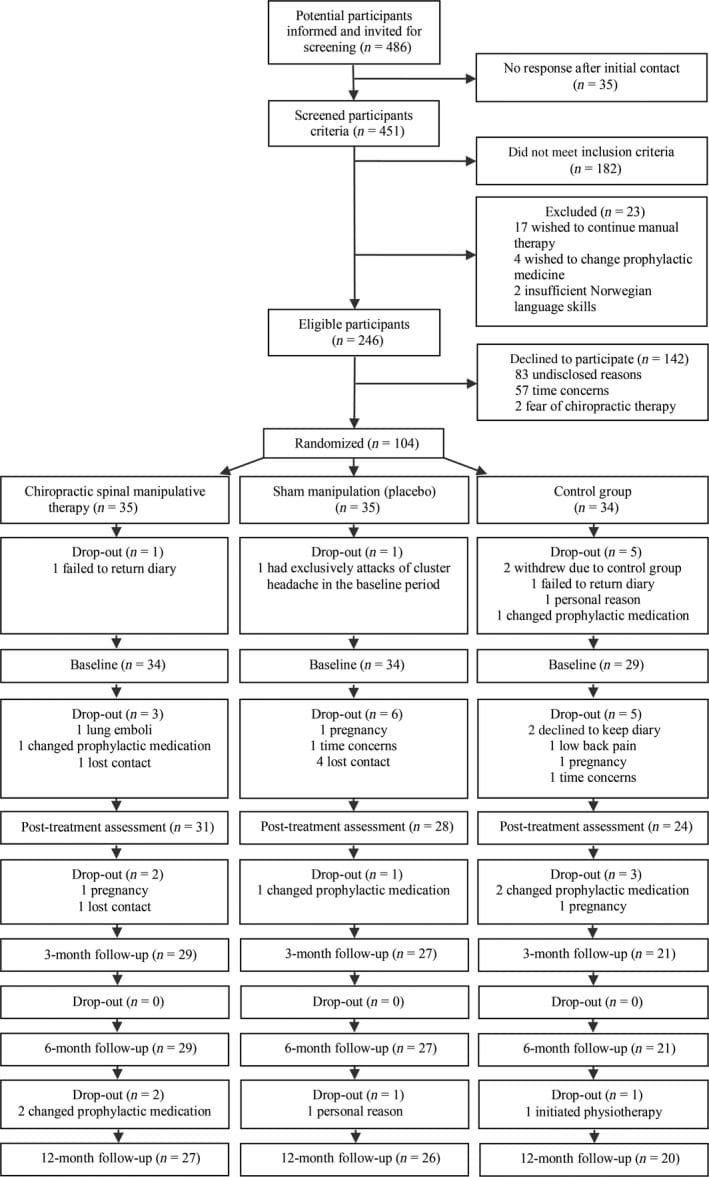
Figure 1 Flowchart of the Trial Protocol

Figure 1: Flowchart of the trial protocol. CBT, Cognitive-behavioral therapy; MBSR, Mindfulness-based stress reduction.


The protocol for this trial has been approved by the Human Subjects Review Committee of the Group Health Cooperative (250681-22). All participants will be required to give their informed consent before enrollment in this study.


Study Sample and Setting


The primary source of participants for this trial will be the Group Health Cooperative (GHC), a group-model, not-for-profit health-care organization that serves over 600,000 enrollees through its own primary care facilities in Washington state. As needed to achieve recruitment goals, direct mailings will be sent to persons 20 to 70 years of age living in the areas served by the GHC.


Inclusion and Exclusion Criteria


We are recruiting individuals from 20 to 70 years of age whose back pain has persisted for at least 3 months. The inclusion and exclusion criteria were developed to maximize the enrollment of appropriate patients while screening out patients who have low back pain of a specific nature (for example, spinal stenosis) or a complicated nature or who would have difficulty completing the study measures or interventions (for example, psychosis). Reasons for exclusion of GHC members were identified on the basis of (1) automated data recorded (using the International Classification of Diseases, Ninth Revision coding system), during all visits over the course of the previous year and (2) eligibility interviews conducted by telephone. For non-GHC members, reasons for exclusion were identified on the basis of telephone interviews. Tables 1 and ?2 list the inclusion and exclusion criteria, respectively, as well as the rationale for each criterion and the information sources.


Table 1 Inclusion Criteria


Table 2 Exclusion Criteria


In addition, we require that participants be willing and able to attend the CBT or MBSR classes during the 8-week intervention period if assigned to one of those treatments, and to respond to the four follow-up questionnaires so that we can assess outcomes.


Recruitment Procedures


Because the study intervention involves classes, we are recruiting participants in ten cohorts consisting of up to forty-five individuals each. We are recruiting participants from three main sources: (1) GHC members who have made visits to their primary care providers for low back pain and whose pain has persisted for at least 3 months, (2) GHC members who have not made a visit to their primary care provider for back pain but who are between the ages of 20 and 70 years and who respond to our nontargeted GHC mailing or our ad in GHC�s twice-yearly magazine and (3) community residents between the ages of 20 and 70 years who respond to a direct mail recruitment postcard.


For the targeted GHC population, a programmer will use GHC�s administrative and clinical electronic databases to identify potentially eligible members with a visit in the previous 3 to 15 months to a provider that resulted in a diagnosis consistent with nonspecific low back pain. These GHC members are mailed a letter and consent checklist that explains the study and eligibility requirements. Members interested in participating sign and return a statement indicating their willingness to be contacted. A research specialist then calls the potential participant to ask questions; determine eligibility; clarify risks, benefits and expected commitment to the study; and request informed consent. After informed consent has been obtained from the individual, the baseline telephone assessment is conducted.


For the nontargeted GHC population (that is, GHC members without visits with back pain diagnoses received within the previous 3 to 15 months but who could possibly have low back pain), a programmer uses administrative and clinical electronic databases to identify potentially eligible members who were not included in the targeted sample described in the preceding paragraph. This population also includes GHC members who respond to an ad in the GHC magazine. The same methods used for the targeted population are then used to contact and screen the potential participants, obtain their informed consent and collect baseline data.


With regard to community residents, we have purchased lists of the names and addresses of a randomly selected sample of people living within our recruitment area who are between 20 and 70 years of age. The people on the list are sent direct mail postcards describing the study including information regarding how to contact study staff if interested in participating. Once an interested person has contacted the research team the same process detailed above is followed.


To ensure that all initially screened study participants remain eligible at the time the classes begin, those who consent more than 14 days prior to the start of the intervention classes will be recontacted approximately 0 to 14 days prior to the first class to reconfirm their eligibility. The primary concern is to exclude persons who no longer have at least moderate baseline ratings of pain bothersomeness and pain-related interference with activities. Those individuals who remain eligible and give their final informed consent will be administered the baseline questionnaire.


Randomization


After completing the baseline assessment, participants will be randomized in equal proportions to the MBSR, CBT or usual care group. Those randomized to the MBSR or CBT group will not be informed of their type of treatment until they arrive at the first classes, which will occur simultaneously in the same building. The intervention group will be assigned on the basis of a computer-generated sequence of random numbers using a program which ensures that allocation cannot be changed after randomization. To ensure balance on a key baseline prognostic factor, randomization will be stratified based on our primary outcome measurement instrument: the modified version of the Roland Disability Questionnaire (RDQ) [30,31]. We will stratify participants into two activity limitations groups: moderate (RDQ score ?12 on a 0 to 23 scale) and high (RDQ scores ?13). Participants will be randomized within these strata in blocks of varying size (three, six or nine) to ensure a balanced but unpredictable assignment of participants. During recruitment, the study biostatistician will receive aggregated counts of participants randomized to each group to assure that the preprogrammed randomization algorithm is functioning properly.


Study Treatments


Both the group CBT and MBSR class series consist of eight weekly 2-hour sessions supplemented by home activities.


Mindfulness-Based Stress Reduction


Mindfulness-based stress reduction, a 30-year-old treatment program developed by Jon Kabat-Zinn, is well-described in the literature [32-34]. The authors of a recent meta-analysis found that MBSR had moderate effect sizes for improving the physical and mental well-being of patients with a variety of health conditions [16]. Our MBSR program is closely modeled on the original one and includes eight weekly 2-hour classes (summarized in Table 3), a 6-hour retreat between weeks 6 and 7 and up to 45 minutes per day of home practice. Our MBSR protocol was adapted by a senior MBSR instructor from the 2009 MBSR instructor�s manual used at the University of Massachusetts [35]. This manual permits latitude in how instructors introduce mindfulness and its practice to participants. The handouts and home practice materials are standardized for this study.


Table 3 Content of CBT and MBSR Class Sessions

Table 3: Content of cognitive-behavioral therapy and mindfulness-based stress reduction class sessions.


Participants will be given a packet of information during the first class that includes a course outline and instructor contact information; information about mindfulness, meditation, communication skills and effects of stress on the body, emotions and behavior; homework assignments; poems; and a bibliography. All sessions will include mindfulness exercises, and all but the first will include yoga or other forms of mindful movement. Participants will be given audio recordings of the mindfulness and yoga techniques, which will have been recorded by their own instructors. Participants will be asked to practice the techniques discussed in each class daily for up to 45 minutes throughout the intervention period and after classes end. They will also be assigned readings to complete before each class. Time will be devoted in each class to a review of challenges that participants have had in practicing what they learned in previous classes and with their homework. An optional day of practice on the Saturday between the sixth and seventh classes will be offered. This 6-hour �retreat� will be held with the participants in silence and only the instructor speaking. This will provide participants an opportunity to deepen what they have learned in class.


Cognitive-Behavioral Therapy


CBT for chronic pain is well-described in the literature and has been found to be modestly to moderately effective in improving chronic pain problems [9-13]. There is no single, standardized CBT intervention for chronic pain, although all CBT interventions are based on the assumption that both cognition and behavior influence adaptation to chronic pain and that maladaptive cognition and behavior can be identified and changed to improve patient functioning [36]. CBT emphasizes active, structured techniques to teach patients how to identify, monitor and change maladaptive thoughts, feelings and behaviors, with a focus on helping patients to acquire skills that they can apply to a variety of problems and collaboration between the patient and therapist. A variety of techniques are taught, including training in pain coping skills (for example, use of positive coping self-statements, distraction, relaxation and problem-solving). CBT also promotes setting and working toward behavioral goals.


Both individual and group formats have been used in CBT. Group CBT is often an important component of multidisciplinary pain treatment programs. We will use a group CBT format because it has been found to be efficacious [37-40], is more resource-efficient than individual therapy and provides patients with the potential benefits deriving from contact with, and support and encouragement from, others with similar experiences and problems. In addition, using group formats for both MBSR and CBT will eliminate intervention format as a possible explanation for any differences observed between the two therapies.


For this study, we developed a detailed therapist�s manual with content specific for each session, as well as a participant�s workbook containing materials for use in each session. We developed the therapist�s manual and participant�s workbooks based on existing published resources as well as on materials we have used in prior studies [39-47].


The CBT intervention (Table 3) will consist of eight weekly 2-hour sessions that will provide (1) education about the role of maladaptive automatic thoughts (for example, catastrophizing) and beliefs (for example, one�s ability to control pain, hurt equals harm) common in people with depression, anxiety and/or chronic pain and (2) instruction and practice in identifying and challenging negative thoughts, the use of thought-stopping techniques, the use of positive coping self-statements and goal-setting, relaxation techniques and coping with pain flare-ups. The intervention will also include education about activity pacing and scheduling and about relapse prevention and maintenance of gains. Participants will be given audio recordings of relaxation and imagery exercises and asked to set goals regarding their relaxation practice. During each session, participants will complete a personal action plan for activities to be completed between sessions. These plans will be used as logs for setting specific home practice goals and checking off activities completed during the week to be reviewed at the next week�s session.


Usual Care


The usual care group will receive whatever medical care they would normally receive during the study period. To minimize possible disappointment with not being randomized to a mind�body treatment, participants in this group will receive $50 compensation.


Class Sites


The CBT and MBSR classes will be held in facilities close to concentrations of GHC members in Washington state (Bellevue, Bellingham, Olympia, Seattle, Spokane and Tacoma).


Instructors


All MBSR instructors will have received either formal training in teaching MBSR from the Center for Mindfulness at the University of Massachusetts or equivalent training. They will themselves be practitioners of both mindfulness and a body-oriented discipline (for example, yoga), will have taught MBSR previously and will have made mindfulness a core component of their lives. The CBT intervention will be conducted by doctorate-level clinical psychologists with previous experience in providing CBT to patients with chronic pain.


Training and Monitoring of Instructors


All CBT instructors will be trained in the study protocol for the CBT intervention by the study�s clinical psychologist investigators (BHB and JAT), who are very experienced in administering CBT to patients with chronic pain. BHB will supervise the CBT instructors. One of the investigators (KJS) will train the MBSR instructors in the adapted MBSR protocol and supervise them. Each instructor will attend weekly supervision sessions, which will include discussion of positive experiences, adverse events, concerns raised by the instructor or participants and protocol fidelity. Treatment fidelity checklists highlighting the essential components for each session were created for both the CBT and MBSR arms. A trained research specialist will use the fidelity checklist during live observation of every session. The research specialist will provide feedback to the supervisor to facilitate weekly supervision of the instructors. In addition, all sessions will be audio-recorded. The supervisors will listen to a random sample and requested portions of sessions and will monitor them using the fidelity checklist. Feedback will be provided to the instructors during their weekly supervision sessions. Treatment fidelity will be monitored in both intervention groups by KJS and BHB with assistance from research specialists. In addition, they will review and rate on the fidelity checklist a random sample of the recorded sessions.


Participant Retention and Adherence to Home Practice


Participants will receive a reminder call before the first class and whenever they miss a class. They will be asked to record their daily home practice on weekly logs. Questions about their home practice during the prior week will also be included in all follow-up interviews. To maintain interviewer blinding, adherence questions will be asked after all outcome data have been recorded.


Measures


We will assess a variety of participant baseline characteristics, including sociodemographic characteristics, back pain history and expectations of the helpfulness of the mind�body treatments for back pain (Table 4).


Table 4 Baseline and Follow-Up Measures


We will assess a core set of outcomes for patients with spinal disorders (back-related function, pain, general health status, work disability and patient satisfaction) [48] that are consistent with the Initiative on Methods, Measurement, and Pain Assessment in Clinical Trials recommendations for clinical trials of chronic pain treatment efficacy and effectiveness [49]. We will measure both short-term outcomes (8 and 26 weeks) and long-term outcomes (52 weeks). We will also include a brief, 4-week, midtreatment assessment to permit analyses of the hypothesized mediators of the effects of MBSR and CBT on the primary outcomes. The primary study endpoint is 26 weeks. Participants will be paid $20 for each follow-up interview completed to maximize response rates.


Co�Primary Outcome Measures


The co�primary outcome measures will be back-related activity limitations and back pain bothersomeness.


Back-related activity limitations will be measured with the modified RDQ, which asks whether 23 specific activities have been limited due to back pain (yes or no) [30]. We have further modified the RDQ to ask a question about the previous week rather than just �today�. The original RDQ has been found to be reliable, valid and sensitive to clinical changes [31,48,50-53], and it is appropriate for telephone administration and use with patients with moderate activity limitations [50].


Back pain bothersomeness will be measured by asking participants to rate how bothersome their back pain has been during the previous week on a 0 to 10 scale (0?=?�not at all bothersome� and 10?=?�extremely bothersome�). On the basis of data compiled from a similar group of GHC members with back pain, we found this bothersomeness measure to be highly correlated with a 0 to 10 measure of pain intensity (r?=?0.8 to 0.9; unpublished data (DCC and KJS) and with measures of function and other outcome measures [54]. The validity of numerical rating scales of pain has been well-documented, and such scales have demonstrated sensitivity in detecting changes in pain after treatment [55].


We will analyze and report these co�primary outcomes in two ways. First, for our primary endpoint analyses, we will compare the percentages of participants in the three treatment groups who achieve clinically meaningful improvement (?30% improvement from baseline) [56,57] at each time point (with 26-week follow-up being the primary endpoint). We will then examine, in a secondary outcome analysis, the adjusted mean differences between groups on these measures at the time of follow-up.


Secondary Outcome Measures


The secondary outcomes that we will measure are depressive symptoms, anxiety, pain-related activity interference, global improvement with treatment, use of medications for back pain, general health status and qualitative outcomes.


Depressive symptoms will be assessed with the Patient Health Questionnaire-8 (PHQ-8) [58]. With the exception of the elimination of a question about suicidal ideation, the PHQ-8 is identical to the PHQ-9, which has been found to be reliable, valid and responsive to change [59,60].


Anxiety will be measured with the 2-item Generalized Anxiety Disorder scale (GAD-2), which has demonstrated high sensitivity and specificity in detecting generalized anxiety disorder in primary care populations [61,62].


Pain-related activity interference with daily activities will be assessed using three items from the Graded Chronic Pain Scale (GCPS). The GCPS has been validated and shown to have good psychometric properties in a large population survey and in large samples of primary care patients with pain [63,64]. Participants will be asked to rate the following three items on a 0 to 10 scale: their current back pain (back pain �right now�), their worst back pain in the previous month and their average pain level over the previous month.


Global improvement with treatment will be measured with the Patient Global Impression of Change scale [65]. This single question asks participants to rate their improvement with treatment on a 7-point scale that ranges from �very much improved� to �very much worse,� with �no change� used as the midpoint. Global ratings of improvement with treatment provide a measure of overall clinical benefit from treatment and are considered one of the core outcome domains in pain clinical trials [49].


Use of medications and exercise for back pain during the previous week will be assessed with the 8-, 26- and 52-week questionnaires.


General health status will be assessed with the 12-item Short Form Health Survey (SF-12) [66], a widely used instrument that yields summary scores for physical and mental health status. The SF-12 will also be used to calculate quality-adjusted life-years (QALYs) using the Short Form Health Survey in 6 dimensions in the cost-effectiveness analyses [67].


Qualitative outcomes will be measured with open-ended questions. We have included open-ended questions in our previous trials and found that they yield valuable insights into participants� feelings about the value of specific components of the interventions and the impact of the interventions on their lives. We therefore will include open-ended questions about these issues at the end of the 8-, 26- and 52-week follow-up interviews.


Measures Used in Mediator Analyses


In the MBSR arm, we will evaluate the mediating effects of increased mindfulness (measured with the Nonreactivity, Observing, Acting with Awareness, and Nonjudging subscales of the Five Facet Mindfulness Questionnaire short form [68-70]) and increased pain acceptance (measured with the Chronic Pain Acceptance Questionnaire [71,72]) on the primary outcomes. In the CBT arm, we will evaluate the mediating effects of improvements in pain beliefs and/or appraisals (measured with the Patient Self-Efficacy Questionnaire [73]; the Survey of Pain Attitudes 2-item Control, Disability, and Harm scales [74-76]; and the Pain Catastrophizing Scale [77-80]) and changes in the use of pain coping strategies (measured with the Chronic Pain Coping Inventory 2-item Relaxation scale and the complete Activity Pacing scale [81,82]) on the primary outcomes. Although we expect the effects of MBSR and CBT on outcomes to be mediated by different variables, we will explore the effects of all potential mediators on outcomes in both treatment groups.


Measures Used in the Cost-Effectiveness Analyses


Direct costs will be estimated using cost data extracted from the electronic medical records for back-related services provided or paid by GHC and from patient reports of care not covered by GHC. Indirect costs will be estimated using the Work Productivity and Activity Impairment questionnaire [83]. The effectiveness of the intervention will be derived from the SF-12 general health status measure [84].


Data Collection, Quality Control and Confidentiality


Data will be collected from participants by trained telephone interviewers using a computer-assisted telephone interview (CATI) version of the questionnaires to minimize errors and missing data. Questions about experiences with specific aspects of the interventions (for example, yoga, meditation, instruction in coping strategies) that would unmask interviewers to treatment groups will be asked at each time point after all other outcomes have been assessed. We will attempt to obtain outcome data from all participants in the trial, including those who never attend or drop out of the classes, those who discontinue enrollment in the health plan and those who move away. Participants who do not respond to repeated attempts to obtain follow-up data by telephone will be mailed a questionnaire including only the two primary outcome measures and offered $10 for responding.


We are will collect information at every stage of recruitment, randomization and treatment so that we can report patient flow according to the CONSORT (Consolidated Standards of Reporting Trials) guidelines [85]. To maintain the confidentiality of patient-related information in the database, unique participant study numbers will be used to identify patient outcomes and treatment data. Study procedures are in place to ensure that all masked personnel will remain masked to treatment group.


Protection of Human Participants and Assessment of Safety


Protection of Human Participants


The GHC Institutional Review Board (IRB) approved this study.


Safety Monitoring


This trial will be monitored for safety by an independent Data and Safety Monitoring Board (DSMB) composed of a primary care physician experienced in mindfulness, a biostatistician and a clinical psychologist with experience in treating patients with chronic pain.


Adverse Experiences


We will collect data on adverse experiences (AEs) from several sources: (1) reports from the CBT and MBSR instructors of any participants� experiences of concern to them; (2) the 8-, 26- and 52-week CATI follow-up interviews in which the participants are asked about any harm they felt during the CBT or MBSR treatment and any serious health problems they had had during the respective time periods; and (3) spontaneous reports from participants. The project coinvestigators and a GHC primary care internist will review AE reports from all sources weekly. Any serious AEs will be reported promptly to the GHC IRB and the DSMB. AEs that are not serious will be recorded and included in regular DSMB reports. Any identified deaths of participants will be reported to the DSMB chair within 7 days of discovery, regardless of attribution.


Stopping Rules


The trial will be stopped only if the DSMB believes that there is an unacceptable risk of serious AEs in one or more of the treatment arms. In this case, the DSMB can decide to terminate one of the arms of the trial or the entire trial.


Statistical Issues


Sample Size and Detectable Differences


Our sample size was chosen to ensure adequate power to detect a statistically significant difference between each of the two mind�body treatment groups and the usual care group, as well as power to detect a statistically significant difference between the two mind�body treatment groups. Because we considered patient activity limitations to be the more consequential of our two co�primary outcome measures, we based our sample size calculations on the modified RDQ [30]. We specified our sample size on the basis of the expected percentage of patients with a clinically meaningful improvement measured with the RDQ at the 26-week assessment (that is, at least 30% relative to baseline) [57].


Because of multiple comparisons, we will use Fisher�s protected least significant difference test [86], first analyzing if there is any significant difference among all three groups (using the omnibus ?2 likelihood ratio test) for each outcome and each time point. If we find a difference, we will then test for pairwise differences between groups. We will need 264 participants (88 in each group) to achieve 90% power to find either mind�body treatment different from usual care on the RDQ. This assumes that 30% of the usual care group and 55% of each mind�body treatment group will have clinically meaningful improvement on the RDQ at 26 weeks, rates of improvement that are similar to those we observed in a similar back pain population in an evaluation of complementary and alternative treatments for back pain [87]. We will have at least 80% power to detect a significant difference between MBSR and CBT on the RDQ if MBSR is at least 20 percentage points more effective than CBT (that is, 75% of the MBSR group versus 55% of the CBT group).


Our other co�primary outcome is the pain bothersomeness rating. With a total sample size of 264 participants, we will have 80% power to detect a difference between a mind�body treatment group and usual care on the bothersomeness rating scale, assuming that 47.5% of usual care and 69.3% of each mind�body treatment group have 30% or more improvement from baseline on the pain bothersomeness rating scale. We will have at least 80% power to detect a significant difference between MBSR and CBT on the bothersomeness rating scale if MBSR is at least 16.7 percentage points more effective than CBT (that is, 87% of the MBSR group versus 69.3% of the CBT group).


When analyzing the primary outcomes as continuous measures, we will have 90% power to detect a 2.4-point difference between usual care and either mind�body treatment on the modified RDQ scale scores and a 1.1-point difference between usual care and either mind�body treatment on the pain bothersomeness rating scale (assumes normal approximation to compare two independent means with equal variances and a two-sided P?=?0.05 significance level with standard deviations of 5.2 and 2.4 for RDQ and pain bothersomeness measures, respectively [88]. Assuming an 11% loss to follow-up (slightly higher than that found in our previous back pain trials), we plan to recruit a sample of 297 participants (99 per group).


Both of the co�primary outcomes will be tested at the P?<?0.05 level at each time point because they address separate scientific questions. Analyses of both outcomes at all follow-up time points will be reported, imposing a more stringent requirement than simply reporting a sole significant outcome.


Statistical Analyses


Primary Analyses


In our comparisons of treatments based on the outcome measures, we will analyze outcomes assessed at all follow-up time points in a single model, adjusting for possible correlation within individuals and treatment group cohorts using generalized estimating equations [89]. Because we cannot reasonably make an assumption regarding constant or linear group differences over time, we will include an interaction term between treatment groups and time points. We plan to adjust for baseline outcome values, sex and age, as well as other baseline characteristics found to differ significantly by treatment group or follow-up outcomes, to improve precision and power of our statistical tests. We will conduct the following set of analyses for both the continuous outcome score and the binary outcome (clinically significant change from baseline), including all follow-up time points (4, 8, 26 and 52 weeks). The MBSR treatment will be deemed successful only if the 26-week time point comparisons are significant. The other time points will be considered secondary evaluations.


We will use an intent-to-treat approach in all analyses; that is, the assessment of individuals will be analyzed by randomized group, regardless of participation in any classes. This analysis minimizes biases that often occur when participants who do not receive the assigned treatments are excluded from analysis. The regression model will be in the following general form:


Regression Model General Form


where yt is the response at follow-up time t, baseline is the prerandomization value of the outcome measure, treatment includes dummy variables for the MBSR and CBT groups, time is a series of dummy variables indicating the follow-up times and z is a vector of covariates representing other variables adjusted for. (Note that ?1, ?2, ?3 and ?4 are vectors.) The referent group in this model is the usual care group. For binary and continuous outcomes, we will use appropriate link functions (for example, logit for binary). For each follow-up time point at which the omnibus ?2 test is statistically significant, we will go on to test whether there is a difference between MBSR and usual care to address aim 1 and a difference between MBSR and CBT to address aim 2. We will also report the comparison of CBT to usual care. When determining whether MBSR is an effective treatment for back pain, we will require that aim 1, the comparison of MBSR to usual care, must be observed.


On the basis of our previous back pain trials, we expect at least an 89% follow-up and, if that holds true, our primary analysis will be a complete case analysis, including all observed follow-up outcomes. However, we will adjust for all baseline covariates that are predictive of outcome, their probability of being missing and differences between treatment groups. By adjusting for these baseline covariates, we assume that the missing outcome data in our model are missing at random (given that baseline data are predictive of missing data patterns) instead of missing completely at random. We will also conduct sensitivity analysis using an imputation method for nonignorable nonresponses to evaluate whether our results are robust enough to compensate for different missing data assumptions [90].


Mediator Analyses If MBSR or CBT is found to be effective (relative to usual care and/or to each other) in improving either primary outcome at 26 or 52 weeks, we will move to aim 3 to identify the mediators of the effects of MBSR and group CBT on the RDQ and pain bothersomeness scale. We will perform the series of mediation analyses separately for the two primary outcomes (RDQ and pain bothersomeness scale scores) and for each separate treatment comparator of interest (usual care versus CBT, usual care versus MBSR and CBT versus MBSR). We will conduct separate mediator analyses for the 26- and 52-week outcomes (if MBSR or CBT is found to be effective at those time points).


Next, we describe in detail the mediator analysis for the 26-week time point. A similar analysis will be conducted for the 52-week time point. We will apply the framework of the widely used approach of Baron and Kenny [91]. Once we have demonstrated the association between the treatment and the outcome variable (the �total effect� of the treatment on the outcome), the second step will be to demonstrate the association between the treatment and each putative mediator. We will construct a regression model for each mediator with the 4- or 8-week score of the mediator as the dependent variable and the baseline score of the mediator and treatment indicator as independent variables. We will conduct this analysis for each potential mediator and will include as potential mediators in the following step only those that have a P-value ?0.10 for the relationship with the treatment. The third step will be to demonstrate the reduction of the treatment effect on the outcome after removing the effect of the mediators. We will construct a multimediator inverse probability weighted (IPW) regression model [92]. This approach will allow us to estimate the direct effects of treatment after rebalancing the treatment groups with respect to the mediators. Specifically, we will first model the probability of the treatment effects, given the mediators (that is, all mediators that were found to be associated with treatment in step 2), using logistic regression and adjusting for potential baseline confounders. Using this model, we will obtain the estimated probability that each person received the observed treatment, given the observed mediator value. We will then use an IPW regression analysis to model the primary outcomes on treatment status while adjusting for the baseline levels of the outcome and mediator. Comparing the weighted model with the unweighted model will allow us to estimate how much of the direct effect of treatment on the associated outcome can be explained by each potential mediator. The inclusion in step 3 of all mediators found to be significant in step 2 will enable us to examine whether the specific variables that we hypothesized would differentially mediate the effects of MBSR versus CBT in fact mediate the effects of each treatment independently of the effects of the other �process variables�.


Cost-Effectiveness Analyses


A societal perspective cost�utility analysis (CUA) will be performed to compare the incremental societal costs revealed for each treatment arm (direct medical costs paid by GHC and the participant plus productivity costs) to incremental effectiveness in terms of change in participants� QALYs [93]. This analysis will be possible only for study participants recruited from GHC. This CUA can be used by policymakers concerned with the broad allocation of health-related resources [94,95]. For the payer perspective, direct medical costs (including intervention costs) will be compared to changes in QALYs. This CUA will help us to determine whether it makes economic sense for MBSR to be a reimbursed service among this population. A bootstrap methodology will be used to estimate confidence intervals [96]. In secondary analyses conducted to assess the sensitivity of the results to different cost outcome definitions, such as varying assumptions of wage rates used to value productivity and the inclusion of non-back-related health-care resource utilization [97] in the total cost amounts, will also be considered. In cost-effectiveness analyses, we will use intention to treat and adjust for health-care utilization costs in the one calendar year prior to enrollment and for baseline variables that might be associated with treatment group or outcome, such as medication use, to control for potential confounders. We expect there will be minimal missing data, but sensitivity analyses (as described above for the primary outcomes) will also be performed to assess cost measures.


Dr Jimenez White Coat

Dr. Alex Jimenez’s Insight

Stress is the body’s response to physical or psychological pressure. Several factors can trigger stress, which in turn activates the “fight or flight” response, a defense mechanism which prepares the body for perceived danger. When stressed, the sympathetic nervous system becomes stimulated and secretes a complex combination of hormones and chemicals. Short-term stress can be helpful, however long-term stress has been connected to a variety of health issues, including back pain and sciatica symptoms. According to research studies, stress management has become an essential addition for many treatment options because stress reduction may help improve treatment outcome measures. Chiropractic care uses spinal adjustments and manual manipulations together with lifestyle modifications to treat the spine, the root of the nervous system, as well as to promote decreased stress levels through proper nutrition, fitness and sleep.


Discussion


In this trial, we will seek to determine whether an increasingly popular approach for dealing with stress�mindfulness-based stress reduction�is an effective and cost-effective treatment option for persons with chronic back pain. Because of its focus on the mind as well as the body, MBSR has the potential to address some of the psychosocial factors that are important predictors of poor outcomes. In this trial, we will compare the effectiveness and cost-effectiveness of MBSR with that of CBT, which has been found to be effective for back pain but is not widely available. The study will also explore psychosocial variables that may mediate the effects of MBSR and CBT on patient outcomes. If MBSR is found to be an effective and cost-effective treatment option for persons with chronic back pain, it will be a valuable addition to the treatment options available for patients with significant psychosocial contributors to this problem.


Trial Status


Recruitment started in August 2012 and was completed in April 2014.


Abbreviations


AE: Adverse event; CAM: Complementary and alternative medicine; CATI: Computer-assisted telephone interview; CBT: Cognitive-behavioral therapy; CLBP: Chronic low back pain; CUA: Cost�utility analysis; DSMB: Data and Safety Monitoring Board; GHC: Group Health Cooperative; ICD-9: International Classification of Diseases Ninth Revision; IPW: Inverse probability weighting; IRB: Institutional Review Board; MBSR: Mindfulness-based stress reduction; NCCAM: National Center for Complementary and Alternative Medicine; QALY: Quality-adjusted life-year.


Competing Interests


The authors declare that they have no competing interests.


Authors� Contributions


DC and KS conceived of the trial. DC, KS, BB, JT, AC, BS, PH, RD and RH participated in refining the study design and implementation logistics and in the selection of outcome measures. AC developed plans for the statistical analyses. JT and AC developed plans for the mediator analyses. BS, BB and JT developed the materials for the CBT intervention. PH developed plans for the cost-effectiveness analyses. DC drafted the manuscript. All authors participated in the writing of the manuscript and read and approved the final manuscript.


Acknowledgements


The National Center for Complementary and Alternative Medicine (NCCAM) provided funding for this trial (grant R01 AT006226). The design of this trial was reviewed and approved by NCCAM�s Office of Clinical and Regulatory Affairs.


In conclusion, environmental, bodily and emotional stressors can trigger the “fight or flight response” in charge of preparing the the human body for danger. Although stress is essential to increase our performance, chronic stress can have a negative impact in the long-run, manifesting symptoms associated with back pain and sciatica. Chiropractic care utilizes a variety of treatment procedures, along with stress management methods and techniques, to help reduce stress as well as improve and manage symptoms associated with injuries and/or conditions of the musculoskeletal and nervous systems.�Information referenced from the National Center for Biotechnology Information (NCBI). The scope of our information is limited to chiropractic as well as to spinal injuries and conditions. To discuss the subject matter, please feel free to ask Dr. Jimenez or contact us at 915-850-0900 .


Curated by Dr. Alex Jimenez

 

Green-Call-Now-Button-24H-150x150-2-3.png


Additional Topics: Back Pain


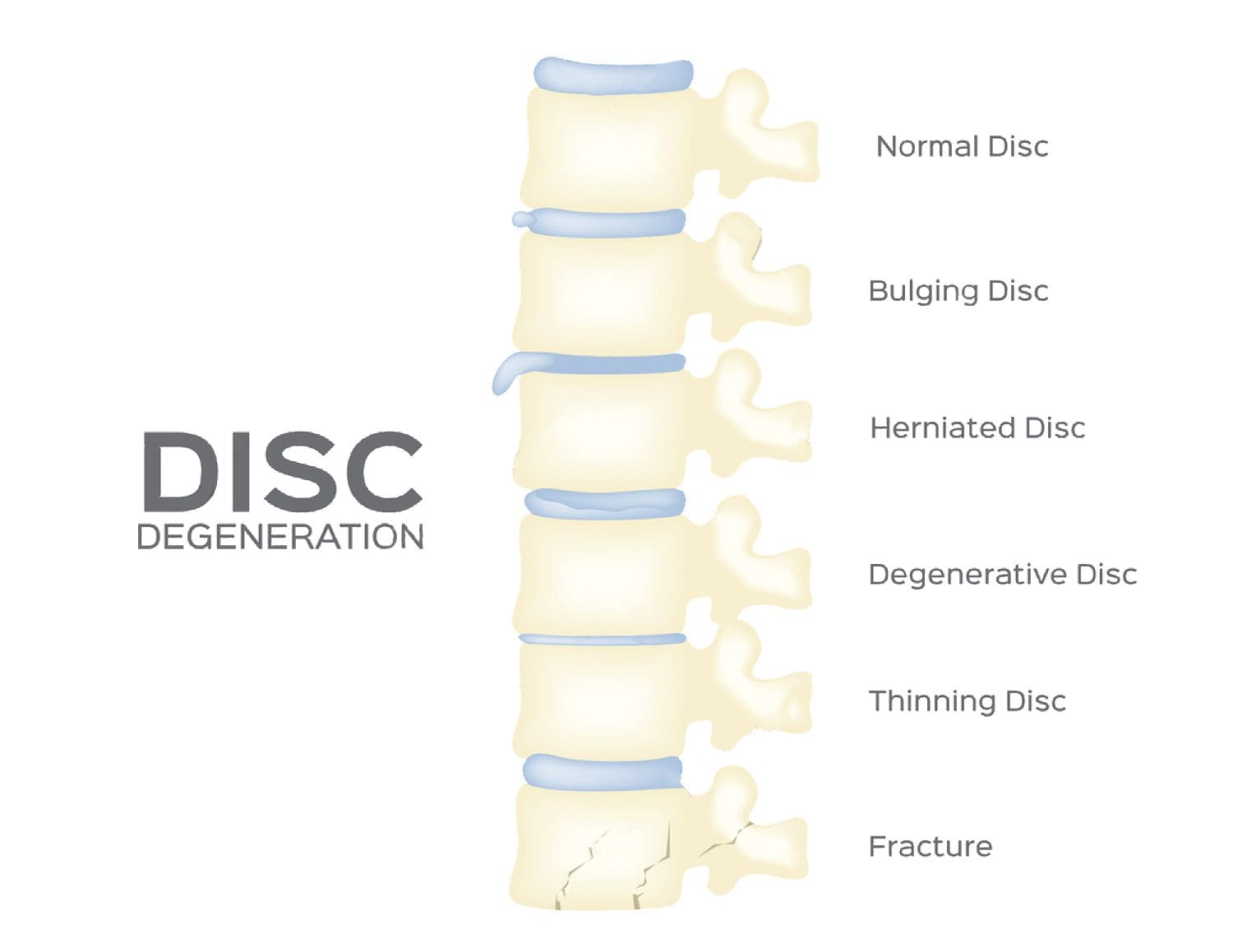
According to statistics, approximately 80% of people will experience symptoms of back pain at least once throughout their lifetimes. Back pain is a common complaint which can result due to a variety of injuries and/or conditions. Often times, the natural degeneration of the spine with age can cause back pain. Herniated discs occur when the soft, gel-like center of an intervertebral disc pushes through a tear in its surrounding, outer ring of cartilage, compressing and irritating the nerve roots. Disc herniations most commonly occur along the lower back, or lumbar spine, but they may also occur along the cervical spine, or neck. The impingement of the nerves found in the low back due to injury and/or an aggravated condition can lead to symptoms of sciatica.

 

blog picture of cartoon paperboy big news


IMPORTANT TOPIC: EXTRA EXTRA: A Healthier You!


OTHER IMPORTANT TOPICS: EXTRA: Sports Injuries? | Vincent Garcia | Patient | El Paso, TX Chiropractor


Blank
References

1. Luo X, Pietrobon R, Sun SX, Liu GG, Hey L. Estimates and patterns of direct health care expenditures among individuals with back pain in the United States.�Spine (Phila Pa)�2004;29:79�86.�[PubMed]
2. Stewart WF, Ricci JA, Chee E, Morganstein D, Lipton R. Lost productive time and cost due to common pain conditions in the US workforce.�JAMA.�2003;290:2443�2454.�[PubMed]
3. Martin BI, Deyo RA, Mirza SK, Turner JA, Comstock BA, Hollingworth W, Sullivan SD. Expenditures and health status among adults with back and neck problems.�JAMA.�2008;299:656�664.�A published erratum appears in�JAMA�2008, 299:2630.�[PubMed]
4. No authors listed. How is your doctor treating you?�Consum Rep.�1995;60(2):81�88.
5. Cherkin DC, MacCornack FA, Berg AO. Managing low back pain�a comparison of the beliefs and behaviors of family physicians and chiropractors.�West J Med.�1988;149:475�480.[PMC free article]�[PubMed]
6. Cherkin DC, MacCornack FA. Patient evaluations of low back pain care from family physicians and chiropractors.�West J Med.�1989;150:351�355.�[PMC free article]�[PubMed]
7. Novy DM, Nelson DV, Francis DJ, Turk DC. Perspectives of chronic pain: an evaluative comparison of restrictive and comprehensive models.�Psychol Bull.�1995;118:238�247.�[PubMed]
8. Chou R, Qaseem A, Snow V, Casey D, Cross JT Jr, Shekelle P, Owens DK. Clinical Efficacy Assessment Subcommittee of the American College of Physicians; American College of Physicians; American Pain Society Low Back Pain Guidelines Panel. Diagnosis and treatment of low back pain: a joint clinical practice guideline from the American College of Physicians and the American Pain Society.�Ann Intern Med.�2007;147:478�491.�[PubMed]
9. Williams AC, Eccleston C, Morley S. Psychological therapies for the management of chronic pain (excluding headache) in adults.�Cochrane Database Syst Rev.�2012;11:CD007407.�[PubMed]
10. Aggarwal VR, Lovell K, Peters S, Javidi H, Joughin A, Goldthorpe J. Psychosocial interventions for the management of chronic orofacial pain.�Cochrane Database Syst Rev.�2011;11:CD008456.[PubMed]
11. Glombiewski JA, Sawyer AT, Gutermann J, Koenig K, Rief W, Hofmann SG. Psychological treatments for fibromyalgia: a meta-analysis.�Pain.�2010;151:280�295.�[PubMed]
12. Henschke N, Ostelo RW, van Tulder MW, Vlaeyen JW, Morley S, Assendelft WJ, Main CJ. Behavioural treatment for chronic low-back pain.�Cochrane Database Syst Rev.�2010;7:CD002014.[PubMed]
13. Hoffman BM, Papas RK, Chatkoff DK, Kerns RD. Meta-analysis of psychological interventions for chronic low back pain.�Health Psychol.�2007;26:1�9.�[PubMed]
14. Reinier K, Tibi L, Lipsitz JD. Do mindfulness-based interventions reduce pain intensity? A critical review of the literature.�Pain Med.�2013;14:230�242.�[PubMed]
15. Lakhan SE, Schofield KL. Mindfulness-based therapies in the treatment of somatization disorders: a systematic review and meta-analysis.�PLoS One.�2013;8:e71834.�[PMC free article]�[PubMed]
16. Grossman P, Niemann L, Schmidt S, Walach H. Mindfulness-based stress reduction and health benefits: a meta-analysis.�J Psychosom Res.�2004;57:35�43.�[PubMed]
17. Fjorback LO, Arendt M, Ornb�l E, Fink P, Walach H. Mindfulness-based stress reduction and mindfulness-based cognitive therapy: a systematic review of randomized controlled trials.�Acta Psychiatr Scand.�2011;124:102�119.�[PubMed]
18. Merkes M. Mindfulness-based stress reduction for people with chronic diseases.�Aust J Prim Health.�2010;16:200�210.�[PubMed]
19. Goyal M, Singh S, Sibinga EM, Gould NF, Rowland-Seymour A, Sharma R, Berger Z, Sleicher D, Maron DD, Shihab HM, Ranasinghe PD, Linn S, Saha S, Bass EB, Haythornthwaite JA. Meditation programs for psychological stress and well-being: a systematic review and meta-analysis.�JAMA Intern Med.�2014;174:357�368.�[PMC free article]�[PubMed]
20. Chiesa A, Serretti A. Mindfulness-based interventions for chronic pain: a systematic review of the evidence.�J Altern Complement Med.�2011;17:83�93.�[PubMed]
21. Carmody J, Baer RA. Relationships between mindfulness practice and levels of mindfulness, medical and psychological symptoms and well-being in a mindfulness-based stress reduction program.�J Behav Med.�2008;31:23�33.�[PubMed]
22. Nykl�cek I, Kuijpers KF. Effects of mindfulness-based stress reduction intervention on psychological well-being and quality of life: Is increased mindfulness indeed the mechanism?�Ann Behav Med.�2008;35:331�340.�[PMC free article]�[PubMed]
23. Shapiro SL, Carlson LE, Astin JA, Freedman B. Mechanisms of mindfulness.�J Clin Psychol.�2006;62:373�386.�[PubMed]
24. Baer RA. Mindfulness training as a clinical intervention: a conceptual and empirical review.�Clin Psychol Sci Pract.�2003;10:125�143.
25. Cramer H, Haller H, Lauche R, Dobos G. Mindfulness-based stress reduction for low back pain: a systematic review.�BMC Complement Altern Med.�2012;12:162.�[PMC free article]�[PubMed]
26. Plews-Ogan M, Owens JE, Goodman M, Wolfe P, Schorling J. A pilot study evaluating mindfulness-based stress reduction and massage for the management of chronic pain.�J Gen Intern Med.�2005;20:1136�1138.�[PMC free article]�[PubMed]
27. Esmer G, Blum J, Rulf J, Pier J. Mindfulness-based stress reduction for failed back surgery syndrome: a randomized controlled trial.�J Am Osteopath Assoc.�2010;110:646�652.�Published errata appear in J Am Osteopath Assoc 2011, 111:3 and J Am Osteopath Assoc 2011, 111:424. The corrections are incorporated into the online version of the article.�[PubMed]

28. Morone NE, Rollman BL, Moore CG, Li Q, Weiner DK. A mind�body program for older adults with chronic low back pain: results of a pilot study.�Pain Med.�2009;10:1395�1407.�[PMC free article][PubMed]
29. Morone NE, Greco CM, Weiner DK. Mindfulness meditation for the treatment of chronic low back pain in older adults: a randomized controlled pilot study.�Pain.�2008;134:310�319.�[PMC free article][PubMed]
30. Patrick DL, Deyo RA, Atlas SJ, Singer DE, Chapin A, Keller RB. Assessing health-related quality of life in patients with sciatica.�Spine.�1995;20:1899�1908.�[PubMed]
31. Roland M, Morris R. A study of the natural history of low-back pain. Part II: development of guidelines for trials of treatment in primary care.�Spine (Phila Pa 1976)�1983;8:145�150.�[PubMed]
32. Kabat-Zinn J. An outpatient program in behavioral medicine for chronic pain patients based on the practice of mindfulness meditation: theoretical considerations and preliminary results.�Gen Hosp Psychiatry.�1982;4:33�47.�[PubMed]
33. Kabat-Zinn J.�Full Catastrophe Living: Using the Wisdom of Your Body and Mind to Face Stress, Pain, and Illness.�New York: Random House; 2005.
34. Kabat-Zinn J, Chapman-Waldrop A. Compliance with an outpatient stress reduction program: rates and predictors of program completion.�J Behav Med.�1988;11:333�352.�[PubMed]
35. Blacker M, Meleo-Meyer F, Kabat-Zinn J, Santorelli SF.�Stress Reduction Clinic Mindfulness-Based Stress Reduction (MBSR) Curriculum Guide.�Worcester, MA: Center for Mindfulness in Medicine, Health Care, and Society, Division of Preventive and Behavioral Medicine, Department of Medicine, University of Massachusetts Medical School; 2009.
36. Turner JA, Romano JM. In:�Bonica�s Management of Pain.�3. Loeser JD, Butler SH, Chapman CR, Turk DC, editor. Philadelphia: Lippincott Williams & Wilkins; 2001. Cognitive-behavioral therapy for chronic pain; pp. 1751�1758.
37. Nicholas MK, Asghari A, Blyth FM, Wood BM, Murray R, McCabe R, Brnabic A, Beeston L, Corbett M, Sherrington C, Overton S. Self-management intervention for chronic pain in older adults: a randomised controlled trial.�Pain.�2013;154:824�835.�[PubMed]

38. Lamb SE, Hansen Z, Lall R, Castelnuovo E, Withers EJ, Nichols V, Potter R, Underwood MR. Back Skills Training Trial investigators. Group cognitive behavioural treatment for low-back pain in primary care: a randomised controlled trial and cost-effectiveness analysis.�Lancet.�2010;375:916�923.�[PubMed]
39. Turner JA. Comparison of group progressive-relaxation training and cognitive-behavioral group therapy for chronic low back pain.�J Consult Clin Psychol.�1982;50:757�765.�[PubMed]
40. Turner JA, Clancy S. Comparison of operant behavioral and cognitive-behavioral group treatment for chronic low back pain.�J Consult Clin Psychol.�1988;56:261�266.�[PubMed]
41. Turner JA, Mancl L, Aaron LA. Short- and long-term efficacy of brief cognitive-behavioral therapy for patients with chronic temporomandibular disorder pain: a randomized, controlled trial.�Pain.�2006;121:181�194.�[PubMed]
42. Ehde DM, Dillworth TM, Turner JA.�Cognitive Behavioral Therapy Manual for the Telephone Intervention for Pain Study (TIPS)�Seattle: University of Washington; 2012.
43. Turk DC, Winter F.�The Pain Survival Guide: How to Reclaim Your Life.�Washington, DC: American Psychological Association; 2005.
44. Thorn BE.�Cognitive Therapy for Chronic Pain: A Step-by-Step Guide.�New York: Guilford Press; 2004.
45. Otis JD.�Managing Chronic Pain: A Cognitive-Behavioral Therapy Approach (Therapist Guide)�New York: Oxford University Press; 2007.
46. Vitiello MV, McCurry SM, Shortreed SM, Balderson BH, Baker LD, Keefe FJ, Rybarczyk BD, Von Korff M. Cognitive-behavioral treatment for comorbid insomnia and osteoarthritis pain in primary care: the lifestyles randomized controlled trial.�J Am Geriatr Soc.�2013;61:947�956.[PMC free article]�[PubMed]
47. Caudill MA.�Managing Pain Before It Manages You.�New York: Guilford Press; 1994.
48. Bombardier C. Outcome assessments in the evaluation of treatment of spinal disorders: introduction.�Spine (Phila Pa 1976)�2000;25:3097�3099.�[PubMed]
49. Dworkin RH, Turk DC, Farrar JT, Haythornthwaite JA, Jensen MP, Katz NP, Kerns RD, Stucki G, Allen RR, Bellamy N, Carr DB, Chandler J, Cowan P, Dionne R, Galer BS, Hertz S, Jadad AR, Kramer LD, Manning DC, Martin S, McCormick CG, McDermott MP, McGrath P, Quessy S, Rappaport BA, Robbins W, Robinson JP, Rothman M, Royal MA, Simon L. et al. Core outcome measures for chronic pain clinical trials: IMMPACT recommendations.�Pain.�2005;113:9�19.[PubMed]
50. Roland M, Fairbank J. The Roland-Morris Disability Questionnaire and the Oswestry Disability Questionnaire.�Spine (Phila Pa 1976)�2000;25:3115�3124.�A published erratum appears in�Spine (Phila Pa 1976)�2001, 26:847.�[PubMed]
51. Jensen MP, Strom SE, Turner JA, Romano JM. Validity of the Sickness Impact Profile Roland Scale as a measure of dysfunction in chronic pain patients.�Pain.�1992;50:157�162.�[PubMed]
52. Underwood MR, Barnett AG, Vickers MR. Evaluation of two time-specific back pain outcome measures.�Spine (Phila Pa 1976)�1999;24:1104�1112.�[PubMed]
53. Beurskens AJ, de Vet HC, K�ke AJ. Responsiveness of functional status in low back pain: a comparison of different instruments.�Pain.�1996;65:71�76.�[PubMed]
54. Dunn KM, Croft PR. Classification of low back pain in primary care: using �bothersomeness� to identify the most severe cases.�Spine (Phila Pa 1976)�2005;30:1887�1892.�[PubMed]
55. Jensen MP, Karoly P. In:�Handbook of Pain Assessment.�2. Turk DC, Melzack R, editor. New York: Guilford Press; 2001. Self-report scales and procedures for assessing pain in adults; pp. 15�34.
56. Farrar JT, Young JP Jr, LaMoreaux L, Werth JL, Poole RM. Clinical importance of changes in chronic pain intensity measured on an 11-point numerical pain rating scale.�Pain.�2001;94:149�158.[PubMed]
57. Ostelo RW, Deyo RA, Stratford P, Waddell G, Croft P, Von Korff M, Bouter LM, de Vet HC. Interpreting change scores for pain and functional status in low back pain: towards international consensus regarding minimal important change.�Spine (Phila Pa 1976)�2008;33:90�94.�[PubMed]
58. Kroenke K, Strine TW, Spitzer RL, Williams JB, Berry JT, Mokdad AH. The PHQ-8 as a measure of current depression in the general population.�J Affect Disord.�2009;114:163�173.�[PubMed]
59. L�we B, Un�tzer J, Callahan CM, Perkins AJ, Kroenke K. Monitoring depression treatment outcomes with the Patient Health Questionnaire-9.�Med Care.�2004;42:1194�1201.�[PubMed]
60. Kroenke K, Spitzer RL, Williams JB. The PHQ-9: validity of a brief depression severity measure.�J Gen Intern Med.�2001;16:606�613.�[PMC free article]�[PubMed]
61. Kroenke K, Spitzer RL, Williams JB, Monahan PO, L�we B. Anxiety disorders in primary care: prevalence, impairment, comorbidity, and detection.�Ann Intern Med.�2007;146:317�325.�[PubMed]
62. Skapinakis P. The 2-item Generalized Anxiety Disorder scale had high sensitivity and specificity for detecting GAD in primary care.�Evid Based Med.�2007;12:149.�[PubMed]
63. Von Korff M, Ormel J, Keefe FJ, Dworkin SF. Grading the severity of chronic pain.�Pain.�1992;50:133�149.�[PubMed]
64. Von Korff M. In:�Handbook of Pain Assessment.�2. Turk DC, Melzack R, editor. New York: Guilford Press; 2001. Epidemiological and survey methods: assessment of chronic pain; pp. 603�618.
65. Guy W, National Institute of Mental Health (US), Psychopharmacology Research Branch, Early Clinical Drug Evaluation Program.�ECDEU Assessment Manual for Psychopharmacology (Revised 1976)�Rockville, MD: US Department of Health, Education, and Welfare, Public Health Service, Alcohol, Drug Abuse, and Mental Health Administration, National Institute of Mental Health, Psychopharmacology Research Branch, Division of Extramural Research Programs; 1976.
66. Ware J Jr, Kosinski M, Keller SD. A 12-Item Short-Form Health Survey: construction of scales and preliminary tests of reliability and validity.�Med Care.�1996;34:220�233.�[PubMed]
67. Brazier JE, Roberts J. The estimation of a preference-based measure of health from the SF-12.�Med Care.�2004;42:851�859.�[PubMed]
68. Bohlmeijer E, ten Klooster PM, Fledderus M, Veehof M, Baer R. Psychometric properties of the Five Facet Mindfulness Questionnaire in depressed adults and development of a short form.�Assessment.�2011;18:308�320.�[PubMed]
69. Baer RA, Smith GT, Hopkins J, Krietemeyer J, Toney L. Using self-report assessment methods to explore facets of mindfulness.�Assessment.�2006;13:27�45.�[PubMed]
70. Baer RA, Smith GT, Lykins E, Button D, Krietemeyer J, Sauer S, Walsh E, Duggan D, Williams JM. Construct validity of the Five Facet Mindfulness Questionnaire in meditating and nonmeditating samples.�Assessment.�2008;15:329�342.�[PubMed]
71. McCracken LM, Vowles KE, Eccleston C. Acceptance of chronic pain: component analysis and a revised assessment method.�Pain.�2004;107:159�166.�[PubMed]
72. Vowles KE, McCracken LM, McLeod C, Eccleston C. The Chronic Pain Acceptance Questionnaire: confirmatory factor analysis and identification of patient subgroups.�Pain.�2008;140:284�291.[PubMed]
73. Nicholas MK. The Pain Self-Efficacy Questionnaire: taking pain into account.�Eur J Pain.�2007;11:153�163.�[PubMed]
74. Jensen MP, Turner JA, Romano JM, Lawler BK. Relationship of pain-specific beliefs to chronic pain adjustment.�Pain.�1994;57:301�309.�[PubMed]
75. Jensen MP, Karoly P. Pain-specific beliefs, perceived symptom severity, and adjustment to chronic pain.�Clin J Pain.�1992;8:123�130.�[PubMed]
76. Strong J, Ashton R, Chant D. The measurement of attitudes towards and beliefs about pain.�Pain.�1992;48:227�236.�[PubMed]
77. Sullivan MJ, Thorn B, Haythornthwaite JA, Keefe F, Martin M, Bradley LA, Lefebvre JC. Theoretical perspectives on the relation between catastrophizing and pain.�Clin J Pain.�2001;17:52�64.�[PubMed]
78. Sullivan MJ, Bishop SR, Pivik J. The Pain Catastrophizing Scale: development and validation.�Psychol Assess.�1995;7:524�532.
79. Osman A, Barrios FX, Gutierrez PM, Kopper BA, Merrifield T, Grittmann L. The Pain Catastrophizing Scale: further psychometric evaluation with adult samples.�J Behav Med.�2000;23:351�365.�[PubMed]
80. Lam� IE, Peters ML, Kessels AG, Van Kleef M, Patijn J. Test�retest stability of the Pain Catastrophizing Scale and the Tampa Scale for Kinesiophobia in chronic pain over a longer period of time.�J Health Psychol.�2008;13:820�826.�[PubMed]
81. Romano JM, Jensen MP, Turner JA. The Chronic Pain Coping Inventory-42: reliability and validity.�Pain.�2003;104:65�73.�[PubMed]
82. Jensen MP, Turner JA, Romano JM, Strom SE. The Chronic Pain Coping Inventory: development and preliminary validation.�Pain.�1995;60:203�216.�[PubMed]
83. Reilly MC, Zbrozek AS, Dukes EM. The validity and reproducibility of a work productivity and activity impairment instrument.�Pharmacoeconomics.�1993;4:353�365.�[PubMed]
84. Brazier J, Usherwood T, Harper R, Thomas K. Deriving a preference-based single index from the UK SF-36 Health Survey.�J Clin Epidemiol.�1998;51:1115�1128.�[PubMed]
85. Boutron I, Moher D, Altman DG, Schulz KF, Ravaud P. CONSORT Group. Extending the CONSORT statement to randomized trials of nonpharmacologic treatment: explanation and elaboration.�Ann Intern Med.�2008;148:295�309.�[PubMed]
86. Levin J, Serlin R, Seaman M. A controlled, powerful multiple-comparison strategy for several situations.�Psychol Bull.�1994;115:153�159.
87. Cherkin DC, Sherman KJ, Avins AL, Erro JH, Ichikawa L, Barlow WE, Delaney K, Hawkes R, Hamilton L, Pressman A, Khalsa PS, Deyo RA. A randomized controlled trial comparing acupuncture, simulated acupuncture, and usual care for chronic low back pain.�Arch Intern Med.�2009;169:858�866.�[PMC free article]�[PubMed]
88. Cherkin DC, Sherman KJ, Kahn J, Wellman R, Cook AJ, Johnson E, Erro J, Delaney K, Deyo RA. A comparison of the effects of 2 types of massage and usual care on chronic low back pain: a randomized, controlled trial.�Ann Intern Med.�2011;155:1�9.�[PMC free article]�[PubMed]
89. Zeger SL, Liang KY. Longitudinal data analysis for discrete and continuous outcomes.�Biometrics.�1986;42:121�130.�[PubMed]
90. Wang M, Fitzmaurice GM. A simple imputation method for longitudinal studies with non-ignorable non-responses.�Biom J.�2006;48:302�318.�[PubMed]
91. Baron RM, Kenny DA. The moderator-mediator variable distinction in social psychological research: conceptual, strategic, and statistical considerations.�J Pers Soc Psychol.�1986;51:1173�1182.�[PubMed]
92. VanderWeele TJ. Marginal structural models for the estimation of direct and indirect effects.�Epidemiology.�2009;20:18�26.�A published erratum appears in�Epidemiology�2009, 20:629.[PubMed]
93. Drummond MF, Sculpher MJ, Torrance GW, O�Brien BJ, Stoddart GL.�Methods for the Economic Evaluation of Health Care Programmes.�3. Oxford: Oxford University Press; 2005.
94. Gold MR, Siegel JE, Russel LB, Weinstein MC, editor.�Cost-Effectiveness in Health and Medicine: Report of the Panel on Cost-Effectiveness in Health and Medicine.�Oxford: Oxford University Press; 1996.
95. Siegel JE, Weinstein MC, Russell LB, Gold MR. Recommendations for reporting cost-effectiveness analyses.�JAMA.�1996;276:1339�1341.�[PubMed]
96. Thompson SG, Barber JA. How should cost data in pragmatic randomised trials be analysed?�BMJ.�2000;320:1197�1200.�[PMC free article]�[PubMed]
97. Briggs AH. Handling uncertainty in cost-effectiveness models.�Pharmacoeconomics.�2000;17:479�500.�[PubMed]

Close Accordion
Dance Injuries: Chiropractic Treatment Can Help | El Paso, TX.

Dance Injuries: Chiropractic Treatment Can Help | El Paso, TX.

Do You Want To Dance?

Most people love hearing these words, and wholeheartedly jump to the dance floor to twist and shout with the best of them. Some even take classes to learn to swing, tap, or ballroom dance. Others even train and compete. It’s big fun, and provides social interaction and exercise.

And Sometimes Pain:

While some don’t view it this way, dancing is a sport. As such, dance moves can put pressure on your body that causes injury.

Common dancing injuries include foot and ankle sprains, pulled knees, and stress fractures. If you have shimmied your back out, or do-si-do’d your knee into a stiff, painful mess, it’s time to call the best dance partner you have ever had: your chiropractor!

Chiropractic care helps dancers prevent and cope with injuries in a variety of ways.

Before:

Dancing requires coordination and balance that comes from strong muscles, bones, and ligaments. If your body is tight and ill-prepared for exercise, you could end up busting a move in the wrong way on the dance floor.

Chiropractic care can, over time, help strengthen your muscles and align your spine so your body is in prime condition for physical activity, with minimal risk of injury. Chiropractic visits work wonders from the neck to the feet in putting the body back in its top performing form. In addition, your chiropractor can offer an at-home regimen of stretching exercises that serves to further promote healthy joints, tendons and muscles.

dance el paso tx

During:

For those who dance regularly, painful feet, ankles and knees may be viewed as part of the package of doing something they love. This doesn’t have to be the case. By committing to regular chiropractic care, dancers improve their range of motion, and keep muscles and joints loose and functioning correctly. Chiropractic care during a regular routine of dancing plays into staying healthy and mobile.

After:

Dancing requires a body to move, turn, and stretch in ways that it may not be accustomed. If you ignored proper preparation, or ended up taking precautions and suffered an injury anyway, you may experience pain and loss of mobility. Make an appointment with your chiropractor as soon as possible.

Many common bodily injuries can be dramatically improved by a regimen of chiropractic care. From sprains to strains to misalignment, a few visits to your chiropractor offers multiple benefits.

The first is pain management, often without drugs. The second is injury improvement by performing manual manipulations, known as adjustments, that stretch the injured area and promote healing. The third is increased mobility. Finally, chiropractic care assists the body in knitting itself back together so well that it minimizes the chances of future injury.

If you have been dancing on and off or regularly for years, or if you are thinking about taking up dancing, know there are many great benefits from incorporating it into your routine. However, you need to take proper precautions to reduce the risk of suffering an injury as you move.

Make sure to choose a nutritious diet and stay hydrated while you dance, and wear properly fitting clothing and shoes. Strive to practice the moves correctly, as well as maintain correct posture. Don’t overdo it, because pushing your body past its limits is a surefire way to cause an injury. Also remember to always stretch out and warm up before dancing.

By following these simple suggestions, you can hit the floor when the music starts and dance until you wear out, enjoying the health benefits dancing brings, while avoiding the injuries.

Chiropractic Treatment Helps With Stress

Cheerleaders Benefit From Chiropractic Treatment In El Paso, TX.

Cheerleaders Benefit From Chiropractic Treatment In El Paso, TX.

When we think of cheerleaders we usually think of pretty girls in colorful outfits, pom pom’s in hand, cheering for their team. They are way more than that though. Cheerleaders are serious athletes.

It has taken a while, but the public is finally starting to realize just how true this is. Data collected by the National Center for Catastrophic Sports Injury Research (NCCSIR), between 1982 and 2009 cheerleaders made up for more than 70 percent of catastrophic injuries in women�s college sports. At the high school level that number exceeded 60 percent.

Some claim that this high percentage of injuring among cheerleaders to be due to lax regulations at the state level. Some states refuse to recognize cheerleading as a sport and organizations such as the NCAA don�t either.

This leaves an already potentially dangerous activity without proper oversight of the government or regulating agencies. It also means that some people who manage cheer squads and organize competitions are not required to get the same coaching and safety training standards that those in other sports do.

Since chiropractic treats the whole body through not just structurally via spinal adjustments, but also through soft tissue techniques, patients can receive complete care after an injury and during rehabilitation. Cheerleaders are finding that chiropractic treatment provides numerous benefits and can even make them better athletes.

Cheerleaders

Chiropractic Helps To Improve Range Of Motion

Chiropractic care helps to improve a person�s range of motion which in turn helps to prevent injury and relieve the pain of injury. Chiropractic is growing in its popularity within the field of sports medicine because of its effectiveness. A 2010 study published in The Journal of the Canadian Chiropractic Association showed that chiropractic made a significant difference in performance.

Chiropractic Helps To Prevent Injury

Even when no injury is present, athletes can benefit from chiropractic care. This is especially true in high impact sports like cheerleading where athletes push their bodies beyond limits through acrobatics and some of the strenuous tricks that they do in the course of their sport. Chiropractic helps to loosen muscles, making them more pliable and flexible, thus less prone to injury.

cheerleaders el paso tx.

Chiropractic Helps To Relieve Pain From Injury

A study published in the Journal of Manipulative and Physiological Therapeutics in March 2011 shows that chiropractic for pain relief can alleviate the pain of hamstring injury. The study was conducted over the course of a football season and involved 43 professional cheerleaders for football various football teams.

Throughout the study the cheerleaders received specific exercise intervention. At the end of the study those who had reported pain due to a hamstring injury experienced significant pain reduction after receiving chiropractic treatment.

Chiropractic Can Increase Physical Strength

While chiropractic is typically considered a therapy for alleviating skeletal and muscular complaints, a study in 2011 showed that it can also improve physical strength. The study involved judo athletes competing at the national level who used cervical spinal manipulative therapy (SMT). The final results of the study showed a 16 percent improvement in grip strength among the athletes who received only three SMT sessions.

The case for chiropractic treatment for athletes is very strong. It can help during training, recovery from injury, rehabilitation, and at every point in between. Although cheerleaders are still in their infancy of being recognized as serious athletes, the case for chiropractic care as a viable sports medicine therapy to improve performance and recover from injury is significant. The benefits that cheerleaders can receive from chiropractic treatment, as we can see, can really give them something to cheer about both on the field and off.

Cheerleader Discusses Chiropractic Treatment

Herniated Disc & Sciatica Nonoperative Treatment in El Paso, TX

Herniated Disc & Sciatica Nonoperative Treatment in El Paso, TX

A herniated disc, also known as a slipped or ruptured disc, is a healthcare condition which occurs when a tear in the outer, fibrous ring of an intervertebral disc causes its soft, central portion to bulge out from the damaged, surrounding cartilage. Disc herniations are generally due to the degeneration of the outer ring of an intervertebral disc, known as the anulus fibrosus. Trauma, lifting injuries or straining may also cause a herniated disc. A tear in the intervertebral disc may result in the release of chemicals which may cause irritation and ultimately become the direct cause of severe back pain, even without nerve root compression.


Disc herniations also commonly develop following a previously existing disc protrusion, a healthcare condition in which the outermost layers of the anulus fibrosus remain intact, however, these can bulge if the disc is placed under pressure. Unlike a disc herniation, none of the gel-like section escapes the intervertebral disc. Herniated discs often heal on their own within several weeks. Severe disc herniations may require surgery, however, a variety of research studies have demonstrated that nonoperative treatment may help improve and manage the recovery process of a herniated disc without the need for surgical interventions.


Surgical vs Nonoperative Treatment for Lumbar Disk Herniation Using The Spine Patient Outcomes Research Trial (SPORT): A Randomized Trial


Abstract


  • Context: Lumbar diskectomy is the most common surgical procedure performed for back and leg symptoms in US patients, but the efficacy of the procedure relative to nonoperative care remains controversial.
  • Objective: To assess the efficacy of surgery for lumbar intervertebral disk herniation.
  • Design, Setting, and Patients: The Spine Patient Outcomes Research Trial, a randomized clinical trial enrolling patients between March 2000 and November 2004 from 13 multidisciplinary spine clinics in 11 US states. Patients were 501 surgical candidates (mean age, 42 years; 42% women) with imaging-confirmed lumbar intervertebral disk herniation and persistent signs and symptoms of radiculopathy for at least 6 weeks.
  • Interventions: Standard open diskectomy vs nonoperative treatment individualized to the patient.
  • Main Outcome Measures: Primary outcomes were changes from baseline for the Medical Outcomes Study 36-item Short-Form Health Survey bodily pain and physical function scales and the modified Oswestry Disability Index (American Academy of Orthopaedic Surgeons MODEMS version) at 6 weeks, 3 months, 6 months, and 1 and 2 years from enrollment. Secondary outcomes included sciatica severity as measured by the Sciatica Bothersomeness Index, satisfaction with symptoms, self-reported improvement, and employment status.
  • Results: Adherence to assigned treatment was limited: 50% of patients assigned to surgery received surgery within 3 months of enrollment, while 30% of those assigned to nonoperative treatment received surgery in the same period. Intent-to-treat analyses demonstrated substantial improvements for all primary and secondary outcomes in both treatment groups. Between-group differences in improvements were consistently in favor of surgery for all periods but were small and not statistically significant for the primary outcomes.
  • Conclusions: Patients in both the surgery and the nonoperative treatment groups improved substantially over a 2-year period. Because of the large numbers of patients who crossed over in both directions, conclusions about the superiority or equivalence of the treatments are not warranted based on the intent-to-treat analysis.
  • Trial Registration: clinicaltrials.gov Identifier: NCT00000410


Lumbar diskectomy is the most common surgical procedure performed in the United States for patients having back and leg symptoms; the vast majority of the procedures are elective. However, lumbar disk herniation is often seen on imaging studies in the absence of symptoms[1,2] and can regress over time without surgery.[3] Up to 15-fold variation in regional diskectomy rates in the United States[4] and lower rates internationally raise questions regarding the appropriateness of some of these surgeries.[5,6]


Several studies have compared surgical and nonoperative treatment of patients with herniated disk, but baseline differences between treatment groups, small sample sizes, or lack of validated outcome measures in these studies limit evidence-based conclusions regarding optimal treatment.[7-12] The Spine Patient Outcomes Research Trial (SPORT) was initiated in March 2000 to compare the outcomes of surgical and nonoperative treatment for lumbar intervertebral disk herniation, spinal stenosis, or degenerative spondylolisthesis.[13] The trial included both a randomized cohort and an observational cohort who declined to be randomized in favor of designating their own treatment but otherwise met all the other criteria for inclusion and who agreed to undergo follow-up according to the same protocol. This article reports intent-to-treat results through 2 years for the randomized cohort.


Methods


Study Design


SPORT was conducted at 13 multidisciplinary spine practices in 11 US states (California, Georgia, Illinois, Maine, Michigan, Missouri, Nebraska, New York, New Hampshire, Ohio, Pennsylvania). The human subjects committee of each participating institution approved a standardized protocol. All patients provided written informed consent. An independent data and safety monitoring board monitored the study at 6-month intervals.[13]


Patient Population


Patients were considered for inclusion if they were 18 years and older and diagnosed by participating physicians during the study enrollment period as having intervertebral disk herniation and persistent symptoms despite some nonoperative treatment for at least 6 weeks. The content of preenrollment nonoperative care was not prespecified in the protocol but included education/counseling (71%), physical therapy (67%), epidural injections (42%), chiropractic therapy (32%), anti-inflammatory medications (61%), and opioid analgesics (40%).


Specific inclusion criteria at enrollment were radicular pain (below the knee for lower lumbar herniations, into the anterior thigh for upper lumbar herniations) and evidence of nerve-root irritation with a positive nerve-root tension sign (straight leg raise�positive between 30� and 70� or positive femoral tension sign) or a corresponding neurologic deficit (asymmetrical depressed reflex, decreased sensation in a dermatomal distribution, or weakness in a myotomal distribution). Additionally, all participants were surgical candidates who had undergone advanced vertebral imaging (97% magnetic resonance imaging, 3% computed tomography) showing disk herniation (protrusion, extrusion, or sequestered fragment)[14] at a level and side corresponding to the clinical symptoms. Patients with multiple herniations were included if only one of the herniations was considered symptomatic (ie, if only one was planned to be operated on).


Exclusion criteria included prior lumbar surgery, cauda equina syndrome, scoliosis greater than 15�, segmental instability (>10� angular motion or >4-mm translation), vertebral fractures, spine infection or tumor, inflammatory spondyloarthropathy, pregnancy, comorbid conditions contraindicating surgery, or inability/unwillingness to have surgery within 6 months.


Study Interventions


The surgery was a standard open diskectomy with examination of the involved nerve root.[15,16] The procedure agreed on by all participating centers was performed under general or local anesthesia, with patients in the prone or knee-chest position. Surgeons were encouraged to use loupe magnification or a microscope. Using a midline incision reflecting the paraspinous muscles, the interlaminar space was entered as described by Delamarter and McCullough.[15] In some cases the medial border of the superior facet was removed to provide a clear view of the involved nerve root. Using a small annular incision, the fragment of disk was removed as described by Spengler.[16] The canal was inspected and the foramen probed for residual disk or bony pathology. The nerve root was decompressed, leaving it freely mobile.


The nonoperative treatment group received �usual care,� with the study protocol recommending that the minimum nonsurgical treatment include at least active physical therapy, education/counseling with home exercise instruction, and nonsteroidal anti-inflammatory drugs, if tolerated. Other nonoperative treatments were listed, and physicians were encouraged to individualize treatment to the patient; all nonoperative treatments were tracked prospectively.[13,17]


Study Measures


The primary measures were the Medical Outcomes Study 36-Item Short-Form Health Survey (SF-36) bodily pain and physical function scales[18-21] and the American Academy of Orthopaedic Surgeons MODEMS version of the Oswestry Disability Index (ODI).[22] As specified in the trial protocol, the primary outcomes were changes from baseline in these scales at 6 weeks, 3 months, 6 months, and 1 and 2 years from enrollment.


Secondary measures included patient self-reported improvement, work status, and satisfaction with current symptoms and with care.[23] Symptom severity was measured by the Sciatica Bothersomeness Index (range, 0-24; higher scores represent worse symptoms).[24,25]


Recruitment, Enrollment, and Randomization


A research nurse at each site identified potential participants and verified eligibility. For recruitment and informed consent, evidence-based videotapes described the surgical and non-operative treatments and the expected benefits, risks, and uncertainties.[26,27] Participants were offered enrollment in either the randomized trial or a concurrent observational cohort, the results of which are reported in a companion article.


Enrollment began in March 2000 and ended in November 2004. Baseline variables were collected prior to randomization. Patients self-reported race and ethnicity using National Institutes of Health categories.


Computer-generated random treatment assignment based on permuted blocks (randomly generated blocks of 6, 8, 10, and 12)[28] within sites occurred immediately after enrollment via an automated system at each site, ensuring proper allocation concealment. Study measures were collected at baseline and at regularly scheduled follow-up visits. Short-term follow-up visits occurred at 6 weeks and 3 months. If surgery was delayed beyond 6 weeks, additional follow-up data were obtained 6 weeks and 3 months postoperatively. Longer-term follow-up visits occurred at 6 months, 1 year from enrollment, and annually thereafter.


Statistical Analyses


We originally determined a sample size of 250 patients in each treatment group to be sufficient (with a 2-sided significance level of .05 and 85% power) to detect a 10-point difference in the SF-36 bodily pain and physical functioning scales or a similar effect size in the ODI. This difference corresponded to patients’ reports of being �a little better� in the Maine Lumbar Spine Study (MLSS).[29] The sample size calculation allowed for up to 20% missing data but did not account for any specific levels of nonadherence.


The analyses for the primary and secondary outcomes used all available data for each period on an intent-to-treat basis. Predetermined end points for the study included results at each of 6 weeks, 3 months, 6 months, 1 year, and 2 years. To adjust for the possible effect of missing data on the study results, the analysis of mean changes for continuous outcomes was performed using maximum likelihood estimation for longitudinal mixed-effects models under �missing at random� assumptions and including a term for treatment center. Comparative analyses were performed using the single imputation methods of baseline value carried forward and last value carried forward, as well as a longitudinal mixed model controlling for covariates associated with missed visits.[30]


For binary secondary outcomes, longitudinal logistic regression models were fitted using generalized estimating equations[31] as implemented in the PROC GENMOD program of SAS version 9.1 (SAS Institute Inc, Cary, NC). Treatment effects were estimated as differences in the estimated proportions in the 2 treatment groups.


P<.05 (2-sided) was used to establish statistical significance. For the primary outcomes, 95% confidence intervals (CIs) for mean treatment effects were calculated at each designated time point. Global tests of the joint hypothesis of no treatment effect at any of the designated periods were performed using Wald tests[32] as implemented in SAS. These tests account for the intraindividual correlation due to repeated measurements over time.[32]


Nonadherence to randomly assigned treatment may mean that the intention-to-treat analysis underestimates the real benefit of the treatment.[33,34] As a preplanned sensitivity analysis, we also estimated an �as-treated� longitudinal analysis based on comparisons of those actually treated surgically and nonoperatively. Repeated measures of outcomes were used as the dependent variables, and treatment received was included as a time-varying covariate. Adjustments were made for the time of surgery with respect to the original enrollment date to approximate the designated follow-up times. Baseline variables that were individually found to predict missing data or treatment received at 1 year were included to adjust for possible confounding.


Results


SPORT achieved full enrollment, with 501 (25%) of 1991 eligible patients enrolled in the randomized trial. A total of 472 participants (94%) completed at least 1 follow-up visit and were included in the analysis. Data were available for between 86% and 73% of patients at each of the designated follow-up times (Figure 1).


Figure 1 Flow Diagram of the SPORT RCT of Disc Herniation

Figure 1: Flow Diagram of the SPORT Randomized Controlled Trial of Disk Herniation: Exclusion, Enrollment, Randomization, and Follow-up.


Patient Characteristics


Baseline patient characteristics are shown in Table 1. Overall, the study population had a mean age of 42 years, with majorities being male, white, employed, and having attended at least some college; 16% were receiving disability compensation. All patients had radicular leg pain, 97% in a classic dermatomal distribution. Most of the herniations were at L5-S1, posterolateral, and were extrusions by imaging criteria.[14] The 2 randomized groups were similar at baseline.


Table 1 Patient Baseline Demographics


Nonoperative Treatments


A variety of nonoperative treatments were used during the study (Table 2). Most patients received education/counseling (93%) and anti-inflammatory medications (61%) (nonsteroidal anti-inflammatory drugs, cyclooxygenase 2 inhibitors, or oral steroids); 46% received opiates; more than 50% received injections (eg, epidural steroids); and 29% were prescribed activity restriction. Forty-four percent received active physical therapy during the trial; however, 67% had received it prior to enrollment.


Table 2 Nonoperative Treatments


Surgical Treatment and Complications


Table 3 gives the characteristics of surgical treatment and complications. The median surgical time was 75 minutes (interquartile range, 58-90), with a median blood loss of 49.5 mL (interquar-tile range, 25-75). Only 2% required transfusions. There were no perioperative deaths; 1 patient died from complications of childbirth 11 months after enrollment. The most common intraoperative complication was dural tear (4%). There were no postoperative complications in 95% of patients. Reoperation occurred in 4% of patients within 1 year of the initial surgery; more than 50% of the reoperations were for recurrent herniations at the same level.


Table 3 Operative Treatments, Complications and Events


Nonadherence


Nonadherence to treatment assignment affected both groups, ie, some patients in the surgery group chose to delay or decline surgery, and some in the nonoperative treatment group crossed over to receive surgery (Figure 1). The characteristics of crossover patients that were statistically different from patients who did not cross over are shown in Table 4. Those more likely to cross over to receive surgery tended to have lower incomes, worse baseline symptoms, more baseline disability on the ODI, and were more likely to rate their symptoms as getting worse at enrollment than the other patients receiving nonoperative treatment. Those more likely to cross over to receive nonoperative care were older, had higher incomes, were more likely to have an upper lumbar disk herniation, less likely to have a positive straight leg�raising test result, had less pain, better physical function, less disability on the ODI, and were more likely to rate their symptoms as getting better at enrollment than the other surgery patients.


Table 4 Statistically Significant Baseline Demographics


Missing Data


The rates of missing data were equivalent between the groups at each time point, with no evidence of differential dropout according to assigned treatment. Characteristics of patients with missed visits were very similar to those of the rest of the cohort except that patients with missing data were less likely to be married, more likely to be receiving disability compensation, more likely to smoke, more likely to display baseline motor weakness, and had lower baseline mental component summary scores on the SF-36.


Intent-to-Treat Analyses


Table 5 shows estimated mean changes from baseline and the treatment effects (differences in changes from baseline between treatment groups) for 3 months, 1 year, and 2 years. For each measure and at each point, the treatment effect favors surgery. The treatment effects for the primary outcomes were small and not statistically significant at any of the points. As shown in Figure 2, both treatment groups showed strong improvements at each of the designated follow-up times, with small advantages for surgery. However, for each primary outcome the combined global test for any difference at any period was not statistically significant. This test accounts for intraindividual correlations as described in the �Methods� section.


Figure 2 Mean Scores Over Time

Figure 2: Mean Scores Over Time for SF-36 Bodily Pain and Physical Function Scales and Oswestry Disability Index.


Table 5 Treatment Effects for Primary and Secondary Outcomes

Table 5: Treatment Effects for Primary and Secondary Outcomes Based on Intent-to-Treat Analyses*


For the secondary outcome of sciatica bothersomeness, Table 5 and Figure 3 show that there were greater improvements in the Sciatica Bothersomeness Index in the surgery group at all designated follow-up times: 3 months (treatment effect, ?2.1; 95% CI, ?3.4 to ?0.9), 1 year (treatment effect, ?1.6; 95% CI, ?2.9 to ?0.4), and 2 years (treatment effect, ?1.6; 95% CI, ?2.9 to ?0.3), with results of the global hypothesis test being statistically significant (P=.003). Patient satisfaction with symptoms and treatment showed small effects in favor of surgery while employment status showed small effects in favor of nonoperative care, but none of these changes was statistically significant. Self-rated progress showed a small statistically significant advantage for surgery (P=.04).


Figure 3 Measures Over Time

Figure 3: Measures Over Time for Sciatica Bothersomeness Index, Employment Status, Satisfaction With Symptoms, Satisfaction With Care, and Self-rated Improvement.


As-treated analyses based on treatment received were performed with adjustments for the time of surgery and factors affecting treatment crossover and missing data. These yielded far different results than the intent-to-treat analysis, with strong, statistically significant advantages seen for surgery at all follow-up times through 2 years. For example, at 1 year the estimated treatment effects for the SF-36 bodily pain and physical function scales, the ODI, and the sciatica measures were 15.0 (95% CI, 10.9 to 19.2), 17.5 (95% CI, 13.6 to 21.5), ?15.0 (95% CI, ?18.3 to ?11.7), and ?3.2 (95% CI, ?4.3 to ?2.1), respectively.


Sensitivity analysis was performed for 4 different analytic methods of dealing with the missing data. One method was based on simple mean changes for all patients with data at a given time point with no special adjustment for missing data. Two methods used single imputation methods�baseline value carried forward and last value carried forward.[32] The latter method used the same mixed-models approach for estimating mean changes as given in Table 5 but also adjusted for factors affecting the likelihood of missing data. Treatment effect estimates at 1 year ranged from 1.6 to 2.9 for the SF-36 bodily pain scale, 0.74 to 1.4 for the physical function scale, ?2.2 to ?3.3 for the ODI, and ?1.1 to ?1.6 for the sciatica measures. Given these ranges, there appear to be no substantial differences between any of these methods.


Dr Jimenez White Coat

Dr. Alex Jimenez’s Insight

Herniated disc symptoms vary on the location of the condition and on the surrounding soft tissues affected along the spine. Lumbar disc herniations, one of the most common area for herniated discs to occur, are characterized by the compression of the nerve roots along the lower back and can generally cause symptoms of sciatica. Surgery is commonly recommended to treat disc herniations, however, numerous treatment methods can help manage the condition without the need of surgical interventions. A research study conducted on sciatica caused by herniated discs determined that about 73 percent of participants experienced an improvement in symptoms with nonoperative treatment. The results of this article concluded that nonoperative treatment can be as effective as surgery in the treatment of herniated discs.


Comment


Both operated and nonoperated patients with intervertebral disk herniation improved substantially over a 2-year period. The intent-to-treat analysis in this trial showed no statistically significant treatment effects for the primary outcomes; the secondary measures of sciatica severity and self-reported progress did show statistically significant advantages for surgery. These results must be viewed in the context of the substantial rates of nonadherence to assigned treatment. The pattern of nonadherence is striking because, unlike many surgical studies, both the surgical and nonoperative treatment groups were affected.[35] The most comparable previous trial[8] had 26% crossover into surgery at 1 year, but only 2% crossover out of surgery. The mixing of treatments due to crossover can be expected to create a bias toward the null.[34] The large effects seen in the as-treated analysis and the characteristics of the crossover patients suggest that the intent-to-treat analysis underestimates the true effect of surgery.


SPORT findings are consistent with clinical experience in that relief of leg pain was the most striking and consistent improvement with surgery. Importantly, all patients in this trial had leg pain with physical examination and imaging findings that confirmed a disk herniation. There was little evidence of harm from either treatment. No patients in either group developed cauda equina syndrome; 95% of surgical patients had no intraoperative complications. The most common complication, dural tear, occurred in 4% of patients, similar to the 2% to 7% noted in the meta-analysis by Hoffman et al,7 2.2% seen in the MLSS,[29] and 4% in the recent series from Stanford.[36]


One limitation is the potential lack of representativeness of patients agreeing to be randomized to surgery or nonoperative care; however, the characteristics of patients agreeing to participate in SPORT were very similar to those in other studies.[29,36] The mean age of 42 years was similar to the mean ages in the MLSS,[29] the series of Spangfort,[37] and the randomized trial by Weber,[8] and only slightly older than those in the recent series from Stanford (37.5 years).[36] The proportion of patients receiving workers’ compensation in SPORT (16%) was similar to the proportion in the Stanford population (19%) but lower than that in the MLSS population (35%), which specifically oversampled patients receiving compensation. Baseline functional status was also similar, with a mean baseline ODI of 46.9 in SPORT vs 47.2 in the Stanford series, and a mean baseline SF-36 physical function score of 39 in SPORT vs 37 in the MLSS.


The strict eligibility criteria, however, may limit the generalizability of these results. Patients unable to tolerate symptoms for 6 weeks and demanding earlier surgical intervention were not included, nor were patients without clear signs and symptoms of radiculopathy with confirmatory imaging. We can draw no conclusions regarding the efficacy of surgery in these other groups. However, our entry criteria followed published guidelines for patient selection for elective diskectomy, and our results should apply to the majority of patients facing a surgical decision.[38,39]


To fully understand the treatment effect of surgery compared with nonoperative treatment, it is worth noting how each group fared. The improvements with surgery in SPORT were similar to those of prior series at 1 year: for the ODI, 31 points vs 34 points in the Stanford series; for the bodily pain scale, 40 points vs 44 in the MLSS; and for sciatica bothersomeness, 10 points vs 11 in the MLSS. Similarly, Weber[8] reported 66% �good� results in the surgery group, compared with the 76% reporting �major improvement� and 65% satisfied with their symptoms in SPORT.


The observed improvements with nonoperative treatment in SPORT were greater than those in the MLSS, resulting in the small estimated treatment effect. The nonoperative improvement of 37, 35, and 9 points in bodily pain, physical function, and sciatica bothersomeness, respectively, were much greater than the improvements of 20, 18, and 3 points reported in the MLSS. The greater improvement with nonoperative treatment in SPORT may be related to the large proportion of patients (43%) who underwent surgery in this group.


The major limitation of SPORT is the degree of nonadherence with randomized treatment. Given this degree of crossover, it is unlikely that the intent-to-treat analysis can form the basis of a valid estimate of the true treatment effect of surgery. The �as-treated� analysis with adjustments for possible confounders showed much larger effects in favor of surgical treatment. However, this approach does not have the strong protection against confounding that is afforded by randomization. We cannot exclude the possibility that baseline differences between the as-treated groups, or the selective choice of some but not other patients to cross over into surgery, may have affected these results, even after controlling for important covariates. Due to practical and ethical constraints, this study was not masked through the use of sham procedures. Therefore, any improvements seen with surgery may include some degree of �placebo effect.�


Another potential limitation is that the choice of nonoperative treatments was at the discretion of the treating physician and patient. However, given the limited evidence regarding efficacy for most nonoperative treatments for lumbar disk herniation and individual variability in response, creating a limited, fixed protocol for nonoperative treatment was neither clinically feasible nor generalizable. The nonoperative treatments used were consistent with published guidelines.[17,38,39] Compared with the MLSS, SPORT had lower use of activity restriction, spinal manipulation, transcutaneous electrical nerve stimulation, and braces and corsets, and higher rates of epidural steroid injections and use of narcotic analgesics. This flexible nonoperative protocol had the advantages of individualization that considered patient preferences in the choice of nonoperative treatment and of reflecting current practice among multidisciplinary spine practices. However, we cannot make any conclusion regarding the effect of surgery vs any specific nonoperative treatment. Similarly, we cannot adequately assess the relative efficacy of any differences in surgical technique.


Conclusion


Patients in both the surgery and nonoperative treatment groups improved substantially over the first 2 years. Between-group differences in improvements were consistently in favor of surgery for all outcomes and at all time periods but were small and not statistically significant except for the secondary measures of sciatica severity and self-rated improvement. Because of the high numbers of patients who crossed over in both directions, conclusions about the superiority or equivalence of the treatments are not warranted based on the intent-to-treat analysis alone.


Acknowledgments & Footnotes


Ncbi.nlm.nih.gov/pmc/articles/PMC2553805/


Manipulation or Microdiskectomy for Sciatica? A Prospective Randomized Clinical Study


Abstract


Objective: The purpose of this study was to compare the clinical efficacy of spinal manipulation against microdiskectomy in patients with sciatica secondary to lumbar disk herniation (LDH).

Methods: One hundred twenty patients presenting through elective referral by primary care physicians to neurosurgical spine surgeons were consecutively screened for symptoms of unilateral lumbar radiculopathy secondary to LDH at L3-4, L4-5, or L5-S1. Forty consecutive consenting patients who met inclusion criteria (patients must have failed at least 3 months of nonoperative management including treatment with analgesics, lifestyle modification, physiotherapy, massage therapy, and/or acupuncture) were randomized to either surgical microdiskectomy or standardized chiropractic spinal manipulation. Crossover to the alternate treatment was allowed after 3 months.

Results: Significant improvement in both treatment groups compared to baseline scores over time was observed in all outcome measures. After 1 year, follow-up intent-to-treat analysis did not reveal a difference in outcome based on the original treatment received. However, 3 patients crossed over from surgery to spinal manipulation and failed to gain further improvement. Eight patients crossed from spinal manipulation to surgery and improved to the same degree as their primary surgical counterparts.

Conclusions: Sixty percent of patients with sciatica who had failed other medical management benefited from spinal manipulation to the same degree as if they underwent surgical intervention. Of 40% left unsatisfied, subsequent surgical intervention confers excellent outcome. Patients with symptomatic LDH failing medical management should consider spinal manipulation followed by surgery if warranted.


In conclusion, a herniated disc causes the soft, central portion of an intervertebral disc to bulge out a tear in its outer, fibrous ring as a result of degeneration, trauma, lifting injuries or straining. Most disc herniations can heal on their own but those considered to be severe may require surgical interventions to treat them. Research studies, such as the one above, have demonstrated that nonoperative treatment may help the recovery of a herniated disc without the need for surgery. Information referenced from the National Center for Biotechnology Information (NCBI). The scope of our information is limited to chiropractic as well as to spinal injuries and conditions. To discuss the subject matter, please feel free to ask Dr. Jimenez or contact us at 915-850-0900 .


Curated by Dr. Alex Jimenez


Green-Call-Now-Button-24H-150x150-2-3.png


Additional Topics: Back Pain


According to statistics, approximately 80% of people will experience symptoms of back pain at least once throughout their lifetimes. Back pain is a common complaint which can result due to a variety of injuries and/or conditions. Often times, the natural degeneration of the spine with age can cause back pain. Herniated discs occur when the soft, gel-like center of an intervertebral disc pushes through a tear in its surrounding, outer ring of cartilage, compressing and irritating the nerve roots. Disc herniations most commonly occur along the lower back, or lumbar spine, but they may also occur along the cervical spine, or neck. The impingement of the nerves found in the low back due to injury and/or an aggravated condition can lead to symptoms of sciatica.


blog picture of cartoon paperboy big news


IMPORTANT TOPIC: EXTRA EXTRA: A Healthier You!


OTHER IMPORTANT TOPICS: EXTRA: Sports Injuries? | Vincent Garcia | Patient | El Paso, TX Chiropractor


Blank
References
1.�Boden SD, Davis DO, Dina TS, Patronas NJ, Wiesel SW. Abnormal magnetic-resonance scans of the lumbar spine in asymptomatic subjects: a prospective investigation.�J Bone Joint Surg Am.�1990;72:403�408.�[PubMed]
2.�Jensen MC, Brant-Zawadzki MN, Obuchowski N, Modic MT, Malkasian D, Ross JS. Magnetic resonance imaging of the lumbar spine in people without back pain.�N Engl J Med.�1994;331:69�73.[PubMed]
3.�Saal JA, Saal JS. Nonoperative treatment of herniated lumbar intervertebral disc with radiculopathy.�Spine.�1989;14:431�437.�[PubMed]
4.�Weinstein JN, Dartmouth Atlas Working Group .�Dartmouth Atlas of Musculoskeletal Health Care.American Hospital Association Press; Chicago, Ill: 2000.
5.�Deyo RA, Weinstein JN. Low back pain.�N Engl J Med.�2001;344:363�370.�[PubMed]
6.�Weinstein JN, Bronner KK, Morgan TS, Wennberg JE. Trends and geographic variations in major surgery for degenerative diseases of the hip, knee, and spine.�Health Aff (Millwood)�2004;(suppl Web exclusive):var81�89.�[PubMed]
7.�Hoffman RM, Wheeler KJ, Deyo RA. Surgery for herniated lumbar discs: a literature synthesis.�J Gen Intern Med.�1993;8:487�496.�[PubMed]
8.�Weber H. Lumbar disc herniation: a controlled, prospective study with ten years of observation.�Spine.�1983;8:131�140.�[PubMed]
9.�Buttermann GR. Treatment of lumbar disc herniation: epidural steroid injection compared with discectomy: a prospective, randomized study.�J Bone Joint Surg Am.�2004;86:670�679.�[PubMed]
10.�Gibson JN, Grant IC, Waddell G. The Cochrane review of surgery for lumbar disc prolapse and degenerative lumbar spondylosis.�Spine.�1999;24:1820�1832.�[PubMed]
11.�Gibson JN, Grant IC, Waddell G. Surgery for lumbar disc prolapse.�Cochrane Database Syst Rev.�2000;(3):CD001350.�[PubMed]
12.�Jordan J, Shawver Morgan T, Weinstein J, Konstantinou K. Herniated lumbar disc.�Clin Evid.�2003 June;:1203�1215.
13.�Birkmeyer NJ, Weinstein JN, Tosteson AN, et al. Design of the Spine Patient Outcomes Research Trial (SPORT)�Spine.�2002;27:1361�1372.�[PMC free article][PubMed]
14.�Fardon DF, Milette PC. Nomenclature and classification of lumbar disc pathology: recommendations of the Combined Task Forces of the North American Spine Society, American Society of Spine Radiology, and American Society of Neuroradiology.�Spine.�2001;26:E93�E113.�[PubMed]
15.�Delamarter R, McCullough J. Microdiscectomy and microsurgical laminotomies. In: Frymoyer J, editor.�The Adult Spine: Principles and Practice.�2nd ed. Lippincott-Raven Publishers; Philadelphia, Pa: 1996.
16.�Spengler DM. Lumbar discectomy: results with limited disc excision and selective foraminotomy.�Spine.�1982;7:604�607.�[PubMed]
17.�Cummins J, Lurie JD, Tosteson T, et al. Descriptive epidemiology and prior healthcare utilization of patients in the Spine Patient Outcomes Research Trial’s (SPORT) three observational cohorts: disc herniation, spinal stenosis, and degenerative spondylolisthesis.�Spine.�2006;31:806�814.�[PMC free article][PubMed]
18.�Ware JE, Jr, Sherbourne D. The MOS 36-item short-form health survey (SF-36), I: conceptual framework and item selection.�Med Care.�1992;30:473�483.�[PubMed]
19.�Ware JE., Jr .�SF-36 Health Survey: Manual and Interpretation Guide.�Nimrod Press; Boston, Mass: 1993.
20.�McHorney CA, Ware JE, Jr, Lu JF, Sherbourne CD. The MOS 36-item Short-Form Health Survey (SF-36), III: tests of data quality, scaling assumptions, and reliability across diverse patient groups.�Med Care.�1994;32:40�66.�[PubMed]
21.�Stewart AL, Greenfield S, Hays RD, et al. Functional status and well-being of patients with chronic conditions: results from the Medical Outcomes Study.�JAMA.�1989;262:907�913.�[PubMed]
22.�Daltroy LH, Cats-Baril WL, Katz JN, Fossel AH, Liang MH. The North American Spine Society lumbar spine outcome assessment instrument: reliability and validity tests.�Spine.�1996;21:741�749.[PubMed]
23.�Deyo RA, Diehl AK. Patient satisfaction with medical care for low-back pain.�Spine.�1986;11:28�30.[PubMed]
24.�Atlas SJ, Deyo RA, Patrick DL, Convery K, Keller RB, Singer DE. The Quebec Task Force classification for spinal disorders and the severity, treatment, and outcomes of sciatica and lumbar spinal stenosis.�Spine.�1996;21:2885�2892.�[PubMed]
25.�Patrick DL, Deyo RA, Atlas SJ, Singer DE, Chapin A, Keller RB. Assessing health-related quality of life in patients with sciatica.�Spine.�1995;20:1899�1908.�[PubMed]
26.�Phelan EA, Deyo RA, Cherkin DC, et al. Helping patients decide about back surgery: a randomized trial of an interactive video program.�Spine.�2001;26:206�211.�[PubMed]
27.�Weinstein JN. Partnership: doctor and patient: advocacy for informed choice vs. informed consent.�Spine.�2005;30:269�272.�[PubMed]
28.�Friedman L, Furberg C, DeMets D.�Fundamentals of Clinical Trials.�3rd ed. Springer-Verlag; Cambridge, Mass: 1998. The randomization process; pp. 61�81.
29.�Atlas SJ, Deyo RA, Keller RB, et al. The Maine Lumbar Spine Study, II: 1-year outcomes of surgical and nonsurgical management of sciatica.�Spine.�1996;21:1777�1786.�[PubMed]
30.�Little R, Rubin D.�Statistical Analysis With Missing Data.�2nd ed. John Wiley & Sons; Philadelphia, Pa: 2002.
31.�Diggle P, Haeagery P, Liang K, Zeger S.�The Analysis of Longitudinal Data.�2nd ed. Oxford University Press; Oxford, England: 2002.
32.�Fitzmaurice G, Laird N, Ware J.�Applied Longitudinal Analysis.�John Wiley & Sons; Philadelphia, Pa: 2004.
33.�Altman DG, Schulz KF, Moher D, et al. The revised CONSORT statement for reporting randomized trials: explanation and elaboration.�Ann Intern Med.�2001;134:663�694.�[PubMed]
34.�Meinert CL.�Clinical Trials: Design, Conduct, and Analysis.�Oxford University Press; New York, NY: 1986.
35.�Kuppermann M, Varner RE, Summitt RL, Jr, et al. Effect of hysterectomy vs medical treatment on health-related quality of life and sexual functioning: the medicine or surgery (Ms) randomized trial.�JAMA.�2004;291:1447�1455.�[PubMed]
36.�Carragee EJ, Han MY, Suen PW, Kim D. Clinical outcomes after lumbar discectomy for sciatica: the effects of fragment type and anular competence.�J Bone Joint Surg Am.�2003;85:102�108.�[PubMed]
37.�Spangfort EV. The lumbar disc herniation: a computer-aided analysis of 2,504 operations.�Acta Orthop Scand Suppl.�1972;142:1�95.�[PubMed]
38.�Agency for Health Care Policy and Research .�Acute Low Back Problems in Adults.�US Dept of Health & Human Services; Bethesda, Md: 1994.
39.�North American Spine Society .�North American Spine Society Phase III Clinical Guidelines for Multidisciplinary Spine Care Specialists.�NASS; LaGrange, Ill: 2000. Herniated disc.
Close Accordion
Constipation And Sciatica Treatment In El Paso, TX.

Constipation And Sciatica Treatment In El Paso, TX.

Constipation & Sciatica:

Constipation is an uncomfortable and common side effect of lower back and leg pain conditions. Sciatic nerve pain can occur at the same time as constipation does, but can also alternate where constipation ensues followed by sciatica.

Finding lasting relief is crucial, but understanding the exact reasons why the symptoms occur is just as important. These two conditions can be related or they may be completely coincidental. But the more they occur together, or in succession, there is greater chance that some structural or body connection is happening between the two.

The Facts: Sciatica & Constipation

constipationInvestigate why the source process may be the same for both conditions in some.

Constipation,�known as a recurrent and chronic health concern which plagues some people their entire lives. It can be caused by a variety of anatomical reasons, but many of these are fairly easy to diagnose, despite being difficult to cure using traditional medical therapy.

Sciatica is very much the same in that it can be chronic, recurrent and sometimes treatment-resistant.

What these disorders have in common is that they are often linked by nerve compression conditions within the spine. The source can be central or foraminal stenosis, which leads to compression of one or more of the lumbar nerve roots.

It is also possible for cervical central spinal stenosis to cause sciatica and may contribute to constipation, as well.

Both conditions are associated with the mind and body processes, that is physical illness caused or aggravated by mental factors, i.e. stress or some type of conflict. Constipation can be linked to conscious and subconscious emotional issues, while sciatica is just starting to receive the same recognition as a possible mind and body disorder.

Constipation/Sciatica: Solutions

constipationSciatica cases where constipation is also present involves the nerve roots in the lower spinal regions. These types of symptomatic expressions will be blamed on a variety of structural abnormalities in the lumbosacral region, which include degenerative disc disease, herniated discs and spinal osteoarthritis.

An alternative explanation for many cases of constipation accompanied by sciatica is regional oxygen deprivation. The solution to this condition is the treatment option invented by Dr. John Sarno. This simple treatment can usually solve even the most harmful of sciatica concerns. But the therapy remains controversial as it helps some and not others.

Sciatica/Constipation: Analysis

Once the symptoms have been diagnosed, if symptoms are structural, then treatments should resolve them or at least help in controlling the pain. If various treatments have been utilized with no relief, then it could be misdiagnosis.

Another anatomical condition that could be responsible for the symptoms or the cause could be a combination of the aforementioned mind and body issues working together. An epidemic problem that the healthcare system and one of the underlying reasons why so many with back, neck and sciatica pain never find a lasting cure. Don’t be surprised if to find out the pain was inaccurately diagnosed. This happens to millions every day.

Constipation can also be a result of serious internal diseases or organ malfunctions. Request a complete workup, which includes appropriate diagnostic testing for any significant or chronic constipation case.

Sometimes, this combination of symptoms may indicate the first signs of cauda equina syndrome.�This is a medical emergency and must be treated immediately.

Many will disregard any notion that sciatica is caused by constipation. Constipation can cause sciatica check other websites. Doctors do agree that constipation is one of a many of causes of sciatica.

But the bowels and the lower back are different parts of the body. It is important to understand that all parts of the body are connected in some way or other.

Sciatica?

If there is pain in the lower back near the buttocks and that pain travels down one or both legs, then chances are sciatica is present. Sciatica has become a common lower back pain that doctors, chiropractors, acupuncturists and physical therapists treat frequently. The pain is characterized with a combination of dull and sharp aches that create a feeling of pins and needles. With nerve conditions pins and needles are the most common type of pain.

Sciatica is the result of sciatic nerve compression. Constipation is a non-spinal condition that can cause sciatica. Just trying to use the bathroom can cause pain by irritating the sciatic nerve.

Sciatica happens when the sciatic nerve, which is the largest in the body, is compressed by an external pressure. Women in child birth and men who carry their wallets in the back pocket can experience sciatica.

Sciatica is treatable; if experiencing constipation and lower back pain at the same time, ask a doctor to test for sciatica. Doctors will order a CT scan, MRI, X-Ray or nerve conduction test.

Solving The Problem:

constipation

Experiencing sciatica related to constipation, then the first course of action is diet change. A fiber-infused diet that combines fruits and vegetables can relieve constipation. Or consider a fiber supplement.

Pain Reduction:

While waiting for constipation relief, there are various ways to reduce pain.

  • Take aspirin or ibuprofen, Anti-inflammatory medications reduce nerve and muscle inflammation, which alleviate nerve irritation.
  • Alternate hot and cold compresses, which reduce inflammation and sooth the pain. Can also be applied to the legs if the pain travels down the body.
  • Consider a firm mattress to support the back and alleviate any sciatica that may be the result from back strain.
  • A doctor may recommend several days of rest in order to allow the nerve damage time to heal.

Rules To Remember:

  • Do not bend or sit in a soft chair. Back support is critical.
  • Do not ignore the pain. Nerve pain heals within a week or gets worse.
  • Move slowly when standing or getting in and out of bed.
  • No heavy lifting & sometimes no lifting at all.

Good Nutrition & Chiropractic Treatment Contribute To Overall Well-Being

Manual Therapy for Migraine Treatment In El Paso

Manual Therapy for Migraine Treatment In El Paso

Manual therapy migraine treatment, or manipulative therapy, is a physical treatment approach which utilizes several specific hands-on techniques to treat a variety of injuries and/or conditions. Manual therapy is commonly used by chiropractors, physical therapists and massage therapists, among other qualified and experienced healthcare professionals, to diagnose and treat soft tissue and joint pain. Many healthcare specialists recommend manual therapy, or manipulative therapy as a treatment for migraine headache pain. The purpose of the following article is to educate patients on the effects of manual therapies for migraine treatment.


Manual Therapies for Migraine: a Systematic Review


Abstract


Migraine occurs in about 15% of the general population. Migraine is usually managed by medication, but some patients do not tolerate migraine medication due to side effects or prefer to avoid medication for other reasons. Non-pharmacological management is an alternative treatment option. We systematically reviewed randomized clinical trials (RCTs) on manual therapies for migraine. The RCTs suggest that massage therapy, physiotherapy, relaxation and chiropractic spinal manipulative therapy might be equally effective as propranolol and topiramate in the prophylactic management of migraine. However, the evaluated RCTs had many methodological shortcomings. Therefore, any firm conclusion will require future, well-conducted RCTs on manual therapies for migraine.


Keywords: Manual therapies, Massage, Physiotherapy, Chiropractic, Migraine, Treatment


Introduction


Migraine is usually managed by medication, but some patients do not tolerate acute and/or prophylactic medicine due to side effects, or contraindications due to co-morbidity of myocardial disorders or asthma among others. Some patients wish to avoid medication for other reasons. Thus, non-pharmacological management such as massage, physiotherapy and chiropractic may be an alternative treatment option. Massage therapy in Western cultures uses classic massage, trigger points, myofascial release and other passive muscle stretching among other treatment techniques which are applied to abnormal muscle tissue. Modern physiotherapy focuses on rehabilitation and exercise, while manual treatment emphasis postural corrections, soft tissue work, stretching, active and passive mobilization and manipulation techniques. Mobilization is commonly defined as movement of joints within the physiological range of motion [1]. The two most common chiropractic techniques are the diversified and Gonstead, which are used by 91 and 59% of chiropractors [2]. Chiropractic spinal manipulation (SM) is a passive-controlled maneuver which uses a directional high-velocity, low-amplitude thrusts directed at a specific joint past the physiological range of motion, without exceeding the anatomical limit [1]. The application and duration of the different manual treatments varies among those who perform it. Thus, manual treatment is not necessarily as uniform as, for instance, specific treatment with a drug in a certain dose.


This paper systematically review randomized controlled trials (RCTs) assessing the efficacy of manual therapies on migraine, i.e., massage, physiotherapy and chiropractic.


Method


The literature search was done on CINAHL, Cochrane, Medline, Ovid and PubMed. Search words were migraine and chiropractic, manipulative therapy, massage therapy, osteopathic treatment, physiotherapy or spinal mobilization. All RCTs written in English using manual therapy on migraine were evaluated. Migraine was preferentially classified according to the criteria of the International Headache Societies from 1988 or its revision from 2004, although it was not an absolute requirement [3, 4]. The studies had to evaluate at least one migraine outcome measure such as pain intensity, frequency, or duration. The methodological quality of the included RCT studies was assessed independently by the authors. The evaluation covered study population, intervention, measurement of effect, data presentation and analysis (Table 1). The maximum score is 100 points and ?50 points considered to be methodology of good quality [5�7].


Results


The literature search identified seven RCT on migraine that met our inclusion criteria, i.e., two massage therapy studies [8, 9], one physiotherapy study [10] and four chiropractic spinal manipulative therapy studies (CSMT) [11�14], while we found no RCTs studies on spinal mobilization or osteopathic as a intervention for migraine.


Methodological Quality of the RCTs


Table 2 shows the authors average methodological score of the included RCT studies [8�14]. The average score varied from 39 to 59 points. Four RCTs were considered to have a good quality methodology score (?50), and three RCTs had a low score.


Table 2 Quality Score of the Analyzed Randomized Controlled Trials


Randomized Controlled Trials


Table 3 shows details and the main results of the different RCT studies [8�14].


Table 3 Randomized Controlled Trials for Migraine


Massage Therapy


An American study included 26 participants with chronic migraine diagnosed by questionnaire [8]. Massage therapy had a statistically significant effect on pain intensity as compared with controls. Pain intensity was reduced 71% in the massage group and unchanged in the control group. Interpretation of the data is otherwise difficult and results on migraine frequency and duration are missing.


A New Zealand study included 48 migraineurs diagnosed by questionnaire [9]. The mean duration of a migraine attack was 47 h, and 51% of the participants had more than one attack per month. The study included a 3 week follow-up period. The migraine frequency was significantly reduced in the massage group as compared with the control group, while the intensity of attacks was unchanged. Results on migraine duration are missing. Medication use was unchanged, while sleep quality was significantly improved in the massage group (p < 0.01), but not in the control group.


Image of an olden man receiving massage therapy to improve their migraine | El Paso, TX Chiropractor


Physical Therapy


An American physical therapy study included female migraineurs with frequent attacks diagnosed by a neurologist according to the criteria of the International Headache Society [3, 10]. Clinical effect was defined as >50% improvement in headache severity. Clinical effect was observed in 13% of the physical therapy group and 51% of the relaxation group (p < 0.001). The mean reduction in headache severity was 16 and 41% from baseline to post-treatment in the physical therapy and relaxation groups. The effect was maintained at 1 year follow-up in both groups. A second part of the study offered persons without clinical effect in the first part of the study, the other treatment option. Interestingly, clinical effect was observed in 55% of those whom received physical therapy in the second round who had no clinical effect from relaxation, while 47% had clinical effect from relaxation in the second round. The mean reduction in headache severity was 30 and 38% in the physical therapy and relaxation groups. Unfortunately, the study did not include a control group.


Image of an older man receiving physical therapy for migraine | El Paso, TX Chiropractor


Chiropractic Spinal Manipulative Treatment


An Australian study included migraineurs with frequent attacks diagnosed by a neurologist [11]. The participants were divided into three study groups; cervical manipulation by chiropractor, cervical manipulation by physiotherapist or physician, and cervical mobilization by physiotherapist or physician. The mean migraine attack duration was skewed in the three groups, as it was much longer in cervical manipulation by chiropractor (30.5 h) than cervical manipulations by physiotherapist or physician (12.2 h) and cervical mobilization groups (14.9 h). The study had several investigators and the treatment within each group was beside the mandatory requirements free for the therapists. No statistically significant differences were found between the three groups. Improvement was observed in all three groups post-treatment (Table 3). Prior to the trial, chiropractors were confident and enthusiastic about the efficacy of cervical manipulation, while physiotherapists and physicians were doubtful about the relevance. The study did not include a control group although cervical mobilization is mentioned as the control group in the paper. A follow-up 20 months after the trial showed further improvement in the all three groups (Table 3) [12].


Dr Jimenez works on wrestler's neck_preview


An American study included 218 migraineurs diagnosed according to the criteria of the International Headache Society by chiropractors [13]. The study had three treatment groups, but no control group. The headache intensity on days with headaches was unchanged in all three groups. The mean frequency was reduced equally in the three groups (Table 3). Over the counter (OTC) medication was reduced from baseline to 4 weeks post-treatment with 55% in the CSMT group, 28% in the amitriptyline group and 15% in the combined CSMT and amitriptyline group.


The second Australian study was based on questionnaire diagnoses on migraine [14]. The participants had migraine for mean 18.1 years. The effect of CSMT was significant better than the control group (Table 3). The mean reduction of migraine frequency, intensity and duration from baseline to follow-up were 42, 13, and 36% in CSMT group, and 17, 5, and 21% in the control group (data calculated by the reviewers based on figures from the paper).


Discussion


Methodological Considerations


The prevalence of migraine was similar based on a questionnaire and a direct physician conducted interview, but it was due to equal positive and negative misclassification by the questionnaire [15]. A precise headache diagnosis requires an interview by a physicians or other health professional experienced in headache diagnostics. Three of the seven RCTs ascertained participants by a questionnaire, with the diagnostic uncertainty introduced by this (Table 3).


The second American study included participants with at least four headache days per months [13]. The mean headache severity on days with headache at baseline varied from 4.4 to 5.0 on a 0�10 box scale in the three treatment groups. This implies that the participants had co-occurrence of tension-type headache, since tension-type headache intensity usually vary between 1 and 6 (mild or moderate), while migraine intensity can vary between 4 and 9 (moderate or severe), but usually it is a severe pain between 7 and 9 [16, 17]. The headache severity on days with headache was unchanged between baseline and at follow-up, indicating that the effect observed was not exclusively due to an effect on migraine, but also an effect on tension-type headache.


RCTs that include a control group are advantageous to RCTs that compare two active treatments, since the effect in the placebo group rarely is zero and often varies. An example is RCTs on acute treatment of migraine comparing the efficacy of subcutaneous sumatriptan and placebo showed placebo responses between 10 and 37%, while the therapeutic effect, i.e., the efficacy of sumatriptan minus the efficacy of placebo was similar [18, 19]. Another example is a RCT on prophylactic treatment of migraine, comparing topiramate and placebo [20]. The attack reduction increased along with increasing dose of topiramate 50, 100 and 200 mg/day. The mean migraine attack frequency was reduced from 1.4 to 2.5 attacks per month in the topiramate groups and 1.1 attacks per month in the placebo group from baseline, with mean attack frequencies varying from 5.1 to 5.8 attacks per month in the four groups.


Thus, interpretation of the efficacy in the four RCTs without a control group is not straight forward [9�12]. The methodological quality of all seven RCTs had room for improvement as the maximum score 100 was far from expectation, especially a precise migraine diagnosis is important.


Several of the studies relatively include a few participants, which might cause type 2 errors. Thus, power calculation prior to the study is important in the future studies. Furthermore, the clinical guidelines from the International Headache Society should be followed, i.e., frequency is a primary end point, while duration and intensity can be secondary end points [21, 22].


Dr Jimenez White Coat

Dr. Alex Jimenez’s Insight

Manual therapies, such as massage therapy, physical therapy and chiropractic spinal manipulative treatment are several well-known migraine treatment approaches recommended by healthcare professionals to help improve as well as manage the painful symptoms associated with the condition. Patients who are unable to use drugs and/or medications, including those who may prefer to avoid using these, can benefit from manual therapies for migraine treatment, according to the following article. Evidence-based research studies have determined that manual therapies might be equally as effective for migraine treatment as drugs and/or medications. However, the systematic review determined that future, well-conducted randomized clinical trials on the use of manual therapies for migraine headache pain are required to conclude the findings.


Results


The two RCTs on massage therapy included relatively a few participants, along with shortcomings mentioned in Table 3 [8, 9]. Both studies showed that massage therapy was significantly better than the control group, by reducing migraine intensity and frequency, respectively. The 27�28% (34�7% and 30�2%) therapeutic gain in migraine frequency reduction by massage therapy is comparable with the 6, 16 and 29% therapeutic gain in migraine frequency reduction by prophylactic treatment with topiramate 50, 100 and 200 mg/day [20].


The single study on physiotherapy is large, but do not include a control group [10]. The study defined responders to have 50% or more reduction in migraine intensity. The responder rate to physical therapy was only 13% in the first part of the study, while it was 55% in the group that did not benefit from relaxation, while the responder rate to relaxation was 51% in the first part of the study and 47% in the group that did not benefit from physical therapy. A reduction in migraine intensity often correlates with reduced migraine frequency. For comparison, the responder rate was 39, 49, 47 and 23% among those who received topiramate 50, 100 and 200 mg/day and placebo as defined by 50% or more reduction in migraine frequency [20]. A meta-analysis of 53 studies on prophylactic treatment with propranolol showed a mean 44% reduction in migraine activity [23]. Thus, it seems that physical therapy and relaxation has equally good effect as topiramate and propranolol.


Only one of the four RCTs on chiropractic spinal manipulative therapy (CSMT) included a control group, while the other studies compared with other active treatment [11�14]. The first Australian study showed that the migraine frequency was reduced in all three groups when baseline was compared with 20 months post trail [11, 12]. The chiropractors were highly motivated to CSMT treatment, while physicians and physiotherapist were more sceptical, which might have influenced on the result. An American study showed that CSMT, amitriptyline and CSMT + amitriptyline reduced the migraine frequency 33, 22 and 22% from baseline to post-treatment (Table 3). The second Australian study found that migraine frequency was reduced 35% in the CSMT group, while it was reduced 17% in the control group. Thus, the therapeutic gain is equivalent to that of topiramate 100 mg/day and the efficacy is equivalent to that of propranolol [20, 23].


Three case reports raise concerns about chiropractic cervical SMT, but a recent systematic review found no robust data concerning the incidence or the prevalence of adverse reactions following chiropractic cervical SMT [24�27]. When to refer migraine patients to manual therapies? Patients not responding or tolerating prophylactic medication or who wish to avoid medication for other reasons, can be referred to massage therapy, physical therapy or chiropractic spinal manipulative therapy, as these treatments are safe with a few adverse reactions [27�29].


Conclusion


Current RCTs suggest that massage therapy, physiotherapy, relaxation and chiropractic spinal manipulative therapy might be equally efficient as propranolol and topiramate in the prophylactic management of migraine. However, a firm conclusion requires, in future, well-conducted RCTs without the many methodological shortcomings of the evaluated RCTs on manual therapies. Such studies should follow clinical trial guidelines from the International Headache Society [21, 22].


Conflict of Interest


None declared.


Open Access: This article is distributed under the terms of the Creative Commons Attribution License which permits any use, distribution and reproduction in any medium, provided the original author(s) and source are credited.


In conclusion,�chiropractors, physical therapists and massage therapists, among other qualified and experienced healthcare professionals, recommend manual therapies as a treatment for migraine headache pain. The purpose of the article was to�educate patients on the effects of manual therapies for migraine treatment. Furthermore, the systematic review determined that�future, well-conducted randomized clinical trials are required to conclude the findings. Information referenced from the National Center for Biotechnology Information (NCBI). The scope of our information is limited to chiropractic as well as to spinal injuries and conditions. To discuss the subject matter, please feel free to ask Dr. Jimenez or contact us at 915-850-0900 .


Curated by Dr. Alex Jimenez


Green-Call-Now-Button-24H-150x150-2-3.png


Additional Topics: Neck Pain


Neck pain is a common complaint which can result due to a variety of injuries and/or conditions. According to statistics, automobile accident injuries and whiplash injuries are some of the most prevalent causes for neck pain among the general population. During an auto accident, the sudden impact from the incident can cause the head and neck to jolt abruptly back-and-forth in any direction, damaging the complex structures surrounding the cervical spine. Trauma to the tendons and ligaments, as well as that of other tissues in the neck, can cause neck pain and radiating symptoms throughout the human body.


blog picture of cartoon paperboy big news


IMPORTANT TOPIC: EXTRA EXTRA: A Healthier You!


OTHER IMPORTANT TOPICS: EXTRA: Sports Injuries? | Vincent Garcia | Patient | El Paso, TX Chiropractor


Blank
References
1. Esposito S, Philipson S. Spinal adjustment technique the chiropractic art. Alexandria: Craft Printing; 2005.
2. Cooperstein R, Gleberson BJ. Technique systems in chiropractic. 1. New York: Churchill Livingstone; 2004.
3. Headache Classification Committee of the International Headache Society (1988) Classification and diagnostic criteria for headache disorders, cranial neuralgias and facial pain. Headache Classification Committee of the International Headache Society. Cephalalgia 8 (suppl 7):1�96 [PubMed]
4. Headache Classification Subcommittee of the International Society (2004) The international classification of headache disorders, 2nd edn, Cephalagia 24 (suppl 1):1�160 [PubMed]
5. Ter Riet G, Kleijnen J, Knipschild P. Acupuncture and chronic pain: a criteria-based meta-analysis. J Clin Epidemiol. 1990;43:1191�1199. doi: 10.1016/0895-4356(90)90020-P. [PubMed] [Cross Ref]
6. Koes BW, Assendelft WJ, Heijden GJ, Bouter LM, Knipschild PG. Spinal manipulation and mobilisation for back and neck pain: a blinded review. BMJ. 1991;303:1298�1303. doi: 10.1136/bmj.303.6813.1298. [PMC free article] [PubMed] [Cross Ref]
7. Fernandez-de-las-Penas C, Alonso-Blanco C, San-Roman J, Miangolarra-Page JC. Methodological quality of randomized controlled trials of spinal manipulation and mobilization in tension-type headache, migraine, and cervicogenic headache. J Orthop Sports Phys Ther. 2006;36:160�169. [PubMed]
8. Hernandez-Rief M, Dieter J, Field T, Swerdlow B, Diego M. Migraine headache reduced by massage therapy. Int J Neurosci. 1998;96:1�11. doi: 10.3109/00207459808986453. [Cross Ref]
9. Lawler SP, Cameron LD. A randomized, controlled trial of massage therapy as a treatment for migraine. Ann Behav Med. 2006;32:50�59. doi: 10.1207/s15324796abm3201_6. [PubMed] [Cross Ref]
10. Marcus DA, Scharff L, Mercer S, Turk DC. Nonpharmacological treatment for migraine: incremental utility of physical therapy with relaxation and thermal biofeedback. Cephalalgia. 1998;18:266�272. doi: 10.1046/j.1468-2982.1998.1805266.x. [PubMed] [Cross Ref]
11. Parker GB, Tupling H, Pryor DS. A controlled trial of cervical manipulation of migraine. Aust NZJ Med. 1978;8:589�593. [PubMed]
12. Parker GB, Pryor DS, Tupling H. Why does migraine improve during a clinical trial? Further results from a trial of cervical manipulation for migraine. Aust NZJ Med. 1980;10:192�198. [PubMed]
13. Nelson CF, Bronfort G, Evans R, Boline P, Goldsmith C, Anderson AV. The efficacy of spinal manipulation, amitriptyline and the combination of both therapies for the prophylaxis of migraine headache. J Manipulative Physiol Ther. 1998;21:511�519. [PubMed]
14. Tuchin PJ, Pollard H, Bonello R. A randomized controlled trial of chiropractic spinal manipulative therapy for migraine. J Manipulative Physiol Ther. 2000;23:91�95. doi: 10.1016/S0161-4754(00)90073-3. [PubMed] [Cross Ref]
15. Rasmussen BK, Jensen R, Olesen J. Questionnaire versus clinical interview in the diagnosis of headache. Headache. 1991;31:290�295. doi: 10.1111/j.1526-4610.1991.hed3105290.x. [PubMed] [Cross Ref]
16. Lundquist YC, Benth JS, Grande RB, Aaseth K, Russell MB. A vertical VAS is a valid instrument for monitoring headache pain intensity. Cephalalgia. 2009;29:1034�1041. doi: 10.1111/j.1468-2982.2008.01833.x. [PubMed] [Cross Ref]
17. Rasmussen BK, Olesen J. Migraine with aura and migraine without aura: an epidemiological study. Cephalalgia. 1992;12:221�228. doi: 10.1046/j.1468-2982.1992.1204221.x. [PubMed] [Cross Ref]
18. Ensink FB. Subcutaneous sumatriptan in the acute treatment of migraine. Sumatriptan International Study Group. J Neurol. 1991;238(suppl 1):S66�S69. doi: 10.1007/BF01642910. [PubMed] [Cross Ref]
19. Russell MB, Holm-Thomsen OE, Rishoj NM, Cleal A, Pilgrim AJ, Olesen J. A randomized double-blind placebo-controlled crossover study of subcutaneous sumatriptan in general practice. Cephalalgia. 1994;14:291�296. doi: 10.1046/j.1468-2982.1994.1404291.x. [PubMed] [Cross Ref]
20. Brandes JL, Saper JR, Diamond M, Couch JR, Lewis DW, Schmitt J, Neto W, Schwabe S, Jacobs D, MIGR-002 Study Group Topiramate for migraine prevention: a randomized controlled trial. JAMA. 2004;291:965�973. doi: 10.1001/jama.291.8.965. [PubMed] [Cross Ref]
21. Tfelt-Hansen P, Block G, Dahl�f C, Diener HC, Ferrari MD, Goadsby PJ, Guidetti V, Jones B, Lipton RB, Massiou H, Meinert C, Sandrini G, Steiner T, Winter PB, International Headache Society Clinical trials Subcommittee Guidelines for controlled trials of drugs in migraine: 2nd ed. Cephalalgia. 2000;20:765�786. doi: 10.1046/j.1468-2982.2000.00117.x. [PubMed] [Cross Ref]
22. Silberstein S, Tfelt-Hansen P, Dodick DW, Limmroth V, Lipton RB, Pascual J, Wang SJ, Task Force of the International Headache Society Clinical Trials Subcommittee Guidelines for controlled trials of prophylactic treatment of chronic migraine in adults. Cephalalgia. 2008;28:484�495. doi: 10.1111/j.1468-2982.2008.01555.x. [PubMed] [Cross Ref]
23. Holroyd KA, Penzien DB, Cordingley GE. Propranolol in the management of recurrent migraine: a meta-analytic review. Headache. 1991;31:333�340. doi: 10.1111/j.1526-4610.1991.hed3105333.x. [PubMed] [Cross Ref]
24. Khan AM, Ahmad N, Li X, Korsten MA, Rosman A. Chiropractic sympathectomy: carotid artery dissection with oculosympathetic palsy after chiropractic manipulation of the neck. Mt Sinai J Med. 2005;72:207�210. [PubMed]
25. Morelli N, Gallerini S, Gori S, Chiti A, Cosottini M, Orlandi G, Murri L. Intracranial hypotension syndrome following chiropractic manipulation of the cervical spine. J Headache Pain. 2006;7:211�213. doi: 10.1007/s10194-006-0308-0. [PMC free article] [PubMed] [Cross Ref]
26. Marx P, P�schmann H, Haferkamp G, Busche T, Neu J. Manipulative treatment of the cervical spine and stroke. Fortschr Neurol Psychiatr. 2009;77:83�90. doi: 10.1055/s-0028-1109083. [PubMed] [Cross Ref]
27. Gouveia LO, Gastanho P, Ferreira JJ. Safety of chiropractic intervention. A systematic review. Spine. 2009;34:E405�E413. doi: 10.1097/BRS.0b013e3181a16d63. [PubMed] [Cross Ref]
28. Ernst E. The safety of massage therapy. Rheumatology. 2003;42:1101�1106. doi: 10.1093/rheumatology/keg306. [PubMed] [Cross Ref]
29. Zeppos L, Patman S, Berney S, Adsett JA, Bridson JM, Paratz JD. Physiotherapy in intensive care is safe: an observational study. Aust J Physiother. 2007;53:279�283. [PubMed]
Close Accordion
Assessment and Treatment of the Subscapularis | Dr. Alex Jimenez

Assessment and Treatment of the Subscapularis | Dr. Alex Jimenez

These assessment and treatment recommendations represent a synthesis of information derived from personal clinical experience and from the numerous sources which are cited, or are based on the work of researchers, clinicians and therapists who are named (Basmajian 1974, Cailliet 1962, Dvorak & Dvorak 1984, Fryette 1954, Greenman 1989, 1996, Janda 1983, Lewit 1992, 1999, Mennell 1964, Rolf 1977, Williams 1965).


Clinical Application of Neuromuscular Techniques: the Subscapularis Muscle


The subscapularis is a large triangular muscle which fills the subscapular fossa and inserts into the lesser tubercle of the humerus and the front of the capsule of the shoulder-joint.


The subscapularis rotates the head of the humerus medially (internal rotation) and adducts it; when the arm is raised, it draws the humerus forward and downward. It is a powerful defense to the front of the shoulder-joint, preventing displacement of the head of the humerus.


Damage or trauma from an injury or an aggravated condition can cause shortness in the subscapularis muscle. The following assessments and treatments can help improve structure and function.


Assessment of Shortness in the Subscapularis Muscle


Subscapularis shortness test (a) Direct palpation of subscapularis is required to define problems in it, since pain patterns in the shoulder, arm, scapula and chest may all derive from subscapularis or from other sources.


The patient is supine and the practitioner grasps the affected side hand and applies traction while the fingers of the other hand palpate over the edge of latissimus dorsi in order to make contact with the ventral surface of the scapula, where subscapularis can be palpated. There may be a marked reaction from the patient when this is touched, indicating acute sensitivity.


Subscapularis shortness test (b) (as seen on Fig. 4.39 below) The patient is supine with the arm abducted to 90�, the elbow flexed to 90�, and the forearm in external rotation, palm upwards. The whole arm is resting at the restriction barrier, with gravity as its counterweight.


If subscapularis is short the forearm will be unable to rest easily parallel with the floor but will be somewhat elevated.


Figure 4.39A, B Assessment and MET self-treatment position for subscapularis. If the upper arm cannot rest parallel to the floor, possible shortness of subscapularis is indicated.


Care is needed to prevent the anterior shoulder becoming elevated in this position (moving towards the ceiling) and so giving a false normal picture.


Assessment of Weakness in the Subscapularis Muscle


The patient is prone with humerus abducted to 90� and elbow flexed to 90�. The humerus should be in internal rotation so that the forearm is parallel with the trunk, palm towards ceiling. The practitioner stabilises the scapula with one hand and with the other applies pressure to the patient�s wrist and forearm as though taking the humerus towards external rotation, while the patient resists.


The relative strength is judged and the method discussed by Norris (1999) should used to increase strength (isotonic eccentric contraction performed slowly).


MET Treatment of the Subscapularis Muscle


The patient is supine with the arm abducted to 90�, the elbow flexed to 90�, and the forearm in external rotation, palm upwards. The whole arm is resting at the restriction barrier, with gravity as its counterweight. (Care is needed to prevent the anterior shoulder becoming elevated in this position (moving towards the ceiling) and so giving a false normal picture.)


The patient raises the forearm slightly, against minimal resistance from the practitioner, for 7�10 seconds and, following relaxation, gravity or slight assistance from the operator takes the arm into greater external rotation, through the barrier, where it is held for not less than 20 seconds.


Dr. Alex Jimenez offers an additional assessment and treatment of the hip flexors as a part of a referenced clinical application of neuromuscular techniques by Leon Chaitow and Judith Walker DeLany. The scope of our information is limited to chiropractic and spinal injuries and conditions. To discuss the subject matter, please feel free to ask Dr. Jimenez or contact us at 915-850-0900 .


By Dr. Alex Jimenez


Green-Call-Now-Button-24H-150x150-2-3.png


Additional Topics: Wellness


Overall health and wellness are essential towards maintaining the proper mental and physical balance in the body. From eating a balanced nutrition as well as exercising and participating in physical activities, to sleeping a healthy amount of time on a regular basis, following the best health and wellness tips can ultimately help maintain overall well-being. Eating plenty of fruits and vegetables can go a long way towards helping people become healthy.


blog picture of cartoon paperboy big news


IMPORTANT TOPIC: EXTRA EXTRA: A Healthier You!


OTHER IMPORTANT TOPICS: EXTRA: Sports Injuries? | Vincent Garcia | Patient | El Paso, TX Chiropractor


Mastodon