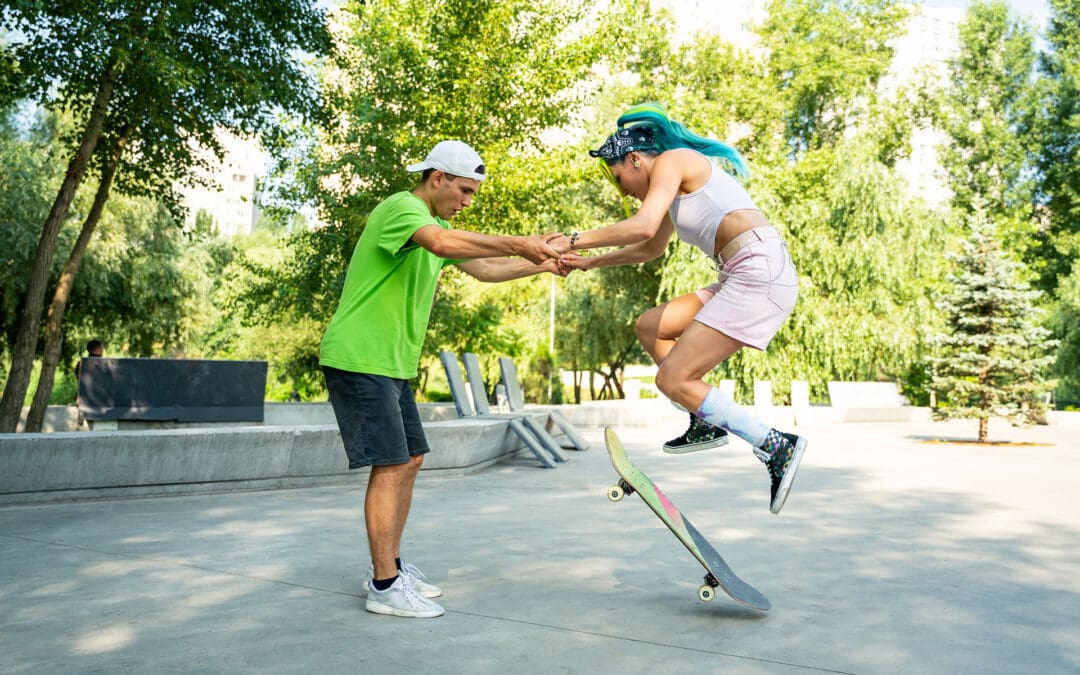
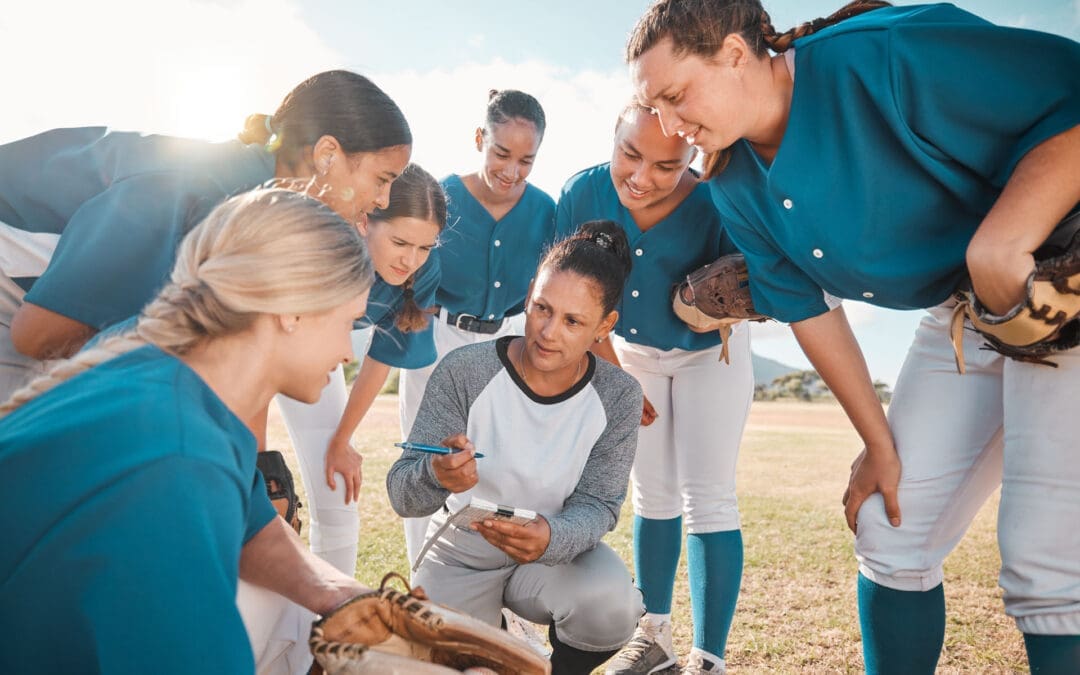
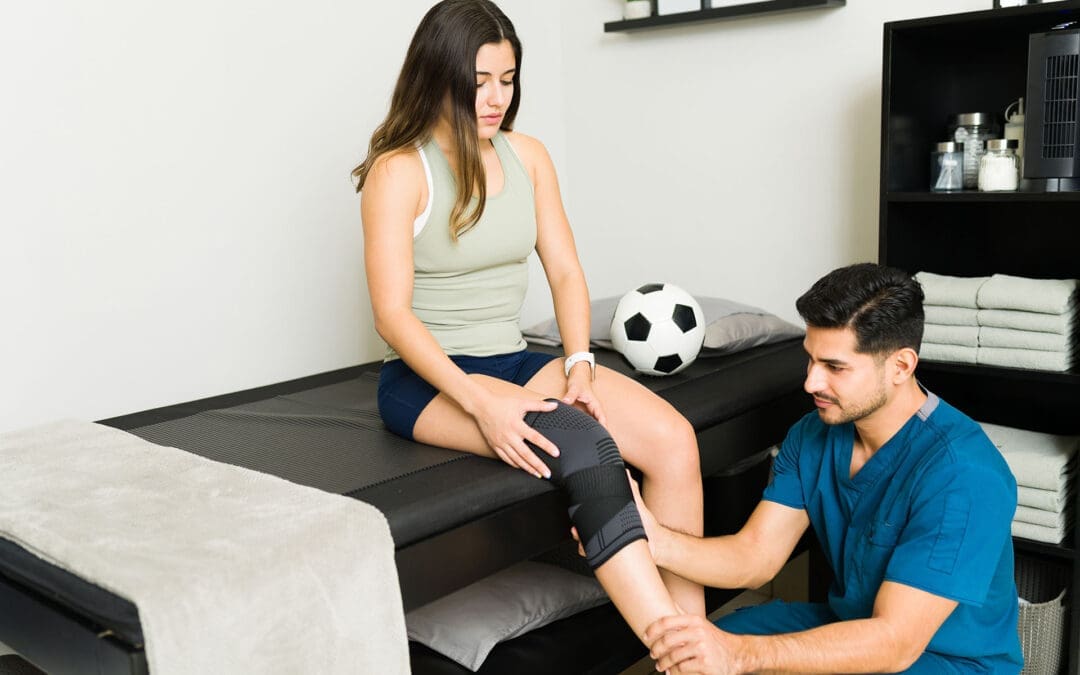
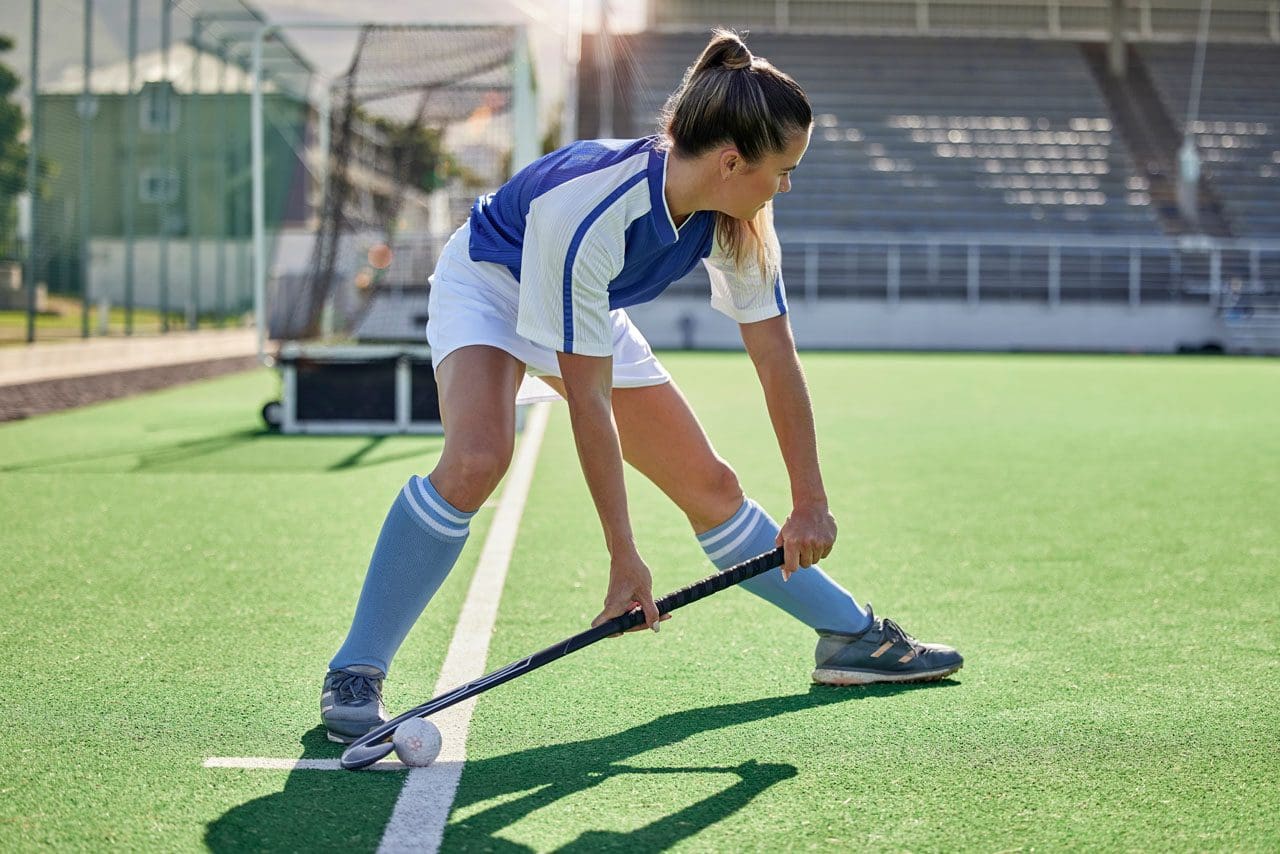
Spine Specialist Team: Agility & speed are necessary for athletes and individuals who actively engage in physical activity and sports. These individuals often depend on these abilities to increase their overall performance. Quickly and gracefully, both mental and physical skills are often a key element towards overcoming challenges related to the individual’s specific sport. The key to improving agility is to minimize the loss of speed when redirecting the body’s center of gravity.
Rapid change drills that change direction forward, backward, vertically, and laterally will help improve individuals by training your body to make these changes more quickly. Dr. Alex Jimenez describes various stretches and exercises utilized to enhance agility and speed throughout his collection of articles, focusing largely on the benefits of fitness and occasional injuries or conditions resulting from overexertion.
Regenerative Therapies and Chiropractic Care: A Team Approach for Real Healing, Wellness, and Fitness
Many people want to stay active, exercise regularly, and feel strong. But old injuries, joint wear, or back pain often get in the way. Pain pills or rest alone may hide the problem for a short time, yet they do not fix the more serious damage. Regenerative therapies offer a different path. These treatments work with your body’s own healing power instead of just covering symptoms.
When combined with effective chiropractic care, IV nutrient therapy, and targeted spinal support, they create a full recovery plan. This plan helps reduce swelling, repair tissues, and restore movement so you can safely return to exercise and daily fitness activities. The key is that cellular nutrition, body alignment, and tissue repair all depend on each other.
What Regenerative Therapies Do
Regenerative therapies use materials from your body to encourage repair. They target the root of the problem in tendons, ligaments, joints, and sometimes nerves. Instead of weakening tissues over time, they aim to build healthier structures that last.
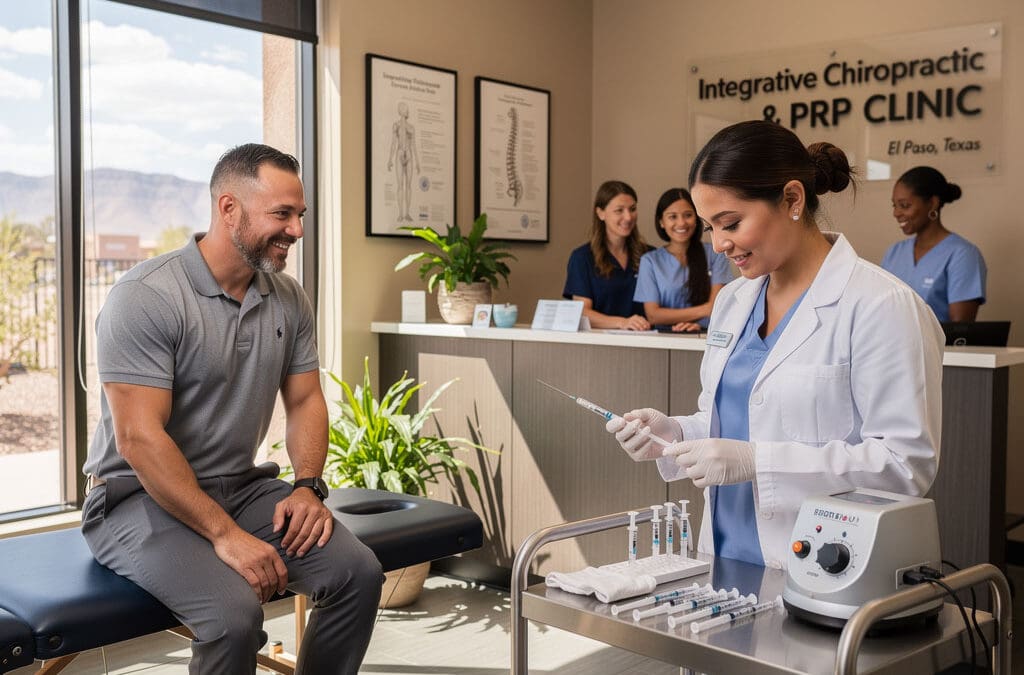
Common options include PRP, PFP, and MFAT. These are injected into damaged areas, often with ultrasound guidance for accuracy. The goal is less long-term inflammation and better function so you can move without constant discomfort.
PRP: Using Your Blood’s Healing Parts
PRP stands for platelet-rich plasma. A small amount of your blood is drawn and spun in a centrifuge. This separates the platelets, which carry growth factors that signal your body to repair tissue.
Doctors inject the concentrated platelets into sore tendons, ligaments, or early arthritic joints. The growth factors help calm swelling and support new tissue growth. People with sports strains, tennis elbow, or mild knee issues often see improved comfort and movement over weeks to months.
PRP works best when there is still some healing capacity left in the tissue. It gives your body extra tools to help it heal itself rather than relying solely on rest or medication.
PFP: Platelet-Fibrin Products for Extra Support
PFP, or platelet-fibrin products, are similar to PRP but include fibrin proteins. These create a natural framework that helps healing cells stay in place and build new tissue.
The fibrin acts like a scaffold. It captures more growth factors and proteins from your blood. This can be useful for areas that need extra structure during repair, such as certain ligament or tendon problems. Like PRP, it comes from your body, so the risk of rejection is very low.
MFAT: Healing Cells from Your Own Fat
MFAT means microfragmented adipose tissue. Doctors take a small amount of fat, usually from the belly area, and process it into tiny pieces while preserving the helpful cells and signals.
This tissue is then injected into joints or damaged spots. The cells and anti-inflammatory factors help protect cartilage, reduce swelling, and recruit more of your body’s repair cells. MFAT is often chosen for more advanced joint wear, larger meniscus tears, or when simpler treatments have not been enough.
Both PRP and MFAT use your materials. They lower inflammation in a lasting way and support the kind of recovery that lets you return to movement and exercise with more confidence.
IV Nutrient Therapy: Feeding Your Cells Directly
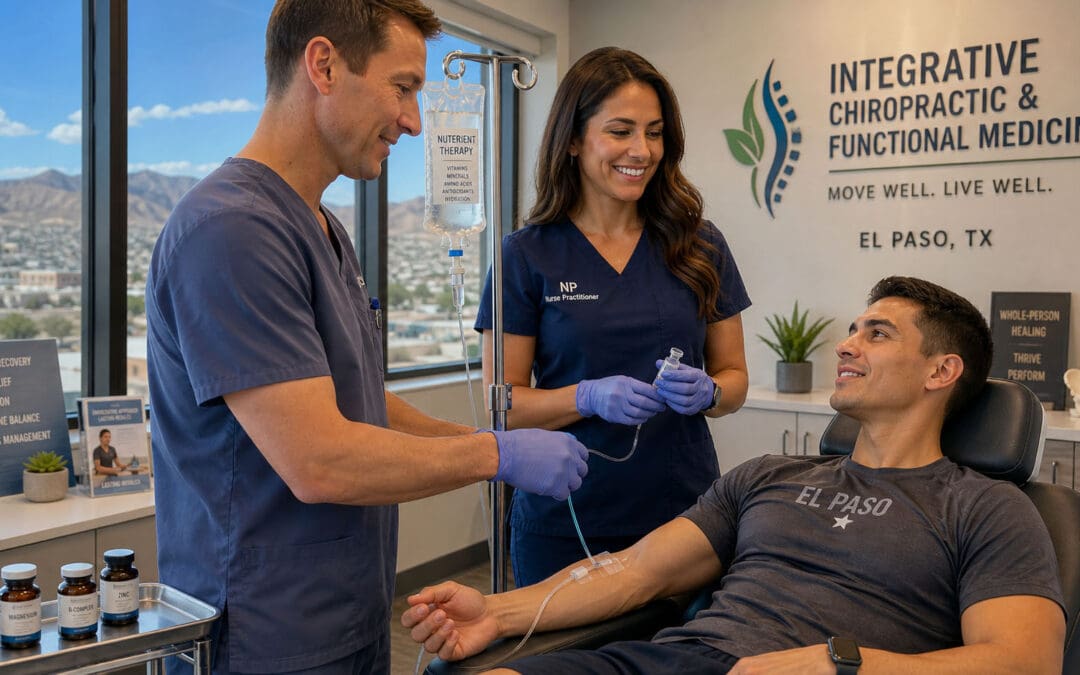
Healing tissues need healthy nutrition at the cellular level. IV infusion nutrient therapy delivers vitamins, minerals, amino acids, and fluids straight into your bloodstream. This bypasses the digestive system, so absorption is fast and complete.
Common additions include B vitamins for energy metabolism, magnesium for muscle and nerve function, and amino acids for building proteins. People recovering from injury or intense training often feel less fatigue and better hydration. In hot weather or after heavy sweating, this quickly replenishes what the body loses.
When your cells have the raw materials they need, the repair process initiated by PRP or MFAT injections can proceed more efficiently. IV therapy supports the whole process rather than working alone.
Epidural Injections for Calming Irritated Nerves
Sometimes pain comes from inflamed or irritated spinal nerves, often due to disc issues or narrowing in the spine. Epidural spinal injections place anti-inflammatory medication, usually a steroid, into the space around those nerves.
This reduces swelling and nerve irritation. Many people notice less shooting pain down the legs or arms and improved ability to walk or stand. The relief is not permanent, but it often opens a window for other therapies to work better. You can then do exercises and rehabilitation without constantly upsetting the nerves.
Epidurals fit into a bigger plan. They help quiet the “alarm system,” so deeper repair can continue.
The Seed and Soil Model for Lasting Recovery
Think of healing like growing a healthy plant. Regenerative injections and epidural treatments sow the seeds. They place healing cells where they are needed and calm irritated nerves. This starts the biological repair process.
But seeds need rich soil to grow strong roots and stay upright. Integrative chiropractic care and customized exercises prepare that soil. Chiropractic adjustments restore healthy joint motion and spinal alignment. Exercises build stability and strength around the healing areas. Together, they create an environment where new tissue can form correctly and handle real-life movement and fitness demands.
Without proper alignment and support, even optimal tissue repair can be stressed or re-injured. Without the repair step, alignment work alone may not fix more serious cellular damage. The two parts depend on each other.
How the Full Team Works Together
This integrated approach is used in multidisciplinary clinics. Chiropractic care addresses structural alignment and nervous system function. Medical oversight ensures safety and coordinates injections or overall health needs. Functional medicine looks at nutrition, inflammation, and lifestyle factors. Rehabilitation and personal injury support help people rebuild strength after accidents or overuse.
At Injury Medical Clinic PA in El Paso, Texas, Dr. Alexander Jimenez, DC, APRN, FNP-BC, CFMP, IFMCP, ATN, CCST, works with Dr. Maria Guadalupe Cardenas, MD. Dr. Cardenas is board-certified in internal medicine with over 40 years of experience. She serves as Medical Director and Collaborative Physician. This team model is common in integrative and injury care settings. The MD provides medical direction while the chiropractor focuses on alignment and body mechanics.
Dr. Jimenez has observed that patients with sports trauma or older auto accident injuries improve most when care targets both tissue repair and nervous system function. Detailed exams, imaging when needed, regenerative options, adjustments, and rehab exercises are combined into personalized plans. The result is often better pain control, improved movement, and a faster, safer return to activity.
Getting Back to Exercise and Fitness Safely
When inflammation drops, damaged cells receive repair signals, nerves calm down, and joints move with better alignment, the body is ready for progressive activity. You are not simply masking pain to push through workouts. You are giving tissues the conditions they need to heal while building supportive strength.
Many people notice steadier energy from IV nutrient support and less fear of re-injury because the “soil” of alignment is also improved. This leads to more regular exercise, better posture during daily tasks, and overall wellness gains that last beyond the treatment period.
Why This Integrated Path Matters
Regenerative therapies like PRP, PFP, and MFAT, along with IV nutrient therapy and epidural support, do more than reduce symptoms. They work at the cellular level to encourage real repair. Chiropractic care ensures the mechanical environment supports that repair. Medical oversight by an experienced internist like Dr. Cardenas keeps everything coordinated and safe.
The result is a structured recovery model that addresses the full picture: biology, structure, and nutrition. People dealing with joint wear, sports strains, or injury-related pain often find they can resume fitness activities with greater comfort and confidence. The focus stays on helping your body heal and stay active for the long term.
If you are struggling with pain that limits your wellness or exercise goals, consider how these therapies might fit together for you. A qualified integrative team can evaluate your specific situation and create a plan that supports lasting results.
How Integrative Sports Chiropractic Speeds Injury Recovery at the Mechanical and Cellular Levels
Athletes push their bodies hard. A sudden twist, a hard landing, or repeated stress can leave them with sprains, disc problems, tendon issues, or lingering pain. Traditional rest and pain pills often only quiet the symptoms. Integrative sports chiropractic takes a different path. It treats the injury at both the mechanical level—how bones, joints, and soft tissues line up and move—and the cellular level—how cells repair, reduce swelling, and rebuild tissue.
This approach combines spinal decompression, precise chiropractic adjustments, MLS laser therapy, shockwave therapy, and peptide support. Together, they create a non-invasive plan that moves athletes from simply managing pain toward faster, more complete tissue regeneration.
Why Mechanical and Cellular Care Matter Together
Injuries create two problems at once. Mechanically, a disc may bulge and press on a nerve, or joints may shift out of place. Soft tissues tighten or form scar tissue, limiting motion. At the cellular level, inflammation increases, blood flow decreases, and cells lack the energy and building blocks needed to heal effectively.
Treating only one side leaves the other unfinished. Aligning the spine without calming inflammation or feeding the cells often leads to slow progress or return of symptoms. Addressing cells without fixing alignment allows the mechanical problem to keep stressing the tissues. Integrative care solves both.
Spinal Decompression: Creating Space and Delivering Nutrients
Spinal decompression uses a specialized table that gently and controllably stretches the spine. This creates a mild negative pressure inside the disc. The pressure pulls bulging or herniated material away from nerves and draws nutrient-rich fluid back into the disc.
Discs have a limited blood supply, so they depend on this fluid exchange for oxygen and nutrients. When decompression restores that flow, the disc environment becomes more conducive to repair. Athletes with lower back or neck disc issues often experience reduced nerve pressure and improved mobility after a series of sessions. The treatment is comfortable and requires no downtime.
Chiropractic adjustments carefully restore normal position and motion to the spine and joints. When vertebrae sit correctly, nerve pathways stay open, and muscles no longer work overtime to compensate. Adjustments also help maintain the space created by decompression so the disc does not quickly return to its previous stressed state.
For sports injuries, proper alignment improves how force travels through the body during running, jumping, or throwing. This reduces secondary strain on tendons and ligaments. The combination of decompression and adjustments addresses the mechanical foundation of the injury.
MLS Laser Therapy: Energizing Cells to Heal
MLS laser therapy delivers specific, synchronized wavelengths of light deep into tissue. One wavelength helps calm inflammation. The other supports pain relief and cellular activity. The light energy reaches the mitochondria inside cells and boosts ATP production, the main energy source cells use for repair.
Higher ATP levels allow cells to work more efficiently. Swelling decreases, blood flow improves, and collagen production rises. Sessions are short and painless. Athletes often notice reduced soreness and faster return of function when laser is added to mechanical care. Research and clinical use show that combining laser with chiropractic shortens recovery time compared with either method alone.
Shockwave Therapy: Breaking Scar Tissue and Restarting Healing
Shockwave therapy sends focused acoustic waves into injured soft tissue. These waves increase local blood flow, break down dense scar tissue and calcifications, and release growth factors that restart stalled healing.
Chronic tendon problems—such as tennis elbow, Achilles issues, or rotator-cuff irritation—respond especially well. The waves create a controlled micro-stimulus that tells the body to rebuild stronger tissue rather than leave restrictive scar behind. When used with adjustments, shockwave improves the way muscles and tendons glide over newly aligned joints.
Certain peptides act as signaling molecules that encourage the body’s own repair systems. Peptides such as BPC-157 and TB-500 have been studied for their ability to support blood-vessel growth, modulate inflammation, and promote organized collagen deposition in tendons, ligaments, and muscle.
In the setting of disc or joint injury, these signals can help create a more favorable environment for tissue recovery. They work alongside the mechanical and energy-based therapies rather than replacing them. Clinical protocols often include peptides as part of a broader regenerative plan under medical oversight. Evidence is strongest in preclinical models and growing in human musculoskeletal use, with careful patient selection and monitoring.
How the Full Combination Accelerates Recovery
A typical integrated plan might begin with evaluation of posture, joint motion, nerve function, and soft-tissue quality. Spinal decompression and adjustments restore mechanical balance. Laser and shockwave then address inflammation and scar tissue at the cellular and tissue levels. Peptides supply additional regenerative signals.
The result is more than pain relief. Blood flow improves, cells receive energy and nutrients, restrictive scars soften, and new tissue forms under better biomechanical conditions. Athletes often progress faster through rehabilitation exercises because the underlying tissues are better prepared to handle load.
Key advantages include:
Non-invasive nature with little or no downtime
Simultaneous treatment of structure and cellular function
Reduced need for long-term medication or invasive procedures
Support for both acute sports injuries and chronic overuse problems
Multidisciplinary Care at Injury Medical Clinic PA in El Paso
In El Paso, Texas, Injury Medical Clinic PA brings these therapies together under one coordinated team. Dr. Alexander Jimenez, DC, APRN, FNP-BC, CCST, CFMP, IFMCP, ATN, provides chiropractic and functional medicine care focused on sports injuries, personal injury recovery, and whole-person restoration. His clinical observations, detailed on dralexjimenez.com and his professional profile, emphasize identifying root mechanical and metabolic contributors to pain rather than masking symptoms. He notes that many athletes and active patients improve when alignment, soft-tissue health, nutrition, and cellular support are addressed together.
Medical direction and collaborative oversight are provided by Dr. Maria Guadalupe Cardenas, MD. She is board-certified in internal medicine (NPI #1164426749, Texas MD License #J2933) and brings more than 40 years of experience as an internist. As Medical Director and Collaborative Physician, Dr. Cardenas works alongside Dr. Jimenez to ensure medical safety, appropriate diagnostic correlation, and integrated planning. This MD–DC partnership is common in modern integrative and injury-focused clinics. It allows seamless blending of chiropractic adjustments, spinal decompression, laser and shockwave therapies, functional-medicine strategies, personal-injury documentation, and regenerative options such as peptides—all under physician collaboration.
The clinic’s multidisciplinary model also incorporates rehabilitation exercises, nutritional support, and careful monitoring so that mechanical corrections and cellular therapies reinforce one another. Patients receive coordinated care that respects both the structural demands of sport and the biological processes of healing.
Moving from Symptom Control to Active Tissue Regeneration
Symptom management keeps pain low enough for daily life. Active tissue regeneration aims higher: it restores the quality and resilience of injured structures, enabling athletes to return to training with confidence. Spinal decompression and adjustments handle the mechanical framework. MLS laser supplies cellular energy. Shockwave clears barriers of scar tissue. Peptides amplify the body’s repair signals. When these tools are used in sequence under experienced clinical guidance, recovery becomes more efficient and complete.
Athletes who once faced months of limited activity often regain function sooner and with less residual restriction. The same principles apply to active people of all ages who want durable results without surgery.
Integrative sports chiropractic offers a clear path: fix the structure, feed the cells, clear the obstacles, and support the body’s own regenerative capacity. The combination delivers a practical, non-invasive route back to performance from injury.
IV Infusion Therapy Benefits for Athletes: Faster Recovery After Tough Workouts and Events
After a long race, intense game, or heavy training week, your body can feel completely drained. You might feel exhausted, sore, thirsty, and slow to bounce back. Drinking water and eating nourishing food help a lot, but sometimes your stomach feels upset, or you need faster help to restore fluids and nutrients to your system. That is where IV infusion therapy can step in as a helpful tool.
IV infusion therapy puts fluids, electrolytes, vitamins, and other nutrients straight into your bloodstream through a small needle in your arm. This method provides your body with nearly 100 percent absorption because it bypasses the digestive system entirely. In sports, it serves as a targeted way to fix real problems like low fluid levels or nutrient shortages after intense effort. It is not a magic shortcut for healthy athletes who can eat and drink normally. Instead, it acts as a clinical support when your body is depleted and needs quick replenishment to recover and prepare for the next challenge.
Many athletes use this approach to feel better faster so they can return to training or competition with more energy and less downtime.
What IV Therapy Actually Does for Athletes
IV therapy delivers a mixture of saline or similar fluids, along with vitamins and minerals, directly into your bloodstream. This helps replace what you lose from heavy sweating, hard breathing, and muscle work. The process usually takes 30 to 60 minutes while you rest comfortably.
The main goals include restoring fluid balance, easing muscle fatigue, supporting energy production inside your cells, and calming inflammation that builds up during tough sessions. When done properly under medical guidance, it can shorten the time you feel wiped out after big efforts.
Rapid Rehydration When Oral Fluids Are Not Enough
During long endurance events or intense training camps, you can lose a large amount of water and important salts, such as sodium and potassium, through sweat. This drops your blood volume and can leave you feeling weak or dizzy. If you also have stomach upset or nausea, drinking large amounts of fluid becomes hard or even impossible.
IV therapy solves this by sending fluids and electrolytes straight into your circulation. Your body absorbs them right away instead of waiting for your gut to process them. This method works especially well when high-intensity exercise has already pulled blood away from your stomach to your working muscles, slowing normal digestion. Athletes often notice they feel rehydrated and more stable much quicker than with sports drinks alone.
Bypassing Digestion for Better Nutrient Delivery
Your digestive system sometimes struggles after very hard workouts. Blood flow shifts to your muscles, and gut movement can slow down. Oral supplements or drinks may not absorb well in these moments.
IV infusions avoid that problem completely. The nutrients go directly into your blood and reach your cells fast. This means depleted muscles and organs get what they need without delay. The result is faster support for repair and energy restoration than waiting for your stomach to do the work.
Reducing Inflammation and Muscle Soreness
Hard exercise causes minor damage to muscle fibers and produces additional free radicals that induce oxidative stress. This leads to delayed-onset muscle soreness (DOMS), which can make the next day or two feel stiff and painful.
Certain ingredients in athletic IV drips help fight this. Amino acids such as glutamine and arginine support muscle repair and calm inflammation. Antioxidants like vitamin C and glutathione help clear waste products and protect cells from extra stress. Many athletes report less lingering soreness and faster return to comfortable movement when these supports are added at the right time.
Supporting Cellular Energy and Recovery
Inside your cells are tiny structures called mitochondria that turn nutrients into usable energy. After intense training, these powerhouses can become stressed or less efficient. IV formulas often include magnesium, B-complex vitamins, vitamin B12, and NAD+ to give them direct support.
Magnesium helps muscles relax and prevents cramps while keeping your heart rhythm steady. B vitamins assist in turning food into energy at the cellular level. NAD+ aids in repairing small cell damage and keeping energy production running smoothly. Together, these nutrients help your body handle the repair work from training sessions more effectively.
Common Nutrients in Athletic IV Fluids and Their Roles
Here are some of the key ingredients often used and why they matter for active people:
Magnesium: Helps tight muscles relax, reduces cramp risk, and supports steady heart rhythm during and after exercise.
B-Complex Vitamins and B12: Aid everyday cell metabolism and energy creation so you feel less drained.
Amino Acids (such as Glutamine): Encourage protein building in muscles and help repair the small tears that come from hard training.
Vitamin C and Zinc: Act as antioxidants to fight free radicals created during workouts and support your immune system when training stress is high.
NAD+: Supports cell repair, DNA maintenance, and efficient energy production inside the mitochondria.
These are chosen based on what your body typically loses or uses up during demanding activity.
Important Anti-Doping Rules Every Competitive Athlete Must Know
If you compete at a level where drug testing happens, you need to understand the rules set by the World Anti-Doping Agency (WADA) and the U.S. Anti-Doping Agency (USADA). IV infusions or injections that total more than 100 milliliters in any 12-hour period are prohibited both in and out of competition. This limit applies even if the fluid contains only permitted substances, such as vitamins or saline.
Exceptions exist mainly for true medical needs:
Treatment inside a hospital or during emergency transport to a hospital.
Care given as part of surgery or certain diagnostic tests.
Urgent medical situations handled in a hospital-linked urgent care setting.
Three main reasons explain the restriction:
Large fluid volumes can temporarily increase blood plasma levels, which may improve heart and circulation performance for a short time.
IVs can sometimes interfere with how labs detect other banned substances in urine samples.
Quick changes in blood volume and values can affect the Athlete Biological Passport system that tracks an athlete’s blood markers over time.
Most everyday recovery IVs given in wellness clinics, hotel rooms, or non-hospital settings fall under the prohibited category if they exceed the volume limit. Always check with your sport’s governing body or a knowledgeable medical professional before considering any IV treatment if you are a tested athlete. In true emergencies, get medical care first and handle paperwork afterward.
IV Therapy Works Best as Part of a Bigger Recovery Plan
IV infusion therapy gives fast support when your body is low on fluids or nutrients. However, it works best alongside the basics: consistent quality sleep, proper daily fueling with whole foods, steady oral hydration, and smart training loads. Experts note that in most situations, drinking fluids and eating balanced meals remain the preferred and sufficient methods. IV therapy shines as an extra option during extreme events, multi-day competitions, or when stomach issues block normal intake.
Integrative Care That Supports Athletes in El Paso, Texas
Athletes looking for well-rounded support often benefit from clinics that combine different types of care under one roof. In El Paso, Texas, Injury Medical Clinic PA offers this kind of integrated approach. Dr. Alexander Jimenez, DC, APRN, FNP-BC, CFMP, IFMCP, ATN, CCST, brings extensive experience in chiropractic and functional medicine, helping people recover from injuries and improve performance. He works closely with Dr. Maria Guadalupe Cardenas, MD, a board-certified internal medicine physician with more than 40 years of experience. She serves as Medical Director and Collaborative Physician, providing medical oversight for the team.
This setup allows chiropractic care for spine alignment, nervous system health, and mobility to work together with medical direction for therapies that may include IV infusions when appropriate. The clinic also emphasizes functional medicine to address root causes of fatigue or slow recovery, personal injury care, and structured rehabilitation programs. Clinical observations from Dr. Jimenez highlight that athletes recover better when care addresses the whole person—alignment, inflammation levels, nutrient delivery, and nervous system balance—rather than isolated symptoms. When IV therapy fits into a personalized plan, having an experienced internal medicine physician’s oversight helps ensure safety and proper use in accordance with the rules.
Many patients appreciate this team model because it combines hands-on therapies with advanced supportive options in a single coordinated setting.
Final Thoughts on Using IV Therapy Wisely
IV infusion therapy can help athletes rehydrate quickly, deliver key nutrients fast, ease inflammation, and support cellular energy after demanding efforts. IV therapy serves as a useful clinical tool when your body is truly depleted and oral methods fall short. At the same time, it is not a replacement for daily healthy habits or a way around anti-doping regulations.
If you train hard and sometimes struggle with recovery, speak with a qualified healthcare provider who understands the demands of sports and local regulations. They can help decide whether this option makes sense for your specific situation and guide you safely. When used thoughtfully as part of a complete plan, IV therapy can help you get back to feeling and performing at your best.
Skateboarding Training Essentials: Strength, Balance, and Injury Prevention with Chiropractic Support at El Paso Back Clinic
Skateboarding is an exciting sport that mixes skill, speed, and style. It began as a land-based surf practice but has grown into a worldwide hobby for many. To excel in skateboarding, you need targeted training that strengthens your core and legs, improves balance, and teaches safe falling to prevent harm. This training uses repetitive drills, explosive jumps, and endurance workouts to create automatic responses and lasting energy. It also includes mental prep like imagining tricks and steady practice routines.
The sport’s demands, such as repeated one-sided pushes and hard landings, can strain your body. That’s where integrative chiropractic care shines. At El Paso Back Clinic in El Paso, Texas, this approach improves joint mobility, corrects imbalances from skateboarding habits, and accelerates healing after impacts. It improves balance, body sync, and bendiness while offering diet and safety tips to reduce injury risk. Led by Dr. Alex Jimenez, DC, APRN, FNP-BC, the clinic offers tailored care for skateboarders and athletes, blending chiropractic care with rehab and nutrition to support top performance.
This article covers skate training basics and how chiropractic at El Paso Back Clinic supports it. For beginners or pros, these insights can help you advance safely. Visit https://elpasobackclinic.com/ to learn more about their services.
Core Elements of Skateboarding Training
Skateboarding success starts with body and mind prep. Training goes beyond board time—it’s about a solid base for tricks and endurance. Prioritize core and leg power, as these drive your actions (Austin Simply Fit, n.d.). Muscles like abs, lower back, quads, hamstrings, glutes, and calves handle shifts from an upright to a low position in moves like ollies.
Core Workouts: Try planks by holding a straight body pose for 30 seconds. Side versions hit obliques for twist stability.
Leg Boosters: Squats mimic board crouches—lower then rise for three sets of 10 reps.
Importance: Strong cores prevent shakes during jumps, lowering fall risks.
Balance is vital in skating. Poor balance leads to wipeouts on basic maneuvers. Newbies should pick a stance: regular (left-forward) or goofy (right-forward). Place the feet over the truck bolts for maximum stability (Skateboard GB, n.d.).
Balance Practices: Stand on one foot and draw letters with the other toe. Switch sides for ankle strength.
Next Level: Manuals lift the front wheels, balancing on the rear for ramp preparation.
Routine: Dedicate 10 minutes daily to weight shifts on your board for a natural feel.
Safe falling is key to injury avoidance. Falls are part of skating, but proper methods reduce severe damage. Roll instead of bracing with arms to protect wrists (Healthcare.utah.edu, 2024).
Fall Methods: Tuck chin and roll to distribute force. Aim for protected spots like padded knees.
Gear Essentials: Helmets, wrist, knee, and elbow pads absorb shocks.
Safe Start: Use grass or mats for low-risk practice.
Repetitive training builds muscle memory. Repeat actions until they’re instinctive, like pushing and halting (Braille Skateboarding, n.d.). This aids tricks such as frontside kickturns and backwheel pivots (How to Skate, 2018).
Drill Reps: Push 10 times, stop, and redo for fluid flow.
Trick Steps: Divide into parts, like board pop, then foot flick for kickflips.
Side Hops: Mimic skating with 30-second lateral jumps.
Gains: Higher leaps and fast reflexes elevate skills.
Cardio keeps you going strong. Skating provides some, but extras build heart health (Skateboard GB, n.d.).
Rope Skipping: 30 seconds on, rest, three rounds for calf power and breath control.
Crawls: Bear walk forward and back 10 meters.
Cardio Value: Longer sessions with quicker recovery.
Mental training tackles fear. Visualize wins before attempts (Florida Atlantic University, n.d.). Commitment means regular sessions despite setbacks.
Imagery: Eyes shut, see perfect landings.
Fear Busting: Small steps build confidence.
Drive: Love for skating fuels persistence.
Follow principles such as targeted work, gradual increases, and variety to ensure safe progress (The Daily Push, n.d.). Skate-specific drills, slight pushes, and mixes prevent plateaus.
This foundation makes skating enjoyable, but one-sided strains need expert help, like at El Paso Back Clinic.
Integrative Chiropractic Care for Skateboarders at El Paso Back Clinic
At El Paso Back Clinic, integrative chiropractic merges adjustments with therapies for whole-body health. For skaters, it enhances joint flow in hips, knees, and ankles, easing restrictions from twists (Push as RX, n.d.). The clinic’s team uses advanced tools for custom plans.
Adjustments: Hands-on fixes realign for better motion.
Skating often causes imbalances—one leg pushes more, enlarging muscles unevenly (Instagram Reel, n.d.). This risks pain or bad posture.
Balance Fixes: Single-side workouts like one-leg squats.
Clinic Approach: Exams spot issues, then adjustments and drills even out.
Prevention: Avoids strains from overuse.
Falls bring impacts, but clinic care hastens recovery by reducing inflammation (Injury 2 Wellness, n.d.). For sprains, they combine rest and rehab.
Healing Tools: Ice, wraps, and elevations cut swelling. Adjustments aid nerves.
Rehab: Planks and stretches rebuild strength.
Quick Return: Less time off the board.
The clinic boosts balance, sync, and flexibility. Core support from deep muscles aids control (Robins, n.d.). Alignment improves awareness.
Balance Enhancers: Fixes heightened position sense.
Sync Training: Patterns restored post-injury.
Flex Moves: Stretches like yoga poses loosen spines.
Nutrition and prevention advice lowers risks. Proteins and veggies aid repair; warm-ups are key (Thompson, n.d.). Clinic experts guide anti-inflammation diets.
Food Advice: Fruits and healthy fats for recovery.
Safety Steps: Check-ups catch problems early; use gear.
Habits: Stay hydrated, foam roll to loosen up.
Dr. Alex Jimenez, a clinic leader with 30+ years, notes that integrative methods prevent injuries by addressing root causes such as imbalances (Jimenez, n.d.). He blends functional medicine, nutrition, and rehab for skateboarders. LinkedIn shares tips on sciatica and balanced routines (Jimenez, n.d.). For skate injuries like ankles or wrists, assessments lead to adjustments and strengthening (Jimenez, n.d.). Teamwork with therapies ensures full recovery.
Chiropractic at the clinic elevates performance, keeping bodies primed (Dallas Thrive, n.d.). Their sports focus includes strength, flexibility, and proprioception for athletes.
Conclusion
Pair skate training with the chiropractic services at El Paso Back Clinic for strength, balance, and safety. Build habits through drills and mental work. Let experts fix strains, speed healing, and advise prevention. Consistency pays off—practice wisely. For personalized care in El Paso, check https://elpasobackclinic.com/.
Common Fastpitch Softball Injuries and How El Paso Back Clinic’s Integrative Chiropractic Care Can Help
Fastpitch softball is a tough sport that asks a lot from players. Pitchers use the underhand windmill throw frequently, and everyone must move quickly and change direction quickly. This leads to pain in muscles and bones. The most common are overuse problems in the shoulder and elbow, like rotator cuff strains and UCL tears from all that pitching. Then there are sudden hurts, such as ACL tears in the knee, ankle sprains, and breaks from sliding, diving, or running into others. Players also deal with finger and hand issues, lower back pain, and concussions. At El Paso Back Clinic in El Paso, TX, they use integrative chiropractic care. This is a gentle, whole-body approach that includes spinal adjustments, muscle therapy, and rehab exercises. It addresses both acute injuries and the root causes of overuse. This care helps softball players heal faster, get stronger, and prevent re-injury. Led by Dr. Alexander Jimenez, DC, APRN, FNP-BC, the clinic focuses on athletes with personalized plans.
Common Injuries in Fastpitch Softball
Fastpitch softball can cause injuries due to its speed and repeated moves. Pitchers throw hard and often, putting stress on their arms. Other players dive, slide, and run, which can twist joints or cause impacts. Research shows shoulder and elbow overuse is the top issue for pitchers because of the windmill pitch (Rothman Orthopaedics, n.d.; Andrews Sports Medicine, n.d.). Lower-body problems result from quick stops and turns (Sports Medicine Clinics, 2025). Head injuries come from hits or crashes (Children’s Health, n.d.).
Here are some main overuse injuries:
Rotator cuff strains: Repeated throwing inflames the shoulder muscles, causing pain. This hits pitchers and throwers hard (Share UPMC, 2020; HDP Chiro, n.d.).
UCL tears: The elbow ligament gets stretched or torn due to the pitching force. Young players who overdo it are at risk (UC Health, n.d.; North Central Surgical, n.d.).
Sudden, acute injuries include:
ACL tears: Knee ligament rips during fast changes in direction. It can keep players out for months (Andrews Sports Medicine, n.d.; PubMed, n.d.).
Ankle sprains: Ankles twist while running or sliding into bases (Rock Valley PT, n.d.; Children’s Hospital, 2022).
Fractures: Breaks in fingers, hands, or wrists from dives or ball hits (Summit Orthopedics, 2022; Therapy Partners Group, n.d.).
Other common problems are:
Finger and hand injuries: From catching or batting (UC Health, n.d.).
Lower back pain: Caused by twisting or bad pitching form (North Central Surgical, n.d.; Share UPMC, 2020).
Concussions: Brain injuries from collisions or head hits (Children’s Health, n.d.; YouTube, n.d.).
These often stem from excessive play without breaks (PubMed, n.d.; PMC, n.d.). Strains and sprains are frequent in arms and legs (PMC, n.d.). To prevent them, use warm-ups, good technique, rest, and pitch limits (Rothman Orthopaedics, n.d.; UC Health, n.d.; NCYS, 2022).
Integrative Chiropractic Care at El Paso Back Clinic
At El Paso Back Clinic, integrative chiropractic care treats the whole body without surgery or meds. It’s holistic, meaning it looks at everything that affects health. The clinic combines chiropractic care with functional medicine and sports rehabilitation to address injuries and their causes (El Paso Back Clinic, n.d.; Integrative Chiro Center, n.d.). Dr. Alexander Jimenez and his team use evidence-based ways to help athletes.
Key parts of their care:
Spinal adjustments: These correct spinal misalignments to reduce pain, improve mobility, and support nerve function (Injury2Wellness, n.d.; SCUHS, n.d.).
Soft tissue therapy: Techniques such as massage reduce swelling and promote muscle healing (SCUHS, n.d.; Peoria Spine and Sport, n.d.).
Functional rehabilitation: Exercises build strength, balance, and flexibility to prevent re-injury (Push as RX, n.d.; Dallas Accident and Injury Rehab, n.d.).
The clinic also offers nutrition, stress management, and lifestyle tips to support full recovery (El Paso Back Clinic, n.d.). This differs from basic care by addressing root causes of softball injuries, such as poor posture or weak muscles (Chiropractic Sports Care, n.d.; El Paso Back Clinic, n.d.).
Benefits for Softball Players at El Paso Back Clinic
El Paso Back Clinic helps softball players recover quickly, play better, and avoid injuries. Their care corrects alignment and reduces inflammation to promote faster healing (SCUHS, n.d.). Players gain more power from balanced bodies, leading to stronger pitches and quicker moves (Dallas Accident and Injury Rehab, n.d.). Prevention is key—they spot problems early (Push as RX, n.d.; El Paso Back Clinic, n.d.).
Dr. Alexander Jimenez shares from his work: Overuse in softball causes inflammation and nerve issues. His methods, such as adjustments and nutrition, can help without surgery (Dr. Alexander Jimenez, n.d.; Dr. Alexander Jimenez LinkedIn, n.d.). He treats shoulders, knees, and backs with movement checks to stop repeats. This fits softball, where arm strain is common.
Benefits include:
Quicker recovery: Adjustments reduce pain and swelling so players return soon (Injury2Wellness, n.d.; SCUHS, n.d.).
Better performance: Stronger muscles and joints mean harder throws and faster runs (Dallas Accident and Injury Rehab, n.d.).
Injury prevention: Regular visits address imbalances, reducing overuse risk (El Paso Back Clinic, n.d.; Push as RX, n.d.).
Studies and videos support this. One shows that therapy for softball injuries is beneficial (YouTube, n.d.). At the clinic, athletes receive custom plans that include rehabilitation and education (El Paso Back Clinic, n.d.).
If you’re in El Paso or nearby, like Horizon City, contact El Paso Back Clinic today. Call +1-915-850-0900 or schedule an appointment. Locations include 11860 Vista Del Sol, Ste 128. Discover how Dr. Jimenez can help your game.
In the end, fastpitch softball risks injuries, but El Paso Back Clinic’s integrative care offers real help. It heals holistically and builds strength. Players stay on the field longer and stronger.
How Integrative Chiropractic Care Prevents Future Injuries in Athletes Using Functional Movement Assessments
Sports: an athlete is in action on the field, ready to hit the ball during the game.
Athletes often push their bodies hard during training and competition. Small problems can build up over time and turn into painful injuries that force time off from sports. To catch these issues early, many athletes now ask for functional movement assessments as part of integrative chiropractic care. This method spots hidden imbalances like muscle tightness, weak spots, or stiff joints before pain starts. By addressing these problems with adjustments, soft-tissue work, and targeted exercises, practitioners help athletes stay healthy, move better, and avoid overuse injuries.
Functional movement assessments check how the body moves during everyday and sport-specific actions. These tests look at mobility, stability, balance, and coordination. Common movements include squats, lunges, reaching overhead, or stepping in different directions. The goal is to find areas where the body does not move smoothly or evenly. Even if nothing hurts yet, these assessments reveal subclinical imbalances—small issues that do not cause pain right away but can lead to bigger problems later.
Early detection of poor posture or uneven weight distribution
Spotting a limited range of motion in the hips, shoulders, or ankles
Identifying weak core or glute muscles that affect overall stability
Noting tight muscles that pull joints out of proper alignment
Integrative chiropractic care
Integrative chiropractic care combines spinal adjustments, soft-tissue therapies, and corrective exercises to effectively address these findings. Gentle adjustments move joints back into better positions, improving nerve signals and reducing pressure on surrounding tissues. Soft tissue work, such as massage or instrument-assisted techniques, loosens tight muscles and breaks up scar tissue. Corrective exercises then build strength and teach proper movement patterns. Together, these steps enhance nervous system function, optimize biomechanics, and stop the body from developing harmful compensation patterns.
The nervous system controls every muscle movement. When the spine or joints are misaligned, nerve messages can get disrupted. This leads to weaker muscle coordination or slower reaction times. Chiropractic adjustments help restore clear nerve pathways, so muscles fire at the right time and with the right force. Better biomechanics means joints move through their full, natural range without extra stress. This reduces wear and tear on knees, hips, shoulders, and the lower back.
Compensation patterns occur when one part of the body works harder to compensate for a weakness elsewhere. For example, tight hip flexors or a tilted pelvis in runners can cause the knees to track incorrectly, leading to pain or stress fractures over time. Faulty shoulder mechanics in swimmers or weightlifters can overload the rotator cuff. Integrative care addresses these root causes rather than just treating symptoms later.
Common subclinical imbalances identified through functional movement assessments include:
Muscle tension in the lower back or hamstrings that limits forward bending
Weak glute muscles that fail to stabilize the pelvis during running or jumping
Joint restrictions in the ankles that change walking or landing mechanics
Uneven shoulder mobility that affects throwing or overhead lifting
Poor core stability causes excessive arching in the lower back during lifts
By addressing these early, athletes lower their injury risk and maintain consistent training. Regular care also speeds recovery if minor issues arise, resulting in less downtime overall.
Practitioners often start with a thorough history and physical exam. They watch the athlete perform key movements and note any asymmetries or compensations. Based on the results, they create a personalized plan. Spinal adjustments realign the vertebrae to take pressure off nerves. Soft tissue therapies release tight fascia and muscles. Then, corrective exercises strengthen weak areas and retrain proper form. Over time, these steps improve balance, coordination, flexibility, and power output.
Key benefits of combining functional movement assessments with integrative chiropractic care:
Reduced chance of sprains, strains, tendonitis, and stress fractures
Improved joint mobility and muscle flexibility for better performance
Faster reaction times and coordination through better nerve function
Less inflammation and quicker recovery between workouts
Longer sports careers by preventing chronic overuse problems
Runners frequently show pelvic imbalances that tilt the hips and strain the iliotibial band or shins. Chiropractic adjustments and exercises that strengthen the glutes and core help keep the pelvis level, improving stride efficiency and cutting injury risk. Weightlifters with restricted shoulder mobility may compensate by excessively arching their backs, which can lead to low-back strain. Targeted soft tissue work and mobility drills correct this pattern before pain develops.
Football players and other contact-sport athletes benefit from regular checks of spinal alignment to better handle impacts. Swimmers gain from improved shoulder mechanics that prevent rotator cuff irritation. Weekend warriors who lift weights or cycle also see gains in endurance and reduced soreness. The approach works for athletes of all levels because it focuses on the root causes rather than waiting for symptoms.
Dr. Alexander Jimenez, DC, APRN, FNP-BC, brings valuable clinical observations to this field. As a chiropractor and board-certified family nurse practitioner with certifications in functional medicine, he emphasizes non-invasive, root-cause approaches. His work highlights how chiropractic adjustments, combined with functional assessments of mobility and biomechanics, help treat sports injuries, sciatica, and musculoskeletal imbalances. Dr. Jimenez observes that addressing nerve compression, inflammation, and movement dysfunction early—through adjustments, nutrition support, and tailored rehabilitation—enhances recovery and prevents recurrence in athletes and active individuals. His integrative practice in El Paso integrates chiropractic care with functional medicine to optimize performance, reduce chronic pain, and support long-term wellness.
This holistic view aligns with broader chiropractic principles that view the body as interconnected. When one area is restricted, it affects the whole kinetic chain. Integrative care breaks that cycle by restoring proper alignment and teaching sustainable movement habits.
Additional advantages athletes notice include:
Better posture during daily activities and sports
Enhanced proprioception (body awareness) for safer landings and cuts
Decreased muscle fatigue during long training sessions
Greater overall strength and power from efficient mechanics
Support for mental focus through reduced nagging discomfort
Preventing injuries this way also saves time and money by avoiding expensive treatments or missed competitions later. Many athletes report feeling stronger, more balanced, and more confident in their movements after consistent care.
To maintain results, athletes typically schedule regular visits. Frequency depends on training intensity, sport demands, and individual findings. Some come weekly during heavy training periods, while others maintain monthly check-ins. Between visits, they perform prescribed exercises at home or in the gym to reinforce new patterns.
Education plays a big role, too. Chiropractors teach proper warm-up routines, cool-down stretches, and body mechanics for specific sports. Nutritional guidance can sometimes complement care to support tissue repair and reduce inflammation. Collaboration with coaches, physical therapists, or trainers creates a complete support team.
In summary, functional movement assessments allow integrative chiropractic care to identify subclinical imbalances long before pain appears. Adjustments restore joint function, soft tissue therapies release restrictions, and corrective exercises build resilience. This combination enhances nervous system communication, optimizes biomechanics, and prevents compensation patterns that cause overuse injuries. Athletes—from runners dealing with pelvic tilts to lifters correcting shoulder mechanics—benefit by training more consistently, performing at higher levels, and enjoying longer, healthier careers. By addressing small issues proactively, this approach helps athletes stay in the game without painful interruptions.
Fun Ways to Stay Active: Alternatives to Boring Workouts for Better Health
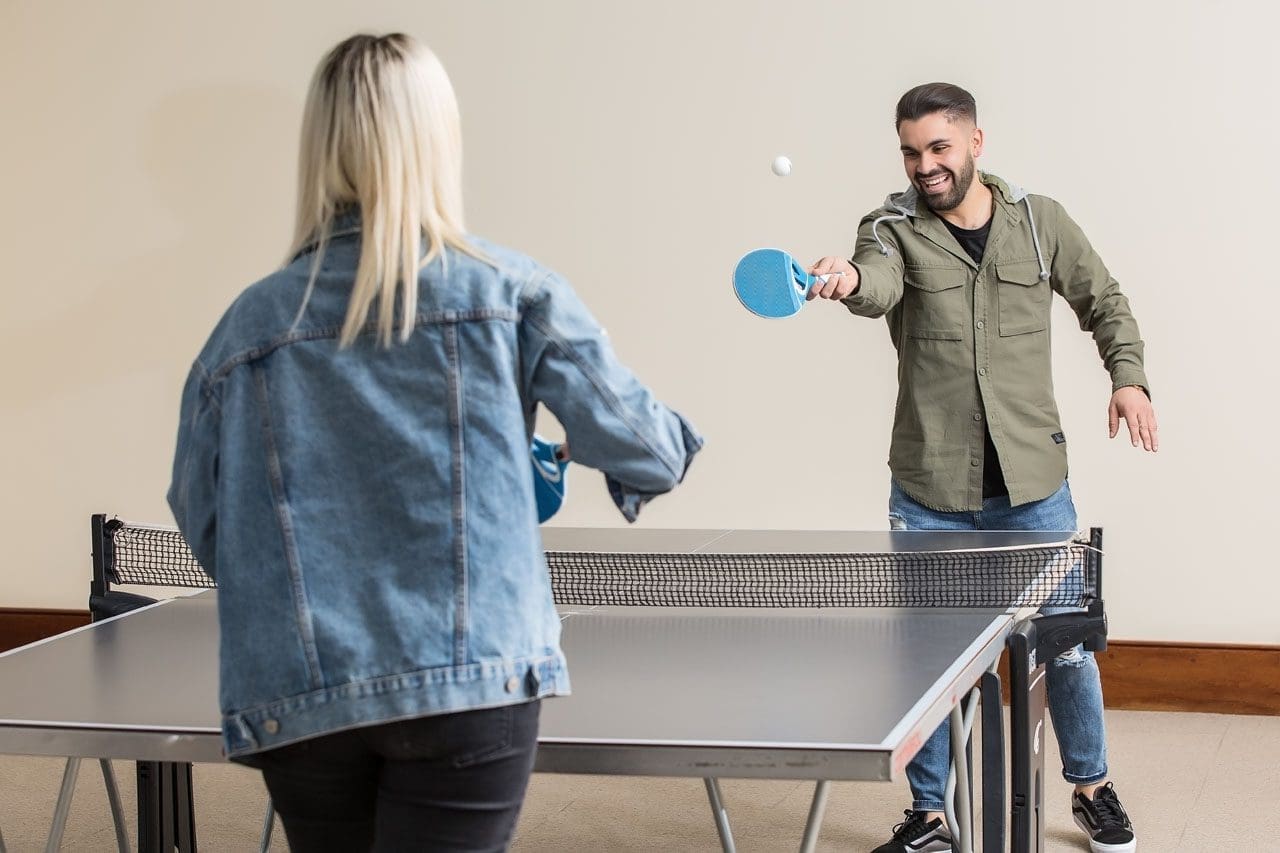
Friends play table tennis as a way to start making fitness fun and as a doable health goal.
Many people start the new year with big fitness goals. They promise to hit the gym every day or run miles each week. But often, these plans fall apart quickly. Life gets busy, motivation fades, and suddenly, exercise feels like a chore. If this sounds like you, don’t worry. Giving up on strict resolutions doesn’t mean giving up on health. Instead, shift to activities that feel more like play than work. Fun sports and easy movements can keep you moving without the dread of traditional workouts. This approach makes staying active sustainable and enjoyable, leading to better long-term habits (Bayou Bend Health System, n.d.).
Research shows that making physical activity fun boosts your chances of sticking with it. For example, choosing things you enjoy turns exercise into a hobby. This can improve your mood, reduce stress, and even help with weight management. Health experts recommend at least 150 minutes of moderate activity per week for adults, but it doesn’t have to be in a gym (NHS, n.d.). Simple swaps like walking in nature or dancing to music can meet these goals while feeling effortless.
In this article, we’ll explore ways to restart your fitness journey with joy. We’ll cover fun sports, social options, and relaxing practices. We’ll also discuss low-impact choices for those who struggle with standard routines. Plus, learn how professionals like integrative chiropractors and nurse practitioners can guide you. Drawing from expert insights, including clinical observations from Dr. Alexander Jimenez, DC, APRN, FNP-BC, this guide offers practical tips to get back on track.
Restarting After a Failed New Year’s Resolution
If your resolution crashed early, it’s time for a fresh start. The key is picking activities that excite you. Fun, easy sports like hiking, dancing, swimming, or biking can make movement feel rewarding. These options build fitness without the pressure of sets and reps.
Hiking: Head to a trail for fresh air and views. It’s a great way to explore while getting your heart rate up. Start with short paths and build up. Hiking strengthens legs and improves balance, all while enjoying nature (MultiCare Clinic, n.d.).
Dancing: Put on your favorite tunes and move freely. Whether alone or in a class, dancing boosts cardio and coordination. It’s low-pressure and can burn calories without feeling like exercise (Whispering Oaks Senior Living, n.d.).
Swimming: Water supports your body, making it gentle on joints. Swim laps or just splash around for fun. It’s ideal for all ages and helps with endurance (Vista Springs Living, n.d.).
Biking: Ride a bike around your neighborhood or on paths. It’s easy to adjust speed and distance. Biking tones muscles and can be a social outing (Blue Cross NC, n.d.).
These activities trick your brain into thinking you’re playing, not working out. Studies support this: enjoyable exercise leads to better adherence and health outcomes (Exercise is Medicine, n.d.).
Beyond solo sports, join social activities to add fun. Pickleball, tennis, or team sports bring people together, making commitment easier.
Pickleball: A mix of tennis and ping-pong, it’s easy to learn and play. Courts are popping up everywhere, and it’s great for quick games with friends (Nerd Fitness, n.d.).
Tennis: Hit the court for rallies that improve agility. Doubles makes it less intense and more chatty (Athlean-X, n.d.).
Team Sports: Join a recreational league for soccer, basketball, or volleyball. The group vibe keeps you motivated, and games feel like events, not drills (Quora, n.d.).
Social exercise can reduce feelings of isolation while building strength. One study notes that group activities enhance mental health alongside physical benefits (Reddit, n.d.).
For a calmer approach, try mind-body practices like yoga or Tai Chi. These are low-impact and focus on relaxation.
Yoga: Gentle poses improve flexibility and reduce stress. Start with beginner videos at home. It helps with breathing and mindfulness (Piedmont Wellness Center, n.d.).
Tai Chi: Slow, flowing movements build balance and calm the mind. It’s perfect for easing into activity without strain (Care Insurance, n.d.).
These practices are adaptable for any fitness level. They promote relaxation, which can lower blood pressure and improve sleep (NHLBI, n.d.).
To build habits, start small. Aim for 10–15 minute sessions a few times a week. Gradually increase as you gain confidence. This prevents burnout and lets your body adjust (Bayou Bend Health System, n.d.). Track progress in a journal to see improvements, like feeling more energetic.
Options for Those Who Dislike Traditional Workouts
Not everyone loves the gym or running. If weights and treadmills bore you, low-impact or sociable sports offer alternatives. These keep you active without the monotony, focusing on enjoyment and variety.
Swimming and biking stand out as low-impact favorites. Swimming provides a full-body workout in a supportive environment, reducing joint stress (Seniors Helping Seniors, n.d.). Biking lets you control the pace, making it accessible for beginners (MultiCare Clinic, n.d.).
Hiking and dancing add adventure. Hiking varies with terrain, keeping things interesting, while dancing lets you express yourself creatively (Blue Cross NC, n.d.; Whispering Oaks Senior Living, n.d.).
For a challenge, try rock climbing. It’s low-impact but builds strength and problem-solving skills. You can start indoors at a gym with easy walls (The Telegraph, n.d.).
Joining a recreational sports league brings community. Options like softball or ultimate frisbee emphasize fun over competition (Nerd Fitness, n.d.).
Benefits of These Activities:
More engaging than repetitive workouts.
Build social connections.
Adaptable to your energy level.
Improve mood through endorphins (Sanguina, n.d.).
These choices make the activity feel natural. For instance, walking briskly counts as exercise and can be done anywhere (Quora, n.d.). Or jump rope for short bursts—it’s simple and effective for cardio (MCU, n.d.).
If mobility is an issue, modify exercises. Chair-based routines or water aerobics allow movement without strain (ParentGiving, n.d.; Care.com, n.d.). The goal is consistency over intensity.
Experts agree: low-impact options like these support heart health and flexibility, especially for those with limits (Gaddis Premier, n.d.; Prairie Hills at Independence, n.d.).
How Integrative Professionals Can Help
When starting or restarting activity, professional guidance ensures safety. Integrative chiropractors and nurse practitioners offer tailored care, especially if you have physical limits.
Integrative chiropractors focus on the whole body. They use adjustments to align the spine, reducing pain and improving movement. This holistic approach addresses root causes rather than just symptoms (Integral Chiropractic, n.d.; Impastato Chiropractic, n.d.).
For example, if joint pain stops you from hiking, a chiropractor can ease stiffness through manipulations and exercises (Elysian Wellness Centre, n.d.; De Integrative Healthcare, n.d.). They often include nutrition and lifestyle advice for better results (AFP Fitness, n.d.; Together4Health Wellness, n.d.).
Nurse practitioners add medical expertise. They assess your health and create plans that address limits, such as suggesting low-impact swimming for arthritis (Buckner Parkway Place, n.d.; Cor Health Ontario, n.d.).
Together, these pros provide personalized care. They work with your abilities to help you enjoy activities again (Wellness Center FW, n.d.; Fortitude Health, n.d.).
Dr. Alexander Jimenez, DC, APRN, FNP-BC, embodies this integrated approach. With over 30 years in practice, he combines chiropractic and nursing for comprehensive care. His clinical observations highlight non-invasive methods for pain management and mobility.
In his work, Dr. Jimenez notes that tailored programs, like resistance band exercises, strengthen muscles without high impact. This helps people with injuries return to fun activities like biking or dancing. He emphasizes flexibility for joint health, noting that restricted movement can lead to pain, but gentle practices like yoga can restore it.
On LinkedIn, Dr. Jimenez shares insights on sciatica and back pain, recommending core exercises like modified squats for those with limitations. He advocates stretching to prevent stiffness, noting, “If you don’t stretch, your body ‘pays interest'” in reduced mobility.
His practice includes functional medicine, addressing nutrition and the environment for wellness. For example, he uses assessments to create plans that fit patients’ lifestyles, helping them stay active despite chronic conditions (All Injury Rehab, n.d.; Motus Integrative Health, n.d.).
How They Help:
Assess limits and set realistic goals.
Provide exercises like water aerobics for joint relief (Activ Therapy, n.d.).
Offer advice on enjoyable activities to build habits (Nepute Wellness Center, n.d.).
Monitor progress to adjust plans.
This support makes returning to movement less daunting. Integrative care focuses on harmony in physical, mental, and emotional health (Wellness Center FW, n.d.).
Wrapping Up: Make Movement Joyful
Staying active doesn’t require grueling workouts. By choosing fun options like hiking or yoga and seeking professional help when needed, you can rebuild habits. Remember Dr. Jimenez’s observation: personalized, holistic care unlocks better mobility. Start small, stay consistent, and enjoy the process. Your health will thank you.
IFM's Find A Practitioner tool is the largest referral network in Functional Medicine, created to help patients locate Functional Medicine practitioners anywhere in the world. IFM Certified Practitioners are listed first in the search results, given their extensive education in Functional Medicine