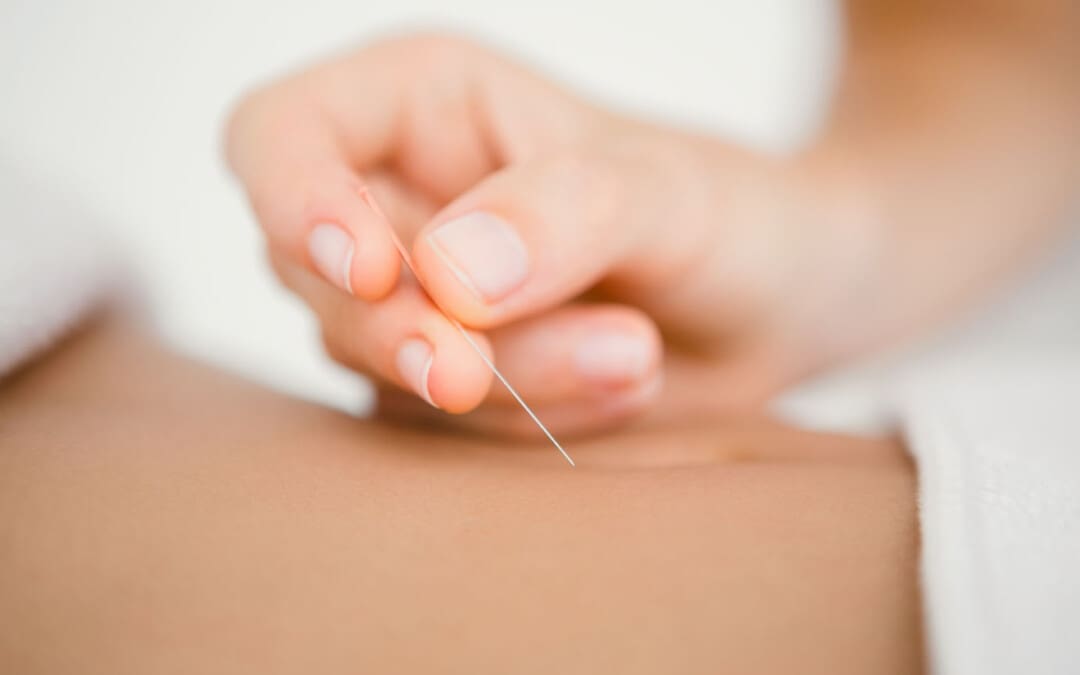
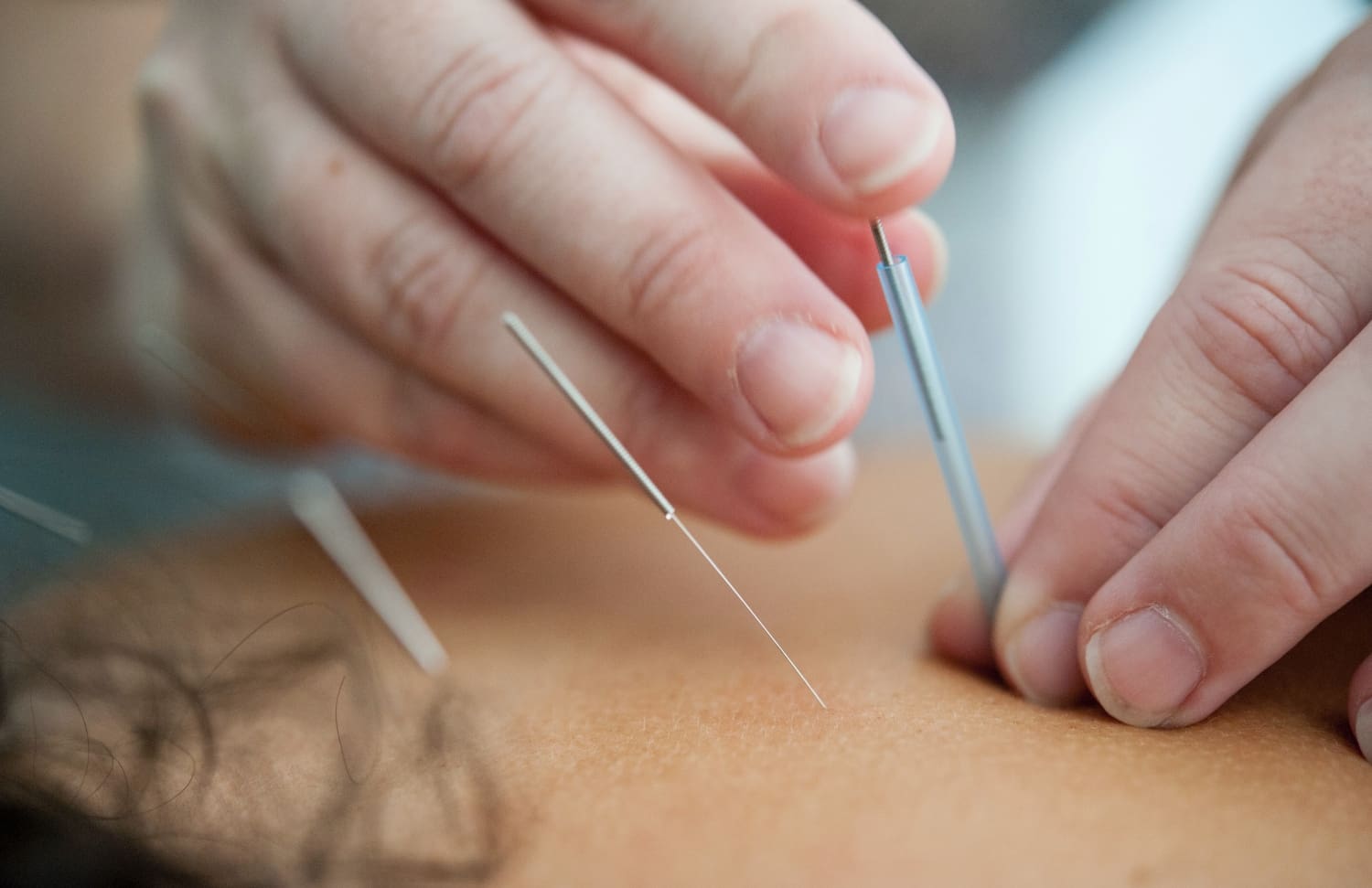
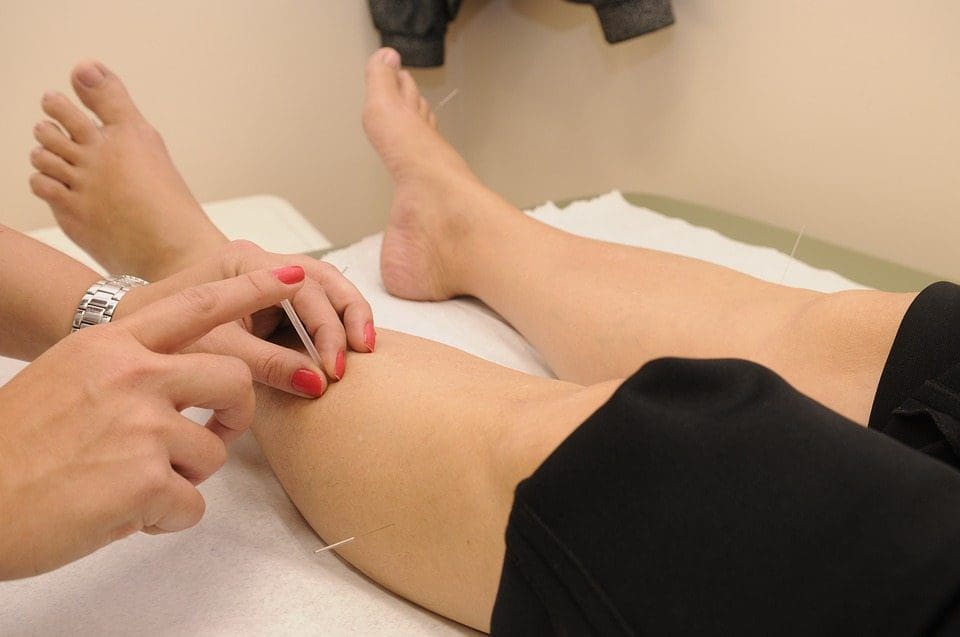
Acupuncture therapy – a traditional Chinese medicine based on circulating the body’s life energy to promote healing & relaxation. Acupuncture penetrates the skin with thin, solid, metallic needles, which are then activated through gentle and specific movements of the practitioner’s hands or electrical stimulation. Improve your health with acupuncture treatment – learn how it stimulates endorphins, impacts the autonomic nervous system & more.
Discover the benefits of acupuncture therapy – from releasing endorphins to influencing the autonomic nervous system. Most people report feeling minimal pain as the needle is inserted. The needle is inserted to a point that produces a sensation of pressure or ache. Needles may be heated during the treatment, or mild electric current may be applied. Some people report acupuncture makes them feel energized. Others say they feel relaxed.
For individuals living with cyclical or chronic endometriosis symptoms, can incorporating support therapies help in disease management?
Support Therapies
Endometriosis is a disorder in which tissue similar to the uterine lining begins to grow outside the uterus where it does not belong. Endometriosis support therapies involve a comprehensive approach to treatment. It involves non-invasive treatments to help manage symptoms that can include:
A physical therapist uses various pressures, stretching, and/or trigger point release. This helps: (Sylvia Mechsner, 2022)
Release muscle tension
Lower cortisol – stress hormone
Improve circulation
Release endorphins – the body’s natural painkillers
Medications
Nonsteroidal anti-inflammatory drugs or NSAIDs and hormonal contraceptives – birth control are the first line of treatment. Advil and Motrin are over-the-counter NSAIDs. If those don’t manage pain effectively, a healthcare provider may recommend prescription NSAIDs. (Sylvia Mechsner, 2022) Hormonal suppression agents or estrogen modulators are a second line of treatment for endometriosis and can include: (Christian M. Becker et al., 2022)
Hormonal contraceptives suppress or regulate periods. They are effective for management, but not everyone can take them because of medical history, side effects, or fertility disorders and conditions. (Mert Ilhan et al., 2019) A healthcare provider can recommend alternative support therapies.
Transcutaneous Electrical Nerve Stimulation
A transcutaneous electrical nerve stimulation utilizes a battery-operated device that delivers low-voltage electrical stimulation to nerve fibers through electrodes placed on the skin.
Sessions are usually 15 to 30 minutes and work by disrupting pain signals. (Sylvia Mechsner, 2022)
Acupuncture
Acupuncture is a therapy in which a practitioner inserts thin needles into specific acupoints on the body to promote the flow of energy and alleviate pain. (Nora Giese et al., 2023)
Chiropractic
Chiropractic care focuses on spinal adjustments and alignment to enhance nervous system function, help alleviate pelvic discomfort and nerve pain – sciatica – and improve overall well-being. (Robert J. Trager et al., 2021)
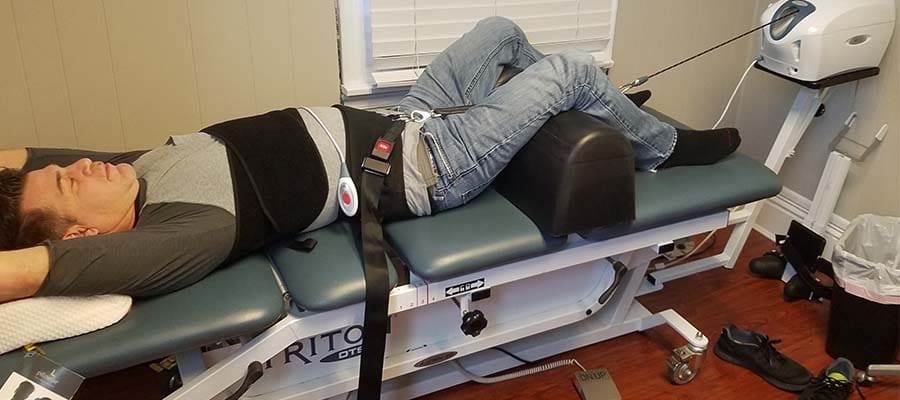
Non-surgical decompression could be recommended to gently stretch the spine, relieve pressure, and flood the spine with added nutrients.
Movement Medicine: Chiropractic Care
References
Mansfield, C., Lenobel, D., McCracken, K., Hewitt, G., & Appiah, L. C. (2022). Impact of Pelvic Floor Physical Therapy on Function in Adolescents and Young Adults with Biopsy-Confirmed Endometriosis at a Tertiary Children’s Hospital: A Case Series. Journal of pediatric and adolescent gynecology, 35(6), 722–727. https://doi.org/10.1016/j.jpag.2022.07.004
Mechsner S. (2022). Endometriosis, an Ongoing Pain-Step-by-Step Treatment. Journal of clinical medicine, 11(2), 467. https://doi.org/10.3390/jcm11020467
Ilhan, M., Gürağaç Dereli, F. T., & Akkol, E. K. (2019). Novel Drug Targets with Traditional Herbal Medicines for Overcoming Endometriosis. Current drug delivery, 16(5), 386–399. https://doi.org/10.2174/1567201816666181227112421
Becker, C. M., Bokor, A., Heikinheimo, O., Horne, A., Jansen, F., Kiesel, L., King, K., Kvaskoff, M., Nap, A., Petersen, K., Saridogan, E., Tomassetti, C., van Hanegem, N., Vulliemoz, N., Vermeulen, N., & ESHRE Endometriosis Guideline Group (2022). ESHRE guideline: endometriosis. Human reproduction open, 2022(2), hoac009. https://doi.org/10.1093/hropen/hoac009
Endometriosis Foundation of America. (2015). Seeking a doctor: finding the right endometriosis specialist. https://www.endofound.org/preparing-to-see-a-doctor
Pereira, A., Herrero-Trujillano, M., Vaquero, G., Fuentes, L., Gonzalez, S., Mendiola, A., & Perez-Medina, T. (2022). Clinical Management of Chronic Pelvic Pain in Endometriosis Unresponsive to Conventional Therapy. Journal of personalized medicine, 12(1), 101. https://doi.org/10.3390/jpm12010101
Giese, N., Kwon, K. K., & Armour, M. (2023). Acupuncture for endometriosis: A systematic review and meta-analysis. Integrative medicine research, 12(4), 101003. https://doi.org/10.1016/j.imr.2023.101003
Trager, R.J., Prosak, S.E., Leonard, K.A. et al. (2021). Diagnosis and management of sciatic endometriosis at the greater sciatic foramen: a case report. SN Comprehensive Clinical Medicine, 3. https://doi.org/doi:10.1007/s42399-021-00941-0
For individuals wanting to improve or maintain skin health, can incorporating acupuncture help improve skin and fight the aging process?
Cosmetic Acupuncture
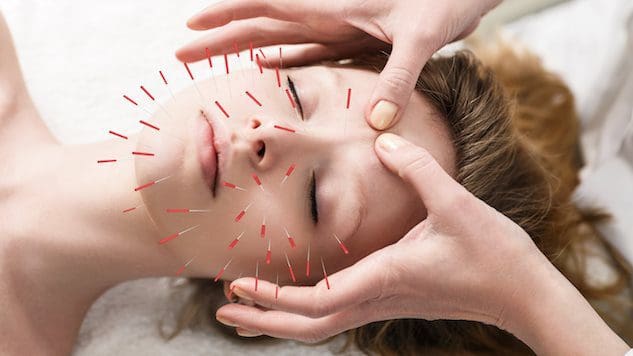
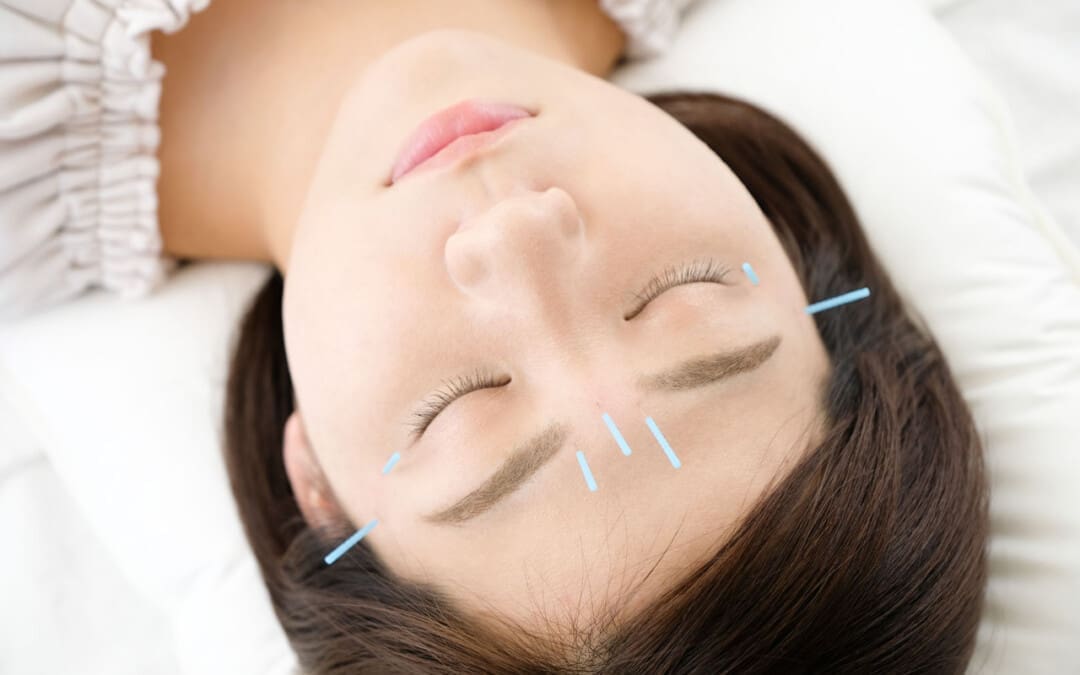
Cosmetic acupuncture follows the traditional acupuncture practice of needle insertion. The objective is to reverse signs of aging and improve skin health. It is sometimes referred to as acupuncture facial rejuvenation, which has been used as an alternative to surgical facelifts and other conventional procedures. Preliminary studies have examined how it can help remove age spots, lift droopy eyelids, and reduce wrinkles. (Younghee Yun et al., 2013)
How Acupuncture Works
In traditional Chinese medicine or TCM, acupuncture has long been used to improve the flow of energy – qi or chi – throughout the body. This energy is believed to circulate through energy pathways known as meridians. When health problems occur, according to TCM, there are obstructions or blockages in the circulation.
Acupuncturists can restore optimal circulation/flow and improve health by inserting needles into specific acupoints. (National Institutes of Health, 2007)
Cosmetic Acupuncture
Cosmetic acupuncture is said to improve skin health and act as an anti-aging treatment by stimulating the production of collagen. This protein is a major component of the skin. The skin’s inner layer loses collagen and firmness as the body ages. However, further research is needed to support the claim that acupuncture can promote collagen production. Some suggest cosmetic acupuncture helps rejuvenate the skin by improving the body’s overall energy. One study found individuals saw improvements after five sessions of facial cosmetic acupuncture. (Younghee Yun et al., 2013) However, it is recommended that ten treatments be performed once or twice a week for optimum results. After that, maintenance treatments are done every four to eight weeks. Unlike Botox or dermal fillers, cosmetic acupuncture is not a quick fix. The focus is to create long-term changes in the skin and body, which means improved:
When the needles are inserted into the skin, they create wounds known as positive microtraumas. The body’s natural healing and repairing abilities activate when it senses these wounds. These punctures stimulate the lymphatic and circulatory systems, which deliver nutrients and oxygen to the skin cells, nourishing them from the inside out.
This helps even out complexion and promotes skin radiance.
The positive microtraumas also stimulate the production of collagen.
This helps improve elasticity, minimizing lines and wrinkles.
Alternatives
Several natural remedies may help improve skin health and offer anti-aging benefits. Ceramides are a fat molecule found naturally in the top layer of the skin and an ingredient used in skin-care products. These may protect against aging-related dryness in the skin. (L Di Marzio 2008) Preliminary research suggests that applying white tea to the skin may fight the breakdown of collagen and elastin – a protein that supports skin elasticity and prevents sagging). There’s also evidence that natural substances such as argan oil, borage oil, and sea buckthorn may offer moisturizing benefits that could improve skin.(Tamsyn S A Thring et al., 2009)
While further evidence of cosmetic acupuncture is needed, integrating acupuncture can help manage stress and enhance overall health. Individuals considering cosmetic acupuncture should consult their primary healthcare provider to see if it is right for them.
Enhancing Health Together: Embracing Multidisciplinary Evaluation and Treatment
References
Yun, Y., Kim, S., Kim, M., Kim, K., Park, J. S., & Choi, I. (2013). Effect of facial cosmetic acupuncture on facial elasticity: an open-label, single-arm pilot study. Evidence-based complementary and alternative medicine : eCAM, 2013, 424313. https://doi.org/10.1155/2013/424313
The National Center for Complementary and Alternative Medicine. (2007). Acupuncture: An Introduction. National Center for Complementary and Alternative Medicine Website. https://choimd.com/downloads/NIH-info-on-acupuncture.pdf
Kuge, H., Mori, H., Tanaka, T. H., & Tsuji, R. (2021). Reliability and Validity of Facial Check Sheet (FCS): Checklist for Self-Satisfaction with Cosmetic Acupuncture. Medicines (Basel, Switzerland), 8(4), 18. https://doi.org/10.3390/medicines8040018
Di Marzio, L., Cinque, B., Cupelli, F., De Simone, C., Cifone, M. G., & Giuliani, M. (2008). Increase of skin-ceramide levels in aged subjects following a short-term topical application of bacterial sphingomyelinase from Streptococcus thermophilus. International journal of immunopathology and pharmacology, 21(1), 137–143. https://doi.org/10.1177/039463200802100115
Thring, T. S., Hili, P., & Naughton, D. P. (2009). Anti-collagenase, anti-elastase and anti-oxidant activities of extracts from 21 plants. BMC complementary and alternative medicine, 9, 27. https://doi.org/10.1186/1472-6882-9-27
Can non-surgical treatments like acupuncture and spinal decompression provide relief to individuals dealing with sciatica?
Introduction
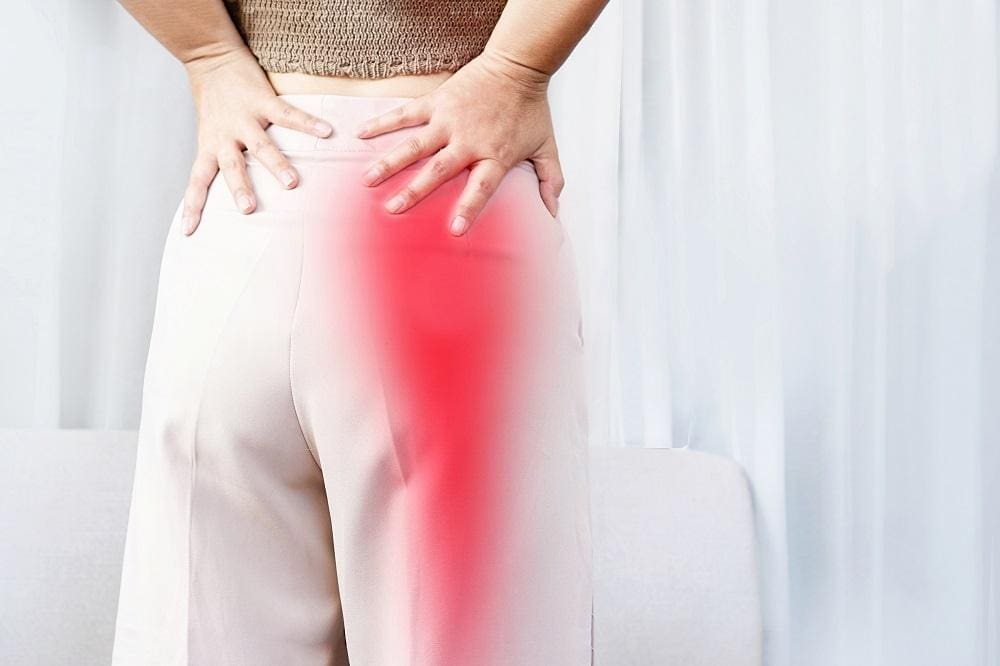
When many individuals start to feel pain running down their legs after a long day of activities, it causes them to have limited mobility and difficulty finding a place to rest. Many people think that they are just dealing with leg pain, but it can be more of an issue as they realize that it’s not just the leg pain they are experiencing but it is sciatica. While this long nerve comes from the lower back and travels down to the legs, it can succumb to pain and discomfort when herniated discs or muscles compress and aggravate the nerve. When this happens, it can impact a person’s mobility and quality of life, thus causing them to seek out treatment to reduce the pain from sciatica. Fortunately, alternative therapies like acupuncture and spinal decompression have been utilized to not only minimize sciatic pain but also provide positive, beneficial results. Today’s article looks at sciatica, how spinal decompression and acupuncture can relieve sciatica, and how integrating these two non-surgical treatments can lead to beneficial results. We talk with certified medical providers who consolidate our patients’ information to assess how sciatica can significantly impact a person’s well-being and quality of life. We also inform and guide patients on how integrating acupuncture therapy and spinal decompression can positively reduce sciatica. We encourage our patients to ask their associated medical providers intricate and important questions about incorporating non-surgical treatments into a wellness routine to relieve sciatica and its referred symptoms. Dr. Jimenez, D.C., includes this information as an academic service. Disclaimer.
Understanding Sciatica
Do you often experience numbness or tingling sensations from your lower back to your legs? Do you feel like your gait is feeling off balance? Or have you stretched your legs after being seated for a while, which provides temporary relief? While the sciatic nerve plays a pivotal role in motor function in the legs, when various factors, such as herniated discs and even pregnancy, start to aggravate the nerve, it can cause pain. Sciatica is a deliberating pain condition often mislabeled as low back pain or radicular leg pain due to these two musculoskeletal conditions. These are comorbidities and can be exacerbated by simple twists and turns. (Davis et al., 2024)
Additionally, when many individuals are doing repetitive motions or dealing with degenerative changes in the spine, the spinal discs are more prone to herniation. They may press on the spinal nerves, causing the neuron signals to invoke pain and discomfort in the lower extremities. (Zhou et al., 2021) At the same time, sciatica can be both spinal and extra-spinal sources in the lumbar spinal region, which causes many individuals to be in constant pain and looking for relief. (Siddiq et al., 2020) When sciatica pain starts to affect a person’s lower extremities, causing mobility issues, many people seek treatments to reduce the pain-like effects of sciatica.
The Science of Motion-Video
Acupuncture For Reducing Sciatica Pain
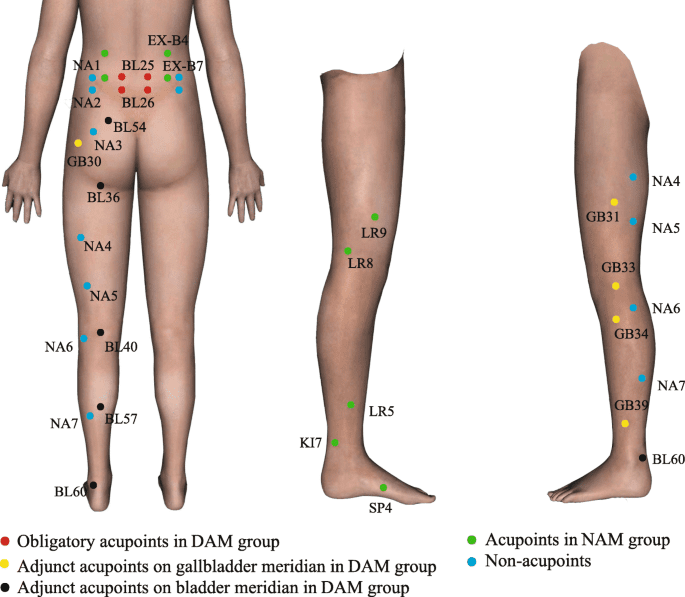
When it comes to treating sciatica, many people can look into non-surgical treatments due to its affordability and effectiveness in reducing sciatica and its associated pain-like symptoms. Non-surgical treatments can be customized to the individual’s pain and be combined to restore a person’s quality of life. Two non-surgical treatments that can help reduce sciatica are acupuncture and spinal decompression. Acupuncture has a long history of providing significant positive effects on lowering sciatic pain and improving a person’s quality of life. (Yuan et al., 2020) Highly trained professionals from China use acupuncture and incorporate small solid needles to provide instant relief from sciatica’s associated symptoms. This is because acupuncture exerts analgesic effects by regulating microglia activation, inhibiting the body’s natural inflammatory response, and modulating receptors along the pain pathway in the nervous system. (Zhang et al., 2023) To this point, acupuncture can stimulate the body’s acupoints to restore balance.
The Effects Of Acupuncture
One of the effects of acupuncture for relieving sciatica is that it can reduce pain intensity by changing the brain’s activity patterns when the pain receptors are disrupted. (Yu et al., 2022) Additionally, when acupuncturists start to stimulate the nerves in the muscles and tissues, they release endorphins and other neurohumoral factors that help change the pain process in the nervous system. Acupuncture helps reduce inflammation while improving muscle stiffness and joint mobility through increasing microcirculation to reduce swelling while blocking sciatica pain from affecting the lower extremities.
Spinal Decompression For Relieving Sciatica Pain
Another form of non-surgical treatment is spinal decompression, and it can help reduce the effects of sciatica and its associated pain symptoms. Spinal decompression utilizes a traction table to gently stretch the spine to create a negative pressure within the spinal disc and free up the affected nerves. For sciatica individuals, this non-surgical treatment relieves the sciatic nerve as spinal decompression helps reduce the pain intensity and improve mobility function in the lower extremities. (Choi et al., 2022) The main objective of spinal decompression is to create space within the spinal canal and neural structures to release the aggravated sciatic nerve from causing more pain. (Burkhard et al., 2022)
The Effects Of Spinal Decompression
Many individuals can begin to feel relief from incorporating spinal decompression in their wellness treatment. This non-surgical treatment promotes fluids and nutrients to the spinal disc to kick-start the body’s natural healing process. When the spine is being gently stretched, there is less pressure on the sciatic nerves, which can alleviate the pain and improve mobility. Additionally, many individuals will feel their flexibility and mobility back in their lumbar region.
Integrating Acupuncture and Spinal Decompression For Relief
So, when many people start to integrate spinal decompression and acupuncture as a holistic and non-surgical approach for relieving sciatica, the results and benefits are positive. While spinal decompression targets the mechanical healing of the spinal disc and reducing nerve pressure, acupuncture focuses on relieving the pain and reducing inflammation at a systemic level. This enhances the body’s natural healing process and offers a synergistic effect to improve treatment outcomes. Non-surgical treatments like acupuncture and spinal decompression can provide a hopeful outcome for many individuals seeking relief from their sciatic pain without resorting to surgical procedures. These treatments allow the individual to regain their mobility in their lower extremities, reduce pain, and improve their quality of life by making people more mindful of their bodies and reducing the chances of sciatica from returning. By doing so, many individuals can live a healthier and pain-free lifestyle.
References
Burkhard, M. D., Farshad, M., Suter, D., Cornaz, F., Leoty, L., Furnstahl, P., & Spirig, J. M. (2022). Spinal decompression with patient-specific guides. Spine J, 22(7), 1160-1168. https://doi.org/10.1016/j.spinee.2022.01.002
Choi, E., Gil, H. Y., Ju, J., Han, W. K., Nahm, F. S., & Lee, P. B. (2022). Effect of Nonsurgical Spinal Decompression on Intensity of Pain and Herniated Disc Volume in Subacute Lumbar Herniated Disc. International Journal of Clinical Practice, 2022, 6343837. https://doi.org/10.1155/2022/6343837
Siddiq, M. A. B., Clegg, D., Hasan, S. A., & Rasker, J. J. (2020). Extra-spinal sciatica and sciatica mimics: a scoping review. Korean J Pain, 33(4), 305-317. https://doi.org/10.3344/kjp.2020.33.4.305
Yu, F. T., Liu, C. Z., Ni, G. X., Cai, G. W., Liu, Z. S., Zhou, X. Q., Ma, C. Y., Meng, X. L., Tu, J. F., Li, H. W., Yang, J. W., Yan, S. Y., Fu, H. Y., Xu, W. T., Li, J., Xiang, H. C., Sun, T. H., Zhang, B., Li, M. H., . . . Wang, L. Q. (2022). Acupuncture for chronic sciatica: protocol for a multicenter randomised controlled trial. BMJ Open, 12(5), e054566. https://doi.org/10.1136/bmjopen-2021-054566
Yuan, S., Huang, C., Xu, Y., Chen, D., & Chen, L. (2020). Acupuncture for lumbar disc herniation: Protocol for a systematic review and meta-analysis. Medicine (Baltimore), 99(9), e19117. https://doi.org/10.1097/MD.0000000000019117
Zhang, Z., Hu, T., Huang, P., Yang, M., Huang, Z., Xia, Y., Zhang, X., Zhang, X., & Ni, G. (2023). The efficacy and safety of acupuncture therapy for sciatica: A systematic review and meta-analysis of randomized controlled trails. Front Neurosci, 17, 1097830. https://doi.org/10.3389/fnins.2023.1097830
Zhou, J., Mi, J., Peng, Y., Han, H., & Liu, Z. (2021). Causal Associations of Obesity With the Intervertebral Degeneration, Low Back Pain, and Sciatica: A Two-Sample Mendelian Randomization Study. Front Endocrinol (Lausanne), 12, 740200. https://doi.org/10.3389/fendo.2021.740200
Can individuals dealing with muscle pain find relief from acupuncture therapy to get back to their daily activities and well-being?
Introduction
Many people worldwide have dealt with pain in their musculoskeletal system that has affected their daily routine. Some of the most common factors that people have experienced muscle pain include sedentary lifestyles from working at a desk job or physical demands from an active lifestyle. The muscles, tendons, ligaments, and soft tissues can become overstretched and overworked, causing the muscles to become weak. At the same time, visceral somatic issues in the neck, shoulders, and back can affect the upper and lower extremities, leading to a life of disability. Many factors that can contribute to the development of muscle pain can impact a person’s routine and cause them to find various techniques to reduce the muscle pain in their bodies. Since muscle pain can be in acute or chronic form, many individuals who are seeking treatment for their ailments can look into non-surgical therapies like acupuncture to not only reduce muscle pain but also find the relief they are looking for. Today’s article focuses on how muscle pain can affect a person’s well-being, how the essence of acupuncture can be beneficial for muscle pain, and how people can integrate acupuncture therapy as part of a wellness routine. We talk with certified medical providers who consolidate our patients’ information to assess how muscle pain can impact a person’s well-being. We also inform and guide patients on how acupuncture therapy can benefit the body by reducing the effects of muscle pain. We encourage our patients to ask their associated medical providers intricate and important questions about incorporating acupuncture therapy into a wellness routine to reduce muscle pain and its referred symptoms. Dr. Jimenez, D.C., includes this information as an academic service. Disclaimer.
How Muscle Pain Can Affect A Person’s Well-Being
Do you feel the effects of tiredness and weakness in your upper and lower extremity muscles? Have you experienced general soreness or aches in your neck, shoulders, or back? Or does twisting and turning your body cause temporary relief to your body, only for it to be worse throughout the day? When it comes to muscle pain can be a multi-factorial condition where that can involve complex interactions on a person’s structure, physical, social, lifestyle, and comorbid health factors that can come into play as contributing factors for people to experience long-term pain and disability. (Caneiro et al., 2021) As many individuals start to do repetitive motions or stay in sedentary positions, muscle pain can develop when they stretch or try to move their muscles while doing their routine. The burden of muscle pain often correlates with socioeconomic factors that can cause many people, both young and old, to substantially limit their mobility and engagement in their routine, which predisposes increased risk factors to other chronic conditions they may have. (Dzakpasu et al., 2021)
When many individuals are dealing with muscle pain in its acute or chronic form, many often don’t realize that when the affected muscles in the upper and lower body quadrants are coping with pain, there is associated pain and stiffness from how active or inactive the muscles are can affect the soft tissue causing high mechanical stress to the affect the skeletal joints. (Wilke & Behringer, 2021) When this happens, many people will start to experience referred muscle pain in their bodies, causing issues with their mobility, flexibility, and stability. Coincidentally, muscle pain can also be a symptom of many people who have various pains in their bodies that have impacted their lives prior; seeking treatment can reduce the effects of muscle pain and help them take back their routine to lead a healthier lifestyle.
Movement Medicine- Video
The Essence Of Acupuncture For Muscle Pain
When many people are dealing with muscle pain, they are seeking treatments that are not only affordable but also can be effective in reducing the overlapping risk profiles that are affecting the body, causing muscle pain. Many treatments like chiropractic care, decompression, and massage therapy are non-surgical and are effective through consecutive sessions. One of the oldest and most effective treatments that can help reduce muscle pain in the body is acupuncture therapy. Acupuncture is a holistic treatment derived from Traditional Chinese Medicine that utilizes small, solid, thin needles inserted by professional acupuncturists to various acupoints. The main philosophy is that acupuncture provides relief to the body as it helps improve the body’s energy flow while maintaining a person’s overall health and vitality. (Zhang et al., 2022) When a person is dealing with muscle pain, the muscle fibers can develop tiny nodules known as trigger points that can induce pain in the affected muscle quadrants. With acupuncture needles placed in the affected area, local and referred pain is reduced, muscle blood flow and oxygen are returned to the body, and the muscle’s range of motion is improved. (Pourahmadi et al., 2019) Some of the benefits that acupuncture therapy provides include:
Increased circulation
Inflammation reduction
Endorphin release
Relaxing muscle tension
Integrating Acupuncture As Part Of A Wellness Routine
Many individuals who are seeking acupuncture therapy as part of their wellness journey can see the positive benefits of acupuncture and can combine it with other therapies to reduce the chances of muscle pain from returning. While acupuncture can help stimulate the nerves and restore motor function, treatments like joint mobilization can help stretch the affected muscles and joints to improve the body’s range of motion. (Lee et al., 2023) With many individuals seeking acupuncture treatment to reduce muscle pain, many can make small changes in their routine to prevent the pain from causing overlapping risk profiles to their bodies. When addressing the root causes of pain and promoting the body’s innate healing abilities, acupuncture can help restore balance, alleviate discomfort, and enhance overall well-being.
References
Caneiro, J. P., Bunzli, S., & O’Sullivan, P. (2021). Beliefs about the body and pain: the critical role in musculoskeletal pain management. Braz J Phys Ther, 25(1), 17-29. https://doi.org/10.1016/j.bjpt.2020.06.003
Dzakpasu, F. Q. S., Carver, A., Brakenridge, C. J., Cicuttini, F., Urquhart, D. M., Owen, N., & Dunstan, D. W. (2021). Musculoskeletal pain and sedentary behaviour in occupational and non-occupational settings: a systematic review with meta-analysis. Int J Behav Nutr Phys Act, 18(1), 159. https://doi.org/10.1186/s12966-021-01191-y
Lee, J. E., Akimoto, T., Chang, J., & Lee, H. S. (2023). Effects of joint mobilization combined with acupuncture on pain, physical function, and depression in stroke patients with chronic neuropathic pain: A randomized controlled trial. PLOS ONE, 18(8), e0281968. https://doi.org/10.1371/journal.pone.0281968
Pourahmadi, M., Mohseni-Bandpei, M. A., Keshtkar, A., Koes, B. W., Fernandez-de-Las-Penas, C., Dommerholt, J., & Bahramian, M. (2019). Effectiveness of dry needling for improving pain and disability in adults with tension-type, cervicogenic, or migraine headaches: protocol for a systematic review. Chiropr Man Therap, 27, 43. https://doi.org/10.1186/s12998-019-0266-7
Wilke, J., & Behringer, M. (2021). Is “Delayed Onset Muscle Soreness” a False Friend? The Potential Implication of the Fascial Connective Tissue in Post-Exercise Discomfort. Int J Mol Sci, 22(17). https://doi.org/10.3390/ijms22179482
Zhang, B., Shi, H., Cao, S., Xie, L., Ren, P., Wang, J., & Shi, B. (2022). Revealing the magic of acupuncture based on biological mechanisms: A literature review. Biosci Trends, 16(1), 73-90. https://doi.org/10.5582/bst.2022.01039
For individuals dealing with chronic fatigue syndrome, can incorporating acupuncture with other treatment protocols help regain functionality and improve quality of life?
Acupuncture For Chronic Fatigue Syndrome
Research is looking at how acupuncture can help manage symptoms of chronic fatigue. These studies focused on specific acupoints and techniques and how they affected certain symptoms or abnormalities linked to the condition. The researchers found that acupuncture may help manage and alleviate some symptoms (Qing Zhang et al., 2019). However, they were still unable to determine the mechanisms of how acupuncture exactly works.
Symptom Relief
Various studies showed that acupuncture could improve physical and mental fatigue symptoms, including:
One case study showed improvements in groups of athletes who were put through a series of exhaustive physical exercises and short-term rest. One group of athletes was treated with acupuncture on selected acupoints while the others were given an extended rest. Analysis was applied to the metabolic profiles of urine samples collected from the athletes at three points: before the exercises, before and after the acupuncture treatment, or taking extended rest. The results indicated that the recoveries of disturbed metabolites in the athletes treated with acupuncture were significantly faster than in those who only took extended rest. (Haifeng Ma et al., 2015)
Researchers said studies involving acupuncture alone or in combination with other treatments appear to show that it is effective at lessening fatigue. (Yu-Yi Wang et al., 2014) However, further studies are needed to confirm the benefits. This is a significant change from a review that found limited evidence for the effectiveness of alternative treatments for relieving chronic fatigue symptoms. (Terje Alraek et al., 2011)
Another review of alternative therapies found acupuncture and certain meditation techniques showed the most promise for future investigation. (Nicole S. Porter et al., 2010)
Another study compared prednisone, a steroid, with an acupuncture technique called coiling dragon and an additional treatment called cupping. It suggested that acupuncture and cupping treatments surpassed the steroid regarding fatigue. (Wei Xu et al., 2012)
Another study found that needling with heat application or moxibustion produced better results than standard acupuncture regarding physical and mental fatigue scores. (Chen Lu, Xiu-Juan Yang, Jie Hu 2014)
From Consultation to Transformation: Assessing Patients In A Chiropractic Setting
References
Zhang, Q., Gong, J., Dong, H., Xu, S., Wang, W., & Huang, G. (2019). Acupuncture for chronic fatigue syndrome: a systematic review and meta-analysis. Acupuncture in medicine : journal of the British Medical Acupuncture Society, 37(4), 211–222. https://doi.org/10.1136/acupmed-2017-011582
Frisk, J., Källström, A. C., Wall, N., Fredrikson, M., & Hammar, M. (2012). Acupuncture improves health-related quality-of-life (HRQoL) and sleep in women with breast cancer and hot flushes. Supportive care in cancer : official journal of the Multinational Association of Supportive Care in Cancer, 20(4), 715–724. https://doi.org/10.1007/s00520-011-1134-8
Gao, D. X., & Bai, X. H. (2019). Zhen ci yan jiu = Acupuncture research, 44(2), 140–143. https://doi.org/10.13702/j.1000-0607.170761
Mandıroğlu, S., & Ozdilekcan, C. (2017). Impact of Acupuncture on Chronic Insomnia: A Report of Two Cases with Polysomnographic Evaluation. Journal of acupuncture and meridian studies, 10(2), 135–138. https://doi.org/10.1016/j.jams.2016.09.018
Zhu, L., Ma, Y., Ye, S., & Shu, Z. (2018). Acupuncture for Diarrhoea-Predominant Irritable Bowel Syndrome: A Network Meta-Analysis. Evidence-based complementary and alternative medicine : eCAM, 2018, 2890465. https://doi.org/10.1155/2018/2890465
Ma, H., Liu, X., Wu, Y., & Zhang, N. (2015). The Intervention Effects of Acupuncture on Fatigue Induced by Exhaustive Physical Exercises: A Metabolomics Investigation. Evidence-based complementary and alternative medicine : eCAM, 2015, 508302. https://doi.org/10.1155/2015/508302
Wang, Y. Y., Li, X. X., Liu, J. P., Luo, H., Ma, L. X., & Alraek, T. (2014). Traditional Chinese medicine for chronic fatigue syndrome: a systematic review of randomized clinical trials. Complementary therapies in medicine, 22(4), 826–833. https://doi.org/10.1016/j.ctim.2014.06.004
Alraek, T., Lee, M. S., Choi, T. Y., Cao, H., & Liu, J. (2011). Complementary and alternative medicine for patients with chronic fatigue syndrome: a systematic review. BMC complementary and alternative medicine, 11, 87. https://doi.org/10.1186/1472-6882-11-87
Porter, N. S., Jason, L. A., Boulton, A., Bothne, N., & Coleman, B. (2010). Alternative medical interventions used in the treatment and management of myalgic encephalomyelitis/chronic fatigue syndrome and fibromyalgia. Journal of alternative and complementary medicine (New York, N.Y.), 16(3), 235–249. https://doi.org/10.1089/acm.2008.0376
Lu, C., Yang, X. J., & Hu, J. (2014). Zhen ci yan jiu = Acupuncture research, 39(4), 313–317.
For individuals dealing with ulcerative colitis, can acupuncture treatment benefit those with UC and other GI-related issues?
Acupuncture For Ulcerative Colitis
Acupuncture has been used to treat symptoms related to pain and inflammation. Studies suggest it may help reduce inflammation and symptoms like diarrhea and abdominal pain, which could benefit individuals with inflammatory bowel disease. Individuals with ulcerative colitis, an inflammatory bowel disease/IBD affecting the large intestine, may find acupuncture beneficial in managing symptoms, including pain and gastrointestinal symptoms. (Crohn’s and Colitis Foundation, 2019)
The pathways connecting the acupoints generate energy, which contributes to overall health.
A disruption to the energy flow can cause injury, illness, or disease.
When acupuncture needles are inserted, energy flow and health are improved.
Benefits
Acupuncture can be used for the relief of various conditions. Studies have shown that acupuncture can reduce inflammation and disease activity in individuals with an IBD, like UC and Crohn’s disease. It can help with: (Gengqing Song et al., 2019)
Pain symptoms
Gut microbiome imbalances
Gut motor dysfunction
Intestinal barrier function
Anxiety
Depression
Studies suggest the use of acupuncture with heat, known as moxibustion, can improve several GI symptoms including (Crohn’s and Colitis Foundation, 2019)
Studies found the use of acupuncture along with moxibustion reduced inflammation in individuals with Crohn’s disease and ulcerative colitis. (Crohn’s and Colitis Foundation, 2019)
Stress and Mood
Chronic conditions like ulcerative colitis can cause feelings of depression and/or anxiety. Acupuncture may be used to address symptoms related to stress and mood and can benefit emotional health issues that include: (Johns Hopkins Medicine. 2024)
Insomnia
Anxiety
Nervousness
Depression
Neurosis – mental health condition characterized by chronic distress and anxiety.
Side Effects
Acupuncture is considered a safe practice. The most common side effects are: (GI Society. 2024)
Needle shock is rare but more common in individuals:
Who are regularly nervous.
Who are nervous around needles.
Who are new to acupuncture.
Who have a history of fainting.
Who are extremely fatigued.
Who have low blood sugar.
For some, GI symptoms may worsen before they improve. It is recommended to try at least five sessions as this is part of the healing process. (Cleveland Clinic. 2023) However, individuals should contact their doctor if symptoms become severe or last more than two days. (GI Society. 2024) Individuals considering acupuncture to help manage symptoms of ulcerative colitis should speak with their healthcare provider to help determine the appropriate treatment and where to start.
Gastro-Intestinal Dysfunction Treatment
References
Crohn’s and Colitis Foundation. (2019). Acupuncture in Inflammatory Bowel Disease. IBDVisible Blog. https://www.crohnscolitisfoundation.org/blog/acupuncture-inflammatory-bowel-disease
Wilkinson J, Faleiro R. (2007). Acupuncture in pain management. Continuing Education in Anaesthesia, Critical Care and Pain. 7(4), 135-138. https://doi.org/10.1093/bjaceaccp/mkm021
Song, G., Fiocchi, C., & Achkar, J. P. (2019). Acupuncture in Inflammatory Bowel Disease. Inflammatory bowel diseases, 25(7), 1129–1139. https://doi.org/10.1093/ibd/izy371
Harvard Medical School. (2016). Relieving pain with acupuncture. Harvard Health Blog. https://www.health.harvard.edu/healthbeat/relieving-pain-with-acupuncture
Arthritis Foundation. (N.D.). Acupuncture for Arthritis. Health Wellness. https://www.arthritis.org/health-wellness/treatment/complementary-therapies/natural-therapies/acupuncture-for-arthritis
Harvard Medical School. (2023). Acupuncture: what is it? Harvard Health Publishing Harvard Medical School Blog. https://www.health.harvard.edu/a_to_z/acupuncture-a-to-z#:~:text=The%20most%20common%20side%20effects,injury%20to%20an%20internal%20organ.
Cleveland Clinic. (2023). Acupuncture. Health Library. https://my.clevelandclinic.org/health/treatments/4767-acupuncture
GI Society. (2024). Acupuncture and Digestion. badgut.org. https://badgut.org/information-centre/a-z-digestive-topics/acupuncture-and-digestion/
For individuals experiencing eye problems, can acupuncture treatment help and benefit overall eye health?
Acupuncture For Eye Health
Acupuncture is an alternative medical practice that involves inserting thin needles at specific points on the body. The objective is to restore balance and health by restoring and balancing energy circulation through pathways throughout the body. These pathways, known as meridians, are separate from nerve and blood pathways.
Studies have shown that the insertion of needles manipulates accumulations of certain neurotransmitters by nearby nerves and may be what causes beneficial health effects. (Heming Zhu 2014)
Scientists are not sure exactly how acupuncture works, but it has been shown to provide pain relief and alleviation of cancer treatment nausea. (Weidong Lu, David S. Rosenthal 2013)
Studies have shown that acupuncture can help treat eye conditions like dry eye syndrome. (Tae-Hun Kim et al., 2012)
Eye Problems
For some individuals, a body imbalance can be caused by eye problems or disease. With acupuncture, imbalance-causing symptoms are addressed. Acupuncture promotes the circulation of energy and blood around the eyes.
Acupuncture has been used as an alternative treatment for chronic dry eye syndrome. (Tae-Hun Kim et al., 2012)
Studies have shown acupuncture helps reduce the eye surface’s temperature to reduce the evaporation of tears.
The procedure is also sometimes used to treat glaucoma.
Glaucoma is an optic nerve disease usually caused by above-normal eye pressure levels.
Another study showed successful reduced allergic and inflammatory eye disease symptoms. (Justine R. Smith et al., 2004)
Eye Acupoints
The following acupoints are for eye health.
Jingming
Jingming – UB-1 is located in the inner corner of the eye.
This point is thought to increase energy and blood and to help with problems such as blurry vision, cataracts, glaucoma, night blindness, and conjunctivitis. (Tilo Blechschmidt et al., 2017)
Zanzhu
The Zanzhu point – UB-2 is in the crease at the inner end of the eyebrow.
This acupoint is used when individuals complain of headaches, blurred vision, pain, tearing, redness, twitching, and glaucoma. (Gerhard Litscher 2012)
Yuyao
Yuyao is in the middle of the eyebrow, above the pupil.
This point is used for treating eye strain, eyelid twitching, ptosis, or when the upper eyelid droops over, cloudiness of the cornea, redness, and swelling. (Xiao-yan Tao et al., 2008)
Sizhukong
The Sizhukog – SJ 23 area is in the hollow area outside the eyebrow.
It is thought to be a point where acupuncture can help with eye and facial pain, including headaches, redness, pain, blurred vision, toothache, and facial paralysis. (Hongjie Ma et al., 2018)
Tongzilia
The Tongzilia – GB 1 is located on the outside corner of the eye.
The point helps brighten the eyes.
Acupuncture also helps treat headaches, redness, eye pain, light sensitivity, dry eyes, cataracts, and conjunctivitis. (GladGirl 2013)
Early studies with acupuncture have shown promise for improving eye health. Individuals considering acupuncture are recommended to consult their primary healthcare provider to see if it can be an option for those who have not found a resolution by traditional means.
Neck Injuries
References
Zhu H. (2014). Acupoints Initiate the Healing Process. Medical acupuncture, 26(5), 264–270. https://doi.org/10.1089/acu.2014.1057
Lu, W., & Rosenthal, D. S. (2013). Acupuncture for cancer pain and related symptoms. Current pain and headache reports, 17(3), 321. https://doi.org/10.1007/s11916-013-0321-3
Kim, T. H., Kang, J. W., Kim, K. H., Kang, K. W., Shin, M. S., Jung, S. Y., Kim, A. R., Jung, H. J., Choi, J. B., Hong, K. E., Lee, S. D., & Choi, S. M. (2012). Acupuncture for the treatment of dry eye: a multicenter randomised controlled trial with active comparison intervention (artificial teardrops). PloS one, 7(5), e36638. https://doi.org/10.1371/journal.pone.0036638
Law, S. K., & Li, T. (2013). Acupuncture for glaucoma. The Cochrane database of systematic reviews, 5(5), CD006030. https://doi.org/10.1002/14651858.CD006030.pub3
Smith, J. R., Spurrier, N. J., Martin, J. T., & Rosenbaum, J. T. (2004). Prevalent use of complementary and alternative medicine by patients with inflammatory eye disease. Ocular immunology and inflammation, 12(3), 203–214. https://doi.org/10.1080/092739490500200
Blechschmidt, T., Krumsiek, M., & Todorova, M. G. (2017). The Effect of Acupuncture on Visual Function in Patients with Congenital and Acquired Nystagmus. Medicines (Basel, Switzerland), 4(2), 33. https://doi.org/10.3390/medicines4020033
Litscher G. (2012). Integrative laser medicine and high-tech acupuncture at the medical university of graz, austria, europe. Evidence-based complementary and alternative medicine : eCAM, 2012, 103109. https://doi.org/10.1155/2012/103109
Tao, X. Y., Sun, C. X., Yang, J. L., Mao, M., Liao, C. C., Meng, J. G., Fan, W. B., Zhang, Y. F., Ren, X. R., & Yu, H. F. (2008). Zhongguo zhen jiu = Chinese acupuncture & moxibustion, 28(3), 191–193.
IFM's Find A Practitioner tool is the largest referral network in Functional Medicine, created to help patients locate Functional Medicine practitioners anywhere in the world. IFM Certified Practitioners are listed first in the search results, given their extensive education in Functional Medicine