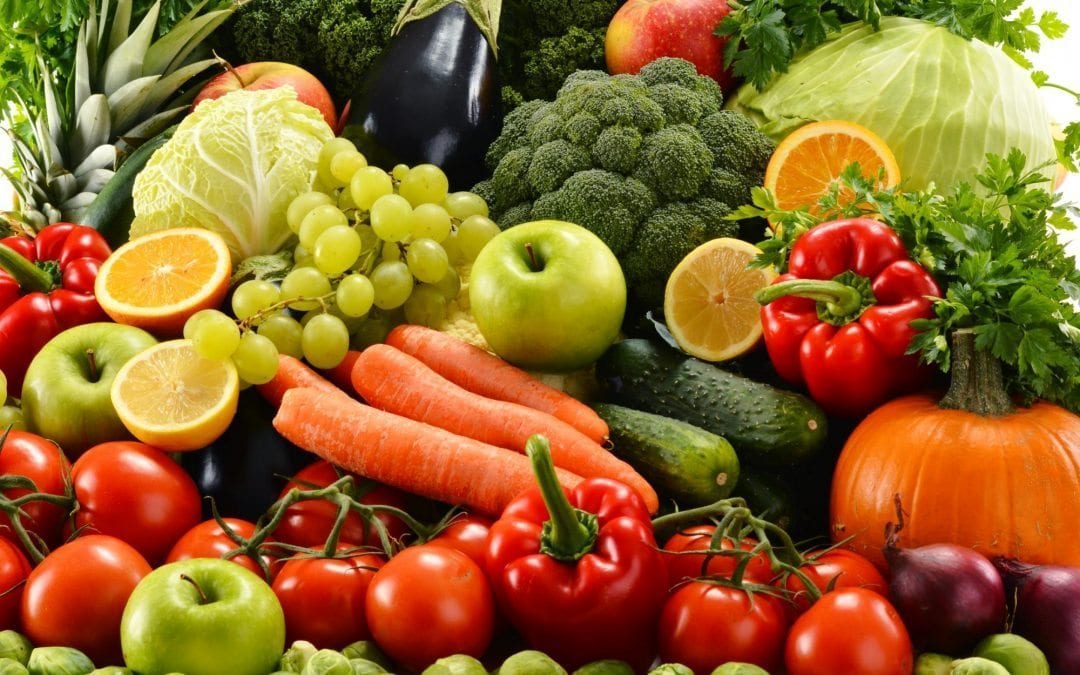
If you want to add years to your life, 10 daily servings of fruits and vegetables may be the best recipe you can follow, a new analysis suggests.
The benefits appear to come through lower rates of heart attack, stroke, cancer and early death. And if everyone found a way to get 10 daily servings of produce, 7.8 million premature deaths would be avoided each year worldwide, the British researchers estimated.
Proper Fruit and Vegetable Servings
Exactly how much in the way of fruits and vegetables is that? Anywhere from 10 small bananas or apples to 30 tablespoons of cooked spinach, peas, broccoli or cauliflower — or roughly 800 grams of produce, the researchers said.
At least five servings (400 grams) of fruits and vegetables each day is what is currently recommended by many health agencies.
“Although five portions of fruit and vegetables is good, 10 a day is even better,” said study author Dagfinn Aune, of the School of Public Health at Imperial College London. But even just over two portions a day made a difference in the review, the researchers added.
Eating 2.5 portions (200 grams) of produce on a daily basis was associated with reductions in: heart disease (by 16 percent); stroke (18 percent); cardiovascular disease (13 percent); cancer risk (4 percent); and premature death (15 percent).
The results for 10 daily servings were even stronger: a 24 percent reduced risk of heart disease; a 33 percent reduced risk of stroke; a 28 percent reduced risk of cardiovascular disease; a 13 percent reduced risk of cancer; and a 31 percent reduction in premature death risk.
“Fruit and vegetables have been shown to reduce cholesterol levels, blood pressure, and to boost the health of our blood vessels and immune system,” Aune said in a university news release. “This may be due to the complex network of nutrients they hold. For instance, they contain many antioxidants, which may reduce DNA damage, and lead to a reduction in cancer risk,” Aune explained.
However, the study did not prove a cause-and-effect link between eating more fruits and vegetables and longer life.
Benefits of Eating more Fruits and Vegetables
“Most likely it is the whole package of beneficial nutrients you obtain by eating fruits and vegetables that is crucial in health,” Aune said. “This is why it is important to eat whole plant foods to get the benefit, instead of taking antioxidant or vitamin supplements (which have not been shown to reduce disease risk),” Aune noted.
Together, the 95 studies the Imperial College London scientists analyzed included almost 2 million people.
In their review, the researchers also found signs that these types of produce seemed to confer the greatest benefits: apples, pears, citrus fruits, green leafy vegetables, cruciferous vegetables (such as broccoli, cabbage and cauliflower), and green and yellow vegetables (such as green beans, spinach, carrots and peppers).
The study was published Feb. 22 in the International Journal of Epidemiology.
SOURCE: Imperial College London, news release, Feb. 22, 2017
The scope of our information is limited to chiropractic and spinal injuries and conditions. To discuss options on the subject matter, please feel free to ask Dr. Jimenez or contact us at 915-850-0900 .
Additional Topics: Weight Loss Eases Back Pain
Back pain and symptoms of sciatica can affect a majority of the population throughout their lifetime. Research studies have demonstrated that people who are overweight or obese experience more back complications than people with a healthy weight. A proper nutrition along with regular physical fitness can help with weight loss as well as help maintain a healthy weight to eliminate symptoms of back pain and sciatica. Chiropractic care is also another natural form of treatment which treats back pain and sciatica utilizing manual spinal adjustments and manipulations.
Juicing may be a popular health fad, but evidence suggests it could actually be detrimental to a good diet. The same goes for coconut oil, which is loaded with saturated fat but has emerged as another dietary craze in the United States. And a gluten-free diet likely has little positive health benefit for people who do not have gluten sensitivity or celiac disease.
These conclusions are part of a new review of the latest scientific evidence on food and nutrition that was conducted to shed some light on the latest diet fads.
“There is widespread confusion in terms of nutrition. Every day someone says something is good, and then the next day they say it’s bad,” said review lead author Dr. Andrew Freeman, co-chair of the American College of Cardiology’s Lifestyle and Nutrition Work Group. “Our purpose was to do our best to give clinicians the tools they need to help their patients,” said Freeman, who is also director of cardiovascular prevention and wellness at National Jewish Health in Denver.
He and his colleagues reviewed medical evidence related to overall healthy eating patterns and specific dietary fads that are currently popular in the United States.
The Truth About Popular Health Fads
They concluded that:
Juicing might improve absorption of some plant nutrients, but it also leaves out a lot of fiber and nutrients contained in whole fruits and vegetables. Juicing removes the juice from fresh fruits or vegetables, producing liquid that contains most of the vitamins, minerals and chemicals found in whole fruit. But, whole fruits and vegetables have valuable fiber that’s removed during most juicing.
People who juice tend to drink more concentrated calories without feeling as full afterward. “You’re leaving behind most of the nutrients, you’re leaving behind the fiber, and research has shown that when you drink calories they aren’t as satiating as when you chew them,” said Dr. Alice Lichtenstein. She’s director of the Cardiovascular Nutrition Laboratory at Tufts University in Boston.
By the same token, high-dose antioxidant dietary supplements don’t appear to benefit people any more than simply eating foods rich in antioxidants. “Every time we extract things from plants, we usually don’t get the same benefit, or sometimes we get a non-benefit, a danger,” Freeman said. “If you eat a well-balanced diet, vitamin supplementation is usually not required.”
Coconut oil is a recent health food fad, but coconut is naturally loaded with unhealthy saturated fats, Freeman and Lichtenstein said. People would do better to use olive and vegetable oils in their cooking, since they contain healthy unsaturated fats. “Everybody is buying tubs and tubs of coconut oil, and the data behind it just doesn’t exist,” Freeman said.
A gluten-free diet can help people with gluten sensitivity or celiac disease, but does no good for healthy people who can digest grains without any side effects. Whole grains can actually be healthier for people than gluten-free alternatives that are higher in processed carbohydrates, Freeman noted.
Eggs can increase a person’s cholesterol levels, although not as much as previously thought, Lichtenstein said. One or two eggs per day likely would have a small effect in most people not at high risk for heart problems or high cholesterol. “When you start going above that, particularly in high-risk individuals, it may be problematic,” she said. The saturated fats found in meat and dairy products pose a larger hazard to cholesterol levels, Lichtenstein noted.
Overall, people would be better off with a predominantly plant-based diet that emphasizes eating whole unprocessed foods, Freeman concluded.
“I would argue all brightly colored vegetables and fruits are antioxidant-rich nutrient powerhouses,” Freeman said.
SOURCES: Andrew Freeman, M.D., co-chair, American College of Cardiology’s Lifestyle and Nutrition Work Group, and director, cardiovascular prevention and wellness, National Jewish Health, Denver; Alice Lichtenstein, M.D., D.Sc., professor, nutrition science and policy, and director, Cardiovascular Nutrition Laboratory, Tufts University, Boston; Feb. 27, 2017, Journal of the American College of Cardiology
The scope of our information is limited to chiropractic and spinal injuries and conditions. To discuss options on the subject matter, please feel free to ask Dr. Jimenez or contact us at 915-850-0900 .�
Additional Topics: Whole Body Wellness
Following a balanced nutrition as well as engaging in regular physical activity and sleeping properly are all proper lifestyle habits which can help increase and maintain overall health and wellness. Many common complications associated with improper lifestyle habits, such as obesity, diabetes, heart disease and cancer, however, the risk of developing these can be prevented with a few lifestyle changes. In addition, visiting a chiropractor and receiving chiropractic care can help maintain and improve the overall health of the spine as well as its surrounding structures.
Getting overweight adults to adopt new heart-healthy eating habits is an uphill battle. But giving them a handout about nutrition may be better than nothing, new research suggests.
“There’s an urgent need for innovative approaches to support the implementation of current dietary advice,” said Dr. David Jenkins, lead author of the new study from the University of Toronto. To prevent chronic disease, U.S. nutrition guidelines recommend diets rich in fruits, vegetables and whole grains, plus foods that lower cholesterol such as oats, barley, nuts and soy.
Jenkins, who is chair of nutrition and metabolism at the university, and his team tried three ways of encouraging these healthy habits. The researchers randomly assigned more than 900 overweight adults to one of four groups.
Encouraging Healthy Eating Habits
One group received advice about diet through phone calls. Another got a weekly food basket but no advice about diet. The third group got both advice and food baskets. A fourth group, used as “controls,” did not receive advice or food baskets. Everybody in each group got a “food guide” handout about diet.
Six months later, participants overall had only slightly increased their consumption of healthier foods like fruits and vegetables, regardless of group. The researchers said the only consistent increases were seen in the group that received both food and advice. And by 18 months, that slight increase in healthy eating was dwindling, the investigators found. Still, weight and blood pressure dipped a bit in all the groups, including the control group, according to the study.
The results were published Feb. 27 in the Journal of the American College of Cardiology.
“These data demonstrate the difficulty in effectively promoting fruit, vegetable and whole grain cereals to the general population using recommendations that, when followed, decrease risk factors for chronic disease,” Jenkins said in a journal news release.
But the author of an accompanying journal editorial suggested looking at the results as a “glass half-full.”
“Each country and scientific society must prioritize the strategies best adapted to local customs and regulations,” wrote Dr. Ramon Estruch, an internist at the Hospital Clinic of Barcelona, in Spain.
“However, it appears that simply giving a copy of healthy dietary guidelines causes small changes in the right direction. Perhaps we should start with this extremely simple, no-cost procedure at schools, workplaces, clinics or sports centers, while the other strategies are slowly developed and implemented,” Estruch suggested. Jenkins disclosed grant funding from several food-related companies.
SOURCE: Journal of the American College of Cardiology, news release, Feb. 27, 2017
For more information, please feel free to ask Dr. Jimenez or contact us at 915-850-0900 .
Additional Topics: Weight Loss Eases Back Pain
Back pain and symptoms of sciatica can affect a majority of the population throughout their lifetime. Research studies have demonstrated that people who are overweight or obese experience more back complications than people with a healthy weight. A proper nutrition along with regular physical fitness can help with weight loss as well as help maintain a healthy weight to eliminate symptoms of back pain and sciatica. Chiropractic care is also another natural form of treatment which treats back pain and sciatica utilizing manual spinal adjustments and manipulations.
Early birds may have a leg up over night owls when it comes to health and weight, new research suggests.
Investigators in Finland found that morning people tend to eat better and earlier in the day than late-to-bed types. The result: a higher risk of obesity for the night owls, said study lead author Mirkka Maukonen, of the National Institute for Health and Welfare in Helsinki.
“We found that night owls had postponed timing of food intake, and less favorable eating patterns with higher intakes of sucrose, fat and saturated fat in the evening hours than early birds,” said Maukonen, a doctoral candidate in the department of public health solutions. Sucrose is a type of sugar.
Registered dietitian Lona Sandon, of the University of Texas Southwestern Medical Center at Dallas, wasn’t surprised by the findings. She said physiology and biology likely play a role.
“Past research has shown that hormones that impact appetite and metabolism — the way our body uses or stores energy — are produced at different levels throughout the day and night,” said Sandon, who wasn’t involved in the study. “The amount of sleep and time period of sleep may affect the production of these hormones, and therefore drive differences in appetite or food choices as well as body composition and weight,” she explained.
What Can Night Owls Do?
“Changing sleep habits, just like changing dietary habits, is tough for many people,” said Sandon. “But it just may be worthwhile for people to try for one’s health.”
The researchers found that night owls also engaged in less routine physical activity, had more difficulty sleeping, and were more likely to smoke. And fewer night owls ranked themselves as being in good overall health or shape, relative to morning people. The study team focused on nearly 1,900 Finnish adults ages 25 to 74 who had participated in a national nutritional study or a national heart disease study in 2007.
For the nutrition study, participants completed 48-hour food diaries that tallied daily caloric intake and consumption of carbohydrates, sugar, fiber, protein, fat and saturated fatty acids, and alcohol. Weekday and weekend meal times were also recorded.
The other study looked at total hours slept daily and routine wake-up time. The time of day participants worked and/or performed hard physical tasks was also evaluated. Nearly half the participants were deemed to be morning people, while just 12 percent qualified as night owls. About 39 percent fell somewhere in between, the researchers said.
Total daily caloric consumption was similar for early and late risers. But night owls consumed 4 percent fewer calories before 10 a.m. each day and had less energy in the morning, a pattern that continued throughout the earlier daylight hours.
“It could be that this lighter eating generates increased feelings of hunger during the late afternoon and evening hours and thus leads to less healthy food choices with more sugar and fat,” Maukonen said.
Night owls tended to consume fewer carbohydrates, proteins and fats throughout the day, with one exception: sugar. They took in significantly more sugar in the morning and after 8 p.m. than early birds. They also gravitated toward more fat and saturated fatty acids at night. On weekends, the nutritional gap widened, the study found.
This doesn’t mean that late nights will doom you to obesity, however. The study only found an association between night owl habits and risk for poorer health, not a direct cause-and-effect relationship.
Still, tweaking your schedule can’t hurt, suggested Maukonen.
“Whether you are an early bird or a night owl, it is influenced half and half by your genes and by your daily timetables you want to adopt,” Maukonen said. “Therefore, one thing that could benefit night owls is a greater flexibility in working time schedules, so that night owls may live more according to their internal biological time and not against it.”
The study results were published recently in the journal Obesity.
SOURCES: Mirkka Maukonen, MSc, Ph.D. candidate, department of public health solutions, National Institute for Health and Welfare, Helsinki, Finland; Lona Sandon, R.D., program director, and assistant professor, clinical nutrition, School of Health Professions, University of Texas Southwestern Medical Center at Dallas; Feb. 23, 2017, Obesity
The scope of our information is limited to chiropractic and spinal injuries and conditions. To discuss options on the subject matter, please feel free to ask Dr. Jimenez or contact us at 915-850-0900 .
Additional Topics: Whole Body Wellness
Following a balanced nutrition as well as engaging in regular physical activity and sleeping properly are all proper lifestyle habits which can help increase and maintain overall health and wellness. Many common complications associated with improper lifestyle habits, such as obesity, diabetes, heart disease and cancer, however, the risk of developing these can be prevented with a few lifestyle changes. In addition, visiting a chiropractor and receiving chiropractic care can help maintain and improve the overall health of the spine as well as its surrounding structures.
Nearly half of all deaths from heart disease, stroke and diabetes in the United States are associated with diets that skimp on certain foods and nutrients, such as vegetables, and exceed optimal levels of others, like salt, a new study finds.
Using available studies and clinical trials, researchers identified 10 dietary factors with the strongest evidence of a protective or harmful association with death due to “cardiometabolic” disease.
“It wasn’t just too much ‘bad’ in the American diet; it’s also not enough ‘good,'” said lead author Renata Micha. “Americans are not eating enough fruits, vegetables, nuts/seeds, whole grains, vegetable oils or fish,” she said.
Micha is an assistant research professor at the Tufts University School of Nutrition Science and Policy in Boston.
Data Reveals Overwhelming Statistics
The researchers used data from multiple national sources to examine deaths from cardiometabolic diseases — heart disease, stroke and type 2 diabetes — in 2012, and the role that diet may have played.
“In the U.S. in 2012, we observed about 700,000 deaths due to those diseases,” Micha said. “Nearly half of these were associated with suboptimal intakes of the 10 dietary factors combined.”
Too much salt in people’s diets was the leading factor, accounting for nearly 10 percent of cardiometabolic deaths, according to the analysis.
The study identifies 2,000 milligrams a day, or less than 1 teaspoon of salt, as the optimal amount. While experts don’t agree on how low to go, there is broad consensus that people consume too much salt, Micha noted. Other key factors in cardiometabolic death included low intake of nuts and seeds, seafood omega-3 fats, vegetables, fruits and whole grains, and high intake of processed meats (such as cold cuts) and sugar-sweetened beverages.
Each of these factors accounted for between 6 percent and 9 percent of deaths from heart disease, stroke and diabetes.
“Optimal” intake of foods and nutrients was based on levels associated with lower disease risk in studies and clinical trials. Micha cautioned that these levels are not conclusive. Optimal intake “could be modestly lower or higher,” she explained.
Low consumption of polyunsaturated fats (found in soybean, sunflower and corn oils) accounted for just over 2 percent of cardiometabolic deaths, according to the study. High consumption of unprocessed red meats (such as beef) was responsible for less than one half of 1 percent of these deaths, the analysis showed.
The take-home message: “Eat more of the good and less of the bad,” Micha said.
Proper Nutrition for Optimal Health
Vegetable intake, for example, was considered optimal at four servings per day. That would be roughly equivalent to 2 cups of cooked or 4 cups of raw veggies, she said. Fruit intake was deemed optimal at three daily servings: “For example, one apple, one orange and half of an average-size banana,” she continued.
“And eat less salt, processed meats, and sugary-sweetened beverages,” she said.
The study also found that poor diet was associated with a larger proportion of deaths at younger versus older ages, among people with lower versus higher levels of education, and among minorities versus whites. Dr. Ashkan Afshin is acting assistant professor of global health at the University of Washington’s Institute for Health Metrics and Evaluation.
“I commend the current study’s authors for exploring sociodemographic factors, like ethnicity and education, and their role in the relationship of diet with cardiometabolic disease,” said Afshin, who was not involved in the study. “This is an area that deserves more attention so that we may fully understand the connection between diet and health,” he said.
The study doesn’t prove that improving your diet reduces risk of death from heart disease, stroke and diabetes, but suggests that dietary changes may have an impact.
“It is important to know which dietary habits affect health the most so that people can make healthy changes in how they eat and how they feed their families,” Afshin said.
The study was published March 7 in the Journal of the American Medical Association.
In an accompanying journal editorial, researchers from Johns Hopkins University urged caution in interpreting the findings.
According to Noel Mueller and Dr. Lawrence Appel, the results may be biased by the number of dietary factors included, the interaction of dietary factors and the authors’ “strong assumption” that evidence from observational studies implies a cause-and-effect relationship.
Still, the editorialists concluded that the likely benefits of an improved diet “are substantial and justify policies designed to improve diet quality.”
SOURCES: Renata Micha, R.D., Ph.D., assistant research professor, Friedman School of Nutrition Science and Policy, Tufts University, Boston; Ashkan Afshin, M.D., Sc.D., acting assistant professor of global health, Institute for Health Metrics and Evaluation, University of Washington, Seattle; March 7, 2017, Journal of the American Medical Association
The scope of our information is limited to chiropractic and spinal injuries and conditions. To discuss options on the subject matter, please feel free to ask Dr. Jimenez or contact us at 915-850-0900 .
Additional Topics: Weight Loss Eases Back Pain
Back pain and symptoms of sciatica can affect a majority of the population throughout their lifetime. Research studies have demonstrated that people who are overweight or obese experience more back complications than people with a healthy weight. A proper nutrition along with regular physical fitness can help with weight loss as well as help maintain a healthy weight to eliminate symptoms of back pain and sciatica. Chiropractic care is also another natural form of treatment which treats back pain and sciatica utilizing manual spinal adjustments and manipulations.
Unhealthy diets may have contributed to as many as 400,000 premature deaths from heart disease and strokes in 2015, a new study estimates.
And, it’s not just the things you should be avoiding — such as salt and trans fats — that are contributing to these deaths. The excess deaths may also be caused by what’s missing in your diet — namely, nuts and seeds, vegetables and whole grains, the researchers said.
“Cardiovascular disease is the number one cause of death in the United States, killing more people in 2015 than any other cause,” said lead researcher Dr. Ashkan Afshin of the University of Washington in Seattle. He’s an acting assistant professor of global health at the university’s Institute for Health Metrics and Evaluation. “Poor diet is the top risk factor for cardiovascular disease death and, therefore, deserves attention from decision-makers in the U.S. when setting health agendas,” Afshin said.
Preventing Heart Disease & Stroke with Proper Nutrition
The study results suggest that nearly half of heart disease and stroke (cardiovascular disease) deaths in the United States might be prevented with improved diets, he explained. Debates on dietary policies in the United States tend to focus on cutting out unhealthy foods and nutrients, such as trans fats, salt and sugar-sweetened beverages. But this study shows that a large number of heart-related deaths may be due to a lack of healthy foods, Afshin reported.
“This study highlights the urgent need for implementation of policies targeting these unhealthy food groups as well healthy foods, such as nuts, whole grains and vegetables,” he said.
The study data came from the U.S. National Health and Nutrition Examination Survey from 1990 to 2012. The researchers also used food availability data from the Food and Agriculture Organization of the United Nations and other sources.
Looking at deaths in the United States from heart and blood vessel diseases for 2015, the investigators found unhealthy diet choices and lack of eating healthier foods had a part in the deaths of more than 222,000 men and over 193,000 women. The study could not, however, prove a direct cause-and-effect relationship.
Low intake of nuts and seeds likely accounted for nearly 12 percent of deaths. Too few vegetables probably contributed to as many as 12 percent of the heart disease and stroke deaths. And, low intake of whole grains may have been responsible for more than 10 percent of those deaths. Too much salt likely accounted for 9 percent of deaths, Afshin said.
Samantha Heller, a registered dietitian, said, “If someone’s diet is low in nuts, seeds, fruit, fiber, whole grains and vegetables, then they are likely replacing those foods with less healthy options, such as deli meats, cheeseburgers, fried chicken, sodas, boxes of mac-and-cheese, sugar-sweetened beverages and other highly processed, junk, fast and prepared foods.” Heller is a senior clinical nutritionist at NYU Langone Medical Center in New York City.
“A crummy diet means the body has to work at Mach-10 to battle the onslaught of biochemical, physiological and inflammatory consequences. No wonder so many of us complain about being exhausted all the time and suffer from very serious and oftentimes preventable cardiovascular diseases,” she said.
Recommended Proper Nutrition
A more plant-based, whole-food approach to eating reduces internal inflammation, which in turn helps protect and heal “gunked up” arteries and an overworked heart. It also enhances the immune system, improves gastrointestinal and brain health, and boosts energy, Heller explained.
Heller recommends simple swaps, such as: sliced avocado, tomato and hummus on whole grain bread instead of a ham and cheese sandwich; a veggie burger topped with salsa instead of a cheeseburger; brown rice, vegetable-edamame paella instead of mac and cheese; a salad pizza instead of a pepperoni pizza.
“The good news is it is never too late or too early to ditch unhealthy foods, dig into a plate of vegetables, legumes, fruits, nuts, seeds and whole grains, and watch how our bodies respond by getting healthier and happier,” Heller said.
The study was funded by the Bill and Melinda Gates Foundation. The findings were scheduled to be presented Thursday at the American Heart Association meeting in Portland, Ore. Study results presented at meetings are typically viewed as preliminary until they’ve been published in a peer-reviewed journal.
SOURCES: Ashkan Afshin, M.D., M.P.H., acting assistant professor, global health, Institute for Health Metrics and Evaluation, University of Washington, Seattle; Samantha Heller, R.D., exercise physiologist and senior clinical nutritionist, NYU Langone Medical Center, New York City; March 9, 2017, presentation, American Heart Association meeting, Portland, Ore.
The scope of our information is limited to chiropractic and spinal injuries and conditions. To discuss options on the subject matter, please feel free to ask Dr. Jimenez or contact us at 915-850-0900 .
Additional Topics: Weight Loss Eases Back Pain
Back pain and symptoms of sciatica can affect a majority of the population throughout their lifetime. Research studies have demonstrated that people who are overweight or obese experience more back complications than people with a healthy weight. A proper nutrition along with regular physical fitness can help with weight loss as well as help maintain a healthy weight to eliminate symptoms of back pain and sciatica. Chiropractic care is also another natural form of treatment which treats back pain and sciatica utilizing manual spinal adjustments and manipulations.
Food products that claim to have no-fat, no-sugar, low-fat or reduced-salt aren’t necessarily healthier, researchers say.
The study authors looked at more than 80 million food and beverage purchases from 2008 to 2012. The purchases were made by more than 400,000 U.S. households. The researchers found that 13 percent of food and 35 percent of beverage products were marketed as having no, reduced or low levels of sugar, fat or salt.
Common Products Advertised as “Healthy”
Low-fat was the most common claim the researchers saw. Next were low-calorie, low-sugar and low-sodium. But many of the products with low-content claims were less nutritious than regular food and beverage items, the researchers found.
“In many cases, foods containing low-sugar, low-fat or low-salt claims had a worse nutritional profile than those without claims,” said lead investigator Lindsey Smith Taillie. She is a research assistant professor in the department of nutrition at theUniversity of North Carolina’s School of Global Public Health.
For example, three reduced-fat Oreos contain four-and-a-half grams of fat, compared to seven grams in three regular Oreos. But both cookie types still have 14 grams of sugar per serving.
And while low-fat chocolate milk has a lower fat content, it has more sugar than plain milk and more sugar and fat than other beverages.
The researchers also found that white households were more likely to buy products with low-calorie claims, while Asian households were more likely to buy products with low-fat or low-salt claims. Black households were least likely to buy products with claims about being low in fat, salt or sugar.
High- and middle-income households were more likely to buy products with low-content claims than poor households, according to the study.
The findings were published recently in the Journal of the Academy of Nutrition and Dietetics.
SOURCE: University of North Carolina at Chapel Hill, news release, March 15, 2017
The scope of our information is limited to chiropractic and spinal injuries and conditions. To discuss options on the subject matter, please feel free to ask Dr. Jimenez or contact us at 915-850-0900 .
Additional Topics: Weight Loss Eases Back Pain
Back pain and symptoms of sciatica can affect a majority of the population throughout their lifetime. Research studies have demonstrated that people who are overweight or obese experience more back complications than people with a healthy weight. A proper nutrition along with regular physical fitness can help with weight loss as well as help maintain a healthy weight to eliminate symptoms of back pain and sciatica. Chiropractic care is also another natural form of treatment which treats back pain and sciatica utilizing manual spinal adjustments and manipulations.
If you’re eager to save money while eating right, stick close to your own kitchen, researchers say.
“Frequent eating out was associated with lower diet quality, more ’empty calories’ and higher diet costs” compared to home cooking, said study author Adam Drewnowski.
The troublemakers for regular restaurant-goers are solid fats, calories, alcohol and added sugar, added Drewnowski, who directs the University of Washington’s Center for Public Health Nutrition. The findings come from surveys of more than 400 Seattle-area residents.
The healthier-at-home results shouldn’t come as a surprise, said Lona Sandon, a Dallas nutritionist who wasn’t involved in the study.
“Preparing your food at home gives you control over what goes on your plate,” said Sandon, an assistant professor of clinical nutrition at the University of Texas Southwestern Medical Center at Dallas.
Eating Out vs Cooking at Home
Americans spend half their food dollars on meals consumed outside the home, but only about one in five meets nutritional recommendations set forth by the U.S. Department of Agriculture. Moreover, by the 1990s Americans were getting about one-third of their daily calories outside the home, the researchers said. With that in mind, between 2011 and 2013 they questioned 437 adults between the ages of 21 and 55 who were the principal food shoppers in their household. They asked how often they had eaten in or eaten out in the prior week. “Outside” included restaurants, fast-food locales, food stands, grocery stores and vending machines.
In turn, the nutritional value of each participant’s diet was measured according to the U.S. Healthy Eating Index (HEI). This assesses whether someone gets the right combination of fruit, vegetables and other nutritional elements.
Roughly half the participants frequently cooked dinner at home — six times or more a week, the team found. One-third cooked dinner often (four to five times a week), while about 15 percent rarely did so (three or fewer times a week). Those who ate more frequently at home scored higher on the healthy eating index than the others. They also spent less overall — on food consumed outside and at home — than those who ate out more often.
Food bills for the group that cooked in the most averaged $273 a month per person versus $364 a month for those who ate out most often.
“The saving in not going out more than made up for the slight increase in at-home costs,” explained Drewnowski.
Fat, alcohol and added sugar “reduced the [healthy eating] scores for people who went out to eat often,” he noted. “But people eating at home also got more vegetables and fruit.” Still, “cooking at home is not for everyone,” he acknowledged. The point to remember is that eating out doesn’t have to be a no-no, he said.
Better choices can be made by those who “prize convenience” over home cooking, Drewnowski said. Many options are available, he noted. For example, “vegetables do not need to be steamed. They can be grilled, baked and sauteed, with some oil and salt. Or made into soups.”
If you decide to prepare your own meals, Sandon offers some advice: “Cooking at home does not have to be time-consuming or require advanced cooking skills to make a healthy, balanced meal that meets the dietary guidelines.”
Keep it simple, she said. Just try to ensure that every meal is composed half of fruits and vegetables, one-quarter of whole grains, and one-quarter of lean protein.
“Every meal does not have to be a master piece,” Sandon added. “Start simple with something like mac and cheese. Add a side of steamed broccoli and carrots with grilled chicken breast or salmon, and you have a balanced meal.”
SOURCES: Adam Drewnowski, Ph.D., director, Center for Public Health Nutrition, University of Washington, Seattle; Lona Sandon, Ph.D., R.D.N., assistant professor, clinical nutrition, and program director, school of health professions, University of Texas Southwestern Medical Center at Dallas; Feb. 28, 2017, American Journal of Preventive Medicine, online
The scope of our information is limited to chiropractic and spinal injuries and conditions. To discuss options on the subject matter, please feel free to ask Dr. Jimenez or contact us at 915-850-0900 .
Additional Topics: Weight Loss Eases Back Pain
Back pain and symptoms of sciatica can affect a majority of the population throughout their lifetime. Research studies have demonstrated that people who are overweight or obese experience more back complications than people with a healthy weight. A proper nutrition along with regular physical fitness can help with weight loss as well as help maintain a healthy weight to eliminate symptoms of back pain and sciatica. Chiropractic care is also another natural form of treatment which treats back pain and sciatica utilizing manual spinal adjustments and manipulations.
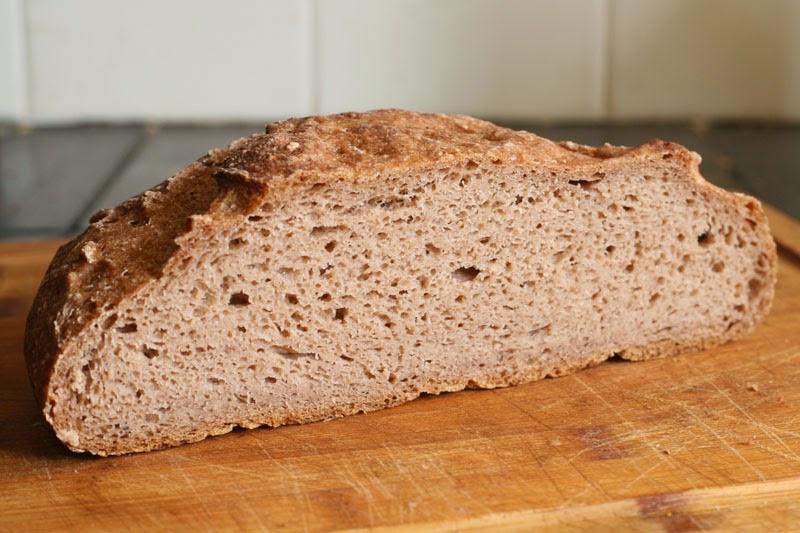
I’ve been baking quite a bit of bread lately, and I thought it was high time to share some new bread recipes. Almost a year ago, I posted a top-rated recipe for a traditional two-step, 24-hour sourdough bread. I love that recipe, and I think that it makes a really delicious, sour bread. However, sometimes I want my bread to come out less sour, or I don’t have the time to do the two-stage sourdough process. This recipe I use for a bread that only takes one rise – then it’s shaped and baked.
1-Step Sourdough Bread Recipe
First mix: 10 minutes First rise: 6-12 hours Bake time: 45 minutes
Whisk together until blended in the bowl of a stand mixer with the paddle attachment or in a large bowl with a fork:
460 g Spring Water (don’t use tap water or any chlorinated water) 30g whole psyllium husk (or 20g finely ground psyllium husk)
Mix into the liquid with the paddle attachment or by hand with a wooden spoon:
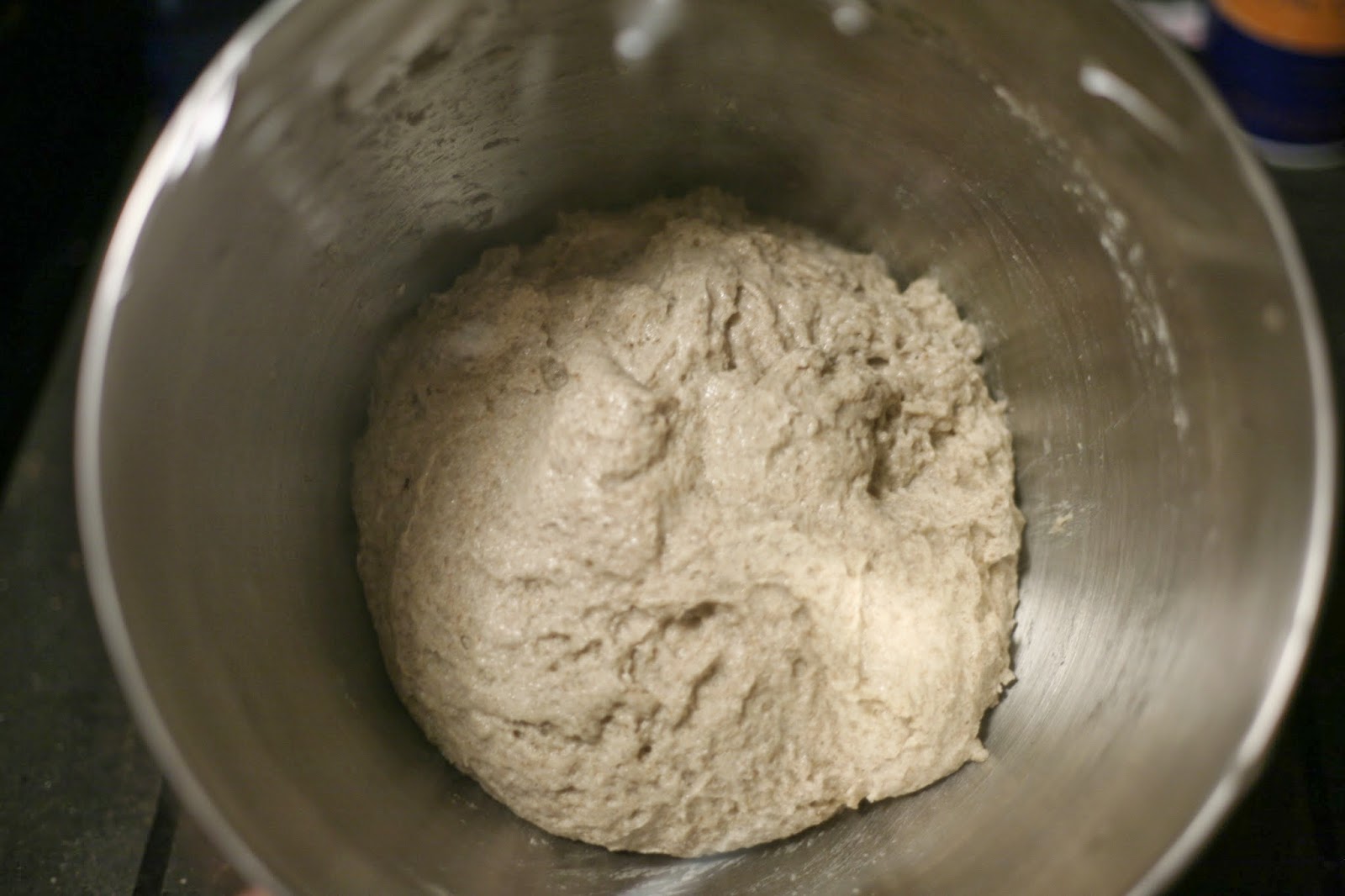
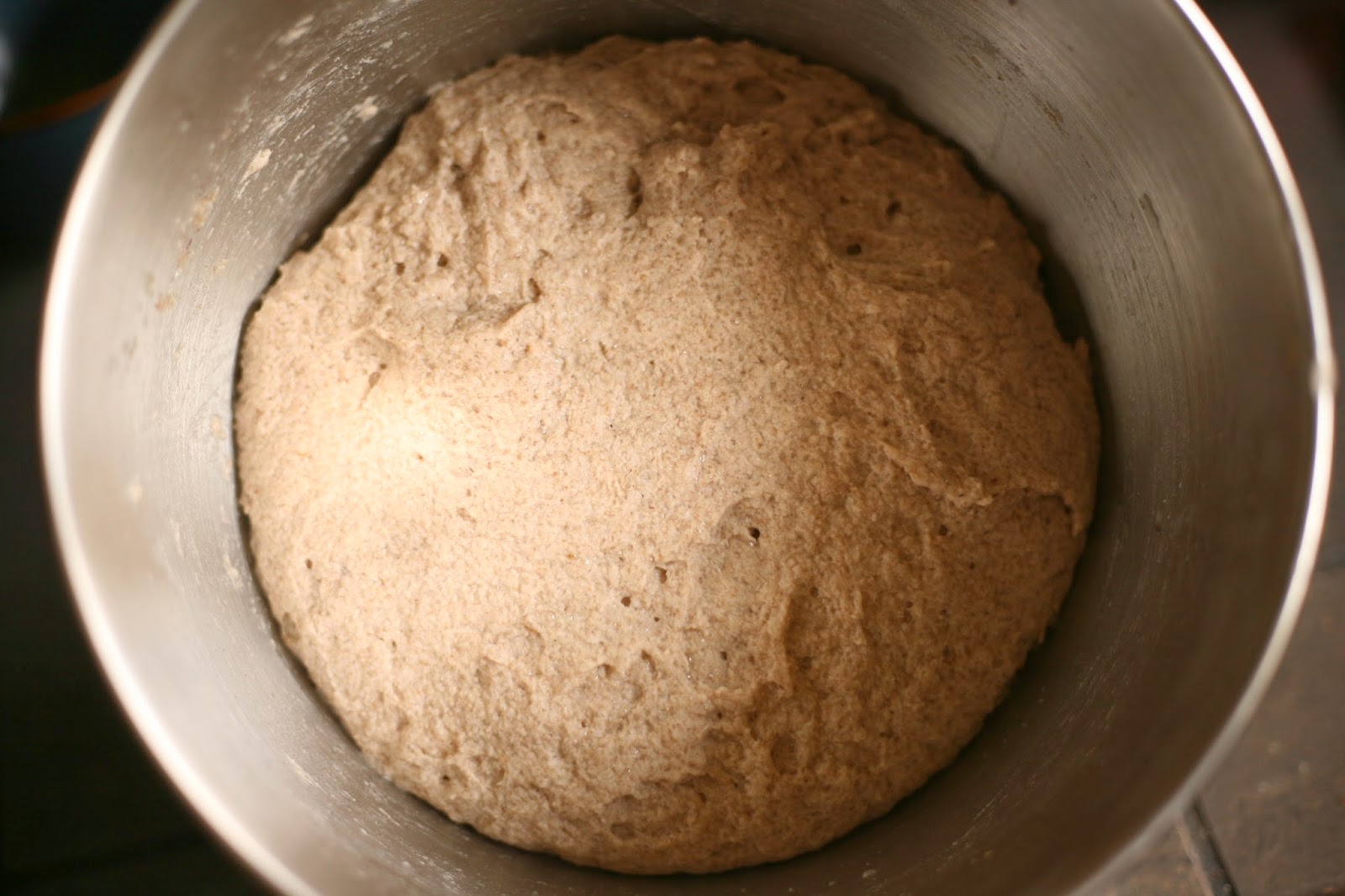
Pre-shape the dough into a ball and keep it seam-side up in the bowl. Cover the bowl with plastic wrap and let stand at room temperature for 6-12 hours. Keep an eye on it starting at the 6-hour mark.
When the bread has risen significantly, and you think it’s getting close to time, heat your oven to 450 degrees F with a cast-iron dutch oven inside. You will know the bread is ready to bake when it has risen quite a bit, and a fingermark gently poked against the surface of the dough doesn’t fill in immediately anymore. Once it passes the “finger test” and the oven is hot, you can shape the loaf, although it’s better to under-proof a little than over-proof. (If you need to go longer than 12 hours on the rise, put the dough in the refrigerator after the bread shows a significant rise. You can leave it in the fridge for up to a day or maybe three, then shape and bake.)
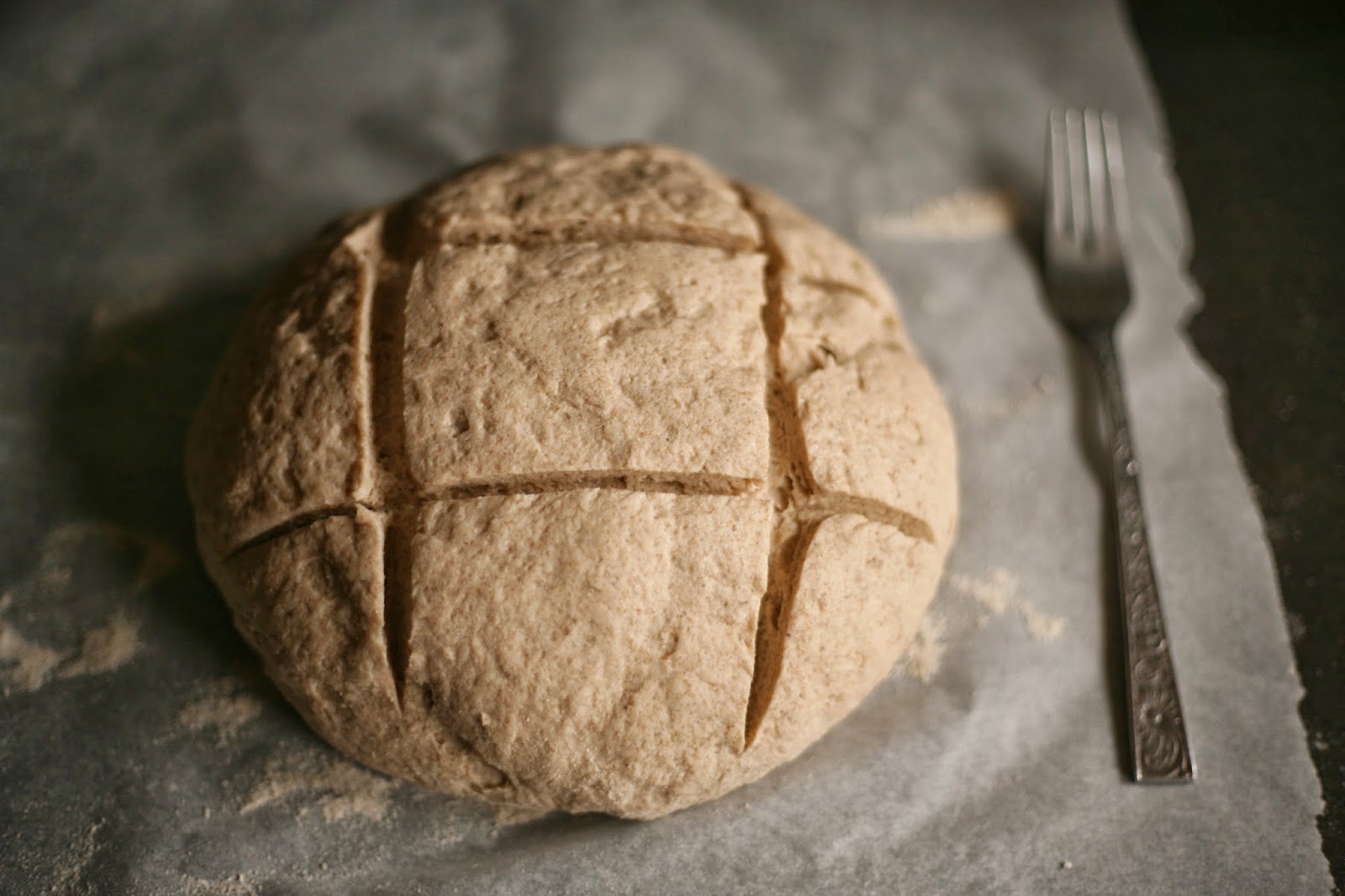
Carefully invert the bread onto a piece of parchment paper. Shape the bread into a slightly tighter ball by tucking the sides of the dough underneath all around the edge. Dust the top with flour if desired. Score the loaf with slashes 1/2 inch deep.
Using the parchment paper to lift it, carefully place the shaped loaf inside the hot dutch oven. Spritz the bread and all around the cast-iron pan before covering it with the lid. Bake the bread for 25 minutes inside the dutch oven, remove it to the rack, and bake another 20 minutes or until deeply browned. Remove the bread to cool on a rack, or for a crispier crust, let it cool in the oven with the door propped ajar.
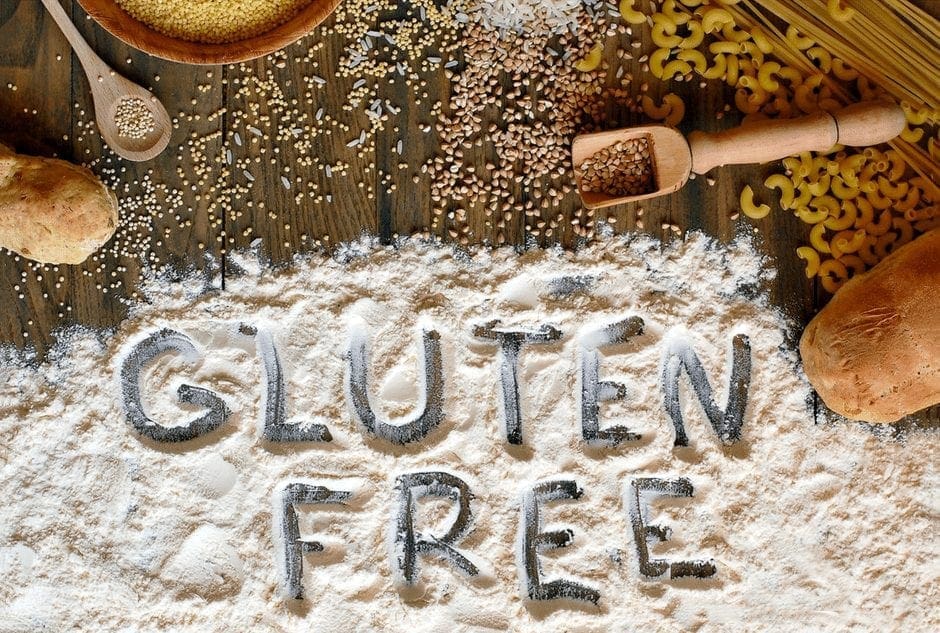
A gluten free diet can work for fibromyalgia patients and provide relief from common symptoms. According to the research, it is important to note that the gluten free (GF) diet may help both fibromyalgia (FM) patients with and without celiac disease. Before you start a new diet, you should consult a doctor, but first consider the following studies.
Gluten free diet for fibromyalgia helps non-celiac gluten sensitivity
A study published in Rheumatology International reveals that fibromyalgia patients who have not been diagnosed with celiac disease may still benefit from going on the gluten free diet. Researchers point out that it is possible for these patients to have non-celiac gluten sensitivity. This means that the celiac disease tests come back negative, but the patients are still reacting to gluten.
According to the researchers, when fibromyalgia patients adhered to the gluten free diet, they were able to reduce or eliminate many FM symptoms. They point out that 90 patients out of the 246 who participated in the study responded well to the gluten free diet. All of these patients reported a reduction in pain, and some were able to return to work and normal life. In addition, the patients noted that their fatigue, depression, gastrointestinal symptoms and migraines improved on the gluten free diet.
Gluten free diet for fibromyalgia and celiac disease
It is possible to have both fibromyalgia and celiac disease. A study published in BMC Gastroenterology reveals that patients who have fibromyalgia and celiac disease benefit from the gluten-free diet. After one year of following the gluten free diet, the patients reported an improvement in the quality of their lives and a reduction in fibromyalgia symptoms.
The patients had fewer tender points and better scores on the health assessment questionnaire. In addition, both their celiac disease, fibromyalgia pain and other symptoms decreased. Furthermore, they were able to reduce the number of prescribed drugs they took.
Should you try the gluten-free diet for fibromyalgia?
It is important to consider the diet advice from experts about fibromyalgia. Several studies have shown that the gluten free diet can help patients with this medical condition. However, each case is unique, so you have to consult your doctor before making significant diet changes.
If you have fibromyalgia, you may want to consider being tested for celiac disease. Some of the main symptoms of celiac disease are abdominal pain and gastrointestinal problems such as bloating, diarrhea, constipation, gas, indigestion and nausea. You may also experience cramps, itchy rashes, weight loss, fatigue and many other symptoms.
The gluten free diet requires you to eliminate all wheat, barley and rye products. Gluten is a protein, and it can appear as an ingredient in many products. In addition, cross-contamination is a big issue, so many products can be contaminated with gluten and not safe on this diet. If you decide to follow this diet, you must start by reading labels carefully.
IFM's Find A Practitioner tool is the largest referral network in Functional Medicine, created to help patients locate Functional Medicine practitioners anywhere in the world. IFM Certified Practitioners are listed first in the search results, given their extensive education in Functional Medicine