Neuropathy affects about 8 percent of people over age 55. Your nervous system consists of two parts: the central nervous system and the peripheral nervous system.
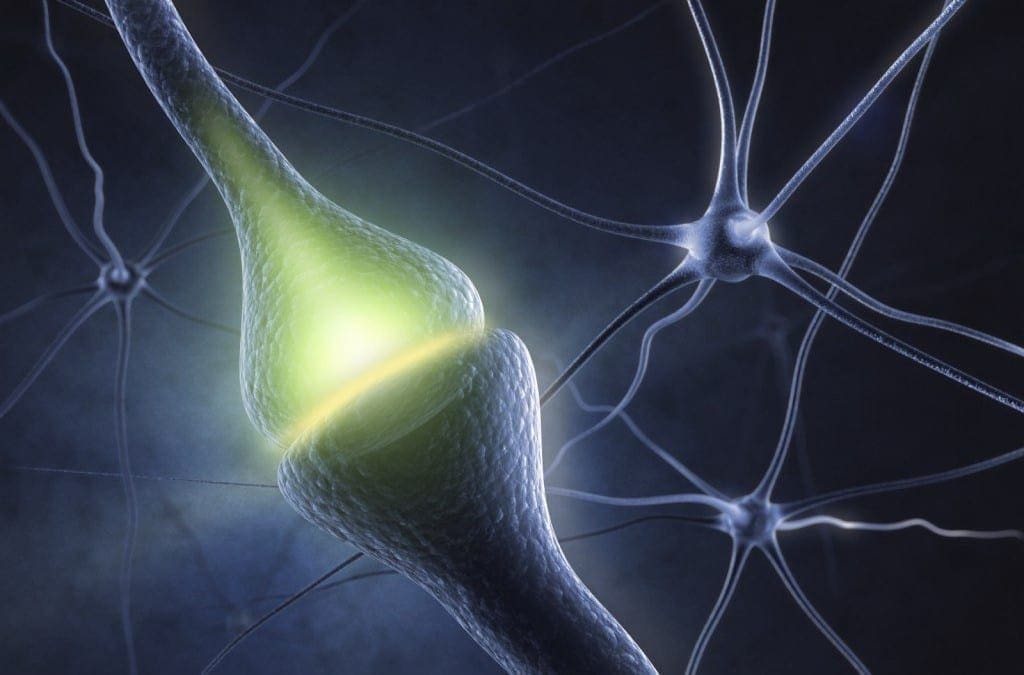
The nerves of your peripheral nervous system transmit messages between your central nervous system, your brain, spinal cord, and the rest of your body.
These nerves regulate a large range of functions throughout the body, including voluntary muscle movement (motor nerves), involuntary organ activity (autonomic nerves), and the perception of stimuli (sensory nerves).
Peripheral neuropathy, which is often simply referred to as “neuropathy,” is a condition that occurs when your peripheral nerves become damaged or disrupted. It is estimated that neuropathy affects about 2.4 percent of the general population and about 8 percent of people older than age 55.
However, this estimate doesn’t include people affected by a neuropathy resulting from physical trauma to the nerves.
Neuropathy Types
Neuropathy can affect any of the three types of peripheral nerves:
Sensory nerves carry messages from your sensory organs (eyes, nose, etc.) to your brain
Motor nerves monitor the conscious movement of your muscles
Autonomic nerves, regulate the involuntary functions of your body
Sometimes, neuropathy will only affect a single nerve. This is called mononeuropathy and examples include:
Ulnar neuropathy (elbow)
Radial neuropathy (arm)
Peroneal neuropathy (knee)
Femoral neuropathy (thigh)
Cervical neuropathy (neck)
Occasionally, two or more isolated nerves in separate areas of the body become damaged, resulting in mono neuritis multiplex neuropathy.
Most often, however, multiple peripheral nerves malfunction at the same time, a condition known as polyneuropathy.
According to the National Institute for Neurological Disorders and Stroke (NINDS), there are more than 100 types of peripheral neuropathies.
Neuropathy Causes
Neuropathies are either inherited at birth or acquired later in life.
The most common inherited neuropathy is the neurological disorder Charcot-Marie-Tooth disease, which affects 1 in 2,500 people in the United States.
Though doctors are sometimes unable to pinpoint the exact cause of an acquired neuropathy (this is then known as idiopathic neuropathy), there are many known causes: systemic diseases, physical trauma, infectious diseases, and autoimmune disorders.
A systemic disease is one that affects the whole body.
The most common systemic cause behind peripheral neuropathy is diabetes, which can cause chronically high blood glucose levels that damage nerves.
Many other systemic issues can cause neuropathy, including:
Kidney disorders, allow high levels of nerve-damaging toxic substances to circulate in the blood
Toxins from exposure to heavy metals, including arsenic, lead, mercury, and thallium
Certain drugs, including anticancer medications, anticonvulsants, antivirals, and antibiotics
Chemical imbalances due to liver diseases
Hormonal diseases, including hyperthyroidism, disturb metabolic processes, potentially causing tissues and body parts to swell and exert pressure on nerves
Deficiencies in vitamins, including E, B1 (thiamine), B6 (pyridoxine), B12, and niacin, which are vital for healthy nerves
Alcohol abuse causes vitamin deficiencies and may also directly damage nerves
Cancers and tumors that exert harmful pressure on nerve fibers
Chronic inflammation can damage protective tissues around nerves, making them more vulnerable to compression or susceptible to becoming inflamed
Blood diseases and blood vessel damage can harm nerve tissue by decreasing the available oxygen supply
In addition, if a nerve suffers from isolated physical trauma, it can become damaged, resulting in neuropathy. Nerves may suffer a direct blow that severs, crushes, compresses, or stretches them, even to the point of detaching them from the spinal cord.
Common causes behind these injuries are motor vehicle accidents, falls, and sports injuries.
Nerve damage can also arise from strong pressure on a nerve, such as from broken bones and poorly fitted casts. Prolonged pressure on a nerve can also cause neuropathy, as in carpal tunnel syndrome, which occurs when the median nerve in the wrist becomes pinched.
And repetitive physical stress can inflame muscles, tendons, and ligaments, putting significant pressure on nerves.
Numerous infections from viruses and bacteria can cause neuropathy by attacking nerve tissues directly or indirectly, such as:
HIV
Shingles
Epstein-Barr virus
Lyme disease
Diphtheria
Leprosy
Furthermore, various autoimmune disorders in which the body’s immune system attacks and destroys healthy body tissue can lead to nerve damage, including:
When an individual experiences damage or injury to their peripheral nerves, the essential communications between the central nervous system, the brain, spinal cord and the rest of the body can be interrupted, leading to complications such as neuropathy. There are several types of neuropathy and numerous possible causes for the condition, however, most share similar symptoms like pain and discomfort.
Neuropathy is medically characterized as a form of chronic pain which may commonly result from damage to or pathological changes of the central or peripheral nervous system. Peripheral neuropathic pain has also been previously referred to as painful neuropathy, nerve pain, sensory peripheral neuropathy or peripheral neuritis. Individual�s affected by neuropathy generally describe its symptoms to be unlike any others they�ve ever experienced before. When it comes to neuropathy however, it�s fundamental to understand that chronic pain is not a symptom of injury but rather, the pain is itself the process of the disease. Neuropathy is not associated with the healing process either, instead of a specific injury in the body, the nerves themselves malfunction and are the source of the pain.
Characteristics of Neuropathy
The back pain or other type of painful symptom characteristic of neuropathy can usually be described in several ways. These can be specified as: severe, sharp, electric shock-like, shooting, lightning-like, or lancinating; deep, burning or cold; with persistent numbness, tingling or weakness; and/or trailing along the nerve path into the arms, hands, legs or feet. Furthermore, symptoms of neuropathy can be characterized by pain and discomfort from a light touch or other stimulus which generally shouldn�t cause pain, as well as hypersensitivity to a normally painful stimulus.
Symptoms of neuropathy can manifest as a result of any form of pain which impinges or compresses a nerve. Examples of neuropathic pain which generate from the region of the spine include: chronic pain which trails down the length of the leg, also known as radiculopathy or sciatica; chronic pain that radiates along the arm, also referred to as cervical radiculopathy; and gradual or persistent pain following a back surgical procedure, commonly associated with failed back surgery syndrome. Other well-known causes of neuropathy are: diabetes; phantom limb pain or regional pain syndrome, also referred to as RPS. If an individual�s neuropathy is not treated appropriately, numerous complications such as depression, sleeplessness, feelings of fear and anxiety, limited social interaction and an inability to perform normal daily activities or work have been described as frequent issues affecting those who suffer with chronic pain associated with neuropathy and its other symptoms.
Types of Back Pain
When it comes to neuropathic symptoms, it�s essential to have a general understanding of the major different types of back pain, most importantly because effectively determining these types of symptoms can guide people to receive the best treatment plan.
Nociceptive Pain and Neuropathy
Healthcare providers and professionals in the medical field typically classify pain in one of two general categories: neuropathic pain and nociceptive, or somatic, pain.
Nociceptive pain is felt by the nociceptor sensory fibers after there�s been damage or injury to a structure in the body, such as the muscles, ligaments, tendons, bones, joints or other organs. Nociceptive pain is commonly identified as a deep aching, throbbing, gnawing or sore sensation. Prevalent instances of nociceptive pain associated with back symptoms of pain and discomfort include: pain after direct trauma from an automobile accident or other personal injury case; pain after a back surgical procedure; and arthritis pain. Nociceptive pain is generally localized and can improve with healing treatments. Neuropathic pain, or neuropathy, results when there�s damage or injury to nerve tissue. Neuropathy is often identified as burning, severe shooting pains and/or a persistent numbness or tingling sensation. Prevalent instances of neuropathic pain associated with back symptoms of pain and discomfort include: sciatica, pain that travels from the spine down the arm, pain that persists after back surgery.
It is believed that in several cases, extended nociceptive pain may lead to neuropathy and an individual may subsequently experience both neuropathic pain and nociceptive pain simultaneously. �
Acute Pain and Chronic Pain
It�s also fundamental to recognize the differences between acute pain and chronic pain as these two forms of pain can be very distinct in structure and function.
With acute pain for example, the level of severity can directly correspond with the grade of tissue damage or injury. This provides individuals with a protective reflex, such as the reflex to move a limb immediately after touching a sharp object. Acute pain can be identified as a symptom of damaged or diseased tissue, where if the underlying complication is cured, the pain will subside as well. Acute pain is a form of nociceptive pain. With chronic pain for example, the pain doesn�t have the same structure and function as it does with acute pain. In other words, it does not serve a protective or other biological action. Instead, the nerves continue to send pain signals to the brain regardless if there�s no ongoing tissue damage. Neuropathy is a form of chronic pain.
Anatomy of Nerve Pain
The spinal cord functions as the primary part of the body�s central nervous system which transmits messages directly from the brain and spreads these out to the nerves throughout the body. Nerves can be found traveling to all parts of the body, entering and exiting the spinal cord alongside its entire length.
How Nerve Pain Works
There are 31 pairs of spinal nerves which can be found exiting the spinal cord between openings separating each vertebrae. The nerve root, or the point where the nerve exits the spinal cord, branches out into many smaller nerves which control distinct regions of the body, best referred to as the peripheral nerves. For instance, a nerve that exits the lower back will have peripheral branches that travel all the way down to the toes. Peripheral nerves make up the peripheral nervous system. The peripheral nerves are comprised of both motor nerves and sensory nerves. Sensory nerves receive sensory stimuli, such as how something physically feels and whether it is painful or not. These consist of nerve fibers known as sensory fibers. Additionally, mechanoreceptor fibers sense body movement and pressure placed against the body while nociceptor fibers sense tissue injury. Motor nerves travel throughout the muscles and stimulate their movements. These consist of nerve fibers known as motor fibers.
Nerve Injury and Neuropathy Pain
Although there is no sufficient research or evidence to support the following theory, it is believed that damage or injury to any of the above types of nerve tissues may be a possible reason which could lead to the development of neuropathic pain or neuropathy. Generally, the area of the nerve cell that is damaged by neuropathy is medically defined as the axon, which is the inner information pathway of the nerve cell, and/or its myelin covering, which is identified as the fatty outer sheath which protects the nerve cell and helps transfer information throughout the nervous system. When neuropathy pain occurs due to damage or injury to the above mentioned structures, neuropathy is sustained by abnormal processing of sensory input by the central nervous system and the peripheral nervous system.
Trending Topic: Vaxxed�From Coverup To Catastrophe
In 2013, biologist Dr. Brian Hooker received a call from a Senior Scientist at the U.S. Centers for Disease Control and Prevention (CDC) who led the agency�s 2004 study on the Measles-Mumps-Rubella (MMR) vaccine and its link to autism.
The scientist, Dr. William Thompson, confessed that the CDC had omitted crucial data in their final report that revealed a causal relationship between the MMR vaccine and autism. Over several months, Dr. Hooker records the phone calls made to him by Dr. Thompson who provides the confidential data destroyed by his colleagues at the CDC.
Dr. Hooker enlists the help of Dr. Andrew Wakefield, the British gastroenterologist falsely accused of starting the anti-vax movement when he first reported in 1998 that the MMR vaccine may cause autism. In his ongoing effort to advocate for children�s health, Wakefield directs this documentary examining the evidence behind an appalling cover-up committed by the government agency charged with protecting the health of American citizens.
Interviews with pharmaceutical insiders, doctors, politicians, and parents of vaccine-injured children reveal an alarming deception that has contributed to the skyrocketing increase of autism and potentially the most catastrophic epidemic of our lifetime.
Americans deserve real solutions for the economic, social and environmental crises we face. But the broken political system is only making things worse.
It’s time to build a people’s movement to end unemployment and poverty; avert climate catastrophe; build a sustainable, just economy; and recognize the dignity and human rights of every person. The power to create this new world is not in our hopes; it�s not in our dreams � it’s in our hands.
For more information, please feel free to ask Dr. Jimenez or contact us at 915-850-0900 .
Sciatica is best characterized as the common symptoms of pain and discomfort in the backs of the legs. This painful condition generally develops due to complications affecting the region of the lumbar spine, or lower back, affecting these areas of the body as well as an individual�s legs and feet. The pain which travels down the person�s legs through the sciatic nerves which are the nerves found surrounding the lumbar spine, characteristic of sciatica.
The lumbar region of the spine is made up of five vertebrae which are labeled from top to bottom, L1 to L5, between the ribcage and the pelvis. Below these is the sacrum, which is labeled as S1. A spinal nerve can be found above each of these vertebra with its root in the spinal cord. These nerves form the sciatic nerve. The sciatic nerves, found in each leg, are the longest and broadest nerves found in the human body. When the root of one of the sciatic nerves becomes irritated or inflamed, leading to the compression of the nerve, it can cause the common symptoms of pain and numbness in the buttocks, legs, and/or feet.
Causes of Sciatica
From lumbar disc herniation, spinal stenosis and degenerative disc disorders, among other conditions and injuries, there are numerous factors and reasons which may cause sciatic nerve pain, or sciatica, to occur. If symptoms of pain and discomfort manifest, especially around the area of the buttocks, legs and feet, it�s fundamental to seek immediate medical attention to receive a proper diagnosis and determine the cause of the symptoms.
Symptoms of Sciatica
The most common symptoms of sciatic nerve pain include lower back pain and/or numbness. Additionally, the individual may also experience these same symptoms in a single leg or buttock or on both limbs, although the probability of both sciatic nerves becoming compressed and irritated or inflamed at once are rare. Other common symptoms associated with sciatica include:
Sharp pain in the lower back, leg or buttock
Numbness or tingling in one leg or foot
Weakness in one leg or foot
Inability to control bowel movements or bladder, indicating a serious condition that requires immediate medical care
Diagnosing Sciatica
If you�ve experienced any of the symptoms mentioned above, you may be suffering from sciatica which could have been caused by an injury or condition. Because sciatica is defined as a group of symptoms rather than a single disorder, the presence of these symptoms may not necessarily indicate it as sciatica. Seeking immediate medical attention after experiencing this collection of symptoms, especially after suffering an injury or aggravating a previous condition, is important to avoid further complications and begin treating the issue as soon as possible. If the symptoms are intense or if they�ve been constant for several weeks, a proper diagnosis can help determine the source of the pain and discomfort to help reduce and improve sciatica.
Chiropractic care is a popular, alternative treatment option that focuses on the musculoskeletal and nervous system, utilizing spinal adjustments and manual manipulations to carefully correct issues and complications relating to the spine and its surrounding structures. When visiting a chiropractor for symptoms of sciatica, the healthcare professional will thoroughly examine the individual�s medical history and conduct a physical evaluation to determine the root cause of the pain and discomfort. The use of X-rays or MRI scans may additionally be used to learn the diagnosis and determine if sciatica or any other type of injury or condition is the cause of the symptoms. A qualified and experienced chiropractor will follow through with the best treatment plan for each individual.
Treating Sciatica
Utilizing chiropractic adjustments, a chiropractor can restore the original health of the spine, helping to reduce the pressure of the vertebrae which is frequently caused by a misalignment of the spine or subluxation. Furthermore, the irritation and inflammation around the spine can be reduced with these treatment procedures, relieving the painful symptoms of sciatica and regaining the individual�s strength, flexibility and mobility. A chiropractor may also follow chiropractic adjustments with an appropriate set of stretches and exercises to speed up the treatment process and ensure the individual finds quicker relief from their sciatica symptoms to continue with their original, everyday lifestyle.
Sciatica is medically defined as a collection of symptoms rather than a single disorder. Commonly identified by pain and numbness which travels down the lower back, buttocks and legs, sciatic nerve pain can cause discomfort if left untreated. Chiropractic care focuses on restoring the function of the spine, relieving the symptoms of sciatica by targeting them at the source.
Trending Topic: Vaccines Revealed Episode 2
Dr. Gentempo and others are bringing great awareness to our community regarding vaccinations and their dangers.
Vaccines Revealed and Exposed on Episode #2
As a healthcare provider, Dr. Patrick Gentempo has been searching for the truth behind the effects of vaccines on the general population. When making critical decisions about you and your children�s health, it�s essential to have the correct knowledge of all medical procedures you�re being involved in, including the administration of mandatory vaccines, among others.
For more information, please feel free to ask Dr. Jimenez or contact us at 915-850-0900 .�
If you are concerned that you may have, or could develop, a leaky gut, then changing your diet to one that protects the gut is a natural next step for you.� If you are already battling health conditions related to having a leaky gut, then you will have to be more strict with your dietary choices and also address other lifestyle factors like getting good quality sleep, managing stress, finding time for low-strain exercise, and getting outside.
The first and most important thing to do to heal a leaky gut is to stop eating foods that damage and inflame the gut lining!� It can take six months or more for the gut to fully heal depending on the extent of the damage, the health of the gut microflora and your individual genetics (for people with Small Intestinal Bacterial Overgrowth, recovery can take up to two years!).� Until the gut is completely healthy, it is important to abstain from all grains, all legumes, and all dairy products (some people may tolerate ghee and/or butter from grass-fed sources, but I recommend leaving it out for at least a month before trying it).� It is also important to avoid additives in processed foods (many of which irritate the gut) and refined sugars (which promote inflammation).� Some people will also need to eliminate vegetables from the nightshade family (tomatoes, eggplants, peppers of all kinds, and especially potatoes), eliminate egg whites (I actually rinse my egg yolks before eating them), and limit nut consumption (other than coconut and macadamias).� Changing your diet to avoid gut-irritating foods is critical.� But, it is also important to include foods that can reduce inflammation and help heal the damaged gut.
Eat foods that reduce inflammation.� It�s very important to be mindful of both your omega-6 and your omega-3 polyunsaturatedfatty acid intake.� Omega-6 polyunsaturated fats, which are found in large quantities in modern vegetable oils, meat from grain-fed animals, and many nuts and seeds, increase inflammation.� Omega-3 fatty acids, which are found in large quantities in wild-caught fish, pastured/free-range eggs, and meat from pastured animals, decrease inflammation.� To help reduce overall inflammation and heal the gut, aim for a 1:1 ratio of omega-3 to omega-6 fatty acid intake in your diet.� There are several ways of doing this:� you can make sure that all of the meat in your diet is exclusively from grass-fed animals (beef, bison, goat or lamb); you can eat plenty of wild-caught seafood; and/or you can supplement with a good quality fish oil.
Vegetables are rich in anti-oxidants, vitamins and minerals which help control inflammation (and help with just about every other normal function of the body!).� Eating a variety of differently colored vegetables, a variety of dark green leafy vegetables, and a variety cruciferous vegetables (broccoli, cauliflower, cabbage, turnip greens, kale, Brussels sprouts, etc.) every day will provide all of the essential vitamins and minerals in a way that is easy for the body to absorb (no more need for a multivitamin!).� Fruits, especially berries, are also a good source of antioxidants, vitamins and minerals.� However, most people will need to exercise some portion control with fruits due to the high sugar content.� I recommend eating vegetables at every meal (it can be a bit strange getting used to eating vegetables at breakfast, but it�s amazing what a difference it makes to how you feel for the whole rest of the day!).
It is also important to make sure you are getting enough Vitamin D.� You can achieve this by simply spending some time outside in the sun every day, or from eating liver once or twice per week, or from supplementing with Cod Liver Oil or Vitamin D3 supplements.
Eat foods that restore gut microflora.� If you have a leaky and inflamed gut, chances are very good that your resident good bacteria are having trouble too.� To help restore their numbers and their diversity, eat as many different good sources of probiotics as possible.� You can do this by taking Probiotic supplements and changing brands every time you buy a bottle (the different brands all have different proprietary strains, which helps with increasing your gut microflora diversity).� Even better, you can consume probiotic rich foods, like unpasteurized Sauerkraut and other unpasteurized fermented vegetables, Kombucha Tea (my personal favorite), and coconut milk Yogurt or Kefir (which can be a little harder to find in stores but very easy to make at home).� All of these can be found at alternative grocery stores (like Whole Foods), and some can be found online, but all can also be made easily and inexpensively at home.
Eat foods that promote healing:� As the body tries to heal itself, it�s important to provide it with plenty of good quality protein (needed to make all those new cells and connective tissues) as well as vitamins, minerals and good fats.� In this way, the best way to promote healing is to eat a paleo diet that includes wild-caught fish, meat from grass-fed sources, organ meat (preferably from pastured sources), and plenty of vegetables.� There are two other healing foods that are very important to include: coconut�and bone broth.� Antimicrobial short- and medium-chain saturated fats, like those found in coconut oil�and other coconut products, help to reduce overgrowth of bad yeast, fungus and bacteria in the small intestine.� Medium chain saturated fats are very gentle on the cells that line the gut since they can be passively absorbed without being broken down by digestive enzymes and used for energy without any modification.� This source of easy energy is very helpful for healing the lining of the gut.�Broth made from the bones of chicken, turkey, duck, beef, lamb pork and/or fish are anti-microbial, anti-inflammatory, and contain nutrients which help rebuild the integrity of the digestive tract.� Most importantly, broth is rich in the amino acids proline and glycine, which help regulate digestion, reduce inflammation, and promote healing in every part of the body.
While these dietary changes may seem overwhelming, it is important to remember that making them will keep you healthy, put many diseases into remission, and prevent dozens of other diseases from developing.� For the vast majority of people, using diet to prioritize gut health will mean a lifetime of good health.
Bloating, gas and inflammation are some of the most common symptoms signaling the presence of leaky gut syndrome and it could have been caused due to improper nutritional habits. Digestive health is essential towards the overall health of the body. When a balanced diet is not being followed, the gut can struggle to absorb nutrients and water from food. For people with a leaky gut, a proper diet can help heal them from the disorder.
Trending Topic: Vaccines Revealed Episode 2
Dr. Gentempo and others are bringing great awareness to our community regarding vaccinations and their dangers.
Posted: 01-12-2017
Vaccines Revealed and Exposed on Episode #2
As a healthcare provider, Dr. Patrick Gentempo has been searching for the truth behind the effects of vaccines on the general population. When making critical decisions about you and your children�s health, it�s essential to have the correct knowledge of all medical procedures you�re being involved in, including the administration of mandatory vaccines, among others.
For more information, please feel free to ask Dr. Jimenez or contact us at 915-850-0900 .�
Leaky gut is a condition affecting the lining of the intestines, creating a dysfunctional environment for proper digestion. It is also called �increased intestinal permeability�, because with leaky gut, the intestines lose some of their ability to filter nutrients and other substances. When this happens, particles of incompletely digested foods, bacteria, other waste by-products may leak through the intestines into the bloodstream. It is usually caused by some form of damage to the intestinal lining.
Our intestines are lined with cells, which are sealed together by something called �tight junctions�. In healthy intestines, these junctions work like gatekeepers, which essentially allow or prohibit particles to move through the gut and into the circulatory system. With leaky gut syndrome, particles can slip through the cells and tight junctions and literally leak into bloodstream or lymphatic system, and move freely throughout the body.
When the body recognizes these foreign substances and detects something is wrong, the immune system kicks in, and tries to fight what it perceives to be danger in the intestines. This causes inflammation and inhibits functioning. In this situation, a woman�s ability to digest food and absorb nutrients is decreased, and her immune system can become compromised. Impaired immune functioning here is extremely important, as our guts contain tissue known as gut-associated lymphatic tissue (GALT) which helps protect us from antigens causing food allergies as well as microbes carrying disease.
When the body is continually trying to repair itself from the effects of leaky gut, it can be caught in a never-ending cycle, especially when the source of the problem is not diagnosed. For example, if unrecognized food allergies are creating leaky gut, and the same foods are consumed over and over, a self- perpetuating, inflammatory cycle will be triggered, and the intestinal lining cannot heal.
Chronic inflammation in the intestines is a concern, because of the potential for its link to many serious disorders ranging from depression, osteoporosis, lupus, and multiple sclerosis to Alzheimer�s, heart failure, and more. Leaky gut may be also be linked to other gastrointestinal problems such as irritable bowel disease, Crohns disease or celiac disease, as well as immune system disorders such rheumatoid arthritis, and even asthma. That�s why I stress to my patients the importance of sharing all of their symptoms and concerns, no matter how small they may seem. As we examine each of the symptoms, we can figure out what may be causing them, and how to relieve them.
How Does Leaky Gut Syndrome Develop?
Sometimes digestive problems originate early in our lives�such as lactose intolerance or food sensitivities. The problems may ebb and flow, especially during busy or stressful times. Other times we can develop issues related to taking certain medications or medical treatments that may have caused damage in our gut. Things like radiation, chemotherapy, corticosteroids, and even long term use of aspirin and antibiotics can wreak havoc with our intestinal flora, or the �good bacteria� that keep our digestive system functioning properly.
Any abundance of toxins in the system can burden our bodies. It is important to recognize imbalances and try to repair them naturally, before they lead to other disease and disorders.
How to Heal Leaky Gut Syndrome
In functional medicine, we look at the underlying causes of a disorder, and address it with a patient-centered focus. We evaluate lifestyle factors, environment, genetics, and history, and address individual aspects with a systems-oriented approach. The Institute of Functional Medicine developed a tool for clinicians to use when treating digestive disorders, called the Four �R� Program: remove, repair, replace, and reinoculate. I have added a fifth �R�, regulate. This method highlights effective ways to heal digestive imbalances.
1. Remove: Undertake an elimination diet
First we must stabilize and smooth the digestive tract. A 14-day detox cleanse is a gentle approach that helps eliminate common allergens, such as dairy, soy, gluten, sugar, yeast, and alcohol. It can help determine which foods may be contributing to symptoms. At Women to Women we work in partnership with our patients to help them manage and maintain an effective cleanse.
2. Replace: Investigate digestive aids
Oftentimes, using soothing digestive herbs, digestive enzymes, or other digestive supports, can help protect the lining from further damage, and coat the intestines while they heal. A functional medicine clinician can help determine which supports are best for each patient�s unique needs.
3. Reinoculate: Rebalance your gut flora
Friendly bacteria are important, and a well-colonized gut is vital to good digestive health. The good bacteria help abate the less-friendly ones, that lead to sickness and disease. Probiotics are an important way to re-introduce proper flora to the intestines. Proper diet, including fiber-rich foods also establish microfloral balance.
4. Repair: Rebuild your intestinal cells
There are many ways to repair and rebuild the intestinal cells and lining. Medical research continues to explore ways to advance this healing, naturally. Studies have shown glutamine is helpful for maintaining the structure and function of the intestine, and has been shown to improve damage from radiation and chemotherapy. Other therapies include methionine and N- acetyl cysteine, larch, kiwifruit, and zinc to aid in healing. It is important to work with a clinician to establish the best ways to treat and repair your digestive tract.
5. Regulate
Finally, we need to pay attention to how we feel when we eat, where and how we eat, and of course what we eat. First, we should avoid anything that we know causes GI upset. We should have our meal in a relaxed setting, eat slowly, and chew our food thoroughly. Digestion begins with an antibody in our saliva called secretory IgA (sIgA), which is an indicator of digestive immune function. Found throughout the digestive tract, sIgA is our first line of defense against bacteria and along with relaxed, healthy eating, is important to our entire immune system.
With time, patience, and a little extra help, Ellen was able to heal her leaky gut. Her life turned around, and she began to enjoy eating again, as well regain confidence that she could go out without fear of running to the bathroom! Leaky gut syndrome is not yet fully understood, but is real. The symptoms may be different for everyone, but identifying and isolating the cause can help eliminate this distressing disorder. I firmly believe digestion is the foundation of our overall health, and by nurturing and improving this very important function naturally, we can open the door to better health.
Leaky gut syndrome can cause may symptoms which may lead to further issues if left untreated. Because the gut is one of the main sources of health, a properly balanced diet can go a long way when helping to improve and maintain the proper function of the digestive system. Once diagnosed with the disorder however, several lifestyle changes can help relieve the condition and restore health.
Trending Topic: Vaccines Revealed Episode 2
Dr. Gentempo and others are bringing great awareness to our community regarding vaccinations and their dangers.
Posted: 01-12-2017
Vaccines Revealed and Exposed on Episode #2
As a healthcare provider, Dr. Patrick Gentempo has been searching for the truth behind the effects of vaccines on the general population. When making critical decisions about you and your children�s health, it�s essential to have the correct knowledge of all medical procedures you�re being involved in, including the administration of mandatory vaccines, among others.
For more information, please feel free to ask Dr. Jimenez or contact us at 915-850-0900 .�
FINALLY, A SERIES THAT ANSWERS�THE REAL QUESTIONS ABOUT VACCINES; THEIR SAFETY, EFFICACY, AND HOW THEY REALLY IMPACT YOUR HEALTH.
This exclusive documentary series is about to be unveiled for FREE viewing on January 10th � 18th. �(Now Live)*
You�ll discover the most cutting edge news and just released evidence� � from over twenty�of the world�s authorities and experts.
YOU WON�T HEAR THIS ANYWHERE ELSE. �VACCINES REVEALED (SCROLL DOWN)
You�ll be on the forefront of the latest discoveries and get released evidence from over a dozen of the world�s authorities and experts.
Watch this exclusive release in its entirety � just sign up below today.
There is an urgent cultural problem where there exists extreme conflict, contention and confusion regarding one of the most significant and controversial health debates of our day,�forced vaccination. �This has resulted in unprecedented oppression where government regulators, working unethically with multi-billion dollar pharmaceutical companies, have violated the rights of parents in deciding whether or not they want to inject potentially dangerous and at times lethal vaccine substances into their children. �Further, the rights of health care professionals to speak freely regarding their views of vaccines have been trampled on with the threat of ridicule, censure and de-licensure. �Additionally, workers are being forced by their employers to subject themselves to vaccines and the media has attacked anyone who questions today�s compulsory use of vaccines. �
�
Vaccines Revealed exists to be a beacon of light that shines uninhibited truth on this critical subject. �By aggregating the world�s leading experts on vaccines into a global forum where unbiased knowledge can be freely shared, we endeavor to be a resource for millions of enlightened parents and concerned people worldwide who wish to evaluate this topic and form an independent opinion from which they can act in their own interest.
What do you really know about vaccines? Is it as much as you think? Do you know how they are made, or what�s in them? Do you know how these ingredients affect the immune system? Do you know their serious risks and the side effects, and how common these injuries truly are?
If you are relying on your Paediatrician to know all of these answers in an in-depth way you may in fact be risking your families health.
Do you know how much training doctors actually receive about vaccines? And do you know exactly what they do and don�t learn about them? Did you know they get told that vaccine injury occurs �one in a million� which is actually far from the truth.
Do you know how the billion dollar vaccine industry operates? Are you aware of the rampant corruption that is behind the scenes of what the public believes about vaccines?
With huge profits (vaccines make an estimated 30 billion dollar profit each year) associated with the promotion of vaccines, their �health benefits� tend to be highly exaggerated, and the risks highly downplayed, denied, or outright ignored.
Launching January 10th and continuing through to January 18th is Vaccines Revealed, a never seen before 9 part documentary series featuring some of the world�s most renowned experts when it comes to the �other� side of vaccination � the side that most doctors, scientists and parents often know little about.
The series has been produced with award-winning documentary maker Jeff Hays (the man behind �Bought The Movie�) and Dr Beau Pierce, CEO of �Circle Of Doc�s and health activist Dr Patrick Gentempo.
Watch this exclusive release in its entirety.
Americans deserve real solutions for the economic, social and environmental crises we face. But the broken political system is only making things worse.
It’s time to build a people’s movement to end unemployment and poverty; avert climate catastrophe; build a sustainable, just economy; and recognize the dignity and human rights of every person. The power to create this new world is not in our hopes; it�s not in our dreams � it’s in our hands.evidence � from over twenty of the world�s authorities and experts.
YOU WON�T HEAR THIS ANYWHERE ELSE.
You�ll be on the forefront of the latest discoveries and get released evidence from over a dozen of the world�s authorities and experts.
Watch this exclusive release in its entirety.
Americans deserve real solutions for the economic, social and environmental crises we face. But the broken political system is only making things worse.
It’s time to build a people’s movement to end unemployment and poverty; avert climate catastrophe; build a sustainable, just economy; and recognize the dignity and human rights of every person. The power to create this new world is not in our hopes; it�s not in our dreams � it’s in our hands.
EPISODE 2 – THE TRUTH ABOUT VACCINES: �Posted 1-11-2017*
EPISODE 2: DISCUSSION
SUZANNE HUMPHRIESMD;�NEPHROLOGY, INTERNAL MEDICINE, HOLISTIC HEALTH CONSULTANT, AUTHOR�SAYER JI
FOUNDER GREENMEDINFO.COM, AUTHOR, SPEAKER, RESEARCHER, LECTURER, PHILOSOPHER�MARY HOLLAND LEGAL SCHOLAR, NYU
DIRECTOR OF THE GRADUATE LEGAL SKILLS PROGRAM AT NEW YORK UNIVERSITY SCHOOL OF LAW. EDUCATED AT HARVARD AND COLUMBIA UNIVERSITIES
Make sure if you are planning on having children, or know someone who is to catch what Suzanne Humphries MD has to say @ 29:14. It turns out that vaccinating at birth is not what will give our children the immunities they need to have a healthy life.
Sayer Ji will share what it is like to be a vaccine injured child. By the time he’s done speaking tonight, you’ll be asking yourself a whole new set of questions.
And finally wait until you hear the real legal issues; the truth, behind what’s going on with vaccines. You’ll want to catch what she has to say about the CDC Director’s motivation @ 1:17:44.
Wow.
If you are a parent or grandparent, you cannot afford to miss this particular episode. After I watched it, the first thing I did was forward it to someone who is expecting their 2nd child with a note that they must drop everything they are doing and watch this right now.
What do you really know about vaccines? Is it as much as you think? Do you know how they are made, or what�s in them? Do you know how these ingredients affect the immune system? Do you know their serious risks and the side effects, and how common these injuries truly are?
If you are relying on your Paediatrician to know all of these answers in an in-depth way you may in fact be risking your families health.
Do you know how much training doctors actually receive about vaccines? And do you know exactly what they do and don�t learn about them? Did you know they get told that vaccine injury occurs �one in a million� which is actually far from the truth.
Do you know how the billion dollar vaccine industry operates? Are you aware of the rampant corruption that is behind the scenes of what the public believes about vaccines?
With huge profits (vaccines make an estimated 30 billion dollar profit each year) associated with the promotion of vaccines, their �health benefits� tend to be highly exaggerated, and the risks highly downplayed, denied, or outright ignored.
Launching January 10th and continuing through to January 18th is Vaccines Revealed, a never seen before 9 part documentary series featuring some of the world�s most renowned experts when it comes to the �other� side of vaccination � the side that most doctors, scientists and parents often know little about.
The series has been produced with award-winning documentary maker Jeff Hays (the man behind �Bought The Movie�) and Dr Beau Pierce, CEO of �Circle Of Doc�s and health activist Dr Patrick Gentempo.
Watch this exclusive release in its entirety.
Americans deserve real solutions for the economic, social and environmental crises we face. But the broken political system is only making things worse.
It’s time to build a people’s movement to end unemployment and poverty; avert climate catastrophe; build a sustainable, just economy; and recognize the dignity and human rights of every person. The power to create this new world is not in our hopes; it�s not in our dreams � it’s in our hands.
You�ll be on the forefront of the latest discoveries and get released evidence from over a dozen of the world�s authorities and experts. Watch this exclusive release in its entirety
So how do you know if you have a leaky gut? Keep a watch out for these 7 leaky gut symptoms.
The 7 Signs You Have Leaky Gut
1. Food Sensitivities � People affected by food sensitivities oftentimes find that leaky gut is to blame. Because of the onslaught of toxins that enter the bloodstream, the immune systems of people with intestinal hyperpermeability are on overdrive mass-producing various antibodies, which makes their bodies more susceptible to antigens in certain foods (especially gluten and dairy).
2. Inflammatory Bowel Disease � Researchers from Hungary have recently uncovered that elevated gut permeability is oftentimes localized to the colon in people suffering from irritable bowel syndrome and ulcerative colitis.
Another study suggests that, for Crohn�s disease patients, leaky guy is prevalent in a majority cases and even up to 10% � 20% of their �clinically healthy relatives,� which suggests a potential genetic component. Zinc supplementation has been found to be quite effective at tightening up the intestinal tight junctions in these cases.
3. Autoimmune Disease � The key to understanding how leaky gut can cause an autoimmune disease is through the research done on a protein known as �zonulin.� According to a 2011 article published in the journal Physiologic Reviews,
Zonulin is the only physiological modulator of intercellular tight junctions described so far that is involved in trafficking of macromolecules and, therefore, in tolerance/immune response balance. When the finely tuned zonulin pathway is deregulated in genetically susceptible individuals, both intestinal and extraintestinal autoimmune, inflammatory, and neoplastic disorders can occur.�
Eating gluten can oftentimes trigger this dangerous cascade. University of Maryland, School of Medicine researchers have uncovered that gluten �activates zonulin signaling irrespective of the genetic expression of autoimmunity, leading to increased intestinal permeability to macromolecules.�
4. Thyroid Problems � One of the autoimmune diseases that leaky gut syndrome may directly affect is�Hashimoto�s disease. Also known as �chronic thyroiditis,� this disorder can lead to hypothyroidism, impaired metabolism, fatigue, depression, weight gain, and a host of other concerns.
5. Malabsorption � Various nutritional deficiencies result from leaky gut include vitamin B12, magnesium and key enzymes that help digest food. It is recommended that people with leaky gut supplement with a whole foods based multi-vitamin�and live probiotic�to not only help digest the food that they eat, but to make sure that they get the vital nutrition that they need.
6. Inflammatory Skin Conditions � First described over 70 years ago, the gut-skin connection theory has described how intestinal hyper-permeability can cause a slew of skin conditions; particularly acne and psoriasis.� Generally, dangerous creams and drugs are prescribed for these skin disorders, yet they can oftentimes be fixed by healing the gut!
7. Mood Issues and Autism � According to a study published in the journal Neuro Endocrinology Letters, leaky gut has been shown to cause various neurocognitive disorders. For example, the inflammatory response characteristic of intestinal hyperpermeability triggers the release of pro-inflammatory cytokines and other chemicals that induce depression.
Regarding autism, a study was just published this past January in the journal Nutritional Neuroscience describing the �vicious circle between immune system impairment and increasing dysbiosis that leads to leaky gut and neurochemical compounds and/or neurotoxic xenobiotics production and absorption.� The idea is that the �metabolic pathways impaired in autistic children can be affected by genetic alterations or by environment-xenobiotics interference.�
How Do You Repair Leaky Gut?
If you think that you might have leaky gut after reading this article, then I have two very important things to tell you:
You don�t have to suffer any more because there is hope!
If you follow these�4 steps�to heal leaky gut, you can put your body in the position where it can very well heal itself.
I�m not saying that it�s a cure-all, but these 4 steps to heal�leaky gut�have helped countless people over years and I believe that it can help YOU as well!
Dr. Gentempo and others are bringing great awareness to our community regarding vaccinations and their dangers.
Posted: 01-11-2017
Vaccines Revealed and Exposed on Episode #1
As a healthcare provider, Dr. Patrick Gentempo has been searching for the truth behind the effects of vaccines on the general population. When making critical decisions about you and your children�s health, it�s essential to have the correct knowledge of all medical procedures you�re being involved in, including the administration of mandatory vaccines, among others.
For more information, please feel free to ask Dr. Jimenez or contact us at 915-850-0900�.�
IFM's Find A Practitioner tool is the largest referral network in Functional Medicine, created to help patients locate Functional Medicine practitioners anywhere in the world. IFM Certified Practitioners are listed first in the search results, given their extensive education in Functional Medicine





 or Vitamin D3
 supplements.
 supplements and changing brands every time you buy a bottle (the different brands all have different proprietary strains, which helps with increasing your gut microflora diversity).� Even better, you can consume probiotic rich foods, like unpasteurized Sauerkraut
 and other unpasteurized fermented vegetables, Kombucha Tea
 (my personal favorite), and coconut milk Yogurt
 or Kefir
 (which can be a little harder to find in stores but very easy to make at home).� All of these can be found at alternative grocery stores (like Whole Foods), and some can be found online, but all can also be made easily and inexpensively at home.