The body is designed to move. For individuals who spend a significant amount of time driving each day, whether for a living or a long commute, over time can lead to headaches, neck and back pain, sciatica, and increases the risk for serious injury. Chiropractic can retrain individuals to practice healthy driving posture. This is accomplished through decompression and massage therapy combined with recommended stretches/exercises, and an anti-inflammatory diet will bring pain relief and help prevent injury.
Healthy Driving Posture
Two main reasons driving impacts the back are poor posture and being in a fixed position for an extended period. Individuals who regularly drive for more than 4 hours a day are more at risk. An unhealthy driving posture can lead to an increased risk of discomfort/pain in the:
Over time these issues can become chronic, making the body vulnerable to various injuries.
Back Pain Symptoms
Sometimes back pain needs immediate medical attention if any of the following symptoms present:
Inflammation in the back.
Swelling on the back.
Constant pain does not go away or ease up after resting or movement.
Pain in the upper back that radiates to the chest.
A high temperature.
Unexplained weight loss.
Loss of bladder or bowel control.
Numbness or tingling around the buttocks or groin area.
Driving Recommendations
Spine Support
Slide the tailbone as close to the back of the seat as possible.
Leave a gap between the back of the knees and the front of the seat.
If the vehicle doesn’t allow for the proper position, a back support cushion can help.
Raise The Hips
If possible, adjust the area you sit on, so the thighs are supported along their entire length.
The knees should be slightly lower than the hips.
This will increase circulation to the back muscles while opening up the hips.
Sitting Too Close
An individual should be able to comfortably reach the pedals and depress them through their full range with the entire foot.
A safety study found that drivers whose chests were closer to the wheel were significantly more likely to suffer head, neck, and chest injuries in front and rear-end collisions.
Proper Height
Ensure the seat raises the eye level a few inches above the steering wheel to allow sufficient clearance between the head and roof.
Seat Angle
The angle of the back of the seat should go a little beyond 90 degrees to 100-110 degrees places minimal pressure on the back.
Leaning too far back forces the individual to raise/push their head and neck forward, which can cause neck pain, shoulder pain, and tingling in the fingers.
Headrest Height
The top of the headrest should be between the top of the ears and the top of the head.
It should slightly touch the back of the head when sitting with a healthy driving posture.
This exercise activates the abdominal and external oblique muscles.
Press the lower back into the car seat.
Inhale and tilt the pelvis forward to create an arch in the lower back.
Hold for 3 seconds, then release.
Repeat ten times.
Posture is more than just how one carries themselves. The effects of unhealthy posture can carry over into an individual’s physical, mental, and emotional health. Whether it’s caused by injury, stress, work, or sports, a professional chiropractor will help you get back to optimal health.
Driving Position
References
Cvetkovic, Marko M et al. “Assessing Post-Driving Discomfort and Its Influence on Gait Patterns.” Sensors (Basel, Switzerland) vol. 21,24 8492. 20 Dec. 2021, doi:10.3390/s21248492
Pope, Malcolm H et al. “Spine ergonomics.” Annual review of biomedical engineering vol. 4 (2002): 49-68. doi:10.1146/annurev.bioeng.4.092101.122107
Tinitali, Sarah, et al. “Sitting Posture During Occupational Driving Causes Low Back Pain; Evidence-Based Position or Dogma? A Systematic Review.” Human factors vol. 63,1 (2021): 111-123. doi:10.1177/0018720819871730
van Veen, Sigrid, and Peter Vink. “Posture variation in a car within the restrictions of the driving task.” Work (Reading, Mass.) vol. 54,4 (2016): 887-94. doi:10.3233/WOR-162359
The skeletal joints can keep the body upright and stabilized while protecting the internal organs. The skeletal joints also are at risk of factors (normal and traumatic) that can impact the body, thus potentially causing painful symptoms to affect different body areas. Hip pain is among the most common complaints for many individuals, especially the elderly. To that point, when the body suffers from hip pain, it may involve pelvic pain and associated symptoms that mimic other issues within the body. Today’s article examines the causes of hip and pelvic pain, the symptoms related to hip and pelvic pain, and how chiropractic care may relieve hip and pelvic pain. We refer patients to certified providers specializing in osteopathic treatments to help many individuals with hip and pelvic pain. We also guide our patients by referring to our associated medical providers based on their examination when it’s appropriate. We find that education is the solution to asking our providers insightful questions. Dr. Alex Jimenez DC provides this information as an educational service only. Disclaimer
The Causes Of Hip & Pelvic Pain
Do you experience stiffness located on your low back or hips? What about sciatic nerve pain that travels down your legs? Or have you been experiencing cramping around the pelvic regions of your body? Experiencing these symptoms may be the potential cause that you might be dealing with hip and pelvic pain. Even though hip pain is often associated with older individuals, it can affect many individuals of different ages. Studies reveal that the pathologies outside the hips may be the cause and referred pain, making diagnosing hip pain difficult. Hip pain causes could be overused joints and soft tissues that support the hips due to repetitive motions, strain from the multiple muscles that support the hips, or arthritic symptoms. Studies reveal that individuals who work in a desk job will potentially develop low back pain due to prolonged sitting, thus becoming associated with excessive mobility of the lumbar spine and decreased hip joint mobility.
Individuals with hip pain could risk developing pelvic pain associated with the overuse of joints and soft tissues. Now how pelvic pain correlates with hip pain, and what’s the causation? Studies reveal that the stabilizing muscles (iliopsoas, pectineus, obturator externus, gluteus minimus, and piriformis muscles) are overworked and become consequent hip and joint destabilization. This causes the affected muscles to become tired and weak and triggers sciatic nerve compression along the piriformis muscle. Pelvic pain associated with hip pain may cause dysfunctional musculoskeletal symptoms along the lower abdominals, hips, and lumbosacral back.
The Associated Symptoms Of Hip & Pelvic Pain
The factors involved with hip and pelvic pain could potentially have associated symptoms that might affect the body’s lower extremities. One of the most prominent symptoms of hip pain is groin pain, which could possibly be involved with pelvic pain since the ligaments and muscles that encompass the hips and groin may be weak and overused. Sometimes various underlying causes do contribute to hip and pelvic pain, causing associated symptoms that may confuse the individual in pain. Hip and pelvic pain may refer to low back and sciatic nerve pain since the lower spine and hips are close together; thus, pinpointing where the true source of pain is in the body’s lower half makes it confusing. Some of the symptoms associated with hip and pelvic pain include:
Low back pain
Muscle weakness
Sacroiliac joint dysfunction
Bladder issues
Sciatic nerve pain
Piriformis syndrome
The 3 Common Causes Of Hip Pain-Video
Have you been dealing with muscle stiffness around or along your hips and lower back? Do you have bladder issues? Or have you experienced muscle weakness in the lower extremities of your body? Some of these symptoms could be associated with hip and pelvic pain. The video above explains the three common causes of hip pain, and interestingly, one of the causes of hip pain could potentially involve the lower back. Studies reveal that since the low back and hips are close to each other, alterations in the lumbopelvic region could potentially be involved with low back pain. Some of the issues associated with the alterations in the lumbopelvic area include:
Limited range of motion on hip rotation
Tissue injury
Stiff joint capsules
Micro/macro trauma
Fortunately, hip and pelvic pain management may help alleviate referred pain issues through chiropractic care.
Chiropractic Relief For Hip & Pelvic Pain
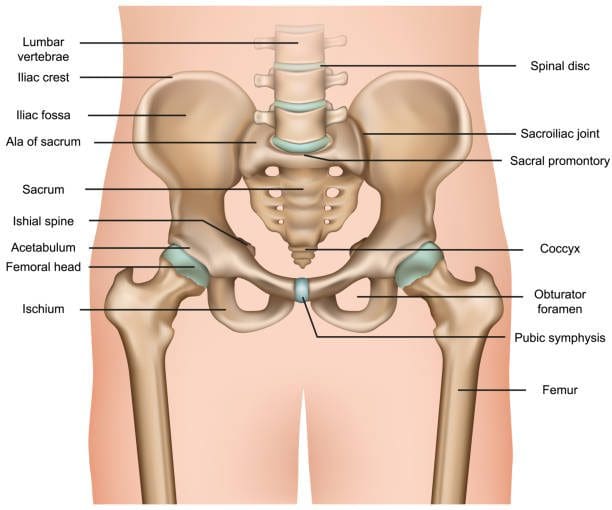
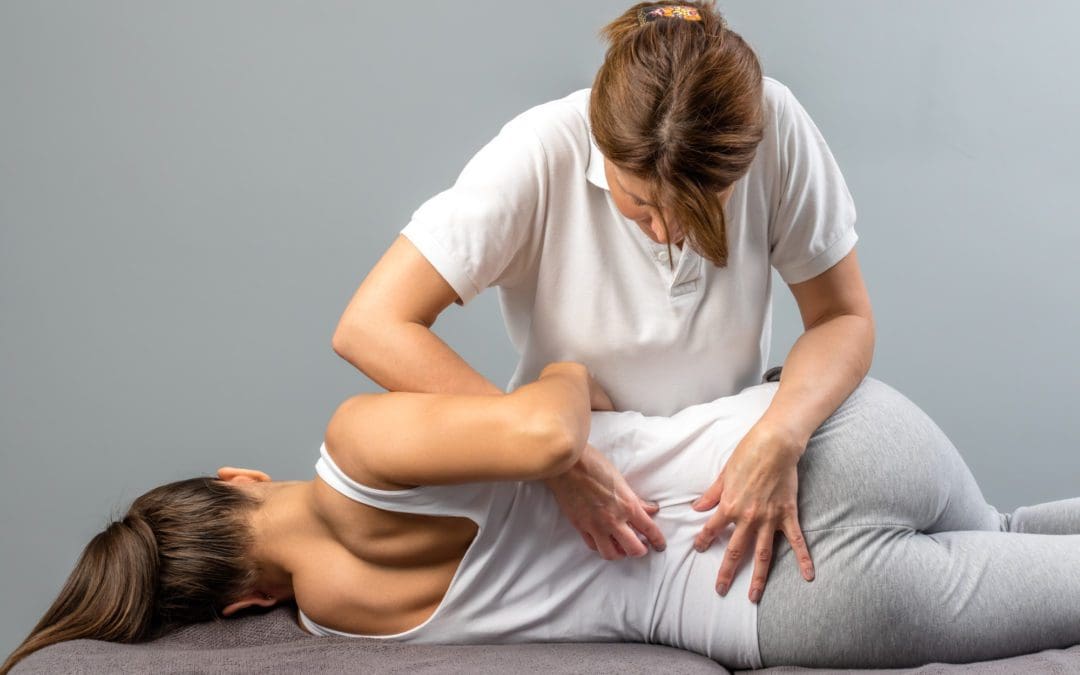
Individuals dealing with hip and pelvic pain may find relief through chiropractic care. The pelvis is a direct continuation of the spine as the sacrum (the five lowest fused vertebrae) and the pelvic girdle complex interact with the joints from the lower skeletal system. If there is pain in the lower body and the individual is unsure whether it is their back or hips, their first course of action is to visit their primary doctor or a chiropractor. Afterward, they will review the individual’s medical history while performing a series of physical exams like various movements to make an accurate diagnosis. Once the pain diagnosis is identified, chiropractors utilize total body alignment by restoring balance in the pelvis and the spine through manipulation. When the spine and hips suffer from a subluxation, it can cause unnecessary strain on the surrounding muscles around the spine and hips. To that point, realigning the spine from a chiropractic adjustment could reduce or eliminate the excessive stress affecting the surrounding muscles. Chiropractic care can also promote various therapies that increase balance along the hips and pelvic region, which include:
Stretching
Therapeutic massage
Physical activities/Exercise therapy
Nutrition
Whether the pain is located in the hips, low back, or pelvic regions, chiropractic care can help restore, address, and alleviate the pain while maintaining optimal long-lasting results.
Conclusion
The skeletal joints can help keep the body upright and stabilized while protecting the internal organs from normal and traumatic factors. When these factors begin to cause an impact on the body, the skeletal joints are at risk of developing pain along the musculoskeletal structure. Hip and pelvic pain have an overlapping relationship as they are amongst the most common complaints for many individuals. To that point, pain from the hips or the pelvic may mimic other issues associated with chronic disorders. Incorporating treatments like chiropractic care can help alleviate, address, and restore the body through spinal manipulation. This allows individuals to be pain-free and help restore balance in their joints.
References
Harris-Hayes, Marcie, et al. “Relationship between the Hip and Low Back Pain in Athletes Who Participate in Rotation-Related Sports.” Journal of Sport Rehabilitation, U.S. National Library of Medicine, Feb. 2009, https://www.ncbi.nlm.nih.gov/pmc/articles/PMC2699456/.
Lee, Dae Wook, et al. “Chronic Pelvic Pain Arising from Dysfunctional Stabilizing Muscles of the Hip Joint and Pelvis.” The Korean Journal of Pain, The Korean Pain Society, Oct. 2016, https://www.ncbi.nlm.nih.gov/pmc/articles/PMC5061646/.
Luthra, Jatinder Singh, et al. “Understanding Painful Hip in Young Adults: A Review Article.” Hip & Pelvis, Korean Hip Society, Sept. 2019, https://www.ncbi.nlm.nih.gov/pmc/articles/PMC6726866/.
Nishimura, Takaaki, and Ryo Miyachi. “Relationship between Low Back Pain and Lumbar and Hip Joint Movement in Desk Workers.” Journal of Physical Therapy Science, The Society of Physical Therapy Science, Oct. 2020, https://www.ncbi.nlm.nih.gov/pmc/articles/PMC7590845/.
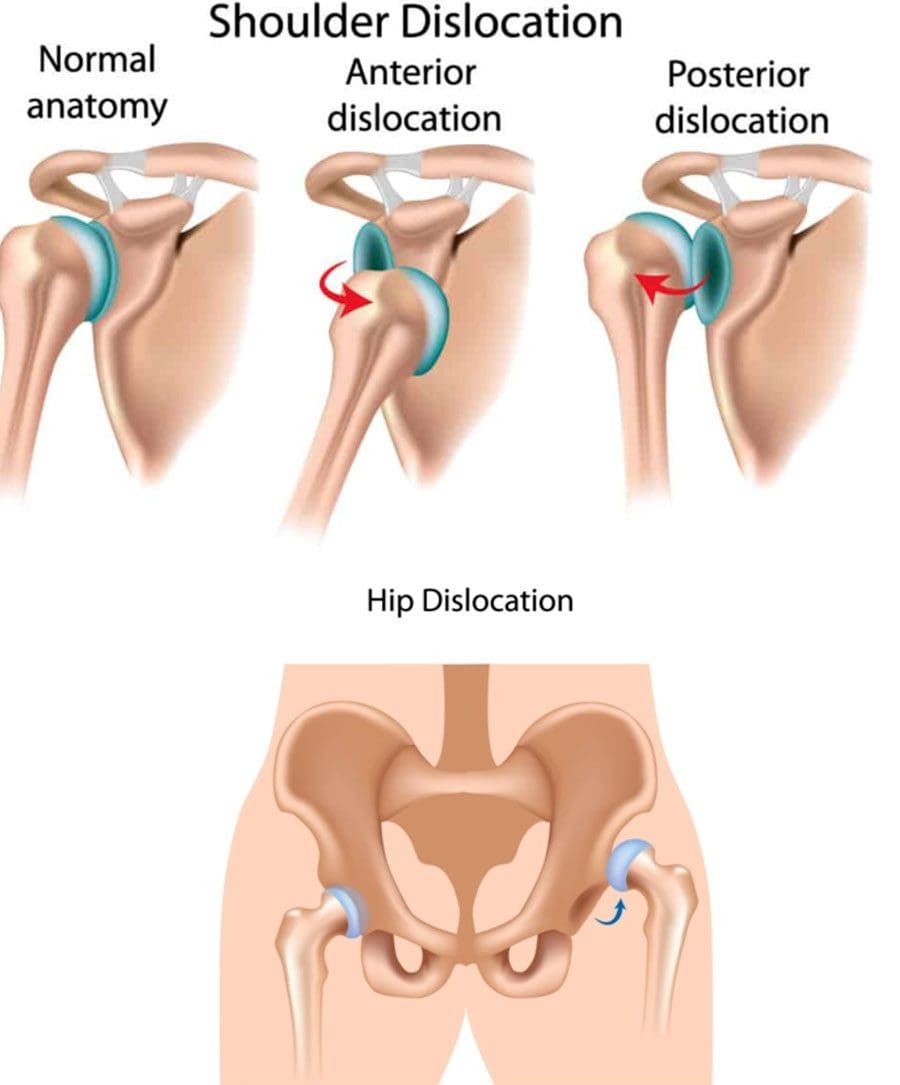
Dislocations impact the joint and are injuries that force/knock the bones out of position. Dislocations can be caused by a motor vehicle collision, falls, sports trauma, or weakened muscles and tendons. However, less impact/force is needed to dislocate smaller joints. Dislocations commonly occur at the shoulders, ankles, knees, hips, elbows, fingers and toes, and the jaw. The experience causes swelling, inability to move, and pain. A joint dislocation chiropractor can manipulate, reset, rehabilitate and strengthen the affected area and rebalance the body.
Joint Dislocation
The region where two or more bones come together is a joint. Each has a primary function, but their functions overlap. The joints allow the bones to move/articulate the skeletal system. Maintaining the body’s balance requires mobility and stability.
Mobility is the ability to move the body without restriction.
Stability is maintaining equilibrium, healthy posture, and support during movement.
The stable joints do not dislocate easily because their structures are not as flexible.
Mobile joints are at an increased risk, as they can move in almost any direction.
The kinetic chain is a sequence of joints forming an alternating pattern of stability and mobility that create a solid platform for dynamic movement. However, any joint can become dislocated, causing the affected area to become unsteady or immobile, strain or tear the surrounding muscles, nerves, and tendons which are the tissues that connect the bones to a joint.
A joint can be partially dislocated/subluxation or fully dislocated.
Joints dislocated previously have an increased risk of re-dislocating because the surrounding tissues that hold the joint have been torn or overly stretched.
Symptoms
Symptoms vary depending on the severity and location of the injury. Common symptoms include:
Instability
Loss of ability to move
Swelling
Bruising
Pain
Visible deformation
Increased Risk
Various factors can lead to joint dislocation, including:
Weakness of the supporting ligaments and muscles from natural wear and tear/age or lack of physical conditioning.
Older individuals with poor balance are more vulnerable to falls that can knock joints out of place.
Young children developing have more elastic supporting ligaments and are prone to falls, collisions, and other injuries.
Previous dislocations with overstretched or torn supporting tissues.
Repeated dislocations are likely to follow the shoulder, knee, and hip.
Physical activities like extreme sports, contact sports, or sports that involve quick body shifts, twists, and turns on the feet.
Physically demanding job.
Operating heavy machinery/equipment.
Joint hypermobility is common in children and around 5% of adults. It can be caused by weak or loose ligaments, weak or loose muscles, and/or shallow joint sockets.
Joint Dislocation Chiropractic
Treatment will vary based on the severity of the injury and the dislocated joint. Depending on the location and severity, a chiropractor will perform different movements/manipulations to realign the joint and strengthen the area.
Significant force could be necessary to pull the bones apart to realign them back into their proper position.
The joint may need to be pulled out and rotated slightly before being put back.
The focus is on increasing ligament strength.
Once the joint is back in place, it may need to remain immobile, possibly using a sling or splint to help fully heal the injury.
Physical therapy exercises will be recommended to strengthen the muscles and ligaments around the joint to support it optimally.
Shoulder Pain Chiropractic
References
Dizdarevic, Ismar, et al. “Epidemiology of Elbow Dislocations in High School Athletes.” The American journal of sports medicine vol. 44,1 (2016): 202-8. doi:10.1177/0363546515610527
Hodge, Duncan K, and Marc R Safran. “Sideline management of common dislocations.” Current sports medicine reports vol. 1,3 (2002): 149-55. doi:10.1249/00149619-200206000-00005
Prechel, Ulla et al. “The Treatment of Temporomandibular Joint Dislocation.” Deutsches Arzteblatt international vol. 115,5 (2018): 59-64. doi:10.3238/arztebl.2018.0059
Skelley, Nathan W et al. “In-game Management of Common Joint Dislocations.” Sports health vol. 6,3 (2014): 246-55. doi:10.1177/1941738113499721
The body has a defensive response known as the immune system that comes to the rescue when traumatic events or injuries impact certain areas of the body. The immune system releases inflammatory cytokines to the affected area and begins the healing process to repair the damage while also getting rid of the foreign intruders in the body. Inflammation can be potentially beneficial and harmful to the body, depending on how severe the injury has potentially impacted the area. When inflammation begins to cause an impact on the surrounding muscles, ligaments, and joints, it can lead to chronic issues associated with pain. To that point, it causes the body to be dysfunctional while mimicking other symptoms. Today’s article examines how chronic inflammatory responses affect the joints, their associated symptoms, and how to manage chronic joint inflammation. We refer patients to certified providers specializing in anti-inflammatory treatments to help many individuals dealing with chronic inflammation of the joints. We also guide our patients by referring to our associated medical providers based on their examination when it’s appropriate. We find that education is the solution to asking our providers insightful questions. Dr. Alex Jimenez DC provides this information as an educational service only. Disclaimer
How Does Chronic Inflammatory Response Affect The Joints?
Have you been experiencing pain in some regions of your body? What about experiencing tenderness in your muscles? Do your joints ache when you are doing everyday activities? If you have been dealing with these issues, it might be due to chronic inflammatory responses affecting your musculoskeletal joints. As stated earlier, inflammation can be both beneficial and harmful to the body, depending on the severity of the impact the body has taken. In its beneficial form, the body activates the immune system and eliminates pathogens from bacteria, viruses, and other environmental triggers to promote healing and tissue repair. This potentially makes the affected area red and inflamed, thus repairing the damaged cells.
However, in its harmful form, studies reveal that chronic inflammatory responses can break down immune tolerance, causing significant alterations to all the tissues, organs, and joints. To that point, the residual effects of high inflammation can cause harm to the joints and cartilage, making them potentially involved with pain and possibly deformity over time. The joints help keep the body moving, surrounded by connective muscle tissue that helps stabilize the body; when chronic inflammatory responses start to affect the joints, they can become a mediator for pain and discomfort while triggering musculoskeletal disorders. Studies reveal that inflammation in the joints can cause damage to the cartilage and result in degenerative changes to the body. This includes functionality loss, joint instability, and other symptoms associated with chronic joint inflammation.
The Symptoms Associated With Chronic Joint Inflammation
When it comes to chronic joint inflammation, it can mimic other chronic conditions that present joint instability while overlapping different chronic disorders. This makes diagnosing difficult, especially if the person is dealing with inflammation on one side of their body, but it affects another part. This is known as referred pain, and studies reveal that most inflammatory forms that affect the joints are sometimes arthritic and have systemic symptoms that may occur in different body areas. Some of the symptoms associated with chronic joint inflammation can include:
Swelling
Stiffness
Grinding sounds
Difficult mobility
Numbness
Joint deformity
The Difference Between Healthy Joints & Inflamed Joints-Video
Have you been dealing with joint pain throughout your life? Do you feel muscle stiffness in certain areas when you move around? Or do you feel muscle tenderness in certain areas? Many of these symptoms are associated with joint inflammation, potentially overlapping with musculoskeletal pain. The video above explains the difference between healthy joints and inflamed joints. Healthy joints are utilized when the surrounding muscles are strong and functional while no pain is inflicted on the body. Inflamed joints may be caused by numerous factors like lifestyle habits, physical inactivity, or previous conditions associated with inflamed joint pain. Studies reveal that inflammatory cytokines may potentially amplify musculoskeletal discomfort that affects the musculoskeletal tissues that surround the joints. To that point, inflammation of the musculoskeletal system may overlap with joint pain, thus directly impacting a person’s quality of life. Fortunately, there are ways to manage chronic joint inflammation and restore a person’s health and wellness.
Managing Chronic Joint Inflammation
Since inflammation is beneficial and harmful to the body, there are different ways to manage chronic inflammatory markers triggering joint pain. Many individuals who want to lower inflammation in their joints will begin to incorporate natural ways to lessen the pain. Eating foods high in fiber may potentially help lower inflammatory markers, including physical activities to improve musculoskeletal and joint stability and utilizing chiropractic care. Studies reveal that chronic joint inflammation associated with pain does affect a person’s ability to sleep and emotional health. To that point, incorporating treatments to manage inflammatory effects may potentially improve a person’s self-efficacy. Now how does chiropractic care help manage chronic joint inflammation? Chiropractic care includes inflammation reduction techniques that help loosen the stiff muscles that surround the inflamed joints. Joint inflammation may also be due to subluxation (spinal misalignment) associated with environmental factors. Utilizing chiropractic care not only alleviates the symptoms caused by joint inflammation but may potentially alleviate the cause of inflammation. Once a person has completed their chiropractic care treatment, they can return to normal activities without the risk of re-injury and re-inflammation.
Conclusion
Inflammation in the body can be beneficial and harmful depending on the impacted area. The body unleashes inflammatory cytokines when a traumatic event or injury has occurred in certain body areas. This is due to the immune system naturally responding to the damaged cells, thus causing the area to be red, hot, and swollen to promote healing. To that point, inflammation can impact the surrounding muscles, ligaments, and joints, which can lead to chronic issues associated with pain. Chronic joint inflammation is residual high inflammatory effects that cause harm to the cartilage and joint structures, thus making them potentially involved with pain and possible deformity. Fortunately, treatments like high fiber and anti-inflammatory foods, getting enough exercise, and chiropractic care may help manage chronic joint inflammation and its associated pain symptoms. This way, many individuals can resume their normal activities.
References
Furman, David, et al. “Chronic Inflammation in the Etiology of Disease across the Life Span.” Nature Medicine, U.S. National Library of Medicine, Dec. 2019, https://www.ncbi.nlm.nih.gov/pmc/articles/PMC7147972/.
Kim, Yeesuk, et al. “Diagnosis and Treatment of Inflammatory Joint Disease.” Hip & Pelvis, Korean Hip Society, Dec. 2017, https://www.ncbi.nlm.nih.gov/pmc/articles/PMC5729162/.
Lee, Yvonne C. “Effect and Treatment of Chronic Pain in Inflammatory Arthritis.” Current Rheumatology Reports, U.S. National Library of Medicine, Jan. 2013, https://www.ncbi.nlm.nih.gov/pmc/articles/PMC3552517/.
Skateboarding is a popular activity among children, teenagers, and young adults. It is recreational, competitive, fun, and exciting but, like any sport, carries a risk of injury. There are around 70,000 skateboarding injuries requiring a visit to the emergency room every year. The most common injuries involve the shins, ankles, forearms, wrists, elbows, face, and skull, with many left untreated that worsen as they heal improperly, leading to further damages and complications. Chiropractic can treat the injuries, rehabilitate the muscles and joints, and strengthen the body to get the skater back on their board.
Skateboarding Injuries
Skateboarding injuries can range from scrapes, cuts, and bruises to sprains, strains, broken bones, and concussions.
Shin injuries often happen during flip/twist tricks where the board or axle hits the shin causing bruising and swelling.
Shoulder, wrist, and hand injuries are common when skaters lose their balance and fall with outstretched arms.
Ankle injuries include rolls/sprains, as well as dislocations and fractures.
Dislocations usually happen to the shoulders, wrists, and fingers.
Facial injuries include teeth knocked out, broken nose, or jaw are typically caused by fast forward hard falls.
Severe injuries include concussions and head injuries.
Injury causes
Skateboarding injuries typically occur from:
Skating on irregular surfaces locks up wheels and affects balance, causing falls.
Losing balance or losing control of the board and falling hard/slamming into the pavement.
Inexperience, slow reaction times, and less coordination lead to falls and slams.
Skating into another skater, a person walking or cycling, a car, or a road hazard.
Trying an advanced trick/maneuver too soon and beyond their skill level.
Help prevent further injuries and long-term effects.
Chiropractic Skateboarding Injury Treatment
References
Forsman, L, and A Eriksson. “Skateboarding injuries of today.” British journal of sports medicine vol. 35,5 (2001): 325-8. doi:10.1136/bjsm.35.5.325
Hunter, Jamie. “The epidemiology of injury in skateboarding.” Medicine and sport science vol. 58 (2012): 142-57. doi:10.1159/000338722
Partiali, Benjamin, et al. “Injuries to the Head and Face From Skateboarding: A 10-Year Analysis From National Electronic Injury Surveillance System Hospitals.” Journal of oral and maxillofacial surgery: official journal of the American Association of Oral and Maxillofacial Surgeons vol. 78,9 (2020): 1590-1594. doi:10.1016/j.joms.2020.04.039
Shuman, Kristin M, and Michael C Meyers. “Skateboarding injuries: An updated review.” The Physician and sportsmedicine vol. 43,3 (2015): 317-23. doi:10.1080/00913847.2015.1050953
The body is exposed to various environmental factors daily. Whether it is the environment that a person is living, the foods being consumed, or the level of physical activities a person has plays a part in the body. Many individuals that want to live a healthier lifestyle will start small by incorporating nutritious foods they can add, sticking to an exercise regime they might enjoy, and finding time to meditate. Those who don’t want to change their lifestyle habits will continue eating foods that are high in fats, not exercising enough, or have problems sleeping. Over time, the body will be at risk of developing autoimmune disorders associated with musculoskeletal symptoms when exposed to environmental factors that impact a person’s lifestyle. Today’s article looks at an autoimmune disorder that causes inflammatory effects on the joints, known as polymyalgia rheumatica, the symptoms associated with this disorder, and how chiropractic care can help manage the symptoms of polymyalgia rheumatica. We refer patients to certified providers specializing in autoimmune treatments to help many individuals with autoimmune diseases associated with musculoskeletal disorders. We also guide our patients by referring to our associated medical providers based on their examination when it’s appropriate. We find that education is the solution to asking our providers insightful questions. Dr. Alex Jimenez DC provides this information as an educational service only. Disclaimer
What Is Polymyalgia Rheumatica?
Have you been experiencing pain along your shoulders, neck, hips, or thighs? Does your body feel stiff in the morning and better throughout the day? Or have you been experiencing a limited range of motion in certain areas of your body? Many of these symptoms are signs that you might be at risk of developing polymyalgia rheumatica in your joints. Polymyalgia rheumatica is defined as a rheumatic disorder that is common in elderly adults over the age of 50. Polymyalgia rheumatica is an inflammatory musculoskeletal disorder that induces muscle pain and stiffness around the joints, especially in the morning. Studies reveal that polymyalgia rheumatica is often characterized by aching muscle pain in the shoulders, pelvis, and neck; it can mimic other rheumatic diseases like RA (rheumatoid arthritis), SLE (systemic lupus erythematosus), and polymyositis. When the body is dealing with the inflammatory effects of polymyalgia rheumatica, many people believe they are dealing with a different disorder affecting their bodies. To that point, diagnosing polymyalgia rheumatica is difficult.
The Symptoms Associated With Polymyalgia Rheumatica
Since polymyalgia rheumatica can mimic other rheumatic diseases, some of the symptoms associated with this inflammatory musculoskeletal disorder are similar to other chronic common diseases in the body. Studies reveal that the cause of polymyalgia is unknown, but environmental and genetic factors contribute to this inflammatory disease. Another disease that shares similar symptoms with polymyalgia is a disease known as giant cell arteritis. Giant cell arteritis causes inflammatory effects along the lining of the arteries, and individuals with this disease may have polymyalgia rheumatica. Some of the symptoms associated with polymyalgia rheumatica include:
Shoulder pain
Pelvic pain
Limited range of motion
Muscle stiffness
Joint pain
Inflammation
Neck pain
An Overview Of Polymyalgia Rheumatica- Video
Have you been experiencing pain in some regions of your body, like the shoulders, pelvis, and neck? Do you feel muscle stiffness every morning, but does it get better throughout the day? Have you been dealing with joint inflammation? If you have been experiencing these musculoskeletal symptoms, you might be at risk of developing polymyalgia rheumatica. The video above gives an insightful overview of what polymyalgia is and the symptoms associated with this inflammatory musculoskeletal disorder. Polymyalgia rheumatica is an auto-inflammatory musculoskeletal disorder that affects many adults over 50 and causes muscle stiffness in the body’s neck, shoulder, and pelvic regions. This inflammatory musculoskeletal disorder does mimic other rheumatic disorders like RA (rheumatoid arthritis) and lupus. The symptoms associated with polymyalgia rheumatica are generally similar to other common chronic disorders, making diagnosis challenging to pinpoint. Luckily there are ways to manage polymyalgia rheumatica and its associated musculoskeletal symptoms.
Managing Polymyalgia Rheumatica With Chiropractic Care
Since the body is dealing with symptoms from polymyalgia rheumatica is challenging to diagnose since it mimics other rheumatic disorders and their associated symptoms. When the body is suffering from joint pain associated with polymyalgia rheumatica, the surrounding muscles, and ligaments that help stabilize the joints become inflamed and cause discomfort to the body. Fortunately, treatments like chiropractic care are available to help manage the joint inflammation associated with polymyalgia rheumatica. Chiropractic care utilizes spinal manipulation of the body by manipulating spinal subluxation or misalignment of the joints. Spinal manipulation helps the body relax and incorporates healing properties into the inflamed joints. Chiropractic care helps loosen up the stiff muscles and ligaments surrounding the joints to reduce pressure on the nerves and help bring the range of motion back to the joints. Many individuals who incorporate chiropractic care to help manage musculoskeletal symptoms associated with rheumatic disorders like polymyalgia rheumatica will be pain-free on their wellness journey.
Conclusion
Polymyalgia rheumatica is an inflammatory musculoskeletal disorder common in elderly adults that induces muscle pain and stiffness around the joints. This inflammatory musculoskeletal disorder affects the shoulder, neck, and pelvic region while mimicking other rheumatic disorders like RA (rheumatoid arthritis) and lupus. Since the body is exposed to various environmental daily, over time may be at risk of developing autoimmune diseases associated with musculoskeletal symptoms that can impact the individual. To that point, making it difficult to diagnose. Fortunately, treatments like chiropractic care can help manage the musculoskeletal symptoms associated with polymyalgia rheumatica. Chiropractic care can help reduce stiff joint inflammation by manipulating the body, causing the aching muscles to relax and increase their range of motion. Utilizing chiropractic care can help a person get back to their health and wellness journey.
References
Acharya, Saurav, and Rina Musa. “Polymyalgia Rheumatica – StatPearls – NCBI Bookshelf.” In: StatPearls [Internet]. Treasure Island (FL), StatPearls Publishing, 21 June 2022, https://www.ncbi.nlm.nih.gov/books/NBK537274/.
Al-Kaabi, Juma, et al. “Non-Hodgkin Lymphoma Mimicking Polymyalgia Rheumatica in a Young Patient.” Oman Medical Journal, OMJ, July 2008, https://www.ncbi.nlm.nih.gov/pmc/articles/PMC3282323/.
Michet, Clement J, and Eric L Matteson. “Polymyalgia Rheumatica.” BMJ (Clinical Research Ed.), BMJ Publishing Group Ltd., 5 Apr. 2008, https://www.ncbi.nlm.nih.gov/pmc/articles/PMC2287267/.
Milchert, Marcin, and Marek Brzosko. “Diagnosis of Polymyalgia Rheumatica Usually Means a Favourable Outcome for Your Patient.” The Indian Journal of Medical Research, Medknow Publications & Media Pvt Ltd, May 2017, https://www.ncbi.nlm.nih.gov/pmc/articles/PMC5644293/.
Health care should not be subpar; with so many choices, advertisements, reviews, word of mouth, etc., finding quality health care can be challenging. This can be a physician, dentist, nutritionist, or chiropractor. How to know when a top chiropractic team is treating you?
When Chiropractic Care Is Necessary
Individuals wonder when they should see a chiropractor. Signs and symptoms that could indicate you should see a chiropractor include:
Trouble standing, walking, bending, or performing daily activities.
Discomfort or pain when sitting or lying down.
Headaches.
Neck pain.
Shoulder, arm, or hand tingling or pain.
Back pain.
Hip pain.
Pain that runs down one or both legs.
Knee pain.
Foot problems like numbness, tingling, or pain.
Top Chiropractic Team
A top chiropractic team will harmoniously perform their jobs; even with obstacles, they will get it done. They will communicate effectively with each other and the patients, explain the whole process, provide personalized treatments and not a one size fits all approach, and value the patients’ time.
Communication
Communication is vital for individuals to understand and have confidence in their personalized treatment plan.
The chiropractor and supporting staff will ensure the patient understands what will happen and how it will affect their injury/condition.
The doctor and staff will continually ask how you are doing.
The team’s ultimate goals are to get the healing process activated and the patient’s satisfaction.
Offered Multiple Treatment Options
Spinal adjustments are not the only thing individuals should think of when considering treatment. Multiple treatment approaches have been found to achieve the best results when dealing with musculoskeletal conditions and disorders. The chiropractor will discuss and offer specific treatment options that can include:
A top chiropractic clinic doesn’t feel like the doors are just revolving with patients rushing in and out like a grocery store.
Every patient’s appointment is their time with:
A detailed consultation
Therapeutic prep-massage to loosen muscles and joints before the adjustments.
Thorough chiropractic adjustments
After-care patient questions – The chiropractor or staff will take the time to answer all your questions and not waste your time waiting around.
Recommended stretching exercises
Body analysis
Nutritional advice
Treatments Are Working
Chiropractic care can take some time to treat, rehabilitate, and heal the injury or condition.
The treatments work, and you see and feel the progress.
You can move around without fear of triggering pain.
Your confidence grows in yourself and the team.
If treatment is not working or producing lasting results, the chiropractor will refer you to another medical professional.
A top chiropractic team wants the best medical treatment for each patient, even if they cannot provide it.
Patient Satisfaction
When treated by a top chiropractic team from the front desk, patient care coordinator, massage therapists, nutritionist, and clinic manager, the overall experience is positive and pleasant; you can feel the difference and leave exhilarated.
Functional Medicine
References
Clijsters, Mattijs et al. “Chiropractic treatment approaches for spinal musculoskeletal conditions: a cross-sectional survey.” Chiropractic & manual therapies vol. 22,1 33. 1 Oct. 2014, doi:10.1186/s12998-014-0033-8
Eriksen, K., Rochester, R.P. & Hurwitz, E.L. Symptomatic reactions, clinical outcomes and patient satisfaction associated with upper cervical chiropractic care: A prospective, multicenter, cohort study. BMC Musculoskelet Disord 12, 219 (2011). https://doi.org/10.1186/1471-2474-12-219
Gary Gaumer, Factors Associated With Patient Satisfaction With Chiropractic Care: Survey and Review of the Literature,
Journal of Manipulative and Physiological Therapeutics, Volume 29, Issue 6, 2006, Pages 455-462, ISSN 0161-4754, https://doi.org/10.1016/j.jmpt.2006.06.013 (https://www.sciencedirect.com/science/article/pii/S0161475406001588)
Kerns, R.D., Krebs, E.E. & Atkins, D. Making Integrated Multimodal Pain Care a Reality: A Path Forward. J GEN INTERN MED 33, 1–3 (2018). https://doi.org/10.1007/s11606-018-4361-6
Pribicevic, M., Pollard, H. A multi-modal treatment approach for the shoulder: A 4 patient case series. Chiropr Man Therap 13, 20 (2005). https://doi.org/10.1186/1746-1340-13-20
IFM's Find A Practitioner tool is the largest referral network in Functional Medicine, created to help patients locate Functional Medicine practitioners anywhere in the world. IFM Certified Practitioners are listed first in the search results, given their extensive education in Functional Medicine