Nutrition and Integrative Care for Mobility and Injury Recovery at El Paso Back Clinic®
In El Paso, TX, maintaining mobility and flexibility is essential for an active lifestyle, whether you’re recovering from an injury or managing chronic pain. At El Paso Back Clinic®, led by Dr. Alexander Jimenez, DC, APRN, FNP-BC, a well-balanced diet and targeted supplementation are combined with chiropractic care to support joint health, reduce inflammation, and enhance muscle and bone function. Nutrients like omega-3 fatty acids, collagen, and vitamins D and K, alongside supplements such as glucosamine, chondroitin, and turmeric, are key to improving movement and promoting healing. Dr. Jimenez’s integrative approach, incorporating massage therapy, acupuncture, and functional medicine, helps patients recover from motor vehicle accidents, work injuries, sports injuries, and chronic conditions, ensuring natural healing and long-term wellness.
Nutrition for Joint Health and Recovery
A nutrient-dense diet is critical for supporting joint health and aiding recovery, especially for El Pasoans dealing with injuries from accidents or physical strain. Omega-3 fatty acids, found in foods like salmon, chia seeds, and walnuts, reduce inflammation, helping to alleviate joint pain and improve flexibility (StretchIt App, 2023). This is particularly important for those recovering from motor vehicle accidents or sports injuries, where inflammation can prolong discomfort.
Collagen, a primary component of cartilage and tendons, strengthens joints and supports repair. Consuming collagen-rich foods like bone broth or taking supplements can aid recovery from injuries common in El Paso’s active community (Nature’s Best, 2023). Vitamins D and K are vital for bone health, providing stability to joints. Vitamin D, sourced from fortified dairy or El Paso’s sunny environment, enhances calcium absorption, while vitamin K, found in leafy greens like spinach, supports bone mineralization (BetterYou, 2023).
Protein is essential for muscle repair, acting as a protective layer for joints during movement. Foods like eggs, lean meats, and lentils provide amino acids to rebuild muscle tissue, crucial for those healing from work or sports injuries (Nature’s Best, 2023). Hydration is also key, as water lubricates joint cartilage, reducing wear and supporting smooth motion (Spinal Rehab and Chiro Center, 2023).
Supplements can amplify the benefits of a healthy diet, particularly for those recovering from injuries or managing chronic pain. Glucosamine and chondroitin support cartilage health, with glucosamine aiding cartilage production and chondroitin helping joints retain water, improving mobility (VoltaGel, 2023). At El Paso Back Clinic®, Dr. Jimenez often recommends these for patients with joint wear from auto accidents or repetitive work tasks.
Turmeric, with its active compound curcumin, is a potent anti-inflammatory supplement that reduces joint pain, aiding recovery for El Paso’s active residents (ZoharyogaFlex, 2023). Magnesium supports muscle relaxation and flexibility, helping prevent stiffness after injuries (BetterYou, 2023). Collagen supplements strengthen connective tissues, speeding up recovery from sprains or strains, common in sports or workplace injuries (NutritionX, 2023).
Patients are advised to consult Dr. Jimenez or a healthcare professional before starting supplements, especially if they have existing conditions or take medications (MVSU, 2023).
At El Paso Back Clinic®, Dr. Alexander Jimenez, a chiropractor and nurse practitioner, specializes in treating injuries from motor vehicle accidents, work incidents, sports mishaps, and chronic conditions like arthritis or back pain. His dual-scope approach combines chiropractic adjustments with medical evaluations, using advanced diagnostics like X-rays and MRIs to identify issues such as herniated discs or nerve compression (Jimenez, 2023a). This ensures precise, personalized treatment plans for conditions causing pain, numbness, or reduced mobility.
Dr. Jimenez’s ability to provide detailed medical and legal documentation is a key asset for personal injury cases, supporting insurance claims or legal proceedings in El Paso’s vibrant community (Jimenez, 2023b). His focus on addressing the root causes of pain, such as spinal misalignments or soft tissue damage, promotes lasting recovery and improved quality of life.
Integrative Therapies for Comprehensive Rehabilitation
El Paso Back Clinic® offers a holistic approach to recovery, combining chiropractic care, massage therapy, acupuncture, and nutritional guidance. Chiropractic adjustments correct spinal and joint misalignments, relieving pressure and restoring mobility for conditions like whiplash or lower back pain (Jimenez, 2023a). Massage therapy reduces muscle tension and improves blood flow, aiding recovery from soft tissue injuries common in auto accidents or sports (Jimenez, 2023c).
Acupuncture targets pain and inflammation with precise needle placements, making it effective for chronic pain or post-injury recovery (Jimenez, 2023d). Nutritional guidance, including anti-inflammatory diets and supplements like omega-3s or collagen, supports joint and muscle repair, addressing underlying causes and preventing complications like chronic pain or joint degeneration (El Paso Back Clinic, 2023).
This integrative approach promotes natural healing, helping El Paso patients recover from a wide range of injuries while minimizing long-term issues.
At El Paso Back Clinic®, Dr. Jimenez and his team provide personalized care plans that integrate nutrition, chiropractic care, and integrative therapies to address pain and promote wellness. Whether recovering from a car accident, work injury, or sports trauma, the clinic’s holistic approach ensures optimal outcomes. Nutritional strategies, such as incorporating omega-3-rich foods or collagen supplements, support joint health and recovery (El Paso Back Clinic, 2023).
The clinic’s commitment to El Paso’s community is evident in its mission to help patients live pain-free, active lives. Always consult a healthcare professional before making dietary changes or starting supplements to ensure they align with your specific health needs (MVSU, 2023).
At El Paso Back Clinic®, Dr. Alexander Jimenez combines nutrition, supplementation, and integrative therapies to support mobility, flexibility, and injury recovery. A diet rich in omega-3s, collagen, and vitamins D and K, paired with supplements like glucosamine and turmeric, enhances joint health and reduces inflammation. Dr. Jimenez’s expertise in chiropractic care, massage therapy, acupuncture, and functional nutrition provides a comprehensive approach to healing injuries from auto accidents, work, or sports, while preventing long-term complications. The clinic helps El Pasoans live vibrant, pain-free lives. Consult a healthcare professional before starting new dietary or supplement regimens to ensure they suit your needs.
Individuals with the autoimmune disease lupus may be more sensitive to sun exposure. Are there ways to help protect the skin?
Lupus Sun Exposure
Lupus is an autoimmune disease in which the body mistakenly attacks the joints, muscles, and skin. Around 5 million individuals worldwide, and 1.5 million in the United States, have been diagnosed with lupus. The disease is most common in early to mid-adulthood, and 90% develop in women. (Lupus Foundation of America, 2021) For some, the symptoms manifest as joint swelling or muscle soreness. Skin rashes, mottling or red or purple marbled skin, and sun sensitivity are common lupus symptoms. (Medline Plus, 2024) While exposure to UV radiation from natural and artificial light can be damaging to everyone, minimal exposures can cause a flare-up for those with chronic lupus.
Certain medications can impact individual sensitivity to the sun and UV radiation.
Sun Exposure
Lupus can increase photosensitivity or immune system reaction to the sun’s rays. This symptom affects 40% and 70% of individuals with lupus. (Lupus Foundation of America, 2021) UV radiation damages cells and alters DNA. However, the damage can be more severe in those with lupus because their cells are more sensitive, and damaged cells are removed from the body more slowly, which can cause an attack on the immune system. (Lupus Foundation of America, 2021)
Symptoms
UV light and certain artificial light sources can trigger reactions in those with lupus. These reactions can happen immediately or develop weeks later and include: (Lupus Foundation of America, 2013)
Rashes or skin lesions that appear after sun exposure can come and go within hours or days, or they can last for months. (Lupus Foundation of America, 2013) UV light can also cause a lupus flare-up of symptoms, including fatigue, joint pain, tingling, and numbness. (Lupus Foundation of America, 2021)
Protection
Protecting the skin from UV radiation is recommended for everyone, but it is especially important for individuals with photosensitivity from lupus. Some strategies to protect the skin include.
Sunscreen
Applying sunscreen to the skin provides a chemical or physical barrier to UV radiation. (MD Anderson, 2024) Most commercial sunscreens offer a combination of protection:
Physical Barriers
These include minerals like titanium dioxide or zinc oxide.
The finely ground minerals lay on top of the skin’s surface and reflect UV rays away.
Chemical Absorbers
These offer a thin, protective film that absorbs UV rays before they can penetrate the skin.
Proper sunscreen application is crucial, regardless of which type is chosen. The recommended application is to apply a palmful of sunscreen every two hours or more often if it gets wet or sweaty. Look for sunscreens that offer broad-spectrum protection against:
Ultraviolet A (UVA) rays
Ultraviolet B (UVB) rays
A sun protection factor (SPF) of at least 30 is recommended.
Most clothing offers protection against UV radiation.
Individuals can purchase clothing or hats with UV-blocking properties or washing products for their clothes to increase their level of UV protection. (American Cancer Society, 2024)
Sunglasses are also important against UV radiation, eye damage, and other problems.
Utilize Shade Areas
In the summer, the sun is strongest in most locations between 10 a.m. and 4 p.m. UV rays can pass through windows, and the body is exposed to UV radiation on cloudy days (American Cancer Society, 2024). Avoiding sunlight or other strong sources of UV radiation will help protect the skin. Staying indoors or in shaded areas is the best choice during these hours.
Seeing a Healthcare Provider
Lupus treatment varies and changes over time. Individuals with lupus schedule regular appointments with their healthcare provider to review treatment and symptoms, especially after sun exposure. Avoiding sun exposure by seeking shade and wearing sunscreen and protective clothing can help reduce the chances of experiencing a flare-up. Some cases of photosensitivity are mild, while others can require more intense treatments to avoid larger flare-ups.
Injury Medical Chiropractic and Functional Medicine Clinic works with primary healthcare providers and specialists to develop a personalized care plan for each patient through an integrated approach to treating injuries and chronic pain syndromes, improving flexibility, mobility, and agility programs to relieve pain and help return to normal and optimal function. If other treatments are needed, Dr. Jimenez has teamed up with top surgeons, clinical specialists, medical researchers, and rehabilitation providers to provide the most effective treatments.
Unlocking Pain Relief
References
Medline Plus. (2024). Lupus. Retrieved from https://medlineplus.gov/lupus.html
Lupus Foundation of America. (2021). Lupus facts and statistics. https://www.lupus.org/resources/lupus-facts-and-statistics
U.S. Environmental Protection Agency. (2024). Health effects of UV radiation. Retrieved from https://www.epa.gov/sunsafety/health-effects-uv-radiation
Centers for Disease Control and Prevention. (2024). UV radiation. Retrieved from https://www.cdc.gov/radiation-health/features/uv-radiation.html?CDC_AAref_Val=https://www.cdc.gov/nceh/features/uv-radiation-safety/index.html
Lupus Foundation of America. (2021). UV exposure: What you need to know. https://www.lupus.org/resources/uv-exposure-what-you-need-to-know
Lupus Foundation of America. (2013). Research on photosensitivity among people with lupus. https://www.lupus.org/resources/research-on-photosensitivity-among-people-with-lupus
MD Anderson Center. (2024). How does sunscreen work? https://www.mdanderson.org/cancerwise/how-does-sunscreen-work.h00-159698334.html
Skin Cancer Foundation. (2020). Ask the expert: Does sunscreen stay effective after its expiration date? https://www.skincancer.org/blog/ask-the-expert-does-a-sunscreen-stay-effective-after-its-expiration-date/
American Cancer Society. (2024). How do I protect myself from ultraviolet (UV) rays? https://www.cancer.org/cancer/risk-prevention/sun-and-uv/uv-protection.html
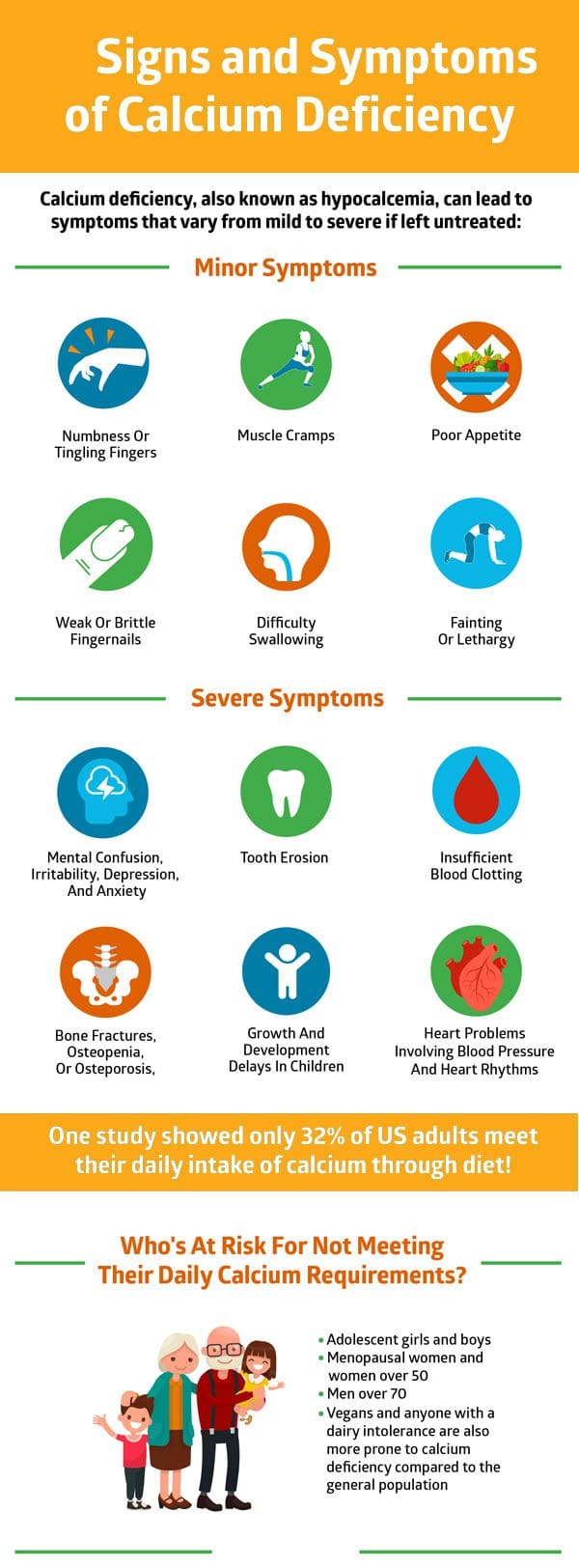
Calcium and Vitamin D for optimal bone health. The body’s bones/skeletal system contains a huge amount of calcium. Close to 100% of the body’s total calcium is in the bones. Calcium is a nutrient that helps the body rebuild/repair bones. �
�
This means an individual needs enough calcium throughout their lifetime for healthy bones. Individuals with osteoporosis have an increase of fracture/s, which means it is even more important to have the proper amount of calcium.
However, the body also needs enough vitamin D to properly absorb the calcium. When the body does not have enough vitamin D, the body will not be able to utilize all the calcium being taking in. Maintaining bone health requires keeping track of calcium and vitamin D intake.
�
Calcium
How much calcium the body needs depends on various factors, that include age. Listed are basic recommendations of calcium intake by age, but individuals should talk with a doctor about how much calcium is best for them on a daily basis. �
Children and Young Adults
1-3 years of age 500mg
4-8 years of age 800mg
9-18 years of age 1,300mg
�
Adult Men and Women
19-49 years of age 1,000mg
50+ years of age 1,200mg
�
Women Pregnant and Breastfeeding
Under 18 years of age 1,300mg
19+ years of age 1,000mg
�
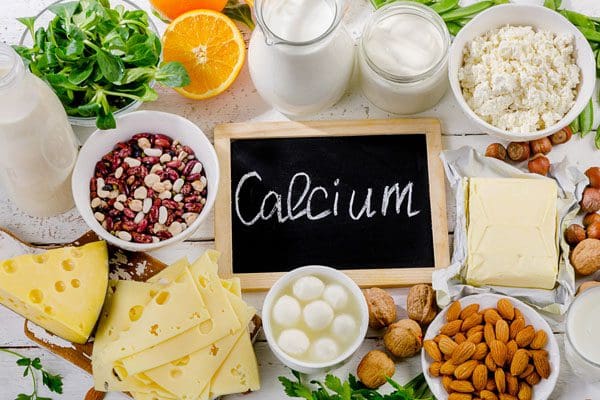
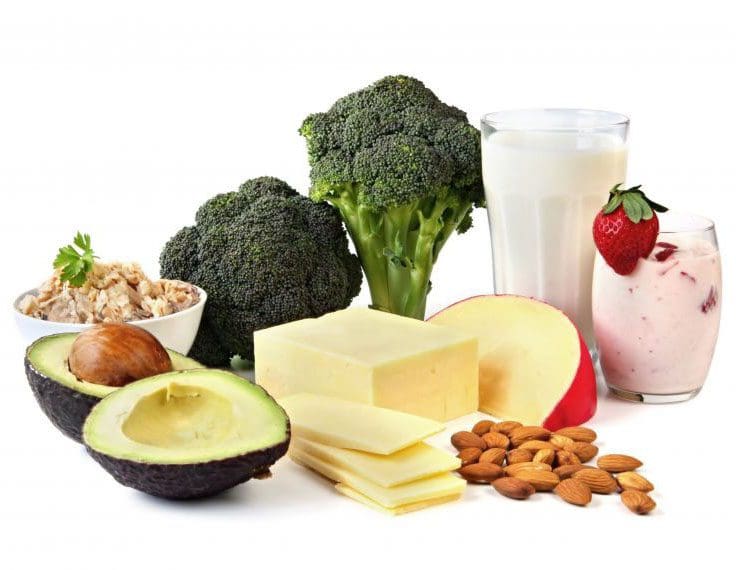
This can help to get a general idea of how much calcium is needed every day. The best way to get enough calcium through what is eaten and drank regularly. Here are some foods that offer the proper amount of calcium:
Cooked Broccoli 60mg in 8 oz.
Fruit Juice with Added Calcium 200-260mg in 6 oz.
Low-fat and Skim Milk 300mg in 8 oz.
Low-fat Plain Yogurt 415mg in 8 oz.
Swiss Cheese 220-270mg in 1 oz.
These are estimates for the amount of calcium these foods offer. Always look at the food label to get an accurate number. These are also just examples of what foods can help meet the calcium requirement for the day. If unable to get enough calcium from the diet, supplements can be taken to make sure the appropriate amount is met.
An example of not being able to get the proper amount is individuals that are lactose intolerant. This can be a challenge to get the calcium needed. For individuals not getting enough calcium should talk with a doctor, nutritionist, or health coach about supplements. They will help figure out the best calcium supplement and how much to take. However, getting too much calcium can be detrimental to overall health. That’s why finding the best balance is key.
Vitamin D
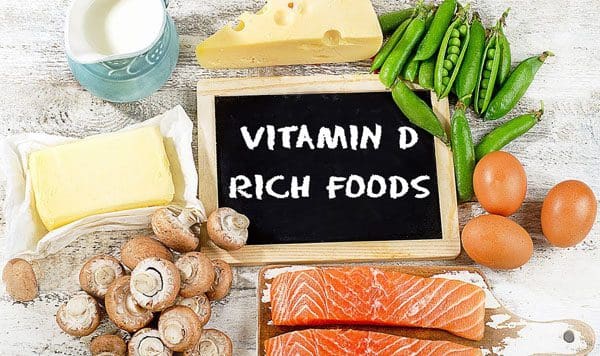
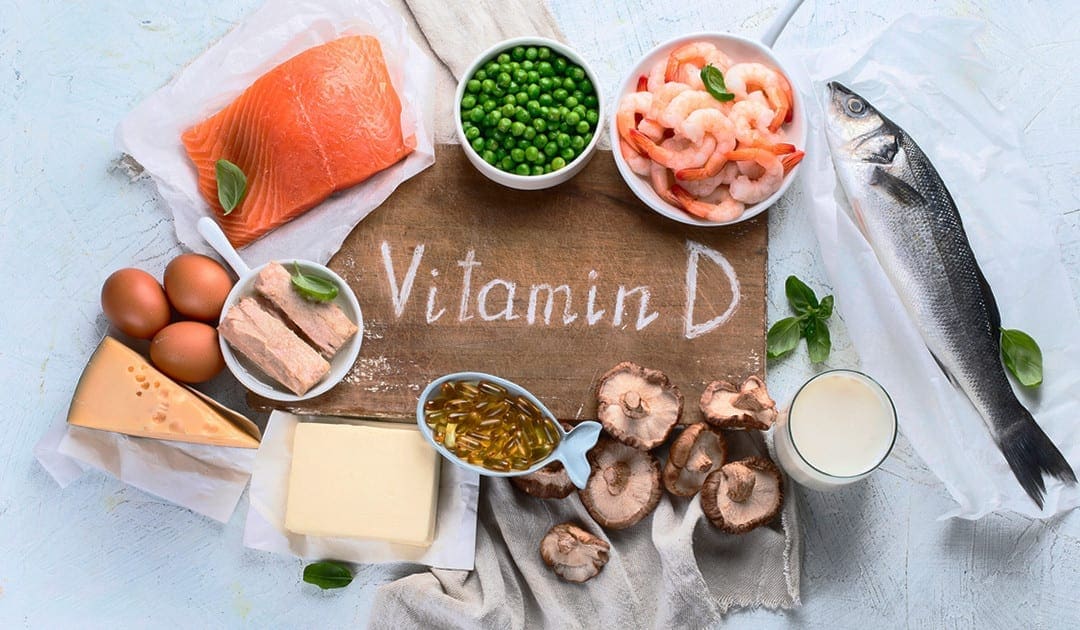
Vitamin D is what helps the body absorb calcium. The body makes vitamin D when outside in the sun. This is a perfect reason to go outside more often. 15 minutes of exposure to the sun every day will significantly increase vitamin D production. Some individuals are not able to make enough vitamin D, no matter how much sunlight exposure. However, Vitamin D is also found in various foods like:
For some individuals, it can also be a challenge to get enough vitamin D. There are vitamin D supplements that can help fill daily requirements. A doctor can tell if supplements are needed with various tests that can tell how much vitamin D the body is getting. There are two types of vitamin D supplements: They are D3 and D2. Research shows that D3 and D2 are both good for bones. And just like calcium, the amount of vitamin D needed depends on age: �
Getting enough calcium and Vitamin D is essential for healthy bones and a healthy body. Our nutritionist and health coach can help get you back on track to optimal health.
Chiropractic Care and CrossFit Rehabilitation
Dr. Alex Jimenez�s Blog Post Disclaimer
The scope of our information is limited to chiropractic, musculoskeletal, physical medicines, wellness, and sensitive health issues and/or functional medicine articles, topics, and discussions. We use functional health & wellness protocols to treat and support care for injuries or disorders of the musculoskeletal system. Our posts, topics, subjects, and insights cover clinical matters, issues, and topics that relate and support directly or indirectly our clinical scope of practice.*
Our office has made a reasonable attempt to provide supportive citations and has identified the relevant research study or studies supporting our posts. We also make copies of supporting research studies available to the board and or the public upon request. We understand that we cover matters that require an additional explanation as to how it may assist in a particular care plan or treatment protocol; therefore, to further discuss the subject matter above, please feel free to ask Dr. Alex Jimenez or contact us at 915-850-0900. The provider(s) Licensed in Texas& New Mexico*
References
Fischer, V et al. �Calcium and vitamin D in bone fracture healing and post-traumatic bone turnover.��European cells & materials�vol. 35 365-385. 22 Jun. 2018, doi:10.22203/eCM.v035a25
There are certain foods that although healthy, for individuals trying to prevent osteoporosis, they could stunt healthy bone growth. There are ways to prevent osteoporosis, and eating a diet rich in calcium and vitamin D is one of them. However, not all foods are beneficial for bone health.
Some nutrients can actually damage bones when consumed in high doses. These foods do not have to be completely removed from an individual’s diet. These foods and nutrients are still important so it would not be healthy to just stop. Individuals with or trying to prevent osteoporosis just need to make adjustments and consume them in moderation.
Caffeine
Too much caffeine more than four cups of coffee a day decreases calcium absorption, that increases risk for fractures. Coffee and tea contain caffeine naturally, but sodas create even larger concerns. Experts believe that the caffeine content in sodas is not the only danger. It is the substitution of milk and other calcium-based drinks.
Protein
Protein is essential for a balanced diet. This is because it helps build healthy muscle mass. A diet too high in animal protein (beef/pork) as opposed to protein from nuts and grains could contribute to calcium loss. Animal protein/s contain sulfur, that forms acid in the body. Acidic balance is necessary and so the body will release calcium from the bones to neutralize the acid and achieve balance.
What is considered too much protein?
No general amount has been determined. Therefore just an individual’s daily requirement, determined by body weight is what is recommended. Finding out how much protein is needed, take your weight in pounds, and multiply by .37. (Weight/lbs x .37 =) This will tell an individual how many grams they should be consuming every day. There are more specific techniques to get an exact number if need be.
Spinach
Green vegetables are considered some of the best foods to eat when the aim is to strengthen the bones. But spinach can prevent the body from absorbing calcium properly. This is because it contains oxalate. Oxalate interferes with the body’s ability to absorb calcium. Fortunately, spinach can still be included but may need to be adjusted/altered as to how it is prepared. In this case, spinach is best eaten cooked, as the chemical is destroyed through the process.
Salt
Too much salt makes it difficult for the body to keep the calcium, which can cause bone loss. Many processed foods are extremely high in sodium. Therefore, try to eat fresh foods and try sea, Himalayan, or healthy form of salt when seasoning meals.
Pure Wheat Bran
Pure wheat bran is the only food that can lower the absorption of calcium in other foods when eaten together. If taking a calcium supplement the effects of this process can be lessened by taking the supplement a few hours before or after eating foods with pure wheat bran.
These foods don’t have to be eliminated from your diet but should be consumed in moderation. The focus should be on a balanced diet. Building strong bones and maintaining them can be a delicious endeavor. Osteoporosis prevention is not the only benefit of healthy eating habits. A proper diet will promote and generate the optimal function of the body.
Learning About Food Substitutions
Dr. Alex Jimenez�s Blog Post Disclaimer
The scope of our information is limited to chiropractic, musculoskeletal, physical medicines, wellness, and sensitive health issues and/or functional medicine articles, topics, and discussions. We use functional health & wellness protocols to treat and support care for injuries or disorders of the musculoskeletal system. Our posts, topics, subjects, and insights cover clinical matters, issues, and topics that relate and support directly or indirectly our clinical scope of practice.*
Our office has made a reasonable attempt to provide supportive citations and has identified the relevant research study or studies supporting our posts. We also make copies of supporting research studies available to the board and or the public upon request. We understand that we cover matters that require an additional explanation as to how it may assist in a particular care plan or treatment protocol; therefore, to further discuss the subject matter above, please feel free to ask Dr. Alex Jimenez or contact us at 915-850-0900. The provider(s) Licensed in Texas& New Mexico*
Digestive problems subside with rest and relaxation?
Excessive belching, burping, or bloating?
An overall sense of bloating?
Inflammation in your bones or joints?
That bowels do not empty completely?
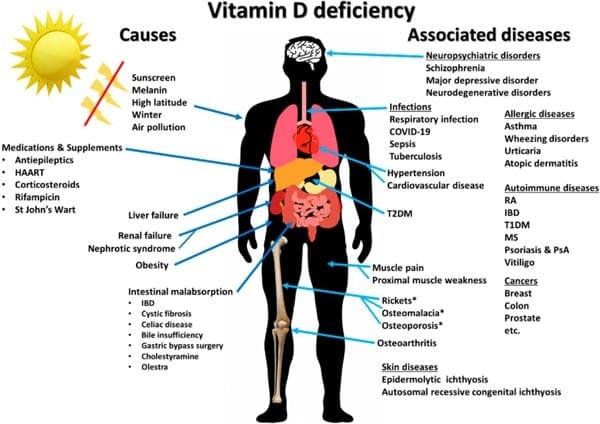
If you are experiencing any of these situations, then you might be experiencing gut and bone tissues in your body due to a vitamin D deficiency.
There is a global epidemic that has been linked to many autoimmune diseases that have affected the human body. Vitamin D deficiency has been linked to many chronic diseases like type 1 diabetes to IBD (inflammatory bowel disease) and can affect the gut microbiome. With new research studies taking a look at how high doses of vitamin D supplementation can help the gut microbiome, it is fascinating seeing what the new results show how vitamin D is a high essential to provide optimal support to a healthy body and gut.
Vitamin D and Its Benefits
Vitamin D is an essential vitamin as it can be produced by the human body through sun exposure and can boost their vitamin D intake even more through certain kinds of food and supplements. Vitamin has many beneficial properties like maintaining bone health and healthy teeth while protecting the body against diseases and conditions that can harm the body. There are more benefits that vitamin D have as well as the many multiple roles that are fantastic for the body; some include:
Supporting healthy bones and teeth
Providing support for healthy immune, brain, and nervous system
Helps regulate insulin levels and helps manage diabetes
Providing support for a healthy cardiovascular system and a healthy lung function
Can influence the gene expression that is being involved in cancer development
Vitamin D can also be in the form of sun exposure and helped the body get the needed supplement into itself. Even though everyone should at least go outside to get at least some sunlight into their body, although healthcare professionals do advise that prolonged exposure of the sun’s rays can cause skin damage and other chronic illnesses.
Studies have shown that UV light from the sun can be linked to the body’s gut microbiomes. When there is vitamin D deficiency in the body, there is a higher risk of developing diseases like IBD (inflammatory bowel disease) and multiple sclerosis. There are even more studies on how vitamin D can even affect various autoimmune diseases and provide anti-inflammatory effects on the gut. The research shows that vitamin D can help regulate gastrointestinal inflammation, especially Crohn�s disease.
The Different Studies of Vitamin D and The Gut
There was another study on how vitamin D can not only improve the gut flora in the body but also give hope to people who have metabolic syndrome. The study showed that if there is an insufficient supply of vitamin D can aggravate the gut flora, causing it to be imbalanced while also contributing to a full-scale fatty liver as well as metabolic syndrome. The research study also stated that vitamin D deficiency could decrease the body’s production of defensins, which are anti-microbial molecules that are essential to maintain healthy gut flora.
Surprisingly though, a study has found that the hormonal activity of vitamin D can be found in the cells in the human body. It can provide beneficial effects to not only the gut homeostasis and its immunity but also provide beneficial effects to the kidneys, muscles, and different organs; what is surprising, though, is limited research on how vitamin D influences the gut flora. One study shows how there is evidence about the extraskeletal effects of vitamin D have been accruing and being partially mediated through the gastrointestinal microbiome, while also being linked. While another study showed how high doses of vitamin D could affect the composition of an adolescent girl’s gut microbiome. The research shows how high dose supplementation of vitamin D can alter adolescent’s gut microbiome composition and even dampen the effects of inflammatory bowel disease in their gut as well. Vitamin D is gaining a following as a study has shown that vitamin D can help the body’s blood levels that are 60-80ng/ml and help the person have a healthy sleep pattern, which is perfect for anyone who might be suffering from insomnia.
Conclusion
Vitamin D is essential to the body since it not only promotes healthy teeth and healthy bones, but it can even help promote gut health. Even though there is limited research on how vitamin D can promote a healthy gut, studies are still being done, and the research will show how the gut microbiome and vitamin D are connected. By eating foods that are rich with vitamin D can help not only the gut but the entire body. When the body has a vitamin D deficiency, it can cause significant problems for the body due to inflammation as well as developing chronic illnesses that can harm the gut as well. Some products can provide support to the gastrointestinal system as well as making sure that it contains collagen proteins, enzymatic cofactors, hypoallergenic nutrients, metabolic precursors, and phytonutrients to support a healthy gut.
The scope of our information is limited to chiropractic, musculoskeletal, and nervous health issues or functional medicine articles, topics, and discussions. We use functional health protocols to treat injuries or disorders of the musculoskeletal system. Our office has made a reasonable attempt to provide supportive citations and has identified the relevant research study or studies supporting our posts. We also make copies of supporting research studies available to the board and or the public upon request. To further discuss the subject matter above, please feel free to ask Dr. Alex Jimenez or contact us at 915-850-0900.
References:
Ware, Megan. �Vitamin D: Benefits, Deficiency, Sources, and Dosage.� Medical News Today, MediLexicon International, 24 Aug. 2009, www.medicalnewstoday.com/articles/161618.
Bashir, Mina, et al. �Effects of High Doses of Vitamin D3 on Mucosa-Associated Gut Microbiome Vary between Regions of the Human Gastrointestinal Tract.� European Journal of Nutrition, Springer Berlin Heidelberg, June 2016, www.ncbi.nlm.nih.gov/pubmed/26130323.
Gominak, S C. �Vitamin D Deficiency Changes the Intestinal Microbiome Reducing B Vitamin Production in the Gut. The Resulting Lack of Pantothenic Acid Adversely Affects the Immune System, Producing a �pro-Inflammatory� State Associated with Atherosclerosis and Autoimmunity.� Medical Hypotheses, U.S. National Library of Medicine, Sept. 2016, www.ncbi.nlm.nih.gov/pubmed/27515213.
Jurgelewicz, Michael. �New Study Investigates the Effect of High Dose Vitamin D on the Gut Microbiome.� Designs for Health, 14 Feb. 2020, blog.designsforhealth.com/node/1201.
Lynch, et al. �Vitamin D and the Gut Microbiome: a Systematic Review of in Vivo Studies.� European Journal of Nutrition, Springer Berlin Heidelberg, 1 Jan. 1970, link.springer.com/article/10.1007/s00394-018-1842-7.
Tabatabaeizadeh, Seyed-Amir, et al. �The Effects of High Doses of Vitamin D on the Composition of the Gut Microbiome of Adolescent Girls.� Clinical Nutrition ESPEN, U.S. National Library of Medicine, Feb. 2020, www.ncbi.nlm.nih.gov/pubmed/31987101.
Tabatabaeizadeh, Seyed-Amir, et al. �Vitamin D, the Gut Microbiome and Inflammatory Bowel Disease.� Journal of Research in Medical Sciences: the Official Journal of Isfahan University of Medical Sciences, Medknow Publications & Media Pvt Ltd, 23 Aug. 2018, www.ncbi.nlm.nih.gov/pmc/articles/PMC6116667/.
Team, Frontiers. �Vitamin D Improves Gut Flora and Metabolic Syndrome.� ScienceDaily, ScienceDaily, 21 Dec. 2016, www.sciencedaily.com/releases/2016/12/161221125439.htm.
The University offers a wide variety of medical professions for functional and integrative medicine. Their goal is to inform individuals who want to make a difference in the functional medical fields with knowledgeable information that they can provide.
A combination of exercise and sufficient vitamin D levels may reduce the risk of serious heart problems more than either one alone, a new study suggests.
An analysis of data spanning 20 years from more than 10,000 U.S. adults found that those who got the recommended amounts of exercise and had adequate vitamin D levels had a 23 percent lower risk of heart attack or stroke.
People who met physical activity targets but were deficient in the so-called “sunshine vitamin” did not have a lower risk.
The combined benefit of having adequate vitamin D and exercise levels was better than either factor alone, according to the Johns Hopkins University study. It was published recently in The Journal of Clinical Endocrinology & Metabolism.
While the observational study does not prove cause and effect, it does support the idea that adequate exercise and vitamin D are signs of good health, the researchers said. Vitamin D is produced when the body is exposed to sunlight and is found in some foods.
“In our study, both failure to meet the recommended physical activity levels and having vitamin D deficiency were very common,” study co-author Dr. Erin Michos said in a university news release.
“The bottom line is we need to encourage people to move more in the name of heart health,” Michos added.
She is associate director of preventive cardiology and associate professor of medicine at the Ciccarone Center for the Prevention of Heart Disease at Johns Hopkins.
Though the study found that the more people exercised, the higher their vitamin D levels, this was true for whites but not for blacks, the researchers said. Michos said people with darker skin may produce vitamin D less efficiently because their skin pigments act as a natural sunscreen.
Most adults can get adequate levels of vitamin D with a few minutes a day of sunlight in spring, summer and fall, along with eating a well-balanced diet that includes oily fish such as salmon and fortified foods like cereal and milk, according to Michos.
SOURCE: Johns Hopkins University, news release, April 27, 2017
The scope of our information is limited to chiropractic and spinal injuries and conditions. To discuss options on the subject matter, please feel free to ask Dr. Jimenez or contact us at 915-850-0900 .
Additional Topics: Chiropractic and Athletic Performance
Chiropractic care is a popular, alternative treatment option which focuses on the diagnosis, treatment and prevention of injuries and/or conditions associated to the musculoskeletal and nervous system, primarily the spine. Many athletes, and civilians alike, seek chiropractic care to restore their natural health and wellness, however, chiropractic has been demonstrated to benefit athletes by increasing their athletic performance.
Low vitamin D levels are common among football players and may put them at increased risk for injuries, a new study suggests.
“Vitamin D has been shown to play a role in muscle function and strength,” said senior study author Dr. Scott Rodeo, co-chief emeritus of the sports medicine and shoulder service at the Hospital for Special Surgery in New York City.
“While most prior studies have focused on the aging population as the group most likely to experience the harmful effects of inadequate vitamin D, few reports have looked at the impact on muscle injury and function in the high-performance athlete,” he said in a hospital news release.
In the study, Rodeo’s team assessed 214 college football players, average age 22. The investigators found that nearly 60 percent had low levels of vitamin D, including 10 percent with a severe deficiency.
Those players with low vitamin D levels had higher rates of lower extremity muscle strain and core muscle injury than those with normal levels. Of the 14 players who missed at least one game due to a strain injury, 86 percent had low vitamin D levels.
LOW VITAMIN D CHANGES TISSUE COMPOSITION
Low levels may cause changes in muscle composition that increase the risk of injury, according to the researchers. But the study only found an association, rather than a cause-and-effect link, between levels and injury.
“Awareness of the potential for vitamin D inadequacy could lead to early recognition of the problem in certain athletes. This could allow for supplementation to bring levels up to normal and potentially prevent future injury,” Rodeo said.
“Although our study looked at high-performance athletes, it’s probably a good idea for anyone engaging in athletic activities to give some thought.” Rodeo said.
Adequate vitamin D is essential for musculoskeletal structure, function and strength, Rodeo explained. However, more than 40 percent of the U.S. population is vitamin D-deficient, he said.
Often called the “sunshine vitamin,” it is produced by the skin when exposed to sunlight. Milk and fortified foods, including orange juice and some cereals, can also provide nutrients. Supplements are usually prescribed for�deficiency, the researchers said.
The study was to be presented Thursday at the annual meeting of the American Academy of Orthopaedic Surgeons, in San Diego. Research presented at meetings is viewed as preliminary until published in a peer-reviewed journal.
SOURCE: Hospital for Special Surgery, news release, March 16, 2017
IFM's Find A Practitioner tool is the largest referral network in Functional Medicine, created to help patients locate Functional Medicine practitioners anywhere in the world. IFM Certified Practitioners are listed first in the search results, given their extensive education in Functional Medicine