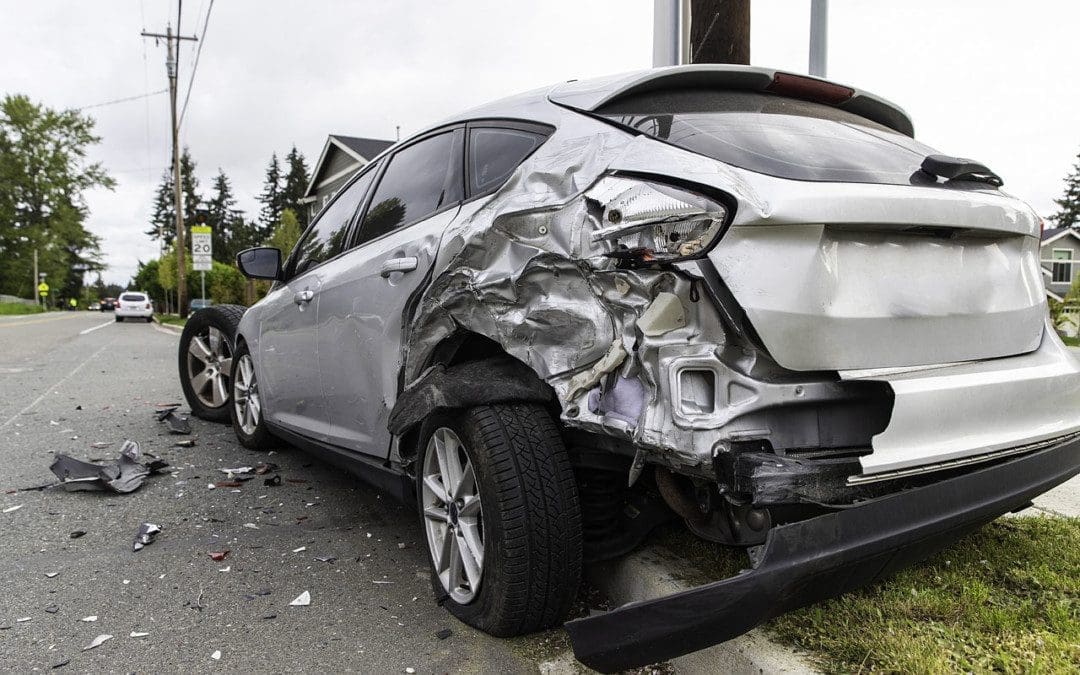
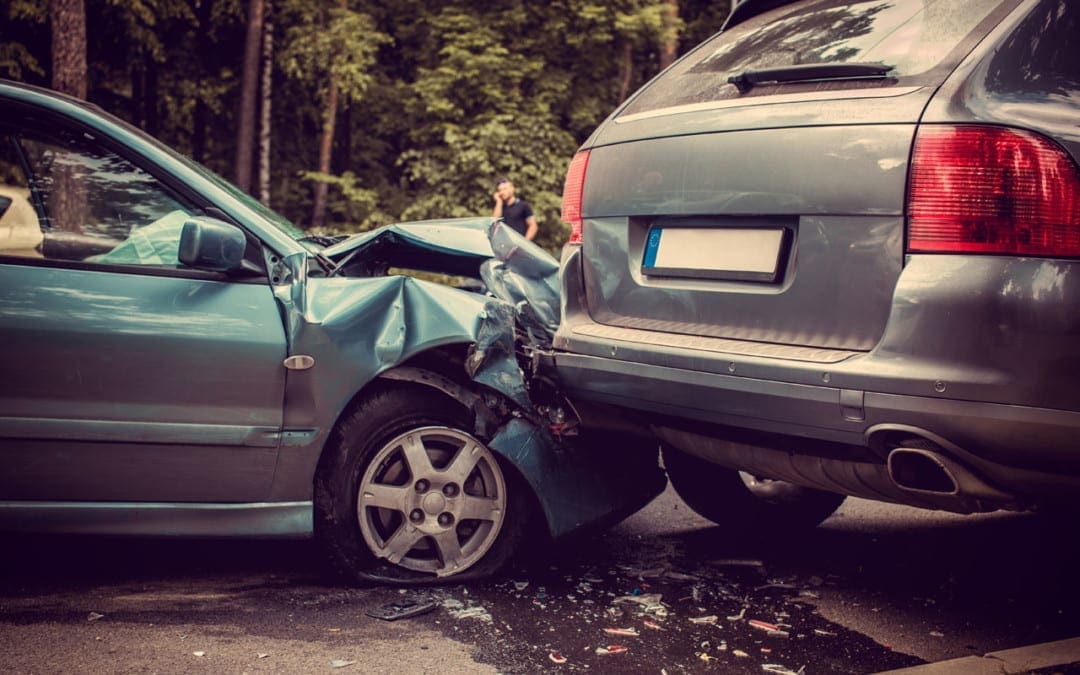
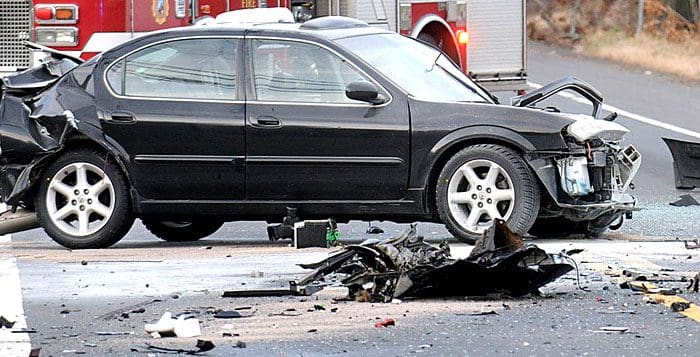
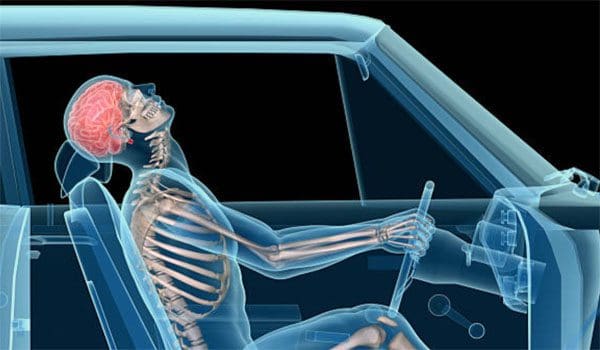
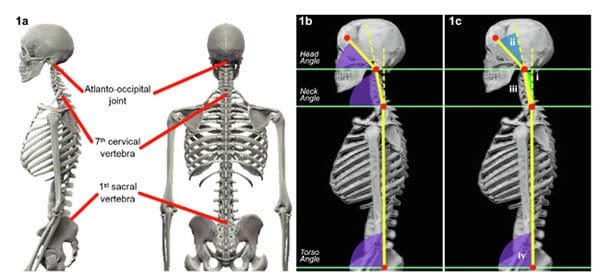
As one of the most load-bearing joints in the body, the hips nearly affect every movement. If the hip joint is involved in a vehicle crash, the space in the joint/hip capsule can fill with fluid, causing joint effusion or swelling, inflammation, dull-immobilizing pain, and stiffness. Hip pain is a common injury symptom reported after a vehicle crash. This pain can range from mild to severe and may be short-term or last for months. No matter the level of pain being experienced, action must be taken quickly to avoid long-term damage. Individuals need high-quality, patient-focused care from experienced specialists as soon as possible to get on the road to recovery.
Vehicle Crash Hip Injury
The hip joints must be healthy and work as effectively as possible to stay active. Arthritis, hip fractures, bursitis, tendonitis, injuries from falls, and automobile collisions are the most common causes of chronic hip pain. Depending upon the type of injury, individuals may experience pain symptoms in the thigh, groin, inside of the hip joint, or buttocks.
Associated Injuries
The most common injuries that cause pain in the hip after a collision include:
A hip ligament sprain or strain is caused by overstretched or torn ligaments.
These tissues attach bones to other bones and provide stability to the joints.
These injuries may only require rest and ice to heal, depending on the severity.
Chiropractic, decompression, and physical massage therapies may be necessary for realignment and to keep muscles flexible and relaxed.
Bursitis
Bursitis is an inflammation of the bursa, or the fluid-filled sac providing cushioning/material between bones and muscles.
It is one of the main causes of hip pain after an automobile collision and requires immediate medical attention.
Tendonitis
Tendonitis is a type of injury that affects soft tissues like tendons and ligaments, as opposed to bone and muscle.
Tendonitis can result in chronic pain and various discomfort symptoms in and around the hip area if left untreated.
Hip Labral Tear
A hip labral tear is a type of joint damage in which the soft tissue/labrum that covers the hip’s socket gets torn.
The tissue ensures that the thighbone head moves smoothly within the joint.
Damage to the labrum can lead to severe pain symptoms and affect mobility.
Hip Dislocation
A hip dislocation means the femur ball has popped out of the socket, causing the upper leg bone to slide out of place.
Hip dislocations can cause avascular necrosis, which is the death of bone tissue from a blockage in the blood supply.
Hip Fractures
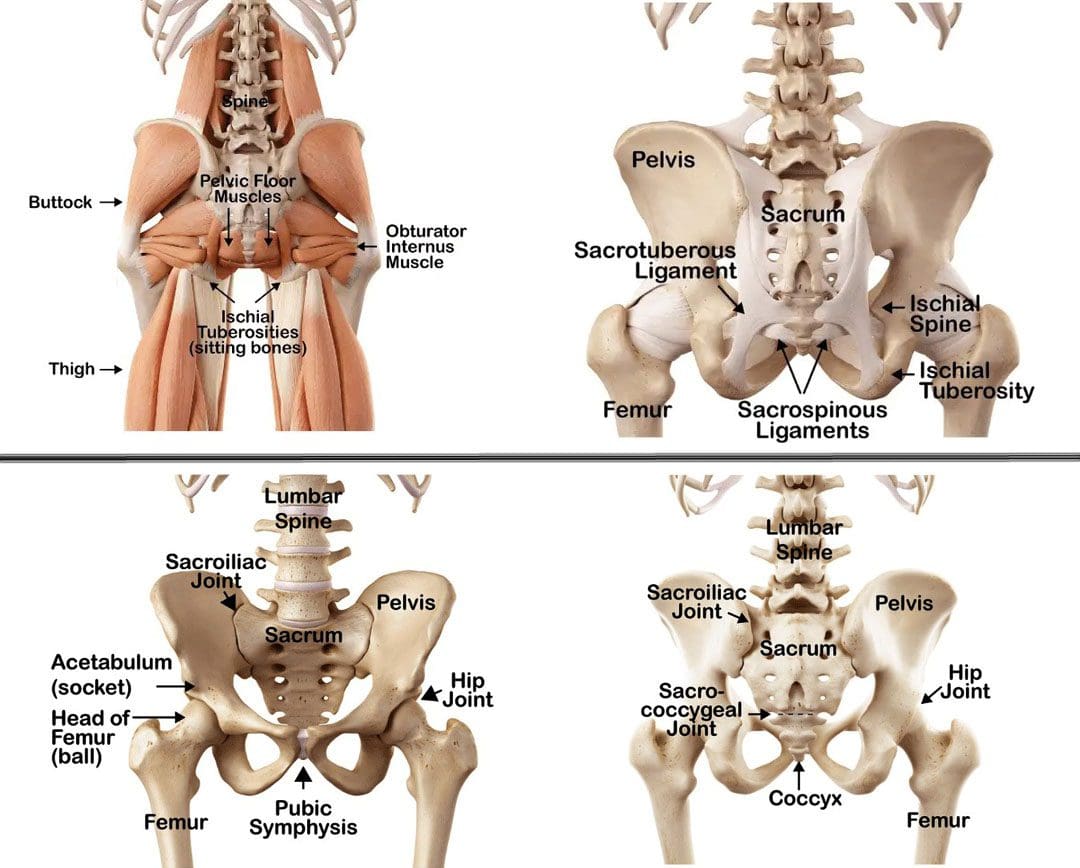
The hip bones can be broken down into three parts:
Ilium
Pubis
Ischium
A hip fracture, or broken hip, occurs whenever a break, crack, or crush happens to any one of these parts of the hip.
Acetabular Fracture
An acetabular fracture is a break or a crack outside the hip socket that holds the hip and thigh bones together.
A fracture to this body part is not as common because of the location.
Significant force and impact are often necessary to cause this type of fracture.
Symptoms
If any of the following symptoms after a vehicle crash are experienced, it could be a hip injury and should be examined by a medical professional. These include:
Soreness or tenderness at the site of injury.
Bruising.
Swelling.
Difficulty moving the hip/s.
Intense pain when walking.
Limping.
Loss of muscle strength.
Abdominal pain.
Knee pain.
Groin pain.
Treatment and Rehabilitation
A doctor or specialist should always evaluate hip problems and pain symptoms. With the help of a physical examination and diagnostics like X-rays, CT Scans, or an MRI, a physician can diagnose and recommend treatment options. Treatment after a vehicle crash depends on the severity of the damage. For example, hip fractures often require immediate surgery, while other injuries may only necessitate medication, rest, and rehabilitation. Possible treatment plans include:
Rest
Pain, muscle relaxants, and anti-inflammatory medication.
Surgery – after surgery, a physical therapist can help stretch and work on muscles around the hip to gain mobility and flexibility for a complete recovery.
Total hip replacement
Our team collaborates with the necessary specialists to provide the complete care needed to experience full recovery and healing for long-term relief. The team will work together to form a comprehensive treatment plan to strengthen the hip muscles for better support and increased range of motion.
Movement as Medicine
References
Cooper, Joseph, et al. “Hip dislocations and concurrent injuries in motor vehicle collisions.” Injury vol. 49,7 (2018): 1297-1301. doi:10.1016/j.injury.2018.04.023
Fadl, Shaimaa A, and Claire K Sandstrom. “Pattern Recognition: A Mechanism-based Approach to Injury Detection after Motor Vehicle Collisions.” Radiographics: a review publication of the Radiological Society of North America, Inc vol. 39,3 (2019): 857-876. doi:10.1148/rg.2019180063
Frank, C J et al. “Acetabular fractures.” The Nebraska medical journal vol. 80,5 (1995): 118-23.
Masiewicz, Spencer, et al. “Posterior Hip Dislocation.” StatPearls, StatPearls Publishing, 22 April 2023.
Monma, H, and T Sugita. “Is the mechanism of traumatic posterior dislocation of the hip a brake pedal injury rather than a dashboard injury?.” Injury vol. 32,3 (2001): 221-2. doi:10.1016/s0020-1383(00)00183-2
Patel, Vijal, et al. “The association between knee airbag deployment and knee-thigh-hip fracture injury risk in motor vehicle collisions: A matched cohort study.” Accident; Analysis and Prevention vol. 50 (2013): 964-7. doi:10.1016/j.aap.2012.07.023
Automobile accidents and collisions can cause knee and ankle injuries in various ways. Automobile crashes are considered high-energy collisions versus slip and fall traumas which are generally low-energy. However, a 30mph or under-collision can have serious and detrimental effects on the knees and ankles. The sudden forces can cause the knees to collide with the dashboard or push the feet and legs into the body, generating intense pressure and compressing the bones, muscles, and ligaments damaging soft tissues and bone structures from the impact. The Injury Medical Chiropractic and Functional Medicine Clinic Team can rehabilitate, realign, strengthen, and restore function to individuals with minor to severe auto collision injuries.
Knee and Ankle Injuries
Musculoskeletal motor vehicle crash/collision injuries affect the body’s movement. The impact can pull, tear, crush, and smash bones, muscles, tendons, ligaments, discs, and nerves. These injuries restrict the range of motion and can cause pain and sensation symptoms. The National Accident Sampling System reports 33% of injuries sustained during vehicle collisions are to the lower extremities.
Despite the knees and ankles having soft tissues that absorb and distribute the energy’s impact, the forces from the collision often happen instantly and unexpectedly, causing the individual to tense up, which overwhelms the structures.
Even panic stepping on the brake pedal can cause injury to the ankle and foot.
A passenger’s reflex of trying to resist forces can experience foot, ankle, and knee injuries from bracing off the vehicle’s floorboard.
Automobile collisions can cause strains, sprains, fractures, and dislocations.
Torn, Strained, or Sprained Knee
If the foot becomes planted on the floorboard while the body continues to move forward or sideways, the force can travel into the knee, causing twisting or shearing.
Depending on the injury type, the impact strength can damage different ligaments.
The ligaments resist forces that push the knee inwards/medially and outwards/laterally and slightly resist rotational forces.
When any of these ligaments are damaged, swelling, pain, and limited ranges of motion can result.
Putting weight on the affected leg can be difficult.
In some cases, the ligaments tear completely, necessitating surgical repair.
Once the individual can engage in mild activity, they can begin a rehabilitation program to restore function.
Recovery times vary based on the location and severity of the injury.
Fractured Knee or Ankle
When a fracture occurs in a joint, like the knees or ankles, surgical procedures may be necessary to repair the broken bone/s.
Broken bones can result in simultaneous damage and/or inflammation of the connective tissues that can cause the muscles to contract/tighten or atrophy during the recovery and healing phases.
Joints and bones are kept healthy with moderate movement and weight-bearing.
Fractures require immobilization of the affected area.
A physical therapy rehabilitation program can begin when the brace or cast comes off.
Targeted exercises and resistance will strengthen and stretch the joint to improve flexibility and promote healing through improved circulation.
Torn Meniscus
The meniscus is a C-shaped area of cartilage that rests between the thigh and shin bones.
It acts as a shock absorber.
The meniscus can become torn, resulting in pain, stiffness, and loss of motion.
This injury can heal independently with the right rest and therapeutic exercises.
A chiropractic auto collision specialist can diagnose the severity of the tear and provide the recommendations needed to rehabilitate and strengthen the knee.
If the tear is severe enough, surgery may be required.
Strained or Sprained Ankle
Strained tendons and sprained ligaments can result from the ankle being subject to tremendous force.
Strains and sprains vary in severity.
Both indicate that the connective tissue has been damaged or stretched beyond normal limits.
They can present with pain, inflammation, and problems moving the affected area.
With proper medical attention and rehabilitation, recovery is possible.
Torn Achilles Tendon
The Achilles tendon connects the calf muscle to the heel and is necessary for walking, running, physical activity, and bearing weight.
If the tendon gets torn, surgery will be required to reattach the muscle and tendon.
After recovery, the individual can begin physical therapy to work the tendon and muscle, slowly building strength and range of motion.
It is critical to do this with the supervision of an expert in musculoskeletal rehabilitation to avoid re-injury or developing new injuries.
Chiropractic Treatment
Any musculoskeletal motor vehicle injuries can result in intense pain that worsens with activity, inflammation, swelling, redness, and/or heat in the affected area. This is why correctly diagnosing the injury is essential if the condition is to be properly and thoroughly treated. A physical examination will vary based on the individual’s state and can include:
Strength assessment
Range of motion
Reflexes
Other variables to determine the underlying issues.
Diagnostic imaging such as X-rays, MRIs, and CT scans can help identify and clarify injuries’ extent, nature, and location and rule out problems.
A qualified healthcare professional will combine the data with medical history to develop an accurate diagnosis. Our ability to effectively treat accident individuals is based on applying clinical expertise in musculoskeletal diagnosis and care. Our medical team takes a practical approach to help individuals quickly heal from musculoskeletal injuries using the latest treatments possible. When you meet with one of our professionals, you will feel relaxed and confident that you have come to the right place.
From Injury To Recovery
References
Dischinger, P C et al. “Consequences and costs of lower extremity injuries.” Annual proceedings. Association for the Advancement of Automotive Medicine vol. 48 (2004): 339-53.
Fildes, B et al. “Lower limb injuries to passenger car occupants.” Accident; analysis and prevention vol. 29,6 (1997): 785-91. doi:10.1016/s0001-4575(97)00047-x
Gane, Elise M et al. “The impact of musculoskeletal injuries sustained in road traffic crashes on work-related outcomes: a protocol for a systematic review.” Systematic reviews vol. 7,1 202. 20 Nov. 2018, doi:10.1186/s13643-018-0869-4
Hardin, E C et al. “Foot and ankle forces during an automobile collision: the influence of muscles.” Journal of biomechanics vol. 37,5 (2004): 637-44. doi:10.1016/j.jbiomech.2003.09.030
Li, Wen-Wei, and Cheng-Chang Lu. “Knee deformity following a motor vehicle accident.” Emergency medicine journal: EMJ vol. 38,6 (2021): 449-473. doi:10.1136/emermed-2020-210054
M, Asgari, and Keyvanian Sh S. “Crash Injury Analysis of Knee Joint Considering Pedestrian Safety.” Journal of biomedical physics & Engineering vol. 9,5 569-578. 1 Oct. 2019, doi:10.31661/jbpe.v0i0.424
Torry, Michael R et al. “Relationship of knee shear force and extensor moment on knee translations in females performing drop landings: a biplane fluoroscopy study.” Clinical biomechanics (Bristol, Avon) vol. 26,10 (2011): 1019-24. doi:10.1016/j.clinbiomech.2011.06.010
Forklifts, also known as lift trucks, are used for loading, unloading, and transporting various goods and materials in construction, shipping, and retail industries. They are heavy-duty equipment and require extensive training to operate safely. Forklifts are involved in many serious workplace accidents causing thousands of injuries annually. Chiropractors specialize in injury care and rehabilitation from vehicle accidents and collisions. They can help restore optimal musculoskeletal function and health through adjustments, massage, decompression, and traction therapies.
Forklift Operation
The forklift is one of the most widely used pieces of equipment to raise, lower, or remove pallets, boxes, crates, or other containers and transport and stock goods and materials. There are a variety of lift trucks that include:
The weight, speed, and operation difficulty increase the risk of an accident, increasing the risk of injuries. Other factors include:
They can reach up to 20 miles per hour or more.
They have front braking systems making it harder to stop.
The weight distribution is in the back.
The rear wheels turn instead of the front, causing tip-overs.
Most carry their loads in front and can obstruct an operator’s view.
Lifting too heavy a load can destabilize a forklift and cause it to turn over.
Accident and Injury Causes
Federal work safety regulations require individuals to complete a training program to operate a forklift safely. The most common causes of accidents include:
Lack of training and experience.
Lack of safety equipment – helmets, seatbelts, grab handles, roll cages, cage guards, warning lights, and sirens.
Lack of maintenance – bent forks, no load backrest, unbalanced wheels, etc.
Improper loading – off center, damaged goods, loose loads.
Lifting, moving or tilting the mast too fast.
Riding with a raised load.
Speeding.
Improper backing-up techniques.
Poor communication.
Horseplay.
Giving rides.
Failing to immobilize the machine when the operator leaves.
Failing to pay attention to the position of the forks.
Failing to yield to pedestrians.
Traveling up or down unsafe inclines.
Driving off the side of a ramp.
Design or manufacturing defects.
Common Accidents
The most common type of accidents involve:
Tip-overs and Rollovers.
Falling off the lift.
Getting struck by falling materials or objects.
Pedestrian injuries like getting hit by the vehicle or tripping over the forks.
Getting caught in or compressed/crushed by the vehicle or objects.
Injuries
The most common injuries that result from lift accidents include:
Chiropractic therapy can help heal and rehabilitate musculoskeletal injuries. A chiropractic team will relieve pain symptoms and restore the body’s alignment and function. Treatment includes:
Adjustments
To gently realign joints.
Decrease pain.
Increase range of motion.
Improves posture.
Soft-tissue massage
To relax tight muscles.
Relieve spasms.
Release tension in the connective tissue surrounding the muscles.
Reduces pain.
Improves the range of motion of the spine and joints.
Exercises and stretches
To restore and maintain flexibility, joint stability, and mobility.
Joint bracing and taping
To support sprained joints or muscles during healing.
Health Coaching
Guides diet and nutrition to reduce inflammation and promote healthy eating to manage weight.
Forklift Fails
References
Bage, T et al. “Forklift-related lower limb injuries: a retrospective case series study with patient-reported outcome measures (PROMs).” Annals of the Royal College of Surgeons of England vol. 103,10 (2021): 730-733. doi:10.1308/rcsann.2020.7124
Born, C T et al. “Patterns of injury and disability caused by forklift trucks.” The Journal of trauma vol. 40,4 (1996): 636-9. doi:10.1097/00005373-199604000-00020
Hong, Choon Chiet, et al. “Forklift-Related Crush Injuries of the Foot and Ankle.” Foot & ankle international vol. 36,7 (2015): 806-11. doi:10.1177/1071100715576486
Ull, Christopher et al. “Injuries after Forklift Trucks Accidents – Injury Patterns, Therapy and Outcome in the Context of the Statutory Accident Insurance.” “Gabelstaplerunfälle – Verletzungsmuster, Therapie und Outcome im berufsgenossenschaftlichen Kontext.” Zeitschrift fur Orthopadie und Unfallchirurgie, 10.1055/a-1402-1649. 19 Apr. 2021, doi:10.1055/a-1402-1649
Waters, Thomas et al. “Lower back disorders among forklift operators: an emerging occupational health problem?.” American journal of industrial medicine vol. 47,4 (2005): 333-40. doi:10.1002/ajim.20146
When the body goes through intense trauma like a car, truck, crash, or accident, the trauma can slip, bulge, herniate, or rupture the spinal fluid-filled discs that can extrude from the disc space, causing the nucleus pulposusto tear through the annulus fibrosus and compress the nerve roots causing pain. Depending on the severity and force of the crash or accident, a herniated disc can cause the vertebrae to push into the spinal canal, where it can compress, irritate, and/or injure the spinal cord, which can lead to other health issues. Nerve impingement from a herniated disc can also cause numbness and tingling in the hands, arms, legs, and feet. A chiropractic spine disc herniation decompression treatment plan can heal the herniation, realign the spine, stretch the muscles and joints, and rehabilitate the body back to top form.
Spine Disc Herniation
Symptoms of Herniation
Signs and symptoms depend on the spinal area and whether the disc is rubbing or compressing a nerve. Pain is often described as a sharp or burning sensation. A herniated disc usually affects one side of the body.
Pain Presents When Sitting Down – sitting causes a significant strain on the lower spinal discs. When sitting, the pain experienced can worsen.
Arm or leg pain – Depending on the herniated disc, pain can spread to other surrounding areas.
For a lower herniation, this could be the buttock, thigh, calf, and foot.
For a herniated disc in the neck region, pain can be felt in the shoulder and arm.
Pain can present in the arm or leg when coughing, sneezing, or moving into certain positions.
Numbness or tingling – presents from the compressed nerves and spreads as the average blood/energy flow is disrupted.
Muscle Weakness – the affected nerves that support the spinal muscles can lose normal strength causing awkward postures and fatigue.
A herniated disc can be present without symptoms – individuals won’t know unless spinal imaging is ordered.
Sciatica Sensations – the damaged nerve roots affect the ability to function correctly and can cause burning pain, numbness, weakness, and tingling along the front and/or back of the thigh, leg, and/or foot. This can result from direct compression or chemical irritation from a leaked out herniated disc that causes inflammation around the nerve root area.
Chiropractic Injury Care
When a disc herniates, it inhibits the body from communicating and healing itself. To activate proper communication from the brain to the rest of the body, chiropractors perform spine disc herniation decompression which clears the neural system and opens the lines of communication.
Spine Disc Herniation Decompression
Nonsurgical spinal decompression gently stretches the spine to relieve pressure and heal the herniated disc. It is a safe procedure considered a natural alternative compared to surgery or pharmaceutical approaches. Spinal decompression therapy:
It is safe for all ages
It is non-invasive
Sessions take between 30 to 45 minutes, depending on the individual and the injury that could require multiple sessions.
Offers a quicker recovery time
It is performed on a computer-controlled table customized to the individual’s specific needs and injuries.
A treatment plan can expedite the recovery process, rehabilitate and strengthen the whole body, and help avoid minimally invasive spine surgery.
Neurosurgeon DRX9000
References
Atlas, Steven J et al. “The impact of disability compensation on long-term treatment outcomes of patients with sciatica due to a lumbar disc herniation.” Spine vol. 31,26 (2006): 3061-9. doi:10.1097/01.brs.0000250325.87083.8d
Dydyk AM, Ngnitewe Massa R, Mesfin FB. Disc Herniation. [Updated 2022 Jan 18]. In: StatPearls [Internet]. Treasure Island (FL): StatPearls Publishing; 2022 Jan-. Available from: https://www.ncbi.nlm.nih.gov/books/NBK441822/
Gane, Elise M et al. “The Impact of Musculoskeletal Injuries Sustained in Road Traffic Crashes on Work-Related Outcomes: A Systematic Review.” International journal of environmental research and public health vol. 18,21 11504. 1 Nov. 2021, doi:10.3390/ijerph182111504
Scuderi, Gaetano J et al. “Symptomatic cervical disc herniation following a motor vehicle collision: return to work comparative study of workers’ compensation versus personal injury insurance status.” The spine journal: official journal of the North American Spine Society vol. 5,6 (2005): 639-44; discussion 644. doi:10.1016/j.spinee.2005.04.007
With the number of individuals/vehicles on the road today, automobile accidents are frequent and even minor ones can cause damage. The most obvious is the destruction of the vehicle during and after the collision. But these crashes and accidents also cause serious damage to the body that is not immediately visible or felt. Almost every accident and crash results in injuries to one or more of the individuals involved. Vehicle collisions both great and small involve force being applied as two or more vehicles collide. The direction and amount of force can cause damage to the body from twisting, bending, slamming, and jolting in ways the body was not meant to do. There is a 1 in 5 chance of being involved in an automobile accident that causes bodily injury.
The most frequent injuries include:
Frequent Soft Tissue Injuries
Bruising/Contusions
Even a minor automobile accident can cause bruising. A collision can jerk/jolt the body from the seat belt, while it is doing its job of keeping the individual from flying out the window, it can leave bruises for days afterward. Bruises are rarely serious injuries that require medical attention and usually heal within a week or two.
Whiplash
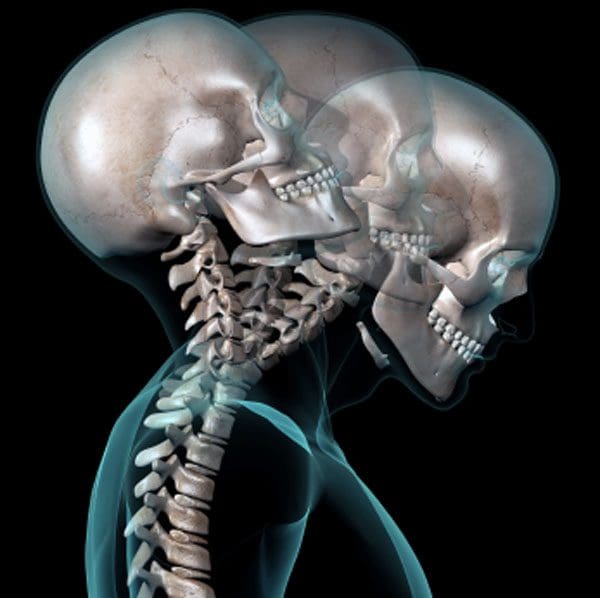
The physical force from an accident can cause the head to move at speeds that it should not move at. Pain or discomfort in the neck and back after a collision can indicate a sustained whiplash strain to the muscles and ligaments. These strains can be painful and take weeks for a full recovery and if left untreated could result in chronic pain.
Neck and Spinal injuries
The intense force that the body endures from a collision can cause serious damage to the body that is not immediately apparent or present with inflammation/pain letting the individual know that something is not right. Herniations or ruptures of the discs in the spine can occur. This can lead to serious injuries that cause intense pain and limit mobility and flexibility. If pain continues after several days, or there is a history of neck/back injury/s and/or condition/s, consult with an accident chiropractic specialist or spine specialist to see if there is an injury to the spine or surrounding muscles, tendons, and ligaments. Chiropractic treatment and physical therapy are important to return the body to optimal health. Surgery could be an option if there is sustained serious neck or spinal injury.
Frequent Head Injuries
Concussions
During a collision, hitting the head on the steering wheel, window, or roof is frequent and can cause a concussion. Individuals can experience problems with memory, like not remembering what happened before the collision, or feeling like brain function is not as quick. Treatment for any kind of head injury is crucial. Treatment will help alleviate headaches and help restore the brain to a healthy state.
Traumatic Brain Injuries
These injuries can cause life-altering effects. A traumatic brain injury can change:
The way the brain functions
Handles information
Processes emotions
Recovery from a brain injury is possible but can take time, depending on the type and severity of the damage.
Frequent Mental and Emotional Injuries
Post-traumatic Stress Disorder
When the body goes through extreme stress like an automobile accident there is the potential to develop emotional and mental conditions like post-traumatic stress disorder or PTSD. Symptoms can include:
Avoiding or responding fearfully to certain sounds or images that are associated with auto accidents
Sleeping problems brought on by anxiety and/or nightmares
Treatment is vital and psychologists and therapists can help individuals express their feelings, and educate individuals on techniques to deal with stresses, anxieties, and fears to get them to a healthy life.
Internal Injuries
Broken Bones
The impact of a collision can cause the body to hit various areas of the vehicle, stressing the musculoskeletal system that it can’t take. This can occur in a variety of ways, with the torso, arms, or legs getting pinned by a part of the vehicle causing fracture/s. Also, depending on the speed of the collision, the seatbelt could stop the body suddenly causing a fracture of the ribs. Broken bones are frequent in auto accidents/crashes, however, some fractures could require surgery and hardware to reset the bones to allow proper healing. Depending on the type of break, individuals could require a month or more of rest. Chiropractic care and physical therapy could help expedite recovery.
Internal Bleeding
The body’s organs are delicate and fragile. The impact forces from an auto accident can cause all kinds of damage, causing them to bleed. These are serious injuries and are quite common in high-speed collisions.
Auto Accident Doctors & Chiropractic Treatment
Body Positivity
Body positivity is about every individual having a psychological representation of their body or body image. This includes:
How an individual thinks about their body shape
Size
Emotions attached to their perception
Fitness and fashion industries used to promote what the perfect body should look like and those with a body image that did not fit these criteria could develop a sense of inferiority. In response to this, body positivity has become a rapidly growing movement on social media. The movement’s objective is to challenge society to focus on an individual’s overall health, and not their body. It encourages acceptance of all body types, no matter the size or shape. The movement has a companion known as the Healthy at Every Size or HAES movement that focuses on health indicators other than weight. It encourages the focus on developing healthy habits that lead to improved health. HAES involves three components:
Intuitive eating
Encourages body acceptance
Promotes physical activity through movement and health instead of a structured exercise regimen
These movements offer realistic and encouraging ways to recognize and achieve optimal health. They accept body and health at every stage of an individual’s fitness and health journey.
Disclaimer
The information herein is not intended to replace a one-on-one relationship with a qualified health care professional, licensed physician, and is not medical advice. We encourage you to make your own health care decisions based on your research and partnership with a qualified health care professional. Our information scope is limited to chiropractic, musculoskeletal, physical medicines, wellness, sensitive health issues, functional medicine articles, topics, and discussions. We provide and present clinical collaboration with specialists from a wide array of disciplines. Each specialist is governed by their professional scope of practice and their jurisdiction of licensure. We use functional health & wellness protocols to treat and support care for the musculoskeletal system’s injuries or disorders. Our videos, posts, topics, subjects, and insights cover clinical matters, issues, and topics that relate to and support, directly or indirectly, our clinical scope of practice.* Our office has made a reasonable attempt to provide supportive citations and has identified the relevant research study or studies supporting our posts. We provide copies of supporting research studies available to regulatory boards and the public upon request. We understand that we cover matters that require an additional explanation of how it may assist in a particular care plan or treatment protocol; therefore, to further discuss the subject matter above, please feel free to ask Dr. Alex Jimenez or contact us at 915-850-0900.
Dr. Alex Jimenez DC, MSACP, CCST, IFMCP*, CIFM*, CTG*
email: [email protected]
phone: 915-850-0900
Licensed in Texas & New Mexico
References
Duncan, G J, and R Meals. “One hundred years of automobile-induced orthopedic injuries.” Orthopedics vol. 18,2 (1995): 165-70.
Hamilton JB. Seat-belt injuries. Br Med J. 1968 Nov 23;4(5629):485-6. doi: 10.1136/bmj.4.5629.485. PMID: 5697665; PMCID: PMC1912721.
Sims, J K et al. “Automobile accident occupant injuries.” JACEP vol. 5,10 (1976): 796-808. doi:10.1016/s0361-1124(76)80313-9
Whiplash is one of the most devastating cervical/neck spinal injuries. Rapid acceleration and deceleration can be so powerful that it bruises, tears the muscles, ligaments, soft tissue, and herniates the neck’s discs. Chiropractic relief can take care of initial and late-onset symptoms. As symptoms develop, they typically take the form of radiculopathy pain. Depending on the severity of the whiplash the types of symptoms that can occur include:
Swelling of the face
Neck pain
Shoulder and arms aching and pain
Hands can swell and ache
Loss of mobility
Numbness or complete loss of feeling
Symptoms can get worse indicating progressive nerve damage
If left untreated the individual can face long-term, chronic spine problems. Injury Medical Chiropractic Relief focuses on treating the whiplash, radiculopathy, and herniated discs at the source. After assessing the symptoms and the severity we can develop the most optimal treatment plan for the individual.
Radiculopathy
Radiculopathy is the result of a pinched nerve. This sends pain signals throughout the entire length of the nerve. With the neck’s nerve bundles, this means the pain travels as far as the face and hands. Tracing the extent of the radiculopathy informs the chiropractor as to which specific vertebrae have been affected. For example, if the nerve bundle in C7, which is the lowest neck vertebrae gets pinched, it can present in the arms. Another example, if chronic and persistent headaches or cheek pain are presenting, then C3-C4 will be the focus. The key is to look past the site of the pain and find its point of origin. Tracing referred pain quickly will allow the chiropractor to get a handle on the symptoms, even after the accident.
Herniated discs
A major factor in radiculopathy is a herniated disc. Displaced discs are how nerve compression and signal disruption begins. Until the disc/s are realigned, corrected, and reset, the affected nerves will continue to suffer.
The Connection
Make mention of any vehicle accidents throughout life. This can help the chiropractor immensely in diagnosis. A severe case of whiplash can occur even if the airbag does not deploy. The rocking motion of the cervical spine is strong, meaning whiplash can happen at collisions as slow as 5 miles per hour. Whether a minor car accident, a roller coaster ride, or sports, the condition frequently presents long after the accident.
Chiropractic Relief and Realignment
A chiropractor must put together the clues of a condition to hypothesize the cause. If experiencing pain symptomatic with recent neck trauma, it is essential to get checked. Injury Medical Chiropractic Clinic will address the condition before symptoms progress to a chronic condition.
Body Composition
The Function of Skeletal Muscle
Skeletal muscle is one of three major types of muscles in the body. The others are smooth and cardiac muscle. These muscles are attached to the bone by tendons. Skeletal muscles consist of nerves and blood vessels along with connective tissue to operate properly. These muscles consist of cells that come together and form bundles of skeletal muscle fibers.
Strength training stimulates the muscle fibers and combined with proper nutrition causes the muscles to grow. Muscles contract and shorten pulling on the bone and joints. This is what causes body movement. The nervous system sends signals to the nerves in the muscle and trigger contractions. Besides movement, skeletal muscle helps maintain posture, generate body heat, and stabilizes the bones and joints.
Dr. Alex Jimenez�s Blog Post Disclaimer
The scope of our information is limited to chiropractic, musculoskeletal, physical medicines, wellness, and sensitive health issues and/or functional medicine articles, topics, and discussions. We use functional health & wellness protocols to treat and support care for injuries or disorders of the musculoskeletal system. Our posts, topics, subjects, and insights cover clinical matters, issues, and topics that relate and support directly or indirectly our clinical scope of practice.*
Our office has made a reasonable attempt to provide supportive citations and has identified the relevant research study or studies supporting our posts. We also make copies of supporting research studies available to the board and or the public upon request. We understand that we cover matters that require an additional explanation as to how it may assist in a particular care plan or treatment protocol; therefore, to further discuss the subject matter above, please feel free to ask Dr. Alex Jimenez or contact us at 915-850-0900. The provider(s) Licensed in Texas& New Mexico*
References
Rodriquez, Arthur A et al. �Whiplash: pathophysiology, diagnosis, treatment, and prognosis.��Muscle & nerve�vol. 29,6 (2004): 768-81. doi:10.1002/mus.20060
Chiropractor Dr. Alexander Jimenez of Injury Medical and Chiropractic Clinic focuses on long-haul truck driversand non-invasive spinal treatments. Truck drivers are at a much higher risk of developing degenerative spinal disorders from the stress that constant driving and repetitive lifting can place on the spinal muscles of the lower back.
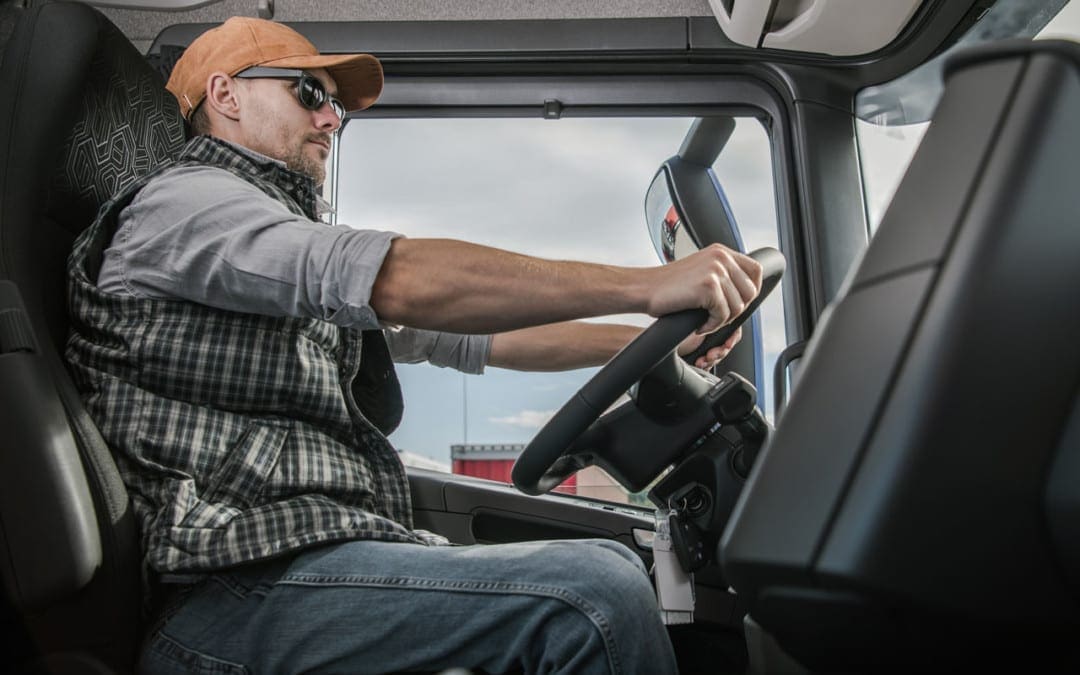
Driving a huge truck for eight to ten hours every day/night means the person sits in a stationary position for a long time. The muscles, joints, and ligaments tend to become stiff, and proper blood circulation is affected over time. Ailments can last for weeks, even up to several years if drivers don’t take time to focus on their health and find the right treatment.
Teams are in a truck that never stops. Even sleeping in the bunk, these drivers are subject to constant vibration and bouncing as the truck moves. Roads that are poorly maintained can cause impact trauma to both the driver and the person in the bunk. Various factors can cause musculoskeletal pain like:
Having limited mobility can lead to structural problems like pain in the back, hip, knee, shoulder, arms, and legs. This is compounded by the fact that prescription medications are the norm for these issues and can be dangerous.
Long Haul
These individuals are taught proper lifting techniques but with time forget to follow them during the rush to make the delivery/s on time. Driving for extended periods regularly places added strain on the back. This is due in part because these individuals can’t use their feet to support the lower part of their bodies while working the pedals of the truck.
The continuous instability, vibrations, and positional changes that come with long-haul driving can cause tension in the spine and surrounding muscles in the area. Research has shown that vibration of the body while driving increases the load on the lower back and driving on roads that are not maintained can exacerbate the condition.
The continuous bouncing can lead to spinal disc compression, which in turn causes degeneration of pain in the spine and nerves. This continuous strenuous routine can lead to herniated/bulging discs, which can cause pain and lead to the development of other spinal conditions like sciatica. Improper alignment of the spine can lead to dysfunction and pain in one or several areas of the body. Other conditions that could develop include:
Facet joint syndrome – the cartilage wears away making the spinal joints stiff and swollen. This syndrome can lead to reduced mobility.
Spinal compression from sitting in a single position for a long time places pressure on the spinal column. As the spinal column compresses, it causes tightness in the lower and upper back muscles.
Sciatica is a combination of symptoms and pain that travel from the lower back to the knee and even into the foot. Usually, caused by a herniated disc that compresses the sciatic nerve, it can cause shooting electrical pain down the leg. Drivers with sciatica can also have tight gluteal muscles that place pressure on the nerve.
Neck pain from tight and tender muscles can affect the middle back and cervical/neck area of the spine causing soreness.
Tension headaches begin with the muscles at the base of the skull. When these muscles are tight, they can pinch the nerves, beginning a headache.
Shoulder pain can be caused by overuse when loading, along with rotator cuff injuries and bicep tendonitis. An inflamed bicep can cause inflammation and pain in the shoulder.
Preventable and Treatable
Prevention and proper treatment are key. Here are a few simple ways to improve the drive:
Better seating to reduce vibration
Correct sitting posture
Chiropractic/physical therapy
Exercise
Proper diet
Ice therapy
Proper sleep support
Proper Seat
The seats that are standard in a truck do not offer proper support for a driver’s back, shoulders, neck, and legs. A seat pad for extra comfort or a memory foam seat with a massage base can relax the muscles. For quick lumbar supportroll up a pillow, towel, or t-shirt and place it behind the lower back.
An ergonomic truck seat helps fight the discomfort and awkward positions, that result in positive posture. A proper seat will force the back into its healthy arch. Driving with less strain helps:
Boost circulation
Distribute the body weight evenly
Helps drivers operate longer
Reduces the vibrations running through the body
These long-haul drivers can choose to bypass invasive procedures that can take months to heal. This is because the inability to drive means they don’t earn a check. And being taken out of a driving job for any period can cause financial difficulties.
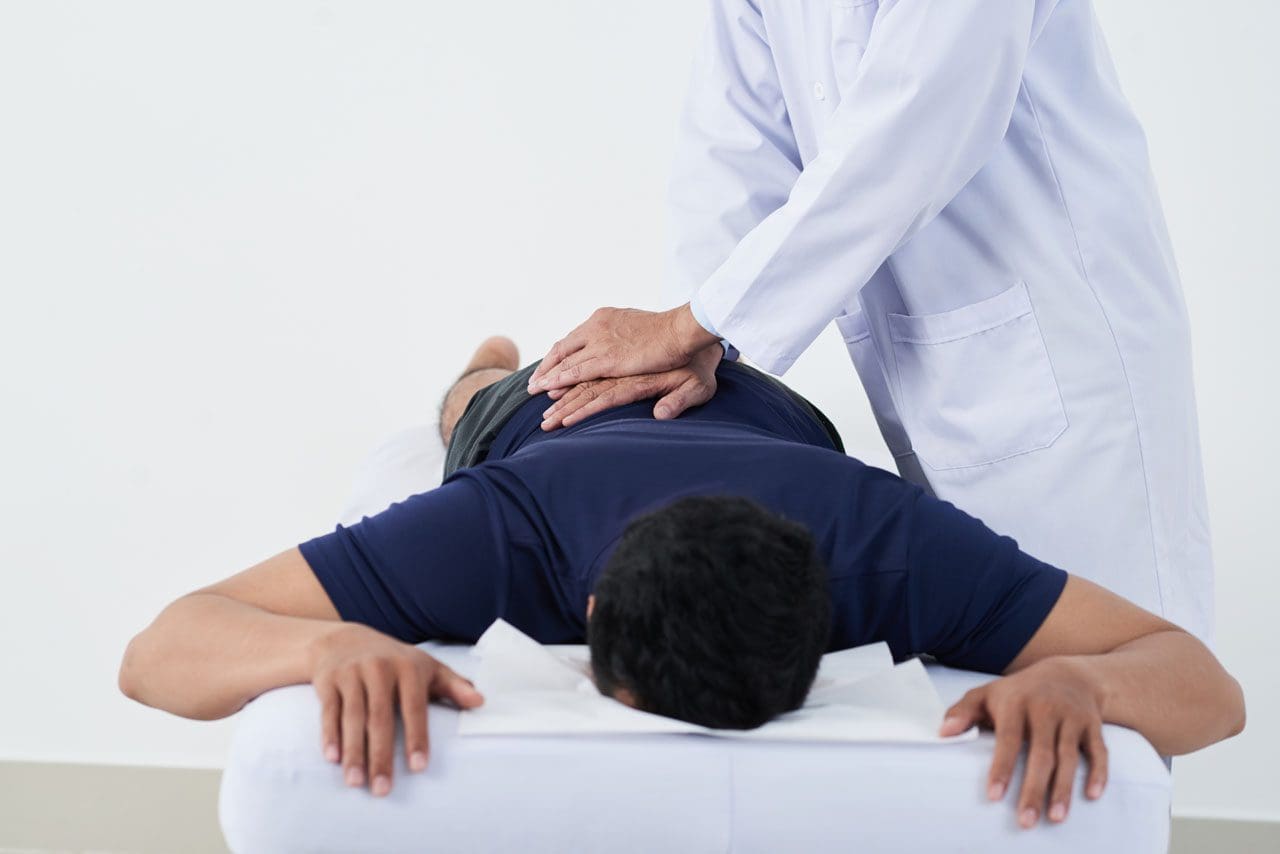
Chiropractic provides long-haul truck drivers with a non-invasive, drug-free way to treat injuries, manage conditions, and relieve pain. Regular chiropractic can help correct postural habits that expose the body to injury or move the body and the spine out of alignment. It can identify emerging issues before they become a severe condition.
Larger truck stops offer drivers access to medical and chiropractic services allowing them to get treatment when they need it. Long haul drivers can be out for weeks and may not be able to get their regular adjustments. But it is still a good idea to have a regular chiropractor at home so you can stay healthy and on the road.
IFM's Find A Practitioner tool is the largest referral network in Functional Medicine, created to help patients locate Functional Medicine practitioners anywhere in the world. IFM Certified Practitioners are listed first in the search results, given their extensive education in Functional Medicine