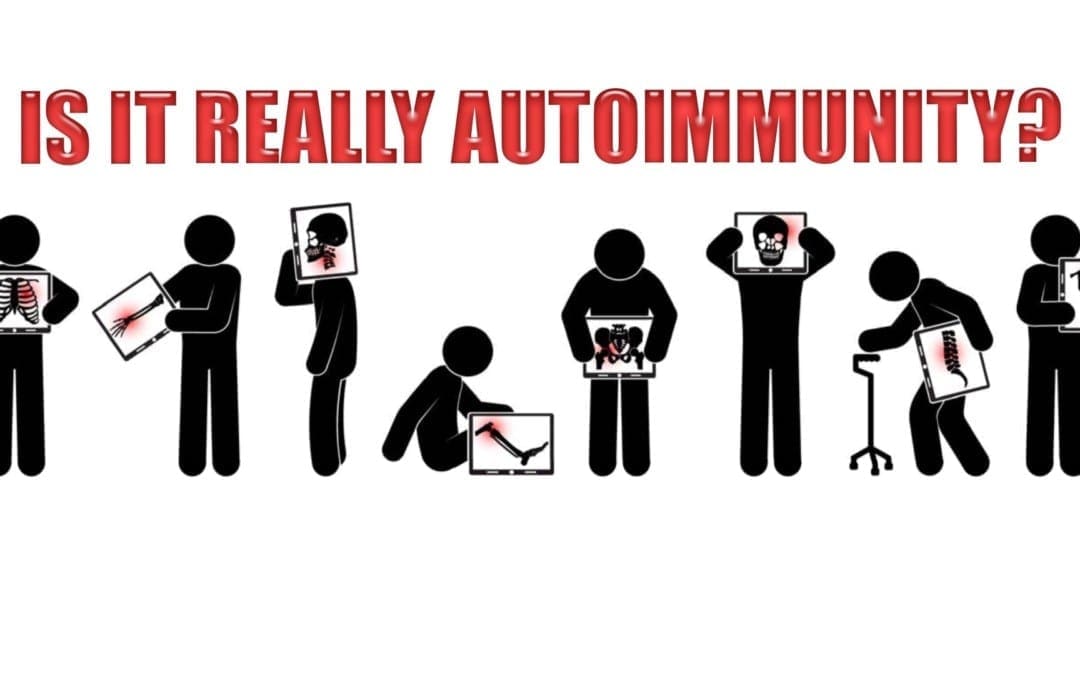
The western diet is associated with inflammation, and inflammation is central to autoimmunity and autoimmune diseases. Keeping the inflammation down can help in lengthening time between attacks. What to eat and what not to eat are the common questions. In order to quiet� inflammation triggers, educate ourselves and live a normal life is the focus.
My 2006 Seminar Series
�Understanding the Origins of Autoimmune Disease�
Autoimmunity:
The Central Question I Asked In This series,
Are We Allergic to Ourselves?
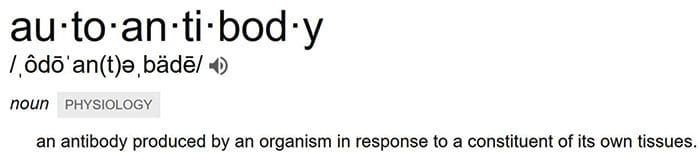
� Autoantibodies
� Are they really �autoantibodies�?
� Self or Non?self?
I would like to re?explore this question using what we have learned in 2018.
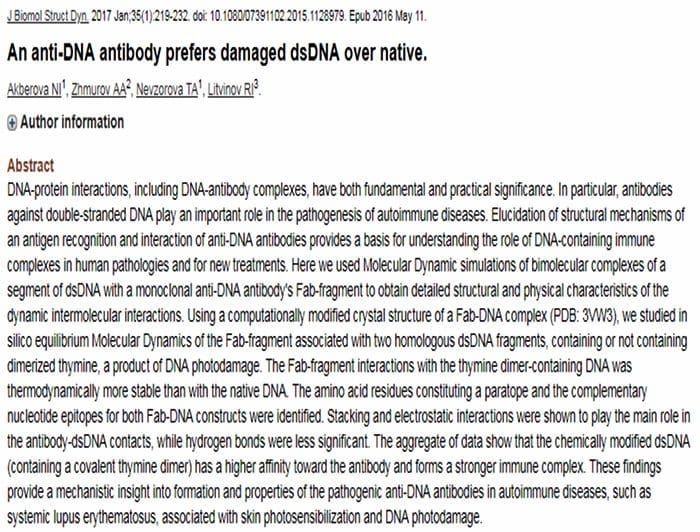
Presence of Anti?Chromatin, DNA and RNA Antibodies
What Biological Processes May Make Self Into Non?Self?
Post?translationalmodificationofProtein � Glycation of protein � Protein Oxidation � Amino Acid Conjugation of Protein (Citrullinated Protein/AntiCCP and RA)
ProteinSynthesisErrors
DNA and RNA Changes � Radiation Induced Crosslinking of DNA � Oxidation of DNA � Copy Errors not corrected by DNA repair process � Epigenetic Changes (the methylome)
Where Do Anti?Cyclic Citrullinated Peptides (AntiCCPs) Come From?
Activation of the immune system resulting in increased iNOS production of nitric oxide
Arginine residues in proteins can be converted in situ into citrulline with the release of nitric oxide by iNOS
The citrulline produced in the protein is now �foreign� and can be recognized by the immune system as such
Antibodies can then be produced against this �foreign protein�
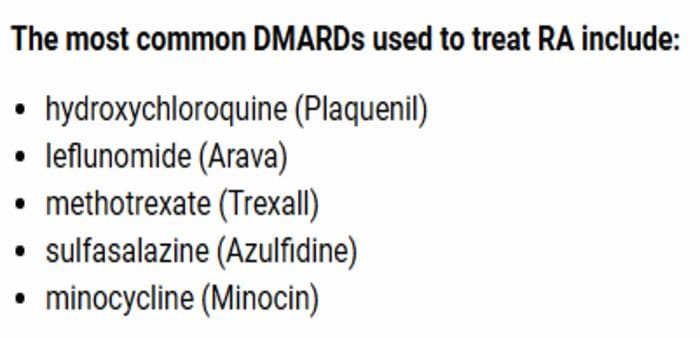
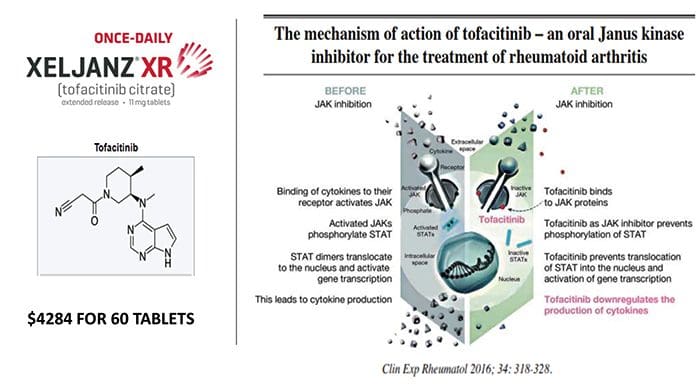
Disease Modifying Anti?Rheumatic Drugs (DMARDs)
The Facts on Methotrexate For Rheumatoid Arthritis Treatment
Methotrexate is the most commonly prescribed drug to treat rheumatoid arthritis, yet it only helps about half of those who try it. Find out how it works and how to lessen its side effects.
Folate Inhibition To Block Immune Cell Proliferation
Flexibility is critical for athletes and non-athletes alike. It allows people to move freely and easily in their everyday life and can also help prevent injury or aggravated conditions during physical activities. One of the best methods to maximize flexibility is through stretching. However, research suggests that not all stretching techniques are created equal. Proprioceptive neuromuscular facilitation, or P.N.F., stretching is depends on reflexes to produce deeper stretches which increase flexibility.
What is P.N.F. stretching?
Proprioceptive neuromuscular facilitation (PNF) is a more complex form of endurance training which involves both the stretching and contraction of the muscle group being targeted. PNF stretching was initially developed as a form of rehabilitation, and to that effect, it’s very effective. It’s also great for targeting specific muscle groups, and also, while it helps increase flexibility, it also enhances muscle power.
As stated by the International PNF Association, P.N.F. stretching was developed by Dr. Herman Kabat in the 1940’s as a means to take care of neuromuscular ailments, including polio and multiple sclerosis. Proprioceptive neuromuscular facilitation techniques have since gained recognition with healthcare professionals, such as chiropractors, physical therapists and other fitness professionals. Based on research from the University of Queensland, PNF stretching may be the best stretching procedure for increasing range of motion.
How Does Proprioceptive Neuromuscular Facilitation Function?
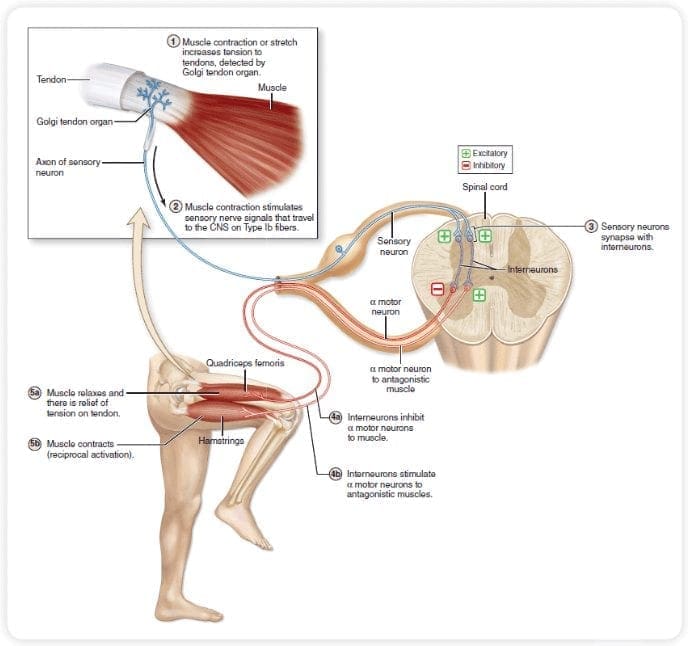
While there are multiple PNF stretching techniques, all of these rely on extending a muscle to its own limitation. Doing so causes the inverse myotatic reflex, a protective reflex that calms the muscle to prevent injury. P.N.F. induces the brain to think “I do not need that muscle to rip” and sends a message to let the muscle relax a bit more than it would normally.
You know the feeling when you stretch a muscle? It feels great when you stretch it until you move nearer to the end of its range of movement and it starts to feel extremely tight and even painful. It’s similar to a flexible band that does not want to stretch any farther.This is known as the myotatic reflex, which is the human body’s natural method of protecting your muscles from stretching too far. It is possible to conquer this to an extent by gradually extending and exhaling to decrease tension in the muscle.
However, proprioceptive neuromuscular facilitation, or PNF, stretching tricks your nervous system into relaxing the myotatic reflex, enabling your muscles to extend further than what’s attainable using a conventional style of stretching. All PNF stretching requires is that you stretch a muscle and then forcefully contract that muscle before stretching it again. As you proceed into the stretch after the contraction, you will be able to stretch farther that you did earlier. This permits you to create more length in the muscle and receives a much greater flexibility benefit from the stretch. P.N.F. stretching consists of several techniques which can help achieve the same effect as described above.
Hold-Relax Stretch
This type of PNF stretch relies on the concept of autogenic inhibition. By stretching the muscle and after using an isometric contraction of the muscle, it’s possible to decrease the activity (or tone) of the muscle and deceive the myotatic reflex to permit for a more significant stretch. To perform this technique, stretch a muscle as far as you can, remember, it shouldn’t be painful, and then hold the stretch for 10 seconds. Next, contract that muscle as forcefully as possible against an immovable object. Hold this for 5 minutes. Now move into a stretch, using a partner’s assistance if needed, which ought to be deeper than what you attained before. Repeat the stretch-contraction order three times for each muscle.
Contract-Relax, Antagonist-Contract Stretch
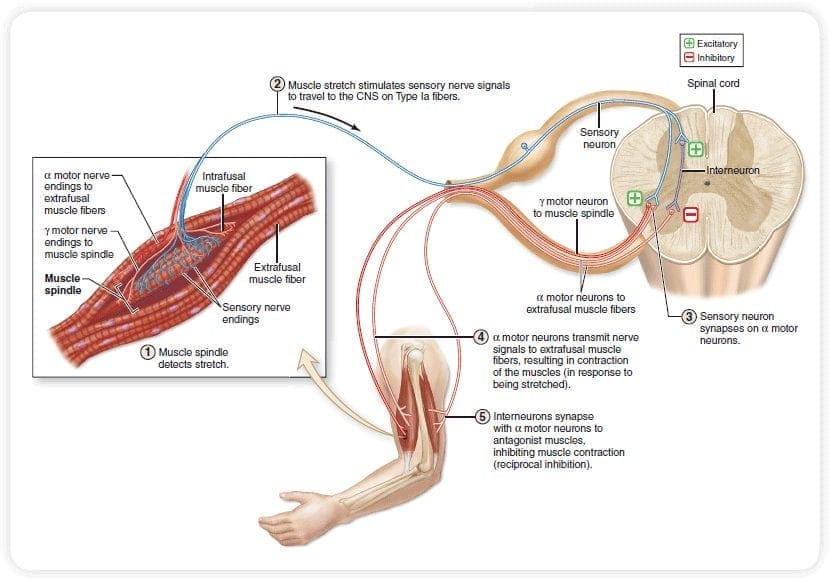
Your system is wired so that two muscles cannot shorten at precisely the exact same time, otherwise they’d fight against one another, and you would not be able to move. So when you consciously contract a muscle, your nervous system automatically sends an indication to the opposing muscle, or antagonist, that it ought to relax so that your joint can proceed. This is called reciprocal inhibition. This variant of PNF benefits from reciprocal inhibition. It resembles the hold-relax stretch but entails a forceful contraction of the opposing muscle to the one being extended in order to move deeper into the stretch.
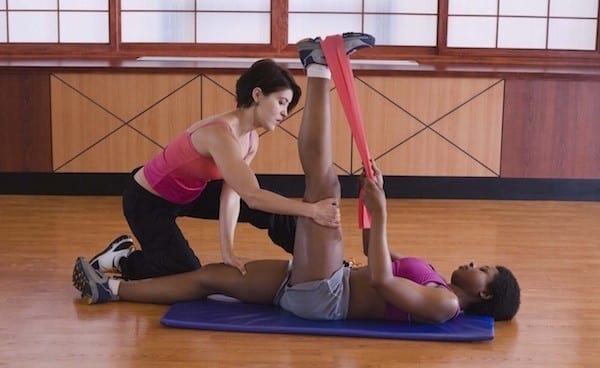
To perform this technique, stretch a muscle as far as you can, again, remember it shouldn’t be painful, and hold the stretch for 10 seconds. Next, contract that muscle as aggressively as you can against an immovable object, such as your partner’s chest. Hold this for 5 seconds. Now use the opposing muscle to pull yourself back to the stretch. Again for the hamstring stretch, this would be your hip flexors. Your partner won’t have to supply as much assistance as the hold-relax stretch technique, but can give an excess drive and will help you maintain the stretch if needed. Repeat the sequence three times for each muscle.
Contract-Relax Stretch
Finally, the third type of PNF stretch closely resembles the hold-relax stretch but rather entails contracting the muscle through an active assortment of motion. To perform this technique for a hamstring stretch, for instance, you’d extend the muscle for 10 seconds and slowly lower your leg into a table. Now increase your leg back around 90 degrees and also have a partner move you into the next stretch.
Dr. Alex Jimenez’s Insight
Proprioceptive Neuromuscular Facilitation, or PNF, is a rehabilitation stretching technique used to help increase flexibility as well as improve muscle elasticity. P.N.F. has been demonstrated to have a positive effect on active and passive range of motion because it can increase the length of the muscle and neuromuscular efficiency. Stretching has long been seen as beneficial to enhance performance and decrease risk of injury during physical activities. Proprioceptive neuromuscular facilitation stretching can also improve function and range of motion following an injury. Proper protocol should be followed when performing PNF stretching to attain and maintain the benefits of these techniques.
A Word of Caution Regarding PNF Stretching
Certain precautions need to be taken when performing proprioceptive neuromuscular facilitation, or PNF, stretches because they can place additional amounts of stress, pressure and/or tension on the targeted muscle group, which can boost the risk of soft tissue injury. To help reduce this risk, it’s important to incorporate a conditioning stage before a maximum, or extreme effort is utilized.
Additionally, before undertaking any form of stretching it is extremely important that a comprehensive warm up is completed. Warming up prior to stretching does a variety of valuable things, but mainly its objective is to prepare the body and mind for more strenuous physical activities. Among the ways it accomplishes this is by helping to increase the body’s core temperature whilst also increasing the body’s muscle dimensions. This is imperative to ensure the maximum benefit is obtained from your stretching. The scope of our information is limited to chiropractic as well as to spinal injuries and conditions. To discuss the subject matter, please feel free to ask Dr. Jimenez or contact us at 915-850-0900 .
Curated by Dr. Alex Jimenez
Additional Topics: Sciatica
Sciatica is medically referred to as a collection of symptoms, rather than a single injury and/or condition. Symptoms of sciatic nerve pain, or sciatica, can vary in frequency and intensity, however, it is most commonly described as a sudden, sharp (knife-like) or electrical pain that radiates from the low back down the buttocks, hips, thighs and legs into the foot. Other symptoms of sciatica may include, tingling or burning sensations, numbness and weakness along the length of the sciatic nerve. Sciatica most frequently affects individuals between the ages of 30 and 50 years. It may often develop as a result of the degeneration of the spine due to age, however, the compression and irritation of the sciatic nerve caused by a bulging or herniated disc, among other spinal health issues, may also cause sciatic nerve pain.
Specially certified healthcare professionals utilize the active release techniques, A.R.T., to diagnose and treat soft tissue injuries created by scar tissue. This manual, hands on treatment divides adhesions which limit normal range of motion causing strain and painful symptoms.
What is Active Release Technique (ART)?
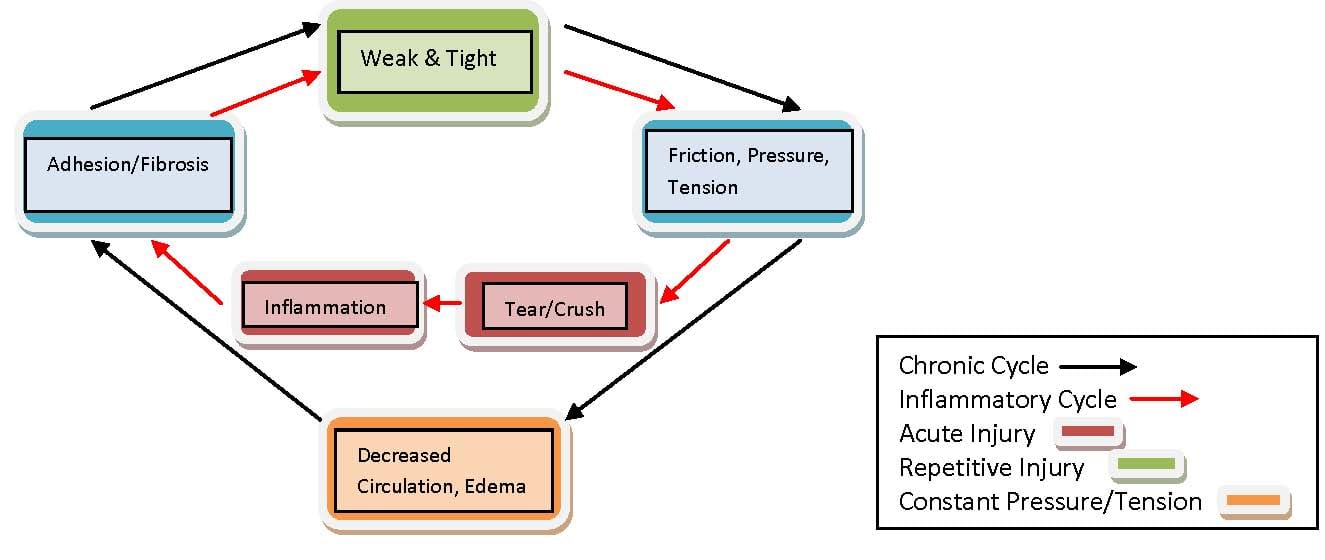
Active Release Techniques (ART) is a guide treatment administered by trained healthcare practitioners to particular soft tissue structures of the human body. The ART soft tissue control process relies on scientific proof that muscles, nerves, blood vessels, and connective tissue develop adhesions inside and between them as a result of various injuries that include: acute, or sudden injury, cumulative, or chronic injury, and pressure because of poor posture. These adhesions cause the motion of joints or muscles to be altered, leading to a vast array of signs and symptoms, including fatigue, pain and reduced range of movement, as well as tingling sensations and numbness.
What is the History of A.R.T.?
Michael Leahy, D.C., now practicing in Colorado Springs, Colorado, began developing A.R.T. in 1984. Prior to practicing chiropractic care, Dr. Leahy was an aeronautical engineer with the US Air Force. This technology background enabled Dr. Leahy to strategize soft tissue injuries in a new perspective, turning into the active release technique. Dr. Leahy is now widely considered a top rated soft tissue authority in the United States and the entire world.
What is ART Treatment Like?
After a diagnosis has been achieved according to a medical history and evaluation, treatment can be rendered by the appropriate healthcare professional with experience and certification in the active release technique, ART. Since soft tissue injuries made by scar tissue cannot be detected by a machine, for instance, X-ray or MRI, or by any orthopedic tests, A.R.T. is itself a diagnostic tool. The healthcare practitioner can determine where the adhesions are and also how intense the soft tissue injury is, only by touch.
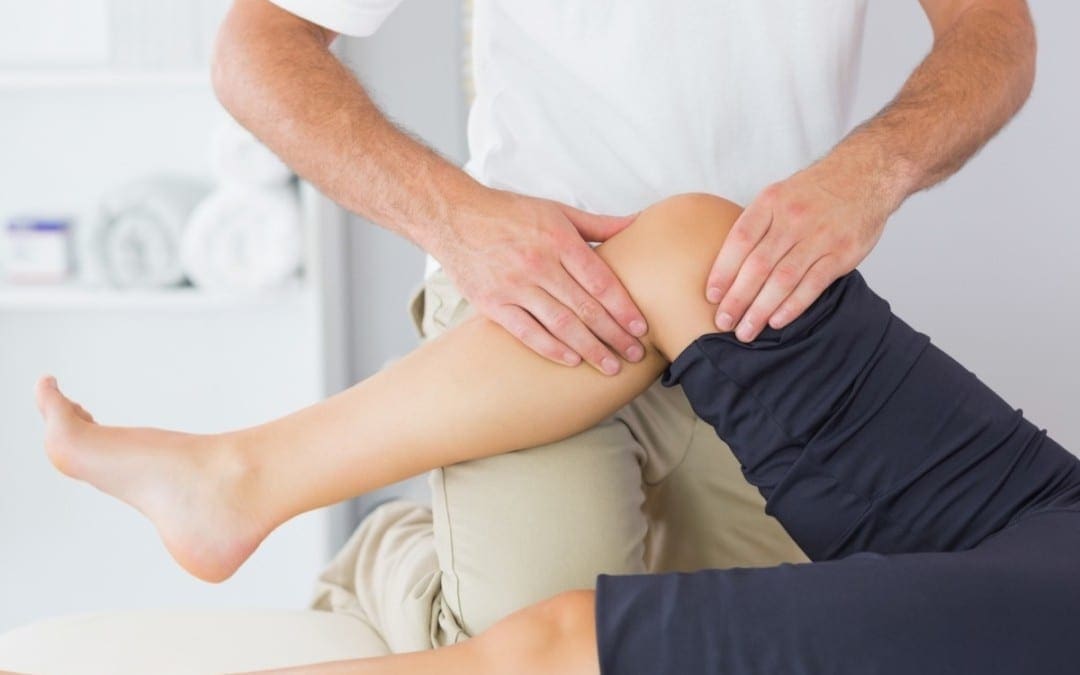
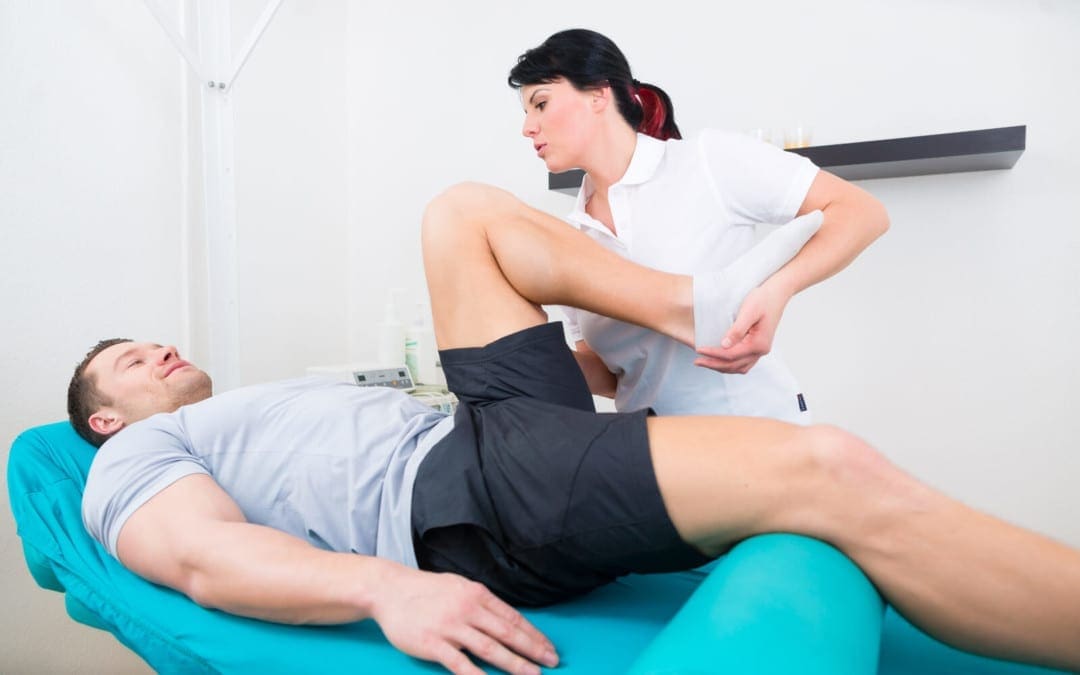
ART is usually performed using direct contact from the doctor to the patient’s skin. The practitioner will locate the area to be worked on and either have the individual actively move a body part or they will passively move the body part for the individual.
The active release technique (ART) is a hands on treatment in which muscle, fascia, ligament, tendon, nerve, or capsule is held with pressure and tension on the tissue involved (not the skin) in a shortened position, while the arrangement is lengthened through a full, comfortable range of active movement and force is maintained throughout the movement. There is no skin tension or slipping on the epidermis.
Active release technique differs from massage in the use of movement of the limb, or spine under pressure and tension, along with the attention to anatomical detail and potential nerve entrapments in the area. Instead of treating a general region, an active release technique healthcare provider uses their hands to feel damaged or abnormal tissues in muscle, fascia, tendons, ligaments or nerves. Abnormalities present as having a different feel and affect the motion and operation in which a patient can perform.
The qualified and experienced healthcare professional’s contact, coupled with the motion of the patient, allows the adhesions to separate. The therapy protocols, currently amounting to over 500 specific moves, are unique to ART or active release techniques. They allow healthcare practitioners to identify and correct the specific health issues which are impacting each patient.
Active release techniques, or ART, goes right after the adhesion in order to break up the scar tissues producing the painful symptoms and malfunction. Considering these sites are extremely sensitive to begin with, A.R.T. might cause some discomfort described by many patients as a “good hurt”. However, pressure or tension is never applied beyond the patient’s tolerance.
How Long Does ART Treatment Last?
Each individual’s active release technique differs. On average, between 2 to 6 visits, each lasting about 15 to 30 minutes, are needed for correction of soft tissue problems. Factors that affect this range include the intensity of the health issue, the individual’s willingness to take part in their treatment and the patient’s overall health status. Patients need to have an active part in their recovery to help lower the chances of reoccurrence. This may entail strengthening a certain tissue or altering certain physical activities.
ART is considered one of the best and most successful treatments for soft tissue injuries. However, like any other therapy, ART can not fix everything. If significant improvement isn’t seen throughout the course of treatment, other treatments options will be considered to fully resolve the patients injuries or conditions. Healthcare professionals generally will not encourage ongoing sessions if no improvement is observed within a specific number of visits.
Who Can Benefit from A.R.T.?
Anybody who is in pain due to a soft tissue injury can benefit from the active release technique. ART is utilized in a clinical setting on professional and olympic athletes, office workers, laborers, housewives, young athletes, in addition to many others. These individuals all have in common their altered movement patterns, but their mechanism or trigger often differs. A.R.T. effectively heals muscles, tendons and ligaments throughout the body that are very congested with scar tissue by freeing up their ability to function and thereby decreasing pain and other painful symptoms.
Active release techniques can also be effective in treating plantar nerve entrapments in which a nerve is entangled by scar tissue and has pressure or tension exerted during specific positions or movements. Through a healthcare provider’s extensive training, they’re taught where the nerves are likely entrapped and how best to reduce the adhesions. This provides individuals who suffer from sciatica, carpal tunnel syndrome and other peripheral nerve entrapments a fast and effortless solution for their complaints. Palliative therapies such as ART ought to be researched before a person has decided they cannot be properly treated due to their current health and wellness. If it is a soft tissue structure that is causing your pain, it could most likely be fixed.
How Does ART Help?
Active release technique promotes faster healing, recovery of normal tissue function, and may also prevent future injuries. For the athlete, it is going to make it possible for them to train better and more frequently. For the employee, it can keep them injury free, if used as a preventative therapy.
Abnormal tissue, or scar tissue, can go unnoticed by an athlete as well as for the office employee and it may manifest into an injury. Symptoms of damaged tissue include tightening and shortening of the muscle. What was once simple could become a chore, for instance, stiffer golf swing rotation, or fighting to reach your seatbelt. A reduction of mobility, limited range of motion, poor biomechanics, overcompensation along other body parts, and loss of strength could all be identified and adjusted with ART. Many times, a patient will not understand why scar tissue is building up until it is too late. No apparent injury is necessary for this to happen.
Possibly an IT band pain can be traced back to some dysfunctional hip. Tingling sensations or numbness in the hand may be from constant insult to the nerve from poor computer desk setup along with the shoulder, neck, forearm posture causing the nerve to be entrapped up the arm or neck; it doesn’t even have to develop in your hand.
How Does ART Improve Performance?
Performance of almost any activity, such as golfing, typing, walking or running could be improved considerably with the active release technique, or ART, by restoring proper muscle function and motion to permit the entire body to perform at its most efficient level. Adhesions create drag and tension which requires additional energy and effort to accomplish a desired movement. Reaction times may also be enhanced as muscle function is improved.
Who Can Provide Active Release Technique?
Only certified healthcare professionals in active release techniques, such as chiropractors or physical therapists, can efficiently render treatment. Regrettably, there are a number of people who claim they provide ART but don’t really get the true training needed to provide safe and efficient therapy. It’s essential to find a qualified and experienced healthcare practitioner in A.R.T..
Dr. Alex Jimenez’s Insight
Active release technique is a type of soft tissue therapy which helps relieve tight muscles and nerve trigger points, tremendously reducing joint stress and muscular pains. Relieving muscle stiffness and trigger points can make a big difference towards improving overall health and wellness. Furthermore, the active release technique, or A.R.T., can help turn on muscles which may have been turned off due to trauma from an injury or an aggravated condition. ART is primarily used to treat health issues which affect muscles, fascia, tendons, ligaments and even nerves, which contribute to the formation of scar tissue, strains and sprains as well as pain and inflammation.
The scope of our information is limited to chiropractic as well as to spinal injuries and conditions. To discuss the subject matter, please feel free to ask Dr. Jimenez or contact us at 915-850-0900 .
Curated by Dr. Alex Jimenez
Additional Topics: Sciatica
Sciatica is medically referred to as a collection of symptoms, rather than a single injury and/or condition. Symptoms of sciatic nerve pain, or sciatica, can vary in frequency and intensity, however, it is most commonly described as a sudden, sharp (knife-like) or electrical pain that radiates from the low back down the buttocks, hips, thighs and legs into the foot. Other symptoms of sciatica may include, tingling or burning sensations, numbness and weakness along the length of the sciatic nerve. Sciatica most frequently affects individuals between the ages of 30 and 50 years. It may often develop as a result of the degeneration of the spine due to age, however, the compression and irritation of the sciatic nerve caused by a bulging or herniated disc, among other spinal health issues, may also cause sciatic nerve pain.
Low back pain occurs due to a variety of causes, which is why it is often poorly diagnosed and treated. As there are many mechanisms by which lower back pain happens, such as trauma, overuse from weight lifting for example, and repetitive motion, it’s important to mention that this article will only focus on sciatic nerve pain, or sciatica.
Sciatica refers to pain and other symptoms which radiate or travel down the leg, associated with numbness, tingling or burning sensations, and weakness in one or both lower extremities. Many patients complain of sharp, intense pain and discomfort when sitting and driving, affecting their capacity to bear weight properly when one has to walk or move. Their pain can shoot down the length of the sciatic nerve, into the buttocks, down the back of the leg, into the calf, and lastly, into the ankle and foot. The sciatic nerve, which is the longest nerve in the body, can become compressed or entrapped by certain muscles leading to sciatica.
Based on the location of this impingement, the individual will present with a variety of symptoms. If the health issue is diagnosed to originate in the low back, then the problem normally occurs around the hole in which the nerve exits the spine, resulting in symptoms surrounding the entire lower extremity. If the health issue is correctly diagnosed to originate from the buttocks, it most often includes the piriformis muscle because the sciatic nerve travels beneath it as it makes its way down the length of the leg. The source of this type of sciatica may involve different muscles just below the piriformis, otherwise known as a group of muscles called the hip rotators.
If the health issue is not in the lower back, or buttocks, then the problem is very likely to have occurred in the hamstrings, primarily at one of the muscles where the plantar nerve divides the hamstrings at the back of the thigh. The sciatic nerve may also manifest symptoms when compressed in the calf, however, these symptoms will often only be reported below the knee.
ART and PNF Treatment for Sciatic Nerve Pain
In regards to treatment, sciatica can be worked out by performing active release techniques, or ART, through the release of the entire nerve where it is being compressed. The objective when using ART for sciatic nerve pain would be to maneuver the nerve while trapping the muscle(s) in their own position. The nerve is then pulled from beneath the muscle. Also, using rehabilitation exercises through specific stretches and strengthening exercises of the muscle groups involved may allow for faster healing alongside chiropractic care to boost the communication between the spine and the positioning of the nerve entrapment/compression.
One of the most common stretching methods for sciatica is PNF or proprioceptive neuromuscular facilitation. PNF is a sort of stretch that produces a rebound relaxation of the muscle. PNF is a more advanced kind of flexibility training that involves both the contraction and stretching of the muscle group being targeted. PNF is a stretching technique utilized to increase range of motion and flexibility. PNF increases range of motion by increasing the length of the muscle and increasing neuromuscular efficiency. PNF stretching has been found to increase ROM in trained, as well as untrained, individuals. Effects can last 90 minutes or more after the stretching has been completed. PNF stretching was initially created as a form of rehabilitation, and to that effect, it is very effective. It’s also excellent for targeting specific muscle groups as well as increasing flexibility and enhancing muscle power and strength.
Four theoretical physiological mechanisms for increasing range of motion were identified using PNF stretching: autogenic inhibition, reciprocal inhibition, stress relaxation, and the gate control theory.�Autogenic Inhibition is what occurs in a contracted or stretched muscle in the form of a decrease in the excitability because of inhibitory signals sent from the same muscle.�Reciprocal inhibition is what occurs in the TM when the opposing muscle is contracted voluntarily in the form of decreased neural activity. It occurs when an opposing muscle is contracted in order to maximize its contraction force, and it relaxes.�Stress relaxation is what occurs when the musculotendinous unit (MTU), which involves the muscles and the connected tendons, is under a constant stress.�The gate control theory is what occurs when two kinds of stimuli, such as pain and pressure, activate their respective receptors at the same time.
How to Perform a PNF Stretch
The practice of doing a PNF stretch involves the next steps. The muscle group to be stretched is first placed so that the muscles are stretched and under pressure. The individual then contracts the muscle, using a band for 5 to 6 seconds while a partner, or immovable object, applies sufficient resistance to inhibit motion. Please be aware, the effort of contraction ought to be relevant to the individual’s amount of conditioning. The contracted muscle group is then relaxed and a controlled stretch is used for approximately 20 to 30 seconds. The muscle band is then allowed 30 seconds to recover and the process is repeated 2 to 4 more times.
Information differs marginally regarding time recommendations for PNF stretching, determined by which healthcare professional you’re speaking to. Although there are conflicting responses to the question of how long should a patient contract the specific muscle group for and how long should they rest for between each stretch, it’s been found through a study of research and patient experience, that the above timing recommendations offer the most advantages from proprioceptive neuromuscular facilitation stretching.
Furthermore, certain precautions will need to be taken when performing PNF stretches because they may put additional stress on the targeted muscle group, which can boost the possibility of soft tissue injury. To reduce this risk, it’s essential for the patient to include a conditioning phase before a maximum, or intense effort is utilized.
About the Active Release Technique or ART
The active release technique, or ART, is among the newest treatments in the world of chiropractic. ART is used to target muscle, nerve, and tendon problems. It is also used to treat blood vessel problems. Quite a few studies have been conducted and these have generated positive results which reveal that ART is really an effective treatment method. A lot of individuals nowadays try ART since so many are experiencing muscle problems.
Oftentimes, individuals, particularly the older ones, wake up and they feel that their body is quite hard to move. There are also those who start to feel their range of motion getting more and more limited with time. A number of the most common body parts that suffer from limited selection of motion include the neck, the arms, and the back. For many individuals, there is also restricted range of motion. There are numerous factors that cause restricted range of movement. The active release technique can be used to improve limited mobility as well as improve sciatica symptoms associated with a variety of health issues.
How ART Affects Limited Range of Motion
ART therapists initial assess the muscles that they are supposed to take care of. They check the texture, the stiffness, and needless to say, their freedom. Since the groundwork is conducted, the therapists would then attempt to elongate the muscles so as to break the adhesions. The stretching is usually conducted with the management of vein in consideration. Also, the practitioner would need to ask the patient to move the affected body parts in ways prescribed by the practitioner. So essentially, ART is a joint-venture. Practitioner and patients work together in order to generate great medical outcomes.
Dr. Alex Jimenez’s Insight
The active release techniques, or ART, and the proprioceptive neuromuscular facilitator, or PNF, stretches are therapeutic procedures commonly utilized for the common practice of releasing tension in the soft tissues as well as increasing the range of motion of the human body. Although a variety of treatment options are available to help treat sciatica, ART and PNF can be used by qualified and experienced healthcare professionals to safely and effectively improve and manage sciatic nerve pain. Moreover, alternative treatment options, such as chiropractic care, and strengthening exercises can also be used in combination with these therapeutic methods to help speed up the recovery process.
The Future of ART and PNF
It’s important to remember that both ART and PNF should only be run by accredited practitioners. Healthcare professionals are not just expected to find basic instruction and permit but they are also expected to have attended numerous workshops and seminars about the subject. In some countries, credential tests even must be passed. In addition, it ought to be noted that ART and PNF must be conducted on muscle stiffness not due to blunt trauma. The condition should also not involve inflammation.
There are many healthcare professionals who focus on ART and PNF. A few of these include chiropractors, physical therapists, massage therapists, medical physicians, and even athlete trainers. The active release technique and the proprioceptive neuromuscular facilitation stretches helps people do things that they used to do. It helps them become more efficient at work as well as be practical in their daily lives. Due to the health benefits of ART and PNF, more and more people from the medical and therapeutic world are learning how to concentrate on it. The scope of our information is limited to chiropractic as well as to spinal injuries and conditions. To discuss the subject matter, please feel free to ask Dr. Jimenez or contact us at 915-850-0900 .
Curated by Dr. Alex Jimenez
Additional Topics: Sciatica
Sciatica is medically referred to as a collection of symptoms, rather than a single injury and/or condition. Symptoms of sciatic nerve pain, or sciatica, can vary in frequency and intensity, however, it is most commonly described as a sudden, sharp (knife-like) or electrical pain that radiates from the low back down the buttocks, hips, thighs and legs into the foot. Other symptoms of sciatica may include, tingling or burning sensations, numbness and weakness along the length of the sciatic nerve. Sciatica most frequently affects individuals between the ages of 30 and 50 years. It may often develop as a result of the degeneration of the spine due to age, however, the compression and irritation of the sciatic nerve caused by a bulging or herniated disc, among other spinal health issues, may also cause sciatic nerve pain.
It has been compared to the worst possible type of pain anyone can imagine. Other people say it’s even worse than labor because the pain doesn’t seem to have an end to it. These are some of the most common descriptions of sciatica, where a severe case of this excruciating nerve pain can bring anyone to their knees. That’s why lots of patients don’t simply say they have sciatica, they’re victims of its symptoms.
Sciatic nerve pain, or sciatica, is associated with many well-known symptoms, however, is sciatica really that common? What type of treatments are available to help alleviate sciatic nerve pain?And does a person’s everyday activities play a part in whether they will develop sciatica in the first place? Dwight Tyndall, MD, FAAOS answers several of the most commonly asked questions patients need to know regarding their sciatica.�Dr. Tyndall is a pioneer in the area of outpatient spine surgery, however, he is also a strong proponent of non-surgical treatment methods, including chiropractic care, to manage back pain and sciatica. Dr. Tyndall shares his perspectives on sciatic nerve pain and discusses what may indicate a need for surgery in severe cases of sciatica.
What is Sciatica?
According to Dr. Tyndall, sciatica is both a spinal disorder and a catch-all term for a group of symptoms. Sciatic nerve pain, best referred to as sciatica, is a spinal condition characterized by nerve pain which radiates down the length of the sciatic nerve. The sciatic nerve is the largest nerve in the entire human body, and it’s made up of spinal nerves from the vertebrae level L4 in the lumbar spine down to the vertebrae level S1 in the sacrum. Anything which impacts those nerves can lead to sciatica. Moreover, sciatica’s symptoms may be grouped under the medical term dysesthesia, meaning any sort of abnormal sensation. Most patients describe sciatica as an odd feeling radiating out of their lower back into their buttocks and down to their thigh and calf, often radiating as far down into the foot.
What are the Symptoms of Sciatica?
Dr. Tyndall explains that sciatica’s hallmark symptom include pain in the low back or buttocks which radiates down one or both legs. Signs and symptoms which shouldn’t be ignored include pain which doesn’t respond to non-surgical treatment options and/or pain which greatly restricts an individuals activity level and quality of life. Some red flags which may signal the need for surgical interventions associated with sciatic nerve pain include: reduced motor function in one part of the leg, usually a drop foot at which the patient can’t lift thei foot off the ground, weakness in one or both legs and bladder or bowel changes.
Is Sciatica the Same as Lumbar Radiculopathy?
“Most people see sciatica to be more severe than lumbar radiculopathy, but radiculopathy, which comes from the Latin radix significance origin, is a condition that affects the nerve during its origin as it exits the spinal cord. Sciatica and lumbar radiculopathy can be brought on by a pinched nerve from the spinal column due to a disc herniation or stenosis, but kidney problems or a sinus issue, like endometriosis, may also pose sciatica-like symptoms,” states Dr. Dwight Tyndall.
Who’s at Risk of Developing Sciatica?
“By my clinical experience, men and women have exactly the same identical risk of developing sciatica. Obesity also doesn’t play a role, either. Concerning age classes, however, sciatica has been estimated to peak during the ages of 30 and 40, and the risk usually declines as people begin reach their 50’s,” added Dr. Tyndall.
How Common is Sciatica?
As mentioned by Dr. Dwight Tyndall, sciatica and low back pain frequently occur together, but sciatica is much less common. While 80 percent of individuals experience low back pain at any point in their lives, just 2 to 3 percent will actually develop sciatica.
When Should a Person with Sciatica See a Healthcare Professional?
According to Dr. Tyndall, an individual with symptoms of sciatic nerve pain will need to see a healthcare professional if their pain is not reacting to over-the-counter (OTC) medications, or if these create weakness in the leg. Also, a person ought to see a doctor if their pain is so severe that their well-being is affected. Should the sciatica include bladder or bowel changes, the individual must seek immediate medical attention for their health issues. Furthermore, it’s important for a person with sciatica to seek the help of a healthcare professional to rule out any possible underlying causes which may be responsible for their symptoms.
What Type of Healthcare Professional Can Help Treat Sciatica?
According to Dr. Tyndall, any healthcare professional qualified and experienced in spine health issues, such as a chiropractor, can help diagnose, treat and even prevent sciatica. A doctor of chiropractic, or chiropractor, is a healthcare professional who utilizes spinal adjustments and manual manipulations, among other non-invasive treatment methods, to help correct any spinal misalignments, or subluxations, which may be causing sciatic nerve pain. A chiropractor may also recommend a series of stretches and exercises, as well as lifestyle modifications, to help speed up the patient’s recovery process. Chiropractic care is often the preferred alternative treatment option to help alleviate sciatica without the need for drugs and/or medications or surgery. However, if a patient is experiencing any of the red flag symptoms mentioned above, it may be necessary to visit a spine surgeon in order to discuss the treatment options. Always make sure to consider surgical interventions as a final alternative if your sciatica doesn’t respond to non-surgical treatment methods.
What are the Causes of Sciatica?
“There are many external factors, but among the greatest is your occupation. Someone who operates in a manual labor industry, like construction, has a higher likelihood of developing sciatica since they put more wear and tear on their back. Tiger Woods is an example of this. He acquired sciatica because his career as a golfer placed significant stress on his spine. There is a genetic element as well, as a few young men and women who do not operate in a strenuous job develop sciatica, however, the genetic tie is not clearly defined. Lastly, pregnancy may also result in sciatica. As the infant develops, it can put pressure on the lumbar spine, pelvis, and sciatic nerve. However, delivering the infant is usually enough to eliminate sciatica caused by pregnancy,” says Dr. Tyndall.
How Often is Sciatica Likely to Re-Occur?
“This question isn’t easy to answer because many factors contribute to whether a person will develop sciatica more than once. Sciatica is likely to re-occur if the spinal disc that led to sciatica the very first time is severely damaged. The more damaged the disk, the more likely it is to re-herniate and lead to sciatica again. Also, if the patient continues to work in a high-physical stress environment, the risk of re-ocurrence increases.
How is Sciatica Diagnosed?
“The physical examination is essential to a sciatica diagnosis. The straight-leg raise test is the traditional diagnostic tool during a physical examination. In this test, a patient be asked to lift up their leg when lying down. If that induces pain down their leg, the patient could have sciatica. Other physical tests healthcare professionals frequently utilize are knee extension tests, where the patient expands their knee to a straight position, like a straight-leg lift. Additionally, healthcare professionals will as patients to walk on their tip toes or on their heel to measure their potency. Other healthcare professionals will also observe how strong they are going down stairs or simply walking. Many doctors can determine a sciatica analysis from a physical examination, but if imaging studies are needed to learn more, the physician may recommend a magnetic resonance imaging (MRI) scan.
What Treatments are Effective for Sciatica?
As mentioned before by Dr. Dwight Tyndall, there is a variety of treatment options available to help alleviate the symptoms of sciatica. Approximately 80 percent of patients will improve with non-surgical treatment options. Several OTC medications, such as NSAIDs (eg, ibuprofen), are also effective in the management of sciatic nerve pain. If the sciatica does not subside, the doctor may prescribe a low-dose steroid pack (to be obtained over one week). If this doesn’t manage the sciatic nerve pain, then the patient may receive an epidural steroid injection (you will first need an MRI to pin-point the injection region).
Other non-surgical treatment options which are commonly utilized to help alleviate the symptoms of sciatica, include, acupuncture, chiropractic care and physical therapy, and needless to say, time normally works wonders such as pain. Chiropractic care is the most commonly used alternative treatment option for the treatment of sciatica. Chiropractic care focuses on the diagnosis, treatment and prevention of a variety of injuries and/or conditions associated with the musculoskeletal and nervous system. Through spinal adjustments and manual manipulations, a doctor of chiropractic, or chiropractor, can help reduce unnecessary pressure in the structures surrounding the spine, improving strength, mobility and flexibility. Chiropractic care and physical therapy alike, can also help improve a patient’s overall health and wellness, aside from improving their sciatica, through physical activities and nutritional advice.
Is Surgery Ever Necessary to Treat Sciatica?
“It may certainly be so, however, the good thing is that the vast majority of people with sciatica don’t need surgery. And, your doctor may ask you to explore non-surgical treatment options, however, your tolerance for pain is the real predictor as to when you have to consider another option for treatment. Surgery may be necessary if symptoms worsen despite trying non-surgical alternatives, if you have weakness in your leg, or if you experience bladder and/or bowel changes,” explained Dr. Dwight Tyndall.
“The surgical procedure to treat sciatica is also called a lumbar microdiscectomy. It is a normal procedure with very positive individual outcomes when used accordingly. A lumbar microdiscectomy is similar to a traditional lumbar discectomy. Technological advances, like the advent of surgical microscopes, allow surgeons to create smaller incisions that are minimally traumatic to the body and result in a much quicker recovery for the patient”, added Dr. Tyndall.
Can Surgery be Performed in an Outpatient Setting?
“Yes, lumbar microdiscectomy can surely be carried out in an outpatient setting. Many patients like the cozy environment and are able to go home the exact same day of operation,” concluded�Dwight Tyndall, MD, FAAOS.
Is Sciatica Preventable?
As thoroughly explained by Dr. Dwight Tyndall, sciatica can be preventable if the individual doesn’t put significant and repeated stress in their back, which will reduce the chance of damaging or injuring a nerve. Nonetheless, in the present society, through our tasks and daily stresses of modern life, it’s difficult to accomplish that. Fortunately, with the abundance of treatment choices available, people can get relief from sciatic nerve pain with the appropriate healthcare professional’s help.
Dr. Alex Jimenez’s Insight
Many people will experience symptoms of low back pain at least once throughout their lifetime, however, only a few individuals will develop true sciatica symptoms. Sciatica is medically referred to as a collection of symptoms, rather than a single condition, and it’s generally characterized by pain and discomfort, followed by tingling or burning sensations and numbness along the length of the sciatic nerve. The sciatic nerve is the largest nerve in the human body and it travels from the lower back down the buttocks and thighs into the legs and feet. Sciatic nerve pain, or sciatica, has become a common health issue for many people, therefore, its important to be educated regarding this prevalent complaint in order to follow up with the most appropriate treatment.
The scope of our information is limited to chiropractic as well as to spinal injuries and conditions. To discuss the subject matter, please feel free to ask Dr. Jimenez or contact us at 915-850-0900 .
Curated by Dr. Alex Jimenez
Additional Topics: Sciatica
Sciatica is medically referred to as a collection of symptoms, rather than a single injury and/or condition. Symptoms of sciatic nerve pain, or sciatica, can vary in frequency and intensity, however, it is most commonly described as a sudden, sharp (knife-like) or electrical pain that radiates from the low back down the buttocks, hips, thighs and legs into the foot. Other symptoms of sciatica may include, tingling or burning sensations, numbness and weakness along the length of the sciatic nerve. Sciatica most frequently affects individuals between the ages of 30 and 50 years. It may often develop as a result of the degeneration of the spine due to age, however, the compression and irritation of the sciatic nerve caused by a bulging or herniated disc, among other spinal health issues, may also cause sciatic nerve pain.
Active release therapy, more specifically referred to as the active release technique, is a patented system designed by Dr. P. Michael Leahy which focuses on the treatment of developed scar tissue in damaged muscles all across the human body. When Dr. Leahy first developed the technique about two decades ago, he realized that the damage in the complex soft tissues of the muscles might perhaps be able to be sensed as well as addressed directly through movement in the form of specialized techniques. With its proven ability to cure pain, its own acronym, ART, provides the active release therapy with some ironical link to being a true art form in chiropractic care.
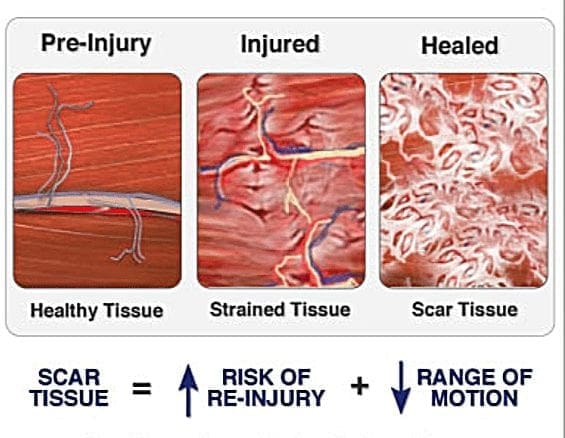
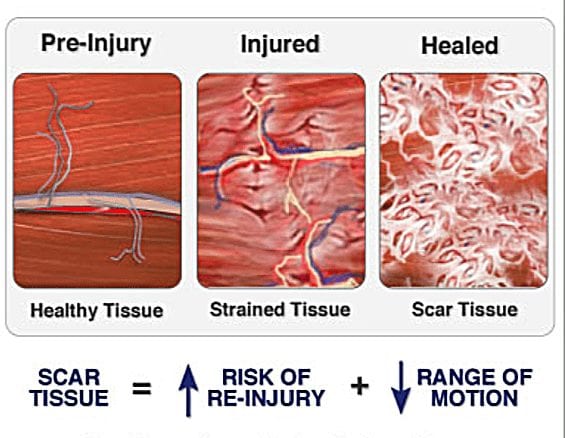
When athletes overwork their muscles from playing sports or even through just everyday activities, many individuals don’t understand how scar tissue can develop on our muscles in the first place. The scar issue forms in order to help heal damaged muscles, however, it can ultimately create painful symptoms which may last long after these have healed. Scar tissue most commonly develops as a result of pulled muscles or muscle tears, or even from a lack of oxygen, called hypoxia.
As the scar tissue builds in the damaged or injured muscles, if the individual does not maintain a proper level of mobility in the affected area, it can progressively cause muscles to become stiff or tight and weak, eventually leading to health issues such as tendonitis or nerve problems. This explains why some people with pain or limited range of motion, often will need to visit a healthcare professional immediately. Fortunately, many doctors are certified to treat these type of problems using active release therapy.
Using the Active Release Technique to Relieve Pain
Together with providing tension to the targeted sore muscle and utilizing specific body motions, the painful symptoms associated with scar tissue improves through active release therapy. As of now, there are approximately 500 different active release techniques designed to alleviate the tightness or stiffness and weakness in all of the body’s soft tissues, from the muscles to the nerves. Many of these movements are particularly chosen for each individual based on the specific muscle issue and location.
Active release techniques can also be helpful for small traumatic injuries caused by accumulative trauma or repetitive strain. More specifically, ART functions to break up fibrous tissues called adhesions. These adhesions result from a tear onto a tendon, ligament or muscle. Adhesions commonly develop in different ways, including from trauma as a result of acute injury or from repetitive motion injury caused by overuse, most commonly from sports injuries. It may also be a result of poor posture which has been aggravated by continuous pressure in addition to tension produced in the soft tissues for extended amounts of time.
Such adhesions, when left untreated, can also limit blood flow as well as shorten muscles, causing the well-known symptoms. Worsened symptoms can also result in pain, discomfort or weakness and at times numbness, most notably when scar tissue applies pressure on the nerves. When adhesions occur, the patient will surely complain of distress much more due to the simple fact that they will not be able to engage in the physical activities they were used to performing in before.
The active release technique, or ART,� works by implementing a couple of movements and motions on the affected muscle, tendon or fascia. In comparison to other soft tissue therapies, it’s said to achieve better end results. Primarily, ART aims to help improve the symptoms of the damaged or injured area by applying pressure and force on it. From there, the individual will be tasked to perform a technique which will help release the tension from the treatment. This can essentially improve motion for the treated region.
The combination of this tension out of the active release technique and that of the movement of muscles and its soft tissues will loosen and break up the adhesions. Because of this, there’ll be lesser pain felt on the injured region. This technique works well with active strengthening in addition to biomechanics training. The combination of these therapies will make patients feel improved body awareness, strength, flexibility and mobility even after a few ART sessions.
How Different is ART from Traditional Soft Tissue Treatments?
When compared with traditional manners of soft tissue therapy, ART boasts of a very comprehensive strategy. The active release technique is performed by certified healthcare practitioners who’ve underwent a very rigorous training procedure. Healthcare professionals must participate in sit-in classes and they must also have hands-on testing. Their certificate doesn’t stop after they pass the 90 percent mark on the hands on test though. They’ll also have to maintain their ART certification by getting annual recertification. This may work by honing the healthcare professional’s abilities and at the exact time, this will boil to the benefit of patients undergoing the therapy.
How Successful is ART as a Treatment?
Current research has demonstrated how effective the procedure is when it comes to treating hamstring pain and dysfunction in addition to hip pain, turf toe and lymph nodes. While the efficacy of ART has been demonstrated along these areas, several studies are still being made to check into its potential for treating disorders for other body components.
Using the Active Release Technique for Sciatica
Sciatica is an issue which affects a large number of people. It is essentially a pain syndrome, characterized by a collection of common symptoms which are caused when the sciatic nerve, the largest and most important nerve supplying the lower spine and the lower extremities, is compressed by the small muscles in the pelvis. The piriformis muscle is the one most implicated in the compression of the sciatic nerve, particularly because it moves through this muscle when emerging from the pelvis and entering the lower limbs. The active release technique, or ART, may be used in the treatment of sciatica brought on by piriformis syndrome.
Pathophysiology of Sciatica
When sciatica is caused by the compression of the sciatic nerve by the piriformis muscle, the latter generally goes into a spasm for an extended period of time, leading to the compression of this fundamental nerve. The spasm may result in a compromise in the blood supply to the muscle itself as well as the nerve, which will further complicate the issue. Nerve communications are important in order for the human body to maintain its outmost efficiency. Sciatica often can also be caused by disc injuries and herniations, as generally is a differential diagnosis to piriformis syndrome. Specific orthopedic tests can help, doctors of chiropractic, or chiropractors, evaluate the source of the patient’s sciatica prior to commencing any type treatment.
Consequences of Sciatic Nerve Pain
There are a number of effects that could arise as a result of sciatica. Reduction in overall body ranges of movement can be anticipated, accompanied by searing or sharp pain that can be excruciating. This can make it very difficult for an individual’s quality of life, especially when carrying out daily tasks like going to school and work, might become impossible due to the seriousness of the health issue. When the issue isn’t treated on time, it might cause permanent damage to the sciatic nerve.
Conventional Treatments for Sciatic Nerve Pain
There are a range of conventional treatments that may be utilized based on the intensity of the sciatic nerve pain, or sciatica. One of these is an injection of a drug/medication that can relax the muscle so that it stops compressing the nerve. Additionally, it has been proven that drugs and/or medications, such as steroids, may also have an impact on reducing the pain and impairment related to the symptoms. When the pharmacological methods don’t result in any progress, surgical ones can be attempted. The most usual of these is a surgery to release the nerve from the muscle by cutting away a portion of it. Although these have been listed as conventional treatments which may be used to treat sciatica, alternative treatment options and secondary opinions should be considered before considering surgical interventions. Only when no other treatment has demonstrated any improvements, should surgery be considered by a patient.
The Role of Active Release Techniques for Sciatica
The active release technique, or ART, is a form of therapy that focuses on the manipulation of soft tissues, including nerves, fascia and muscles, so as to achieve relief of painful symptoms, in this case for sciatica. For sciatic nerve pain, ART is utilized to reduce spasm and remove adhesions of the muscle that may be entrapping the sciatic nerve. Since the adhesions are removed through specific manual methods, the nerve can slide under the soft tissues, and sciatica symptoms can solve relatively quickly. There are a range of things that a patient can do in order to increase the efficacy of the active release technique. Early start to treatment assists in long-term resolution of sciatica symptoms.
Dr. Alex Jimenez’s Insight
The active release technique, also known as active release therapy or ART, is a soft tissue treatment based on a series of movement and motion techniques utilized to relieve pain and discomfort as well as promote the healing of muscles, joints and nerves, among other soft tissues. When performed by a certified healthcare professional, including a chiropractor, ART can help break down adhesions which may have developed following scar tissue formation after a damaged or injured muscle has healed. The active release technique has become one of the most common therapy for soft tissue treatment.
ART therapy is usually provided by skilled therapists like chiropractors, who have to keep their accreditation through continuing education on a yearly suface. This treatment is a specialized procedure that needs quite a bit of expertise and skill so as to work and supply rapid results. The scope of our information is limited to chiropractic as well as to spinal injuries and conditions. To discuss the subject matter, please feel free to ask Dr. Jimenez or contact us at 915-850-0900 .
Curated by Dr. Alex Jimenez
Additional Topics: Sciatica
Sciatica is medically referred to as a collection of symptoms, rather than a single injury and/or condition. Symptoms of sciatic nerve pain, or sciatica, can vary in frequency and intensity, however, it is most commonly described as a sudden, sharp (knife-like) or electrical pain that radiates from the low back down the buttocks, hips, thighs and legs into the foot. Other symptoms of sciatica may include, tingling or burning sensations, numbness and weakness along the length of the sciatic nerve. Sciatica most frequently affects individuals between the ages of 30 and 50 years. It may often develop as a result of the degeneration of the spine due to age, however, the compression and irritation of the sciatic nerve caused by a bulging or herniated disc, among other spinal health issues, may also cause sciatic nerve pain.
Foods: Arthritis pain can be debilitating. According to the Centers for Disease Control (CDC), between the years of 2010 and 2012, an estimated 22.7 percent, or 52.5 million, adults in the United States alone were diagnosed by a doctor with arthritis, rheumatoid arthritis, lupus, gout, or fibromyalgia � annually. Also during that time, almost 50 percent of adults 65 or older were diagnosed with arthritis. It is estimated that by the year 2040, 78 million Americans ranging in age from 18 years old to 85-year-old will be diagnosed with arthritis. What�s more, nearly 1 in every 250 (around 294,000) children in the U.S. under 18 years old suffer from a form of arthritis or rheumatic condition.
A Case For Healthy Eating
As medications and treatments get more expensive and drugs have significant unpleasant (and sometimes horrifying) side effects, more people are looking toward natural ways to treat their arthritis pain. In most cases they need look no further than the foods that they eat. While there is not nutritional magic bullet, studies have shown that getting the right nutrition from certain foods can help to minimize inflammation and pain that comes from arthritis. It can also help with your overall health and influence the symptoms as well as progression of conditions that may be related to arthritis.
There are certain foods that act as anti-inflammatories while other can increase inflammation. Arthritis sufferers who learn what foods to eat and which ones to avoid can enjoy better pain management, improved mobility, a more active lifestyle, and a more positive outlook on life. These foods provide great benefits for patients with rheumatoid arthritis, osteoarthritis, osteoporosis, gout, and other forms of inflammation caused by arthritis.
Foods That Fight Arthritis Inflammation
Different types of foods seem to affect different types of arthritis. The Arthritis Foundation offers some very good guidelines on dietary recommendations for arthritis sufferers based on their type of arthritis.
Foods rich in omega-3 fatty acids, phytochemicals, and antioxidants have powerful anti-inflammatory properties. These types of foods are the core of the Mediterranean style diet which consists of olive oil, fish, fresh vegetables, fruits, beans, seeds, and nuts. It should be stressed that choosing fresh foods in these categories is best. The key is to select foods that are as minimally processed as possible and contain no additives or preservatives. This means that most canned foods should be excluded. However, many supermarkets now have olive bars and other fresh, healthier food options that direct consumers away from processed, unhealthy food items. Fiber also plays a significant part in reducing arthritic inflammation.
Specific foods to incorporate into your diet to combat arthritis pain include:
Salmon
Extra virgin olive oil
Tuna
Mackerel
Egg yolks
Milk
Green tea
Oatmeal
Wild and brown rice
Barley
Quinoa
Beans
Tart cherries
Berries � blueberries, blackberries, raspberries, and strawberries
Broccoli
Brussels sprouts
Cabbage
Foods That Increase Arthritis Inflammation
Just as there are foodstuff that help alleviate arthritis pain, there are also foods that increase it. The Arthritis Foundation offers advice on foods that should be avoided by arthritis sufferers as they have been shown to increase pain and inflammation.
Sugar � Read the labels! Anything ingredient that ends in �ose� is a form of sugar. This includes sucrose and fructose.
Saturated fat � Cheese, pizza, red meat, pasta dishes, full fat dairy
Trans fats � Processed snacks, cookies, crackers, stick margarine, fast food, donuts, anything fried, frozen breakfast products
Refined carbs � Crackers, rolls, bread, white potatoes, white rice
MSG � A food additive found in soy sauce and many Asian prepared meals, deli meats, prepared soups, salad dressings
Gluten and casein � Dairy and wheat products, whey protein, rye, and wheat
Aspartame � Most diet sodas, artificial sweeteners, many �diet� or �sugar free� products
Alcohol
Paying attention to what you put into your body will not only help you better manage pain and inflammation, it will also help you feel better both physically and emotionally. A healthy, fresh diet can literally change your life.
Injury Medical Clinic: Elderly & Geriatric Fitness
IFM's Find A Practitioner tool is the largest referral network in Functional Medicine, created to help patients locate Functional Medicine practitioners anywhere in the world. IFM Certified Practitioners are listed first in the search results, given their extensive education in Functional Medicine


 www.aarda.org
 Endocrine Thyroid
 Endocrine?Thyroid
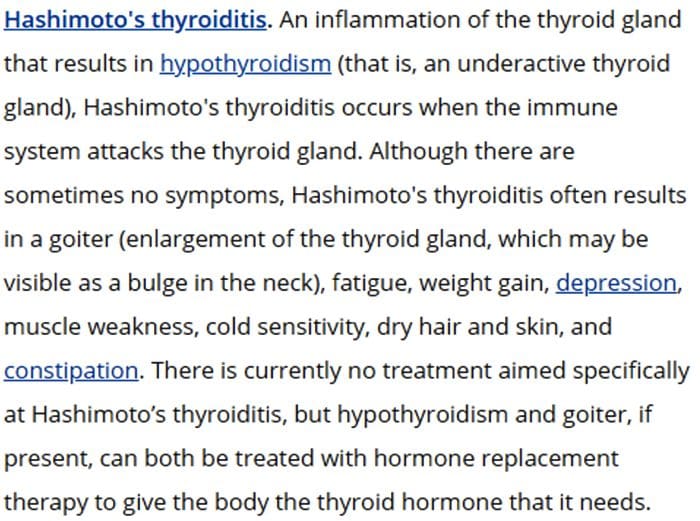 Musculoskeletal
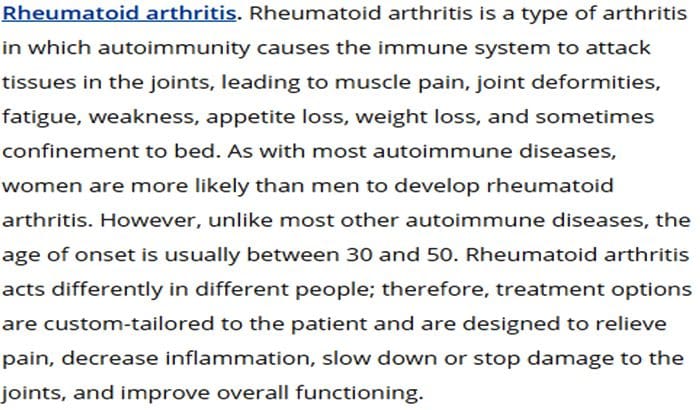 Musculoskeletal & Kidney
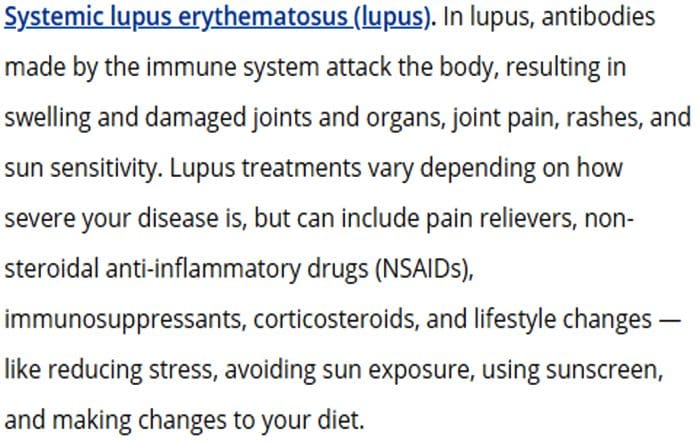 Neurological
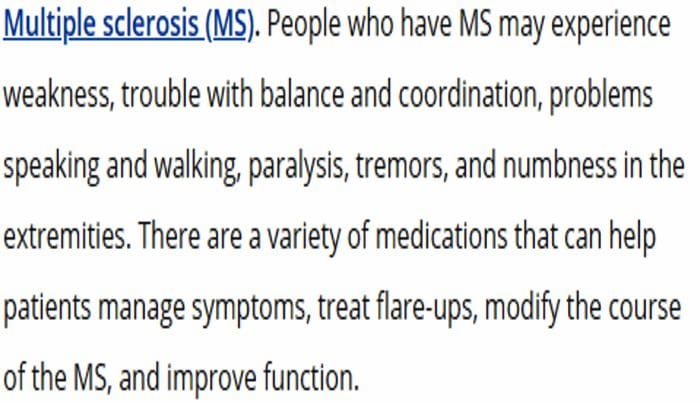 Autoimmunity
 Presence of Anti?Chromatin, DNA and RNA Antibodies
 What Biological Processes May Make Self Into Non?Self?
 The Facts on Methotrexate For Rheumatoid Arthritis Treatment
 Autoantibodies Are Increasing At Least Five Years Before Diagnosis Of SLE
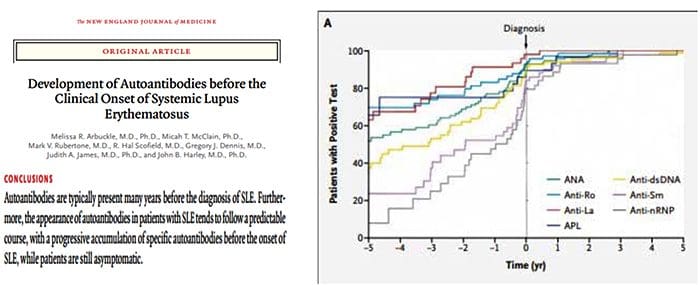 NEJM 2003; 349: 1526?33.
 The Argument For Preventing Self From Becoming Non?Self
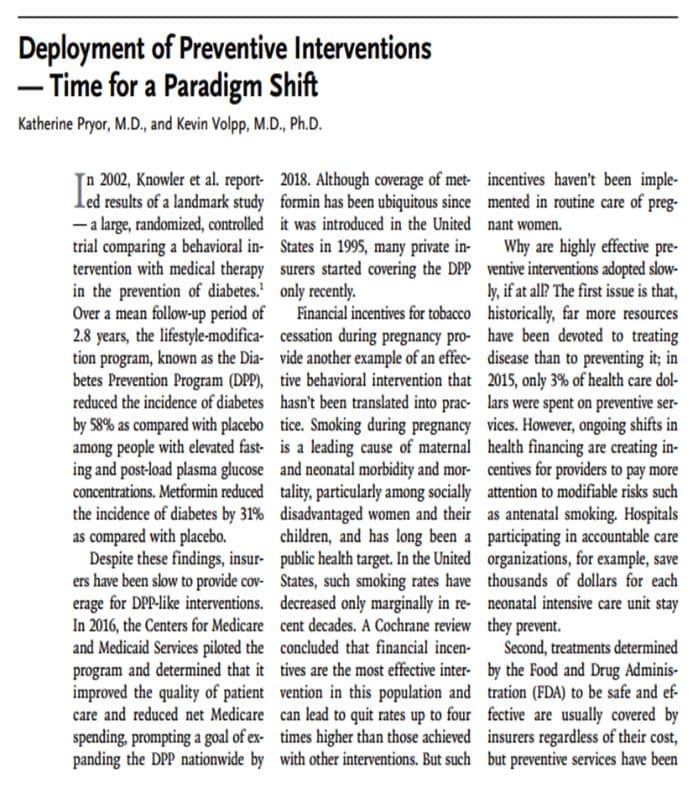 NEJM. 2018; 378: 1761?64.
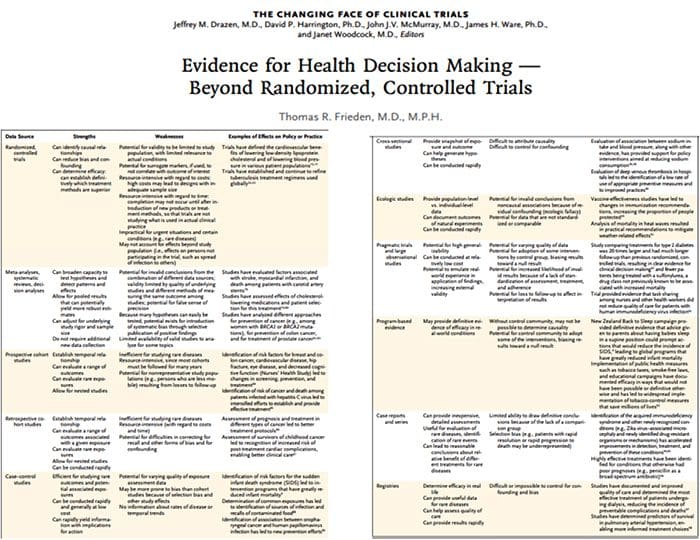 NEJM. 2017; 377: 465?74.
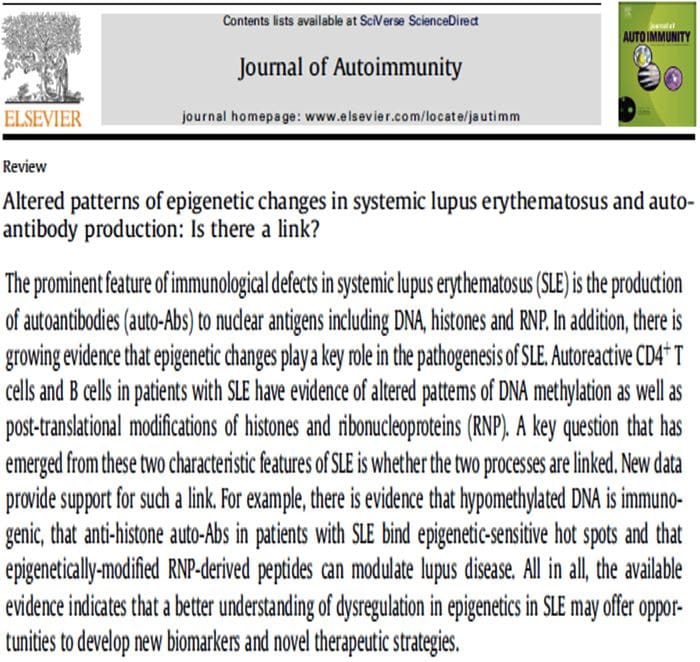 J Autoimmun. 2012; 39(3): 154?60.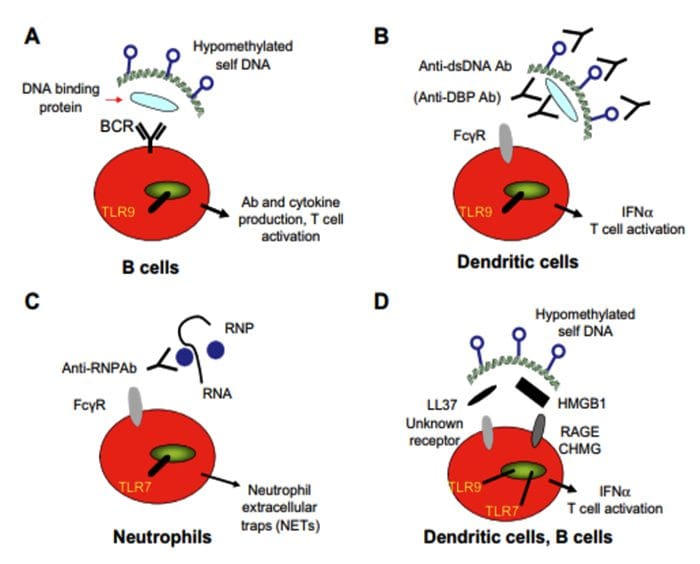
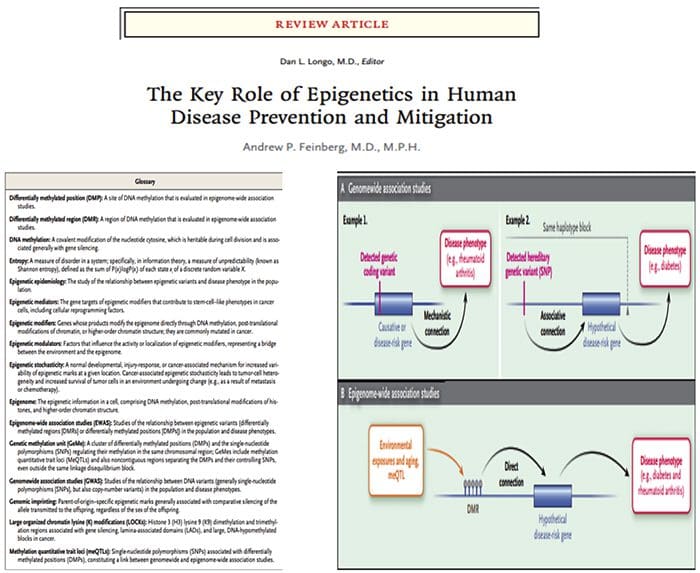 NEJM. 2018; 378: 1323?34.
 Science. 2018; 359: 424?28.
 The Atlantic March 3, 2017
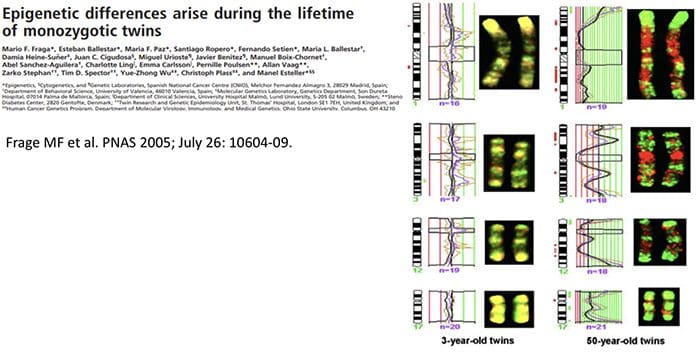 Frage MF et al. PNAS 2005; July 26: 10604?09.
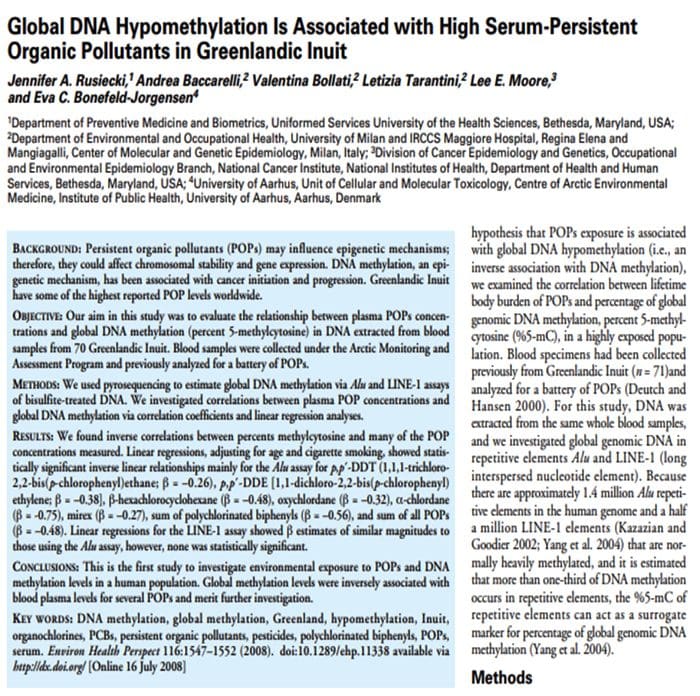 Environ Health Perspect. 2008; 116(11): 1547?1552.
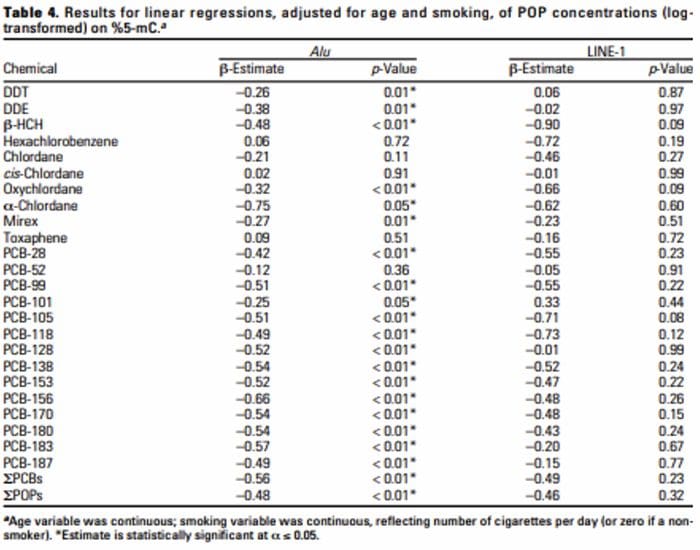 Environ Health Perspect. 2008; 116(11): 1547?1552.