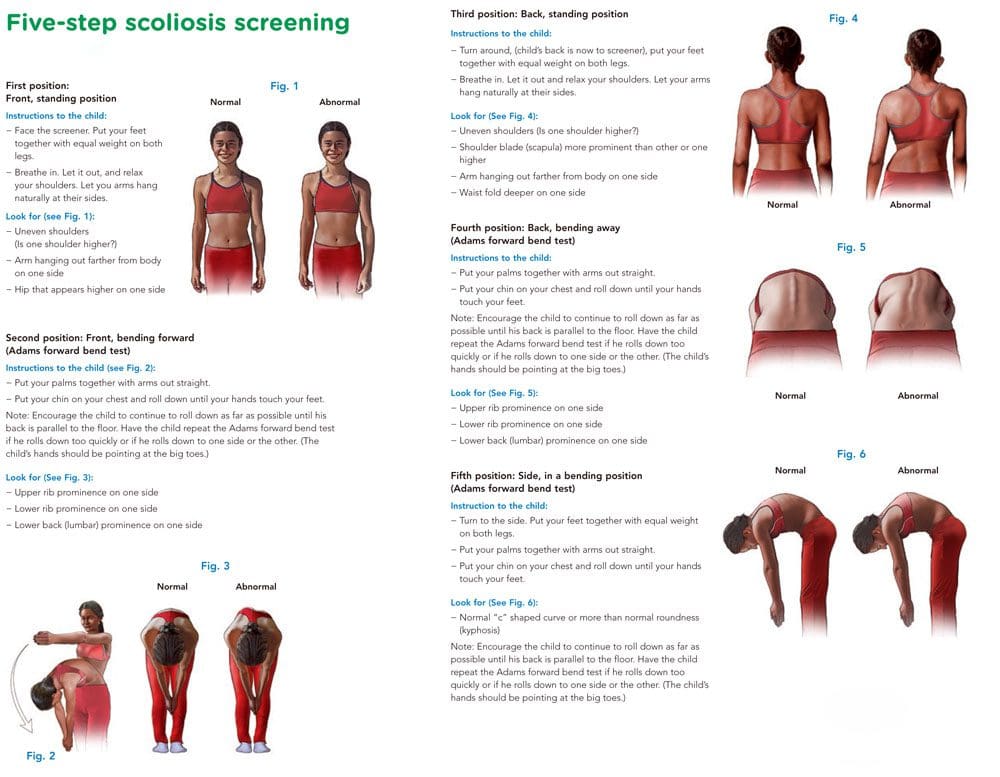
The Adams forward bend test is a simple screening method that can help with scoliosis diagnosis and help in developing a treatment plan. The exam is named after the English physician William Adams. As part of an examination, a doctor or chiropractor will look for an abnormal side-to-side bend in the spine.
Scoliosis Diagnosis
The Adams forward-bend test can help determine if there are indicators for scoliosis.
It is not an official diagnosis, but the results can be used as a starting point.
The Adams test will reveal signs of scoliosis and/or other potential deformities like:
Uneven shoulders
Uneven hips
Lack of symmetry between the vertebrae or the shoulder blades.
The head does not line up with a rib hump or the pelvis.
Detection of Other Spinal Issues
The test can also be used to find spinal curvature issues and conditions like:
Kyphosis or hunchback, where the upper back is bent forward.
Scheuermann’s disease is a form of kyphosis where the thoracic vertebrae can grow unevenly during a growth spurt and cause the vertebrae to develop into a wedge-like shape.
The Adams test by itself is not enough to confirm scoliosis.
A standing X-ray with Cobb angle measurements above 10 degrees is required for diagnosing scoliosis.
The Cobb angle determines which vertebrae are tilted the most.
The higher the angle, the more severe the condition and the more probable it will produce symptoms.
Computed tomography or CT and magnetic resonance imaging or MRI scans can also be used.
Forward Bend Test
References
Glavaš, Josipa et al. “The role of school medicine in the early detection and management of adolescent idiopathic scoliosis.” Wiener klinische Wochenschrift, 1–9. 4 Oct. 2022, doi:10.1007/s00508-022-02092-1
Grossman, T W et al. “An evaluation of the Adams forward bend test and the scoliometer in a scoliosis school screening setting.” Journal of pediatric orthopedics vol. 15,4 (1995): 535-8. doi:10.1097/01241398-199507000-00025
Letts, M et al. “Computerized ultrasonic digitization in the measurement of spinal curvature.” Spine vol. 13,10 (1988): 1106-10. doi:10.1097/00007632-198810000-00009
Senkoylu, Alpaslan, et al. “A simple method for assessing rotational flexibility in adolescent idiopathic scoliosis: modified Adam’s forward bending test.” Spine deformity vol. 9,2 (2021): 333-339. doi:10.1007/s43390-020-00221-2
Training means engaging in activity for fitness purposes or improving performance skills. Sports training is a process of preparation aimed at strengthening and maintaining high performance in sports activities. It is used by scientists and experts in sports science, biomechanics, exercise physiology, sports psychology, and fields like yoga and kinesiology. Regardless of fitness level, physical training, or exercise program, general sports training principles include:
Progression
Periodization/Regularity
Overload
Variety
Recovery
Balance
Specificity
Designed to improve fitness and performance, it includes strength training, conditioning, cardiovascular training, corrective and restorative exercises, mental and psychological training, and nutritional/health coaching.
Sports Training Principles
Progression
To improve fitness levels, an individual needs to increase the intensity and duration of their training routine gradually. Gradual and systematic increases in training stress maintain tissue overload and continue the body’s training adaptation. Training variables must be increased to induce further transformation. These include:
The rate of progression is important as progressing too fast can result in injury, while going too slow can delay improvement goals.
Periodization and Regularity
Maintaining a consistent exercise regimen is important, with training occurring at regular intervals.
Training three-five times each week is recommended.
Ensure adequate sleep to train at optimal levels.
A proper nutrition plan to operate at high capacity during training.
Varying training variables like activity, rest, frequency, intensity, and duration help maintain optimal stimulus and address goal adjustments to avoid overtraining, injury, and burnout.
Overload
Overloading occurs when the training exercise is more than an individual’s body can take. Challenging an individual’s current fitness and performance levels generates improvements. For example, soccer players alternate between sprinting, jogging, and backpedaling during games. They do 40-50-minute jogging sessions daily to maintain stamina and endurance.
This means pushing the body, so the heart works at a high percentage of its maximum capacity.
Determining the proper intensity level depends on various factors, including age, weight, and overall fitness level.
Excessive overload and/or inadequate rest can result in overtraining, injury, and decreased performance levels.
Variety
Becoming bored with physical training can happen very easily when performing the same routine.
Mixing things up by breaking up the routine and doing other activities is important.
This prevents boredom and can increase motivation to help achieve maximum results.
Recovery
Rest periods between physical training are essential for repairing muscle damage and removing metabolic waste.
The recommended recovery time is between 24 and 48 hours after training.
Alternating more difficult training exercises with easier exercises or alternating muscle groups so as not to work out the same muscles can also achieve recovery.
Not allowing the body to recover properly can lead to muscle fatigue, increasing the risk of injuries.
Balance
When developing a physical training program, it’s important to ensure the whole body is being worked out equally to achieve a balanced fitness level.
Balance routines for the upper and lower body.
Components of a balanced exercise plan include Strength, Cardio, and Flexibility training.
For example:
One day of aerobic exercises for cardio.
One day of rest.
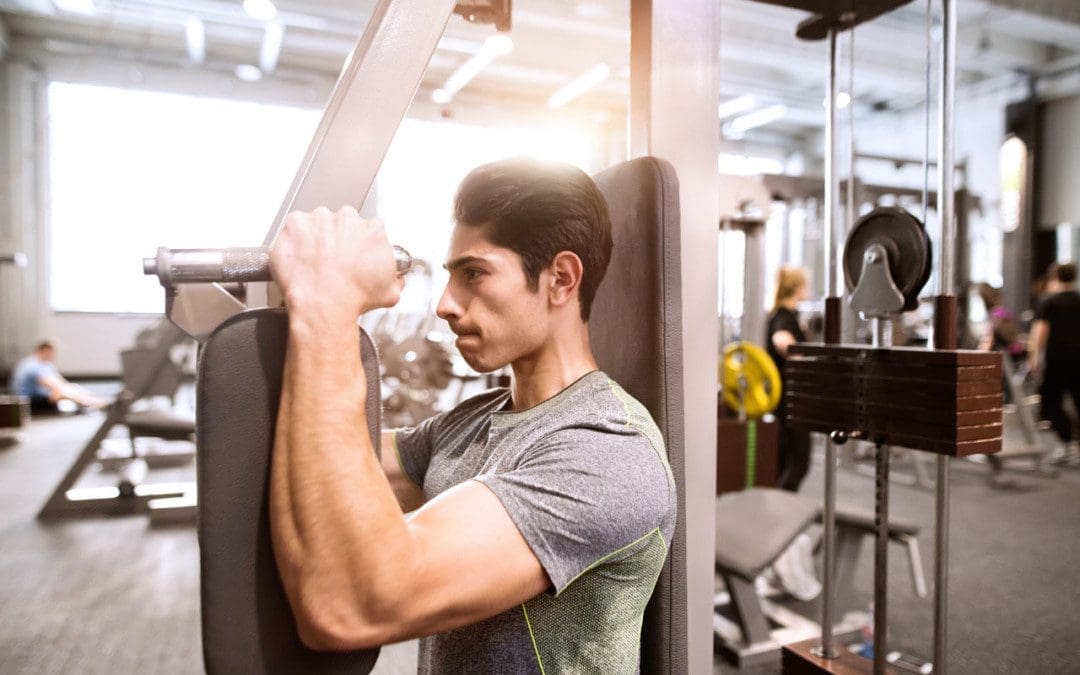
One day of resistance training for strength.
Stretching at the beginning and the end of workouts to relax muscles and maintain flexibility.
Specificity
The principle of specificity recommends that individuals gear their training toward specific goals.
Specific training consists of exercises to develop specific strength, specific muscle groups, and specific motor abilities required for a sport.
Incorporating specific motions and sports tasks generates neuromuscular and metabolic adaptations and muscle memory.
Chiropractic Therapy
Sports chiropractors work closely with massage therapists, performance coaches, athletic trainers, and medical doctors with a diverse treatment approach that is applied based on the needs of the individual. Chiropractic will:
Improve performance.
Reduce the risk of injury.
Alleviate muscle stress.
Expedite injury healing.
Maintain body alignment.
Sports Chiropractor Rehabilitation
References
Kasper, Korey. “Sports Training Principles.” Current sports medicine reports vol. 18,4 (2019): 95-96. doi:10.1249/JSR.0000000000000576
Maestroni, Luca, et al. “Strength and Power Training in Rehabilitation: Underpinning Principles and Practical Strategies to Return Athletes to High Performance.” Sports medicine (Auckland, N.Z.) vol. 50,2 (2020): 239-252. doi:10.1007/s40279-019-01195-6
Ralston, Grant W et al. “Weekly Training Frequency Effects on Strength Gain: A Meta-Analysis.” Sports medicine – open vol. 4,1 36. 3 Aug. 2018, doi:10.1186/s40798-018-0149-9
Schleip, Robert, and Divo Gitta Müller. “Training principles for fascial connective tissues: scientific foundation and suggested practical applications.” Journal of bodywork and movement therapies vol. 17,1 (2013): 103-15. doi:10.1016/j.jbmt.2012.06.007
Van Proeyen, Karen, et al. “Beneficial metabolic adaptations due to endurance exercise training in the fasted state.” Journal of applied physiology (Bethesda, Md.: 1985) vol. 110,1 (2011): 236-45. doi:10.1152/japplphysiol.00907.2010
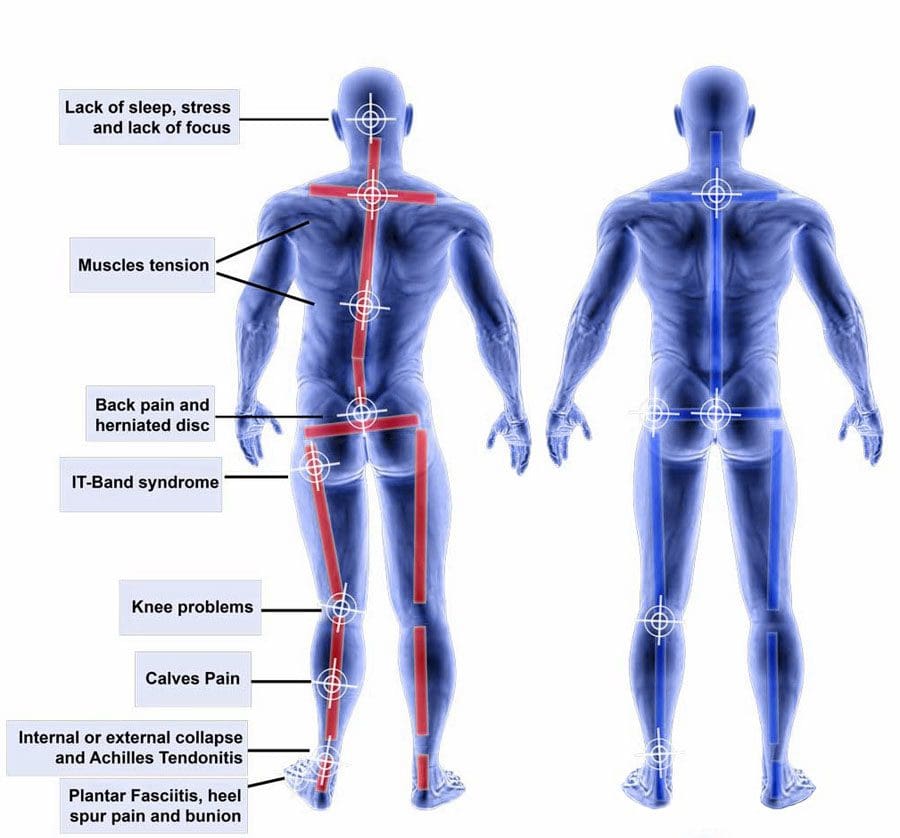
When the body is correctly aligned, the shoulders are the same height, and face forward. Uneven shoulders are when one shoulder begins to raise higher than the other. It usually starts with a slight difference but can turn into a more severe imbalance causing discomfort, tightness, and pain in the neck, shoulders, hips, and back. Chiropractic treatment can bring the body back into balance and alignment through various techniques and therapy modalities.
Misaligned Uneven Shoulders
Several factors can lead to uneven shoulders. Misalignments can be caused by:
Often the shoulder on the dominant side tends to be slightly lower.
Constantly using one hand or side for everything.
Carrying a heavy bag on the dominant shoulder.
Structural issues or muscular skeletal imbalances in other areas of the body.
For example, if the ankle or hip gets injured, it can cause an individual to bring their body out of alignment to adjust to how they position themselves and move. Other common causes include:
Overuse of the shoulders
Tight upper back muscles
Unhealthy posture
Uneven hips
Pinched nerve
Weak muscles
Flat feet
Sedentary lifestyle
Varying leg length
Osteoporosis
Scoliosis
Shoulder injuries
Incorrect sleeping position or sleeping on one side
Sports like tennis, golf, and baseball have an increased risk of causing misaligned, uneven shoulders and posture imbalances.
Symptoms
Uneven shoulders can result in discomfort, tightness, and stiffness in the neck, shoulders, and lower back.
Continued tightness and pulling in the higher shoulder.
A chiropractic massage and functional medicine team will bring the shoulders back into normal alignment.
Therapeutic myofascial release massage will release tension, relax the muscles, and increase flexibility.
Chiropractic adjustments
Spinal decompression therapy
Stretches and muscle-building exercises to balance the shoulders.
Lifestyle adjustment instructions for switching shoulders when carrying bags, using armrests, using the phone, using a mouse, and using ergonomic chairs.
Posture training includes learning to stay aware of one’s posture throughout the day when standing or sitting and completing regular activities.
Learning to use the non-dominant arm to balance the workload.
Incorporating relaxation, meditation, and breathing techniques to relieve stress, tension, and tightness.
Shoulder Pain Treatment
References
Burbank, Kelton M et al. “Chronic shoulder pain: part I. Evaluation and diagnosis.” American family physician vol. 77,4 (2008): 453-60.
Foroozan Mahmoodi et al. The effect of corrective exercises on the pain and degree of uneven shoulder deformity https://rsr.basu.ac.ir/article_625_en.html
Mayo Clinic Staff. (2017). Stress management. mayoclinic.org/healthy-lifestyle/stress-management/in-depth/relaxation-technique/art-20045368
Mitchell, Caroline, et al. “Shoulder pain: diagnosis and management in primary care.” BMJ (Clinical research ed.) vol. 331,7525 (2005): 1124-8. doi:10.1136/bmj.331.7525.1124
Pu Chu, Eric Chun, and Kevin Hsu Kai Huang. “Bridging the gap between observation and brace treatment for adolescent idiopathic scoliosis.” Journal of family medicine and primary care vol. 6,2 (2017): 447-449. doi:10.4103/jfmpc.jfmpc_52_17
When the body encounters a foreign element that can include a chemical, plant pollen, an invading microbe, or some other form of infection, it activates the immune system that triggers inflammation to protect the body and fight the illness. Heat and swelling are the body’s repair mechanisms to heal an injury, or if there is an infection, cells are activated to the location to combat the invading pathogens. However, Following an anti-inflammatory diet is important and part of the diet includes anti-inflammatory drinks.
Immune System
The immune system markers in the blood and tissue are above normal levels in response to continual low-level inflammation. The white blood cells that help heal an injury are working against a threat of injury/infection that does not exist. Tissues, organs, and cells can become affected by an influx of white blood cells that should not be there. Studies have proven that inflammation leads to chronic disease, but there are ways to avoid the damaging progression that include:
Traditional homemade chai tea is a blend of herbs with anti-inflammatory benefits.
Herbs include cinnamon, star anise, clove, ginger, and cardamom.
They help improve digestion, alleviate nausea, and increase immune system health.
These are just a few examples, but there are a variety of anti-inflammatory drinks that can benefit body and mental health.
Healthy and Refreshing
References
Alghadir, Ahmad H et al. “Green tea and exercise interventions as nondrug remedies in geriatric patients with rheumatoid arthritis.” Journal of physical therapy science vol. 28,10 (2016): 2820-2829. doi:10.1589/jpts.28.2820
Crozier, Stephen J et al. “Cacao seeds are a “Super Fruit”: A comparative analysis of various fruit powders and products.” Chemistry Central journal vol. 5 5. 7 Feb. 2011, doi:10.1186/1752-153X-5-5
Hunter, Philip. “The inflammation theory of disease. The growing realization that chronic inflammation is crucial in many diseases opens new avenues for treatment.” EMBO reports vol. 13,11 (2012): 968-70. doi:10.1038/embor.2012.142
Panche, A N et al. “Flavonoids: an overview.” Journal of nutritional science vol. 5 e47. 29 Dec. 2016, doi:10.1017/jns.2016.41
Teodorczyk-Injeyan, Julita A. PhD*; Triano, John J. DC, PhD*; Injeyan, H. Stephen DC, PhD†. Nonspecific Low Back Pain: Inflammatory Profiles of Patients With Acute and Chronic Pain. The Clinical Journal of Pain: October 2019 – Volume 35 – Issue 10 – p 818-825
doi: 10.1097/AJP.0000000000000745
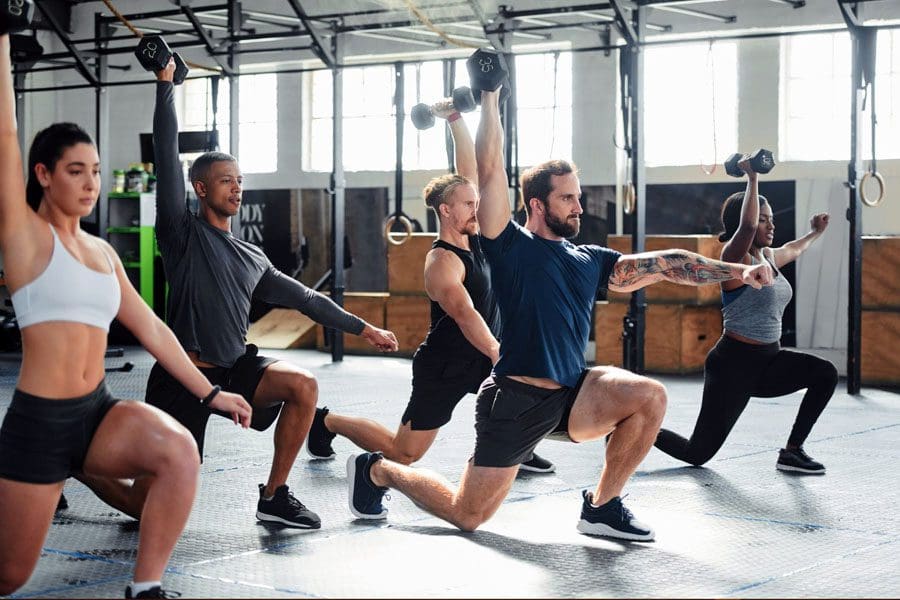
Everybody understands that exercise is necessary for optimal physical and mental health. Beginning a workout routine can be simple, but sticking with it long-term is the challenge. Knowing how to stay motivated can be overwhelming when facing various fitness options. Understanding the benefits of exercise and identifying the most significant motivating factors will help stick to the fitness plan.
Benefits of Exercise
The first step is identifying why you want to start exercising and the principal motivator/s. For most individuals exercising regularly helps:
Contribute to weight loss
Decrease risk of disease
Increase lifespan
Improve the quality of life
Improve mental health
Sticking to a plan tends to dissolve after a few months without serious motivation. It is recommended to focus on making the why as specific and personal as possible. The more specific the why, the less likely the individual will stray from the plan. For example, a middle-aged father wants to get and stay in shape because he wants to keep up with his kids and set a healthy example.
Starting Out
A small amount of regular exercise positively affects the body’s health. This is a common cause of burnout and is not necessary. Those who have never exercised or worked out regularly are often tempted to start with intense hours-long exercise routines.
Current physical activity recommendations suggest at least 150-300 minutes of moderate-intensity exercise per week or
That means that 30 minutes a day of moderate exercise/activity or 15 minutes a day of vigorous exercise/activity is the recommended amount to see and feel health benefits like improved metabolism and mental health.
Getting the body physically fit is a long-distance marathon, not a quick sprint.
Consistency is the objective.
Increasing the frequency and/or duration of workouts is fine, but doing it in a way where the exercise is still enjoyable and not a chore is recommended.
Individuals who work out too hard and need to rest for a few days risk losing motivation.
Daily Activities
Becoming more active throughout the day outside of the workout regimen is recommended to increase physical activity levels and build and reinforce healthy habits. If exercising is too strenuous for the individual, start with increasing physical daily activities. This is an effective way to ease into regular exercise. Examples of physical activities include:
Developing healthy habits, physical and nutritional are the goals, which is why it is essential to find an exercise approach that doesn’t lose its appeal and continues to develop. One study found that working out with friends or joining group sports can generate greater enjoyment. There are a variety of activities that can include:
Structured workouts
HIIT
Yoga
Pilates
Strength training
Cycling
Running
Biking
Hiking
Organized sports leagues:
Soccer
Basketball
Softball
Volleyball
Tennis
Golf
Low-impact options:
Walking
Stretching
Water aerobics
What is essential is to find something that you will want to continue to do.
Personalized Training and Rehabilitation
References
Barranco-Ruiz, Yaira et al. “Dance Fitness Classes Improve the Health-Related Quality of Life in Sedentary Women.” International journal of environmental research and public health vol. 17,11 3771. 26 May. 2020, doi:10.3390/ijerph17113771
Dalle Grave, Riccardo. “Nutrition and Fitness: Mental Health.” Nutrients vol. 12,6 1804. 17 Jun. 2020, doi:10.3390/nu12061804
Higgins, John P. “Smartphone Applications for Patients’ Health and Fitness.” The American journal of medicine vol. 129,1 (2016): 11-9. doi:10.1016/j.amjmed.2015.05.038
Yang, Yun Jun. “An Overview of Current Physical Activity Recommendations in Primary Care.” Korean journal of family medicine vol. 40,3 (2019): 135-142. doi:10.4082/kjfm.19.0038
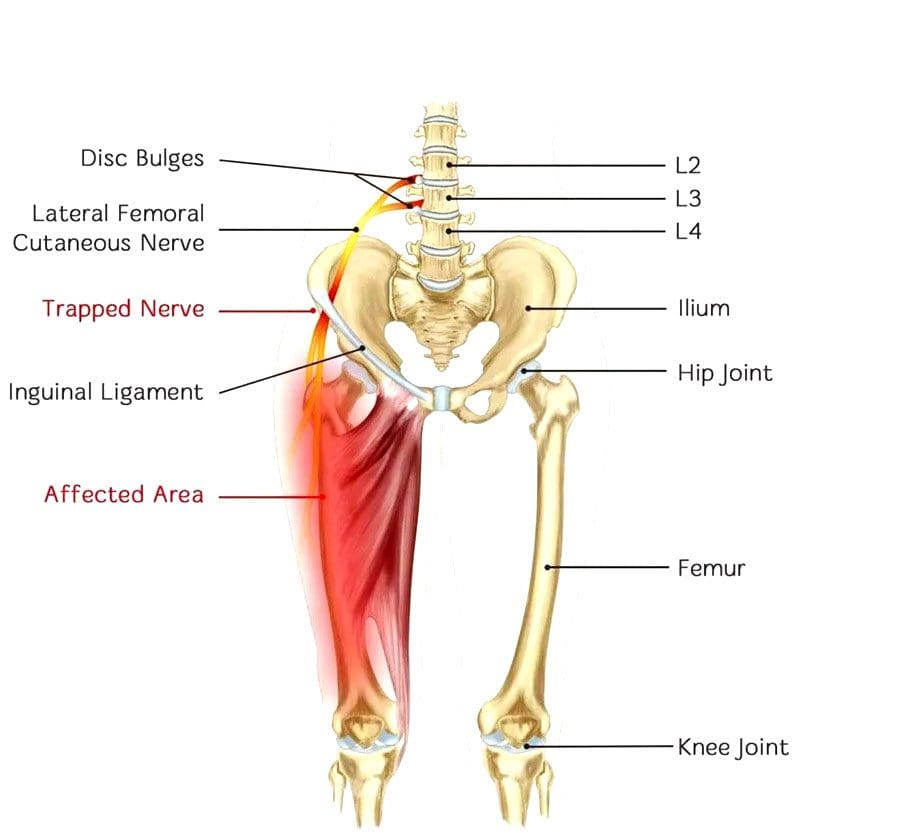
A pinched nerve in the hip can cause numbness, tingliness, weakness, and pain. A pinched/compressed nerve creates pressure that can result from a bone structural issue like hip misalignment or the nerve getting overly stretched, stuck, twisted, or kinked. The pressure obstructs the neural pathways and decreases neural activity. This causes pain. If discomfort or pain is present, chiropractic, physical rehabilitation, rest, exercise, and ice and heat can release and reset the nerve and help prevent re-injury.
Pinched Nerve In The Hip
A pinched or compressed nerve results from pressure being applied to the nerve. A pinched nerve in the hip often causes pain in the groin region, radiating down the inner thigh to the knee. The pain can feel like a dull ache or a sharp, burning pain. Individuals also report tightness, numbness, or a tingling sensation in the buttocks. The most common causes include:
Unhealthy posture.
Sitting for too long without moving around.
Misaligned bone or cartilage.
Muscle strain.
Pregnancy.
Obesity.
Inflamed tissue.
Herniated disc.
Arthritis.
Bone spurs.
Chiropractic
Different causes require different treatment approaches. For example, an obese individual could require chiropractic adjustments, specific exercises/stretches, and diet adjustments to address the whole body. The recommended treatment plans can vary but usually include:
Physical therapeutic massage.
Manipulative therapies of the joints and muscles.
Mobilization of the joints.
Soft tissue treatments.
Spinal decompression.
Exercise.
Walking and activity can worsen the pain when the hip presents with pain. This can cause the rest of the body to compensate by shifting the weight to the healthy side, which can cause even more pain in the back or legs or cause another injury. Regular chiropractic hip adjustments will improve posture, maintaining muscle and skeleton alignment that will prevent pinching nerves in the hip.
Chiropractic Hip Treatment
References
Ahuja, Vanita, et al. “Chronic hip pain in adults: Current knowledge and future prospective.” Journal of anaesthesiology, clinical pharmacology vol. 36,4 (2020): 450-457. doi:10.4103/joacp.JOACP_170_19
Christmas, Colleen, et al. “How common is hip pain among older adults? Results from the Third National Health and Nutrition Examination Survey.” The Journal of family practice vol. 51,4 (2002): 345-8.
“Free Communications: Case Reports: Hip.” Journal of Athletic Training vol. 38,2 Suppl (2003): S.73–S.74.
T-bone accidents/collisions, also known as side-impact or broadside collisions where the front end of one car slams into the side of another, can result in severe injuries and tend to have a more devastating effect on the body. Side impact collisions account for 24% of driver or passenger deaths; even at 30 mph, side-impacts regularly cause injuries to the occupants of the struck car. Modern vehicles have many safety features, including safety belt features, airbags, and collision avoidance systems that protect drivers and passengers from front and rear collisions; however, when it comes to side-impact, occupants tend to remain unprotected.
T-Bone Side Collision Causes
T-bone accidents usually happen at intersections. Usual Causes of T-bone accidents involve someone failing to yield the right of way. The most common causes include:
A driver makes a risky left turn at an intersection, believing the other car/s will stop.
A driver decides to run a red light crashing into a vehicle making a left turn.
A driver runs through a stop sign, slams into a vehicle, or gets slammed.
Back injuries can damage the spinal cord causing herniated discs, sciatica, and chronic pain that can radiate to the rest of the body.
Treatment and Recovery
Individuals have different recovery times and depend on the severity of the injury and on any pre-existing conditions. Brain injuries and spinal issues can take months to recover fully. Fractures placed in a hard or soft cast to heal for weeks or months can lead to muscle atrophy. Chiropractic therapeutic massage and decompression strengthens muscle weakness, resets and realigns the spinal column, improves range of motion/movement, strengthens grip, and relieves pain.
Neurosurgeon Explains DRX9000
References
Gierczycka, Donata, and Duane Cronin. “Importance of impact boundary conditions and pre-crash arm position for the prediction of thoracic response to pendulum, side sled, and near side vehicle impacts.” Computer methods in biomechanics and biomedical engineering vol. 24,14 (2021): 1531-1544. doi:10.1080/10255842.2021.1900132
Hu, JunMei, et al. “Chronic widespread pain after motor vehicle collision typically occurs through immediate development and nonrecovery: results of an emergency department-based cohort study.” Pain vol. 157,2 (2016): 438-444. doi:10.1097/j.pain.0000000000000388
Lidbe, Abhay, et al. “Do NHTSA vehicle safety ratings affect side impact crash outcomes?.” Journal of safety research vol. 73 (2020): 1-7. doi:10.1016/j.jsr.2020.02.001
Mikhail, J N. “Side impact motor vehicular crashes: patterns of injury.” International journal of trauma nursing vol. 1,3 (1995): 64-9. doi:10.1016/s1075-4210(05)80041-0
Shaw, Greg et al. “Side impact PMHS thoracic response with a large-volume airbag.” Traffic injury prevention vol. 15,1 (2014): 40-7. doi:10.1080/15389588.2013.792109
IFM's Find A Practitioner tool is the largest referral network in Functional Medicine, created to help patients locate Functional Medicine practitioners anywhere in the world. IFM Certified Practitioners are listed first in the search results, given their extensive education in Functional Medicine