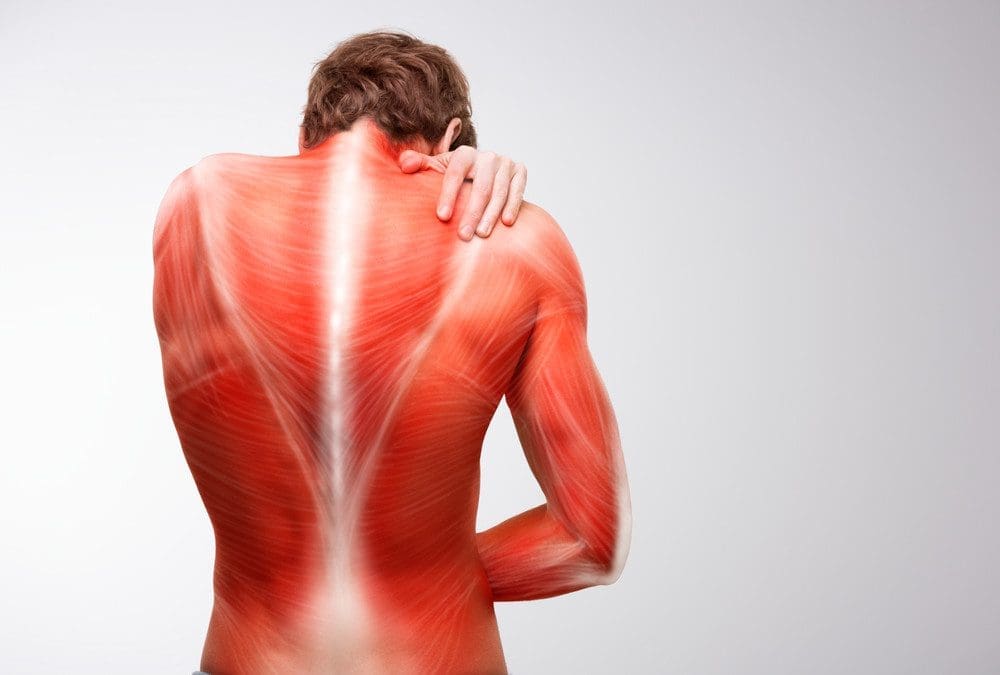
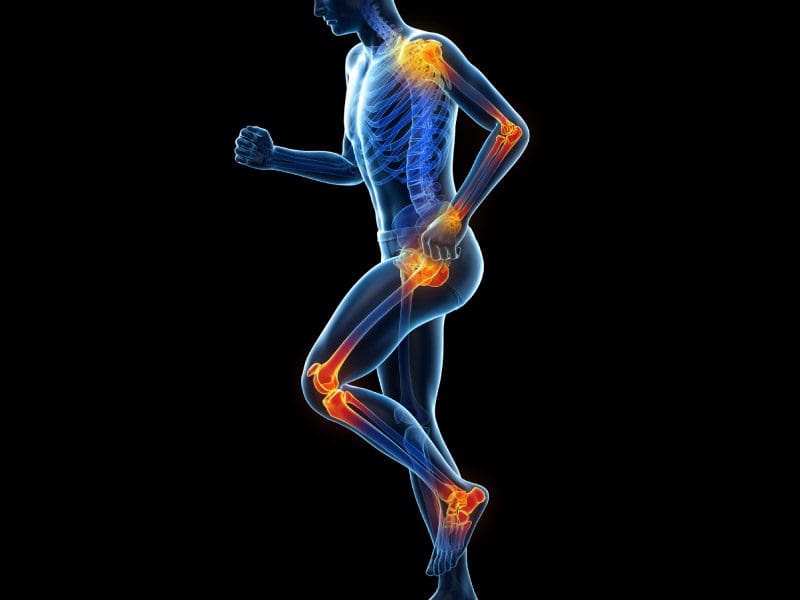
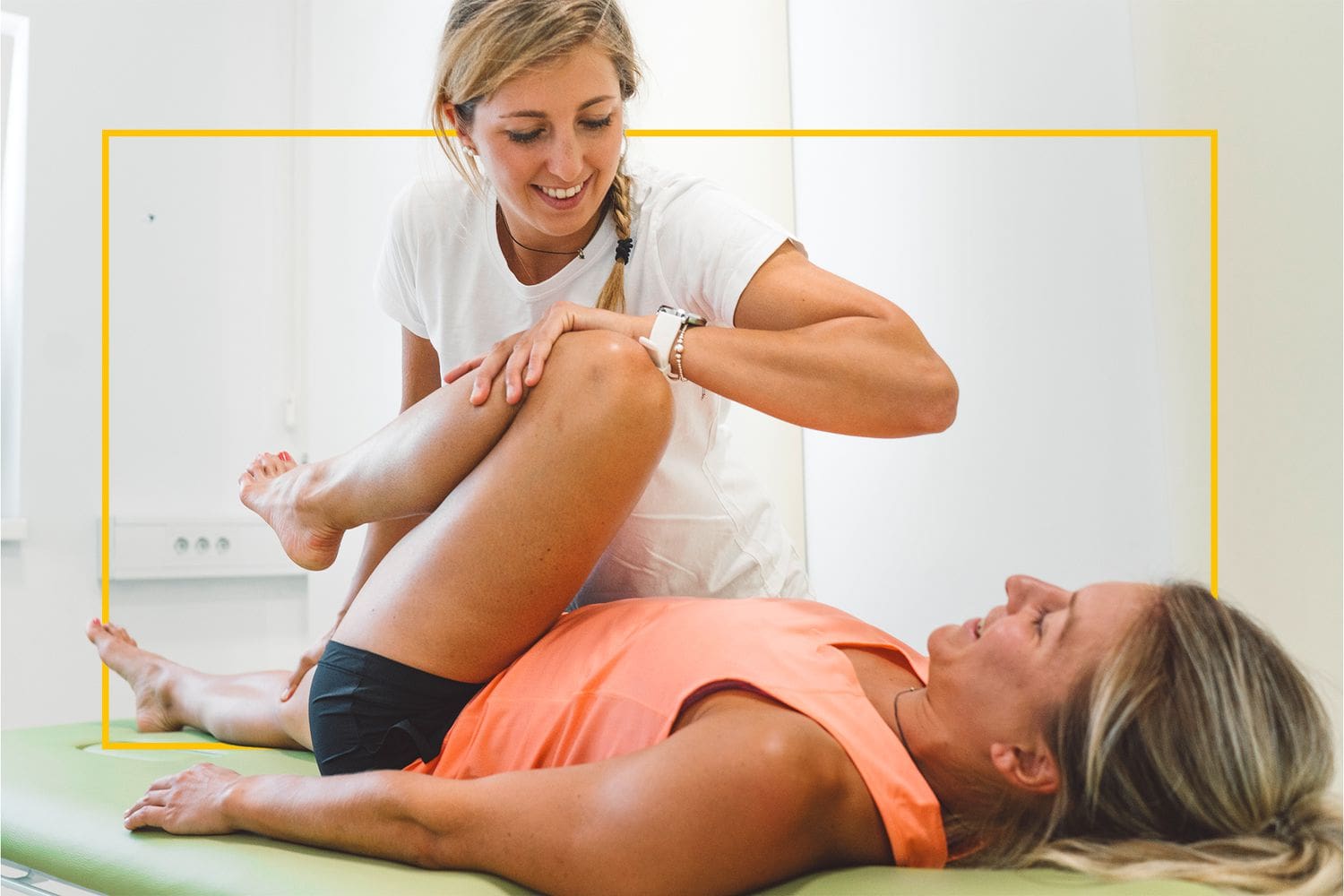
When the body sustains an injury or a virus, the immune system springs into action by sending out cytokines to the affected area and causes a process known as inflammation. Inflammation in the body is good for eliminating numerous pathogens, damaged cellular structures, viruses, or infections. Inflammation causes the affected area to be warm to the touch and causes swelling that will decrease in the recovery state. However, inflammation in the body can be positive and negative depending on the severity of the injury. When inflammation is in its chronic form, it can cause muscle and tissue damage to the musculoskeletal system while being associated with other conditions in the body’s system, like the gastrointestinal, nervous, and reproductive systems. In today’s article, we will focus on how chronic inflammation affects the body’s muscles and how the MET technique can help relieve muscle inflammation in soft tissues. We utilize valuable information about our patients to certified medical providers who use methods like MET combined with manual stretching therapy to reduce inflammation associated with musculoskeletal conditions. We encourage patients by referring them to our associated medical providers based on their findings. We support that education is a marvelous way to ask our providers the most interesting questions at the patient’s acknowledgment. Dr. Alex Jimenez, D.C., incorporates this information as an educational service. Disclaimer
How Inflammation Works In The Body
Have you been experiencing pain in different muscle areas in your body? What about dealing with aches and pains in the morning? Or do your muscles feel tight and hurt more when you bend to pick up an object? Many of these issues affecting the musculoskeletal system are associated with inflammation. As stated earlier, inflammation can positively and negatively impact the body depending on the severity of the injury. Inflammation is a natural healing process for the body that is characterized by redness, swelling, and heat to the soft tissues so that they can be repaired within a few days to weeks. Studies reveal that when the body deals with various pathogenic factors, the immune system releases inflammatory cytokines to the pathogenic factor and starts to heal the affected area.
Inflammation helps the sprained muscle tissues heal naturally and can be healed within 2-3 days to a few weeks in its acute stage. However, when inflammation is in a chronic state of the body, it causes damage to not only the affected muscle and tissue areas but can even affect the surrounding ligaments, joints, and vital organs. A great example is when a person has a sprained ankle, the affected area swells up, becomes red, and is tender to the touch when its acute inflammation. For chronic inflammation, the body is in constant pain that can be slow and long, and it takes several months to years to heal. Another great example would be gut disorders associated with chronic muscle inflammation.
What Does Chronic Inflammation Do To The Body’s Muscles?
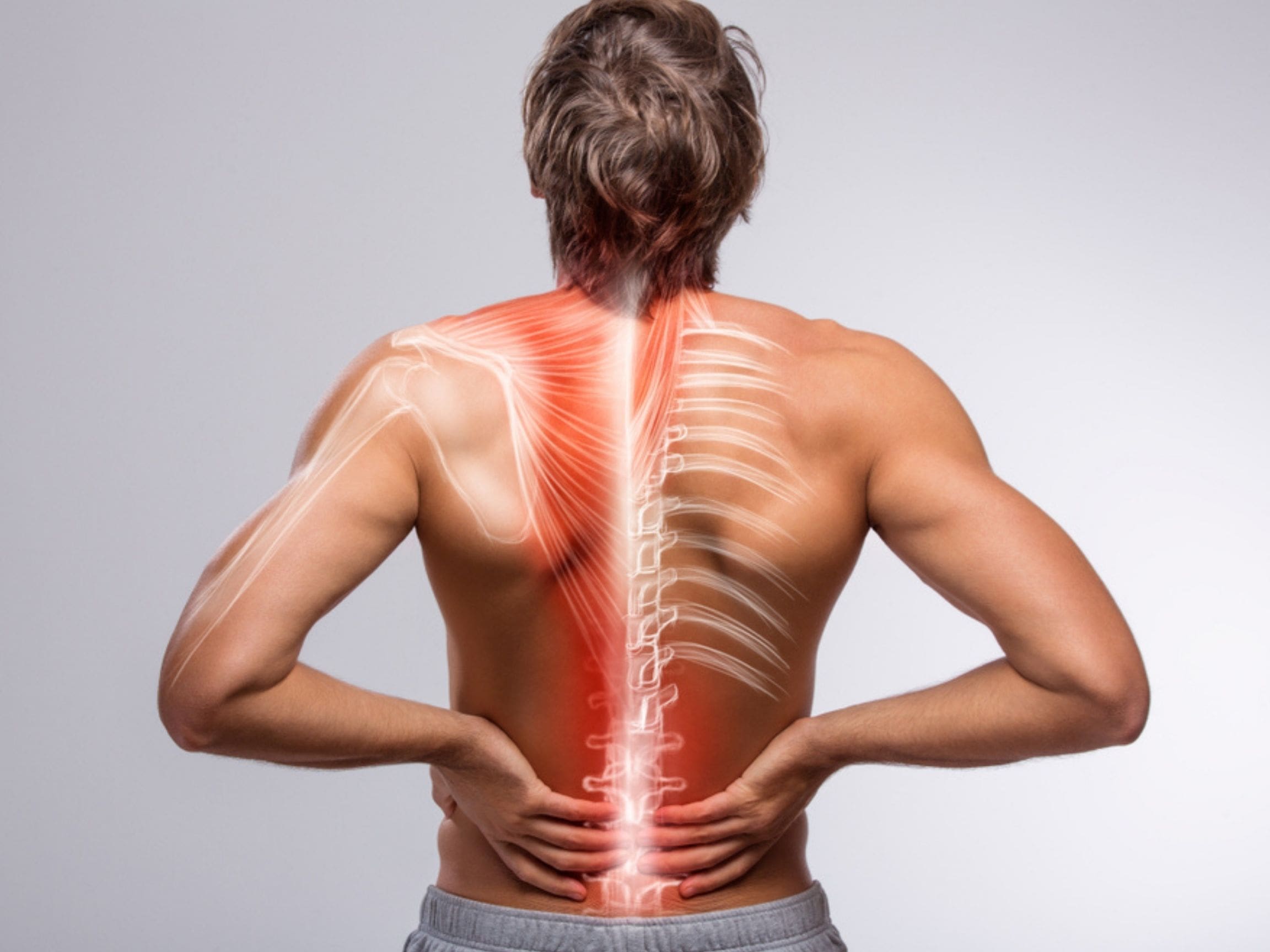
So what does chronic inflammation do to the body’s muscles, and how does it affect the surrounding structures? According to research studies, chronic inflammation has been associated with musculoskeletal disorders that can cause an impact in reducing muscle strength and muscle mass. When this happens, it can cause the muscles to weaken and generate the surrounding muscle groups to compensate by working harder. This leads to misalignment in the body and causes overlapping risk profiles in the various muscle groups. In “Clinical Applications of Neuromuscular Techniques,” Dr. Leon Chaitow, N.D., D.O., and Dr. Judith Walker DeLany, L.M.T., stated that numerous factors associated with inflammation could impact how a person sleeps, eat, and function throughout the day. The book also noted that when pathogens can disrupt the natural cycling between the defensive and repair modes of inflammation correlating with the immune system can be disrupted in ill health. A chronic inflammatory cytokine shift could lock the body into a pro-inflammatory state.
Reducing Inflammation In The Body- Video
Have you been dealing with constant inflammation in your muscles? Do you feel muscle weakness or strain when you are in motion? Or do other portions of your body starts to feel aches or pains? Many of these issues are associated with chronic inflammation affecting the musculoskeletal system. Inflammation is part of the immune system’s natural defense that sends cytokines to the affected area and starts the healing process. Inflammation has two patterns: acute and chronic. Acute inflammation is associated with sprains from a twisted ankle or wrist, a sore throat, or an infection. While at the same time, chronic inflammation is associated with muscle pain, sleep disorders, or rashes that affect the skin. When the body is suffering from chronic inflammation, it can be due to many overlapping factors that can cause the body to be in pain. Luckily numerous treatments can help the body and reduce the effects of inflammation. The video above explains how incorporating an anti-inflammatory diet and chiropractic care can help reduce chronic inflammation effects in the body.
The MET Technique & Muscle Inflammation
Regarding chronic muscle inflammation, the musculoskeletal system deals with numerous symptoms like pain, stiffness, and weakness associated with various pathological factors. Chronic inflammation can develop from insufficient sleep, eating high-cholesterol foods, not getting enough exercise, and being stressed, which can affect the body and its systems. Fortunately, numerous available treatments can reduce inflammation. Studies reveal that treatments like MET therapy can help reduce pain correlated with muscle inflammation and increase the range of motion to the joints. The body can reduce the effects of chronic inflammation and keep it under control when MET therapy is combined with an anti-inflammatory diet. Also, practicing mindfulness can help reduce the stress contributing to chronic inflammation, which can help relax the body and naturally heal itself. Making these small changes can benefit many individuals trying to be healthier.
Conclusion
When it comes to inflammation in the musculoskeletal system, it can lead to overlapping risk profiles that can cause the body to be misaligned and have many pain-like symptoms that can make a person’s life miserable. Since inflammation is part of the immune system’s natural response to fight off infections, incorporating anti-inflammatory diets and MET stretching can help reduce the effects of inflammation and help the body heal itself from the inside out.
References
Chaitow, Leon, and Judith Walker DeLany. Clinical Applications of Neuromuscular Techniques. Churchill Livingstone, 2003.
Chen, Linlin, et al. “Inflammatory Responses and Inflammation-Associated Diseases in Organs.” Oncotarget, U.S. National Library of Medicine, 14 Dec. 2017, https://www.ncbi.nlm.nih.gov/pmc/articles/PMC5805548/.
Thomas, Ewan, et al. “The Efficacy of Muscle Energy Techniques in Symptomatic and Asymptomatic Subjects: A Systematic Review.” Chiropractic & Manual Therapies, U.S. National Library of Medicine, 27 Aug. 2019, https://www.ncbi.nlm.nih.gov/pmc/articles/PMC6710873/.
Tuttle, Camilla S L, et al. “Markers of Inflammation and Their Association with Muscle Strength and Mass: A Systematic Review and Meta-Analysis.” Ageing Research Reviews, U.S. National Library of Medicine, 26 Sept. 2020, https://pubmed.ncbi.nlm.nih.gov/32992047/.
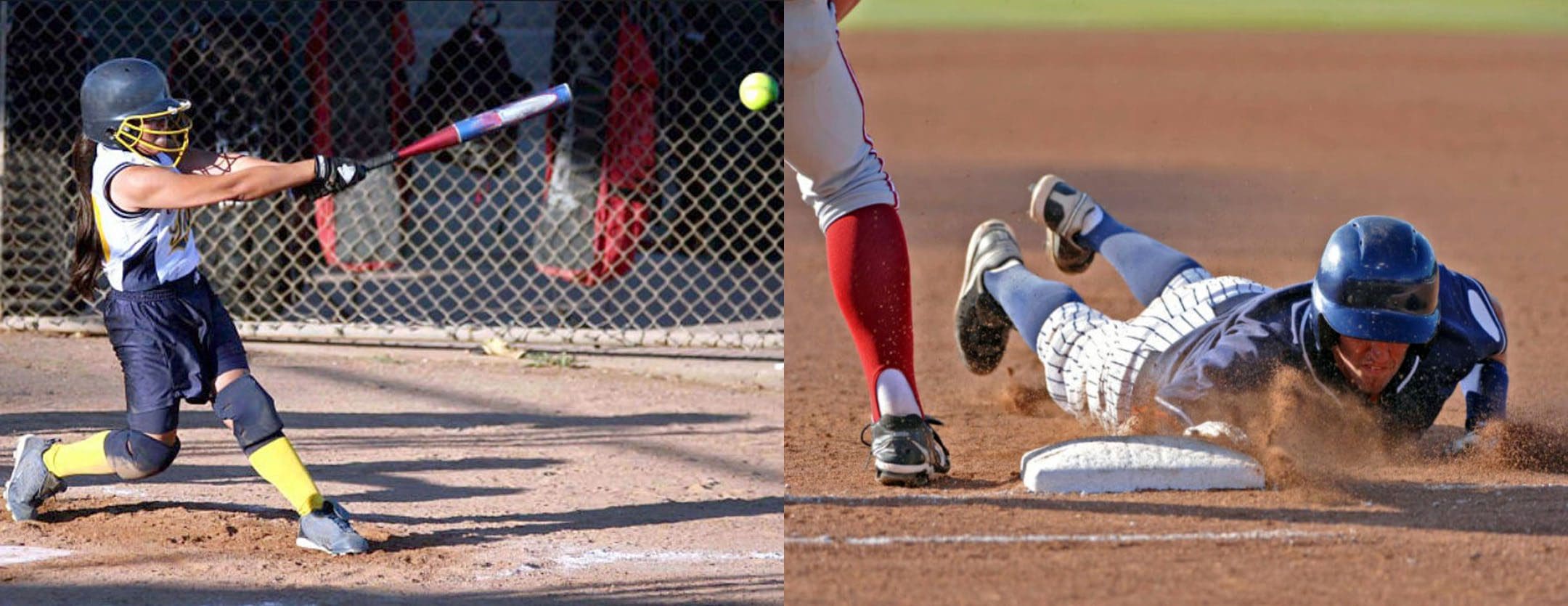
Softball and baseball require running, jumping, throwing, and swinging movements. Even for the fittest athletes and weekend warriors, the body and the neuromusculoskeletal system will go through overuse injuries, throwing-related injuries, sliding injuries, falls, collisions, and getting hit by the ball. Chiropractic and physical therapy can assist athletes by integrating strength training, body realignment, and rehabilitation injury recovery.
Softball and Baseball Injuries
Baseball and softball injuries are generally defined as either acute/traumatic or cumulative/overuse injuries. Both types can occur in various body areas, for example, a knee injury caused by a fall or quick repositioning shift.
Acute/Traumatic
Injuries occur from traumatic force or impact.
Overuse/Cumulative
These occur over time from repeated stress on the muscles, joints, and soft tissues.
Often athletes return too soon to play, not giving the injury enough time to heal fully.
They begin as small aches and pains that can progress into chronic conditions if not treated.
Shoulder
Shoulder overuse injuries are very common. Constantly performing the throwing movements and high-speed throwing strains the joints, muscles, tendons, and ligaments.
In softball, bicep injuries are more common than shoulder injuries.
In baseball, the overhead throwing position leads to shoulder problems.
Frozen Shoulder
Characterized by a restricted range of motion and pain.
Athletes with frequent shoulder injuries have an increased risk.
Shoulder Instability
Softball and baseball players are more susceptible to injury from overhead throwing, which stretches the shoulder capsule and ligaments.
Shoulder instability can lead to loose joints and dislocation.
Shoulder Separation
This is the tearing of the ligaments that connect the shoulder blade to the collarbone.
This is often a traumatic injury that occurs during a collision or fall with outstretched hands.
Shoulder Tendinitis, Bursitis, and Impingement Syndrome
These are overuse injuries in which the shoulder joint becomes inflamed, restricting movement.
This is an injury to the growth plate on the inside of the elbow.
It can be caused by the wrist flexors pulling on the inside.
It is typically attributed to overuse and improper mechanics when throwing.
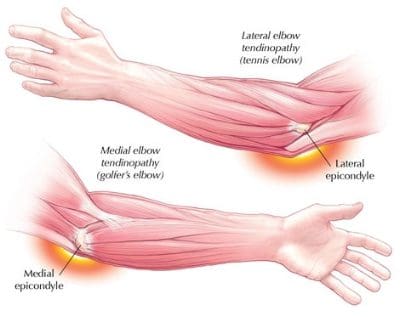
Tennis Elbow
This overuse injury on the outside of the elbow makes it difficult to lift or grasp objects.
Hand and Wrist
Softball and baseball can cause hand and wrist injuries from catching, colliding, falling, and overuse. Damage to a hand or wrist is typically caused by repetitive stress and/or a sudden impact.
Finger Fractures
These can be caused by impact on the ball or falls.
This can happen during contact with another player or diving for a ball and hitting the ground hard or at an awkward angle.
Sprains
A fall or impact from the ball or another player can cause these.
Tendinitis
This is an overuse injury, often from pitching and/or throwing.
Back
Catchers are especially prone to back injury because of the crouched position and overhead throwing.
Softball pitchers also experience back strain from the windmill pitching action.
Common conditions include chronic muscle strains, herniated discs, low back issues, sciatica symptoms, and pain.
Knee
Softball and baseball players quickly twist or rotate their knees, making them more susceptible to injuries. Sprains, meniscus tears, ACL tears, and hamstring strains are common.
Aggressive twisting and pivoting can cause swelling, stiffness, and pain.
Running and sudden changes in direction can result in acute knee injuries and overuse injuries.
Knee issues require examination for proper diagnosis.
Other common injuries include ankle sprains, stress fractures, and tendonitis in the foot and ankle.
Chiropractic
Chiropractors work with a massage therapy team to treat various musculoskeletal conditions. Chiropractic specializes in spinal adjustments and other treatments, including joint manipulation, myofascial release, MET techniques, trigger point therapy, and electrical stimulation. It encourages expedited recovery for sports-related injuries because instead of focusing on just the injuries, chiropractic assesses the mechanics of the whole body through proper alignment and release of constricted tissues. Adjustments of the spine and extremities allow the body to realign for better overall functionality, reduce pressure, improve blood circulation, and reduce inflammation to promote increased and thorough healing.
Improving Athletic Performance Through Chiropractic
References
Greiner, Justin J et al. “Pitching Behaviors in Youth Fast-Pitched Softball: High Pitching Volumes With Unequal Pitch Counts Among Pitchers are Common.” Journal of pediatric orthopedics vol. 42,7 (2022): e747-e752. doi:10.1097/BPO.0000000000002182
Janda, David H. “The prevention of baseball and softball injuries.” Clinical orthopedics and related research,409 (2003): 20-8. doi:10.1097/01.blo.0000057789.10364.e3
Shanley, Ellen, and Chuck Thigpen. “Throwing injuries in the adolescent athlete.” International Journal of sports physical therapy vol. 8,5 (2013): 630-40.
Shanley, Ellen, et al. “Incidence of injuries in high school softball and baseball players.” Journal of athletic training vol. 46,6 (2011): 648-54. doi:10.4085/1062-6050-46.6.648
Trehan, Samir K, and Andrew J Weiland. “Baseball and softball injuries: elbow, wrist, and hand.” The Journal of hand surgery vol. 40,4 (2015): 826-30. doi:10.1016/j.jhsa.2014.11.024
Wang, Quincy. “Baseball and softball injuries.” Current sports medicine reports vol. 5,3 (2006): 115-9. doi:10.1097/01.csmr.0000306299.95448.cd
Zaremski, Jason L et al. “Sport Specialization and Overuse Injuries in Adolescent Throwing Athletes: A Narrative Review.” Journal of athletic training vol. 54,10 (2019): 1030-1039. doi:10.4085/1062-6050-333-18
The various muscle groups in the body allow the host to move around and function through many actions without feeling any discomfort or pain. The body has two sections: upper and lower portions that have different functions, from turning the neck from side to side to allowing the legs to enable the body to move around. When various issues or factors begin to affect the body over time, like muscle injuries or normal factors like poor posture and prolonged sitting, it causes overlapping risk profiles that can lead to chronic musculoskeletal conditions. When musculoskeletal disorders affect the body, it can lead to muscle and joint pain that can cause misalignment in the spine and cause the muscle fibers to become short and tense. Luckily there are available treatments that allow the body to realign itself and stretch those short muscles. Today’s article looks at how muscle pain affects the body and how different variations of the MET technique are used to reduce and stretch muscle pain. We mention and provide valuable information about our patients to certified medical providers who use techniques like the MET and therapy for individuals with muscle strain associated with body pain. We give encouragement to patients by referring them to associated medical providers based on their diagnostic findings. We support that education is a marvelous way to ask our providers the most interesting questions at the patient’s acknowledgment. Dr. Alex Jimenez, D.C., incorporates this information as an educational service. Disclaimer
How Does Muscle Pain Affect The Body?
Have you been dealing with muscle strain or pain in different body areas? Are you experiencing any referred pain in other body locations? Or are your muscles feeling extremely tight that it is causing you pain? When the body is dealing with various issues that are causing the muscle fibers to be tensed, it can lead to muscle pain and cause many people to suffer. Studies reveal that muscle pain is caused when painful conditions like mechanical forces, ischemia, and inflammation stimulate the body’s free nerve endings. Many of these factors also correlate with musculoskeletal disorders like fibromyalgia and myofascial pain that can develop trigger points (palpable, small nodules) in the muscle fibers to cause the muscles to become stiff and contract. Additional studies also reveal that when the muscles begin to cramp up, especially the calves, it can become extremely painful and involuntary as it affects the entire muscle group, the muscle itself, or any selected muscle fibers. This causes the individual to be in pain in an acute setting as the muscle relaxes; however, if the muscle fibers are still in constant contraction, it can lead to chronic issues that affect the muscle group.
Overcoming Pain With Chiropractic Care-Video
Regarding muscle pain in the body, studies reveal that the nociceptive nerve endings in the muscles and tissue fibers can cause the neuron signals from the central nervous system to become hyperexcitable, and hyperactivity can lead to muscle pain. This causes the muscle group and the surrounding muscles to tense and invokes pain when in motion. To that point, it can cause the individual dealing with muscle pain to try and find various treatments to alleviate the pain and continue their lives. When it comes to pain can be relieved through treatments like chiropractic care and massage therapy to reduce the effects of the muscle pain associated with musculoskeletal disorders. The video above explains how treatments like chiropractic care incorporate different techniques to realign the body from subluxation and help stretch the tight, short muscles using manual manipulation and the MET technique.
Variations Of The MET Technique
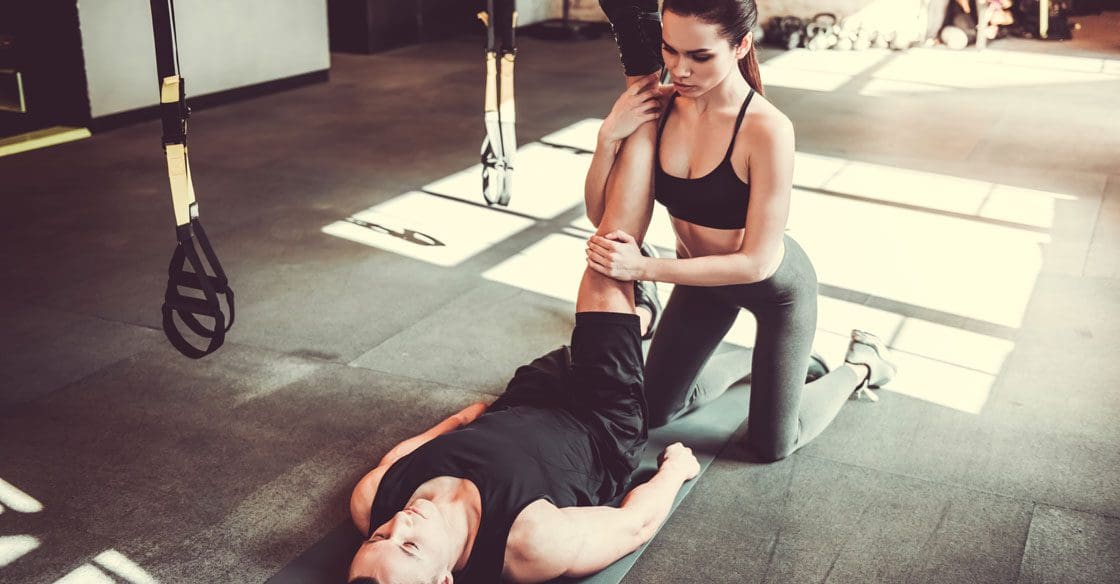
When the muscles in the musculoskeletal system are dealing with pain in different locations or one location in the body, it can cause the individual to be in constant pain. Luckily treatments like chiropractic care are non-invasive and therapeutic as they utilize different techniques to realign the spine and stretch the tight muscle groups. In “Clinical Applications of Neuromuscular Techniques,” written by, Leon Chaitow, N.D., D.O., and Judith Walker DeLany, L.M.T., stated that when muscle pain affects tone muscle or causes structural changes to the joint’s ROM (range of motion) can lead to shortness and stress to the muscle group. Studies reveal that MET is a stretching technique therapists use to contract the affected muscle in a precisely controlled direction voluntarily. Many stretch variations of the MET technique allow the muscles to be stretched, strengthening and improving local circulation while mobilizing joint restriction. Down below are some of the variations of stretching techniques with MET.
Isometric Contraction: Reciprocal Inhibition In Acute Setting
The isometric contraction technique is used for reciprocal inhibition in an acute setting where the affected muscles are dealing with symptoms of muscle spasms. The isometric contraction allows the therapist to help relax acute muscular spasms and mobilize restricted joints while preparing the joints for manipulation.
Starting point: When acute muscles or joint problems affect the body’s functionality, therapists must commence an easy restriction barrier.
Modus Operandi: The affected muscles are used in an isometric contraction, allowing the short muscle to relax.
Forces: The therapist and individual forces are matched and involve 20% of the individual’s strength to increase no more than 50%.
Duration: Initially7-10 seconds while increasing up to 20 seconds.
Action following contraction: The area of the muscle and joint are taken to a new restricted barrier without stretching after complete relaxation. Therapists should perform the movement to a new restricted barrier on exhalation.
Repetitions: Repeat three to five times until no further gain in the range of motion is possible.
Isometric Contraction: Post-isometric Relaxation In Chronic Setting
The isometric contraction technique is used for post-isometric relaxation in a chronic setting where the muscles are severely contracted. The isometric contraction technique is known as post-facilitation stretching, where therapists stretch chronic or subacute restricted, fibrotic, contracted soft tissues or muscle tissues affected by myofascial trigger point pain.
Starting point: Short of resistance barrier
Modus Operandi: The affected muscles are used in the isometric contraction that allows the shortened muscles to relax and let an easier stretch.
Forces: Both the therapist and individual forces match and increase about 30% of the patient’s strength and increase to 50% of contractions up to 20 seconds.
Duration: Initially 7-10 seconds and increasing up to 20 seconds.
Action following contraction: The rest period is 5 seconds so the body can relax completely before being stretched, and during exhalation, the muscle goes through a painless, new restriction barrier position that is held for at least 10-60 seconds.
Repetitions: Repeat three to five times.
Isotonic Eccentric Contraction
The isotonic eccentric contraction is an isolytic technique to strengthen weak postural muscles that are tensed or tight from prolonged sitting or poor posture.
Starting point: At the restriction barrier
Modus Operandi: When the muscle is contracted and prevented, the therapist uses this technique to slowly overcome and reverse the contracting muscle so it can be stretched to full resting length.
Forces: Therapists use greater forces on the individual and build up subsequent contractions for the affected muscle (*Utilize this stretch on individuals who are not dealing with osteoporotic issues in their muscles and joints)
Duration: Five to seven seconds
Repetitions: Repeat three to five times if discomfort is not excessive.
Isokinetic
The isokinetic technique is a combination of isotonic and isometric contractions that many pain specialists like chiropractors and massage therapists use to tone weakened musculature, build strength in all the surrounding muscles that are involved in a particular joint function, and help train and balance the effects on the body’s muscle fibers.
Starting point: Easy mid-range position
Modus Operandi: The individual uses moderate resistance as the therapist puts the joint through a rapidly full range of movement as this technique is different than simple isotonic exercises, and resistance varies from each person. This technique progressively increases as the procedure progress.
Forces: The therapist uses moderate forces to prevent movement from the individual and then progresses to full forces.
Duration of contraction: Up to four seconds.
Conclusion
Different stretching techniques in MET therapy allow the affected muscles to be stretched and lengthened while reducing muscle pain affecting a body’s location. It is important to be mindful of the movements that can cause the muscles to be overstretched or cramped up, which can cause pain. Treatments incorporating these various stretching techniques allow the affected muscles to relax and restore naturally.
Chaitow, Leon, and Judith Walker DeLany. Clinical Applications of Neuromuscular Techniques. Churchill Livingstone, 2003.
Faqih, Anood I, et al. “Effects of Muscle Energy Technique on Pain, Range of Motion and Function in Patients with Post-Surgical Elbow Stiffness: A Randomized Controlled Trial.” Hong Kong Physiotherapy Journal : Official Publication of the Hong Kong Physiotherapy Association Limited = Wu Li Chih Liao, U.S. National Library of Medicine, June 2019, https://www.ncbi.nlm.nih.gov/pmc/articles/PMC6467834/.
Gregory, Nicholas S, and Kathleen A Sluka. “Anatomical and Physiological Factors Contributing to Chronic Muscle Pain.” Current Topics in Behavioral Neurosciences, U.S. National Library of Medicine, 2014, https://www.ncbi.nlm.nih.gov/pmc/articles/PMC4294469/.
Mense, Siegfried. “The Pathogenesis of Muscle Pain.” Current Pain and Headache Reports, U.S. National Library of Medicine, Dec. 2003, https://pubmed.ncbi.nlm.nih.gov/14604500/.
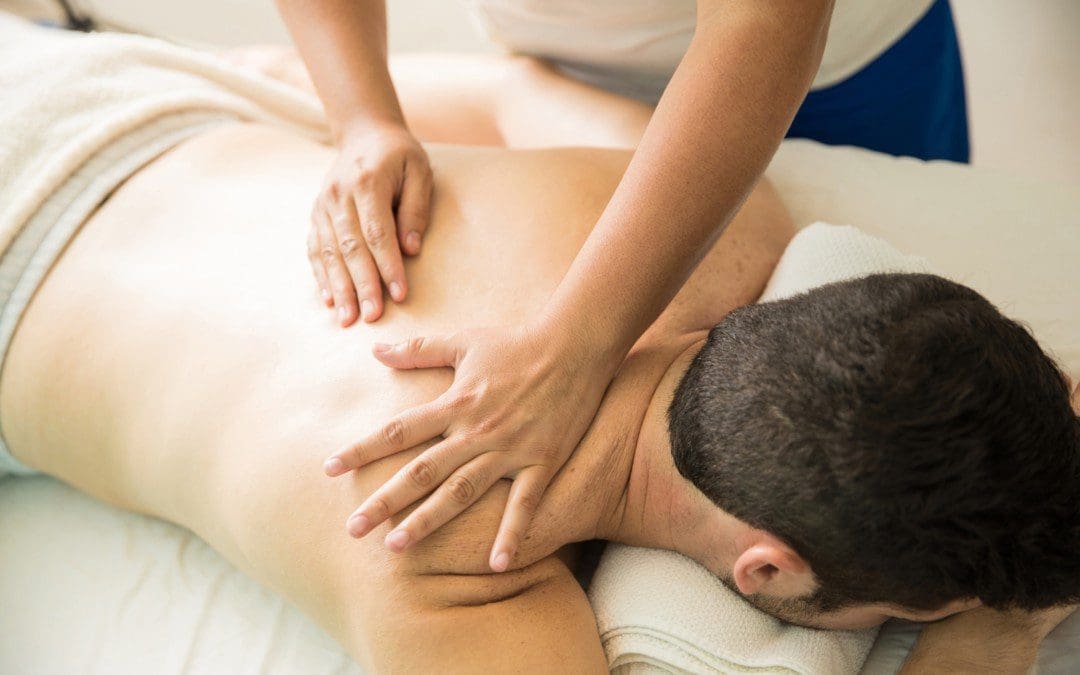
Massage is part of integrative medicine and can be used for various medical conditions. In massage therapy, a therapist rubs and kneads the body’s soft tissues, including muscle, connective tissue, tendons, ligaments, and skin. The therapist varies the amount of pressure and movement. Individuals often start feeling the effects right away. One of the benefits is increased temperature. Increased temperature amplifies blood flow and circulation, enabling muscular and connective tissues to release restriction, and muscle tightness, relieve tension, and improve movement. A massage therapist will use different techniques to increase the temperature to treat various conditions.
Increased Temperature
Some patients want to know why their muscles heat up or burn during a massage. Muscles burn because of the accumulation of waste in the cells. The waste products are released as a result of massage. The muscles release lactate, a byproduct of glucose. The effects of deep tissue massage are almost the same as the effects of exercise. During the massage:
The demand for oxygen in the tissues increases.
Because of this, blood flow circulation to these tissues increases.
This is necessary to supply oxygen and glucose.
It excretes waste substances and toxins.
Muscle heat or burn during massage differs for everybody. Some individuals don’t feel it at all. The session can be so intense that the muscles can’t clear the lactate/toxins fast enough, causing the burning sensation.
Fascia Circulation
The temperature of the fascia can also be increased. Fascia is the thick, fibrous layer of connective tissues beneath the skin that can often become restrictive. Increased temperature in the superficial and deep tissues releases, relaxes, and loosens tight, tense, shortened, and/or injured areas, allowing muscular tissues to increase in elasticity, flexibility, and relaxation. Heart rate is raised, improving circulation and increasing the delivery of oxygen and nutrients to the affected areas and the rest of the body.
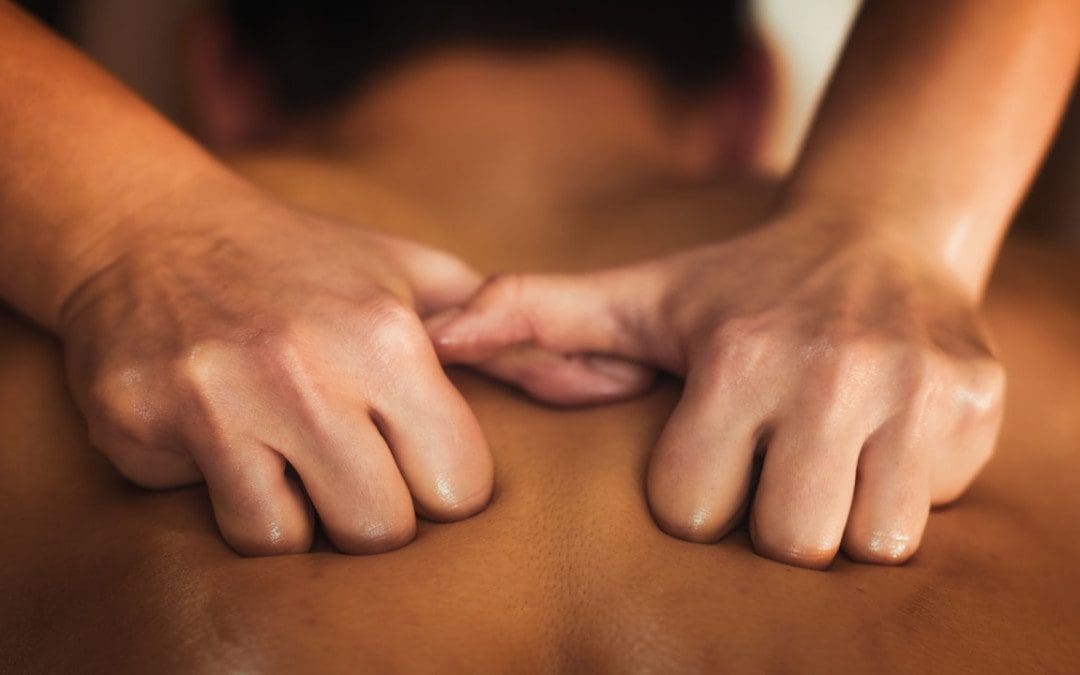
Myofascial release involves slowly applying pressure to the area using flattened hands and fingers.
The slow, soft pressure increases the temperature of the fascia.
As the hands and fingers get deeper within, they slowly move around, spreading the fascia.
This releases the tightness and relieves the pain.
An individual’s posture can improve when the temperature is increased. Muscular tension and tightness can cause increased pain symptoms, not allowing healthy posture.
Muscle Burn Relief
Rehydrate
Drink plenty of water after the session is over.
Water maintains proper circulation for excreting waste products and nourishes the muscle cells with fresh nutrients and oxygen.
Avoid coffee and alcohol as they increase urination and blood osmolality and dehydrate the body.
Stretching
Stretching before and after a session can relieve muscle soreness.
Stretching exercises increase blood flow.
Stimulates the release of synovial fluid around the joints.
Sleep
Get plenty of rest after a session.
The body knows how to restore itself; during sleep, it reduces cortisol secretion.
It increases the stimulation of antioxidative hormones to go after free radicals.
Herbal Remedies
Herbal remedies like ginger, garlic, cloves, and cinnamon increase blood circulation, reducing pain and swelling.
They have anti-inflammatory properties that help with muscle burn and soreness.
After a session, a little peppermint or CBD oil can relieve the sore parts.
Chiropractic Success Story
References
Dion LJ, et al. Development of a hospital-based massage therapy course at an academic medical center. International Journal of Therapeutic Massage and Bodywork. 2015; doi:10.3822/ijtmb.v8i1.249.
Massage therapy: What you need to know. National Center for Complementary and Integrative Health. https://www.nccih.nih.gov/health/massage-therapy-what-you-need-to-know. Accessed Jan. 5, 2021.
Rodgers NJ, et al. A decade of building massage therapy services at an academic medical center as part of a healing enhancement program. Complementary Therapies in Clinical Practice. 2015; doi:10.1016/j.ctcp.2015.07.004.
We are constantly on the move throughout the day, from walking, running, or standing doing errands, all because of the lower and upper portions of our bodies. The body is a complex, unique machine with upper and lower portions with specific jobs and functions. The body’s upper portion provides mobility and functionality to the neck, shoulders, head, arms, and hands. At the same time, the lower portion of the body offers stability and motor functions to the hips, legs, knees, and feet. When there are issues that affect the body, it can, over time, causes stress in the musculoskeletal system and affect the joints in the lower extremities, thus invoking pain and disability. Today’s article looks at tibial stress fractures, how they affect the lower body, and how treatments like the MET technique can help the lower body. We provide and mention valuable information about our patients to certified medical providers who offer therapy techniques like the MET combined with treatment care for individuals with tibial stress fractures in their lower body extremities. We encourage each patient by referring them to our associated medical providers based on their findings appropriately. We acknowledge that education is a spectacular way when asking our providers the most helpful questions at the patient’s acknowledgment. Dr. Alex Jimenez, D.C., utilizes this information as an educational service. Disclaimer
What Are Tibial Stress Fractures?
Have you been dealing with heaviness in your legs and feet? What about unwanted pain radiating from your knees to your shin? Or do your feet constantly feel tired? Many of these issues could be due to muscle overload on the lower extremities associated with tibial stress fractures. Research studies reveal that when the lower extremities are subjected to repeated mechanical stress, that can cause microscopic fractions in the tibia. This condition is most common in military recruits, athletes, and runners. In the book “Clinical Applications of Neuromuscular Techniques” by Leon Chaitow, N.D., D.O., and Judith Walker DeLany, L.M.T., stated that two types of stress fractures can occur in the tibia that is the result of tibial stress fractions. They are:
Fatigue stress fracture: Caused by repeated abnormal muscular stress (torque) applied to the normal bone, which has appropriate elastic resistance potential and density.
Insufficiency stress fracture: Caused by normal muscular forces applied to mineral-deficient or abnormally inelastic bone.
How Do They Affect The Lower Body?
Numerous factors can cause stress fractures in the lower body extremities, affecting motor-sensory and mobility function. Some of the factors associated with stress fractures in the tibia include:
A sudden increase in training or activities
Uneven surfaces
Inappropriate footwear
Inappropriate running style
Misalignment in the lower limbs
Studies have revealed that when these risk factors cause the development of stress fractures in the legs, it can lead to symptoms like pain and swelling in the legs and feet. If it continues without treatment over time can cause the bones to weaken and can be confused with musculoskeletal disorders like osteoporosis or shin splits.
Gain Mobility Back With Chiropractic Care-Video
Have you been dealing with pain in your legs or feet? Do you feel that you have mobility issues when walking or standing? Or have you noticed that your legs are extremely tired a few days after intense training? Many people experiencing these issues are associated with stress fractures on the lower extremities. Repetitive motions cause stress fractures in the lower extremities over time that causes small, hairline fractures in the bone. This causes the surrounding muscles around the joint to overload the bone and cause muscle and joint pain symptoms. Luckily, there are ways to reduce stress fractures on the lower extremities and restore leg mobility. Treatments like chiropractic care can help many musculoskeletal disorders correlated with stress fractures in the lower body extremities. The video above talks about how non-invasive treatments like chiropractic care incorporates different techniques and manipulations to realign the spine and reduce the pain associated with stress fractures.
How The MET Technique Helps The Lower Body
Incorporating stretching techniques and chiropractic care can help reduce stress fractures in the tibia and prevent future musculoskeletal injuries. Regarding reducing the effects of stress fractures in the lower extremities, available treatments like chiropractic care can help relieve the pain. Using stretching techniques like MET (muscle energy technique) can help stretch and lengthen muscle fibers to reduce muscle fibers pain. The MET technique allows chiropractors to utilize mechanical and neuromuscular stretches to enhance the range of motion through isometric stretching to loosen stiff muscles and will enable the body to heal itself naturally. Other treatments like ice massages, electrotherapy, and non-impact activities (swimming and cycling) combined with chiropractic care can enhance recovery and let the individual know how much stress impacts their joints.
Conclusion
The lower portions of the body allow mobility and stability to enable the individual to move around and perform various actions without pain. However, many risk factors that cause the musculoskeletal system to cause overload power to the lower extremities could develop stress fractures in the bone and cause pain and discomfort. Stress fractures can, over time, cause pain and swelling to the legs and can affect a person by making them unable to walk without feeling pain in every step they take. Luckily, treatments like chiropractic care and stretching techniques like MET can help loosen up, lengthen stiff muscles, and relieve the legs. Through continuous treatment, many individuals become aware of how much overloading pressure they put on their legs and can become more mindful of their daily activities pain-free.
References
Chaitow, Leon, and Judith Walker DeLany. Clinical Application of Neuromuscular Techniques. Churchill Livingstone, 2002.
May, Todd, and Raghavendra Marappa-Ganeshan. “Stress Fractures – Statpearls – NCBI Bookshelf.” In: StatPearls [Internet]. Treasure Island (FL), StatPearls Publishing, 17 July 2022, https://www.ncbi.nlm.nih.gov/books/NBK554538/.
Robinson, Patrick G, et al. “Stress Fractures: Diagnosis and Management in the Primary Care Setting.” The British Journal of General Practice : the Journal of the Royal College of General Practitioners, U.S. National Library of Medicine, Apr. 2019, https://www.ncbi.nlm.nih.gov/pmc/articles/PMC6428476/.
The human body and the musculoskeletal system have a unique relationship as they help the host move around, rest and provide many actions without feeling pain or discomfort. The musculoskeletal system has two portions, the upper and lower sections, with various muscles that allow mobility and stability while protecting the spine from numerous injuries the body has endured. However, many environmental factors and issues pertaining to the musculoskeletal system can affect the muscles, tendons, and ligaments, causing the muscle fibers to be short or overused from repetitive motions. To that point, which can lead to muscle injuries and pain that can be relieved from treatments and numerous stretching techniques. Today’s article focuses on how injuries are associated with overused muscles, how it affects the body, and how chiropractic care incorporates techniques like MET to relieve overused muscles. We provide and mention valuable information about our patients to certified medical providers who offer therapy treatments like the MET combined with chiropractic care for individuals with musculoskeletal pain correlated with overused injured muscles. We encourage each patient by referring them to our associated medical providers based on their findings appropriately. We acknowledge that education is a spectacular way when asking our providers the most helpful questions at the patient’s acknowledgment. Dr. Alex Jimenez, D.C., utilizes this information as an educational service. Disclaimer
Injuries Associated With Overused Muscles
Have you been feeling aches and pains in your muscles? Do your legs feel tired constantly? Or have you suffered an injury causing your muscles to stiffen up? If you have been experiencing these pain-like symptoms, it could be due to overusing your muscles. When the musculoskeletal system has been dealing with stress overload from numerous repetitive motions, it causes the muscle fibers to develop symptoms of fatigue, weakness, and referred pain. Studies reveal that various risk factors associated with the musculoskeletal system correlate with overuse-related injuries. What this means is that when the injuries cause the involved body structures to develop symptoms of stress fractures associated with mechanical overload from repetitive trauma. Additional research studies mentioned that the influences from repetitive trauma could lead to a prolonged state of low-grade systemic inflammation in the joint and muscles in the body.
How Does It Affect The Body?
So what happens to the body when the muscle fibers are being overused? The referred pain associated with the musculoskeletal system causes dysfunction. Research studies have found that overuse of muscle injuries related to repetitive motion in the body causes microtrauma symptoms in the muscle, tendon, bone, or bursa. This causes the body to have insufficient recovery and produces painful arcs of motion on any joints. Leon Chaitow, N.D., D.O., and Judith Walker DeLany, L.M.T.’s book “Clinical Applications of Neuromuscular Techniques” stated that when the muscles are overused and injured, the “stress overload” has localized effects, which causes the musculoskeletal system to reach a point to break down. This causes symptoms to manifest as chronic fatigue and reduced performance efficiency. The book also stated that overuse injuries could involve certain muscles/tendons or bones to develop repetitive microtrauma over time. This causes the body to be dysfunctional and makes the individual feel tired, overworked, and stressed out due to not allowing the muscles to rest.
Chiropractic Care: The Nonsurgical Solution- Video
Have you been dealing with symptoms of muscle pain and weakness? Does your body feel exhausted after a long day doing errands? Or have you noticed any unexpected joint pain in certain parts of your body? Many people dealing with questionable musculoskeletal pain could be due to their muscles being overused and causing injuries. When the body goes through constant repetitive motions, it causes microtrauma in the musculoskeletal system, which correlates with muscle and joint pain. When this happens, pain-like symptoms develop over time and can cause the body to be overworked and different muscle groups to compensate for the pain by shifting the body. Luckily, numerous treatments are non-surgical that utilize techniques to reduce the pain and help gently stretch the muscles to return to normalcy. One of the treatments that are used for musculoskeletal pain is chiropractic care. The video above explains how chiropractic care incorporates various neuromuscular techniques to help realign the body from subluxation and reduce pain-like symptoms associated with musculoskeletal disorders.
How The MET Technique & Chiropractic Care Relieves Overuse Muscle Injuries
Treatments like chiropractic care are non-invasive and use neuromuscular techniques like MET (muscle energy technique) and manual manipulation to realign the body and help loosen up stiff muscles from experiencing more pain. Chiropractors or doctors of chiropractic will thoroughly examine while listening to the patient on where they are experiencing pain. After the examination, the chiropractor will utilize MET and various stretching techniques to loosen up the muscle fibers and restore their range of motion. Chiropractic care can help reduce the pain in the muscle while letting individuals be aware of their bodies. This can help many people to have a different mindset and listen to their bodies to reduce the effects of pain from returning and not repeat the actions in the future.
Conclusion
It is important to ensure that the musculoskeletal system is in pristine condition, as any pain-like symptoms can cause the muscle fibers to become overused, resulting in injuries and causing the body to be dysfunctional. When the body continuously goes through repetitive motions, it causes microtrauma tears in different body locations, causing the host to feel exhausted and deal with chronic pain. However, incorporating treatments like chiropractic care can help the body recover faster and prevent future injuries. This allows the body to naturally heal, restore itself from pain, and become functional again.
References
Aicale, R, et al. “Overuse Injuries in Sport: A Comprehensive Overview.” Journal of Orthopaedic Surgery and Research, U.S. National Library of Medicine, 5 Dec. 2018, https://www.ncbi.nlm.nih.gov/pmc/articles/PMC6282309/.
Chaitow, Leon, and Judith Walker DeLany. Clinical Application of Neuromuscular Techniques. Churchill Livingstone, 2002.
Neme, Jamil R. “Balancing Act: Muscle Imbalance Effects on Musculoskeletal Injuries.” Missouri Medicine, U.S. National Library of Medicine, 2022, https://www.ncbi.nlm.nih.gov/pmc/articles/PMC9324710/.
Orejel Bustos, Amaranta, et al. “Overuse-Related Injuries of the Musculoskeletal System: Systematic Review and Quantitative Synthesis of Injuries, Locations, Risk Factors and Assessment Techniques.” Sensors (Basel, Switzerland), U.S. National Library of Medicine, 1 Apr. 2021, https://www.ncbi.nlm.nih.gov/pmc/articles/PMC8037357/.
An exercise routine is highly important for anyone trying to get a kick start on their health and wellness journey. It could be simple as walking around the park for 30 minutes, going to the community pool to swim, or taking a group fitness class with friends. Incorporating an exercise regime can even help reduce the effects of musculoskeletal disorders and their associated symptoms from causing pain in the muscles and joints in the body. Even though many individuals have busy lives, it is important to ensure that their bodies are getting enough exercise to feel less joint and muscle pain while improving other systems that benefit from training. Today’s article looks at how to keep a constant exercise routine, how exercise can help musculoskeletal disorders, and how the MET technique is combined with physical activity. We provide and mention valuable information about our patients to certified medical providers who offer available therapy treatments like the MET technique combined with physical activities for individuals dealing with musculoskeletal pain disorders. We encourage each patient by referring them to our associated medical providers based on the patient’s diagnosis findings appropriately. We acknowledge that education is a spectacular way when asking our providers the most helpful questions at the patient’s acknowledgment. Dr. Alex Jimenez, D.C., utilizes this information as an educational service. Disclaimer
Keeping A Constant Exercise Routine
Have you been feeling sluggish throughout the day? Do you believe you don’t have enough time to exercise and feel stressed? Or have you been experiencing unwanted pain and stiffness in your muscles and joints? Many individuals experiencing these issues in their bodies could not be getting enough exercise to reduce these musculoskeletal disorders. When it comes to many individuals trying to keep a constant exercise routine to better their health may be difficult but not impossible. There are many ways to incorporate a daily consistent exercise routine by making small changes in your daily life routine. Walking with friends or pets, attending a group fitness class, or doing squats at home can benefit muscle growth and promote motivation to continue these small changes. However, some of the reasons that many people need to exercise more are to need more time. Studies reveal that most people often refrain from any form of exercise due to needing more time out of their busy schedules. People who do not exercise regularly are potentially at risk of developing health-related problems and disorders linked to the musculoskeletal system.
Exercise For Musculoskeletal Disorders
When the musculoskeletal system is linked to health-related problems due to physical inactivity, when the body is not getting enough exercise, it can cause muscle and joint pain and other associated symptoms that can affect mobility. Research studies have revealed that pain in specific areas of the body, which includes the back, neck, and shoulders, is often due to extended periods of sitting down and inactivity that cause many people to develop musculoskeletal disorders. When pain and discomfort affect the body, it can cause visceral-somatic pain in different body areas. Not only that, but the various muscles in the upper and lower extremities of the body will become shortened and weak over time, leading to disability and poor posture. Now all is not lost, as there are ways to reduce the effects of musculoskeletal disorders and incorporate exercise as part of a person’s daily routine.
Lumbar Spine Injuries in Sports: Chiropractic Healing-Video
Have you been dealing with back, neck, or shoulder issues? Have you been feeling sluggish after a long, hard day at work? Or do you want to incorporate more exercise into your daily routine? Many individuals have been dealing with musculoskeletal issues in their bodies due to being physically inactive or not having enough time in their day. When this happens, it causes numerous disorders associated with the musculoskeletal system that correlate with the pain. However, making small changes in a routine is achievable by setting time aside for a few minutes and moving around to prevent issues from affecting the body. Studies reveal that performing exercise interventions for a few minutes may help reduce the effects of musculoskeletal complaints and boost work abilities. Additionally, exercises combined with chiropractic care can further reduce the impact of musculoskeletal disorders that are taking effect in the various joint and muscles by restoring the body and causing it to heal naturally. The video above explains how chiropractic care is incorporated into musculoskeletal disorders and helps relieve the pain-like symptoms associated with spinal subluxation.
The MET Technique & Exercise
Now, an exercise regime can help reduce pain-like effects on the musculoskeletal system and help with muscle growth. According to “Clinical Applications of Neuromuscular Techniques,” by Leon Chaitow, N.D., D.O., and Judith Walker DeLany, L.M.T., each variation of exercise training, like strength and endurance training involves different muscle fibers in the body and helps with muscle growth. Now it is best to start slowly and build up to improving the body’s endurance to prevent injuries from affecting the muscle groups. Hence why available treatments utilize the MET technique combined with exercise to help stretch and strengthen the muscles and revitalize the joints. According to research studies, combining the MET technique and stretching before exercising has improved muscle and joint mobility and increased the body’s range of motion without pain. Incorporating stretching and exercise can help the body from developing future musculoskeletal issues and can be part of any daily routine for the busy worker.
Conclusion
With people having a busy schedule, incorporating a few minutes of exercising can benefit the individual and their musculoskeletal system. When the body is dealing with musculoskeletal issues associated with physical inactivity, it can lead to future disorders that can cause the body to deal with pain and immobility. Hence, small changes in a routine, like walking or exercising for a few minutes, can benefit the body in the long haul. Additionally, incorporating treatment techniques like the MET combined with exercise helps stretch and strengthen the musculoskeletal system, allowing the body to restore itself naturally to prevent further injuries.
References
Chaitow, Leon, and Judith Walker DeLany. Clinical Application of Neuromuscular Techniques. Churchill Livingstone, 2002.
Iversen, Vegard M, et al. “No Time to Lift? Designing Time-Efficient Training Programs for Strength and Hypertrophy: A Narrative Review.” Sports Medicine (Auckland, N.Z.), U.S. National Library of Medicine, Oct. 2021, https://www.ncbi.nlm.nih.gov/pmc/articles/PMC8449772/.
Phadke, Apoorva, et al. “Effect of Muscle Energy Technique and Static Stretching on Pain and Functional Disability in Patients with Mechanical Neck Pain: A Randomized Controlled Trial.” Hong Kong Physiotherapy Journal : Official Publication of the Hong Kong Physiotherapy Association Limited = Wu Li Chih Liao, U.S. National Library of Medicine, 14 Apr. 2016, https://www.ncbi.nlm.nih.gov/pmc/articles/PMC6385145/.
Shariat, Ardalan, et al. “Office Exercise Training to Reduce and Prevent the Occurrence of Musculoskeletal Disorders among Office Workers: A Hypothesis.” The Malaysian Journal of Medical Sciences : MJMS, U.S. National Library of Medicine, July 2016, https://www.ncbi.nlm.nih.gov/pmc/articles/PMC5025063/.
Tersa-Miralles, Carlos, et al. “Effectiveness of Workplace Exercise Interventions in the Treatment of Musculoskeletal Disorders in Office Workers: A Systematic Review.” BMJ Open, U.S. National Library of Medicine, 31 Jan. 2022, https://www.ncbi.nlm.nih.gov/pmc/articles/PMC8804637/.
IFM's Find A Practitioner tool is the largest referral network in Functional Medicine, created to help patients locate Functional Medicine practitioners anywhere in the world. IFM Certified Practitioners are listed first in the search results, given their extensive education in Functional Medicine