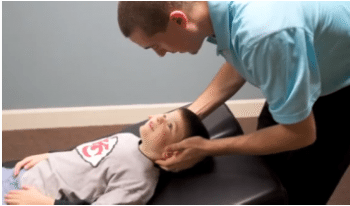
are impairments in detecting, modulating, interpreting, or responding to sensory stimuli. One study estimates that 5 percent of elementary aged children met the criteria for SPD. These conditions are closely related to other neurodevelopmental disorders and often overlap with autism and ADHD. Recent studies have shown the benefits of chiropractic in enhancing the functionality of individuals with SPD and Autism.
In 2011, we have more children and young adults affected by neurodevelopmental disorders than ever before in history. There are many factors involved in this such as birth and/or early childhood trauma, environmental toxins, food allergens, the avoidance of breast feeding and heavy vaccination. These are all areas that show promise as causative factors in the formation of neurodevelopmental disorders.
Birth trauma can come in the form of a forceps or vacuum extraction delivery. Even normal vaginal or cesarean birth processes can be particularly traumatic. The most vulnerable area of the infant�s body is the upper cervical spine. This also happens to be the area where the brain stem ties into the top of the spinal cord. Birth trauma can significantly damage this region andcreate a neurological insult that is referred to as subluxation.
Subluxation alters neurological processing
Subluxation is a term used to describe mechanical compression and irritation to spinal joints and nerves. Subluxation scrambles the neurological feedback loop by causing altered rhythms of neurological flow. Subluxation insults the neurology of the infant and affects normal development and maturation. This can often create an environment conducive to the formation of neurodevelopmental disorders such as autism, ADHD andSPD.
Many chiropractors specialize in the location, diagnosis and correction of subluxation patterns in infants and young children. These chiropractors often have unique training with digital technology that uses thermographic and surface electromyography to calibrate the function of the nervous system and identify areas of neurological insult. They are also gifted with palpation, posture and body motion observations to locate specific biomechanical and neurological imbalances in the young child.
Spinal Decompression Therapy
Two recent studies published in the 2011 edition of the Journal of Pediatric, Maternal & Family Health showed the benefits of chiropractic on SPD and Autism. In both cases the children were diagnosed with upper cervical subluxation patterns that were thought to have occurred from early childhood traumas. The children also showed signs of neurological imbalance and subluxation in other regions of the spine. Results of their care were startling and would naturally be considered major breakthroughs in the medical model.
The children�s care consisted of specific chiropractic adjustments for a period of weeks to remove subluxation and balance the neurology. They also followed an anti-inflammatory nutritional program that involved a gluten-free, casein-free diet and nutritional supplements such as probiotics and digestive enzymes.Most natural health practitioners would agree that the majority of children with neurodevelopmental disorders have neurological and digestive damage. The digestive issues typically involve leaky gut syndrome, gut dysbiosis, Candida infections and chronic food allergens. These problems typically present together and can be remedied with an anti-inflammatory diet and nutritional supplements.
There are 10 other case studies of children with similar neurodevelopmental issues who have seen significant improvements through chiropractic care. This is evidence of the role that subluxation plays in affecting normal sensory system maturation and development.
Hopefully these recent studies will shine a light on the impact of subluxation correction on healthy neurological balance. This can range from immune system disorders, chronic disease and neurodevelopmental problems. More research dollars should be spent on inexpensive, low risk, non-invasive modalities such as chiropractic care for childhood health problems and normal brain and immune system maturation processes.
Sensory Processing Disorders (SPD) are impairments in detecting, modulating, interpreting, or responding to sensory stimuli. One study estimates that 5 percent of elementary aged children met the criteria for SPD.
Women often seek out chiropractic care during their pregnancies. One of the main reasons for this is that if they are having musculoskeletal pain, their Obstetrician or Midwife generally has very limited options for conventional medical treatment. They are less likely to prescribe medication, which presents an amazing opportunity for us as chiropractors. What initially began as a strange combination of a sports certification and a prenatal/pediatric certification has created a successful and in-demand niche for us. For the most part, I cannot imagine treating prenatal patients without having the sports background. First, most women at some point in their lives have been or currently are an athlete. And second, one of the most common complaints women have during pregnancy is myofascial pain, and who better to treat that than a sports chiropractor? Here are 5 common and easy-to-treat complaints during pregnancy:
One: Pubic Bone Pain
This pain is very common during the second and third trimesters of pregnancy. Women will often describe it as exquisitely tender, worse with rolling over in bed at night, walking or climbing stairs. Conventional medical opinion is that the ligaments during pregnancy are much more relaxed (due to the hormone, relaxin) causing separation of the pubic symphysis and thus inflammation and pain. Sports chiropractors are uniquely qualified to assess this joint, and the common causes of pain can include:
1. Adductor hypertonicity easily addressed with myofascial release or techniques such as Graston, which can be done over leggings or on skin.
2. SI Joint fixation or Pubic Symphysis fixation. While I am generally a diversified adjuster, an activator adjustment to the superior or more-tender pubic rami will go a long way in terms of providing relief. I strongly discourage any audible manipulation of the pubic symphysis.
3.�Kinesiology taping�of a �RockTape Baby Belt� or modified version of this can provide significant relief and is much more comfortable than a pelvic support belt.
4. Using an ice pack for 15 minutes prior to going to bed at night will decrease pain and inflammation while sleeping.
Two: Rib Pain
Rib pain, especially in the lower and floating ribs, is common as the weight of the abdomen is pulling on the oblique abdominal muscles and their attachments at the ribs. Adjusting the ribs at the thoracic spine and incorporating myofascial release or Graston Technique will work quickly (often in just 1 treatment). Finish up with a few strips of kinesiology tape and your patient will feel significantly better.
Three: Upper Abdominal Numbness
Upper abdominal numbness is a common symptom during the later stage of pregnancy. It often presents as numbness but can also be painful and worse with sitting. One of the easiest ways to provide relief is with one simple strip of kinesiology tape over the top of the abdomen directly under the rib cage.
Four: Swelling in the arms and legs
Swelling in the arms and legs is very common and can lead to numbness, tingling or pain. Before beginning treatment, be sure to assess if the swelling in the feet is significant and test for pitting edema which can be a warning sign of preeclampsia. This can be corroborated with a high blood pressure reading and is very dangerous. Two very effective sports techniques for use with lower extremity swelling include 1.�NormaTec PULSE Recovery System�which is not contraindicated in pregnancy. Patients can do a few 20-30 minutes sessions per week to promote circulation and decrease swelling. 2. Kinesiology taping for edema on the ankles.
Five: Lower Back Pain
Lower back pain in pregnancy is very common. Evaluating a pregnant patient prone is very easy if you have pregnancy cushion that sits on top of your table. If you do not, you can evaluate the lower back in the seated or side lying position. Lower back pain can generally be addressed with diversified adjustments (without any rotation as to not stress the abdomen). In addition, the Webster Technique for pregnancy is a valuable tool for assessing and treating lower back pain during all stages of pregnancy. There are also valuable kinesiology tape applications for lower back pain,�RockTape features a pregnancy taping pdf online. In addition, there are no contraindications to using the Graston Technique to address myofascial pain in the lower back.�
Most of the taping techniques discussed above can be done by patients themselves after a one-time demonstration. Have an assistant or patient�s family member take a video of the application for reference at home. Many sports chiropractic techniques can be used very effectively on prenatal patients.
This is one of the most common questions asked by people seeking or considering chiropractic care along with:
�What are the risks?�
�Can I receive spinal adjustments without the chiropractor adjusting my neck?�
�Do chiropractic adjustments cause arthritis or even strokes?�
With media scrutiny over natural health procedures, specifically chiropractic and cervical adjustments, these are very important and serious questions, especially when one�s health is a priority. As a practicing chiropractor, I welcome the opportunity to address these questions. Chiropractic care is profoundly safe, and this article summarizes the current research, providing answers to these common questions and misconceptions.
Myths vs. Facts
In 1990, when I started working in the chiropractic profession, a common concern that patients had about chiropractic care was that �too many adjustments would cause arthritis.�� Years later, science has affirmed what chiropractors have always seen and known to be true in clinical practice � that in fact chiropractic care is not only one of the most popular forms of care for people with arthritic conditions but one of the most effective.
Unfortunately, for hundreds of years, health care practices have been permeated by folklore, sometimes known as �old wives tales.�� The trend continues today.� A 2010 study of over 1,000 board-certified American pediatricians found that over 75% of the doctors subscribe to at least one known health care myths. These include the myths that eating chocolate causes acne, listening to Mozart will make a baby smarter, and swimming within 30 minutes of eating is not safe.� Many doctors in this study were also found guilty of not knowing the expected protocols for treating burns, healing wounds, administering Aspirin to children, and safely dealing with seizures.
A review of the current literature indicates that frequent or extreme complications of chiropractic care should also be included in the list of the most common medical myths prevalent even in our medical offices.
Chiropractic vs. Traditional Care Preventing Back Pain
Spinal Care vs. Chiropractic Care
The spinal column�s role in overall health cannot be undermined as it houses the brainstem, spinal cord, and central nerve system.� Thus, for optimal health the spinal column must be examined and cared for by a skilled doctor.
Specifically, the foundation of chiropractic care teaches that damage to the spine, and misalignments of the vertebrae (subluxations) create interference in the nerve system, which are therefore reduced and corrected through specific chiropractic adjustments.
On that basis, chiropractic adjustment techniques have historically been rooted in precision and accuracy.� Although there are now many unique chiropractic techniques taught in professional schools and in continuing education, these techniques commonly focus on the evaluation and measurement of subluxation patterns in the spine and the specific protocols used to reduce the areas of misalignment.� In contrast, most other health care practices addressing the spine, never mind non-medical procedures attempted at home, are for the most part, generalized treatments of pain, global mobilizations of joints, and overall tractions of entire regions of the spinal column.
Receiving a specific chiropractic adjustment to reduce a subluxation is immensely different from receiving any form of �treatment� on the spine.� Admittedly, I did not understand this practice in my first 20 years of receiving chiropractic adjustments.� Until I attended chiropractic school and learned the techniques and analyses used in chiropractic science, I thought that chiropractic adjustments were all one-of-the-same.� I can understand how the general public might also construe this misconception � I did and I grew up in a chiropractic family.� Subluxations and adjustments are specific; the more extensive the analysis used by the chiropractor, the more precise the adjustment, and thus the better improvement in the patient�s health.
In my experience, the majority of the �chiropractic horror stories� shared in folklore, and even many of the cases cited by medical research, fall into one of two categories:
(a)��� The case of a the patient receiving care without extensive and correct analysis
(b)�� A person receiving spinal care incorrectly identified as �chiropractic care� administered by someone other than a licensed Doctor of Chiropractic
In fact, a 1995 report in the Journal of Manipulative and Physiological Therapeutics revealed that many �manipulations,� incorrectly attributed to chiropractors, had been rendered by non-chiropractic professionals including GPs, osteopaths, and physiotherapists, and even laypeople including a wife, a Kung-Fu practitioner, a blind masseur, and an Indian barber. Therefore before someone suggests they were hurt or injured by a �chiropractor,� it is imperative to learn more about their experience.� In all likelihood some level of scrutiny was overlooked � or they weren�t seeing a licensed chiropractor at all.
Modern chiropractors use advanced technological analyses such as X-ray, surface electromyography (sEMG), thermography, and digital postural analysis, along with traditional chiropractic methods of motion and static palpation, leg length analysis, and visual postural inspection to make a diagnosis and determine the appropriate adjustment.� Naturally, to use layman�s terminology, if a patient presented to the chiropractor with a low left hip, and the chiropractor adjusted the left hip �even lower,� the patient would get worse.� For this reason, your Doctor of Chiropractic is not only highly trained but expected under every state and provincial law to thoroughly assess your spine and condition prior to making recommendations or giving adjustments.
MRI Scans Show Immediate Benefits of Chiropractic
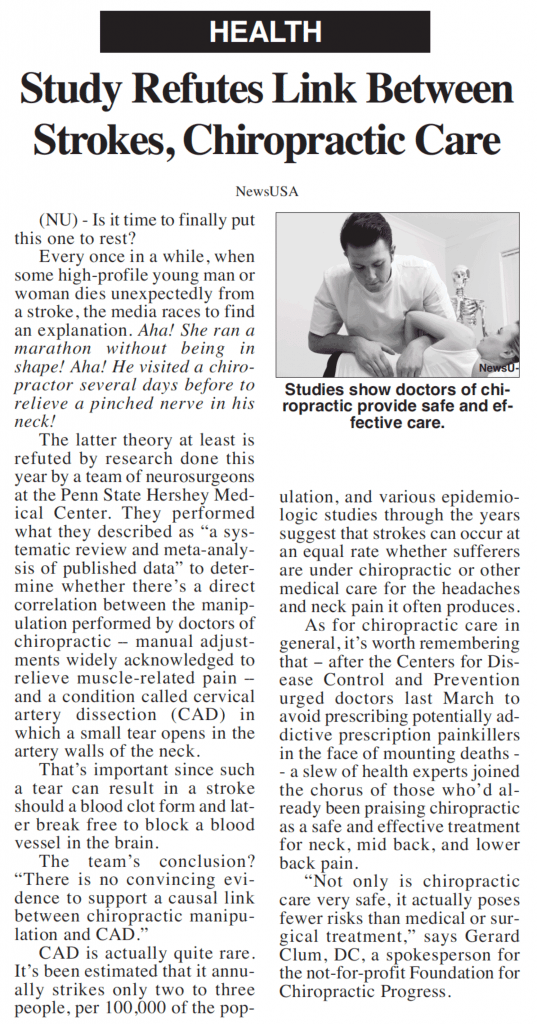
What about stroke?
Since the 1990s, the most extreme fallacy about chiropractic care is that �adjustments of the cervical spine cause strokes.�� As a practitioner, I am pleased to observe greater inter-professional cooperation between physicians and chiropractors, but I am disappointed by the increasing number of patients who have consulted me following a discussion with their medical doctor and told to �not get their necks adjusted.�
A basic understanding of the origins of chiropractic care, and the critical function, anatomy, and physiology of the central nerve system demonstrates why the suggestion that patients should �not get their necks adjusted� is absurd.� While chiropractors are concerned with the reduction of nerve system stress caused by spinal subluxations throughout the entire spine, one must understand that all spinal nerves first pass through the upper cervical spine.� Therefore, interference to the nerves passing from the brain through the spinal cord to any area of the body could occur either at the associated spinal segment where the peripheral nerve exits the spinal column, or at any place higher, including the upper cervical spine.� Historically, Dr. B.J. Palmer, who developed the modern chiropractic profession, focused the majority of his research and efforts into the reduction of upper cervical spine subluxations, expressing that upper cervical subluxations were the foremost cause of disease and dysfunction compared to other subluxations in the spine.8 Years later, science continues to affirm the importance of upper cervical alignment.� It has been demonstrated that abnormal cervical alignment is a leading cause and an almost universal finding related to not only cervicogenic pain and headaches, but also the development of scoliosis9,10 and even sudden infant death syndrome (SIDS). This awareness of the basic physiology of the nerve system is enough to understand the utmost importance of reducing subluxations in the cervical spine, above all other areas of the nerve system.
The �stroke hypothesis� stems from the theory that the irritation of the vertebral arteries, which pass through the cervical vertebrae, could lead to an ischemic stroke by causing accumulated plaque in the arteries to be dislodged.� As strokes may cause serious, permanent impairments in a person�s health, there has naturally been much interest and research in this topic.
Consider how plaque develops in the arterial system of the body.� Exposure to the known risks of poor diet, alcohol consumption, and smoking over a period of many years may cause molecular plaquing in the arteries, and it is true that when those molecules become dislodged, they can affect the brain, which is known as a stroke.� Unfortunately, your family doctor or your chiropractor can�t prevent this from happening � you would need immediate emergency medical attention in hospital to prevent this from occurring.
Warning signs that a stroke may be about to occur include upper back pain, neck pain, and headaches.� Naturally, people dealing with these symptoms may consult their chiropractor, hoping for a resolution of pain.� Many may also consult their MDs and/or other trusted health care providers.� Unfortunately, such pre-stroke symptoms as back pain, neck pain, and headaches may not explicitly appear to be the early stages of a vascular incident without the �red-flag� accompanying symptoms of blurred vision, dizziness, slurred speech, facial drooping, and lack of coordination.� Therefore, as it is not standard practice for chiropractors or medical physicians to refer every case of back pain or headaches to the emergency room, patients may receive chiropractic or medical intervention without knowing that a stroke is ensuing.
When is a chiropractor or medical doctor negligent?� If a patient visits the doctor�s office with neck pain and headaches while showing the classic signs of stroke (slurred speech, dizziness, poor coordination, etc.), the doctor is obligated to identify this and ensure that a stroke is not about to happen. �If, after examination, a doctor identifies that a stroke may be forthcoming, the doctor must see that the patient receives the necessary immediate medical attention.� Doctors who do not rule out the possibility of an imminent stroke or do not ensure necessary medical attention if a stroke is indeed forthcoming, would indeed be negligent � but this is very far from �causing� the person�s stroke, whether or not any treatment was rendered.
In fact, although a chiropractic adjustment would not slow down the incidence of the stroke, 2008 research shows that it would no more accelerate it than a visit to the medical doctor.� In an article published in SPINE, a multi-disciplinary team of researchers found that while strokes are very rare events in the general public, there was only an increased correlation between chiropractic visits and the occurrence of stroke, due to patients with headaches and neck pain seeking care before their stroke. Notably, the correlation of medical visits and strokes matched that of chiropractic visits and strokes; neither form of care was shown to increase the risk of stroke.� In either case, the unfortunate patient was headed for a vascular incident.� The occurrence of a stroke after a visit to the chiropractor (or the medical doctor) provides no association of cause, only correlation.
Is your chiropractor required to warn you about the possibility of a stroke with a chiropractic adjustment?� Interestingly, Dr. Christopher Kent, who is an attorney, independent researcher, and president of the Foundation for Vertebral Subluxation, has expressed that �such informed consent must be based on appropriate information and since there is no scientific evidence that chiropractic adjustments or neck manipulations actually cause strokes, it is inappropriate to require a doctor to suggest that such a risk exists.� Nevertheless, most state and provincial laws require Doctors of Chiropractic to disclose a remote risk of stroke to their patients, for this is common practice for �material risks� even when the likelihood of occurrence is very small.
Long-term Benefits of Chiropractic Care
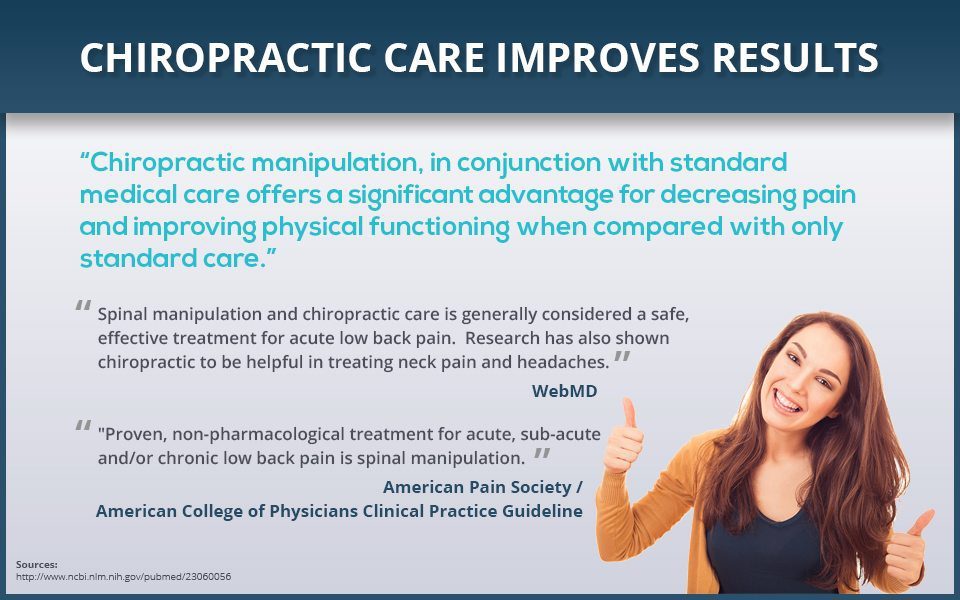
Rather than study isolated reports of adverse incidences which may (or may not) occur within one visit to the chiropractor, it is more revealing to measure the long-term benefits of chiropractic care.� Ultimately, studies consistently demonstrate that a healthier spine relates to a healthier person.
Beyond symptomatic relief, a growing number of chiropractors place emphasis on corrective care and spinal hygiene, to maintain and promote the health of the spinal column and nerve system.
Without maintenance of spinal health, we now know through numerous studies that posture misalignment not only affects neurology but also the vascular system.� A 2004 study revealed that older men and women with hyperkyphotic postures have increased rates of death, specifically associated with increased atherosclerosis. With atherosclerosis increasing the incidence of an ischemic stroke, it is only logical for health-conscious individuals trying to prevent strokes to maintain healthy posture through chiropractic care.
Further, whereas a 2005 study showed that the reversal of the normal cervical curvature results in vascular changes in the spinal cord, the maintenance of this proper alignment should be of highest importance to those interested in the prevention of vascular incidents.
Statistically, the incidence rates favour those individuals receiving chiropractic care.� In 1995, the Journal of Manual and Physiological Therapeutics published the risk of fatal stroke associated with chiropractic cervical adjustments.� Although no cause was shown in the article, the correlation is estimated to be 1 in 400,000 or 0.00025%.20 Newer studies suggest the risk may be as low as 1 in 6 million, 0.00002%. Notably, the National Center for Health Statistics indicates the mortality rate from stroke in the general population is more than twice the rate of the most conservative estimates correlating chiropractic.� The risk in the general population is 1 in 175,000 or 0.00057%.
Not only is the risk of death from stroke after a cervical adjustment substantially less than the risk of fatal stroke in the general population, other long-term studies of chiropractic patients have shown:
Improved lung capacity, athletic ability, and vision
Better functional capacity, and reduced relapse of prior disability
Better overall health and greater activity levels
Enhanced DNA repair and enzyme activity; reduced impact of oxidative stress
Fewer hospital visits, reduced pharmaceutical costs, and medical expenditures
Improvement in health, wellness, and quality of life
The Final Verdict: Malpractice Claims
Lastly, as it is always possible that research could be slanted based on who was conducting it, perhaps the best measures of safety are the malpractice insurance costs for chiropractors and the actual frequency and success of claims filed against them.� No one pays closer attention to injury statistics than Malpractice Insurance carriers.
According to the Canadian Medical Protective Association, annual malpractice rates for Ontario medical doctors range from $1,572 for the family physician and $7,332 for the neurologist, to $44,520 for the Obstetrician.30 By comparison, the Canadian Chiropractic Protective Association�s standard rate for chiropractic malpractice insurance is less than $1,300 per year.� Notably, the first-year doctor of chiropractic is extended a new member discount of approximately 50% (as opposed to an increased premium), not reflecting any greater risk for a patient seeing a doctor with less experience.
American rates reflect the inter-professional differences to an even greater degree.� Whereas the U.S. physician could pay $25,000 to $50,000 per year for malpractice coverage, U.S. chiropractors pay annual rates less than $5,000.32,33 The chiropractic profession has a well-established record of safety and efficacy, and the chiropractor�s malpractice insurance rates remain among the lowest across health professions.34 The varying rates are directly related to the risk involved in the doctors� procedures, the claims filed against them, and the likelihood of future lawsuits.
Although they are sensationalized in the media when they do occur, claims against chiropractors are very rare.� Your chiropractor�s office consistently proves itself to be one of the safest health care facilities you can choose for your family.
Moving Forward
Unquestionably, there have been decades of misinterpretations, and unfortunately chiropractic myths have been passed down through generations.� Certainly, professional bias has also played a role in the public�s misunderstanding of the safety and efficacy of chiropractic care.� (The U.S. Court of Appeals determined in 1990 that the American Medical Association had engaged in a �lengthy, systematic, successful and unlawful boycott� designed to restrict cooperation between medical doctors and doctors of chiropractic.)� Fortunately, we are long past that day. �What you would hope to find in the 21st century are cooperative teams of health care professionals working together for your benefit.
My personal recommendation is to seek a chiropractor who not only uses current technology and techniques to analyze and render care to his or her patients, but also is willing to engage in dialogue with your other health care providers.� I recommend the same when choosing an M.D.
With this better understanding of chiropractic myths and the benefits of maintaining a healthy spine, I trust that you can comfortably move forward, integrating chiropractic care into your wellness lifestyle.
CHIROPRACTORS HAVE CLAIMED FOR YEARS THAT WE CAN BE MORE COST-EFFECTIVE. BCBS HAS THE DATABASE THAT WOULD PROVE OUR THESIS, BUT THERE SEEMS TO BE A RELUCTANCE TO ALLOW OUR PROFESSION TO ACCESS THE DATA THAT WOULD PROVE US RIGHT.
In August 1999, Blue Cross/Blue Shield (BCBS) of Kansas presented a study titled �Lumbago Treatment.� This data was made available from a new program installed by BCBS called the McKesson Episode Profiler.
This program gave BCBS the ability to sort data according to specific diagnoses and compared the costs, frequency, and other factors between peer groups.
The data revealed that while less than eight percent of the study group were chiropractors, 38 percent of the patients chose to seek chiropractic care rather that allopathic medicine. This fact indicates that patients desire and are satisfied with the management techniques of the chiropractor.
The study did not include any hospitalization costs for surgery or any fees paid to orthopedists or neurosurgeons for costs associated with surgery. If the data included costs for these procedures, the savings for chiropractic would have been much greater.
When sorted by the average cost per episode, chiropractic is more cost-effective than anesthesiology; neurosurgery; neurology; registered physical therapy; orthopedic reconstructive surgery; physical medicine and rehabilitation; and rheumatology.
The greatest cost-effectiveness of chiropractic is demonstrated when one considers the global cost of allopathic care. The physical therapist can only receive referrals from an allopathic provider. An allopath can only write prescriptions. The allopathic provider primarily orders surgeries, nerve conduction tests MRIs, and CT scans. Hospitalization charges are totally allopathic charges that cannot be associated with chiropractic. When these charges are considered, the tremendous economy of chiropractic management becomes indelibly clear.
The majority of chiropractic charges were associated with the basic office-treatment-related services performed. Eighty-nine percent of the chiropractic charges were for services related to the treatment, while only 45 percent of the family practice costs were related to treatment of the condition. The remainder of the costs were for expensive diagnostics.
Patients who visit the family practice provider have about a 15 percent chance that they will have a MRI or CAT scan. These services cost an average of over $1,000 and provide no treatment, only a diagnosis.
For each 100 episodes, the chiropractor provided 265 modalities. For each 100 episodes, the registered physical therapist provided 885 modalities: over three times as many units of physical therapy provided by RPTs than chiropractors. This is a cost that has to be globally charged to the family practice providers, since patients cannot access RPTs without a referral from a medical doctor.
Registered physical therapists provided 303 office visits per 100 episodes, compared to 255 by the chiropractor. When RPTs are combined with the other allopathic portals, there are 598 office visits per 100 episodes. Therefore, the myth claiming chiropractors treat the patient more than the allopathic portals is obviously just diversionary, and not based on facts.
Patients had a willingness to return to the chiropractor that was 22 percent greater than the combined totals of allopathic portals. This indicates a level of satisfaction that is demonstrated by the patient�s willingness to return, based on results and confidence.
The BCBS lumbago study demonstrates that chiropractic is not only cost-effective but also quality effective. Adding chiropractic services would only decrease the cost to the plan. What is hard to explain is the prejudice against chiropractic in the design of BCBS plans, and their reluctance to push the study and analysis of the data to the next level. It almost seems as though there is a fear that exists in the minds of those in positions of power, preventing them from presenting the cost comparisons with the global cost of allopathic portals to chiropractic. Chiropractors have claimed for years that we can be more cost-effective. BCBS has the database that would prove our thesis, but there seems to be a reluctance to allow our profession to access the data that would prove us right.
I guess the million-dollar questions are �Why?� and �What are they afraid of?� Perhaps it is the fear of knowing how to handle the data once it proved that chiropractic was more cost-effective. Perhaps it is getting past the mindset that adding chiropractic benefits is going to increase reimbursement levels. Perhaps they cannot see that there would not be a cost increase but a cost savings from directing patients to more cost-effective portals. Allowing osteopaths to treat broken arms did not increase the number of fractures; it simply shifted the point of access to treatment. Likewise, allowing patients to freely access chiropractic services would not increase the number of spinal related injuries; it would simply allow the patient access to desired and more cost-effective services.
I imagine that BCBS of Kansas regrets releasing the amount of information they already have. There seems to be a reluctance to push the analysis of the data to the next level. It is now up to the profession to �hold their feet to the fire� and push for more data to support the fact that chiropractic can be more cost-effective.
“Lumbago Study”�reveals 38 percent of patients chose to seek chiropractic care rather that allopathic medicine. This fact shows�that patients desire and are satisfied with management techniques of chiropractic care.
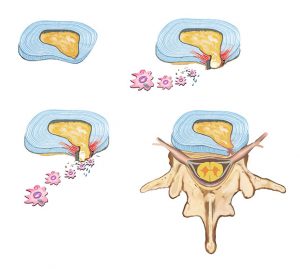
The goals of the chiropractic treatment of a thoracic disc herniation are to reduce pain and dysfunction while the body heals itself.
Since most disc extrusions naturally regress in a few months, chiropractors will attempt to reduce the pain and pressure caused by the disc herniation. Chiropractic treatment of a thoracic disc herniation may include one or a combination of the following:
Some chiropractors will recommend nutritional support, such as proteolytic enzymes, to reduce the pain and swelling associated with a disc herniation.
More Chiropractic Treatments for Upper Back Problems
In addition to joint dysfunction, myofascial pain syndrome, and thoracic herniated disc, which have already been reviewed in this article, chiropractic care may be a treatment option for additional upper back problems, such as thoracic joint dysfunction, thoracic outlet syndrome, and shoulder dysfunction related to the upper spine.
Will your back pain become chronic?
Joint dysfunction
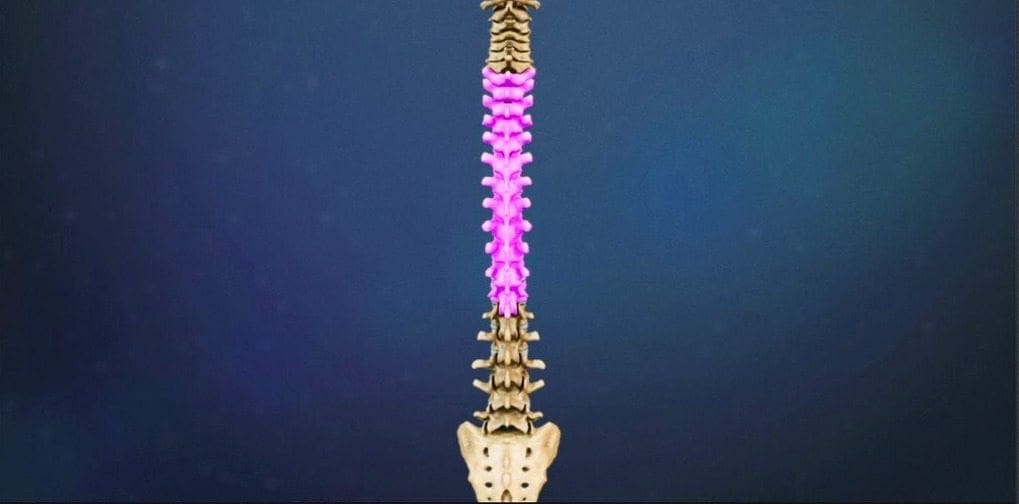
The thoracic spine is a marvel of joint interaction and complex motion patterns. Composed of a total of 220 separate joints,1 it makes up the lion�s share of the 313 total joints in the entire spine. With this many interactive articulations it is easy to see that maintaining normal joint function, motion, and position is important. Chiropractors treat thoracic joint dysfunction with chiropractic adjustments.
There are a variety of chiropractic-adjustment techniques that can be used to adjust a dysfunctional joint:
Most chiropractors employ manual adjusting techniques that utilize precise thrusting adjustments to help normalize joint function.
Chiropractors can also use softer directional adjusting techniques or adjusting instruments to accommodate the needs of the patient.
Thoracic outlet syndrome
Thoracic outlet syndrome (TOS) is a disorder in which the nerves of the brachial plexus and blood vessels are compressed. This compression can cause great pain and altered sensations such as a �pins and needles� sensation in the hands.
Treatment of thoracic outlet syndrome can include stretching, manual trigger-point therapy, and myofascial anchor-and-stretch release techniques to the affected muscles. Chiropractors may also include adjustments and postural instruction.
Thoracic/shoulder dysfunction
The function of the shoulder and the upper back are interrelated. Studies have shown that thrusting manipulations applied to the thoracic spine and ribs have reduced shoulder pain and dysfunction. Chiropractic adjustments to the thoracic region can be beneficial to certain types of shoulder dysfunction.
There are many causes and treatment options for thoracic spine disorders. Chiropractors have a wide range of treatment options for treating these conditions. Chiropractors are increasingly joining collaborative spinal care teams as a drug-free option for treating spinal and musculoskeletal conditions.
The thoracic spine is a marvel of joint interaction and complex motion patterns. Composed of a total of 220 separate joints, it makes up the lion�s share of the 313 total joints in the entire spine. �It’s easy to see that maintaining normal joint function, motion, and position is important. Chiropractors treat thoracic joint dysfunction with chiropractic adjustments.
Chiropractic is the third largest healing profession in the country. Doctors of Chiropractic (DCs) are well-trained health care professionals. They are experts in the diagnosis, treatment, and prevention of disorders of the musculoskeletal system. This system includes your muscles and bones. Above all, these doctors are experts in the structure and function of the spine (backbone).
Selecting a chiropractic doctor is a personal choice. You may want to ask a few friends or loved ones if they know a chiropractor they like. You may also want to ask your family doctor or other health care providers for names of chiropractors or centers that offer high quality chiropractic services.
Asking questions can help you make an informed choice. You may want to meet with more than one chiropractor before you make your choice.
Questions You Can Ask
What training, licensure, and experience do you have?
Before you ask any questions, make sure that the chiropractor is licensed to practice in your state. Then find out if the DC chiropractor has an area of specialty and what that is. Also ask the chiropractor how many years of experience he or she has.
What is treatment like for people with a health problem like my own? How often would I come in for treatment? How long should I expect treatment to last?
Chiropractors will outline a course of treatment and goals for your health problem. The chiropractor will talk to you about how long it should take for treatment to work for you. Your chiropractor will change your treatment as needed to help you reach your treatment goals.
What treatment would you suggest for my health problem or health goals?
Chiropractors do not prescribe drugs. They do not perform surgery either. Most chiropractors will suggest an adjustment/manipulative treatment. This treatment is used to:
Bring back normal joint function
Decrease pain and nerve irritation
Increase blood flow
Reduce muscle spasms
Improve range of motion
Chiropractors may also use other treatments, such as:
Exercise therapy
Massage and other soft tissue methods
Ultrasound
Electrical muscle stimulation
Appliances (such as lower back supports)
Whichever treatment the chiropractor suggests, he or she should also tell you about the benefits and risks.
What if I need treatment beyond your scope of care? Will you refer me to one of your contacts if needed?
You may need to get non-chiropractic treatment for your health problem. In this case, you will want your doctor to be able to refer you to other health care professionals.
Chiropractic Cuts Costs
Will I need to have an X-ray taken?
An X-ray is not always needed to start treatment. After going through your health history and an exam, the doctor may take an X-ray to confirm or rule out a larger health problem. An X-ray can check for conditions, such as:
Bone disease
Fracture
Dislocation
Will you suggest exercises or other steps I can take to help my health problem?
It�s key that you take an active part in your treatment and healing process. You should expect your chiropractor to give you guidelines and training. This training may include an overview of proper exercises needed to take care of your health problem. Your chiropractor may suggest that you use other home-based treatments as well. This might include putting ice or heat on a certain part of your body.
Other Points to Consider
You should expect the chiropractor�s office staff to treat you with courtesy. When you call, are they prompt and professional? Do they answer all your questions? Do they help schedule future appointments? Be sure to pay attention to how the office staff treats you. Will you be comfortable working with the chiropractor and their staff?
After asking the questions listed above and meeting the chiropractor and office staff, think about the answers you were given. Does the chiropractor�s personality and approach seem like they will work for you? If so, you should feel comfortable that you have made an informed choice.
Your Checklist
Look for a Doctor of Chiropractic that:
Is licensed in your state
Treats you with respect and professionalism
Listens to your health concerns
Answers your questions in a way that you can understand
Makes every effort to help you improve your health
Gives you advice about exercise, body mechanics, stretching, and posture to help avoid future problems
Takes X-rays only when needed and explains why they are being taken
Refers you to specialists or back to your primary doctor as needed
As you can see, there are plenty of things to think about when choosing a chiropractor. You deserve the best care possible. So do some research. And be sure to talk to different doctors. Most of all, take the time you need to make a choice you feel good about.
[prisna-wp-translate-show-hide behavior=”hide”][/prisna-wp-translate-show-hide]By Dr. Alex Jimenez
Chiropractic is the third largest healing profession in the country. Selecting a chiropractor can be a bit daunting, and discouraging. But there’s no need�to be scared. Here are some tips on choosing a chiropractor for you.
Chiropractors who provide care for children � and families � can attest to the many benefits of a healthy spine to a growing child. However, this relatively new area of focus for chiropractic is susceptible to many misconceptions, among the public and the health-care community.
Many of the public perceptions about chiropractic care for children, however, are far from the truth. We explore these misconceptions and spoke to the experts to get the real facts about this thriving chiropractic focus area.
Myth #1 Chiropractic care of children is new.
When some individuals first learn that DCs treat children as well as adults, they may get the wrong idea that chiropractic for kids is new � which is to say untested, experimental and dangerous.
That isn�t the case. Sure, the modern era of this field dates only as far back as the 1980s. But the fact is, the practice actually has much older and stronger roots. �If you go back to 1910, [founder of chiropractic] D.D. Palmer indicated how important it is to check a child�s spine from birth and throughout life,� notes Jeanne Ohm, CEO of the International Chiropractic Pediatrics Association (ICPA), a non-profit organization in Philadelphia.�
By the 1980s, many DCs had developed their practices to treat adults specifically. In 1986, Dr. Larry Webster in the U.S. helped re-establish chiropractic care for children as a legitimate area of focus. He started teaching his child-friendly techniques, and he created the ICPA to further help chiropractors treat children.
Webster passed away in 1997, but his legacy continues. The ICPA now has more than 4,000 members and hundreds of DCs are studying to become chiropractors with a special focus on kids.
Myth #2 Children don�t need chiropractic care.
DCs who treat kids often hear questions along these lines: Why in the world would a child need to see a chiropractor? What good does chiropractic do for a toddler, or even a newborn?
Chiropractors have a few good answers.
�We may see a one-week-old child who is already showing signs of favoring, turning her head to one side versus the other,� says Dr. Judy Forrester, owner of Synergea Family Health Centre, a multidisciplinary clinic in Calgary, Alta. �That may seem minimal� but if we can determine any imbalances or asymmetry with the muscular function or the joint alignment, and we address it early, it�s better. Once those postural patterns and habits develop as they grow, they can be much more difficult to change.�
Dr. Liz Anderson-Peacock is a Barrie, Ont., chiropractor who focuses on care for children. She notes the link between the central nervous systems and various childhood afflictions.
�Children may have symptoms like ear infections, difficulty breathing, colic, attention deficit. We do not treat those things per se. We see those as expressions of the body not interpreting the world properly,� explains Anderson-Peacock, who also serves in the editorial board for the Journal of Maternal, Pediatric and Family Health.
�The organizing system for us to respond to the world is the nervous system. The questions we ask are: if there is something going on with the nervous system, what is it, and can chiropractic care help?�
Anderson-Peacock now spends most of her time travelling around the world doing lectures and other speaking engagements. She also conducts seminars for the ICPA about chiropractic care for children and families.
Ohm from the ICPA links chiropractic to the very moment a child emerges from the womb. �Birth can be traumatic,� she says. The event could cause physical damage that leads to difficulties later. So if a baby develops breathing trouble, �the real cause may simply be a misalignment to the spine from the birth process. Parents who get that will stop at the clinic on the way home from the birth centre to make sure everything is OK.�
Chiropractic & Children
Myth #3 Chiropractors use the same techniques on children as adults.
�That�s what terrifies a lot of chiropractors about adjusting children, as well as parents,� Anderson-Peacock says. �They think we�re going to adjust them like an adult.�
But DCs who treat children do not apply heavy pressure. �Often, it�s a matter of moving the child into a position of ease, holding that position and things will reset quite nicely on their own,� Anderson-Peacock says. Care, she points out, is nowhere near as forceful as it may be for adults.
�That�s why extra training is so crucial. These children are not like miniature adults. For example, spines are primarily cartilaginous until the age of six, and we know cartilage will deform when we have abnormal function. So we want to make sure that function is restored normally. And since the bones are immature, the alignment issues are different. We want to minimize rotations and traction, because children have different needs, due to the immaturity of their musculoskeletal and ligamentous structures.�
The ICPA aims to validate techniques for chiropractic care for children, particularly to help dispel the idea that DCs use the same pressure on kids as they do on adults, Ohm notes. The organization is working with Walter Herzog, co-director of the Human Performance Laboratory at the University of Calgary, to study the pressure required when caring for children. The report should be out by the end of 2015.
Chiropractic & Children with Chronic Conditions
Myth #4 There are no real experts in chiropractic care for children.
In Canada, chiropractic care for children is not a recognized area of specialty, which leads some people to think there are no genuine experts in the field. But that isn�t true.
Many DCs follow accredited courses to develop child-specific skills. Anderson-Peacock spent three years studying at the International Chiropractors Association�s Council on Chiropractic Education (CCE)-accredited program in pediatric chiropractic. She achieved her Diplomate in Clinical Chiropractic Pediatrics (DICCP) in 1996.
Dr. Stacey Hornick is owner of Market Mall Family Chiropractic in Saskatoon, Sask. She attended McTimoney College of Chiropractic, operated by BPP University � a post-secondary institution in London, England. Over three years, she took courses by correspondence and traveled to Thailand, Hong Kong and Australia to complete the residency portion of the program. Having succeeded in her studies last year, she was granted a master�s degree in Chiropractic Paediatrics.
Hundreds of DCs have taken the ICPA�s programs. The ICPA Diplomate Program involves a total of 400 hours of learning and achieved through the successful completion of two levels of study.
The first part � a 200-hour certification program � involves 14 classroom modules, participation in two ICPA Practice Based Research Network projects, and successful completion of the comprehensive certification� final exam.
The second part is a 200-hour advanced competency program. It requires 200 hours of work with more emphasis on research, including either a published research case study or a publishable thesis, as well as clinic work. Enrollment in the first level (200-hour certification program) is a prerequisite to enroll in part two.
Chiropractic care for kids may not be a recognized specialty in Canada, but chiropractic associations recognize it as a legitimate area of focus.
In a statement, the Alberta College and Association of Chiropractors (ACAC) has acknowledged, �chiropractic treatment is as beneficial to children as it is to adults and that the efficacy and benefits of the delivery of chiropractic care to individuals 18 years of age and under are well supported by a body of ongoing research and documented case histories.�
Chiropractic & Teens with Back Pain
Myth #5 Chiropractors don�t collaborate with pediatricians and medical doctors.
Hornick says this simply isn�t the case.
�I often refer pediatric patients to their medical doctors and to medical specialists, and we communicate clearly in the best interests of the child. I see our roles as complementary.�
Forrester also says she has good ties with medical doctors. �The majority of them are very much in favor of working together. Every once in a while you run into someone who thinks we�re all a bunch of quacks and they�re not up to date with the sorts of things we do. But by far the relationship with pediatricians is healthy and puts the patients� best interests first.�
Reality recap
Chiropractic care for kids is not new. Children benefit from chiropractic care. Techniques for children are safe and nowhere near as forceful as they may be for adults. Many DCs are qualified experts, and many child-focused chiropractors establish strong connections with medical doctors. The truth is, DCs can and do share the benefits of their profession with patients across the entire age spectrum.
Mastering pediatrics
Late last year, Dr. Stacey Hornick, a Saskatoon, Sask.-based DC focused on chiropractic care for children became one of the first Canadians to attain a Master�s of Science in Chiropractic Paediatrics.She studied at McTimoney College of Chiropractic, operated by BPP University, a post-secondary institution in London, England. The McTimoney program is the only pediatric chiropractic program that meets the academic requirements for entry into doctoral studies (PhD) in the specific content area of chiropractic pediatrics, an opportunity never before afforded the chiropractic profession, she says.
�For me, it was important to seek out a highly respected qualification in pediatric care,� Hornick says. �There were no university-accredited courses in pediatrics in North America that I was aware of at the time. I liked the idea of studying abroad and at the same time becoming an expert in pediatric-specific assessment, and adjusting techniques that were gentle yet neurologically precise.�
It takes stamina and smarts to get into and complete this tough three-year course. Read on for the requirements. Do you have what it takes?
To enter the program, a candidate must have: a professional qualification in chiropractic and registration with a relevant chiropractic governing body
In each of the first two years of the program, the student must complete:
Work at two residential schools � Hornick explains that usually, students complete their residencies at U.K. chiropractic facilities, but McTimoney also gives students the chance to practice outside of the U.K. For her part, Hornick completed her first-year residency in Thailand, which was memorable. �We stayed at the Children of the Golden Triangle Training Center. It�s a safe haven when kids can go to school and avoid the whole child-trafficking danger, which is a heart-wrenching reality in that part of the world. Many of the children at the facility were orphans � 450 of them. We got to stay with them, and between five chiropractors, we adjusted all of them in three days.�
Online course work � Subjects range from the fundamentals of chiropractic pediatrics to specific requisite topics. Hornick says first-year courses include substrates of chiropractic pediatrics, physical assessment in chiropractic skills and pediatric neurology. �The second year is more application of knowledge.� Courses include normal and variant radiology anatomy in pediatrics, clinical research methodology, and four clinical pediatrics programs.
Structured clinical education, directed and self-directed
Objective structured clinical exam
In the third year of the program, students must complete a research project, including project design, implementation and report at a publishable standard. Hornick�s dissertation: The Effect of Chiropractic on Cortisol Levels in Infants with Colic. The investigation aimed to help doctors understand why chiropractic adjustment has a positive influence on colicky infants. Hornick found that infants with colic who receive chiropractic care demonstrate salivary cortisol release patterns similar to those seen in infants with no colic.
Public�Perceptions about chiropractic care for children are far from the truth. Let’s�explore these misconceptions and speak to experts in order to get the real facts about chiropractic care for children.
IFM's Find A Practitioner tool is the largest referral network in Functional Medicine, created to help patients locate Functional Medicine practitioners anywhere in the world. IFM Certified Practitioners are listed first in the search results, given their extensive education in Functional Medicine














 �We may see a one-week-old child who is already showing signs of favoring, turning her head to one side versus the other,� says Dr. Judy Forrester, owner of Synergea Family Health Centre, a multidisciplinary clinic in Calgary, Alta. �That may seem minimal� but if we can determine any imbalances or asymmetry with the muscular function or the joint alignment, and we address it early, it�s better. Once those postural patterns and habits develop as they grow, they can be much more difficult to change.�