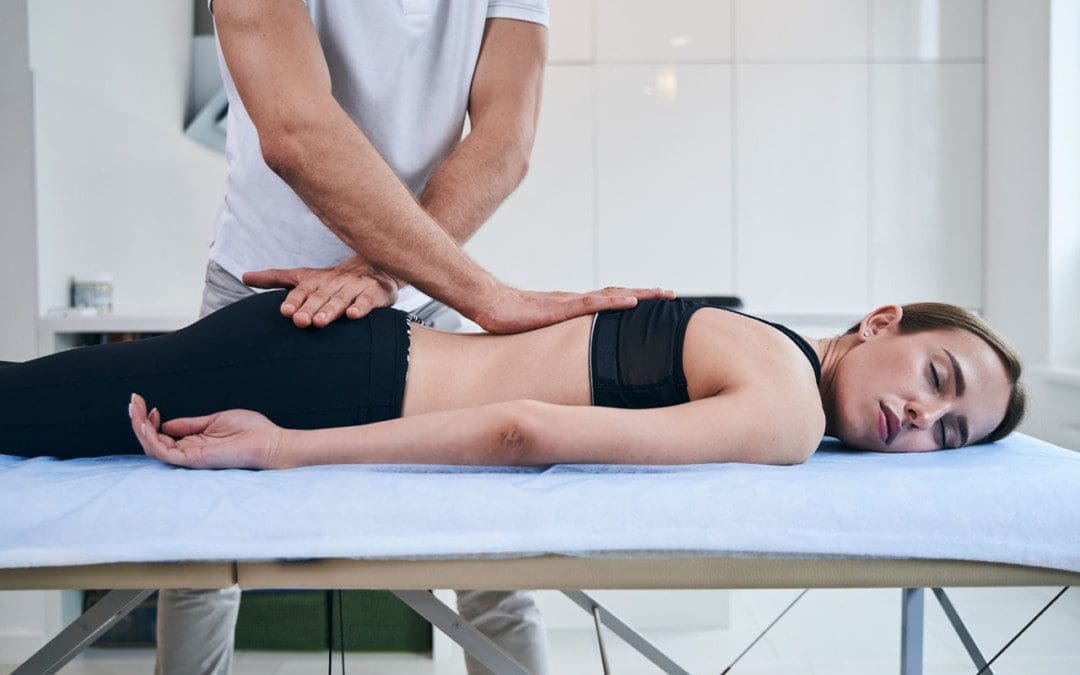
A pinched, compressed, overly stretched, twisted, and entangled nerve can happen throughout the body. The most common locations are the neck, shoulder, upper back, upper chest, arm, elbow, hand, wrist, low back, legs, and feet. This disrupts the nerve’s ability to function properly. Each nerve stimulates muscles and detects sensations in specific areas of the skin or internal organs so they work properly. Common symptoms are tingling, numbness, pain, weakness, and musculoskeletal problems. The average pinched nerve duration can last a few days to as long as 4 to 6 weeks or, in some cases, longer, in which case individuals should see a doctor or neurologist. Injury Medical Chiropractic and Functional Medicine Clinic can relieve, release, and restore nerve health.
Pinched Nerve
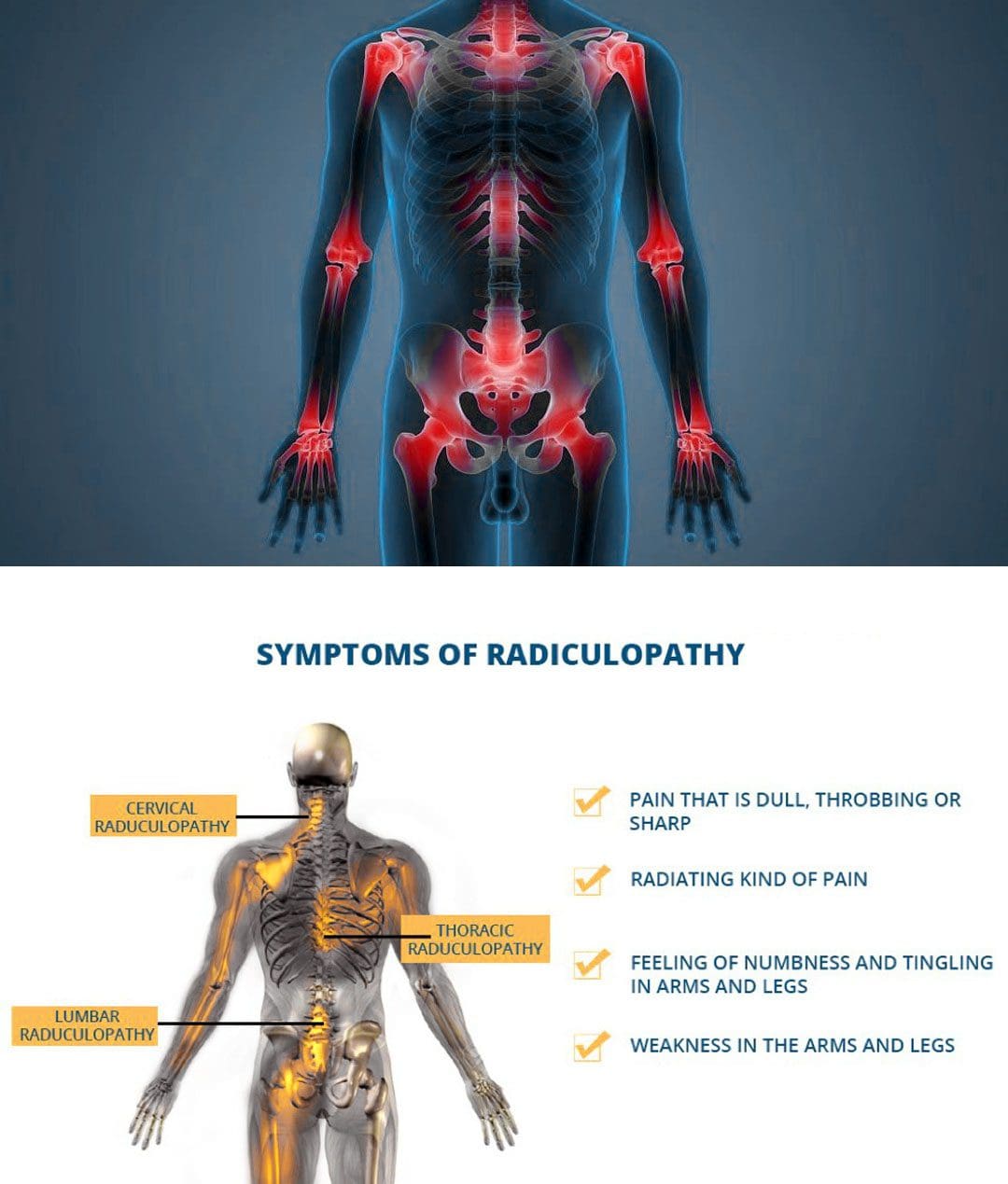
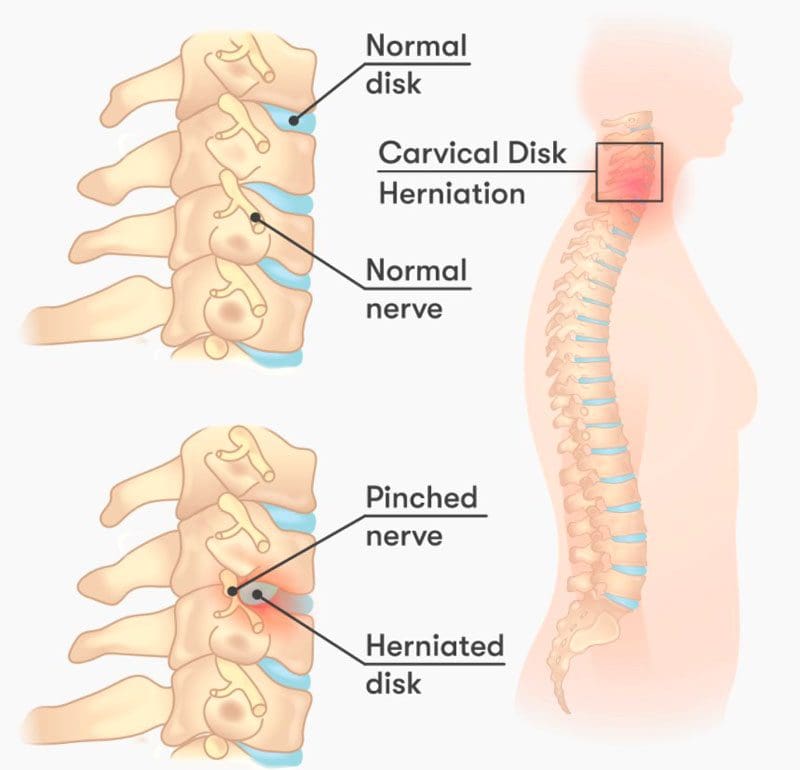
A pinched nerve is caused by pressure from surrounding tissues that place added stress on it. Muscles, bones, cartilage, and tendons can all press, pull, or entangle a nerve. This can result in a loss of function, which can then lead to symptoms including:
Tingling
Numbness
Muscle weakness
Various types of pain – sharp, electrical, throbbing, aching, and radiating/spreading out to other areas.
Burning sensation
A pinched nerve can become serious, cause chronic pain conditions and lead to permanent nerve damage.
More severe cases may require surgery.
Pinched Nerve Duration
Pinched nerve duration depends on the injury, which can happen suddenly or gradually. A temporary case with an acute cause, such as injury or poor posture, can last several days. Cases related to chronic conditions, like arthritis, may last longer. Treatment, as well as recovery, also vary based on the location of the injury and what’s causing the pressure.
Body Locations
Neck
A pinched nerve in the neck can cause tingling sensations and pain, which can travel to the shoulders and arms. This type can be caused by:
Sleeping position
Repetitive movements
Injuries
The pain will usually ease within several days unless a chronic health condition is the cause of the pinching.
Lower back
A pinched nerve in the lower back is often brought on by herniated discs that compress nerve roots.
It may also be caused by arthritis or injuries.
Individuals may feel a sharp pain in the lower back, as well as in the buttocks and back of the leg.
Sciatica may be a symptom.
Lower back pain may be acute, lasting only a few days.
If the injury doesn’t resolve, it may cause chronic back pain that can last 12 weeks or more.
Leg
The legs can develop pinched nerves from herniated discs or injuries.
If left untreated can lead to peripheral neuropathy.
This can develop over several weeks or years.
Hip
A pinched nerve in the hip can last a few days if related to an injury. If the pain lasts longer than a few days, consult a doctor. Possible causes of chronic hip pain may include:
Obesity
Bone spurs
Arthritis
Shoulder
Shoulder pain brought on by a pinched nerve usually starts in the upper spine and is caused by:
Injury
Tendinitis
Arthritis
To tell if the pain symptoms are from a pinched nerve and not a muscle strain, the pain tends to occur in one shoulder, and there is a sharpness to the aches.
Left untreated, arthritis or tendinitis can lead to chronic pain that can come and go for several weeks, months, or years.
Wrist
Repetitive overuse is commonly linked to pinched nerves in the wrist.
Pinched nerves can lead to carpal tunnel syndrome – pain and numbness extending through the arm, hand, and fingers.
Pain lasting over two months could indicate other underlying conditions, like arthritis.
Chiropractic Relief
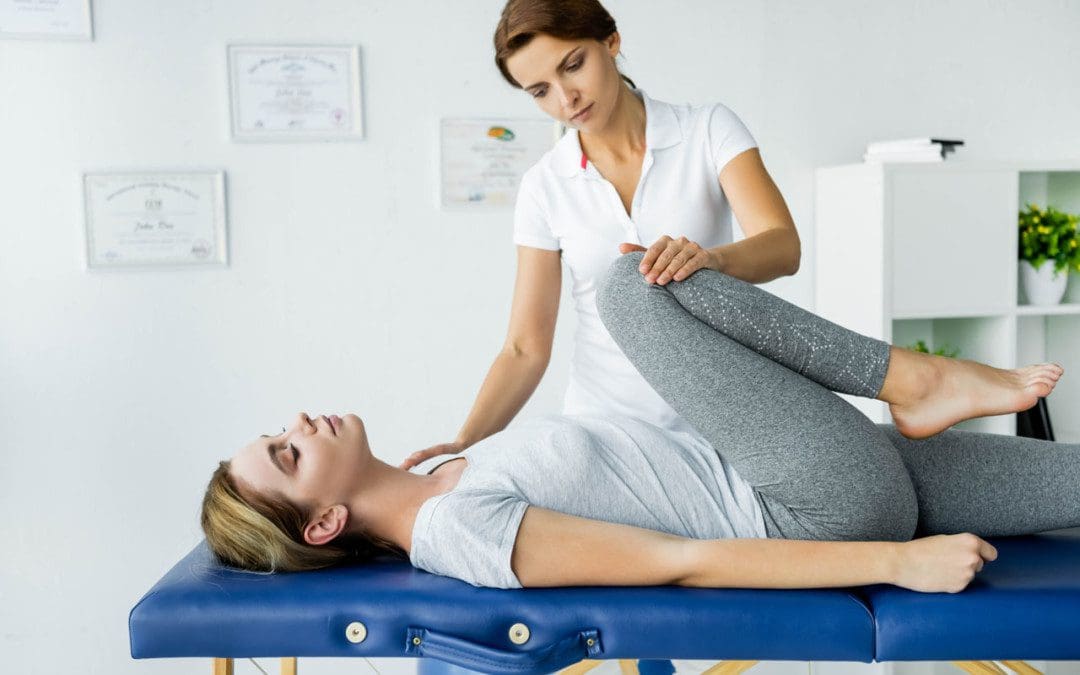
Chiropractic adjustments identify the impacted nerve/s and use various therapies to remove the compression, relieving symptoms and the injury or issue. A personalized treatment plan can include the following:
Cornwall, R, and T E Radomisli. “Nerve injury in traumatic dislocation of the hip.” Clinical orthopedics and related research, 377 (2000): 84-91. doi:10.1097/00003086-200008000-00012
Dmytriv, Mariya, et al. “PT or cervical collar for cervical radiculopathy?.” The Journal of family practice vol. 59,5 (2010): 269-72.
Hochman, Mary G, and Jeffrey L Zilberfarb. “Nerves in a pinch: imaging of nerve compression syndromes.” Radiologic clinics of North America vol. 42,1 (2004): 221-45. doi:10.1016/S0033-8389(03)00162-3
Lopez-Ben, Robert. “Imaging of nerve entrapment in the foot and ankle.” Foot and ankle clinics vol. 16,2 (2011): 213-24. doi:10.1016/j.fcl.2011.04.001
Needham, C W. “Pinched nerves and signature signs.” Connecticut Medicine vol. 57,1 (1993): 3-7.
Siccoli, Alessandro, et al. “Tandem Disc Herniation of the Lumbar and Cervical Spine: Case Series and Review of the Epidemiological, Pathophysiological and Genetic Literature.” Cureus vol. 11,2 e4081. 16 Feb. 2019, doi:10.7759/cureus.4081
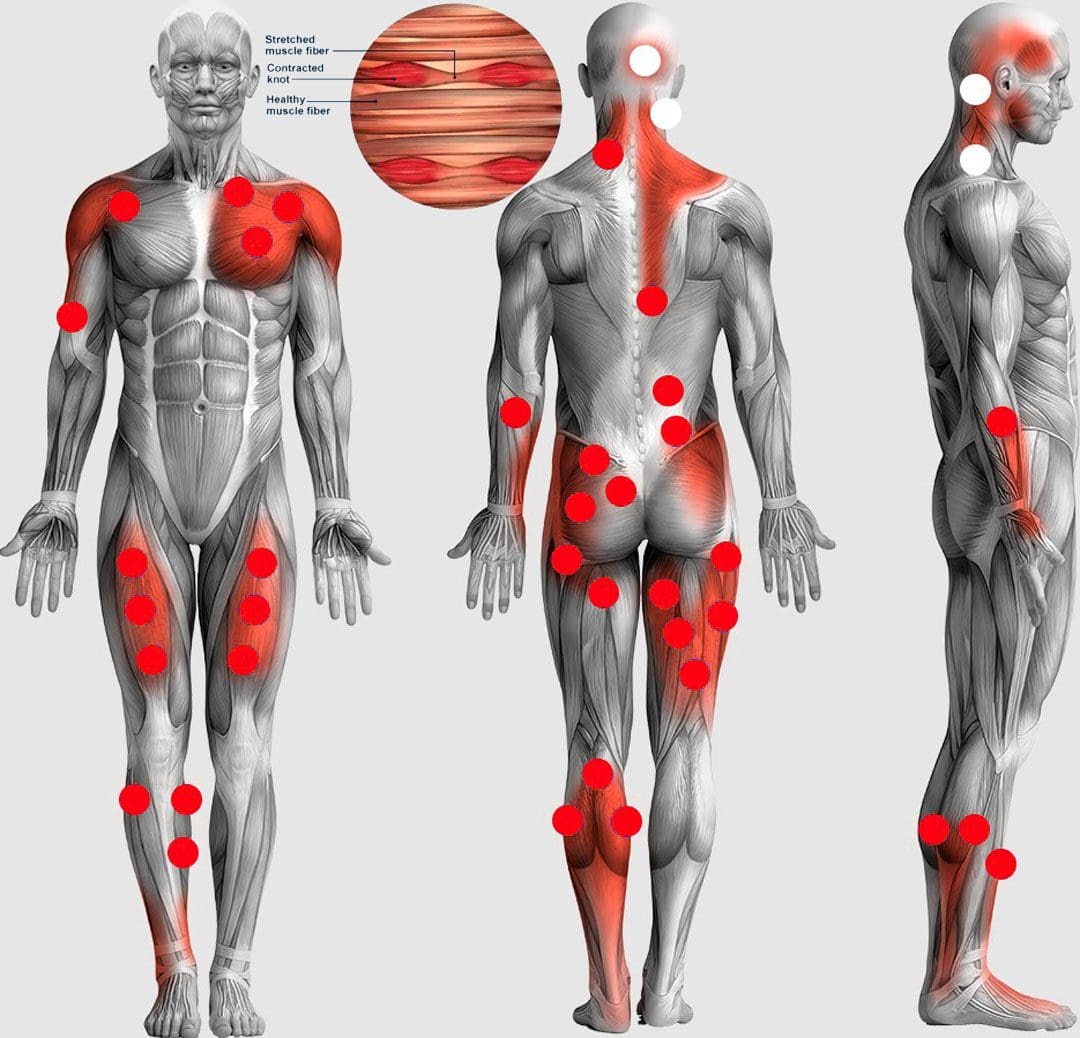
Muscle knots or trigger points are tissues/segments of muscle fibers stuck in a contracted state and balled up or become entangled. To the touch, they can feel like small bumps, nodules, or knots. They are primarily found in muscles, but they can also be found in tendons, fascia, periosteum, and ligaments. Tight muscles can limit flexibility, increase discomfort and pain symptoms, and cause further injury that can develop into chronic conditions. Trigger points can develop in all muscles and multiple muscles simultaneously. The Injury Medical Chiropractic and Functional Medicine Team can create a personalized treatment plan for trigger point alleviation.
Muscle Knots Trigger Points
When muscle fibers are stuck in contraction, blood circulation decreases in and around the affected area, and the necessary nutrients and oxygen cannot be delivered. The excessive accumulation of the chemicals – acetylcholine, and calcium leads to a lack of oxygen in the area, which causes muscle fiber contraction and spasms. As the muscle fibers overly contract, they form a knot. Waste materials build up in the fibers as the blocked circulation doesn’t allow removal. This irritates the trigger point, which reacts by sending out pain signals. The brain responds by telling the body not to use that muscle, causing the muscle to tighten, become weak, and lose range of motion. The other muscles have to work harder to compensate.
Trigger Point Types
Active and Latent
One type is an active trigger point.
The trigger point causes pain and discomfort even when the muscle or tissue rests.
The other type is latent, which means that the point does not cause pain or is sometimes even noticed until pressure is applied to the point or area.
Because key trigger point muscles are weakened, the muscles around that point need to work harder, causing multiple knots to form.
Referred pain happens when a satellite trigger point causes sensations in a different area from the point itself.
Causes
The main causes include the following:
Direct Trauma
Muscle trauma or injury can cause fibers not to heal properly, causing segments to stay deprived of oxygen and knotted.
Excessive and Extended Exercising
During exercise/physical activity, profound muscle strain and injury can occur from pushing too hard for too long without proper recovery and repair.
Maintaining Healthy Posture
Unhealthy postures can cause tension, stiffness, and aches and pains.
Stress and Fatigue
Emotional and physical stress takes a toll on the body, which can result in excessive muscle contraction.
Most of the time, it happens subconsciously without realizing that the body is tensing up.
This is why engaging in relaxation activities, including therapeutic massage, is important.
Inactivity
Lack of physical activity and a sedentary lifestyle can cause muscle spasms and over-contracting, leading to muscle knots.
Medical Conditions
Conditions that affect muscles, like arthritis and fibromyalgia or medications, can cause muscle spasms and the development of trigger points.
Chiropractic and Massage Therapy
Chiropractic and therapeutic massage is an effective treatment to relieve muscle knots and symptoms and restore the body to optimal function. Massage uses various techniques to increase blood circulation, break down inflexible scar tissue and stretch and loosen muscles. Pain and discomfort decrease by allowing the muscles to move and restoring blood flow.
Massage Therapy Chiropractic Care
References
Barbero, Marco, et al. “Myofascial pain syndrome and trigger points: evaluation and treatment in patients with musculoskeletal pain.” Current Opinion in Supportive and palliative care vol. 13,3 (2019): 270-276. doi:10.1097/SPC.0000000000000445
Cheung, Karoline, et al. “Delayed onset muscle soreness: treatment strategies and performance factors.” Sports medicine (Auckland, N.Z.) vol. 33,2 (2003): 145-64. doi:10.2165/00007256-200333020-00005
Money, Sarah. “Pathophysiology of Trigger Points in Myofascial Pain Syndrome.” Journal of Pain & palliative care pharmacotherapy vol. 31,2 (2017): 158-159. doi:10.1080/15360288.2017.1298688
Moraska, Albert F et al. “Responsiveness of Myofascial Trigger Points to Single and Multiple Trigger Point Release Massages: A Randomized, Placebo-Controlled Trial.” American Journal of physical medicine & Rehabilitation vol. 96,9 (2017): 639-645. doi:10.1097/PHM.0000000000000728
Weerapong, Pornratshanee, et al. “The mechanisms of massage and effects on performance, muscle recovery, and injury prevention.” Sports medicine (Auckland, N.Z.) vol. 35,3 (2005): 235-56. doi:10.2165/00007256-200535030-00004
Many complex spinal surgeries take place in a hospital environment. The individual spends a night or two in the hospital, so medical staff can monitor them if any complications arise. However, outpatient surgeries have increased with new developments in minimally invasive procedures, pain management, and home rehabilitation. The improvements compared to traditional spinal surgical procedures are significant. These advancements have made it possible to perform more complex surgeries outside of a hospital. Outpatient surgeries have:
Accelerated recovery times
Decreased complications
Decreased infections
Healthier overall outcomes
Outpatient Surgery Candidates
Determining if outpatient surgery can be performed effectively depends on the injury/s and/or conditions that the individual is going through. An individual who is debilitated or has underlying medical conditions that increase their risk for complications or do not have support at home to assist with recovery and rehabilitation is recommended to have the surgery done in a hospital. To be considered for outpatient spine surgery, a surgeon looks at:
Standalone ambulatory surgery centers offer same-day surgical procedures for individuals that meet specific criteria. Medical staff assess the patient’s condition and determine recovery at home. If issues arise, the individual can be transferred to a hospital. Some facilities are single-specialty facilities, focusing on one medical specialty, and others are multi-specialty, meaning they offer a range of medical services from:
Orthopedic
Podiatry
Pain management services
Procedures
Anterior Cervical Discectomy and Fusion – ACDF
ACDF is a two-part surgery. First, the surgeon removes part of an intervertebral disc with bulged and compressed nerves from the spinal cord. Because there is less cushion, the vertebrae above and below are fused to prevent and eliminate painful movement. The discectomy:
Provides more accessible access to the vertebrae
Reduces healing time
Causes less pain
ACDF outpatient procedure treats several neck conditions that include:
Cervical spinal stenosis
Cervical radiculopathy
Neck-related degenerative disc disease
Herniated disc
Cervical spinal fracture
Individuals recover in the surgical center for one to several hours following the surgery before returning home. Traditional ACDF procedure takes three weeks to three months to recover.
Lumbar Discectomy
A lumbar discectomy is a minimally invasiveprocedure that repairs a lower back herniated disc compressing the surrounding nerves. This procedure provides compression relief and allows the nerve to heal. A traditional lumbar discectomy takes four to six weeks to recover.
Lumbar Laminectomy
This minimally invasive procedure removes thickened ligaments and lamina from the lower back. This opens the spinal canal space, relieving pressure and bringing pain relief. The surgery commonly treats lower-back spinal stenosis. A traditional laminectomy takes four to six weeks to recover.
Lumbar Spinal Fusion
Outpatient lumbar spinal fusion permanently connects two or more vertebrae in the lower back. The surgery helps stabilize the spine from severe arthritis or herniated disc removal. Spinal fusion has been found to be effective for correcting certain spinal deformities. The surgery involves a short recovery time at the outpatient center, after which the individual can return home the same day. A traditional or open spinal fusion requires a two-to-three-day hospital stay. After four to six weeks and with a doctor’s clearance, individuals can return to light activities, with full recovery requiring six months.
Chiropractic Spinal Decompression
References
International Journal of Spine Surgery. (April 16, 2021) “The expanding frontier of outpatient spine surgery.” https://pubmed.ncbi.nlm.nih.gov/33900984/
Mayo Clinic. (n.d.) “Spinal fusion.” https://www.mayoclinic.org/tests-procedures/spinal-fusion/about/pac-20384523
Neurosurgeons of New Jersey. (July 21, 2019) “Lumbar discectomy recovery timeline: Your guide to recovery.” https://www.neurosurgeonsofnewjersey.com/blog/lumbar-discectomy-recovery-time/#:~:text=The%20overall%20lumbar%20discectomy%20recovery,discectomy%20recovery%20time%20should%20progress
Rothman Orthopaedics. (March 2, 2017) “Outpatient spine surgery: A new way to look at surgery.” https://rothmanortho.com/stories/blog/outpatient-spine-surgery
A pinched nerve may not feel like it is healing. This is because of the soreness, aches, discomfort, and tingling feelings/sensations around the affected area. This could be the neck, shoulder, arm, hands, back, legs, and feet. However, when the achiness and tingling move around and shift, it is a sign of the pinched nerve healing.
Amount of Time For Pinched Nerve Healing
Waiting for the nerve to heal is not a recommended treatment option, as most pinched nerves do not fully recover on their own. A pinched nerve usually takes around six weeks to heal with proper treatment. The longer the nerve stays pinched, the more likely there will be permanent damage. To keep the pinched nerve from returning and getting worse, individuals are recommended to incorporate a pre-habilitation plan that involves continuing rehabilitation exercises to strengthen and keep the muscles, ligaments, and nerves loose, and adjusting posture, work, exercise, and diet habits to prevent re-injuring the nerve or cause new injury/s.
Common Nerve Sites
Nerves run throughout the body, so it’s possible to experience a pinched nerve anywhere. The most common pinched nerve sites occur at joints where there is constant movement. These areas include:
Neck
Shoulders
Lower Back
Arms
Hands
Feet
Healing Signs
Individuals often believe that their pinched nerve is getting worse because of soreness, aches and pains, and weird sensations. When the pain stays in one area, that could be a sign that the nerve has not been fully stretched/released and/or that there is still compression taking place. Treatment and healing include feeling the symptoms but in a different way. The symptoms will move up, down, or around depending on where the pinched nerve is. Treatment takes the nerve/s and stretches/elongates them, but the pinch created a nerve crimp, crease, fold that wants to return to the pinched position. This is why continued treatment and stretching are recommended, as a spasm, trauma, or some awkward movement can cause the nerve to re-fold to the pinched position or cause a whole new pinch.
Chiropractic Release
Chiropractic treats pinched/compressed nerves with several therapeutic modalities. These include:
Body Adjustments
Flexion-distraction
Therapeutic massage
Traction
Inversion
Laser therapy
Ultrasound
Combined, these methods can help heal pinched nerves and keep them from recurring.
Body Composition
Skeletal Muscle
Skeletal muscle is a major muscle group. These muscles are attached to the bone by the tendons. Skeletal muscles incorporate nerves, blood vessels, and connective tissue to operate as a unit. Each skeletal muscle consists of cells that come together that form bundles of skeletal muscle fibers.
Strength training stimulates the muscle fibers. When combined with proper nutrition causes hypertrophy/muscle growth.
Muscles contract and shorten to pull bones and joints, allowing body movement.
The nervous system signals the nerves in the muscle/s and triggers these contractions.
Skeletal muscle helps the body:
Maintain posture
Generate body heat
Stability to the bones and joints
References
Bowley, Michael P, and Christopher T Doughty. “Entrapment Neuropathies of the Lower Extremity.” The Medical clinics of North America vol. 103,2 (2019): 371-382. doi:10.1016/j.mcna.2018.10.013
Campbell, W. “Diagnosis and management of common compression and entrapment neuropathies.” Neurologic clinics vol. 15,3 (1997): 549-67. doi:10.1016/s0733-8619(05)70333-9
England, J D. “Entrapment neuropathies.” Current opinion in neurology vol. 12,5 (1999): 597-602. doi:10.1097/00019052-199910000-00014
Kane, Patrick M et al. “Double Crush Syndrome.” The Journal of the American Academy of Orthopaedic Surgeons vol. 23,9 (2015): 558-62. doi:10.5435/JAAOS-D-14-00176
Chiropractic Reset: Traveling is not an easy adjustment as it disrupts the body’s internal clock. When flying even just 3 hours, the body can start to experience symptoms like:
Fatigue
Confusion
Insomnia
Joint and muscle pain
Stiffness
Stomach problems
Nausea
Hunger
Bad mood
Not only is the flight a physical challenge, but so are the long lines, backed-up traffic, lost luggage, etc. All take a toll on the mind and body; a chiropractic reset can help restore the body’s balance and energy levels.
Jet Lag
Jet lag happens when the brain region known as the hypothalamus or center that controls sleep cycles, appetite, and temperature conflicts with travel changes. A survey from international flight attendants found that despite being used to long air travel:
90% had fatigue over the first five days.
94% had a lack of energy/motivation.
93% had broken sleep.
70% had ear, nose, or throat issues.
Scientists have estimated that it takes a full day to recover for every hour of time difference. The direction traveled can affect how intense the symptoms are since it’s easier for the body to delay its internal clock than speed it up. Traveling east is more difficult on the body compared to traveling west.
Ways To Limit The Effects
Workout
Get a thorough physical workout the day before you fly.
It doesn’t matter; it can be an hour on an elliptical machine, a mile jog, or a vigorous swim.
The objective is to get the lymph system moving to help prevent edema in the legs, hands and flush toxins from the body.
Take a Walk Every Hour
Try and get up at least once an hour for long trips and every half hour for shorter ones.
If possible, try to get a flight that gets to your destination in the evening.
Then, stay up until 10 pm local time.
If you have to take a nap, set the alarm not to surpass two hours.
Avoid caffeine and alcohol
You don’t have to go without alcohol or caffeine, but they should be cut out a few hours before sleeping.
Both can affect the ability to fall asleep, stay asleep, and the quality of sleep.
Change sleep patterns beforehand
In the week leading up to the trip, start adjusting sleep time and wake time to get closer to the new time zone.
This way, upon arrival, the body is basically adjusted.
Skip the big meal
To help the digestive system, try not to eat a massive meal upon arrival.
Allow body functions like sleep and digestion to adjust to the changes.
Bask in the sun
Daylight has a significant effect on the body’s clock.
Get outside to wake up the brain to help the body and mind adjust to the daytime hours.
Melatonin
This is a hormone in the body that helps control the circadian rhythm.
Melatonin is dependent on the amount of light the body is exposed to.
When there’s light, melatonin release is stopped.
When dark, melatonin release is stimulated.
It is recommended not to take melatonin before leaving, or it will make the jet lag worse.
Wait until landing in the new time zone to supplement one hour before regular sleep time at the new location.
Continue for three nights or until the body has adjusted.
Pycnogenol
Pycnogenol has been studied for its effect of reducing jet lag symptoms.
It reduces cerebral and joint swelling, which leads to fewer short-term memory problems, fatigue, and cardiac issues.
It has been shown to decrease deep vein thrombosis and superficial vein thrombosis, typical side effects of long flights.
Recommendations are to take three times a day for up to five days maximum of seven days after landing.
Chiropractic Reset
Chiropractic reset adjustments the day before and especially after the flight can restore balance to the nervous system and the body. This will help reset sleeping and waking patterns after the stress of flying.
Body Composition
Metabolic Syndrome
Metabolic syndrome is a name for a set of symptoms and conditions that revolve around cardiovascular health.
Obesity and a high amount of visceral fat are significant risk factors for being diagnosed with metabolic syndrome.
Body composition analysis can be thought of as a tool for understanding the approach to preventing the onset of metabolic syndrome. Knowing how to identify the risks can support individuals in making informed decisions on their healthcare journey.
References
Belcaro, G et al. “Jet-lag: prevention with Pycnogenol. Preliminary report: evaluation in healthy individuals and hypertensive patients.” Minerva cardioangiologica vol. 56,5 Suppl (2008): 3-9.
Janse van Rensburg, Dina C Christa et al. “How to manage travel fatigue and jet lag in athletes? A systematic review of interventions.” British journal of sports medicine vol. 54,16 (2020): 960-968. doi:10.1136/bjsports-2019-101635
Straub, WF et al. “The effect of chiropractic care on jet lag of Finnish junior elite athletes.” Journal of manipulative and physiological therapeutics vol. 24,3 (2001): 191-8.
Zerón-Rugerio, María Fernanda et al. “Eating Jet Lag: A Marker of the Variability in Meal Timing and Its Association with Body Mass Index.” Nutrients vol. 11,12 2980. 6 Dec. 2019, doi:10.3390/nu11122980
Trying to fit exercise into a busy day can be a struggle to find a 30–45-minute window. However, research has found that mini workouts and accumulated exercises over the day are as effective as one complete session. Studies show that short workout sessions take the place of one long workout by breaking up the routine into several small ones and are just as effective.
The benefits of short, multiple exercise sessions are that they provide increased flexibility in an individual’s daily schedule, allowing them to focus on their health while navigating family, work, and other obligations. Performing mini-workouts throughout the day makes it easier to stay committed to an exercise program, experience the benefits, and achieve their health goals.
Increase Brain Health and Mood
Shorter duration workouts save time, allow multiple forms of exercise into a single day, and improve neurological, physical, and psychological benefits.
Performing an exercise as short as 3–5 minutes throughout the day can benefit the brain and mood.
Lower Blood Pressure
A study compared the effects of short aerobic exercise sessions and continuous exercise on 24-hour ambulatory blood pressure.
The study found that doing three 10-minute walks during the day morning, midday, and late afternoon lowered blood pressure more than doing one 30-minute walk in prehypertensive individuals.
Easier to Exercise
Performing high-intensity workouts for a long time is not easy, even for seasoned athletes.
This is why mini workout sessions appeal to fitness fans of all levels.
Decreasing the time allows the individual to exercise at higher intensities.
Reduce the Stress of Working Out
Incorporating shorter workouts can reduce the stress or fear that individuals have towards working out.
When looking at fitness from this perspective, shortened workouts naturally become a part of the day that helps relieve stress.
Achieve Fitness Goals
Shorter workouts allow individuals with busy schedules to focus on what they can perform in controlled sessions throughout the day without feeling overwhelmed by committing to an entire workout session.
Mini workouts are easy to schedule, more sustainable to perform, and easier to commit to long-term.
They allow for more focused and intensive exercise, especially when easily distracted.
Plan Ahead and Follow Through
The recommended way to accumulate a balance of strength, cardio, and mobility exercises throughout the day is to set up a plan. Find a routine that is enjoyable and not a chore, then set up the office space, work area, home to accommodate the exercises. For cardiovascular and strengthening benefits, an example of Tabata or HIIT workout.
Five exercises.
Two minutes on each exercise with a work-rest ratio of 30 seconds on, 30 seconds off.
Depending on an individual’s fitness level, the work-rest ratio can be modified.
To improve mobility and strength, use weights or resistance bands.
Focus on proper form.
Try shorter workouts for a quick burst of exercise:
Pick two to three exercises like bicep curls, shoulder presses, bodyweight squats, calf raises, lunges, or planks.
How much physical activity do adults need? (2015, June 4) cdc.gov/physicalactivity/basics/adults/
Mayo Clinic Staff. (2014, October 10). Depression and anxiety: Exercise eases symptoms mayoclinic.org/diseases-conditions/depression/in-depth/depression-and-exercise/art-20046495
Mayo Clinic Staff. (2015, April 16). Exercise and stress: Get moving to manage stress mayoclinic.org/healthy-lifestyle/stress-management/in-depth/exercise-and-stress/art-20044469
Nervousness, fear, anxiety, and discouragement are common and natural feelings to have while awaiting surgery. Preparing for spinal surgery can cause individuals to experience what is known as preoperative anxiety. A study suggests that preoperative anxiety affects from 60 to 80% of individuals. There can be a lot of unknowns going into spinal surgery. Individuals can experience preoperative anxiety:
Over the procedure itself.
By imagining what could go wrong?
How is the body going to recover?
The temporary changes in functioning post-surgery.
The post-surgical pain and discomfort.
What will the results be?
Learning how to decrease surgery stress will improve the procedure and recovery. There are ways to overcome this anxiety with tips from a pain psychologist.
Getting Educated and Informed
A pain psychologist recommends spending as much time as needed to discuss the surgery with the surgeon/provider. Ask the doctor if it is possible to speak with other patients who have gone through the same surgery to learn more about the procedure and what to expect with the recovery. Searching the internet is fine, but it is recommended not to get caught up searching non-reputable websites as there is a lot of misleading information that can lead to unnecessary stress. Ask the doctor to share statistics of positive outcomes versus complications to provide reassurance and to determine if surgery is the right option based on the specific condition.
Going In With The Right Mindset
Having a heightened level of anxiety or depression can contribute to poor surgical outcomes. Individuals that focus on the worst-case scenario are more likely to have higher levels of pain after surgery. Having the right mindset, staying calm and positive can decrease preoperative anxiety and can optimize recovery.
Preparation and Planning
Mental preparation and planning for surgery will set the mind and body at ease. This means:
Knowing the anticipated healing timeline.
The recovery phases the body will go through.
How long they will last?
What is needed for optimal recovery?
Support during each step.
Recommended medical follow-up.
Post-surgical treatment/rehabilitation plan.
Understand the Pros and Cons
Before surgery, it can be beneficial to understand the pros and cons of the surgery. Speaking with the surgeon to learn this information can create a clear, concise picture of what to expect and the recovery timeline.
Relaxation
It is important to learn relaxation skills to stay positive and calm before and after surgery. Relaxation exercises can be very effective at all stages of pre-and post-surgery. Learn how to:
Manage thinking positively.
Avoid catastrophizing.
These can be accomplished through:
Meditation
Slow walks
Gentle yoga as long as it is cleared by the doctor.
Understand the Time
Knowing what will go into post-surgery recovery and having realistic expectations will create a sense of confidence.
Support System
Having a healthy support system will increase positivity and can speed up recovery. This can include:
A partner.
Family members.
Close friends.
They can help before and after surgery with physical assistance or just to listen.
Consult a Professional Pain Psychologist
Help from a behavioral health specialist or a pain psychologist can be beneficial in reducing anxiety and promoting positive surgical outcomes. They help deal with the pain, pre, and post-surgery, rehabilitation, life moving forward, etc.
Body Composition
Carbohydrates Simple and Complex
Simple carbs are a quick, scattered source of energy, and complex carbs are a healthy source of steady energy. Complex carbs are not as readily available for immediate energy as simple carbs are, but they are more efficient and healthier. Complex carbs provide sustainable energy, meaning the energy is constant with no crash like simple carbs. Complex carbs release slowly and should be the most significant component of daily energy intake. When it comes to muscle gain, complex carbohydrates can help:
Prevent Muscle Weakness
Glycogen is stored in the muscles. When the muscles are used during physical activity or exercise, the body taps into the glycogen stores for that particular muscle. Athletes take advantage of glycogen by consuming carbs (carbo-loading) a day or more before a workout to maximize the muscle glycogen stores. This helps delay fatigue and improve performance, making for a better workout and stronger muscles.
Prevent Muscle Degradation
One concern about consuming a low-carb diet is muscle loss. A study compared a low-carb diet to other diets and found that restricting carbohydrates results in protein loss. This is because restricting carbohydrates causes an increase in the amount of nitrogen that gets excreted by the body. Nitrogen is a component of amino acids that forms muscle proteins, with a loss in nitrogen indicating that the muscles are breaking down.
References
Beck, Kathryn L et al. “Role of nutrition in performance enhancement and postexercise recovery.” Open access journal of sports medicine vol. 6 259-67. 11 Aug. 2015, doi:10.2147/OAJSM.S33605
First, Get Educated: The Spine Journal (July 2018) “Anxiety and depression in spine surgery—a systematic integrative review” https://www.sciencedirect.com/science/article/pii/S1529943018301281.
Hearris, Mark A, et al. “Regulation of Muscle Glycogen Metabolism during Exercise: Implications for Endurance Performance and Training Adaptations.” Nutrients vol. 10,3 298. 2 Mar. 2018, doi:10.3390/nu10030298
How Attitude Can Affect Recovery: Journal of Neurosurgery. (November 2017) “Influence of catastrophizing, anxiety, and depression on in-hospital opioid consumption, pain, and quality of recovery after adult spine surgery” https://thejns.org/spine/view/journals/j-neurosurg-spine/28/1/article-p119.xml
International Journal of Surgery Open. (2018) “Prevalence and factors associated with preoperative anxiety among elective surgical patients at University of Gondar Hospital. Gondar, Northwest Ethiopia, 2017. A cross-sectional study” https://www.sciencedirect.com/science/article/pii/S2405857217300475
IFM's Find A Practitioner tool is the largest referral network in Functional Medicine, created to help patients locate Functional Medicine practitioners anywhere in the world. IFM Certified Practitioners are listed first in the search results, given their extensive education in Functional Medicine