Individuals dealing with chronic knee discomfort, hip tightness, and lower back pain could be experiencing dormant gluteal-butt syndrome. Can recognizing the symptoms and signs and incorporating lower body and core fitness help prevent and treat the condition?
Dormant Gluteal Butt Syndrome
Knee, hip, and lower back problems could be traced back to weakened buttocks. Some scientists call the condition “dormant butt syndrome” (Ohio State University, .2023). However, researchers are learning about the important role the gluteal muscles provide in maintaining the lower body strong and healthy. (Hal David Martin, Manoj Reddy, Juan Gómez-Hoyos. 2015)
What Is It?
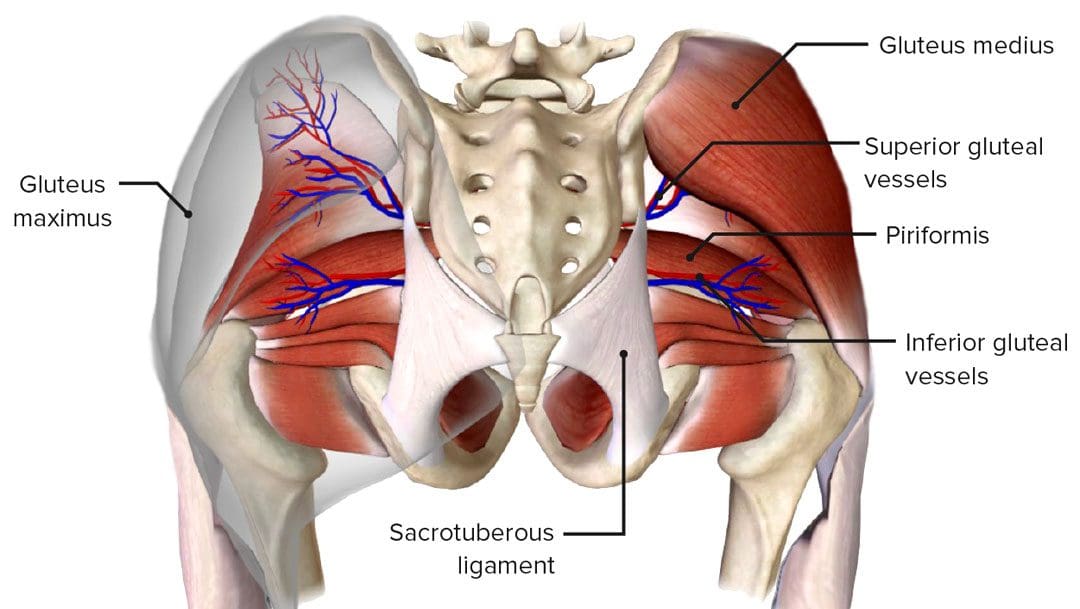
The syndrome is defined as weak buttock muscles and tight hip flexors. Experts from the Ohio State Wexner Medical Center have worked with individuals dealing with knee, hip, or back injuries and believe many of these issues are linked to weakened gluteal muscles. (Ohio State University.2023) The glutes are the muscles of the hips and buttocks. Weakened muscles fail to absorb the shock they’re supposed to during activities, which results in overloading the surrounding muscles and joints and increases the risk of injury. (Ohio State University, .2023)
Dormant gluteal-butt syndrome can result from a sedentary lifestyle and prolonged inactivity, like sitting for long periods.
The condition also occurs in runners and other physically active individuals who forget about these muscles with targeted exercises.
Exercises
Exercises to target the gluteals and prevent dormant gluteal-butt syndrome include activities/exercises that work the hips and core.
When walking properly, the gluteals should execute hip extension naturally.
Unhealthy postures, excessive sitting, and continued dysfunctional biomechanics mean walking without achieving optimal hip extension. (Hadi Daneshmandi. 2017)
When this happens, the gluteal muscles never get to fully function work, ending up with a series of aches and pains.
Pilates exercises can be adjusted to address order, repetition, and variation to strengthen the gluteals. (Laís Campos de Oliveira, 2015)
Hamstring Curls
Lie face down on an exercise mat.
Use your hands to create a cushion for the forehead.
Bend both knees so the feet point up towards the ceiling.
Let the knees be slightly apart, but keep the heels together.
Squeeze the heels together and tighten the gluteal muscles.
Hold for 3 seconds, then release the buttocks.
Repeat 10 times and then rest.
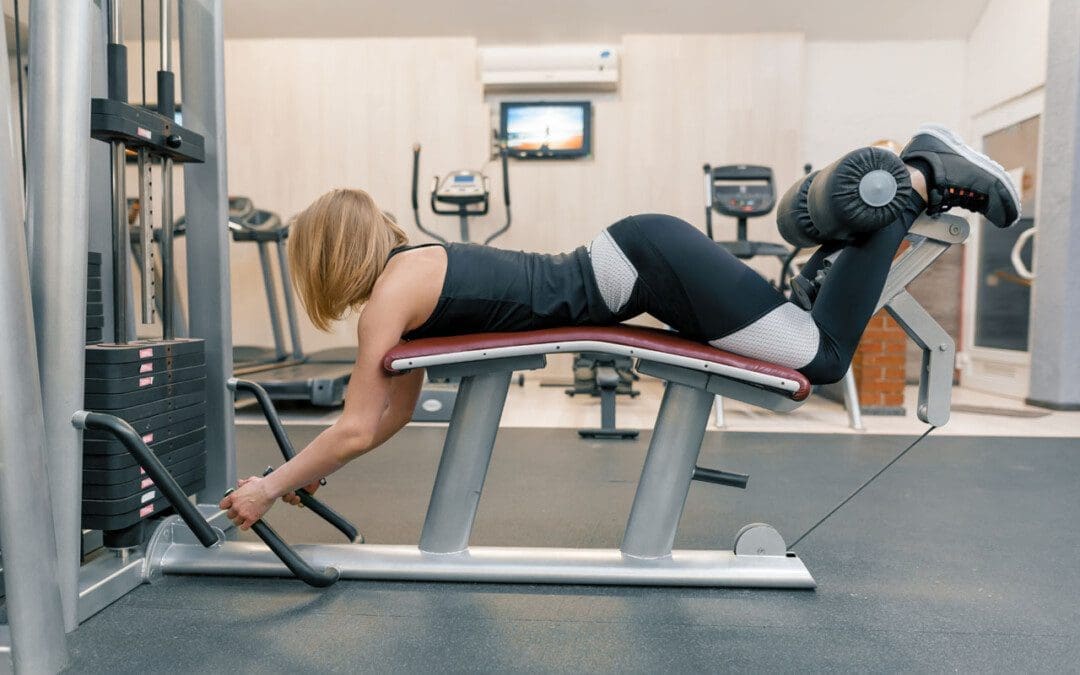
Hamstring curls can also be done using a weight machine.
Place the hands just behind the backside with the fingers pointing forward if possible.
Raise the body up.
Keep your head up and look straight ahead.
Raise one leg as high as possible.
Hold for as long as possible.
Lower and raise the other leg.
Repeat for a total of 3 reps.
Lining Up With A Wall Posture Helper
Standing posture is important to proper buttock function. Lining the body up with a wall can help train the body to maintain proper posture.
Find a wall and stand against it from the heels to the back of the head.
Work the backs of the legs and spine as firmly as possible into the wall.
Work to get the back of the skull into the wall as well.
Add some abdominal work by working the waistline inward and upward.
Hold for up to one minute.
The alignment is how you want to hold your body.
As you move off the wall, learn to maintain that posture throughout the day and night.
Repeat the wall exercise several times for reinforcement.
If aching of the hip, back, or knee is part of daily struggles, working out the gluteal muscles may be the solution. Contact the Injury Medical Chiropractic and Functional Medicine Clinic for a full consultation.
Martin, H. D., Reddy, M., & Gómez-Hoyos, J. (2015). Deep gluteal syndrome. Journal of hip preservation surgery, 2(2), 99–107. https://doi.org/10.1093/jhps/hnv029
Daneshmandi, H., Choobineh, A., Ghaem, H., & Karimi, M. (2017). Adverse Effects of Prolonged Sitting Behavior on the General Health of Office Workers. Journal of lifestyle medicine, 7(2), 69–75. https://doi.org/10.15280/jlm.2017.7.2.69
Campos de Oliveira, L., Gonçalves de Oliveira, R., & Pires-Oliveira, D. A. (2015). Effects of Pilates on muscle strength, postural balance and quality of life of older adults: a randomized, controlled, clinical trial. Journal of physical therapy science, 27(3), 871–876. https://doi.org/10.1589/jpts.27.871
Can musculoskeletal therapies treat individuals with upper crossed syndrome to relieve pain, improve posture, and strengthen the muscles in the neck, shoulders and chest?
Upper Crossed Syndrome
Upper crossed syndrome is a condition in which the muscles of the shoulders, neck, and chest become weak and tight, and is usually brought on from practicing unhealthy posture. Symptoms typically include:
Neck stiffness and pulling sensations.
Jaw tension and/or tightness
Upper back tension, lack of flexibility, stiffness, and aching soreness.
Neck, shoulder, and upper back pain.
Tension headaches
Rounded shoulders
Hunched spine
Upper Crossed Syndrome and Posture
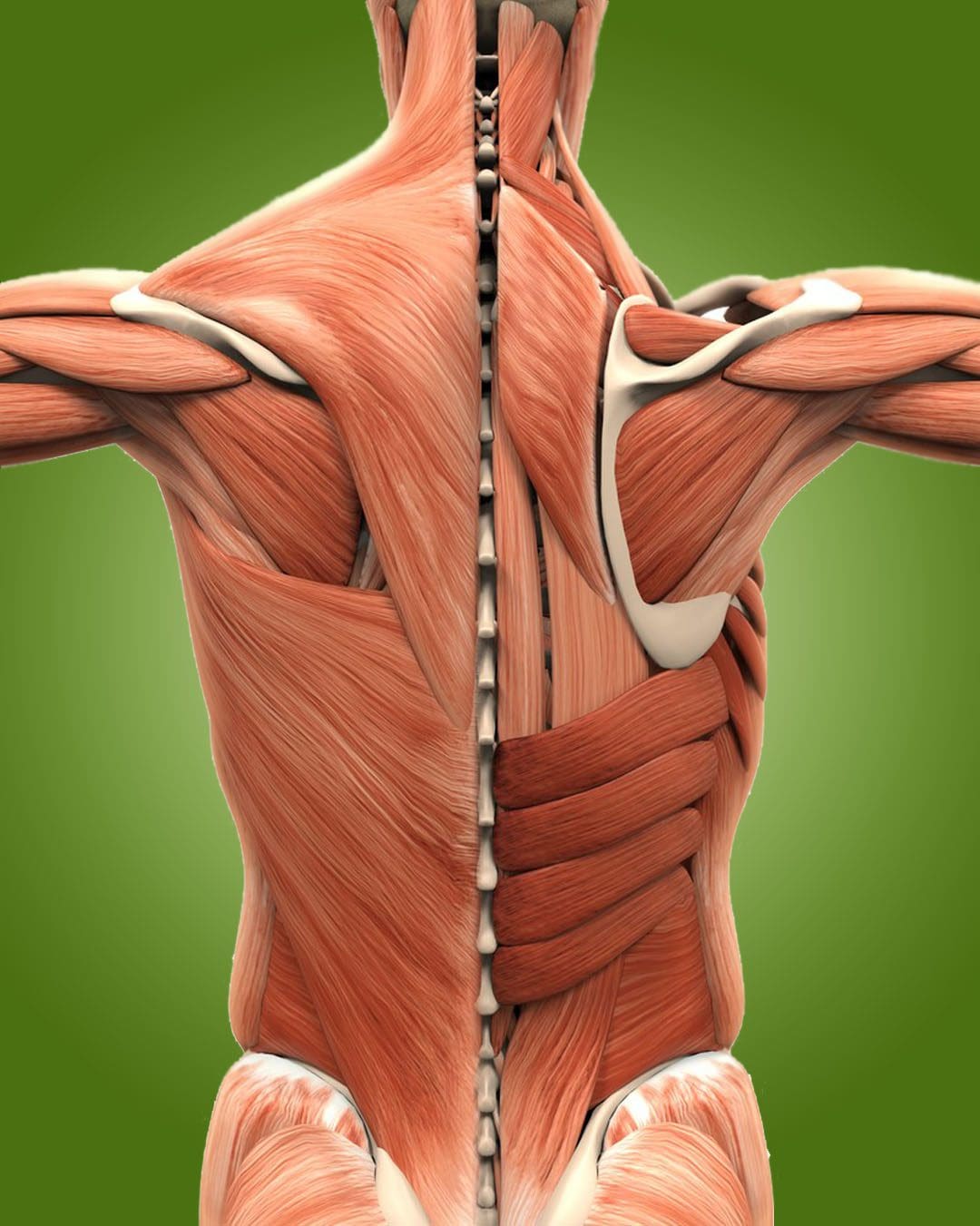
The condition affects healthy posture by creating imbalanced muscles between the upper back and chest.
The tight short muscles in the upper chest get overly stretched and remain in a semi-contracted state pulling on the back muscles.
This causes the muscles in the upper back, shoulders, and neck to get pulled and weaken.
The result is a hunched back, forward shoulders, and protruded neck.
The specific muscles affected include the trapezius and the levator scapula/side of the neck muscles. (Hospital for Special Surgery. 2023)
Prescription anti-inflammatory medication for pain symptoms – short-term.
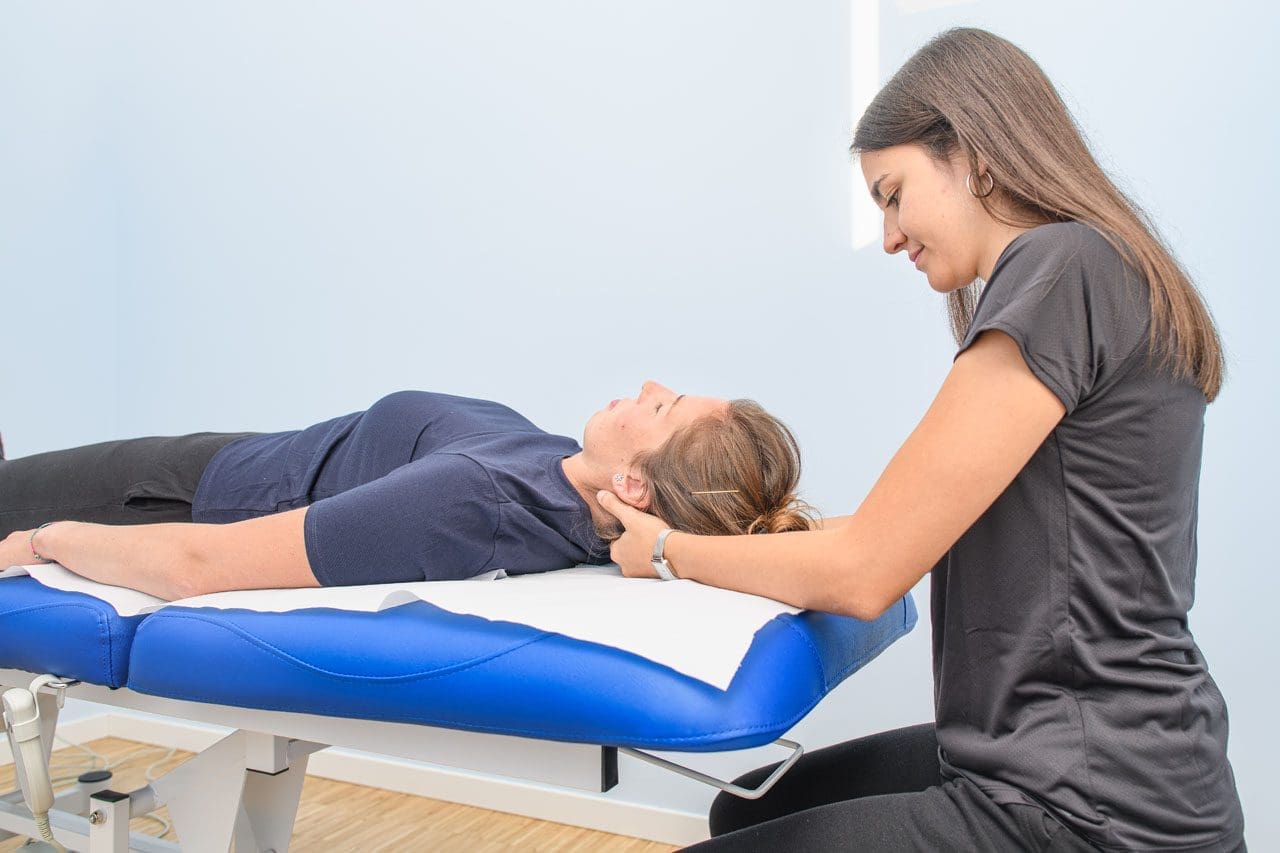
Individuals may be advised by the chiropractic therapy team to avoid too much bed rest and to limit or avoid activities that can cause pain or worsen symptoms. (Cedars-Sinai. 2022)
Studies have shown chiropractic spinal manipulation effectively reduces neck, spine, and low back pain symptoms. (Gevers-Montoro C, et al., 2021)
Increasing or decreasing physical activity as recommended by the therapy team.
Using ice or heat packs to relieve pain and increase circulation to promote muscle rehabilitation and healing.
Using topical pain creams or gels.
Over-the-counter nonsteroidal – NSAIDs, like Advil or Motrin and Aleve.
Muscle relaxants to relieve tension short-term.
Enhance Your Lifestyle
References
Hospital for Special Surgery. Move with the purpose to combat upper and lower crossed syndromes.
National Institute of Arthritis and Musculoskeletal and Skin Diseases. Back pain.
Seidi, F., Bayattork, M., Minoonejad, H., Andersen, L. L., & Page, P. (2020). Comprehensive corrective exercise program improves alignment, muscle activation, and movement pattern of men with upper crossed syndrome: a randomized controlled trial. Scientific reports, 10(1), 20688. https://doi.org/10.1038/s41598-020-77571-4
Bae, W. S., Lee, H. O., Shin, J. W., & Lee, K. C. (2016). The effect of middle and lower trapezius strength exercises and levator scapulae and upper trapezius stretching exercises in upper crossed syndrome. Journal of physical therapy science, 28(5), 1636–1639. https://doi.org/10.1589/jpts.28.1636
National Institute of Neurological Disorders and Stroke. Back pain.
Cedars-Sinai. Back and neck pain.
Gevers-Montoro, C., Provencher, B., Descarreaux, M., Ortega de Mues, A., & Piché, M. (2021). Clinical Effectiveness and Efficacy of Chiropractic Spinal Manipulation for Spine Pain. Frontiers in pain research (Lausanne, Switzerland), 2, 765921. https://doi.org/10.3389/fpain.2021.765921
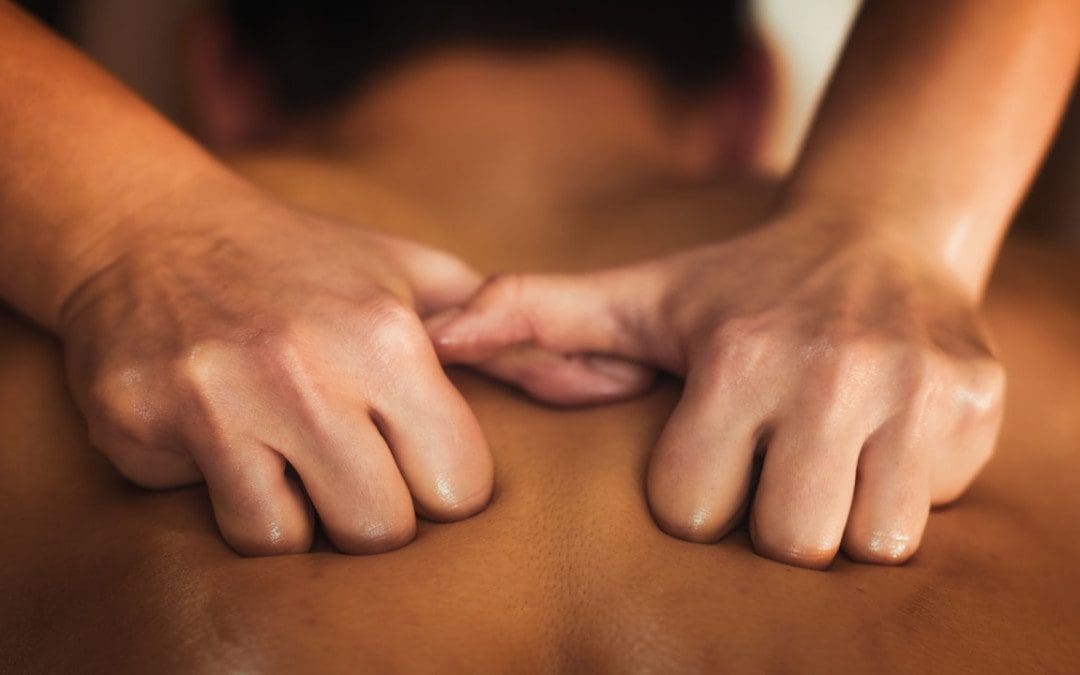
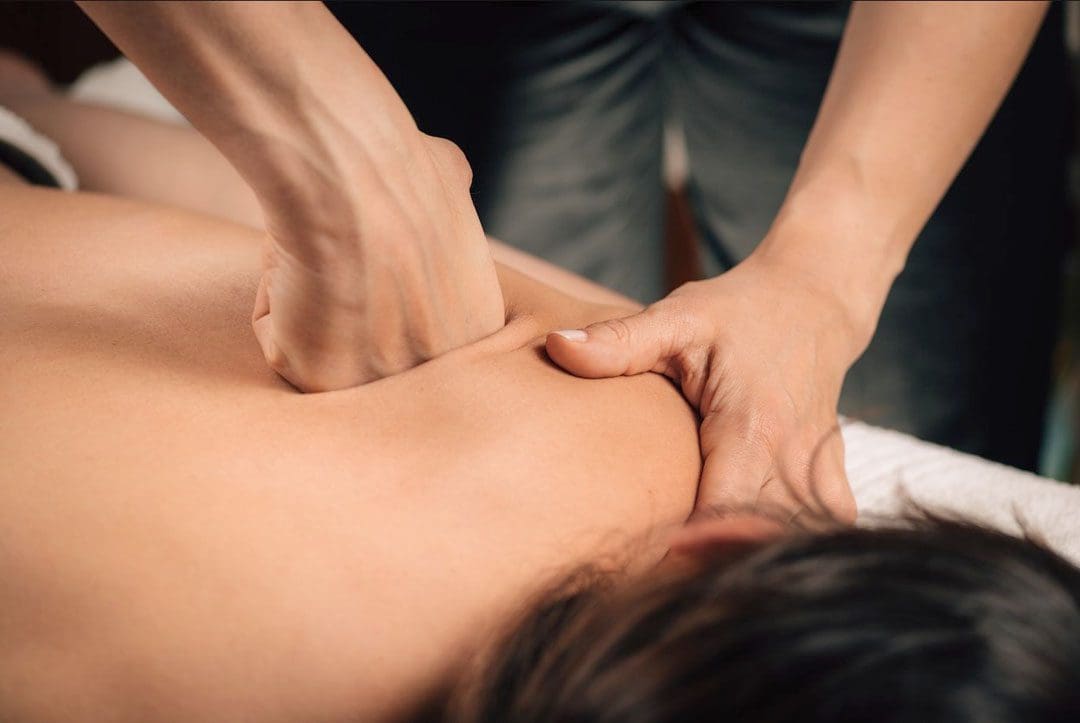
Massage is part of integrative medicine and can be used for various medical conditions. In massage therapy, a therapist rubs and kneads the body’s soft tissues, including muscle, connective tissue, tendons, ligaments, and skin. The therapist varies the amount of pressure and movement. Individuals often start feeling the effects right away. One of the benefits is increased temperature. Increased temperature amplifies blood flow and circulation, enabling muscular and connective tissues to release restriction, and muscle tightness, relieve tension, and improve movement. A massage therapist will use different techniques to increase the temperature to treat various conditions.
Increased Temperature
Some patients want to know why their muscles heat up or burn during a massage. Muscles burn because of the accumulation of waste in the cells. The waste products are released as a result of massage. The muscles release lactate, a byproduct of glucose. The effects of deep tissue massage are almost the same as the effects of exercise. During the massage:
The demand for oxygen in the tissues increases.
Because of this, blood flow circulation to these tissues increases.
This is necessary to supply oxygen and glucose.
It excretes waste substances and toxins.
Muscle heat or burn during massage differs for everybody. Some individuals don’t feel it at all. The session can be so intense that the muscles can’t clear the lactate/toxins fast enough, causing the burning sensation.
Fascia Circulation
The temperature of the fascia can also be increased. Fascia is the thick, fibrous layer of connective tissues beneath the skin that can often become restrictive. Increased temperature in the superficial and deep tissues releases, relaxes, and loosens tight, tense, shortened, and/or injured areas, allowing muscular tissues to increase in elasticity, flexibility, and relaxation. Heart rate is raised, improving circulation and increasing the delivery of oxygen and nutrients to the affected areas and the rest of the body.
Myofascial release involves slowly applying pressure to the area using flattened hands and fingers.
The slow, soft pressure increases the temperature of the fascia.
As the hands and fingers get deeper within, they slowly move around, spreading the fascia.
This releases the tightness and relieves the pain.
An individual’s posture can improve when the temperature is increased. Muscular tension and tightness can cause increased pain symptoms, not allowing healthy posture.
Muscle Burn Relief
Rehydrate
Drink plenty of water after the session is over.
Water maintains proper circulation for excreting waste products and nourishes the muscle cells with fresh nutrients and oxygen.
Avoid coffee and alcohol as they increase urination and blood osmolality and dehydrate the body.
Stretching
Stretching before and after a session can relieve muscle soreness.
Stretching exercises increase blood flow.
Stimulates the release of synovial fluid around the joints.
Sleep
Get plenty of rest after a session.
The body knows how to restore itself; during sleep, it reduces cortisol secretion.
It increases the stimulation of antioxidative hormones to go after free radicals.
Herbal Remedies
Herbal remedies like ginger, garlic, cloves, and cinnamon increase blood circulation, reducing pain and swelling.
They have anti-inflammatory properties that help with muscle burn and soreness.
After a session, a little peppermint or CBD oil can relieve the sore parts.
Chiropractic Success Story
References
Dion LJ, et al. Development of a hospital-based massage therapy course at an academic medical center. International Journal of Therapeutic Massage and Bodywork. 2015; doi:10.3822/ijtmb.v8i1.249.
Massage therapy: What you need to know. National Center for Complementary and Integrative Health. https://www.nccih.nih.gov/health/massage-therapy-what-you-need-to-know. Accessed Jan. 5, 2021.
Rodgers NJ, et al. A decade of building massage therapy services at an academic medical center as part of a healing enhancement program. Complementary Therapies in Clinical Practice. 2015; doi:10.1016/j.ctcp.2015.07.004.
Healthy sleep is vital for having enough energy, thinking clearly, and managing everyday stresses confidently. Chronic unhealthy sleep patterns and/or insomnia can lead to and contribute to various health issues. This includes daytime fatigue, irritability, difficulty concentrating, delayed reaction time, constantly getting sick, and memory problems. Sleeping health problems can get worse with every night of poor rest. Injury Medical Chiropractic and Functional Medicine Clinic provide treatment, training, and tools to realign and relax the body and restore healthy sleep.
Sleeping Health Problems
Lack of sleep disrupts and slows down nerve impulses and transmissions throughout the body. This can lead to health problems that can include:
Excessive fatigue
Brain fog
Slow responses
Physical performance problems
Inability to remember
Low sex drive
Chronic illness
Over time the risk of developing a serious medical condition increases and can include:
Anxiety
Depression
High blood pressure
Diabetes
Weakened immune system
Stroke
Heart attack
Seizures
Staying On
There is some research that insomnia is associated with hyperarousal or the state of staying on. It often starts with a stressful event that sets off the body’s systems, causing the inability to relax completely. Body discomfort and pain symptoms can also present when the mind and body can’t relax. The entire body can tighten/stiffen, causing aches, soreness, and pain. Continuation of sleeping health problems of the cycle leads to more stress.
Chiropractic care, massage, and decompression therapy can help break the cycle. Breaking the process is necessary to help the body recover and rehabilitate properly. Treatment retrains the body to relax; stretching and pulling the muscles increases blood circulation, as well as advanced and improved brain signals telling the body to relax. A chiropractor will evaluate the individuals sleeping patterns and recommend various solutions. The benefits for individuals with sleep issues include:
Alleviates muscle tension.
Stimulates nerve circulation and blood flow.
Relaxes the whole body.
Enhances central nervous system function.
Relieves pain and discomfort.
A chiropractor will also provide the following:
Sleeping position recommendations.
Postural stretches and exercises.
Recommendations on supportive mattresses.
Ergonomics for work, home, and bed.
Chiropractic’s Evolution
References
Hale, Deborah, and Katherine Marshall. “Sleep and Sleep Hygiene.” Home healthcare now vol. 37,4 (2019): 227. doi:10.1097/NHH.0000000000000803
What Are Sleep Deprivation and Deficiency?https://www.nhlbi.nih.gov/health/sleepdeprivation#:~:text=Sleep%20deficiency%20is%20linked%20to,adults%2C%20teens%2C%20and%20children.
What Makes You Sleep? https://www.nhlbi.nih.gov/health/sleep-deprivation/body-clock
How Sleep Affects Your Health https://www.nhlbi.nih.gov/health/sleep-deprivation/health-effects
Riemann, Dieter. “Sleep hygiene, insomnia, and mental health.” Journal of sleep research vol. 27,1 (2018): 3. doi:10.1111/jsr.12661
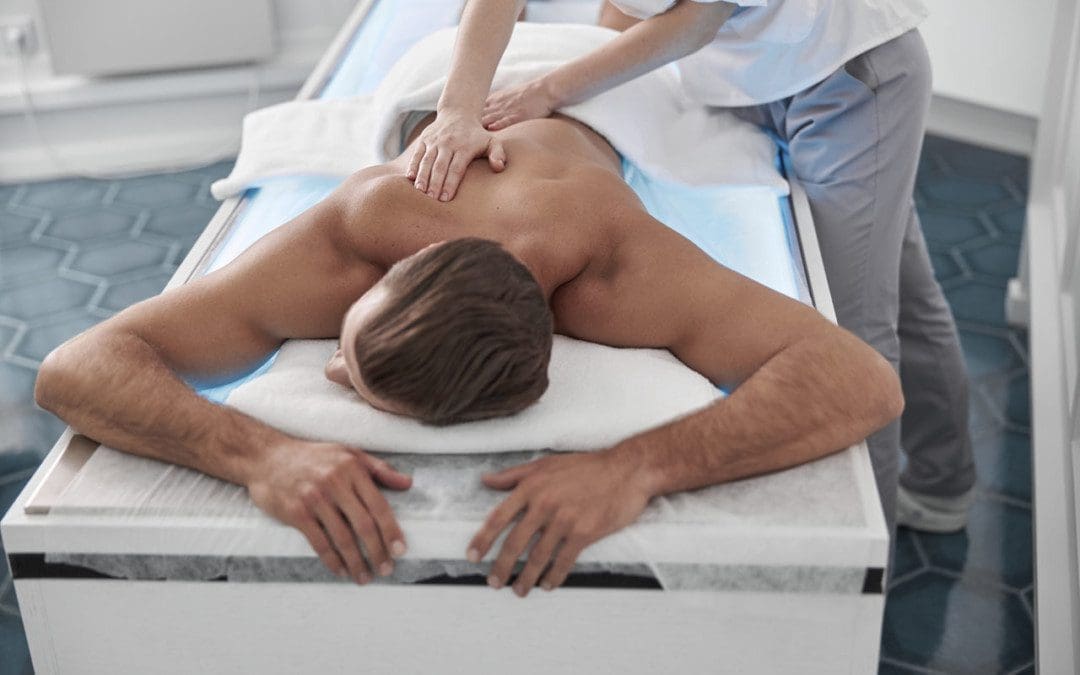
Individuals can experience back muscle rigidity for years and not realize it. This is because the muscles tighten incrementally, and slowly the body begins to acclimate to the feeling and positioning that it becomes normal. And it continues with gradually increased aches and pains. Not until an individual has experienced a therapeutic massage and chiropractic adjustment do they realize just how tight and stiff they were. This is when individuals realize how their musculoskeletal system works and need to maintain loose, flexible muscle tissue for mobility and function. Injury Medical Chiropractic and Functional Medicine Clinic can treat, rehabilitate, educate, and improve an individual’s overall health.
Muscle Rigidity
When the body needs to move, the brain sends a nerve signal to the muscles in that region, causing the muscles to tighten or contract. Muscles can contract a little or a lot, depending on the activity. After contracting, the muscles relax until the next time they are needed. Muscle rigidity happens when a muscle or a group of muscles stays fully or partly contracted for an extended period. The nerve signals keep telling the muscle to contract even when the muscle is no longer needed. This can last for several hours or days.
The longer the muscle remains contracted, the more symptoms present and persist. Muscle rigidity is often triggered by stress. Stress affects the body’s nervous system, including nerves and their function. The nervous system can respond to stress by generating additional pressure on the blood vessels, reducing blood circulation, and causing tension and pain.
Causes
Certain medications, such as statins, can cause muscle rigidity, and several conditions can also contribute to it. These include:
Dehydration is a condition as a result of not drinking enough water.
A repetitive strain injury is an injury to the muscles or nerves due to muscle overuse.
Pinched nerves.
Delayed-onset muscle soreness is stiffness and pain that develops hours or days after strenuous physical activity and exercise.
Chronic fatigue syndrome is a condition that causes extreme fatigue, sleep problems, and pain.
Myofascial pain syndrome is a chronic disorder where pressure on sensitive muscle points causes pain.
Rheumatoid arthritis is a chronic inflammatory disorder affecting the joints.
Fibromyalgia is a chronic disorder that can cause muscle soreness, pain, and rigidity.
Claudication is a condition in which cramping occurs due to a lack of blood flow to the muscles, usually in the legs.
Lyme disease and Rocky Mountain spotted fever wick-borne illnesses that can cause nerve damage.
Amyotrophic lateral sclerosis is a neurodegenerative disease that causes nerve problems and a loss of voluntary muscle control.
Chronic exertional compartment syndrome is a muscle and nerve condition that causes pain and swelling.
Dystonia is a condition that causes random/involuntary muscle contractions.
Lupus is a chronic inflammatory disease that can cause joint pain and stiffness.
Parkinson’s disease is a neurological disease that affects movement.
Polymyalgia rheumatica is a chronic inflammatory disease that can cause muscle pain and stiffness.
Bacterial and Viral infections.
Treatment
The objective of treatment is to train the muscles to relax completely. The specific treatment used can vary depending on the cause and severity.
Chiropractic
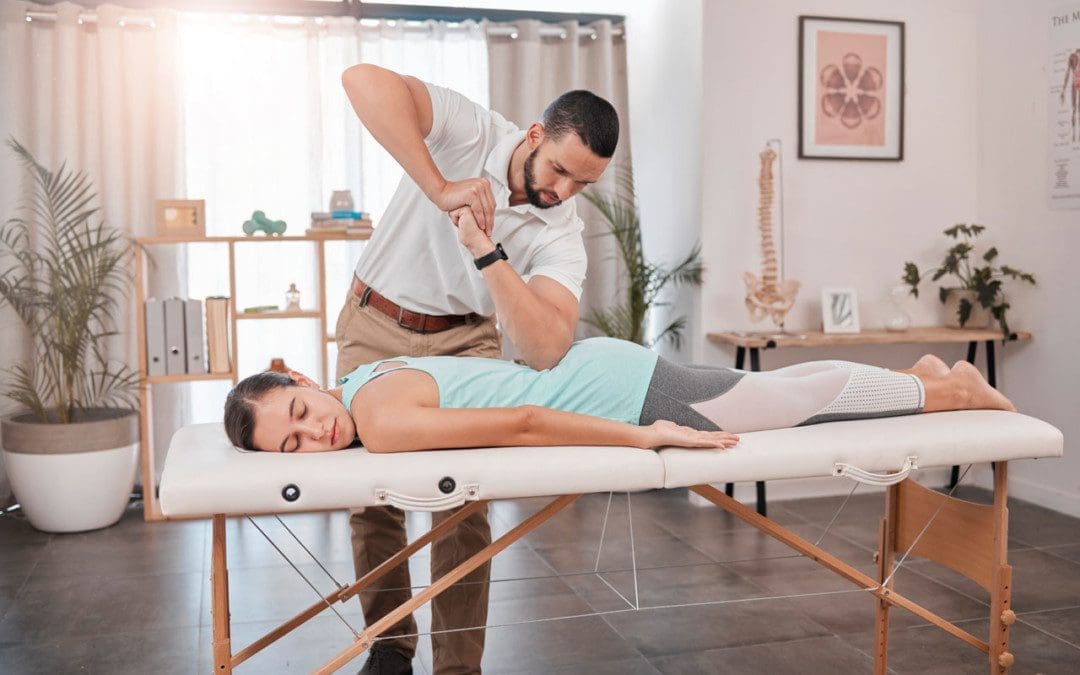
Chiropractic treatment will address the condition or injury and then the muscle rigidity. Treatment involves massaging (manually and percussively) the areas to relax and stretch the tight tissues. Chiropractic releases and realigns the misaligned joints and bones to their proper position. The central nervous system recognizes the new positioning as naturally energy efficient. However, there will still be aches and soreness as the body adjusts until it becomes more consistent and normal for the individual.
Home Therapy
Home therapy is recommended with physical therapy and/or chiropractic to maintain flexibility and make necessary changes/adjustments to a treatment plan as the patient progresses and the muscles start to adhere to the massaging, manipulation, and training. They can include the following:
Applying a warm compress or heating pad to the affected area increases circulation.
Targeted gentle stretches.
Avoiding certain activities that could trigger the muscle to become rigid again until the body is ready.
Chandwani D, Varacallo M. Exertional Compartment Syndrome. [Updated 2022 Sep 4]. In: StatPearls [Internet]. Treasure Island (FL): StatPearls Publishing; 2022 Jan-. Available from: https://www.ncbi.nlm.nih.gov/books/NBK544284/
Chu, Eric Chun-Pu et al. “Chiropractic care of Parkinson’s disease and deformity.” Journal of medicine and life vol. 15,5 (2022): 717-722. doi:10.25122/jml-2021-0418
Joshi, Aditi et al. “Effectiveness of Myofascial Release (MFR) vs. High-Frequency Transcutaneous Electrical Nerve Stimulation (TENS) for Pain Relief and Functional Improvement in College Students With Trapezius Myalgia.” Cureus vol. 14,10 e29898. 4 Oct. 2022, doi:10.7759/cureus.29898
Tan, Xueli, et al. “The efficacy of music therapy protocols for decreasing pain, anxiety, and muscle tension levels during burn dressing changes: a prospective randomized crossover trial.” Journal of burn care & research: official publication of the American Burn Association vol. 31,4 (2010): 590-7. doi:10.1097/BCR.0b013e3181e4d71b
Nerve irritation occurs when the nerves exiting the spine become irritated and sensitized. Also known as nerve gliding restriction, it is a condition whereby a nerve becomes irritated by inflamed swelling of structures close to the nerve, such as joints, ligaments, muscles, or discs, that have sustained an accumulative strain which results in swelling and inflammation. A thorough chiropractic assessment and examination can diagnose the extent of the irritation and develop a personalized treatment plan.
Nerve Irritation
When swelling and inflammation interfere with the nerve root, the nerve transmits signals to the brain to let it know there is a threat. The brain interprets these signals and creates a protective response to avoid worsening the damage to the nerve. The protective reactions vary from person to person but can include the following:
Muscle tightness and guarding
Aching sensation
Cramping
Radiating discomfort or pain
Pins and needles
Tingling
Numbness
Nerve root irritation also inhibits the body from recovering as fast as it should.
Nerve irritation is not to be confused with nerve root compression or radiculopathy. This is when the nerve becomes compressed/pinched, resulting in the loss of its functions like muscle strength and sensation. Sometimes individuals with nerve irritation can also experience increased neural tension. The nerves adapt to the mechanical loads placed on them through regular movements. Restrictions to neural mobility can cause symptoms to worsen along the pathway and distribution of the nerve.
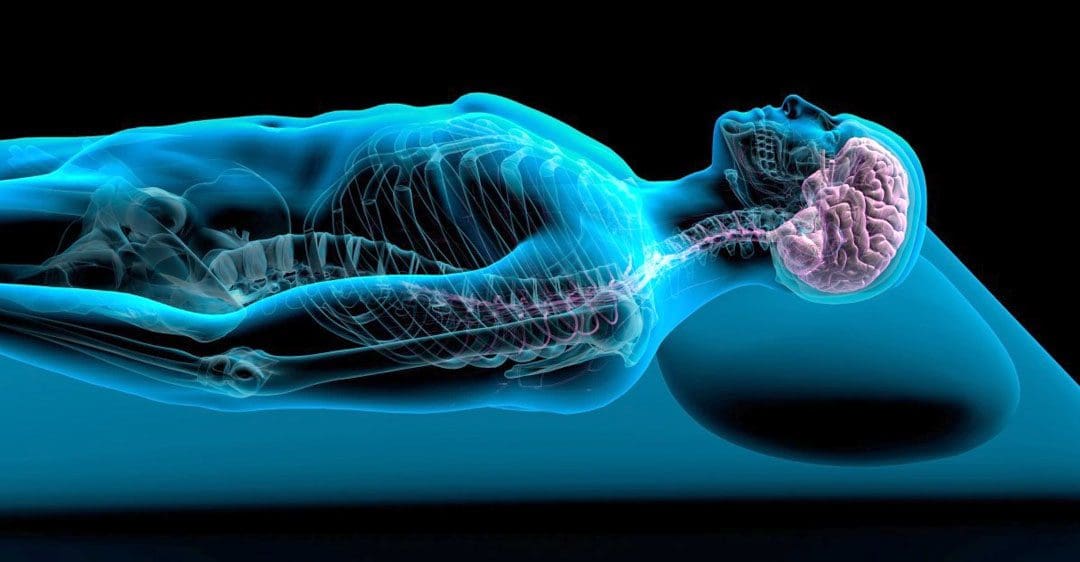
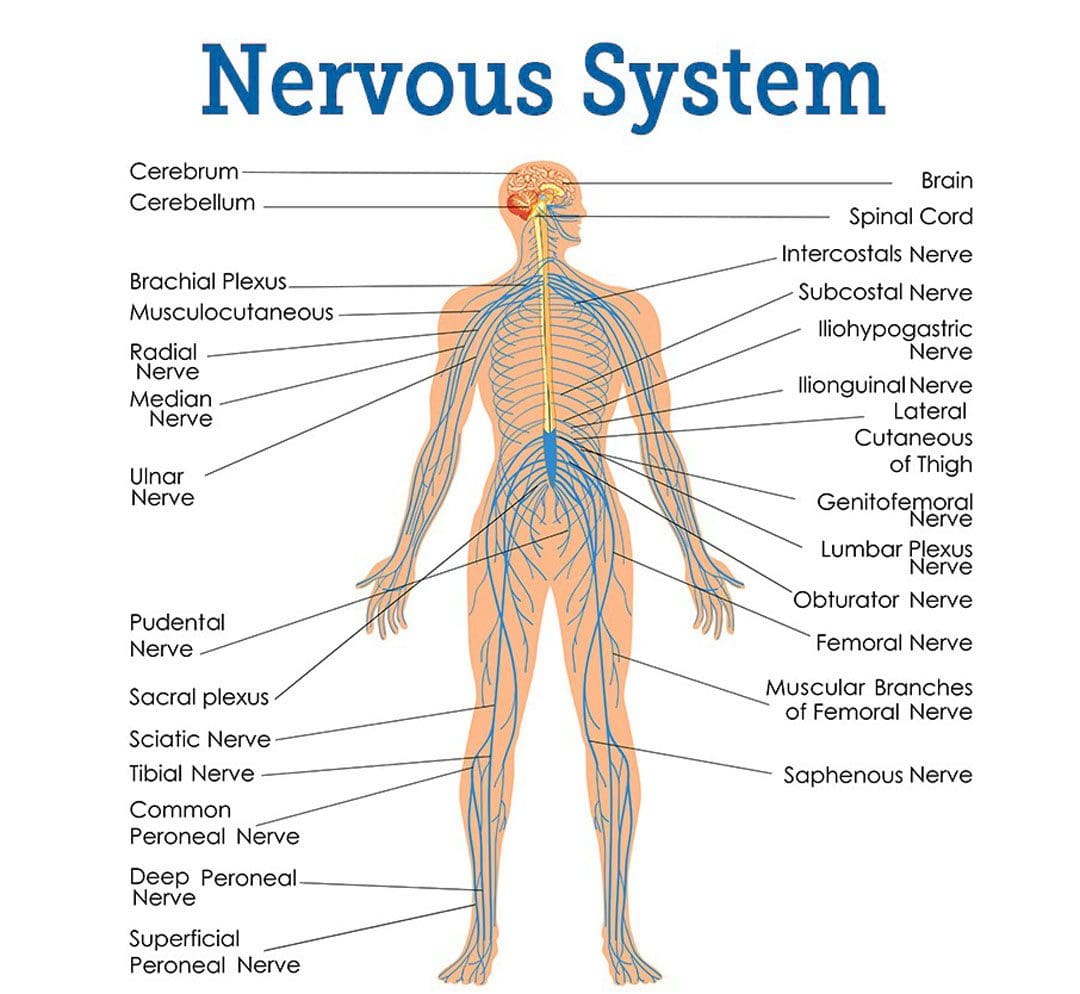
The nervous system consists of the brain, spine, and nerve branches.
The branches, similar to electrical cables, cannot stretch.
Tension is generated when straightening out body areas, creating a pull and gliding of the nerve to the spinal cord.
When nerve irritation occurs, signals are sent to protect the body, brain, spine, and branches.
Causes
Most commonly, nerve irritation occurs when a structure adjacent to the nerve; this could be a joint, ligament, and/or muscle that accumulates strain and becomes dysfunctional, swollen, inflamed, and/or spasms resulting from protective guarding.
Mild nerve irritation can include accumulated strain from postural overload and swelling from a minor tear in an adjacent ligament.
Often nothing shows as a problem on an MRI scan.
Severe nerve irritation can include disc herniation and shows up on an MRI scan; surgery could be required in some cases.
Symptoms
Stiffness
Tightness
Aches
Pains
Persist even after days of rest, stretching, targeted exercises, avoiding movements, etc.
Stretching feels good at first, but the pain returns or worsens a few hours later or the next day.
The irritation blocks the effective recovery of muscle, joint, tendon, and ligament discomfort symptoms.
Chiropractic Care
Treatment involves various therapies and strengthening the supporting structures while relaxing and releasing tight structures to avoid recurring injuries. Chiropractic care realigns the spine, corrects joints that have shifted out of place, helps to regulate the nervous system’s function, and relieves irritation and inflammation. Whether in the form of an adjustment, traction, or guided exercise, all systems in the body are moved closer to a balanced state. This includes the:
Nervous system
Immune system
Respiratory system
Circulatory system
Endocrine system
Skeletal system
All help support the body’s self-healing process and increase the nervous system’s function.
The chiropractic team will guide the patient through the rehabilitation process to get back to full strength.
Peroneal Nerve Irritation
References
Ellis, Richard F, and Wayne A Hing. “Neural mobilization: a systematic review of randomized controlled trials with an analysis of therapeutic efficacy.” The Journal of manual & manipulative therapy vol. 16,1 (2008): 8-22. doi:10.1179/106698108790818594
Gibson, William, et al. “Transcutaneous electrical nerve stimulation (TENS) for neuropathic pain in adults.” The Cochrane database of systematic reviews vol. 9,9 CD011976. 14 Sep. 2017, doi:10.1002/14651858.CD011976.pub2
O’Shea, Simone D et al. “Peripheral muscle strength training in COPD: a systematic review.” Chest vol. 126,3 (2004): 903-14. doi:10.1378/chest.126.3.903
Rozmaryn, L M et al. “Nerve and tendon gliding exercises and the conservative management of carpal tunnel syndrome.” Journal of hand therapy: official Journal of the American Society of Hand Therapists vol. 11,3 (1998): 171-9. doi:10.1016/s0894-1130(98)80035-5
Sipko, Tomasz, et al. “Mobility of cervical spine and postural equilibrium in patients with spinal overload syndrome.” Ortopedia, traumatologia, rehabilitacja vol. 9,2 (2007): 141-8.
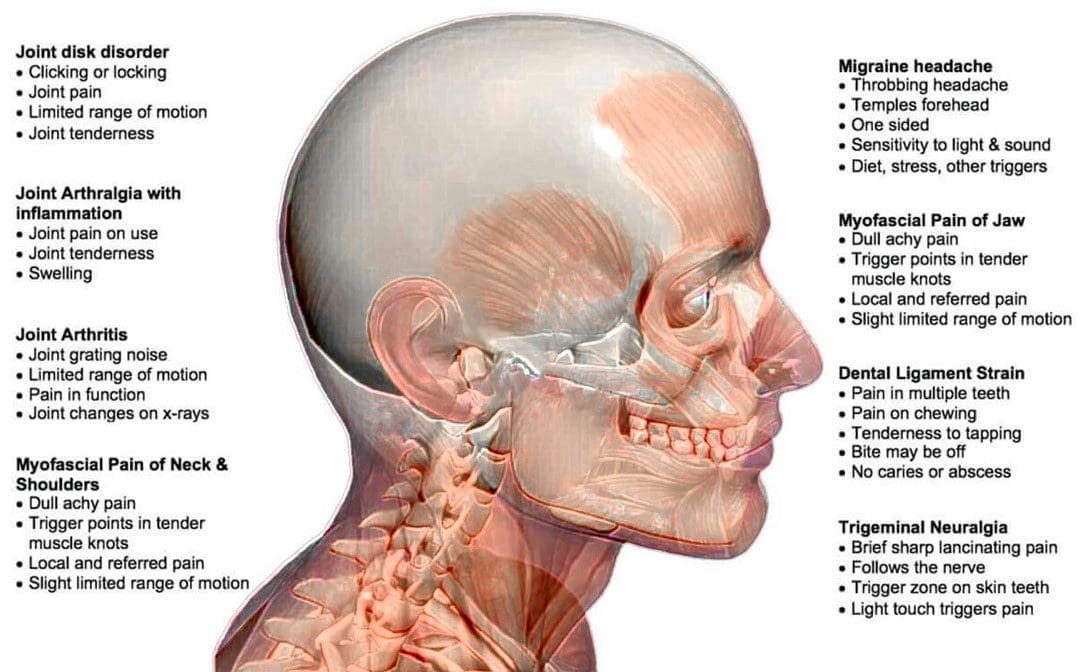
Bruxism is an abnormal jaw clenching or grinding of the teeth, either while awake or during sleep. This can cause neck and shoulder tension caused by excess pressure on the neck and jaw muscles. Individuals may not realize they have bruxism until a dentist notices excess wear and tear or a chiropractor examines their symptoms. Bruxism can play a role in temporomandibular disorders. Doctors and dentists agree that factors like stress increase the likelihood of jaw clenching. Dentists usually recommend a mouth guard to prevent grinding. Chiropractic care, massage, and decompression therapy can relieve symptoms, release and relax the muscles, realign the spine, and restore function.
Bruxism
There is awake bruxism and sleep bruxism. A tight jaw generates tension extending to the neck, shoulder, and upper back muscles. Over time, that excess strain irritates the joints, causing inflammation. Jaw clenching and teeth grinding can lead to health issues like damaged teeth, neck, shoulder, and upper back pain symptoms, and tension headaches.
Symptoms
Signs and symptoms can include:
Face, jaw, neck, and upper back aches, tightness, and soreness.
Tired or tight jaw muscles.
Headaches that start in the temples.
What feels like earache pain symptoms.
Damage from clenching on the inside of the cheek.
Increased tooth sensitivity.
Teeth that are loose, flattened, chipped, or fractured.
Sleep problems.
Risk Factors
Emotional tension – Stress, anxiety, frustration, and anger.
An unhealthy lifestyle – smoking, excess drinking, caffeine, etc., disrupts brain and cardiovascular functions.
Medications
Chiropractic Care for Jaw Clenching
If there is a jaw clenching or grinding issue, it is recommended to see a dentist for a professional diagnosis. Then a chiropractor can develop a personalized treatment plan that utilizes massage and decompression therapy to re-position the jaw, stretch, release and relax the muscles. They will recommend exercises to strengthen and maintain the relaxed jaw muscles and awareness exercises to help identify triggers and prevent clenching.
Jaw Exercises
References
Capellini, Verena Kise, et al. “Massage therapy in managing myogenic TMD: a pilot study.” Journal of applied oral science: Revista FOB vol. 14,1 (2006): 21-6. doi:10.1590/s1678-77572006000100005
Kuhn, Monika, and Jens Christoph Türp. “Risk factors for bruxism.” Swiss dental journal vol. 128,2 (2018): 118-124.
Nishida, Norihiro et al. “Stress analysis of the cervical spinal cord: Impact of the morphology of spinal cord segments on stress.” The journal of spinal cord medicine vol. 39,3 (2016): 327-34. doi:10.1179/2045772315Y.0000000012
Ohayon, M M et al. “Risk factors for sleep bruxism in the general population.” Chest vol. 119,1 (2001): 53-61. doi:10.1378/chest.119.1.53
Santos Miotto Amorim, Cinthia, et al. “Effectiveness of two physical therapy interventions, relative to dental treatment in individuals with bruxism: study protocol of a randomized clinical trial.” Trials vol. 15 8. 7 Jan. 2014, doi:10.1186/1745-6215-15-8
IFM's Find A Practitioner tool is the largest referral network in Functional Medicine, created to help patients locate Functional Medicine practitioners anywhere in the world. IFM Certified Practitioners are listed first in the search results, given their extensive education in Functional Medicine