For individuals and athletes with a gluteal contusion with severe bruising, can a healthcare provider determine if there are any other injuries to underlying structures, including muscle or tendon tears?
Gluteal Contusion
A gluteal contusion is an injury, in this case, a bruise to the buttocks’ gluteal muscles caused by damage to muscle fibers and blood vessels. A buttock bruise is caused by direct bodily impact, typically from falls, automobile collisions, accidents, bumping into something, or being struck by an object or person. Like all bruises, a gluteal bruise most often results in pain and visible discoloration of the skin at the injury site, varying in severity from grade I to grade III, with higher-graded bruises requiring more time to heal. Most butt bruises can heal on their own with time and rest, but if bruising is severe, individuals may require physical therapy to restore full muscle function.
Symptoms
A contusion is a muscle injury that can affect the body’s skeletal muscles. A gluteal contusion can be painful, with a black and blue mark that changes color over time. Other symptoms may include: (Mount Sinai, 2024)
Tenderness to touch over the injury site
Increased pain with contraction of the glutes
Swelling
Discomfort with sitting
Causes
A contusion occurs from direct trauma and forceful impact on the gluteal muscles, causing damage to underlying blood vessels, muscle fibers, and sometimes bone, resulting in bleeding under the skin. (MedlinePlus, 2016) Direct impacts to the gluteal muscles that can cause a contusion include:
Falls
Car accidents
Direct hits to the buttocks from a piece of sports equipment or person.
Bumping into furniture, a door, or a counter.
Intramuscular injections into the gluteal muscles.
Individuals who take blood thinners or anticoagulant medication have an increased risk of bruising from direct contact injuries.
Diagnosis
A gluteal contusion is usually diagnosed through a physical examination and is generally straightforward to diagnose based on physical appearance, symptoms, and type of injury. Contusions can be graded based on the severity according to the following criteria (Fernandes, T. L. et al., 2015)
Grade I
An injury that affects only a small amount of muscle fibers, resulting in minimal pain, tenderness, and possible swelling.
Causes minimal or no loss of strength in the affected muscle or range of motion limitations.
Muscle use is typically unaffected.
Grade II
An injury that causes significant damage to muscle fibers, resulting in increased pain and impaired muscle contraction.
A small muscle defect can be felt to the touch.
Discoloration increases over the first few days after injury.
Grade III
An injury that involves extensive muscle fiber damage and bleeding across an entire area of a muscle that results in severe, and sometimes total, loss of muscle function.
Causes severe pain and significant discoloration of the skin.
When contusions are larger, deeper, and involve significant blood pooling and swelling, they are called hematomas.
If the bruising is severe, a diagnostic ultrasound, CT scan, or MRI may be used to determine whether any underlying structures are damaged.
Treatment
Contusions are generally mild injuries. Treatment typically involves rest to allow the muscles to heal from the bleeding and the bruising to dissipate.
Applying ice to the injury site can help relieve pain and inflammation.
If the bruising is severe, significant physical activity like sports, dancing, running, jumping, and weight lifting should be avoided until the muscles heal. (Mount Sinai, 2024)
With more severe bruising, contraction and stretching of the glutes are painful and can require longer healing and recovery time.
Physical therapy rehabilitation may be needed for more significant injuries to restore muscle function.
Prognosis
A mild injury usually heals on its own with time and rest. More significant injuries take longer to heal and may require physical therapy to build strength and range of motion if muscle function is affected.
Healing Time and Recovery
Healing and recovery times for gluteal contusions vary depending on the severity of the injury (Fernandes T. L. et al., 2015)
Grade I
Minor injuries that cause minimal discomfort typically heal fully in five days to two weeks.
Grade II
During the first two to three days, contusions develop, increasing discoloration under the skin, and complete healing can take two to three weeks.
Return to sport is typically resumed after a month.
Grade III
Contusions can take up to four to six weeks to heal, often requiring rehabilitation to restore muscle strength and range of motion.
Injury Medical Chiropractic and Functional Medicine Clinic
At Injury Medical Chiropractic and Functional Medicine Clinic, we passionately focus on treating patients’ injuries and chronic pain syndromes. We focus on improving ability through flexibility, mobility, and agility programs tailored to the individual. We use in-person and virtual health coaching and comprehensive care plans to ensure every patient’s personalized care and wellness outcomes. Our providers use an integrated approach to create personalized care plans that include Functional Medicine, Acupuncture, Electro-Acupuncture, and Sports Medicine principles. Our goal is to relieve pain naturally by restoring health and function to the body. If he feels the individual needs other treatment, they will be referred to a clinic or physician best suited for them as Dr. Jimenez has teamed up with the top surgeons, clinical specialists, medical researchers, and premier rehabilitation providers to provide our community with the best clinical treatments.
Building a Stronger Body
References
Mount Sinai. (2024). Bruise. https://www.mountsinai.org/health-library/injury/bruise
MedlinePlus. (2016). Bruises. Retrieved from https://medlineplus.gov/bruises.html
Fernandes, T. L., Pedrinelli, A., & Hernandez, A. J. (2015). MUSCLE INJURY – PHYSIOPATHOLOGY, DIAGNOSIS, TREATMENT AND CLINICAL PRESENTATION. Revista brasileira de ortopedia, 46(3), 247–255. https://doi.org/10.1016/S2255-4971(15)30190-7
Can neurological physical therapy help individuals diagnosed with a recently acquired or chronic neurological condition gain strength and functioning?
Neurological Physical Therapy
Neurological physical therapy can be extremely beneficial. It aims to restore functional mobility, strength, balance, and coordination in those with neurological conditions that affect their quality of life and ability to move around. It also helps recover from neurological injuries or prevent the progression and worsening of chronic neurological conditions. Depending on the severity of the condition, individuals may receive this therapy as an inpatient or outpatient. Exercise can help improve mobility, increase independence, and decrease the need for assistance, all of which can improve one’s quality of life.
Process
Neurological physical therapy is geared toward treating individuals with conditions affecting the brain and spinal cord, such as stroke, spinal cord injury, and Parkinson’s disease, to help restore mobility and function. The therapy is performed in hospitals, private practice physical therapy clinics, doctors’ offices, rehabilitation facilities, or at a patient’s home. Whether an individual needs inpatient or outpatient physical therapy will depend on the severity of the neurological condition.
Newly acquired neurological conditions such as strokes or traumas like spinal cord injuries and traumatic brain injuries or TBIs often require inpatient rehabilitation.
Once the patient gains enough strength, coordination, and independence with movements like standing and walking, they can progress to outpatient physical therapy.
The patient will undergo a physical exam after a physical therapist has gathered enough information about medical history during the initial evaluation.
The therapist will check muscle strength, coordination, range of motion, reflexes, and the muscle tone of the arms and legs. They may also perform neurological tests to examine coordination, such as following moving objects with the eyes, touching the finger to the nose, and rapidly alternating movements.
The individual general level of attention, cognition, and sensation will also be assessed to determine if these areas have been affected by the neurological condition. (Cleveland Clinic, 2022)
The therapist will then assess the patient’s ability to perform movements called transfers, which are transitions to and from positions such as lying down to sitting up or standing up to sitting.
They will note if the patient can perform these movements independently or if they need assistance.
The initial evaluation will also include an assessment of balance, quality of gait, and whether the therapist needs to assist.
Depending on the severity of the neurological condition, the therapist may provide the patient with or recommend purchasing an assistive device to help walk.
Treatment Sessions
During therapy sessions, patients may receive the following interventions:
Gait Training
To improve walking ability, proper instruction on using assistive devices such as canes, walkers, and crutches.
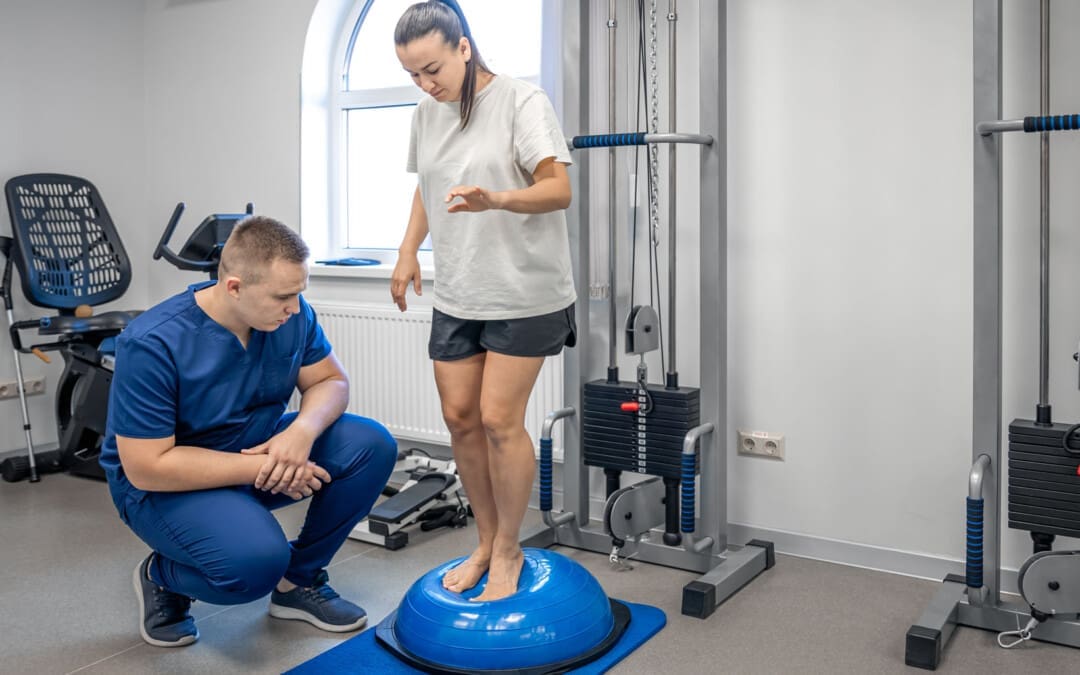
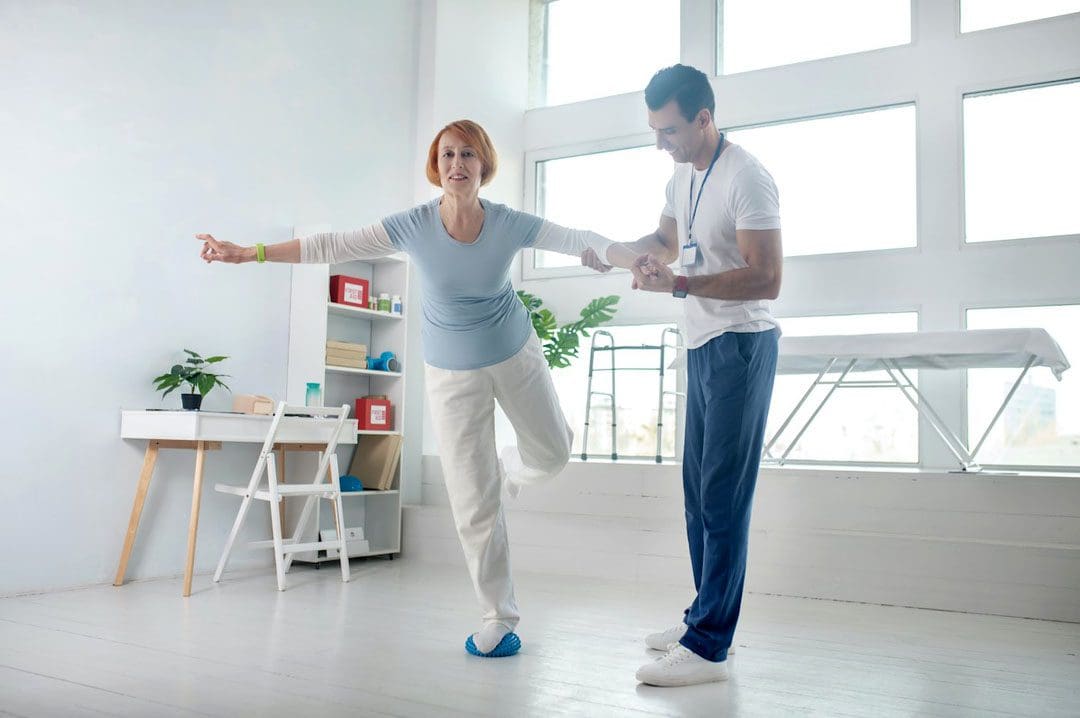
Balance Training
To improve static/stationary and dynamic/while moving balance, both sitting unsupported to improve core control and standing upright with or without handheld support.
Therapeutic Activities
To improve independence with bed mobility skills like rolling and sitting up from lying down and transfers on and off beds, chairs, and toilets.
Therapeutic exercises for stretching and strengthening muscles and improving coordination and motor control.
Endurance Training
This can be done with cardiovascular equipment like treadmills, stationary bicycles, and ellipticals.
Vestibular Therapy Interventions
Balance exercises with head movements and exercises to treat a common cause of dizziness are used to improve eye movement control.
Examples are the Dix-Hallpike and Epley maneuvers.
Conditions
Neurological physical therapy can treat various conditions. Some neurological conditions are progressive, worsening over time, and require regular physical therapy and at-home exercises to maintain optimal health and wellness. Neurological conditions that can be treated with physical therapy include: (Cleveland Clinic, 2022)
Strokes – loss of blood supply to the brain.
Spinal cord injuries – damage to part of the central nervous system resulting in loss of movement and control.
Polyneuropathies – damage to the peripheral nerves.
Traumatic brain injuries – for example, concussions.
Cerebral palsy – a group of disorders affecting movement, balance, and posture.
Multiple sclerosis – a disabling disease of the brain and spinal cord.
Parkinson’s disease – a progressive nervous system disorder.
Guillain-Barre syndrome – an autoimmune disease attacking the nerves.
Amyotrophic lateral sclerosis/ALS, also known as Lou Gehrig’s disease.
Vertigo, including benign paroxysmal positional vertigo or BPPV.
Neurological conditions, like an automobile collision, can occur suddenly or be progressive, such as Parkinson’s. Physical therapy helps those individuals by increasing their use of weakened muscles, improving their motor control, coordination, and balance, and facilitating their independence with daily tasks and movements. Always seek immediate medical attention for any sudden, unexplained muscle weakness. Individuals who experience skeletal muscle weakness should discuss the type and duration of symptoms with their doctor, specialist, physical therapist, or chiropractor, as this might be a sign of a medical condition such as a neuromuscular disorder. Injury Medical Chiropractic and Functional Medicine Clinic works with primary healthcare providers and specialists to develop a personalized treatment program through an integrated approach to treat injuries and chronic pain syndromes, improving flexibility, mobility, and agility, relieving pain, and helping individuals return to normal activities. If other treatments are needed, Dr. Jimenez has teamed up with top surgeons, clinical specialists, medical researchers, and rehabilitation providers to provide the most effective treatments.
High temperatures can disrupt the body’s sleep cycles, leading to health problems. Can knowing strategies and remedies help manage sleep quality?
Hot Weather Sleep
Sleep is important for refreshing the mind and body and being productive in school, work, relationships, and overall health. With record-breaking temperatures becoming the norm, consistently sleeping healthy is becoming difficult as forecasters predict another scorching summer with above-average temperatures. 2023 was the hottest year ever recorded. (National Oceanic and Atmospheric Administration. 2024) Studies show that high temperatures make it hard to fall asleep and stay asleep, which can negatively affect the immune system, cardiovascular system, cognitive performance, and mood. (Zheng, G., Li, K., and Wang, Y. 2019) (Obradovich, N. et al., 2017) Throughout the night, the body cycles through different sleep stages. (National Heart, Lung, and Blood Institute, 2022)
Because the body’s temperature regulation is less effective during certain stages, a hot environment can cause waking so the body can thermoregulate. The right temperature is imperative for a healthy night’s sleep. For optimal sleep, it is recommended that the bedroom temperature be between 65 and 69 degrees Fahrenheit. However, this isn’t always possible without air conditioning, which increases electricity bills. Here are other strategies to help keep the body cool for better sleep in hot weather.
Cooler Sleeping Environment
Thinking creatively about sleeping arrangements can help. Try to find the place that is the coolest and has the most airflow. Shutters or curtains during the day can help keep the room dark and cooler, and opening the windows can increase airflow. (Fergus Nicol, 2019) Using a fan can help improve air circulation, and putting ice behind the fan can blow cooler air for improved sleep.
Cooling Pillows and Breathable Pajamas
Pajamas and bedding made from breathable fabrics can help keep the body cool, and cooling mattress toppers or pillows can also help. Cooling pillows have gel overlays that absorb body heat and cool the head and neck. Keep an ice pack on the bedside table and a towel and ice to keep the body cool.
Take a Slightly Warm Shower
Taking a cold shower can cool the body down quickly, but studies have shown that showering in warm water before bed can make it easier to fall asleep. (Tai, Y. et al., 2021) The warm shower signals the body into cooling mode, which can help promote sleep as the body temperature falls at night. However, the water shouldn’t be too warm, which could exacerbate sweating.
Sleep Hygiene
It can be difficult to create the perfect sleep environment in hot weather. A healthy going-to-bed routine is essential in the summer, as stress and anxiety can significantly affect sleep quality. Avoid eating close to bedtime, avoid alcohol, and add some time to relax and unwind before going to bed. Sleep experts suggest general sleep hygiene habits like keeping a consistent bedtime and turning off screens an hour before bed can help improve sleep, even in hot weather. (Baranwal, N., Yu, P. K., and Siegel, N. S. 2023)
Chiropractic Treatment
Chiropractic care, massage, and decompression therapy can help improve sleep. Treatment retrains the body to relax; stretching and pulling the muscles increases blood circulation and advanced and improved brain signals telling the body to relax. A chiropractor will evaluate the individual’s sleeping patterns and recommend various strategies. Benefits include:
Muscle tension relief.
Stimulates nerve and blood circulation.
Relaxes the whole body.
Enhances central nervous system function.
Relieves pain and discomfort.
A chiropractor will also provide:
Sleeping position recommendations.
Postural stretches and exercises.
Recommendations on supportive mattresses.
Ergonomics for work, home, and bed.
Injury Medical Chiropractic and Functional Medicine Clinic works with primary healthcare providers and specialists to develop an optimal health and wellness solution through an integrated approach to treating injuries and chronic pain syndromes, improving flexibility, mobility, and agility programs to relieve pain and help individuals return to normal. Our providers create personalized plans for each patient. If other treatments are needed, Dr. Jimenez has teamed up with top surgeons, clinical specialists, medical researchers, and rehabilitation providers to provide the most effective treatments.
Beyond Adjustments: Chiropractic and Integrative Healthcare
References
National Oceanic and Atmospheric Administration. (2024). April 2024 was Earth’s warmest on record. Retrieved from https://www.noaa.gov/news/april-2024-was-earths-warmest-on-record
Zheng, G., Li, K., & Wang, Y. (2019). The Effects of High-Temperature Weather on Human Sleep Quality and Appetite. International journal of environmental research and public health, 16(2), 270. https://doi.org/10.3390/ijerph16020270
Obradovich, N., Migliorini, R., Mednick, S. C., & Fowler, J. H. (2017). Nighttime temperature and human sleep loss in a changing climate. Science advances, 3(5), e1601555. https://doi.org/10.1126/sciadv.1601555
National Heart, Lung, and Blood Institute. (2022). Sleep phases and stages. Retrieved from https://www.nhlbi.nih.gov/health/sleep/stages-of-sleep
Nicol F. (2019). Temperature and sleep. Energy and Buildings, 204. https://doi.org/https://doi.org/10.1016/j.enbuild.2019.109516.
Tai, Y., Obayashi, K., Yamagami, Y., Yoshimoto, K., Kurumatani, N., Nishio, K., & Saeki, K. (2021). Hot-water bathing before bedtime and shorter sleep onset latency are accompanied by a higher distal-proximal skin temperature gradient in older adults. Journal of clinical sleep medicine : JCSM : official publication of the American Academy of Sleep Medicine, 17(6), 1257–1266. https://doi.org/10.5664/jcsm.9180
Baranwal, N., Yu, P. K., & Siegel, N. S. (2023). Sleep physiology, pathophysiology, and sleep hygiene. Progress in cardiovascular diseases, 77, 59–69. https://doi.org/10.1016/j.pcad.2023.02.005
Can learning about comminuted fracture symptoms and repair help individuals and healthcare providers develop effective treatment and rehabilitation programs?
Comminuted Fractures
A comminuted fracture is a severe break in which the bone splits into at least three pieces. Comminuted fractures typically happen in the long bones like those in the arms and legs. But they can also happen in other places, including the ribs. (Corinne Tarantino, 2022) They are usually caused by intense impact, like an automobile collision/accident or a severe fall. Depending on the location of the fracture, recovery from a comminuted fracture can take months and often involves:
Surgery – A surgeon will place screws and rods to hold the pieces of the bone in position. Sometimes, the hardware is left in permanently. (American Academy of Orthopaedic Surgeons, 2021)
Wearing a cast for several months.
Physical therapy.
Types
In these types of fractures, the bone is completely broken, not just cracked. The break is a highly comminuted fracture if the bone is broken into four or more pieces. (Corinne Tarantino, 2022)
Symptoms
The symptoms are the same as those of other broken bones, but they can be more intense because the bone is broken in multiple areas, which means there may also be more soft tissue injuries than with a simple fracture. Broken bone symptoms include: (MedlinePlus, 2024)
Persistent pain
Swelling
Bruising
Deformity – the bone looks out of place or is at an odd angle.
Tingling
Numbness
Difficulty moving the limb.
Causes
An intense force causes a comminuted fracture, often a car accident or a hard fall, but it can also result from sports injuries. (Corinne Tarantino, 2022)
Diagnosis
A comminuted fracture is diagnosed by X-ray, which shows where the bone has broken and how many pieces it has split into (MedlinePlus, 2024). Healthcare providers will diagnose any broken bones but also look for other injuries.
Treatment
Typically, broken bones can be treated with casts, braces, or a boot to keep them immobilized. (MedlinePlus, 2024) Because comminuted fractures are more severe, they often need other treatments, including surgery. Sometimes, the bone can be reset instead of surgery using a closed reduction technique, where the healthcare provider resets the bone manually. Surgery may be recommended if that’s not possible or doesn’t work.
Types of Surgery
Surgery allows the healthcare provider to correctly position all the pieces of the bone to heal in a strong, stable formation. The two types commonly used to treat comminuted fractures are: (American Academy of Orthopaedic Surgeons, 2021)
External Fixation
This surgery uses rods and screws outside the body to stabilize the bone.
This external frame is placed during surgery and later removed.
Open Reduction Internal Fixation – ORIF
During this surgery, the bone is stabilized with metal plates, screws, rods, and/or wires placed inside your body.
Sometimes, these are permanent, but in other cases, they are removed later.
An orthopedic surgeon performs these surgeries.
Casting
After surgery, a cast is usually needed to prevent the bone from moving and allow healing. Typically, the cast is worn for six to eight weeks, but it may need to be worn longer with comminuted fractures. Some need a cast for several months (American Academy of Orthopaedic Surgeons, 2021). Sometimes, those with an external fixation must continue wearing a cast after removing the pins and rods, giving the bone more time to stabilize. The healthcare provider will inform the patient how long the cast will need to be worn and which sports activities should be avoided even after the cast comes off.
Physical Therapy
The healthcare provider may recommend physical therapy to help treat the fracture. Usually, when the cast is removed, physical therapy is activated to help rebuild strength and range of motion. (Corinne Tarantino, 2022)
Prognosis
Although these fractures are severe, they are treatable. The prognosis is good for individuals who follow their healthcare provider’s treatment plan. Most don’t have lingering pain after the initial injury and can eventually return to regular activities. (American Academy of Orthopaedic Surgeons, 2021)
Recovery
Healing a comminuted fracture can take months. During that time, it’s helpful to focus on tasks that can be accomplished, like new hobbies that don’t involve physical injury. Talk to the healthcare provider about any problems with the cast or ongoing pain and what to expect during recovery.
Injury Medical Chiropractic and Functional Medicine Clinic works with primary healthcare providers and specialists to develop an optimal health and wellness solution through an integrated approach to treating injuries and chronic pain syndromes, improving flexibility, mobility, and agility programs to relieve pain and help individuals return to normal. Our providers create personalized care plans for each patient. If other treatments are needed, Dr. Jimenez has teamed up with top surgeons, clinical specialists, medical researchers, and rehabilitation providers to provide the most effective treatments.
The Path to Healing Personal Injury
References
Corinne Tarantino, MPH. Osmosis. (2022). Comminuted Fracture: What is it, Examples and More. https://www.osmosis.org/answers/comminuted-fracture
Throckmorton T.W. American Academy of Orthopaedic Surgeons. (2021). Fractures (broken bones). https://orthoinfo.aaos.org/en/diseases–conditions/fractures-broken-bones/
MedlinePlus. National Library of Medicine. (2024). Fractures Also called: Broken bone. Retrieved from https://medlineplus.gov/fractures.html
Can using a self-care traction device help and be a cost-effective method of providing cervical relief at home for individuals who have neck pain?
Neck Pain Traction Device
Neck Pain Traction Device: Individuals with neck or arm pain caused by neck/cervical radiculopathy may benefit from physical therapy to manage their condition. (Alshami, A. M., and Bamhair, D. A. 2021) Physical therapy can improve neck mobility, restore function, and decrease pain.
Traction
A physical therapist may use various treatments and modalities to treat the individual’s condition. Cervical traction is one treatment to help relieve neck pain and can help:
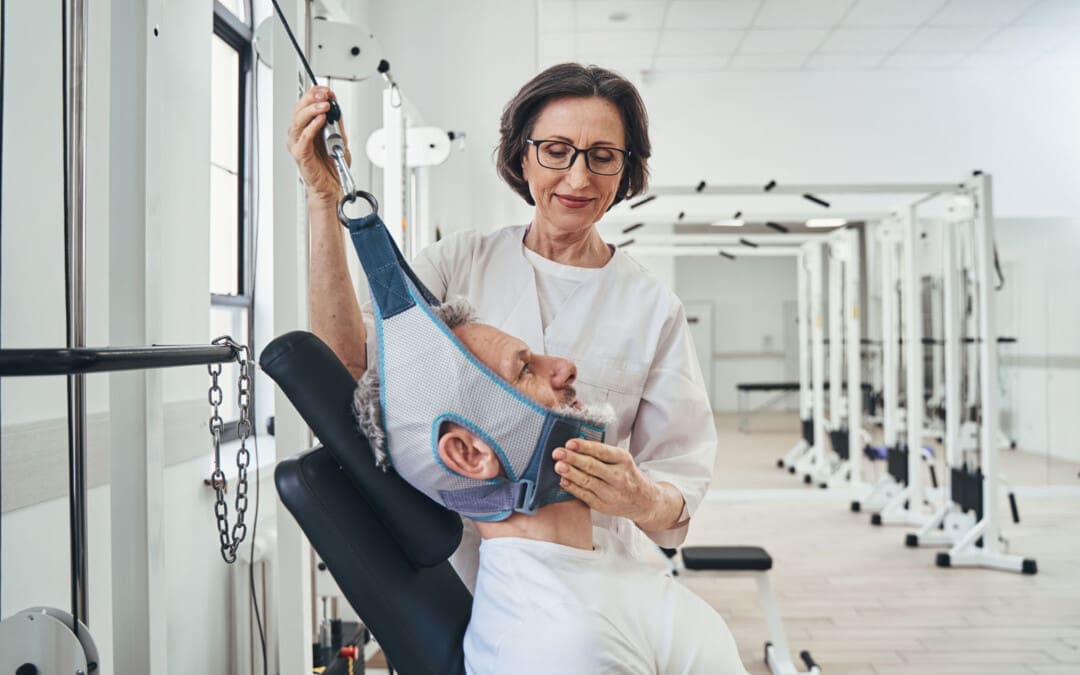
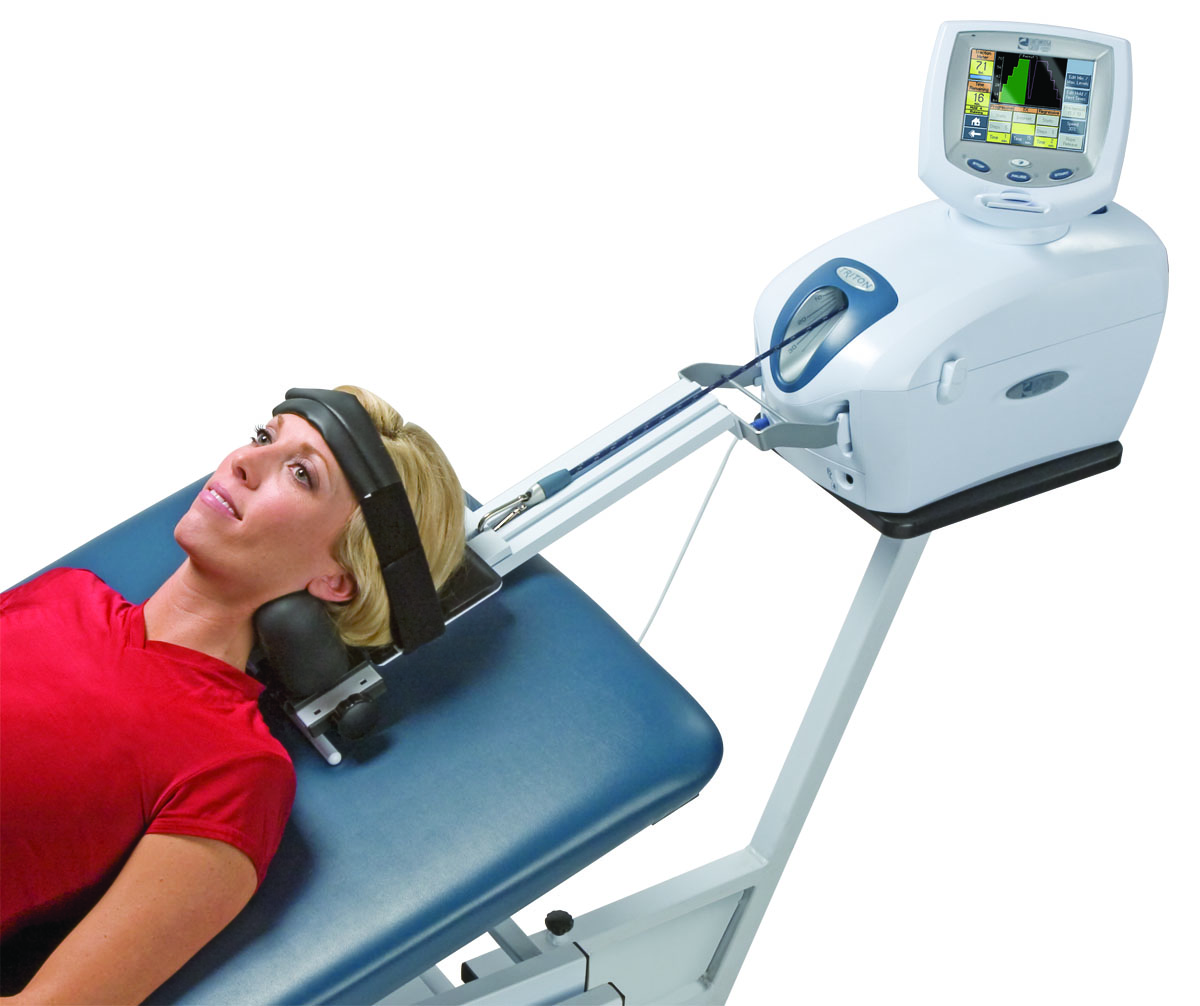
There are different neck traction techniques. The therapist may use a mechanical traction device that requires the individual to strap their head and neck to a machine that gently pulls the neck, providing relief. (Romeo, A. et al., 2018) The physical therapist may also use manual traction with their hands to help the process. This type allows the therapist to easily adjust the amount of traction force and the direction of the pull on the neck. (Romeo, A. et al., 2018)
Home Traction Devices
Cervical traction that works for individuals at the clinic may also benefit from using a traction device at home to maintain their gains. Over-the-door cervical traction may be an effective, safe, and simple way to administer neck traction in the comfort of one’s home to help decrease pain. (Fritz, J. M. et al., 2014) Medical supply stores and pharmacies carry over-the-door traction devices, which can also be found online. If finding an over-the-door traction unit is difficult, the therapy clinic can help order one from a medical supplier.
Setting Up The Device
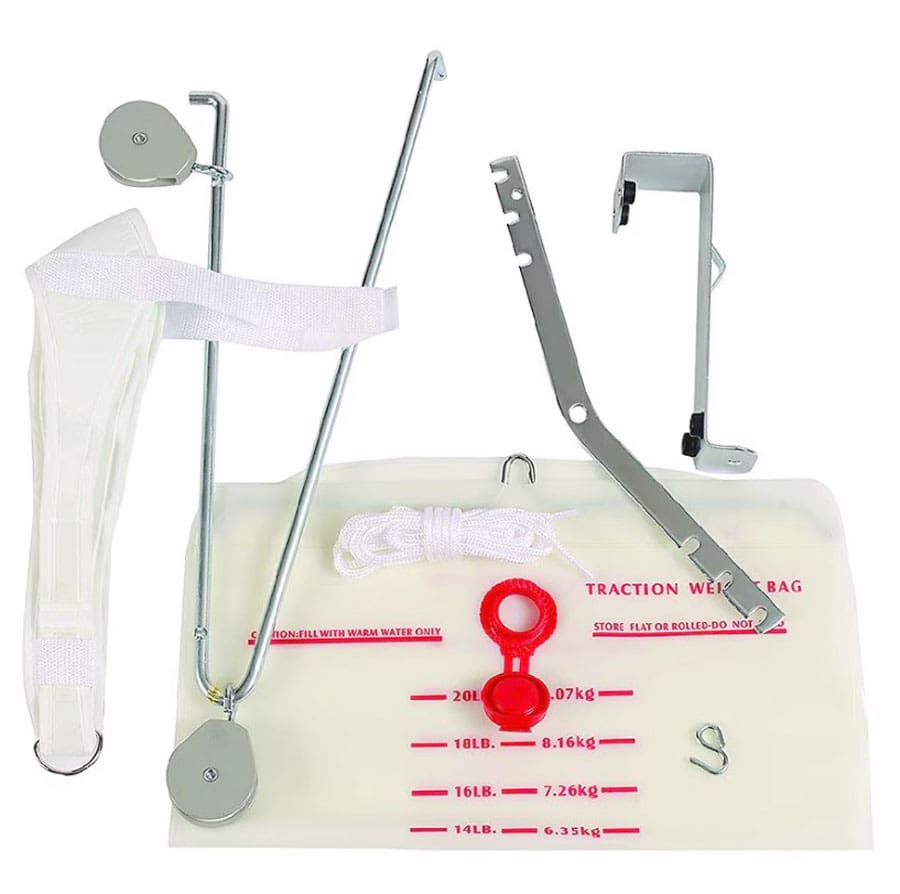
Before using a neck pain traction device, consult a physical therapist or doctor to ensure neck traction is safe and on usage. Over-the-door traction units may be built differently but comprise the main parts:
A hook-and-pulley apparatus that hangs over the door.
A nylon cord that’s fed through the pulley.
A weight that could be a water bag that hangs on the end of the cord to provide traction force.
A harness to wear on your head.
The traction unit must be hung over a door secured to the top and closed.
It is recommended that the door be a closet door so no one will open it while using the device.
If a closet door is not available, be sure to lock the door so that no one can open it while attached to the device.
A small hook with a pulley attached to it hangs on the door.
The harness attaches to the end of the nylon cord opposite the weighted water bag.
The harness goes on the head, and the chin strap should fit snugly under the chin and be secured by the hook-and-loop fasteners.
The two straps on either side of your head should be hooked to the end of the nylon cord, which is fed through the pulley system.
After strapping on the head harness, fill the water bag using the markings on the bag to indicate its weight and hang it on one end of the cord.
Fill the bag until the water reaches the desired mark, usually 8–15 pounds.
After filling the water bag, sit in a chair facing the door and hang the bag on the other end of the cord not attached to the head harness.
Do not drop the bag; this could cause a sudden forceful traction motion on your neck.
How Long to Use
Individuals should generally use the traction device for about 15 to 20 minutes each session and can perform several sessions per day. (American Physical Therapy Association. 2020) While using the over-the-door traction device, there should be a gentle pulling sensation in the neck, relieving the neck pain, and if there is arm pain or tingling, it should also decrease. Traction does not replace neck exercises or postural correction in treating neck pain. Be sure to follow the therapist’s prescribed exercises. Active engagement is essential to treating and preventing neck pain from returning. If the pain increases while using the traction device, stop using it and consult a physical therapist or doctor. Ask a physical therapist or other neuromusculoskeletal medical professional if self-care traction is appropriate for specific conditions.
Injury Medical Chiropractic and Functional Medicine Clinic works with primary healthcare providers and specialists to develop an optimal health and wellness solution that helps individuals return to normal. Our providers create personalized care plans for each patient, including Functional Medicine, Acupuncture, Electro-Acupuncture, and Sports Medicine principles through an integrated approach to treat injuries and chronic pain syndromes to improve ability through flexibility, mobility, and agility programs to relieve pain. If other treatment is needed, Dr. Jimenez has teamed up with top surgeons, clinical specialists, medical researchers, and rehabilitation providers to provide the most effective treatments.
Neck Injuries
References
Alshami, A. M., & Bamhair, D. A. (2021). Effect of manual therapy with exercise in patients with chronic cervical radiculopathy: a randomized clinical trial. Trials, 22(1), 716. https://doi.org/10.1186/s13063-021-05690-y
Madson, T. J., & Hollman, J. H. (2017). Cervical Traction for Managing Neck Pain: A Survey of Physical Therapists in the United States. The Journal of orthopaedic and sports physical therapy, 47(3), 200–208. https://doi.org/10.2519/jospt.2017.6914
Romeo, A., Vanti, C., Boldrini, V., Ruggeri, M., Guccione, A. A., Pillastrini, P., & Bertozzi, L. (2018). Cervical Radiculopathy: Effectiveness of Adding Traction to Physical Therapy-A Systematic Review and Meta-Analysis of Randomized Controlled Trials. Physical therapy, 98(4), 231–242. https://doi.org/10.1093/physth/pzy001
Fritz, J. M., Thackeray, A., Brennan, G. P., & Childs, J. D. (2014). Exercise only, exercise with mechanical traction, or exercise with over-door traction for patients with cervical radiculopathy, with or without consideration of status on a previously described subgrouping rule: a randomized clinical trial. The Journal of orthopaedic and sports physical therapy, 44(2), 45–57. https://doi.org/10.2519/jospt.2014.5065
American Physical Therapy Association. (2020). Physical therapy guide to cervical radiculopathy. https://www.choosept.com/guide/physical-therapy-guide-cervical-radiculopathy
For individuals who are having difficulty moving around due to pain, loss of range of motion, and/or decreased strength, can incorporating working with a physical therapist help relieve pain and restore function?
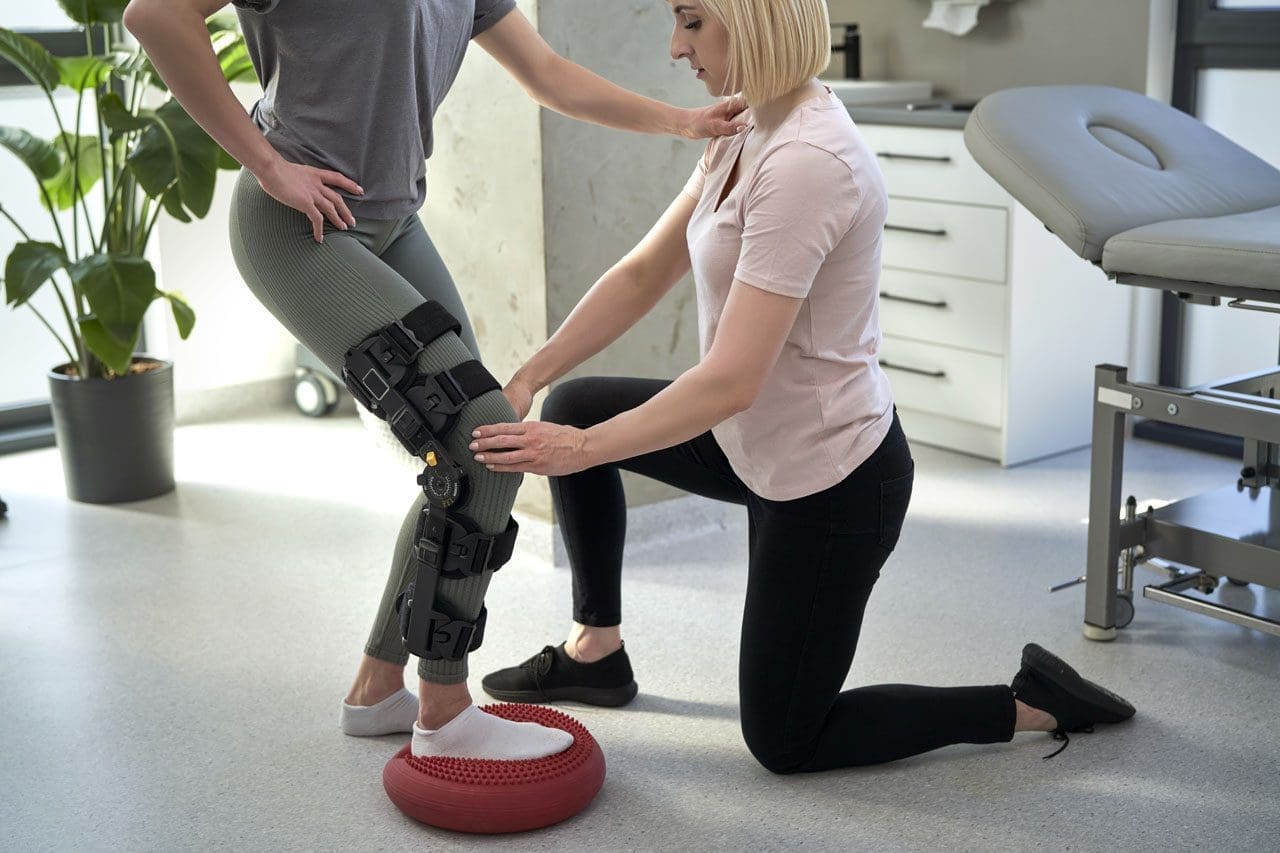
A woman with orthosis working with a physical therapist
Physical Therapy Benefits
Many wonder if they are candidates for physical therapy or if physical therapy can help their injury, ailment, or condition. The answer is yes; most individuals can benefit from physical therapy, whether their condition is a simple ankle sprain or a complex neurological disorder. Physical therapists can help develop pain management treatment strategies and injury prevention. Physical therapy can benefit individuals even if they are not injured; as movement experts, physical therapists can train individuals to help prevent injury and maintain flexibility.
Body Mechanics
Physical therapists work in various settings, including hospitals, nursing homes, sports, and chiropractic clinics. If necessary, they can come to your house after an injury. They work with individuals from all walks of life as a conservative treatment approach to managing, healing, and preventing injuries and disabilities. Physical therapy uses non-invasive tools to help improve total body function. Physical therapy focuses on:
Relieving pain
Promoting healing
Restoring function
Restoring movement
Facilitation and adaptation for a specific injury.
Therapy also focuses on body mechanic training, fitness, and wellness. (Hon, S. et al., 2021)
Regardless of age, individuals who have problems with flexibility and mobility may benefit from working with a physical therapist to help them return to optimal function.
Conditions Physical Therapy Can Help Treat
Muscle sprains and strains.
Work-related injuries.
Repetitive motion injuries.
Sports-related injuries.
Neck pain.
Lower back pain.
Neuro-rehabilitation – post-stroke and spinal cord or head injury.
Shoulder, arm, hand, and wrist injuries and problems.
Fractures.
Slip and fall accidents and other traumas.
Orthopedic conditions.
Chronic fatigue.
Chronic weakness.
Pre and post-surgical conditioning and strengthening.
Wound care like diabetic wounds and non-healing traumatic or post-surgical wounds.
Pre – during pregnancy and post-partum programs.
Fitness and wellness education.
Poor cardiovascular endurance.
Cardiac rehabilitation.
Respiratory problems.
Bowel or bladder incontinence.
Cancer recovery.
Individuals unsure whether they need or would benefit from physical therapy should discuss their options with a primary physician, healthcare provider, or specialist to guide them in the right direction. Injury Medical Chiropractic and Functional Medicine Clinic focuses on what works for you and strives to better the body through researched methods and total wellness programs. Using an integrated approach, we treat patients’ injuries and chronic pain syndromes through personalized care plans that improve ability through flexibility, mobility, and agility programs personalized to the individual to relieve pain. If other treatment is needed, Dr. Jimenez has teamed up with the top surgeons, clinical specialists, medical researchers, and premier rehabilitation providers to provide the most effective treatments.
Unlocking Vitality
References
Hon, S., Ritter, R., & Allen, D. D. (2021). Cost-Effectiveness and Outcomes of Direct Access to Physical Therapy for Musculoskeletal Disorders Compared to Physician-First Access in the United States: Systematic Review and Meta-Analysis. Physical therapy, 101(1), pzaa201. https://doi.org/10.1093/ptj/pzaa201
Can incorporating various yoga poses help reduce neck tension and provide pain relief for individuals dealing with neck pain?
Introduction
Within the hustling and bustling of modern life, it is common for many individuals to carry stress in their bodies. When the body deals with everyday stressors, tension, discomfort, and pain can often manifest in the upper and lower portions of the body. When the body’s upper and lower portions deal with these issues, they can cause overlapping risk profiles in the musculoskeletal system. One of the most common musculoskeletal issues is neck pain. It can cause many problems to the cervical portion of the spine and cause the surrounding muscles to become tense and in pain from the stress of everyday responsibilities. Luckily, there are numerous ways to reduce stress from the neck and help relax the affected muscles from discomfort, including yoga. In today’s article, we will look at how neck pain affects the upper body, the benefits of yoga for neck pain, and various yoga poses to reduce the overlapping effects of neck pain. We discuss with certified medical providers who consolidate our patients’ information to assess how neck pain is correlated with everyday stressors that affect the upper body. We also inform and guide patients on how yoga and the various poses can benefit the body and provide pain relief to the surrounding muscles. We also encourage our patients to ask their associated medical providers many intricate and important questions about incorporating yoga into their daily routine to reduce muscle tension and provide clarity to their bodies. Dr. Jimenez, D.C., includes this information as an academic service. Disclaimer.
How Does Neck Pain Affect The Upper Body?
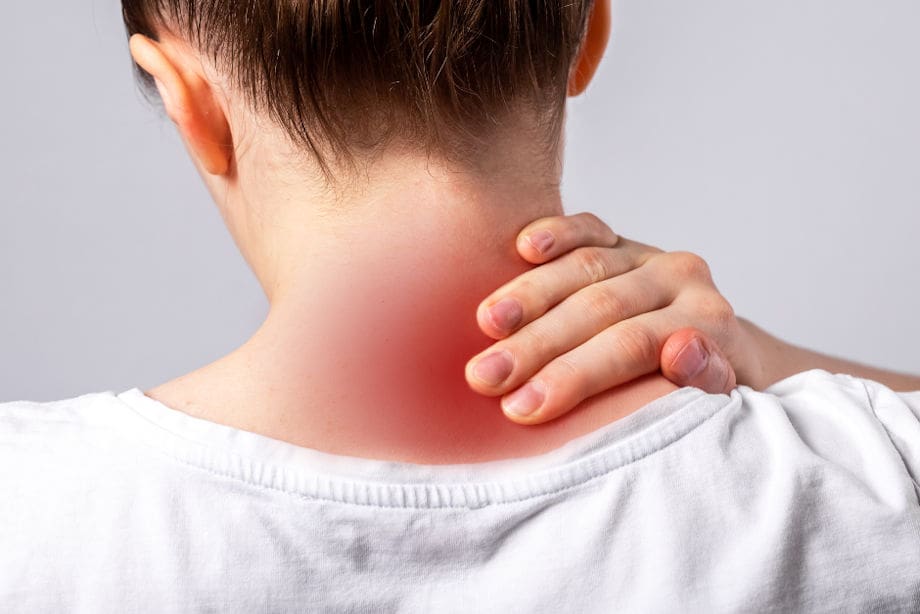
Do you feel discomfort or pain in your neck and shoulders after a long, hard workday? Do you notice you hunched more than usual when doing your daily routine? Or do you see yourself developing a hunched posture from looking at the computer screen or phone for an extended period? Many of these normal motions are often correlated with the upper body, especially in the neck and shoulder regions, which causes neck pain. As one of the most common problems affecting many people worldwide, neck pain is a multifactorial disease with numerous risk factors contributing to its development. (Kazeminasab et al., 2022) Like back pain, neck pain can have acute and chronic stages depending on the severity and environmental factors leading to its development. The various muscles, ligaments, and tissues surrounding the neck and shoulders keep the neck stable and mobile. When many individuals overuse these muscles in the neck and shoulders repetitively, it can increase neck pain in the upper body in adulthood. (Ben Ayed et al., 2019)
When acute neck pain turns chronic, it can cause the individual to be in constant discomfort, pain, and misery, so they start to look for various solutions to reduce the correlating symptoms when speaking to their primary doctors. When many individuals begin to explain to their doctors what their daily routine looks like, many doctors will start to assess and formulate a plan that focuses on any specific description of any injuries, including potential mechanisms, inciting and relieving factors, and pain patterns they have encountered throughout the day to come up with a personalized treatment plan to not only reduce neck pain but also provide relief to tension and discomfort to the body. (Childress & Stuek, 2020)
The Science of Motion- Video
The Benefits Of Yoga For Neck Pain
Many primary doctors will work with associated medical providers to develop a personalized plan to relieve neck pain and its associated symptoms in many individuals. Many of these customized treatment plans include spinal manipulation, acupuncture, massage, decompression therapy, and therapeutic exercises. One of the therapeutic exercises that many individuals have utilized is yoga. Yoga is a holistic practice encompassing breathing control, meditation, and various poses to stretch and strengthen the affected upper muscles. Yoga is excellent for reducing neck pain and helping with upper cervical spine mobility, stretching the neck musculature to help the individual improve mobility and flexibility. (Raja et al., 2021) Additionally, the effects of yoga and its many poses can reduce tension, give clarity to the mind, and allow the nutrients and oxygen to the musculo-articular system to naturally heal the body itself. (Gandolfi et al., 2023)
Yoga Poses For Neck Pain
At the same time, many individuals with sedentary jobs that correlate to neck pain have implemented yoga as part of their routine. Yoga improves their range of joint motion and cognitive function and helps relieve musculoskeletal discomfort in the neck and shoulder regions. (Thanasilungkoon et al., 2023) Below are some of the various yoga poses that can help reduce the pain-like symptoms of neck pain and ease the surrounding muscles.
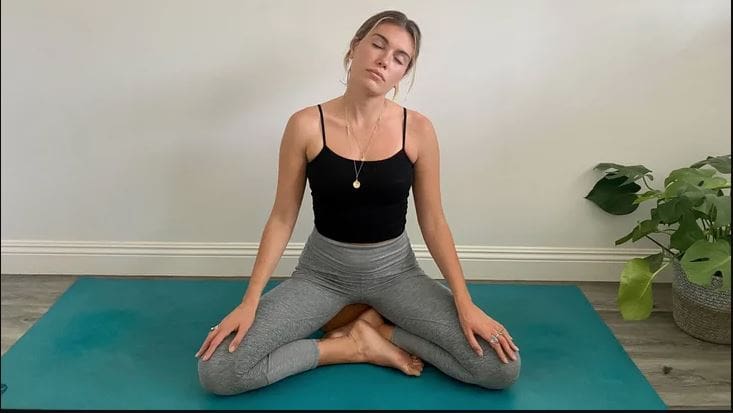
Seated Neck Stretches
For seated neck stretches, this yoga pose helps stretch and release the neck muscles that carry tension and stress in the cervical region of the body.
In a seated upright position, turn the head to the right and gently lift the chin.
You should feel a stretch along the left side of the neck and shoulders.
Hold the position for three to five breaths and repeat on the left side.
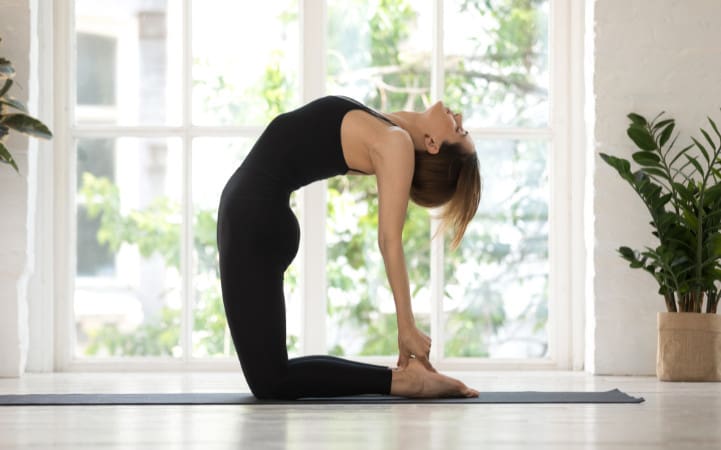
Camel Pose
For the camel pose, this yoga pose helps strengthen the front neck muscles while easing tension on the shoulders and back of the neck.
You can kneel on a yoga mat by keeping your knees and feet hip-distance apart while keeping the pelvis neutral.
Lift the chest while arching your back and pressing the pelvis slightly forward.
Bring the fingertips to the heels or yoga blocks beside the ankles.
Focus on drawing the chin close to the neck while pressing the feet to the mat.
Hold the position for three to five breaths before releasing and lifting the sternum to rise back up.
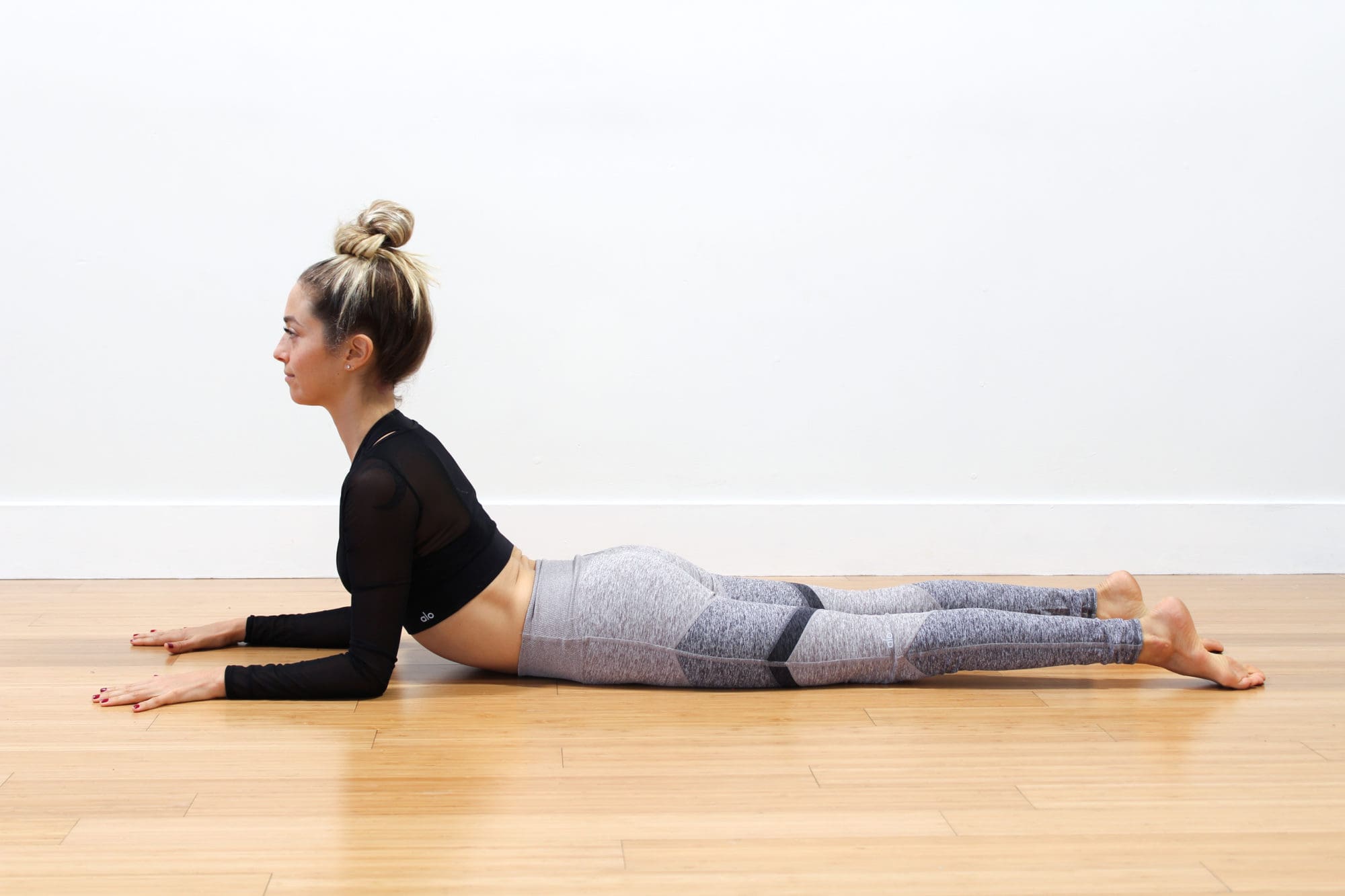
Sphinx Pose
The sphinx pose allows you to lengthen and strengthen the spine while stretching the shoulders and releasing tension.
On a yoga mat, lie on your stomach with the elbows under the shoulders.
Press your palms and forearms on the mat and tighten the lower half to support you as you lift your upper torso and head.
Keep looking straight ahead as you are being mindful of lengthening the spine.
Hold this position for three to five breaths.
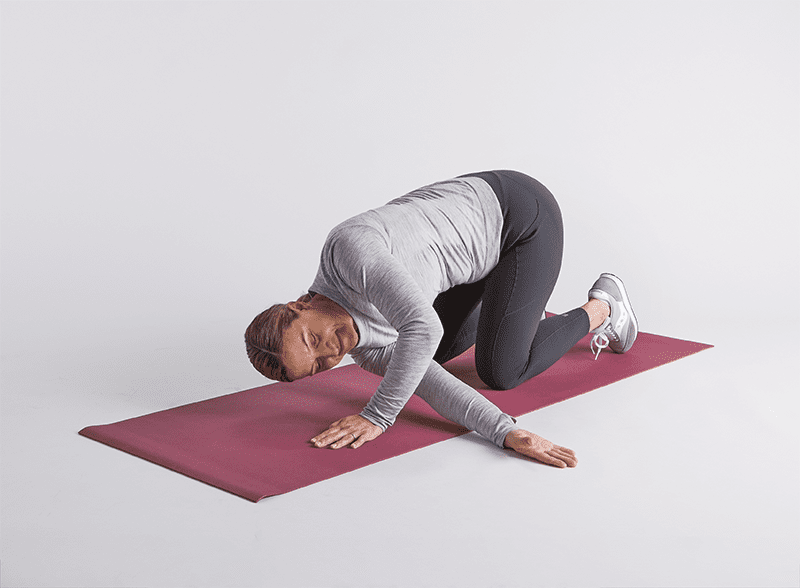
Thread The Needle Pose
The thread-the-needle pose helps release tension stored in the neck, shoulders, and back.
On a yoga mat, start in an all-fours position with the wrist under the shoulders and the knees under the hips.
Lift the right hand and move it to the left along the floor with the palm facing up.
Hold the position for three to five breaths for thirty seconds and release.
Return to the all-fours position and repeat to the left side.
Conclusion
Overall, incorporating yoga as part of a daily routine can provide beneficial results in reducing neck pain and its associated comorbidities. Yoga does not require hours of practice or even contorting into various poses, as just a few minutes of gentle stretching and mindful breathing each day can provide positive results. When people start to utilize yoga as part of their daily activities, they will notice their posture improving, their minds clearer than ever, and live a happier, healthier life without dealing with neck pain.
References
Ben Ayed, H., Yaich, S., Trigui, M., Ben Hmida, M., Ben Jemaa, M., Ammar, A., Jedidi, J., Karray, R., Feki, H., Mejdoub, Y., Kassis, M., & Damak, J. (2019). Prevalence, Risk Factors and Outcomes of Neck, Shoulders and Low-Back Pain in Secondary-School Children. J Res Health Sci, 19(1), e00440. https://www.ncbi.nlm.nih.gov/pubmed/31133629
Gandolfi, M. G., Zamparini, F., Spinelli, A., & Prati, C. (2023). Asana for Neck, Shoulders, and Wrists to Prevent Musculoskeletal Disorders among Dental Professionals: In-Office Yoga Protocol. J Funct Morphol Kinesiol, 8(1). https://doi.org/10.3390/jfmk8010026
Kazeminasab, S., Nejadghaderi, S. A., Amiri, P., Pourfathi, H., Araj-Khodaei, M., Sullman, M. J. M., Kolahi, A. A., & Safiri, S. (2022). Neck pain: global epidemiology, trends and risk factors. BMC Musculoskelet Disord, 23(1), 26. https://doi.org/10.1186/s12891-021-04957-4
Raja, G. P., Bhat, N. S., Fernandez-de-Las-Penas, C., Gangavelli, R., Davis, F., Shankar, R., & Prabhu, A. (2021). Effectiveness of deep cervical fascial manipulation and yoga postures on pain, function, and oculomotor control in patients with mechanical neck pain: study protocol of a pragmatic, parallel-group, randomized, controlled trial. Trials, 22(1), 574. https://doi.org/10.1186/s13063-021-05533-w
Thanasilungkoon, B., Niempoog, S., Sriyakul, K., Tungsukruthai, P., Kamalashiran, C., & Kietinun, S. (2023). The Efficacy of Ruesi Dadton and Yoga on Reducing Neck and Shoulder Pain in Office Workers. Int J Exerc Sci, 16(7), 1113-1130. https://www.ncbi.nlm.nih.gov/pubmed/38287934
IFM's Find A Practitioner tool is the largest referral network in Functional Medicine, created to help patients locate Functional Medicine practitioners anywhere in the world. IFM Certified Practitioners are listed first in the search results, given their extensive education in Functional Medicine







 The traction unit must be hung over a door secured to the top and closed.