Chiropractic treatment and physical therapy are treatment methods/approaches that are conservative, non-invasive, and are both practical options. Both address health concerns, like various types of pain, automobile, work, sports, and personal injuries. Both are focused on helping individuals achieve long-term results and maintain health.
Chiropractic and physical therapy are usually done in combination, as they complement one another. There are benefits and similarities between the two treatment options. Here are some general guidelines to decide which treatment option is best for your needs.
Primary symptoms
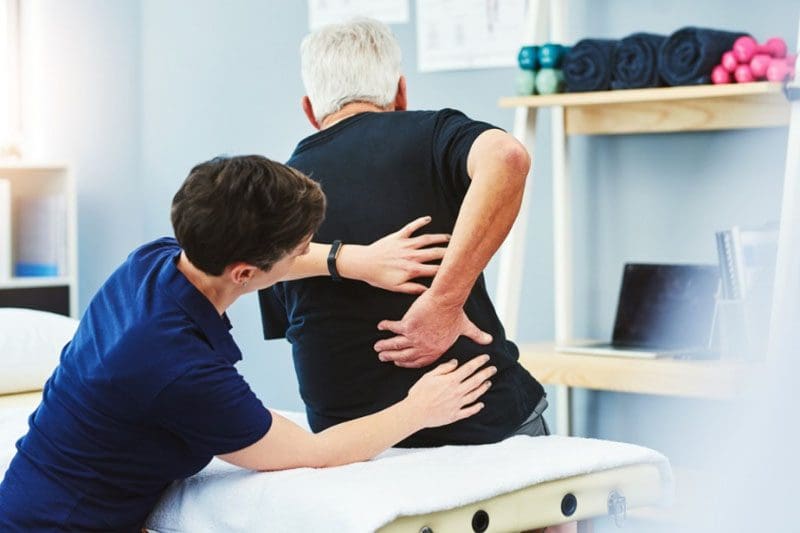
Chiropractors are known for the ability to provide quick relief to individuals dealing with pain and stiffness in the joints, particularly the spine. They are experts in spinal realignment and proper posture. If flexibility is limited or the joints are locking up, a chiropractor is the recommended choice.
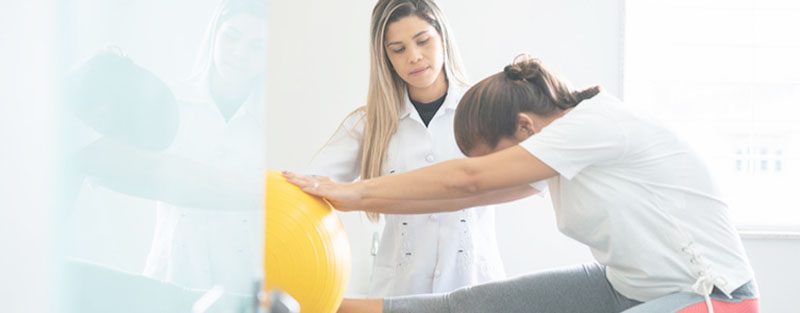
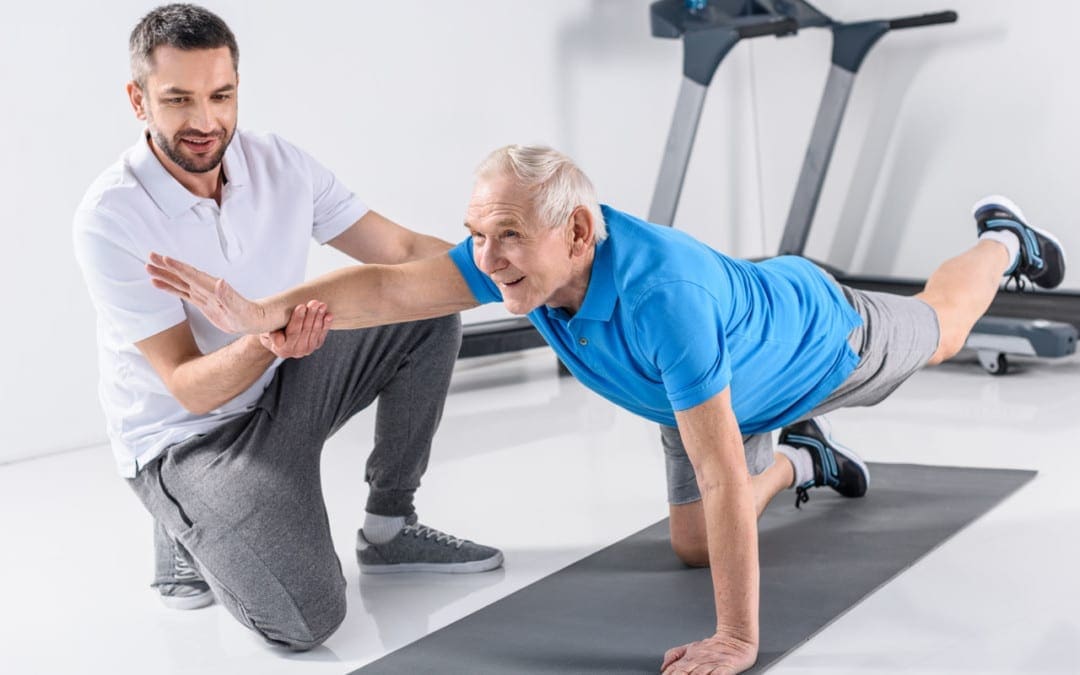
Physical therapists or PTs are the experts in body biomechanics and soft tissue injuries. If an individual finds themselves moving differently because of pain or injury, training and exercise will help movement and maximum recovery.
Treatment style
Chiropractors follow a meticulous expert-based protocol for achieving the best results. They provide a hands-on approach to treatment that requires regular follow-ups and maintenance. This is an approach that some individuals prefer. Physical therapy treatment/rehabilitation programs are typically short-term. The average treatment usually lasts only 12 weeks. A physical therapist’s primary objective is to provide a fundamental understanding of how to move properly and self-manage symptoms for the long term. This usually includes a balanced exercise program.
Insurance coverage
Insurance plans vary in what is covered. The first step is to see what an individual’s insurance will cover. Benefits can be found online or by calling a representative to see how to get the care/treatment needed. Most plans cover some form of physical therapy. Chiropractic is also usually covered by insurance providers. Skipping the insurance can also be done with chiropractic clinics providing affordable options.
Options
There is no clear-cut answer as to which to see. A physical therapist or chiropractor. Individuals should follow a doctor’s recommendations as to which treatment type would benefit them. If no recommendations have been given then take a look at a clinic’s website to see what they are about. Fortunately, many chiropractic clinics include physical therapists as part of their medical team. Both chiropractic and physical therapists provide dynamic benefits for increasing and maintaining overall health.
Body Composition
Hydration Guidelines
Drink according to thirst
The body knows when it needs water. Therefore drink when you are thirsty, not before. An adequate fluid intake should be timed according to feelings of thirst.
Estimate hourly sweat loss
Those that exercise or engage in regular physical activities for prolonged periods should weigh themselves before engaging in the exercise/activity. Then drink according to thirst as the event goes on, then weigh yourself after the activity. The goal is to maintain the same weight or be slightly less. If an individual weighs more than what they drank, then they drank too much.
Excess water consumption
If an individual is not thirsty, the recommendation is to not drink water in excess. Nausea and even vomiting could ensue. A simple indicator to determine if enough water is being consumed is to check urine color. If it is colorless or slightly yellow then an individual is drinking enough water.
Disclaimer
The information herein is not intended to replace a one-on-one relationship with a qualified health care professional, licensed physician, and is not medical advice. We encourage you to make your own health care decisions based on your research and partnership with a qualified health care professional. Our information scope is limited to chiropractic, musculoskeletal, physical medicines, wellness, sensitive health issues, functional medicine articles, topics, and discussions. We provide and present clinical collaboration with specialists from a wide array of disciplines. Each specialist is governed by their professional scope of practice and their jurisdiction of licensure. We use functional health & wellness protocols to treat and support care for the musculoskeletal system’s injuries or disorders. Our videos, posts, topics, subjects, and insights cover clinical matters, issues, and topics that relate to and support, directly or indirectly, our clinical scope of practice.* Our office has made a reasonable attempt to provide supportive citations and has identified the relevant research study or studies supporting our posts. We provide copies of supporting research studies available to regulatory boards and the public upon request. We understand that we cover matters that require an additional explanation of how it may assist in a particular care plan or treatment protocol; therefore, to further discuss the subject matter above, please feel free to ask Dr. Alex Jimenez or contact us at 915-850-0900.
Dr. Alex Jimenez DC, MSACP, CCST, IFMCP, CIFM, CTG* email: [email protected] phone: 915-850-0900 Licensed in Texas & New Mexico
References
American Association of Physical Therapists. www.apta.org
Cherkin, D C et al. “A comparison of physical therapy, chiropractic manipulation, and provision of an educational booklet for the treatment of patients with low back pain.” The New England journal of medicine vol. 339,15 (1998): 1021-9. doi:10.1056/NEJM199810083391502
Fritz, Julie M. “Physical therapy in a value-based healthcare world.” The Journal of orthopaedic and sports physical therapy vol. 42,1 (2012): 1-2. doi:10.2519/jospt.2012.0101
Shrier I. Does stretching help prevent injuries? Evidence-based Sports Medicine. Williston, VT: BMJ Books; 2002.
When individuals stop working on their back pain therapy, the pain can come back. Don’t give up on the process and trust the therapists/providers. Many people experience their first episode of low back pain between the ages of 20 and 40. Often they are not sure what caused their back problems. There are a variety of factors that could be contributors like:
Old running shoes
A heavy box that was inappropriately lifted and carried
Exercise strain
Too much sitting
Poor posture
Work injury
Personal injury
Sports injury
After some time with the pain, a visit to the doctor is in order, hoping for clear answers and strong medicine. A diagnosis of non-specific back pain and a prescription for physical therapy is given. This is because doctors are now required to prescribe non-medication, non-invasive therapeutic approaches for any type of pain first. After three to four weeks of physical therapy, and there is still no improvement or signs of improvement will a doctor recommend medication/s and/or surgery.
Physical Therapy
Nonspecific back pain describes back pain that is not associated with a clear cause like:
Osteoporosis
Inflammatory arthritis
Tumor
Fracture
Infection
Structural deformity
Non-specific back pain is very common and often acute, meaning the symptoms usually go away on their own within a month. Physical therapy also known as PT can help expedite the healing process. Physical therapy can improve a variety of back-related problems, including those caused by disease and structural abnormalities. A study found that physical therapy works as well as surgery for lumbar spinal stenosis or the narrowing of the spinal canal in the low back.
Don’t Give Up On The Program
Unfortunately, many individuals do not follow through with the full course of physical therapy. Reasons include:
Time
Cost
Inconvenience
Low level of physical activity before treatment
Depression
Anxiety
Poor social support
Increased pain during exercise
The problem with stopping physical therapy is that individuals can end up right where they began. Not following a treatment plan can have negative effects on outcomes and healthcare costs. Progress depends on how much follow-through an individual does on their own. Don’t give up on the program and maintain rehabilitative progress.
Scientifically Backed Benefits
Scientific proof means measuring results objectively to determine if a treatment works. Physical therapy has consistently proven to be highly effective. Researchers found that physical therapy led to positive health benefits when treating back pain. Specifically, individuals that followed a physical therapy program to the end had:
For example, spine stabilization exercises during an episode of low back pain can decrease pain, disability, and the risk of another episode.
The Right Physical Therapy Clinic
Do research to find the best therapeutic clinic or professional. It is perfectly understandable to be picky about physical therapy. Several studies have shown that a healthy relationship between patients and physical therapists improves outcomes. When choosing a clinic, individuals should be aware that there are different models. The differences can influence the experience.
Some therapists treat more than one person at a time. This means the exercises will be shown how to do them properly, then the individual will be expected to continue on their own with the therapist returning to see the progress and start the next exercise.
Some therapists see the patient once, then an assistant takes over. Assistants will help with the exercise programs.
There are some clinics that could be out of network or do not accept insurance. Individuals can pay more, but the benefit is more one-on-one time/care with a physical therapist.
If an individual does not like the experience with one model, try another.
Remember that individuals need to advocate for their own health, treatment, and progress.
If an individual is not improving, then they need to have a discussion with the physical therapist.
The therapist can then problem solve and try a new treatment or refer the patient for additional care like imaging, medications, or a different intervention altogether. Don’t give up, relief from back pain is possible.
Don’t Give Up On Body Health
Body composition analysis an effective tool during physical therapy
Body composition is essential for understanding physiological makeup and to help guide a treatment plan to target specific areas in physical therapy programs. InBody analysis is non-invasive and convenient, making it ideal when used in conjunction with physical therapy rehabilitation programs. The InBody test provides results that can be used to educate and engage individuals to help track improvements throughout the physical therapy course. In less than 60 seconds, the test results are easy-to-understand, accurate, and objective. This helps to evaluate and monitor progress during rehabilitation. With the test a physical therapist can:
Assess muscle distribution
Focus on areas weakened by injury or surgery
Identify fluid imbalances related to inflammation
Monitor changes to determine the efficacy of the therapy program
Guide recommendations for long-term success
Don’t give up!
Dr. Alex Jimenez�s Blog Post Disclaimer
The scope of our information is limited to chiropractic, musculoskeletal, physical medicines, wellness, and sensitive health issues and/or functional medicine articles, topics, and discussions. We use functional health & wellness protocols to treat and support care for injuries or disorders of the musculoskeletal system. Our posts, topics, subjects, and insights cover clinical matters, issues, and topics that relate and support directly or indirectly our clinical scope of practice.*
Our office has made a reasonable attempt to provide supportive citations and has identified the relevant research study or studies supporting our posts. We also make copies of supporting research studies available to the board and or the public upon request. We understand that we cover matters that require an additional explanation as to how it may assist in a particular care plan or treatment protocol; therefore, to further discuss the subject matter above, please feel free to ask Dr. Alex Jimenez or contact us at 915-850-0900. The provider(s) Licensed in Texas& New Mexico*
Mental strategy exercises for chronic pain relief and improvement. Living with chronic pain is difficult especially if a doctor is saying that it is all taking place in an individual’s head. However, the pain is very real and happening in the brain, literally. Neuroimagingstudies show that certain areas of the brain become active when chronic pain presents. This is not the only way to know the brain’s role in how an individual experiences pain. What is also known is:
Anxiety, depression, and pain activate similar areas of the brain.
Certain psychiatric drugs used to relieve pain can also alter an individual’s mental state.
Chronic pain can lead to depression.
Clinical depression can cause physical symptoms, including back pain.
A health care provider could recommend/suggest psychological support for chronic pain. Psychological help and mental strategy exercises for chronic pain are not about how to reduce the pain, but more on how to reduce the dominance, interference, and impact of the pain and getting a healthy quality of life back. Consider a few evidence-based, psychological approaches to reduce back pain.
Cognitive-behavioral therapy
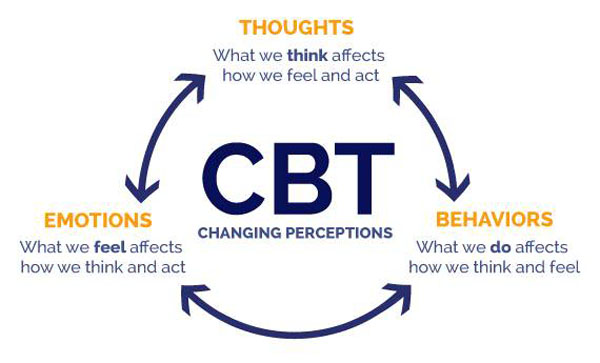
Cognitive-behavioral therapy or CBT trains an individual to modify specific thoughts and behaviors. Experts consider this approach a gold standard of psychological interventions for pain. It helps:
Reduce pain
Improves function
Improves quality of life
Individuals work on:
Pain coping strategies
Relaxation skills
Setting goals
Shifting perspectives on pain
A study found that two years after a two-week, intensive course of cognitive-behavioral therapy, patients took fewer pain meds than they did before the therapy.
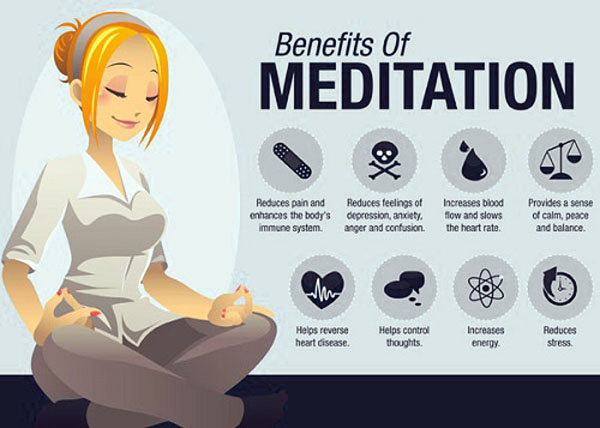
Mindfulness meditation
Meditation is not all about sitting with crossed legs, hands resting on the knees, although this is a recommended pose for meditative purposes. A modern approach can be done anywhere, in any position that�s comfortable and will help soothe back pain. By oneself or with help from a therapist mental strategies can include
A study suggests that mindfulness meditation can be highly beneficial for older adults that are not as able to get an adequate amount of physical activity to improve pain levels. A group of older adults that participated in eight weeks of a mindfulness program, which consisted of four days a week for 30 minutes per session physical function and pain reduction improved.
Mindfulness stress reduction
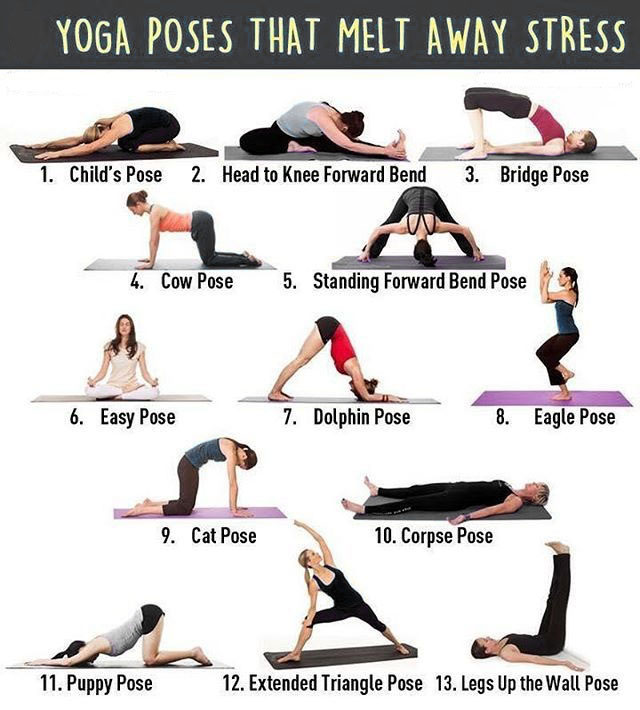
Mindfulness stress reduction is a program that teaches individuals meditation techniques, that include basic stretches and postures. It teaches how to separate the physical and psychological aspects of pain. Medical centers across offer this treatment option for a range of disorders, including chronic back pain. It helps reduce pain intensity and improves function in individuals with arthritis as well as back and neck pain from various causes. It has also been found to be effective for fibromyalgia, which can cause intense widespread pain. A study found that mindfulness stress reduction improved:
Wellbeing
Pain episodes
Sleep problems
Fatigue in participants with fibromyalgia
More than half reported significant improvement
Acceptance and commitment therapy
Acceptance and commitment therapy or ACT teaches acceptance and mindfulness strategies with commitment and behavior mental strategies, to change the way pain is experienced. Numerous studies along with the American Psychological Association validate this approach as an established treatment for chronic pain.
Changing expectations
In one study several chiropractic patients who expected their back pain to improve were 58% more likely to improve than those who did not expect favorable outcomes. This mental strategy of manifesting a positive outcome through the power of positive thinking and beliefs about pain influence an individual’s actions.
For example, when thinking that physical activity will cause back pain, individuals are less likely to be active. This is known as fear avoidance. For most individuals with back and neck pain, gentle physical activity is essential because avoiding it will worsen the pain. Having the right mental strategy can go a long way in battling chronic pain, at Injury Medical Chiropractic and Functional Medicine Clinic we can help individuals experiencing/dealing with chronic pain.
Body Composition
Depression and physical health
Depression is debilitating and, in severe cases, a life-threatening disease that affects over 16 million people nationwide. Depression causes are not always clear and can be brought on by:
Biological factors – genetics
Individual brain chemistry
Certain medications
Stress
Unhealthy diet/nutrition
Mental illness and becoming overweight or obese often happen in conjunction, whether as a result of each other or from common risk factors that include:
Smoking
Poor diet
Lack of physical activity
Alcohol consumption
Prescribed medications for depression and anxiety disorders are have been shown to be successful in maintaining mental health. However, a side effect of these medications is weight gain. Like genetics, being educated on the potential side effects will help in reducing the risk of, and controlling weight gain when taking medication.
Dr. Alex Jimenez�s Blog Post Disclaimer
The scope of our information is limited to chiropractic, musculoskeletal, physical medicines, wellness, and sensitive health issues and/or functional medicine articles, topics, and discussions. We use functional health & wellness protocols to treat and support care for injuries or disorders of the musculoskeletal system. Our posts, topics, subjects, and insights cover clinical matters, issues, and topics that relate and support directly or indirectly our clinical scope of practice.*
Our office has made a reasonable attempt to provide supportive citations and has identified the relevant research study or studies supporting our posts. We also make copies of supporting research studies available to the board and or the public upon request. We understand that we cover matters that require an additional explanation as to how it may assist in a particular care plan or treatment protocol; therefore, to further discuss the subject matter above, please feel free to ask Dr. Alex Jimenez or contact us at 915-850-0900. The provider(s) Licensed in Texas& New Mexico*
References
Pain and Therapy.�(Jun 2020) �Rehabilitation for Low Back Pain: A Narrative Review for Managing Pain and Improving Function in Acute and Chronic Conditions.��https://www.ncbi.nlm.nih.gov/pmc/articles/PMC7203283/Journal of Psychosomatic Research. (Jan 2010) �Mindfulness-based stress reduction for chronic pain conditions: variation in treatment outcomes and role of home meditation practice.�
European Journal of Pain.�(Jan 2019.) �Beliefs about back pain and pain management behaviors, and their associations in the general population: A systematic review.��https://www.ncbi.nlm.nih.gov/pmc/articles/PMC6492285/
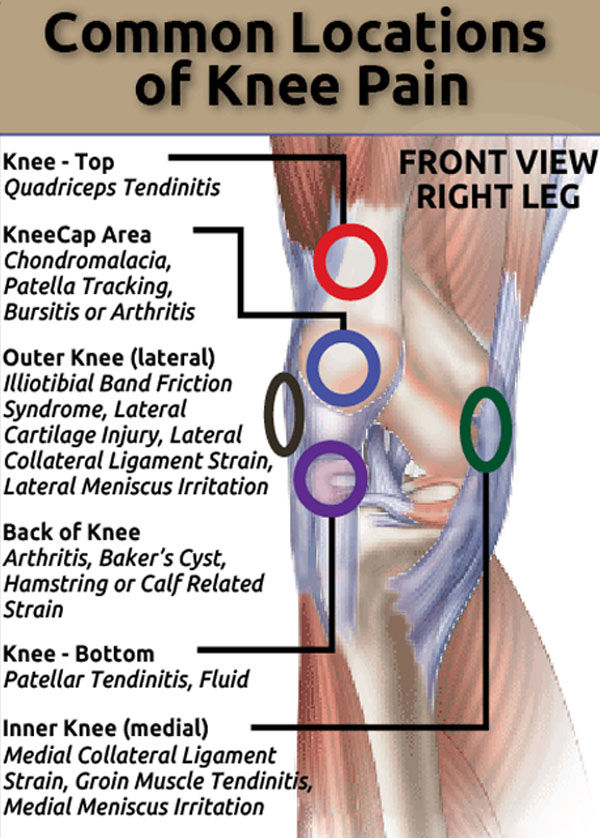
Chiropractors don’t only work on the spine. Doctors of chiropractic are trained to treat the entire musculoskeletal system. They could be called joint specialists. Chiropractic physical therapy can help with knee pain. They can help bring knee pain relief in several ways by treating the root cause/s. A chiropractor will perform:
Knee adjustments
Hip adjustments
Posture analysis
Gait analysis
Weight distribution analysis
There are also a number of chiropractic physical therapy modalities to help with pain, swelling, and arthritis. Knee pain causes can vary. A chiropractor can determine the underlying cause, relieve the pain, and help prevent future injury. �
�
Chiropractic and The Body’s Musculoskeletal System
Many think that treating knee pain comes down to surgery or painkillers. Surgery can be the best option for some, but it is always best to exhaust conservative treatments, which chiropractic physical therapy is one of the most effective. Pain medication can be appropriate but with the addictive potential about they are best avoided unless absolutely necessary. Chiropractic offers an alternative to pain medications and even surgery for certain cases.
�
Causes For Common Knee Pain Issues
Here are some of the most common causes of knee pain along with the ways a chiropractor can help to relieve the pain and treat the underlying issue. Treatment plans vary depending on the specific circumstances/conditions. �
�
Knee Bursitis
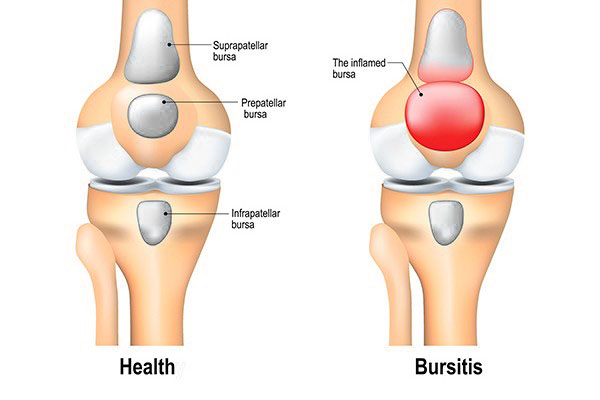
Bursitis is inflammation of the fluid-filled sac located in the joints between bones, tendons, and muscles. The sacs are called bursae and are essential in proper joint function. They help reduce friction during the course of regular joint movement/function. Knee bursitis is commonly caused by overuse and misalignment. It can be caused while:
Walking
Running
Kneeling
Stretching the knee
It can also cause swelling around the front of the kneecap
�
Chiropractic Treatment
The reduction of pain and swelling are the first steps of chiropractic physical therapy. This is achieved with:
Therapeutic massage
Ultrasound
Hot and cold therapy
Cold laser therapy
Once the pain and swelling are addressed then the cause of the inflamed bursa can be determined. This is done through adjustments of the knee, hips, or spine to help correct the issue and promote proper recovery and prevention.
�
Patellar Tendonitis
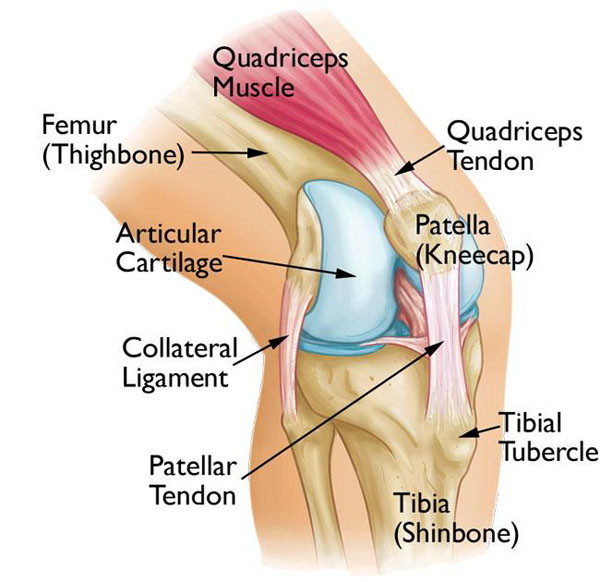
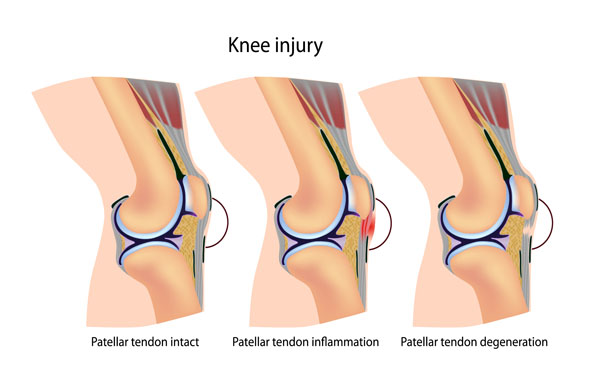
Tendonitis means there is damage or irritation to a tendon. Patellar tendonitis occurs in the tendon that connects the kneecap to the shin. This is common for individuals who run and jump regularly like athletes. Overweight individuals have an increased risk for patellar tendonitis because of the extra stress placed on the knees. This is often a result of repeated overuse and happens gradually. It can be the result of trauma to the knee as well. The pain happens just below the kneecap and increases with physical activity. �
�
Chiropractic Treatment
Most often rest is the first option. Chiropractic physical therapy can recommend wearing a knee brace during the treatment. They will also teach the patient proper stretching and warm-up exercises to prevent tendonitis. �
Osteoarthritis
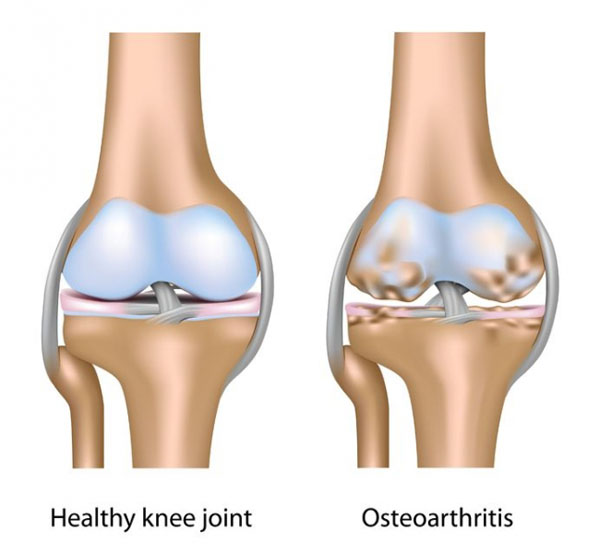
Chiropractic is effective at reducing arthritis pain and inflammation throughout the body. Osteoarthritis can make everyday activities like walking and kneeling difficult or impossible. Chiropractic is designed to help reduce pain increase blood/nerve circulation that will promote healthy joint function and movement. �
�
Chiropractic Treatment
Chiropractic will help osteoarthritis through:
Massage
Ultrasound
Laser therapy
All can help reduce pain and inflammation in the knees joints
Hands-on stretching
Adjustments can also help to improve the range of motion and joint function
This is important because knee pain can lead to increased pressure on the joints in the lower back, causing discomfort/pain as well.
�
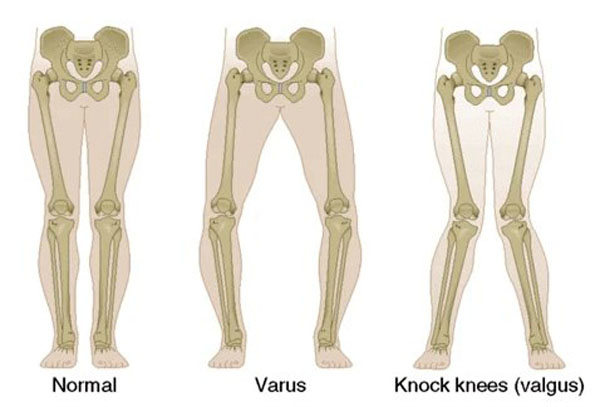
Knee Valgus
Knee valgus also known as knock knee, is an inward tilt of the knees. It is easy to see when squatting or kneeling, but it can also happen when walking or standing. Young children tend to develop knee valgus but grow out of it by the time they are 10 years of age. However, if the knees remain bowed into the teenage years and beyond, it can cause issues in the hips, glutes, and back. Knee valgus can also be the result of:
Weak muscles in the legs, hips, or glutes
Tight muscles in the legs, hips, or glutes
Determining the exact cause is essential to address it and develop a treatment plan to correct the issue.
�
Chiropractic Treatment
Chiropractic specializes in the musculoskeletal system and a doctor of chiropractic knows what to look for. A chiropractor can address the issue through adjustments of the spine, hips, and knees. Hands-on clinic exercises and at-home exercises will be incorporated to correct the issues. These exercises combined with chiropractic will address structural and postural issues. �
Other Knee Pain Causes
Chiropractic can also address and recommend treatments for other knee conditions. These include:
Chiropractic Adjustments for Pain Relief, Function, and Prevention
Problems with the hips and spine can contribute to knee pain, as well as issues with the foot, ankle, or pelvis. Chiropractors perform a thorough examination of all the joints, tendons, and muscles that could be contributing to the pain. They will look at a full medical history and other details like:
Overall health
Diet
Lifestyle habits
Job
Exercise and/or sports activities
Injuries
Posture
Walking gait
With this information, the chiropractor will develop a customized plan unique to the individual’s needs and situation. Waiting for the pain to go away is not the best option. Chiropractic is safe, non-invasive, and offers a thorough approach to treating knee pain.
Body Composition Testimonial
�
Difficulty Moving
Lack of adequate muscle can cause difficulty moving like taking the elevator becoming a necessity, getting tired more easily, and getting in and out of a car can become a challenge. These are all possible experiences that can come as a result of losing muscle. Around 19% of women and 10% of men aged 65 years or older are unable to kneel. With no balance to kneel and pick something up means trouble. What to do to prevent massive muscle loss.
The scope of our information is limited to chiropractic, musculoskeletal, physical medicines, wellness, and sensitive health issues and/or functional medicine articles, topics, and discussions. We use functional health & wellness protocols to treat and support care for injuries or disorders of the musculoskeletal system. Our posts, topics, subjects, and insights cover clinical matters, issues, and topics that relate and support directly or indirectly our clinical scope of practice.*
Our office has made a reasonable attempt to provide supportive citations and has identified the relevant research study or studies supporting our posts. We also make copies of supporting research studies available to the board and or the public upon request. We understand that we cover matters that require an additional explanation as to how it may assist in a particular care plan or treatment protocol; therefore, to further discuss the subject matter above, please feel free to ask Dr. Alex Jimenez or contact us at 915-850-0900. The provider(s) Licensed in Texas& New Mexico*
�
References
Hott, Alexandra et al. �Effectiveness of Isolated Hip Exercise, Knee Exercise, or Free Physical Activity for Patellofemoral Pain: A Randomized Controlled Trial.��The American journal of sports medicine�vol. 47,6 (2019): 1312-1322. doi:10.1177/0363546519830644
Bhagat, Madhura et al. �Immediate effects of Mulligan’s techniques on pain and functional mobility in individuals with knee osteoarthritis: A randomized control trial.��Physiotherapy research international: the journal for researchers and clinicians in physical therapy�vol. 25,1 (2020): e1812. doi:10.1002/pri.1812
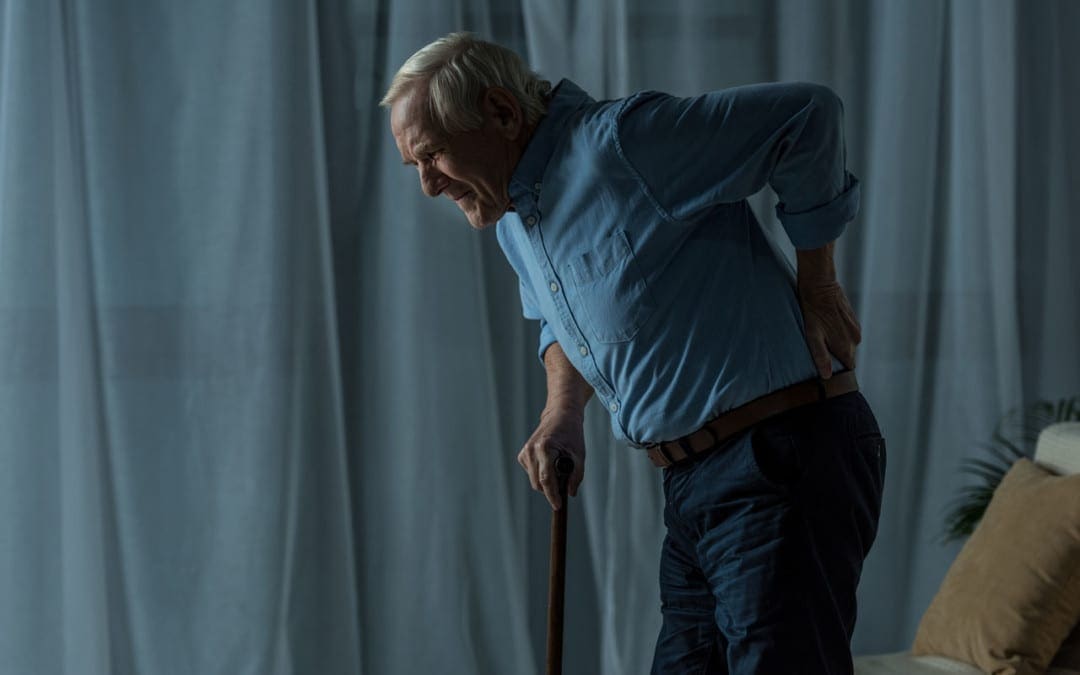
When lower back pain presents many want to retreat to the couch, bed and just lay down, but doctors, chiropractors, physical therapists, and spine specialists do not recommend this course of action. What they do recommend, other than treatment, is to engage in the easiest forms of exercise on the spine and back muscles. �
Staying sedentary is one of the worst things an individual can do to their back. When the back is aching exercise can usually help. This is because the muscles, ligaments, tendons are being stretched and not just staying still, which lets inflammation build up and swell. Moving keeps the blood flowing, allowing for broader healing and recovery.
However, back pain relief can be a challenge. Various treatment options exist because there are a variety of causes. The key is figuring out which type is best for each individual and their specific condition. An individual needs to know the cause of their type of back pain, as this determines which exercises should or should not be doing. The Pain and Therapy journal evaluated some of the best exercises for lower back pain. �
Physical Therapy Exercises
The McKenzie method can be very effective for acute disc herniation pain and sciatica. This type of exercise is to figure out if there is a specific position that helps the pain become centralized, correct any motion restrictions, and take the pressure off the region that is compressed or inflamed. Physical therapists incorporate McKenzie exercises as part of regular treatment. The strength-building moves are designed to help support the spine and consist of range-of-movement work and sustained positions. �
�
Home and Studio Workouts
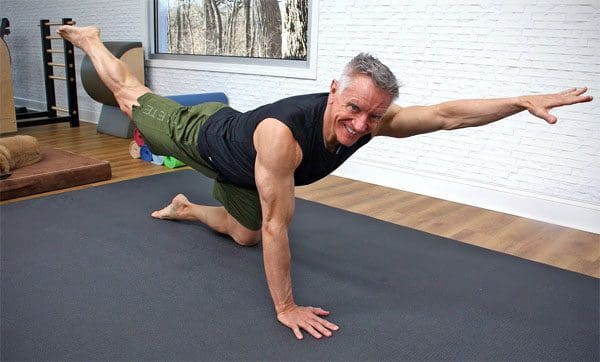
Pilates is one of the easiest exercises for individuals with chronic low-back pain. Like McKenzie exercises, it utilizes sustained positions that strengthen the trunk/core muscles. The muscles are strengthened using small movements. Using the machine called a reformer, has built-in support for the spine. This is considered a low-key, muscle-toning workout that can ease chronic back pain. �
�
Water Exercise
Water exercises lessen the body’s weight, taking pressure/stress off the spine. Deep-water running with the water at shoulder-height can significantly improve low-back pain. In a study, a group of overweight/obese women worked out twice a week for an hour-long exercise session. After 12 weeks, improvements in pain intensity, personal care, sitting, standing, and sleeping were reported. �
�
Easiest Office Exercise
One of the easiest exercises is walking. It is great for the body. But the key is to walk more than usual around the office, or wherever work is. This is not about getting the heart rate up. It is about not staying in the same position for too long. When sitting and focused, an individual can stay in an uncomfortable position for some time and just push through it in an attempt to finish up the work.
Using a timer or an application that alerts every hour to get up and stretch is highly beneficial. Walk correctly to the bathroom, or just get up and walk around for a bit gets the blood pumping through the body and the muscles in motion stretching and contracting. �
�
Stabilization Exercise
Strengthening workouts can be done at home.
Stretch while standing against the wall bringing the arms up and down.
Pull the elbows down into the back, which stops the hyperactive trapezius from tensing up.
Knee to the chest motion while lying on the back
Abdominal crunches while balance on an exercise ball
Push the head back into the headrest while driving. This helps avoid the forward head posture.
Contact a doctor, chiropractor, or physical therapist that can recommend the best stabilization exercises for the specific pain/condition. �
�
Tai Chi and Qigong
Tai Chi and Qigong are gentle exercises where an individual performs slow, controlled movements emphasizing balance and focus. Both can reduce pain, disability, and other symptoms associated with lower back pain. �
�
Body Composition Testimonial
�
Exercise After Childbirth
Physical activity for pregnant and post-birth, the American Congress of Obstetricians and Gynecologists recommends the following. The easiest exercise routines can be resumed gradually after pregnancy, once a doctor confirms it is medically safe, depending on the delivery, and the presence or absence of medical complications.
Regular aerobic exercise in lactating women has been shown to improve cardiovascular fitness without affecting milk production, composition, or infant growth.
Nursing women should consider feeding their infants before exercising in order to avoid exercise discomfort.
Nursing women also should ensure proper hydration before engaging in physical activity.
Take it slow.
�
Dr. Alex Jimenez�s Blog Post Disclaimer
The scope of our information is limited to chiropractic, musculoskeletal, physical medicines, wellness, and sensitive health issues and/or functional medicine articles, topics, and discussions. We use functional health & wellness protocols to treat and support care for injuries or disorders of the musculoskeletal system. Our posts, topics, subjects, and insights cover clinical matters, issues, and topics that relate and support directly or indirectly our clinical scope of practice.*
Our office has made a reasonable attempt to provide supportive citations and has identified the relevant research study or studies supporting our posts. We also make copies of supporting research studies available to the board and or the public upon request. We understand that we cover matters that require an additional explanation as to how it may assist in a particular care plan or treatment protocol; therefore, to further discuss the subject matter above, please feel free to ask Dr. Alex Jimenez or contact us at 915-850-0900. The provider(s) Licensed in Texas& New Mexico*
The new year offers a blank slate to better our lives and try new things that will help us achieve our life goals. Health goals can be achieved through chiropractic treatment and nutritional coaching. Improving one’s health is one of the quickest ways to boost the body and mind’s quality of life.
Health Goals and A New Year
Individuals set health goals only to forget about them after a few weeks or months. When setting goals that don�t stick, the biggest issue is the focus is on the wrong process to achieve these goals. Individuals tend to aim for goals that are doable but too advanced to jump right into. Much like someone that has never worked on home renovation, but decides they can knock out a kitchen, or bathroom remodel in two weeks. This is where training comes in to learn how to go about achieving these goals properly and in a healthy fashion. Common goals include:
If there are health goals that have been a struggle to maintain then it is time to get expert professional help. Chiropractic and health coaching could be a practical option. Chiropractic addresses whole-body health with sustainable changes/adjustments to achieve optimal health. Chiropractic is a specialized branch of medicine dedicated to addressing body dysfunction through non-invasive spinal realignment.
A misaligned spine leads to poor nerve and blood circulation that affects the body’s functional health at every level. Treatment with a chiropractic provider can help achieve health goals from the ground up. Once spinal alignment has been achieved and the body is ready, thenguidance and recommendations with lifestyle changes, like exercise and stress management can be addressed to reach full health potential.
Stop Waiting
There is no better time than now to start working toward health goals that can actually be controlled. We can control how we perceive our lives, treat our bodies and minds. A chiropractor and health coach will help set small attainable goals that can be kept, contact Injury Medical and Chiropractic Clinic today.
The Body’s Composition
Invest In Your Body
It is easy to think of your body as healthy and invincible. This is true when young, but age will catch up. The muscles will begin to plateau in strength in an individual’s 30s, which can lead to less physical activity. Being aware of the body’s fat percentage and keeping track is a great way to determine if body composition is declining. If weight has not changed over a couple of years but body fat percentage seems to have increased, this is a red flag that could indicate age-related muscle loss is taking place.
Dr. Alex Jimenez�s Blog Post Disclaimer
The scope of our information is limited to chiropractic, musculoskeletal, physical medicines, wellness, and sensitive health issues and/or functional medicine articles, topics, and discussions. We use functional health & wellness protocols to treat and support care for injuries or disorders of the musculoskeletal system. Our posts, topics, subjects, and insights cover clinical matters, issues, and topics that relate and support directly or indirectly our clinical scope of practice.*
Our office has made a reasonable attempt to provide supportive citations and has identified the relevant research study or studies supporting our posts. We also make copies of supporting research studies available to the board and or the public upon request. We understand that we cover matters that require an additional explanation as to how it may assist in a particular care plan or treatment protocol; therefore, to further discuss the subject matter above, please feel free to ask Dr. Alex Jimenez or contact us at 915-850-0900. The provider(s) Licensed in Texas& New Mexico*
References
Maiers, Michele et al. �Chiropractic in Global Health and wellbeing: a white paper describing the public health agenda of the World Federation of Chiropractic.��Chiropractic & manual therapies�vol. 26 26. 17 Jul. 2018, doi:10.1186/s12998-018-0194-y
Covid-19 has impacted everyone in so many ways. There is a possible connection between Covid-19 and a rare spinal disorder known as transverse myelitis. There have been three known cases of acute transverse myelitis brought on from covid-19. Although these case reports are not enough to prove that covid is the cause for transverse myelitis, researchers are delving into the possibility of a connection between the virus and this spinal condition.
Transverse Myelitis
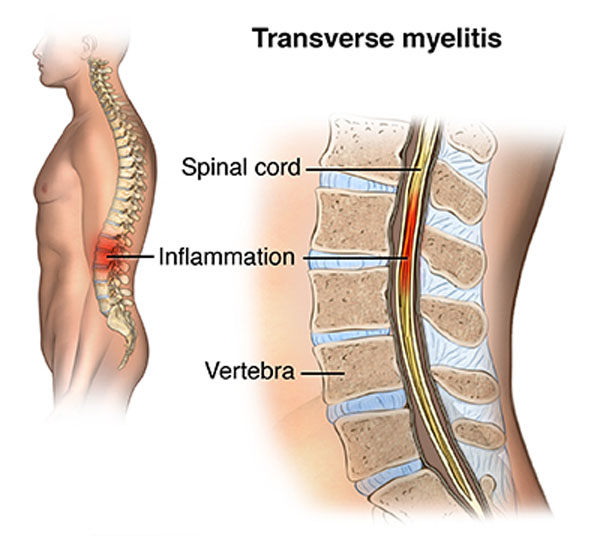
Transverse myelitis causes inflammation of the spinal cord. It can be caused by
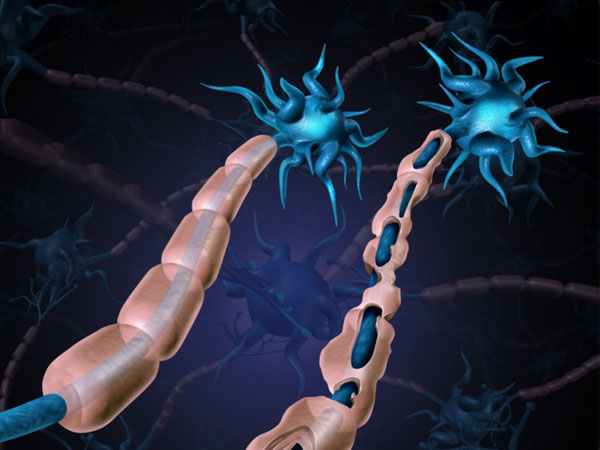
Myelin is the layer that forms around nerve cell axons or the wiring of the nervous system and insulates them. It consists of protein, fatty substances, and acts as a defensive sheath that allows electrical impulses to transmit properly. The insulation properties are essential for:
Proper motor function
Sensory function
Cognition
Without the insulation, the electrical impulses traveling through the spinal cord dissipate or weaken. The messages don’t reach the nerves and can lead to:
Muscle spasms
Twitching
Numbness
The most common disorder that destroys the myelin known as demyelination is multiple sclerosis. Transverse myelitis can affect individuals of:
Any race
Gender
Age
There are treatments, but there is no cure. Treatments consist of corticosteroids and other therapies to suppress the immune system. However, their focus is on preventing and minimizing permanent neurological damage.
Recognizing and Identifying
Symptoms of transverse myelitis can include:
Pain that usually starts in the lower back and causes shooting pain/sensations down the legs, arm, and torso
Leg/s and arm/s weakness
Sensory changes in the legs, torso, and genital area
Bladder and Bowel dysfunction
Muscle spasms
General discomfort
Headaches
Fever
Loss of appetite
Depending on the segment of the spine where the damage is occurring will determine which parts of the body are affected. Diagnosis begins with a thorough medical evaluation. A doctor will utilize various methods. A thorough neurological exam will be performed to rule out any issues that require emergency intervention. If a doctor suspects transverse myelitis they will order diagnostic tests like:
Magnetic resonance imaging or an MRI
Blood tests
Lumbar puncture
Treatment
As previously stated, there is no cure for transverse myelitis, and treatment focuses on managing complications. Treatments can include:
The hard facts are that while most people with transverse myelitis have at least a partial recovery, for some, however, recovery can continue for up to two years and longer. A combination of medications, chiropractic, and physical therapy can help improve physical symptoms.
The National Institute of Neurological Disorders and Stroke is working to understand the process, as to how the immune system destroys or attacks myelin. Hopefully, this will lead to answers, improved treatment, and prevention. It is well-documented that Multiple sclerosis, bacterial infections, and other viruses can cause transverse myelitis, research must continue to see if there is a connection to covid-19.
Chiropractic Lower Back Pain Treatment
Dr. Alex Jimenez�s Blog Post Disclaimer
The scope of our information is limited to chiropractic, musculoskeletal, physical medicines, wellness, and sensitive health issues and/or functional medicine articles, topics, and discussions. We use functional health & wellness protocols to treat and support care for injuries or disorders of the musculoskeletal system. Our posts, topics, subjects, and insights cover clinical matters, issues, and topics that relate and support directly or indirectly our clinical scope of practice.*
Our office has made a reasonable attempt to provide supportive citations and has identified the relevant research study or studies supporting our posts. We also make copies of supporting research studies available to the board and or the public upon request. We understand that we cover matters that require an additional explanation as to how it may assist in a particular care plan or treatment protocol; therefore, to further discuss the subject matter above, please feel free to ask Dr. Alex Jimenez or contact us at 915-850-0900. The provider(s) Licensed in Texas& New Mexico*
References
Chakraborty, Uddalak et al. �COVID-19-associated acute transverse myelitis: a rare entity.��BMJ case reports�vol. 13,8 e238668. 25 Aug. 2020, doi:10.1136/bcr-2020-238668
IFM's Find A Practitioner tool is the largest referral network in Functional Medicine, created to help patients locate Functional Medicine practitioners anywhere in the world. IFM Certified Practitioners are listed first in the search results, given their extensive education in Functional Medicine