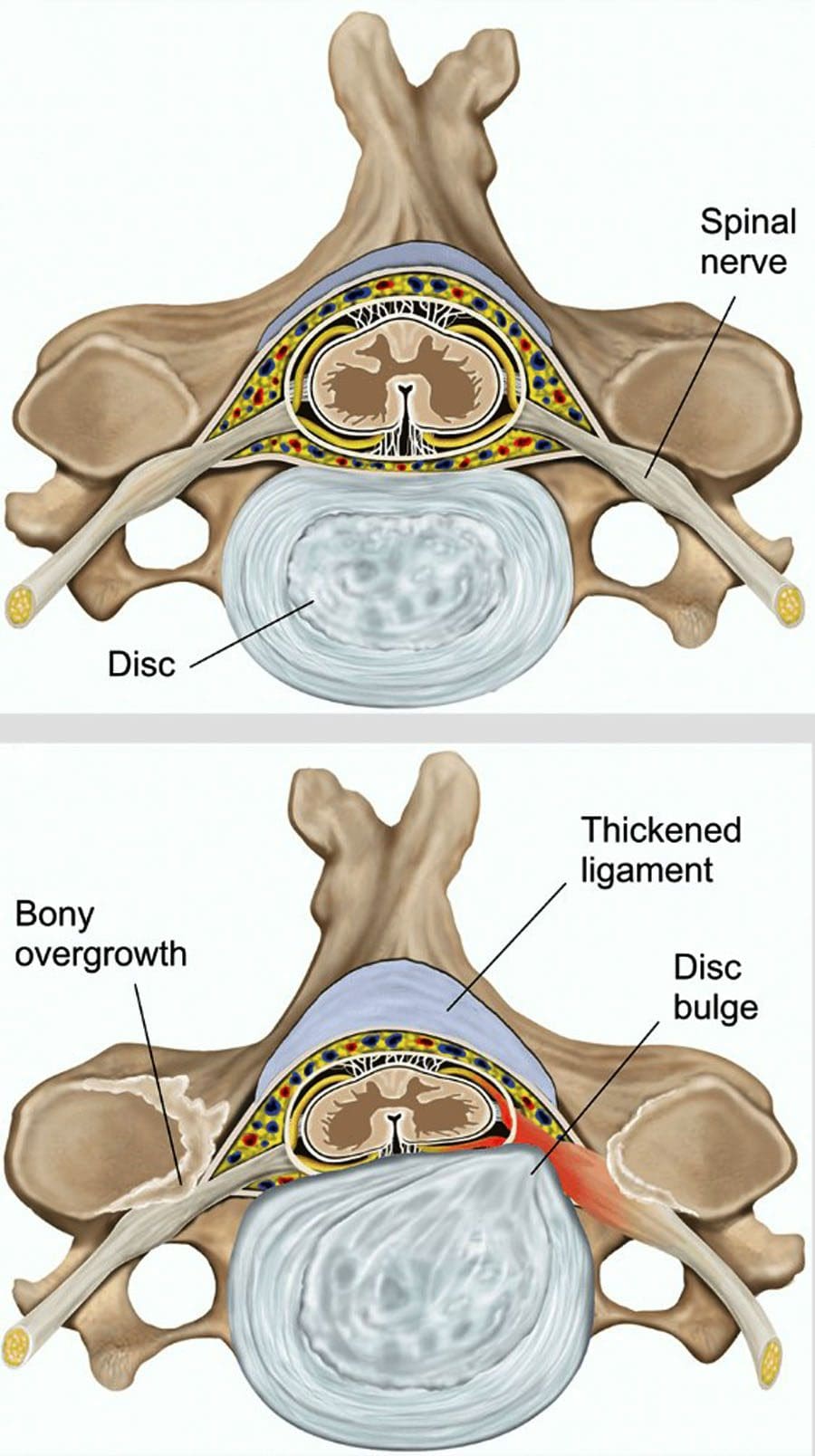
Cervical spinal stenosis is a condition that causes narrowing of the neck region of the spine. This narrowing can compress the nerves causing pain and discomfort. The symptoms are caused by the misalignment/subluxation of the neck, which is usually the c1 and c2 vertebrae. Misalignments can be caused by daily wear and tear; injuries and tumors can cause or worsen the condition. Cervical spinal stenosis is a severe condition that worsens as time progresses and can cause permanent damage and paralysis. Chiropractor recommendations and non-invasive techniques can alleviate the symptoms, along with therapeutic stretches and exercises, and diet is all part of a personalized treatment plan.
Stenosis Symptoms
The most common symptom is neck pain. Doctors recommend avoiding all activities that worsen the pain; however, chiropractors suggest remaining as active as possible to keep the muscles strong. This is because inactivity over time can lead to muscular deterioration around the neck. Other symptoms besides neck pain include:
Neck discomfort and pain
Headaches
Numbness, tingling in the shoulder, arm, hand
Difficulty maintaining balance
Walking problems
Chiropractor Recommendations
Pain Or Stiffness In The Neck Should Not Be Ignored
Pain or stiffness in the neck that worsens rapidly or does not ease up or go away after two weeks requires medical attention.
Ignoring or dismissing the pain or stiffness can worsen the condition.
Looking Down At A Phone Too Long
Looking down too long increases the strain on the neck.
Keeping the head forward for extended periods increases the chances of pinching/compressing nerves and causing radiculopathy.
Exercises That Roll The Neck Around
Exercises that roll or pull the neck are not advised as they can exacerbate the condition.
A chiropractor will recommend specific neck stretches and exercises on a case-by-case basis.
Heavy Bag, Purse, BackPack On One Shoulder
It is recommended to carry a backpack with both shoulders to distribute the weight evenly.
Over time, a backpack, bag, or purse on the same shoulder will disrupt the walk cycle and pull down on one side of the neck, exacerbating cervical spinal stenosis.
For bags and purses with one strap, it is recommended to alternate shoulders or use a crossbody strap.
Sleeping On The Stomach
Sleeping on the stomach means having to turn the neck to one side.
This stresses and aggravates cervical stenosis.
It is recommended to sleep on the side or back.
Treatment, Therapy, and Rehabilitation
Chiropractic is recommended for spinal stenosis because it corrects and re-aligns dislocated and herniated discs and decompresses the spine.
Treatment reduces pressure on the spinal cord and its joints and nerve networks.
Various techniques include physiotherapeutic massage, spinal adjustments, cervical traction, spinal decompression, and flexion-distraction, which will address stenosis symptoms, treat pain, reduce inflammation, numbness, and restore muscle function.
Non-Surgical Cervical Decompression
References
Clark, Aaron J et al. “Cervical spinal stenosis and sports-related cervical cord neurapraxia.” Neurosurgical focus vol. 31,5 (2011): E7. doi:10.3171/2011.7.FOCUS11173
Kukurin, George W. “The amelioration of symptoms in cervical spinal stenosis with spinal cord deformation through specific chiropractic manipulation: a case report with long-term follow-up.” Journal of manipulative and physiological therapeutics vol. 27,5 (2004): e7. doi:10.1016/j.jmpt.2004.04.009
Isaac Z. Evaluation of the patient with neck pain and cervical spine disorders. UpToDate. https://www.uptodate.com/contents/evaluation-of-the-patient-with-neck-pain-and-cervical-spine-disorders. Last updated May 2, 2016. Accessed February 25, 2018.
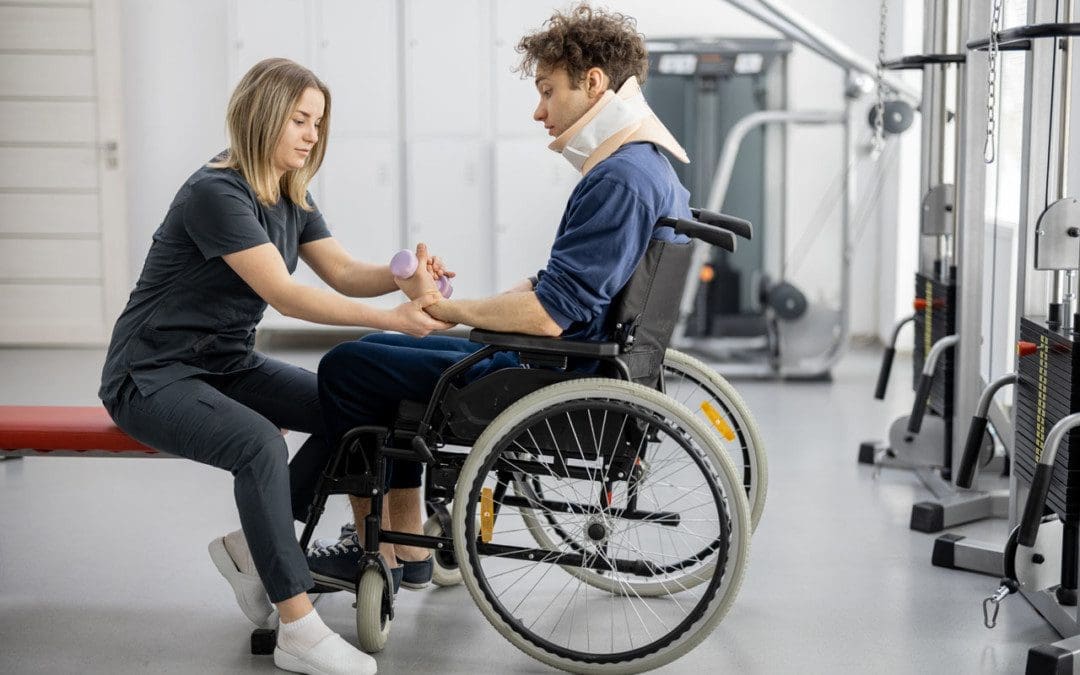
Motor vehicle crashes and accidents cause significant trauma in a few seconds changing an individual’s life completely. Severe injuries include traumatic brain injury, spinal cord damage, fractures, and amputations. Many individuals experience post-traumatic stress disorder – PTSD after a vehicle collision; even a minor accident can cause emotional trauma symptoms. PTSD commonly presents with other symptoms that range from depression to heart disease, and the most frequent symptom is physical pain. Chiropractic decompression, physical therapy, and therapeutic massage can help alleviate physical pain.
PTSD Physical Pain
Physical trauma can cause immediate physical effects and injury, as well as physical symptoms that present later on.
Trying not to talk or think about the crash or accident with friends, family, places, or anything associated with the trauma.
Avoiding activities.
Emotional numbness.
Detachment.
All can generate physical muscle tension and chronic stress, leading to headaches, migraines, back pain, stomach pain, and body aches. Long-term physical pain symptoms can turn chronic pain and medication dependency into a vicious cycle.
Chiropractic Therapy
Chiropractic care diagnoses and treats disorders of the musculoskeletal system. Chiropractic treatment is recommended to help alleviate the physical symptoms of PTSD. Trauma causes individuals to store intense emotions in their bodies. Chiropractic manipulation and decompression release the tension in the muscles caused by the trauma and the emotional stress. Adjustments restore the body’s alignment and open the nervous system circulation, allowing signals to flow freely, leading to a healthier mind-body connection.
Non-Surgical Spinal Decompression Therapy
References
Beck, J Gayle, and Scott F Coffey. “Assessment and treatment of PTSD after a motor vehicle collision: Empirical findings and clinical observations.” Professional psychology, research, and practice vol. 38,6 (2007): 629-639. doi:10.1037/0735-7028.38.6.629
Elder, Charles et al. “Comparative Effectiveness of Usual Care With or Without Chiropractic Care in Patients with Recurrent Musculoskeletal Back and Neck Pain.” Journal of general internal medicine vol. 33,9 (2018): 1469-1477. doi:10.1007/s11606-018-4539-y
Hu, JunMei, et al. “Chronic widespread pain after motor vehicle collision typically occurs through immediate development and nonrecovery: results of an emergency department-based cohort study.” Pain vol. 157,2 (2016): 438-444. doi:10.1097/j.pain.0000000000000388
The lower back core muscles initiate and control movement and posture. Total body movements start at the pelvis and are carried out by the low back and abdominal muscles. These core muscles provide control and stability when moving. When the body is not moving, standing and sitting posture habits (healthy and unhealthy) develop based on how an individual controls/holds their pelvis posture. The lower back muscles are in constant demand for performing repetitive motions or forceful actions. The muscles become chronically tight and sore, joints and nerves get compressed, and bones and connective tissue stay in a stressed state, causing intense pain and damage to the body’s structure. These problems can result from muscle memory, the nervous system’s operating procedure to make movements automatic.
Muscle Memory
The nervous system controls the movement and contraction in the muscles and constantly reinforces and learns new movement patterns to become more efficient through muscle memory. However, this learning process allows for the development of healthy muscle habits and unhealthy muscular habits. An example is sitting using a slouching posture. The nervous system will store that posture data and subconsciously contract the abdominal and pectoral muscles, so the slouched posture takes over. Because of the continual usage and compromised postures, various muscles start to tighten up. Individuals are typically not aware of the gradual tightening until stiffness, soreness, and pain sets in. Tight muscles pull the skeleton in awkward ways that cause body misalignments, causing:
Individuals develop unique muscle patterns and tension levels throughout the body due to repetitive daily activities, stress responses, injuries sustained, and physical activities. Muscle memory issues can contribute to chronic back pain and sciatica. Unhealthy muscle memory causes the muscles not to return to their natural state but to the awkward position and makes that the natural state. Healthy muscle memory leads to instant reflexes that make movements smooth and effortless.
Chiropractic will relieve back and sciatica pain by inducing deep muscle relaxation that releases endorphins. The soreness and tension will be massaged, and mechanical decompression if necessary. Massage and stretching will help retrain muscle and movement memory, along with exercises to reinforce the retraining.
Spinal Decompression Therapy
References
Campbell, James N, and Richard A Meyer. “Mechanisms of neuropathic pain.” Neuron vol. 52,1 (2006): 77-92. doi:10.1016/j.neuron.2006.09.021
Wilder, David G et al. “Effect of spinal manipulation on sensorimotor functions in back pain patients: study protocol for a randomized controlled trial.” Trials vol. 12 161. 28 Jun. 2011, doi:10.1186/1745-6215-12-161
Nutrition is how the body utilizes consumed food. Nutrition plays a role in chronic pain; lifestyle behaviors can influence how food contributes to illness/diseases. A common cause of chronic pain is chronic systemic inflammation. Inflammation plays a role in many chronic disease conditions, including diabetes, heart disease, and cancer. Reducing inflammation can be achieved by adjusting diet to get individuals back to feeling better quickly and to aid them in maintaining and improving their overall health. Injury Medical Chiropractic and Functional Medicine Clinic offer diet and nutritional supplements guidance as part of a personalized treatment plan.
Inflammation
The purpose of the inflammatory response includes:
Isolate the dangerous bacteria, viruses, or damaged cells.
Flush out the dead cells and other damaging substances.
Reductions of comorbidities like obesity and cardiovascular disease.
Reducing healthcare costs.
Vitamin and Mineral Supplements
Diet and nutritional supplements provide added essential nutrients to a damaged, inflamed, or injured body. Dietary supplements improve overall health and wellness.
Vitamin D and calcium tablets help maintain optimal bone health, as low vitamin D levels can lead to back pain.
Vitamins E and C, combined with copper, help with blood production, tissue repair, and brain and skin health.
Folic acidcan help with joint pain and myofascial pain.
B Vitamins can help with pain and prevent liver dysfunction.
Nutritional supplements support the body until the body and/or organs have correctly healed. Recovery from an injury could cause body stress that can interfere with the healing process. Diet and nutritional supplements expedite the healing and recovery process by:
Helping overcome dietary deficiencies.
Improving immune system function.
Detoxifying toxins.
Contain antioxidants that help the body stay toxin-free.
Chiropractic restores and realigns the body by incorporating supplements to nourish the body tissues and recover optimally from injury.
InBody Nutrition
References
Dragan, Simona, et al. “Dietary Patterns and Interventions to Alleviate Chronic Pain.” Nutrients vol. 12,9 2510. 19 Aug. 2020, doi:10.3390/nu12092510
Lee, Mi Kyung, et al. “The use of nutritional guidance within chiropractic patient management: a survey of 333 chiropractors from the ACORN practice-based research network.” Chiropractic & manual therapies vol. 26 7. 20 Feb. 2018, doi:10.1186/s12998-018-0175-1
Li, Chuan, et al. “Macrophage polarization and meta-inflammation.” Translational research: the journal of laboratory and clinical medicine vol. 191 (2018): 29-44. doi:10.1016/j.trsl.2017.10.004
Nutrition and Chronic Pain https://www.iasp-pain.org/resources/fact-sheets/nutrition-and-chronic-pain/
Pahwa R, Goyal A, Jialal I. Chronic Inflammation. [Updated 2021 Sep 28]. In: StatPearls [Internet]. Treasure Island (FL): StatPearls Publishing; 2022 Jan-. Available from: https://www.ncbi.nlm.nih.gov/books/NBK493173/
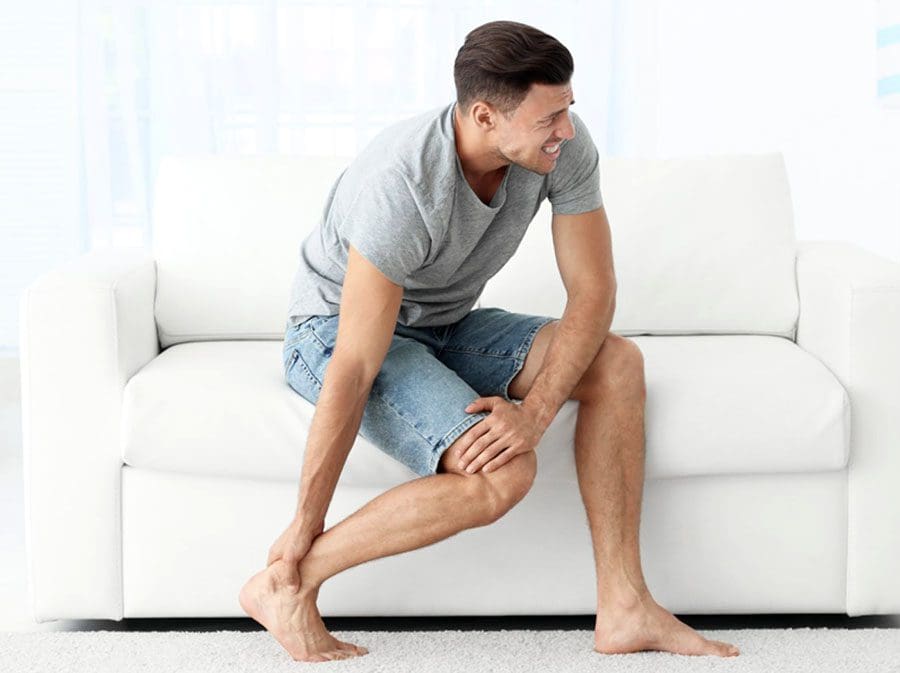
Reflex pain is a complex condition that involves the body’s pain withdrawal reflexfailing to turn off after the event that triggered the pain, so the pain sensations continue. This is a neurological condition known as the withdrawal reflex. It occurs when the body and brain undergo a chain of reactions to remove an affected body part from dangerous situations/stimuli. A typical example is a vehicle crash or accident. During the process, the body’s reflex muscle\s in the injured area tighten to protect the specific body part/s from further damage.
The reflex can feel like a muscle spasm that goes away over time. However, in the case of reflex pain, the signals keep firing. Reflex pain can occur all over the body as the muscles overcompensate to handle the prolonged pain; secondary injuries often develop. An example could be reflex pain in the ankle caused by injury or problems in the hips and back, where the individual tries to avoid moving the ankle in a specific way to prevent and avoid the pain symptoms. Individuals with reflex pain also experience headaches and referred spine and extremity pain. Reflex pain can become a cycle of symptoms that include:
Unusual tightness
Stiffness
Pain
Contracture – hardening or shortening of the affected muscles, tendons, or other tissues.
Decreased functional abilities.
Somatic Pain
Somatic pain causes receptors in tissues including the skin, muscles, connective tissues, joints, and skeleton to be activated. Stimuli like force trauma, vibration, extreme temperature, or inflammation/swelling activate these receptors. The pain is often described as:
Aching
Gnawing
Cramping
Sharp
Somatic pain is often localized to a particular area that is constant and stimulated by movement. There are two types.
Superficial painoccurs when everyday injuries activate pain receptors in the skin and mucous membranes.
Deep somatic pain occurs when stimuli activate pain receptors deeper in the body, including the tendons, joints, bones, and muscles. Deep body pain usually feels more like aching.
Pain can be confined to a local area or radiate to other areas of the body, depending on the extent of the injury.
Somatic pain can come from a variety of different potential causes that include:
Injury to joints or bones.
Trauma.
Fall or collision that damages connective tissues.
Sometimes these reflexes can stay in the on position and keep the body from achieving full relaxation.
In the nervous system, a body part is stimulated, and the message travels through the spinal cord and into the brain. The information is processed, then sent back through the spinal cord to the level that activates the specific body part. The reflexes transmit faster staying at the same spinal level without having to travel to the brain and back again.
During reflex pain, the body’s muscles are unable to relax, which is necessary for motion/movement. This prolonged contraction generates added pain and causes imbalances that can decrease excitabilityin the muscles. This can increase the activation of brain receptors that receive pain signals to respond by telling them to shorten and contract.
Therapy
Body misalignment can cause muscles to spasm, causing the nerves to stretch in an awkward way, compress, and get twisted and tangled around other nerves or other tissues. This disrupts communication resulting in pain, illness, and ailments that can lead to other health problems. Chiropractic care can address reflex pain by realigning the spine and improving joint motion and nerve conduction.
Chiropractic restores the body to its full and proper function by activating the natural healing abilities. Manual and mechanical spinal decompression realigns the vertebrae, reducing swelling, blockages, and nerve stress. A comprehensive examination will identify potential dysfunctional areas of the body using palpitations to identify which muscles are involved. Once identified, chiropractic, massage, and physical therapy options can be prescribed to rebalance the body’s muscles, and restore their ability to contract and relax normally.
Patient education will be provided concerning self-assessment techniques, instruction on how to treat pain, and an anti-inflammatory diet.
An exercise and stretching program will help maintain the adjustments, keep the body flexible, and strengthen the body.
Patients are helped to understand how to take control of their pain.
Spinal Decompression Testimonials
References
Biurrun-Manresa J, Neziry A, Curatolo M, Arendt-Nielson L, Anderson O. Test-retest reliability of the nociceptive withdrawal reflex and electrical pain thresholds after single and repeated stimulation in patients with chronic low back pain. Eur J Appl Physiol. 2011;111:83-92
Derderian C, Tadi P. Physiology, Withdrawal Response. [Updated 2021 Nov 12]. In: StatPearls [Internet]. Treasure Island (FL): StatPearls Publishing; 2022 Jan-. Available from: https://www.ncbi.nlm.nih.gov/books/NBK544292/
Muir, J M, and H Vernon. “Complex regional pain syndrome and chiropractic.” Journal of manipulative and physiological therapeutics vol. 23,7 (2000): 490-7. doi:10.1067/mmt.2000.108816
Neziri A, Haesler S, Steen P, et al. Generalized expansion of nociceptive reflex receptive fields in chronic pain patients. Pain. 2010;151(3):798-805
Szynkowicz, Peter, and Anthony Petrucci 4th. “Chiropractic Care of a Patient With Complex Regional Pain Syndrome Type 1 (CRPS-1): A Case Report.” Journal of chiropractic medicine vol. 19,2 (2020): 145-151. doi:10.1016/j.jcm.2020.05.001
Yezierski R, Vierck C. Reflex and pain behaviors are not equivalent: Lessons from spinal cord injury. Pain. 2010;151(3):569-577
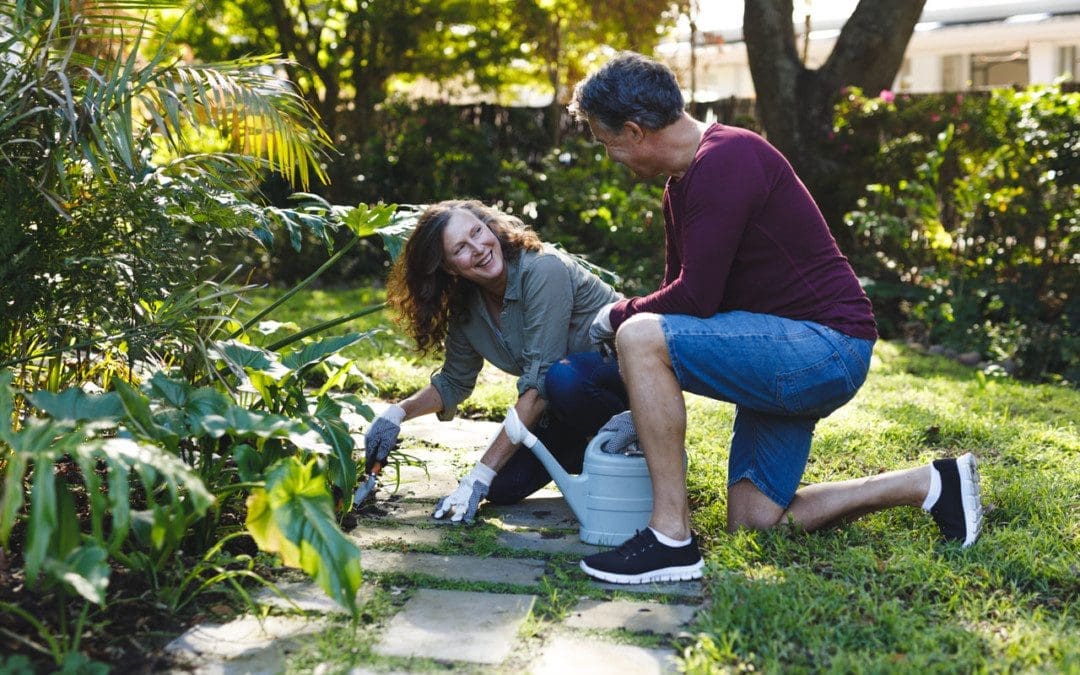
Gardening is healthy for the body and does count as exercise, which works the major muscle groups that include the neck, shoulders, arms, abdomen, back, glutes, and legs. However, gardening can cause stress to the body with unhealthy posture/positioning, not using proper lifting techniques, using the wrong tools, and not taking breaks to stretch out the body, move around, and rehydrate. This can lead to body soreness, pain, and injuries. Here are some recommended gardening tips and stretches for pain prevention.
Gardening Tips and Stretches
A sore back and body can stem from staying in a single posture for too long and repetitive motions/movements. Here are a few tips to help maintain musculoskeletal health while gardening:
Tools
Choosing the right garden tools can spare a lot of pain and money.
Focus on the fundamental tools and purchase the best quality tools that the budget will allow.
Size weight, task level, material, grips, handle length, and attachments are things to consider
This includes using proper arm positioning with a slight bend at the elbow and the mower handle at a comfortable level.
Take Breaks
Do not push through; take a break even if the body feels great.
Every half hour, the body needs to rest.
Try to work in 30-minute increments then break to move around, stretch, relax, and rehydrate.
Squatting, bending, digging, lifting bags, and pushing wheelbarrows is a form of strength training that helps achieve stronger muscles, healthier bones, and joints.
But if there are no breaks, the chances for pain and injuries increase.
Stretches
Simple stretches can reduce the strain and pain of gardening. Stretching before, during, and after the gardening session is recommended.
Cat Stretch
This is a simple yoga pose that helps with back soreness.
On your hands and knees, keep the hands at shoulder distance and the knees at hip distance.
Pull the navel up to the spine and arch/round the back.
Lay down with the legs at a 45-degree angle and the arms out to the sides.
Twist the legs to one side and look in the opposite direction.
Hold the pose until the stretch is felt, and then move back to the starting point.
Repeat on the opposite side.
Chiropractic
Chiropractic medicine can help alleviate aches and pains and rehabilitate, realign, and strengthen the body to optimal health. Individuals are educated on the musculoskeletal system, injury prevention, nutrition, and exercise to maintain wellness and a pain-free lifestyle.
Pain-Free Gardening Tips and Stretches
References
Howarth, Michelle et al. “What is the evidence for the impact of gardens and gardening on health and well-being: a scoping review and evidence-based logic model to guide healthcare strategy decision making on the use of gardening approaches as a social prescription.” BMJ open vol. 10,7 e036923. 19 Jul. 2020, doi:10.1136/bmjopen-2020-036923
Masashi Soga A et al. “Gardening is beneficial for health: A meta-analysis” https://www.ncbi.nlm.nih.gov/pmc/articles/PMC5153451/pdf/main.pdf.
Scott, Theresa L et al.”Positive aging benefits of home and community gardening activities: Older adults report enhanced self-esteem, productive endeavors, social engagement, and exercise” SAGE open medicine vol. 8 2050312120901732. 22 Jan. 2020, doi:10.1177/2050312120901732
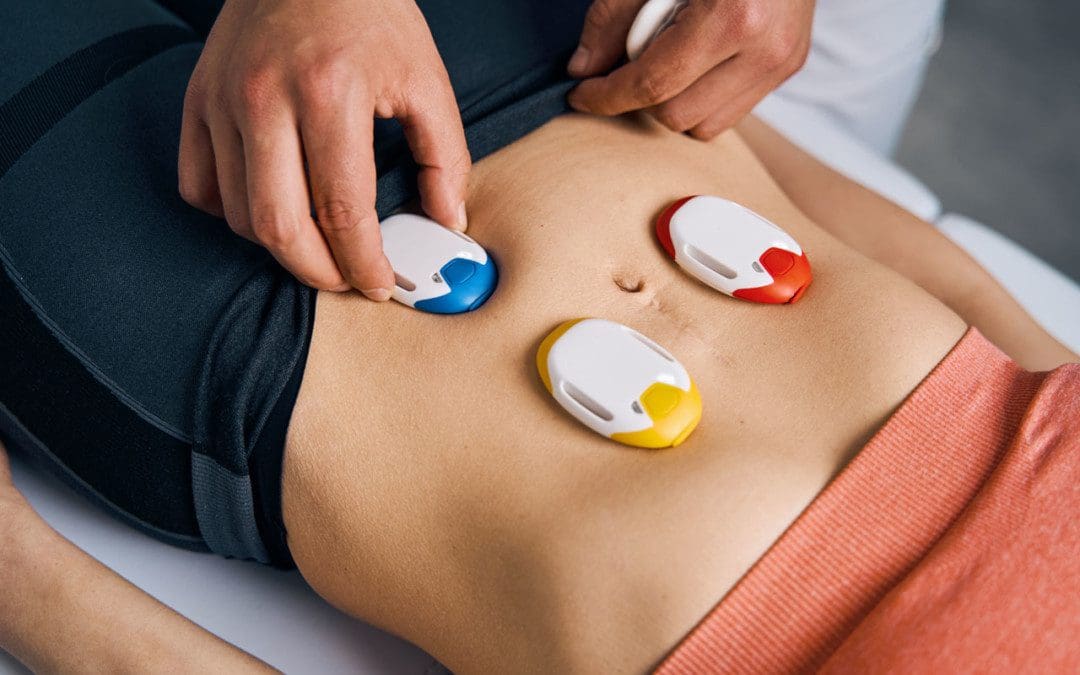
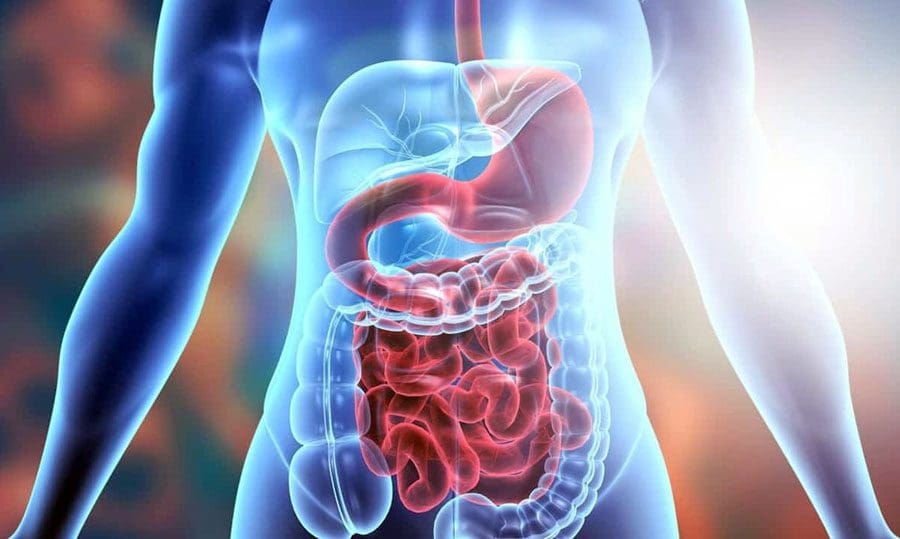
Viscerosomatic Gut Bloating: Everybody has healthy bacteria in the gut, but it can get thrown off balance with unhealthy bacteria that start taking over. Stress, viruses, and antibiotics can disrupt healthy bacteria levels. The bacterial balance known as the microbiome in the intestines is an essential factor in body wellness. The connection between intestinal and overall health is an important one as the gut is responsible for producing serotonin, a primary chemical necessary for emotional wellbeing. A viscerosomatic reflex is an organ/s causing pain to show up in the area where the injured, infected, dysfunctional organ is or, as referred pain in other areas of the body. Stress and unhealthy foods contribute to weight gain, organ stress, and chronic pain.
Viscerosomatic Gut Bloating
Bloating
Bloating is the feeling of pressure or gas in the abdomen. Distention refers to the physical expansion of the abdomen. However, these symptoms can present separately or in combination. Bloating can be a symptom on its own but often presents alongside other gastrointestinal disorders like:
After eating, flatulence, belching, bloating, and distention are a normal part of the digestive process. These issues are not considered problems until they cause pain and/or disrupt everyday life.
Stress
Stress can cause inflammation in the digestive tract, increasing pain receptors and distress-related bloating. Stress can disrupt the normal microbiome, creating intestinal dysbiosisand bacterial overgrowth. This can lead to digestive problems and symptoms that include bloating. This can be partly from excess gas production causing the sensation of bloating and physical distention combined with stress, creating an increased perception of bloating.
Foods Can Cause Inflammation
Animal products can cause inflammation because meat, poultry, and fish contain endotoxins/lipopolysaccharides found in the outer membrane of bacterial cells. These compounds are classified as toxins as they can cause health problems. No matter how these foods are cooked or prepared, the endotoxins are still present, absorbed into the body, and can trigger immune responses like inflammation. Eggs can cause inflammation because they contain high levels of cholesterol and arachidonic acid, which is an acid that is part of the inflammatory response. Excess cholesterol in the blood can trigger inflammation as well.
Dairy products can also trigger the inflammatory response in individuals that don’t produce the lactase enzyme, which breaks down the lactose in dairy products, are intolerant of casein and whey, two proteins in cow milk, or from the hormones and antibiotics given to cows to stimulate milk production and prevent infection. Dairy consumption has been linked to an increased risk of cancer and inflammatory conditions that include:
Acne
Asthma
Type 1 diabetes
Arthritis
Multiple sclerosis
Other Causes of Bloating
Other health conditions can present with visceral gut bloating and distention. This includes disorders and other underlying causes that include:
Musculoskeletal disorders can increase bloating and abdominal distention and can be triggered by stress. Two include:
Abdominal Muscle Dysfunction
These are abnormal contractions of the diaphragm and belly muscles that can occur after eating that can cause the nervous system to create a sense of bloating.
This viscerosomatic reflex leads to unhealthy postures and enlargement of the abdominal muscles that can worsen bloating sensations.
Exercises can be recommended to retrain the muscles to contract, usually after eating, which can help reduce bloating.
Pelvic Floor Dysfunction
Stressful situations naturally cause muscles to tighten, leading to increased contractions in the pelvic floor muscles.
These muscles control the bladder, bowel, and sexual function.
The opposite can happen when the pelvic floor muscles become too relaxed. This can make it difficult to have regular bowel movements.
Increased tone and/or over-relaxed muscles can lead to various symptoms, including bloating.
Chiropractic and Health Coaching
The nervous system controls the digestive process. Properly aligning the spine releases the stress and strain on the bones, muscles, and nerves to work correctly. Chiropractic body adjustments, diet/lifestyle adjustments, supplemental recommendations, and exercises can reduce the underlying causes of viscerosomatic gut bloating. Digestive problems such as:
Chronic heartburn
Gas
Constipation
Diarrhea
Bloating
Irritable bowel syndrome
Chiropractic offers a medication-free approach to treating digestive issues.
Descompresion Espinal DRX9000
References
Dragan, Simona, et al. “Dietary Patterns and Interventions to Alleviate Chronic Pain.” Nutrients vol. 12,9 2510. 19 Aug. 2020, doi:10.3390/nu12092510
Fifi, Amanda C, and Kathleen F Holton. “Food in Chronic Pain: Friend or Foe?.” Nutrients vol. 12,8 2473. 17 Aug. 2020, doi:10.3390/nu12082473
Lacy, Brian E et al. “Management of Chronic Abdominal Distension and Bloating.” Clinical gastroenterology and hepatology: the official clinical practice journal of the American Gastroenterological Association vol. 19,2 (2021): 219-231.e1. doi:10.1016/j.cgh.2020.03.056
Mari, Amir et al. “Bloating and Abdominal Distension: Clinical Approach and Management.” Advances in therapy vol. 36,5 (2019): 1075-1084. doi:10.1007/s12325-019-00924-7
Rice, Amanda D et al. “Decreasing recurrent bowel obstructions, improving quality of life with physiotherapy: Controlled study.” World journal of gastroenterology vol. 24,19 (2018): 2108-2119. doi:10.3748/wjg.v24.i19.2108
IFM's Find A Practitioner tool is the largest referral network in Functional Medicine, created to help patients locate Functional Medicine practitioners anywhere in the world. IFM Certified Practitioners are listed first in the search results, given their extensive education in Functional Medicine