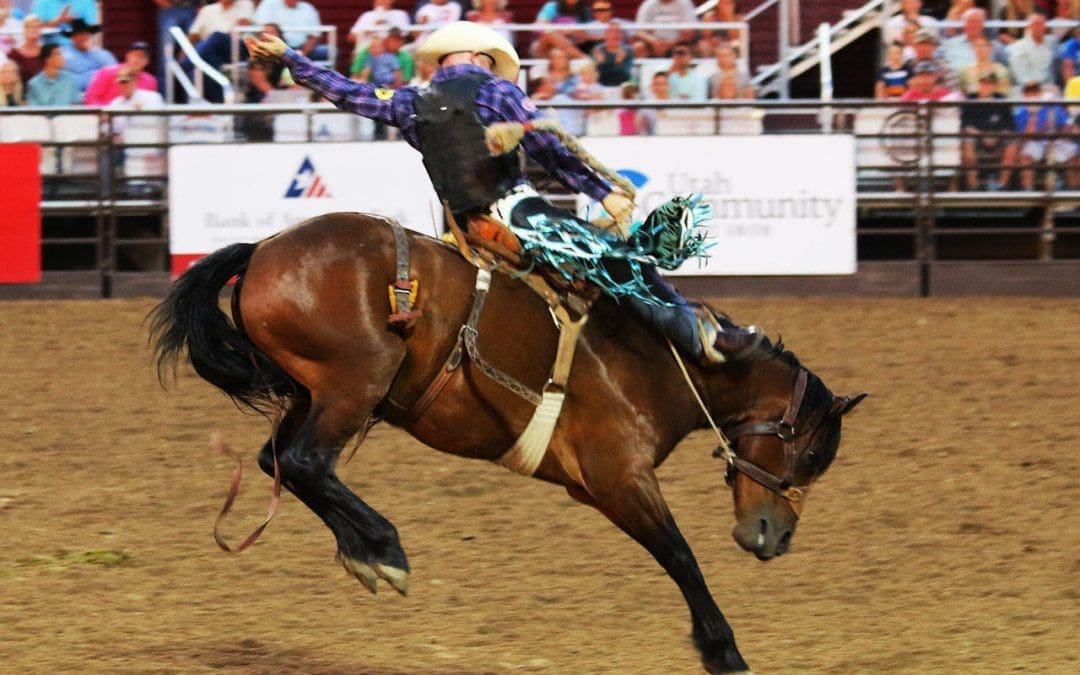
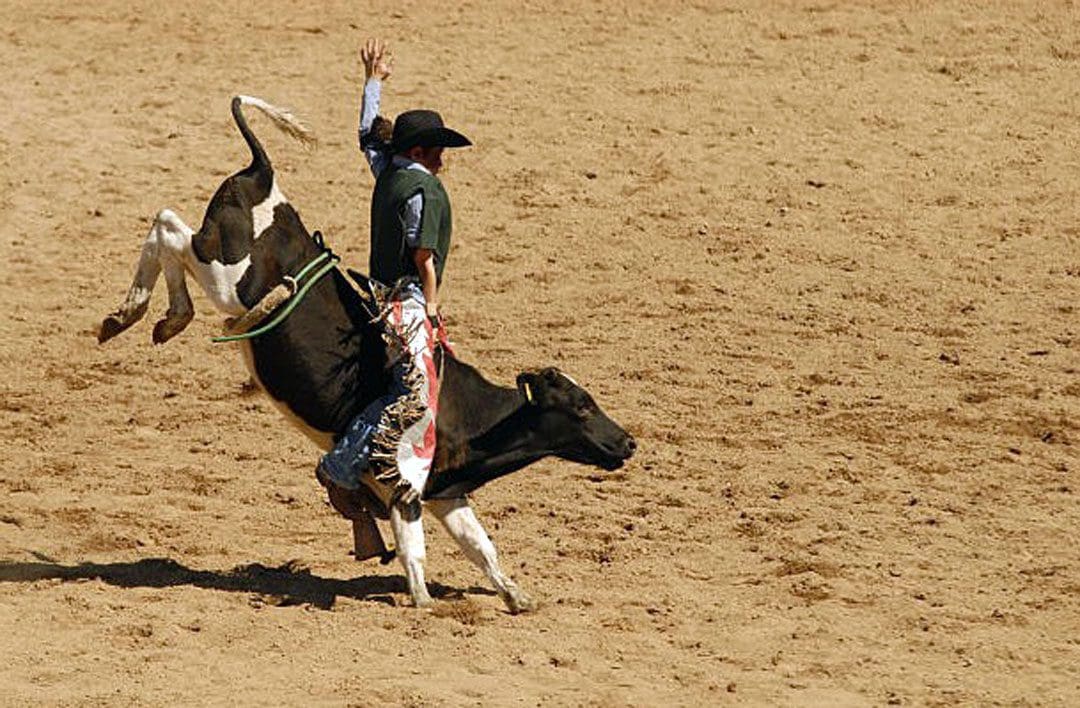
Rodeo Training: Rodeo has become a sport that is now open to anyone, and there are even programs for weekend warriors. Like all sports, it can offer a rewarding experience but can be dangerous. As the sport grows, individuals and spectators realize the importance of being strong, mobile, and durable. Individuals need to assess their health and ability and be in top shape due to the demands this sport places on the body. Here we look at the muscle groups needed in this sport.
Rodeo Training
Fitness has always had a place in rodeo and all equine sports, but it wasn’t paid much attention. Professional rodeo instructors recommend incorporating a strength, conditioning, and personal training regimen, to keep rodeo athletes, including bull riders, steer wrestlers, and calf ropers, in top form. Even for weekend warriors and hobbyists, increasing strength and mobility will make the hobby much more enjoyable.
Body Strength
The core strength of the abdominals and lower back is very important. The connection between the upper and lower body and groin strength has to be strong for the athletes to stay on the animal and control their bodies as the animal runs, shifts, and jumps. The focus should be on every muscle needed to move with proper form and control and learning how your body moves.
Upper Body
Scapula Stabilizers
These muscles help control the shoulder blade and maintain a healthy posture.
These muscles aid the rotator cuff and deltoid muscles to upwardly or downwardly rotate the shoulder blade/scapula while the shoulder joint/arm is moving overhead, behind the back, or reaching away from the trunk.
Strengthening these muscle groups prevents the rounding of the shoulders and provides strength when dealing with a strong animal.
Roughstock riders use these muscles to maintain pressure when lifting their rigging, reign, or rope while maintaining a square posture.
This muscle group needs strengthening, but it is equally important to ensure they’re flexible throughout the chest.
Many individuals have strong chest muscles, but there may be an imbalance of strength and flexibility, causing unhealthy posture.
The spine and stabilizer muscles cannot work to maintain proper posture or stabilize if the chest muscles are too tight.
The focus is maintaining balance in the chest’s mobility while ensuring they are strong enough to handle the force.
Core
Abdominal Muscles
Four major groups comprise the abdominal muscle group, including the rectus abdominis, internal and external oblique, and transversus abdominis.
These muscles work together with the spine and back muscles to help create core stability.
Core strength is not as important as core stability in rodeo sports.
The core fundamentals of riding require the hips, pelvis, and low back to move with the animal.
These muscles coordinate with each other to produce stability.
Focusing only on strength causes rigid or stiff riding.
Being excessively rigid through the abdominals and back muscles prevents shock absorption and can lead to lower back symptoms.
Lower Body
Hip Adductors
These inner thigh muscles include the gracilis, obturator externus, adductor brevis, longus, and magnus.
These muscles should typically be the strongest because of their natural riding use.
Problems with these muscles happen because the athletes generally don’t ride horses recreationally and don’t know how to strengthen them.
This leads to various injuries throughout the pelvic floor and hips.
Balance is required as the muscles can be too weak or too strong.
Where riders begin to depend/rely too much on them can lead to imbalances with the upper and lower body muscles.
Too much use/gripping with the adductors can lead to over-rotation of the hip, resulting in the toes-out walking gait and musculoskeletal issues.
Hip Abductors
The outer thigh/hip muscles are the gluteus medius, gluteus minimus, and tensor fasciae latae/TFL.
They move the leg away from the body and help rotate at the hip joint.
The abductors are necessary for staying stable when walking or standing on one leg.
They help stabilize the hip and pelvis and maintain proper leg alignment, allowing correct leg movements without excessive shifting in the saddle.
Sitting in the saddle with more pressure on one side or leaning to one side when jumping will cause an imbalance in the hip abductors.
Hip Extensors
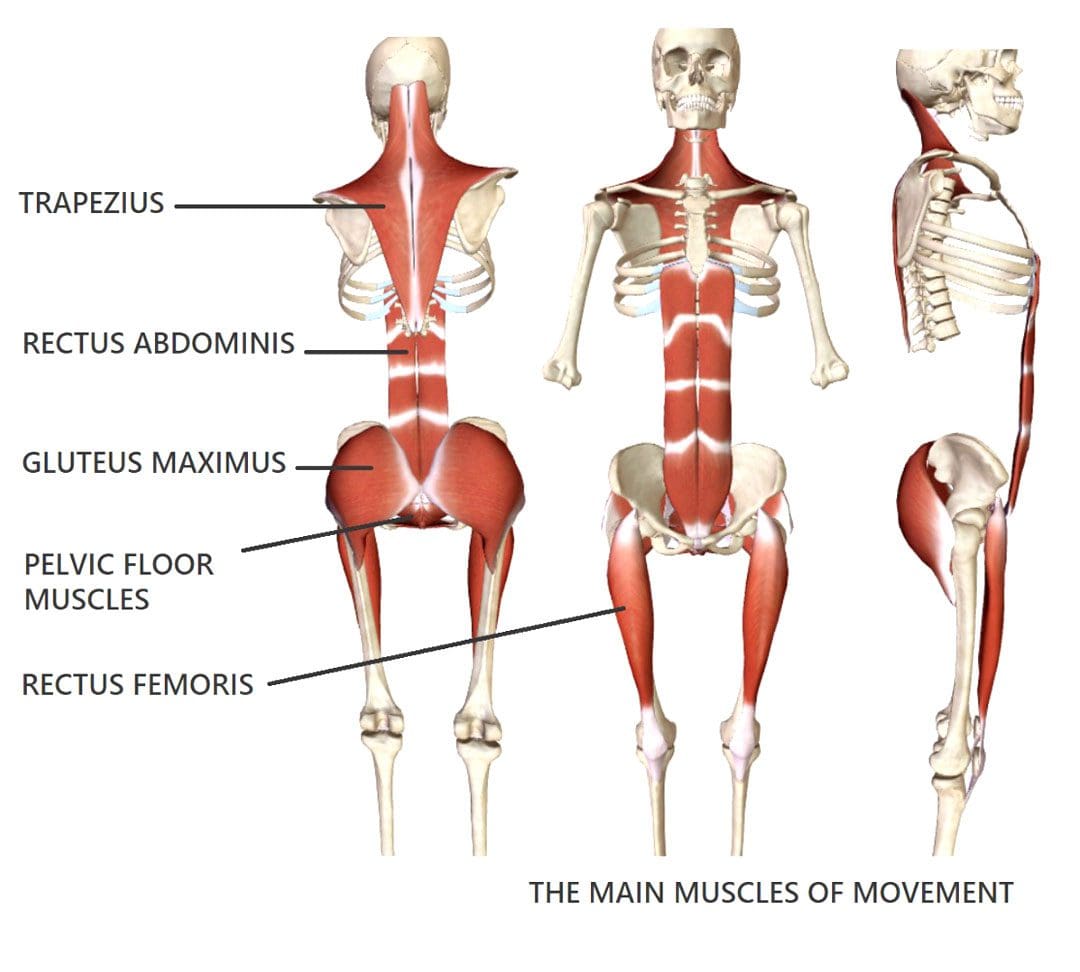
These are the posterior/back and hip/thigh muscles and are made up of the gluteus maximus and the hamstrings.
These are the most powerful muscles in the body and are responsible for giving the horse the cues to perform what they need to.
Strong hamstrings and glutes allow the rider to exert appropriate pressure through the legs to move the horse from a walk, trot, lope, run, and direction change.
The gluteus maximus acts as a buffer between the hamstrings and the lower back muscles.
Weakened gluteus maximus muscles can cause tight hamstrings that shift the pelvis and begin pulling on the low back muscles.
Building strength and mobility throughout the hip extensors will prevent injury.
Understanding which muscles are responsible for each part of the movements needed to compete in this sport is essential. However, rodeo sports are learned by doing, and it is recommended to go to a rodeo school or rodeo clinics as there is no substitute for experience. Some schools hold numerous classes around the country. These are usually taught by championship athletes and are a great way to try rodeo in a safe and controlled learning environment.
Rodeo Training: What It Takes
References
Meyers, Michael C, and C Matthew Laurent Jr. “The rodeo athlete: injuries – Part II.” Sports medicine (Auckland, N.Z.) vol. 40,10 (2010): 817-39. doi:10.2165/11535330-000000000-00000
Sinclair Elder, Amanda J, and Rachel Tincknell. “Epidemiology of Hip Injuries in Professional Rodeo: A 4-Year Analysis.” Orthopedic journal of sports medicine vol. 8,10 2325967120959321. 27 Oct. 2020, doi:10.1177/2325967120959321
Sinclair, Amanda J, and Jack W Ransone. “Physical activity and its relationship to rodeo injury and success.” Journal of strength and conditioning research vol. 18,4 (2004): 873-7. doi:10.1519/14623.1
Watts, Melinda, et al. “Characteristics of Injury in Collegiate Rodeo.” Clinical journal of sports medicine: official journal of the Canadian Academy of Sports Medicine vol. 32,2 (2022): e145-e150. doi:10.1097/JSM.0000000000000904
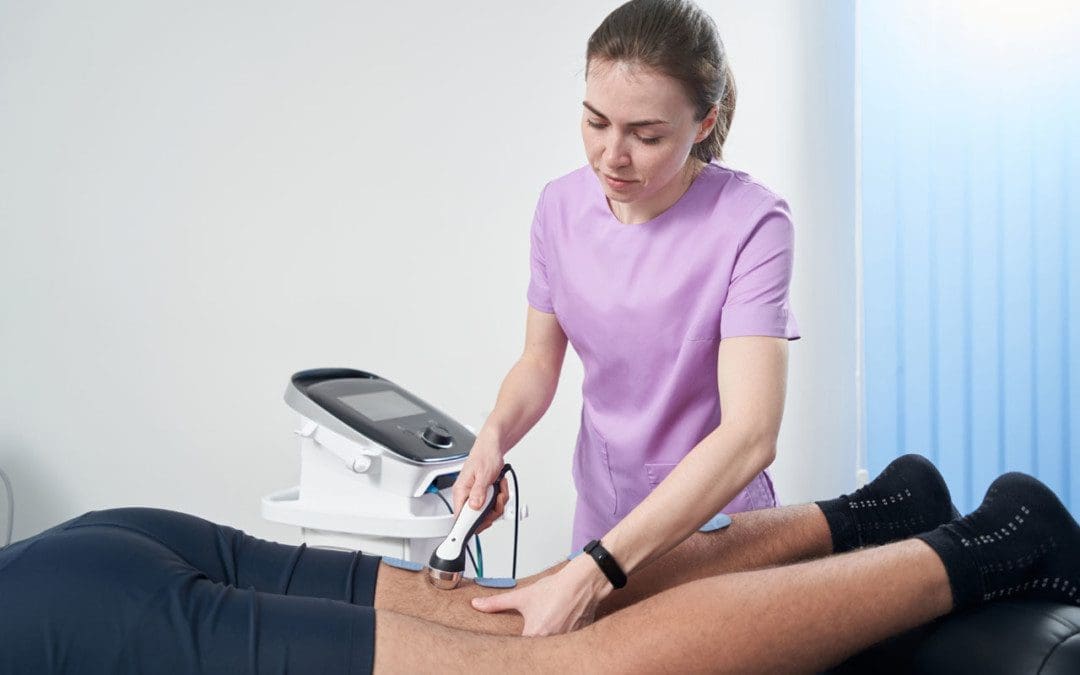
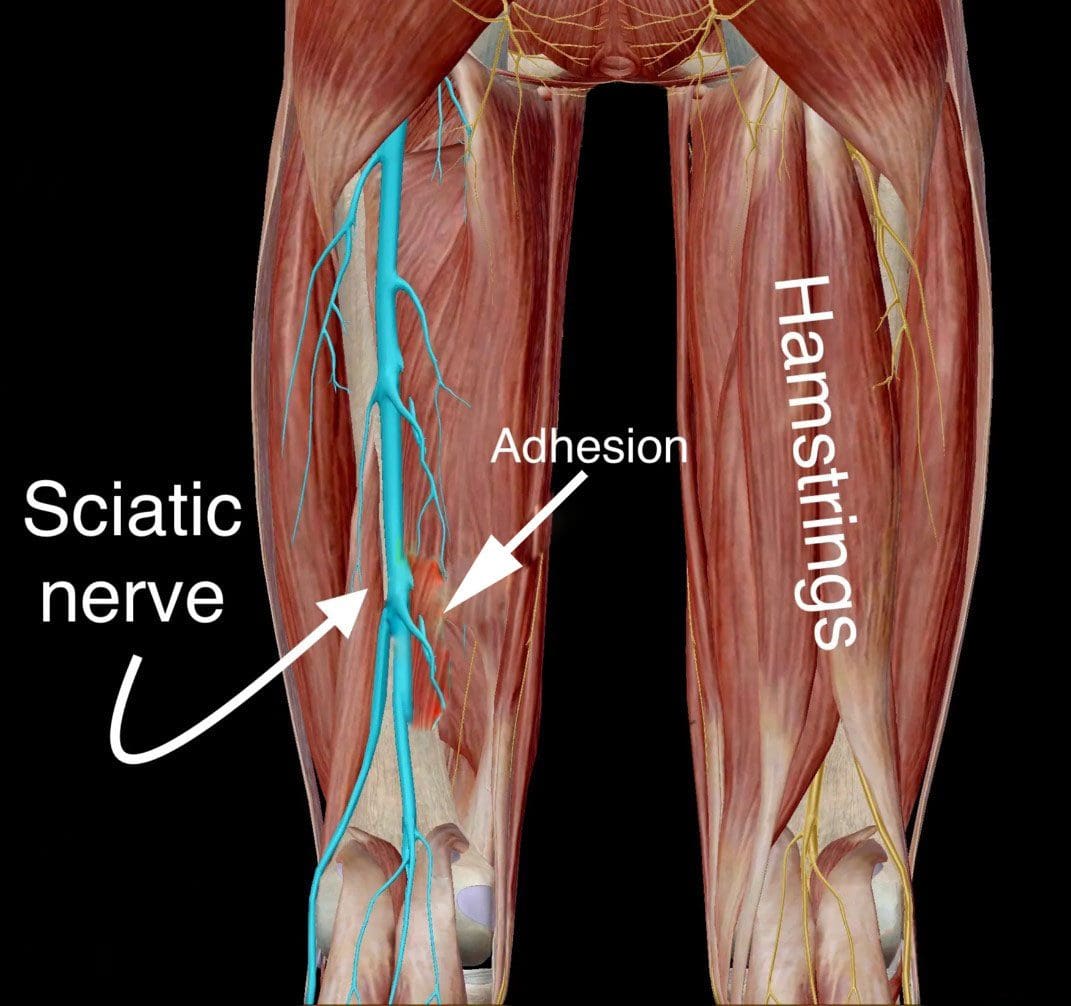
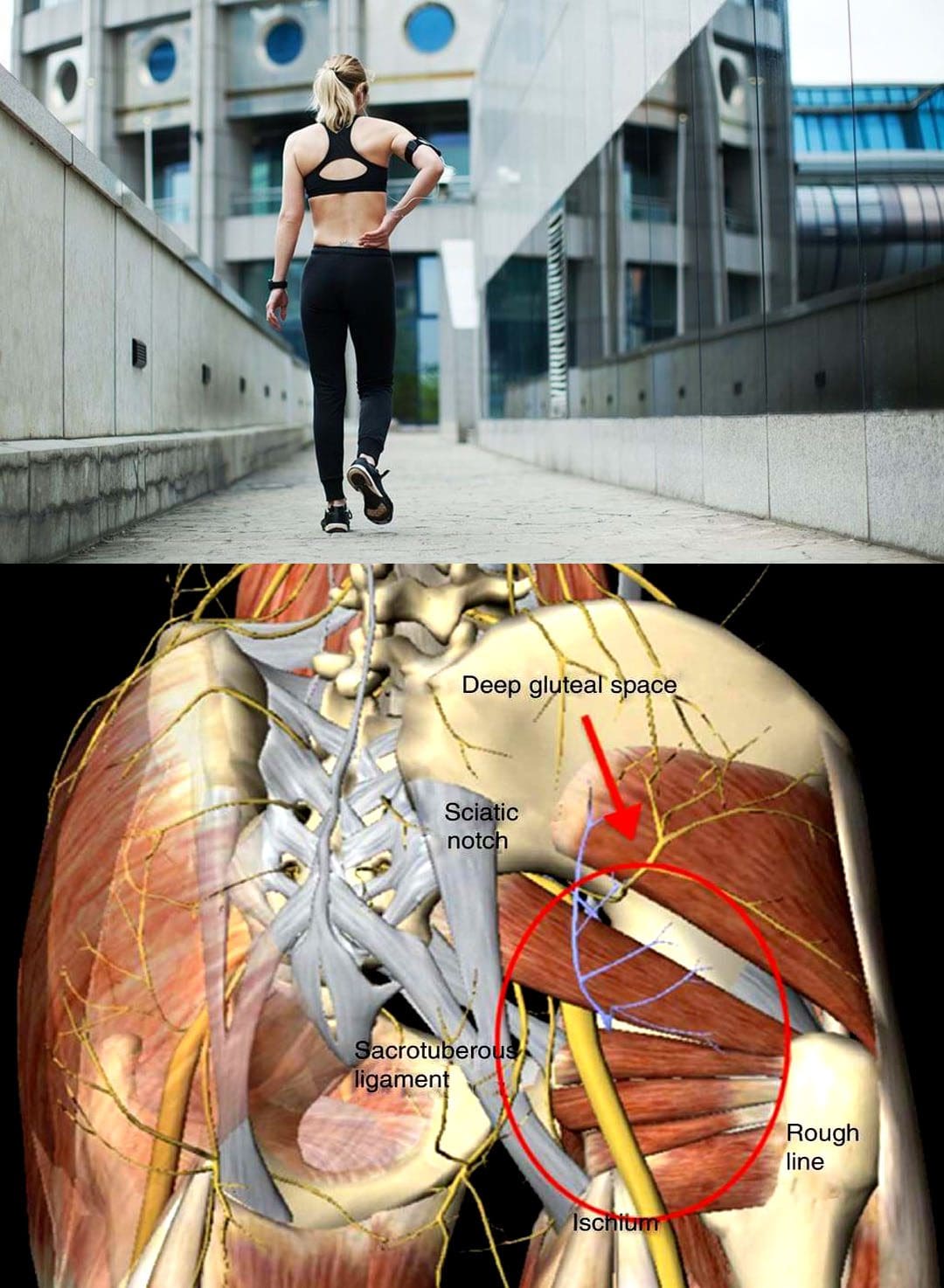
Hamstring syndrome is a condition where the sciatic nerve gets pinched between the hamstring muscles and the pelvic bone or by the tissue bands that connect the hamstring muscles causing compression on and around the nerve. It is seen in individuals that play sports that involve running, kicking, or jumping, in middle-aged individuals engaged in daily activities that have suffered falls, and in individuals that sit for many hours. Chiropractic care, massage, and decompression therapy can relieve the symptoms, release the trapped nerve, relax and stretch the muscles, and restore function.
Hamstring Muscles Trapped Sciatic Nerve
Three muscles make up the hamstrings in the back of the thigh. The sciatic nerve runs from the low back down the leg into the foot. A trapped sciatic nerve can cause various symptoms and sensations in the back of the leg, hip, buttock, and foot. It may hurt to sit down or stretch the legs out, and there is usually tightness in and/or around the buttock and back of the leg. The symptoms typically recede when lying on your back.
Cause
Regular wear and tear on the back muscles and hamstrings can contribute to the condition.
Often the sciatic nerve and/or the sheath surrounding the sciatic nerve gets trapped and irritated as it travels around the ischial tuberosity. The ischial tuberosities are known as the sit bones.
The area where the sciatic nerve runs down the back of the leg can become narrowed, leading to nerve irritation and stinging, numbing, and tingling sensations.
The injury often happens during sudden, quick, forceful movements that overstretch the tendons and/or muscles but can also happen during slow movements.
Movement agitates the pulling and rubbing of the nerve on the muscles.
A non-painful pull or pop of the hamstrings can cause the muscles to spasm and wrap around the nerve.
Symptoms
Symptoms usually include the following:
Leg pain that worsens when sitting.
Intense electrical shooting pain that makes it hard to stand or move.
Difficulties moving the leg or foot.
Numbness and weakness in and around the leg.
Tingling or burning sensations running down the leg.
Persistent pain on one side of the lower back.
Chiropractic Care
Chiropractic treatment can relieve the symptoms and release the trapped nerve. Treatment includes:
Accurate Diagnosis – A chiropractor will examine and review physical activity, work, and medical history.
Ice and Heat therapies will stop the swelling and increase blood flow.
Massage therapy relaxes the muscles and increases circulation.
Decompression therapy incrementally and gently stretches the body.
Chiropractic adjustments realign and reset the body.
Targeted stretches and exercises will keep the muscles loose and increase strength.
Nutritional recommendations will help reduce inflammation and prevent flare-ups.
Hamstrings and Sciatic Nerve Relationship
References
Lohrer, Heinz, et al. “Nerve entrapment after a hamstring injury.” Clinical journal of sports medicine: official journal of the Canadian Academy of Sports Medicine vol. 22,5 (2012): 443-5. doi:10.1097/JSM.0b013e318257d76c
Mattiussi, Gabriele, and Carlos Moreno. “Treatment of proximal hamstring tendinopathy-related sciatic nerve entrapment: presentation of an ultrasound-guided “Intratissue Percutaneous Electrolysis” application.” Muscles, ligaments and tendons journal vol. 6,2 248-252. 17 Sep. 2016, doi:10.11138/mltj/2016.6.2.248
McGregor, Catriona, et al. “Traumatic and overuse injuries of the ischial origin of the hamstrings.” Disability and rehabilitation vol. 30,20-22 (2008): 1597-601. doi:10.1080/09638280701786138
Saikku, Kari, et al. “Entrapment of the proximal sciatic nerve by the hamstring tendons.” Acta orthopaedica Belgica vol. 76,3 (2010): 321-4.
Unhealthy posture and slouching incorrectly position the body unnaturally, adding chronic strain on the muscles and ligaments. For example, when sitting or standing at a workstation, individuals start to relax by slumping forward because it feels comfortable; however, they don’t realize that their shoulders are hunching over, and their neck is in an awkward forward position. For every inch the head moves forward, its weight on the neck and upper back muscles increases by 10 pounds. Individuals that stay in this position for a long time often experience neck soreness, tension in the shoulder muscles, and low back discomfort. Chiropractic care, massage, and decompression therapy can realign the spine to its natural position and train individuals to maintain a healthy posture.
Slouching
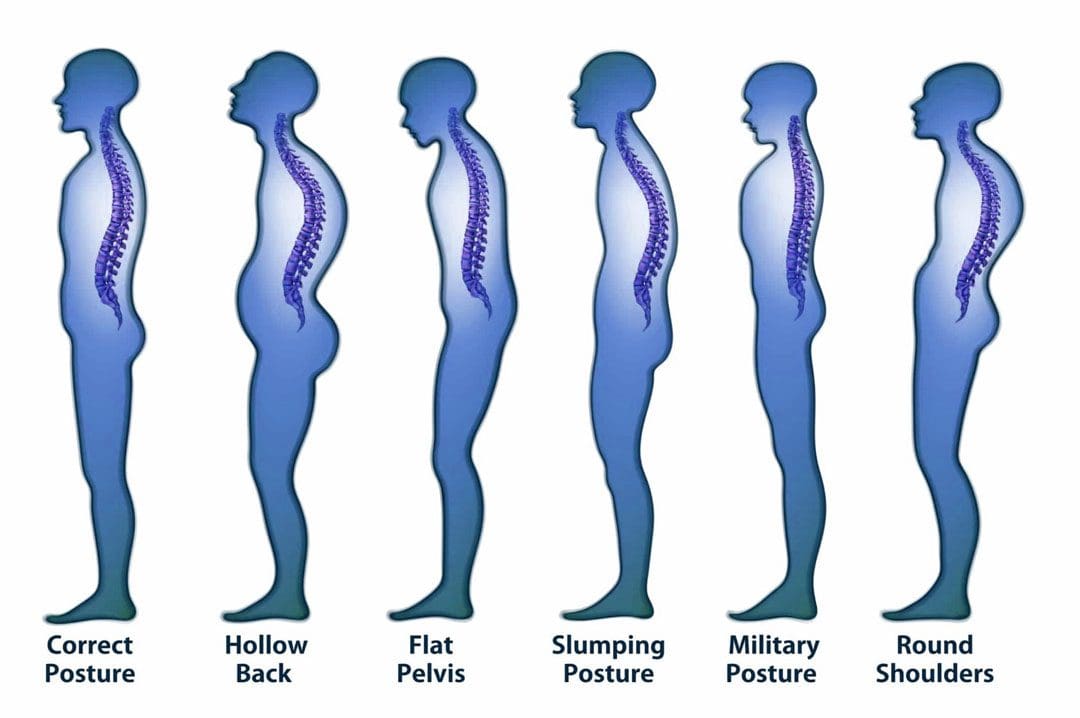
Posture is the body’s position in space, the relationship of the body’s parts, head, torso, and limbs to each other. Maintaining the natural lumbar curve in the low back is essential to preventing posture-related discomfort symptoms. This natural curve works as a shock absorber, helping to distribute weight along the length of the spine. The most common causes for slouching posture are:
Repetitive motions or tasks can cause physical and mental fatigue, causing individuals to relax their core muscles.
Combined with the repetitiveness, individuals also begin implementing unhealthy movements because it makes the job easier.
Often individuals want to finish their work tasks, and even though they can feel their muscles and body stiffening and tightening up, they continue to work through the discomfort and don’t take a quick break to move around and stretch.
Stressful situations can cause muscle tension.
Carrying heavy bags, purses, backpacks, etc.
Weight fluctuation.
Pregnancy.
Spine
Muscles move the skeletal system and provide resistance against movement.
The musculoskeletal system comprises soft tissue structures that provide active and passive spinal stabilization.
The spine has natural curves to distribute weight/loads evenly.
The cervical and lumbar spine have a lordosis or forward curve.
The thoracic spine and sacrum have a kyphosis or backward curve.
They help to mitigate the forces exerted on passive stabilizing structures like the ligaments, joint capsules, and intervertebral discs.
A prolonged seated or standing position fatigues the muscles that stabilize the spine from the forces of gravity and body weight. When the tired muscles no longer provide stability, the spine must rely on the passive structures of the musculoskeletal system for support. Without the support, the spine gradually loses its natural cervical and lumbar curves and becomes more kyphotic or slouched. Slouching can provide relaxation and relief to the fatigued muscles; however, repetitive or prolonged stress to the passive structures can result in discomfort and injury to those tissues. This is how nerve compression, ligament inflammation, and disc herniations start.
Symptoms of Unhealthy Posture
Head that leans forward or backward.
Headaches.
Jaw pain.
Poor circulation.
Rounded shoulders.
A decline in breathing efficiency.
Muscle fatigue – Certain muscles can change in length, becoming short and tense or long and weak.
The advantages of practicing healthy posture include the following:
Prevents abnormal wear on the joints.
Lessens stress on the ligaments.
Prevents muscle strain and fatigue.
Prevents the spine from becoming misaligned.
Prevents back aches and soreness.
Reduces the risk of chronic diseases or conditions.
Helps maintain fitness and overall health.
Chiropractic Realignment
Our approach starts by correcting the physical problems caused by slouching, which involves chiropractic adjustments, therapeutic massage, and non-surgical decompression therapy. The objective is to fix the root cause to ensure that the treatment lasts and maintains neuromusculoskeletal health.
Examination
The initial assessment looks at an individual’s posture and a physical evaluation to identify the root cause.
When muscles become weak, over or underused, or suffer injury, others tighten or tense up.
A chiropractor looks at how an individual stands from behind and from the sides, noting issues like uneven shoulders, arched back, twisted pelvis, or other symmetry issues.
Treatment
Massage will increase circulation and reduce tension.
Muscle release and relaxation for any overactive muscles.
A chiropractor will perform slow joint movements.
Targeted stretches and strength exercises will correct imbalances, maintain flexibility, and strengthen the core muscles.
Postural training will help individuals learn to use proper body mechanics and to listen to their bodies.
Impact of Stress
References
Defloor, T, and M H Grypdonck. “Sitting posture and prevention of pressure ulcers.” Applied nursing research: ANR vol. 12,3 (1999): 136-42. doi:10.1016/s0897-1897(99)80045-7
Fortner, Miles O et al. “Treating ‘slouchy’ (hyperkyphosis) posture with chiropractic biophysics®: a case report utilizing a multimodal mirror image® rehabilitation program.” Journal of physical therapy science vol. 29,8 (2017): 1475-1480. doi:10.1589/jpts.29.1475
Katzman, Wendy B et al. “Age-related hyperkyphosis: its causes, consequences, and management.” The Journal of orthopedic and sports physical therapy vol. 40,6 (2010): 352-60. doi:10.2519/jospt.2010.3099
Korakakis, Vasileios, et al. “Physiotherapist perceptions of optimal sitting and standing posture.” Musculoskeletal science & practice vol. 39 (2019): 24-31. doi:10.1016/j.msksp.2018.11.004
Snijders, Chris J et al. “Effects of slouching and muscle contraction on the strain of the iliolumbar ligament.” Manual therapy vol. 13,4 (2008): 325-33. doi:10.1016/j.math.2007.03.001
Yoong, Nicole Kah Mun et al. “Commercial Postural Devices: A Review.” Sensors (Basel, Switzerland) vol. 19,23 5128. 23 Nov. 2019, doi:10.3390/s19235128
It is a common scenario, whether sitting or standing when we need to bend down or forward, and suddenly there is a sharp sting on one side of the low back. The sensation can cause the knees to buckle. So we stand up slowly to assess the condition and realize it is almost impossible to stand completely straight and even harder to bend forward. So we sit back down to try and relieve the pressure. It helps a little, but the injury has caused the back muscles to spasm and get tighter and tighter. When we try to get up, there can be one big or several mild to severe electrical shock sensations traveling through the back. A severely over-rotated vertebrae could be the cause and require chiropractic care, massage, and/or decompression therapy.
Over Rotated Vertebrae
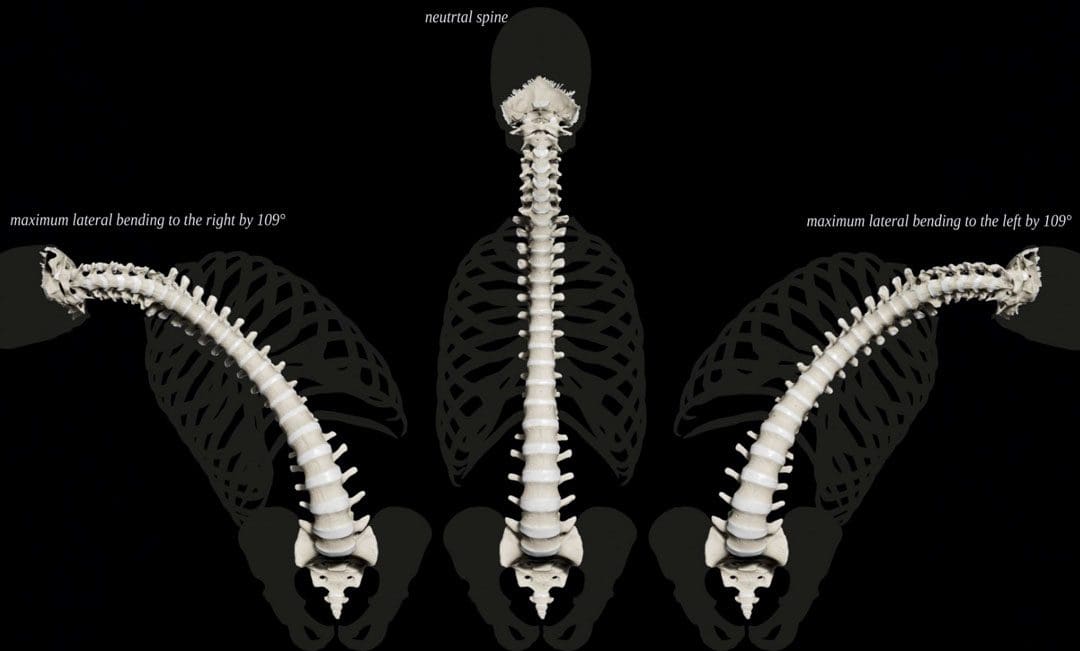
The spinal column is made of 26 interconnected vertebrae. When in motion, each vertebra moves, and as the torso rotates, the spine must rotate as well. The spine can move in several ways, including:
Bending
Rounding forward.
Extending or arching backward.
Twisting
Tilting sideways uses some of the same muscles when twisting.
Although the spine can move in various directions, there are limits to how far it can and should go. For example, when bending forward to lift an object, an individual can unknowingly over-extend and over-rotate vertebrae. This is where the risk of injury increases. A rotational injury of the spine occurs when the torso turns too far, and the spinal cord can’t handle it. This can stretch the ligaments in the spine to the point of snapping, causing the facet joints to dislocate. Ligament strains and facet dislocations are two of the most common rotational spine injuries.
Complications
An over-rotated vertebrae injury can also lead to complications that include.
Chronic Pain
Spinal nerve damage can lead to chronic pain conditions.
Mobility Problems
Mobility problems are common following an injury of the spine.
This comes from damage to the nerves that innervate the legs, causing weakness and coordination problems.
Pressure Ulcers
Numbness following a spine injury can cause individuals not to notice pressure ulcers developing.
These can lead to infections and could require hospitalization.
Individuals accumulate tension and/or weakness in the oblique abdominal muscles and other trunk muscles that can lead to chronic tightness and weakness, affecting movement and decreasing the range of motion.
Chiropractic Treatment Plan
Depending on the time and severity of the injury, a personalized treatment plan may consist of the following:
Chiropractic mobilization to release the spasms and reset the spine.
Rest
Facet Syndrome Treatment
References
Janssen, Michiel M A, et al. “Pre-existent vertebral rotation in the human spine is influenced by body position.” The European spine journal: official publication of the European Spine Society, the European Spinal Deformity Society, and the European Section of the Cervical Spine Research Society vol. 19,10 (2010): 1728-34. doi:10.1007/s00586-010-1400-3
Kruger, Erwin A et al. “Comprehensive management of pressure ulcers in spinal cord injury: current concepts and future trends.” The Journal of spinal cord medicine vol. 36,6 (2013): 572-85. doi:10.1179/2045772313Y.0000000093
Passias, Peter G et al. “Segmental lumbar rotation in patients with discogenic low back pain during functional weight-bearing activities.” The Journal of bone and joint surgery. American volume vol. 93,1 (2011): 29-37. doi:10.2106/JBJS.I.01348
Shan, X., Ning, X., Chen, Z. et al. Low back pain development response to sustained trunk axial twisting. Eur Spine J 22, 1972–1978 (2013). https://doi.org/10.1007/s00586-013-2784-7
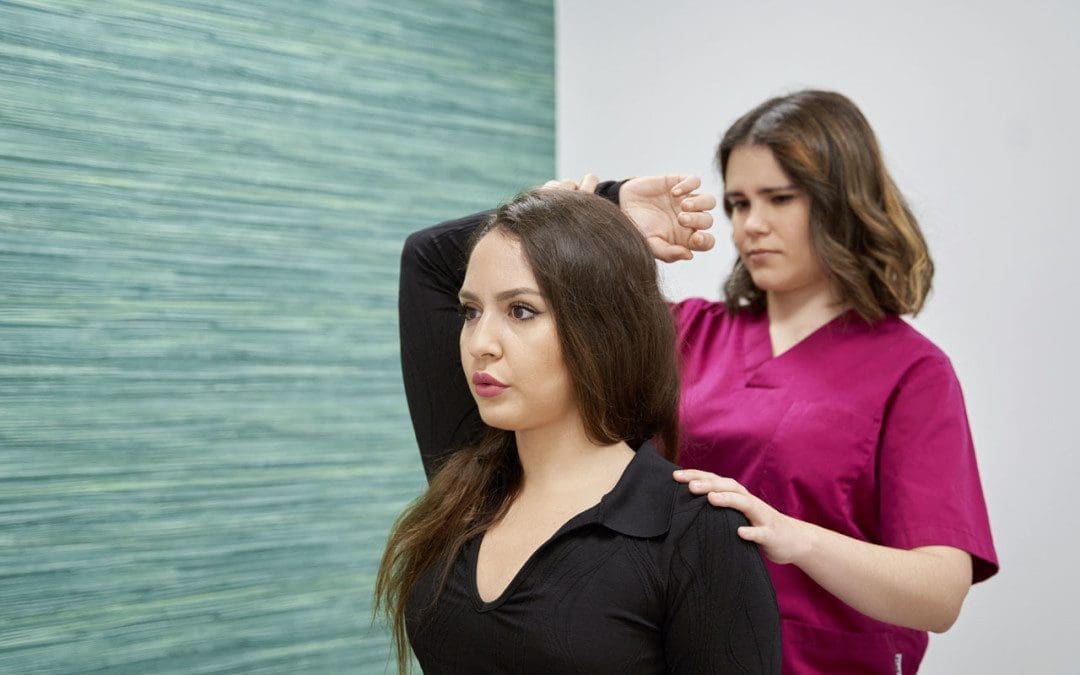
Neck injuries and whiplash symptoms can be minor and go away within a few days. However, whiplash symptoms can manifest days later and become varied and chronic, ranging from severe pain to cognitive problems. These are collectively called whiplash-associated disorders because of the varied complexity of the symptoms. A common condition is a whiplash nerve injury. These injuries can be severe and require chiropractic treatment.
Whiplash Nerve Injury
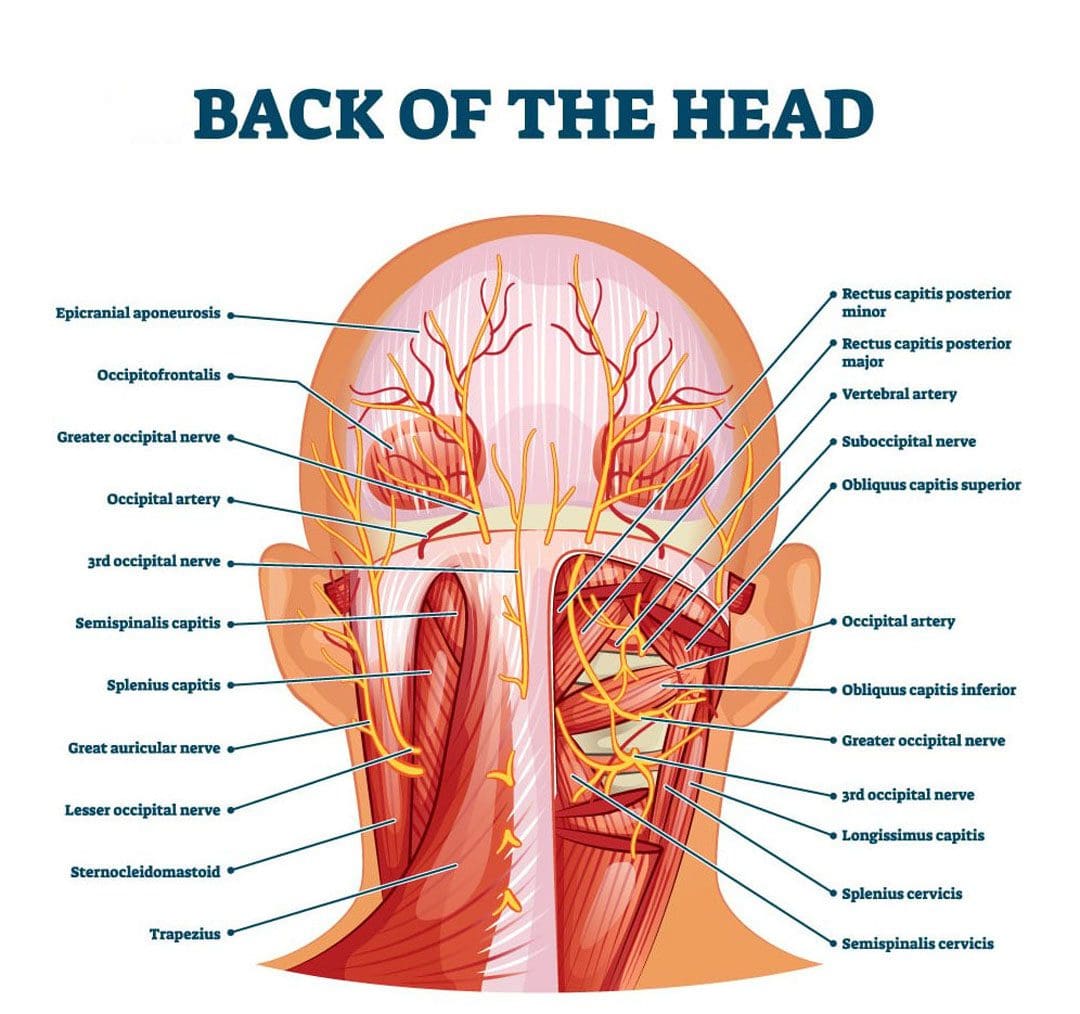
Surrounding muscles, tissues, bones, or tendons can cause a whiplash nerve injury. The neck’s spinal nerve roots become compressed or inflamed, leading to cervical radiculopathy symptoms of tingling, weakness, and numbness that can radiate down the shoulder, arm, hand, and fingers. Typically, cervical radiculopathy is only felt on one side of the body, but in rare cases, it can be felt on both sides if more than one nerve root is affected.
Neurological Cervical Radiculopathy
Neurological problems can become severe and can reduce the ability to perform many routine tasks, such as gripping or lifting objects, writing, typing, or getting dressed.
Cervical radiculopathy involves one or more of the following neurological deficiencies.
Sensory – Feelings of numbness or reduced sensation. There can also be tingling and electrical sensations.
Motor – Weakness or reduced coordination in one or more muscles.
Reflex – Changes in the body’s automatic reflex responses. An example is a diminished ability or reduced hammer reflex exam.
Symptoms
Because every case is different, symptoms vary depending on the location and severity. Symptoms can flare up with certain activities, like looking down at a phone. The symptoms then go away when the neck is upright. For others, symptoms can become chronic and do not resolve when the neck is resting and supported. Common symptoms include:
Fatigue
Decreased energy levels could be related to sleep problems, depression, stress, pain, concussion, or nerve damage.
Memory and/or concentration problems
Cognitive symptoms could involve difficulty with memory or thinking.
Symptoms can start shortly after the injury or not appear until hours or days later.
Cognitive problems could be from a brain injury or related to various types of stress.
Headaches
This could be neck muscles tightening or a nerve or joint becoming compressed or irritated.
Dizziness
Dizziness could be from neck instability, a concussion/mild traumatic brain injury, and nerve damage.
Vision problems
Blurry vision or other visual deficits could result from any number of causes, including concussion or nerve damage.
Vision problems could also contribute to dizziness.
Ringing in the ears
Also called tinnitus, this can be ringing or buzzing in one or both ears and can range from intermittent and minor to constant and severe.
Whiplash complications such as injury to the brain region that controls hearing, nerve or vascular damage, jaw injury, or stress can lead to tinnitus.
Chiropractic Care
The appropriate chiropractic treatment is unique to each whiplash nerve injury and is directed at the primary dysfunctions detected during the initial examination. A personalized treatment plan addresses factors in an individual’s work, home, and recreational activities. Treatment includes:
Massage manual and percussive for nerve and muscle relaxation
Goldsmith R, Wright C, Bell S, Rushton A. Cold hyperalgesia as a prognostic factor in whiplash-associated disorders: A systematic review. Man Ther. 2012; 17: 402-10.
McAnany SJ, Rhee JM, Baird EO, et al. Observed patterns of cervical radiculopathy: how often do they differ from a standard “Netter diagram” distribution? Spine J. 2018. pii: S1529-9430(18)31090-8.
Murphy DR. History and physical examination. In: Murphy DR, ed. Conservative Management of Cervical Spine Syndromes. New York: McGraw-Hill, 2000:387-419.
Shaw, Lynn, et al. “A systematic review of chiropractic management of adults with Whiplash-Associated Disorders: recommendations for advancing evidence-based practice and research.” Work (Reading, Mass.) vol. 35,3 (2010): 369-94. doi:10.3233/WOR-2010-0996
Travell JG, Simons DG. Myofascial Pain and Dysfunction: The Trigger Point Manual. Vol. 1, 2nd ed. Baltimore, MD: Williams and Wilkens, 1999.
Sciatica From Working Out: There are benefits from strenuous exercise and a level of acceptance of the discomfort that goes with exertion. While this is true to a certain degree, when individuals feel the pump and are in the workout zone, it can be very easy to take off and overdo it. This is when the body and the back become susceptible to injuries. Sciatica from working out occurs when added pressure on the sciatic nerve results in a compressed/pinched nerve. Left untreated can lead to further back problems and other health issues. The Injury Medical Chiropractic and Functional Medicine Team can relieve the compression, release the nerve, relax the muscles, and restore function.
Sciatica From Working Out
Microtrauma
Building muscle and increasing strength require a certain amount of physical damage to the muscles for successful progress. Intense and heavy exercise tear the muscle tissues causing microtrauma that triggers a healing response that creates muscle mass. These micro-injuries can cause the back muscles to tighten up, shifting the spine out of alignment, causing the discs to slip and compress nerves, or by tight leg muscles like the piriformis swelling and squeezing the sciatic nerve.
Causes
Rest and Recovery
It’s important to understand that proper recovery is essential to an exercise program.
It can take up to 72 hours to recover from the microtears.
Individuals that go right back for a similar workout can aggravate existing micro tears while creating more, resulting in a downward cycle of symptoms that can lead to other problems or become a chronic condition.
Rotating to exercises that go easy on the back and leg muscles assists in the normal healing and development of muscle tissue.
Not Warming up Before Workout
Not warming up before exercising can cause injuries.
When muscles are cold and not warmed up properly, they can become stiff and inflexible, causing them to strain and tear when exposed to sudden, intense exertion.
Before performing any exercise, always start with a low-impact, gentle warm-up.
Not Stretching Properly or at All
Full-body stretching is necessary as the torn, tight muscles need to be relaxed and kept loose.
Make sure to stretch the hamstrings and hips thoroughly.
After each workout, take 10 minutes and stretch.
Not Stretching After
Always do some stretching after a workout.
Stretching after can help prevent muscle fatigue and soreness from a lactic acid buildup.
Starting With Heavy Weights
Many injuries happen because individuals start too heavy.
Challenging the body’s performance is part of the process but should be done in small steps.
Start with lighter weights and add more gradually.
Improper Posture and Form
A leading cause of back problems is poor posture and form.
Curving the back while lifting weights is the most error.
Overarching can also cause injury.
When performing push-ups or planks, avoid sinking the hips.
Hard Surfaces
For runners, hard surfaces like concrete or asphalt force the body and back to absorb most of the impact.
This compresses the vertebrae, which can irritate the sciatic nerve.
Rotate by using running trails or a treadmill.
Work on running with a shorter stride to reduce bounce and impact.
Incorporate cross-training.
Rotate upper body strength training to give the legs, gluteals, and back muscles a rest.
Chiropractic Rehabilitation
Chiropractic care, massage, and decompression therapy can relieve sciatica pain. Using spinal manipulation techniques and other therapies, chiropractors can alleviate the pressure on the nerve. Treatment involves:
X-rays are taken so that the chiropractor can understand the cause.
Massaging the muscles to relax and release them and increase circulation.
Stretching and applying controlled pressure to the joints.
Specific exercises and stretches will be recommended to do at home.
Health coaching and nutrition and wellness recommendations.
Personalized Sciatica Treatment
References
Bonasia DE, Rosso F, Cottino U, Rossi R. Exercise-induced leg pain. Asia Pac J Sports Med Arthrosc Rehabil Technol. 2015;2(3):73-84. doi:10.1016/j.asmart.2015.03.003
Cook CE, Taylor J, Wright A, Milosavljevic S, Goode A, Whitford M. Risk factors for first-time incidence sciatica: a systematic review. Physiother Res Int. 2014 Jun;18:65-78. doi:doi:10.1002/pri.1572
Koes BW, van Tulder MW, Peul WC. Diagnosis and treatment of sciatica. BMJ. 2007;334(7607):1313‐1317. doi:10.1136/bmj.39223.428495.BE
Lewis RA, Williams NH, Sutton AJ, et al. Comparative clinical effectiveness of management strategies for sciatica: a systematic review and network meta-analyses. (PDF). Spine J. 2015;15(6):1461-77. doi:10.1016/j.spinee.2013.08.049
Salehi, Alireza, et al. “Chiropractic: Is it Efficient in Treatment of Diseases? Review of Systematic Reviews.” International Journal of community-based nursing and midwifery vol. 3,4 (2015): 244-54.
Making healthy posture adjustments is a process, especially for individuals that have been practicing unhealthy postures for years. Not only does the body have to relearn how to position itself correctly, but the muscles, especially those that haven’t been working, also have to adjust. This takes time and is usually at the beginning of postural training that individuals want to give up. This is because of the discomfort and soreness that goes with reactivating the core muscles. This is why it is recommended to go through the process with chiropractic care. A chiropractic therapy team can relieve sore muscles, strengthen the body, and help individuals gradually develop and maintain a healthy posture.
Posture Adjustments
Unhealthy postures shift the body out of balance, straining and stressing the muscles, especially those that have to work overtime every day. This causes the muscles to stiffen and tighten up to the point that they begin to pull the skeletal system in different directions, causing various symptoms that can lead to chronic conditions. Muscles can stay tight for years, with individuals getting used to the feeling. Individuals stretch out, thinking the muscles are loose but don’t realize that they return to their tight position because of the unhealthy muscle memory that developed.
Muscle Imbalance
Muscle imbalances usually progress over time and are typically caused by daily habitual physical routines.
This causes premature and advanced wear and tear on the body.
Postural Dysfunction
Individuals all have positions they spend a lot of time in.
Postural dysfunction begins with unhealthy positioning that shifts the spine and other joints out of balance and alignment.
The muscles become compromised, which leads to various neuromusculoskeletal symptoms.
Muscle fatigue and weakness occur from being overworked.
Headaches can present throughout the day.
Chiropractic Realignment
The muscles have become like tough meat, and the underlying imbalances are straining the neuromusculoskeletal system. The muscle tissues need to be broken up/tenderized and loosened up. Then they can be thoroughly stretched and strengthened to optimal health. Chiropractic care will identify and correct the underlying imbalance, and massage therapy will break up and release the compacted muscle tissue. A personalized treatment plan will consist of the following:
Mobilizing the joints and stretching/releasing shortened tight muscles and soft tissues.
Strengthening the elongated, weaker muscles to correct the body’s alignment and movement control.
Health coaching to identify and recommend lifestyle and nutritional adjustments.
This will restore the bio-mechanical systems, ensuring that equal muscle length and strength on both sides of the system joint or motion segment are maintained.
Posture Adjustments and Foot Orthotics
References
Aino, Masaki, et al. “Comparison of spinal column alignment and autonomic nervous activity using the intersegmental tenderness test in the segment above.” Journal of physical therapy science vol. 33,8 (2021): 570-575. doi:10.1589/jpts.33.570
Creze, Maud, et al. “Posture-related stiffness mapping of paraspinal muscles.” Journal of anatomy vol. 234,6 (2019): 787-799. doi:10.1111/joa.12978
Joshi, Reema, and Nishita Poojary. “The Effect of Muscle Energy Technique and Posture Correction Exercises on Pain and Function in Patients with Non-specific Chronic Neck Pain Having Forward Head Posture-a Randomized Controlled Trail.” International journal of therapeutic massage & bodywork vol. 15,2 14-21. 1 Jun. 2022, doi:10.3822/ijtmb.v15i2.673
Langford, M L. “Poor posture subjects a worker’s body to muscle imbalance, nerve compression.” Occupational health & safety (Waco, Tex.) vol. 63,9 (1994): 38-40, 42.
McLean, Linda. “The effect of postural correction on muscle activation amplitudes recorded from the cervicobrachial region.” Journal of electromyography and kinesiology: official journal of the International Society of Electrophysiological Kinesiology vol. 15,6 (2005): 527-35. doi:10.1016/j.jelekin.2005.06.003
Szczygieł, Elżbieta et al. “The Impact of Deep Muscle Training on the Quality of Posture and Breathing.” Journal of motor behavior vol. 50,2 (2018): 219-227. doi:10.1080/00222895.2017.1327413
IFM's Find A Practitioner tool is the largest referral network in Functional Medicine, created to help patients locate Functional Medicine practitioners anywhere in the world. IFM Certified Practitioners are listed first in the search results, given their extensive education in Functional Medicine


 Slouching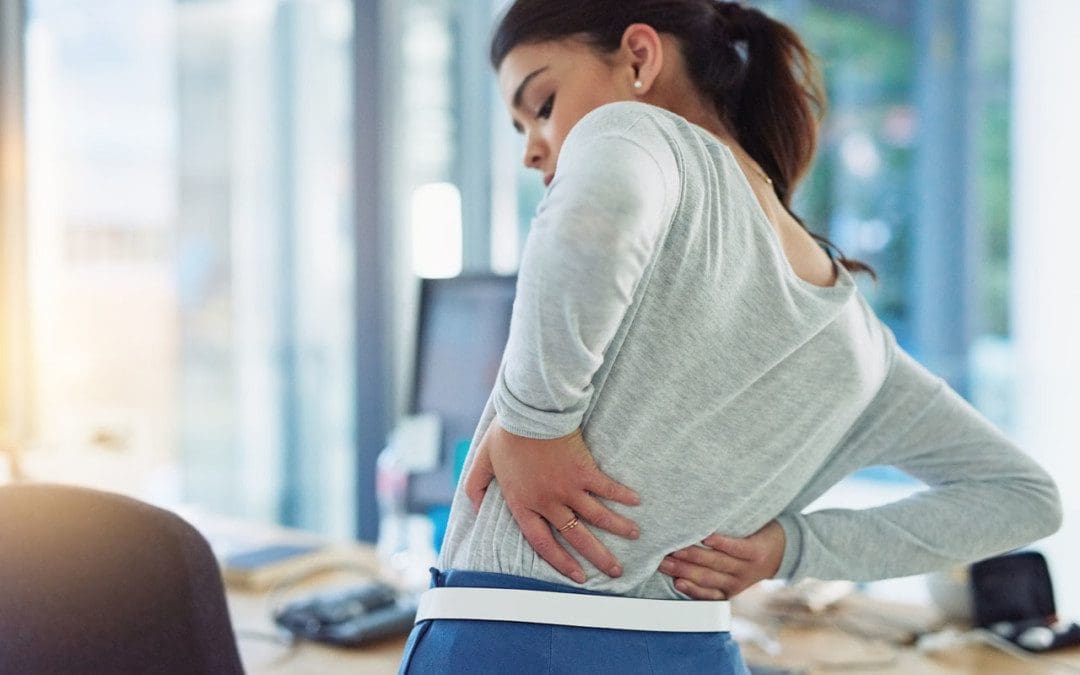

 Whiplash Nerve Injury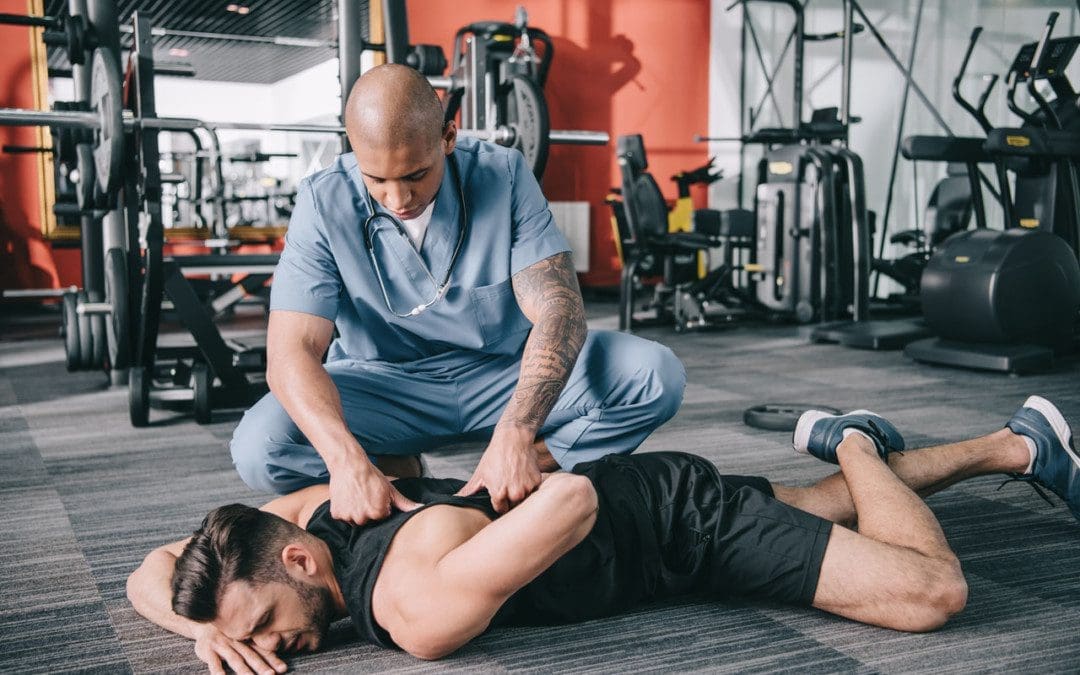
 Posture Adjustments






