Can drinking parsley tea help improve overall health?
Parsley Tea
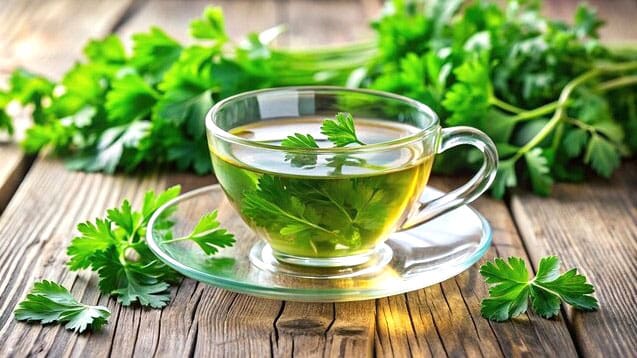
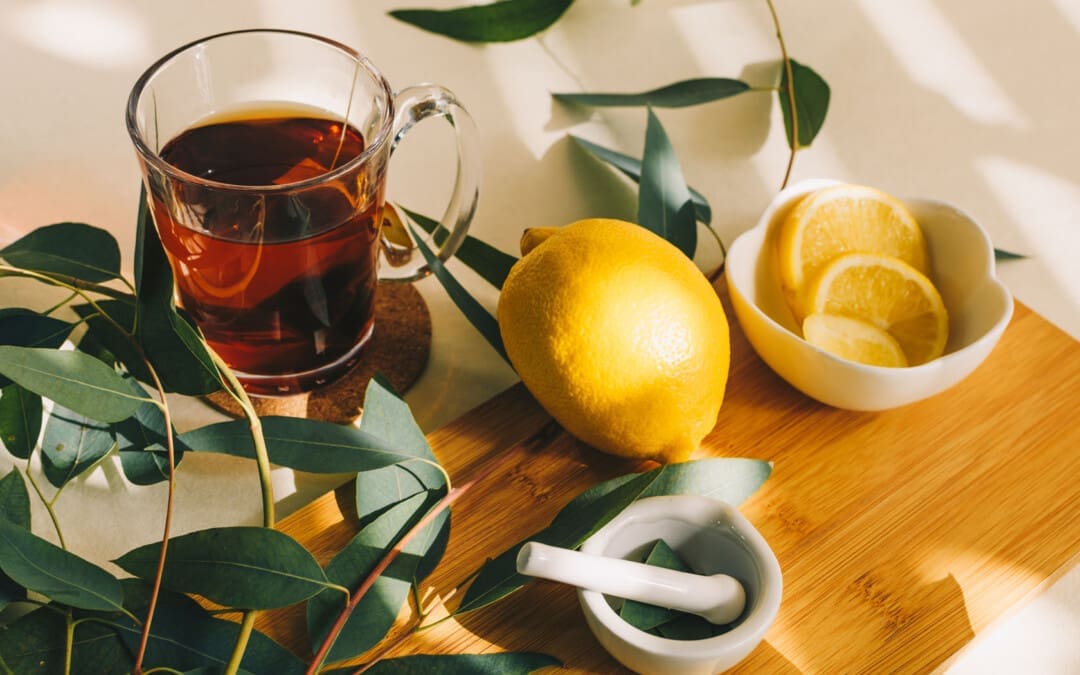
Parsley is commonly used as a garnish and to increase flavor in dishes. Some use parsley leaves instead of salt in their food to reduce their sodium intake. It is widely available in grocery stores and can be grown at home. Parsley tea is an herbal tea. Surprisingly, parsley tea benefits health, but not all of this is supported by scientific evidence. There are different kinds of parsley:
Curly leaf (Petroselinum crispum)
Flat leaf (Petroselinum neapolitanum) or Italian parsley.
Parsley is high in vitamins A, B, C, E, and K.
Parsley also provides fiber, iron, copper, calcium, and potassium.
The kind used in tea is up to you, based on flavor preferences.
Benefits
Parsley is believed to have various benefits, some of which are derived from consuming parsley tea. For example, parsley is used to freshen breath; however, adding sugar reduces dental benefits. Many women also suggest that parsley helps to ease menstrual cramps, and others say that consuming parsley or tea helps them eliminate excess water weight. However, further research is needed to support its benefits that include: (Ganea M. et al., 2024)
Asthma
Cough
Digestive problems
Menstrual problems
Fluid retention and swelling (edema)
Urinary tract infections
Kidney stones
Cracked or chapped skin
Bruises
Insect bites
Liver disorders
Tumors
Preparation
The quickest way to enjoy parsley tea is to use a parsley tea bag. Brands are available online and in health food stores. Parsley tea bags are manufactured using dried leaves, which can be stored in a cool, dry place and last much longer than fresh parsley. The herb is inexpensive, and making parsley tea at home is also cheap and easy.
Choose Parsley
Flat or curly.
Remove the leaves from the stems.
Gather about 1/8-1/4 cups of leaves for each cup of tea.
Place the leaves at the bottom of your cup or in a tea infuser.
Note: you can also use a French press to make parsley tea.
To do so, place the loose leaves at the bottom of the French press.
Heat Water
Once boiling, fill the cup or press with hot water.
Allow the Leaves to Steep
For about four minutes.
Steep longer if you prefer a stronger cup.
If you are new to parsley tea, start with a weaker cup and gradually increase the strength as you get used to the taste.
Remove the Parsley Leaves
With a spoon, remove the infuser and discard the leaves.
If you use a press, place the plunger on top and slowly press down to separate the leaves from the tea.
Flavor your tea with lemon or a little sugar (optional).
Side Effects
The FDA generally recognizes parsley as safe (GRAS). However, consuming large amounts—more than you would typically consume in amounts commonly found in food—can be dangerous. Having a cup of tea daily is not considered a large amount, but if you make tea with parsley oil or ground parsley seeds, your intake could be much higher than normal. Individuals who consume too much parsley may experience anemia and liver or kidney problems. (Alyami F. A., & Rabah D. M. 2011) Individuals who have diabetes, fluid retention, high blood pressure, or kidney disease should talk to their doctor to see if consuming parsley is safe for them, as it may cause side effects that can worsen their condition. Patients who undergo surgery are advised to avoid parsley in the two weeks before their procedure.
Injury Medical Chiropractic and Functional Medicine Clinic
Injury Medical Chiropractic and Functional Medicine Clinic focuses on and treats injuries and chronic pain syndromes through personalized care plans that improve ability through flexibility, mobility, and agility programs to relieve pain. Our providers use an integrated approach to create customized care plans for each patient and restore health and function to the body through nutrition and wellness, functional medicine, acupuncture, electroacupuncture, and various medicine protocols. If the individual needs other treatment, they will be referred to a clinic or physician best suited for them. Dr. Jimenez has teamed up with top surgeons, clinical specialists, medical researchers, nutritionists, and health coaches to provide the most effective clinical treatments.
Optimizing Your Wellness
References
Ganea, M., Vicaș, L. G., Gligor, O., Sarac, I., Onisan, E., Nagy, C., Moisa, C., & Ghitea, T. C. (2024). Exploring the Therapeutic Efficacy of Parsley (Petroselinum crispum Mill.) as a Functional Food: Implications in Immunological Tolerability, Reduction of Muscle Cramps, and Treatment of Dermatitis. Molecules (Basel, Switzerland), 29(3), 608. https://doi.org/10.3390/molecules29030608
Alyami, F. A., & Rabah, D. M. (2011). Effect of drinking parsley leaf tea on urinary composition and urinary stones’ risk factors. Saudi journal of kidney diseases and transplantation: an official publication of the Saudi Center for Organ Transplantation, Saudi Arabia, 22(3), 511–514.
For individuals looking to improve their gut and overall health, can drinking chamomile manzanilla tea help?
Chamomile Manzanilla Tea
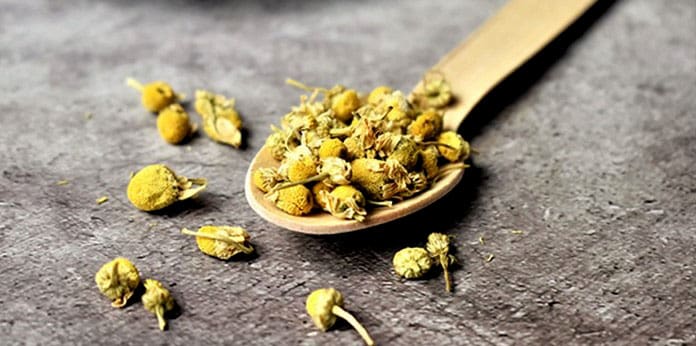
Chamomile (Manzanilla is Spanish for chamomile) is a herb that belongs to the Asteraceae family. Chamomile tea is made from the dried flowers of the chamomile plant steeped in hot water and is used as a natural remedy for various health issues. The tea can calm upset stomach, relieve anxiety, improve sleep, and reduce muscle spasms or flatulence. (Srivastava J. K., Shankar E., & Gupta S. 2010) It is caffeine-free and often drunk before bed because it can calm the brain and help with sleep. It also contains natural plant compounds that promote antioxidant activity, which may help reduce the risk of certain diseases. The nutrients it contains, vitamins A and B, magnesium, manganese, potassium, calcium, iron, copper, and zinc, can help manage diabetes, menstrual pain, and sleep problems.
Types
There are two kinds of chamomile: German, also known as wild or Hungarian chamomile and Roman chamomile. Each type is believed to provide various benefits.
German Chamomile
This type is believed to provide help with a wide range of conditions, including travel sickness, flatulence, diarrhea, ADHD, stomach upset, restlessness, and insomnia.
It is sometimes also used in cosmetics and soaps.
Roman Chamomile
This type may relieve heartburn, loss of appetite, menstrual discomfort, and other conditions.
Roman chamomile is also used as a fragrance in perfumes and tobacco products.
The tea can be made with either type. However, many medical sources that report the health benefits of manzanilla tea focus on German chamomile. (Srivastava J. K., Shankar E., & Gupta S. 2010)
Preparation
Chamomile Manzanilla tea is sold in tea bags and loose-leaf varieties. It is prepared like most traditional teas.
Place a tea bag or infuser containing about one tablespoon of loose tea leaves in a teacup. Or place loose tea leaves at the bottom of a cup.
Heat water to 194-205 F.
Bring water to a boil and let it sit for a minute to reduce the temperature slightly.
Pour water over the tea bag, infuser, or tea leaves.
Let the tea leaves steep for as long as desired, up to four or five minutes.
Remove the tea bag or infuser or strain loose leaves from the cup before drinking.
Optional: add a small amount of milk, honey, or sugar to sweeten the drink.
Benefits
Chamomile tea is believed to have calming properties, and individuals consume the beverage in times of stress to reduce anxiety or before bed to induce sleep. (Srivastava J. K., Shankar E., & Gupta S. 2010)
A study in the Journal of Advanced Nursing found that drinking chamomile tea helped postpartum women alleviate depression and sleep better. (Chang S. M. & Chen C. H. 2016)
Other reports say that chamomile helps to relieve gastrointestinal conditions such as upset stomach, gas, and diarrhea. However, the National Institutes of Health National Center for Complementary and Integrative Health explains that insufficient research has been conducted to ensure these health benefits are certain. (National Center for Complementary and Integrative Health, 2024)
Side Effects
Individuals allergic to ragweed, chrysanthemums, marigolds, or daisies may experience an allergic reaction to chamomile manzanilla tea. They should also avoid drinking the tea if they are on warfarin or any blood thinners or if they are taking a sedative. Chamomile may increase the risk of side effects if taking cyclosporine or cytochrome P450 substrate meds. (Colombo D., Lunardon L., & Bellia G. 2014) If unsure if drinking chamomile manzanilla tea may interfere with medication, speak to a healthcare provider.
Injury Medical Chiropractic and Functional Medicine Clinic
Injury Medical Chiropractic and Functional Medicine Clinic providers use an integrated approach to create customized care plans for each patient and restore health and function to the body through nutrition and wellness, chiropractic adjustments, functional medicine, acupuncture, Electroacupuncture, and sports medicine protocols. If the individual needs other treatment, Dr. Jimenez has teamed up with top surgeons, clinical specialists, medical researchers, nutritionists, and health coaches to provide the most effective clinical treatments.
From Inflammation to Healing
References
Srivastava, J. K., Shankar, E., & Gupta, S. (2010). Chamomile: A herbal medicine of the past with bright future. Molecular medicine reports, 3(6), 895–901. https://doi.org/10.3892/mmr.2010.377
Chang, S. M., & Chen, C. H. (2016). Effects of an intervention with drinking chamomile tea on sleep quality and depression in sleep disturbed postnatal women: a randomized controlled trial. Journal of advanced nursing, 72(2), 306–315. https://doi.org/10.1111/jan.12836
National Center for Complementary and Integrative Health. (2024). Chamomile. Retrieved from https://www.nccih.nih.gov/health/chamomile
Colombo, D., Lunardon, L., & Bellia, G. (2014). Cyclosporine and herbal supplement interactions. Journal of toxicology, 2014, 145325. https://doi.org/10.1155/2014/145325
Can individuals incorporate the beneficial properties of l-theanine into their routines to reduce stress and improve brain function?
Introduction
More often than not, many people worldwide are constantly in stressful situations. People worry about the smaller things, from deadlines to piles and errands that must be done as soon as possible. Now, when environmental factors start to cause overlapping risk profiles associated with stress, it can lead to neurocognitive dysfunction and other comorbidities affecting the body, which is why there are numerous ways for people to reduce their stress and function in a healthier lifestyle. One of the ways to reduce stress can be found in a local grocery store, incorporating L-theanine. Today’s article focuses on how stress can affect the brain and how L-theanine can combat stress and help improve brain function. We discuss with certified medical providers who inform our patients how L-theanine can help reduce chronic stress that is affecting the body and how it can affect their brain function. While asking informed questions to our associated medical providers, we advise patients to incorporate mindful techniques and L-theanine as part of their routine to improve their brain function and prevent chronic stress from reoccurring. Dr. Alex Jimenez, D.C., encompasses this information as an academic service. Disclaimer.
How Stress Affects The Brain
Have you experienced the 2 p.m. slumps that you constantly run on low energy after a hectic work or school day? How often do you experience brain fog that makes you unable to function properly? Or are you constantly stressed and feeling muscle aches and pains? Everyone knows stress is a major influence on their daily lives and can impact their mood, well-being, and health. (Schneiderman et al., 2005) Hence, stress comes in two forms: acute and chronic. Depending on the situation that the person is experiencing, stress can affect not only the body but also the brain. Short-term or acute stress can help enhance the immune response to the body, giving it a little boost of energy; however, in its long-term or chronic form, it can dysregulate the immune system and affect the brain function of the body. (Dhabhar, 2014)
Now, many people are thinking, how does stress affect brain function? The brain is the main organ for stress reactivity and helps distribute neural circuitry that determines what threats are coming that cause stress to the individual. (McEwen & Gianaros, 2010) When a person is dealing with a highly stressful situation, the brain determines that this situation is threatening and causes the individual to deal with stress cortisol levels. Hence why, many individuals are dealing with headaches, general aches, and pain around the neck and shoulders; stress causes issues with brain function; it can disrupt the neuron signals in the body, which leads to the development of inflammation, chronic illnesses, and neurological conditions to arise. Fortunately, there are numerous ways to reduce stress to prevent brain dysfunction and enhance the body while relaxing it.
Secrets Of Optimal Wellness- Video
How Does L-Theanine Combat Stress?
When finding natural ways to reduce stress, many people will search for different ways to relax and ease the stress. One of the ways many people can reduce stress is by sipping some green tea. Green tea contains polyphenolic compounds and about 1 to 3% L-theanine that can positively affect stress and mental health consequences in individuals. (Almudhi & Gabr, 2022) Additionally, drinking green tea or taking L-theanine supplements as part of a daily routine can be combined with relaxing hobbies to lower stress and boost energy levels. L-theanine is also an amino acid with stress-relieving effects that can improve glutamine and dampen inflammatory effects. (Unno et al., 2024)
How Does L-Theanine Improve Brain Function?
L-theanine can help improve brain function when consumed in tea form and decrease the risk for neurodegenerative disorders as a potential therapeutic agent. (Valverde-Salazar et al., 2023) Additionally, when individuals start to consume L-theanine, it can provide positive neuroprotective effects and cognitive function, which helps increase alertness and reduces brain fog. (Sokary et al., 2023) When individuals start thinking about their health and wellness by consuming L-theanine in tea form, it can provide beneficial properties combined with therapeutic options to help reduce chronic stress levels and improve brain function so they can have a healthier and stress-free life.
References
Almudhi, A., & Gabr, S. A. (2022). Green tea consumption and the management of adrenal stress hormones in adolescents who stutter. Biomed Rep, 16(4), 32. https://doi.org/10.3892/br.2022.1515
Dhabhar, F. S. (2014). Effects of stress on immune function: the good, the bad, and the beautiful. Immunol Res, 58(2-3), 193-210. https://doi.org/10.1007/s12026-014-8517-0
McEwen, B. S., & Gianaros, P. J. (2010). Central role of the brain in stress and adaptation: links to socioeconomic status, health, and disease. Ann N Y Acad Sci, 1186, 190-222. https://doi.org/10.1111/j.1749-6632.2009.05331.x
Schneiderman, N., Ironson, G., & Siegel, S. D. (2005). Stress and health: psychological, behavioral, and biological determinants. Annu Rev Clin Psychol, 1, 607-628. https://doi.org/10.1146/annurev.clinpsy.1.102803.144141
Sokary, S., Al-Asmakh, M., Zakaria, Z., & Bawadi, H. (2023). The therapeutic potential of matcha tea: A critical review on human and animal studies. Curr Res Food Sci, 6, 100396. https://doi.org/10.1016/j.crfs.2022.11.015
Unno, K., Taguchi, K., Matsuda, T., & Nakamura, Y. (2024). Stress-Relieving Effects of Green Tea Depend on the Ratio of Its Special Ingredients and the Infusion Conditions. Molecules, 29(19). https://doi.org/10.3390/molecules29194553
Valverde-Salazar, V., Ruiz-Gabarre, D., & Garcia-Escudero, V. (2023). Alzheimer’s Disease and Green Tea: Epigallocatechin-3-Gallate as a Modulator of Inflammation and Oxidative Stress. Antioxidants (Basel), 12(7). https://doi.org/10.3390/antiox12071460
How is eucalyptus tea made, and what are its health benefits?
Eucalyptus Tea
Eucalyptus tea is an herbal tea made from the leaves of the Australian eucalyptus tree. It is drunk as a hot tea and is commonly used to treat cold and flu symptoms. It can also be combined with other teas as a tonic. Researchers have been studying its benefits.
Eucalyptus Tree
There are different varieties of eucalyptus trees. The blue gum or Australian fever tree is a fast-growing tree that produces long grey-greenish leaves whose glands contain essential oil to prepare eucalyptus tea and oil. Eucalyptus tea is made from crushed leaves of the tree, not from the oil. The hot drink is sometimes called eucalyptus leaves tea to avoid confusion. The tea has a pale green color and a strong scent that can be described as woody or piney and clean or fresh. The smell is familiar to many because many lip balms and skin creams are made with eucalyptus.
Making The Tea
Eucalyptus or loose-leaf tea bags can be purchased in grocery stores, health markets, and online. Follow the instructions provided on the box. Eucalyptus leaves can be prepared for tea at home, but it must be prepared with leaves and not with eucalyptus oil, as using the oil can produce harmful side effects.
Home Preparation
To make the tea, use one dried eucalyptus leaf (around a teaspoon).
Add the crushed leaf to the bottom of an eight-ounce teacup.
Heat water to 194-205 Fahrenheit if using a temperature-controlled teapot.
Or bring water to a boil and let it sit for a minute to reduce the temperature.
Pour six ounces of water over the tea leaves.
Let the leaves steep for as long as desired, up to 10 minutes.
Breathe in the vapors while the tea is steeping.
Strain loose leaves from the cup before drinking.
Adding honey to the tea will increase sugar, sweetness, and calories. However, if you drink the tea to soothe a sore throat, the honey can also help ease symptoms. (Allan G. M. and Arroll B. 2014) The tea can also be blended with peppermint and chamomile (manzanilla) to increase its soothing properties.
Caffeine
Eucalyptus tea is not a traditional tea and is not made from Camellia sinensis plant leaves, like black or green tea. It is brewed from just the leaves of the eucalyptus tree, which do not contain any caffeine, making the tea completely caffeine-free. However, the vapors can be described as bright and refreshing.
Health Benefits
Most scientific research on eucalyptus’s health benefits uses the oil rather than the tea. The oil is much more concentrated, so drinking the tea is unlikely to provide the same benefits. However, according to a study, the leaves contain flavonoids and tannins that provide antioxidant and anti-inflammatory properties. (Panche A. N., Diwan A. D., and Chandra S. R. 2016)
Eucalyptus tea is commonly used as an inhalant to relieve cold or flu symptoms. Its vapors are often described as healing because inhaling them helps open up congested airways. However, there isn’t enough evidence to recommend using eucalyptus for cold. (American Lung Association, 2024) In addition to treatment for the common cold, eucalyptus has gained a variety of other health benefits, including (Dhakad A. K. et al., 2018)
Headache relief
Asthma treatment
Bronchitis treatment
Diabetes treatment
Reduce dental plaque and bad breath
Help treat liver and gallbladder problems
Prevent insect bites
Eliminate head lice
Toothpaste, mouthwash, bath products, and body creams made with eucalyptus are commonly found in stores.
Side Effects
Eucalyptus leaves are generally safe when consumed in the small amounts found in foods. However, there isn’t enough information to determine whether supplements containing larger amounts of eucalyptus leaf are safe when taken by mouth. Consulting with a healthcare provider before using this or any other herbal treatment is always recommended.
Injury Medical Chiropractic and Functional Medicine Clinic
Injury Medical Chiropractic and Functional Medicine Clinic focuses on and treats injuries and chronic pain syndromes through personalized care plans that improve ability through flexibility, mobility, and agility programs to relieve pain. Our providers use an integrated approach to create customized care plans for each patient and restore health and function to the body through nutrition and wellness, functional medicine, acupuncture, Electroacupuncture, and sports medicine protocols. If the individual needs other treatment, they will be referred to a clinic or physician best suited for them. Dr. Jimenez has teamed up with top surgeons, clinical specialists, medical researchers, nutritionists, and health coaches to provide the most effective clinical treatments.
Assessing Patients in a Chiropractic Setting
References
Allan, G. M., & Arroll, B. (2014). Prevention and treatment of the common cold: making sense of the evidence. CMAJ : Canadian Medical Association journal = journal de l’Association medicale canadienne, 186(3), 190–199. https://doi.org/10.1503/cmaj.121442
Panche, A. N., Diwan, A. D., & Chandra, S. R. (2016). Flavonoids: an overview. Journal of nutritional science, 5, e47. https://doi.org/10.1017/jns.2016.41
American Lung Association. (2024). Facts About the Common Cold. https://www.lung.org/lung-health-diseases/lung-disease-lookup/facts-about-the-common-cold
Dhakad, A. K., Pandey, V. V., Beg, S., Rawat, J. M., & Singh, A. (2018). Biological, medicinal and toxicological significance of Eucalyptus leaf essential oil: a review. Journal of the science of food and agriculture, 98(3), 833–848. https://doi.org/10.1002/jsfa.8600
Garlic tea is an herbal tonic made from garlic, lemon, and honey. What medicinal uses and benefits can garlic provide that is supported by scientific research?
Garlic Tea
Garlic tea:
Garlic – Allium sativum – is a perennial plant from Central Asia.
The plant produces a bulb that is used in cooking and in health remedies all over the world.
Garlic powder, oil, and supplements are available.
Supplements can be made from garlic oil or from fresh, dried, or aged garlic.
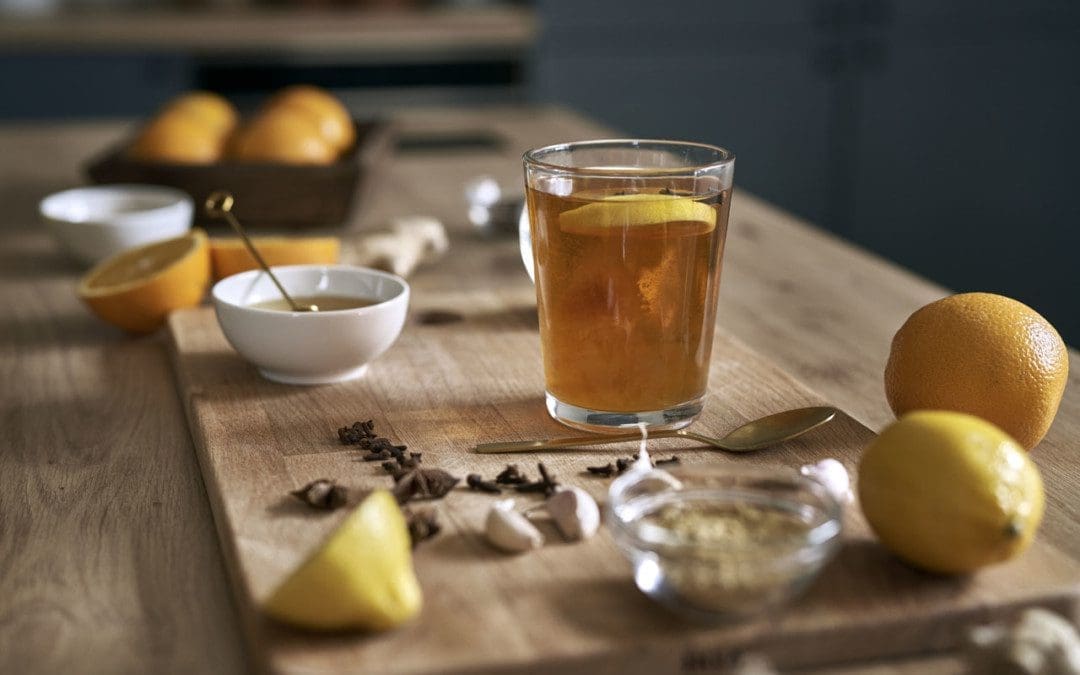
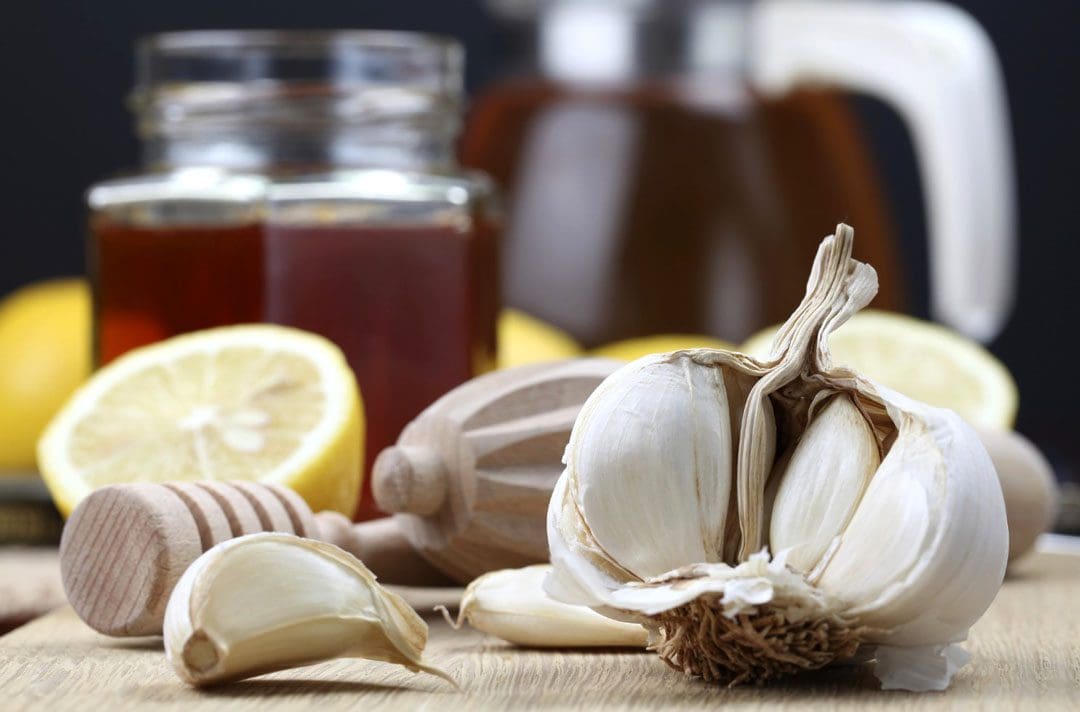
The tea is commonly made with garlic, lemon, and honey, but can be made with a variety of different ingredients.
It is used for cold symptoms like congestion and cough.
Health Benefits
Some, but not all benefits are supported by scientific evidence. It is important to keep in mind that these studies are analyzing garlic, and not necessarily garlic tea. The dose of garlic in tea may not be the same as a more concentrated dose that is used in the studies. Also, cooking or boiling garlic can change its therapeutic effects.
The scientific evidence about garlic’s benefits. Garlic is a healthy source of organosulfur compounds, including alliinase, which is released when it is crushed or chopped. (Leyla Bayan, Peir Hossain Koulivand, Ali Gorji. 2014)
Organosulfur compounds are believed to provide health benefits.
An overview of garlic studies found that there are promising health benefits, however, the researchers caution that larger studies are needed to confirm the results and verify the right dosage to get the results. (Johura Ansary, et al., 2020)
The current studies show the following possible benefits:
Some studies have also shown that garlic could be able to stimulate the immune system and decrease tumor growth in certain cancers, like colorectal cancer.
However, research investigating the cancer-preventing benefits has shown mixed results. (Xi Zhou, et al., 2020)
Common side effects of garlic consumption include bad breath, upset stomach, and body odor.
Garlic can also cause bloating, gas, and heartburn for some.
There are allergies to garlic and individuals with an allergy can experience more severe symptoms.
The NIH also advises that taking garlic may increase your risk of bleeding.
Individuals taking a blood thinner like warfarin or about to undergo surgery should discuss taking supplements or drinking garlic tea with their healthcare provider.
Garlic has been found to interfere with the effectiveness of some drugs that are used to treat HIV infection.
Lemon can cause tooth erosion so it is recommended to rinse teeth after drinking.
Honey has sugar content so it is recommended to use it in small quantities.
Healthy Diet and Chiropractic
References
National Center for Complementary and Integrative Health. Garlic.
Bayan, L., Koulivand, P. H., & Gorji, A. (2014). Garlic: A review of potential therapeutic effects. Avicenna journal of phytomedicine, 4(1), 1–14.
Ansary, J., Forbes-Hernández, T. Y., Gil, E., Cianciosi, D., Zhang, J., Elexpuru-Zabaleta, M., Simal-Gandara, J., Giampieri, F., & Battino, M. (2020). Potential Health Benefit of Garlic Based on Human Intervention Studies: A Brief Overview. Antioxidants (Basel, Switzerland), 9(7), 619. https://doi.org/10.3390/antiox9070619
Zhang, S., Liu, M., Wang, Y., Zhang, Q., Liu, L., Meng, G., Yao, Z., Wu, H., Xia, Y., Bao, X., Gu, Y., Wang, H., Shi, H., Sun, S., Wang, X., Zhou, M., Jia, Q., Song, K., & Niu, K. (2020). Raw garlic consumption is inversely associated with prehypertension in a large-scale adult population. Journal of human hypertension, 34(1), 59–67. https://doi.org/10.1038/s41371-019-0257-0
Zhou, X., Qian, H., Zhang, D., & Zeng, L. (2020). Garlic intake and the risk of colorectal cancer: A meta-analysis. Medicine, 99(1), e18575. https://doi.org/10.1097/MD.0000000000018575
Avci, A., Atli, T., Ergüder, I. B., Varli, M., Devrim, E., Aras, S., & Durak, I. (2008). Effects of garlic consumption on plasma and erythrocyte antioxidant parameters in elderly subjects. Gerontology, 54(3), 173–176. https://doi.org/10.1159/000130426
Burian, J. P., Sacramento, L. V. S., & Carlos, I. Z. (2017). Fungal infection control by garlic extracts (Allium sativum L.) and modulation of peritoneal macrophage activity in a murine model of sporotrichosis. Brazilian journal of biology = Revista brasleira de biologia, 77(4), 848–855. https://doi.org/10.1590/1519-6984.03716
Kato, Y., Domoto, T., Hiramitsu, M., Katagiri, T., Sato, K., Miyake, Y., Aoi, S., Ishihara, K., Ikeda, H., Umei, N., Takigawa, A., & Harada, T. (2014). Effect on blood pressure of daily lemon ingestion and walking. Journal of nutrition and metabolism, 2014, 912684. https://doi.org/10.1155/2014/912684
Samarghandian, S., Farkhondeh, T., & Samini, F. (2017). Honey and Health: A Review of Recent Clinical Research. Pharmacognosy Research, 9(2), 121–127. https://doi.org/10.4103/0974-8490.204647
Food is more than just energy. Diets have a profound effect on everything in an individual’s life. Some foods can help the body heal or interfere with the recovery/healing process from injury/s and/or conditions that include sciatica. Making changes to a diet plays a significant factor in the recovery/rehabilitation phase, and adding certain foods will improve and expedite the healing process. A fully functional sciatic nerve nutrition diet plan must be personalized to each individual’s needs.
Sciatic Nerve Nutrition
Sciatica can cause numbness, tingling, electrical shock-type pain, or a combination in the back, hip, outer side of the leg, and the foot. Clinical nutrition is a powerful tool when combating sciatica. Enzymes in certain foods can help reduce the inflammation associated with sciatica. A high percentage of individuals dealing with sciatica can enhance pain relief by adjusting their diets. Quick recommendations include:
Oily fish like salmon and halibut are rich in omega-three fatty acids that decrease inflammation in the body and the sciatic nerve.
Fresh pineapples and berries are anti-inflammatories that aid in healing and increase immune system function.
2-3 cups of green tea contain antioxidants that help control peripheral sensations and help manage pain.
Turmeric, ginger, and garlic contain anti-inflammatory agents that relieve swelling by reducing levels of inflammation-stimulating enzymes.
B-Vitamins are essential to maintain normal nerve function and can be found in green peas, spinach, navy beans, nuts, and bananas.
Magnesium-rich foods can ensure the body is not deficient and help control muscle spasms.
Sciatica can also be triggered by a poor diet that causes constipation that can place pressure on the nerve. Therefore it is recommended to incorporate fiber-rich foods that include plenty of fruits and vegetables to prevent constipation.
Foods That Make Sciatica Worse
Inflammatory foods to avoid:
Sugar and high-fructose corn syrup.
Trans fats include margarine and any hydrogenated/solidified or partially hydrogenated oils.
Refined vegetable oils – These are vegetable, nut, or seed oils that have been highly processed. Cut down on french fries, chips, or other foods fried in these oils.
Refined carbohydrates – Carbohydrates that have fiber removed increase the growth of inflammatory gut bacteria. These include white flour, refined corn products, white rice, and various commercial cereals and sugars.
Excessive alcohol – Moderate amounts of alcohol can provide health benefits, but higher amounts increase inflammation.
Processed meats – are often processed at high temperatures, creating chemicals/substances associated with inflammation.
Avoid Surgery
References
Davis D, Maini K, Vasudevan A. Sciatica. [Updated 2022 Feb 4]. In: StatPearls [Internet]. Treasure Island (FL): StatPearls Publishing; 2022 Jan-. Available from: https://www.ncbi.nlm.nih.gov/books/NBK507908/
Garfin, SR et al. “Spinal nerve root compression.” Spine vol. 20,16 (1995): 1810-20. doi:10.1097/00007632-199508150-00012
Kumar, M. Epidemiology, pathophysiology and symptomatic treatment of sciatica: A review. nt. J. Pharm. Bio. Arch. 2011, 2.
Safari, Mir Bahram, et al. “Efficacy of a Short-Term Low-Calorie Diet in Overweight and Obese Patients with Chronic Sciatica: A Randomized Controlled Trial.” Journal of alternative and complementary medicine (New York, N.Y.) vol. 26,6 (2020): 508-514. doi:10.1089/acm.2019.0360
Individuals and doctors have praised the anti-inflammatory, pain-relieving properties of drinking tea. Inflammation is the body’s natural immune response when injury and infection present. This is good. However, it’s meant to be a temporary response that deactivates when there is no longer any danger. When the body is exposed to various irritants like industrial chemicals, inflammatory foods like sugar, refined carbohydrates, and autoimmune disorderscan cause the immune system to go into overdrive. Chronic inflammation can develop, circulating powerful hormones and chemicals through the body, causing damage to the cells. One consequence of chronic inflammation is back pain. Besides standard backaches, some chronic conditions are directly tied to inflammation. These include forms of arthritis:
Ankylosing spondylitis
Rheumatoid arthritis
Transverse myelitis
Multiple sclerosis
These conditions involve inflammation of the central nervous system.
Drinking tea can help with back pain and pain in general.
Teas With Anti-Inflammatory Properties
Certain teas contain anti-inflammatory compounds. These compounds are called polyphenols and work to decrease the chemicals in the body responsible for pain and inflammation. There are varieties of teas that contain anti-inflammatory properties.
Certain Teas Reduce Inflammation
Drinking specific teas with more polyphenols can better decrease inflammation. For example, green tea is higher in polyphenols than black tea. Recent studies centered on individuals with rheumatoid arthritis over six months found significant improvement in symptoms in those who drank green tea. Green tea works best when part of an anti-inflammatory and nutritional lifestyle adjustment. This supports combating inflammation. Other teas that are believed to reduce inflammation include:
Turmeric
Holy basil
Ginger
Three Cups a Day
The amount of tea depends on the quality of the tea and how it is prepared. Doctors recommend around three cups a day for individuals with rheumatoid arthritis. However, these could contain caffeine. If this is an issue, there are decaffeinated versions with the same anti-inflammatory properties.
Drinking Tea Works Best When Combined with Other Treatments
If experiencing back pain or looking to combat a specific condition, it’s recommended to utilize various treatment approaches combined with drinking tea. This includes:
Certain back conditions benefit from drinking tea regularly; however, spine structural issues or fractures will not benefit from tea’s mild anti-inflammatory properties. It is vital for individuals with back pain that a spine specialist or chiropractor perform a proper and thorough examination, especially for Individuals that take medication that could directly interact with anti-inflammatory teas.
Drinking Tea for Back Pain
For most individuals, drinking tea is safe to help treat back pain conditions and added health benefits. For example, studies have found that green tea has mild anti-cancer, anti-diabetic properties and can help in maintaining a healthy weight. If tea helps reduce pain, it’s worth trying. Remember, pain is the body’s way to alert the individual that something is wrong.
Body Composition
Alcohol and Heart Health
According to the Mayo Clinic, consuming more than three alcoholic drinks in one sitting causes a temporary blood pressure elevation. Foods often served with alcohol are usually high in salt, which can also raise blood pressure. A few alcoholic beverages on a night out is fine, but heavy or binge drinking can lead to short-term spikes in blood pressure that could cause cardiac health problems. These are the short-term effects of alcohol on blood pressure. Heavy alcohol consumption can lead to long term health risks like:
Hypertension
Heart disease
Digestive issues
Liver disease
Stroke
It’s recommended that individuals incorporate regular exercise/physical activity and healthy diet changes and watch alcohol intake to improve heart health.
References
The Clinical Journal of Pain. (October 2019) “Nonspecific Low Back Pain:
Inflammatory Profiles of Patients With Acute and Chronic Pain” https://journals.lww.com/clinicalpain/fulltext/2019/10000/nonspecific_low_back_pain__inflammatory_profiles.2.aspx
Certain Teas Bring Down Inflammation More Than Others: Journal of Physical Therapy Science. (October 2016) “Green tea and exercise interventions as nondrug remedies in geriatric patients with rheumatoid arthritis” https://www.ncbi.nlm.nih.gov/pmc/articles/PMC5088134/
The Bottom Line: Proceeding of the Japan Academy, Series B Physical and Biological Sciences. (March 2012) “Health-promoting effects of green tea” https://www.ncbi.nlm.nih.gov/pmc/articles/PMC3365247/
IFM's Find A Practitioner tool is the largest referral network in Functional Medicine, created to help patients locate Functional Medicine practitioners anywhere in the world. IFM Certified Practitioners are listed first in the search results, given their extensive education in Functional Medicine