Can electrolyte chewing gum help physically active individuals, fitness enthusiasts, and athletes experiencing extreme heat and dehydration?
Electrolyte Chewing Gum
Electrolyte powder mix and drinks have been marketed as efficient and time-saving for fast-paced lives. Now, electrolytes are in chewing gum form. These gums work by activating salivary glands and making the mouth water. Manufacturers claim the gum’s sour taste makes the mouth water, quenches thirst, and replenishes some electrolytes. Some brands don’t list the percentages or amounts of ingredients, making determining each gum’s electrolyte content difficult. However, electrolyte chewing gum is designed to eliminate feelings of thirst and is not meant to hydrate the body. This can be dangerous because it gives the individual a false sense of hydration. When the thirst mechanism is impaired, an individual may not drink enough fluids, leading to dehydration. The Food and Drug Administration has not studied the effectiveness of electrolyte gum.
Signs The Body Is Not Getting Enough Electrolytes
Electrolyte deficiency can result from insufficient fluids or excessive sweating (National Library of Medicine, 2024). Signs that the body is not getting enough electrolytes can vary because the body needs each electrolyte for specific functions. The symptoms can range from neurological symptoms such as headaches and seizures in the case of low sodium to muscle cramps and weakness when there are low potassium levels. (National Library of Medicine, 2023) (National Library of Medicine, 2023) However, individuals can still have electrolyte imbalances even if they do not have symptoms. This is why proper hydration and intake of electrolytes through water and food are important.
Ingredients
The ingredients listed on electrolyte chewing gum include:
Sugar
Gum base
Corn syrup
Citric acid
Glycerin
Natural flavors
Soy lecithin
Artificial sweeteners
Artificial color
Electrolytes in sodium citrate and potassium citrate
However, gum brands fail to include the percentages of the ingredients, making it hard to figure out the actual electrolyte content. The amount can determine their effectiveness. Given their size, estimates point to very little electrolyte content, possibly around 10 milligrams of sodium per piece, which is insufficient to hydrate the body.
Rehydrating the Body
Food and fluids are reliable sources of electrolytes that the body can absorb. Sources include:
Fruits like bananas and oranges contain potassium and magnesium.
Vegetables also contain potassium and magnesium.
Dairy for calcium.
Electrolyte supplements are generally unnecessary if you eat a balanced diet. However, these products could be useful during exercise, especially for their sodium content (National Library of Medicine, 2024). When exposed to the heat, consider a rehydration solution like sports drinks or making your own. The presence of sugar increases the absorption of sodium by the intestine. Sugar in electrolyte solutions does not add calories; it helps the intestine absorb the sodium faster and holds water in the bloodstream, helping maintain blood pressure. While chewing a piece of electrolyte gum might make it easy to get balanced electrolytes, it is not enough to replenish the body. Individuals who need more electrolytes should talk to their healthcare provider about the best way to meet their body’s needs. They may recommend drinks or powders specially formulated to provide an electrolyte boost.
Injury Medical Chiropractic and Functional Medicine Clinic works with primary healthcare providers and specialists to develop highly effective treatment plans through an integrated approach for each patient and restore health and function to the body through nutrition and wellness, functional medicine, acupuncture, Electroacupuncture, and integrated medicine protocols. If the individual needs other treatment, they will be referred to a clinic or physician best suited for them. Dr. Jimenez has teamed up with top surgeons, clinical specialists, medical researchers, nutritionists, and health coaches to provide the most effective clinical treatments.
Balancing Body and Metabolism
References
National Library of Medicine, MedlinePlus. (2024). Fluid and electrolyte balance. Retrieved from https://medlineplus.gov/fluidandelectrolytebalance.html
National Library of Medicine, MedlinePlus. (2023). Low blood sodium. Retrieved from https://medlineplus.gov/ency/article/000394.htm
National Library of Medicine MedlinePlus. (2023). Low blood potassium. Retrieved from https://medlineplus.gov/ency/article/000479.htm
Emotional challenges like anxiety and depression or digestive disorders can cause individuals to experience a nervous stomach. Can knowing common symptoms, what causes them, and when to see a healthcare provider help manage the disorder?
Nervous Stomach
A nervous stomach is usually nothing to worry about, but it can happen occasionally as a reaction to a new environment, groups of people, foods, stress, and anxiety. Symptoms include indigestion, fluttering stomach/butterflies, or a gut-wrenching feeling. (Anxiety and Depression Association of America. 2023) Causes include underlying psychological and physical health conditions, certain medications, and lifestyle factors. Individuals experiencing chronic or ongoing symptoms should speak with a healthcare provider about their full range of symptoms. Treatments include medication, therapy, and lifestyle changes.
Symptoms
Nervous stomach symptoms can vary. Stress and anxiety can lead to physical symptoms, and physical symptoms may also lead to stress and anxiety. This is because the brain and gut connection communicates which hormones and neurotransmitters will be released and when. Common symptoms include: (Anxiety and Depression Association of America. 2023)
Loss of appetite
Butterflies or fluttering feeling in the stomach
Upset stomach
Indigestion
Bloating
Flatulence
Gut-wrenching feeling
Cramping
Nausea, dry heaving
Increased need to urinate or have bowel movements
Constipation
Diarrhea
Out-of-sync hunger cues
Causes
In most cases, a nervous stomach will come and go. However, it can also be caused by disorders such as anxiety disorder, depression, or gastrointestinal and digestive disorders. Brain health contributes to gut health, and vice versa. The brain is always communicating with the digestive system, and the digestive system is always sending information back to the brain. (Foster, J. A., and McVey Neufeld, K. A. 2013) (University of Chicago Medical Center, 2024) Common causes of a nervous stomach include: (Anxiety and Depression Association of America. 2023)
Over-the-counter and prescription medications can cause a nervous stomach as a side effect. This can happen when taking a single medication or more than one simultaneously. It can also occur in those with food sensitivities or other medical conditions. (Johns Hopkins Medicine, 2024) This is why consulting and updating a healthcare provider on the current list of prescribed and over-the-counter medications is important. Some meds can irritate the stomach, while others can cause constipation or diarrhea, leading to discomfort and nervous stomach symptoms. Common medications that may cause stomach side effect symptoms include: (Johns Hopkins Medicine, 2024)
NSAIDs – non-steroidal anti-inflammatory drugs such as ibuprofen can weaken the stomach lining.
Iron, antacids, and pain meds can cause constipation.
Antibiotics can cause diarrhea.
Home Treatment
Treatment depends on the severity and cause/s. An infrequently nervous stomach may benefit from over-the-counter therapies to calm it and/or lifestyle changes to reduce stress. Tips for reducing stress and anxiety include (Anxiety and Depression Association of America. 2023)
More frequent short breaks during the day
Practicing slow and deep breathing
Listening to guided meditations for stress-relief
Adding exercise to the daily routine
Realizing that stomach problems are part of anxiety and worrying about symptoms may make them worse.
Medical Treatment
Individuals may benefit from additional support treatment options with a healthcare provider (Johns Hopkins Medicine, 2024)
Antidepressant treatment for nervous stomach and/or irritable bowel syndrome.
Cognitive behavioral therapy for stress relief and learning how to manage anxiety.
Medical hypnotherapy
If symptoms are a side effect of medication or certain foods, a healthcare provider can develop an effective treatment plan that includes using another medication that is easier on the stomach or seeing a dietician.
Complications
Left untreated, a nervous stomach can contribute to further symptoms and other health problems. One study looked at the relationship between irritable bowel syndrome and certain psychiatric disorders. (Fadgyas-Stanculete, M. et al., 2014) This does not mean that a psychiatric disorder causes a nervous stomach or that a nervous stomach causes a psychiatric disorder. It is more likely that a combination of chemicals released when stressed can hurt gut health. This creates imbalances known to be risk factors for digestive disorders and conditions. (Anxiety and Depression Association of America. 2023)
Seeing a Healthcare Provider
Most nervous stomach symptoms resolve on their own. However, certain signs and symptoms can indicate that it is time to see a healthcare provider. Discuss symptoms with a healthcare provider who will order lab tests to check for underlying causes like anemia. See a healthcare provider immediately if you notice the following (University of Chicago Medical Center, 2024)
Symptoms are making work and/or normal life challenging.
Chronic or unresolved gastrointestinal issues like heartburn.
Unexplained weight reduction – losing weight without exercising or diet changes.
Blood in stool or blackish, tarry stools.
Vomiting
If there is a medical history of digestive disorders or cancers such as stomach cancer or colon cancer, this will help a healthcare provider. Depending on overall symptoms and family medical history, individuals may be referred to a gastroenterologist and/or a mental healthcare provider, like a counselor or psychiatrist. At Injury Medical Chiropractic and Functional Medicine Clinic, we treat injuries and chronic pain syndromes by developing personalized treatment plans and specialized clinical services focused on injuries and the complete recovery process. We work with primary healthcare providers and specialists to develop an optimal health and wellness solution through an integrated approach to treating injuries and chronic pain syndromes, improving flexibility, mobility, and agility programs to relieve pain and help individuals return to optimal health. If other treatments are needed, Dr. Jimenez has teamed up with top surgeons, clinical specialists, medical researchers, and rehabilitation providers to provide the most effective treatments.
Root Causes of Gut Dysfunction Part 3
References
Anxiety and Depression Association of America. (2023). How to calm an anxious stomach: The brain-gut connection. Anxiety and Depression Association of America.
Triumphing Through Science, Treatment, and Education. https://adaa.org/learn-from-us/from-the-experts/blog-posts/consumer/how-calm-anxious-stomach-brain-gut-connection
Foster, J. A., & McVey Neufeld, K. A. (2013). Gut-brain axis: how the microbiome influences anxiety and depression. Trends in neurosciences, 36(5), 305–312. https://doi.org/10.1016/j.tins.2013.01.005
University of Chicago Medical Center. (2024). Stress and stomach pain: When should you see a specialist? Forefront. https://www.uchicagomedicine.org/forefront/gastrointestinal-articles/2024/january/stress-stomach-pain-when-to-see-a-doctor
Fadgyas-Stanculete, M., Buga, A. M., Popa-Wagner, A., & Dumitrascu, D. L. (2014). The relationship between irritable bowel syndrome and psychiatric disorders: from molecular changes to clinical manifestations. Journal of molecular psychiatry, 2(1), 4. https://doi.org/10.1186/2049-9256-2-4
Ness-Jensen, E., & Lagergren, J. (2017). Tobacco smoking, alcohol consumption and gastro-oesophageal reflux disease. Best practice & research. Clinical gastroenterology, 31(5), 501–508. https://doi.org/10.1016/j.bpg.2017.09.004
Johns Hopkins Medicine. (2024). Medicines and the digestive system. Health. https://www.hopkinsmedicine.org/health/conditions-and-diseases/medicines-and-the-digestive-system
Can incorporating electrical muscle stimulation help control pain, strengthen muscles, increase physical function, retrain lost movements, and/or manage inflammation for individuals experiencing neck and back pain?
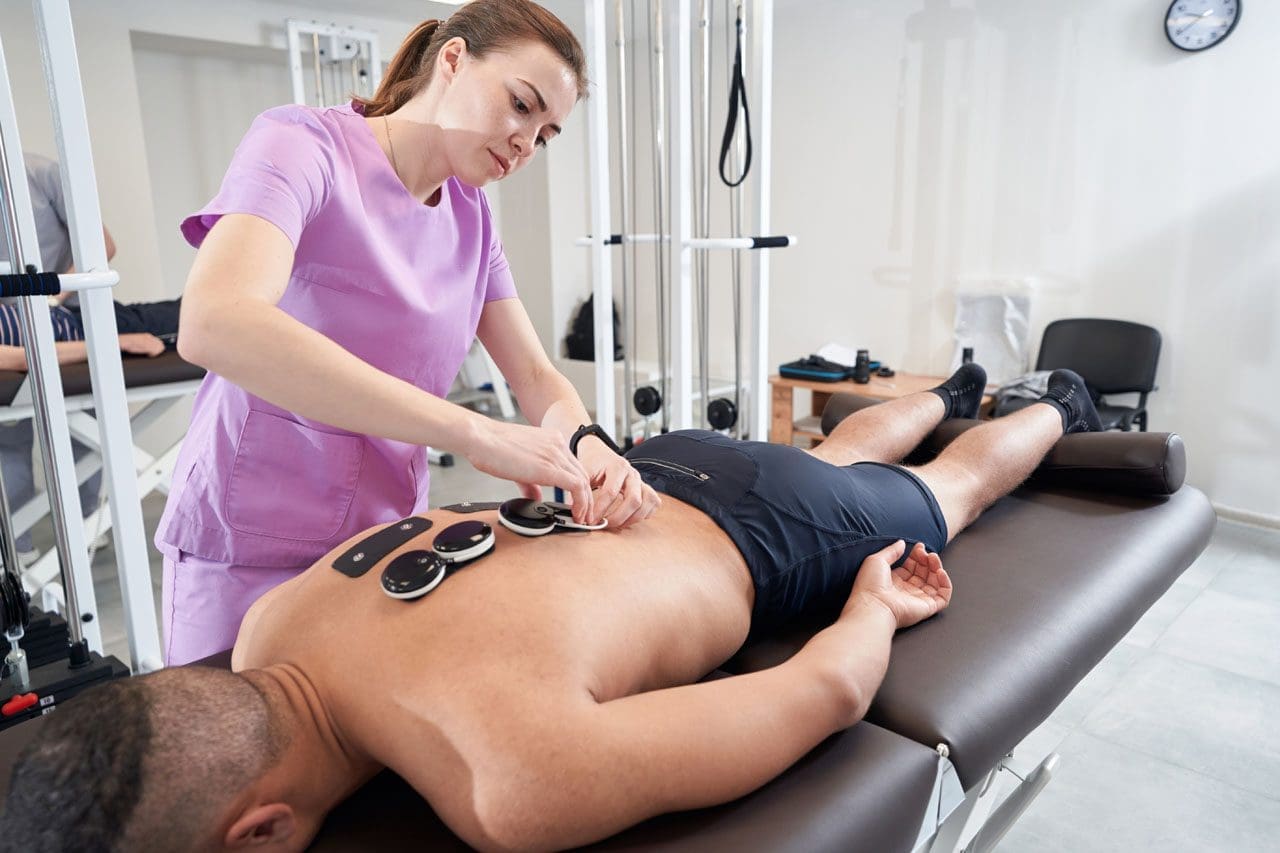
Female doctor placing myostimulation physical therapy equipment on patient’s back
Electric Muscle Stimulation
Electrical muscle stimulation or E-stim is a physical therapy used to reactivate the muscles’ ability to contract. E-stim uses devices that transmit electrical impulses through the skin to target nerves and/or muscles. The most common forms include
Transcutaneous electric nerve stimulation, or TENS, is the most well-known type of electrical stimulation that offers devices that can be used at home or on the go.
Electrical muscle stimulation or EMS.
In physical therapy, E-stim stimulates muscles to contract, strengthening them and encouraging blood circulation.
Blood circulation can directly affect the condition of muscle tissue.
Electrical muscle stimulation is also used in spinal cord injury and other neuromuscular conditions. (Ho, C. H. et al., 2014)
E-stim
During treatment, electrodes are hooked to an electric stimulation machine and placed around the affected neck or back area.
The electrodes will be placed on the skin for most neck or back injuries.
The placement of the electrodes depends on the reason for treatment and the depth or superficiality of the electrical stimulation.
The electrodes are often placed near a motor point of a muscle to ensure the correct contraction.
The therapist will adjust the controls of the stimulation machine to achieve thorough muscle contraction with minimal discomfort.
Stimulation can last 5 – 15 minutes, depending on the treatment plan and injury severity.
Spinal Joint Stabilization
Activation of the muscles may help increase spinal joint stability, improving problems with spinal instability. (Ho, C. H. et al., 2014) Electric muscle stimulation is thought to enhance the exercise program a therapist prescribes to help maintain joint stability. Electrical stimulation may also help build muscle strength and endurance. (Veldman, M. P. et al., 2016) Muscle endurance is the repetitions a muscle can contract before it fatigues.
Healing and Pain Management
Electric muscle stimulation therapy can enhance tissue healing and help manage inflammation by reducing swelling and increasing circulation. It can reduce pain sensations by blocking nerve transmission at the spinal cord. (Johnson, M. I. et al., 2019) A healthcare professional may suggest a TENS or take-home electric stimulation unit to manage symptoms. (Johnson, M. I. et al., 2019)
Treatment
Interdisciplinary therapies tailored to an individual’s specific back or neck pain have been found to provide positive results. Exercise, yoga, short-term cognitive behavioral therapy, biofeedback, progressive relaxation, massage, manual therapy, and acupuncture are recommended for neck or back pain. (Chou, R. et al., 2018) Taking non-steroidal anti-inflammatory medications may also help. Electrical muscle stimulation could be an effective neck or back treatment.
Individuals unsure whether they need or would benefit from electrical should discuss symptoms and conditions with a primary physician, healthcare provider, or specialist to guide them in the right direction and determine the best treatment. Injury Medical Chiropractic and Functional Medicine Clinic focuses on what works for the patient and strives to better the body through researched methods and total wellness programs. Using an integrated approach, we treat injuries and chronic pain syndromes through personalized care plans that improve ability through flexibility, mobility, and agility programs personalized to the individual to relieve pain. If other treatment is needed, Dr. Jimenez has teamed up with the top surgeons, clinical specialists, medical researchers, and premier rehabilitation providers to provide the most effective treatments.
Thoracic Spine Pain
References
Ho, C. H., Triolo, R. J., Elias, A. L., Kilgore, K. L., DiMarco, A. F., Bogie, K., Vette, A. H., Audu, M. L., Kobetic, R., Chang, S. R., Chan, K. M., Dukelow, S., Bourbeau, D. J., Brose, S. W., Gustafson, K. J., Kiss, Z. H., & Mushahwar, V. K. (2014). Functional electrical stimulation and spinal cord injury. Physical medicine and rehabilitation clinics of North America, 25(3), 631–ix. https://doi.org/10.1016/j.pmr.2014.05.001
Veldman, M. P., Gondin, J., Place, N., & Maffiuletti, N. A. (2016). Effects of Neuromuscular Electrical Stimulation Training on Endurance Performance. Frontiers in physiology, 7, 544. https://doi.org/10.3389/fphys.2016.00544
Johnson, M. I., Jones, G., Paley, C. A., & Wittkopf, P. G. (2019). The clinical efficacy of transcutaneous electrical nerve stimulation (TENS) for acute and chronic pain: a protocol for a meta-analysis of randomised controlled trials (RCTs). BMJ open, 9(10), e029999. https://doi.org/10.1136/bmjopen-2019-029999
Chou, R., Côté, P., Randhawa, K., Torres, P., Yu, H., Nordin, M., Hurwitz, E. L., Haldeman, S., & Cedraschi, C. (2018). The Global Spine Care Initiative: applying evidence-based guidelines on the non-invasive management of back and neck pain to low- and middle-income communities. European spine journal : official publication of the European Spine Society, the European Spinal Deformity Society, and the European Section of the Cervical Spine Research Society, 27(Suppl 6), 851–860. https://doi.org/10.1007/s00586-017-5433-8
Can understanding the body’s hinge joints and how they operate help with mobility and flexibility problems and manage conditions for individuals with difficulty fully bending or extending their fingers, toes, elbows, ankles, or knees?
Hinge Joints
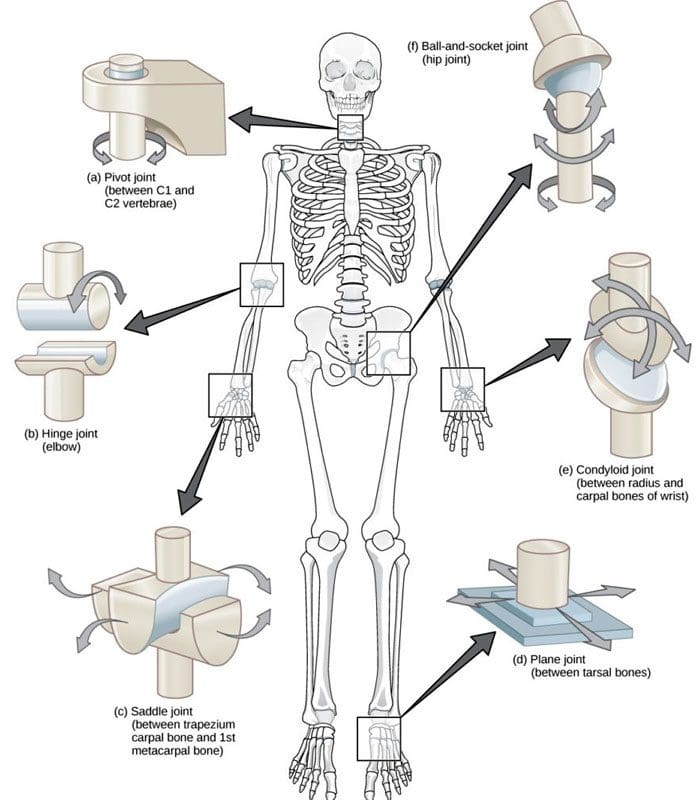
A joint forms where one bone connects to another, allowing motion. Different types of joints differ in structure and movement depending on their location. These include hinge, ball and socket, planar, pivot, saddle, and ellipsoid joints. (Boundless. General Biology, N.D.) Hinge joints are synovial joints that move through one plane of motion: flexion and extension. Hinge joints are found in the fingers, elbows, knees, ankles, and toes and control movement for various functions. Injuries, osteoarthritis, and autoimmune conditions can affect hinge joints. Rest, medication, ice, and physical therapy can help alleviate pain, improve strength and range of motion, and help manage conditions.
Anatomy
A joint is formed by the joining of two or more bones. The human body has three main classifications of joints, categorized by the degree to which they can move. These include: (Boundless. General Biology, N.D.)
Synarthroses
These are fixed, immovable joints.
Formed by two or more bones.
Amphiarthroses
Also known as cartilaginous joints.
A fibrocartilage disc separates the bones that form the joints.
These movable joints allow for a slight degree of movement.
Diarthroses
Also known as synovial joints.
These are the most common freely mobile joints that allow movement in multiple directions.
The bones that form the joints are lined with articular cartilage and enclosed in a joint capsule filled with synovial fluid that allows for smooth motion.
Synovial joints are classified into different types depending on differences in structure and the number of motion planes they allow. A hinge joint is a synovial joint that allows movement in one plane of motion, similar to a door hinge that moves forward and backward. Within the joint, the end of one bone is typically convex/pointed outward, with the other concave/rounded inward to allow the ends to fit smoothly. Because hinge joints only move through one plane of movement, they tend to be more stable than other synovial joints. (Boundless. General Biology, N.D.) Hinge joints include:
The finger and toe joints – allow the fingers and toes to bend and extend.
The elbow joint – allows the elbow to bend and extend.
The knee joint – allows the knee to bend and extend.
The talocrural joint of the ankle – allows the ankle to move up/dorsiflexion and down/plantarflexion.
Hinge joints allow the limbs, fingers, and toes to extend away and bend toward the body. This movement is essential for activities of daily living, such as showering, getting dressed, eating, walking, standing up, and sitting down.
Conditions
Osteoarthritis and inflammatory forms of arthritis can affect any joint (Arthritis Foundation. N.D.) Autoimmune inflammatory forms of arthritis, including rheumatoid and psoriatic arthritis, can cause the body to attack its own joints. These commonly affect the knees and fingers, resulting in swelling, stiffness, and pain. (Kamata, M., Tada, Y. 2020) Gout is an inflammatory form of arthritis that develops from elevated levels of uric acid in the blood and most commonly affects the hinge joint of the big toe. Other conditions that affect hinge joints include:
Injuries to the cartilage within the joints or ligaments that stabilize the outside of the joints.
Ligament sprains or tears can result from jammed fingers or toes, rolled ankles, twisting injuries, and direct impact on the knee.
These injuries can also affect the meniscus, the tough cartilage within the knee joint that helps cushion and absorb shock.
Rehabilitation
Conditions that affect hinge joints often cause inflammation and swelling, resulting in pain and limited mobility.
After an injury or during an inflammatory condition flare-up, limiting active movement and resting the affected joint can reduce increased stress and pain.
Applying ice can decrease inflammation and swelling.
Once the pain and swelling start to subside, physical and/or occupational therapy can help rehabilitate the affected areas.
A therapist will provide stretches and exercises to help improve the joint range of motion and strengthen the supporting muscles.
For individuals experiencing hinge joint pain from an autoimmune condition, biologic medications to decrease the body’s autoimmune activity are administered through infusions delivered every several weeks or months. (Kamata, M., Tada, Y. 2020)
Cortisone injections may also be used to decrease inflammation.
At Injury Medical Chiropractic and Functional Medicine Clinic, we passionately focus on treating patients’ injuries and chronic pain syndromes and improving ability through flexibility, mobility, and agility programs tailored to the individual. Our providers use an integrated approach to create personalized care plans that include Functional Medicine, Acupuncture, Electro-Acupuncture, and Sports Medicine protocols. Our goal is to relieve pain naturally by restoring health and function to the body. If the individual needs other treatment, they will be referred to a clinic or physician best suited for them. Dr. Jimenez has teamed up with the top surgeons, clinical specialists, medical researchers, and premier rehabilitation providers to provide the most effective clinical treatments.
Chiropractic Solutions
References
Boundless. General Biology. (N.D.). 38.12: Joints and Skeletal Movement – Types of Synovial Joints. In. LibreTexts Biology. https://bio.libretexts.org/Bookshelves/Introductory_and_General_Biology/Book%3A_General_Biology_%28Boundless%29/38%3A_The_Musculoskeletal_System/38.12%3A_Joints_and_Skeletal_Movement_-_Types_of_Synovial_Joints
Kamata, M., & Tada, Y. (2020). Efficacy and Safety of Biologics for Psoriasis and Psoriatic Arthritis and Their Impact on Comorbidities: A Literature Review. International journal of molecular sciences, 21(5), 1690. https://doi.org/10.3390/ijms21051690
For individuals experiencing pelvic pain, it could be a disorder of the pudendal nerve known as pudendal neuropathy or neuralgia that leads to chronic pain. The condition can be caused by pudendal nerve entrapment, where the nerve becomes compressed or damaged. Can knowing the symptoms help healthcare providers correctly diagnose the condition and develop an effective treatment plan?
Pudendal Neuropathy
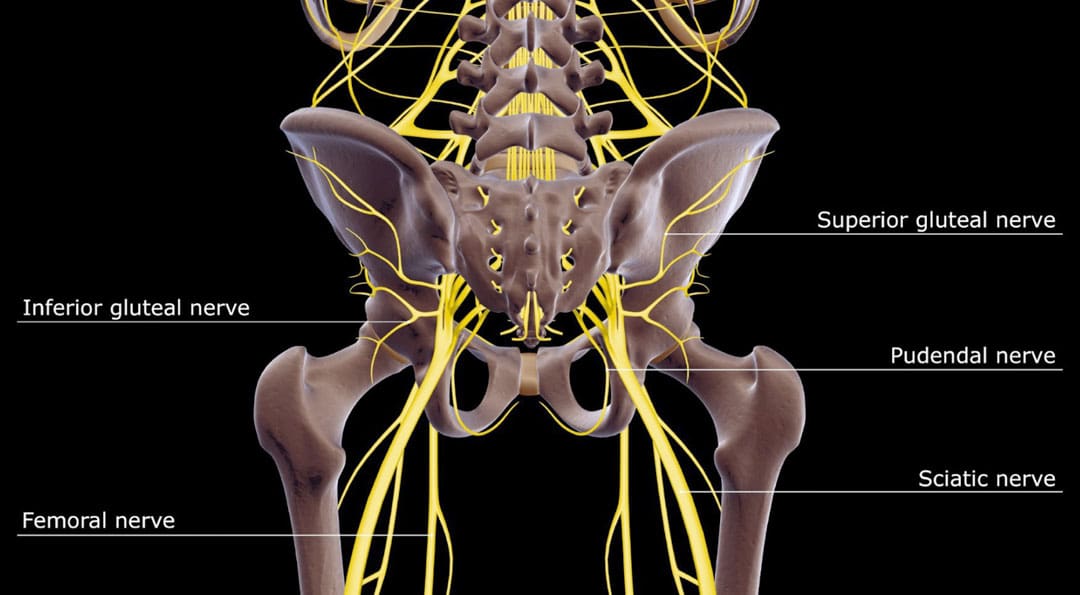
The pudendal nerve is the main nerve that serves the perineum, which is the area between the anus and the genitalia – the scrotum in men and the vulva in women. The pudendal nerve runs through the gluteus muscles/buttocks and into the perineum. It carries sensory information from the external genitalia and the skin around the anus and perineum and transmits motor/movement signals to various pelvic muscles. (Origoni, M. et al., 2014) Pudendal neuralgia, also referred to as pudendal neuropathy, is a disorder of the pudendal nerve that can lead to chronic pelvic pain.
Causes
Chronic pelvic pain from pudendal neuropathy can be caused by any of the following (Kaur J. et al., 2024)
Excessive sitting on hard surfaces, chairs, bicycle seats, etc. Bicyclists tend to develop pudendal nerve entrapment.
Trauma to the buttocks or pelvis.
Childbirth.
Diabetic neuropathy.
Bony formations that push against the pudendal nerve.
Thickening of ligaments around the pudendal nerve.
Symptoms
Pudendal nerve pain can be described as stabbing, cramping, burning, numbness, or pins and needles and can present (Kaur J. et al., 2024)
In the perineum.
In the anal region.
In men, pain in the scrotum or penis.
In women, pain in the labia or vulva.
During intercourse.
When urinating.
During a bowel movement.
When sitting and goes away after standing up.
Because the symptoms are often hard to distinguish, pudendal neuropathy can often be hard to differentiate from other types of chronic pelvic pain.
Cyclist’s Syndrome
Prolonged sitting on a bicycle seat can cause pelvic nerve compression, which can lead to chronic pelvic pain. The frequency of pudendal neuropathy (chronic pelvic pain caused by entrapment or compression of the pudendal nerve) is often referred to as Cyclist’s Syndrome. Sitting on certain bicycle seats for long periods places significant pressure on the pudendal nerve. The pressure can cause swelling around the nerve, which causes pain and, over time, can lead to nerve trauma. Nerve compression and swelling can cause pain described as burning, stinging, or pins and needles. (Durante, J. A., and Macintyre, I. G. 2010) For individuals with pudendal neuropathy caused by bicycling, symptoms can appear after prolonged biking and sometimes months or years later.
Take breaks at least 20–30 seconds after each 20 minutes of riding.
While riding, change positions frequently.
Stand up to pedal periodically.
Take time off between riding sessions and races to rest and relax the pelvic nerves. 3–10 day breaks can help in recovery. (Durante, J. A., and Macintyre, I. G. 2010)
If pelvic pain symptoms are barely starting to develop, rest and see a healthcare provider or specialist for an examination.
Seat
Use a soft, wide seat with a short nose.
Have the seat level or tilted slightly forward.
Seats with cutout holes place more pressure on the perineum.
If numbness or pain is present, try a seat without holes.
Bike Fitting
Adjust the seat height so the knee is slightly bent at the bottom of the pedal stroke.
The body’s weight should rest on the sitting bones/ischial tuberosities.
Keeping the handlebar height below the seat can reduce pressure.
The Triathlon bike’s extreme-forward position should be avoided.
A more upright posture is better.
Mountain bikes have been associated with an increased risk of erectile dysfunction than road bikes.
Shorts
Wear padded bike shorts.
Treatments
A healthcare provider may use a combination of treatments.
The neuropathy can be treated with rest if the cause is excessive sitting or cycling.
Injury Medical Chiropractic and Functional Medicine Clinic care plans and clinical services are specialized and focused on injuries and the complete recovery process. Our areas of practice include Wellness and nutrition, Chronic Pain, Personal Injury, Auto Accident Care, Work Injuries, Back Injury, Low Back Pain, Neck Pain, Migraine Headaches, Sports Injuries, severe sciatica, Scoliosis, Complex Herniated Discs, Fibromyalgia, Chronic Pain, Complex Injuries, Stress Management, and Functional Medicine Treatments. If the individual requires other treatment, they will be referred to a clinic or physician best suited for their condition, as Dr. Jimenez has teamed with the top surgeons, clinical specialists, medical researchers, therapists, trainers, and premiere rehabilitation providers.
Pregnancy and Sciatica
References
Origoni, M., Leone Roberti Maggiore, U., Salvatore, S., & Candiani, M. (2014). Neurobiological mechanisms of pelvic pain. BioMed research international, 2014, 903848. https://doi.org/10.1155/2014/903848
Kaur, J., Leslie, S. W., & Singh, P. (2024). Pudendal Nerve Entrapment Syndrome. In StatPearls. https://www.ncbi.nlm.nih.gov/pubmed/31334992
Durante, J. A., & Macintyre, I. G. (2010). Pudendal nerve entrapment in an Ironman athlete: a case report. The Journal of the Canadian Chiropractic Association, 54(4), 276–281.
Chiaramonte, R., Pavone, P., & Vecchio, M. (2021). Diagnosis, Rehabilitation and Preventive Strategies for Pudendal Neuropathy in Cyclists, A Systematic Review. Journal of functional morphology and kinesiology, 6(2), 42. https://doi.org/10.3390/jfmk6020042
Those experiencing neck pain, stiffness, headache, shoulder and back pain may suffer from a whiplash injury. Can knowing whiplash signs and symptoms help individuals recognize the injury and help healthcare providers develop an effective treatment plan?
Whiplash Signs and Symptoms
Whiplash is a neck injury that typically occurs after a motor vehicle collision or accident but can happen with any injury that rapidly whips the neck forward and backward. It is a mild to moderate injury of the neck muscles. Common whiplash signs and symptoms include:
Some individuals can develop chronic pain and headaches.
The symptoms and treatment depend on the severity of the injury. Treatment can include over-the-counter pain medicines, ice and heat therapy, chiropractic, physical therapy, and stretching exercises.
Frequent Signs and Symptoms
The sudden whipping movement of the head can affect several structures within the neck. These structures include:
Muscles
Bones
Joints
Tendons
Ligaments
Intervertebral discs
Blood vessels
Nerves.
Any or all of these can be affected by a whiplash injury. (MedlinePlus, 2017)
Statistics
Whiplash is a neck sprain that occurs from a fast neck-jerking motion. Whiplash injuries account for more than half of vehicle traffic collision injuries. (Michele Sterling, 2014) Even with a minor injury, the most frequent symptoms include: (Nobuhiro Tanaka et al., 2018)
Neck pain
Next stiffness
Neck tenderness
Limited range of motion of the neck
Individuals can develop neck discomfort and pain shortly after an injury; however, the more intense pain and stiffness typically do not occur right after the injury. Symptoms tend to worsen the next day or 24 hours later. (Nobuhiro Tanaka et al., 2018)
Beginning Symptoms
Researchers have found that approximately more than half of individuals with whiplash develop symptoms within six hours of the injury. Around 90% develop symptoms within 24 hours, and 100% develop symptoms within 72 hours. (Nobuhiro Tanaka et al., 2018)
Whiplash vs. Traumatic Cervical Spine Injury
Whiplash describes a mild to moderate neck injury without significant skeletal or neurological symptoms. Significant neck injuries can lead to fractures and dislocations of the spine that can affect the nerves and spinal cord. Once an individual develops neurological problems associated with a neck injury, the diagnosis changes from whiplash to traumatic cervical spine injury. These differences can be confusing as they are on the same spectrum. To better understand the severity of a neck sprain, the Quebec classification system divides neck injury into the following grades (Nobuhiro Tanaka et al., 2018)
Grade 0
This means there are no neck symptoms or physical examination signs.
Grade 1
There is neck pain and stiffness.
Very few findings from the physical examination.
Grade 2
Indicates neck pain and stiffness
Neck tenderness
Decreased mobility or neck range of motion on physical examination.
Grade 3
Involves muscle pain and stiffness.
Neurologic symptoms include:
Numbness
Tingling
Weakness in the arms
Decreased reflexes
Grade 4
Involves a fracture or dislocation of the bones of the spinal column.
Other Symptoms
Other whiplash signs and symptoms that can be associated with the injury but are less common or only occur with a severe injury include (Nobuhiro Tanaka et al., 2018)
Tension headache
Jaw pain
Sleep problems
Migraine headache
Difficulty concentrating
Reading difficulties
Blurred vision
Dizziness
Driving difficulties
Rare Symptoms
Individuals with severe injuries can develop rare symptoms that often indicate traumatic cervical spine injury and include: (Nobuhiro Tanaka et al., 2018)
Amnesia
Tremor
Voice changes
Torticollis – painful muscle spasms that keep the head turned to one side.
Bleeding in the brain
Complications
Most individual generally recover from their symptoms within a few weeks to a few months. (Michele Sterling, 2014) However, whiplash complications can occur, especially with severe grade 3 or grade 4 injuries. The most common complications of a whiplash injury include chronic/long-term pain and headaches. (Michele Sterling, 2014) Traumatic cervical spine injury can affect the spinal cord and be associated with chronic neurological problems, including numbness, weakness, and difficulty walking. (Luc van Den Hauwe et al., 2020)
Treatment
The pain is typically more severe the next day than after the injury. Whiplash musculoskeletal injury treatment depends on whether it is an acute injury or the individual has developed chronic neck pain and stiffness.
Acute pain can be treated with over-the-counter medicines like Tylenol and Advil, which effectively treat the pain.
Advil is a nonsteroidal anti-inflammatory that can be taken with the pain reliever Tylenol, which works in different ways.
The mainstay of treatment is encouraging regular activity with stretching and exercise. (Michele Sterling, 2014)
Physical therapy uses various range of motion exercises to strengthen the neck muscles and relieve the pain.
Chiropractic adjustments and non-surgical decompression can help realign and nourish the spine.
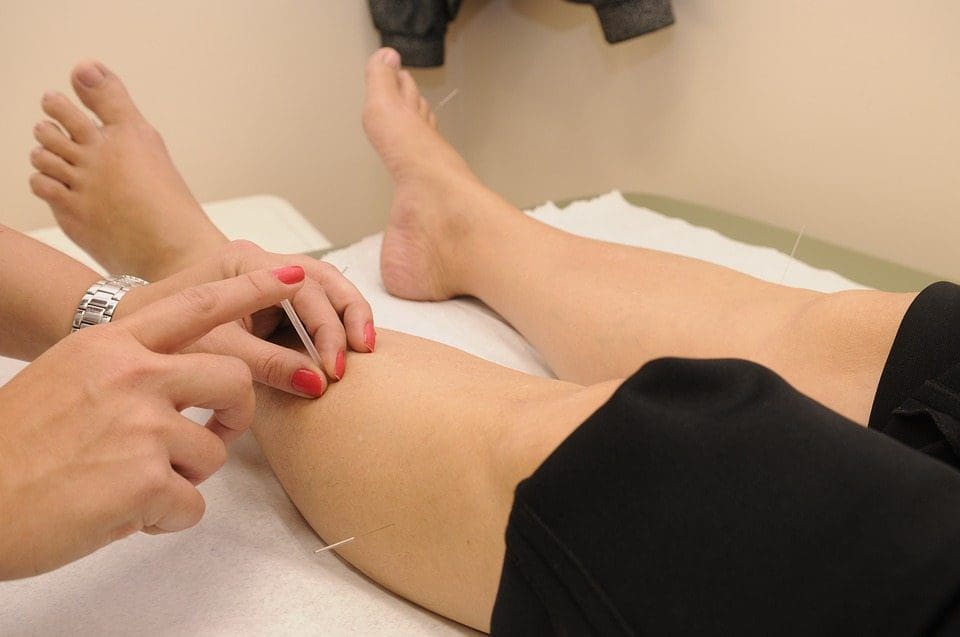
Acupuncture can cause the body to release natural hormones that provide pain relief, help relax the soft tissues, increase circulation, and reduce inflammation. The cervical spine can return to alignment when the soft tissues are no longer inflamed and spasming. (Tae-Woong Moon et al., 2014)
Neck Injuries
References
Medicine, J. H. (2024). Whiplash Injury. https://www.hopkinsmedicine.org/health/conditions-and-diseases/whiplash-injury
MedlinePlus. (2017). Neck Injuries and Disorders. Retrieved from https://medlineplus.gov/neckinjuriesanddisorders.html#cat_95
Sterling M. (2014). Physiotherapy management of whiplash-associated disorders (WAD). Journal of physiotherapy, 60(1), 5–12. https://doi.org/10.1016/j.jphys.2013.12.004
Tanaka, N., Atesok, K., Nakanishi, K., Kamei, N., Nakamae, T., Kotaka, S., & Adachi, N. (2018). Pathology and Treatment of Traumatic Cervical Spine Syndrome: Whiplash Injury. Advances in orthopedics, 2018, 4765050. https://doi.org/10.1155/2018/4765050
van Den Hauwe L, Sundgren PC, Flanders AE. (2020). Spinal Trauma and Spinal Cord Injury (SCI). In: Hodler J, Kubik-Huch RA, von Schulthess GK, editors. Diseases of the Brain, Head and Neck, Spine 2020–2023: Diagnostic Imaging [Internet]. Cham (CH): Springer; 2020. Chapter 19. Available from: https://www.ncbi.nlm.nih.gov/books/NBK554330/ doi: 10.1007/978-3-030-38490-6_19
Moon, T. W., Posadzki, P., Choi, T. Y., Park, T. Y., Kim, H. J., Lee, M. S., & Ernst, E. (2014). Acupuncture for treating whiplash associated disorder: a systematic review of randomised clinical trials. Evidence-based complementary and alternative medicine : eCAM, 2014, 870271. https://doi.org/10.1155/2014/870271
For individuals dealing with chronic fatigue syndrome, can incorporating acupuncture with other treatment protocols help regain functionality and improve quality of life?
Acupuncture For Chronic Fatigue Syndrome
Research is looking at how acupuncture can help manage symptoms of chronic fatigue. These studies focused on specific acupoints and techniques and how they affected certain symptoms or abnormalities linked to the condition. The researchers found that acupuncture may help manage and alleviate some symptoms (Qing Zhang et al., 2019). However, they were still unable to determine the mechanisms of how acupuncture exactly works.
Symptom Relief
Various studies showed that acupuncture could improve physical and mental fatigue symptoms, including:
One case study showed improvements in groups of athletes who were put through a series of exhaustive physical exercises and short-term rest. One group of athletes was treated with acupuncture on selected acupoints while the others were given an extended rest. Analysis was applied to the metabolic profiles of urine samples collected from the athletes at three points: before the exercises, before and after the acupuncture treatment, or taking extended rest. The results indicated that the recoveries of disturbed metabolites in the athletes treated with acupuncture were significantly faster than in those who only took extended rest. (Haifeng Ma et al., 2015)
Researchers said studies involving acupuncture alone or in combination with other treatments appear to show that it is effective at lessening fatigue. (Yu-Yi Wang et al., 2014) However, further studies are needed to confirm the benefits. This is a significant change from a review that found limited evidence for the effectiveness of alternative treatments for relieving chronic fatigue symptoms. (Terje Alraek et al., 2011)
Another review of alternative therapies found acupuncture and certain meditation techniques showed the most promise for future investigation. (Nicole S. Porter et al., 2010)
Another study compared prednisone, a steroid, with an acupuncture technique called coiling dragon and an additional treatment called cupping. It suggested that acupuncture and cupping treatments surpassed the steroid regarding fatigue. (Wei Xu et al., 2012)
Another study found that needling with heat application or moxibustion produced better results than standard acupuncture regarding physical and mental fatigue scores. (Chen Lu, Xiu-Juan Yang, Jie Hu 2014)
From Consultation to Transformation: Assessing Patients In A Chiropractic Setting
References
Zhang, Q., Gong, J., Dong, H., Xu, S., Wang, W., & Huang, G. (2019). Acupuncture for chronic fatigue syndrome: a systematic review and meta-analysis. Acupuncture in medicine : journal of the British Medical Acupuncture Society, 37(4), 211–222. https://doi.org/10.1136/acupmed-2017-011582
Frisk, J., Källström, A. C., Wall, N., Fredrikson, M., & Hammar, M. (2012). Acupuncture improves health-related quality-of-life (HRQoL) and sleep in women with breast cancer and hot flushes. Supportive care in cancer : official journal of the Multinational Association of Supportive Care in Cancer, 20(4), 715–724. https://doi.org/10.1007/s00520-011-1134-8
Gao, D. X., & Bai, X. H. (2019). Zhen ci yan jiu = Acupuncture research, 44(2), 140–143. https://doi.org/10.13702/j.1000-0607.170761
Mandıroğlu, S., & Ozdilekcan, C. (2017). Impact of Acupuncture on Chronic Insomnia: A Report of Two Cases with Polysomnographic Evaluation. Journal of acupuncture and meridian studies, 10(2), 135–138. https://doi.org/10.1016/j.jams.2016.09.018
Zhu, L., Ma, Y., Ye, S., & Shu, Z. (2018). Acupuncture for Diarrhoea-Predominant Irritable Bowel Syndrome: A Network Meta-Analysis. Evidence-based complementary and alternative medicine : eCAM, 2018, 2890465. https://doi.org/10.1155/2018/2890465
Ma, H., Liu, X., Wu, Y., & Zhang, N. (2015). The Intervention Effects of Acupuncture on Fatigue Induced by Exhaustive Physical Exercises: A Metabolomics Investigation. Evidence-based complementary and alternative medicine : eCAM, 2015, 508302. https://doi.org/10.1155/2015/508302
Wang, Y. Y., Li, X. X., Liu, J. P., Luo, H., Ma, L. X., & Alraek, T. (2014). Traditional Chinese medicine for chronic fatigue syndrome: a systematic review of randomized clinical trials. Complementary therapies in medicine, 22(4), 826–833. https://doi.org/10.1016/j.ctim.2014.06.004
Alraek, T., Lee, M. S., Choi, T. Y., Cao, H., & Liu, J. (2011). Complementary and alternative medicine for patients with chronic fatigue syndrome: a systematic review. BMC complementary and alternative medicine, 11, 87. https://doi.org/10.1186/1472-6882-11-87
Porter, N. S., Jason, L. A., Boulton, A., Bothne, N., & Coleman, B. (2010). Alternative medical interventions used in the treatment and management of myalgic encephalomyelitis/chronic fatigue syndrome and fibromyalgia. Journal of alternative and complementary medicine (New York, N.Y.), 16(3), 235–249. https://doi.org/10.1089/acm.2008.0376
Lu, C., Yang, X. J., & Hu, J. (2014). Zhen ci yan jiu = Acupuncture research, 39(4), 313–317.
IFM's Find A Practitioner tool is the largest referral network in Functional Medicine, created to help patients locate Functional Medicine practitioners anywhere in the world. IFM Certified Practitioners are listed first in the search results, given their extensive education in Functional Medicine