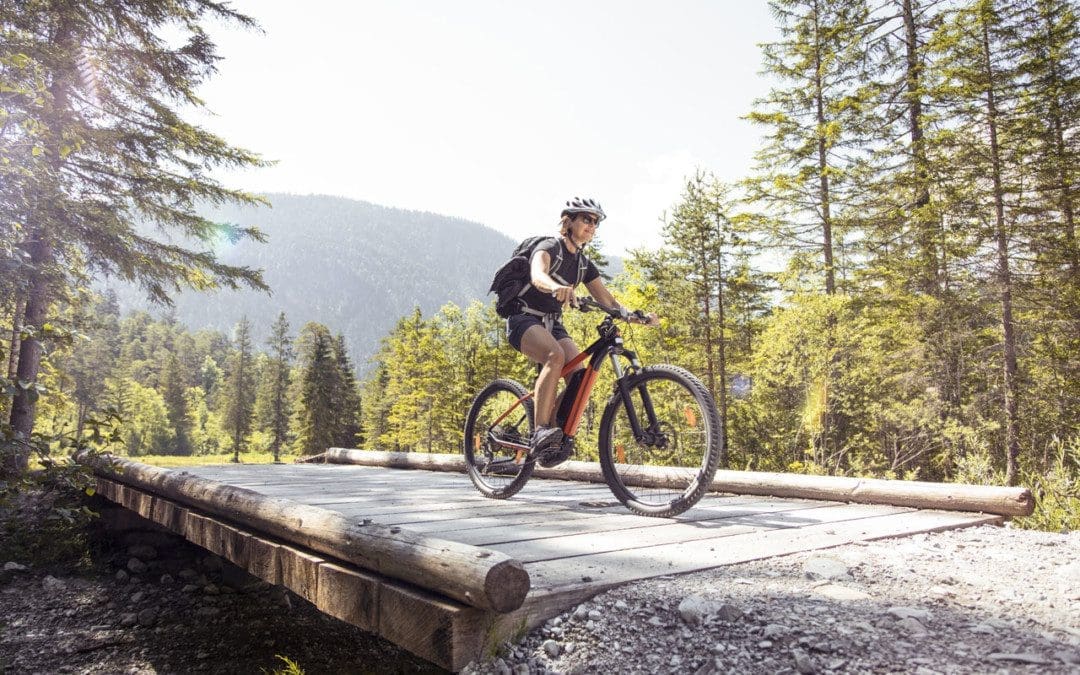
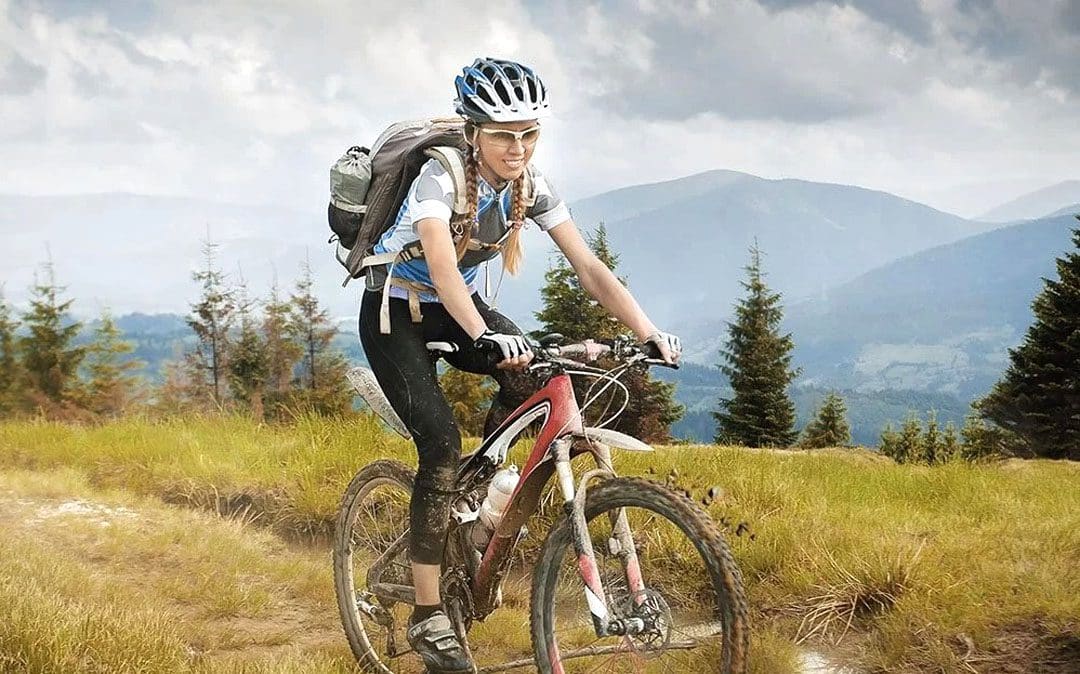
Mountain biking is a recommended sport for building muscle power and strength, endurance, and agility. Mountain biking uses bicycles designed to ride off-road and over rough terrain. The sport requires core strength, endurance, balance, and self-reliance. This is because riders are often far from civilization. Riders must learn to repair broken bike parts and fix flat tires to avoid being stranded. Mountain biking gear that riders carry includes a heavy-duty backpack with plenty of water, food, tools for repairs, and a first aid kit. Using the appropriate gear and equipment will help make the next ride safer and more comfortable.
Mountain Biking Gear
The first piece of equipment is a properly fitting and well-maintained mountain bike. There are all types of bicycles for every type of rider and trail. There are variations of bikes with full suspension, front suspension, disc brakes, V-brakes, different wheel sizes, and frame materials. It is recommended to consult a professional or visit a bicycle shop specializing in mountain biking to match the individual with the best bike. The right bike makes for a better ride.
Brakes
Disc brakes offer more secure braking when going high speed and needing the option to stop safely and at the proper distance.
Frame Size
The bike’s frame must be properly set up so the individual can easily step over and pedal at the correct height.
Suspension
Individuals that plan on taking on all kinds of terrains need the bike to absorb the shock and impact and are recommended to consider a full-suspension bike or one with a suspension fork.
Wheels
Mountain bike wheels range in size from 26 to 29 inches, and depending on the terrain and speeds, the right wheel diameter is key.
Larger wheels accelerate slower but provide improved traction.
Smaller wheels are lighter and easier to maneuver.
Helmet
A helmet is the most important safety gear that significantly reduces the severity of head injuries; no one should ride without one. Mountain bike helmets generally have a visor to help block the sun when riding so individuals can focus on the trail and not be distracted by glare. Three styles of mountain bike helmets are available, depending on the type of activity.
A trail mountain biking helmet covers part of the face and has a visor to help protect the head from the sun and other weather elements.
Trail helmets are recommended for mountain biking, road, and trail cycling.
Full-Face
Full-face helmets are essential for downhill trails at high speeds and on varying terrains.
They feature an adjustable visor and chin protection for added safety.
Eye Protection
Eye protection helps keep dirt, dust, and debris out of the eyes and helps have clear vision in dark shadows and bright sunlight.
Glasses or goggles protect the eyes if not using a full-face helmet.
Choosing a frame with an interchangeable lens system that comes with different lenses for varying light conditions is recommended.
Hydration Pack
Wearing a hydration packwhen riding provides easy access to hands-free hydration.
This is important for anyone exercising for more than two hours and with limited access to refills on the trail.
Mountain Biking Shoes
Beginners can wear comfortable sports shoes when starting.
Riders who begin riding more frequently will eventually want to transition to mountain biking shoes.
Cleated bike shoes work with pedals and lock the rider’s feet to the bike.
There is a variety of cycling footwear, but all-mountain bike shoes provide thorough traction off the bike, durability, comfort, and a heavy-duty sole for optimal pedaling efficiency.
Clipless Pedals
Clipless pedals are recommended for cross-country trail riding.
Cycling shoes and clipless pedal systems lock the shoes into the pedals for secure and efficient pedaling and can be unclipped easily with a twist of the foot.
Use shoes and pedals that work together.
Gloves
Mountain bike gloves provide additional padding and finger coverage.
They absorb the shock and protect the hands from falls on rough terrain.
The handlebar grips are padded, but additional cushion from the gloves is beneficial for long or downhill rides for extra comfort and protection.
Full-finger gloves offer the best coverage, protection, and grip on the brake levers.
These shorts provide a padded inner liner like underwear that increases comfort and reduces chafing.
The exterior looks like a baggy pair of shorts made of tough, abrasion-resistant fabric to take the wear and tear.
Bicycle Repair Kit
A repair kit can be attached to the bike saddle and holds all the essential tools for mechanical trouble or a flat tire.
The repair kit should include a bicycle multi-tool, an extra tube and patch kit, tire levers, a mini pump, and emergency cash.
Riders should keep an identification card with a list of contact numbers in the seat bag in case of a serious injury or other emergencies.
First Aid Kit
Riders can lose traction on loose rock and crash on the trail.
A first aid kit with various bandages, tape, pain relievers, and antiseptic wipes to treat cuts, scrapes, blisters, rashes, and everything in between is highly recommended.
Also include an eye drop solution, a small pocketknife, moleskin, energy gels, and an emergency whistle.
Biking Franklin Mountains
References
Alena Høye, Bicycle helmets – To wear or not to wear? A meta-analysis of the effects of bicycle helmets on injuries, Accident Analysis & Prevention, Volume 117, 2018, Pages 85-97, ISSN 0001-4575, https://doi.org/10.1016/j.aap.2018.03.026.
Ansari, Majid, et al. “Mountain Biking Injuries.” Current sports medicine reports vol. 16,6 (2017): 404-412. doi:10.1249/JSR.0000000000000429
Clark, Gregory, et al. “Do Mountain Bikers Know When They Have Had a Concussion and, Do They Know to Stop Riding?.” Clinical Journal of sports medicine: official journal of the Canadian Academy of Sports Medicine vol. 31,6 (2021): e414-e419. doi:10.1097/JSM.0000000000000819
Hall, Cougar et al. “Pedal-Assist Mountain Bikes: A Pilot Study Comparison of the Exercise Response, Perceptions, and Beliefs of Experienced Mountain Bikers.” JMIR formative research vol. 3,3 e13643. 13 Aug. 2019, doi:10.2196/13643
Impellizzeri, Franco M, and Samuele M Marcora. “The physiology of mountain biking.” Sports medicine (Auckland, N.Z.) vol. 37,1 (2007): 59-71. doi:10.2165/00007256-200737010-00005
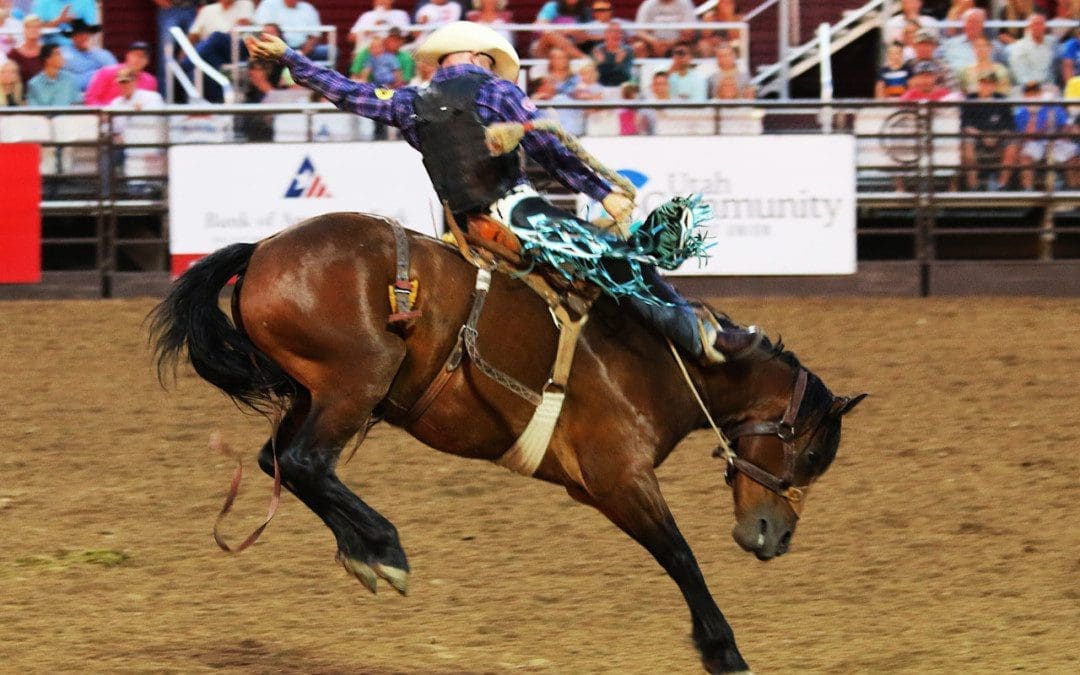
Rodeo Training: Rodeo has become a sport that is now open to anyone, and there are even programs for weekend warriors. Like all sports, it can offer a rewarding experience but can be dangerous. As the sport grows, individuals and spectators realize the importance of being strong, mobile, and durable. Individuals need to assess their health and ability and be in top shape due to the demands this sport places on the body. Here we look at the muscle groups needed in this sport.
Rodeo Training
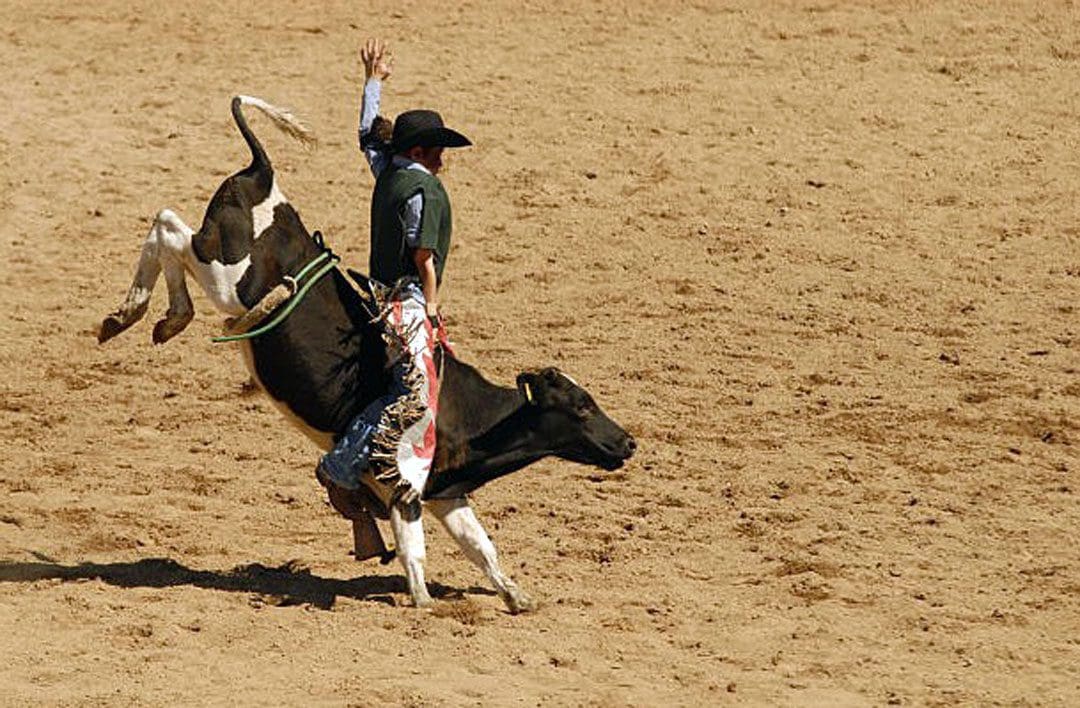
Fitness has always had a place in rodeo and all equine sports, but it wasn’t paid much attention. Professional rodeo instructors recommend incorporating a strength, conditioning, and personal training regimen, to keep rodeo athletes, including bull riders, steer wrestlers, and calf ropers, in top form. Even for weekend warriors and hobbyists, increasing strength and mobility will make the hobby much more enjoyable.
Body Strength
The core strength of the abdominals and lower back is very important. The connection between the upper and lower body and groin strength has to be strong for the athletes to stay on the animal and control their bodies as the animal runs, shifts, and jumps. The focus should be on every muscle needed to move with proper form and control and learning how your body moves.
Upper Body
Scapula Stabilizers
These muscles help control the shoulder blade and maintain a healthy posture.
These muscles aid the rotator cuff and deltoid muscles to upwardly or downwardly rotate the shoulder blade/scapula while the shoulder joint/arm is moving overhead, behind the back, or reaching away from the trunk.
Strengthening these muscle groups prevents the rounding of the shoulders and provides strength when dealing with a strong animal.
Roughstock riders use these muscles to maintain pressure when lifting their rigging, reign, or rope while maintaining a square posture.
This muscle group needs strengthening, but it is equally important to ensure they’re flexible throughout the chest.
Many individuals have strong chest muscles, but there may be an imbalance of strength and flexibility, causing unhealthy posture.
The spine and stabilizer muscles cannot work to maintain proper posture or stabilize if the chest muscles are too tight.
The focus is maintaining balance in the chest’s mobility while ensuring they are strong enough to handle the force.
Core
Abdominal Muscles
Four major groups comprise the abdominal muscle group, including the rectus abdominis, internal and external oblique, and transversus abdominis.
These muscles work together with the spine and back muscles to help create core stability.
Core strength is not as important as core stability in rodeo sports.
The core fundamentals of riding require the hips, pelvis, and low back to move with the animal.
These muscles coordinate with each other to produce stability.
Focusing only on strength causes rigid or stiff riding.
Being excessively rigid through the abdominals and back muscles prevents shock absorption and can lead to lower back symptoms.
Lower Body
Hip Adductors
These inner thigh muscles include the gracilis, obturator externus, adductor brevis, longus, and magnus.
These muscles should typically be the strongest because of their natural riding use.
Problems with these muscles happen because the athletes generally don’t ride horses recreationally and don’t know how to strengthen them.
This leads to various injuries throughout the pelvic floor and hips.
Balance is required as the muscles can be too weak or too strong.
Where riders begin to depend/rely too much on them can lead to imbalances with the upper and lower body muscles.
Too much use/gripping with the adductors can lead to over-rotation of the hip, resulting in the toes-out walking gait and musculoskeletal issues.
Hip Abductors
The outer thigh/hip muscles are the gluteus medius, gluteus minimus, and tensor fasciae latae/TFL.
They move the leg away from the body and help rotate at the hip joint.
The abductors are necessary for staying stable when walking or standing on one leg.
They help stabilize the hip and pelvis and maintain proper leg alignment, allowing correct leg movements without excessive shifting in the saddle.
Sitting in the saddle with more pressure on one side or leaning to one side when jumping will cause an imbalance in the hip abductors.
Hip Extensors
These are the posterior/back and hip/thigh muscles and are made up of the gluteus maximus and the hamstrings.
These are the most powerful muscles in the body and are responsible for giving the horse the cues to perform what they need to.
Strong hamstrings and glutes allow the rider to exert appropriate pressure through the legs to move the horse from a walk, trot, lope, run, and direction change.
The gluteus maximus acts as a buffer between the hamstrings and the lower back muscles.
Weakened gluteus maximus muscles can cause tight hamstrings that shift the pelvis and begin pulling on the low back muscles.
Building strength and mobility throughout the hip extensors will prevent injury.
Understanding which muscles are responsible for each part of the movements needed to compete in this sport is essential. However, rodeo sports are learned by doing, and it is recommended to go to a rodeo school or rodeo clinics as there is no substitute for experience. Some schools hold numerous classes around the country. These are usually taught by championship athletes and are a great way to try rodeo in a safe and controlled learning environment.
Rodeo Training: What It Takes
References
Meyers, Michael C, and C Matthew Laurent Jr. “The rodeo athlete: injuries – Part II.” Sports medicine (Auckland, N.Z.) vol. 40,10 (2010): 817-39. doi:10.2165/11535330-000000000-00000
Sinclair Elder, Amanda J, and Rachel Tincknell. “Epidemiology of Hip Injuries in Professional Rodeo: A 4-Year Analysis.” Orthopedic journal of sports medicine vol. 8,10 2325967120959321. 27 Oct. 2020, doi:10.1177/2325967120959321
Sinclair, Amanda J, and Jack W Ransone. “Physical activity and its relationship to rodeo injury and success.” Journal of strength and conditioning research vol. 18,4 (2004): 873-7. doi:10.1519/14623.1
Watts, Melinda, et al. “Characteristics of Injury in Collegiate Rodeo.” Clinical journal of sports medicine: official journal of the Canadian Academy of Sports Medicine vol. 32,2 (2022): e145-e150. doi:10.1097/JSM.0000000000000904
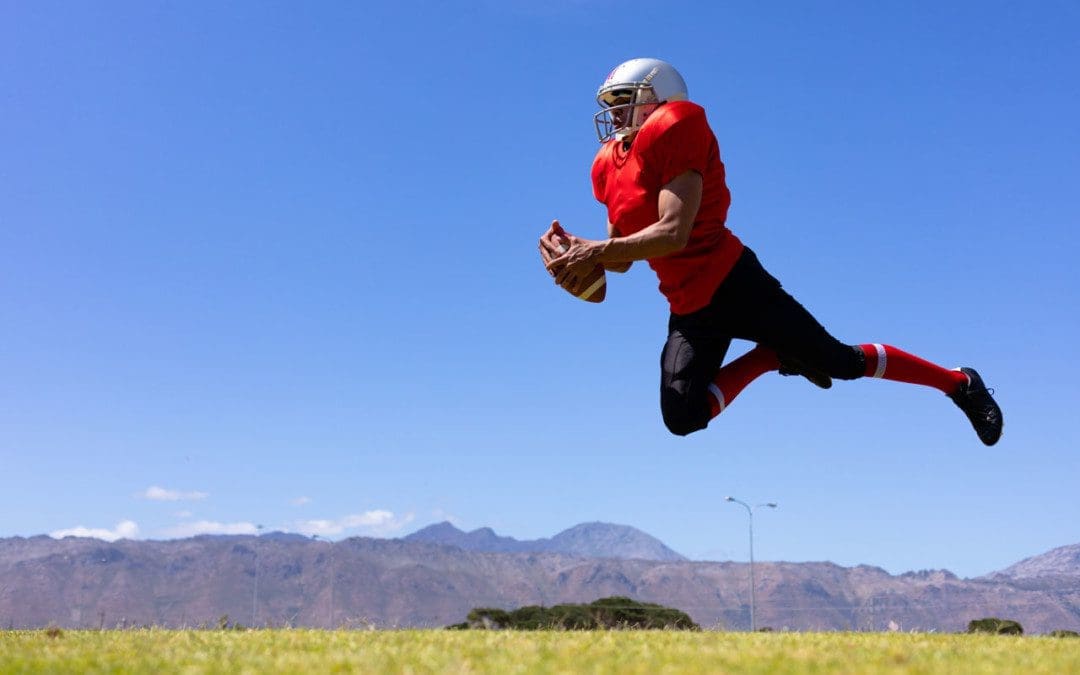
Football season is here, and the sport demands healthy, strong bodies. It is explosive, with high-intensity plays lasting between 2-15 seconds. Strength and power are put out in a few moments then the player rests up and does it again. A football training chiropractor can take players to another level with therapeutic massage, body strengthening, and rehabilitation so that players can enjoy a healthy injury-free season.
Football Training
Stretching and Warm-Up
Stretching and a dynamic warm-up are essential to strengthening the body and preventing injury. Stretching is necessary to increase the range of motion in the muscles, especially when the body is in an awkward position; it can adapt. A dynamic warm-up increases the core temperature of the muscles and prepares the muscles, joints, and nervous system for the physical event. The critical muscles are the hip flexors, hamstrings, and calves. The warm-up consists of a series of progressive movement drills that include:
Proper stretching, followed by a dynamic warm-up, will maximize performance.
Cardio, Aerobic, and Anaerobic Fitness
Cardio training increases oxygen and blood circulation to play for a long time without getting tired.
Aerobic fitness increases oxygen and provides endurance to break through or enhance tackles, sustained effort, and strength.
Anaerobic fitness utilizes high-intensity exercises to challenge the body without using a lot of oxygen like cardio and aerobics do.
All are important, especially for players playing the whole or most of the game.
Core Strength
The core is where power and strength come from. It refers to the muscles around the trunk and pelvis, including the diaphragm, abdominal wall, low back, and hips. Reinforcing the core will enhance balance, stability, and efficiency and reduce the risk of injury. The core muscles under the washboard abs link upper-body power with lower-body torque. In-season strength training provides a progressive buildup to optimal fitness and performance. The focus is on the following:
Speed maintenance.
Aerobic and anaerobic fitness.
Strength and power.
Emphasis on injury prevention training stabilizer muscles for balance and agility.
It is recommended to allow at least two days between training sessions and games. Avoid strength training on the same day as working out on the field.
Rest entirely from strength training for one week in five.
Light workouts are fine.
Hydration
Football players have unique hydration needs due to the exposure to extreme heat or cold while wearing heavy equipment. Top-rated athletic trainers monitor weather conditions, length and time of day at practice and games, and the hydration levels of each player. Hydration recommendations include:
Hydrate before, during, and after practices and games.
Two to three hours before the game, drink 17 to 20 fluid ounces of water or a sports drink.
Ten to 20 minutes before the game, drink seven to 10 fluid ounces of water or a sports drink.
During practices, drink seven to 10 fluid ounces of water or sports drink every 10 to 20 minutes with the helmet off.
Post-practice/game, correct any fluid loss, ideally within two hours.
The hydration should contain water to restore hydration, carbohydrates to replenish glycogen stores, and electrolytes to speed the recovery process.
Football Training Chiropractic
Chiropractic care has become integral to NFL players’ health and training programs. All 32 teams have a chiropractor, and according to the Professional Football Chiropractic Society, the average NFL team chiropractor gives 30-50 treatments a week. Chiropractic treats conditions like neuromusculoskeletal strain injuries, neck pain, back pain, strains to the hamstring and quadriceps, and injuries caused by whiplash-like movements. Benefits include:
Iaia, F Marcello, et al. “High-intensity training in football.” International journal of sports physiology and performance vol. 4,3 (2009): 291-306. doi:10.1123/ijspp.4.3.291
Lorenz, Daniel, and Scot Morrison. “CURRENT CONCEPTS IN PERIODIZATION OF STRENGTH AND CONDITIONING FOR THE SPORTS PHYSICAL THERAPIST.” International journal of sports physical therapy vol. 10,6 (2015): 734-47.
Robbins, Daniel W. The Normalization of Explosive Functional Movements in a Diverse Population of Elite American Football Players. Journal of Strength and Conditioning Research: April 2012 – Volume 26 – Issue 4 – p 995-1000
doi: 10.1519/JSC.0b013e31822d53b7
Stump, John L, and Daniel Redwood. “The use and role of sports chiropractors in the national football league: a short report.” Journal of manipulative and physiological therapeutics vol. 25,3 (2002): E2. doi:10.1067/mmt.2002.122326
Zein MI, Saryono S, Laily I, Garcia-Jimenez JV. The effect of high-intensity circuit training-modified FIFA 11+ program on physical fitness among young football players. J Sports Med Phys Fitness 2020;60:11-6. DOI: 10.23736/S0022-4707.19.09813-X
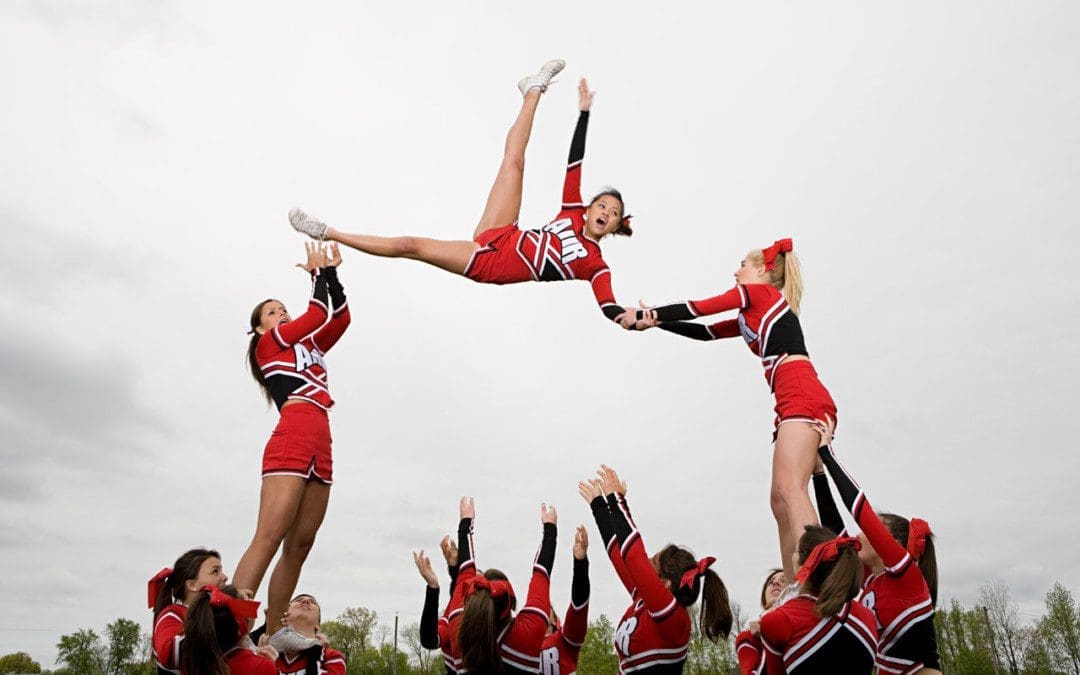
Cheerleading and the physically intensive gymnastics and acrobatics put participants’ body’s/musculoskeletal systems at an increased risk of injury. A wrong move or falling at the wrong angle can cause permanent damage. Cheerleaders must follow a balanced diet and maintain physical fitness, strength, endurance, and flexibility to be successful cheerleaders. Cheerleading conditioning builds the musculature and spinal strength to decrease the risk and prevent injury.
Cheerleading Conditioning
Cheerleaders must have a solid musculoskeletal system to ensure their safety and the safety of their squads. Workouts include cardio, strength training, and flexibility exercises.
Warming Up
Before any workout, the muscles need to be warmed up.
Spend five minutes jumping rope, running in place, jogging on a treadmill, or doing any mild activity to raise the heart rate.
Try tree pose by standing on the right foot, and the left leg bent on the right knee.
The left thigh should be parallel to the ground.
Raise arms overhead and make a V motion keeping the abdominal muscles pulled in tight.
Balance for up to one minute.
Switch to the other foot.
Once balance is mastered on the ground, try balancing on a cushion to add instability.
Repeat three to five times on each foot.
Common Injuries
Common injuries include:
Hand and finger injuries.
Ligament sprains in the knees and ankles.
Muscle strains in the hip, low back, and legs.
Overuse injuries
Cheerleading is becoming a year-round sport.
Starting with tryouts during spring.
Teams may hold or go to organized summer cheerleading camps to learn new skills, improve skill sets, and create routines for competition.
Continuous training and competitions increase the chance of overuse injuries.
The wrists, elbows, knees, and ankles can be injured by repetitive stress.
More severe injuries are:
The repetitive tumbling places significant pressure on the spine and can cause stress fractures.
Dislocation of the shoulder or elbow.
Injury Causes
Lack of arm and shoulder, foot, and ankle strength.
Little to no core and abdominal strength.
Flexibility problems.
Improper conditioning.
Unhealthy diet.
Performing skills that are advanced for the cheerleader’s current level.
Chiropractic Enhancement
Chiropractic care can treat injuries and strengthen the body’s musculoskeletal system to prevent injuries. Chiropractic’s goal is optimal body performance by redistributing blood circulation, nerve energy flow, correct muscle positioning, and skeletal alignment. Many cheerleading teams are incorporating chiropractic. Injury Medical Chiropractic and Functional Medicine Clinic also specializes in sports medicine rehabilitation, strength training, nutrition, and health coaching.
Cheerleading Strength Training Workout
References
Boden, Barry P, and Christopher G Jarvis. “Spinal injuries in sports.” Neurologic clinics vol. 26,1 (2008): 63-78; viii. doi:10.1016/j.ncl.2007.12.005
Miners, Andrew L. “Chiropractic treatment and the enhancement of sport performance: a narrative literature review.” The Journal of the Canadian Chiropractic Association vol. 54,4 (2010): 210-21.
Mueller, Frederick O. “Cheerleading injuries and safety.” Journal of athletic training vol. 44,6 (2009): 565-6. doi:10.4085/1062-6050-44.6.565
Pang, Yanbin, et al. “Premature exhaustion of mesenchymal stromal cells from myelodysplastic syndrome patients.” American journal of translational research vol. 9,7 3462-3468. 15 Jul. 2017
Wan, Jing-Jing, et al. “Muscle fatigue: general understanding and treatment.” Experimental & molecular medicine vol. 49,10 e384. 6 Oct. 2017, doi:10.1038/emm.2017.194
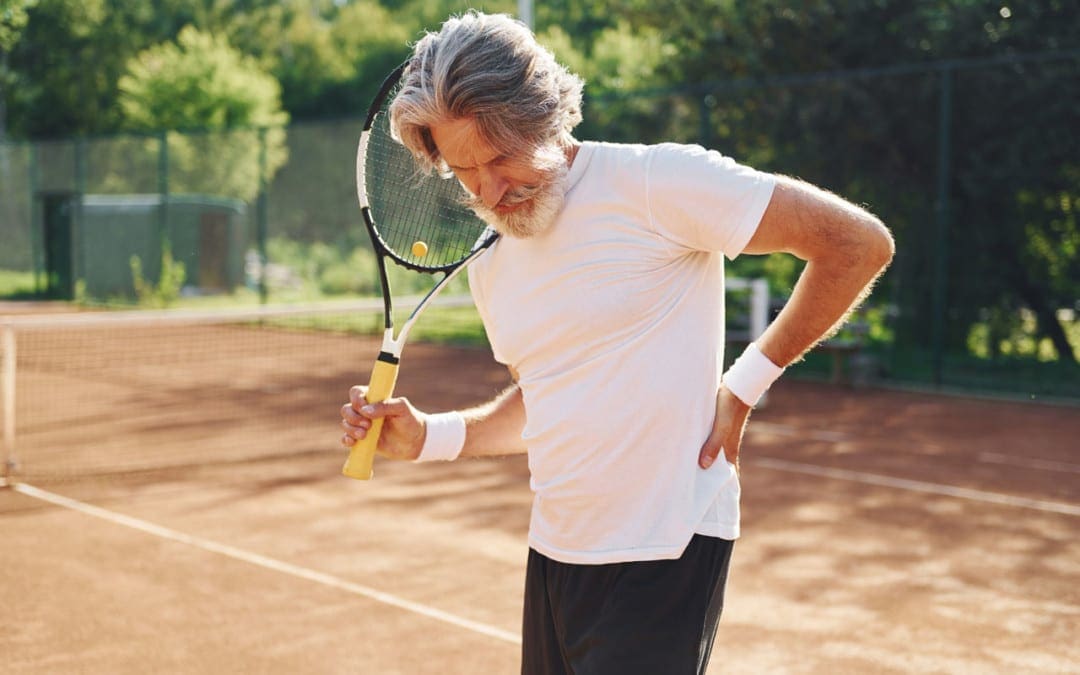
Tennis is a sport that can be enjoyed by individuals of all ages and provides optimal physical activity and cardiovascular exercise. Although it can be leisurely, it does require being light on the feet with quick, starting, stopping, turning, and twisting movements for those new to playing tennis. If back pain is present, playing can be difficult. One study showed almost 40% of tennis players missed one or more tournaments because of low back pain/problems. A 2016 study found that tennis players with low back pain have difficulty moving their muscles with ease.
Know and Understand the Risks
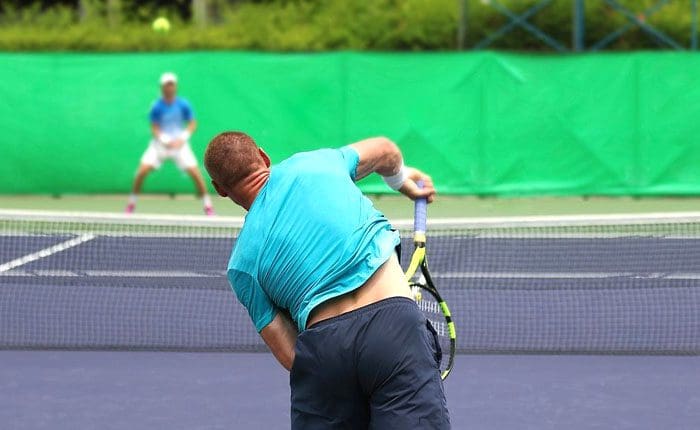
Playing tennis has its risks when it comes to back pain. What can bring on or worsen back pain are the repetitive motions, like swinging, serving, volleying, and the uneven force placed on the body. This force is the power and momentum that is used for certain swings like serving and forehands. What happens is it does not evenly distribute through the body, increasing the potential to cause strains and sprains. For example, the serving motion repeatedly puts a hyperextension force through the spine. The result is overuse injuries.
Preparation
No one wants to injure their back for those new to tennis and those who have been playing for years. This is where off-court conditioning comes in and preventive measures. This includes:
Don’t play for too long when starting or multiple days in a row
Gradually increase the frequency and intensity
Focus on the fundamental skills rather than trying to blast the ball like the pros.
Trying to smash the ball too soon can result in a rotator cuff injury.
Stay Aware of Your Body
Playing tennis can cause an individual to become distracted; however, it’s crucial to be mindful of the body and what’s going on.
Pay attention to the heat.
Humidity
Proper rest between games
Hydration to prevent muscle cramping
Stretching before and after playing
Warming up and cooling down
Take a break and stretch out if pain symptoms present.
Never play through the pain that could result in worsening or creating new injuries.
Pay attention to proper form.
Apply modifications to prevent and avoid worsened back pain. This could be serving more simply or hitting around a stroke that generates pain symptoms.
Cooling Down
After a match, rehydrate the body and cool down. This could be a little walking around the court, if possible getting in a pool or water splash park, and let the musculoskeletal system recover. Do some spinal exercises afterward, like yoga poses. Applying anti-inflammatory creams or gels can help keep the muscles loose and promote circulation. Anti-inflammatory foods can help with pain and inflammation.
Spinal Conditions
There are individuals with spinal conditions that should not play tennis. These include:
Acute disc herniation
Active bone injury/s – fractures and stress fractures
Spinal instability – spondylolisthesis
Post-spine surgery
A spinal condition involving nerves and/or the spinal cord
Consult a doctor before adding tennis to a physical regimen. Tennis is an aerobic activity that has several benefits. It keeps the body physically active for mental and physical wellness. The hormones released can help mitigate musculoskeletal pain and negative emotions like depression and anxiety that can come from experiencing back pain.
Body Composition
Magnesium
Magnesium supports a healthy immune system. It helps maintain:
Aids muscle relaxation after exercise/physical activity
Magnesium is essential in several biochemical reactions; a slight deficiency can increase cardiovascular disease risk. Deficiency can also lead to an increased risk of insulin resistance. Magnesium-rich foods are also high fiber foods. Dietary fiber helps with:
Digestion
Helps control weight
Reduces cholesterol
Stabilizes blood sugar
Recommended sources of Magnesium include:
Green vegetables – spinach, swiss chard, and turnip greens
Nuts – almonds and cashews
Seeds
Legumes
Cocoa
References
Clinics in Sports Medicine. (April 1988) “Low back pain in the competitive tennis player.” https://europepmc.org/article/med/2968850
Journal of Science and Medicine in Sport. (April 2016) “Trunk muscle activation, fatigue and low back pain in tennis players” https://www.sciencedirect.com/science/article/abs/pii/S1440244015000845
Jahnen-Dechent, Wilhelm, and Markus Ketteler. “Magnesium basics.” Clinical kidney journal vol. 5,Suppl 1 (2012): i3-i14. doi:10.1093/ndtplus/sfr163
Katz, David L et al. “Cocoa and chocolate in human health and disease.” Antioxidants & redox signaling vol. 15,10 (2011): 2779-811. doi:10.1089/ars.2010.3697
Wang, Jinsong, et al. “Dietary magnesium intake improves insulin resistance among non-diabetic individuals with metabolic syndrome participating in a dietary trial.” Nutrients vol. 5,10 3910-9. 27 Sep. 2013, doi:10.3390/nu5103910
IFM's Find A Practitioner tool is the largest referral network in Functional Medicine, created to help patients locate Functional Medicine practitioners anywhere in the world. IFM Certified Practitioners are listed first in the search results, given their extensive education in Functional Medicine