The back’s primary purpose is to bend, twist, and turn without pain in the body because the spine keeps the body upright and healthy. The spine is an S-shaped structure surrounded by ligaments, muscles, tissues from the musculoskeletal system, and the spinal canal, discs, and cords that help the body stay functional. When chronic issues start to affect the entire body, they can also affect the back, causing it to be in pain. When this happens, many back issues begin to rise, causing the individual to be in pain due to low back pain. Sometimes even conditions and natural aging can cause problems on the back and spine that treatments are available to help alleviate the symptoms and reduce pain. Today’s article will be looking at spondylolisthesis, its symptoms, and how decompression therapy can help many individuals suffering from spondylolisthesis. By referring patients to qualified and skilled providers specializing in spinal decompression therapy. To that end, and when appropriate, we advise our patients to refer to our associated medical providers based on their examination. We find that education is the key to asking valuable questions to our providers. Dr. Alex Jimenez DC provides this information as an educational service only. Disclaimer
Can my insurance cover it? Yes, it may. If you are uncertain, here is the link to all the insurance providers we cover. If you have any questions, please call Dr. Jimenez at 915-850-0900.
What Is Spondylolisthesis?
Have you ever felt unstable as you are moving throughout the day? How about radiating pain that travels down your legs? Or having low back pain dampening your day? You might be experiencing spondylolisthesis in your spine. Research studies have stated that spondylolisthesis is a condition that affects the lower lumbar spine by causing the spinal disc to slip out and press on the spinal nerve root. When this happens, it can cause low back pain and various issues on the spine depending on what condition the category spondylolisthesis falls under.
Spondylolisthesis can be classified into five different categories that can affect the spine. Other research studies have found that the five categories that spondylolisthesis is classified under are:
Degenerative: Where the spinal joints are arthritic and cause stress and instability to the ligamentum flavum.
Isthmic: There are fractures on the spinal joints that cause the result of anterior slippage through repetitive stress fractures on the spine.
Traumatic: Where the spine experiences high energy trauma.
Dysplastic: When there is congenital dysplasia on the spine causing the anterior and superior joints to be rounded on the vertebrae
Pathologic: Where conditions like bone tumors, osteopetrosis, or osteoporosis affect the spine.
These different categories are the causes of spondylolisthesis and result from low back pain for many individuals, while also being unilateral and bilateral depending on the category and how severe the symptoms are.
The Symptoms
With the different categories of spondylolisthesis, the symptoms can range from mild to severe pain due to the spinal discs being slipped out of place. Research studies have found that since spondylolisthesis is known to be the cause of low back pain, it can also be caused the nerve roots to be pinched due to the vertebrae disc slipping out and narrowing the space for the nerve roots. Other symptoms include:
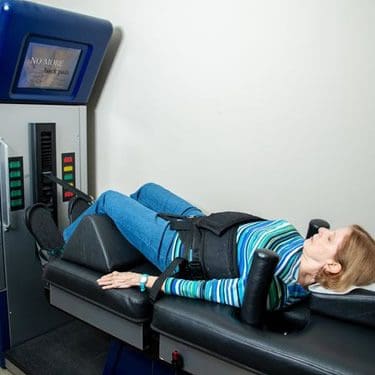
Do you feel radiating pain down your leg? How about waking up and your back feeling stiff? Or even having a dull gradual pain in your lower back after walking around? You might be experiencing spondylolisthesis, and decompression therapy can help alleviate these symptoms. The video above shows how non-surgical decompression therapy can help alleviate low back pain caused by spondylolisthesis. Decompression therapy utilizes traction to take the pressure off the nerve root by gently pulling the slipped disc back into the spine. This causes relief to many individuals dealing with low back pain and other back and spinal issues that have constantly hindered them. Incorporating decompression therapy can provide the reassurance that many people need for them to get back on their wellness journey. If you want to find out more about decompression therapy, this link will explain its benefits and how it can alleviate symptoms caused by spondylolisthesis.
How Decompression Therapy Can Alleviate Spondylolisthesis
Many treatments can help alleviate low back pain like chiropractic therapy, massages, hot or cold compress, or even physical therapy. One of these treatments that can help with low back pain and spondylolisthesis is decompression therapy. Research studies have found that since spondylolisthesis causes the lower lumbar spinal disc to slip out and pinch the nerve root, decompression therapy can take it off and gently pull it back into the spine. This will cause any pain symptoms to be alleviated and reduce the instability that is causing many people pain from walking for long periods. Other research studies have shown that decompression helps restore the disc height and reduce spondylolisthesis symptoms.
Conclusion
Spondylolisthesis is one of the causes of low back pain, and it has become the most common symptom for many individuals to be suffering. Spondylolisthesis has five categories with different symptoms that can cause spinal issues to the spine. Overall, spondylolisthesis is where the lumbar spinal disc is slipped out and pinches the nerve roots spread throughout the spine. These symptoms can be alleviated through decompression therapy and cause the relief to the lower back. Decompression therapy utilizes traction to take the pressure off the nerve root and increase the disc height on the spine, allowing the discs to be gently pulled back into their original position and providing instant relief for many individuals.
References
Cheung, Jason Pui Yin, et al. “Decompression without Fusion for Low-Grade Degenerative Spondylolisthesis.” Asian Spine Journal, Korean Society of Spine Surgery, Feb. 2016, https://www.ncbi.nlm.nih.gov/pmc/articles/PMC4764545/.
Gagnet, Paul, et al. “Spondylolysis and Spondylolisthesis: A Review of the Literature.” Journal of Orthopaedics, Elsevier, 17 Mar. 2018, https://www.ncbi.nlm.nih.gov/pmc/articles/PMC5990218/.
Medical Professionals, Cleveland Clinic. “Spondylolisthesis: What Is It, Causes, Symptoms & Treatment.” Cleveland Clinic, 7 Aug. 2020, https://my.clevelandclinic.org/health/diseases/10302-spondylolisthesis.
Studnicka, Katarzyna, and George Ampat. “Lumbosacral Spondylolisthesis – StatPearls – NCBI Bookshelf.” StatPearls [Internet]. Treasure Island (FL), StatPearls Publishing, 29 Nov. 2021, https://www.ncbi.nlm.nih.gov/books/NBK560679/.
Tenny, Steven, and Christopher C Gillis. “Spondolisthesis.” StatPearls [Internet]. Treasure Island (FL), StatPearls Publishing, 25 July 2021, https://www.ncbi.nlm.nih.gov/books/NBK430767/.
Spondylolisthesis occurs when a�vertebra of the spine slips forward over the vertebra below it. Spondylolisthesis can be categorized as: congenital spondylolisthesis, which means the disorder is present at birth; isthmic spondylolisthesis, which occurs when a defect occurs in a supportive vertebral structure of the spine; and degenerative spondylolisthesis, which is more common and is frequently associated with degenerative disc disease, or DDD, where the intervertebral discs lose hydration with age.
Development of Spondylolisthesis
The spinal column is exposed to directional pressures while it carries, absorbs, and also distributes most of the fat of the body throughout physical activities and during rest. To put it differently, while the spine is consuming and carrying body fat, additionally, it moves in different directions (e.g., rotate, bend forwards ). This mixture of functions causes unnecessary stress to be placed onto the vertebra and the supportive vertebral�structures of the spine, and it might result in one of these slipping forwards over the ones beneath it, ultimately developing into spondylolisthesis.
Grading spondylolisthesis
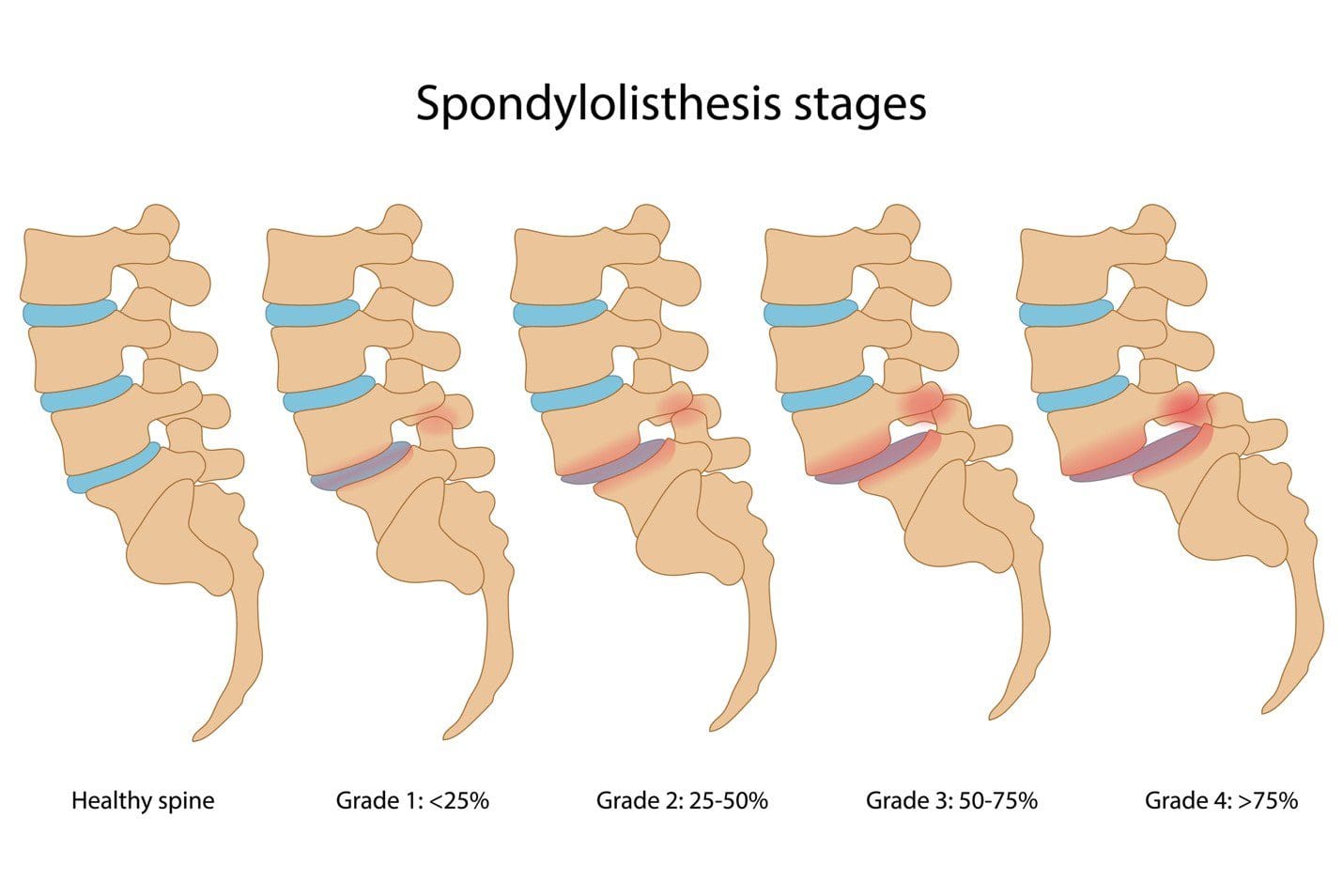
Doctors “grade” the severity of spondylolisthesis utilizing five descriptive categories. Even though there are several factors your physician notes when evaluating your spondylolisthesis, the grading scale (below) relies on how far forward a vertebral body has slid over the vertebra beneath it. Often, the doctor uses a lateral (side view) x-ray to examine and grade�spondylolisthesis. Grade I is a smaller slide than Grade IV or V.
Grade I: Less than 25% slip
Grade II: 25% to 49% slip.
Grade III: 50% to 74% slip.
Grade IV: 75% to 99% slip.
Grade V: The vertebra has fallen forward off the vertebra below it. This�grade is the most severe type of spondylolisthesis and is medically referred to as�spondyloptosis.
Who Might be at Risk
If a family member has spondylolisthesis, your risk for developing the disorder may be higher. Also, some physical activities can make you more vulnerable to developing spondylolisthesis. Gymnasts, linemen in football, and weightlifters, all put pressure and stress on their spine. Picture the movements gymnasts perform on a regular basis: they bend backward and twist through the air, landing quickly and absorbing the impact through their legs and back. Those motions can place strain on the spine, potentially causing spondylolisthesis.�The scope of our information is limited to chiropractic, spinal injuries, and conditions. To discuss the subject matter, please feel free to ask Dr. Jimenez or contact us at�915-850-0900�.
Curated by Dr. Alex Jimenez
Additional Topics: Scoliosis Pain and Chiropractic
The spine is a complex structure made up of bones, joints, ligaments, and muscles, among other soft tissues. Because of this, injuries and/or aggravated conditions, such as�herniated discs, can eventually lead to symptoms of back pain. Sports injuries or automobile accident injuries are often the most frequent cause of back pain, however, other aggravated conditions can also cause back pain.�Scoliosis�is a well-known, health issue characterized by an abnormal curvature of the spine and it is subcategorized by cause as a secondary condition, idiopathic, or of unknown cause, or congenital. Fortunately, alternative treatment options, such as chiropractic care, can help ease back pain associated with scoliosis through the use of spinal adjustments and manual manipulations, ultimately improving pain relief. Chiropractic care can help restore the normal curvature of the spine.
Imaging diagnostics of the spine consist from radiographies to computed tomography scanning, or CT scans, in which CT is utilized in conjunction with myelography and most recently with magnetic resonance imaging, or MRI. These imaging diagnostics are being used to determine the presence of abnormalities of the spine, scoliosis, spondylolysis and spondylolisthesis. The following article describes various imaging modalities and their application in the evaluation of common spinal disorders described.
Achondroplasia
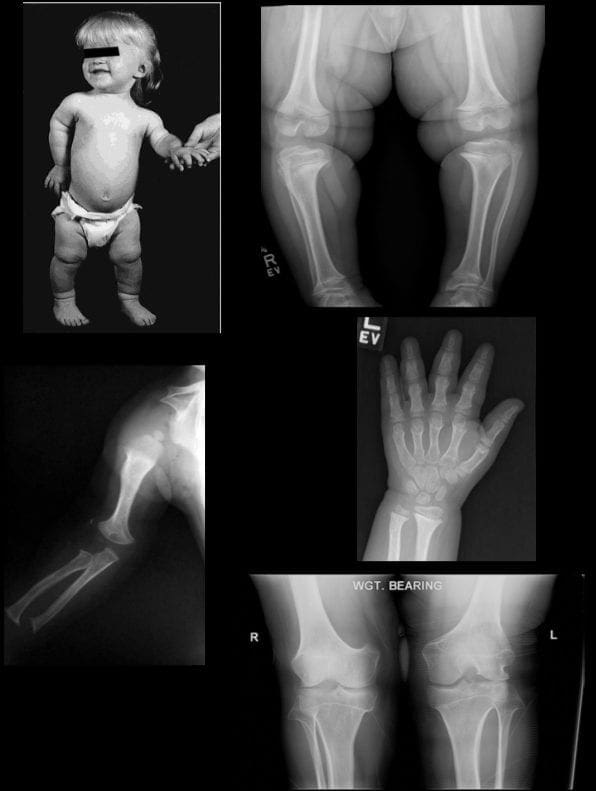
Achondroplasia is the most common cause of rhizomelic (root/proximal) short-limb dwarfism. Patients are of normal intelligence.�
It shows multiple distinct radiographic abnormalities affecting long bones, pelvis, skull, and hands.
Vertebral column changes may present with significant clinical and neurological abnormalities.�
Achondroplasia is an autosomal dominant disorder with about 80% of cases from a random new mutation. Advanced paternal age is often linked. Achondroplasia results from a mutation in the fibroblast growth factor gene (FGFR3) which causes abnormal cartilage formation.
All bones formed by endochondral ossification are affected.
Bones that form by intra-membranous ossification are not normal.
Thus, skull vault, iliac wings develop normally vs. the base of the skull, some facial bones, vertebral column, and most tubular bones are abnormal.
�
Dx: is usually made at birth with many features becoming apparent during the first few years of life.
Radiography plays an important part of clinical diagnosis.
Typical features include: shortening and widening of tubular bones, metaphyseal flaring, Trident hand with short, broad metacarpals and proximal and middle phalanges. Longer Fibular, Tibial bowing, markedly short humeri often with dislocated Radial head and elbow flexion deformity.
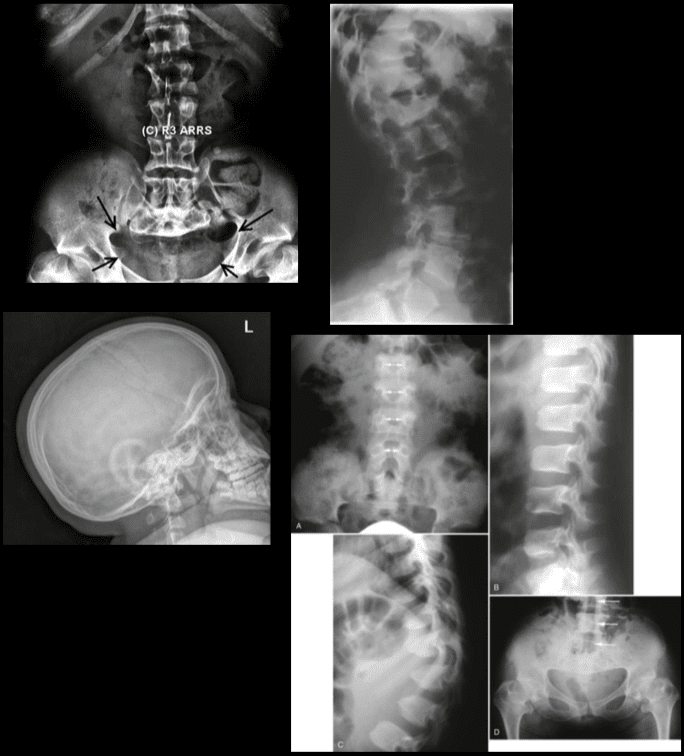
Spine: characteristic narrowing of L1-L5 interpedicular distance on AP views. Lateral view shows shortening of pedicles and vertebral bodies, �bullet shaped vertebrae� can be a characteristic feature. Early degenerative changes and canal narrowing occur. The horizontal sacral inclination is an important feature.
Pelvis is broad and short with characteristic �champagne glass� pelvis appearance.
Femoral heads are hypoplastic, but hip arthrosis is normally not observed even in older patients likely due to reduced leverage and lightweight (50kg) of patients.
Management of Achondroplasia
Recombinant human growth hormone (GH)�is currently being used to augment the height of patients with achondroplasia.
Most complications of Achondroplasia are related to the spine: vertebral canal stenosis, thoracolumbar kyphosis, narrowed foramen magnum and others.
Laminectomy extending to pedicles/lateral recess with foraminotomies and discectomies can be performed.
Cervical manipulations are contraindicated.
Imaging diagnostics play a fundamental role in the diagnosis the of scoliosis, an abnormality of the spine which is believed to occur due to an underlying health issue, although most cases of scoliosis are idiopathic. More over, radiographies, CT scans, and MRI, among others, can help monitor the changes of the deformity of the spine associated with this spinal manifestation. Chiropractors can provide imaging diagnostics to patients with scoliosis before proceeding with treatment.�
Dr. Alex Jimenez D.C., C.C.S.T.
�
Scoliosis
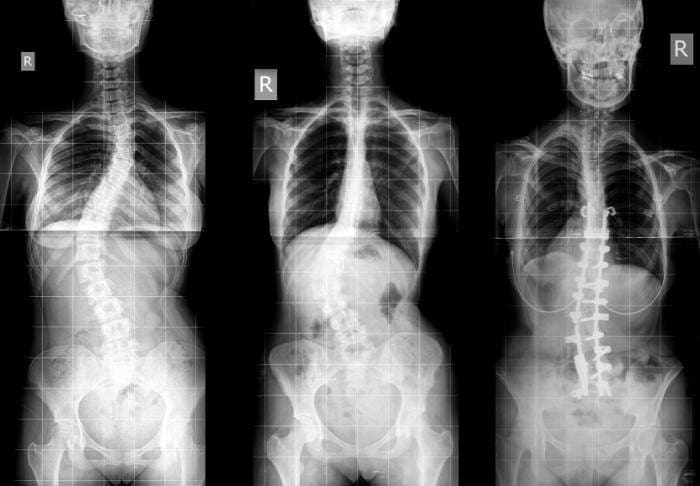
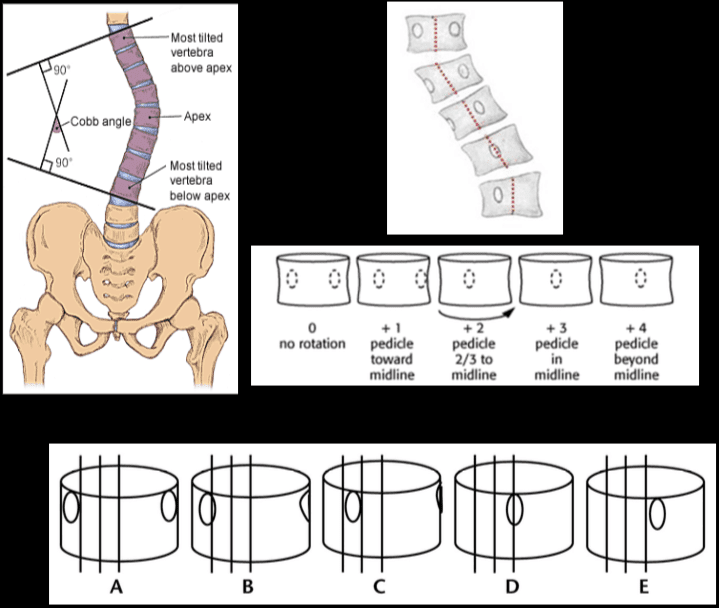
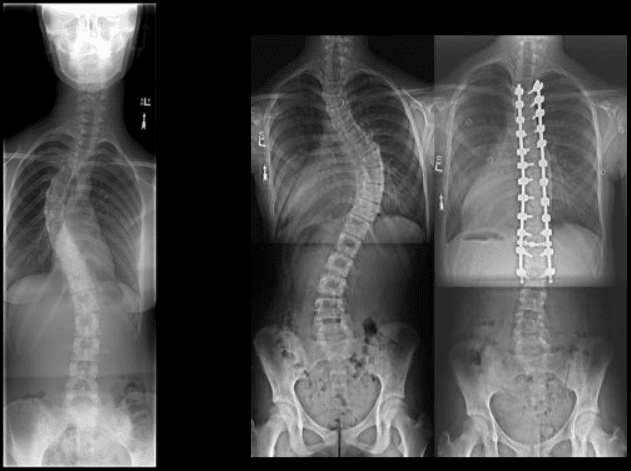
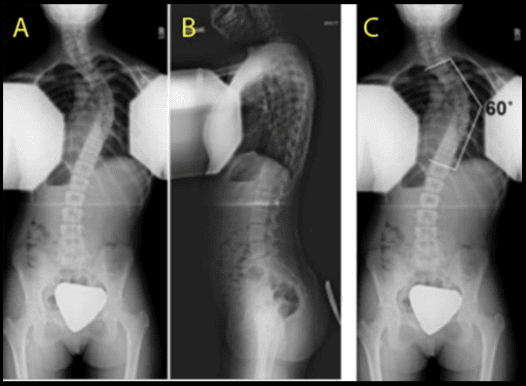
Scoliosis is defined as the abnormal lateral curvature of the spine >10-degree when examined by Cobb�s method of mensuration.
Scoliosis can be described as postural and structural.
Postural scoliosis is not fixed and can be improved by lateral flexion to the side of the convexity.
Structural scoliosis has multiple causes ranging from: ? Idiopathic (>80%) ? Congenital (wedge or hemivertebra, blocked vertebra, Marfan syndrome, skeletal dysplasias) ? Neuropathic (neurofibromatosis, neurological conditions like tethered cord, spinal dysraphism, etc.) ? Scoliosis d/t Spinal neoplasms ? Post-traumatic etc.
Idiopathic scoliosis is the most common type (>80%).
Idiopathic scoliosis can be of 3-types ( infantile, juvenile, adolescent).
Idiopathic adolescent scoliosis if patients >10y.o.
Infantile scoliosis if <3 y.o. M>F.
Juvenile scoliosis if >3 but <10-y.o.
Idiopathic Adolescent scoliosis is the most common with F:M 7:1 (adolescent girls are at particular risk).
Etiology: unknown thought to be the result of some disturbance of proprioceptive control of the spine and spinal musculature, other hypotheses exist.
Most seen in the thoracic region and most commonly convex to the right.
Dx: full spine radiography with gonadal and breast shielding (preferably PA views to protect breast tissue).
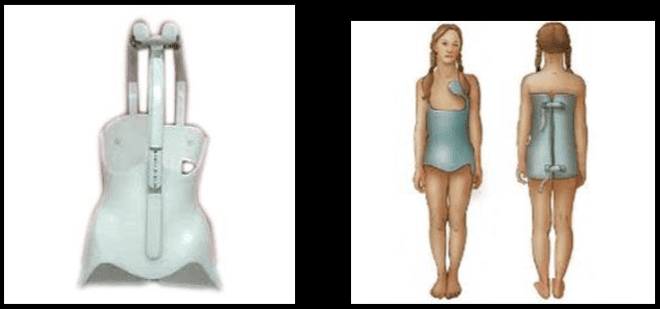
� Curves that are 50-degrees or greater and rapidly progressing will require operative intervention to prevent severe deformity of the thorax & ribs leading to cardiopulmonary abnormalities. � �? If curvature is < 20-degree, no treatment is required (observation). � �? For curves that are >20-40-degrees bracing may be used (orthosis).
Milwaukee (metal) brace (left).
Boston brace polypropylene lined with polyethylene (right) often preferred because it can be worn under clothing.
Bracing wearing is required for 24-hours for the duration of the treatment.
Note Cobb�s method of mensuration to record spinal curvature. It has some limitations: 2D imaging, not able to estimate rotation, etc.
Cobb�s method is still a standard evaluation performed in Scoliosis studies.
Nash-Moe method: determines pedicle rotation in scoliosis.
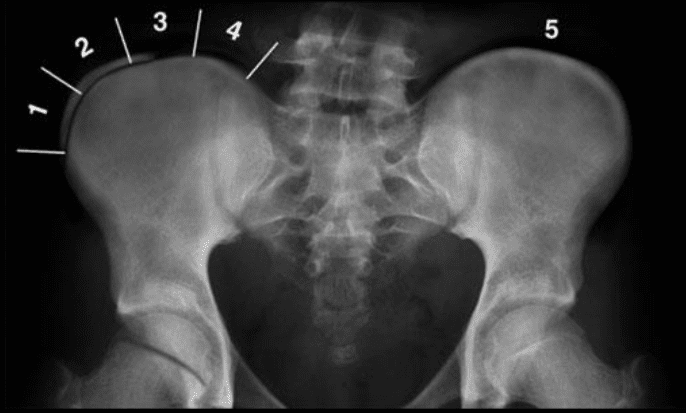
Risser index is used to estimate spinal skeletal maturity.
Iliac growth apophysis appears at ASIS (F- 14, M-16) and progresses medially and expected to be closed in 2-3-years (Risser 5).
Scoliosis progression ends at Risser 4 in females & Risser 5 in males.
During radiographic evaluation of scoliosis, it is crucial to report if Risser growth apophysis remains open or closed.
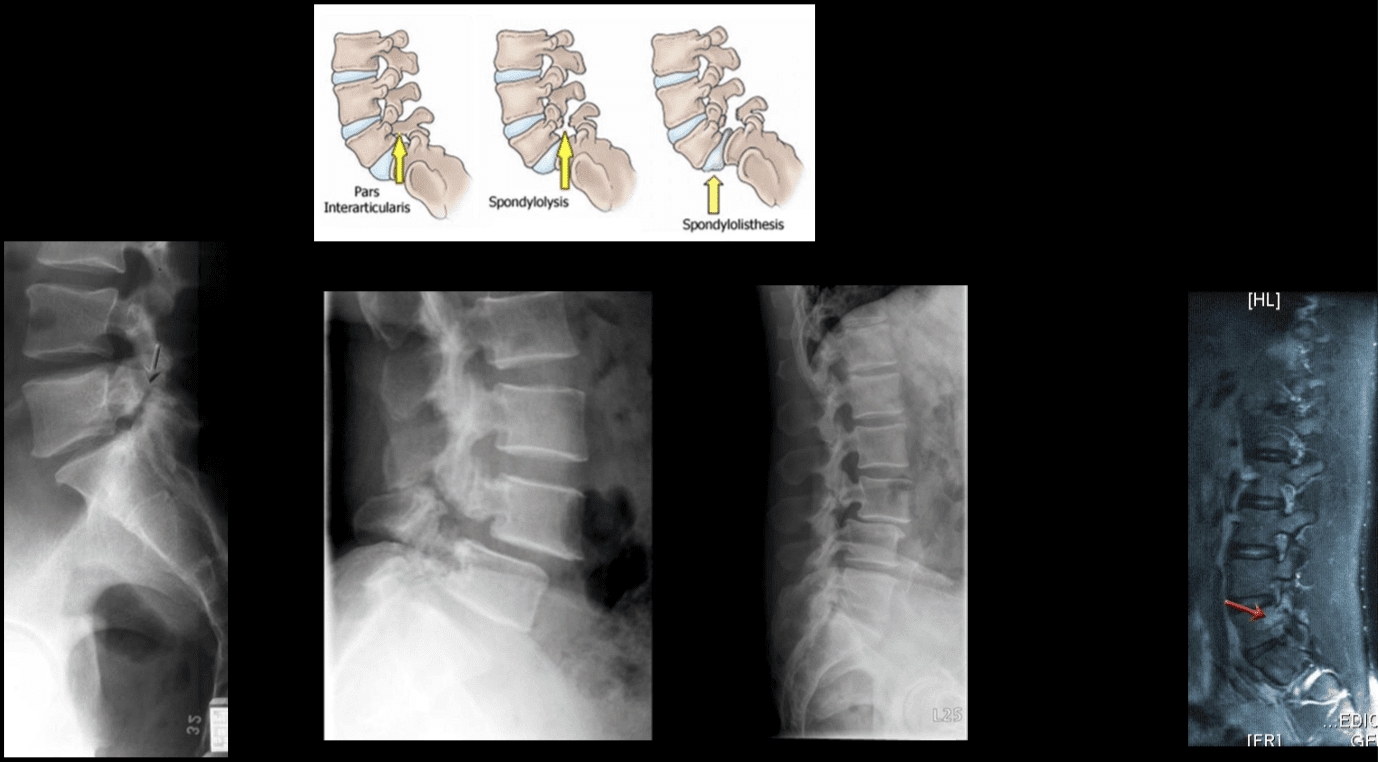
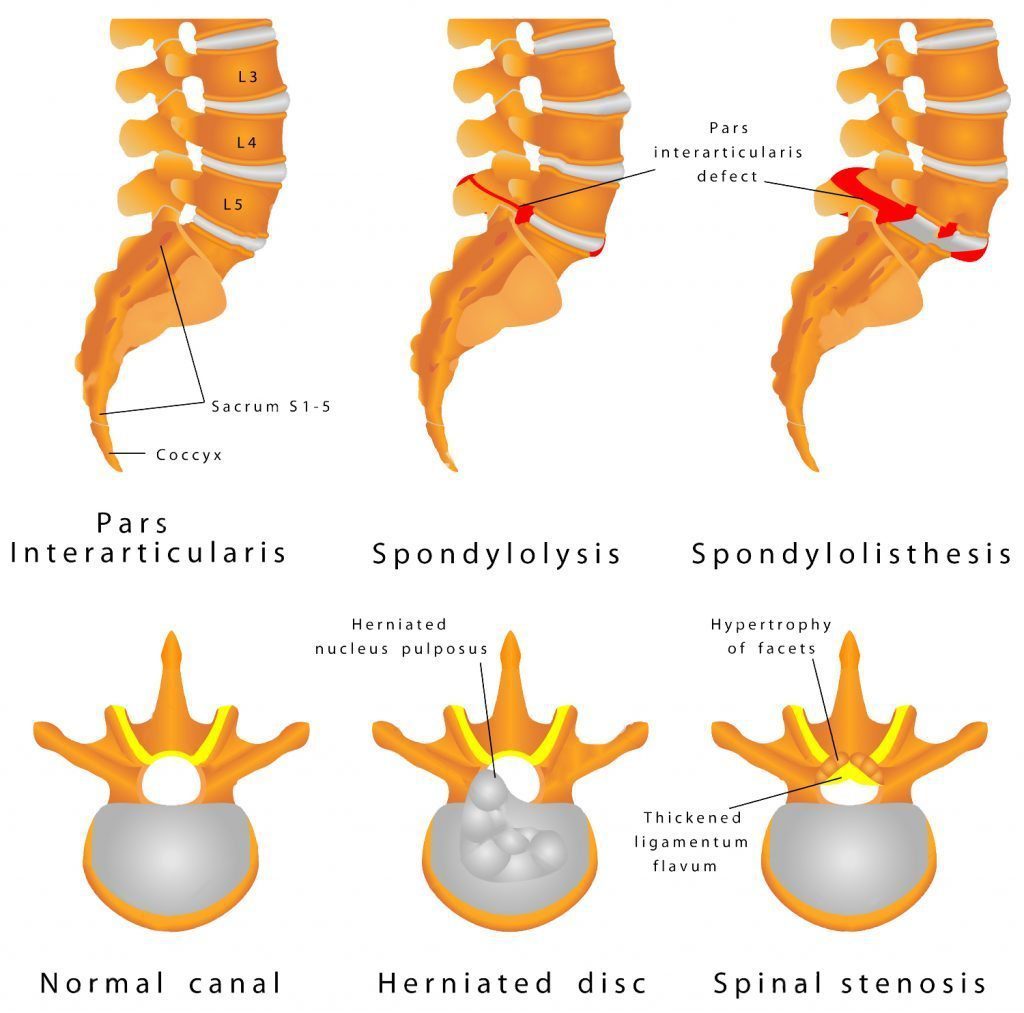
Spondylolysis and spondylolisthesis are health issues which can result in back pain. Spondylolysis is believed to be caused by repeated microtrauma leading to stress fractures in the pars interarticularis. Patients with bilateral pars defects can develop spondylolisthesis, where the degree of slippage of the adjacent vertebrae can progress gradually over time. Patients with suspected spondylolysis and spondylolisthesis may initially be evaluated with pain radiography. Chiropractic care can also help provide imaging diagnostics for these health issues.
Dr. Alex Jimenez D.C., C.C.S.T.
�
Spondylolysis & Spondylolisthesis
Spondylolysis defect in pars interarticularis or osseous bridge between superior and inferior articular processes.
Pathology stress fracture of the pars, believed to be after repeated microtrauma on extensions Men > Women, affects 5% of the general population especially in athletic adolescents.
Clinically postulated that adolescent back pain cases may be related to this process.
Typically spondylolysis remains asymptomatic.
Spondylolysis can be present with or w/o spondylolisthesis.
Spondylolysis is found in 90% at L5 with the remaining 10% in L4.
Can be uni or bilateral.
In 65%�of�cases, spondylolysis is associated with spondylolisthesis.
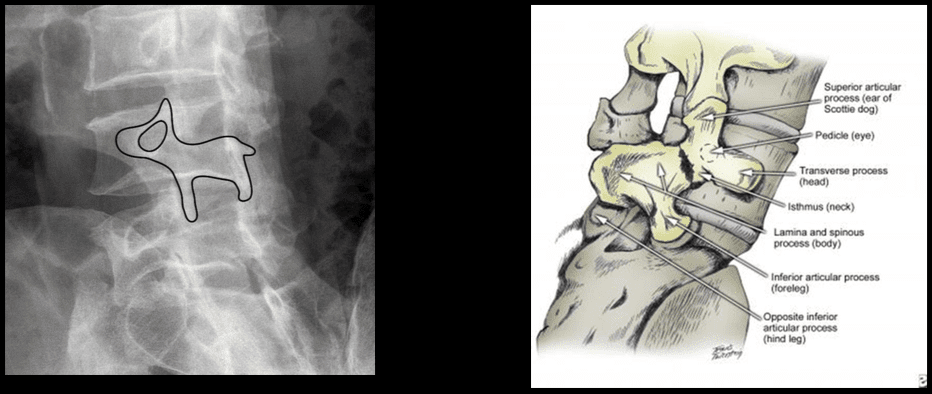
Radiographic Features: break in the Scotty dog collar around the neck on oblique lumbar views.
Radiography has low sensitivity compared to SPECT. SPECT is associated with ionizing radiation, and MRI is currently a preferred method of imaging diagnosis.
MRI can help to show reactive marrow edema next to pars defect or w/o defect so-called pending or potential to develop spondylolysis.
Types of Spondylolisthesis
Type 1 – Dysplastic, rare and found in congenital dysplastic malformation of the sacrum allowing anterior displacement of L5 on S1. Often no pars defect.
Type 2 – Isthmic, most common, often the result of a stress fracture.
Type 3 – Degenerative from the remodeling of articular processes.
Type 4 – Traumatic in an acute posterior arch fracture.
Type 5 – Pathologic due to bone disease locally or generalized.
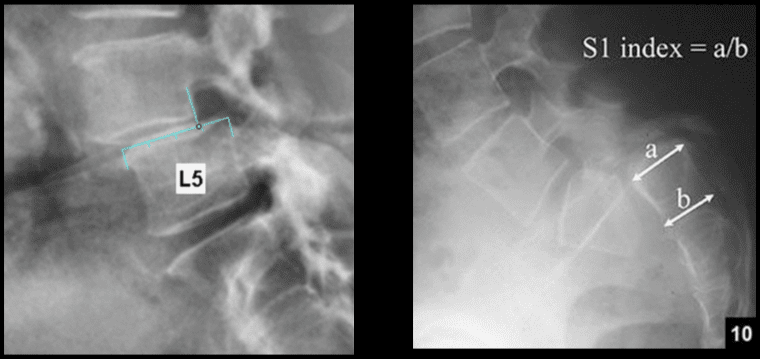
Grading of spondylolisthesis is based on the Myereding Classification. This classification refers to the overhanging part of the superior body in relation to anterior-posterior part of the inferior body.
Grade 1 – 0-25% anterior slip
Grade 2 – 26-50%
Grade 3 – 51%-75%
Grade 4 – 76-100%
Grade 5 – >100% spondyloptosis
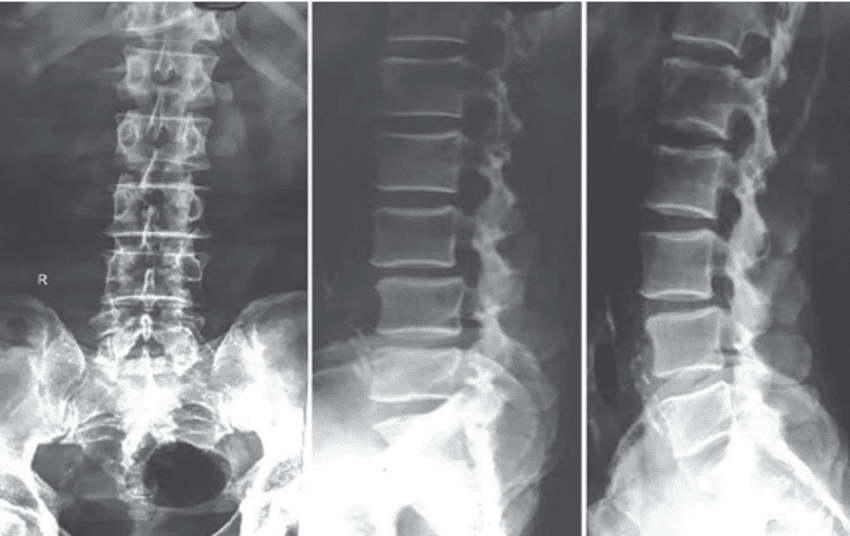
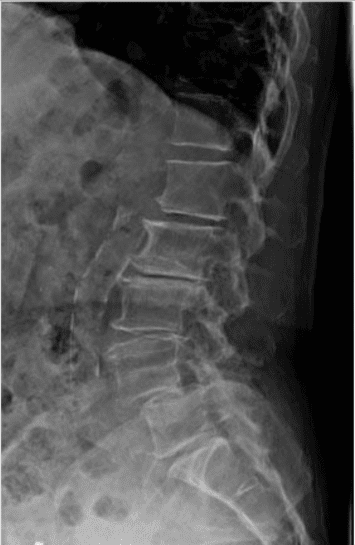
Note degenerative spondylolisthesis at L4 and retrolisthesis at L2, L3.
This abnormality develops due to degeneration of facets and disc with decreased local stability.
Rarely progresses beyond Grade 2.
Must be recognized in the imaging report.
Contributes to vertebral canal stenosis.
Canal stenosis is better delineated by cross-sectional imaging.
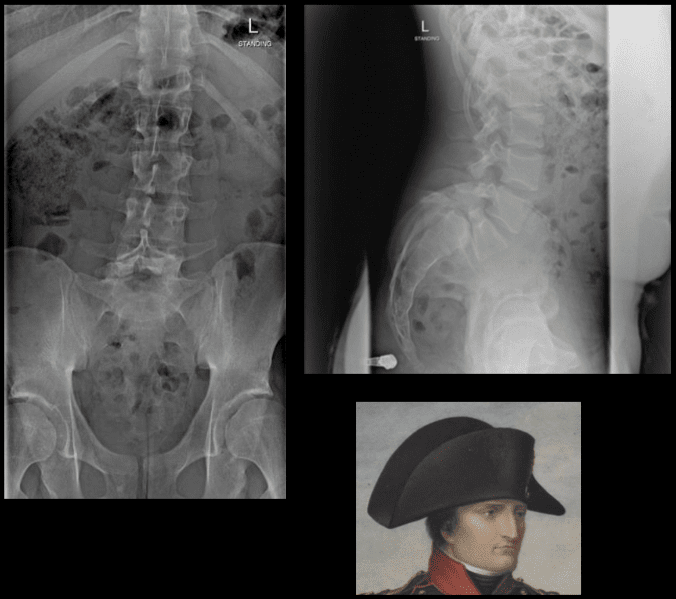
The inverted Napoleon hat sign -�seen on the frontal lumbar/pelvic radiographs at L5-S1.
Represents bilateral spondylolysis with marked anterolisthesis of L5 on S1 often with spondyloptosis and marked exaggeration of the normal lordosis.
Spondylolysis resulting in this degree of spondylolisthesis is more often congenital and/or traumatic in origin and less often degenerative.
The “brim” of the hat is formed by the downward rotation of the transverse processes, and the “dome” of the hat is formed by the body of L5.
In conclusion,�imaging diagnostics for the spine are recommended for patients with specific abnormalities of the spine, however, their increased use can help determine�their best treatment option. Understanding the abnormalities of the spine described above can help healthcare professionals and patients create a treatment program to improve their symptoms. The scope of our information is limited to chiropractic as well as to spinal injuries and conditions. To discuss the subject matter, please feel free to ask Dr. Jimenez or contact us at�915-850-0900�.
Curated by Dr. Alex Jimenez
Additional Topics: Acute Back Pain
Back pain�is one of the most prevalent causes of disability and missed days at work worldwide. Back pain attributes to the second most common reason for doctor office visits, outnumbered only by upper-respiratory infections. Approximately 80 percent of the population will experience back pain at least once throughout their life. The spine is a complex structure made up of bones, joints, ligaments, and muscles, among other soft tissues. Because of this, injuries and/or aggravated conditions, such as�herniated discs, can eventually lead to symptoms of back pain. Sports injuries or automobile accident injuries are often the most frequent cause of back pain, however, sometimes the simplest of movements can have painful results. Fortunately, alternative treatment options, such as chiropractic care, can help ease back pain through the use of spinal adjustments and manual manipulations, ultimately improving pain relief.
Chiropractic care is a drug-free, nonsurgical treatment for many types of conditions and to help manage pain. As more and more medical professionals are recognizing its effectiveness and viability for treating many issues in the body, chiropractic is gaining popularity and becoming the treatment of choice for many patients with chronic pain, back problems and other issues. In particular, it has been found to be a very effective treatment for spondylolisthesis. It can not only relieve the pain, but often return the patient�s mobility as well.
What Is Spondylolisthesis?
Spondylolisthesis is a condition in which one vertebra slides forward over the vertebra that is below it. It is typically confined to the lumbosacral, or lower back area. It can become painful, causing lower back pain and weakness or numbness in one or both legs, when it causes the nerve roots or spinal cord to be squeezed. In severe cases, a patient can lose control of their bowel or bladder function, but this is fairly rare. However, any patient who begins to lose bowel or bladder control should contact their doctor immediately.
In some cases, a person�s vertebra can slip out of place without any symptoms being present. Sometimes the symptoms don�t show up until months or even years later. Symptoms of spondylolisthesis may include:
Low back pain
Pain in the buttock area
Pain that radiates from the lower back down one or both legs
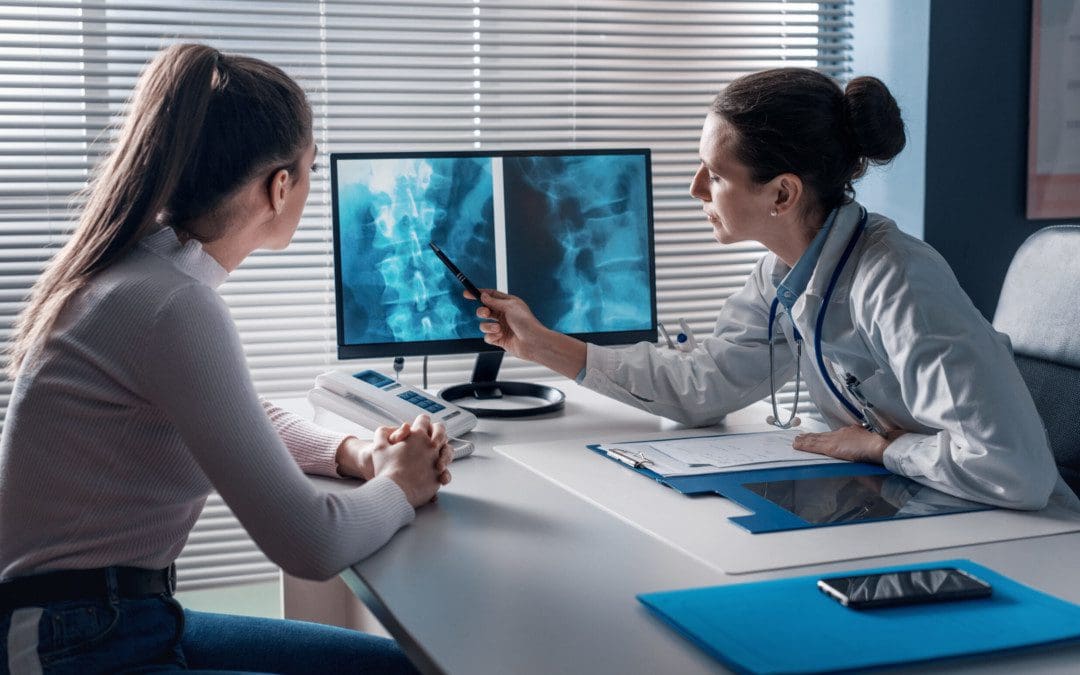
Spondylolisthesis is diagnosed by a doctor or chiropractor who may conduct several diagnostic tests. Typically, the doctor will take X-rays of the patient�s back to rule out certain conditions, especially if they suspect spondylolisthesis.
The X-ray will allow the doctor to see if any of the patient�s vertebrae have slipped out of place, or are cracked or fractured. An MRI or CT scan may also be ordered to better view the spine and see the extent of the damage.
What Are The Treatments For Spondylolisthesis?
The treatment for spondylolisthesis is based on the actual damage identified by the doctor, the pain and mobility problems that the patient is experiencing, and the overall severity of the condition. Rest is the first course of treatment as well as ceasing the physical activities that may have caused the damage in the first place.
Pain may be managed by non-steroidal anti-inflammatory drugs such as naproxen and ibuprofen. Acetaminophen may also be administered for pain.
Other treatments for spondylolisthesis include:
Bracing
Weight loss (if the person is obese or overweight)
Physical therapy to strengthen the core
Epidural steroid injections
Surgery (in severe cases such as damage to the spinal cord or nerve root)
There are several types of surgery that may be used to treat spondylolisthesis. The surgeon may remove tissue or bone in order to relieve pressure on the nerves or spinal cord. Sometimes the doctor may opt for fusing the damaged bones into place so they can no longer slip. In some cases, both procedures are done. This type of treatment is usually a last resort because recovery can be lengthy and the patient will have to wear a back brace or cast while their back is healing.
Is Chiropractic Effective For Treating Spondylolisthesis?
Chiropractic is a drug-free, noninvasive treatment for spondylolisthesis. It is often a preferred treatment because the patient does not have to undergo painful surgery or take medication that could have undesirable side effects. There are three primary spinal manipulation techniques that may be used by the chiropractor:
Spinal manipulation specific to the restricted or impaired joints
Flexion-distraction technique which is a slow, gentle pumping action
Instrument assisted manipulation uses an instrument to apply gentle force to the spine
Chiropractic care has been found to be very effective in treating this condition, but prevention is always the best course of action. Regular exercise, healthy weight management, and regular chiropractic visits can help ward off many spine related conditions including spondylolisthesis.
IFM's Find A Practitioner tool is the largest referral network in Functional Medicine, created to help patients locate Functional Medicine practitioners anywhere in the world. IFM Certified Practitioners are listed first in the search results, given their extensive education in Functional Medicine