High level performers are always looking for strategies that will give them an edge in their field of endeavor. Athletes want to run a split second faster and jump an inch higher while business executives want to have sharper mental clarity and improved working efficiency. Specific meal timing and superfood strategies have been shown to optimize performance and recovery.
We all want to perform at our peak no matter whether we are a teacher, stay at home mom, doctor or athlete. It is also integral that we recover fast and effectively. The goal is peak performance and quick and effective recovery so we can get up the next day and do it all over again.
Optimize Your Performance:
Performance in any field depends upon high level mental activity and often kinesthetic activity whether that be running or jumping or eye-hand coordination. The keys for healthy function include good fats, anti-oxidants and clean protein sources.
Providing lots of clean healthy foods and meal timing properly can make a huge difference in your overall energy and daily performance. Use the principles in this article to help guide you in preparing your body for great energy and daily performance in your daily life.
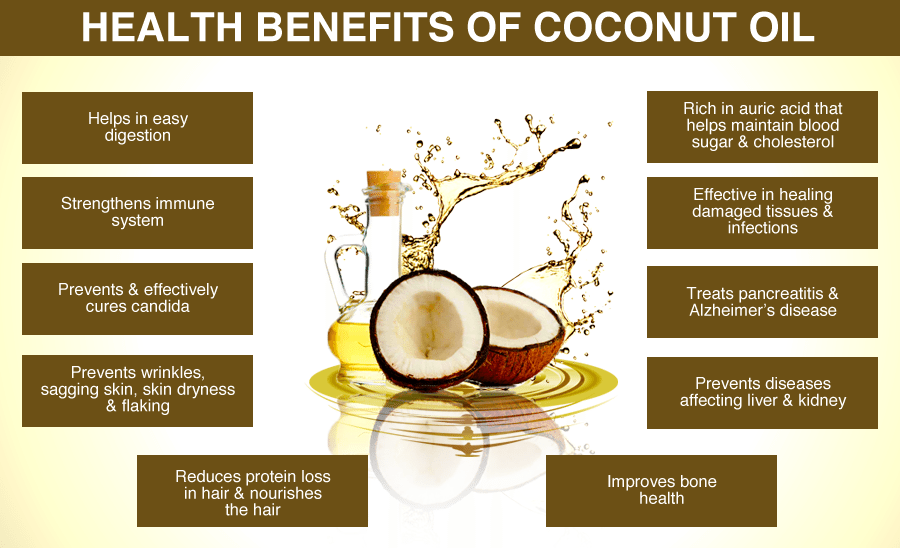
Coconut:
This superfood is loaded with medium chain triglycerides (MCT�s) that break down for energy very easily. Unlike most fat sources which consist of long chain fatty acids these MCT�s do not depend upon bile and instead go right to the liver and are metabolized immediately for energy.
Muscle cells are also able to store MCT�s and use them immediately for energy during exercise sessions.
Bone Broth Protein:
Bone broth contains a wide variety of valuable nutrients including collagen, gelatin, hyaluronic acid, chondroitin sulfate, glycosamino glycans, proline, glycine, calcium, phosphorus, magnesium and potassium. These all help with the development of healthy joints, bones, ligaments and tendons as well as hair and skin.
These nutrients are considered beauty foods because they help the body with proper structural alignment and beautiful skin and hair. They also help to prevent against injuries by strengthening joints, tendons and ligaments. Additionally, bone broth is great for the immune system.
If you are unable to make your own bone broth, than you can try our Bone Broth Protein which comes with the same benefits as homemade broth, but it�s even more versatile in so many recipes. Bone Broth Protein begins as a true bone broth liquid. It�s then dehydrated, making it into a concentrated source of high-quality, tasty powder.
Berries:
Berries are loaded with anti-oxidants and are low in sugar. Berries contain unique phytonutrients called anthocyanin�s that give them their strong pigments and allow them to handle intense sunlight. Consuming these anthocyanin�s helps our bodies adapt to stress effectively.
Be sure to get your berries organic as the thin skin makes them susceptible to pesticides and they are highly contaminated with dangerous pesticides when produced on conventional farms.
Spinach:
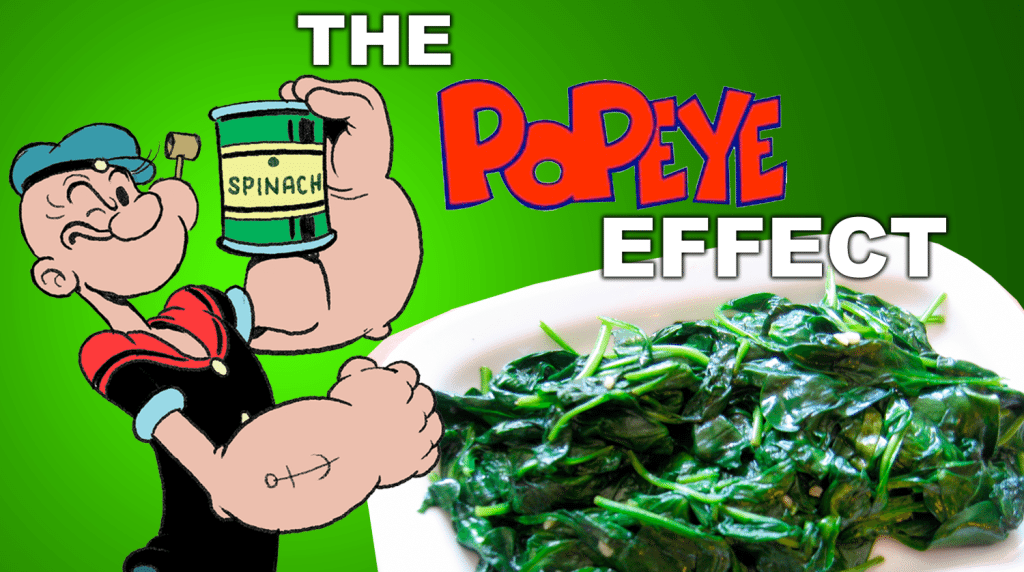
This superfood is loaded with blood purifying chlorophyll and the anti-oxidants lutein and zeaxanthin. Spinach also contains its own plant based steroids called phyoecdysteroids that boost the bodies ability to adapt to stress. Phytoecdysteroids are similar to insect molting hormones and have been shown to dramatically increase glucose metabolism.
This keeps blood sugar levels stable and minimizes the need for the critical fat-storage hormone insulin. Additionally, phytoecdysteroids increase human muscle tissue growth rates by 20% when applied in a culture medium.
Rice & Pea Proteins
For sensitive cases where people have pronounced sensitivities I prefer to use either a brown rice or pea protein. Pea protein appears to be the most hypoallergenic of all protein powders and has a 98% absorption rate. This combination of 1% brown rice and 99% pea protein has a great blend of branched chain amino acids, lysine and arginine for lean body tissue development and good circulation
Pea & brown rice protein has also been shown to be very easy on the digestive system and the protein is fairly quickly assimilated into muscle tissue. This is important because slower digesting and assimilating proteins have a greater chance of producing gas and making one feel bloated. Most plant proteins have poor assimilation rates but pea, brown rice and hemp proteins are the rare exceptions.
These are loaded with sulfur containing amino acids like methionine and cysteine which are critical for glutathione production. They are also a rich vegetarian source of branched chain amino acids. They contain essential fatty acids and edestin and albumin which are similar to the makeup of human blood and these help with critical functions like DNA repair.
Grass-Fed Butter:
Dairy from grass-fed cows is extraordinarily rich in essential fats and critical nutrients like vitamin K2 and magnesium. The best foods from this group include grass-fed butter and ghee which are loaded with anti-inflammatory fats and anti-oxidants.
Grass-fed butter and ghee are also rich in conjugated linoleic acid, which helps burn fat and is anti-carcinogenic. It is the best food source of the anti-inflammatory short chain fatty acid butyrate. Finally, it is full of choline which supports healthy brain and neurotransmitter production. I use butter and ghee generously each day. Look for Kerry Gold grass-fed butter.
Red Onions:
These are loaded with the flavonoid anti-oxidant quercetin. They also contain sulfur containing amino acids that boost cysteine and glutathione production within the body. They also have chromium which helps to regulate blood sugar levels.
Grass-Fed Beef:
Cows that are fed a 100% green diet are loaded with anti-oxidants like carnosine and essential fatty acids. Because cows have multiple stomachs and are able to fully digest grass (humans cannot) we are getting the benefits of this fully digested super-greens in a high protein food.
A fantastic source for grass-fed beef and pastured poultry is US Wellness Meats.
Avocados:
Avocados are loaded with good fats and carotenoid anti-oxidants like lutein and zeaxanthin. It is very easy on the digestive system and helps support optimal hormone function, muscle development and exercise recovery.
Raw Chocolate:
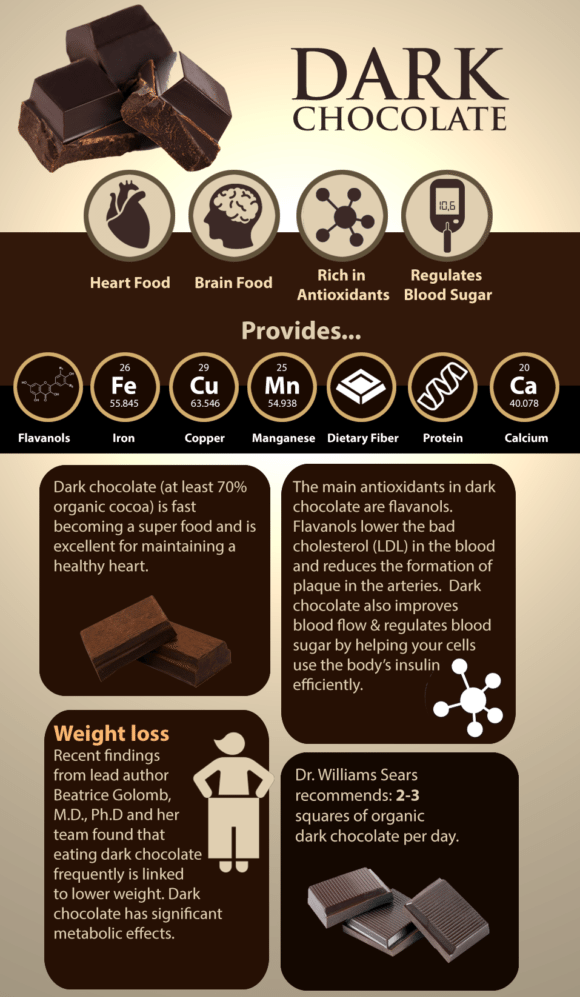
This is rich in good fats and polyphenol anti-oxidants for fuel and recovery. Chocolate contains theobromine which is a natural cardiovascular stimulant that helps improve circulation throughout the body.
Proper Meal Timing:
It is best to eat light before our times of performance to keep as much energy focused on the specific performance rather than on digestion. Instead of food, turn to water, as optimal hydration correlates very strongly with great performance. I try to stay super hydrated throughout the day and notice that as my water intake drops, my energy and mental acuity declines.
After the performance we want to have our largest meal to replenish our system with nutrients. Ideally, you have your largest meal at the end of your day as opposed to the beginning of your day. This helps your body to recover from the stresses of the day. You are in a relaxed position at this point, as you no longer have to work hard and perform, so it allows you to digest and absorb the nutrients you need more effectively.
This helps to take stress off of your gut lining and improves the integrity of your digestive system. When you eat in a hurry or have a large meal before a stressful event or a busy day, you compromise your digestive system and cause more inflammation in the body.
These ideas and much more I teach in our Navigating the Ketogenic diet program. Opt-in here for more details and a FREE video training series I give you on advanced strategies to improve your performance.
Fat Burning Foods Video
Food: Diet and Nutrition for a Healthy Back
As most patients are well aware, good nutrition and a balanced diet are important components of overall health. What may surprise people with back problems is that diet, nutrition and maintaining a healthy weight also play a major role in the back – including preventing many problems and healing from injuries.
The bones, muscles and other structures in the spine need good nutrition and vitamins so that they are strong enough to support the body and to perform their other functions. Using these nutritional guidelines, patients can integrate back-friendly vitamins and nutrients into their diets.
Eating a balanced diet that includes the right amount and variety of vitamins and nutrients will reduce back problems by nourishing the bones, muscles, discs and other structures in the spine. Particular importance is given to calcium, which can be obtained through a variety of healthy food choices as well as nutritional supplements.
While a healthy diet calls for many vitamins and nutrients, this partial list highlights a number of healthy choices that can be directly beneficial for helping back patients.
Role of Vitamin or Nutrient Food Sources
Vitamin A:
An antioxidant that assists the immune system in fighting off diseases. It is good for the back because it helps repair tissue and in the formation of bone. It also helps the body use protein effectively.
Additionally, the body can convert beta-carotene into vitamin A. Beta-carotene can be found in dark green leafy vegetables and most orange vegetables and fruits.
It’s important not to get more then the recommended daily allowance of vitamin A, as too much can promote bone fractures. Beta-carotene does not increase the risk of fracture.
Vitamin A can be found in beef, calf and chicken liver; dairy products like milk, butter, cheese and eggs; orange fruits such as apricots, nectarines and cantaloupe; orange or green vegetables such as carrots, sweet potatoes and spinach.
Vitamin B12:
Necessary for healthy bone marrow and for the body – and the spine – to grow and function normally. Vitamin B12 can be found in meat products, such as liver, fish, red meat and poultry; dairy products, such as milk, yogurt and cheese; and eggs.
Vitamin C:
Necessary for the development of collagen, which is an important part of the process that allows cells to be able to form into tissue. This is extremely important for healing problems caused by injured tendons, ligaments and vertebral discs, as well as for keeping bones and other tissues strong.
Vitamin C can be found in fruits, such as strawberries, kiwi fruit and citrus fruits (e.g. oranges, guavas, grapefruits) and tomatoes; many vegetables, such as broccoli, spinach, red and green peppers, sweet potatoes and white potatoes.
Vitamin D:
Improves calcium absorption, which is important for the development of strong and healthy bones. Adequate calcium absorption is particularly important to help prevent development of osteoporosis, a disorder characterized by weak and brittle bones in the spine that can results in painful vertebral fractures. Vitamin D is naturally occurring in egg yolks and fish oils; also found in most brands of fortified milk in the US; can also be obtained by spending time in the sunlight.
Vitamin K:
Needed for the bones to properly use calcium. The combination of vitamin K and calcium works to help bones throughout the body stay strong and healthy. Vitamin K is found in liver, pork, green leafy vegetables such as spinach, kale and broccoli, and dairy products.
Iron:
Needed for cells to remain healthy as it helps them receive oxygen and get rid of carbon dioxide. It also aids in the production of myoglobin, an important element of healthy muscles that are needed to support the spine. Iron is found in meat products such as liver, pork, fish, shellfish, red meat and poultry; lentils, beans, soy, eggs, grains, and green leafy vegetables such as spinach, kale and broccoli.
Magnesium:
Important for the relaxing and contracting of muscles. It also helps maintain muscle tone and bone density, which in turn can help prevent back problems. Further, it assists in the body’s use of protein. Magnesium is found in whole grains and whole-grain breads, beans, seeds, nuts, potatoes, avocados, bananas, kiwi fruit, shrimp, and green leafy vegetables such as spinach, kale and broccoli.
Calcium:
Essential for bone health and helps maintain the necessary level of bone mass throughout the lifespan and especially in old age. Adequate calcium intake is particularly important to help prevent development of osteoporosis, which results in weak and brittle bones in the spine that can results in painful vertebral fractures. Calcium is found in dairy products such as yogurt, cheese and especially milk; dark green leafy vegetables such as spinach, broccoli and kale; tofu, peanuts, peas, black beans and baked beans; some types of fish (salmon and sardines); a variety of other foods such as sesame seeds, blackstrap molasses, corn tortillas, almonds and brown sugar.
Specific meal timing and superfood strategies have been shown to optimize performance and recovery. As most patients are well aware, good nutrition and a balanced diet are important components of overall health. What may surprise people with back problems is that diet, nutrition and maintaining a healthy weight also play a major role in�spine health.�For Answers to any questions you may have please call Dr. Jimenez at�915-850-0900
Exercise is an important part of a healthy lifestyle, and sports are one approach many people choose to use to get their exercise.
For people with back pain, sports can still be a viable option if they pay attention to their back.
For others who participate in sports, knowing the type of strain various sports place on the back may help prevent a back injury.
This article gives specific information about sports injuries and back pain from bicycling, weight lifting, running, swimming, skiing, golf, and tennis.
Types of Sports-Related Back Injuries
In any sport, injuries to any part of the spine are possible, as well as injuries to the soft tissue and fascia that help comprise the makeup of the body. Up to 20% of all injuries that occur in sports involve an injury to the lower back or neck.
Lower Back Injury
The lower back is subject to a great deal of strain in many sports. Sports that use repetitive impact (e.g., running), a twisting motion (e.g. golf), or weight loading at the end of a range-of-motion (e.g., weightlifting) commonly cause damage to the lower back.
Neck Injury
The neck is most commonly injured in sports that involve contact (e.g., football), which place the cervical spine (neck) at risk of injury.
Upper Back Injury
The thoracic spine (mid portion of the spine at the level of the rib cage) is less likely to be injured because it is relatively immobile and has extra support. Injuries seen here can involve rib fracture and intercostal neuralgia as well as intercostal muscle strains in sports that involve rotation of the torso (e.g. weight training with rotation), swimming, golf, tennis, and even skiing.
Stretching and Warm-Up Prior to Exercise
While static stretching prior to any type of exercise used to be recommended, a number of studies in recent years have shown that stretching the muscles prior to exercise is not needed. A number of studies have shown that it does not help prevent injury, and likely does no harm either.1,2,3
For every sport, a thorough warm-up should be completed before starting to play. The warm-up will target the muscles used in that sport, but it should also prepare the back for the stresses to come.
The warm-up used should be specific to the sport to be played. A typical warm-up should include:
Increase circulation gradually by doing some easy movement (such as walking) to increase blood circulation to the muscles and ligaments of the back
Stretch the lower and upper back and related muscles, including hamstrings and quadriceps
Start slowly with the sport movements (e.g. swing the golf club, serve the ball)
Work with a Professional to Prevent or Manage Back Injury
There are professionals or instructors in almost every sport who are willing to share their expertise. Ideally, someone with this type of expertise can teach the correct form for a new sport or help develop and keep the proper technique for a current sport.
Before starting to work with any sports or exercise professional, it is advisable to inquire about his or her credentials. In general, if the individual is certified by the National Strength and Conditioning Association (NSCA), he or she should be up to date on the latest evidence related to stretching, exercise routines for specific sports, and additional information designed to benefit your personal routine.
Mets’ Infield, Chiropractor Is The Most Important Position
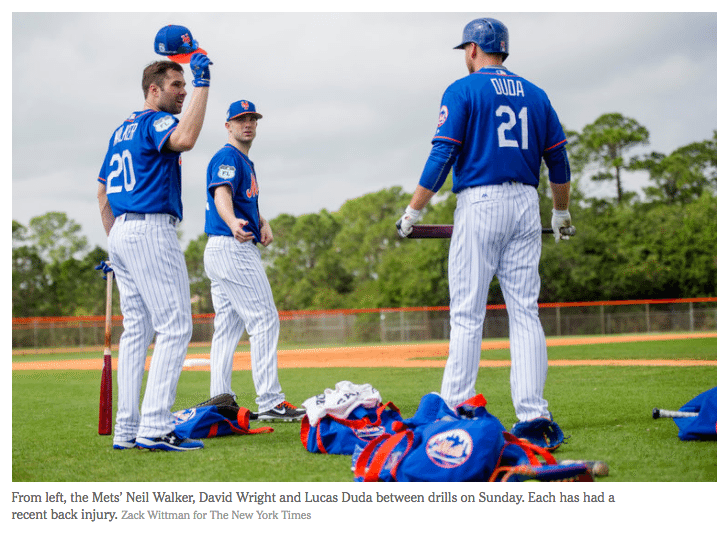
There are many ways to describe the Mets� projected starting infield of David Wright, Asdrubal Cabrera, Neil Walker and Lucas Duda. But two weeks ago, as Mets Manager Terry Collins discussed how he would handle their playing time, he provided a telling answer while rattling off the positions.
�We�ve got a bad back, bad back, bad knee and a bad back,� Collins said, referring to Wright, Walker, Cabrera and Duda.
The 2017 Mets, for all of their potential and talent, cannot ignore a significant question mark: health. Aside from the arm-related injuries of the pitching staff, the condition of the spines of three key infielders will hover over the team all season.
Wright, the long-tenured third baseman, has played only 75 games during the past two seasons; part of the reason was neck surgery in June, but mostly it is because of spinal stenosis, a chronic condition. Walker, the second baseman, had surgery to repair a herniated disk in his lower back in September. And Duda, the power-hitting first baseman, missed four months last season because of a stress fracture in his lower back.
All three reported to spring training relatively healthy; in Wright�s case, fusion surgery on a herniated disk in his neck had healed. But only two days into the exhibition schedule, the Mets have suffered a setback.
After experiencing what he said was a pain-free off-season, Duda reported feeling spasms in his back late last week. The pressure had an adverse effect on his hips, and he received a cortisone shot on each side Friday.
�So we�ll take a few days now instead of two weeks down the road,� Duda said. �Just being cautious.�
That should be the Mets� motto all year.
Although baseball players put repeated strain on their core when pitching or swinging, they do not suffer more back injuries than athletes in sports that entail more forceful impact, such as football or hockey, said Dr. Andrew C. Hecht, the chief of spine surgery for Mount Sinai Health System, who wrote a soon-to-be-released book on spine injuries in athletes.
�What happens when you have a few on one particular team is that it highlights it,� Hecht said.
Walker�s injury was the simplest. He first felt discomfort in his lower back and tingling in his leg late during the 2012 season, which he thought was caused by the sport�s day-to-day rigors. Some back pain recurred in the years that followed, but never to the degree that it did last season, when he said he also experienced numbness in his leg and foot.
Sign Up for the Sports Newsletter
Get the big sports news, highlights and analysis from Times journalists, with distinctive takes on games and some behind-the-scenes surprises, delivered to your inbox every week.
Hecht, who is not involved in the treatment of these Mets players, said lumbar disk herniation like Walker�s is �as common as common can be.� Surgery to repair the injury involves removing only the part of the herniated disk that is pinching the nerve and causing the pain, Hecht said.
Walker, 31, said he completed his physical therapy in less than three months and went through normal off-season workouts. Although he is healthy now, Walker said that he has a regimen of daily exercises and stretches to keep his back in good shape.
Despite the back ailment last season, Walker still hit .282, with 23 home runs and a career-high .823 on-base-plus-slugging percentage. The Mets felt confident enough in his recovery that they gave him a one-year, $17.2 million qualifying offer. Walker accepted, and the sides have talked about a contract extension.
Duda�s injury, a vertebral crack, is another common back ailment in athletes, Hecht said. The usual treatment is rest and rehabilitation.
Before his recent flare-up of back spasms, Duda, 31, said he, too, was regularly doing exercises to support his back. Until last week, there was reason to be optimistic about Duda�s outlook because, after missing 107 games last season, he returned in September to play eight games.
Still, as a precaution, right fielder Jay Bruce took ground balls at first base during workouts on Sunday. Jose Reyes and Wilmer Flores are options to back up Walker; Cabrera, the infielder with the balky knee last season; and Wright.
Wright�s stenosis, a narrowing of the canal in the spinal cord that can lead to chronic stiffness and pain, is the most complicated ailment. Hecht said the condition was rare among younger athletes, and while Wright is only 34, he is entering his 14th major league season.
Wright said doctors have told him his condition was the �perfect storm� of three factors. He was born with a narrow spinal canal, Wright said, explaining, �Ideally, you�d want a little more space so that those nerves don�t get pinched.� Wright also sustained a vertebral fracture years ago, which, along with the wear and tear of playing so much baseball, has contributed to his injury.
Wright had neck surgery in June, for an injury that he said was unrelated to his spinal stenosis, which was diagnosed in May 2015. After rest and rehabilitation, he returned to the field in August 2015, but he often required hours of stretching and preparation to play. That kind of maintenance is expected to continue for the rest of his career.
While expectations of how much Wright can play will be tempered again this season, he can try to limit the effects of spinal stenosis. Compared with last year, Wright said, he has a better idea of how to manage his back in spring training, even though he is still building up his arm strength after his neck surgery.
�I know the routine and the process,� he said. �I understand my body a little bit better.�
In any sport, injuries to any part of the spine are possible, as well as injuries to the soft tissue and fascia that help comprise the makeup of the body. Up to 20% of all injuries that occur in sports involve an injury to the lower back or neck.�For Answers to any questions you may have please call Dr. Jimenez at
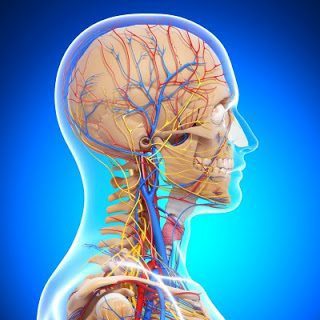
Neck pain that is not caused by whiplash or other trauma has a postural component as part of the underlying problem. Sitting atop the body, the health of the neck is subject to the �curvature of the spine below and the position of the head above.
See Chronic Neck Pain: What Condition Is Causing My Neck Pain?
The neck muscle pain can be caused by the following neck muscles becoming tight:Scalene muscles (three pairs of muscles that help rotate the neck)
Suboccipital muscles (four pairs of muscles used to rotate the head)
Pectoralis minor muscles (a pair of thin triangular muscles at the upper part of the chest)
Subscapularis muscles (a pair of large triangular muscles near each shoulder joint)
Levator scapulae muscles (a pair of muscles located at the back and side of the neck).
If the alignment of the head and spine is not optimal, the neck can be predisposed to injury and/or the degenerative effects of wear and tear over time.
The most common condition that contributes to neck pain is forward head and shoulder posture.
Forward head posture is when the neck slants forward placing the head in front of the shoulders.
This head position leads to several problems:
The forward pull of the weight of the head puts undue stress on the vertebrae of the lower �neck, contributing to degenerative disc disease and other degenerative neck problems.
Similarly, this posture causes the muscles of the upper back to continually overwork to counterbalance the pull of gravity on the forward head.
This position is often accompanied by forward shoulders and a rounded upper back, which not only feeds into the neck problem but can also cause shoulder pain.
The more time spent with a forward head posture, �the more likely it is that one will develop neck and shoulder problems.
Poor Posture Effects On the Lower Cervical Vertebrae
The part of the neck that is particularly vulnerable to forward head posture is the lower part of the neck, just above the shoulders.
See Cervical Spine Anatomy and Neck Pain
The lower cervical vertebrae (C5 and C6) may slightly slide or shear forward relative to one another as a result of the persistent pull of gravity on a forward head. This shear force can be a problem for patients with jobs that require them to look down or forward all day, such as pharmacists who spend many hours counting pills or data entry workers who look at a computer screen.
Prolonged shearing of the vertebrae from forward head posture eventually irritates the small facet joints in the neck as well as the ligaments and soft tissues.
This irritation can result in neck pain that radiates down to the shoulder blades and upper back, potentially causing a variety of conditions, including:
Trigger points in the muscles, which are points of exquisite tenderness that are painful to touch, along with limited range of motion
Disc degeneration problems, which may potentially lead to cervical degenerative disc disease, cervical osteoarthritis, or a cervical herniated disc.
BRAIN BASED POSTURAL CORRECTION
The neurologic system controls and coordinates all other systems of the body? What system provides the physical framework for all other systems of the body to resist gravity and function within our environment? The Posture System. These intricate systems work together to control and coordinate all experiences and actions throughout our lives.
Postural Neurology is defined as the network of neural impulses to support proper functional alignment of the Posture System. The purpose of Postural Neurology is to develop plasticity of proper structural alignment through brain based treatment protocols.
Why implement Postural Neurology into your practice? Quite simply, every musculoskeletal problem is at some level a neurologic problem. Neurology dictates movement, structure, and the function of your Posture System, overseeing and refining every single movement that you do on a daily basis.
It is an outdated system of healthcare to look at one part of the body, the site of injury or pain, and make assumptions about that person�s health and ability to function.
Identifying the area of injured tissue, then creating a rehabilitation plan around that injuryis less than adequate. The new system is all about function and whole posture patterns.
Segmental Rehabilitation & Brain Based Postural Correction
If the patient says �I hurt here,� or you test a weak muscle �here.� It does not mean that the problem lives �here.� This is simply information telling us that there is pain or dysfunction that is being expressed in that end organ. There is absolutely no indication that the problem is in that tissue. The noxious stimulus being interpreted by the brain is nothing more than a sensory input. The weak muscular output is nothing more than an insufficient motor plan.
This is the difference between segmental and brain based thinking. Segmental healthcare professionals do not see beyond the �hurt� or �weak� segment, oblivious to compensation patterns that are dampening function in the rest of the body.
Compartmentalized thinking is not adequate for a system as dynamically developed and as functionally managed as the human body. It simply won�t cut it.
This guide introduces you to the Neurology of the Posture System, so you can understand the functional output of the brain and how it contributes to upright postural design.
Motor Cortex:�
The primary motor cortex is located in the frontal lobe of the brain.
The frontal lobe is the center of human development including executive decision-making, language, and problem-solving.
Located within the Motor cortex is the Motor Homonculus. The Motor Homonculus is a map of motor output for each part of your human anatomy. Within this map, the amount of cortex devoted to any given body region is proportional to how richly innervated that region is, not to the body region�s physical size. Areas of the body with greater or more complex sensory or motor connections
are represented as larger in the homunculus such as the hands, lips, and the face.
The primary motor cortex receives signals from the pre-motor cortex to make a movement.
The primary motor cortex then sends the information to make that movement from the cortex down the spinal cord to the skeletal muscle of that body region.
Motor movement occurs contralaterally, meaning that your left motor cortex controls movement on the right side of your body. Your right motor cortex controls movement on the left side of your body. Every action occurs in this fashion, in response to a descending signal from the brain to the body.
Is the Motor Cortex important to Posture?
The motor cortex controls motor function. The Posture System is never actually �static,� we are dynamic beings who are always in motion. The motor cortex is constantly making small movements (even minute movements) necessary to prevent falling over, and to interact within our environment. Optimal dynamic posture begins in the motor cortex and is regulated by the cerebellum.
Can I check for weakness of the Motor Cortex?�
You can check for weakness�of motor output by performing muscle tests. If a muscle on the left side is weak,
this is information to do further muscle tests to confirm for weakness of the right motor cortex.
�Sensory Cortex:
The somatosensory cortex of the parietal lobe is the center for
sensation. This is where you perceive your world and how you process all of the tactile and
proprioceptive information received from your external environment.
Just as the motor cortex is a map whose arrangement gives preference to the highly innervated parts of the body, so does the sensory homunculus. The sensory homunculus is the primary mechanism of cortical processing for sensoryinformation originating at body surfaces and other tissues.
Is the Sensory Cortex important to Posture?
The sensory cortex is very important for posture because the sensory cortex lights up with activation from novel stimuli such as proprioceptive signals and mechanoreceptor feedback
from complex movements. Lack of movement is the worst thing for your sensory cortex. In fact, with lack of stimulation to an area of the sensory cortex, the sensory map �blurs� together with less representation of that body part in the brain.
For example, when patients present an injured knee and they have worn a brace that limits their range of motion. This limited motor output of the knee results in less tactile and proprioceptive
feedback from the knee, the brain then thinks that the knee is �less important� and blurring of the cortical representation of the hip and ankle will begin to occur over the knee.
Less awareness of our body leads to poor activation and neglect of that area. To keep your patients healthy, keep them moving and activating all joints of the body.
Can I check for weakness of the Sensory Cortex?
You can check for dysfunction of the sensory cortex by performing sensory tests such as light touch,
vibration, temperature, painful stimuli, and joint position. If the patient presents with decreased sensory recognition, the contralateral sensory cortex is weak.
Meaning, that if the left side of the body cannot detect tactile sensation, this is a weakness of the right sensory cortex.
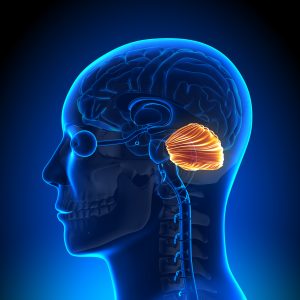
Cerebellum:
The cerebellum works in conjunction with the contralateral motor
cortex to coordinate fine movements. The cerebellum is an �inhibitor,� it reduces any extra or unnecessary motor movements to perform the desired action as accurately as possible.
The cerebellum receives input from sensory systems of the spinal cord and from other parts of the brain, and integrates these inputs to fine-tune motor activity, providing feedback to the motor cortex of how movements can be smoother and more precise. When patients have deficits of the cerebellum
they have excess movement, such as a tremor or a wide stance because they can�t balance with their feet together. Their equilibrium and ability to perform controlled motor movements is compromised.
Is the Cerebellum important to Posture?�
The cerebellum coordinates all movement, to more
precisely regulate fine movements. Proper cerebellar output means that the patient can perform their intended movement without recruiting other muscles. They are on target and on point with coordinated functions of the Posture System. Cerebellar deficits on the other hand affect the patient�s posture, they have compromised postural stability and uncoordinated dynamic postures.
Can I check for weakness of the Cerebellum?
You can check for cerebellar weakness by performing a Romberg�s test. Have the patient stand with their feet together, close their eyes, and see if they sway to one side. The patient will sway toward the side of cerebellar dysfunction.
Brainstem:
The brainstem is the center of postural control. The brainstem is made up of the midbrain, the pons, and the medulla and is the house of the nuclei of 10 of 12 of Cranial Nerves.
Each of the cranial nerves provides important sensory and motor functions for the body. Of particular importance to the Posture System are the visual and vestibular nuclei that reside in the brainstem.
The visual system controls your orientation in space, literally how you see the world. Visual fibers descend to the cervical spine controlling head posture. Visual deficits result in forward head posture, lateral head tilt, and head rotation.
The vestibular system controls balance and extension. Flexor dominant posture is weak posture; upright extended posture is healthy and optimal for better function. This system is of utmost importance for upright postural stabilization and balance.
The brainstem also controls involuntary systems of your autonomicnervous system that regulate life-sustaining processes such as breathing, heart rate, sexual function, and digestion. Plus, the brainstem modulates postural tone, and inhibits flexion toward gravity.
Is the Brainstem important to Posture?
This is the primary control center of postural stabilization! The brainstem inhibits flexion, and in conjunction with the vestibular system activates extension. Descending fibers from the cranial nerve nuclei of the eyes control your head posture, and the ability to keep your eyes parallel to the horizon during dynamic movement.
Understanding the brainstem is an important connection for all posture professionals. Your posture depends upon the functional output of the brainstem.
Can I check for weakness of the Brainstem?
Checking posture provides valuable insight into the function of the brainstem. Noted flexion of the Posture System or head posture distortion patterns indicates that there is weakness of the brainstem.
The Cranial Nerves also provide valuable insight of the function of the brainstem. Dysfunction of the cranial nerves means that there is ipsilateral weakness of the brainstem.
Spinal Pathways:�
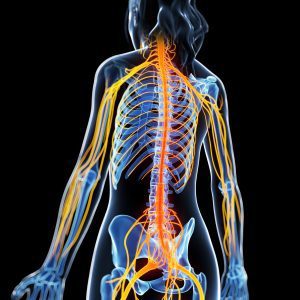
The spinal chord and its pathways are the communication system to and from the brain and the body. The descending motor pathways stimulate movement and postural control. The ascending sensory pathways carry information of sensation to be processed and �understood� in the brain.
The brain and the body are in constant communication to perform efficient movements, to stabilize without falling, and to detect signals from the environment that require a response. Sensorimotor integration happens in your spine, this is the communication highway of the nervous system.
Are the Spinal Pathways important to Posture?
The pathways are invaluable to your postural design. Pathways from the motor cortex send information to create dynamic movements,�and pathways from the brainstem descend to stabilize your postural tone. Ascending pathways from the body to the brain ignite the sensory homunculus for perception, and carry information from the primary sensors of your body for proprioception, vision, hearing, touch, smell, taste, etc.
Can I check for weakness of the Spinal Pathways?
There are many different pathways. When you understand the function of that pathway you can design a test for it. For example, the corticospinal tract descends from the motor cortex to the spine
to create motor output. Dysfunction of this pathway would present as weakness on muscle tests.
The spinothalamic tract is an ascending tract from the spine to the thalamus that recognizes stimuli associated with pain and temperature. To test this tract you would test sensory integration of hot, cold, and painful stimuli.
Neck pain that is not caused by whiplash or other trauma has a postural component as part of the underlying problem. Sitting atop the body, the health of the neck is subject to the �curvature of the spine below and the position of the head above.�For Answers to any questions you may have please call Dr. Jimenez at�915-850-0900
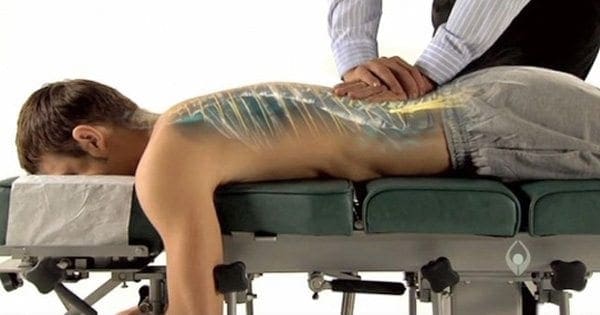
How a chiropractic adjustment works: A displaced or luxated vertebra is when the joint surfaces are completely separated. Subluxation is a partial or incomplete separation: one in which the articulating surfaces remain in partial contact. This latter condition is so often referred to and known by chiropractors as sub-luxation.
The relationship existing between bones and nerves are so nicely adjusted that anyone of the 200 bones, more especially those of the vertebral column, cannot be displaced ever so little without impinging upon adjacent nerves. Pressure on nerves excites, agitates, creates an excess of molecular vibration, whose effects, when local, are known as inflammation, when general, as fever.
A subluxation does not restrain or liberate vital energy. Vital energy is expressed in functional activity. A subluxation may impinge against nerves, the transmitting channel may increase or decrease the momentum of impulses, not energy.
�According to BJ Palmer, a subluxation represents a displaced bone that’s impinged on a nerve, which interferes with the transmission of vital nerve energy (or, more specifically, �mental impulses.�)�
For over hundred years, chiropractors have explained chiropractic medicine by teaching patients and the medical community that bones compress which irritate spinal nerves. The ensuing nervous system dysfunctions have negative effects on the function of peripheral nervous systems, central nervous systems and patients� overall ability to maintain homeostasis.
Essentially, they go into states of dis-ease.� These discussions were in large part due to the teachings of D.D. Palmer and B.J. Palmer as previously cited. Based on the results rendered in chiropractic offices across the country and in a patient-driven model of success, the general consensus in both private practice and chiropractic academia had been to maintain status quo and simply teach what has worked in the absence of conclusive evidence, particularly in light of a lack of serious governmental funding and support for chiropractic research.� In addition, dogma has also created blinders for many, as evidence evolves to further chiropractic and its understanding, application and expansion.
Research has been published and has begun to verify D.D. and B.J. Palmer�s hypotheses were correct. While clarifying the specific physiological mechanisms related to chiropractic�s ability to alleviate pain.� As a result of initially studying pain mechanisms, contemporary research has also begun to set the foundation for understanding why chiropractic works with systemic and autonomic dysfunction and potential disease treatment through the adjustment � central nervous system connection.
It is the understanding of that connection with pain that is helping people to begin to understand the full impact of the chiropractic spinal adjustment and render the evidence to help more get well.
CENTRAL NERVOUS SYSTEM & PAIN REDUCTION
Reductions in pain sensitivity, or hypoalgesia, after spinal manipulative therapy or a chiropractic adjustment may point to a mechanism related to the central nervous system processing of pain.�These findings indicate that a chiropractic spinal adjustment affects the dorsal horns at the root levels which are located in the central nervous system.
This is the beginning of the �big picture� since once we identify the mechanism by which we can positively influence the central nervous system, we can then study that process and its effects in much more depth.
One question asked, does a chiropractic adjustment cause a general response of pain sensitivity or if the response is specific to the area where adjustment is applied? For example, changes in pain sensitivity over the cervical facets following a cervical spine SMT would indicate a local and specific effect while changes in pain sensitivity in the lumbar facets following a cervical spine SMT would suggest a general effect.�
We observed a favorable change for increased PPT [pressure pain threshold] when measured at remote anatomical sites and a similar, but non-significant change at local anatomical sites. These findings lend support to a possible general effect of SMT beyond the effect expected at the local region of SMT application.
The adjustment mechanism is theorized to result from both spinal cord mediated mechanisms and the brain. A recent model of the mechanisms of manual therapy suggests changes in pain related to SMT result from an interaction of neurophysiological responses related to the peripheral nervous system and the central nervous system at the spinal and supraspinal level.
This demonstrates that�chiropractic adjustment influences the peripheral nervous system and the central nervous system.
ACTIVATION OF BRAIN & DESCENDING NERVE PATHWAYS BEYOND AREAS TREATED
CHIROPRACTIC ADJUSTMENT VS. SPINAL MOBILIZATION
Manual therapy has clinically shown to boost pressure pain thresholds (i.e., decrease sensitivity) in both symptomatic and asymptomatic subjects. Cervical spinal manipulation has been shown to result in unilateral as well as bilateral mechanical hypoalgesia.
Compared with no manual therapy, oscillatory spinal manual therapy at T12 and L4 produced significantly higher paraspinal pain thresholds at T6, L1, and L3 in individuals with rheumatoid arthritis.
The immediate and widespread hypoalgesia associated with manual therapy treatments has been attributed to alterations in peripheral and/or central pain processing including activation of descending pain inhibitory systems.
Manual therapy triggers the central nervous system which affects areas around those being treated.�Clinical studies show spinal manipulation or an adjustment alters the central processing of mechanical stimuli. This is proven by an increased pressure pain threshold and decreased pain sensitivity in asymptomatic and symptomatic subjects following manipulation.
The thalamus also regulates states of sleep and wakefulness which plays a major role in regulating arousal, the level of awareness, and activity (Thalamus�http://en.wikipedia.org/wiki/Thalamus).
Therefore, a�chiropractic adjustment reduces pain through the thalamus. �In addition, with current knowledge of chiropractic adjustment effecting the thalamus, we can begin to offer an explanation of how the first historically reported chiropractic adjustment by D.D. Palmer helped Harvey Lilard regain his hearing.
CHIROPRACTIC REDUCES PAIN IN MULTIPLE REGIONS DUE TO LOCAL AND CNS STIMULATION
Significant changes were observed on sensory parameters, supporting the hypothesis of centrally mediated effects of a single adjustment. This suggests that the�chiropractic spinal adjustment affects the nociceptors and the mechanoreceptors at the joint level causing central modulation of an effect at the cord and/or brain level(s) and pain reductions in multiple areas as a result.
AN ADJUSTMENT WILL CREATE HIGHER FUNCTION IN CORTICAL AREAS
MT or manual therapy/chiropractic adjustment reduce pain intensity and pain sensitivity. it is reasonable to assume that the underlying therapeutic effect of MT is likely to include a higher cortical component.
In other words, thoracic adjustments produced direct and measureable effects on the central nervous system across multiple regions, which in the case of the responsible for the processing of emotion (cingulate cortex, aka limbic cortex) are regarding the insular cortex which also responsible for regulating emotion as well has homeostasis.
The motor cortex is involved in the planning and execution of voluntary movements, the amygdala�s primary function is memory and decision making (also part of the limbic system), the somatosensory cortex is involved in processing the sense of touch (remember the homunculus) and, finally, the periaqueductal gray is responsible for descending pain modulation (the brain regulating the processing of painful stimuli).
Periaqueductal Gray � � � Ascending and descending spinothalamtic tracts carrying pain and temperature fibers
The global effects of a chiropractic adjustment simply put, the processing of pain may be modulated or regulated from an external force without the use of pharmacy or surgery? Pain is deeply tied to the most primitive regions of the central nervous system and it appears (as chiropractors have observed clinically for 116 years) that therapeutically speaking, we can have an influence on these higher centers with little or no side-effects.
Chiropractic spinal adjustments create functional changes in multiple regions of the brain. In addition, this has far reaching effects in setting the foundation for understanding how the adjustment works in systemic and possibly autonomic changes by being able to measure and reproduce functional changes within the brain as direct sequellae.
MUSCLE IMPAIRMENT CREATES CNS ALTERATIONS & THE�NECESSITY FOR BOTH SHORT-TERM & LONG-TERM�CHIROPRACTIC CARE
ADJUSTMENTS WORK � SPINAL MOBILIZATION DOES NOT
What this means is that there are observable changes in the function of the central nervous system seen in patients with musculoskeletal conditions.� That is something that chiropractors have observed clinically and shows the medical necessity for chiropractic care for both short and long term management as well as in the prevention of pain syndromes.
Evidence suggests that muscle damage occurs early in spinal complaints, and that such muscle damage does not automatically resolve even when pain symptoms improve. This has led some authors to suggest that the deficits in proprioception and motor control, rather than the pain itself, may be the main factors defining the clinical picture and chronicity of various chronic pain conditions.
This evidence suggests that chiropractic manipulation may have a positive neuromodulatory effect on the central nervous system, and this may play a role in the effect it has in the treatment of neck pain.
When the input signal is no longer encoded as a result of joint dysfunction and altered afferent input, the cerebellum must adjust to new encodings that dictate the body schema and affect proper execution of the motor task.
The significance is that it suggests that chiropractic adjustments improve neck dysfunction, and through plasty changes in the cerebellum, there is resultant motor learning and increased function.
CONCLUSION
Chiropractic adjustments influence the peripheral nervous system and the central nervous system. In the central nervous system, chiropractic spinal adjustments reduce pain by effecting the thalamus and descending central pain pathways.
The areas of the brain affected by chiropractic adjustments effect the following functions: emotions, learning, motivation, memory, consciousness, homeostasis, perception, motor control, self-awareness, cognitive function, voluntary movements, decision making, touch, temperature, pain of the skin- epithelial tissue-skeletal muscles-bones-internal organs and cardiovascular system.
For over hundred years, chiropractors have explained chiropractic medicine by teaching patients and the medical community that bones compress which irritate spinal nerves. People have begun�to understand the full impact of the chiropractic spinal adjustment and render the evidence to help more people get well.
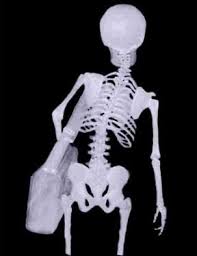
Soldiers routinely carry between 50 and 100 pounds of gear i.e. body armor, weapons, flack vests, rucksacks, and ammo.�This weight is directly affecting their spine and increasing spine related problems for military men and women. Carrying gear weighing over 10% of a persons body weight is known to cause damage to the spine and vertebral discs. It is no surprise that the main complaint from soldiers returning home would be neck & back pain, followed by hip and knee problems. The VA has seen over 396,000 veterans already for these musculoskeletal problems, which is roughly 31% of the returning soldiers. It is assumed many more have not sought medical care or have gone to private medical center.
The Spine Maximum Load Restriction
The spine is made to hold a human being up right, and allow freedom of movement. Like any structure there are �maximum load restrictions�. When we increase the weight placed on the spine by more than 10% of our normal body weight it begins to stress and degenerate the vertebral discs that act like the shock absorbers between the spinal vertebrae. If these discs become worn and degenerated the spine can no longer function correctly. Compensation and adaptation sets into the spine and other structures such as the hips, knees, and muscles of the back.
Posture Misalingment Will Degenerate The Spine & Cause Back Pain.
An excess amount of weight on the spine puts the body into a compromised postural position to balance the weight. This causes the postural distortions patterns, which are known to degenerate the spine and cause back pain. Soldiers are trained to handle extreme situations. They are �mentally tough� and physically fit, however the spine can�t be trained to withstand these extreme loads. Forcing ones body to maintain extreme stress and weight bearing begins to slowly deteriorate the spine.
Anybody Overloaded With Weight Will Damage The Spine
A soldier may be tough and made to deal with the pain and stress, however, as they age, these traumas to the spine weaken the spine reducing them to canes, wheel chairs, and in some cases in ability to even get out of bed. The pain is traumatic and the damage is done. Soldiers often experience the most extreme situation in excess weight bearing, however, many of our population is suffering from the same thing. According to the Center for Disease Control 70% of adults are overweight with 35% being considered obese. This excess weight in the form of fat is placing the same stress on societies spines as well.
Carrying 15 Pounds or More Can Lead To Spinal Disease.
A backpack, military gear, or body fat for a long period of time will damage the spine. To know for sure if you are developing these postural distortion patterns get a Posture Diagnosis Online from the American Posture Institute.
Military Health & Chiropractic
6 Bits of Advice
Habits
1. Reduce The Weight.
The most obvious way to change the problem is to reduce the amount of�weight you carry. Make purses, bags, and etc. lighter. Soldiers, look for options to reduce your load, or exchange items with lighter options.
2. Distribute The Weight Evenly
Extra weight should be evenly distributed on the body. Use two straps, one on both shoulders. Try to keep the weight as high up on the back as possible to reduce the stress on the low back. When possible use hip straps/support to help distribute the weight.
3. Maintain Proper Posture With Excess Weight.
Proper posture is crucial. Do not allow yourself to go into incorrect postural position. This will increase the stress on the muscles that protect your spine. Too much stress and these muscles give out and your spine takes the damage.
Rehabilitation
4. Strengthen The Postural Muscles
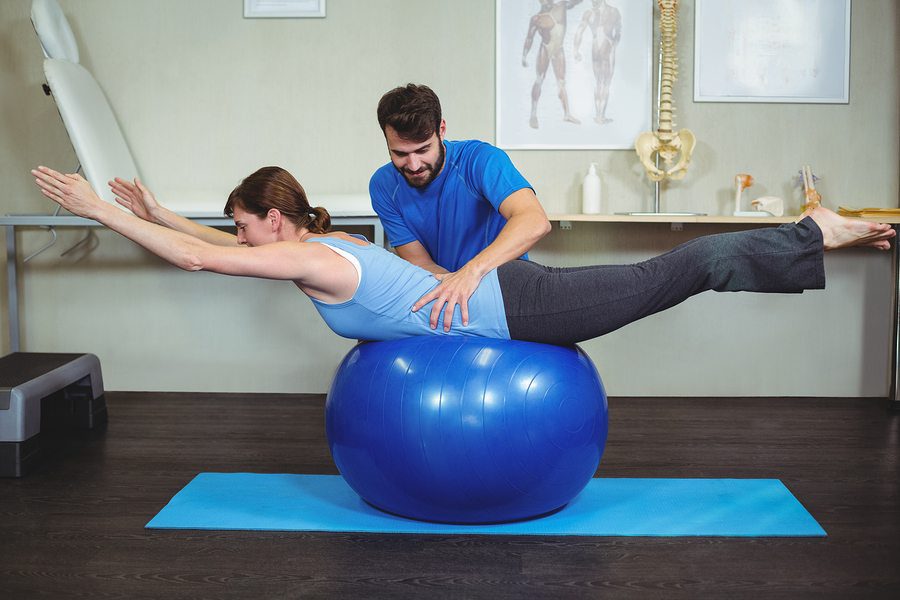
Core exercises will strengthen muscles that support the spine. Planking is an excellent exercise. Lay with your chest on the floor. Support your body weight on your toes and your elbows/forearms. Lift your body off the ground and maintain this position as long as possible.
5. Lose Weight.
Reduce extra body weight, which will remove stress from the spine and pressure from the vertebral discs.
Spinal Alignment
6. Spine Distraction TherapyThis therapy can be done at home to relieve stress on the vertebral discs. Lay with your upper body on a bed or soft surface. Let your legs hang off. The surface needs to be high enough that your knees don�t touch the ground. Allow gravity to pull your lower body down, which will expand the space between the vertebrae and allow the discs to return to a normal position.
Soldiers routinely carry between 50 and 100 pounds of gear i.e. body armor, weapons, flack vests, rucksacks, and ammo.
This weight is directly affecting the spine and increasing spine related problems for military men and women. Carrying gear weighing over 10% of a persons body weight is known to cause damage to the spine and vertebral disc.
For Answers to any questions you may have please call Dr. Jimenez at 915-850-0900
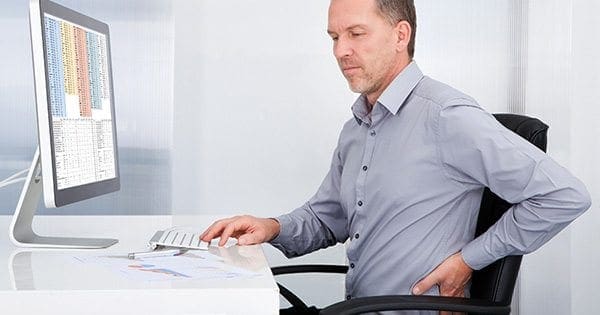
The bipedal posture of humans carries many benefits for us, but alternatively, this standing posture also adds pressure on the spine as well as other bones and surrounding muscles of the body. Together with an individual�s improper sitting position and the natural wear and tear degeneration of tissues through age, it�s not uncommon for individual�s to develop symptoms of back pain. In fact, back pain is considered to be the second most common cause people seek medical attention, only next to upper-respiratory infections. According to some experts, as many as 80% of individuals may experience back complications at some point in their lives.
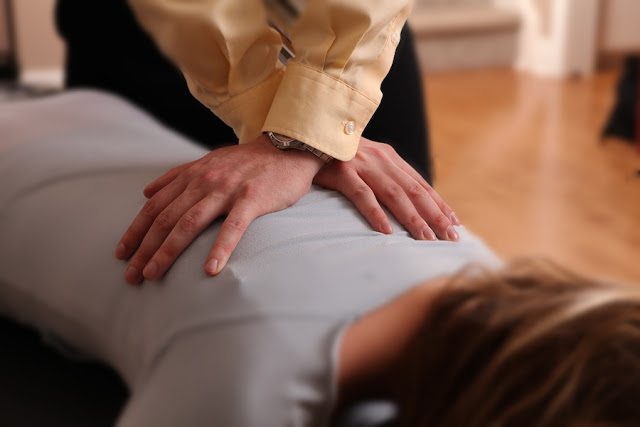
Although back pain and its associated symptoms is common among the population, treating your injury or condition is crucial for individuals to achieve a healthy lifestyle. Chiropractic care focuses on the structure and function of the human body, primarily that of the spine. A chiropractor can diagnose a possible injury or condition causing back complications and determine the most appropriate treatment for each individual using spinal adjustments, manual manipulation and occasionally, recommending exercise and dietary lifestyle changes to improve a person�s wellbeing. Chiropractic adjustments can be an effective treatment for back pain as well as other types of pain.
Additionally, before relying on chiropractic care for diagnosing and treating a back complication, the common injuries or conditions relating to back pain can be prevented in a variety of ways such as,�maintaining a healthy diet and weight are important towards preventing back pain,�avoiding prolonged inactivity or bed rest, staying active, warming up or stretching before exercising or participating in other physical activities to avoid further injuries, maintaining a proper posture, wearing comfortable, low-heeled shoes, and sleeping on a mattress of medium firmness to minimize any curve in the spine.
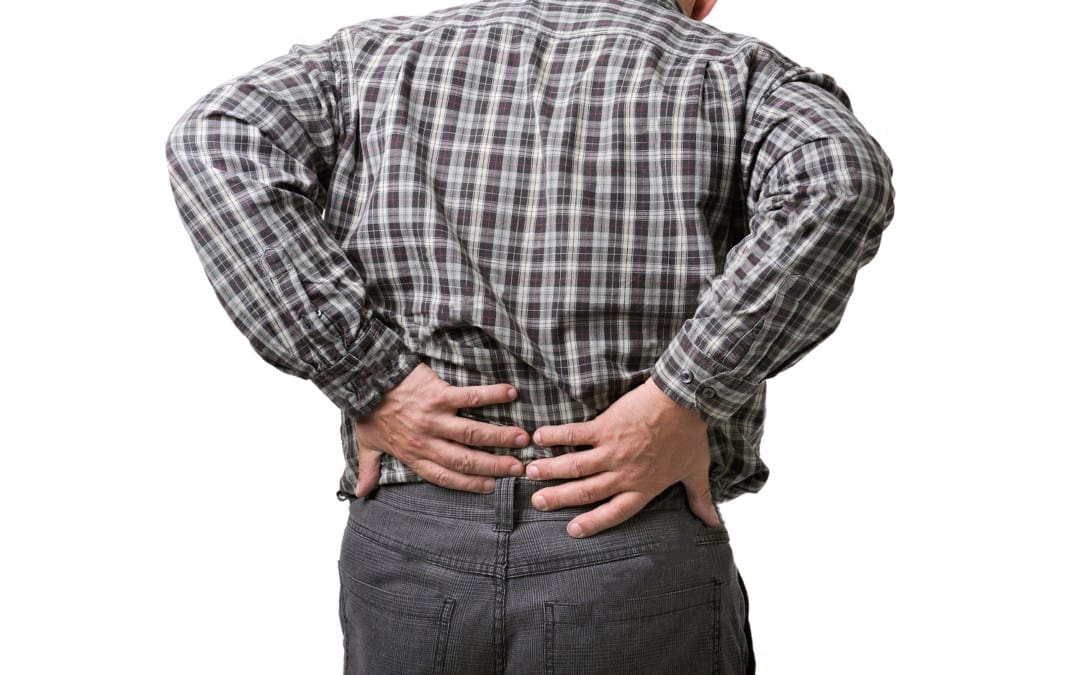
Many people frequently experience back complications resulting from their everyday life routines. Back injuries can range from a sharp pain to a dull ache, typically associated with symptoms of tingling, numbness, and/or burning sensations.�While a majority of back complications can be considered minor injuries that usually heal rapidly, some complications can often develop into chronic back pain and chiropractic treatment can help. For more information, please feel free to ask Dr. Jimenez or contact us at (915) 850-0900.
The spine is a complex structure that consists of bone, muscle, tendons, ligaments, nerves and other tissues. Spine fitness is essential towards maintaining the body�s optimal performance as it functions to support an upright posture, provides flexibility to allow the body to bend and twist freely, and protect the spinal cord. While a healthy back can easily be taken for granted, a�back injury�or other type of complication may result in long-lasting consequences that could alter an individual�s aspect of daily life.
Unfortunately,�back injuries�are among the most common types of complications suffered after an automobile accident. Each day, thousands of individuals are involved in head-on, side-impact, and rear-end auto collisions, often leading to spinal injuries even during minor car crashes. Depending on the force of the impact, a single or multiple areas of the back may be affected. Automobile injuries can range from mild sprains and bruises to fractured vertebrae and spinal cord damage.
If you�ve had a car accident, it�s essential to take note of any symptoms of�back pain, as there are a variety of spine complications which could result after experiencing an auto collision.
Central Sensitization & Auto Injuries
Recovering From Auto Injuries
Disc Herniation
One type of spine injury among individuals who have suffered from an auto accident is a�herniated disc, or a slipped/ruptured disc. Discs are small, sponge-like structures found within the spinal column which function as cushions to separate and protect the vertebrae from the others while providing the spine with smooth flexibility. The force from an auto accident impact can damage a disc, causing it to break or deform, affecting its ability to cushion the bones of the spine.
Furthermore, a damaged disc can also place unnecessary pressure directly on the nerves surrounding it, leading to symptoms of pain, numbness and weakness on the region of the body where the affected nerve travels to.
Disc injuries to the�lower back�frequently lead to a group of symptoms commonly referred to as sciatica, which is characterized by radiating pain, numbness and tingling sensations in the leg and/or buttock on either side, or occasionally, in both sides, depending on the type of injury. The symptoms associated with sciatica can be impairing and may worsen over time if left untreated.
Auto Injury Back Pain
Spinal Cord Distress
Spinal cord injuries occur from the impact of an automobile accident. It sends a direct blow to the spine, that damages the delicate bundle of nerves within it. The spinal cord is the most important structure between the body and the brain. It is a vital link between the brain and the body, functioning to carry essential information back-and-forth from the brain to the central nervous system, facilitating motor control and sensory function. Spinal cord injuries impair the brain�s ability to communicate effectively with the rest of the body, resulting in paralysis and/or lack of sensation in all or part of the body. The more severe an injury to the spinal cord is, the more of the body will be affected.
Compression Fracture aka Bone Break
Car accidents can also cause compression fractures. Compression fractures or cracks in the bones of the spine may cause the vertebrae to collapse and deform. This can permanently alter the shape and structure of the spine.
Symptoms of a compression fracture include pain and postural changes as well as breathing difficulties. Due to the fact that compression fractures are common among older adults, many individuals mistake the symptoms for�signs of aging�or arthritis. An estimated two-thirds of compression fractures go undiagnosed.
While cars are built to withstand the great force of a collision, the human body is not. The complex structures of the body, especially the spine, are vulnerable even in low speed collisions, resulting in injuries or conditions more often than not. An individual who�s been injured in an accident should seek immediate medical attention in order to diagnose any possible injuries or conditions as early as possible to begin treatment.�Chiropractic care�can effectively treat a variety of spinal complications, including auto injuries. Through the use of spinal adjustments and manual manipulations, a chiropractor can gradually help restore the individual�s natural mobility and flexibility, as well as progressively strengthen the structures surrounding the spine to relieve the symptoms and restore the individual�s lifestyle.
After being involved in an automobile accident, injuries inflicted to the spine can be a common complication for many individuals. From herniated discs to compression fractions, the force of an auto collision can place great amounts of stress on the complex structures of the spine, often leading to damage, injuries and even aggravate an existing condition.
For more information, please feel free to ask Dr. Jimenez or contact us at 915-850-0900 .
The Clinic & Crossfit:
A Clients Story
Jacqulyn Quevas is up on her feet a lot as a hair stylist and she was�searching for�and overall become healthier and once she found Push-as-Rx ��, her amazing journey began. The motivation and enthusiasm of the trainers at Push as Rx has greatly influenced Jacqulyn.
The clinic and PUSH-as-Rx �� system is leading the field with laser focus supporting our youth sport programs.� The PUSH-as-Rx �� System is a sport specific athletic�program�of reactive agility, body mechanics and extreme motion dynamics. Through detailed and continued assessments of the athletes in motion and under stress loads offer a clear scientific picture of body dynamics. This system also has helped many athletes come back from injury faster, stronger, and ready to safely return to their sport without losing a beat after recovery. Results demonstrate clear improved agility, speed, decreased reaction time and advantageous postural-torque mechanics.� PUSH-as-Rx �� offers specialized extreme performance enhancements to our athletes no matter the age.
If you�ve had a car accident, it�s essential to take note of any symptoms of�back pain, as there are a variety of spine complications which could result after experiencing an auto collision.
IFM's Find A Practitioner tool is the largest referral network in Functional Medicine, created to help patients locate Functional Medicine practitioners anywhere in the world. IFM Certified Practitioners are listed first in the search results, given their extensive education in Functional Medicine


















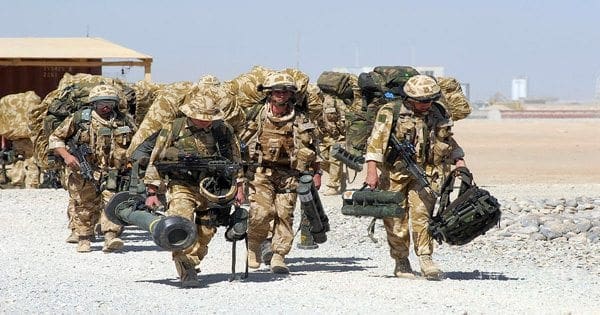
 Soldiers routinely carry between 50 and 100 pounds of gear i.e. body armor, weapons, flack vests, rucksacks, and ammo.�This weight is directly affecting their spine and increasing spine related problems for military men and women. Carrying gear weighing over 10% of a persons body weight is known to cause damage to the spine and vertebral discs. It is no surprise that the main complaint from soldiers returning home would be neck & back pain, followed by hip and knee problems. The VA has seen over 396,000 veterans already for these musculoskeletal problems, which is roughly 31% of the returning soldiers. It is assumed many more have not sought medical care or have gone to private medical center.
 absorbers between the spinal vertebrae. If these discs become worn and degenerated the spine can no longer function correctly. Compensation and adaptation sets into the spine and other structures such as the hips, knees, and muscles of the back.