
by Dr Alex Jimenez DC, APRN, FNP-BC, CFMP, IFMCP | Chiropractic, Physical Rehabilitation, Spine Care, Wellness
El Paso, TX. Chiropractor Dr. Alex Jimenez examines good health and wellness.
Most individuals will experience neck or back pain at some time in their own own lives. Neck pain and back are among the leading causes of disability worldwide, along with the number of cases is increasing. Some factors behind this are increased usage of cellular devices bad position, and unhealthy lifestyle choices.
Though it’s not necessarily possible to stop neck and back pain, you will find steps individuals can take to help decrease the chance it is going to occur.
Why good posture?
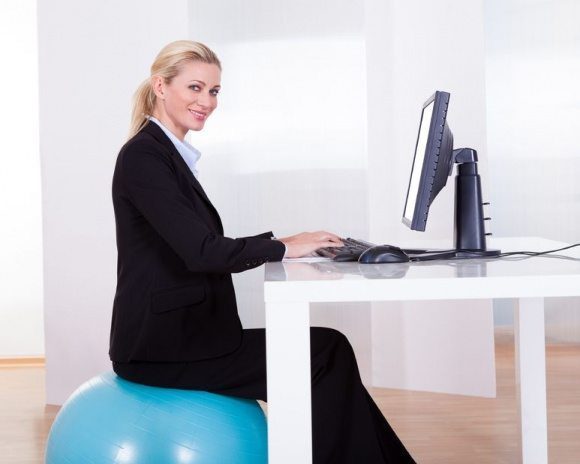
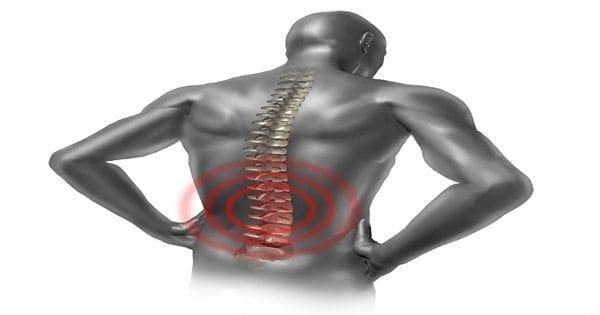
One of the most important approaches to ensure your spine stays healthy would be to keep good posture. A healthy back has three natural curves� an external curve at the upper back an inward curve at the neck, and an inward curve at the low back. Proper bearing helps maintain these curves that are natural and puts minimal pressure in your joints. Defective bearing does the opposite. It may stress or pull muscles, causing pain and musculoskeletal imbalances in the back, neck, and extremities. Some typical postural blunders rounding your shoulders are positioning your face too much forward, and slouching so you lose the normal curve in the lower back.
Cellular Devices &�Neck Pain

The increasing use of cellular devices can bring about inferior spine health, influencing our posture and body mechanics in ways that are unhealthy. Kenneth K. Hansraj, MD, the Chief of Spine Surgery at New York Spine Surgery and Rehabilitation Medicine, created a computer model of the cervical spine that demonstrated how use of mobile devices directly contributes to neck pull. In an article published in Surgical Technology International, Dr. Hansraj, MD, revealed that neck pull increases as the forward angle of the head increases, as it does when you look down at your cell phone or tablet. As you lean your head, you round another aspect of poor position, your shoulders. All this surplus strain creates additional wear and tear on the structures of the neck, upper spine and back, and can result in spinal degeneration that could need surgery.
Body Mechanics &�Prevention Tips

Good posture and placement is particularly important when you’re bending over, squatting, and when you are lifting things. When lifting boxes or alternative things you should avoid twisting your body. But it also is crucial to keep good posture while standing and sitting. It really is a lot more crucial that you develop a good ergonomic working arrangement to safeguard your spine with people spending increasing quantities of time at work,. Over time, poor sitting posture and workplace ergonomics can damage spinal structures and contribute to persistent or persistent back and neck pain.
Sleep Time
One other place people spend a sizable percentage of the time is in bed. That makes it vital to truly have a mattress that enables you to have a supporting and restful slumber. The identical natural spinal alignment you have is maintained by a mattress that is good when standing and will help prevent back pain.
Eat Well &�Exercise Frequently

The diet and exercise choices you make might assist you to protect your back. Exercise can help prevent back pain and neck pain by strengthening the muscles supporting your vertebrae. Strength training, flexibility training, and aerobic exercise are part of a healthy exercise routine, and every type of exercise contributes to spinal health. Great nutrition also is crucial to helping us reach our optimum well-being and feel our best. A nutritious diet along with exercise also assist you to keep a healthier weight, that is just another approach to simply help make sure your back is not overstrained.

Smoking, Your Brain, Chronic Back Pain & Bone Health

Another lifestyle alternative that’s damaging to spine health is cigarette smoking. Researchers from Northwestern University conducted a study demonstrating that smokers are three times more likely than nonsmokers to develop chronic back pain. �Smoking affects the brain,� according to scientist Bogdan Petre, who headed the study, which was published on the internet in the journal Human Brain Mapping. �We found that it appears to make people less resilient to an episode of pain and changes the way the brain responds to back pain.�
Smoking also reduces bone density, which increases the risk for osteoporosis along with other degenerative spine conditions, and it can reduce the success of spinal fusion. People who are facing fusion or any back surgery should make every endeavor to avoid smoking. The associated dangers will reduce and raise the probability of an effective spinal fusion surgery.

Call Today!

by Dr Alex Jimenez DC, APRN, FNP-BC, CFMP, IFMCP | Chiropractic, Herniated Disc, Lower Back Pain, Spinal Decompression Treatments, Spine Care
El Paso,TX. Chiropractor Dr. Alex Jimenez looks examines a�herniated disc.
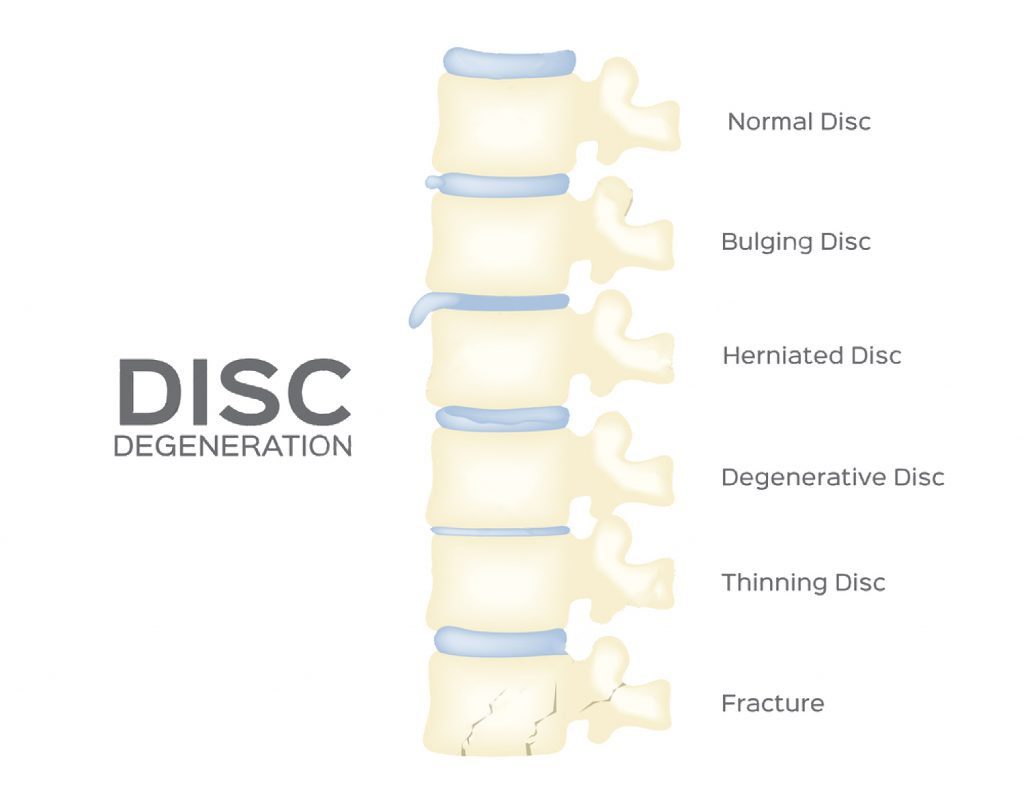
Herniated disc is a somewhat common condition that can occur anywhere along the spinal column, but most commonly affects the lower back or neck area. Also known as ruptured disk or a slipped disc, a herniated disc develops when one of the pillow-like pads between the vertebrae moves out of position and presses on nerves that are adjacent.
Herniated discs are usually caused by overuse injuries or injury to the back; however, disc conditions may also develop as a result of the standard aging process. It’s also known that there is a genetic factor that leads to the evolution of herniated disc and disc degeneration. As the size of herniation shrinks with time via resorption, typically, a herniated disc in the lower back will heal within six months. If physical therapy, drugs along with other treatments fail, operation may be needed.
What’s A Disk?
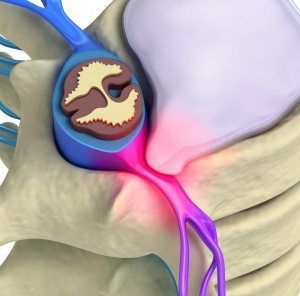
Spinal discs are cushion-like pads located between the vertebrae. Without these �shock absorbers,� the bones in the spinal column would grind against one another. Along with giving the backbone flexibility and making movements like twisting and bending potential, discs protect the spine by absorbing the effect of trauma and body weight. Each disk has a strong outer layer called annulus fibrosus and a soft, gel-like center, called nucleus pulposus. There are fibers on the outside of each disc that attach to adjoining vertebrae and hold the disc in position. A herniated disc occurs when the gel as well as the outer layer tears or ruptures -like middle leaks to the spinal canal.
The spinal canal has only enough space to place spinal fluid and the spinal cord. When a disc herniates and spills to the spinal canal, it could cause compression of spinal cord or the nerves. Alterations in sensation and intense, debilitating pain often happen. Furthermore, the gel-like substance inside the disk releases chemical irritants that bring about pain and nerve inflammation.
What Causes A Herniated Disc?
As we get older, the spinal disks gradually lose fluid volume. This process progresses slowly and begins at about age 30, over time. As the disks dry out, tears or microscopic cracks can form on the outer surface, causing it to become weak, fragile and much more susceptible to injury. The most common causes of herniated disc are:
- Wear and tear: Disks dry out and aren�t as adaptive as they were.
- Repetitive�movements: Work, lifestyle, and certain sports activities that place stress on the spine, especially the lower back, further weaken an already vulnerable area.
- Lifting the wrong way: Never lift while bent at the waist. Proper lifting entails lifting with a straight back and your legs.
- Injury: High-impact trauma can create the disk to bulge, tear or rupture.
- Obesity: Carrying excess weight places an undue amount of strain on the back.
- Genetics: There are a few genes which might be more typically present in individuals with disc degeneration. More research is necessary to investigate the role of those genes�they could be targets of biological treatment in the future.
Which Are The Symptoms Of A Herniated Disc?
Pain from a herniated disc can fluctuate, determined by severity and the place of the harm. It is typically felt on one side of the body.
Little or no pain could be felt in case the injury is minimal. Pain might be severe and unrelenting, in the event the disk ruptures. If significant nerve impingement has occurred pain may radiate to an extremity in a certain nerve root distribution. For instance, sciatica is often resulting from herniated disc in the low back. Herniated disc can manifest itself with a variety of symptoms, including:
- Dull ache to severe pain
- Numbness, tingling, burning
- Muscle weakness; spasm; altered reflexes
- Loss in bowel or bladder control (Note: These symptoms constitute a medical emergency. When they occur, seek medical attention immediately).
How Is A Herniated Disc Diagnosed?
History and physical examination point to some diagnosis of herniated disc. A herniated disc is likely if low back pain is accompanied by radiating leg pain in a nerve root distribution with positive straight leg raising test (ie, elevating the leg while lying down causes radiating pain down the leg), as well as other neurologic deficits for example numbness, weakness, and altered reflexes.
Imaging studies usually are ordered to confirm a diagnosis of herniated disc. X rays are not the imaging medium of choice because soft tissues (eg, discs, nerves) are hard to capture with this specific technology. However, they might be used as an initial tool to eliminate other illnesses such as for instance fracture or a growing. Confirmation of the feeling of herniated disc is generally achieved with:
- Magnetic Resonance Imaging (MRI): This technology shows the spinal cord, surrounding soft tissue and nerves. It really is the best imaging study to support the identification of a herniated disc.
- Nerve Conduction Studies (NCS) and Electromyogram (EMG): These studies use electric impulses to measure the level of harm to the nerve/s brought on by compaction from a herniated disc along with other conditions that cause nerve impingement may be ruled out. NCS and EMG are not routine evaluations to diagnose herniated disc.
Herniated discs occasionally heal independently through a process called resorption. This means the disk fragments are consumed by the body. Most people suffering from herniated disc do not need surgery and react well to conservative treatment.
Call Today!
by Dr Alex Jimenez DC, APRN, FNP-BC, CFMP, IFMCP | Chiropractic, Spine Care, Wellness
Modern chiropractic started in the late 1800s when Daniel David Palmer, a self-educated teacher and healer, performed the very first spinal manipulation on a patient. Chiropractic is the third largest area of medicine today. The word chiropractic comes from Greek words meaning “treatment by hand”, which is exactly what chiropractors do�they use their hands to manipulate the body and promote healing and wellness.
The chiropractic philosophy is dependant on the following belief statements:
- All bodily functions are connected as well as the healing process requires the entire body.
- A healthy nervous system, especially the spine, is the important thing to your healthier body. The spinal cord carries advice throughout the body and is accountable for many bodily functions including voluntary movements (such as walking) and involuntary functions (like respiration). When the systems of the body have been in equilibrium, it is called homeostasis. Disorders of the bones, muscles, and nerves increase the risk of disorder along with other health problems and can disrupt homeostasis.
- When body systems are in harmony, the human anatomy gets the extraordinary ability to keep well-being and treat itself.
Chiropractors
They use traditional diagnostic testing strategies (like x-rays, MRI, and laboratory work) along with specific chiropractic techniques that involve hands-on manipulation of the articulations (joints) of the body. Nutrition and healthful lifestyle counseling is also offered by chiropractors. Chiropractors elect to not prescribe drugs, plus they do not perform operation; however, many chiropractors work with medical doctors and certainly will refer a patient when needed.
Chiropractors believe among the chief reasons for pain and disease is the misalignment of the vertebrae in the spinal column (this is known as a chiropractic subluxation). Through the usage of manual detection (or palpation), carefully applied pressure, massage, and manual manipulation of the vertebrae and joints (called adjustments), chiropractors are able to alleviate pressure and irritation on the nerves, restore joint mobility, and help return the body’s homeostasis.
Some chiropractors dedicate their practices exclusively to finding and removing subluxations. But in addition to using manual adaptations, most chiropractors offer other treatment modalities such as the following:
- Physiotherapy
- Herbal therapy
- Heat/cold therapy
- Ultrasound
- Electric muscle stimulation
- Acupuncture
- Manipulation under anesthesia
- Traction
- Massage
- Exercise programs and teaching
- Lifestyle and nutrition counselling
- Physical rehabilitation
Additionally, many chiropractors have considerable postgraduate training and become board certified in some specific regions of interest such as for instance:
- Neurology
- Orthopaedics
- Sports medicine
- Physical rehabilitation
- Nourishment
- Diagnostic radiology
In Overview
Chiropractic has come a long way since its beginnings. Due to its success in treating back and neck problems and as a consequence of changing approaches and recent research, chiropractic has become more accepted and is currently considered by many to be a piece of mainstream Western medicine. Actually, many hospitals finally have chiropractors on staff. Chiropractors will also be recognized by the court system as expert witnesses inside their field.
Call Today!
by Dr Alex Jimenez DC, APRN, FNP-BC, CFMP, IFMCP | Chronic Back Pain, Lower Back Pain, Mobility & Flexibility
Kettlebells Strengthen the Spine
Strengthening the spinal muscles is essential for health and fitness. Functional kettlebell training is resistance training that strengthens the spine. Kettlebell training is an extremely effective type of exercise to increase functional strength, ballistic power, endurance, and flexibility in the entire body, especially the spinal and core muscles.
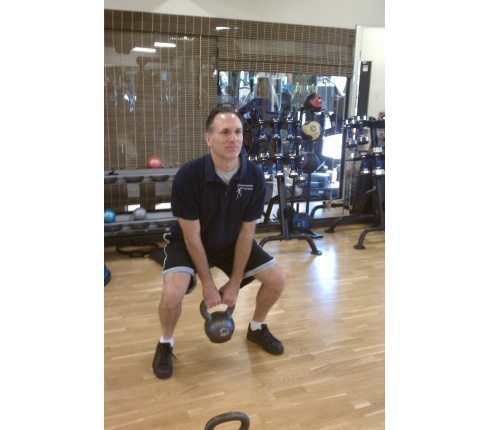
(Exercise shown is Anchor Squats.)
What Exactly Are Kettlebells?
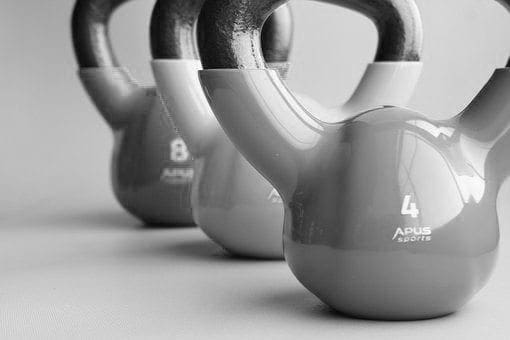
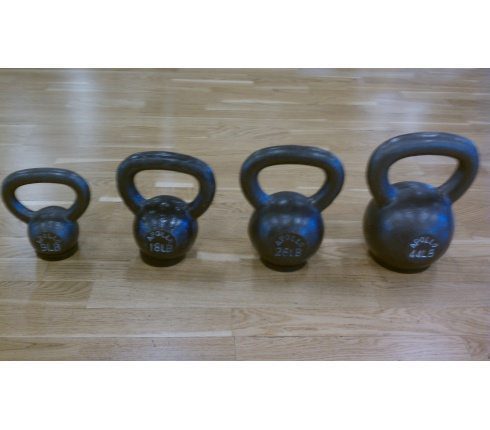
Kettlebells are round cast iron weights with a single handle. Picture a cannonball with a u-shaped handle. Kettlebells are manufactured in a wide range of weights, for all strength levels.
Muscles Used in Kettlebell Training
Kettlebell training incorporates large functional movements. Multiple muscle groups work in synergy to complete the exercises. The spinal muscles function as either the primary mover or assist the primary mover in every kettlebell exercise. The spinal muscles also stabilize the body during functional kettlebell training, thus developing the smaller supporting structures.
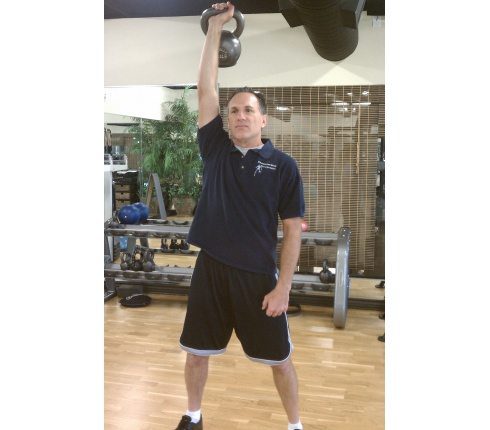
(Exercise shown is Push Press.)
High Reps Of High Importance In Kettlebell Training
Kettlebell training employs high repetitions, momentum, and centrifugal force. Momentum works the spinal muscles as the weight is raised and lowered. High repetitions combined with momentum and full body movement build strength and endurance in the entire musculoskeletal and cardio-vascular systems. Kettlebell training delivers aerobic and anaerobic benefits.
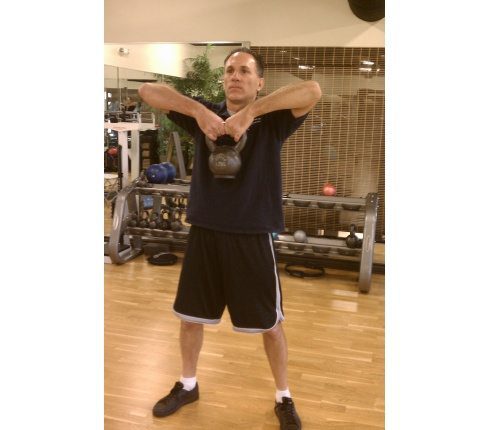
(Exercise shown is High Pulls.)
Always Learn From A Qualified Kettlebell Instructor
Perfect technique is mandatory during exercise. Correct exercise technique maximizes benefit and lowers injury risk. Poor exercise form increases the possibility of injury and diminishes results. Kettlebell exercises are learned motions, so you should learn proper training technique from a qualified kettlebell trainer. The trainer should demonstrate, instruct, and supervise your training and develop your routine.
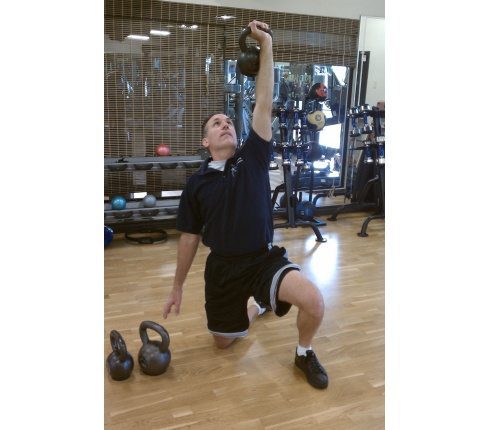
(Exercise shown is Turkish Get-up.)
So Many Possibilities
The kettlebell�s shape allows for a wide variety of exercises. This resourceful exercise tool is used for basic exercises like squats (shown in slide 1), cleans, swings, high pulls (shown in slide 4), snatches and push presses (shown in slide 3). The versatility of the kettlebell is demonstrated with exercises such as renegade rows (a combination of push-ups and rows�shown in slide 6), suitcase swings, woodchoppers (a combination of lunges and oblique twists), windmills, and Turkish get-ups (shown in slide 5)
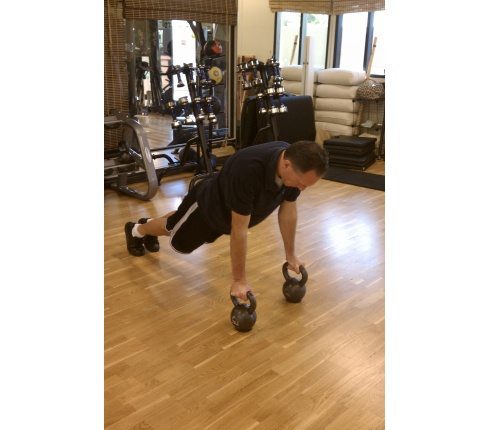
(Exercise shown is Renegade Rows.)
Kettlebell’s Benefits For The Spine
Functional kettlebell training is a rare type of exercises that increases aerobic and anaerobic health simultaneously. The benefits to the spine include increased strength, power, endurance, flexibility, function and mobility.
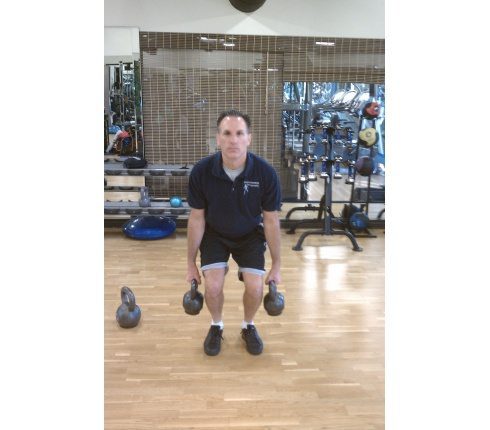
(Exercise shown is Suitcase Swings.)
Call Today!

by Dr Alex Jimenez DC, APRN, FNP-BC, CFMP, IFMCP | Lower Back Pain, Physical Rehabilitation, Spine Care
Pilates for Pain
Exercise can help with back pain�you’ve probably heard that before. And Pilates tops the list of “helpful for your back” exercises.
This shows 4 Pilates moves to prevent pain. Of course, talk to your doctor before beginning an exercise plan.
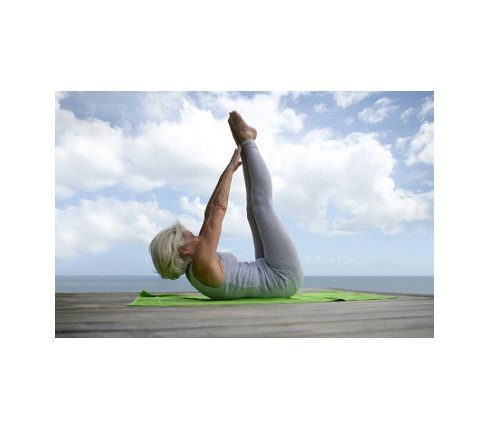
Warm-up Your Spine with this Exercise
Cat/Cow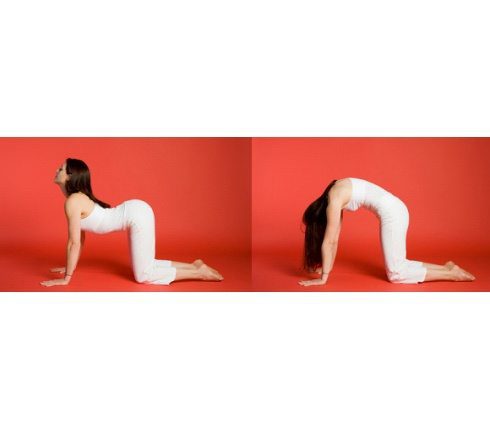
The cat/cow stretch lengthens and strengthens the muscles along your spine.
- Start on hands (shoulder-distance apart) and knees (hip-distance apart).
- Inhale and look up as you slightly arch your spine. Then exhale, engage your abdominal muscles, and draw your belly button toward your spine as you gaze at your navel. Repeat 5 to 10 times every day.
Chest Lift

Not Your Average Sit-up
The chest lift is similar to a basic crunch. The difference? This move deeply targets your abs.
- Lie on your back with knees bent and feet flat (hip-distance apart). Bring hands behind head with fingertips touching. Elbows are wide open.
- Inhale, and then as you exhale, pull belly button toward the spine and lift the shoulders off the ground (leading with chest). Really use your abs to lift�not your neck. Inhale again as you release toward the ground. Repeat 6 to 8 times daily.
Pelvic Curl
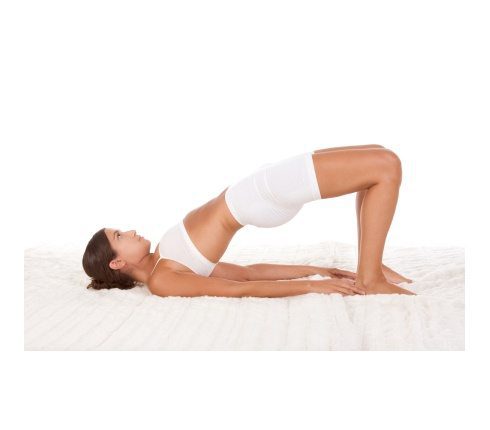
A Pose to Help Ease Low Back Pain
Doing this exercise regularly teaches you how to engage your abs to help support and lengthen the low back.
- Start by lying on your back with knees bent and feet flat (hip-distance apart).
- Arms are straight along the sides of your body and palms are touching the ground. Inhale deeply and engage your abs as you lift your hips off the floor�vertebra by vertebra.
- Exhale and roll back down very slowly, engaging core muscles. Link breath with movement. Repeat 3 to 5 times daily.
Child�s Pose
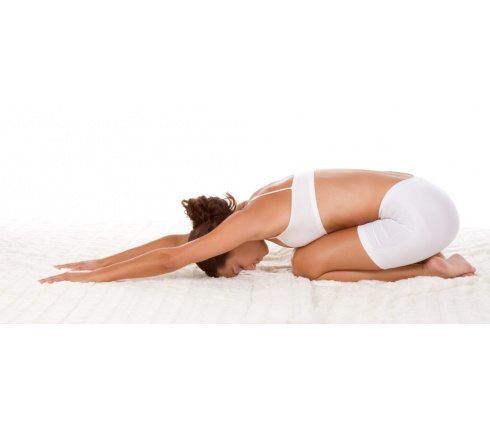
An Easy, Restorative Stretch
This move really stretches tight, sore low back muscles.
- From hands and knees, bring hips toward heels, and stretch arms in front of you so palms are touching the ground.
- Press forehead gently to the floor and do some deep belly breathing. Bring hands toward the legs to slowly sit up. Repeat 3 times daily.
Call Today!
by Dr Alex Jimenez DC, APRN, FNP-BC, CFMP, IFMCP | Chiropractic, Posture, Spine Care
The McKenzie system is a way of evaluating and treating spinal disorders. It’s practiced commonly throughout the entire world. Physical therapists contain the bulk of McKenzie practitioners but physicians and chiropractors practice the process additionally.
Numerous exercise regimens have been recommended for treating spinal pain. Although the dependability of McKenzie’s classification and evaluation system was challenged in the literature, this method of spinal rehabilitation has provided considerable relief of pain for patients that were innumerable. Like all spinal exercise plans, the precise prescription of exercise should be customized to the individual ‘s physical examination findings.
Training
Training includes a sequence of four courses over a specific amount of time culminating in a certification assessment. For many who pursue additional training, a diploma program (consisting of a 3 month residency) is offered. The McKenzie Institute is a not-for-profit organization that oversees the education and training of clinicians that are interested.
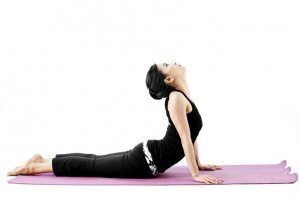
Spinal TechniqueIn the McKenzie system, clinicians perform a thorough history and evaluation. This consists of finding the patient’s response to duplicated, end-range spinal movements. The patient is then given a “mechanical analysis.” Most patients are diagnosed with derangement, dysfunction or postural syndromes. Patients are treated by a composite of postural alterations, specific exercises, and in a few instances, spinal mobilization or manipulation.
Common Analysis
The most common diagnosis is the derangement syndrome. It is believed to result from an alteration in the structure and mechanics of the intervertebral disc. In the derangement syndrome, positions and exercises that “centralize” the pain (move it closer to the back) are highlighted. Those movements and positions that peripheralize the pain (move it away from the back) are averted.
Patients Take An Active Role In Recovery
The patient must take an active part in their own healing. The process was created to accomplish favorable results in as few treatments as possible. It is hoped that continuance of appropriate positions of maintenance as well as exercises will prevent recurrence. Patients will probably have the capacity to treat themselves, without intervention, if pain does recur.
The process was examined extensively and is supported by research. For more information, get in touch with a certified professional. Patients are counseled to seek treatment from a certified or a diplomaed clinician although McKenzie techniques are used by many professionals. Credentialed practicioners will have the initials Cert. MDT, or Dip.
Call Today!
by Dr Alex Jimenez DC, APRN, FNP-BC, CFMP, IFMCP | Chiropractic, Herniated Disc, Lower Back Pain, Spinal Decompression Treatments, Spine Care
What is a Herniated Disc?
Herniation of the nucleus pulposus (HNP) occurs when the nucleus pulposus (gel-like substance) breaks through the anulus fibrosus (tire-like structure) of an intervertebral disc (spinal shock absorber).
 A herniated disc occurs most often in the lumbar region of the spine especially at the L4-L5 and L5-S1 levels (L = Lumbar, S = Sacral). This is because the lumbar spine carries most of the body’s weight. People between the ages of 30 and 50 appear to be vulnerable because the elasticity and water content of the nucleus decreases with age.
 The progression to an actual HNP varies from slow to sudden onset of symptoms. There are four stages: (1) disc protrusion (2) prolapsed disc (3) disc extrusion (4) sequestered disc. Stages 1 and 2 are referred to as incomplete, where 3 and 4 are complete herniations. Pain resulting from herniation may be combined with a radiculopathy, which means neurological deficit. The deficit may include sensory changes (i.e. tingling, numbness) and/or motor changes (i.e. weakness, reflex loss). These changes are caused by nerve compression created by pressure from interior disc material.

Progression of Herniated Disc
The extremities affected are dependent upon the vertebral level at which the HNP occurred. Consider the following examples:
Cervical – Pain in the neck, shoulders, and arms
Thoracic – Pain radiates into the chest
Lumbar – Pain extends into the buttocks, thighs, legs
Cauda Equina Syndrome occurs from a central disc herniation and is serious requiring immediate surgical intervention. The symptoms include bilateral leg pain, loss of perianal sensation (anus), paralysis of the bladder, and weakness of the anal sphincter.
Diagnosis of a Herniated Disc
The spine is examined with the patient laying down and standing. Due to muscle spasm, a loss of normal spinal curvature may be noted. Radicular pain (inflammation of a spinal nerve) may increase when pressure is applied to the affected spinal level.
A Lasegue test, also known as Straight-leg Raising Test, is performed. The patient lies down, the knee is extended, and the hip is flexed. If pain is aggravated or produced, it is an indication the lower lumbosacral nerve roots are inflamed.
Other neurological tests are performed to determine loss of sensation and/or motor function. Abnormal reflexes are noted as these changes may indicate the location of the herniation.
Radiographs are helpful, but Computed Axial Tomography (CAT) or Magnetic Resonance Imaging (MRI) provides more detail. The MRI is the best method enabling the physician to see the soft spinal tissues unseen in a conventional x-ray.
Radiographic Evidence of HNP

The findings from the examination and tests are compared to make a proper diagnosis. This includes determining the location of the herniation so treatment options can be reviewed with the patient.
Written by Edgar G. Dawson, MD; Reviewed by Howard S. An, MD

Call Today!








