Increase in sports-related fractures among young and active people
Any type of bone fracture, especially when the spine is involved, comes with the most common and debilitating symptom is severe pain.
Managing pain correctly is vital to the proper healing of a fractured bone.
Unfortunately, the common treatments prescribed to manage fracture pain can cause significant side effects, especially when used beyond the short-term or acute phase of pain.
Bone fractures cannot be always be avoided, but when it comes to osteoporosis, everyone can take steps to help minimize the risk of developing the condition.
How to Prevent Osteoporosis and Bone Fracture
First, understand that osteoporosis is not a normal part of the aging process.
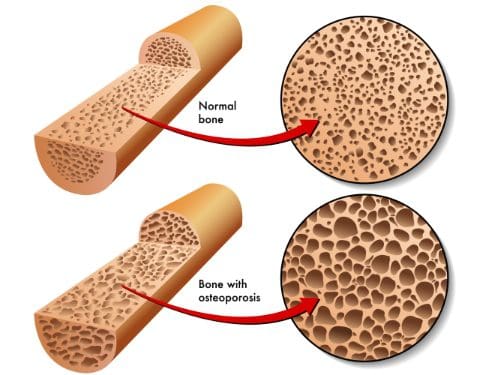
It is an irreversible and degenerative disease that causes bones to become porous over time.
Prevention should begin as early as possible, as this will benefit an individual later in life.
It’s never too late to begin taking steps!
Protecting the bones begins with the most important thing and that is diet.
Most individuals’ diet does not fill the recommended daily values of calcium and Vitamin D.
Both are essential for strong bone health and density.
Diet must be well-balanced with an abundance of:
Green leafy vegetables
Fruit
Dairy sources high in calcium:
Milk
Yogurt
Cheese
However, vitamin D is typically highest in sources of wild-caught fatty fish like salmon and tuna.
Regular exercise is the next important step to help reduce the risk and keep bones strong.
Do exercises that are both:
Weight-bearing (high/low-impact aerobics or walking/jogging)
Muscle-strengthening (weightlifting and exercise bands)
Yoga and Pilates can also help to improve:
Strength
Balance
Flexibility
These are essential in the prevention of bone fractures from falls.
Engage in exercise that you enjoy, this way you will stick with it on a regular basis.
Try for two to three sessions a week if you�re beginning and try to work up to five.
While diet and exercise are extremely important to prevent osteoporosis, there are some areas that should be removed from the lifestyle or limited.
Smoking
Alcohol
These chemicals in bothcigarettes and heavy alcohol consumption are known to be significant contributors to bone loss.
Injury Medical & Chiropractic Clinic offers not only chiropractic treatment, but exercise, and diet programs set up by professional life/health coaches that are customized to each patient. Set up an appointment today, we can help!
Chronic Body Pain Treatment El Paso, TX Chiropractor
Aracely Norte suffered a slip-and-fall accident which tremendously limited her ability to work, affecting her quality of life. Due to the chronic pain she experienced, Aracely had difficulty engaging in her regular, everyday responsibilities. After her lawyer recommended Dr. Alex Jimenez, chiropractor, Aracely found the relief she was looking for.
Chronic pain is a common issue that can occur due to a variety of reasons, including injuries and underlying conditions, however, chiropractic care can help eliminate chronic pain symptoms from the source.
NCBI Resources
As with most conditions, prevention is the most�effective treatment. If you have a family history or fall under any of the risk factors, there are things you can do to minimize the effects or prevent the conditions completely.
Your chiropractor can talk to you about lifestyle changes, exercise, and�diet�as well as supplements that you can take. Chiropractic adjustments can also be effective for many patients with osteopenia and osteoporosis as long as the chosen technique is a low force technique like Activator.
All can help relax muscles, relieve pain and increase mobility.
Proven Reduced Back Pain with *FOOT ORTHOTICS* | El Paso, Tx
Kent S. Greenawalt, President, and CEO of Foot Levelers discuss how custom foot orthotics can help reduce back pain, low back pain, and sciatica.
In a recent research study published by the American Congress of Rehabilitation Medicine (ACRM), researchers demonstrated that Foot Levelers custom foot orthotics help considerably reduce back pain and several of its associated health issues.
The research study also demonstrated that Foot Levelers custom foot orthotics and chiropractic care help tremendously reduce low back pain and sciatica.
Foot Levelers custom foot orthotics and chiropractic care helped improve the patient’s overall health and wellness.
Dr. Alex Jimenez is a chiropractor in El Paso, TX. can help provide these benefits through the utilization of chiropractic care and Foot Levelers custom foot orthotics, among other treatments.
NCBI Resources
Pain in the upper and/or mid-back is not as common as lower back or neck pain. The upper back is called the thoracic spinal column, and it is the most secure part of the spine. The reach of movement in the upper back is limited because of the backbone�s attachments to the ribs (rib cage).
Upper back pain is generally caused by soft tissue injuries, like sprains or strains, muscle tension caused by bad posture, or looking downward for long time spans (eg, texting, mobile phone use).
Arachnoiditis arach�?noid�?itis (?- rak-n?id-??t-?s) is a condition that is characterized by stinging, burning pain and neurological problems.
A common symptom is chronic and persistent�low back pain, lower limb pain.
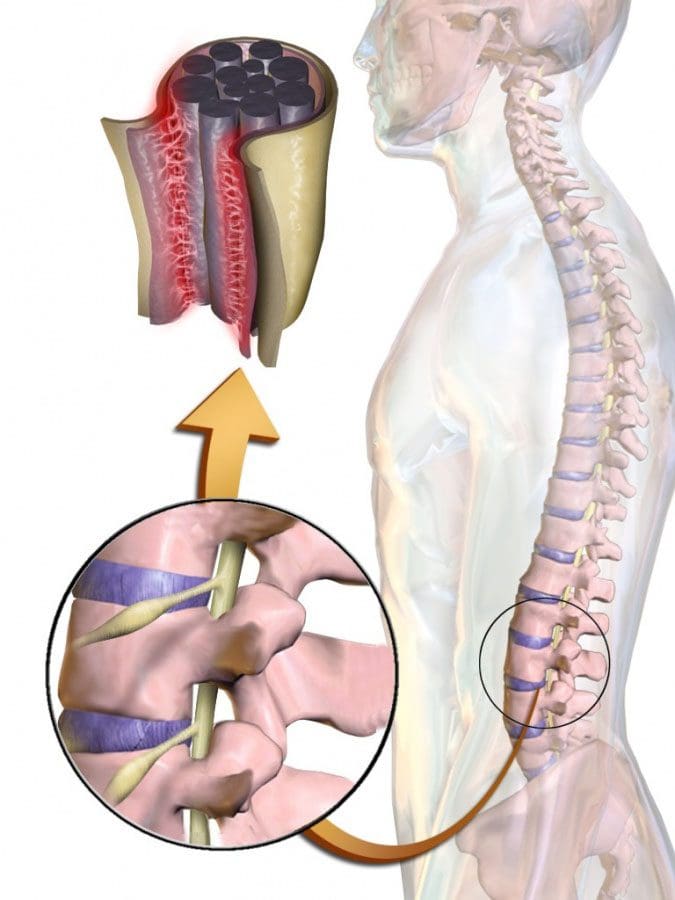
It is inflammation of the arachnoidlining. This is one of three linings that surround the brain and spinal cord.
This inflammation causes:
Constant irritation
Scarring
Binding of nerve roots
Binding blood vessels
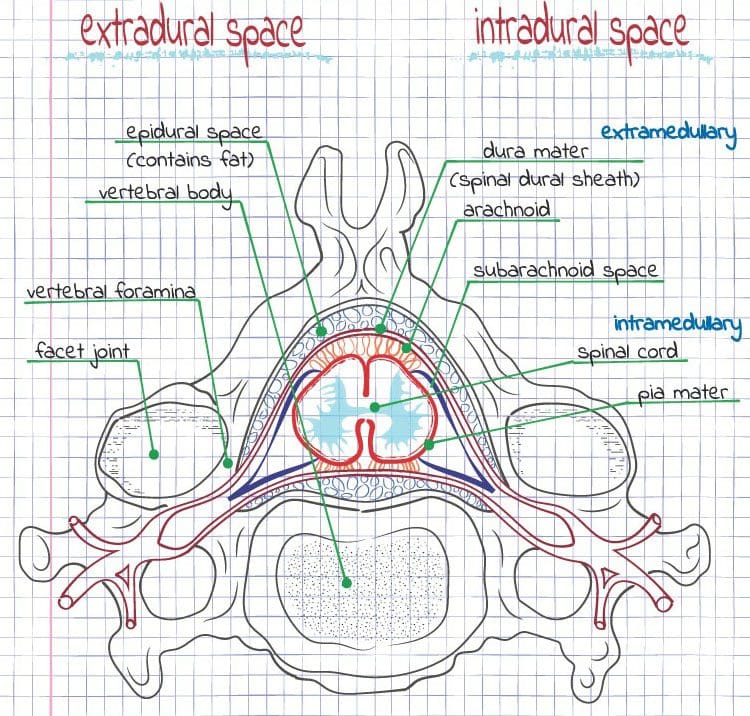
In the intradural space 3 meninges or protective membranes that surround the brain and spinal cord.
Dura mater
Arachnoid
Pia Mater
Symptoms of Arachnoiditis
Predominant symptoms are chronic pain in the:
Low back
Lower limbs
In severe cases the entire body
Other symptoms can include:
Leg tingling, numbness, and weakness
Weird sensations like the feeling of insects crawling on the skin or water running down the leg
Shooting pain like an electric shock sensation
Muscle cramps, spasms, and twitching
The bladder, bowel, and possible sexual dysfunction
Progression of the disease can make symptoms more severe and possibly permanent.
The pain is constant and incurable, which makes the disorder very debilitating. Those with arachnoiditis usually cannot work and have a disability.
Causes
Three main causes of arachnoiditis are:
Trauma/surgery
Arachnoiditis has been recognized as a rare complication of spinal surgery usually after multiple or complex surgeries.
It can also be caused by trauma to the spine.
Similar causes include:
Multiple lumbar punctures
Advanced spinal stenosis
Chronic degenerative disc disease
Chemical
Myelograms have come under scrutiny as being a possible cause of the condition.
A myelogram is a test where a radiographic contrast dye is injected into the area around the spinal cord and nerves.
The dye becomes visible on:
X-rays
CT
MRI scans
Used by physicians to diagnose spinal conditions.
Now there is a concern that repeated exposure to some of these dyes may cause arachnoiditis.
There is also a concern of the preservatives found in epidural steroid injections, that they may cause the condition, especially if the steroid medicine accidentally enters the cerebral spinal fluid.
Infection
The disorder can also be caused by certain infections that affect the spine like:
Viral and fungal meningitis
Tuberculosis
Treatment
Currently, there is no cure for arachnoiditis.
Therefore, treatment is aimed at pain relief and is similar to how other chronic pain conditions are treated.
Examples include:
Spinal cord stimulation: is one of the best treatment options. Spinal cord stimulation runs on a device that transmits electrical signals to the spinal cord for relief.
Lidocaine intravenous infusions: Lidocaine is a powerful anti-inflammatory.
Ketamine infusions: Ketamine is an anesthetic, that also helps with pain relief.
Low-dose naltrexone is an anti-inflammatory for chronic pain management.
Surgery is not recommended because it causes more scar tissue to develop and makes the irritated spine susceptible to more trauma.
Living with the Arachnoiditis
This condition can be extremely disabling.
Living with chronic pain is not an easy thing to do.
It affects the body and also causes mental stress.
People with the condition are encouraged to join support groups or find therapeutic outlets for stress.
Treatment plans are focused on pain relief and keeping a high quality of life.
Research is ongoing to find a cure.
*CHRONIC* pain Chiropractic Relief | El Paso, Tx
Patients with chronic pain discuss how their symptoms have affected their overall health and wellness. With chiropractic care, patients describe how Dr. Jimenez, a doctor of chiropractic or chiropractor in El Paso, Texas, has helped them recover their original quality of life.
Chiropractic care is an alternative treatment option that focuses on the diagnosis, treatment, and prevention of a variety of health issues, including chronic pain and personal injuries. Patients highly recommend Dr. Jimenez and his staff as the non-surgical choice for auto accident injuries and slip-and-fall accidents.
NCBI Resources
Those who continue to deal with the pain after a few weeks� time may choose to look for other solutions. This is also true for people who experience repeated flare-ups, or chronic lower back pain. One of the best and most popular options is chiropractic care. Chiropractic care doesn�t focus solely on the pain but helps the body heal itself. Chiropractors understand the bones, muscles, discs, and nerves in the back, and can figure out the reason for the pain.
From there, they can create a customized treatment plan from compresses to�spinal manipulation�to exercises that help heal the area and reduces the pain.
Often referred to as C1-C7, with the “C” indicating cervical, and the numbers 1-7 indicate the level.
C1 is closest to the skull
C7 is closest to the thoracic chest/rib cage area
The cervical spine is particularly susceptible to degenerative problems because:
Highly mobile with a broad range of motion
Supports the skull
Neck anatomy is complex
Many degenerative problems, including osteophytes or bone spurs, can develop.
Neck Pain Symptoms
Several symptoms can occur and indicate the presence of a degenerative condition:
Neck pain
Pain around the back of the shoulder area
Arm pain, numbness, or weakness
Difficulty with hand dexterity or walking
Conditions That Affect the Neck
The degenerative process begins in any of the joints in the spine, but over time it can cause changes in the other joints.
An example is an intervertebral disc�where:
The disc narrows and the normal movement becomes altered, and the adjacent joints are subjected to force and pressure, which can lead to degenerative arthritis joint inflammation.
Spondylosis or spinal osteoarthritis causing pain in the neck is common. The pain can radiate, or spread, into the shoulder/s or down the arm/s. Arm pain or weakness caused by a bone spur compressing a spinal nerve root can also occur.
Diagnosing Cervical Spine Conditions
Once examined one or more symptoms are likely to be present.
The doctor will ask the patient questions to learn the history of the patient.
A thorough evaluation of the patient will be conducted, including tests to identify the cause of pain and symptoms.
A neurologic examination is performed to rule out neurological disorders
Shoulder examination will also be done to ensure that the symptoms originate from the neck
Diagnostic tests
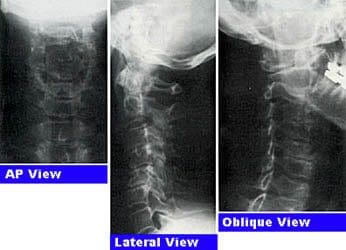
X-rays for:
Narrow intervertebral disc space
Anterior osteophytes or bone spurs
Spondylosis (ie, arthritis) of the facet joints
Osteophytes created from the uncovertebral joints
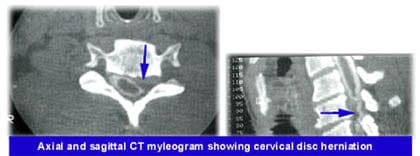
CT Scans or computed tomography can show bone changes associated with degenerative spondylosis. Osteophytes can be observed and evaluated.
CT does not provide an optimal evaluation but can sometimes show disc herniations.
MRI magnetic resonance imaging is a powerful tool for cervical spondylosis.
MRI can help doctors identify:
Disc herniation
Osteophytes
Joint arthrosis a type of osteoarthritis
MRI is best for soft disc herniation/s.
Myelogram/CT can be utilized in complex cases that involve multi-level spinal diseases.
It is very useful in delineating bone spurs from safe disc herniations.
Discography is used diagnostically when viewing the lumbar/low back and thoracic/mid-back spine, but using it in cervical spine imagery is debated among doctors.
Treatment Options
After the tests have been performed, a custom treatment plan is created.
Nonsurgical Neck Pain Treatment
Nonsurgical treatment of cervical degenerative disease has been proven to provide excellent results in over 85% of patients.
A multi-disciplinary approach:
Immobilization of the neck�to reduce motion can be beneficial during acute episodes of pain.
Physical therapy (PT) and Chiropracticcan be useful to decrease muscle spasms and return motion.
Non-surgical treatment provides positive long-term pain and symptom relief.
Surgery
A surgeon is likely to consider surgery for a disorder if one or more of the following criteria are met:
Nonsurgical care has been tried and has not worked
Spinal cord dysfunction
Arm pain or weakness (neurological symptoms) that do not go away
Depending on the diagnosis, surgical procedures can vary:
One type of surgery is the removal of the bone spur(s)
Cervical spinal fusion that joins two or more vertebrae
But the surgical procedure is based on the way you the patient wants to go, the diagnosis, general health, and what the spine surgeon recommends.
The surgeon will explain the recommended procedure to you clearly.
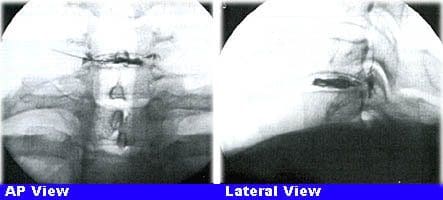
Most of the time the preferred approach is anterior or from the front interbody fusion.
A cervical plate could be placed over the interbody device or graft to stabilize the neck. This can avoid the need for a brace after.
A posterior approach from the back of the spine is considered when a disc has herniated laterally or to the side.
Things You Can Do
Cervical spine disorders can be diagnosed�and treated more accurately with today’s advancing technology.
With the guidance and treatment of an expert medical team, patients can expect to see a definite improvement in their condition and symptoms.
El Paso, TX Neck Pain Chiropractic Treatment
Sandra Rubio discusses the symptoms, causes, and treatments of neck pain. Headaches, migraines, dizziness, confusion, and weakness in the upper extremities are a few of the typical symptoms. Trauma from an accident, such as that from an automobile accident or a sports injury, or an aggravated illness because of improper posture can commonly cause neck pain and other ailments. Dr. Alex Jimenez uses spinal alterations and manual manipulations, one of other chiropractic treatment techniques like deep-tissue massage, to reestablish the alignment of the cervical spine and improve neck pain. Chiropractic care with Dr. Alex Jimenez is your non-surgical choice for restoring general patient well-being.
Neck pain is a frequent health issue, with roughly two-thirds of the people being influenced by neck pain at any time throughout their lifetimes. Numerous other health issues can cause pain arising in the upper back, or the spine. Neck pain can result emanating from the vertebrae, or because of muscular tightness in both the neck and the upper back. Joint disruption in the neck causes migraines, and headache, as does joint disturbance at the trunk, or can generate a variety of other symptoms. Neck pain affects about 5 percent of the worldwide population as of 2010, based on figures.
NCBI Resources
A chiropractor evaluates the spine as a whole because other regions of the�neck (cervical), mid-back (thoracic) and low back (lumbar)�can be affected as well. Along with treating the spine as a whole, chiropractic medicine treats the entire person and not just a specific symptom/s. Chiropractors may�educate on nutrition, stress management, and lifestyle goals in addition to treating neck pain.
Pilates or yoga can work wonders and always stretch before physical exercise.
Get fit – no regular physical activity can lead to serious conditions and possibly chronic pain.
Exercise benefits all, even some light walking around the neighborhood is enough. Just get moving!
Playing a sport could be a way to keep active. Remember, in order for any exercise to work is that it is done regularly.
Strength training is important, just as its name implies strength training builds muscle and reduces muscle imbalances.
It�s never too late to increase strength and flexibility.
Look at activities that you and your friends/family can enjoy and make doing them a regular thing.
A�chiropractor�is the ideal�medical professional to consult with for any unexplained pain in the musculoskeletal system. They are highly qualified professionals that their specialty is treating conditions like lower back pain and they are very affordable. If you or a loved one have pain in the lower back, give us a call. We�re here to help!
Understand *FOOT PRONATION* & How to Correct it with Orthotics | El Paso, TX (2019)
Foot pronation is the natural movement that occurs during foot landing while walking or running. Foot pronation also occurs while standing, and in this instance, it is the amount in which the foot rolls inward toward the arch. Foot pronation is normal, however, excessive foot pronation can cause a variety of health issues, including bad posture. The following video describes the 5 red flags of excessive foot pronation, which can ultimately affect a person’s overall health and wellness. Dr. Alex Jimenez can help diagnose and treat excessive foot pronation. Patients recommend Dr. Alex Jimenez and his staff as the non-surgical choice for excessive foot pronation health issues.
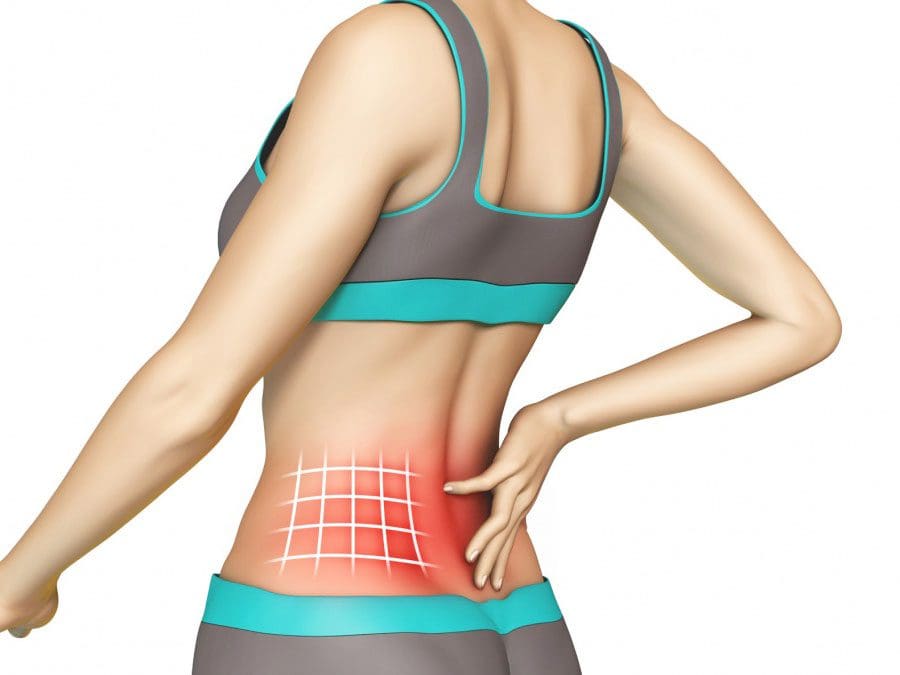
Myofascial syndrome, what is it? You’re probably thinking I don’t have that, but more than likely, you have.
Myo means muscle and fascia refer to the tissue bands that cover and connect the muscles/organs.
Tightness
Twitching areas
Painful knots
In the neck/back, then myofascial pain syndrome could be the cause.
Myofascial syndrome is a very common condition. It affects about 44 million people in the United States.
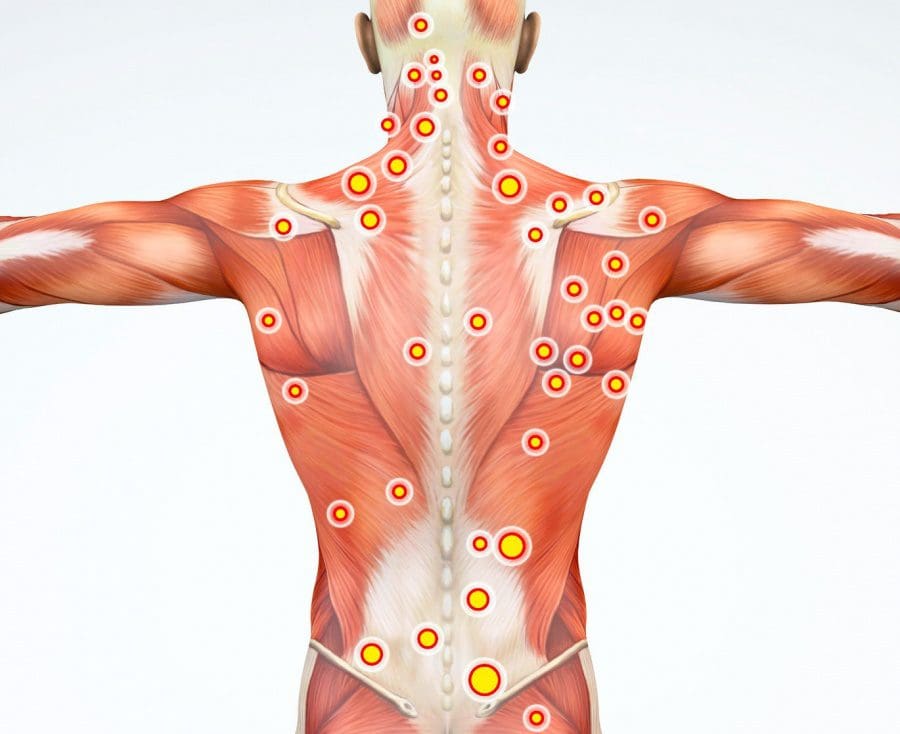
Trigger Points The Areas Where Pain Can Develop
Myofascial pain is associated with trigger points. These are areas that can become tender and stiff inside muscle tissue that reduce the range of motion.
Myofascial pain syndrome can happen when you have several active trigger points.
Trigger points are often referred to as knots because they feel tight and balled up compared to the softer relaxed surrounding muscle/s.
If the muscle becomes tight, it can cut off its blood supply, that can trigger:
Muscle tenderness
Pain
Spasm
Tightness
Trigger points can form all over the body which includes:
Neck
Mid-back
Low back
Common characteristics of trigger points are that they cause pain that travels or spreads to the surrounding area. For example, shoulder pain can radiate across the upper back.
The muscles can also twitch when touched.
Pretty much everyone has trigger points, but not all triggers cause symptoms.
Dormant or latent��trigger points can reduce the range of motion but only cause pain when directly palpated or compressed,
Active trigger points are painful any time, even when at rest.
Lifestyle factors like:
Stress
Poor posture
Can make a dormant trigger point become active.
Trigger Point Causes in the Spine
Spinal injury or trauma can result in myofascial pain syndrome, but lifestyle factors usually have a hand in the condition.
Poor posture over a long period, for example, sleeping in an awkward position can cause physical muscular stress on the spinal muscles.
Mental and emotional stress can present itself through muscle tension that helps the development of trigger points.
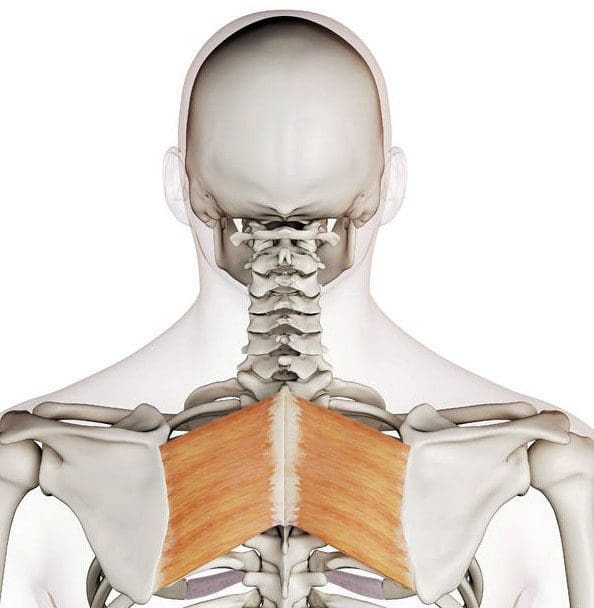
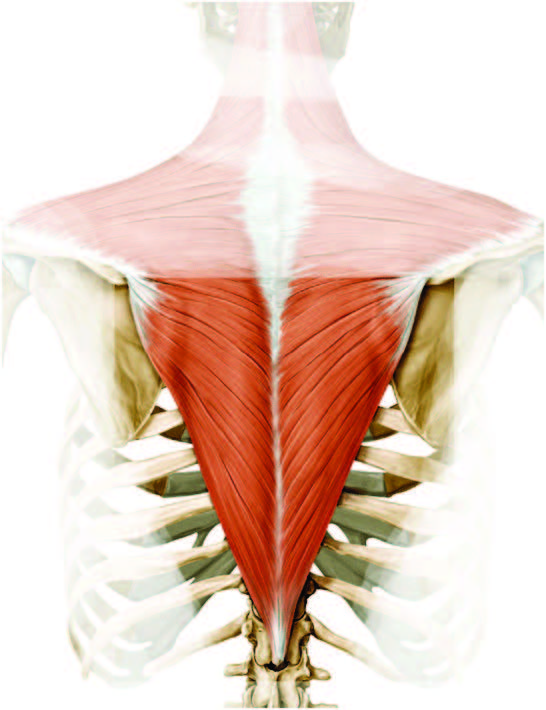
The trapezius muscle, that extends from the back of the neck down the shoulders and upper back, is the most common site of spinal trigger points and myofascial pain because of the significant amount of pressure that the muscle has to bear and its susceptibility to whiplash.
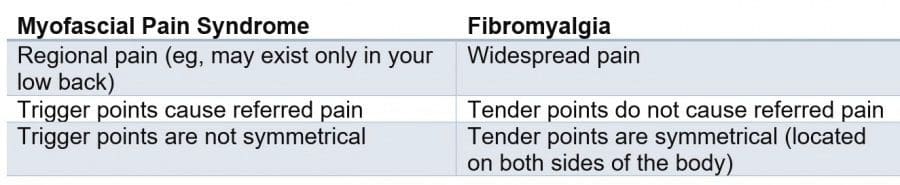
The Difference Myofascial Syndrome and Fibromyalgia
Because myofascial syndrome is linked to triggering points, fibromyalgia and its tender points bring out a comparison of the two.
Myofascial pain syndrome and fibromyalgia are two distinct conditions, and the table below outlines the primary differences.
Because they are unique conditions, there is a possibility to develop both conditions.
Doctor(s) can help craft a treatment approach that addresses the pain of both trigger points and tender points.
Diagnosis can be difficult
Myofascial pain syndrome is common but can be difficult to diagnose.
The challengingreasons behind diagnosing include:
Scientists are not sure how these trigger points cause pain.
The condition is often confused for other spinal disorders and conditions.
An example is having low back pain caused by myofascial syndrome in the lumbar spine. But low back pain brought on by arthritis can cause similar pain. That’s when the cause needs to be carefully and properly assessed.
There is no standard test for myofascial pain syndrome diagnosis yet.
There�s no standard diagnosing protocol but manual palpation or use of the hands to feel for:
Tenderness
Twitching
Tightness around the area
Is the most common way doctors diagnose the condition.
Some doctors might only utilize manual palpation but ultrasound is emerging as a diagnostic tool for myofascial pain syndrome.
Ultrasound produces clean images of the soft tissues and shows the active trigger points.
However, more research is needed to secure its place as a diagnostic method and tool.
A personal or primary care doctor can diagnose myofascial syndrome, but they may refer you to a pain specialist or a spine specialist like:
Doctors and researchers are still learning about myofascial syndrome, therefore, treatment options differ from doctor to doctor.
But most doctors do support a multidisciplinary treatment approach that is, using a variety of therapies and employing lifestyle changes to manage trigger point pain and prevent it from coming back.
Below are common treatments for myofascial pain syndrome.
Release Therapy
Myofascial release is a broad treatment option that consists of manual or instrument-guided therapydesigned to release the muscles and fascia by use of applying pressure.
Practitioners and clinicians are trained in myofascial release therapy, including:
Massage therapists
Physical therapists
Chiropractors
Physiatrists
The goal is the same:
Put pressure on the trigger point and release it.
Myofascial release technique might sound like a massage, but it is a distinct method compared to massage.
Massage moves muscles up and down,� myofascial release utilizes direct pressure into the stiff fascia and muscle.
Repeated pressure on the tight areas is not soothing, and patients tell of soreness during and after the treatment.
Once the trigger point loosens up, blood flow and nerve function begin to return to the area.
Then the pain is gone, hallelujah!
Additional Care Options
Myofascial release therapy is just one option for trigger point pain.
Other common treatments to manage spine-related pain include:
Home
If you know the location of the trigger points you can treat them at home with simple tools.
Rolling the trigger point over a:
Foam roller
Golf ball
Tennis ball
Can help loosen any of the tight areas.
Over-the-counter medication
If doctor-approved, then taking an over-the-counter pain reliever like acetaminophen (Tylenol) or ibuprofen (Motrin, Advil) can help with spine pain and allow daily activities.
Physical therapy
Physical therapy like:
Massage
Chiropractic
Heat
Electrical stimulation
Ultrasound
There are also stretches/exercises to keep muscles warm and flexible to help any future trigger points from forming.
Massage therapy
Licensed massage therapists practice myofascial release therapy, but also include other forms of massage
Deep tissue massage
Swedish massage
Can also help relieve trigger point pain.
Massage can also help to relax, and this is very important in preventing myofascial pain syndrome.
Also, learn how to keep stress and anxiety in check, and avoid tension that can turn into trigger points.
Dry needling/acupuncture
While both therapies use needles, dry needling and acupuncture are different treatments that can reduce the pain.
There is not a lot of research on dry needling like acupuncture, but it can help increase blood flow to the trigger point area.
Acupuncture means inserting needles into specific points on the body.
These needles help stimulate the body’s energy and help in sending signals to the nervous system to release chemicals into the body to help with the pain, which means less pain.
Trigger point injections
If any of these treatments don’t seem to be working, then you might want to talk to your doctor about trigger point injections.
Many people who have trigger points or myofascial pain syndrome in their spine have knots and tightness throughout their back and neck.
To prevent myofascial pain syndrome one needs to practice a healthy lifestyle that promotes good spine health.
Stretching and exercising regularly can help keep stress under control and prevent tension from building up, which makes it harder for trigger points to activate and cause pain.
El Paso Chiropractic Back Pain Therapy
Andres “Andy” Martinez first came to see Dr. Alex Jimenez in Push Fitness after undergoing back pain and knee issues. Following a period of physical therapy and rehabilitation, Andy became engaged in Crossfit, where he learned everything he needed to know about health and wellness from the coaches at Push. Andres Martinez expresses how grateful he is to receive the amount of care he does against the staff and he clarifies how much his perspective of fitness has shifted from the first time he walked into Push Fitness. Andy has seen a family at Push who led him to a healthy, clean life and both the trainers and staff mean everything to Andres Martinez.
NCBI Resources
The knots you have probably felt in your muscles or had others identify are also known as trigger points. These tight spots are often sensitive to the touch and can be found in any muscle in your body. As they develop, they may produce symptoms like numbness, burning, weakness, pain, and tingling. Trigger points are caused by trauma to the body, such as an accident in a car or during athletics. They can also be caused by more mild, long-term trauma, such as working at a desk without proper ergonomics or making a repetitive motion over a long period of time. Chiropractors are not only good at finding trigger points, but they are also good at treating them.
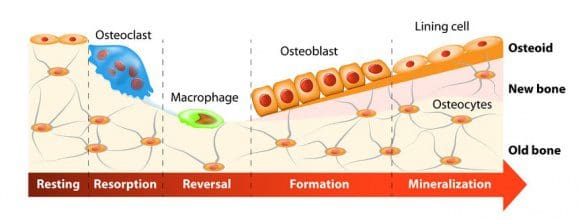
These medications help return normal function to the osteoclasts and osteoblasts.
Bisphosphonates can manage the disease and reduce symptoms, but do not cure the disease.
Living with Paget�s
Advanced cases can cause spine problems, which includes spinal fractures.
Most with Paget�s disease have preferable outcomes.
When Paget’s disease is managed with medication, regular doctor visits, chiropractic care, and proper diet, then there shouldn�t be a problem in achieving a healthy quality of life.
El Paso, TX Lower Back Bain Pain Chiropractic Relief
David Garcia, maintenance Centre Employee and a proud Dad in El Paso, TX works at the Region 19 Education Services Center. However, Mr. Garcia’s daily life is frequently influenced by his chronic lower back pain. After undergoing worsening symptoms for a while, David Garcia was advocated to seek chiropractic care with Dr. Alex Jimenez by his sister, a former patient of Dr. Jimenez. Mr. Garcia has since experienced enormous relief out of his lower back pain, and he’s grateful to Dr. Alex Jimenez and his staff for supplying him with schooling regarding his health problems as well as adequately caring for him. David Garcia urges Dr. Alex Jimenez as the non-invasive surgical selection for lower back pain.
NCBI Resources
Several studies show that chiropractic care is a very effective treatment for back pain. The chiropractor will perform spinal manipulation to bring the spine (and body) into proper alignment. He may also offer advice on exercises, stretching, and ways to improve posture as well as recommending lifestyle changes and what to look for in supportive shoes. Chiropractic�s whole-body approach not only helps relieve back pain, but it also helps prevent it as well.
This allows the patient to gain whole body benefits from chiropractic.
IFM's Find A Practitioner tool is the largest referral network in Functional Medicine, created to help patients locate Functional Medicine practitioners anywhere in the world. IFM Certified Practitioners are listed first in the search results, given their extensive education in Functional Medicine