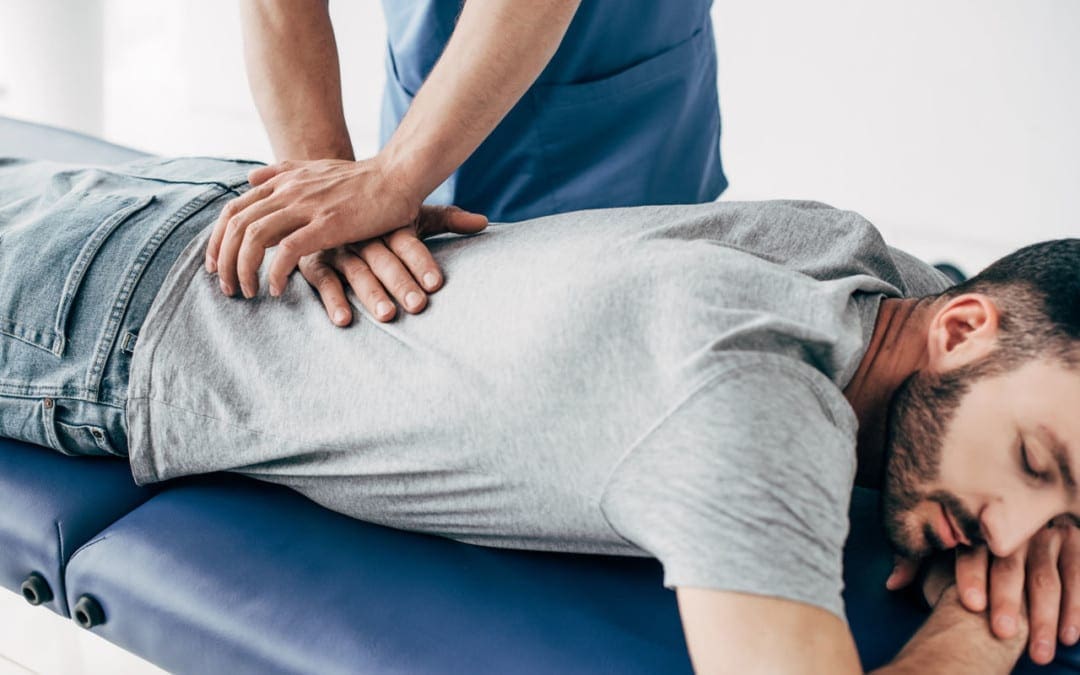
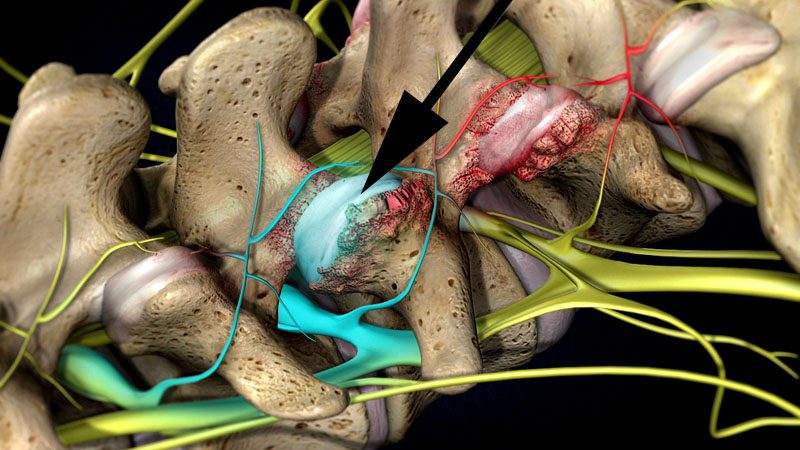
I threw my back out. Most of us have heard and possibly experienced throwing our backs out. But, what does throwing out your back really mean? Find out from our experts. When talking about throwing one’s back out, it’s usually a result of twisting, turning, coughing, sneezing, or lifting incorrectly. The medical equivalent to this injury is an ankle sprain. It can be excruciating, individuals might not see or feel a tear, but the ligaments have been injured, causing inflammation and pain. The same thing can happen to the spine.
What it means when you throw out your back.
Most experience acute pain in the lower region of their backs. Individuals can throw out their back at any age doing all kinds of activities. These can range from:
Changing a tire
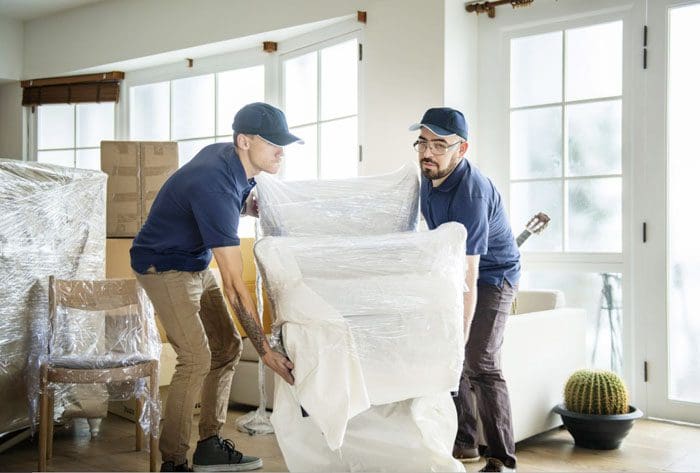
Moving lifting boxes, going upstairs, etc
House chores/tasks
Gardening
Sports
Working out
Bending over to pick up an object
It is more common as individuals age. This is when individuals notice how they could take a serious injury and walk away when they were young. However, with age, something like a cough or sneeze could cause the back to become sprained. When the ankle is sprained, it is immobilized to allow it to rest and heal.
However, it is not as easy to immobilize the spine as large muscles in the back around the spine. Any time tissue is injured, the muscles automatically spasm to act as a splint. These spasms usually tend to be the worst part when back pain presents. This is because the back muscles are large; they cause intense inflammation and pain when they spasm. Combined with this, the back can feel like it is stuck, significantly decreasing the range of motion. This type of injury can take a couple of days to reduce and up to two to six weeks to return to normal function.
This is what is really happening
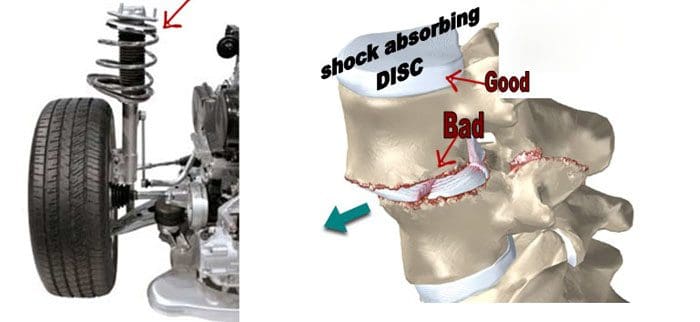
The majority of the time, what has happened is there is a small ligament strain or an annular tear, which is a tear in the ligament that connects the vertebra to the disc. When standing upright and lifting properly, the disc/s work like hydraulics.
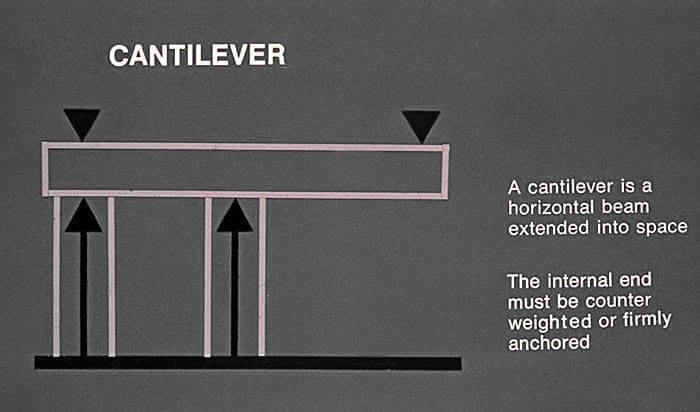
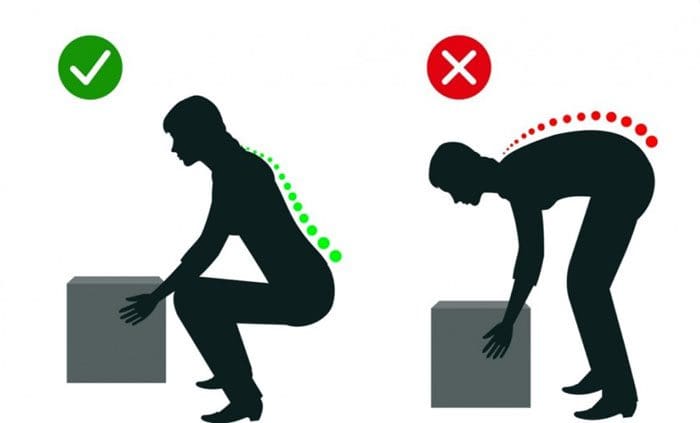
When individuals bend over not using their legs, the back part of the spine widens/opens up, and instead of a hydraulic effect, it becomes a cantilever structure. Bending and twisting compound the pressure across the disc. Prevention is key and by using the legs and keeping the back straight, let the hydraulic system do its natural job.
Misconceptions
Chiropractors specialize in difficult to treat musculoskeletal pain conditions. The term threw out one’s back is similar to the knee, arm, shoulder being blown out. The terminology can create fear associated with the idea of throwing something out of place, especially when it comes to the spine. When individuals come in with back pain, they can become fearful of what will be found. These include:
What has happened to my spine?
Is it going to get better?
Is this going to be a life-long injury?
Will I be able to walk normally?
Through research, doctors now know that fear is an inflammatory response. Therefore, when individuals become fearful, their immune system kicks in, causing the pain to worsen.
Treatment
A few things have been proven to work well, along with seeing a doctor, spine specialist, or chiropractor.
Ice and heat
It depends on individual preference. Ice reduces inflammation and pain, and the heat helps to get the blood flowing in and around the area to help heal the injury.
Abdominal support
An abdominal corset is a stretchy band that is worn around the lower mid-section. The abdominal muscles supply support for the lower body. The corset can help take some of the weight off of the spine to help ease discomfort and pain.
Anti-inflammatories
Advil or a prescription Ibuprophen from a physician is better than narcotics. However, if narcotic medications are necessary, they should be short-term, a few days to a week. In addition, individuals need to show caution as they can cause constipation, making back pain even worse.
Chiropractic and Physical Therapy
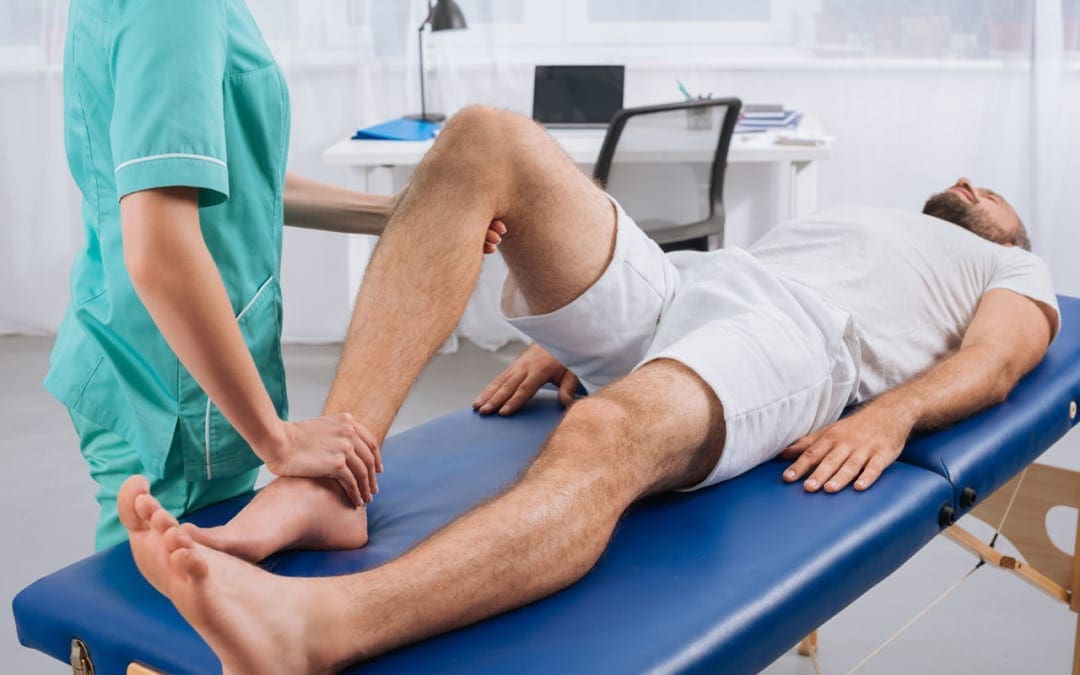
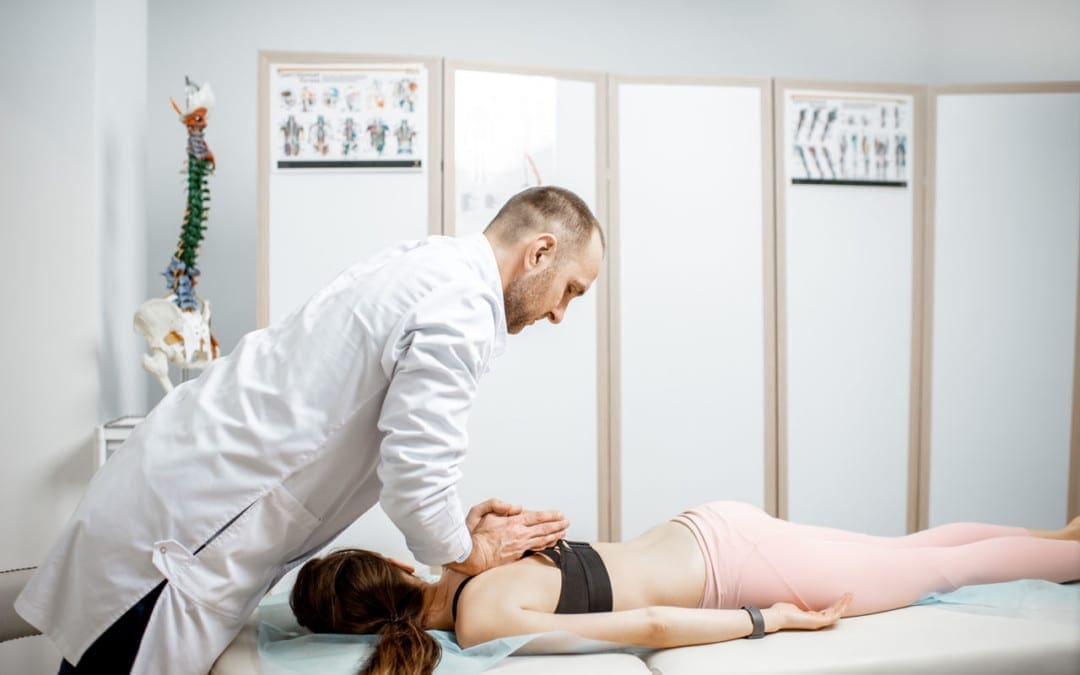
Seeing a chiropractor and physical therapist can help heal the injury faster. They will strengthen the spinal muscles and educate the individual on stretches, exercise, posture, anti-inflammatory diet for optimal spinal health. Individuals usually take two to six weeks to heal completely. However, individuals should still be able to do most physical activities once the spine injury heals. Maintaining the back muscles can be achieved with regular exercise, lifting correctly with the legs, and not over-twisting and over-reaching are important elements to prevent back injuries.
Body Composition Analysis
Summer Heat and The Body
How the body reacts to extreme heat. It is a process known as thermoregulation, where the body strives to maintain a temperature between 97.7 to 99.5 degrees Fahrenheit. The hypothalamus, a gland in the brain, is in charge of managing the core temperature. If outside weather is extreme, causing a change in the body’s core temperature, the hypothalamus triggers a specific process to heat or cool the body back to the normal range. When the hypothalamus registers that the body’s core temperature is rising because it’s sweltering outside, it kicks in.
To remove the extra heat, the hypothalamus increases circulation, moving the blood toward the surface, dilating blood vessels so that the heat can dissipate through the skin. When this happens, the veins can protrude, and the skin flushes. Along with increased circulation, the hypothalamus also activates the sweat glands. The evaporation of the water released onto the skin cools the body down, reducing temperature. Finally, the thyroid is activated to lower heat created through the metabolic processes.
References
Disc tears: Stat Pearls. (11/17/2020).” Annular Disc Tear.” ”https://www.statpearls.com/ArticleLibrary/viewarticle/17615
Fear and Pain: Journal of Pain Research. (2018). “Assessments of Pain-Related Fear in Individual with Chronic Pain Conditions.” https://www.ncbi.nlm.nih.gov/pmc/articles/PMC6280906/
Mittinty, Manasi M et al. “Assessment of pain-related fear in individuals with chronic painful conditions.” Journal of pain research vol. 11 3071-3077. 30 Nov. 2018, doi:10.2147/JPR.S163751
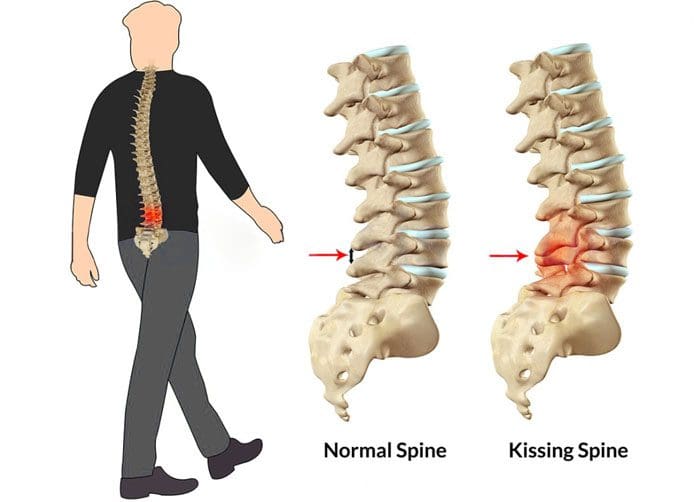
Baastrup’s syndrome is named after Christian Ingerslev Baastrup. He discovered and described the condition in 1933. In this syndrome, pain and inflammation are triggered when the spinous processes of two adjacent vertebrae begin to touch each other. This is where the term kissing spine came from. Most back and neck pain is attributed to inflammation or degeneration of the spinal vertebrae, discs, muscles, and nerves. This is a spinal condition that can cause problems with age. If experiencing pain that worsens when arching the back, consult a professional chiropractor. A physical examination and imaging could reveal the spine is going through this underdiagnosed condition.
Kissing Spine
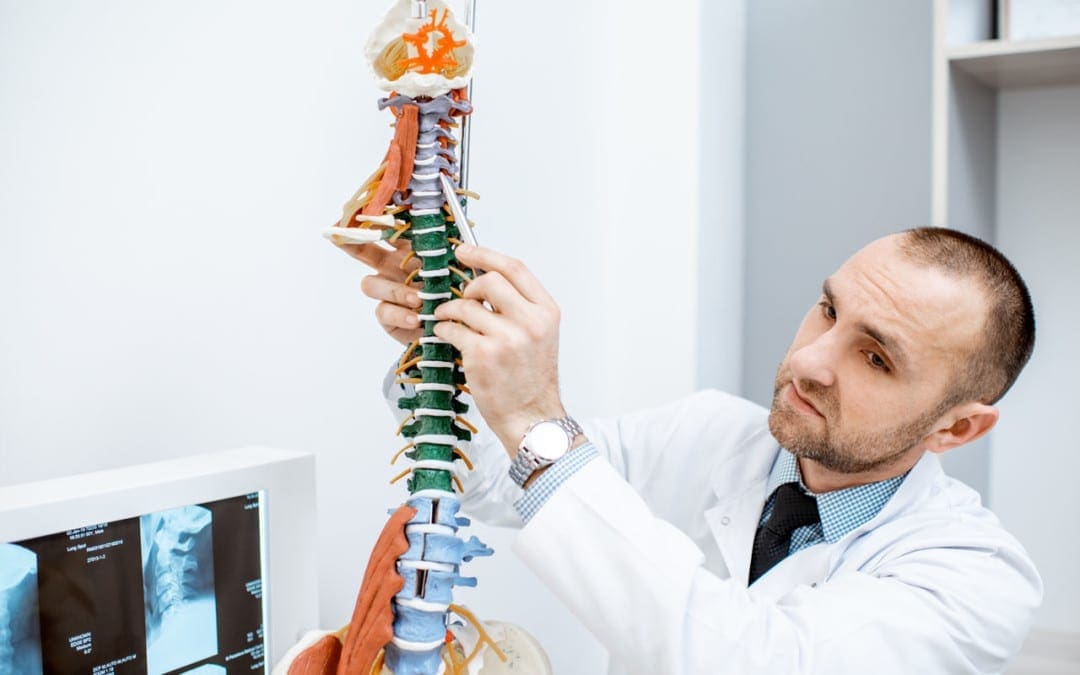
Spine problems mostly involve the vertebrae and the discs. However, the spine has other components, which include spinous processes. These are thin segments of bone that protrude off the back of each vertebra. Kissing spine syndrome, also known as Baastrup’s disease, or interspinous bursitis, happens when these spinous processes begin to move close together and touch/kiss. Pain and inflammation can be triggered by this.
It is believed to develop as a result of degeneration in the spine that comes with age. As vertebral discs break down from all the wear and tear of life, this can cause the spinous processes to move closer together and touch. This typically develops in the lumbar spine/lower back, but can also affect the cervical spine/neck. The most common symptom of kissing spine syndrome is back pain that worsens when touched or arching the back. For some individuals slumping forward or rounding the back, can help diminish the pain.
When the spinous processes touch, they begin abrasively rubbing against each other. This wears them down and can lead to other types of spinal degeneration. Over time secondary problems can begin to present including neurological conditions caused by compressed nerves. The condition is common in older adults from the natural wear and tear on their spines. But young individuals specifically athletes, can develop the syndrome.
Poor posture
Obesity
Spinal injury/s are additional risk factors.
Diagnosing the condition involves a physical exam and imaging scans to confirm that the spinous processes are in fact touching.
Chiropractic Care
A chiropractor can help manage the pain caused by degenerative disc disease and kissing spine syndrome. Treatment protocols for kissing spine syndrome include:
Spinal adjustments
Physical therapy massage
Spinal manipulation
Stretches
Exercises
Anti-inflammatory diet
Spinal decompression techniques can open the spinal segments so that the spinous processes don’t touch. Manipulations can facilitate proper joint mobility and alleviate inflammation. Physical therapy exercises and stretches will help stretch the spine and the supportive tissues. If experiencing neck or low back pain, contact Injury Medical Chiropractic and Functional Medicine Clinic. Our spine specialists will listen, discuss, and develop a personalized treatment plan. We provide non-invasive approaches for long-term pain management and spinal correction for lasting comfort.
Body Composition
The Paleo Diet
The Paleo diet consists of eating foods that would have been available to humans before modern agriculture was established. If the food was not available to these human ancestors and they did not eat it, then it is not part of the Paleo diet. This includes eating:
Lean meats
Fish
Vegetables
Fruits
Eggs
Nuts
The Paleo cuts out foods like:
Grains
Legumes
Dairy
Sugars
Processed oils
One study published in the American Journal of Clinical Nutrition compared the Paleo diet to other control diets based on United States nutritional guidelines. The researchers found that the Paleo diet generated improvements in waist circumference, triglyceride levels, and blood pressure.
Disclaimer
The information herein is not intended to replace a one-on-one relationship with a qualified health care professional, licensed physician, and is not medical advice. We encourage you to make your own health care decisions based on your research and partnership with a qualified health care professional. Our information scope is limited to chiropractic, musculoskeletal, physical medicines, wellness, sensitive health issues, functional medicine articles, topics, and discussions. We provide and present clinical collaboration with specialists from a wide array of disciplines. Each specialist is governed by their professional scope of practice and their jurisdiction of licensure. We use functional health & wellness protocols to treat and support care for the musculoskeletal system’s injuries or disorders. Our videos, posts, topics, subjects, and insights cover clinical matters, issues, and topics that relate to and support, directly or indirectly, our clinical scope of practice.* Our office has made a reasonable attempt to provide supportive citations and has identified the relevant research study or studies supporting our posts. We provide copies of supporting research studies available to regulatory boards and the public upon request. We understand that we cover matters that require an additional explanation of how it may assist in a particular care plan or treatment protocol; therefore, to further discuss the subject matter above, please feel free to ask Dr. Alex Jimenez or contact us at 915-850-0900.
Dr. Alex Jimenez DC, MSACP, CCST, IFMCP*, CIFM*, CTG*
email: [email protected]
phone: 915-850-0900
Licensed in Texas & New Mexico
References
Philipp LR, Baum GR, Grossberg JA, Ahmad FU. Baastrup’s Disease: An Often Missed Etiology for Back Pain. Cureus 8(1): e465. Published January 22, 2016. https://www.cureus.com/articles/3982-baastrups-disease-an-often-missed-etiology-for-back-pain. Accessed December 20, 2018.
Filippiadis DK, Mazioti A, Argentos S, et al. Baastrup’s disease (kissing spines syndrome): a pictorial review. Insights Imaging. 2015 Feb; 6(1): 123–128. Published online January 13, 2015. https://link.springer.com/article/10.1007/s13244-014-0376-7 Accessed December 20, 2018.
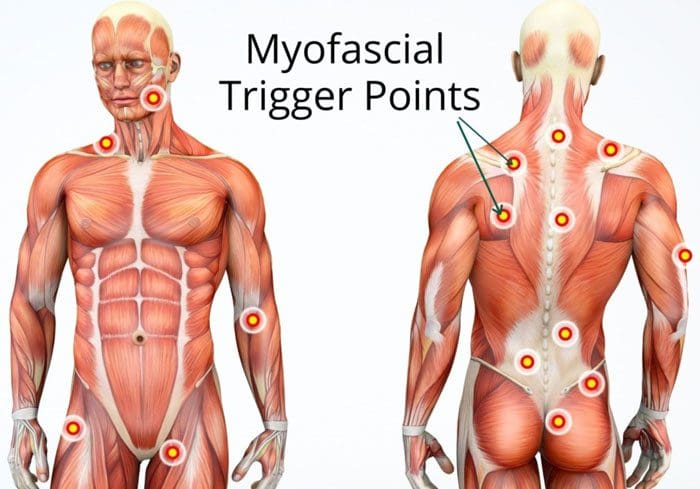
Muscle knots are common and can occur anywhere on the body. They can cause aching and pain in the muscles and joints. When examining a muscle knot also known as myofascial trigger points, it can feel swollen, tense, or like a bump. A particular area where these knots present is in the low back. This happens from excessive wear-and-tear on the lower spine from work, school, daily tasks, and chores. This causes the muscle fibers to tear, and with restricted or no time to rest the area and let it heal properly leads to the fibers bunching/clumping together forming a painful knot.
Muscle Knots In The Lower Back
A muscle knot in the lower back causes aching, soreness, and full-on pain. They tighten and contract even when the muscle is resting. The affected area often becomes inflamed or swollen causing pain and aches to radiate/spread to the gluteal muscles, as well.
Development
These knots develop when the tissue fibers pull apart and bunch up together. They start to stick together and with time the area becomes thicker. This results in the muscle knot. They can be caused by:
Stress
Tension
Poor posture
Muscle overuse
Muscle strain
Sedentary habits
Body dehydration and an unhealthy diet can also contribute to muscle knots. They look like a small bump under the skin. The bump can be red and is usually tender/sore when touched. However, not all muscle knots are visible, but when touched there is soreness and/or pain.
Do They Go Away?
They can go away on their own, but this comes from proper rest and recovery time. However, muscle knots should not be ignored, as even the smallest knot can compress surrounding nerves and muscle tissues. This can cause irritation and weakness. Larger muscle knots could cause movement/mobility issues.
Therapies
Stretching
Stretching will help stretch out and release tight muscle knots. Stretching loosens the muscle fibers and prevents them from becoming attached. Stretches to release a muscle knot include:
Start with these simple stretches/exercises and slowly work up to more vigorous ones.
Chiropractic Care
Chiropractic care can break down muscle knots through various adjustments. They are experts on the musculoskeletal system and understand where the problem is occurring along with the connected muscles.
A chiropractor will palpate the spot where the most pain presents and the surrounding area.
They will begin with a soft massage. This warms up the area getting the blood circulating. The blood circulation helps prevent pain making the adjustment/s far more effective.
Then pressing on nearby joints that the muscle knot is connected to breaks up the tight fibers.
Then the section/area is stretched out. This extends the fibers and prevents them from winding back into a knot.
They will recommend stretches and exercises
Therapeutic Massage
A massage helps to release tension and encourages muscle knots to loosen up and break down. A massage therapist will perform a deep tissue massage or a Swedish massage. Massage helps to release endorphins, which are the body’s natural painkiller. These calm the body and reduce pain. They will also recommend simple massages at home. These can include:
Rolling a massage ball/roller on the muscle knot
Self-massage using the fingers in circular motions on the affected area
Heat and Ice
Hot and cold therapy can calm and prevent inflammation. Heating pads are best if the area has stiffness or is painful. The heat relaxes tight muscles and increases blood flow. Cold therapy stops the swelling. If the muscle knot gets bigger or begins turning red, icing the area is recommended. Alternating between the two can eliminate symptoms and assist with quicker healing.
Body Composition
Building Functional Strength
There are exercises to improve functional strength. Functional training targets specific areas:
Then lift the outside leg up as high as possible and hold for 10 seconds
Repeat on the other side
Do 6-10 repetitions on each side
This exercise builds shoulder, arm, and hip strength. It engages the core and abdominal muscles and improves flexibility in the shoulders, back, and hips.
Disclaimer
The information herein is not intended to replace a one-on-one relationship with a qualified health care professional, licensed physician, and is not medical advice. We encourage you to make your own health care decisions based on your research and partnership with a qualified health care professional. Our information scope is limited to chiropractic, musculoskeletal, physical medicines, wellness, sensitive health issues, functional medicine articles, topics, and discussions. We provide and present clinical collaboration with specialists from a wide array of disciplines. Each specialist is governed by their professional scope of practice and their jurisdiction of licensure. We use functional health & wellness protocols to treat and support care for the musculoskeletal system’s injuries or disorders. Our videos, posts, topics, subjects, and insights cover clinical matters, issues, and topics that relate to and support, directly or indirectly, our clinical scope of practice.* Our office has made a reasonable attempt to provide supportive citations and has identified the relevant research study or studies supporting our posts. We provide copies of supporting research studies available to regulatory boards and the public upon request. We understand that we cover matters that require an additional explanation of how it may assist in a particular care plan or treatment protocol; therefore, to further discuss the subject matter above, please feel free to ask Dr. Alex Jimenez or contact us at 915-850-0900.
Dr. Alex Jimenez DC, MSACP, CCST, IFMCP*, CIFM*, CTG*
email: [email protected]
phone: 915-850-0900
Licensed in Texas & New Mexico
References
Cramer, Holger et al. “Postural awareness and its relation to pain: validation of an innovative instrument measuring awareness of body posture in patients with chronic pain.” BMC musculoskeletal disorders vol. 19,1 109. 6 Apr. 2018, doi:10.1186/s12891-018-2031-9
Malanga, Gerard A et al. “Mechanisms and efficacy of heat and cold therapies for musculoskeletal injury.” Postgraduate medicine vol. 127,1 (2015): 57-65. doi:10.1080/00325481.2015.992719
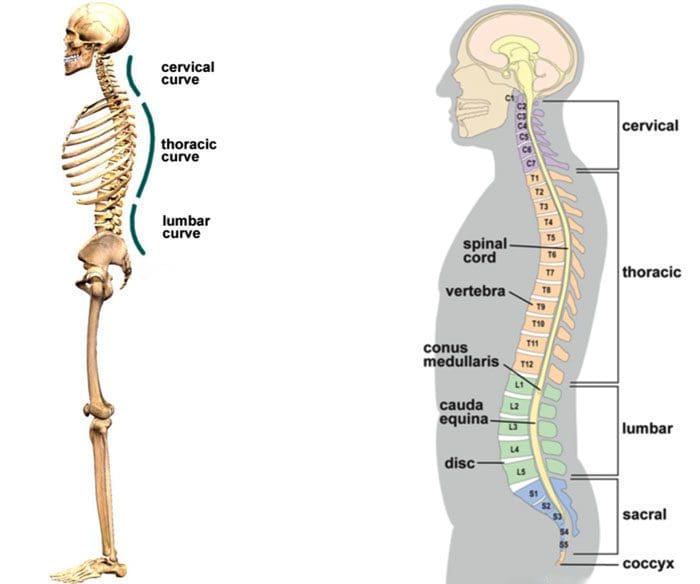
Individuals believe that a straight spine is a healthy spine. This is a misconception, a chiropractor knows that a healthy spine has the proper curvature, specifically an S curve from the top to the bottom. This curve allows/enables the spine to properly function for balancing and stabilizing the body. There are three primary curves that make up the S shape. These are:
Lordosis is defined as an inward curve, while kyphosis is an outward curve.
Curvature Significance
When the spine is properly curved and aligned there is flexibility and optimal support of the body. The curves of each section/area create a spring structure that enables the spine to perform as a natural shock-absorber. If the spine was straight, it would take a significant toll with all the wear and tear from constant vibration and shock. This would lead to fractures and other injuries. The curvature is important in aiding with weight distribution and the weight of gravity. Each curve works to distribute weight evenly throughout the spine so that the different muscle groups do not get overworked. This happens during dynamic movement.
Lifting
Bending
Reaching
Twisting
Turning
All require the spine to move harmoniously with the rest of the body, supporting the body’s weight and energy transfer.
The curves help reduce pressure between the individual vertebral discs. Because the discs are not stacked on top of each other, the weight from the above vertebra is not completely placed on the one below. So the lower vertebra takes only a portion of the weight, allowing the discs to perform as an absorbing cushion.
Maintaining The Curvature
An adult spine gradually becomes an S curve and is formed through development. Children are born with a C curve, with an outward curve until they begin to crawl. When the child begins to raise their heads up, the cervical portion of the proper S shape begins to take form. As the child learns to walk upright, the spine continues on its ultimate role of support. However, because spinal curvature is formed in the developmental stages, natural curvature formation has a limited time frame. Issues that happen at this time can disrupt the proper formation of the curves. This can result in malformations that could require long-term chiropractic treatment/rehabilitation to correct.
For adults that develop a normal S curve, spinal maintenance is critical. When subluxations/misalignments occur bulging, herniated discs, pinched nerves, and sciatica are sure to follow. Chiropractic adjustments will ensure the spine is reset and properly supported. As natural spinal development has passed maintenance is essential. Using precision tools and techniques, chiropractic treatment realigns the spine returning the natural S curve. Treatment plans and adjustments are customized to the individual and applied specifically to their unique spinal shape. This makes it possible to maintain a spine with precise curvature.
Body Composition
Fruit and Plant Antioxidants
Regular inclusion of antioxidant-rich foods in an individual’s diet will help reduce free radicals and prevent oxidative stress from accumulating. Fruits and veggies like:
Berries
Dark-colored grapes
Spinach
Kale
Sweet potatoes
Carrots
All are great sources of antioxidants.
Purple-colored fruits like blueberries and dark grapes contain an antioxidant called resveratrol that has therapeutic properties for heart disease. Beta-carotene is an orange-colored carotenoid with antioxidant properties that can also protect against heart disease. Orange, yellow-colored plant foods, and leafy greensare a solid source of the antioxidant carotenoid beta-carotene or pro-vitamin A. Minerals like zinc and selenium have antioxidants that can be found in vegan sources. And minerals found in fruits and veggies contain blood pressure-lowering potassium, magnesium, and calcium.
Disclaimer
The information herein is not intended to replace a one-on-one relationship with a qualified health care professional, licensed physician, and is not medical advice. We encourage you to make your own health care decisions based on your research and partnership with a qualified health care professional. Our information scope is limited to chiropractic, musculoskeletal, physical medicines, wellness, sensitive health issues, functional medicine articles, topics, and discussions. We provide and present clinical collaboration with specialists from a wide array of disciplines. Each specialist is governed by their professional scope of practice and their jurisdiction of licensure. We use functional health & wellness protocols to treat and support care for the musculoskeletal system’s injuries or disorders. Our videos, posts, topics, subjects, and insights cover clinical matters, issues, and topics that relate to and support, directly or indirectly, our clinical scope of practice.* Our office has made a reasonable attempt to provide supportive citations and has identified the relevant research study or studies supporting our posts. We provide copies of supporting research studies available to regulatory boards and the public upon request. We understand that we cover matters that require an additional explanation of how it may assist in a particular care plan or treatment protocol; therefore, to further discuss the subject matter above, please feel free to ask Dr. Alex Jimenez or contact us at 915-850-0900.
Dr. Alex Jimenez DC, MSACP, CCST, IFMCP*, CIFM*, CTG*
email: [email protected]
phone: 915-850-0900
Licensed in Texas & New Mexico
References
Yang, Feng et al. “Balance chiropractic therapy for cervical spondylotic radiculopathy: study protocol for a randomized controlled trial.” Trials vol. 17,1 513. 22 Oct. 2016, doi:10.1186/s13063-016-1644-2
Taylor, J A. “Full-spine radiography: a review.” Journal of manipulative and physiological therapeutics vol. 16,7 (1993): 460-74.
Fedorchuk, Curtis et al. “Improvements in Cervical Spinal Canal Diameter and Neck Disability Following Correction of Cervical Lordosis and Cervical Spondylolistheses Using Chiropractic BioPhysics Technique: A Case Series.” Journal of radiology case reports vol. 14,4 21-37. 30 Apr. 2020, doi:10.3941/jrcr.v14i4.3890
The feet are the foundation of the body. The feet carry the body’s entire weight allowing for movement with ease. The feet are a complex structure that consists of:
Bones
Joints
Muscles
Ligaments
Tendons
Nerve endings
Because of this, the feet are a high-impact area taking the everyday forces that come from:
Balancing
Walking
Running
Stopping
Twisting
Shifting positions
Tiptoe reaching
Common Symptoms
Symptoms commonly caused by foot issues include:
Soreness
Stiffness
Leg pain
Muscle Weakness
Poor balance
Flat feet, fallen arches, injuries, bone spurs, and other issues can cause problems with the rest of the body. The most common are:
Back Problems
When foot issues are present it’s common to change walking postures to avoid pain and discomfort. Individuals often do not realize they are doing it until the awkward postures begin to present with pain and discomfort. Overcompensation combined with unhealthy walking patterns can cause back pain. This is because the spine is becoming misaligned. Balance of the body is crucial. When something shifts the proper balance, the whole spine can shift out of alignment. This is especially true for individuals with flat feet. Flat feet can cause the ankle/s to lose alignment. This leads to problems up the body, from the knees to the hips to the spine and neck.
Joint Pain
Imbalances cause the feet and spine to not absorb shocks from everyday activity properly. This means the rest of the body, especially the joints, have an added job of absorbing the shock/impact. As time goes on the stress and shock can lead to severe ankle, knee, hip discomfort/pain, and malfunctions.
Posture Imbalance
These misalignments cause imbalance and posture problems. When the feet have lost the proper anchoring and alignment, overall posture and balance become affected. This increases the risk for dangerous slip and fall accidents that can exacerbate or cause new injuries.Posture problems are usually the result of the body trying to redistribute weight to reduce the pain and because it works then becomes a bad habit.
Referred and Radiating Pain
The muscles, tendons, and ligaments of the feet connect to the rest of the body. Any pain/issues like calf pain or weakness in the feet can begin to present in the lower leg since that is where the soft tissue is most closely connected.
Foot Problems/Issues
The most common foot problems podiatrists see that lead to the aforementioned ailments.
Flat Feet
Flat feet also known as fallen arches. This is a condition where the feet lack or have lost the arch when standing. This can be quite uncomfortable and creates weight distribution problems. It can be a genetic condition but is also be the result of wearing shoes without arch support for a prolonged time.
Corns and Bunions
Corns are round circles of thick skin on the toes, or on the soles of the feet. The body forms them naturally to prevent blisters, but they could be the result of poorly fitting shoes. Typically they are not painful when they form, but can become irritated over time. Bunions are bumps on the side of the big toe that can cause a bending inward toward the other toes, creating a painful angle. This can cause severe irritation and inflammation in the bump and toes. These can be genetic or caused by structural problems. But they can be caused by tight-fitting shoes or excess pressure on the feet for prolonged periods.
Hammertoe
Hammertoe, also known as mallet toe, is a condition that makes one or more of the toes pointing down rather than straight. Walking can cause pain, and movement of the toe can reduce or stop completely. This is caused by arthritis or an injury, it can be genetic, or the result of poor footwear.
Plantar Fasciitis
This condition causes pain that goes from the bottom of the heel to the middle of the foot. It is caused by inflammation of the plantar fascia ligament also located in this area. There is a wide range of pain levels that can range from dull to stabbing. It is often caused by poor footwear with no arch support that has been worn for long periods when walking, standing, and running. Weight gain is another cause, as the added weight could be too much for the foot to manage, causing strain.
Shoes
Individuals that wear high heels, shoes that are the wrong size, or other uncomfortable footwear consistently will more likely develop the aforementioned issues. Shoes with proper support are essential to optimal foot and body health because they evenly distribute the weight of the body lessening the impact from everyday activities.
Foot Orthotics
Another recommended option for alleviating foot issues is custom foot orthotic inserts. These can be fit into any shoe, and are customized to an individual’s feet. They’re affordable, and allow individuals to wear their shoes without pain.
Chiropractic & Physical Therapy
Chiropractic and physical therapy can help alleviate the pain that is resultant from foot problems. Seeing a podiatrist can treat the root cause of the condition, but the rest of the body could need chiropractic readjusting from the misalignment/s.
Custom Orthotics
Heat-related illnesses
Heat-related illnesses vary in their severity, but even light symptoms need immediate action to correct the problem before it does become severe.
Heat cramps
When exercising in the heat painful cramps can present. The affected muscle/s might feel hard, spasm, or generate sharp pain. The body temperature could still be within normal limits.
Heat syncope
Syncope is a loss of consciousness, that is usually recognized as exercise-related collapse. However, before this happens, there may be a feeling of lightheadedness or fainting. This happens when temperatures are high and the individual has been standing or exercising for a long time. The same can occur when standing up quickly after sitting for a long time.
Heat exhaustion
Heat exhaustion happens when the body temperature exceeds normal limits and rises as high as 104. This can cause nausea, weakness, cold, fainting, headaches, and vomiting. The body continues to sweat, but the skin may feel cold and clammy.
Heatstroke and Sunstroke
Heat exhaustion untreated leads to heatstroke or sunstroke. The body’s core temperature is greater than 104 degrees and in a life-threatening emergency. The skin is no longer capable of sweating and can feel dry or moist. Individuals can become confused, irritable, and experience heart arrhythmias. Immediate medical emergency treatment is necessary to stop brain damage, organ failure, and death.
Disclaimer
The information herein is not intended to replace a one-on-one relationship with a qualified health care professional, licensed physician, and is not medical advice. We encourage you to make your own health care decisions based on your research and partnership with a qualified health care professional. Our information scope is limited to chiropractic, musculoskeletal, physical medicines, wellness, sensitive health issues, functional medicine articles, topics, and discussions. We provide and present clinical collaboration with specialists from a wide array of disciplines. Each specialist is governed by their professional scope of practice and their jurisdiction of licensure. We use functional health & wellness protocols to treat and support care for the musculoskeletal system’s injuries or disorders. Our videos, posts, topics, subjects, and insights cover clinical matters, issues, and topics that relate to and support, directly or indirectly, our clinical scope of practice.* Our office has made a reasonable attempt to provide supportive citations and has identified the relevant research study or studies supporting our posts. We provide copies of supporting research studies available to regulatory boards and the public upon request. We understand that we cover matters that require an additional explanation of how it may assist in a particular care plan or treatment protocol; therefore, to further discuss the subject matter above, please feel free to ask Dr. Alex Jimenez or contact us at 915-850-0900.
Dr. Alex Jimenez DC, MSACP, CCST, IFMCP, CIFM, CTG*
email: [email protected]
phone: 915-850-0900
Licensed in Texas & New Mexico
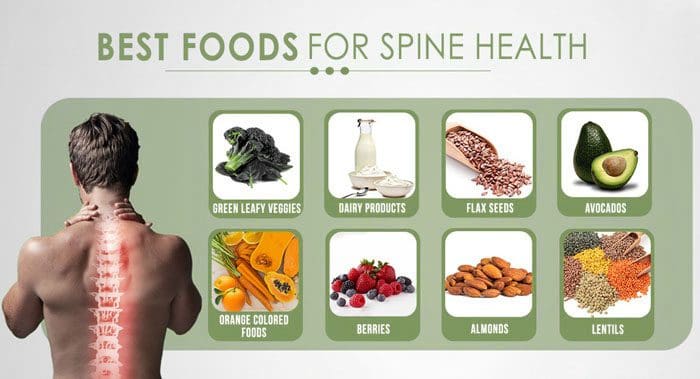
Eating healthy and spinal health are interconnected. Eating healthier will help to lose weight, and provide a healthier body mass index. This means more muscle mass, especially when integrated with more protein. The spine sustains and supports the whole torso and upper body. When weight increases in these areas it can cause an array of issues like subluxations, curvature problems, sciatica, and more. The extra muscle mass takes the added stress from any extra weight off of the spine. Strong muscles can carry the weight of the body, taking the pressure off the spine and keeping it healthy and operating in top form.
Making Healthy Adjustments
No matter where an individual is on their healthy eating plan, there are common practices that work for many and helps improve their diet. This involves integrating healthy food groups into the diet in different ways, and not giving up when mistakes are made, but learning from them. When developing new healthy habits it takes time, diligence, practice, and research to eat the right foods.
Fruits and Veggies
It is easier and tastier to forget the nutritious foods and go for the carbs, fats, etc. Rather than trying to add more vegetables, or eating fruit as a snack every day can be tough. An easier, and better way to integrate fruits and vegetables into one’s diet is to substitute the carbs and fats for fruits and veggies in the main meals every day.
This could be spiralized zucchini, squash, or no-carb spaghetti instead of pasta spaghetti.
Instead of ice cream try real fruit sorbet.
Mashed cauliflower instead of white rice or mashed potatoes.
There are plenty of substitutes that are healthier and just as tasty and as the real thing.
Healthy recipes out there that can give you ideas on how to do this.
The benefit of substituting fruits and vegetables, rather than just adding them to a diet is individuals increase their health by reducing unhealthy dietary elements and adding healthy new ones at the same time. However, this does not mean doing it all at once. The goal is to gradually substitute these nutritious foods into everyday dishes for maximum health benefits.
More Fiber and Protein
It is important that the body gets enough fiber and protein as a healthy energy source. Many individuals can become dependent on:
Ingesting unhealthy foods all day every day takes a significant toll on the body. This includes:
Blood sugar
Weight
Energy
Mood
Fiber and protein are important because the two regulate the body’s systems to promote healthy bodily functions.Fiber helps the digestive system and regulates carbohydrate breakdown. This means the energy obtained from any carb will last longer and will not increase blood sugar when integrated with fiber. Most individuals know that protein builds muscle. But it also makes the body feel full much longer than carbs or sugars do. This allows for natural regulation of how much is eaten during the day so an individual does not eat more than the body needs. Carbs and sugars are not filling and can become addictive. This means that they can be eaten all day long without feeling full and just load up with empty calories. A few ways to integrate fiber and protein into a diet:
Breakfast
Eggs
Turkey bacon
Whole wheat/multigrain toast
Lunch
Whole wheat wrap or sandwich
Dinner
Brown rice and beans are loaded with protein and fiber.
A great substitution for vegetarians/vegans for more protein or fiber
Reduce Sugar Intake
Reducing sugar intake or switching to balanced sugars from fruits, yogurt, etc. A diet high in sugar can wreck the body, causing:
Weight gain
Mood swings
Overeating
Other unhealthy effects
Sugar is fine when practiced in moderation. But when it becomes a daily habit, that’s when it can start affecting the body. The objective is to drink more water, and use substitutions when cravings present. Try:
Yogurt instead of ice cream
Healthy fruit drinks instead of soda
Tea instead of wine
Keep the indulgences to once or twice a week if possible.
Eating Healthy Benefits
A few of the benefits from eating healthy that will improve quality of life:
Improved digestive health
Weight loss
Reduced to no back pain
Reduced to no foot pain
Healthy sleep patterns
Less fatigue
Improved focus
Improved brain health
Clear skin
Reduced to no irritability
Body Composition
New Health Issues
Steady weight gain throughout life can lead to adult diabetes. This is brought on by more body fat and muscle loss. Loss of skeletal muscle mass is linked to insulin resistance. The less muscle is available, the less insulin sensitive the body becomes. Loss of muscle can cause other problems with age. One damaging condition, especially for women, is osteoporosis. This happens when old bone is reabsorbed rather than new bone being created. Both men and women can have decreased muscle mass with thinner, weaker bones. This increases the risk of osteoporosis and the risk of serious injury from falls. Prevention includes
Eat sufficient protein throughout the day. It is often best to space out protein intake across meals and not consume all at once to ensure the proper amount is being met daily. Regular body composition monitoring can help. The goal is to minimize muscle mass loss and fat mass gain as the body ages.
Disclaimer
The information herein is not intended to replace a one-on-one relationship with a qualified health care professional, licensed physician, and is not medical advice. We encourage you to make your own health care decisions based on your research and partnership with a qualified health care professional. Our information scope is limited to chiropractic, musculoskeletal, physical medicines, wellness, sensitive health issues, functional medicine articles, topics, and discussions. We provide and present clinical collaboration with specialists from a wide array of disciplines. Each specialist is governed by their professional scope of practice and their jurisdiction of licensure. We use functional health & wellness protocols to treat and support care for the musculoskeletal system’s injuries or disorders. Our videos, posts, topics, subjects, and insights cover clinical matters, issues, and topics that relate to and support, directly or indirectly, our clinical scope of practice.* Our office has made a reasonable attempt to provide supportive citations and has identified the relevant research study or studies supporting our posts. We provide copies of supporting research studies available to regulatory boards and the public upon request. We understand that we cover matters that require an additional explanation of how it may assist in a particular care plan or treatment protocol; therefore, to further discuss the subject matter above, please feel free to ask Dr. Alex Jimenez or contact us at 915-850-0900.
Dr. Alex Jimenez DC, MSACP, CCST, IFMCP, CIFM, CTG*
email: [email protected]
phone: 915-850-0900
Licensed in Texas & New Mexico
References
Cena, Hellas, and Philip C Calder. “Defining a Healthy Diet: Evidence for The Role of Contemporary Dietary Patterns in Health and Disease.” Nutrients vol. 12,2 334. 27 Jan. 2020, doi:10.3390/nu12020334
Locke, Amy et al. “Diets for Health: Goals and Guidelines.” American family physician vol. 97,11 (2018): 721-728.
Warensjö Lemming, Eva, and Liisa Byberg. “Is a Healthy Diet Also Suitable for the Prevention of Fragility Fractures?.” Nutrients vol. 12,9 2642. 30 Aug. 2020, doi:10.3390/nu12092642
Rheumatoid arthritis is said to affect around 1.5 million individuals. Recognized as an autoimmune condition that presents with chronic pain in the body’s joints. It commonly affects regularly used joints like the shoulders, hands, and feet. The condition can begin to present in individuals in their 30s. Concerns that come with a rheumatoid arthritis diagnosis are the condition’s effect on the spinal facet joints. These joints are susceptible to attack from a dysfunctional immune system, leaving them prone to weakness, inflammation, and nerve compression. Chiropractors understand the manifestation of rheumatoid arthritis. They can pinpoint at-risk facet joints and provide corrective relief before more dangerous symptoms begin to present.
Facet joint risks
There are two facet joints that connect each vertebra to the one above and below. Their objective is to stabilize the spine, whether in a neutral position or engaged in flexion/extension movement. When targeted by the body’s immune system, the joints begin to weaken. The body attacks the synovial fluid that lubricates the joints. This creates friction that generates inflammation. Over time the joints break down leading to everything from loss of mobility to bone spurs. When left untreated the facet joints begin to deteriorate, causing nerve compression that can lead to permanent nerve damage. When the joints are not working properly the spine has to work around them.
Subluxations
Disc herniation
Ruptured discs
Sciatica all are possible with facet joint dysfunction.
Treatment
Currently, rheumatoid arthritis cannot be cured but symptoms can go into remission when treatment begins early.Chiropractic is an effective treatment at disrupting the symptoms of joint deterioration that stops the progression.
It has the ability to increase and maintain an individual’s range of motion, from a condition that causes loss of mobility.
It helps to bring rapid pain relief and helps with postural improvements.
It maintains positive spinal health and homeostasis.
Prevents problems with compression and subluxations.
Stretching and strengthening exercises are incorporated to preserve an individual’s spinal integrity.
Diet and nutrition are also adjusted to mitigate the effects, helping with inflammation prevention.
The spinal focus
As rheumatoid arthritis affects the body’s joints, it is vital to protect the facet joints. These joints can experience degenerative damage that can cause long-term problems. Injury Medical Chiropractic and Functional Medicine Clinic provide individuals with the tools necessary to combat rheumatoid arthritis that medications by themselves might not be able to.
Body Composition
Muscle Mass Fitness for Long-Term Health
Muscle building is not just for bodybuilders and athletes. Everyone benefits from building muscle for long-term health. Monitoring the changes in Lean Body Mass can be accomplished by having body composition measured. Body composition analysis can divide an individual’s weight into various components. These include:
Fat Mass
Lean Body Mass
Basal Metabolic Rate will give a clearer picture of overall fitness and health.
Building Lean Body Mass is an investment for maintaining health long-term. The more Lean Body Mass that is built the more is in storage/reserve when the body really needs it. Before adding protein shakes and resistance workouts to the daily regimen, a plan needs to be developed. The first step to building a healthy level of lean body mass is to measure how much there is with a body composition analysis.
Disclaimer
The information herein is not intended to replace a one-on-one relationship with a qualified health care professional, licensed physician, and is not medical advice. We encourage you to make your own health care decisions based on your research and partnership with a qualified health care professional. Our information scope is limited to chiropractic, musculoskeletal, physical medicines, wellness, sensitive health issues, functional medicine articles, topics, and discussions. We provide and present clinical collaboration with specialists from a wide array of disciplines. Each specialist is governed by their professional scope of practice and their jurisdiction of licensure. We use functional health & wellness protocols to treat and support care for the musculoskeletal system’s injuries or disorders. Our videos, posts, topics, subjects, and insights cover clinical matters, issues, and topics that relate to and support, directly or indirectly, our clinical scope of practice.* Our office has made a reasonable attempt to provide supportive citations and has identified the relevant research study or studies supporting our posts. We provide copies of supporting research studies available to regulatory boards and the public upon request. We understand that we cover matters that require an additional explanation of how it may assist in a particular care plan or treatment protocol; therefore, to further discuss the subject matter above, please feel free to ask Dr. Alex Jimenez or contact us at 915-850-0900.
Dr. Alex Jimenez DC, MSACP, CCST, IFMCP, CIFM, CTG* email: [email protected] phone: 915-850-0900 Licensed in Texas & New Mexico
References
Pope JE, Cheng J. Facet (Zygapophyseal) Intraarticular Joint Injections: Cervical, Lumbar, and Thoracic. Injections for Back Pain. 129-135. ClinicalKey.com. Accessed July 16, 2019.
Brummett CM, Cohen SP. Pathogenesis, Diagnosis, and Treatment of Zygapophyseal (Facet) Joint Pain. 816-844. ClinicalKey.com. Accessed July 16, 2019.
IFM's Find A Practitioner tool is the largest referral network in Functional Medicine, created to help patients locate Functional Medicine practitioners anywhere in the world. IFM Certified Practitioners are listed first in the search results, given their extensive education in Functional Medicine