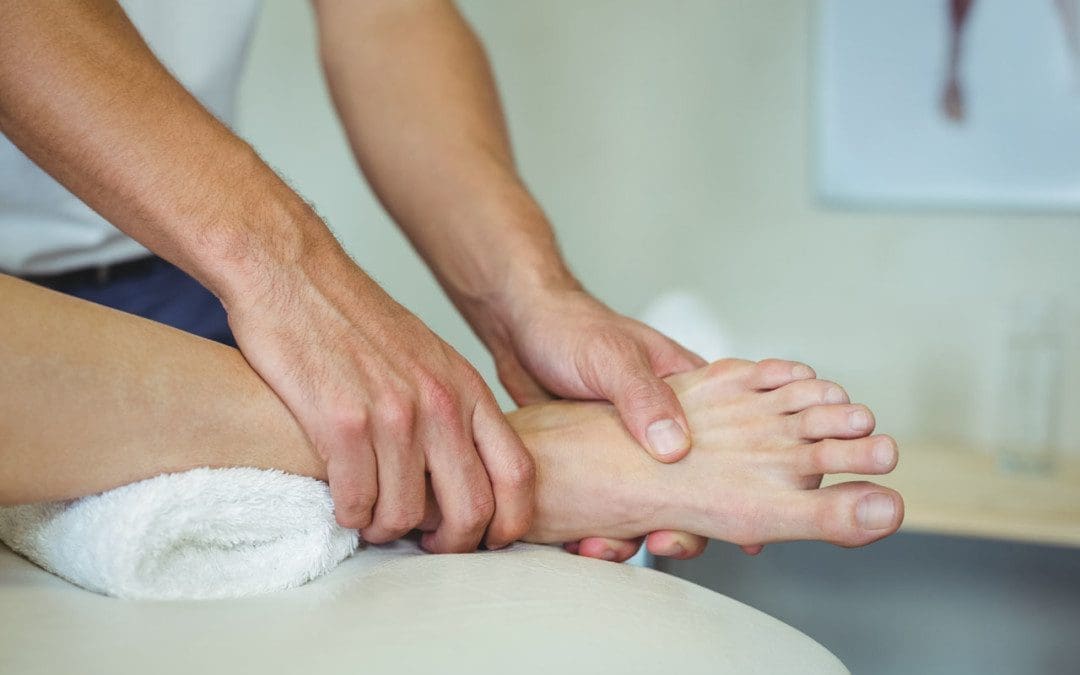
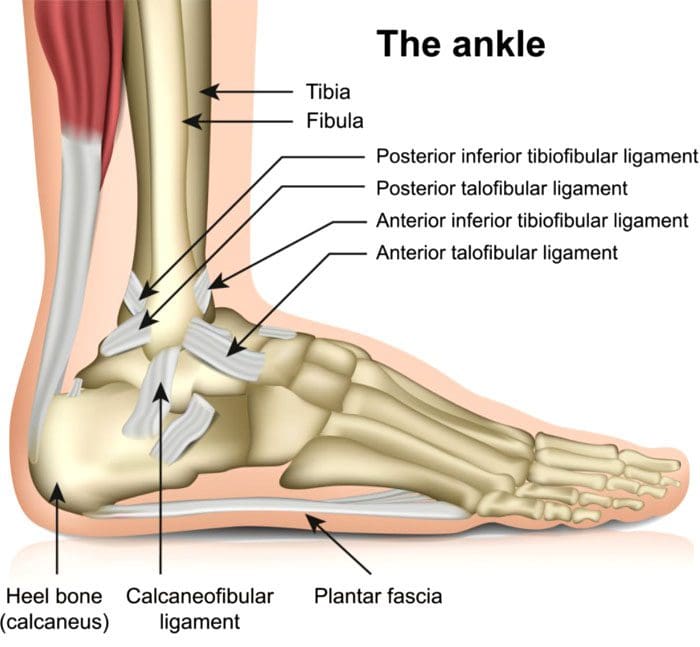
The ankles provide an essential role in total body function. They work as a complex system within the feet to carry the body’s weight and support movement. Any imbalance can cause ankle instability that can cause other areas of the body to go out of balance. This is most often caused by an injury, like an ankle sprain. If not properly addressed, it can lead to chronic instability and long-term health issues throughout the musculoskeletal system. Chiropractic treatment can rehabilitate ankle injuries, strengthen the muscles to prevent instability.
Ankle Instability
The entire body is an extensive, complicated, and interconnected system. Every part influences the next as individuals go about their everyday routines. Imbalances can occur in the spine, hips, legs, and knees, leading to limping, ankle pain, or injury. The most common causes of ankle instability include:
Poor foot or ankle mechanics
Knee or hip imbalances
Ankle sprains
Muscle strain
Tendonitis
Arthritis
Fractures
Chronic inflammation from illness or injury.
Finding The Imbalances
Understanding where the imbalances are and systematically addressing them is the recommended course of action. If an ankle injury is present, local symptoms and dysfunction need to be addressed. However, it is important to assess other body areas to ensure any other dysfunctions are also addressed. This prevents unnecessary re-injury, aggravation, and other problems.
Chiropractic
One or more treatment options will be utilized for proper recovery when dealing with ankle instability.
Joint adjustments of the lower body and spine to support nerve and blood circulation.
Chiropractic is recommended for determining any body imbalances that need to be addressed with high-quality research-based care and can expedite the recovery process.
Body Composition
Compression Garments and Socks
These were only used to treat individuals with circulatory problems but are now available to the public. Recovery is about giving the body a chance to relax, recuperate, and recover from swelling, with the objective to resume physical activity. Compression garments come in shirts, pants, sleeves, and socks. The garments and socks are used for quicker recovery time, improved circulation and oxygen delivery to the muscles, and to reduce lactic acid build-up.
References
Anguish, Ben, and Michelle A Sandrey. “Two 4-Week Balance-Training Programs for Chronic Ankle Instability.” Journal of athletic training vol. 53,7 (2018): 662-671. doi:10.4085/1062-6050-555-16
Czajka, Cory M et al. “Ankle sprains and instability.” The Medical clinics of North America vol. 98,2 (2014): 313-29. doi:10.1016/j.mcna.2013.11.003
Gribble, Phillip A. “Evaluating and Differentiating Ankle Instability.” Journal of athletic training vol. 54,6 (2019): 617-627. doi:10.4085/1062-6050-484-17
Lubbe, Danella et al. “Manipulative therapy and rehabilitation for recurrent ankle sprain with functional instability: a short-term, assessor-blind, parallel-group randomized trial.” Journal of manipulative and physiological therapeutics vol. 38,1 (2015): 22-34. doi:10.1016/j.jmpt.2014.10.001
Nervousness, fear, anxiety, and discouragement are common and natural feelings to have while awaiting surgery. Preparing for spinal surgery can cause individuals to experience what is known as preoperative anxiety. A study suggests that preoperative anxiety affects from 60 to 80% of individuals. There can be a lot of unknowns going into spinal surgery. Individuals can experience preoperative anxiety:
Over the procedure itself.
By imagining what could go wrong?
How is the body going to recover?
The temporary changes in functioning post-surgery.
The post-surgical pain and discomfort.
What will the results be?
Learning how to decrease surgery stress will improve the procedure and recovery. There are ways to overcome this anxiety with tips from a pain psychologist.
Getting Educated and Informed
A pain psychologist recommends spending as much time as needed to discuss the surgery with the surgeon/provider. Ask the doctor if it is possible to speak with other patients who have gone through the same surgery to learn more about the procedure and what to expect with the recovery. Searching the internet is fine, but it is recommended not to get caught up searching non-reputable websites as there is a lot of misleading information that can lead to unnecessary stress. Ask the doctor to share statistics of positive outcomes versus complications to provide reassurance and to determine if surgery is the right option based on the specific condition.
Going In With The Right Mindset
Having a heightened level of anxiety or depression can contribute to poor surgical outcomes. Individuals that focus on the worst-case scenario are more likely to have higher levels of pain after surgery. Having the right mindset, staying calm and positive can decrease preoperative anxiety and can optimize recovery.
Preparation and Planning
Mental preparation and planning for surgery will set the mind and body at ease. This means:
Knowing the anticipated healing timeline.
The recovery phases the body will go through.
How long they will last?
What is needed for optimal recovery?
Support during each step.
Recommended medical follow-up.
Post-surgical treatment/rehabilitation plan.
Understand the Pros and Cons
Before surgery, it can be beneficial to understand the pros and cons of the surgery. Speaking with the surgeon to learn this information can create a clear, concise picture of what to expect and the recovery timeline.
Relaxation
It is important to learn relaxation skills to stay positive and calm before and after surgery. Relaxation exercises can be very effective at all stages of pre-and post-surgery. Learn how to:
Manage thinking positively.
Avoid catastrophizing.
These can be accomplished through:
Meditation
Slow walks
Gentle yoga as long as it is cleared by the doctor.
Understand the Time
Knowing what will go into post-surgery recovery and having realistic expectations will create a sense of confidence.
Support System
Having a healthy support system will increase positivity and can speed up recovery. This can include:
A partner.
Family members.
Close friends.
They can help before and after surgery with physical assistance or just to listen.
Consult a Professional Pain Psychologist
Help from a behavioral health specialist or a pain psychologist can be beneficial in reducing anxiety and promoting positive surgical outcomes. They help deal with the pain, pre, and post-surgery, rehabilitation, life moving forward, etc.
Body Composition
Carbohydrates Simple and Complex
Simple carbs are a quick, scattered source of energy, and complex carbs are a healthy source of steady energy. Complex carbs are not as readily available for immediate energy as simple carbs are, but they are more efficient and healthier. Complex carbs provide sustainable energy, meaning the energy is constant with no crash like simple carbs. Complex carbs release slowly and should be the most significant component of daily energy intake. When it comes to muscle gain, complex carbohydrates can help:
Prevent Muscle Weakness
Glycogen is stored in the muscles. When the muscles are used during physical activity or exercise, the body taps into the glycogen stores for that particular muscle. Athletes take advantage of glycogen by consuming carbs (carbo-loading) a day or more before a workout to maximize the muscle glycogen stores. This helps delay fatigue and improve performance, making for a better workout and stronger muscles.
Prevent Muscle Degradation
One concern about consuming a low-carb diet is muscle loss. A study compared a low-carb diet to other diets and found that restricting carbohydrates results in protein loss. This is because restricting carbohydrates causes an increase in the amount of nitrogen that gets excreted by the body. Nitrogen is a component of amino acids that forms muscle proteins, with a loss in nitrogen indicating that the muscles are breaking down.
References
Beck, Kathryn L et al. “Role of nutrition in performance enhancement and postexercise recovery.” Open access journal of sports medicine vol. 6 259-67. 11 Aug. 2015, doi:10.2147/OAJSM.S33605
First, Get Educated: The Spine Journal (July 2018) “Anxiety and depression in spine surgery—a systematic integrative review” https://www.sciencedirect.com/science/article/pii/S1529943018301281.
Hearris, Mark A, et al. “Regulation of Muscle Glycogen Metabolism during Exercise: Implications for Endurance Performance and Training Adaptations.” Nutrients vol. 10,3 298. 2 Mar. 2018, doi:10.3390/nu10030298
How Attitude Can Affect Recovery: Journal of Neurosurgery. (November 2017) “Influence of catastrophizing, anxiety, and depression on in-hospital opioid consumption, pain, and quality of recovery after adult spine surgery” https://thejns.org/spine/view/journals/j-neurosurg-spine/28/1/article-p119.xml
International Journal of Surgery Open. (2018) “Prevalence and factors associated with preoperative anxiety among elective surgical patients at University of Gondar Hospital. Gondar, Northwest Ethiopia, 2017. A cross-sectional study” https://www.sciencedirect.com/science/article/pii/S2405857217300475
The thoracic upper back or middle back is designed for stability to anchor the rib cage and protect the organs within the chest. Compared to the neck and lower back, the upper back is highly resistant to injury and pain. When thoracic upper back pain does present, it is usually brought on from long-term poor posture or an injury that overwhelms the sturdiness. It is less common than lower back and neck pain, but it does affect around 20% of the population and primarily women. It can occur for a variety of reasons, and chiropractic treatment can bring long-term relief.
The delicate balance and function can create potential issues and imbalances, causing soreness, strain, and pain. Underlying causes for thoracic upper back pain include:
Direct impact on the area.
Injury from a fall, sports, or automobile accident.
Unhealthy posturing/positions that place added strain on the spine, causing misalignment.
Repetitive motions and overuse like pulling, pushing, reaching, and twisting.
Repetitive/Improper shoulder mechanics can lead to muscle imbalance and poor movement.
Chiropractic can realign the spine and body if experiencing any of the following:
Symptoms that keep returning even with the use of medication.
Home remedies do not bring adequate relief.
Unable to prevent symptoms from presenting.
Chronic pain.
Injury Medical Chiropractic and Functional Medicine Clinic will develop a personalized/customized treatment plan specific to the individual’s needs. Treatment will include:
Spinal adjustments to improve alignment and nerve integrity.
Therapeutic massage.
Posture training to increase spinal alignment.
Exercise training to restore muscular balance.
Health coaching.
Anti-Inflammatory Diet.
Body Composition
Sitting For Prolonged Periods
Weakened Muscles
Metabolism is linked with body composition, meaning that increased muscle increases metabolism helping to burn more calories.
When sitting, the gluteal muscles, abdominal muscles, and legs become inactive.
Sitting for extended periods day after day can cause these muscles to degenerate.
Consistent muscle loss from the lower body can hurt the body’s functional strength and, with age, increase the risk of injury.
Any muscle loss, especially from the lower body, and is the largest muscle group, can lead to consistent fat gain.
Circulation Slows Down
Sitting for too long also slows down blood flow to the brain and the legs, causing them to become sluggish.
Sitting without standing can increase the risk of developing blood clots.
Blood clots can break off and cause blockages throughout the body.
One study showed a significant reduction in the vascular flow after sitting for just three hours.
But individuals who took breaks and got up to walk around for two minutes every hour showed improved circulation.
References
Beddhu, Srinivasan et al. “Light-intensity physical activities and mortality in the United States general population and CKD subpopulation.” Clinical journal of the American Society of Nephrology: CJASN vol. 10,7 (2015): 1145-53. doi:10.2215/CJN.08410814
Briggs AM, Smith AJ, Straker LM, Bragge P. Thoracic spine pain in the general population: Prevalence, incidence and associated factors in children, adolescents and adults. A systematic review. BMC Musculoskelet Disord. 2009;10:77.
Fouquet N, Bodin J, Descatha A, et al. Prevalence of thoracic spine pain in a surveillance network. Occup Med (Lond). 2015;65(2):122-5.
McManus, Ali M et al. “Impact of prolonged sitting on vascular function in young girls.” Experimental physiology vol. 100,11 (2015): 1379-87. doi:10.1113/EP085355
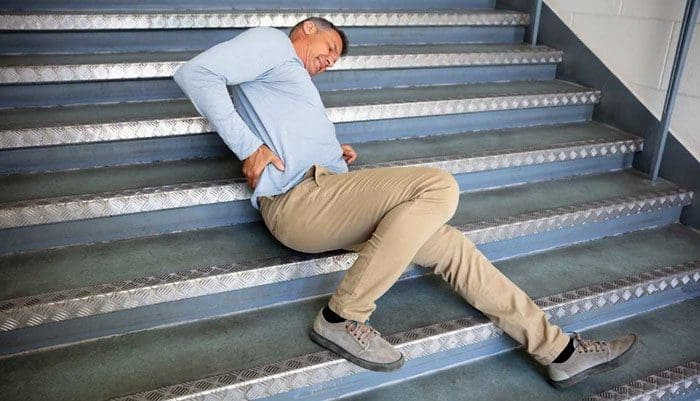
Individuals involved in slip and fall accidents lead to around 9 million emergency room visits a year. Recovering from a severe injury suffered in a slip and fall accident requires extensive medical care and physical rehabilitation. Older adults are susceptible to slip and fall injuries. According to the CDC, falls are the leading cause of nonfatal injuries of older adults and are a common hazard in nursing homes, where between half of the residents fall each year. The most common injuries sustained include:
Cuts and Abrasions
Cuts and abrasions can be minor to severe. Leg and arm abrasions are the most common, followed by wounds to the head and hips. These injuries require superficial treatment and possibly stitches. However, if the impact of the fall is severe, cuts and abrasions can overlap more severe injuries like concussions and broken bones.
Soft Tissue Injuries
Soft tissue injuries often do not get noticed, so individuals don’t realize they have a mild tissue injury until days or weeks after the fall.Soft tissue injuries can range from minor ankle and/or wrist sprains to severe tears in tendons and ligaments.Left untreated, these injuries can lead to chronic pain conditions making the body more vulnerable to further injuries.Even when individuals feel fine after a slip and fall accident, they are recommended to seek medical care or consult an injury specialist as soft tissue injuries don’t often produce immediate symptoms.
Sprains and Strains
A slip and fall accidents often happen as a result of taking an uneven or awkward step. Individuals also often react with their hands in front to try to cushion the fall. Both the awkward step and pushing the hands out can cause the wrist or ankle to tear, causing a sprain or a strain. The ligaments do not circulate a lot of blood, meaning that healing and recovery can take a significant amount of time.
Broken Bones
A fall can result in stressful forces on the bones of the body. In slip and fall accidents, hip, wrist, and ankle fractures are the most common bones that get broken. The older an individual is, the more likely they will break a bone from a slip and fall accident.
Hip Fractures
More than 95% of broken hips are caused by falls, according to the CDC.Hip fractures often require surgery that can include implantation of an artificial hip and hospitalization for about a week, followed by extensive physical therapy and rehabilitation.
Knee Injuries
Knee injuries can result from a slip and fall, especially if the knee gets rotated the wrong way or twisted. Knees are made up of bone and ligaments, meaning it could take a long to heal and recover. Dislocation of the patella is also a possibility that could require knee reconstruction.
Neck and Shoulder Injuries
Shoulder and neck injuries can be the result of landing on the shoulder or neck. They can also occur from overexertion when trying to right oneself during a fall. Neck injuries can range from:
Muscle sprains
Spinal injuries
Paralysis
Shoulder injuries can result in:
Shoulder dislocation
Torn nerves
Collarbone breaks
Even the most minor neck and shoulder injuries can require surgery and rehabilitation.
Back and Spinal Cord Injuries
Severe impact on the body in a slip and fall accident can cause slipped or herniated discs and fractured vertebrae, causing significant pain and limiting mobility. An injury to the spinal cord can lead to temporary paralysis, permanent paralysis, neurologic and sensory impairments. According to the Mayo Clinic, falls cause more than a quarter of spinal cord injuries and the majority of spinal injuries among adults 65 and older.
Traumatic Brain Injuries
Traumatic brain injuries occur when an individual hits their head on a hard surface during a fall. Traumatic brain injuries can range from:
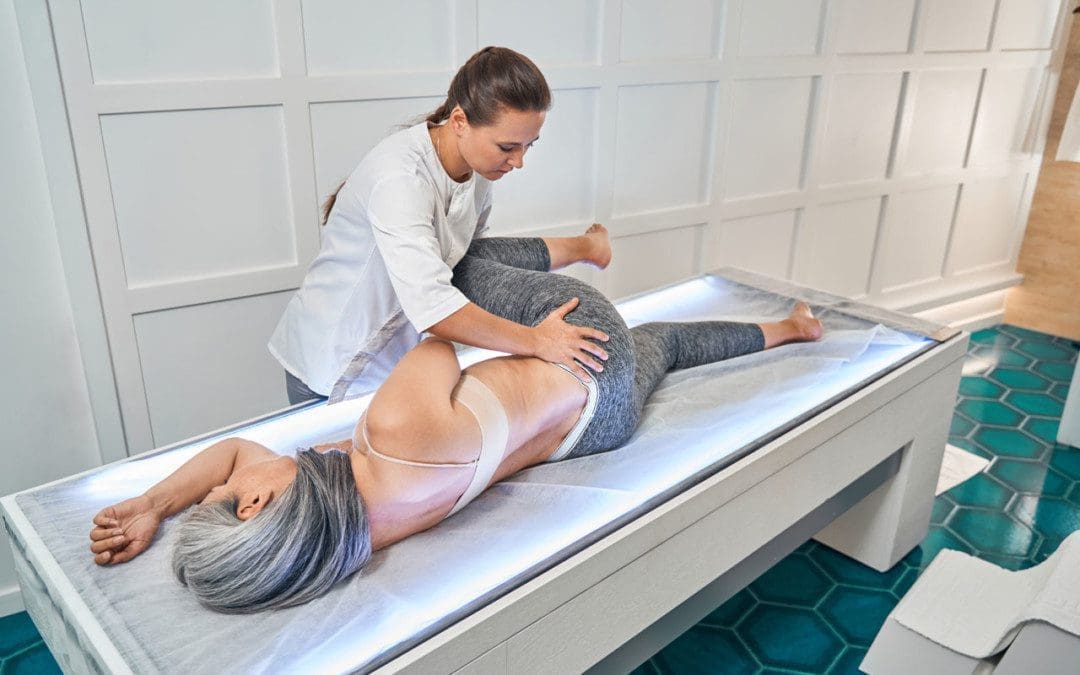
A chiropractor will review imaging scans, medical history, and current symptoms to determine the best form of treatment. Inflammation is common and is the body’s defense to protect the injured area by slowing down the blood flow in that area to allow the body’s internal defenses to repair the injury. Sometimes the body overreacts to the problem and produces far more inflammation than is needed. Depending on the severity of the injury, various massage, manipulation techniques, and tools will be utilized to help the body heal itself.
Body Composition
Recovery and Swelling
Recovery is an essential part of individuals involved in physical training programs and after injury. A significant sign that the body has undergone intense physical exertion and requires recovery is swelling. Swelling occurs for several reasons and is the body’s response to tiny, microscopic muscle tears that arise from intense use. It is possible to see this swelling in body composition results. Recovery is about giving the body a chance to:
Relax
Recuperate
Recover from the swelling to resume normal physical activities.
References
Courtney, T K et al. “Occupational slip, trip, and fall-related injuries–can the contribution of slipperiness be isolated?.” Ergonomics vol. 44,13 (2001): 1118-37. doi:10.1080/00140130110085538
Kannus, Pekka et al. “Prevention of falls and consequent injuries in elderly people.” Lancet (London, England) vol. 366,9500 (2005): 1885-93. doi:10.1016/S0140-6736(05)67604-0
Reuben, David B et al. “The Strategies to Reduce Injuries and Develop Confidence in Elders Intervention: Falls Risk Factor Assessment and Management, Patient Engagement, and Nurse Co-management.” Journal of the American Geriatrics Society vol. 65,12 (2017): 2733-2739. doi:10.1111/jgs.15121
Rosen, Tony et al. “Slipping and tripping: fall injuries in adults associated with rugs and carpets.” Journal of injury & violence research vol. 5,1 (2013): 61-9. doi:10.5249/jivr.v5i1.177
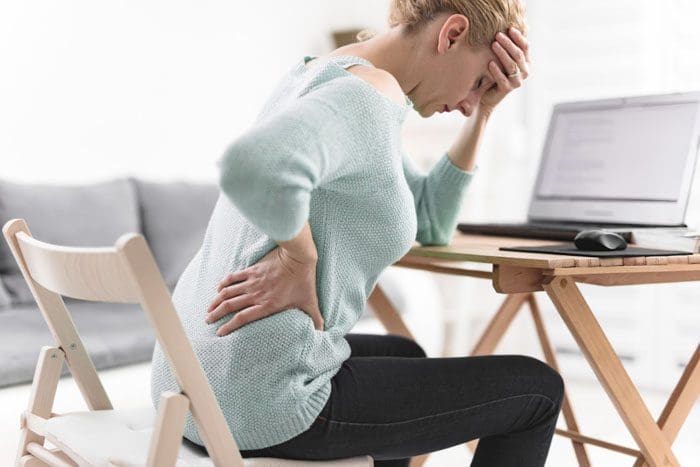
Back pain usually comes from lifting an object the wrong way or awkwardly moving the body, injuring the spinal structures or muscles. However, sometimes it could be signs/symptoms of a more serious medical condition. The back pain could be caused by:
How to know when the root cause of back pain is from something else in the body? There are two types of pain that pain specialists look at. These are visceral pain and somatic pain. Visceral pain comes from damage or injury to the organs or organ tissues. This internal pain can radiate to the spine from conditions like:
Pancreatitis
Ulcerative colitis
Crohn’s disease
Gall stones
Cancers
Kidney pain
Urinary tract infections
Somatic pain is injury or damage to the muscles, skin, and soft tissues. It can be caused by:
Regular wear and tear
Aging
Injury
Sedentary lifestyle
However, visceral pain can cause somatic/bodily pain to flare up. The stress the body is going through because of the medical condition can cause inflammation.
Kidney Infections and Stones
The kidneys are located in the rear of the body toward the middle of the back. The kidneys:
Filter waste products from the body
Regulate bodily fluids
Perform other vital functions.
Kidney infections and kidney stones can easily mimic a sprain or strain in the back. Infections or stones can also present with other symptoms like:
Side and groin pain could accompany the back pain.
The pain does not go away after shifting positions or lying down.
Urinary Tract Infection UTI
Upper urinary tract infections in the kidneys or ureters can cause back pain. Upper UTIs happen when a lower UTI in the bladder or urethra goes unnoticed or does not respond to antibiotic treatment. Infections can occur at any age, with women and older men being more susceptible. The pain usually presents in the lower back and groin area. Other possible symptoms include:
Pain in the back, sides of the lower abdomen between the lower ribs and hips.
Fever
Vomiting
Frequent urination in small amounts
Burning during urination
Strong urge to urinate
Foul-smelling urine
Cloudy urine
Fatigue.
The pain can feel like:
Cramping pain
Pressure
Soreness
Pancreatitis
Pancreatitis is inflammation of the pancreas, the long flat organ located in the upper abdomen behind the stomach. It assists digestion and sugar management. The American Pancreatic Associationreports acute pancreatitis can make individuals feel sick with moderate to severe abdominal pain that can radiate to the back and often worsens after eating. The pain is felt in the upper to middle back. Other possible symptoms include:
Abdominal pain that radiates to the back
Abdominal pain after eating
Fever
Nausea
Vomiting
Tenderness in the abdomen
The pain can feel like a pulled muscle or joint pain that increases and decreases at first and then strengthens after eating or lying down.
Inflammatory Bowel Diseases IBD
Ulcerative colitis and Crohn’s disease are inflammatory bowel diseases not to be confused with irritable bowel syndrome.
Ulcerative colitis affects the colon.
Inflamed intestinal areas characterize Crohn’s disease.
Both can cause spreading back pain.
A study found 25% of individuals with IBD have chronic back pain. Other possible symptoms include:
The pain can feel mild or severe, like a cramp in the lower abdomen around the low back. It can present in cycles as a flare-up, then goes away. It’s essential to read the body’s warning signs and not push through the pain or ignore it. If any back pain goes on for more than a week, consult a doctor or chiropractor for a thorough examination. A pain specialist could be recommended if there is chronic back pain from a severe medical condition. A primary doctor or specialist helps keep the medical condition in check, while a pain specialist and/or chiropractor can alleviate chronic musculoskeletal pain from inflammation, irritation, and overstimulated nerves.
Body Composition
Personalized Lifestyle Medicine
Personalized lifestyle medicine develops customized treatment/health plans to fit the individual. It includes:
Research on how the body works as an integrated system.
Combines new technology approaches in medicine.
The relationship between nutrients and gene expression.
Life and behavioral sciences.
Nutrigenomics testing helps individuals understand the influence of dietary components on their genes, which can help prevent the development of certain chronic diseases.
References
American Pancreatic Association (Pancreapedia). (2015). Pathogenesis and Treatment of Pain in Chronic Pancreatitis. https://pancreapedia.org/reviews/pathogenesis-and-treatment-of-pain-in-chronic-pancreatitis
American College of Rheumatology. (2019). The U.S. Prevalence of Inflammatory Bowel Disease and Associated Axial Pain: Data from the National Health & Nutrition Examination Survey (NHANES). https://acrabstracts.org/abstract/the-us-prevalence-of-inflammatory-bowel-disease-and-associated-axial-pain-data-from-the-national-health-nutrition-examination-survey-nhanes/
Waking up with neck soreness, stiffness, achiness, and pain can take a toll throughout the day. Individuals, that experience this regularly wonder what happened while laying down in bed? Individuals can wake up with one or a combination of these symptoms after sleeping. A few ways to prevent neck pain after sleeping and self-care to relieve any symptoms.
What Is Happening?
The spine keeps the body upright and moving and regularly resists gravity and other forces acting upon it. The neck, aka the cervical spine, is a little more delicate. The neck has the important job of holding up the head. The human head weighs around 10 to 12 lbs, and that’s using proper posture. According to a study, the head’s weight can increase up to 60 lbs. with a 60-degree tilt. This can happen from looking down at a phone for too long. All that weight makes the muscles that support the head and neck work overtime contributing to fatigued muscles.
Then when sleeping, cervical spinal misalignment starts to set in, producing torticollis. Torticollis, aka wry neck, is a condition where the neck gets twisted or tilted at an awkward angle. Babies can be born with it, known as congenital torticollis, and individuals can develop it from various sources. It can be temporary, chronic, and it can be caused by acute trauma. Torticollis is not considered a condition like ankylosing spondylitis but more like a symptom with overlapping sources.
The neck’s ligaments can become irritated and inflamed.
Neck muscle spasms can cause soreness and inflammation.
Either of these can be caused by sleeping in an awkward position or by using the wrong pillow.
Waking With Neck Pain
When waking up with neck pain, it could be that the pillow no longer provides sufficient support, the pillow is too thick, placing the neck in an awkward position, the individual’s sleeping position strains the muscles and ligaments, or a combination. It is usually a pillow that is too soft with no support that causes neck pain. Maintaining spinal alignment when sleeping is just as crucial as during the day, as it helps to prevent overly taxing the muscles and ligaments.
How to control posture when sleeping?
The pillow could be the answer. A firm pillow will keep the spine in a straight line from the atlas, which is the first cervical vertebra/C1, down to the coccyx or the tailbone. The way an individual sleeps also affects how they wake up. The most recommended sleeping position for individuals with morning neck pain is on the back. Back sleeping might not work for everyone as it can aggravate conditions like sleep apnea. If that is the case, sleeping on the side is the next recommended position. It is recommended to avoid sleeping on the stomach. The head could slip down the pillow edge causing the head to be in a tilted position. This can place added pressure on the nerves that start in the neck, leading to further neck pain or radiculopathy pain that spreads out to the arms or legs.
What To Do?
If neck pain presents after waking, get some ice or a cold pack on it. Try 20 minutes on, 20 minutes off. This will reduce inflammation. Also, over-the-counter nonsteroidal anti-inflammatory medications like ibuprofen can help. If neck pain continues, switch from ice to heat also 20 minutes on, 20 off. If the pain is caused by spasming muscle/s, heat can relax the area and increase blood circulation. A gentle massage on and around the area can help spread the circulation and ease the spasm.
Stretching the neck
Stretching the neck will keep the muscles loose and reduce the risk of ligament, muscle and tendon strains, and torticollis.
Body composition change and losing fat mass are also related to sleep. Losing fat requires the body to be in a caloric deficit. This means having the body use more energy than the body takes in. This is accomplished by restricting calories through diet or increasing calories used through physical activity/exercise. However, most individuals utilize a combination. This can be referred to as calories in/calories out. Losing sleep can sabotage fat loss goals by stealing both the calories in and calories out.
References
Hansraj, Kenneth K. “Assessment of stresses in the cervical spine caused by posture and position of the head.” Surgical technology international vol. 25 (2014): 277-9.
Preventing Neck Pain from Sleeping: National Sleep Foundation. (n.d.) “How to Prevent Neck Pain While Sleeping.” sleep.org/articles/prevent-neck-pain-while-sleeping/
Posture exercises: It is easy to get into the bad habit of poor/improper posture, especially at work where an individual gets into a groove and continues without thinking about their posture. Not until discomfort and pain begin to present do individuals start thinking about what is causing the issues. This usually includes:
Back pain
Shoulder pain
Neck pain
Tight/Compressed spine
They don’t realize that all these issues are brought on by prolonged sitting and practicing improper posture. Individuals that practice proper posture:
Sleep better
Move better
Have reduced to no aches and pains
Digestion improves
Organ function improves
Have better overall health
Being aware of proper posture is the first step in being able to maintain it. When you feel the spine starting to curve, shoulders hunching, or the back sway, stop and take a moment to reposition the body back into proper alignment.
Seated Posture
Proper posture means sitting, standing, or walking in a position with little to no strain on the body’s muscles and ligaments. Good seated position means:
Sitting with the back straight and shoulders back.
Having all of the natural curves of the spine in alignment.
Keeping the knees bent at a right angle with the feet flat on the floor.
The weight is distributed evenly to both hips.
Keep the arms at 90 degrees to the torso, using the armrests or on a desk.
When looking at a computer monitor, keep it at a position where you are looking straightforward.
Use a chair with lower back support.
Even when sitting with good posture, it’s important to avoid sitting in the same position for more than 30 minutes.
Regularly stand up, walk around, and stretch out.
Posture Exercises
Posture exercises will help to strengthen the back, neck, and shoulders. They also help as a reminder for maintaining good posture throughout the day.
Shoulder Lift and Release
When sitting down for long periods, individuals tend to develop hunched shoulders. It is caused by an imbalance of muscles in the neck and upper back. Specific muscles in the neck, specifically the pectoralis major and minor, become shortened and tight. The other muscles in the upper back, the trapezius,latissimus dorsi, and rhomboids, weaken and stretch out. These muscles can be stimulated by stretching throughout the day.
Sit in your chair with your feet flat on the floor and spine straight.
Pull the shoulders up towards the ceiling.
Hold them there for three to five seconds.
Let the shoulders drop.
It is recommended to repeat 5 to 6 times every hour.
Shoulder rolls
Another exercise for avoiding rounded/hunched shoulders.
Sit in your chair with your feet flat on the floor and spine straight.
Take a breath in.
Lift the shoulders towards the ears.
Move the shoulders back.
Squeeze the shoulder blades together.
On the exhale, finish the rotation by dropping the shoulders back to a neutral position.
Repeat 5 to 6 times every hour.
The exercise can be done in the opposite direction.
Neck rolls
Forward head posture, aka text neck, can develop. Neck rolls are recommended throughout the day.
Lean your head towards the right shoulder.
Relax the neck and let your head roll towards your chest.
Continue rolling your head towards the left and up and around back to the starting position.
Perform at least 3-4 neck rolls every few hours.
Repeat the exercise and change direction.
Trapezius stretch
The trapezius is a major muscle group in the upper-middle section of the back and the neck. The trapezius is responsible for moving the shoulder blades and extending the neck. Stretching these muscles regularly will help maintain good posture.
Sit in your chair with the spine straight and feet flat on the ground.
Place the right hand over the top of your head.
Gently pull your head towards the right shoulder.
Perform one to three times for each side.
Hold the pose for 30 to 60 seconds.
Arm rotations
This exercise can help maintain back and shoulder alignment. This can be performed sitting or standing.
Stretch out the arms to the sides with palms facing downward.
While keeping the spine straight, move the arms in small circles.
Perform ten repetitions rotating the arms forward, then backward.
Perform 3-4 sets.
Doing these posture exercises at your workstation regularly will help improve and maintain proper posture and minimize the risk of back, neck, and shoulder pain.
Body Composition
Fitness for Long-Term Health
Muscle building isn’t only for bodybuilders and athletes. Everyone can benefit from building their Lean Body Mass for long-term health. It is crucial to monitor Lean Body Mass changes by having body composition measured. Body composition analysis divides the body’s weight into various components.
Fat Mass
Lean Body Mass
Basal Metabolic Rate
This will give a clearer picture of overall fitness and health.
Building Lean Body Mass is an investment in the body’s future. The more LBM that is built, the more is in reserve when the body needs it. But before adding protein shakes and resistance workouts to the daily regimen, there needs to be a plan. The first step to building healthy lean body mass is to measure how much there is with a body composition analysis.
References
Biswas A, Oh PI, Faulkner GE, et al. Sedentary Time and Its Association With Risk for Disease Incidence, Mortality, and Hospitalization in Adults. Ann Intern Med. 2015;162:123-132. doi:10.7326/M14-1651. Accessed January 7, 2017.
Ergonomics for Prolonged Sitting. UCLA Spine Center Web site. http://spinecenter.ucla.edu/ergonomics-prolonged-sitting. Accessed January 7, 2017.
Florido R, Michos E. Sitting Disease: Moving Your Way to a Healthier Heart. U.S. News & World Report. http://health.usnews.com/health-news/patient-advice/articles/2015/09/14/sitting-disease-moving-your-way-to-a-healthier-heart. Published September 14, 2015. Accessed January 7, 2017.
Fortner, Miles O et al. “Treating ‘slouchy’ (hyperkyphosis) posture with chiropractic biophysics®: a case report utilizing a multimodal mirror image® rehabilitation program.” Journal of physical therapy science vol. 29,8 (2017): 1475-1480. doi:10.1589/jpts.29.1475
Levine JA. What are the risks of sitting too much? Mayo Clinic Web site. http://www.mayoclinic.org/healthy-lifestyle/adult-health/expert-answers/sitting/faq-20058005. Published September 4, 2015. Accessed January 7, 2017.
O’Connor B. Sitting Disease: The New Health Epidemic. The Chopra Center Web site. http://www.chopra.com/articles/sitting-disease-the-new-health-epidemic. Accessed January 7, 2017.
Wolfe, Robert R. “The underappreciated role of muscle in health and disease.” The American journal of clinical nutrition vol. 84,3 (2006): 475-82. doi:10.1093/ajcn/84.3.475
IFM's Find A Practitioner tool is the largest referral network in Functional Medicine, created to help patients locate Functional Medicine practitioners anywhere in the world. IFM Certified Practitioners are listed first in the search results, given their extensive education in Functional Medicine