The spine allows the body to do various things like move, bend, twist, and turn without pain and making sure that it is kept in an upright position. The spine is also protected by ligaments, soft tissues, muscles, and spinal columns that make sure that no injuries are affecting the spine. However, when a person overworks their back, it can cause the back muscles to be sustained a variety of injuries like a pulled muscle, slipped spinal disc, herniation, and many others that can cause harm to the spine. Luckily there are many treatments that can help restore the back and spine through non-surgical procedures. Today’s article focuses on spinal osteoarthritis, its symptoms, and how spinal decompression can help individuals alleviate spinal osteoarthritis symptoms. By referring patients to qualified and skilled providers specializing in spinal decompression therapy. To that end, and when appropriate, we advise our patients to refer to our associated medical providers based on their examination. We find that education is the key to asking valuable questions to our providers. Dr. Alex Jimenez DC provides this information as an educational service only. Disclaimer
Can my insurance cover it? Yes, it may. If you are uncertain, here is the link to all the insurance providers we cover. If you have any questions, please call Dr. Jimenez at 915-850-0900.
What Is Spinal Osteoarthritis?
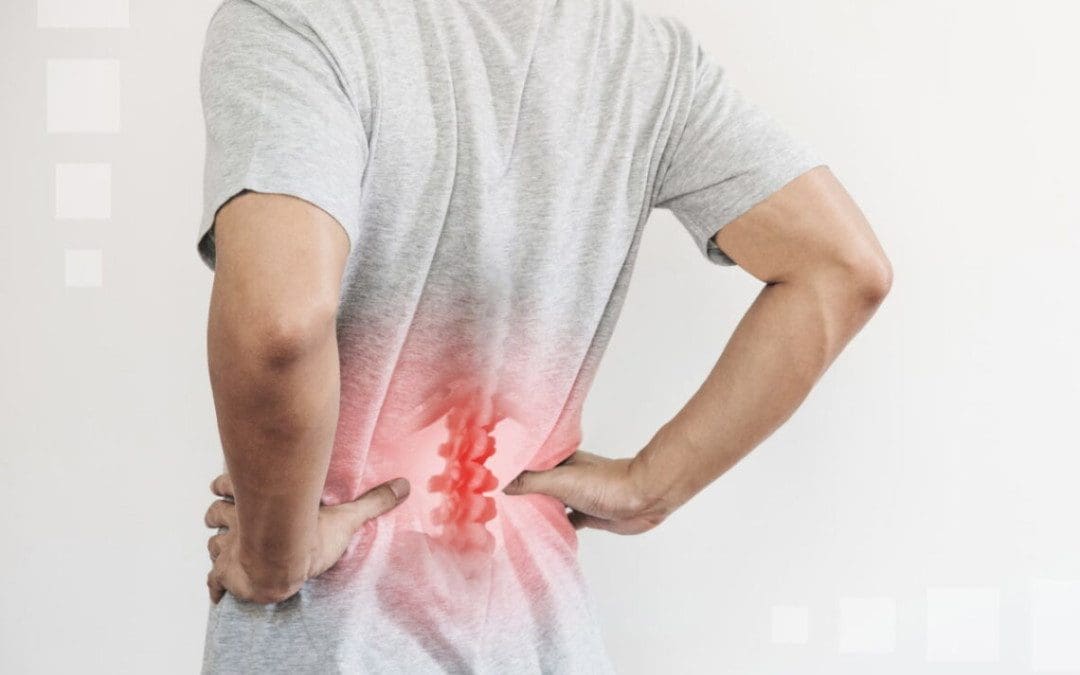
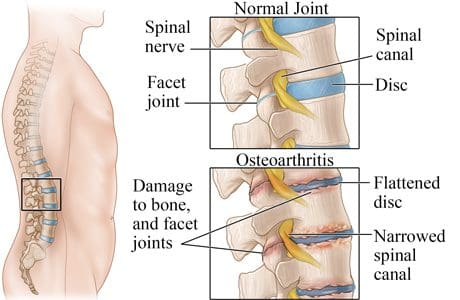
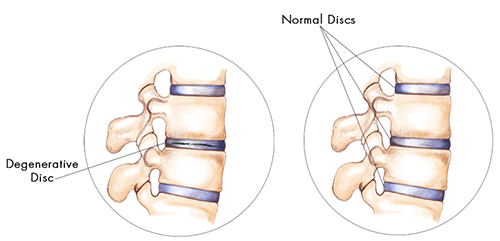
An S-shaped curve in the back known as the spine is encompassed by ligaments, the spinal cord, back muscles from the musculoskeletal system, and spinal discs that help the body with everyday movement and become mobile. Research studies have found that spinal osteoarthritis is a common condition associated with low back pain. However, as the body naturally ages, so does the spine as the spinal discs begin to degenerate and cause inflammation in the spinal joints, known as spinal osteoarthritis. Spinal osteoarthritis can develop gradually over time in the spine, causing a restriction of motion and pain.
Other research studies have found that low back pain and spinal osteoarthritis are both common and have the process of degeneration in the spine, causing the spinal disc space to be narrow while reducing the spine’s mobility. This causes the facet joints to develop other conditions like rheumatoid arthritis, spondyloarthritis, and gout to pop up and affect the spine.
The Symptoms
When the spine suffers from spinal osteoarthritis, it can cause various painful symptoms that affect a person’s quality of life. Research studies have shown that since spinal osteoarthritis is a gradual condition that is developed over time, it can cause stiffness in the spinal joints when a person is waking up in the morning, then eases throughout the day with physical activity, and flares right back up again at the end of the day. This happens when fluid build-up in the spinal joints can swell and cause inflammation to the spine. Other symptoms that are caused by spinal osteoarthritis can include:
Stiffness on the back and neck
Loss of joint flexibility
Swelling joints due to weather changes
Tenderness in some regions of the spine
Creptis (bone rubbing against each other)
Joint pain
Spinal Decompression For The Spine-Video
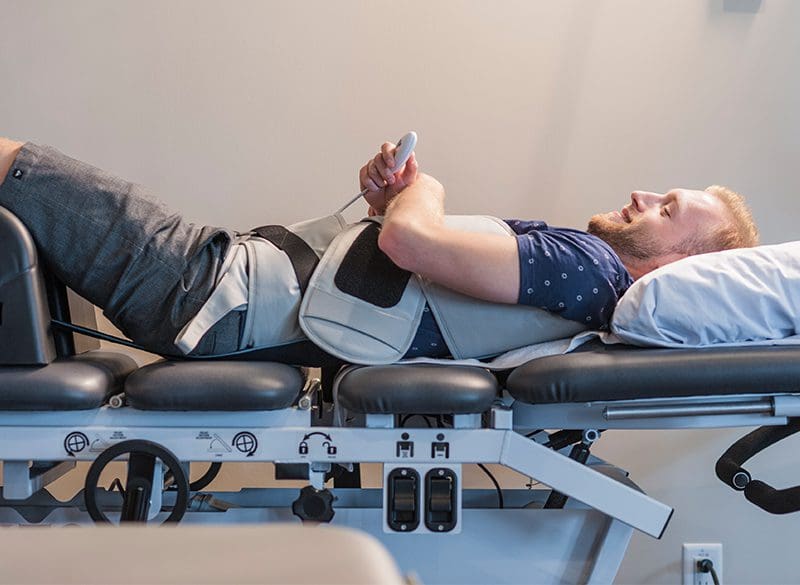
Do you feel tenderness around some regions of your back? How about feeling stiff on your lower back or neck? Or the weather seems to be causing swelling on your back? You could be suffering from spinal osteoarthritis, and spinal decompression therapy can help alleviate these symptoms. Spinal decompression therapy can help the spine through traction and gentle stretching. Spinal decompression helps alleviate the spinal disc and joints by slowly increasing their height and alleviating the painful symptoms. This will allow the necessary components like nutrients and oxygen to hydrate the compressed spinal discs and take the pressure off on the nerve roots. When individuals utilize decompression therapy, they can feel instant relief and get back their lives pain-free. Suppose you want to learn more about how decompression therapy can benefit you. In that case, this link will explain what decompression therapy does to the spine and how it can relieve spinal osteoarthritis symptoms.
Spinal Decompression Therapy For Spinal Osteoarthritis
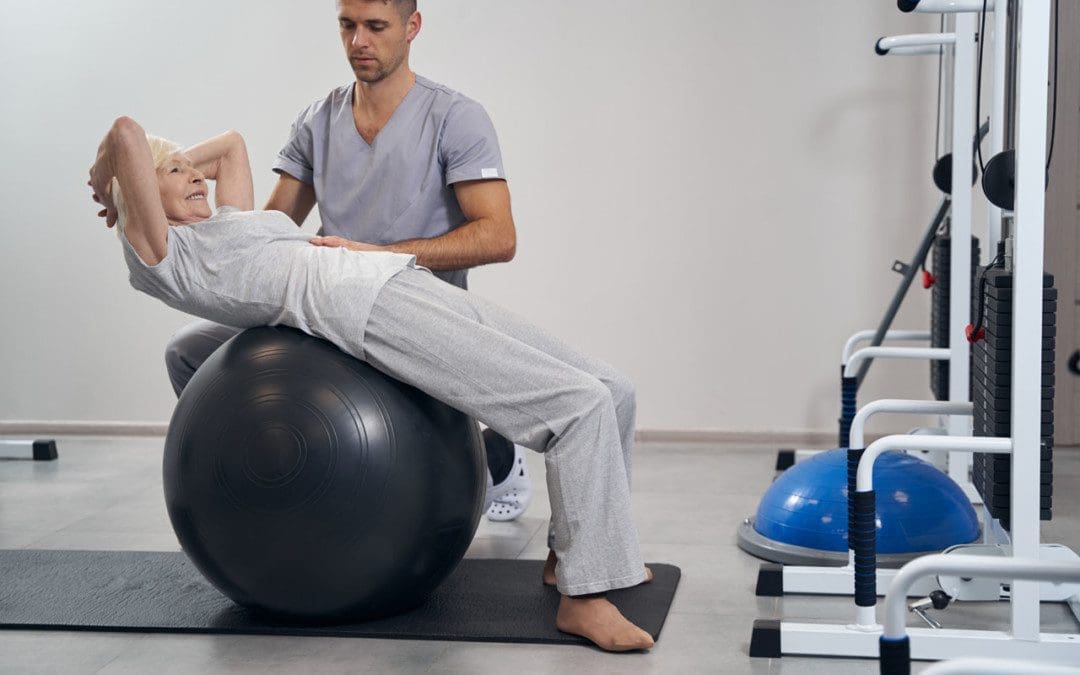
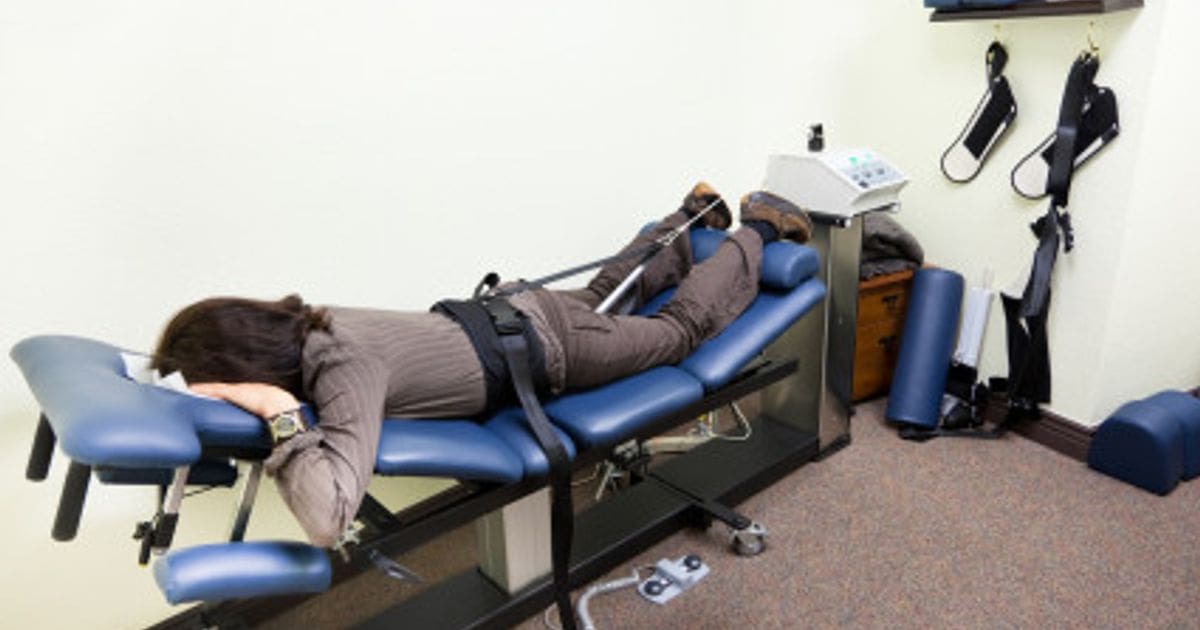
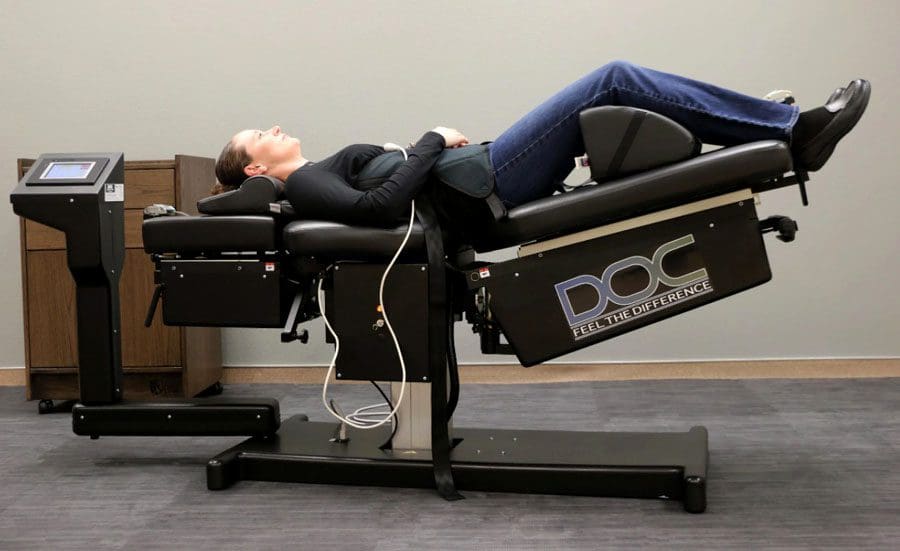
Many treatments can help lower the inflammation that spinal osteoarthritis has caused on the spine, which many people can do and bring back their range of motion. Some people utilize anti-inflammatory supplements like omega-3s and turmeric to lower joint inflammation. Others use massages to relax the tense muscles while also being careful with the spine. In contrast, others use spinal decompression therapy to help alleviate the painful symptoms that spinal osteoarthritis has caused. Research studies have found that the spinal joints and spinal discs affected by spinal osteoarthritis cause a “second inflammatory” symptom. When individuals use spinal decompression, they feel relief. What spinal decompression does is that it lays the individual in a supine position and causes negative pressure on the spine. Other research studies have found that decompression can reduce the stress inside the spinal intervertebral disc and alleviate the painful symptoms that spinal osteoarthritis has caused. This non-surgical treatment provides impressive results for individuals who incorporate this in their wellness journey.
Conclusion
Spinal osteoarthritis causes joint stiffness and swelling in the spine, making a person feel miserable. The spine allows the body to be kept upright and move through various scenarios without causing the body to be in pain. When spinal conditions like spinal osteoarthritis cause inflammation in the spinal joints, it can lead to low back problems for the individual. Spinal decompression can gently stretch the spine and cause the relief to the joints as the necessary nutrients return to the spinal columns and increase the disc height. This will allow many individuals suffering from spinal osteoarthritis to feel instant relief and be pain-free.
References
Choi, Jioun, et al. “Influences of Spinal Decompression Therapy and General Traction Therapy on the Pain, Disability, and Straight Leg Raising of Patients with Intervertebral Disc Herniation.” Journal of Physical Therapy Science, The Society of Physical Therapy Science, Feb. 2015, https://www.ncbi.nlm.nih.gov/pmc/articles/PMC4339166/.
Goode, Adam P, et al. “Low Back Pain and Lumbar Spine Osteoarthritis: How Are They Related?” Current Rheumatology Reports, U.S. National Library of Medicine, Feb. 2013, https://www.ncbi.nlm.nih.gov/pmc/articles/PMC3606549/.
Kang, Jeong-Il, et al. “Effect of Spinal Decompression on the Lumbar Muscle Activity and Disk Height in Patients with Herniated Intervertebral Disk.” Journal of Physical Therapy Science, The Society of Physical Therapy Science, Nov. 2016, https://www.ncbi.nlm.nih.gov/pmc/articles/PMC5140813/.
Lieberman, Daniel. “Symptoms of Arthritis of the Spine.” Spine, Spine-Health, 26 Oct. 2016, https://www.spine-health.com/conditions/arthritis/symptoms-arthritis-spine.
Lindsey, Thomas, and Alexander M Dydyk. “Spinal Osteoarthritis – Statpearls – NCBI Bookshelf.” StatPearls [Internet]. Treasure Island (FL), StatPearls Publishing, 12 July 2021, https://www.ncbi.nlm.nih.gov/books/NBK553190/.
Nerve impingement, sciatica, disc herniation/degeneration, or spinal stenosis can cause sharp, debilitating nerve pain causing electric shocks, pins, needles, or burning sensations along the back or into the arms and legs. In combination with additional chiropractic treatment modalities, spinal decompression therapy effectively relieves the pain and disability resulting from disc injury and degeneration, repairs the damaged discs, and reverses nerve dystrophy. Part of the treatment involves a proper diet to deliver healing nutrients to the spine.
Healing Nutrients
The spine supports the entire body to perform motions and movements and needs the proper healing nutrients, especially after chiropractic and decompression therapy. There are vitamins and minerals that are critical for a healthy spine. These ensure that the bones, muscles, discs, and other tissues function correctly. There are nutrients that are essential to the immune system; if they are not present, the ability to heal and recover properly is reduced and takes longer. Nutrients commonly used in immunonutrition include:
Nucleotides
Antioxidants
Arginine
Glutamine
Omega-3
All are found naturally in certain foods and nutritional supplements and are essential in healing from injuries, like a herniated disc, sciatica, degenerative disc disease, and back or neck surgery.
Nucleotides
Every cell in the body contains nucleotides, which help make up and maintain DNA and RNA.
DNA and RNA production is necessary for cell repair and regrowth.
When the body is experiencing a stressful health issue like back or neck pain, it needs more nucleotides.
The body produces and recycles nucleotides and absorbs them through food.
All-natural plant- and animal-based food sources contain nucleotides.
Antioxidants
Antioxidants maintain and restore healthy tissues by reducing oxidative stress.
Oxidative stress is associated with chronic inflammation.
Inflammation is necessary during healing, but chronic inflammation can be destructive.
Omega-3 supplementation can help decrease chronic inflammation.
Omega-3 foods include:
Salmon
Eggs
Walnuts
Flaxseed
Spinach
Spinal decompression gently stretches the spine, creating a vacuum inside the discs and joints. The negative pressure helps heal disc bulges and herniated discs. The lengthened spine allows healing nutrients and water to flow correctly, reducing swelling and inflammation and improving joint motion.
DRX9000 Explicada En Español
References
Chen, Linlin, et al. “Inflammatory responses and inflammation-associated diseases in organs.” Oncotarget vol. 9,6 7204-7218. 14 Dec. 2017, doi:10.18632/oncotarget.23208
Daniel, Dwain M. “Non-surgical spinal decompression therapy: does the scientific literature support efficacy claims made in the advertising media?.” Chiropractic & osteopathy vol. 15 7. 18 May. 2007, doi:10.1186/1746-1340-15-7
Dionne, Clermont E et al. “Serum vitamin C and spinal pain: a nationwide study.” Pain vol. 157,11 (2016): 2527-2535. doi:10.1097/j.pain.0000000000000671
Napier, Zachary, et al. “Omega-3 Fatty Acid Supplementation Reduce Intervertebral Disc Degeneration.” Medical science monitor: international medical journal of experimental and clinical research vol. 25 9531-9537. 14 Dec. 2019, doi:10.12659/MSM.918649
Zolfaghari, Farid, et al. “A Survey of Vitamin D Status in Patients with Degenerative Diseases of the Spine.” Asian spine journal vol. 10,5 (2016): 834-842. doi:10.4184/asj.2016.10.5.834
Body Flexibleness: The body loses a small amount of flexibility during normal aging. Decreased body flexibility can negatively impact everyday life by preventing normal function. If the muscles are not taken through their full range of motion to maintain length, strength is lost, and decreased flexibility increases. This can happen from:
Water loss in the tissues and spine.
Increased stiffness in the joints.
Loss of elasticity throughout the muscle tendons and surrounding tissues.
Body Flexibleness
Individuals of all ages struggle with flexibility, but there is a difference in age stiffness. However, a sedentary lifestyle can make everyday activities feel more strenuous than before. Less flexibleness can also cause pain. For example, if the muscles in the front of the legs become tight, it can limit movement in the pelvis and hips, leading to low back pain.
Several problems can result from decreased flexibility, including:
Shorter steps while walking.
Slower walking speed.
Back pain.
Increased risk of falls.
Flexibleness improves overall movement and helps prevent simple strains and injuries, including:
Back injury.
Muscle strains.
Shoulder injury.
Hip injury.
Leg injury.
A stretching program for the hip muscles can improve walking speed and step length. This will result in improved walking function with improved and increased control, decreasing the risk of injury. Step length is also critical in preventing injuries. More distance while walking and longer steps mean better balance, making it essential to maintain flexibility in the leg muscles.
Chiropractic Decompression
Routine chiropractic adjustments and spinal decompression can slow the progression of joint degeneration, improve movement, and decrease the risk of injury. When the vertebrae are properly aligned, the entire body operates at its optimal level. There is proper lubrication of joints and muscles, improving mobility and function and removing stress on the nerves, muscles, ligaments, and tendons. Chiropractic treats the joints, bones, and muscles to improve body flexibleness through manual and motorized decompression, adjustments, and massage, combined with health coaching, nutrition, stretching, and exercises to do at home.
DRX Spinal Decompression
References
“American College of Sports Medicine Position Stand. The recommended quantity and quality of exercise for developing and maintaining cardiorespiratory and muscular fitness, and flexibility in healthy adults.” Medicine and science in sports and exercise vol. 30,6 (1998): 975-91. doi:10.1097/00005768-199806000-00032
Choi, Jioun, et al. “Influences of spinal decompression therapy and general traction therapy on the pain, disability, and straight leg raising of patients with intervertebral disc herniation.” Journal of physical therapy science vol. 27,2 (2015): 481-3. doi:10.1589/jpts.27.481
Tseng, Shiuan-Yu, et al. “Effect of Two Frequencies of Whole-Body Vibration Training on Balance and Flexibility of the Elderly: A Randomized Controlled Trial.” American journal of physical medicine & rehabilitation vol. 95,10 (2016): 730-7. doi:10.1097/PHM.0000000000000477
The body can move, twist, turn and bend due to the spine making sure that the body is upright and functioning without pain. When a person is injured or pulls a muscle that causes pain to the back, it can hinder them from doing their daily activities. The pain can range from a dull, mild ache to a sudden sharp pain affecting a person. Luckily there are ways to treat back pain that can help improve the quality of life of a person while also reducing the pain symptoms. In this article, we will be looking at intradiscal pressure and how disc degeneration can affect it and seeing the effects of vertebral decompression relieving disc degeneration on the spine. By referring patients to qualified and skilled providers specializing in spinal decompression therapy. To that end, and when appropriate, we advise our patients to refer to our associated medical providers based on their examination. We find that education is the key to asking valuable questions to our providers. Dr. Alex Jimenez DC provides this information as an educational service only. Disclaimer
Can my insurance cover it? Yes, it may. If you are uncertain, here is the link to all the insurance providers we cover. If you have any questions, please call Dr. Jimenez at 915-850-0900.
What Is Intradiscal Pressure?
In the body, the spine is protected by ligaments, the spinal cord, soft tissues, and spinal discs from injuries. When a person stretches and hears the spinal joints pop, the spinal fluid starts to allow the beneficial nutrients to nourish the spine and keep it healthy. This is known as intradiscal pressure, and research studies show that intradiscal pressure is influenced by the fluid flow of the spine, causing intradiscal pressure to be necessary for disc height and axial compliance for the spine for it to be healthy. Other research studies have shown the effects of respiration on intradiscal pressure in a healthy prone individual. However, if the spine has been influenced by disc degeneration, the intradiscal pressure is reduced and can cause spinal issues to develop over time. The spinal load must be healthy for intradiscal pressure because it requires respiratory movement when the body is in motion and in a sitting or standing position.
How Does Disc Degeneration Affect Intradiscal Pressure?
Back pain remains the second most common symptom for many individuals to visit their primary physicians. The spine is protected by soft tissues and spinal discs that allow the body to stay upright and do stuff in its range of motion. When the back gets injured, it can cause a person to be in pain and hinder them, depending on how severe the injury is. Some of the pain sources can include DDD or degenerative disc disease.
Research studies have shown that DDD (degenerative disc disease) can occur when the spine has been injured due to heavy lifting, vibrations, immobilization, and trauma. When these factors start to cause stress to the spinal discs, it can cause the intradiscal pressure to increase and cause low back pain to affect the body, as research shows.
Axial Decompression Therapy-Video
The video above shows how axial decompression therapy is used for individuals suffering from low back pain, herniated disc, or DDD (degenerative disc disease). Research studies have shown that when the body begins to age normally, the spinal disc will wear down and cause the bones to rub together. Utilizing decompression therapy as part of their wellness treatment can help alleviate the painful symptoms that the person was feeling. Decompression therapy uses traction to gently stretch the spine, allowing the beneficial nutrients and oxygen to go back into the spinal disc. This will enable individuals to feel instant relief and get them back on their wellness journey pain-free. If you want to learn more about spinal decompression therapy, this link will explain the benefits of spinal decompression and how it can alleviate low back pain symptoms.
The Effects Of Vertebral Decompression For Disc Degeneration
Many treatments can help the effects of disc degeneration, from elevating to chronic issues on the spine. One of those treatments is vertebral decompression. Research studies have found that when individuals utilize a 6-week treatment on the decompression machine will begin to notice a reduction in pain while an increase in the disc height on the spine. The gentle traction will stretch the spine slowly, alleviate the chronic back symptoms, and repair the spinal discs by allowing nutrients to go in. Other research studies have shown that decompression therapy creates negative pressure on the spine, allowing the intervertebral disc to increase hydration. This negative pressure alleviates the stress of the nerve root that the disc is applying to and causes the person to be in pain. When combined with physical therapy, the individual will begin to feel much better.
Conclusion
The spine is protected by ligaments, soft tissue, the spinal cord, and spinal discs while keeping the body to stay upright while it is in motion. When there is an injury or a pulled muscle that causes the person to be in pain, it can affect the spine and the back. This will cause chronic issues to develop, causing the individual to be in constant pain and making them miserable. Luckily, there are treatments to treat back pain and alleviate the spine, and decompression therapy can help lower the symptoms. Decompression therapy allows the individual to be strapped to a traction table and gets their spine gently pulled to cause instant relief. This will allow the spine to decompress and the nutrients to rehydrate the spinal discs, providing the individual to become pain-free.
References
Apfel, Christian C, et al. “Restoration of Disk Height through Non-Surgical Spinal Decompression Is Associated with Decreased Discogenic Low Back Pain: A Retrospective Cohort Study.” BMC Musculoskeletal Disorders, BioMed Central, 8 July 2010, https://www.ncbi.nlm.nih.gov/pmc/articles/PMC2912793/.
Choi, Jioun, et al. “Influences of Spinal Decompression Therapy and General Traction Therapy on the Pain, Disability, and Straight Leg Raising of Patients with Intervertebral Disc Herniation.” Journal of Physical Therapy Science, The Society of Physical Therapy Science, Feb. 2015, https://www.ncbi.nlm.nih.gov/pmc/articles/PMC4339166/.
Li, Jai-Qi, et al. “Comparison of in Vivo Intradiscal Pressure between Sitting and Standing in Human Lumbar Spine: A Systematic Review and Meta-Analysis.” Life (Basel, Switzerland), U.S. National Library of Medicine, 20 Mar. 2022, https://pubmed.ncbi.nlm.nih.gov/35330208/.
Medical Professionals, Cleveland Clinic. “Degenerative Disk Disease: Causes, Symptoms & Treatment.” Cleveland Clinic, 27 May 2021, https://my.clevelandclinic.org/health/diseases/16912-degenerative-disk-disease.
Palepu, V, et al. “Biomechanics of Disc Degeneration.” Advances in Orthopedics, Hindawi Publishing Corporation, 17 June 2012, https://www.ncbi.nlm.nih.gov/pmc/articles/PMC3382964/.
Sato, K, et al. “In Vivo Intradiscal Pressure Measurement in Healthy Individuals and in Patients with Ongoing Back Problems.” Spine, U.S. National Library of Medicine, 1 Dec. 1999, https://pubmed.ncbi.nlm.nih.gov/10626309/.
Vergroesen, Pieter-Paul A, et al. “Intradiscal Pressure Depends on Recent Loading and Correlates with Disc Height and Compressive Stiffness.” European Spine Journal : Official Publication of the European Spine Society, the European Spinal Deformity Society, and the European Section of the Cervical Spine Research Society, U.S. National Library of Medicine, Nov. 2014, https://pubmed.ncbi.nlm.nih.gov/25031105/.
The spine holds the body together by ensuring that it is kept upright and not in pain when it is in motion. The musculoskeletal system is connected to the spine as the spine makes sure that the body’s center is supported when a person moves, walks, twists, and turns when doing daily activities. When the back gets injured, or the spinal cord gets compressed, it can cause back and spinal pain issues that can hinder a person causing them to be in immense pain and affect their daily lives. Even neck pain can be a nuisance as the cervical discs get compressed and the muscles get stiff. Luckily, many treatments can alleviate back pain and help with neck pain through non-surgical methods. In this article, we will be looking at axial pain and how it affects the neck, and how cervical axial decompression can alleviate neck pain. By referring patients to qualified and skilled providers specializing in spinal decompression therapy. To that end, and when appropriate, we advise our patients to refer to our associated medical providers based on their examination. We find that education is the key to asking valuable questions to our providers. Dr. Alex Jimenez DC provides this information as an educational service only. Disclaimer
Can my insurance cover it? Yes, it may. If you are uncertain, here is the link to all the insurance providers we cover. If you have any questions, please call Dr. Jimenez at 915-850-0900.
What Is Axial Pain?
The spine is an S-shaped curve protected by ligaments, soft tissues, the spinal cord, and spinal discs from injuries. When the spine gets injured, many back issues start to affect the spine as the spinal discs get compressed, herniated, or even touch the nerve root like the sciatic nerve, causing sharp shooting pain down the leg. However, it is known as axial pain when a person starts to have mixed pain symptoms that begin to affect a person’s quality of life. Research studies have shown that axial pain is considered a syndrome with both nociceptive and neuropathic pain while also being a high socioeconomic impact on people. When individuals have neuropathic pain, it can be due to the result of injured nerves that will contribute to back pain and neck pain.
Neck Pain
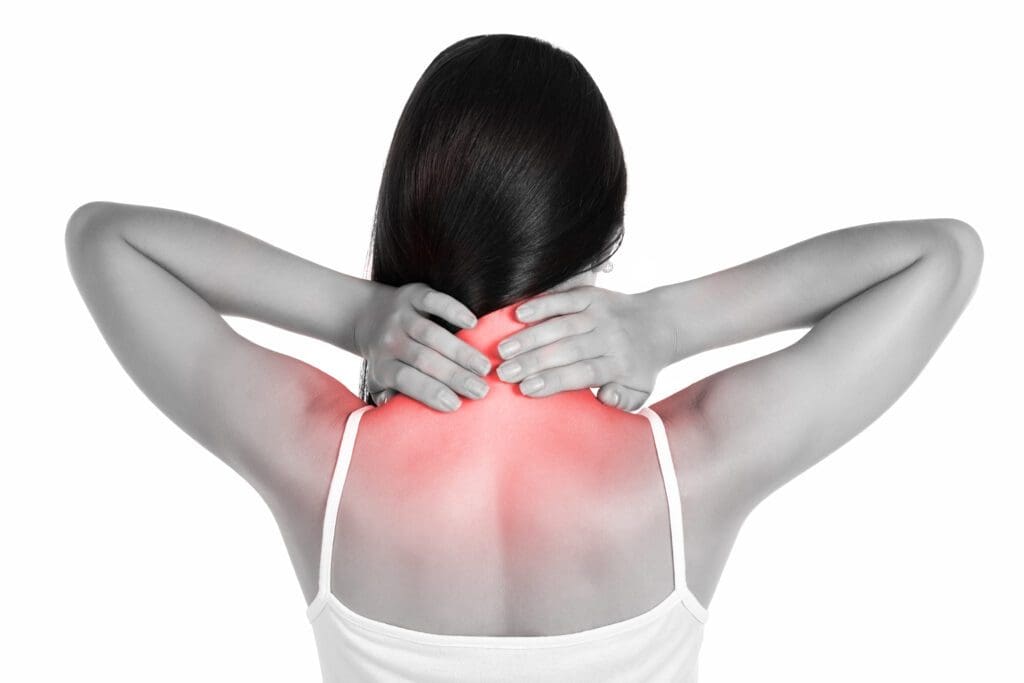
As one of the most common musculoskeletal disorders that affect many individuals, research studies have shown that neck pain is a multifactorial disease that causes individuals to be in pain. Some of the risk factors that can cause neck pain can be from:
Other research studies have shown that since the neck is flexible and supports the head’s weight, it is vulnerable to many injuries and conditions that will cause pain and restricted movements like muscle strains, worn-out joints, nerve compression, and whiplash injuries. There are also two types of neck pains that can affect the cervical spine: axial pain, where the pain is felt in the neck mostly, and radical pain, where the pain affects the shoulders.
How To Operate The DRX9000-Video
The video above explains how to operate the DXR9000 decompression machine. The DRX9000 is part of spinal decompression therapy. It utilizes traction to gently stretch the spine to all the nutrients that go back into the spine and cause instant relief to many individuals. Many decompression machines allow many decompression treatments to the lumbar spine and provide relief to the cervical spine. With physical therapy, decompression therapy can alleviate the painful symptoms that affect a person’s quality of life and continue on their wellness journey. If you want to learn more about spinal decompression therapy, this link will explain the benefits of spinal decompression and how it can alleviate low back pain symptoms.
How Cervical Axial Decompression Reduces Neck Pain
Since many individuals suffer from neck pain, many treatments can alleviate neck pain. Research studies have shown that treatment for neck pain usually depends on the cause and the best way to reduce neck pain includes:
Gentle stretches
Use heat or ice packs
Traction therapy
Physical therapy
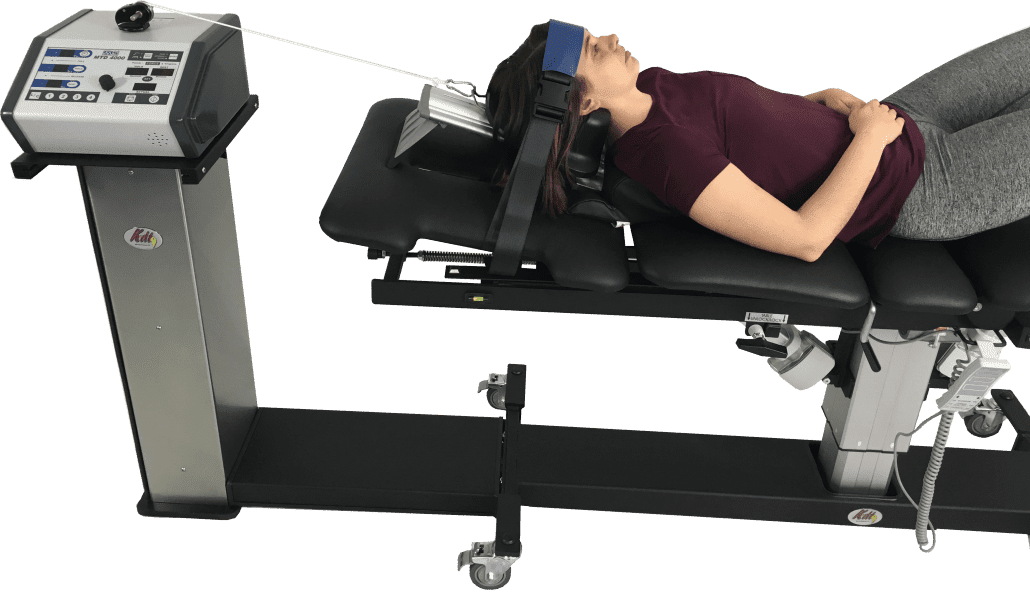
With traction therapy, many individuals are placed in a supine position on a decompression traction table and are strapped in so they won’t slide off. For cervical treatment, individuals are lying on the table as their head is positioned in a cervical cradle unit and strapped in as the traction machine gently stretches the cervical spinal joints to reduce the pressure on the neck. Research studies have shown that cervical decompression can directly reduce the volume of the hernia by creating negative pressure on the intervertebral discs to cause instant relief. Cervical decompression can also increase the intervertebral disc height and decompress the cervical nerve root to diminish the painful symptoms that cause neck pain.
Conclusion
All in all, neck pain is common for many individuals worldwide, caused by stress, injuries, or neuromusculoskeletal disorders. With neck pain, many individuals will feel muscle stiffness and compressed discs that can hinder a person and cause many unwanted issues that they don’t need. Utilizing decompression therapy can help alleviate neck pain and help repair the cervical disc by allowing the nutrients to rehydrate the cervical spine. With physical therapy, many individuals can feel instant relief from decompression and even add small changes to their lifestyle habits that can lower their stress levels and continue on their wellness journey without being in pain.
References
Förster, Matti, et al. “Axial Low Back Pain: One Painful Area–Many Perceptions and Mechanisms.” PloS One, Public Library of Science, 2 July 2013, https://www.ncbi.nlm.nih.gov/pmc/articles/PMC3699535/.
Kazeminasab, Somaye, et al. “Neck Pain: Global Epidemiology, Trends and Risk Factors.” BMC Musculoskeletal Disorders, BioMed Central, 3 Jan. 2022, https://www.ncbi.nlm.nih.gov/pmc/articles/PMC8725362/.
Staff, Mayo Clinic. “Neck Pain.” Mayo Clinic, Mayo Foundation for Medical Education and Research, 31 July 2020, https://www.mayoclinic.org/diseases-conditions/neck-pain/symptoms-causes/syc-20375581.
Xu, Qing, et al. “Nonsurgical Spinal Decompression System Traction Combined with Electroacupuncture in the Treatment of Multi-Segmental Cervical Disc Herniation: A Case Report.” Medicine, Lippincott Williams & Wilkins, 21 Jan. 2022, https://www.ncbi.nlm.nih.gov/pmc/articles/PMC8772752/.
Individuals with chronic back and/or leg pain are encouraged to try spinal decompression. Non-surgical spinal decompression is a treatment option therapy that has been proven to be safe, gentle, and successful. This therapy is motorized traction that takes the pressure off the spinal discs and stretches out the spine to its correct position. It is highly effective, comfortable, affordable, and a safe alternative to surgery. At Injury Medical Chiropractic and Functional Medicine Clinic, our spinal decompression team/tables effectively treat:
Neck pain
Chronic back pain
Sciatica
Bulging discs
Herniated discs
Degenerated discs
Whiplash
Try Spinal Decompression
The vertebral bones protect the spinal cord. Everyday wear-and-tear, improper posture and injury can cause parts of the vertebrae to compress the spinal cord’s nerves, leading to pain, numbness, or tingling. Non-surgical spinal decompression therapy is also known as NSSD or SDT/Spinal Decompression Therapy. The goal of the treatment is to restore optimal health to the spine. Pain-causing conditions can be reversed or healed, and discs can be normalized through the decompression process as it encourages spinal repositioning to promote optimal healing.
Decompression Table
The spinal decompression table may consist of a manually operated cable and pulley system or a computerized table segmented by the upper and lower body.
The angle and pressure applied depend on the type of injury and the individual’s needs.
Each procedure is carefully calculated to reposition the spinal discs and disc material to alleviate pain.
How It Works
Spinal decompression is a mechanized version of a chiropractic adjustment. By gently stretching and moving the spine, the vertebrae have proper alignment restored, restoring range of motion, decreasing or eliminating pain, and improving mobility and function.
The individual is strapped to the machine with a harness that helps position the back for optimal decompression.
Depending on the condition and severity, the therapist will choose from a list of decompression programs.
Slowly, the spine is stretched and lengthened, relieving pressure.
The spine’s stretching and repositioning are different from standard physical therapy and manual manipulation treatment.
It is a gradual process to prevent the body from muscle guarding as the natural response to avoid injury.
Treatment Benefits
An examination is required to see if an individual meets the criteria. Non-surgical spinal decompression therapy has been shown to:
Reduce or eliminate pain.
Rehydrate spinal discs.
Reduce disc bulging/herniation.
Improve functional abilities.
Decrease the need for surgery.
DRX9000
References
Apfel, Christian C et al. “Restoration of disk height through non-surgical spinal decompression is associated with decreased discogenic low back pain: a retrospective cohort study.” BMC musculoskeletal disorders vol. 11 155. 8 Jul. 2010, doi:10.1186/1471-2474-11-155
Koçak, Fatmanur Aybala et al. “Comparison of the short-term effects of the conventional motorized traction with non-surgical spinal decompression performed with a DRX9000 device on pain, functionality, depression, and quality of life in patients with low back pain associated with lumbar disc herniation: A single-blind randomized controlled trial.” Turkish Journal of physical medicine and rehabilitation vol. 64,1 17-27. 16 Feb. 2017, doi:10.5606/tftrd.2017.154
Macario, Alex, and Joseph V Pergolizzi. “Systematic literature review of spinal decompression via motorized traction for chronic discogenic low back pain.” Pain practice: the Official Journal of World Institute of Pain vol. 6,3 (2006): 171-8. doi:10.1111/j.1533-2500.2006.00082.x
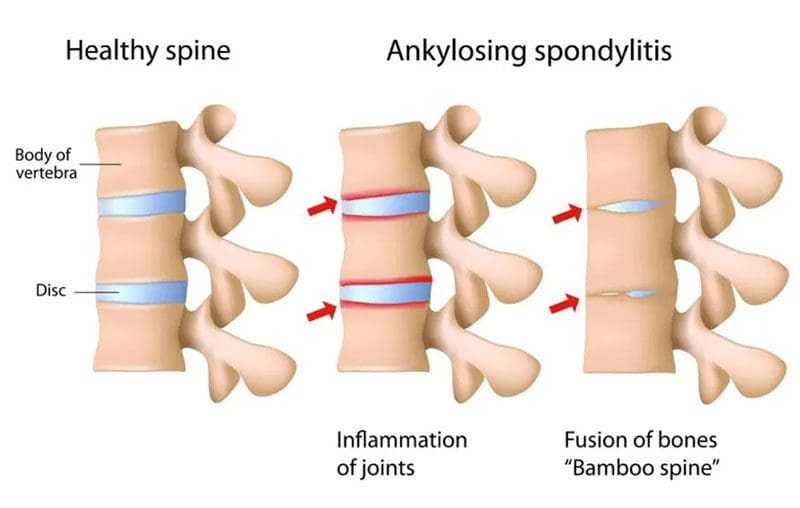
Spondylitis Anti-Inflammation Diet: Individuals who have a chronic back pain condition can be recommended to have two or more vertebrae fused to correct the problem/s and alleviate the pain. However, a form of inflammatory spinal arthritis can cause the vertebrae to fuse by themselves, known as ankylosing spondylitis. One recommended way to bring pain relief is by eating an anti-inflammatory diet. Studies have shown that a low-inflammatory diet can help improve spondylitis symptoms.
Spondylitis Anti-Inflammation Diet
Ankylosing spondylitis is a progressive inflammatory disease that primarily affects the spine; however, individual symptoms vary. Symptoms include stiffness and pain in the neck, hips, low back, and fatigue. There is no definite pattern meaning:
Symptoms can improve.
Symptoms can worsen or flare up.
Symptoms can stop for a period of time.
Women are affected more often than men with no known cause. There is no cure for ankylosing spondylitis, but treatments and self-care can slow down the disease’s progression and help manage symptoms.
Diet and Inflammation
Diet is not the root cause of inflammatory disease, but eating inflammation-causing foods can worsen symptoms. Reducing inflammation can help alleviate pain.
Eliminating foods that cause or increase inflammation is recommended to help the body become stronger and manage symptoms.
Functional medicine practitioners can help guide individuals on maximizing healthy nutrition and using it to reduce pain and symptoms.
If an individual has a genetic predisposition, their diet can be crucial to calm down the symptoms and help turn the autoimmune disease around.
A spondylitis anti-inflammation diet should be rich in vegetables, fruit, whole grains, and omega-3 fatty acids. Evidence shows that a diet low in starches can lead to less ankylosing spondylitis activity. Low-starch can also help limit the presence of Klebsiella pneumoniae, a bacteria that feeds on starch and is a known trigger for the onset and development of ankylosing spondylitis.
Foods To Eat
Leafy greens
These include spinach, kale, Swiss chard, and collard greens containing magnesiumand polyphenols that reduce inflammation.
These can be raw or cooked with garlic and olive oil added to maximize benefits.
Cruciferous vegetables
These contain sulforaphane, anantioxidantthat includes broccoli cauliflower and can be eaten raw or cooked, roasted with olive oil, sauteed, and stir-fried.
Allium Vegetables
These contain sulfuric compounds and quercetin,a flavonoidthat helps reduce inflammation.
These include red and yellow onions, leeks, garlic, and shallots.
They can be eaten raw or cooked in salads, stir-frys, and sandwiches.
Berries
These contain anthocyanin,an antioxidant flavonoid, and other antioxidants and polyphenols that help with inflammation.
These include strawberries, raspberries, blueberries, blackberries and can be eaten raw, in smoothies, in salads, with oatmeal, or mixed in unsweetened yogurt.
Fruits
Certain fruits contain quercetin and polyphenols to help with inflammation.
These include apples, cherries, oranges.
Healthy oils
Contain oleocanthalwhich acts similar to nonsteroidal anti-inflammatory medications and contains various antioxidants.
These include olive oil for low heat cooking and avocado oil for high heat cooking to replace butter and margarine.
It can be served in dressings and drizzled on foods.
Examples include walnuts, almonds, peanuts, pistachios, chia seeds, and ground flaxseeds.
These can be served as snacks, salads, mixed in side dishes, topping, or added to unsweetened yogurt or oatmeal.
Fatty fish
Omega-3 fatty acids help reduce inflammation.
Examples include salmon, cod, rainbow trout, mackerel, and sardines.
These can be baked, sauteed, grilled, mixed into salads, and stir fry.
Avoid These Foods
When making lifestyle adjustments for a spondylitis anti-inflammation diet, focus on reducing or removing processed foods and saturated fats. These include:
Sugars from all sources like soda, sugary drinks, shakes, candy, and desserts.
Trans fats, like those in fried foods like chips and fries.
Individuals may not be symptomatic with certain foods, but that doesn’t mean the foods should be consumed. Gluten, dairy, and eggs can cause potential problems as they compromise the gut and the immune system. These can set back the individual’s healing or remission.
Body Composition
What Happens To The Body When Eating Fruit
Fruit is made up of simple sugar called fructose, providing the body with a carbohydrate energy source. The natural sugar the body gets from a piece of fruit is not the same as processed fructose added to processed products like fructose corn syrup. Processed products are typically filled with empty calories and very little nutrition. When the body has fruit, the liver processes fructose before getting absorbed through the small intestine. Research shows that exposing the gut to more fiber-rich foods like fruit helps the gut achieve an anti-obese condition by increasing the good bacteria and reducing the obese bacteria. Essential nutrients from fruit include:
Folate
Vitamin C
Vitamin B1
The USDA recommends making half of each meal/plate be fruit and vegetables.
References
Harvard Health Publishing. (November 16, 2021) “Foods that Fight Inflammation.” https://www.health.harvard.edu/staying-healthy/foods-that-fight-inflammation
Macfarlane, Tatiana V et al. “Relationship between diet and ankylosing spondylitis: A systematic review.” European journal of rheumatology vol. 5,1 (2018): 45-52. doi:10.5152/eurjrheum.2017.16103
Nielsen, Forrest H. “Magnesium deficiency and increased inflammation: current perspectives.” Journal of inflammation research vol. 11 25-34. January 18 2018, doi:10.2147/JIR.S136742
Rashid T, Wilson C, Ebringer A. The Link between Ankylosing Spondylitis, Crohn’s Disease, Klebsiella, and Starch Consumption. Clin Dev Immunol. 2013;2013:872632. doi: 10.1155/2013/872632.
Sharma, Satya P et al. “Paradoxical Effects of Fruit on Obesity.” Nutrients vol. 8,10 633. 14 Oct. 2016, doi:10.3390/nu8100633
van Buul, Vincent J et al. “Misconceptions about fructose-containing sugars and their role in the obesity epidemic.” Nutrition research reviews vol. 27,1 (2014): 119-30. doi:10.1017/S0954422414000067
IFM's Find A Practitioner tool is the largest referral network in Functional Medicine, created to help patients locate Functional Medicine practitioners anywhere in the world. IFM Certified Practitioners are listed first in the search results, given their extensive education in Functional Medicine