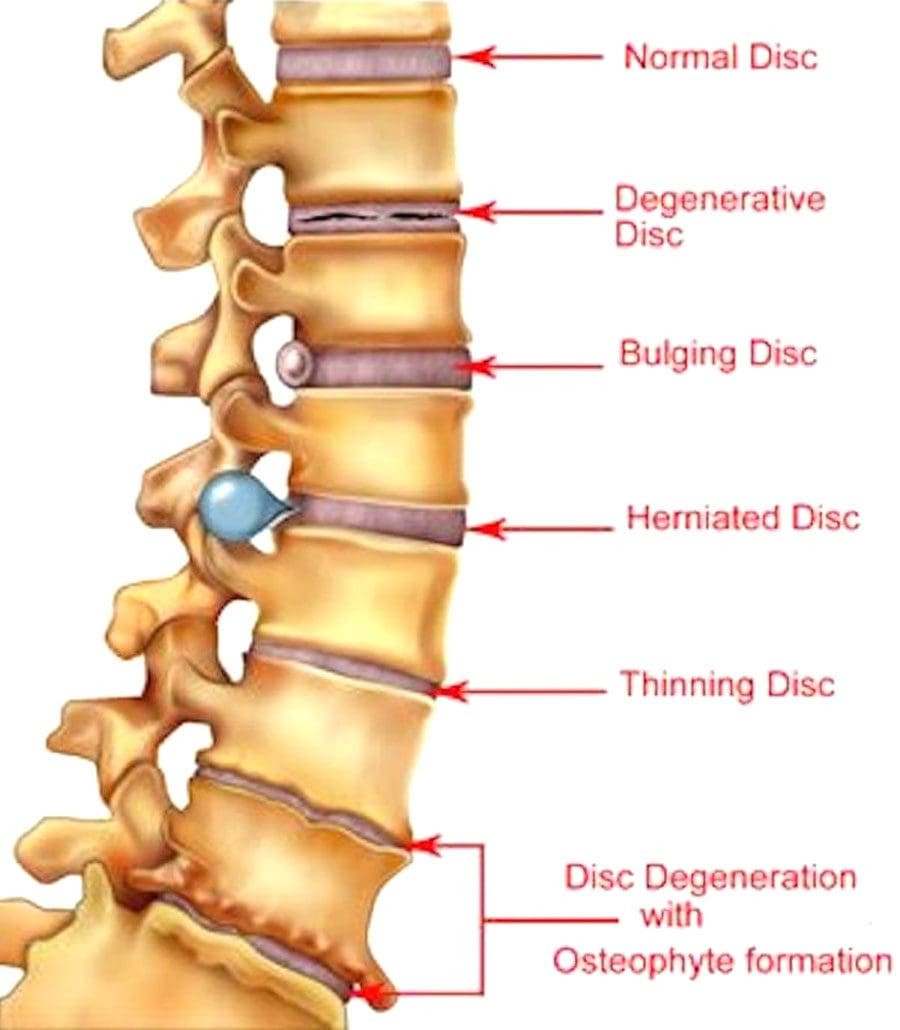
Dehydration affects the body physically and mentally but also affects the health of the spine’s discs. Spinal discs that lack proper hydration begin to compress, collapse between vertebrae, or cannot refill correctly, causing further compression and increasing the risk of spinal injury. Dehydrated discs can cause injuries like herniated disc/s, degenerative disc disease, and spinal stenosis. Chiropractic treatment offers spinal decompression that will restretch and realign the spine allowing the injury/s to heal and proper disc rehydration.
Spine Support
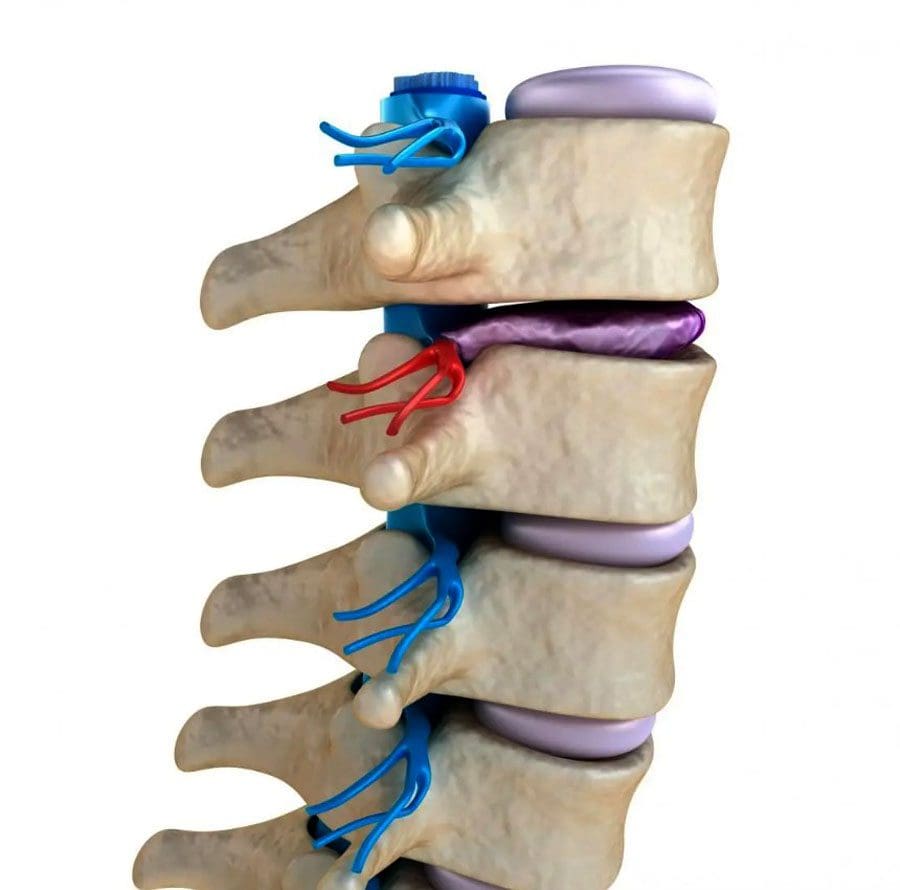
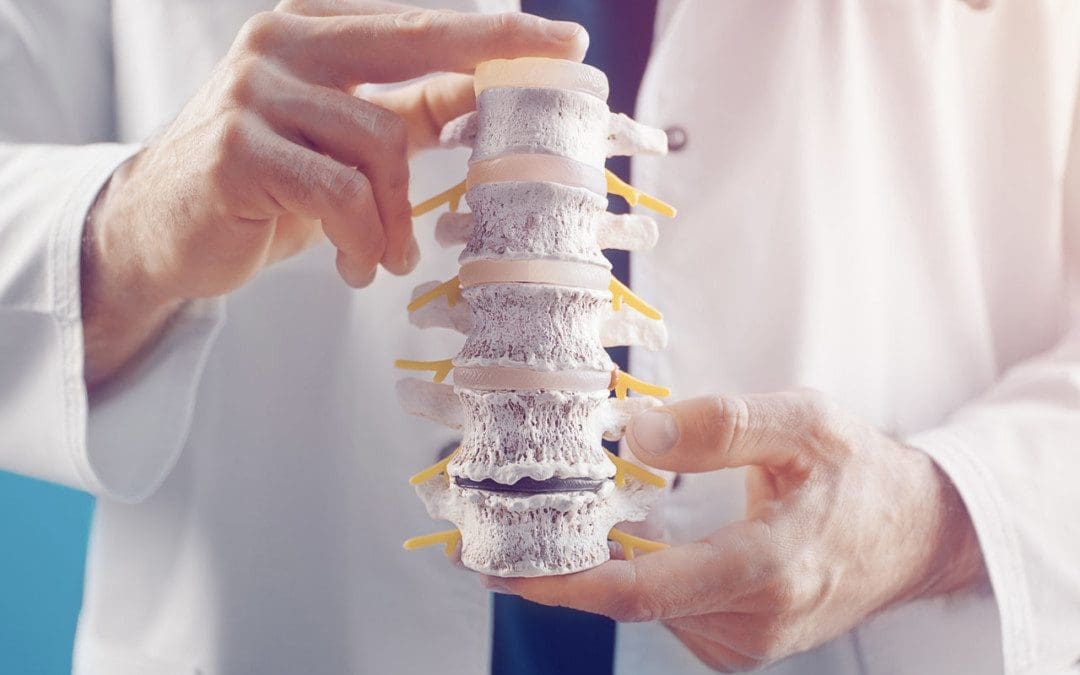
As crucial as the spine is within daily activities, it is vital to understand its mechanics. The spinal vertebrae discs work to absorb shock when bending, twisting, or flexing to ensure the bones do not rub together. Within each disc is the nucleus pulposus, made up of 85 percent water that provides movement when the spine rotates and moves in various directions. This high water content in the discs helps the spine function. The discs naturally lose some water as the body ages, but dehydration can also occur when individuals do not intake enough water from drinking or in food. If the dehydration is severe, the risk of injury increases or can aggravate existing spine conditions. The loss of hydration in an adult spine can cause a loss of disc height daily. Without proper rehydration, other medical issues can begin to present.
Symptoms
Depending on which discs are affected, the pain or numbness can travel from the neck into the shoulders, arms, and hands or from the lower back down through the legs. Symptoms can include:
Back stiffness
Burning or tingling sensations
Reduced or painful movement
Back pain
Weakness
Numbness in the low back, legs, or feet
Changes in knee and foot reflexes
Sciatica
When the body is dehydrated, it can be difficult to replenish the water in the discs thoroughly, as well as nutrient levels through a consistent loss of fluid. Dehydration disrupts the balance which can lead to an increased risk of injury and increased degeneration. Causes of disc dehydration include:
Trauma from an auto accident, fall, work, or sports injury.
Repeated strain on the back from consistent lifting, reaching, bending, twisting, etc.
Sudden weight loss can cause the body, including the discs, to lose fluid.
The entire body relies on proper hydration with direct water consumption to rehydrate the body but also incorporating fruits and vegetables to aid in hydration. These foods include:
Watermelon
Cantaloupe
Lettuce
Tomatoes
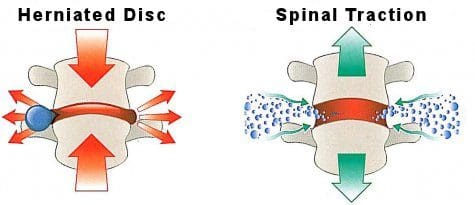
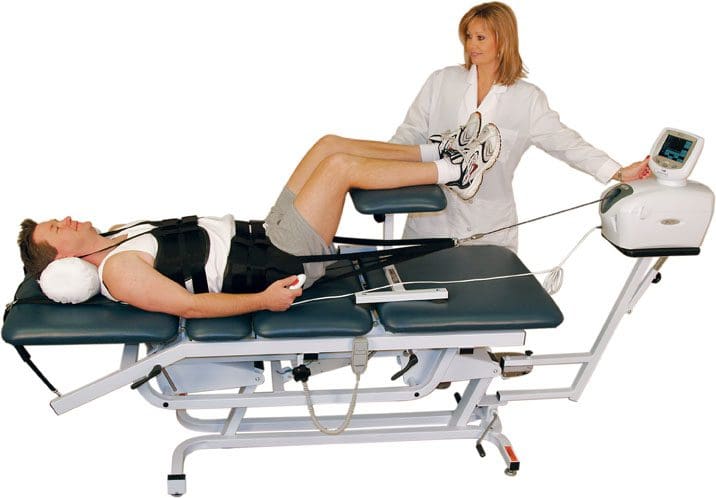
These foods are made of more than 90% water and contain essential nutrients and help the spine function more efficiently. Proper water consumption is based on age, body size, and activity level. However, to fully heal desiccated discs, spinal injuries, or back pain, chiropractic decompression, and manipulation adjustments are recommended. Non-surgical motorized spinal decompression treatment is gentle. The therapy lengthens and decompresses the spine reversing the pressure within the damaged disc/s creating an intradiscal vacuum that relieves the pressure off the nerve and helps reshape and rehydrate the damaged disc/s.
DOC
References
Djurasovic, Mladen, et al. “The influence of preoperative MRI findings on lumbar fusion clinical outcomes.” The European spine journal: official publication of the European Spine Society, the European Spinal Deformity Society, and the European Section of the Cervical Spine Research Society vol. 21,8 (2012): 1616-23. doi:10.1007/s00586-012-2244-9
Karki, D B et al. “Magnetic Resonance Imaging Findings in Lumbar Disc Degeneration in Symptomatic Patients.” Journal of Nepal Health Research Council vol. 13,30 (2015): 154-9.
Twomey, L T, and J R Taylor. “Age changes in lumbar vertebrae and intervertebral discs.” Clinical Orthopedics and related research,224 (1987): 97-104.
Videman, Tapio et al. “Age- and pathology-specific measures of disc degeneration.” Spine vol. 33,25 (2008): 2781-8. doi:10.1097/BRS.0b013e31817e1d11
Bicycling at any level is excellent healthwise, but the specific physical repetitive motions and postures can wear on a cyclist’s body, causing strains and injury to the:
Muscles
Ligaments
Tendons
Nerves
Spine
Injuries can be caused by falls, overused muscles, joints, posture, and/or balance problems, whether riding a bicycle for fun, health, or sport. Chiropractic decompression can treat cycling-related injuries and help prevent common injuries by helping cyclists with conditioning and exercises. Chiropractic adjustments, combined with health coaching and nutrition planning, can maximize the body’s overall athletic ability and increase/improve:
Many cyclists suffer from back pain overuse injuries that are caused by:
Incorrect saddle/seat height or an uneven seat/saddle
Not bending the knee at the end of a pedal stroke forces the cyclist to rock the pelvis side to side to generate enough power, placing added stress on the low back muscles.
Handlebars that are too far forward can cause over-stretching of the spine.
Constantly tilting the head can cause neck and shoulder pain.
Staying in the same position for an extended period strains the spine.
Repetitive hip flexion causes the muscles to become tight and perform less efficiently, straining the rest of the body to make up for the lost support.
Hamstrings that become tight can shorten in length, causing the body to pull on the pelvis and the spine.
Lack of core strength allows more stress to penetrate the glutes, back, and hips.
Riding on bumpy or rough terrain increases body jarring and spinal compression.
Chiropractic Decompression
Chiropractic decompression for cyclists can rehabilitate the body from injuries, alleviate pain, improve blood and nerve circulation and maintain the body’s flexibility. Advanced decompression techniques personalized to the individual realign and release the body from obstructions and toxins in the neural pathways. Nutritional and supplementation recommendations are incorporated to enhance the body’s natural healing abilities, and exercise/stretches to sustain the adjustments.
Spinal Decompress
References
Schultz, Samantha J, and Susan J Gordon. “Recreational cyclists: The relationship between low back pain and training characteristics.” International journal of exercise science vol. 3,3 79-85. 15 Jul. 2010
Silberman, Marc R. “Bicycling injuries.” Current sports medicine reports vol. 12,5 (2013): 337-45. doi:10.1249/JSR.0b013e3182a4bab7
Streisfeld, Gabriel M et al. “Relationship Between Body Positioning, Muscle Activity, and Spinal Kinematics in Cyclists With and Without Low Back Pain: A Systematic Review.” Sports health vol. 9,1 (2017): 75-79. doi:10.1177/1941738116676260
Thompson, M J, and F P Rivara. “Bicycle-related injuries.” American family physician vol. 63,10 (2001): 2007-14.
When the body goes through intense trauma like a car, truck, crash, or accident, the trauma can slip, bulge, herniate, or rupture the spinal fluid-filled discs that can extrude from the disc space, causing the nucleus pulposusto tear through the annulus fibrosus and compress the nerve roots causing pain. Depending on the severity and force of the crash or accident, a herniated disc can cause the vertebrae to push into the spinal canal, where it can compress, irritate, and/or injure the spinal cord, which can lead to other health issues. Nerve impingement from a herniated disc can also cause numbness and tingling in the hands, arms, legs, and feet. A chiropractic spine disc herniation decompression treatment plan can heal the herniation, realign the spine, stretch the muscles and joints, and rehabilitate the body back to top form.
Spine Disc Herniation
Symptoms of Herniation
Signs and symptoms depend on the spinal area and whether the disc is rubbing or compressing a nerve. Pain is often described as a sharp or burning sensation. A herniated disc usually affects one side of the body.
Pain Presents When Sitting Down – sitting causes a significant strain on the lower spinal discs. When sitting, the pain experienced can worsen.
Arm or leg pain – Depending on the herniated disc, pain can spread to other surrounding areas.
For a lower herniation, this could be the buttock, thigh, calf, and foot.
For a herniated disc in the neck region, pain can be felt in the shoulder and arm.
Pain can present in the arm or leg when coughing, sneezing, or moving into certain positions.
Numbness or tingling – presents from the compressed nerves and spreads as the average blood/energy flow is disrupted.
Muscle Weakness – the affected nerves that support the spinal muscles can lose normal strength causing awkward postures and fatigue.
A herniated disc can be present without symptoms – individuals won’t know unless spinal imaging is ordered.
Sciatica Sensations – the damaged nerve roots affect the ability to function correctly and can cause burning pain, numbness, weakness, and tingling along the front and/or back of the thigh, leg, and/or foot. This can result from direct compression or chemical irritation from a leaked out herniated disc that causes inflammation around the nerve root area.
Chiropractic Injury Care
When a disc herniates, it inhibits the body from communicating and healing itself. To activate proper communication from the brain to the rest of the body, chiropractors perform spine disc herniation decompression which clears the neural system and opens the lines of communication.
Spine Disc Herniation Decompression
Nonsurgical spinal decompression gently stretches the spine to relieve pressure and heal the herniated disc. It is a safe procedure considered a natural alternative compared to surgery or pharmaceutical approaches. Spinal decompression therapy:
It is safe for all ages
It is non-invasive
Sessions take between 30 to 45 minutes, depending on the individual and the injury that could require multiple sessions.
Offers a quicker recovery time
It is performed on a computer-controlled table customized to the individual’s specific needs and injuries.
A treatment plan can expedite the recovery process, rehabilitate and strengthen the whole body, and help avoid minimally invasive spine surgery.
Neurosurgeon DRX9000
References
Atlas, Steven J et al. “The impact of disability compensation on long-term treatment outcomes of patients with sciatica due to a lumbar disc herniation.” Spine vol. 31,26 (2006): 3061-9. doi:10.1097/01.brs.0000250325.87083.8d
Dydyk AM, Ngnitewe Massa R, Mesfin FB. Disc Herniation. [Updated 2022 Jan 18]. In: StatPearls [Internet]. Treasure Island (FL): StatPearls Publishing; 2022 Jan-. Available from: https://www.ncbi.nlm.nih.gov/books/NBK441822/
Gane, Elise M et al. “The Impact of Musculoskeletal Injuries Sustained in Road Traffic Crashes on Work-Related Outcomes: A Systematic Review.” International journal of environmental research and public health vol. 18,21 11504. 1 Nov. 2021, doi:10.3390/ijerph182111504
Scuderi, Gaetano J et al. “Symptomatic cervical disc herniation following a motor vehicle collision: return to work comparative study of workers’ compensation versus personal injury insurance status.” The spine journal: official journal of the North American Spine Society vol. 5,6 (2005): 639-44; discussion 644. doi:10.1016/j.spinee.2005.04.007
Food is more than just energy. Diets have a profound effect on everything in an individual’s life. Some foods can help the body heal or interfere with the recovery/healing process from injury/s and/or conditions that include sciatica. Making changes to a diet plays a significant factor in the recovery/rehabilitation phase, and adding certain foods will improve and expedite the healing process. A fully functional sciatic nerve nutrition diet plan must be personalized to each individual’s needs.
Sciatic Nerve Nutrition
Sciatica can cause numbness, tingling, electrical shock-type pain, or a combination in the back, hip, outer side of the leg, and the foot. Clinical nutrition is a powerful tool when combating sciatica. Enzymes in certain foods can help reduce the inflammation associated with sciatica. A high percentage of individuals dealing with sciatica can enhance pain relief by adjusting their diets. Quick recommendations include:
Oily fish like salmon and halibut are rich in omega-three fatty acids that decrease inflammation in the body and the sciatic nerve.
Fresh pineapples and berries are anti-inflammatories that aid in healing and increase immune system function.
2-3 cups of green tea contain antioxidants that help control peripheral sensations and help manage pain.
Turmeric, ginger, and garlic contain anti-inflammatory agents that relieve swelling by reducing levels of inflammation-stimulating enzymes.
B-Vitamins are essential to maintain normal nerve function and can be found in green peas, spinach, navy beans, nuts, and bananas.
Magnesium-rich foods can ensure the body is not deficient and help control muscle spasms.
Sciatica can also be triggered by a poor diet that causes constipation that can place pressure on the nerve. Therefore it is recommended to incorporate fiber-rich foods that include plenty of fruits and vegetables to prevent constipation.
Foods That Make Sciatica Worse
Inflammatory foods to avoid:
Sugar and high-fructose corn syrup.
Trans fats include margarine and any hydrogenated/solidified or partially hydrogenated oils.
Refined vegetable oils – These are vegetable, nut, or seed oils that have been highly processed. Cut down on french fries, chips, or other foods fried in these oils.
Refined carbohydrates – Carbohydrates that have fiber removed increase the growth of inflammatory gut bacteria. These include white flour, refined corn products, white rice, and various commercial cereals and sugars.
Excessive alcohol – Moderate amounts of alcohol can provide health benefits, but higher amounts increase inflammation.
Processed meats – are often processed at high temperatures, creating chemicals/substances associated with inflammation.
Avoid Surgery
References
Davis D, Maini K, Vasudevan A. Sciatica. [Updated 2022 Feb 4]. In: StatPearls [Internet]. Treasure Island (FL): StatPearls Publishing; 2022 Jan-. Available from: https://www.ncbi.nlm.nih.gov/books/NBK507908/
Garfin, SR et al. “Spinal nerve root compression.” Spine vol. 20,16 (1995): 1810-20. doi:10.1097/00007632-199508150-00012
Kumar, M. Epidemiology, pathophysiology and symptomatic treatment of sciatica: A review. nt. J. Pharm. Bio. Arch. 2011, 2.
Safari, Mir Bahram, et al. “Efficacy of a Short-Term Low-Calorie Diet in Overweight and Obese Patients with Chronic Sciatica: A Randomized Controlled Trial.” Journal of alternative and complementary medicine (New York, N.Y.) vol. 26,6 (2020): 508-514. doi:10.1089/acm.2019.0360
Many complex spinal surgeries take place in a hospital environment. The individual spends a night or two in the hospital, so medical staff can monitor them if any complications arise. However, outpatient surgeries have increased with new developments in minimally invasive procedures, pain management, and home rehabilitation. The improvements compared to traditional spinal surgical procedures are significant. These advancements have made it possible to perform more complex surgeries outside of a hospital. Outpatient surgeries have:
Accelerated recovery times
Decreased complications
Decreased infections
Healthier overall outcomes
Outpatient Surgery Candidates
Determining if outpatient surgery can be performed effectively depends on the injury/s and/or conditions that the individual is going through. An individual who is debilitated or has underlying medical conditions that increase their risk for complications or do not have support at home to assist with recovery and rehabilitation is recommended to have the surgery done in a hospital. To be considered for outpatient spine surgery, a surgeon looks at:
Standalone ambulatory surgery centers offer same-day surgical procedures for individuals that meet specific criteria. Medical staff assess the patient’s condition and determine recovery at home. If issues arise, the individual can be transferred to a hospital. Some facilities are single-specialty facilities, focusing on one medical specialty, and others are multi-specialty, meaning they offer a range of medical services from:
Orthopedic
Podiatry
Pain management services
Procedures
Anterior Cervical Discectomy and Fusion – ACDF
ACDF is a two-part surgery. First, the surgeon removes part of an intervertebral disc with bulged and compressed nerves from the spinal cord. Because there is less cushion, the vertebrae above and below are fused to prevent and eliminate painful movement. The discectomy:
Provides more accessible access to the vertebrae
Reduces healing time
Causes less pain
ACDF outpatient procedure treats several neck conditions that include:
Cervical spinal stenosis
Cervical radiculopathy
Neck-related degenerative disc disease
Herniated disc
Cervical spinal fracture
Individuals recover in the surgical center for one to several hours following the surgery before returning home. Traditional ACDF procedure takes three weeks to three months to recover.
Lumbar Discectomy
A lumbar discectomy is a minimally invasiveprocedure that repairs a lower back herniated disc compressing the surrounding nerves. This procedure provides compression relief and allows the nerve to heal. A traditional lumbar discectomy takes four to six weeks to recover.
Lumbar Laminectomy
This minimally invasive procedure removes thickened ligaments and lamina from the lower back. This opens the spinal canal space, relieving pressure and bringing pain relief. The surgery commonly treats lower-back spinal stenosis. A traditional laminectomy takes four to six weeks to recover.
Lumbar Spinal Fusion
Outpatient lumbar spinal fusion permanently connects two or more vertebrae in the lower back. The surgery helps stabilize the spine from severe arthritis or herniated disc removal. Spinal fusion has been found to be effective for correcting certain spinal deformities. The surgery involves a short recovery time at the outpatient center, after which the individual can return home the same day. A traditional or open spinal fusion requires a two-to-three-day hospital stay. After four to six weeks and with a doctor’s clearance, individuals can return to light activities, with full recovery requiring six months.
Chiropractic Spinal Decompression
References
International Journal of Spine Surgery. (April 16, 2021) “The expanding frontier of outpatient spine surgery.” https://pubmed.ncbi.nlm.nih.gov/33900984/
Mayo Clinic. (n.d.) “Spinal fusion.” https://www.mayoclinic.org/tests-procedures/spinal-fusion/about/pac-20384523
Neurosurgeons of New Jersey. (July 21, 2019) “Lumbar discectomy recovery timeline: Your guide to recovery.” https://www.neurosurgeonsofnewjersey.com/blog/lumbar-discectomy-recovery-time/#:~:text=The%20overall%20lumbar%20discectomy%20recovery,discectomy%20recovery%20time%20should%20progress
Rothman Orthopaedics. (March 2, 2017) “Outpatient spine surgery: A new way to look at surgery.” https://rothmanortho.com/stories/blog/outpatient-spine-surgery
As the body’s central support structure in the musculoskeletal system, the spine ensures that the body can do everything without feeling discomfort or pain. The spine has three sections in an S-shaped curve known as the cervical, thoracic, and lumbar. Each section helps keep the body upright and is composed of ligaments, soft tissue muscles, and nerve roots spread out all over the back. The spine and sections suffer the most from neck or back pain when the back becomes injured. When this happens, non-surgical treatments can help alleviate the painful symptoms and cause relief for many individuals. Today’s article gives an overview of lumbar traction therapy, how it can help with low back pain, and how it differs from decompression therapy. By referring patients to qualified and skilled providers specializing in spinal decompression therapy. To that end, and when appropriate, we advise our patients to refer to our associated medical providers based on their examination. We find that education is the key to asking valuable questions to our providers. Dr. Alex Jimenez DC provides this information as an educational service only. Disclaimer
Can my insurance cover it? Yes, it may. If you are uncertain, here is the link to all the insurance providers we cover. If you have any questions, please call Dr. Jimenez at 915-850-0900.
What Is Lumbar Traction Therapy?
Feeling your muscles become stiff on your lower back? Does your back hurt after picking up something heavy? How about a mild ache on your lower back that won’t disappear? Why not try lumbar traction therapy to alleviate these symptoms. Research studies have mentioned that lumbar traction has been used to alleviate symptoms of low back pain. What lumbar traction therapy does is that it allows the extension of soft tissue muscles that are around the facet joints while decreasing the pressure off the intervertebral discs of the lumbar spine. This allows the anterior and posterior ligaments to be extended while stretching and relaxing the muscle to stop them from spasming, improving blood circulation around the spine. Other research studies have found that lumbar traction has helped reduce the pain intensity and disability for many individuals suffering from chronic low back pain. Traction therapy gently relieves the pressure off the spine and helps bring the nutrients back to the spinal discs to promote relief to the individual.
How Does It Help With Low Back Pain?
Since chronic low back pain is common worldwide, many individuals try to alleviate low back pain without going to surgery. Some will try medication to reduce severe pain; others will do light physical activities like yoga or meditation to stretch out the tense muscles. Traction therapy can help alleviate low pain symptoms and prevent other chronic conditions from progressing even further. Research studies have stated that traction therapy can help increase the spinal disc height and reduce internal pressure. This allows the irritated pain-sensitive fibers around the outer layer of the spinal discs to relax and relieve the spinal joints to be put back into normal position. Fortunately, traction therapy and even decompression therapy for low back pain can work together with other non-surgical treatments to help decompress the spine and lower the effects of chronic low back pain.
Lumbar Traction Overview-Video
Feeling mild to severe pain in your lower back? How about tenderness on certain parts of your back? Do your muscles ache and become stiff when carrying or lifting heavy items? Suffering from low back pain can hinder your daily activities and make you feel miserable. Like the video above, utilizing lumbar traction therapy can help relax the back muscles and provide relief to the compressed spinal discs that are pressing on the nerve roots. Traction therapy is a non-surgical treatment that allows individuals to lay down on a traction machine and be strapped in. The traction machine begins to slowly pull on the spine, causing the intervertebral disc to increase its height in the spine and any nerve roots that were being irritated to stop sending pain signals to and from the brain. Suppose you want to learn more about lumbar traction and how it can benefit you? In that case, this link will explain what traction does for the lumbar area in the spine and provide relief to the back.
How Is Traction Different Than Decompression?
Research studies show that lumbar traction therapy immediately improved the pain and functional status of many individuals suffering from chronic low back pain. Since traction therapy help with chronic low back pain, how is it different when individuals use decompression therapy? Traction therapy is performed mechanically or manually to help widen the spaces between the spinal vertebrae. In contrast, decompression therapy helps relieve the pressure of irritated nerve roots that are causing pain along the spinal column. Research studies have found that decompression uses negative pressure to reduce spinal disc protrusion and intradiscal stress off the spinal nerve roots. Traction and decompression therapy have one thing in common: relieve pressure off the spine and alleviate low back pain. These two therapies can also be combined with physical therapy that allows the individual to reduce the stress of the nerve roots and strengthen the back muscle tissues. Incorporating traction or decompression therapy will benefit anyone on their wellness journey by providing relief to chronic low back pain.
Conclusion
Therefore, as part of the musculoskeletal system, the spine can be injured in various scenarios that cause low back pain. Incorporating lumbar traction therapy can help alleviate low back pain either manually or mechanically, stretching the spine to help widen the spaces in the spinal column to relieve compressed spinal discs and loosen up the stiff back muscle to promote blood circulation to the back. Since decompression and traction are different forms of therapy, they do have something in common when it comes to low back pain: to relieve the symptoms of the individual. Once people start incorporating traction therapy as part of their journey to a healthy lifestyle, they can feel relieved and become pain-free from chronic low back pain.
References
Borman, Pinar, et al. “The Efficacy of Lumbar Traction in the Management of Patients with Low Back Pain.” Rheumatology International, U.S. National Library of Medicine, Mar. 2003, https://pubmed.ncbi.nlm.nih.gov/12634941/.
Koçak, Fatmanur Aybala, et al. “Comparison of the Short-Term Effects of the Conventional Motorized Traction with Non-Surgical Spinal Decompression Performed with a DRX9000 Device on Pain, Functionality, Depression, and Quality of Life in Patients with Low Back Pain Associated with Lumbar Disc Herniation: A Single-Blind Randomized-Controlled Trial.” Turkish Journal of Physical Medicine and Rehabilitation, Bayçınar Medical Publishing, 16 Feb. 2017, https://www.ncbi.nlm.nih.gov/pmc/articles/PMC6709608/.
Oh, Hyunju, et al. “The Impact of Manual Spinal Traction Therapy on the Pain and Oswestry Disability Index of Patients with Chronic Back Pain.” Journal of Physical Therapy Science, The Society of Physical Therapy Science, Dec. 2018, https://www.ncbi.nlm.nih.gov/pmc/articles/PMC6279706/.
Tadano, Shigeru, et al. “Lumbar Mechanical Traction: A Biomechanical Assessment of Change at the Lumbar Spine.” BMC Musculoskeletal Disorders, BioMed Central, 9 Apr. 2019, https://www.ncbi.nlm.nih.gov/pmc/articles/PMC6454715/.
Tanabe;Akai M;Doi T;Arai S;Fujino K;Hayashi K; ;, Hideki. “Immediate Effect of Mechanical Lumbar Traction in Patients with Chronic Low Back Pain: A Crossover, Repeated Measures, Randomized Controlled Trial.” Journal of Orthopaedic Science: Official Journal of the Japanese Orthopaedic Association, U.S. National Library of Medicine, 27 Mar. 2021, https://pubmed.ncbi.nlm.nih.gov/33785233/.
Diabetes and severe blood sugar fluctuations can lead to back pain and spinal conditions. The negative impacts on the body from diabetes can be destructive as it is a state of chronic inflammation.
Spine Conditions and Diabetes
Spinal conditions being researched and their link to diabetes can affect each condition and its development differently.
Spinal Stenosis
Spinal stenosis is when the spine’s openings foraminabegin to shrink and narrow, causing the nerve roots that branch off the spinal cord to have less space to function.
The stenosis can compress one or more lumbar spinal nerves.
Pain, tingling, weakness, and/or numbness in the legs can begin to present.
Spinal Epidural Abscess
Spinal epidural abscess is an infection between the vertebral bones and the spinal cord membrane.
Diabetes increases the risk of infection and increases the risk of developing an abscess.
Hypertension and obesity can also increase the risk of infection.
Lumbar Disc Degeneration
The back contains spinal discs between each vertebra that are the shock absorbers.
Lumbar disc degeneration occurs when one or more discs begin to break down.
The disc’s deterioration causes changes in the lumbar/lower back structure.
The degeneration also causes back pain.
Disc degeneration is a normal part of aging and is expected. However, those who have lived with diabetes for over ten years have a higher risk of developing advanced lumbar disc degeneration. To prevent disc degeneration and/or minimize the adverse effects, it’s essential to maintain blood sugar levels.
Vertebral Osteomyelitis
Vertebral osteomyelitis is a rare spinal infection resulting from a spinal injury or post-surgical complication/s.
It is a bacterial infection that can travel to the spine from another location.
Diabetes increases susceptibility to infections.
For example, an individual with diabetes could have a foot ulcer, lower back pain, and a fever, symptoms that could indicate the development of vertebral osteomyelitis.
Chiropractic and Decompression Therapy
Spinal decompression is an effective non-surgical technique that can relieve back pain, leg pain, and symptoms associated with spinal conditions and disorders. It works by gently creating traction/pulling force with a specialized mechanical decompression table combined with chiropractic massage and adjustments. Benefits include:
Pain relief
Decompression relieves tension in tight, spasming, or injured muscles.
Stimulates the nervous system to release chemical signals that bring pain relief.
Heals spinal disc tissues
Decompression creates a vacuum force on the spinal discs, helping to circulate much-needed fluids, cells, and other substances to the damaged tissue/s.
Restores spinal disc and joint alignment
Stress, poor posture, poor body mechanics, and other factors can cause joints to shift out of place or the discs to herniate.
The vacuum force helps realign the joints and discs.
Prevents further pain and inflammation.
Restores mobility and function.
Relieves pressure on nerves
Spinal nerves can get pinched when discs, bones, or other tissues compress the small spaces causing inflammation and pain.
Non-surgical decompression increases the space around the nerves, allowing the nerves to heal.
Injury Medical Chiropractic and Functional Medicine Clinic offer spinal decompression as one of many treatment approaches to restore a high quality of life.
DOC Decompression Table
References
Anekstein, Yoram, et al. “Diabetes mellitus as a risk factor for the development of lumbar spinal stenosis.” The Israel Medical Association journal: IMAJ vol. 12,1 (2010): 16-20.
Eivazi, Maghsoud, and Laleh Abadi. “Low back pain in diabetes mellitus and importance of preventive approach.” Health promotion perspectives vol. 2,1 80-8. 1 Jul. 2012, doi:10.5681/hpp.2012.010
Heuch, Ingrid et al. “Associations between serum lipid levels and chronic low back pain.” Epidemiology (Cambridge, Mass.) vol. 21,6 (2010): 837-41. doi:10.1097/EDE.0b013e3181f20808
Rinaldo, Lorenzo, et al. “Diabetes and Back Pain: Markers of Diabetes Disease Progression Are Associated With Chronic Back Pain.” Clinical diabetes: a publication of the American Diabetes Association vol. 35,3 (2017): 126-131. doi:10.2337/cd16-0011
IFM's Find A Practitioner tool is the largest referral network in Functional Medicine, created to help patients locate Functional Medicine practitioners anywhere in the world. IFM Certified Practitioners are listed first in the search results, given their extensive education in Functional Medicine