Individuals may not be aware that back discomfort/pain symptoms can be connected to not staying hydrated. When the body is dehydrated, it reduces the amount of fluid in the spinal discs making them smaller, resulting in decreased cushioning and support for the spine. The stress can lead to swelling, causing further back discomfort, even a herniated disc. Individuals that experience frequent back pain could find relief by increasing their H2O consumption.
Staying Hydrated
Physical activity and healthy nutrition are important for healthy living. However, individuals can forget the basic need for water, often resulting in dehydration. The body needs to maintain hydration levels to function correctly. Dehydration can cause the body’s fascia/connective tissue which supports every cell and organ, to lose lubrication that allows the muscles to move, slide, and glide smoothly, causing stiffness, and tangled knots/trigger points, making movement difficult and painful.
The Body’s Overall Health
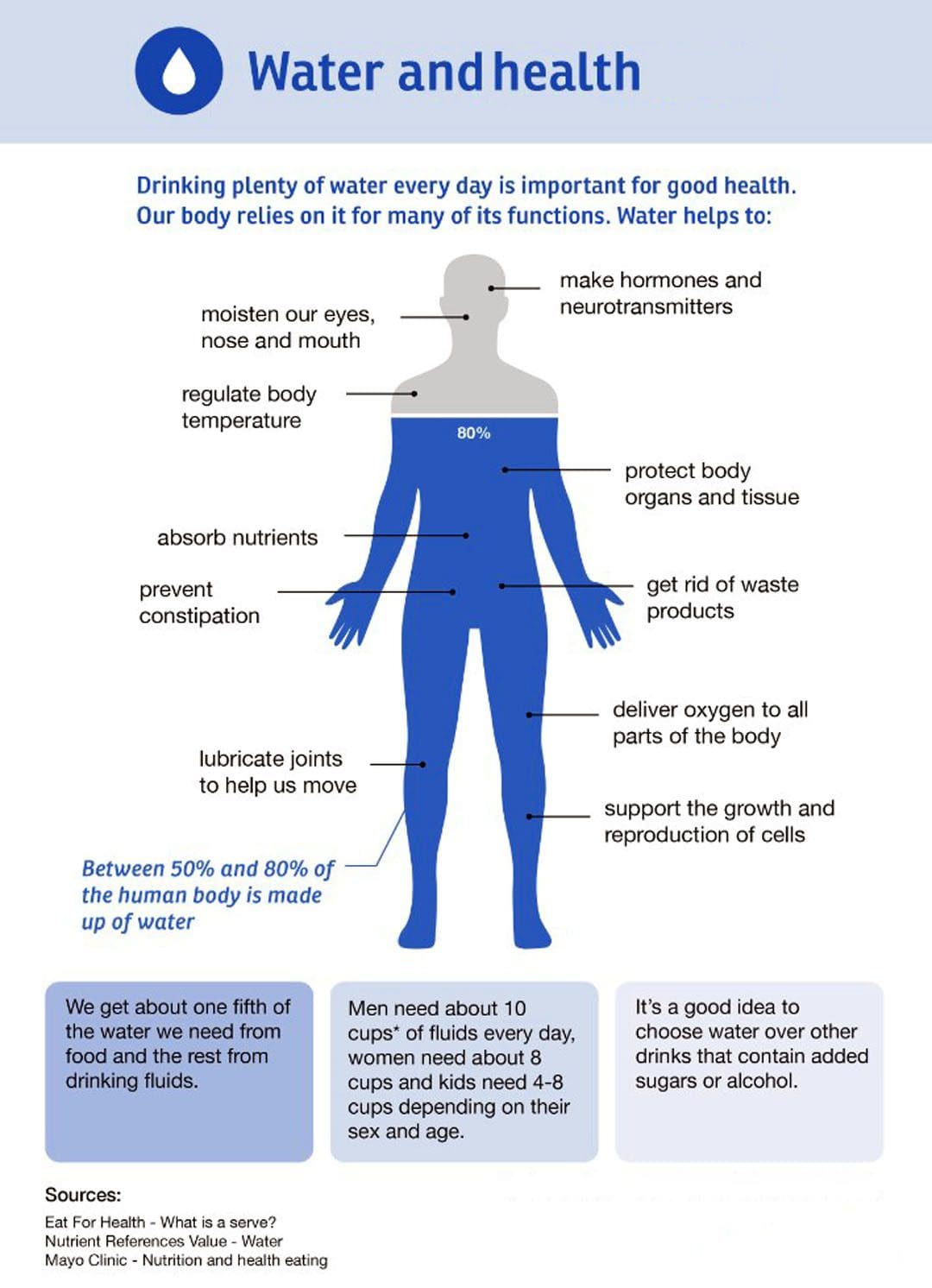
The body is 60% water.
Hydration replaces body fluids lost through exhaling, sweating, and waste elimination.
The body loses and needs to replace around 2-3 quarts of water daily.
Proper hydration regulates temperature, keeps the joints functioning smoothly, protects the spine, and facilitates waste removal.
Dehydration
Even being a little dehydrated is not healthy. Studies have shown that losing 1-2% of body weight without replacing fluids causes thinking and memory problems. A 4% deficit causes headaches, irritability, and sleepiness. Physical work or working outdoors without proper hydration impairs muscle endurance and strength. Dehydration stresses the spine even more which can cause painful swelling and bulged discs. Chronic pain conditions can be worsened by dehydration. This includes:
Overall stiffness
Headaches
Migraines
Joint pain
Arthritis
Fibromyalgia
All can be affected by dehydration.
Lack of water levels can lead to back pain because the discs between the vertebrae need fluid to cushion the bones. They begin to dry out when not properly hydrated, exacerbating back discomfort symptoms that could lead to similar symptoms in the neck or legs.
The spinal discs are filled with a gel substance of around 75% water.
The inner and outer rings/nucleus pulposus are made almost entirely of water.
Water is slowly released from the spinal discs throughout the day.
The discs absorb most of the shock from everyday movements while protecting the spinal cord.
The discs rehydrate during sleep.
Indicators of Dehydration
Other than back pain and discomfort, other symptoms of dehydration.
Fatigue
Irritability
Muscle Cramps
Headaches
Dark Urine
Dry Skin
Dry Eyes
Blurry Vision
Bad Breath
Dizziness
Fever
Caffeinated beverages – soft drinks, tea, and coffee count partly toward daily fluid intake. They do not dehydrate the body, but they can increase urination and are recommended not to be the primary source of liquids during the day.
Hydration
Throughout the day, drink plenty of water and move around and stretch to circulate the H2O.
Increase Water Intake
Sixty-four ounces, eight glasses per day, is the common recommendation.
Water intake encompasses all the liquids consumed in a day, including coffee, tea, and soup.
Foods like cantaloupe and watermelon count toward daily water consumption.
The best sources are water and drinks, primarily water sport replacement drinks, herbal teas, lemon water, and vegetable broth.
Drink more when working out and being active. More water is needed on top of the 64 ounces when active.
Keep hydrating long after the physical activity or workout is over.
When the brain signals thirst, the body is already dehydrated.
Stay ahead by sipping water throughout the day.
Keep a water bottle close by at school or work, refill it twice daily, and increase refills on hot days.
Monitor Hydration Levels
An easy way to assess dehydration is by looking at urine color.
Light yellow or clear is healthy.
Dark yellow or cloudy indicates dehydration.
The Injury Medical Chiropractic and Functional Medicine Team can realign the spine and body to optimal function and assist in developing a nutrition plan to maintain health and wellness.
Benefits Of Healthy Eating and Chiropractic Care
References
El-Sharkawy, Ahmed M et al. “Acute and chronic effects of hydration status on health.” Nutrition Reviews vol. 73 Suppl 2 (2015): 97-109. doi:10.1093/nutrit/nuv038
Johannaber, Kenneth, and Fadi A Fathallah. “Spinal disc hydration status during the simulated stooped posture.” Work (Reading, Mass.) vol. 41 Suppl 1 (2012): 2384-6. doi:10.3233/WOR-2012-0470-2384
Manz, Friedrich, and Andreas Wentz. “The importance of good hydration for the prevention of chronic diseases.” Nutrition Reviews vol. 63,6 Pt 2 (2005): S2-5. doi:10.1111/j.1753-4887.2005.tb00150.x
Ritz, Patrick, and Gilles Berrut. “The importance of good hydration for day-to-day health.” Nutrition Reviews vol. 63,6 Pt 2 (2005): S6-13. doi:10.1111/j.1753-4887.2005.tb00155.x
Constipation is a leading cause of low back pain in America and can cause a chain reaction in the rest of the body. When the digestional tract swells, it generates added stress on the back and surrounding nerves. Prolonged constipation and pressure can cause sciatica symptoms. Constipation sciatica can be relieved through chiropractic treatment, therapeutic massage, non-surgical spinal decompression, and functional medicine to alleviate symptoms and restore optimal body function.
Constipation Sciatica
Sciatica is irritation, compression, and inflammation of the sciatic nerve, which supplies the thighs, lower legs, and feet. It is usually caused by a pinched/compressed of one or more spinal nerve roots between the vertebrae of the lower back. The buildup of stool in the intestines can cause a dull aching sensation in the low back that can radiate to surrounding areas. Common causes of constipation include:
Bowel movements vary for everyone, and not having a movement daily does not mean constipation is occurring. Some individuals have only three movements a week, while others have multiple movements daily. A recommended indicator of constipation is if there has been a sudden decrease in typical bowel movements. The digestive tract occupies a significant region of the lower torso. Back pain symptoms can present after the rectum becomes obstructed or stools have solidified in the colon. Once constipation has developed, the blockage presses against the nerves and muscles of the back. This causes a range of discomfort signaling by the brain, which worsens as the backup grows. Symptoms of general constipation include:
Feeling full despite not eating anything.
Bloating.
Swelling.
Abdominal cramping.
Infrequent bowel movements.
Discomfort or aching when trying to pass a stool.
Hard and/or lumpy stool.
Constipation is considered chronic when two or more of the following symptoms occur for at least three months:
Further decreased bowel movements.
Straining to defecate.
Stools do not loosen without the use of laxatives.
Passage of hard pebble/pellet stools.
Consistent abdominal pain that is relieved by even slight movement.
Feeling as if the bowels are not fully emptied or a blockage in the rectum.
Feeling the need to assist the release by pressing on the abdomen.
Chiropractic Treatment
Chiropractic treatment can realign the spine, release compressed nerves, increase the frequency of bowel movements, and through the massage and relaxation of the muscles, help to soften stools. Intestinal muscles push the stool to the anus, where it leaves/evacuates the body. Special nerve cells in the intestine, known as ganglion cells,innervate the muscles to push. These nerves connect to the celiac ganglion, which connects to the spinal cord through nerve roots that exit the spine in the lower thoracic and upper lumbar region. The celiac ganglion innervates the liver, stomach, gallbladder, spleen, kidneys, small intestine, and the ascending and transverse colon. Treatment for constipation and back pain depends on the cause of the symptoms. For example, if the constipation is caused by dehydration, a chiropractor will instruct the patient on water intake as part of the personalized treatment plan.
Diagnosis to Recovery
References
Fernandes, Walkyria Vilas Boas, et al. “The effect of a six-week osteopathic visceral manipulation in patients with non-specific chronic low back pain and functional constipation: study protocol for a randomized controlled trial.” Trials vol. 19,1 151. 2 Mar. 2018, doi:10.1186/s13063-018-2532-8
Panarese, Alba, et al. “Chronic functional constipation is strongly linked to vitamin D deficiency.” World journal of gastroenterology vol. 25,14 (2019): 1729-1740. doi:10.3748/wjg.v25.i14.1729
Rédly, Monika. “The effects of chiropractic care on a patient with chronic constipation.” The Journal of the Canadian Chiropractic Association vol. 45,3 (2001): 185–191.
Trager, Robert James, et al. “Association between radicular low back pain and constipation: a retrospective cohort study using a real-world national database.” Pain reports vol. 6,3 e954. 26 Aug. 2021, doi:10.1097/PR9.0000000000000954
Getting healthy sleep can be difficult when dealing with back problems or recovering from surgery. It can be difficult, if not impossible, to get and stay comfortable long enough to sleep on a regular flat mattress. It is worth considering an adjustable bed as an alternative. Because of their lifestyle and health benefits, these beds are growing in popularity to meet an individual’s spine, posture, and sleeping needs.
Adjustable Bed
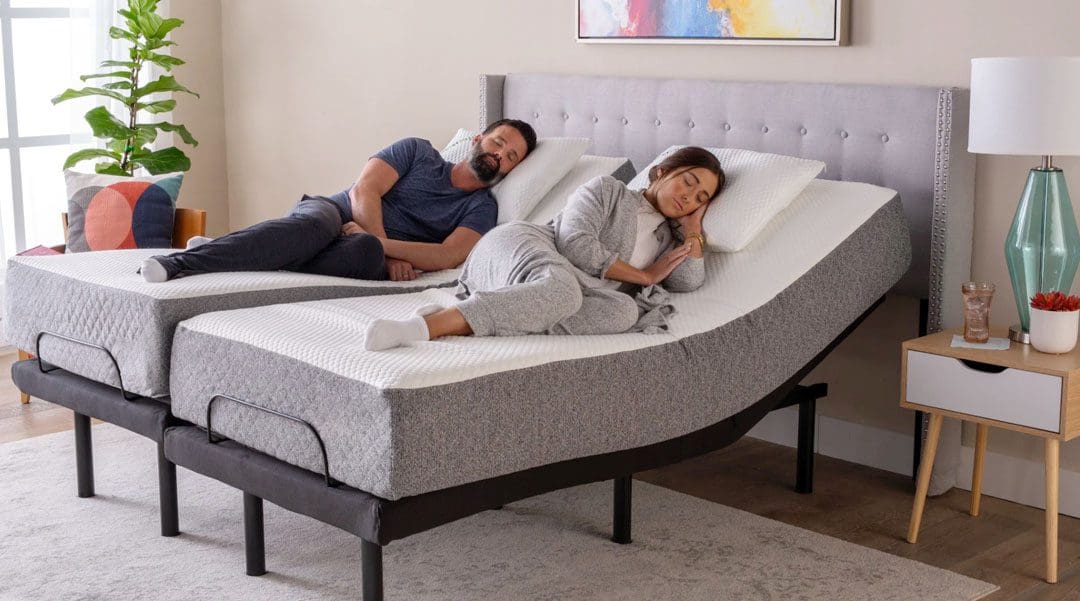
An adjustable bed can raise and lower a mattress’s orientation to different angles, allowing the upper body to rest at a slight incline, such as 30 to 45 degrees, with support under the knees as they bend at a slight angle. The body can feel better in an inclined or semi-upright position rather than lying flat. Individuals with back or neck problems or joint conditions like shoulder arthritis have reported feeling better in this position.
Features
The number of adjustments varies from model to model. Available features include:
Adjustable firmness for the low back/lumbar area.
Adjustments may be made by remote control.
Some offer massage options.
Zero gravity – NASA invented the zero gravity position to reduce pressure on astronauts during takeoff. In this position, the head and knees are raised above the heart, making the body feel weightless.
Adjustable beds are sold in single, queen, and king sizes.
Split queen and king sizes allow the settings to be customized for each side of the bed.
Benefits
Snoring
Over 90 million Americans snore during sleep.
The main cause of snoring is the blockage of the windpipe while sleeping, which can be caused by several factors, but most commonly by the weight of the neck on the windpipe, preventing the individual from breathing properly.
An adjustable bed allows for an inclined position, decreasing the pressure on the windpipe, reducing snoring, and allowing for a more relaxing sleep.
Asthma
Asthma can disrupt healthy sleep and make breathing difficult at night.
COPD and chronic lung conditions can worsen over time, impacting sleep quality.
Lying flat often irritates these lung conditions.
Sleeping with the head and feet in a raised position makes breathing easier.
Posture
Unhealthy posture causes soreness, stiffness, tightness, headaches, and other health issues.
Adjustable beds provide postural support to the spine and can improve posture and increase overall health.
Back Problems
80% of individuals deal with various back issues and symptoms.
Adjustable beds provide support and alignment to the spine by allowing the mattress to conform to the body’s contours.
This can prevent sciatica, enabling the nerves to relax and rest without added body pressure.
For those with sciatica, pain can be alleviated by using a raised leg position to take the stress off the nerves and increase circulation.
Lowering the bed up and down can help stretch the back.
Digestion
An adjustable bed can help with digestion issues.
An inclined position prevents indigestion and acid reflux and helps the body process food more efficiently.
A six-inch raise is recommended to increase digestion.
Individuals who go to bed on a full stomach should raise the incline as there is more digestive activity.
Inflammation, Swelling, and Injury Recovery
When dealing with neuromusculoskeletal injuries, doctors often recommend elevating the injured part of the body to speed up recovery.
An adjustable bed lifts or raises the mattress and elevates the limbs while maintaining a neutral/natural sleeping position.
Pregnancy
Physical and hormonal changes during pregnancy can cause back discomfort symptoms, sciatica, circulation issues, and swelling.
Pregnant women can use the zero gravity position to reduce swelling, alleviate back pain, and improve circulation.
This position also makes back sleeping safer for the mom and baby.
Individuals should research all the styles and features available to find what works for them.
Ten Benefits
References
Ancuelle, Victor, et al. “Effects of an adapted mattress in musculoskeletal pain and sleep quality in institutionalized elders.” Sleep science (Sao Paulo, Brazil) vol. 8,3 (2015): 115-20. doi:10.1016/j.slsci.2015.08.004
Söderback, I, and A Lassfolk. “The usefulness of four methods of assessing the benefits of electrically adjustable beds in relation to their costs.” International journal of technology assessment in health care vol. 9,4 (1993): 573-80. doi:10.1017/s0266462300005493
Tetley, M. “Instinctive sleeping and resting postures: an anthropological and zoological approach to the treatment of low back and joint pain.” BMJ (Clinical research ed.) vol. 321,7276 (2000): 1616-8. doi:10.1136/bmj.321.7276.1616
Verhaert, Vincent, et al. “Ergonomics in bed design: the effect of spinal alignment on sleep parameters.” Ergonomics vol. 54,2 (2011): 169-78. doi:10.1080/00140139.2010.538725
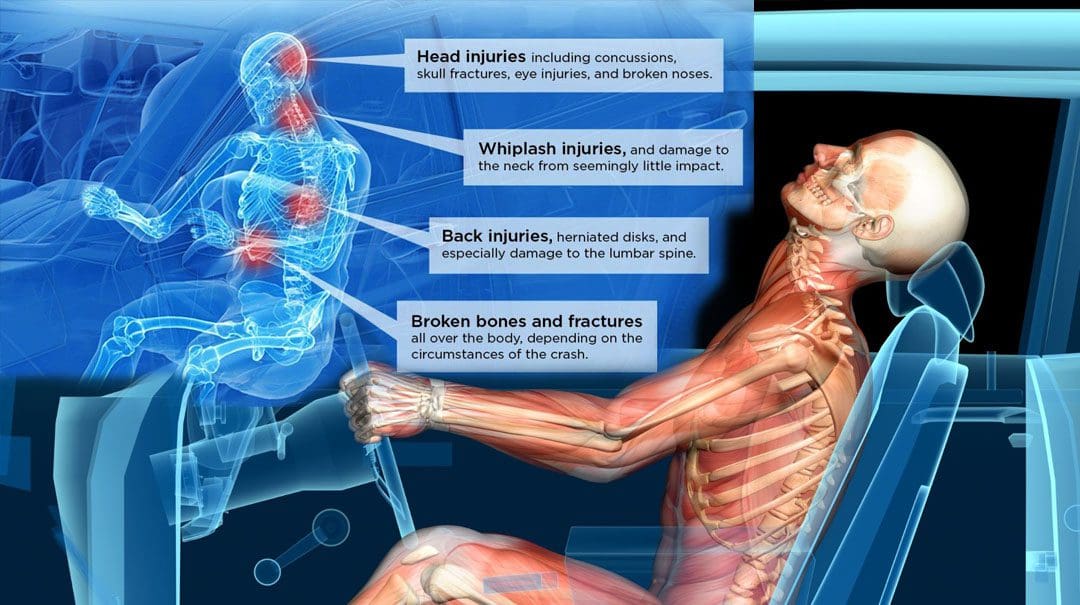
The NHTSA records show that rear-end collisions are the most common and make up 30% of all traffic accidents, crashes, and collisions. Rear-end collisions can come out of nowhere. One moment a driver is waiting at a stop or light, and suddenly they are catapulted forward by the intense force of another vehicle/s resulting in serious and sustaining injuries that can impact an individual’s physical capabilities. Rear-end collision injuries most commonly affect the neck and back. This is because of the excessive force and intense shifting and whipping the body goes through. Chiropractic care, massage, and decompression therapy can realign the body, relax the muscles, release compressed nerves, expedite recovery, and restore mobility and function.
Rear-End Collision Injuries
Rear-end collision injuries can range from mild to serious, and what seems like a minor pull can result in a severe injury. The most common injuries include:
Pre-existing conditions such as degenerative disc disease can worsen.
Collision Types
A rear-end collision can occur in several ways. The most common types include:
Tailgating
When drivers in the rear follow another motorist too closely, and the lead motorist slows down or has to stop quickly, the rear driver hits the vehicle because there was not enough adequate time and distance to stop.
Slow Speed Collisions
Slow-speed/low-impact collisions or fender benders can result in spinal injuries and concussions.
They can also lead to facial and head injuries from sudden airbag deployment.
Vehicle Pile-Ups
A single rear-end collision on a busy street or interstate highway can cause a chain reaction of multiple-vehicle collisions.
These accidents can cause devastating injuries.
Causes
Causes that can take attention away from the road include:
Speeding
Distracted driving – Talking or texting.
Tailgating
Looking at something like an accident while driving by.
Symptoms of rear-end collision injuries may not immediately present following an accident. It can take 24 to 48 hours for discomfort symptoms to come on and sometimes longer. The adrenaline rush allows the individual not to experience the physical symptoms, which is why individuals think they’re fine when they are not. Ignoring signs increases the risk of permanent injury. A herniated disc, for example, left untreated, can lead to permanent nerve damage. Chiropractic treatment for rear-end collisions is one of the most effective options available. A chiropractor manipulates the spine to realign the spinal cord, allowing the body to decrease inflammatory cytokine production, which reduces the inflammatory response. Specific techniques and various tools can realign individual vertebrae, restore joint flexibility, and break up the scar tissue so the areas can heal faster.
The Spine In A Rear-End Auto Accident
References
Chen, Feng, et al. “Investigation on the Injury Severity of Drivers in Rear-End Collisions Between Cars Using a Random Parameters Bivariate Ordered Probit Model.” International journal of environmental research and public health vol. 16,14 2632. 23 Jul. 2019, doi:10.3390/ijerph16142632
Davis, C G. “Rear-end impacts: vehicle and occupant response.” Journal of manipulative and physiological therapeutics vol. 21,9 (1998): 629-39.
Dies, Stephen, and J Walter Strapp. “Chiropractic treatment of patients in motor vehicle accidents: a statistical analysis.” The Journal of the Canadian Chiropractic Association vol. 36,3 (1992): 139–145.
Garmoe, W. “Rear-end collisions.” Archives of physical medicine and rehabilitation vol. 79,8 (1998): 1024-5. doi:10.1016/s0003-9993(98)90106-x
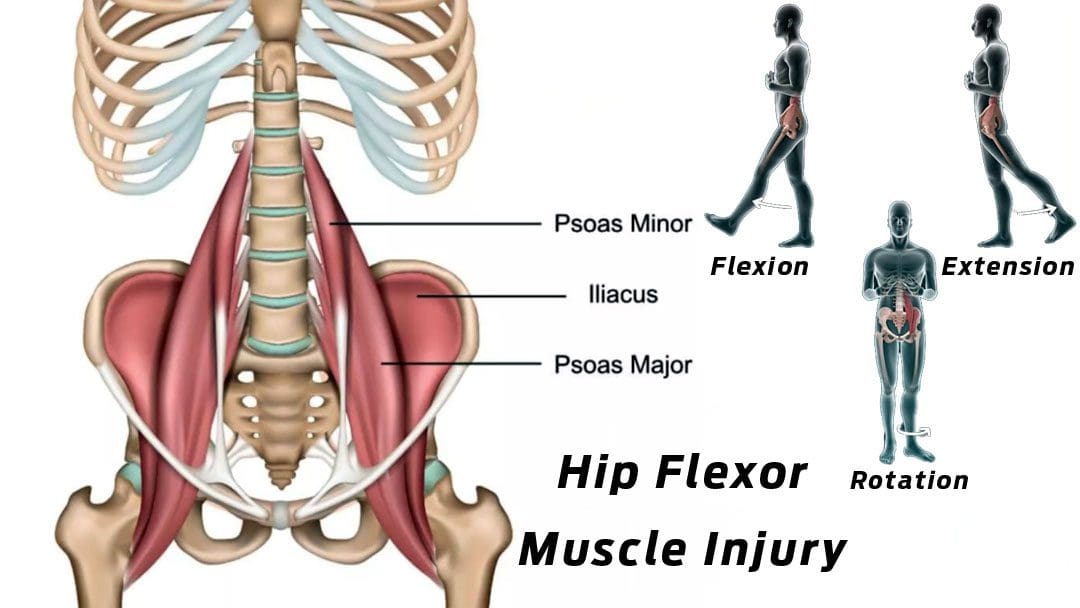
The iliopsoas muscle is a primary hip flexor that assists in the femur’s external rotation and maintains the hip joint’s strength and integrity. It also helps to stabilize the lumbar spine and pelvis. Athletes often overuse these muscles with all the sprinting, jumping, kicking, and changing directions when running, causing strains and/or tears. Repetitive hip flexion can result in chronic degenerative tendon changes. Chiropractic care and physical therapy can assist in the early phases of healing, safely transitioning to rehabilitation, and returning to physical activities.
Iliopsoas Muscle
The hip flexors are the group of muscles, including the iliac and psoas major muscles/iliopsoas and the rectus femoris/quadriceps. One of the largest and thickest muscles in the body, the psoas, extends from the lumbar vertebrae, crosses in front of each hip, and attaches to the inside top of the thigh bone. The muscle works by flexing the hip joint and lifting the upper leg towards the body. These fibers can tear if tension is more than the muscle can bear. An iliopsoas strain occurs when one or more of these hip flexor muscles become overly stretched or begin to tear.
Injury
The injury can occur from sports or everyday physical activities. This leads to inflammation, pain, and scar tissue formation. An iliopsoas injury is commonly caused by sudden movements, including sprinting, kicking, and changing direction fast while running. Individuals participating in any sports, especially cycling, running, dance, tennis, martial arts, and soccer, are more likely to experience this injury. Other contributing factors include:
Muscle tightness
Joint stiffness
Muscle weakness
Inadequate core stability
Not warming up correctly
Improper biomechanics
Decreased fitness and conditioning
Individuals will feel a sudden stinging pain or pulling sensation, usually on the front of the hip, groin, or abdominal area. Other symptoms include:
Healing and recovery depend on the severity of the injury. A minor iliopsoas muscle injury can take around three weeks to recover fully. More serious strains and tears take six to eight weeks before returning to activity, as the tissue needs time to repair before starting rehabilitation.
Chiropractic Rehabilitation and Recovery
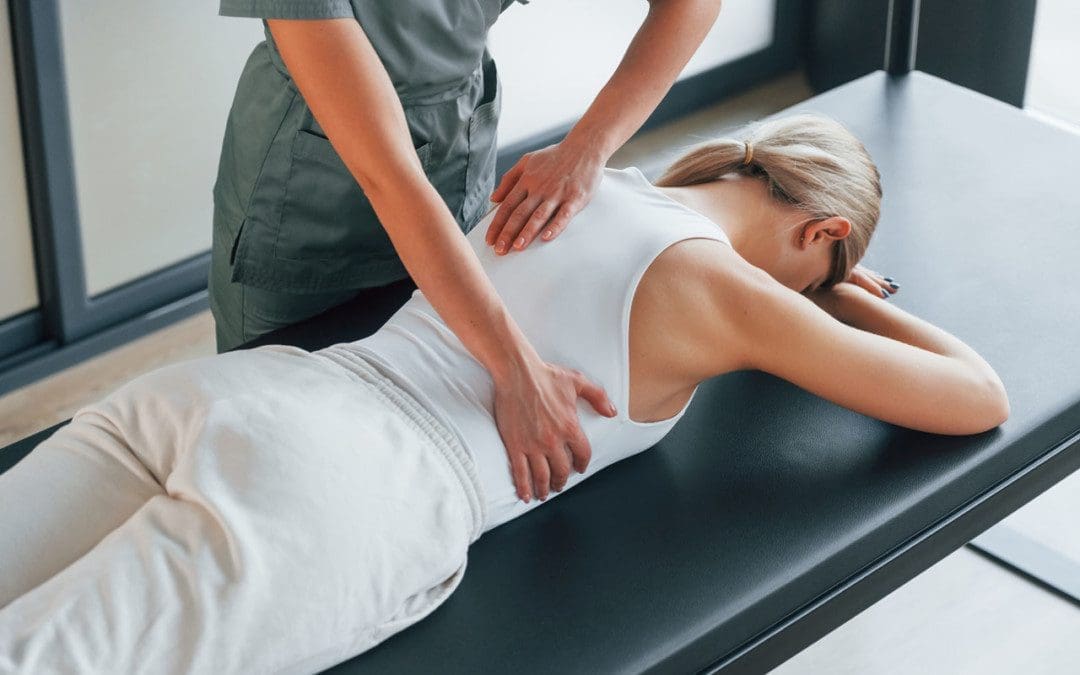
The first steps when dealing with this injury should be P.R.I.C.E. protection, rest, ice, compression, and elevation. It is important to rest and seek treatment immediately; if left untreated, the condition could worsen, lead to a chronic condition, and require surgery. A chiropractic treatment and rehabilitation plan will consist of the following:
Soft tissue massage
Joint mobilization
A chiropractor may recommend crutches to keep the weight off the hip.
A brace can help compress and stabilize the hip flexor to expedite healing.
A flexibility and strengthening program will be implemented to target the muscles around the hip.
Core strengthening exercises will improve the stability of the pelvis area to prevent any further overuse problems.
Wearing compression clothing could also be recommended, as the clothing helps maintain muscle temperature.
Labral Tear
References
Dydyk AM, Sapra A. Psoas Syndrome. [Updated 2022 Oct 24]. In: StatPearls [Internet]. Treasure Island (F.L.): StatPearls Publishing; 2022 Jan-. Available from: https://www.ncbi.nlm.nih.gov/books/NBK551701/
Lifshitz, Liran BPt, MSc, PT; Bar Sela, Shlomo BPt MPE; Gal, Noga BPt, MSc; Martin, RobRoy PhD, PT; Fleitman Klar, Michal BPt. Iliopsoas the Hidden Muscle: Anatomy, Diagnosis, and Treatment. Current Sports Medicine Reports 19(6):p 235-243, June 2020. | DOI: 10.1249/JSR.0000000000000723
Rauseo, Carla. “THE REHABILITATION OF A RUNNER WITH ILIOPSOAS TENDINOPATHY USING AN ECCENTRIC-BIASED EXERCISE-A CASE REPORT.” International journal of sports physical therapy vol. 12,7 (2017): 1150-1162. doi:10.26603/ijspt20171150
Rubio, Manolo, et al. “Spontaneous Iliopsoas Tendon Tear: A Rare Cause of Hip Pain in the Elderly.” Geriatric orthopedic surgery & rehabilitation vol. 7,1 (2016): 30-2. doi:10.1177/2151458515627309
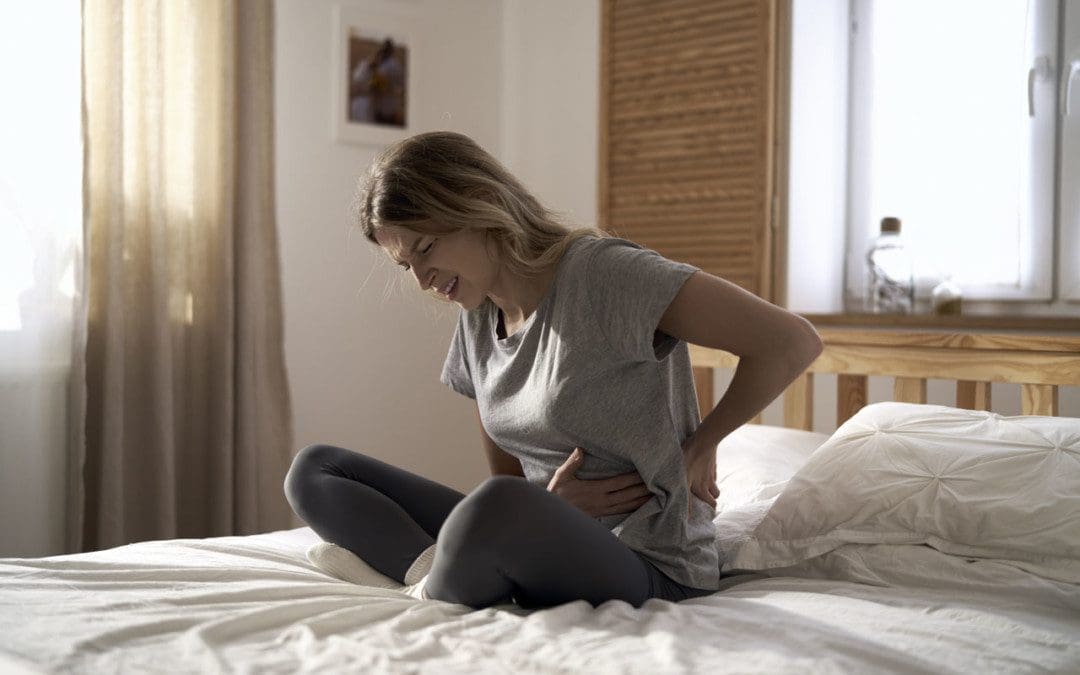
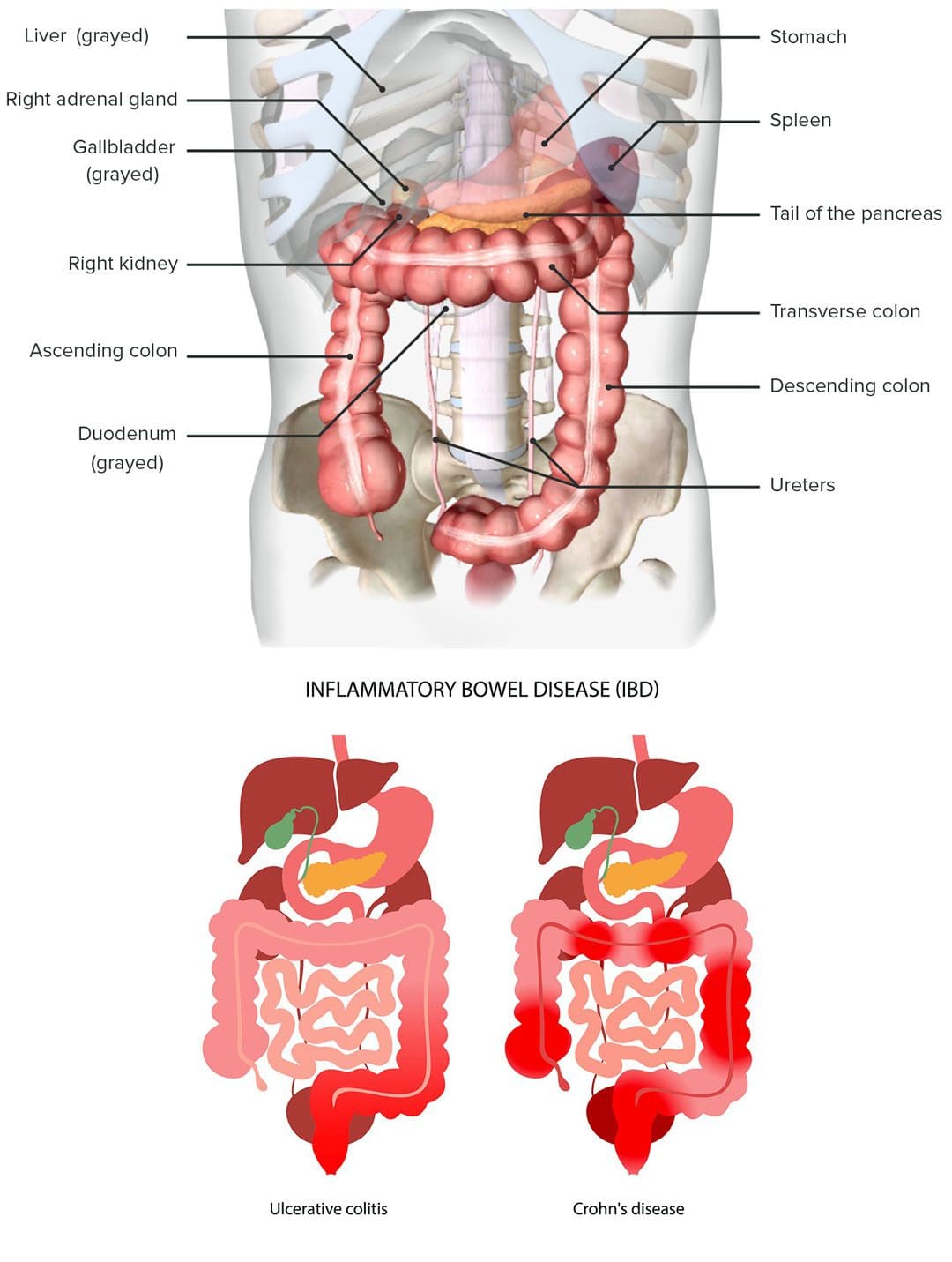
Inflammatory bowel disease, or IBD, causes inflammation of the digestive tract lining, which often involves the deeper layers. Gastrointestinal or GI problems of the stomach and intestines often include diarrhea, weight loss, rectal bleeding, fatigue, and back pain. The inflammation can reach the spine’s joints, causing stiffness, discomfort, and pain symptoms. Injury Medical Chiropractic and Functional Medicine Clinic can help manage symptoms and guide individuals on treatment options.
IBD Back Pain
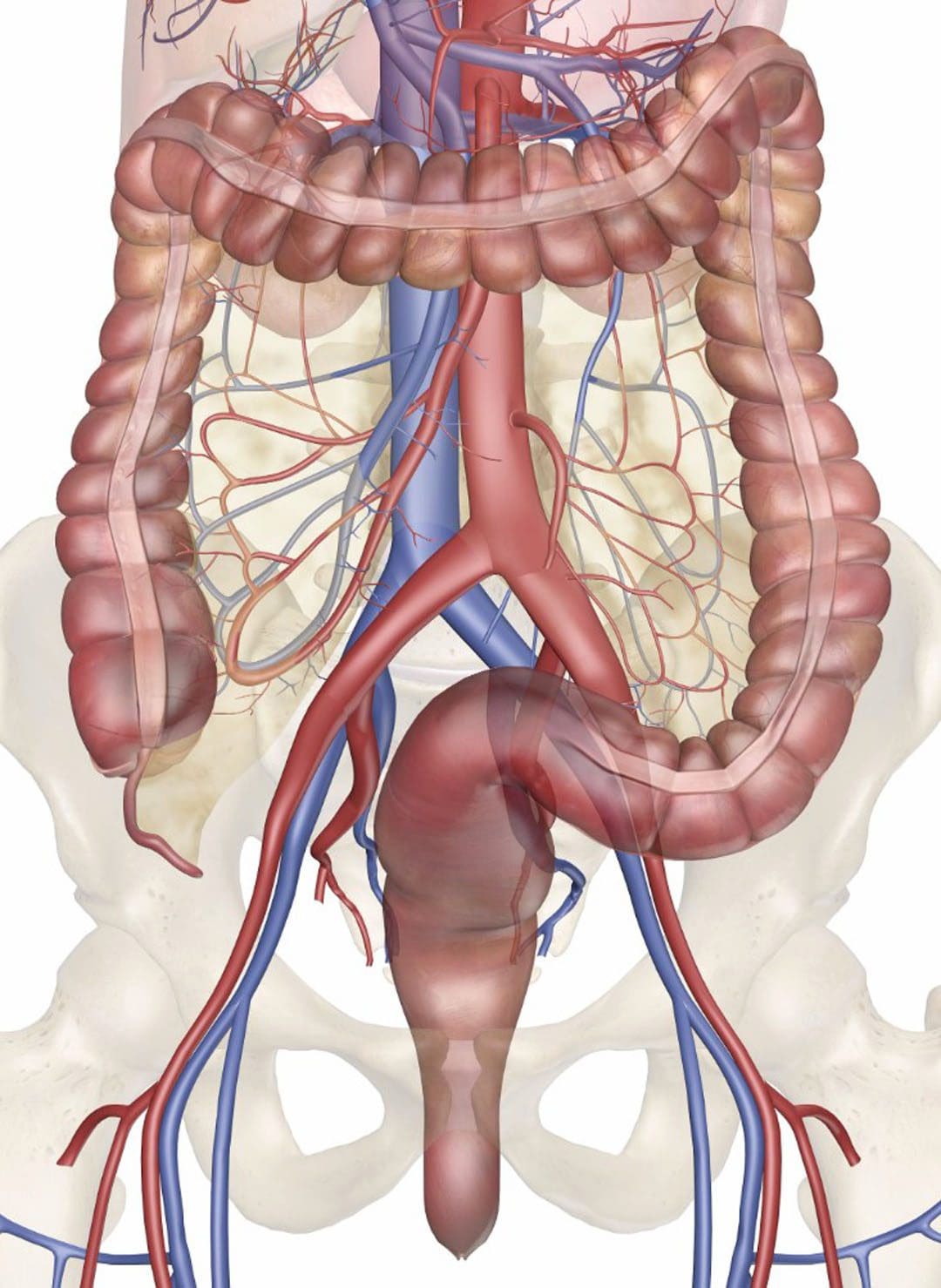
IBD is a set of conditions associated with chronic or intermittent inflammation of the gastrointestinal tract. It includes Crohn’s disease – CD and ulcerative colitis – UC. Although there are genetic components that predispose individuals to IBD, environmental factors appear to contribute the most. Research shows that IBD is likely related to disturbances in the gut’s flora, which include:
Other environmental factors associated with IBD include the long-term use of birth control pills and nonsteroidal anti-inflammatory drugs/NSAIDs. Research theorizes that as the gut becomes inflamed, its normal integrity and structure become compromised and begin to leak out, causing an immune system overreaction response. This can cause non-gastrointestinal symptoms that include:
IBD can cause low back pain as the IBD can inflame the spine’s joints, especially the sacrum, as well as cause abdominal cramps and rectal sensations that radiate to the low back area. However, irritation, inflammation, or infection of any central, abdominal, or pelvic organs can cause low back pain.
Diagnosis
Diagnosis requires a physical examination of the colon – a sigmoidoscopy or a colonoscopy is used.
Both procedures take a biopsy of the intestinal tissues, which is studied to determine the extent and degree of inflammation.
Depending on the circumstances, an X-ray could be used to show the depth or extent of the condition.
Chiropractic Management
A chiropractor can help individuals decrease or completely alleviate musculoskeletal symptoms by realigning the spine and pelvis and massaging, releasing, and relaxing the muscles, which increases circulation and soothes inflammation. The reason why chiropractic care can effectively treat IBD is its ability to stabilize the internal systems. When the central nervous system and immune system communicate and function properly, this prevents the immune system from attacking the body’s tissue cells, preventing inflammation. The chiropractic whole-body approach can also help with recommendations regarding lifestyle changes and nutritional anti-inflammatory modifications.
Ulcerative Colitis
References
Centers for Disease Control and Prevention. “What Is Inflammatory Bowel Disease (IBD)?” 2022, https://www.cdc.gov/ibd/what-is-IBD.htm
Danese S, Fiocchi C. Etiopathogenesis of inflammatory bowel diseases. World J Gastroenterol. 2006;12(30):4807-4812. doi:10.3748/wjg.v12.i30.4807
Limsrivilai, Julajak et al. “Systemic Inflammatory Responses in Ulcerative Colitis Patients and Clostridium difficile Infection.” Digestive diseases and sciences vol. 63,7 (2018): 1801-1810. doi:10.1007/s10620-018-5044-1
van Erp, S J et al. “classifying Back Pain and Peripheral Joint Complaints in Inflammatory Bowel Disease Patients: A Prospective Longitudinal Follow-up Study.” Journal of Crohn’s & colitis vol. 10,2 (2016): 166-75. doi:10.1093/ecco-jcc/jjv195
Zeitz, Jonas, et al. “Pain in IBD Patients: Very Frequent and Frequently Insufficiently Taken into Account.” PloS one vol. 11,6 e0156666. 22 Jun. 2016, doi:10.1371/journal.pone.0156666
Power walking is a fast-paced walking activity quicker than a typical walking pace. It is an exercise technique emphasizing speed and arm motion to increase health benefits. It’s not as high impact as jogging but significantly increases heart rate. Adding power walking to an overall health regimen can improve cardiovascular, joint, muscle, and overall wellness.
Power Walking
Power walking is considered from 3 mph to 5 mph and focuses on speed and arm motion to increase heart rate.
Because it requires more steps per minute, the heart rate will increase more than from a regular walk.
This makes for a more intense cardiovascular workout that burns more calories.
Benefits
Power walking is a great way to improve fitness, heart and joint health, and mental well-being. It has been shown to decrease diabetes risk and lower high blood pressure and some cancers. Other benefits include:
Improves Life Span
The National Institutes of Health recognize the benefits of walking, including a reduced risk of all-cause mortality.
This zone improves cardiovascular health, lowering resting heart rate and strengthening the heart.
Lowers Risk of Health Conditions
Lowers the risk of several conditions like heart disease, dementia, and type 2 diabetes.
Improves sleep quality, reduces sleep disorders’ risks, increases brain function, and supports bone health.
Strengthens Muscles and Bones
It releases pressure from the joints and the muscles and increases the body’s overall range of motion.
Quality of Life
It improves the quality of life as the body becomes more fit.
Reduces risk of illnesses.
Mental abilities and performance improve with increased circulation.
Attention, concentration, and motivation improve.
Technique Overview
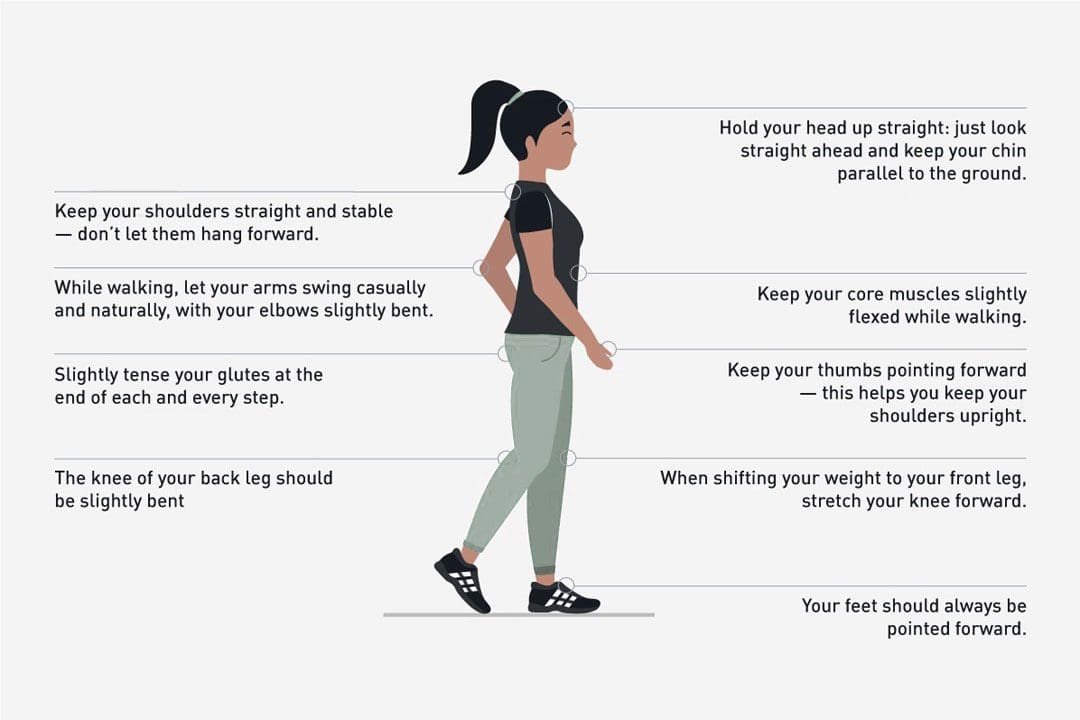
Optimal power walking technique will maximize benefits and prevent injuries. Some recommended guidelines to follow:
Posture Awareness
The right posture will help the body maintain speed and will help protect/prevent injury.
Eyes forward, shoulders back, and head upright.
Pull your belly button in toward the spine to engage the core muscles.
If you start to slump forward, take a moment to correct your body position.
If you start holding tension in the shoulders and neck, take a moment to relax and release them.
Gently Swing Arms
Arms bent at around 90 degrees.
Move the arms up and back so the opposite arm and leg advance together.
If the right foot is stepping forward, the left arm should also go forward.
Adding arm motion increases speed.
Focus on controlling the range of motion.
The hand should not rise higher than the collarbone and should not cross the body’s center.
Walking Pattern
With every step, land on the heel and roll the foot toward the toes.
Concentrate on moving the hips forward and not side to side.
Movement
Use short strides and try for a quick pace.
Studies have shown that taking more steps per minute can positively impact insulin levels, body mass index, and waist circumference.
Gradually work up to longer distances and increased speed.
Chiropractic
Chiropractic care can improve exercise experience, athletic performance, and sports performance. A few benefits include the following:
Increased limberness of the joints, ligaments, and tendons.
Increased elasticity and flexibility of the muscles.
Nervous system support improving response time, speed, and endurance.
Physical activity, no matter what intensity, is vital for health. If you are considering beginning an exercise program, talk to your doctor about developing a training program.
How To Walk Faster
References
Dunlop DD, et al. (2019). One hour a week: Moving to prevent disability in adults with lower extremity joint symptoms. DOI: 10.1016/j.amepre.2018.12.017
Mayo Clinic Staff. (2019). Walking: Trim your waistline, and improve your health. mayoclinic.org/healthy-lifestyle/fitness/in-depth/walking/art-20046261
Sharma, Ashish, et al. “Exercise for mental health.” Primary care companion to the Journal of clinical psychiatry vol. 8,2 (2006): 106. doi:10.4088/pcc.v08n0208a
Tudor-Locke, Catrine, et al. “Step-Based Physical Activity Metrics and Cardiometabolic Risk: NHANES 2005-2006.” Medicine and science in sports and exercise vol. 49,2 (2017): 283-291. doi:10.1249/MSS.0000000000001100
IFM's Find A Practitioner tool is the largest referral network in Functional Medicine, created to help patients locate Functional Medicine practitioners anywhere in the world. IFM Certified Practitioners are listed first in the search results, given their extensive education in Functional Medicine





 IBD Back Pain
 Power Walking






