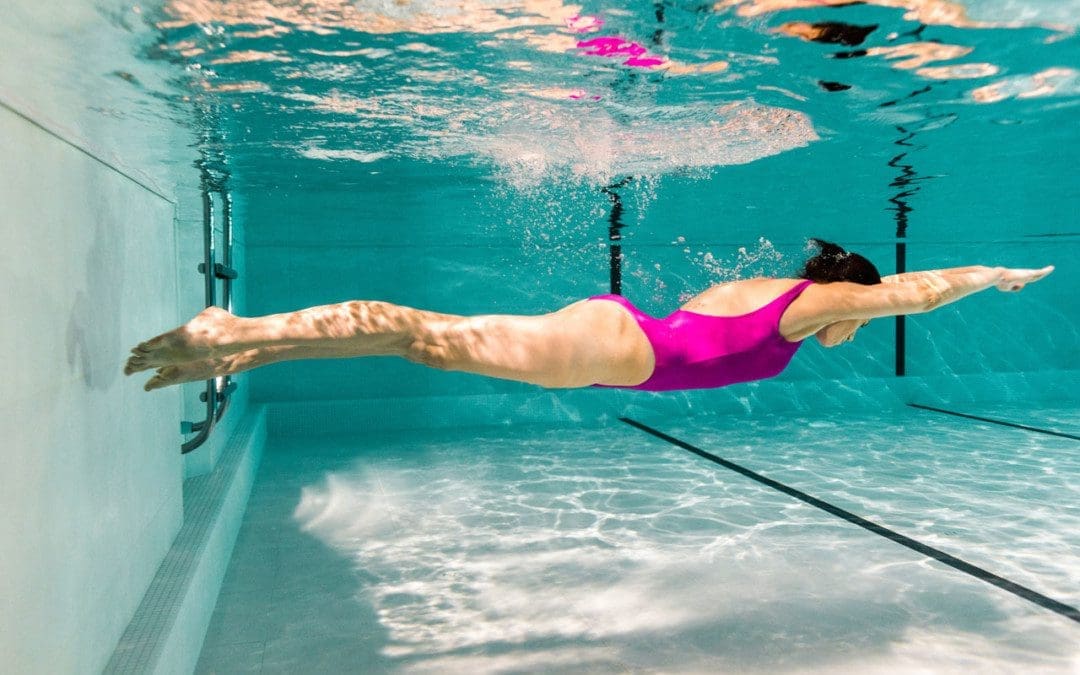
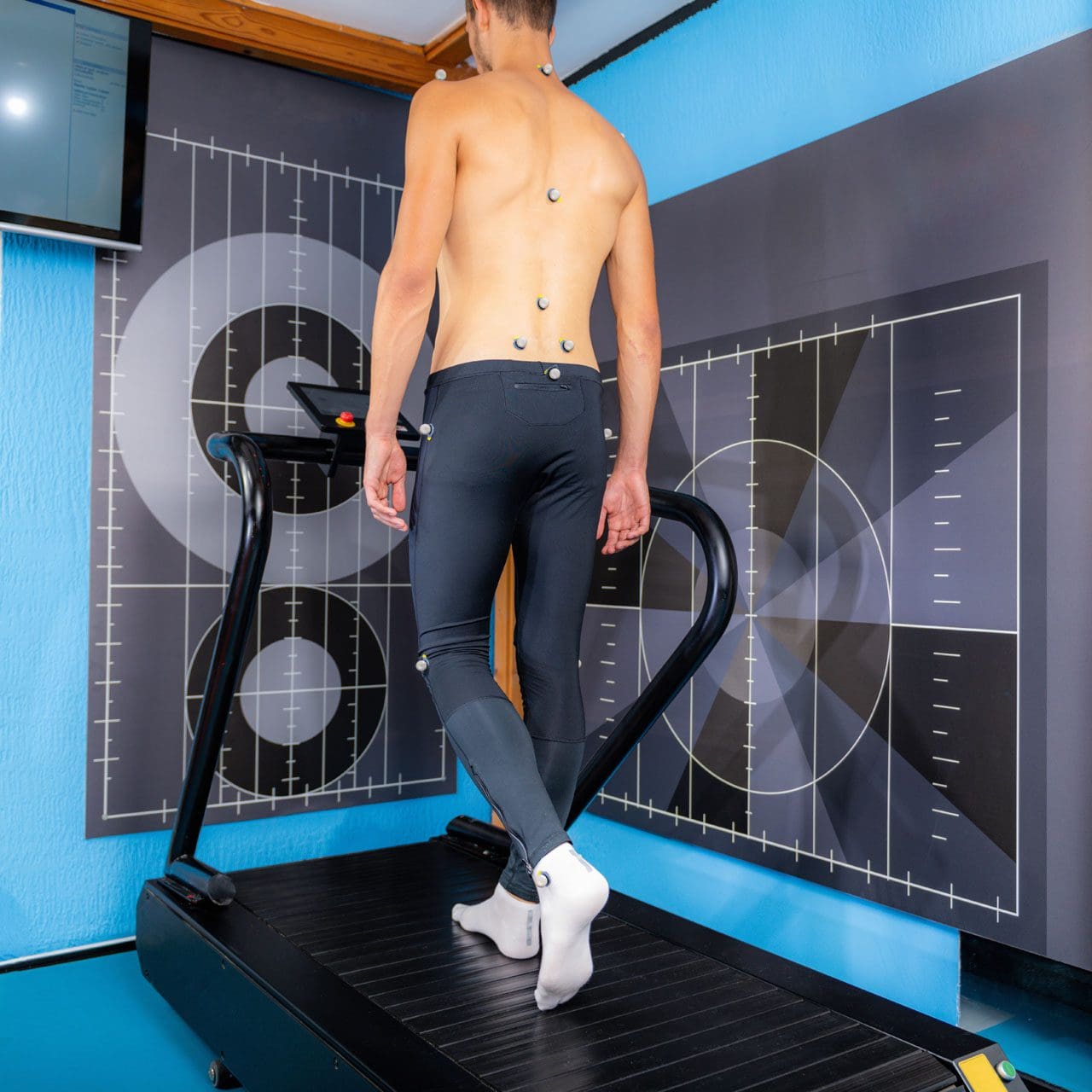
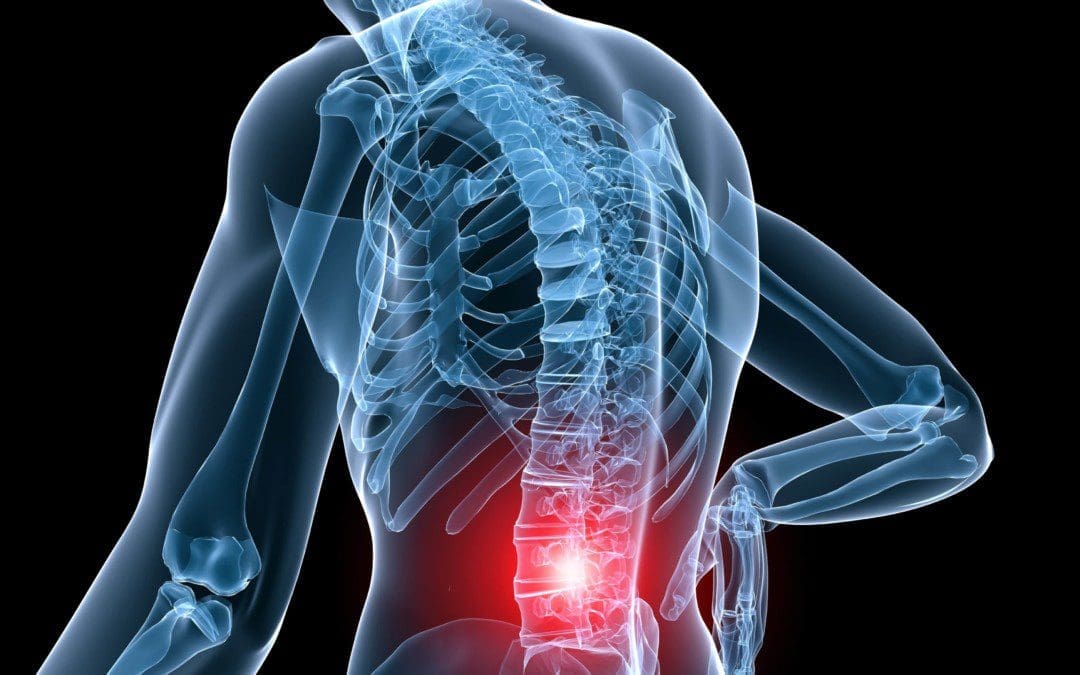
Individuals dealing with or managing chronic back pain should incorporate swimming exercises. Swimming is a low-impact aerobic conditioning exercise that’s easy on the back and healthy for the spine. When an individual struggles with back problems, they may be tempted to rest and avoid physical activity/exercise. Total rest is not recommended as it can cause the muscles that support the back to weaken or atrophy. When the muscles weaken, they cannot stabilize the spine or body correctly, which causes conditions to worsen or contribute to new injuries. Starting swimming exercises can expand the spine, relieve painful pressure or strain on the back and strengthen the muscles for spinal health.
Starting Swimming Exercises
Swimming does not impact the spine and other musculoskeletal structures because the water suspends the body.
Swimming is a full-body, low-impact exercise which is excellent for individuals of all ages and all body shapes and sizes.
Talk to a healthcare professional about any questions or concerns about how swimming may impact your body.
Swimming benefits include stress relief, a strengthened musculoskeletal system, and support in heart health.
Swimming for Back Problems
Relaxes The Nervous System
Tense muscles can cause or contribute to back problems and pain symptoms and aggravate spinal conditions.
Swimming exercises release endorphins to relax the nervous system and tense muscles.
Relieves Pressure on Joints
The water lightens the body relieving pressure on the joints and muscles.
Builds Muscle to Support the Spine
The resistance and movement strengthen the whole body with the joints and spine supported.
Swimming engages muscles not always used, specifically those needed to improve spinal stability.
Exercises for Back Relief
Checking with a physician before exercising is recommended, especially if starting a new exercise routine. When you meet with the Injury Medical Chiropractic and Functional Medicine Cline team, we can determine if starting swimming exercises would benefit you. Once cleared, here are some swimming exercises that could help bring relief:
Walking
Walking around the pool means movement that the body needs to heal and build muscle without aggravating symptoms.
Aerobics
Water aerobics is perfect for working on cardiovascular health needed to build strength.
Increase mobility and flexibility.
Swimming Laps
Start slow when swimming laps, maybe only twice a week at first.
The different types of strokes work various muscles in the hips, chest, and back.
Treading water is a great way to get the body used to the movements.
A swim coach can provide tips on the proper technique and form.
Swim Exercise Tools and Accessories
Proper swimming equipment can make the exercise sessions much more enjoyable.
Swim Cap
Swim caps protect the hair from the water’s elements and keep hair from blocking the view.
Goggles
Goggles protect the eyes and help to see better underwater.
Look for a comfortable pair that doesn’t leak.
Sun protection and clothing
A day in the sun and water increases the risk of exposure to UV rays.
Waterproof Headphones
For listening to music or podcasts while swimming.
Kickboard
Many pools can provide kickboards that swimmers can borrow during their time there.
Lean the upper body on the board and kick, focusing on lower body movements.
Pull Buoy
Pull buoys help focus on the upper body and arm work.
It is placed between the upper thighs to help the legs float as the individual pulls with their arms.
It is recommended to take some lessons to learn how the body moves through the water. Once a basic understanding of balance and buoyancy is met, individuals can propel through the water more efficiently.
Sciatica Secrets Revealed
References
Bartels, Else Marie, et al. “Aquatic exercise for the treatment of knee and hip osteoarthritis.” The Cochrane Database of systematic reviews vol. 3,3 CD005523. 23 Mar. 2016, doi:10.1002/14651858.CD005523.pub3
Cole, A J et al. “Spine pain: aquatic rehabilitation strategies.” Journal of Back and musculoskeletal rehabilitation vol. 4,4 (1994): 273-86. doi:10.3233/BMR-1994-4407
Ferrell, M C. “The spine in swimming.” Clinics in sports medicine vol. 18,2 (1999): 389-93, viii. doi:10.1016/s0278-5919(05)70153-8
Su, Yanlin, et al. “Swimming as Treatment for Osteoporosis: A Systematic Review and Meta-analysis.” BioMed research international vol. 2020 6210201. 15 May. 2020, doi:10.1155/2020/6210201
Wirth, Klaus, et al. “Strength Training in Swimming.” International Journal of environmental research and public health vol. 19,9 5369. 28 Apr. 2022, doi:10.3390/ijerph19095369
The spine consists of soft tissues, ligaments, the spinal cord, nerve roots, and cartilage, forming an S-shaped curve with three regions: cervical, thoracic, and lumbar. Its primary functions are to keep the body upright, provide mobility, and support the upper body’s weight. Injuries or other factors can cause mild to severe pain-like symptoms that affect the spine’s three regions, leading to misalignment and disc herniation, which can cause further complications. Fortunately, non-surgical treatments like spinal decompression can restore the spine’s functionality by realigning the body and restoring the spinal discs. This article will discuss how disc herniation affects the spine and body and how decompression therapy can treat it. We work with certified medical providers who use our patients’ valuable information to provide non-surgical treatments, including spinal decompression, to relieve pain-like symptoms associated with disc herniation and prevent chronic musculoskeletal issues. We encourage patients to ask essential questions and seek education about their condition. Dr. Jimenez, D.C., provides this information as an educational service. Disclaimer
How Does Disc Herniation Affect The Spine?
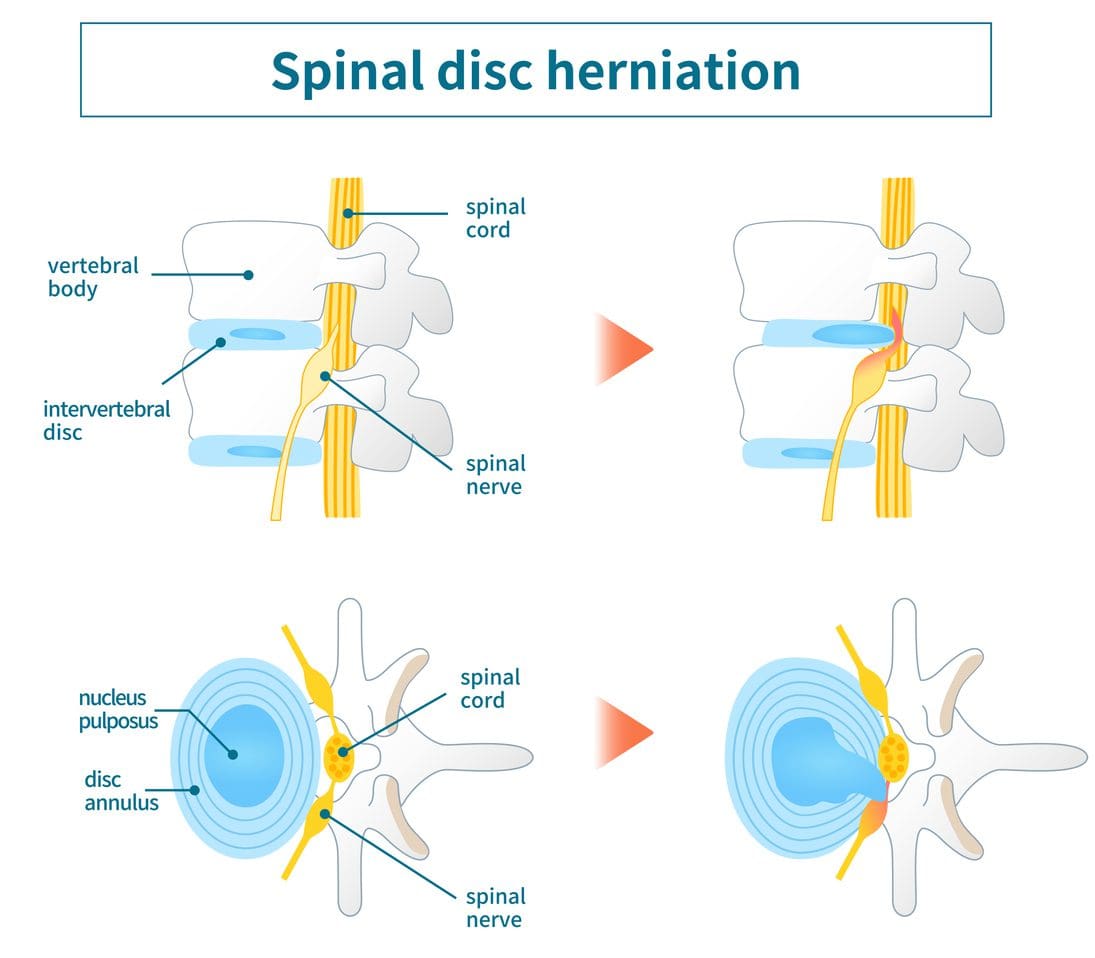
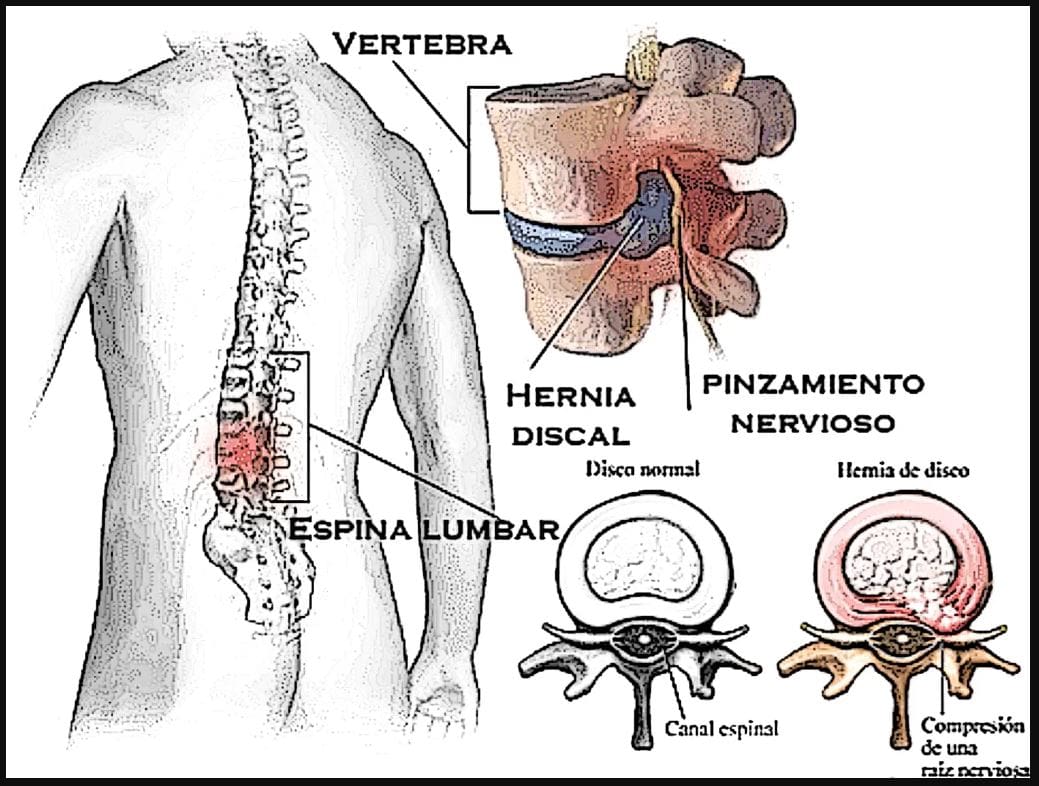
Do you experience stiffness or tingling in your neck, shoulders, or low back? Do you have radiating pain that is similar to other musculoskeletal conditions? Or do you feel aches and pains during stretching? These symptoms are often associated with spinal disc herniation, as research studies revealed, where the nucleus pulposus within the spine displaces and compresses the spinal nerve or cord. This can be caused by poor posture, incorrect lifting of heavy objects, or excessive twisting and turning, leading to wear and tear on the spinal disc. Left untreated, this can cause neurologic compromise or activity limitation to the rest of the body, as additional research shows. The three spinal regions can all be affected by this condition, causing a range of issues such as:
Numbness and tingling in the arms, hands, and fingers
Muscle weakness and stiffness in the neck and shoulders
Gait disturbances
Paralysis
Cardiovascular abnormalities
Back pain
Muscle weakness in hips, legs, buttocks, and feet
Sciatic nerve mimicry
An Overview Of Disc Herniation-Video
Have you been experiencing numbness, tingling sensations, or instability when walking? These issues could be caused by disc herniation, which occurs when the spinal cord and nerves are compressed or aggravated by the nucleus pulposus. This can cause pain in the cervical, thoracic, and lumbar areas and affect the functioning of your extremities. Research studies have revealed the severity of the herniation depends on the section affected, the size of the spinal canal, and pressure on the nerves. However, non-surgical, safe, and gentle treatments, such as chiropractic care and decompression therapy, can alleviate the effects of disc herniation. Watch the video above to learn more about the causes of disc herniation and the available treatments.
Decompression Therapy Treating Disc Herniation
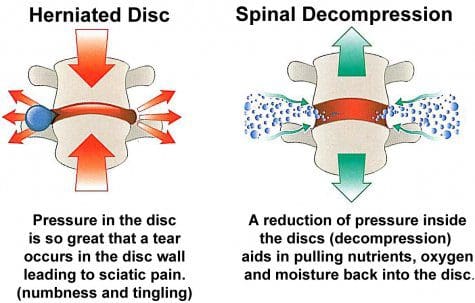
If you are experiencing disc herniation, some treatments can help restore functionality to your spine. According to research studies, decompression therapy is one such treatment that works by using negative pressure within the spinal disc to increase hydration. This process pulls nutrients and oxygenated blood back into the disc, reducing pressure on the entrapped surrounding nerve root. Additionally, decompression therapy relieves the associated symptoms caused by disc herniation. In “The Ultimate Spinal Decompression,” written by Dr. Perry Bard, D.C., and Dr. Eric Kaplan, D.C., FIAMA, they explain that individuals with a herniated disc who use decompression therapy will feel negative or non-gravitational pressure within their spinal canal, which reduces the pressure from inside the disc. Decompression therapy helps restore the spine’s functionality and facilitates natural healing.
Other Treatments For Disc Herniation
Combining decompression therapy with chiropractic care can be effective in treating disc herniation. Chiropractic care involves spinal adjustments and manual manipulation to restore the natural alignment of the spine, which can relieve pressure on nerves caused by disc herniation. Gradual realignment of the vertebrae can help alleviate symptoms and reduce pain and discomfort while restoring the spine’s strength, flexibility, and mobility.
Conclusion
If the spinal cord is affected by environmental factors or injuries, it can cause pain and discomfort to the person. This is known as disc herniation, where the nucleus pulposus in the spine protrudes out of the spinal socket and presses on the spinal nerve. This can lead to neurological problems and affect the three spinal regions, causing mild to severe issues depending on the pressure on the spinal cord. However, non-surgical treatments like chiropractic care and decompression therapy can safely and gently manipulate the spine, realigning and hydrating the disc so the body can heal naturally. This can relieve pain and discomfort in the spine and restore mobility to the body.
For individuals with aches and pains after walking, the first thing to check is posture. How an individual holds their body is important in walking effortlessly and comfortably. Improving walking posture will make it easier to breathe and walk farther and faster. Injury Medical Chiropractic and Functional Medicine Clinic can treat back problems, restore mobility, and retrain individuals on achieving and maintaining healthy posture.
Walking Posture
Sitting for extended periods weakens neck and back muscles and decreases spinal mobility, making it more difficult to maintain a healthy walking posture. Improving and maintaining healthy walking posture can go a long way regarding the body’s health.
Benefits
The benefits include:
Strengthened core, back, leg, and buttock muscles.
Improved balance and stability.
Easier breathing.
Increased energy levels.
Improved walking speed, distance, and gait.
Back and hip discomfort symptoms prevention.
Decreased risk of injury and falling.
Set Up Posture
Stand up straight.
Engage the core.
Relax shoulders.
Keep the chin parallel to the ground.
Eyes forward.
Minimize leaning forward or backward.
Spend the first 15 seconds of walking focusing on posture.
Once a rhythm is achieved, periodically check yourself to ensure you stay consistent with proper posture until it becomes normal.
Stand up Straight
Visualize standing tall and straight.
Resist the temptation to slouch or arch the back.
Control Leaning Forward or Back
Leaning strains the back muscles when sitting, standing, and walking.
Leaning slightly forward from the ankles when walking up a hill.
Going downhill, leaning slightly forward, or maintaining a straight back is okay.
Keep Eyes Forward
Avoid looking down.
The focus should be about 20 feet ahead.
Maintaining a forward visual path allows individuals to see anything from the side.
Keep Chin Parallel to the Ground
This reduces strain on the neck and back.
A proper chin position maintains forward focus rather than down.
Shoulders Back and Relaxed
Shrug and allow the shoulders to fall and relax slightly back.
Loosening up the shoulders helps relieve tension and…
Shrug and re-loosen at intervals during the walk to ensure the shoulders stay relaxed.
Engage Core Muscles
The core muscles help resist slouching and leaning.
Keep the stomach pulled in slightly.
Take deep, full breaths to maintain a healthy walking posture.
Maintain Neutral Pelvis
Ensure the hips are not tilting forward or back while walking.
Practice sticking out the buttocks, tucking them in, and finding a natural middle.
The middle is the healthy balance that will keep you from arching the back muscles and spine.
Devices
Resist the urge to engage with the phone or activity monitor while walking and looking down.
Only look when necessary and then mindfully regain posture.
Some activity monitors have vibration alerts to reduce the need to look down.
Utilize earbuds or headphones for making and taking calls and other tasks.
Certain earbuds or headphones allow for voice commands, so you don’t have to look at the phone.
Chiropractic Realignment and Retraining
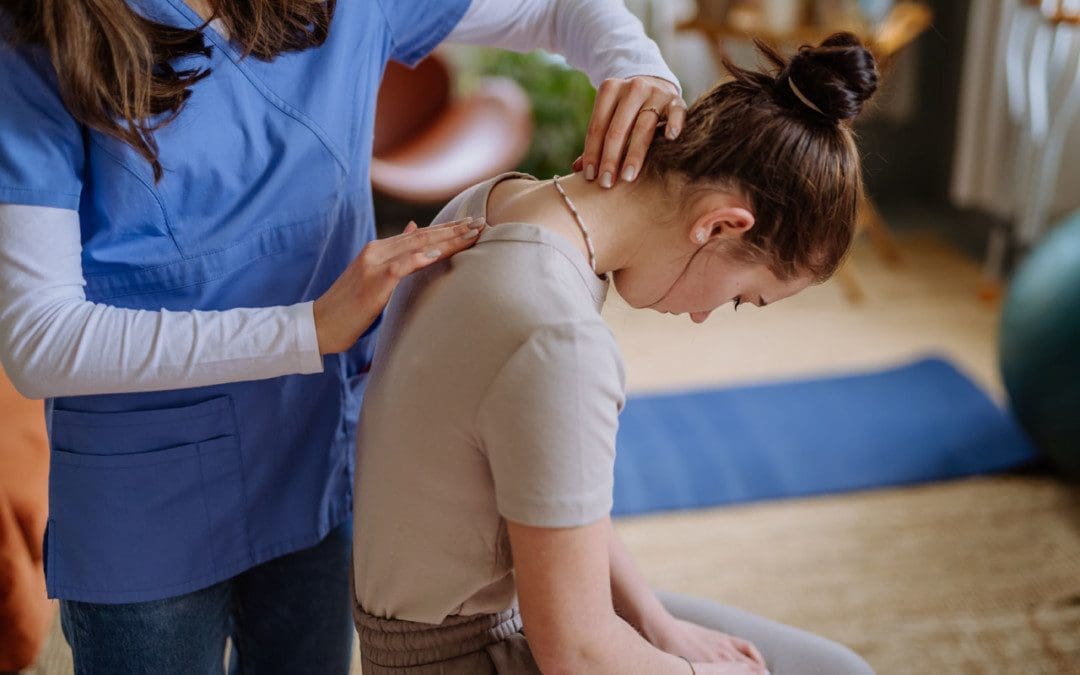
Maintaining proper posture is a gradual process. A chiropractor can correct years of practicing unhealthy postures like forward head issues or chronic slouching and realign the spine to restore optimal function.
A chiropractic therapy team will work on bones and muscles in specific body regions.
Massage will relax the muscle tissues to restore correct balance.
Chiropractic techniques will realign the neck, spine, hips, and pelvis.
Strengthening and stretching exercises will maintain adjustments.
Posture retraining will teach individuals to stay aware of their spinal position and help create healthy habits.
Regular posture checks, whether at work, school, just walking around doing errands, or exercising, will help the body learn proper positioning until it becomes second nature.
Revitalize and Rebuild
References
Buldt, Andrew K et al. “The relationship between foot posture and plantar pressure during walking in adults: A systematic review.” Gait & Posture vol. 62 (2018): 56-67. doi:10.1016/j.gaitpost.2018.02.026
Hackford, Jessie, et al. “The effects of walking posture on affective and physiological states during stress.” Journal of behavior therapy and experimental psychiatry vol. 62 (2019): 80-87. doi:10.1016/j.jbtep.2018.09.004
Lin, Guohao, et al. “The relationship between forward head posture, postural control, and gait: A systematic review.” Gait & Posture vol. 98 (2022): 316-329. doi:10.1016/j.gaitpost.2022.10.008
Suh, Jee Hyun, et al. “The effect of lumbar stabilization and walking exercises on chronic low back pain: A randomized controlled trial.” Medicine vol. 98,26 (2019): e16173. doi:10.1097/MD.0000000000016173
Woollacott, Marjorie, and Anne Shumway-Cook. “Attention and the control of posture and gait: a review of an emerging area of research.” Gait & Posture vol. 16,1 (2002): 1-14. doi:10.1016/s0966-6362(01)00156-4
The human body has muscles surrounding and protecting the spine to prevent pain and disability. The spine is divided into three sections in the body: cervical, thoracic, and lumbar, which form an S-shape curve to promote stability and good posture. The spine has several discs, facet joints, and spinal nerves that work with the surrounding muscles, making the body mobile. However, various factors can pressure the spine, compressing the spinal discs and invoking referred pain to the surrounding muscles and tissues in different locations, leading to overlapping risk profiles if left untreated. This article focuses on the lumbar spine, explaining what vertebral pain syndrome is and how non-surgical treatments such as spinal decompression can restore mobility to the lumbar spine. We utilize and incorporate valuable information about our patients to certified medical providers using non-surgical therapies like spinal decompression to alleviate vertebral pain syndrome associated with the lumbar spine. We encourage while referring patients to associated medical providers based on their findings while supporting that education is a remarkable tool to ask our providers the essential questions at the patient’s request. Dr. Jimenez, D.C., comprises this information as an educational service. Disclaimer
An Overview Of the Lumbar Spine
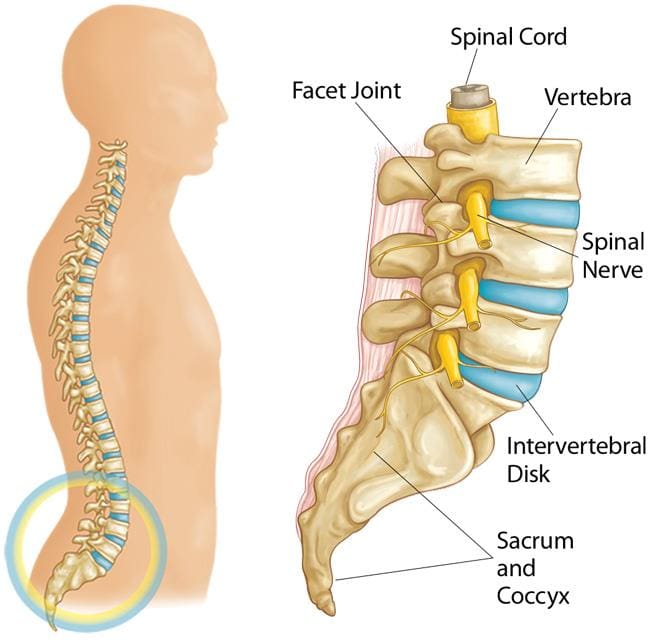
We will concentrate on the lumbar spine, one of the three spine sections. The lumbar spine or low back begins at the T12 (the last thoracic vertebra) and ends at the S1 (the sacrum). It comprises five vertebrae with a common structure supporting the low back. These vertebrae are as follows:
The body
Pedicles
Laminae
Transverse processes
Spinous process
Superior/inferior articular processes
The lumbar spine has bigger and stronger bones that provide stability to the upper and lower parts of the body. Research studies reveal that the lumbar spine performs three essential functions that enable the body to function properly:
It supports the upper body.
It absorbs axial forces that move from the head to the trunk. This allows the muscles in the trunk to move without causing pain.
The lumbar spine forms a canal that safeguards the spinal cord and nerves.
The Structures Of the Lumbar Spine
The spine comprises several structures, including the vertebrae, spinal cord, spinal nerves, facet joints, and intervertebral discs. Each structure plays a unique role in keeping our bodies functioning properly. The vertebrae protect the spinal cord and nerves from injury, while the facet joints guide the motion of the vertebrae and help maintain stability. The spinal cord and nerves work with the central nervous system to send signals from the brain to the body for coordinating reflex actions. Intervertebral discs act as shock absorbers, allowing the spine to be flexible. Muscles, tissues, and ligaments protect the entire lumbar spine structure from pain. However, traumatic injuries or unwanted pressures can cause misalignment and low back pain. Low back pain is a common musculoskeletal complaint, and several factors can contribute to its development, often confused with vertebral pain syndrome associated with the lumbar spine, as research studies reveal.
Move Better, Live Better- Video
Do you have stiffness in your lower back or experience constant aches in certain regions? These may be signs of low back pain related to vertebral pain syndrome. Research shows that pathologic degeneration in the lumbar spine can cause low back pain, affecting all components. Several mechanical, traumatic, nutritional, and genetic factors contribute to spinal degeneration. However, non-surgical treatments can help reduce muscle pain and alleviate unwanted pressure on spinal discs. Chiropractic care and spinal decompression are two treatments that enhance mobility and function in the spine, relieving pain. The video above talks more about these treatments.
What Is Vertebral Pain Syndrome?
Experiencing pressure on the lumbar spine can result in various issues that can worsen low back pain. One of these issues is called vertebral pain syndrome. In “The Ultimate Spinal Decompression,” Dr. Eric Kaplan, D.C., FIAMA, and Dr. Perry Bard, D.C., explain that this syndrome occurs when environmental factors start affecting the lumbar spine. It can be caused by visceral pain in the lower back that disrupts neuron signals in the lumbar spine. This can irritate spinal nerves, leading to referred pain in the lower body. The book also mentions that vertebral pain syndrome can happen when the vertebrae end plates on spinal discs wear thin, causing pressure to move with the disc. This can inflame the spine, causing chronic low back pain.
How Spinal Decompression Alleviate Vertebral Pain Syndrome
How can non-surgical spinal decompression treatments help alleviate vertebral pain syndrome in the lumbar spine? Research studies revealed that spinal decompression could reduce pressure on the spinal disc and gently stretch the spine, restoring disc height. This treatment can relieve many people from low back pain and its associated symptoms. Moreover, it can rehydrate spinal discs by promoting the flow of blood and nutrients, which aids in the healing process to reduce the effects of vertebral pain syndrome.
Conclusion
Taking care of your spine is crucial as everyday factors can put pressure on it, causing damage to the spinal discs. This can lead to vertebral pain syndrome, which can cause lumbar back pain and referred pain linked to visceral problems. Luckily, spinal decompression therapy can ease the effects of this syndrome by gently stretching the spine and restoring hydration to the discs. Incorporating spinal decompression into your routine allows you to enjoy a pain-free life without worrying about lower back pain.
Kang, J.-I., Jeong, D.-K., & Choi, H. (2016). Effect of spinal decompression on the lumbar muscle activity and disk height in patients with herniated intervertebral disk. Journal of Physical Therapy Science, 28(11), 3125–3130. https://doi.org/10.1589/jpts.28.3125
Kaplan, E. & Bard, P. (2023). The Ultimate Spinal Decompression. JETLAUNCH.
Gymnastics is a demanding and challenging sport. Gymnasts train to be powerful and graceful. Today’s moves have become increasingly technical acrobatic moves with a much higher degree of risk and difficulty. All the stretching, bending, twisting, jumping, flipping, etc., increases the risk of neuromusculoskeletal injuries. Gymnastics injuries are inevitable. Bruises, cuts, and scrapes are common, as are overuse strains and sprains, but severe and traumatic injuries can occur. Injury Medical Chiropractic and Functional Medicine Team can treat and rehabilitate injuries and help to strengthen and prevent injuries. The therapy team will thoroughly evaluate the individual to determine the injury/s severity, identify any weaknesses or limitations, and develop a personalized plan for optimal recovery, stability, and strength.
Gymnastic Injuries
One of the main reasons injuries are more prevalent is because today’s athletes start earlier, spend more time practicing, perform more complex skill sets, and have higher levels of competition. Gymnasts learn to perfect a skill and then train to make their bodies look elegant while executing the routine. These moves require precision, timing, and hours of practice.
Injury Types
Sports injuries are classified as:
Chronic Overuse injuries: These cumulative aches and pains occur over time.
They can be treated with chiropractic and physical therapy and prevented with targeted training and recovery.
Acute Traumatic injuries: These are typically accidents that happen suddenly without warning.
These require immediate first aid.
Most Common Injuries
Gymnasts are taught how to fall and land to lessen the impact on the spine, head, neck, knees, ankles, and wrists.
Back
Common back injuries include muscle strains and spondylolysis.
Bruises and Contusions
Tumbling, twisting, and flipping can result in various bruises and contusions.
Muscle Soreness
This is the sort of muscle soreness experienced 12 to 48 hours after a workout or competition.
Proper rest is necessary for the body to recover fully.
Overtraining Syndrome
Overtraining syndrome happens when individuals train beyond the body’s ability to recover.
Strength and/or flexibility imbalances – one side is stronger.
Chiropractic Care
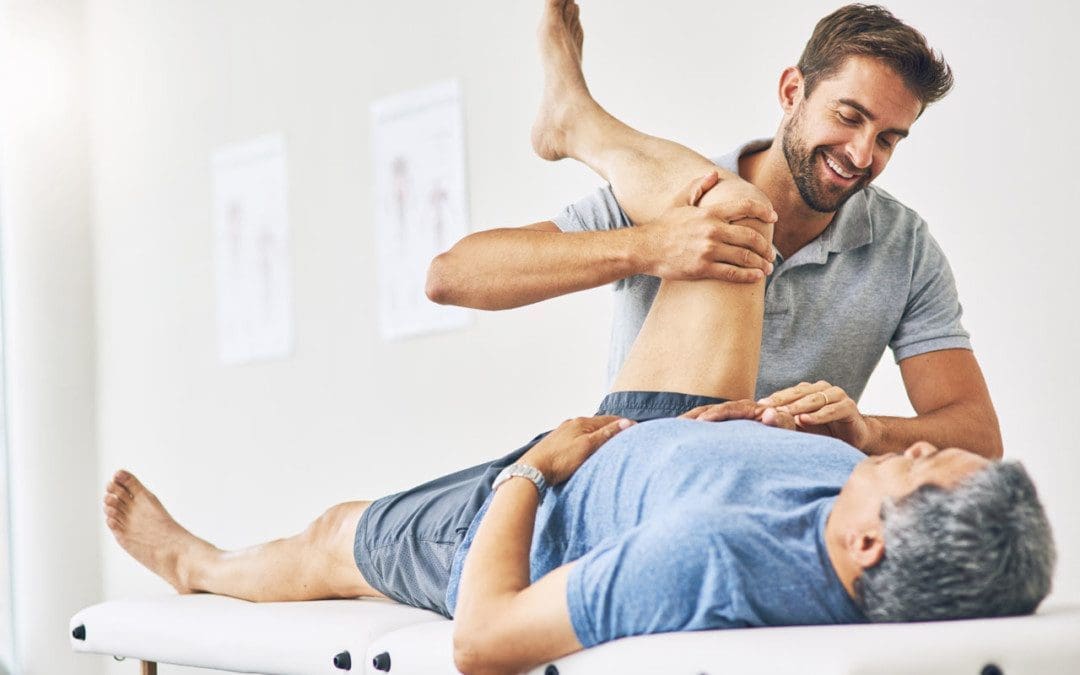
Our therapists will start with an evaluation and a biomechanical assessment to identify all the factors contributing to the injury. This will consist of a thorough medical history to understand overall health status, training schedule, and the physical demands on the body. The chiropractor will develop a comprehensive program that includes manual and tool-assisted pain relief techniques, mobilization work, MET, core strengthening, targeted exercises, and injury prevention strategies.
Facet Syndrome Chiropractic Treatment
References
Armstrong, Ross, and Nicola Relph. “Screening Tools as a Predictor of Injury in Gymnastics: Systematic Literature Review.” Sports medicine – open vol. 7,1 73. 11 Oct. 2021, doi:10.1186/s40798-021-00361-3
Farì, Giacomo, et al. “Musculoskeletal Pain in Gymnasts: A Retrospective Analysis on a Cohort of Professional Athletes.” International journal of environmental research and public health vol. 18,10 5460. 20 May. 2021, doi:10.3390/ijerph18105460
Kreher, Jeffrey B, and Jennifer B Schwartz. “Overtraining syndrome: a practical guide.” Sports Health vol. 4,2 (2012): 128-38. doi:10.1177/1941738111434406
Meeusen, R, and J Borms. “Gymnastic injuries.” Sports medicine (Auckland, N.Z.) vol. 13,5 (1992): 337-56. doi:10.2165/00007256-199213050-00004
Sweeney, Emily A et al. “Returning to Sport After Gymnastics Injuries.” Current sports medicine reports vol. 17,11 (2018): 376-390. doi:10.1249/JSR.0000000000000533
Westermann, Robert W et al. “Evaluation of Men’s and Women’s Gymnastics Injuries: A 10-Year Observational Study.” Sports Health vol. 7,2 (2015): 161-5. doi:10.1177/1941738114559705
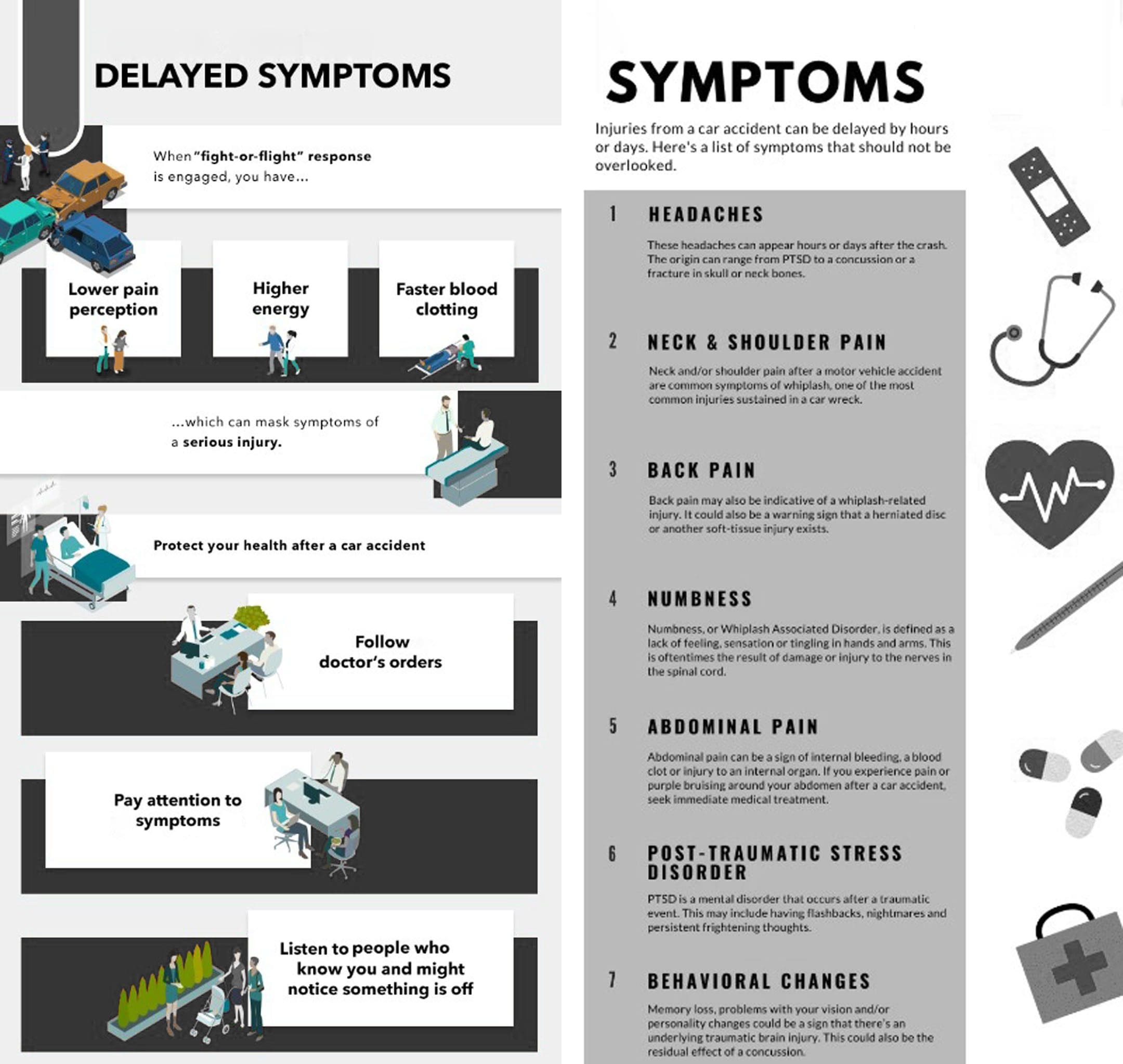
Automobile accidents are emotionally and physically traumatic events. After an accident, individuals assume that they are okay if they don’t have any broken bones or gashing cuts. However, even minor accidents can lead to significant damage, but the individual doesn’t know it. An invisible/delayed injury is any injury that is not immediately obvious or is not experienced by the individual until hours, days, or weeks later. The most common are soft tissue injuries, back injuries, whiplash, concussions, and internal bleeding. This is why it is imperative to see a doctor or chiropractic accident specialist as soon as possible after an accident.
Invisible Injuries Auto Accidents
The body goes into a fight or flight mode in a vehicle accident. That means a massive adrenaline surge makes anything happening to the body go unnoticed and unfelt. The individual does not feel pain and discomfort symptoms until later or much later.
Soft Tissue
A soft tissue injury affects muscles, tendons, ligaments, and body parts other than bone.
Even at low speeds, accidents, and collisions generate a significant force on the body.
Drivers and passengers often come to a sudden stop along with the vehicle or get thrown around.
This places intense stress on joints and other areas of the body.
Whiplash
The most common invisible soft-tissue injury is whiplash.
Where the neck muscles are suddenly and forcefully thrown forward and then back, causing the muscles and ligaments to stretch beyond their normal range of motion.
The injury typically results in pain, swelling, reduced mobility, and headaches.
Symptoms may not present right away.
Left untreated, whiplash can lead to long-term chronic pain.
Head Injuries
Head injuries are another common invisible injury.
Even if the head did not hit/impact anything, the force and momentum can cause the brain to collide with the inside of the skull.
This can lead to a concussion or even more serious brain injuries.
Concussion
A concussion is a traumatic brain injury. Individuals can have a concussion without losing consciousness, depending on the accident’s severity. Symptoms may be delayed or not experienced, but delayed treatment can lead to a longer recovery. Symptoms can include:
Fatigue.
Headache.
Confusion.
Inability to remember the accident.
Nausea.
Ringing in the ears.
Dizziness.
Back Muscles or Spine Injuries
Back muscles and spinal cord injuries are invisible injuries that can happen after an automobile accident. Signs of a back injury include:
The back muscles can be strained due to the impact and tension build-up.
Sore muscles or pain may not present until a day or two later.
Body stiffness.
Reduced mobility.
Muscle spasms.
Trouble walking, standing, or sitting.
Headaches.
Numbness and tingling.
Injuries to the spine, even serious ones, may not be apparent immediately.
The impact can cause the spine to shift out of alignment profoundly.
Swelling and bleeding in or around the spinal cord can cause numbness or paralysis that can gradually progress.
This invisible injury can have long-term consequences, including paralysis.
Chiropractic Care
Chiropractic is an effective treatment for neuromusculoskeletal injuries. The chiropractor will assess the damage and its severity to determine the best treatment for the individual. It relieves pain and discomfort symptoms, loosens and relaxes the muscles, and restores alignment, mobility, and a full range of motion. Chiropractic uses several tools and techniques to restore the spine and body balance. Results include:
Barach, P, and E Richter. “Injury prevention.” The New England Journal of Medicine vol. 338,2 (1998): 132-3; author reply 133. doi:10.1056/NEJM199801083380215
Binder, Allan I. “Neck pain.” BMJ clinical evidence vol. 2008 1103. 4 Aug. 2008
Duncan, G J, and R Meals. “One hundred years of automobile-induced orthopedic injuries.” Orthopedics vol. 18,2 (1995): 165-70. doi:10.3928/0147-7447-19950201-15
“Motor Vehicle Safety.” Annals of emergency medicine vol. 68,1 (2016): 146-7. doi:10.1016/j.annemergmed.2016.04.045
Sims, J K et al. “Automobile accident occupant injuries.” JACEP vol. 5,10 (1976): 796-808. doi:10.1016/s0361-1124(76)80313-9
Vassiliou, Timon, et al. “Physical therapy and active exercises–an adequate treatment for prevention of late whiplash syndrome? Randomized controlled trial in 200 patients.” Pain vol. 124,1-2 (2006): 69-76. doi:10.1016/j.pain.2006.03.017
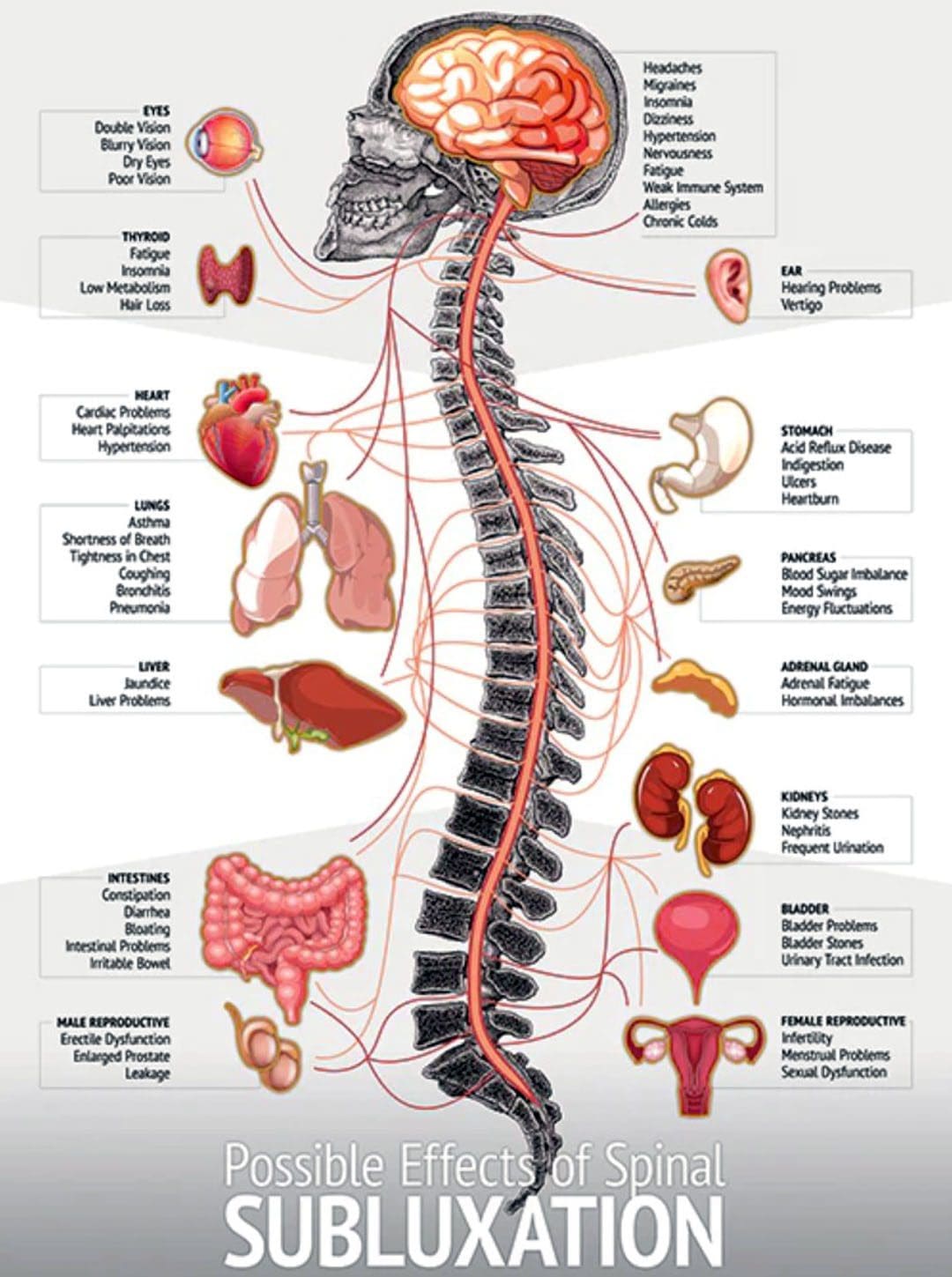
Body misalignment can cause various symptoms to be experienced, ranging from headaches, neck and back pain, sore feet, discomfort in the joints, muscles, or nerves, and digestive problems. Improperly aligned vertebrae can press against nerves, pinching or compressing them, causing the nerve signals of the digestive system, including those in the stomach and intestines, to misfire or fail to transmit at the appropriate moment. This can cause the organs to malfunction, resulting in heartburn, gas, constipation, cramping, diarrhea, and other symptoms. Chiropractic realignment adjustments are an effective treatment option for frequent stomachaches, reflux, constipation, and other gastrointestinal conditions.
Body Misalignment Digestive Problems
There are over a million nerve cells within the digestive system. A collection of nerves branch out from the lower part of the spinal cord and travels to the stomach and intestines. Nerve transmission plays an essential role in the following:
Digestion.
Movement of food through the gastrointestinal system.
Absorption of nutrients and minerals.
Removal of waste products.
Misalignments of the vertebrae are known as subluxations. Pressure on nerve roots caused by misalignment can interfere with the function of the bowel and other organs, which can lead to gastrointestinal issues. Muscle tension in the abdomen can also contribute to digestive problems, whether because of stress or sitting for long hours daily.
Misalignment Symptoms
When the body is out of alignment, symptoms of discomfort begin to appear. The most common include:
Fatigue.
Stiff neck.
Sore shoulders.
Chronic headaches.
Sore muscles.
Pain throughout the back.
Joint pain throughout the body.
Chronic aches.
Tight hips.
Difficulty walking.
Tingling, pins and needles, and numbness nerve sensations – sciatica.
Constantly getting sick.
Healthy Gut
A balanced healthy gut will have less difficulty processing food and eliminating waste, leading to reduced and eventually alleviated symptoms. The following show healthy gut function:
Regular, consistent energy levels.
Increased mental clarity.
Regular and healthy bowel movements.
No pain or discomfort symptoms.
A normal amount of gas and bloating.
Healthy stress levels.
Chiropractic
Chiropractic care will realign the body to its proper form, improving gastrointestinal issues. The chiropractic team will use various tools and techniques to guide and correct any subluxations, relax the muscles, and increase nerve and blood circulation.
Healthy Diet and Chiropractic
References
Ernst, Edzard. “Chiropractic treatment for gastrointestinal problems: a systematic review of clinical trials.” Canadian Journal of Gastroenterology = Journal canadien de Gastroenterologie vol. 25,1 (2011): 39-40. doi:10.1155/2011/910469
Hills, Ronald D Jr, et al. “Gut Microbiome: Profound Implications for Diet and Disease.” Nutrients vol. 11,7 1613. 16 Jul. 2019, doi:10.3390/nu11071613
Hornbuckle, William E., et al. “Gastrointestinal Function.” Clinical Biochemistry of Domestic Animals (2008): 413–457. doi:10.1016/B978-0-12-370491-7.00014-3
Leeming, Emily R et al. “Effect of Diet on the Gut Microbiota: Rethinking Intervention Duration.” Nutrients vol. 11,12 2862. 22 Nov. 2019, doi:10.3390/nu11122862
Li, Yuanyuan, et al. “The Role of Microbiome in Insomnia, Circadian Disturbance, and Depression.” Frontiers in psychiatry vol. 9 669. 5 Dec. 2018, doi:10.3389/fpsyt.2018.00669
Redwood, Daniel. “Chiropractic and visceral disorders.” Journal of Alternative and complementary medicine (New York, N.Y.) vol. 13,5 (2007): 479-80. doi:10.1089/acm.2007.7146
Valdes, Ana M et al. “Role of the gut microbiota in nutrition and health.” BMJ (Clinical research ed.) vol. 361 k2179. 13 Jun. 2018, doi:10.1136/bmj.k2179
IFM's Find A Practitioner tool is the largest referral network in Functional Medicine, created to help patients locate Functional Medicine practitioners anywhere in the world. IFM Certified Practitioners are listed first in the search results, given their extensive education in Functional Medicine