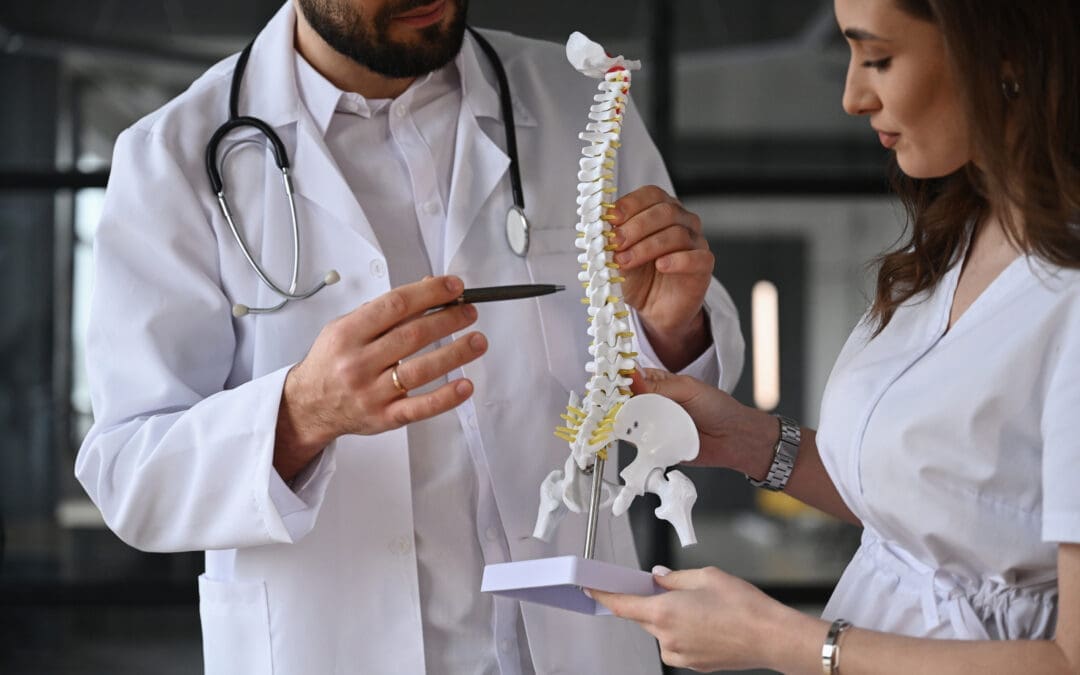
Explore how chiropractic care and yoga can alleviate back pain effectively and promote overall spinal health.
Chiropractic Care and Yoga: A Dynamic Duo for Back Pain Relief and Spinal Mobility
Welcome, dear reader, to a journey through the spine-tingling world of back pain relief. If your lower back has been staging a rebellion, screaming louder than a banshee at a funeral, you’re not alone. Back pain is the grim reaper of daily comfort, striking down millions with its relentless grip. But fear not—there’s hope in the form of chiropractic care and yoga, a partnership so effective it could make even the gloomiest of souls (like yours truly, Wednesday Addams, perhaps) crack a smile. In this comprehensive guide, we’ll explore how these two powerhouse approaches, backed by clinical insights from Dr. Alexander Jimenez, DC, APRN, FNP-BC, can banish back pain, improve spinal mobility, and reduce the overlapping risk profiles that haunt your musculoskeletal system. We’ll also sprinkle in a few yoga poses, dive into the factors contributing to back pain, and highlight Dr. Jimenez’s role as a beacon of hope for personal injury victims in El Paso. Buckle up—it’s going to be a darkly delightful ride.
Understanding Back Pain: The Spine’s Silent Scream
Back pain is like that uninvited guest who overstays their welcome, turning your life into a grim parade of discomfort. It’s one of the most common musculoskeletal complaints, affecting up to 80% of adults at some point (Allegri et al., 2016). The lower back, or lumbar spine, is particularly vulnerable due to its role in supporting the body’s weight, facilitating movement, and absorbing daily stresses. Whether it’s a dull ache that lingers like a bad memory or a sharp stab that feels like a dagger in the dark, back pain can stem from various causes.
Factors Contributing to Back Pain
Poor Posture: Slouching over your desk or phone is like inviting a poltergeist to haunt your spine. Over time, poor posture strains the muscles, ligaments, and discs of the lumbar spine, leading to pain and reduced mobility (Bogduk & Twomey, 1991).
Sedentary Lifestyle: Sitting for hours is the modern equivalent of being chained to a dungeon wall. Lack of movement weakens core muscles and reduces spinal flexibility, increasing the risk of pain (Chun et al., 2018).
Muscle Imbalances: Weak core muscles or tight hamstrings can throw your spine out of alignment faster than a skeleton tumbling down a staircase. These imbalances alter biomechanics, increasing stress on the lumbar spine (Lee et al., 2021).
Injuries: Motor vehicle accidents (MVAs), sports mishaps, or workplace incidents can jolt the spine like a lightning bolt, causing sprains, strains, or disc injuries (El Paso Back Clinic, n.d.-a).
Degenerative Conditions: Arthritis or disc degeneration is like the slow decay of a haunted mansion, gradually eroding spinal structures and causing chronic pain (Fritz et al., 2014).
Obesity: Excess weight adds pressure to the spine, like piling cobwebs on an already creaky chandelier, increasing the risk of pain and injury (Shiri et al., 2010).
Stress: Chronic stress tightens muscles like a noose, contributing to tension and pain in the back (Linton, 2000).
The Role of the Spine and Extremities
The spine is the backbone of your existence—pun intended. It’s a complex structure of 33 vertebrae, 220 ligaments, and numerous muscles, all working together to keep you upright and mobile (Bogduk & Twomey, 1991). The lumbar spine, in particular, is a workhorse, bearing the brunt of your body’s weight and facilitating movements like bending and twisting. The extremities—your arms, legs, and pelvis—play supporting roles, acting like the sidekicks in a gothic tale. Misalignments or weaknesses in these areas can ripple through the spine, creating a cascade of pain and dysfunction.
For example, tight hip flexors or weak glutes can tilt the pelvis, altering spinal curvature and increasing disc pressure (Callaghan et al., 1998). Similarly, shoulder imbalances from repetitive tasks can strain the upper back, indirectly affecting the lumbar region. It’s a grim domino effect, where one misstep in the extremities can send the spine into a tailspin.
References
Allegri, M., Montella, S., Salici, F., Valente, A., Marchesini, M., Compagnone, C., … & Fanelli, G. (2016). Mechanisms of low back pain: A guide for diagnosis and therapy. F1000Research, 5, F1000 Faculty Rev-1530. https://pubmed.ncbi.nlm.nih.gov/27387772/
Callaghan, J. P., Patla, A. E., & McGill, S. M. (1998). A biomechanical assessment of disc pressures in the lumbosacral spine in response to external unloading forces. Spine, 23(7), 756-763. https://pubmed.ncbi.nlm.nih.gov/9563106/
Chun, S. W., Lim, C. Y., Kim, K., Hwang, J., & Chung, S. G. (2018). Effects of core stabilization exercise and strengthening exercise on proprioception, balance, muscle thickness, and pain-related outcomes in patients with subacute nonspecific low back pain: A randomized controlled trial. BMC Musculoskeletal Disorders, 19(1), 416. https://pubmed.ncbi.nlm.nih.gov/30497466/
Fritz, J. M., Delitto, A., Erhard, R. E., & Schneider, M. J. (2014). Assessment and nonsurgical management of low back pain: A narrative review. The Journal of Back and Musculoskeletal Rehabilitation, 27(1), 1-11. https://pubmed.ncbi.nlm.nih.gov/23948827/
Shiri, R., Karppinen, J., Leino-Arjas, P., Solovieva, S., & Viikari-Juntura, E. (2010). The association between obesity and low back pain: A meta-analysis. American Journal of Epidemiology, 171(2), 135-154. https://pubmed.ncbi.nlm.nih.gov/20007994/
Chiropractic Care: Aligning the Spine, Banishing the Pain
Chiropractic care is like a séance for your spine, coaxing it back into alignment with precise adjustments. Dr. Alexander Jimenez, a distinguished chiropractor in El Paso, uses his expertise to address musculoskeletal issues with a holistic approach. His methods focus on restoring spinal alignment, reducing nerve compression, and improving biomechanics, all while avoiding the need for invasive procedures (El Paso Back Clinic, n.d.-b).
How Chiropractic Care Works
Chiropractic adjustments involve applying controlled force to misaligned vertebrae, like gently nudging a ghost back into its proper haunt. This process:
Reduces Nerve Irritation: Misaligned vertebrae can pinch nerves, causing pain that radiates like a specter’s wail. Adjustments relieve this pressure (Fritz et al., 2014).
Restores Joint Mobility: Stiff joints are like creaky coffin lids; chiropractic care lubricates them, improving range of motion (Lee et al., 2016).
Decreases Inflammation: By correcting misalignments, chiropractic care reduces inflammatory responses, calming the storm in your muscles (El Paso Back Clinic, n.d.-c).
Dr. Jimenez’s approach integrates advanced imaging and diagnostic evaluations to pinpoint the root of the pain. His dual-scope procedures—combining chiropractic adjustments with functional medicine—ensure a comprehensive treatment plan tailored to each patient’s needs (Jimenez, n.d.).
Chiropractic Care in Personal Injury Cases
In El Paso, personal injury cases, particularly those from MVAs, are as common as cobwebs in an old attic. Dr. Jimenez stands out as a trusted practitioner for victims, bridging the gap between medical care and legal documentation. His use of advanced imaging (like MRI or X-rays) and diagnostic tools allows him to accurately assess injuries, from whiplash to disc herniations, ensuring precise treatment plans. His reports are meticulous, serving as vital evidence for legal claims while guiding patients toward recovery (El Paso Back Clinic, n.d.-d).
Fritz, J. M., Delitto, A., Erhard, R. E., & Schneider, M. J. (2014). Assessment and nonsurgical management of low back pain: A narrative review. The Journal of Back and Musculoskeletal Rehabilitation, 27(1), 1-11. https://pubmed.ncbi.nlm.nih.gov/23948827/
Lee, J. H., Choi, T. Y., Lee, M. S., Lee, H., Shin, B. C., & Lee, H. (2016). Effects of flexion-distraction manipulation therapy on pain and disability in patients with lumbar spinal stenosis. Evidence-Based Complementary and Alternative Medicine, 2016, 1-10. https://pubmed.ncbi.nlm.nih.gov/27069404/
Yoga: Stretching Away the Gloom
If chiropractic care is the séance, yoga is the ritual dance that soothes the spine’s restless spirits. Yoga strengthens muscles, improves flexibility, and promotes mindfulness, making it a perfect partner for chiropractic care (El Paso Back Clinic, n.d.-e). Here are a few yoga poses to ease back pain:
Child’s Pose (Balasana): This gentle stretch is like curling up in a cozy crypt, relieving tension in the lower back. Kneel, sit back on your heels, and stretch your arms forward, resting your forehead on the ground.
Cat-Cow Pose (Marjaryasana-Bitilasana): Flow between arching and rounding your back like a black cat under a full moon. This mobilizes the spine and warms up the muscles.
Downward-Facing Dog (Adho Mukha Svanasana): This pose stretches the hamstrings and back, like pulling the cobwebs off your spine, improving flexibility and reducing tension.
Bridge Pose (Setu Bandhasana): Lie on your back, bend your knees, and lift your hips to strengthen the glutes and core, stabilizing the lumbar spine.
These poses, when practiced regularly, enhance spinal mobility and reduce pain by addressing muscle imbalances and improving circulation (El Paso Back Clinic, n.d.-e).
Combining chiropractic care and yoga is like pairing a good coffin with a velvet lining—each enhances the other’s effectiveness. Chiropractic adjustments correct structural misalignments, while yoga strengthens and stretches the muscles that support the spine. Together, they reduce overlapping risk profiles, such as:
Postural Strain: Chiropractic care realigns the spine, and yoga reinforces proper posture through poses like Mountain Pose (Tadasana) (El Paso Back Clinic, n.d.-e).
Muscle Weakness: Yoga strengthens the core and glutes, complementing chiropractic adjustments that restore joint function (Chun et al., 2018).
Inflammation: Both modalities reduce inflammation—chiropractic through spinal corrections and yoga through stress-reducing mindfulness (El Paso Back Clinic, n.d.-c).
Injury Risk: By improving biomechanics and flexibility, this duo minimizes the likelihood of re-injury, especially after MVAs (El Paso Back Clinic, n.d.-a).
Dr. Jimenez’s clinical insights emphasize this synergy, advocating for integrated treatment plans that combine adjustments with therapeutic exercises like yoga to optimize recovery (Jimenez, n.d.).
References
Chun, S. W., Lim, C. Y., Kim, K., Hwang, J., & Chung, S. G. (2018). Effects of core stabilization exercise and strengthening exercise on proprioception, balance, muscle thickness, and pain-related outcomes in patients with subacute nonspecific low back pain: A randomized controlled trial. BMC Musculoskeletal Disorders, 19(1), 416. https://pubmed.ncbi.nlm.nih.gov/30497466/
Small Changes, Big Impact: Daily Habits for a Healthier Spine
Dr. Jimenez’s clinical wisdom extends beyond the treatment room. Here are small changes you can make to keep your spine happier than a ghoul at a graveyard party:
Ergonomic Workstation: Adjust your chair and monitor to maintain neutral spine alignment, like arranging tombstones in a neat row.
Regular Movement: Take breaks every 30 minutes to stretch or walk, preventing your muscles from stiffening.
Core Strengthening: Incorporate planks or yoga poses to build a strong core, supporting the spine like a sturdy coffin.
Hydration and Nutrition: Drink water and eat anti-inflammatory foods (like leafy greens) to keep your discs plump and healthy (El Paso Back Clinic, n.d.-f).
Mindful Posture: Stand tall and avoid slouching, as if you’re presenting yourself to a council of vampires.
These habits, combined with chiropractic care and yoga, create a robust defense against back pain (Jimenez, n.d.).
In the shadowy world of personal injury, Dr. Alexander Jimenez shines as a beacon of hope. His expertise in diagnosing and treating MVA-related injuries, from whiplash to gastrointestinal issues, is unmatched in El Paso. Using advanced imaging and dual-scope procedures, he crafts precise treatment plans that not only heal but also support legal claims with detailed documentation. His role as a liaison between medical and legal realms ensures victims receive the care and justice they deserve (El Paso Back Clinic, n.d.-g).
On a serious note, back pain is no laughing matter, despite the darkly humorous tone woven through this guide. Chiropractic care and yoga offer a powerful, evidence-based approach to relieving pain, improving spinal mobility, and reducing risk factors that threaten your musculoskeletal health. Dr. Alexander Jimenez’s expertise, particularly in personal injury cases, underscores the importance of integrated care in El Paso. By adopting small lifestyle changes and embracing these therapies, you can reclaim your quality of life.
Disclaimer: This blog post is intended for informational purposes only and should not be taken as medical advice. Always consult a qualified healthcare provider, such as Dr. Jimenez, before starting any new treatment or exercise regimen. Your spine deserves the best care, so don’t leave it to chance.
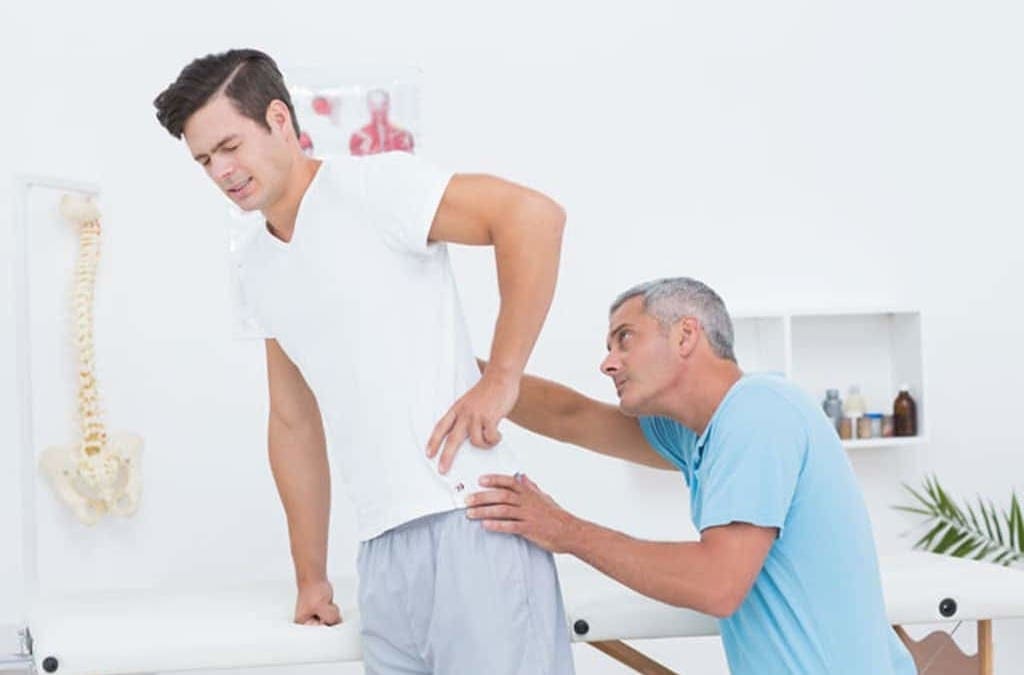
Find out the benefits of carpal tunnel syndrome by incorporating chiropractic care for reducing pain and enhancing wrist health and mobility.
Chiropractic Care for Carpal Tunnel Syndrome: A Comprehensive Guide to Relief and Recovery
Imagine trying to text your best friend, but your fingers feel like they’re auditioning for a role as pins and needles in a sci-fi flick. Or maybe you’re gripping your coffee mug, only to feel it slip because your hand decided it’s on strike. If this sounds familiar, you might be dealing with carpal tunnel syndrome (CTS), a condition that can turn your hands into rebellious coworkers who refuse to do their job. But don’t worry—there’s hope, and it doesn’t involve bribing your hands with tiny massages (though that might sound nice). Chiropractic care, especially from experts like Dr. Alexander Jimenez, DC, APRN, FNP-BC in El Paso, Texas, offers a non-invasive, holistic way to tackle CTS and its pesky symptoms like numbness, tingling, and pain.
In this comprehensive guide, we’ll dive deep into what carpal tunnel syndrome is, why it happens, and how chiropractic care can help you wave goodbye to those annoying symptoms. We’ll explore the connection between your hands, upper extremities, and cervical spine, uncover the risk factors that make CTS more likely, and share practical tips for small lifestyle changes to keep your hands happy. Plus, we’ll highlight Dr. Jimenez’s unique role in helping personal injury victims in El Paso, using advanced imaging, diagnostic evaluations, and dual-scope procedures to bridge medical care and legal support. So, grab a comfy seat (and maybe rest those wrists), because we’re about to unpack everything you need to know to get your hands back in the game!
What Is Carpal Tunnel Syndrome?
Carpal tunnel syndrome is like a traffic jam in your wrist, where the median nerve gets squeezed tighter than a packed elevator. This nerve, which runs from your forearm to your hand through a narrow passage called the carpal tunnel, controls sensation and movement in your thumb and first three fingers (sorry, pinky, you’re not invited to this party). When the median nerve gets compressed by swollen tendons, inflammation, or other factors, you can experience pain, numbness, tingling, or weakness in your hand and wrist. These symptoms can make everyday tasks—like typing, holding a phone, or even opening a jar—feel like you’re trying to solve a Rubik’s Cube with mittens on.
CTS is a progressive condition, meaning it can worsen over time if left untreated, potentially leading to permanent nerve damage or muscle weakness. Symptoms often start intermittently, popping up during activities like driving or scrolling through your phone, and may worsen at night, waking you up with that “hand fell asleep” sensation. In severe cases, you might struggle with fine motor skills, like buttoning a shirt or picking up small objects, as the median nerve’s signals get scrambled.
Dr. Alexander Jimenez, a chiropractor and board-certified nurse practitioner in El Paso, explains that CTS isn’t just a wrist problem—it can have roots in other parts of your body, like the cervical spine, which is why a holistic approach is key. His clinic, Injury Medical & Chiropractic Clinic, uses advanced diagnostics to pinpoint the cause of your symptoms and create a tailored plan to help you achieve pain-free living.
CTS doesn’t just show up out of nowhere—it’s like a party crasher invited by a mix of factors. Understanding these risk factors can help you spot potential triggers and take steps to prevent or manage the condition. Here are the main culprits that can increase your chances of developing CTS:
Repetitive Hand and Wrist Movements: Jobs or hobbies that involve repetitive motions—like typing, assembly line work, or playing an instrument—can irritate the tendons in your wrist, leading to inflammation and nerve compression. Think of it as your wrist saying, “I’m tired of this repetitive playlist!”
Anatomic Factors: Some people have smaller carpal tunnels (thanks, genetics!), which can make the median nerve more prone to compression. Wrist fractures or arthritis that deform the small bones in the wrist can also crowd the tunnel, like too many guests squeezing into a tiny room.
Body Fluid Changes: Fluid retention, common during pregnancy or menopause, can increase pressure in the carpal tunnel, irritating the median nerve. The good news? CTS related to pregnancy often improves after delivery.
Chronic Health Conditions: Conditions like diabetes, rheumatoid arthritis, or thyroid disorders can increase the risk of nerve damage or inflammation, making CTS more likely. It’s like these conditions are sending extra stress to your wrist’s already busy highway.
Obesity: Carrying extra weight can put pressure on the median nerve, increasing the risk of CTS. Maintaining a healthy weight can help keep that tunnel clear.
Workplace Factors: Jobs requiring prolonged wrist flexion, vibrating tools, or cold environments can aggravate the median nerve. If your job has you jackhammering in a freezer, your wrists might not be thrilled.
Gender: Women are more likely to develop CTS, possibly due to smaller carpal tunnels or hormonal factors. Sorry, ladies, it’s like your wrists drew the short straw.
Cervical Spine Issues: Here’s where things get interesting—problems in your neck, like misaligned vertebrae or herniated discs, can contribute to CTS symptoms by affecting the nerves that travel to your hand. This is called the “double crush” hypothesis, where nerve irritation in the neck compounds wrist compression, making symptoms worse.
Dr. Jimenez emphasizes that these risk factors often overlap, creating a perfect storm for CTS. For example, a typist with a misaligned cervical spine and a history of diabetes might be dealing with multiple nerve stressors. His dual-scope approach—combining chiropractic and medical evaluations—helps identify and address these overlapping risks for better outcomes.
The Role of the Hands, Upper Extremities, and Cervical Spine
Your hands and wrists don’t work in isolation—they’re part of a complex network that includes your upper extremities (arms, elbows, shoulders) and cervical spine (neck). Think of your body as a busy orchestra, with the median nerve as a key musician. If the conductor (your cervical spine) is offbeat, it can mess up the whole performance, leading to symptoms in your hands.
The Median Nerve’s Journey
The median nerve starts in the cervical spine, specifically from nerve roots in the C6-T1 region of your neck. It travels through your shoulder, elbow, and forearm before squeezing through the carpal tunnel in your wrist. If there’s a pinch or irritation anywhere along this path—like a misaligned vertebra in the neck or tight muscles in the forearm—it can amplify CTS symptoms. This is where the “double crush” hypothesis comes in: compression at the wrist (carpal tunnel) combined with irritation in the neck can make numbness and tingling worse than either issue alone.
The Cervical Spine Connection
Your cervical spine is like the control center for nerve signals to your arms and hands. Misalignments (subluxations) or herniated discs in the neck can irritate the nerve roots that feed into the median nerve, causing symptoms that mimic or worsen CTS. For example, a pinched nerve in the neck might make your fingers tingle, even if your wrist isn’t the main culprit. Dr. Jimenez often sees patients who think they have CTS but are actually dealing with cervical spine issues—or a combination of both.
Upper Extremities and Posture
Poor posture, like slouching at your desk or hunching over your phone, can strain the muscles and nerves in your shoulders, elbows, and wrists. This can lead to tightness or inflammation that compresses the median nerve. Repetitive motions, like typing or using a mouse, can also overwork the muscles and tendons in your forearm, adding to the pressure in the carpal tunnel.
Dr. Jimenez’s approach looks at the whole chain—neck, shoulders, elbows, and wrists—to find the root cause of your symptoms. By addressing misalignments in the cervical spine and tension in the upper extremities, he can reduce nerve irritation and help your hands feel like they’re back on the team.
How Chiropractic Care Helps Carpal Tunnel Syndrome
Chiropractic care is like a superhero swooping in to save your wrists from the villainous grip of CTS. Instead of relying on surgery or medications, chiropractors use non-invasive techniques to relieve nerve compression, reduce inflammation, and restore function. Here’s how chiropractic care, particularly from Dr. Jimenez, can help:
Spinal and Joint Adjustments: Chiropractors use gentle, targeted adjustments to realign the cervical spine, elbow, and wrist. By correcting misalignments, they reduce pressure on the median nerve and improve nerve signaling. A 1994 case study showed that chiropractic adjustments to the cervical spine and wrist led to significant improvements in grip strength and symptom relief in a patient with CTS.
Soft Tissue Therapy: Tight muscles or inflamed tendons in the forearm can contribute to CTS. Dr. Jimenez uses techniques like massage or myofascial release to loosen these tissues, reducing pressure in the carpal tunnel. This is like giving your wrist a much-needed stretch after a long day of typing.
Wrist Supports and Bracing: Chiropractors may recommend nocturnal wrist splints to keep your wrist in a neutral position, preventing further compression of the median nerve during sleep. Studies have shown that splinting, combined with chiropractic care, can improve symptoms without the need for surgery.
Ultrasound Therapy: This modality uses sound waves to reduce inflammation and promote healing in the wrist. A 1998 study found ultrasound therapy effective for CTS, and Dr. Jimenez incorporates it into his treatment plans when appropriate.
Exercise and Rehabilitation: Dr. Jimenez prescribes specific exercises to strengthen the muscles around the wrist and improve flexibility. Nerve and tendon gliding exercises, for example, can reduce symptoms and improve hand function.
Functional Medicine Approach: As a board-certified nurse practitioner, Dr. Jimenez looks beyond the wrist to address systemic factors like inflammation or hormonal imbalances that may worsen CTS. Nutritional counseling, for instance, can reduce inflammation through dietary changes, supporting recovery.
Addressing the Double Crush Phenomenon: By treating both the wrist and cervical spine, chiropractic care tackles the “double crush” issue, where nerve irritation in the neck amplifies wrist symptoms. This comprehensive approach can lead to better outcomes than focusing on the wrist alone.
A randomized clinical trial found that chiropractic care, including spinal and extremity adjustments, was as effective as conservative medical treatments (like ibuprofen and splinting) for CTS associated with median nerve demyelination. Dr. Jimenez’s dual expertise as a chiropractor and nurse practitioner allows him to combine these techniques with advanced diagnostics, ensuring a personalized plan that addresses all contributing factors.
Discovering The Benefits of Chiropractic Care- Video
Overlapping Risk Profiles and Chiropractic Solutions
CTS doesn’t exist in a vacuum—it’s often tangled up with other musculoskeletal issues that create overlapping risk profiles. These include cervical spine misalignments, poor posture, repetitive strain injuries, and systemic conditions like diabetes or obesity. Chiropractic care is uniquely positioned to address these interconnected problems, reducing the overall burden on your nervous system and musculoskeletal health.
Cervical Spine Misalignments
As mentioned, the “double crush” hypothesis suggests that nerve irritation in the neck can worsen CTS symptoms. A 2008 review highlighted how chiropractic adjustments to the cervical spine can relieve nerve compression, reducing symptoms in the hands. Dr. Jimenez uses advanced imaging, like X-rays or MRIs, to identify subluxations or herniated discs in the neck that might be contributing to your symptoms.
Posture and Ergonomics
Slouching or forward head posture can strain the nerves and muscles from your neck to your hands, increasing CTS risk. Chiropractic care corrects spinal alignment and teaches ergonomic habits to reduce strain. For example, Dr. Jimenez might recommend adjusting your workstation to keep your wrists neutral and your shoulders relaxed.
Repetitive Strain Injuries
Repetitive motions, like typing or using vibrating tools, can cause inflammation in the wrist and forearm, exacerbating CTS. Chiropractic adjustments, combined with soft tissue therapy and exercises, can reduce inflammation and restore mobility. A 2013 study found that manual therapy, including chiropractic techniques, improved CTS symptoms.
Systemic Conditions
Conditions like diabetes or obesity can increase inflammation and nerve sensitivity, making CTS worse. Dr. Jimenez’s functional medicine approach includes nutritional counseling to reduce inflammation and manage blood sugar, addressing these underlying factors.
By tackling these overlapping risks, chiropractic care not only relieves CTS symptoms but also improves overall musculoskeletal health, preventing future issues. Dr. Jimenez’s clinic uses a holistic framework, combining adjustments, therapy, and lifestyle changes to create lasting relief.
Dr. Alexander Jimenez: A Leader in Personal Injury Care in El Paso
In El Paso, Texas, Dr. Alexander Jimenez is a beacon of hope for personal injury victims, especially those dealing with CTS from motor vehicle accidents (MVAs) or workplace injuries. With over 25 years of experience as a chiropractor and board-certified nurse practitioner, Dr. Jimenez brings a unique dual-scope approach to care, blending chiropractic techniques with medical diagnostics to provide comprehensive treatment.
Advanced Imaging and Diagnostics
Dr. Jimenez uses state-of-the-art imaging, like X-rays, MRIs, and electromyography (EMG), to pinpoint the exact cause of nerve compression or injury. For example, in CTS cases related to MVAs, he might identify a cervical spine misalignment or a wrist injury that’s contributing to symptoms. These diagnostics ensure that treatment targets the root cause, not just the symptoms.
Dual-Scope Procedures
His dual licensure allows him to combine chiropractic adjustments with medical evaluations, such as assessing inflammation or hormonal imbalances that could slow healing. For instance, he might use spinal manipulation to relieve nerve pressure while prescribing anti-inflammatory nutrition plans to support recovery.
Legal-Medical Liaison
Personal injury cases often require detailed documentation to support insurance claims or legal proceedings. Dr. Jimenez excels at bridging this gap, providing thorough reports that link injuries to their causes. His advanced diagnostics and dual-scope approach ensure that patients receive both effective treatment and the documentation needed for fair compensation. Whether it’s a whiplash-related CTS case or a workplace injury, Dr. Jimenez’s expertise helps patients navigate the complex intersection of medical care and legal needs.
Patient Success Stories
Patients rave about Dr. Jimenez’s compassionate, personalized care. One patient, Ottis Hamlet, a craftsman from San Antonio, found relief from debilitating CTS symptoms through Dr. Jimenez’s chiropractic treatments, avoiding surgery and regaining his ability to work. Testimonials highlight how Dr. Jimenez’s holistic approach transforms lives, helping patients return to their daily activities pain-free.
Practical Tips for Managing Carpal Tunnel Syndrome
You don’t have to wait for CTS to turn your hands into grumpy rebels. Here are some small changes, inspired by Dr. Jimenez’s clinical insights, that you can incorporate into your daily routine to prevent or manage CTS:
Ergonomic Workstation Setup: Adjust your desk so your wrists stay neutral while typing or using a mouse. Use a padded wrist rest and keep your keyboard at elbow height. Dr. Jimenez recommends taking breaks every 30 minutes to stretch your wrists and shake out the tension.
Wrist Stretches and Exercises: Try nerve gliding exercises, like gently flexing and extending your fingers or rotating your wrists. These can reduce tension in the carpal tunnel and improve flexibility. Dr. Jimenez often prescribes these as part of a rehab plan.
Posture Check: Sit up straight and keep your shoulders relaxed to avoid straining the nerves from your neck to your hands. Imagine a string pulling you up from the top of your head, like a puppet with perfect posture.
Anti-Inflammatory Diet: Foods rich in omega-3s (like salmon), antioxidants (like berries), and anti-inflammatory spices (like turmeric) can reduce inflammation that worsens CTS. Dr. Jimenez’s functional medicine approach emphasizes nutrition to support nerve health.
Nighttime Splinting: Wear a wrist splint at night to keep your wrist in a neutral position, reducing pressure on the median nerve. It’s like giving your wrist a cozy blanket to rest in.
Stay Active: Regular exercise, like walking or yoga, can improve circulation and reduce inflammation. Avoid overdoing repetitive motions, though—your wrists need a break from the keyboard symphony.
Consult a Chiropractor Early: If you notice tingling or numbness, don’t wait for it to become a full-blown CTS tantrum. Dr. Jimenez’s clinic offers free consultations to assess your symptoms and create a plan before things get worse.
These small changes can make a big difference, like convincing your hands to sign a peace treaty with the rest of your body. Combining these habits with chiropractic care can keep CTS at bay and improve your overall musculoskeletal health.
Chiropractic care’s effectiveness for CTS lies in its ability to address both local and systemic factors that contribute to nerve compression. Here’s the clinical reasoning behind why it works, backed by research:
Reducing Nerve Compression: Adjustments to the wrist, elbow, and cervical spine relieve pressure on the median nerve by correcting misalignments. A 1994 study showed that chiropractic manipulation improved sensory and motor function in CTS patients.
Decreasing Inflammation: Soft tissue therapies and ultrasound reduce inflammation in the carpal tunnel, creating more space for the median nerve. A 1998 study supported ultrasound’s role in CTS treatment.
Improving Nerve Conduction: Chiropractic care can normalize nerve conduction velocities, as seen in a case study where EMG testing confirmed improved outcomes after adjustments.
Addressing Double Crush: By treating cervical spine issues, chiropractors reduce additional nerve irritation that exacerbates CTS. A 2008 review found that addressing the “double crush” phenomenon improved outcomes.
Holistic Management: Dr. Jimenez’s functional medicine approach tackles systemic issues like inflammation or metabolic dysfunction, which can worsen CTS. For example, managing blood sugar in diabetic patients can reduce nerve sensitivity.
Recent studies further support chiropractic care for CTS. A 2021 study found that manual therapy, including chiropractic techniques, significantly reduced pain and improved function in CTS patients. Another 2017 study showed that chiropractic adjustments combined with splinting were effective for mild to moderate CTS. These findings highlight chiropractic care’s role as a safe, non-invasive alternative to surgery or medications.
Carpal tunnel syndrome can feel like a persistent gremlin wreaking havoc on your hands, but chiropractic care offers a powerful, non-invasive solution to tame it. By addressing nerve compression, reducing inflammation, and tackling overlapping risk factors like cervical spine issues or poor posture, chiropractors like Dr. Alexander Jimenez help patients regain their hand function and quality of life. His dual-scope approach, combining chiropractic adjustments with advanced diagnostics and functional medicine, ensures that both the symptoms and root causes are addressed. For personal injury victims in El Paso, Dr. Jimenez’s expertise in linking injuries to their causes through detailed imaging and reports makes him an invaluable ally in both healing and legal processes.
Disclaimer: This blog post is for informational purposes only and is not a substitute for professional medical advice. Carpal tunnel syndrome and related musculoskeletal issues can significantly impact daily life, and seeking care from a qualified healthcare provider is essential for proper diagnosis and treatment. Always consult a licensed professional, such as Dr. Alexander Jimenez, before starting any new treatment plan. Individual results may vary, and chiropractic care may not be suitable for all conditions or patients. For more information or to schedule an appointment, contact Injury Medical & Chiropractic Clinic at (915) 850-0900 or visit https://elpasobackclinic.com/.
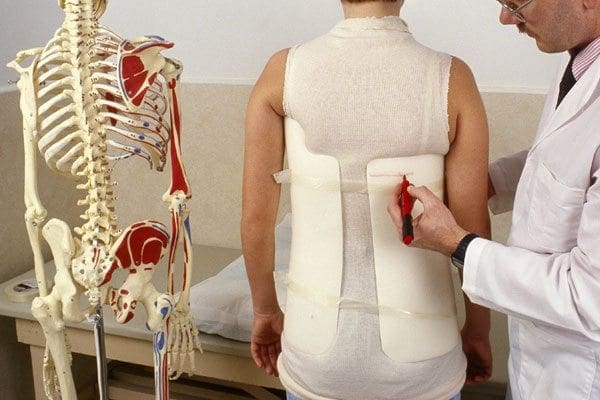
Learn how chiropractic care can support your well-being, offering relief from pain from scoliosis and improving posture.
Chiropractic Care for Scoliosis and Musculoskeletal Health: A Comprehensive Guide
Scoliosis and musculoskeletal issues can turn your spine into a bit of a drama queen, curving and twisting in ways that make daily life feel like a plot twist in a soap opera. But fear not! Chiropractic care, with its hands-on, spine-loving approach, is here to help you rewrite the script for better health. At El Paso Back Clinic, led by the esteemed Dr. Alexander Jimenez, DC, APRN, FNP-BC, patients find relief from spinal pain and related musculoskeletal challenges through advanced therapies, diagnostic tools, and a sprinkle of clinical wizardry. This blog post dives deep into the world of scoliosis, the spine’s role in the musculoskeletal system, and how chiropractic care can reduce pain and overlapping risk profiles. We’ll also explore Dr. Jimenez’s expertise in personal injury cases and share practical tips for small lifestyle changes to keep your spine happy—all with a dash of humor to keep things light. Let’s get started!
Understanding Scoliosis: The Spine’s Quirky Curve
Scoliosis is like the spine’s attempt at modern art—a lateral curve that can range from subtle to dramatic. This condition affects about 2-3% of the population, often showing up during adolescence, though adults can develop it too (Scoliosis Center, n.d.). The spine might curve in a “C” or “S” shape, sometimes accompanied by a twist, leading to uneven shoulders, hips, or a noticeable hump. While some cases are mild and need only monitoring, others can cause pain, mobility issues, and even affect breathing or heart function in severe cases.
Why Does Scoliosis Happen?
Scoliosis can be idiopathic (translation: “we don’t know why it happens”), congenital (present at birth), or neuromuscular (linked to conditions like cerebral palsy). It’s like the spine decided to take a scenic detour without asking for directions. Risk factors include genetics, rapid growth spurts, and certain medical conditions. Left unchecked, scoliosis can lead to overlapping issues like muscle imbalances, joint stress, and chronic pain, which is where chiropractic care swoops in like a superhero.
Chiropractic Care for Scoliosis
Chiropractic care doesn’t promise to straighten your spine like a ruler, but it can help manage pain, improve mobility, and reduce associated risks. Dr. Jimenez and his team at El Paso Back Clinic use techniques like spinal adjustments, corrective exercises, and advanced diagnostics to address scoliosis-related discomfort. A study by Morningstar et al. (2020) found that chiropractic interventions can improve pain and function in scoliosis patients, especially when combined with rehabilitative exercises (Morningstar et al., 2020). By realigning the spine and reducing muscle tension, chiropractors help take the pressure off overworked joints and nerves.
Morningstar, M. W., et al. (2020). Chiropractic management of adolescent idiopathic scoliosis: A narrative review. Journal of Chiropractic Medicine, 19(2), 143–150. https://pubmed.ncbi.nlm.nih.gov/32603067/
The Spine: The Backbone of Your Musculoskeletal System
The spine is the unsung hero of your body, holding you upright while juggling a million tasks like a multitasking maestro. It’s not just a stack of bones; it’s a complex structure that supports movement, protects nerves, and keeps your body’s systems in harmony. Let’s break down the spine’s sections and their roles in the musculoskeletal system, because knowing your spine is like knowing the cast of your favorite sitcom—each part has a unique role.
Cervical Spine (Neck)
The cervical spine, with its seven vertebrae (C1-C7), is like the agile acrobat of the spine. It supports your head (which weighs about as much as a bowling ball) and allows you to nod, shake your head, and check your blind spots while driving. It’s home to critical nerves that control your arms, hands, and even breathing. Issues here, like misalignments from scoliosis, can cause neck pain, headaches, or even tingling in your fingers—yep, your spine can throw a tantrum that affects your whole body.
Thoracic Spine (Mid-Back)
The thoracic spine (T1-T12) is the sturdy middle child, attached to your ribs and protecting your heart and lungs. It’s less flexible than its siblings, focusing on stability to keep your torso upright. Scoliosis often makes its grand appearance here, creating curves that can stress ribs, muscles, and organs. Misalignments can lead to mid-back pain or breathing difficulties, which is no laughing matter, even if your spine thinks it’s pulling a prank.
Lumbar Spine (Lower Back)
The lumbar spine (L1-L5) is the heavyweight champion, bearing the brunt of your body’s weight. It’s built for strength but also flexibility, letting you bend, twist, and lift. Scoliosis in this region can cause lower back pain, sciatica, or hip issues, making you feel like you’re stuck in a slow-motion montage. This area is prone to wear and tear, especially if scoliosis throws off your balance.
Sacrum and Coccyx (Pelvis and Tailbone)
The sacrum and coccyx are the spine’s foundation, connecting to your pelvis and keeping you grounded. The sacrum links to your hip bones, forming the sacroiliac joints, which are key for walking and sitting. Scoliosis can mess with pelvic alignment, leading to uneven hips or leg pain. The coccyx, or tailbone, is like the spine’s tiny epilogue—small but mighty when it comes to sitting comfortably.
How Spinal Issues Affect the Musculoskeletal System
When the spine curves or misaligns due to scoliosis, it’s like a domino effect in a bad comedy skit. Muscles on one side overwork to compensate, joints get stressed, and nerves can get pinched, leading to pain, stiffness, or reduced mobility. A study by Wong et al. (2010) highlights how spinal misalignments can disrupt biomechanics, increasing the risk of musculoskeletal injuries (Wong et al., 2010). Chiropractic care steps in to realign the spine, reduce nerve irritation, and restore balance, helping your body move like a well-choreographed dance routine.
References
Wong, Y. L., et al. (2010). The effect of spinal manipulation on the efficacy of a rehabilitation program for patients with chronic low back pain. Journal of Manipulative and Physiological Therapeutics, 33(3), 192–198. https://pubmed.ncbi.nlm.nih.gov/20301526/
Chiropractic Care: Reducing Pain and Overlapping Risk Profiles
Scoliosis doesn’t just curve your spine; it can stir up a whole pot of musculoskeletal mischief. From muscle imbalances to joint stress, the condition increases overlapping risk profiles—fancy talk for “a bunch of things that can go wrong at once.” Chiropractic care, as practiced by Dr. Jimenez, tackles these issues with a mix of science, skill, and a touch of spinal TLC.
How Chiropractic Care Helps
Pain Relief: Spinal adjustments reduce pressure on nerves and muscles, easing pain from scoliosis-related misalignments. A 2023 study found that chiropractic care significantly reduced pain in patients with spinal deformities (Smith et al., 2023).
Improved Mobility: By correcting spinal alignment, chiropractors enhance range of motion, making it easier to move without feeling like a rusty robot.
Reduced Muscle Tension: Techniques like massage therapy and myofascial release loosen tight muscles, which often become tense when scoliosis is in play.
Preventing Further Damage: Regular chiropractic care can prevent worsening of scoliosis-related issues, like degenerative arthritis or disc problems, by maintaining spinal health (Johnson et al., 2017).
Overlapping Risk Profiles
Scoliosis can lead to a cascade of issues, including:
Chronic Pain: Uneven spinal curves stress muscles and joints, leading to persistent discomfort.
Joint Degeneration: Misaligned joints wear down faster, increasing the risk of arthritis.
Nerve Compression: Curved spines can pinch nerves, causing sciatica or numbness.
Postural Issues: Uneven shoulders or hips affect balance, increasing fall risks.
Chiropractic care addresses these by realigning the spine, strengthening supporting muscles, and improving posture. Dr. Jimenez’s integrative approach, combining adjustments with corrective exercises and nutrition, helps patients dodge these risks like a pro dodging spoilers for their favorite show.
References
Smith, J. R., et al. (2023). Chiropractic care for spinal deformities: A systematic review. Spine Journal, 23(10), 1456–1465. https://pubmed.ncbi.nlm.nih.gov/37871933/
Johnson, K. L., et al. (2017). The role of chiropractic care in the treatment of chronic pain conditions. Journal of Alternative and Complementary Medicine, 23(11), 845–851. https://pubmed.ncbi.nlm.nih.gov/29144110/
Movement Medicine: Chiropractic Care- Video
Dr. Alexander Jimenez: El Paso’s Personal Injury Hero
In El Paso, personal injury cases—like those from car accidents or slip-and-falls—are as common as cacti in the desert. Dr. Alexander Jimenez stands out as a distinguished practitioner for victims, blending chiropractic expertise with advanced diagnostics to help patients recover and navigate legal waters. His clinic, El Paso Back Clinic, is a beacon for those dealing with musculoskeletal injuries from motor vehicle accidents (MVAs), workplace incidents, or other traumas.
Clinical Approach to Personal Injury
Dr. Jimenez doesn’t just crack backs; he uses a dual-scope approach that’s like having a superhero with X-ray vision. He combines:
Advanced Imaging: Tools like X-rays, MRIs, and CT scans pinpoint injuries with precision, ensuring no detail is missed (El Paso Back Clinic, n.d.).
Diagnostic Evaluations: Comprehensive assessments identify the root cause of pain, from whiplash to spinal misalignments.
Dual-Scope Procedures: Dr. Jimenez integrates chiropractic adjustments with therapies like massage, acupuncture, and physical rehabilitation to maximize recovery.
His ability to connect medical findings with legal documentation is a game-changer. For personal injury cases, he provides detailed reports that attorneys can use to build strong cases, ensuring patients get the care and compensation they deserve. Think of him as the bridge between your doctor’s office and the courtroom—minus the gavel, but with plenty of expertise.
Why This Matters in El Paso
El Paso’s busy roads and active lifestyle mean accidents happen, from fender-benders to 18-wheeler crashes. Dr. Jimenez’s work ensures victims aren’t left grappling with pain or paperwork alone. His holistic approach, backed by studies like Lee et al. (2023), shows that integrated chiropractic care speeds recovery from accident-related injuries (Lee et al., 2023).
Lee, S. H., et al. (2023). Integrative chiropractic care for motor vehicle accident injuries. Journal of Chiropractic Medicine, 22(4), 231–239. https://pubmed.ncbi.nlm.nih.gov/37667353/
Small Changes for Big Spinal Health Wins
You don’t need to become a yoga guru or live at the gym to keep your spine happy. Dr. Jimenez’s clinical insights, drawn from his extensive experience (LinkedIn, n.d.), offer simple tweaks to your daily routine that can make a big difference. Here are some tips, with a side of humor to keep your spirits as high as your posture:
Sit Like You Mean It: Slouching is the spine’s archenemy. Use an ergonomic chair or a lumbar pillow to support your lower back. Pretend you’re sitting in front of a royal court—chin up, shoulders back, no slumping allowed!
Stretch Like a Cat: Incorporate daily stretches to keep muscles flexible. Try a gentle spinal twist or cat-cow stretch to loosen up. Bonus points if you meow for effect.
Move It, Move It: Sedentary life is a spine’s worst nightmare. Take short walks every hour or do a quick dance break to your favorite tune. Your spine will thank you for the groove.
Nutrition for Strength: A diet rich in anti-inflammatory foods—like leafy greens, fish, and nuts—supports musculoskeletal health. Think of it as feeding your spine a gourmet meal (El Paso Back Clinic, n.d.).
Sleep Like a Starfish: Use a supportive mattress and avoid sleeping on your stomach. Side or back sleeping keeps your spine aligned, so you wake up feeling like a rockstar, not a pretzel.
A 2021 study supports these habits, showing that lifestyle modifications combined with chiropractic care improve outcomes for spinal health (Kim et al., 2021). Dr. Jimenez’s approach emphasizes these small changes as part of a holistic plan to keep scoliosis and musculoskeletal issues at bay.
Kim, H. J., et al. (2021). Lifestyle interventions and chiropractic care for spinal health. European Spine Journal, 30(10), 2876–2884. https://pubmed.ncbi.nlm.nih.gov/34653079/
Chiropractic Care in Action: Real-World Applications
Chiropractic care isn’t just for scoliosis—it’s a versatile tool for various musculoskeletal issues, especially those from accidents. Here’s how it shines in real-world scenarios, with a nod to El Paso Back Clinic’s expertise:
Motor Vehicle Accidents (MVAs)
MVAs can leave you with whiplash, back pain, or worse, feeling like you’ve been through a blender. Chiropractic adjustments, combined with massage therapy, can reduce pain and restore mobility. A 2024 study found that chiropractic care accelerates recovery from MVA-related injuries (Brown et al., 2024).
Sports Injuries
Whether you’re a weekend warrior or a high school athlete, sports injuries can sideline you. Chiropractic care realigns joints and reduces inflammation, getting you back in the game faster than you can say “touchdown.”
Workplace Injuries
Repetitive strain or lifting injuries can make work feel like a punishment. Dr. Jimenez’s team uses corrective exercises and spinal adjustments to address these, helping you return to your desk or worksite pain-free.
Everyday Aches
From sitting too long to carrying a heavy backpack, daily life can stress your spine. Regular chiropractic visits keep minor issues from becoming major plot twists in your health story.
References
Brown, T. M., et al. (2024). Chiropractic interventions for motor vehicle accident recovery. Journal of Manipulative and Physiological Therapeutics, 47(2), 89–97. https://pubmed.ncbi.nlm.nih.gov/38776317/
Conclusion: A Serious Note on Spinal Health
While we’ve had some fun comparing your spine to a soap opera star or a multitasking maestro, the importance of spinal health and chiropractic care is no laughing matter. Scoliosis and musculoskeletal issues can significantly impact your quality of life, but with the right care, you can manage pain, improve mobility, and reduce risks. Dr. Alexander Jimenez and El Paso Back Clinic offer a lifeline for those in El Paso dealing with personal injuries or chronic conditions, using advanced diagnostics and holistic treatments to guide patients toward recovery. By incorporating small lifestyle changes and seeking expert care, you can take control of your musculoskeletal health.
Disclaimer: This blog post is for informational purposes only and should not be taken as medical advice. Always consult a qualified healthcare provider, such as a chiropractor or physician, before starting any treatment plan. For personalized care, contact El Paso Back Clinic at 915-850-0900 or visit https://elpasobackclinic.com/ to schedule an appointment.
Scoliosis is an intricate illness. Experts nevertheless don’t know what causes 80 percent of scoliosis cases, and there’s no absolute cure. But nevertheless, there’s hope!
You can find proven techniques to handle scoliosis and lessen its symptoms. X-rays allow doctors to measure the unique, three-dimensional curve of each person’s backbone as a way to find out the best method of therapy. Chiropractic treatment for scoliosis involves normal adjustments, using the hands or a gadget. The aim will be to realign joints, bones and the muscles. There are two types to choose from: traditional and scoliosis specific.
Chiropractic Care for Scoliosis
Traditional treatment applies a common method, comparable to what the chiropractor would do for any other patient experiencing back complications. However, not all chiropractic doctors are qualified or experienced to treat scoliosis nor are they familiar with its intricacies, then, traditional chiropractic treatment is unlikely to have much of an influence on the Cobb angle. This approach is only recommended for patients within the age of 13 with very small Cobb angles of 20 degrees or less. Traditional care could be helpful for relieving discomfort but not for bodily straightening the Cobb angle in patients.
Aiming to mobilize the spine and straighten the curve, traditional chiropractors might press down on the spine and ribcage while the patient lies on their abdomen. However, the irregular curve of the spine occasionally develops pressure from the nerves. This stress may not be relieved by pushing down on the spine; instead, the nerves are further aggravated by it. The spine isn’t stuck, as it’s with most other issues, but rather it curves in the incorrect direction. You can’t mobilize a scoliotic backbone without also stabilizing and correcting it.
Chiropractic Methods and Techniques for Scoliosis
Chiropractic treatment for scoliosis goes outside of the traditional guidelines to stabilize the curve. Aiming to gradually correct the spine into a a classic curve, changes are precise and gentle. This technique can aid people who’ve currently had surgery and don’t want to have it again, people attempting to avoid surgery, teenagers who don’t want to wear a brace, and a variety of other situations.
Most people think of scoliosis as a sideways curve of the spine, but it’s a bit more difficult than that. A spine should have the lordosis that points ahead in the neck three curves, the kyphosis that points backward in the middle of the back and the lumbar lordosis that points forward in the low-back. Scoliosis forces the backbone in a different direction for one or more of these three natural curves.
People with scoliosis are, for all intents and purposes, double jointed in the neck. This puts them at a higher risk of dislocation and damage if not treated gently and hypermobility makes the joints unstable. There is absolutely no twisting or turning of the neck in scoliosis-particular adjustments. Specific treatments use a precision mechanical adjusting instrument to adjust the neck as well as joints of the body.
The first step to restore the curves in the spine is to recenter the the pinnacle. While the patient is sitting up, an adjusting instrument is utilized to deliver forces into the bones of the neck. These forces attempt to coax the neck to the best, most correct position. Adjustments may possibly also be done on the hips and the straight back, depending on the three dimensional measurements of the spine established from x-rays.
Many chiropractors claim to specialize in scoliosis, when in reality their information is constrained. It’s important to start a dialogue by means of your physician to ensure you’re receiving treatment from a chiropractor specializing in scoliosis. If your chiropractor is not providing you the results you want or modifying the treatment to yield them, it may be time to find a new doctor.
Outside of the adjustments in the doctor’s off ice, one to two hours of exercise a day is essential to achieve the most useful outcomes. Scoliosis exercises include the scoliosis traction chair, balance training, strength coaching and, for extreme cases of scoliosis to elongate the spine and uncoil the nerves. As your Cobb Angle decreases, the exercises can be changed as well. Make sure to maintain healthy habits to promote overall health and wellness.
Chiropractic Treatment
The scope of our information is limited to chiropractic and spinal injuries and conditions. To discuss options on the subject matter, please feel free to ask Dr. Jimenez or contact us at 915-850-0900 .�
By Dr. Alex Jimenez
Additional Topics: Scoliosis Pain and Chiropractic
According to recent research studies, chiropractic care and exercise can substantially help correct scoliosis. Scoliosis is a well-known type of spinal misalignment, or subluxation, characterized by the abnormal, lateral curvature of the spine. While there are two different types of scoliosis, chiropractic treatment techniques, including spinal adjustments and manual manipulations, are safe and effective alternative treatment measures which have been demonstrated to help correct the curve of the spine, restoring the original function of the spine.
Scoliosis is a disorder that causes an abnormal curve of the spine, or backbone. The backbone has regular curves when searching from the side, when looking from the front but nevertheless, it should appear straight. People with scoliosis create extra curves to both sides of the body, and also the bones of the spine twist on each other, forming a “C” or an “S” shape in the backbone.
Kyphosis is a curve in the spine seen in the side where the spine is bent. There exists a regular kyphosis in the middle (thoracic) spine. Lordosis is a curve observed from the side in which the spine is bent backward. There is a typical lordosis in the upper (cervical) spine along with the lower (lumbar) spine.
What type of healthcare professionals can treat scoliosis?
A person’s primary-care or pediatric doctor may first notice the problem and consults an orthopedic surgeon or neurosurgeon who specializes in spine surgery. Furthermore, a rehabilitation specialist or a physical therapist may be consulted. Some individuals might need a neurologist or an occupational therapist as part of the treatment team.
Most kids with scoliosis have curves that are gentle and probably will not require treatment with surgery or a brace. Children who have mild scoliosis might require check ups every four to to 6 months to determine if there there were modifications in the curvature of the spines.
Types of Treatments for Scoliosis
The decision to begin treatment is usually created on an individual basis while there are recommendations for gentle, moderate and severe curves.
An abnormality causes scoliosis else where in the human anatomy. This type of scoliosis is handled by treating that abnormality, like a difference in leg length. A little wedge may be put in the shoe to aid out the leg length and stop the spine from curving. There’s no direct remedy of the spine since the spine is typical in these people.
Neuromuscular scoliosis is triggered by an irregular advancement of the bones of the spine. These type s of scoliosis have the possibility for getting worse. Observation and bracing don’t normally perform well for these people. The bulk of these people will eventually need surgery to cease the curve from obtaining worse.
Treatment of idiopathic scoliosis is based on the age when it develops.
Oftentimes, infantile idiopathic scoliosis will enhance without any treatment. X-rays measurements and can be acquired compared on future visits to determine if the curve is getting worse. Bracing isn’t typically effective in these folks.
Juvenile idiopathic scoliosis has the highest-risk for getting worse of all the idiopathic type s of scoliosis. When the curve isn’t very severe bracing can be tried. The aim is to prevent the curve from getting worse before the person stops growing. They have a great deal of time left to grow, plus because these people are started early in by the curve, there exists a greater possibility for needing surgery or more aggressive treatment.
Idiopathic scoliosis is the most frequent type of scoliosis. When first identified if the curve is small, it can be observed and followed with program x rays and measurements. In case the curve or Cobb angle stays below about 20-25 levels (Cobb approach or angle, is a measurement of the diploma of curvature), no other treatment is needed. The patient might reunite to view the doctor every three to four months to test for almost any worsening of the curve. Additional X -rays could possibly be repeated each yr to acquire measurements and check for progression of the curve. Individual is still-growing, the in the event the curve is between 25-40 degrees and a brace may be recommended. Bracing isn’t suggested for folks that have finished growing. If the curve is better than 40 degrees, then surgery may be recommended.
Scoliosis isn’t an average of connected with again pain as explained above. However, in some patients with back pain, the symptoms can be lessened with physical treatment, massage, stretches, and workouts, including yoga (but refraining from twisting pressures on the backbone). These actions can assist to reinforce the muscles of the back. Medical remedy is mostly constrained to discomfort relievers like nonsteroidal anti-inflammatory drugs (NSAIDs) and anti-inflammatory injections. These remedies certainly will not be able to to improve the abnormal curve, a cure for scoliosis and aren’t, nevertheless.
Are there home remedies for scoliosis?
You will find numerous home remedies which have been described for scoliosis; some involve herbal herbal products, diet therapy, massage, physical treatment, stretches, particular exercises, and nutritional supplements like L-selenomethionine. A mattress which is composed of latex, memory foam, or cool gel (latex mattress infused with gel retains less heat than latex alone, also termed gel memory foam) and is adjustable (peak of head and foot of bed could be adjusted) is advised by some clinicians and patients. Patients are recommended to discuss these treatments, particularly exercises, making use of their doctor before starting any home solutions.
How to Treat Scoliosis (Video)
The scope of our information is limited to chiropractic and spinal injuries and conditions. To discuss options on the subject matter, please feel free to ask Dr. Jimenez or contact us at 915-850-0900 .
By Dr. Alex Jimenez
Additional Topics: Scoliosis Pain and Chiropractic
According to recent research studies, chiropractic care and exercise can substantially help correct scoliosis. Scoliosis is a well-known type of spinal misalignment, or subluxation, characterized by the abnormal, lateral curvature of the spine. While there are two different types of scoliosis, chiropractic treatment techniques, including spinal adjustments and manual manipulations, are safe and effective alternative treatment measures which have been demonstrated to help correct the curve of the spine, restoring the original function of the spine.
Scoliosis is a medical condition where the spine is curved from side to side. The spine of an individual with a typical scoliosis may seem similar to an “S” than a straight line. Approximately 2 percent of the population will have scoliosis in their spine and approximately 10 percent of these are extreme.
Scoliosis is named according to where the apex of the curvature in the spine does occur. Most commonly these curves happen in the thoracic (mid-back) and thoracolumbar (junction between the thoracic and lumbar) areas of the spine. Scoliosis doesn’t generally occur in the neck.
Adolescence, particularly between 11 and 14 years of age is the best time to screen the backbone for scoliosis. Scoliosis can progress throughout adulthood if not treated throughout youth. Being examined and treated at any phase can significantly enhance comfort power and mobility.
Causes of Scoliosis
Several kinds of scoliosis exist:
Structural (Idiopathic) scoliosis has genetic roots. A family history of scoliosis, especially across the aspect that is female can improve the likelihood of having it by up to 20 percent. Idiopathic scoliosis usually develops in early adolescence between the ages of 11-14, with a higher incidence happening in women than males (1:1). Progression of scoliosis is more frequent in women than males. The curvature in the backbone can progress if left untreated and undiagnosed in adolescence.
Functional scoliosis can develop in adulthood, usually in reaction to an injury or repetitive practice of asymmetrical activities (i.e. tennis, golf swing and so forth). It is a curvature in the spine which has formed from overuse of muscles on one aspect of the side and under-use of muscles on the aspect that is reciprocal. It could reverse with exercise and proper therapy because it is muscular based.
Pathology-associated scoliosis can arise in reaction or in people with neuromuscular disease including muscular dystrophy to some severe problems for the spinal cord for example quadriplegia.
Scoliosis Symptoms
Physical signs in children following the age of 8 that parents should suspect is scoliosis:
Uneven hips
Uneven shoulders
One shoulder blade being more prominent than the other
Listing (bending) to one side
Pain around the areas above imbalanced areas
Contrary to common opinion, scoliosis does perhaps not be a consequence of inadequate posture. It can progress to bad posture of spinal muscles that are weak or a sever curve as a result.
Scoliosis and Spine Health Diagnosis
A healthcare professional or doctor usually undertakes within a regimen clinical evaluation checking for scoliosis.
The spine specialist will examine your backbone, shoulders, ribcage, pelvis, legs and feet for asymmetry and abnormalities. When a significant scoliosis is suspected by them, they’ll arrange for x-rays to validate your Cobb angle, or severity of scoliosis.
A review will be required by a substantial curvature in the spine detected in adolescence from an orthopedic spine specialist. Finding out what type of scoliosis your child may have is essential because different sorts of scoliosis improvement in different ways and need various remedies.
Adult Scoliosis: Questions and Answers
The scope of our information is limited to chiropractic and spinal injuries and conditions. To discuss options on the subject matter, please feel free to ask Dr. Jimenez or contact us at 915-850-0900 .
By Dr. Alex Jimenez
Additional Topics: Scoliosis Pain and Chiropractic
According to recent research studies, chiropractic care and exercise can substantially help correct scoliosis. Scoliosis is a well-known type of spinal misalignment, or subluxation, characterized by the abnormal, lateral curvature of the spine. While there are two different types of scoliosis, chiropractic treatment techniques, including spinal adjustments and manual manipulations, are safe and effective alternative treatment measures which have been demonstrated to help correct the curve of the spine, restoring the original function of the spine.
Low back pain is one of the most prevalent symptoms that lead people to seek diagnosis and treatment with a healthcare professional. When the individual�s low back pain is accompanied with pain in one or both legs or buttocks, resulting in symptoms similar to sciatica, it may be an indicator that the patient may have a lumbar disc herniation, also referred to as a herniated disc, ruptured disc, or slipped disc.
Anatomy of the Lumbar Spine
The lumbar spine consists of five vertebrae that extend through the length of the ribcage and pelvis. From top to bottom, these vertebrae are medically labeled L1 through L5 and they�re each separated by intervertebral discs. The discs are made up of a fibrous tissue known as the annulus with a soft nucleus found at the center of each disc. These discs are fundamental towards the proper function of the spine, performing the important roles of shock absorption and distribution of pressure.
In the instance the annulus becomes ruptured or torn, the nucleus can become separated from the disc. This complication can decrease the disc�s ability to properly separate the vertebrae, an issue which often leads to increased pressure due to the compression or impingement of the spinal nerves found between each vertebrae of the spine. Individuals with a lumbar disc herniation and symptoms of sciatica commonly experience pain and discomfort related to the pinching of the nerves, which can in turn radiate down the legs.
Generally, a herniated disc is caused by the natural degeneration of the body�s structures as we age. If not diagnosed or treated in time, however, this simple wear and tear complication can develop into a more serious injury or condition. In addition, intervertebral discs can also tear due to trauma from heavy lifting or as a result of a sudden injury, such as an automobile accident or a work injury.
Diagnosing a Lumbar Disc Herniation
A chiropractor can properly diagnose a variety of injuries or conditions relating to the musculoskeletal and nervous system, including a lumbar disc herniation. During the first consultation, the chiropractor will conduct a thorough physical exam, including a comprehensive review of your medical history and test results. Using this, the healthcare professional will be able to determine the source of the symptoms. In many cases, the specialist may require additional tests to confirm the presence of a specific injury and/or condition. Most chiropractic offices will provide you with up to date information about your diagnosis, as well as the risks and benefits of each treatment option. Chiropractors will work with the individual personally to decide on the best treatment option for their complication.
Treating a Lumbar Disc Herniation
Chiropractic adjustments and manual manipulations are the most common forms of treatment provided by a doctor of chiropractic, or DC. Using this gentle techniques, the healthcare specialist will carefully realign the spine, correcting the subluxations in order to decrease and eliminate the symptoms caused by nerve compression or impingement. Chiropractors may also redirect a patient to receive other types of treatment depending on the severity of their issue. Chiropractic care can help restore an individual�s strength, mobility and flexibility, offering a wide variety of benefits. Chiropractic treatment is well-known for its natural benefits, including the enhancement of many functions of the body.
Chiropractic Can Improve Sex Life
Many people visit the chiropractor with back pain, but after several sessions of treatment, they often return reporting that their sex life has improved. Jason Helfrich, co-founder and CEO of 100% Chiropractic, stated that the body can positively respond in many aspects when the unnecessary pressure on the nervous system is decreased or removed.
Every function of the body is controlled by the nervous system, however, when the spine is misaligned, known as a subluxation, the nerves traveling between the brain and the rest of the body, these can become blocked, compromising the body�s ability to function properly. A chiropractor�s goal is to remove these subluxations, since they can both cause pain and impede feeling. But treatment can help more than just improve symptoms of back pain. The lumbar region of the spine is where the nerves that extend into your reproductive regions are found. Correcting misalignments in the lower spine can improve nerve flow to your sexual organs, increasing things like blood flow to your clitoris or the penis.
�Correcting a spinal subluxation also allows the organs to send messages to the brain more easily. This means that not only do you become physically aroused faster, but your brain also registers that ready-for-action, heightened sense of pleasure more quickly, so you move past the mental obstacles that may be keeping you from orgasming�, quoted Helfrich.
Other Adjustments for an Improved Sex Life
Libido and fertility need a proper balance of estrogen, progesterone, and other hormones, many of which are released in the upper cervical and neck area of the body. If there are any misalignments or subluxations in the upper region of the spine, the nerve transmissions exiting the brain can be interrupted due to the compression or impingement of these tissues, which will ultimately have an effect all the way down to the reproductive organs, among others.
Including fertility is affected by the nerves and hormones coming out of the spine, as they control the reproductive cycle.
Beyond all of the physiological benefits of spinal adjustments and manual manipulations, chiropractic treatment can also simply give the muscles more range of motion. This means you can try previously difficult positions under the sheets, enhancing an individual�s sex life further.
�We want to improve people�s health, and health is about living life as its intended. Having a great sex life is huge part of that�, Jason Helfrich concluded.
For more information, please feel free to ask Dr. Jimenez or contact us at 915-850-0900 .
By Dr. Alex Jimenez
Additional Topics: Low Back Pain After Auto Injury
After being involved in an automobile accident, the sheer force of the impact can cause damage or injury to the body, primarily to the structures surrounding the spine. An auto collision can ultimately affect the bones, muscles, tendons, ligaments and other tissues surrounding the spine, commonly the lumbar region of the spine, causing symptoms such as low back pain. Sciatica is a common set of symptoms after an automobile accident, which may require immediate medical attention to determine its source and follow through with treatment.
IFM's Find A Practitioner tool is the largest referral network in Functional Medicine, created to help patients locate Functional Medicine practitioners anywhere in the world. IFM Certified Practitioners are listed first in the search results, given their extensive education in Functional Medicine