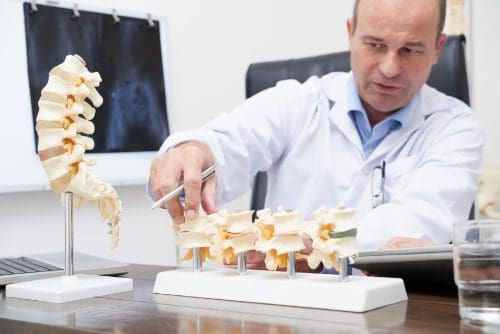
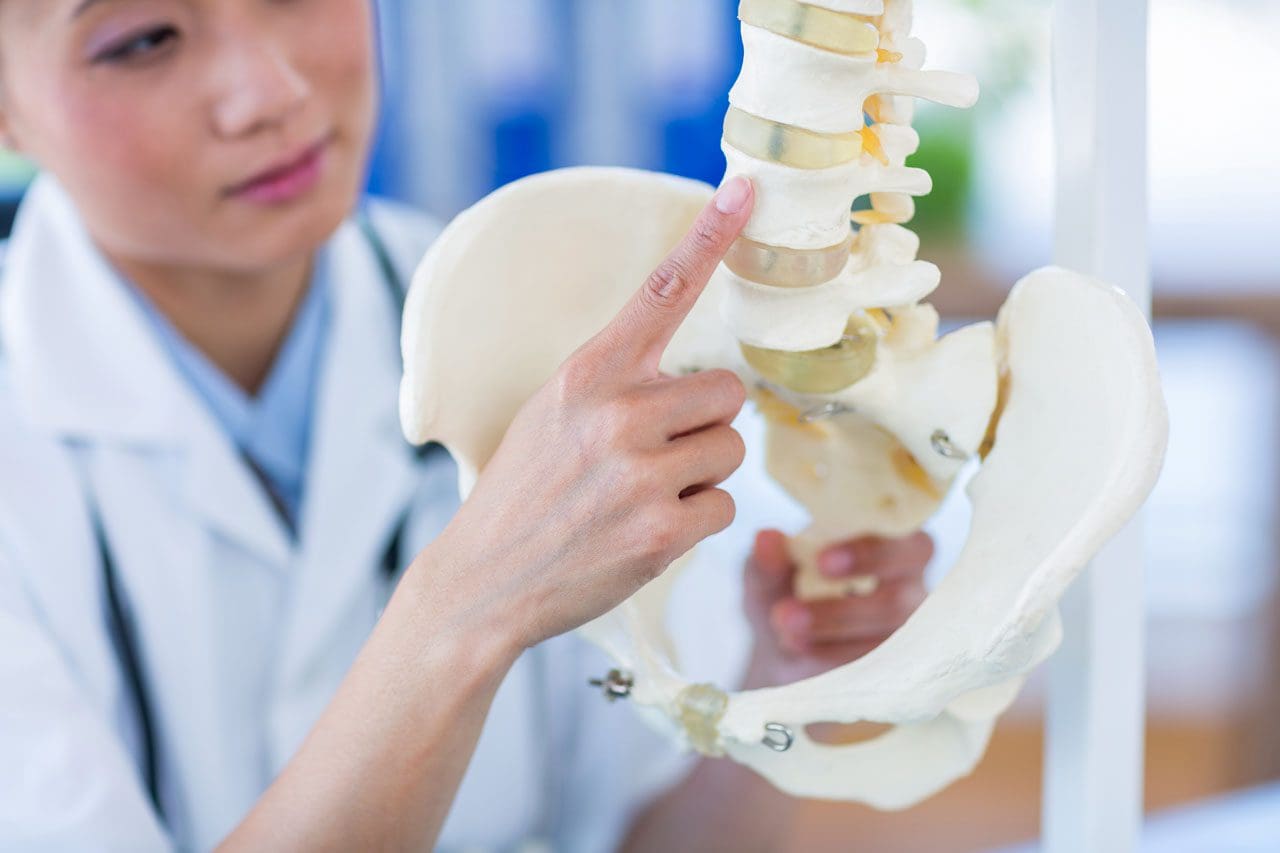
A bone graft is defined as using bone-in spine fusion surgery. Spinal fusion’s purpose is to link or weld bones together, in this case, the spinal bones. There are a variety of spinal conditions cause instability and pain:
Degenerative disc disease
Scoliosis
Trauma from an auto accident, sports injury, slip, and fall accident
Spine surgeons use a bone graft to:
Stop motion between two or more vertebrae
Stabilize a spinal deformity
Repair fractures of the spine
�
�
Spinal Fusion Stimulates New Bone Growth
A bone graft does not heal or fuse the spine instantly. Rather a bone graft sets up a foundational frame for the individual’s body to generate and grow new bone. A bone graft stimulates new bone production. It is when this new bone begins to grow and solidify, that fusion takes place.
With these types of surgeries, instrumentation like screws, and rods are typically used for the beginning stabilization. But it is the actual healing of the bone that welds the vertebrae together creating long-term stability.
A bone graft can be used for structural purposes for supporting the spine, usually this is done in place of a disc or bone that was removed. Or it can be an onlay, this means that a mass of bone fragments will grow together to stabilize the spine bridging the joint.
There are two generalized bone graft types:
Real bone
Substituted bone graft
Real bone can come from the patient, which is called an auto-graft or from a donor’s bone, called an allograft.
�
The Individual’s Bone or Auto-graft
An auto-graft is bone taken or harvested from the individual’s body and transplanted to a specific area, in this case, the spine. An auto-graft is considered the gold standard because it is the individual’s own bone, which contains:
These all help to stimulate the healing of the fusion. There are advantages for an auto-graft, which include a higher probability for fusion success and a lower risk for disease transmission. The only real setback for individuals of an auto-graft is the post-operative pain that usually comes with the procedure when harvesting an individuals’ bone. Bone can be harvested from one of the individual’s:
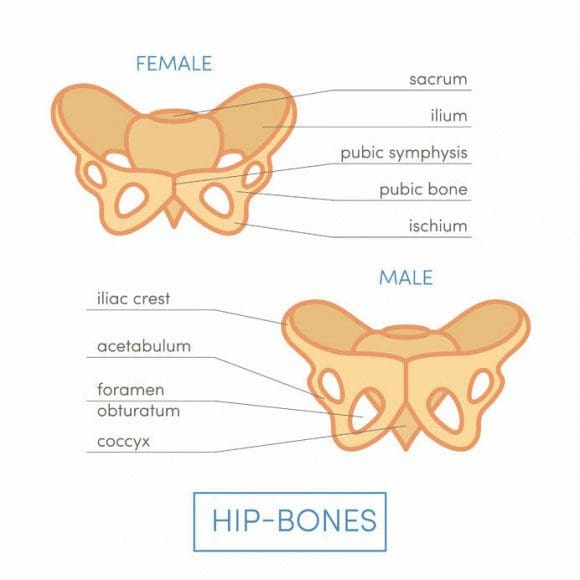
Iliac crests
Pelvic bones
Ribs
Spine
� Bone graft harvesting creates a new set of risks. These include:
Because of these risks and the possibility that the bone could be poor quality, a surgeon could decide to use another type of bone graft. When this happens a surgeon could go with what is known as a local auto-graft. This is bone harvested from the decompression itself.
These are the parts that are removed to decompress the nerves. They usually consist of bone spurs, lamina, and portions of the spinous process. These same bone pieces can be reused to assist with the fusion of the decompressed areas.
�
Donor Bone or Allograft
An allograft is a bone harvested from another person, usually from a tissue bank. Tissue banks harvest bone and other tissues from cadavers for medical purposes. An allograft is prepared by freezing or freeze-drying the bone or tissues. This helps limit the risk of graft rejection. Bone from an allograft does not have living bone cells and is not as effective at fusion stimulation when compared to an autograft. However, it still does work. Tissue banks:
Screen all their donors
Supervise bone recovery
Test donations
Sterilize donations
Store for use
Look for tissue banks that are accredited by the American Association of Tissue Banks. US Food and Drug Administration has strict regulations when it comes to human cell and tissue processing. These include rules about the eligibility of donors. These guidelines/protocols help reduce the risk of tissue contamination and the spread of disease.
�
Bone Graft Substitute
These substitutes are man-made or are made from a manipulated version of a natural product. These alternatives are safe and can provide a solid foundation for the individual’s body to grow bone. Substitutes have similar properties of human bone, which include a porous structure and proteins that stimulate healing.
�
Demineralized Bone Matrix – DBM
A demineralized bone matrix is an allograft that has gone through a process where the mineral content has been removed. This demineralization helps reveal bone-forming proteins like collagen, and growth factors hidden within the bone that can stimulate healing.
This procedure is often considered a bone graft extender. It is not considered a replacement. This is because its ability to fuse the human spine on its own has not been proven. DBM can be combined with the regular bone for more volume and is available in these forms:
Chip
Granule
Gel
Powder
Putty
�
Ceramic-based Extenders
Ceramic-based extenders are mixed in combination with other sources of bone. This is because they consist of calcium matrix for fusion, but there are no cells or proteins to stimulate the healing process. These include:
Ceramic-based extenders do not present a risk for disease transfer but can cause inflammation. They are available in porous and mesh forms.
�
Morphogenetic Protein – BMP
Different types of bone morphogenetic proteins or BMP’s are used to stimulate new bone growth. These proteins are found in human bone, however, they are trace amounts. They are then produced in larger amounts through genetic engineering.
This all depends on the type of spine surgery an individual undergoes. Bone morphogenetic protein could be considered an option in promoting new bone growth along with healing fusion.
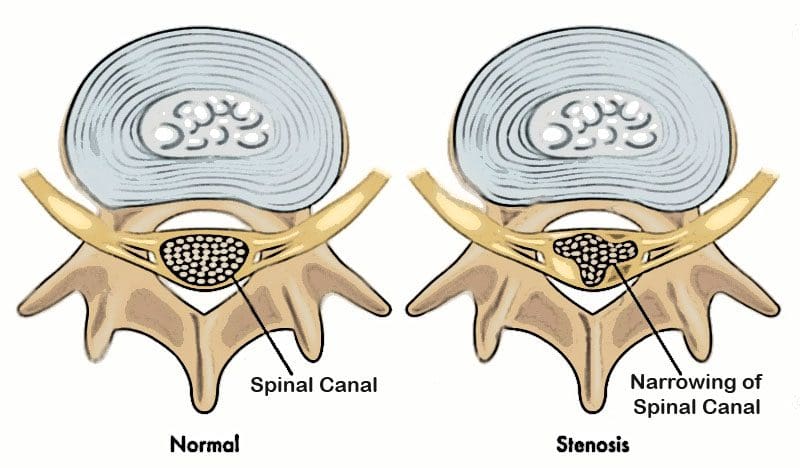
Recognizing and understanding common and not so common neck and lower back spinal Stenosis symptoms can help in getting an early diagnosis and beginning a preventative treatment plan. Symptoms develop when the spinal canal begins to narrow. The nerve roots become compressed/pinched causing:
Neural irritation
Inflammation
Pain
The low back and neck are commonly affected by this age-related and progressivedisorder. Symptoms can inhibit the ability to move without discomfort, pain, and neurological issues like tingling sensations and numbness that spreads out or radiates into other parts of the body.
Low Back Spinal Stenosis Symptoms
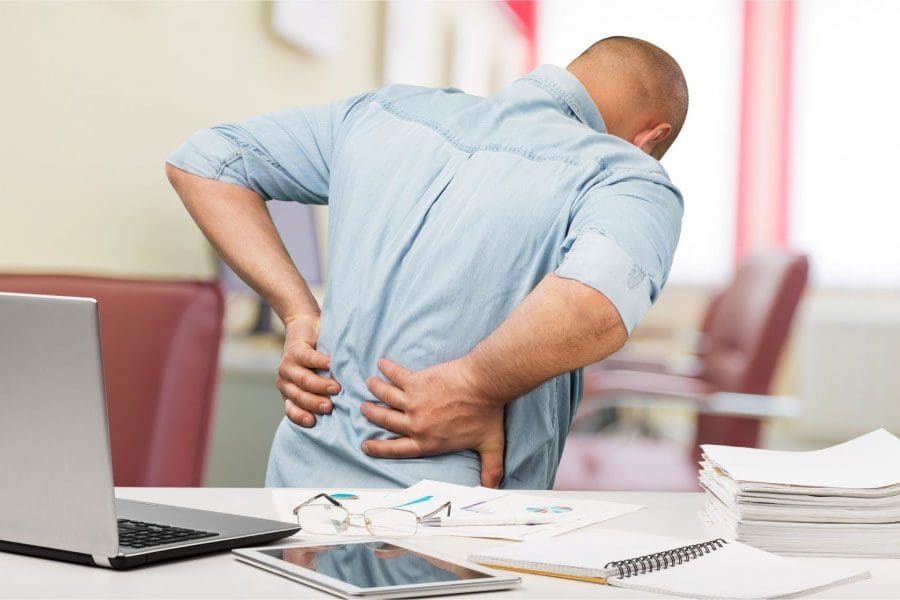
The most common symptom of spinal Stenosis is pain in the:
Low back
Buttock area
Back of the thigh that gets worse when standing and walking
These symptoms are called neurogenic claudication. Some individuals with low back spinal stenosis experience symptoms only when standing or moving/walking around. Discomfort usually eases up when bent forward and goes away when the individual sits down. Example: Grocery shopping feels a lot better when leaning forward on the handle of the cart, with pain reduced. This is common for people with spinal stenosis in the low back. Pain that goes away and reduces when bending forward, sitting down, or lying down is common of low back spinal Stenosis.
Understanding that claudication is not neurogenic or pseudo claudication is important. The symptoms of claudication are similar to pseudo claudication, however, the cause is different. Claudication is caused by the blood not circulating properly in the leg muscles. Other symptoms are low back pain and low back spreading pain or radiculopathy.
Better known as sciatica, lumbar radiculopathy involves:
Pain
Numbness
Weakness
Tingling/numbing sensations that travel down from the low back into the buttock/s and leg/s.
Some individuals experience pain in both legs, with one leg having worse pain than the other.
Bowel/Bladder emergency:
There can be severe cases of lumbar spinal Stenosis where the nerves that control the bladder or bowel can get compressed, leading to partial or complete incontinence. If there are problems controlling the bladder or bowel seek immediate medical attention.
Neck Spinal Stenosis Symptoms
Spinal Stenosis symptomsin the neck can cause cervical radiculopathy. This can include pain along with:
Tingling sensations
Numbness
Weakness
These symptoms may radiate downward from your neck into one or both shoulders, arms, and/or hands. The pain caused by cervical spinal Stenosis has been described as:
Acute
Episodic
Occasional
Chronic
The intensity can go from mild to severe along with other symptoms that include:
Headache/s
Balance issues with a higher risk of falling
Fine Motor skills like writing, buttoning up a shirt/blouse, computer keyboarding skills can become affected
With severe cervical spinal stenosis, symptoms can be associated with cervical myelopathy. Cervical myelopathy happens when the spinal canal narrows so much that it compresses the spinal cord in the neck. Pinched nerves in the neck can affect the shoulders, arms, and hands. Myelopathy can affect both the arms and legs.
Symptoms of cervical myelopathy can include:
Neck pain
Stiffness
Tingling sensations
Numbness
Weakness
Clumsiness
Balance issues
Difficulty walking
Bowel and Bladder problems
Sexual dysfunction
Symptoms Don’t Always Present
Imaging studies like MRI and CT scans can detect a spinal disorder from an individual that has no symptoms. This is why imaging tests are performed to confirm a diagnosis. This is supported by results from the physical/ neurological exams, medical history, and symptoms.
Those who have undergone an x-ray or other imaging test for a non-spinal related issue could have discovered they have spondylosis, osteophytes, and a herniated disc. However, they never knew it because they showed no symptoms. Spinal Stenosis of the spine is usually an age-related and gradual process of physical change. It can take time for symptoms to show themselves. If you have neck or low back pain symptoms that are becoming worse, speak with your doctor.
Research has found that vertebrogenic chronic low back pain could be caused by a lumbar vertebral endplatechange that involves the basivertebral nerveand is not disc-related. The underlying cause of chronic low back pain can be very difficult to diagnose. The intervertebral discs are a common suspect, but when disc-related treatments don�t ease the pain, the root problem could be something else. Researchers are exploring an overlooked area with the vertebral endplates being the cause of vertebrogenic low back pain.
Research has found that there are more nerves in the vertebral endplates than in the spinal discs. More nerves can mean higher potential/increase in pain. And like the other areas of the spine such as the discs and joints, vertebral endplates can also degenerate, also increasing the risk for pain.
Vertebral Endplates and Basivertebral Nerve
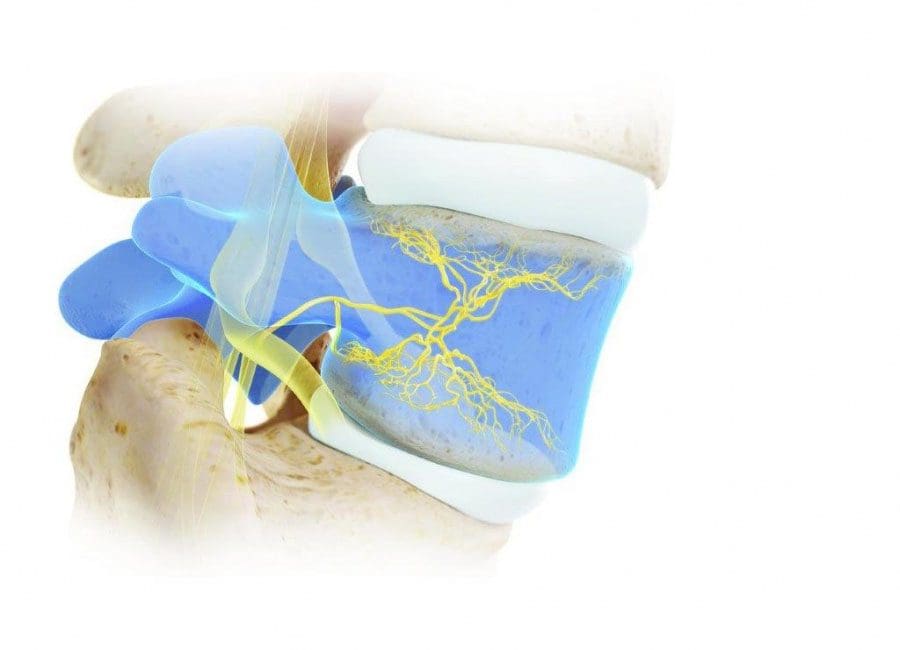
The vertebral endplates line the top and bottom of each vertebral body. These are the round, thick, weight-bearing bones in the spine. The vertebral endplates are made of cancellous or spongy bone and function as the barrier between each disc and the vertebrae.
The low back/lumbar spine takes the most weight. That can be a significant amount of pressure on the structures in the low back. The endplates are situated between a cushioned disc/s and the hard, bony vertebral body making them vulnerable to degeneration and nerve damage contributing to chronic low back pain. The endplates and vertebral bodies consist of a network of intraosseous nerves.
Intraosseous nerves live within the bone.
The basivertebral nerve� BVN is an intraosseous nerve that winds through the vertebral bodies. This nerve feeds into each spinal bone through the back of the vertebral body and then branches out with nerves going towards the top and bottom vertebral endplates. Research has shown that although these nerves are inside the bone they can send pain signals from a damaged vertebral endplate that could result in vertebrogenic low back pain. This is why it has been�recently linked it as a possible cause of chronic low back pain.
Nerve pain in the spine has been linked with discs that have degenerated. A doctor, chiropractor/spine specialist refers to this as discogenic pain. But with new research, an understanding of the function the vertebral endplates and BVN play in the sensation of pain has been realized and this is where the term vertebrogenic pain comes from. If a doctor discovers that the endplates could be the source of your chronic low back pain, they might use this term.
Vertebral Endplate Pain Diagnosis
Like most back pain conditions diagnosing vertebral endplate pain can be just as challenging. This is because diagnostic imaging scans typically don�t pick up mild to moderate endplate damage. A classification scale known as Modic changes helps doctors identify vertebrogenic pain.
Modic changes or MC are areas that show up on an MRI showing bone marrow damage that has been linked to low back pain. The name comes from the doctor that classified them in 1988, Dr. Michael Modic. Modic changes help doctors and spine specialists see and understand the connection between endplate damage and chronic low back pain.
2 types were identified that show a connection between vertebral endplate damage and chronic low back pain:
Type 1
This type shows a�development� in the vessels of the vertebral body, that includes:
Inflammation
Edema, which is a collection of excess fluid
Endplate changes like a split or crack/s in the endplate
Type 2
This type reveals changes in the bone marrow like fatty deposits that have taken the place of bone marrow.
If the lumbar MRI shows Type 1 or Type 2 MC, a doctor could recommend a conservative treatment plan that could include:
These could be utilized in conjunction with spine specialist care in addressing symptoms and pain. However, if the pain does not ease or reduce with conservative treatment, a doctor could suggest an outpatient procedure.
Candidates for this procedure usually qualify meeting the following:
The individual has struggled with chronic low back pain for at least 6 months
The pain has not reduced/eased up with at least 6 months of conservative care
MRI shows Type 1 or Type 2 Modic changes�that correlate symptoms of vertebrogenic low back pain
The procedure uses fluoroscopy or an x-ray video. A thin tube called a cannula is inserted into a vertebral pedicle. A pedicle is a structure that sticks out from the back of the vertebra. The cannula tunnels its way to the basivertebral nerve. The doctor then runs the Intracept Radiofrequency generator into the path of the nerve and ablates destroys/removes any obstructions in the nerve with the help of the frequency generator. Since it�s a minimally invasive procedure, it can be performed in an outpatient clinic, allowing the patient to go home the same day.
The device/tool used in the procedure is not implanted in the spine. It is removed once the procedure is done.
Expectations as to how long the pain relief will last depends on:
The severity of the condition
Post-physical therapy
Type of work
Diet
Exercise
One study showed the benefits to last up to two years.
If�nonsurgical treatment has not worked for at least six months talk to your doctor about basivertebral nerve ablation for vertebrogenic chronic low back pain. There are risks and benefits both of which should be discussed in depth.
Endplate or Disc and the Root Cause
The intervertebral discs are often the more common cause of low back pain. But they might not be the root cause of spine pain. More research is going on with the role the vertebral endplates play in spine health. As more patients are being diagnosed earlier then better long-term outcomes will follow.
Calcium is vital to bone health, and as long as you are getting enough supplements are not necessary. Calcium is a primary building block for strong, healthy bones, especially the bones of the spine. A diet rich in Cacan help prevent spinal problems/issues/conditions like spinal fractures and osteoporosis.
The best and easiest way to get the proper amount of calcium is by eating plenty of Ca-rich foods. However, calcium supplements could be utilized to ensure the proper amount is taken every day. To determine if you may need a calcium supplement talk with your doctor to make sure it�s the best option for you.
Calcium Supplements
Calcium supplements can help individuals reach the daily recommended amount, but they are not intended to replace real Ca-rich foods. If there is enough Ca in your diet, a supplement won’t be necessary, unless there is an underlying condition that doesn’t allow the individual to eat certain Ca-rich foods. However, if there is only a lack of sufficient calcium intake then supplements could help. Otherwise, if there is a continued lack of Ca it could be detrimental to bones and overall health.
Proper Amount Every Day
Before considering a supplement, it�s essential to know how much calcium you should be getting each day. Daily recommendations vary by age and sex but largely depend on age:
Men and women age 19-50, including pregnant women, require 1,000 mg a day
Men 51-70 require 1,000 mg a day
Women 51-70 require 1,200 mg a day
The elderly 71 and over require 1,200 mg a day
Your Diet
Once you know how much Ca you need, the next step is to evaluate how much to get. The American Bone Health advocacy group recommends using the Calcium Rule of 300 to determine if a supplement is necessary.
The way it works:
Begin with the number of dairy or juices with added calcium and the amount that is consumed daily.
Multiply that number by 300.
Add 300 if a nutritious and balanced diet is being observed
The total is the proper dietary intake of calcium
If the total does not meet the recommended number consult a doctor or health coach about a calcium supplement.
Supplement Tips
If you decide to take a supplement, check out these tips:
Make sure your doctor/pharmacist know all medications and supplements being taken, this includes over-the-counter products. The reason for this is your doctor wants so be sure they will not interfere with each other or have some kind of negative side effect. An example of this is calcium and iron supplements can prevent each other from properly�absorbing into the body when taken together.
Buy supplements that have the USP Verified symbol, which shows that the supplement has been independently evaluated and certified.
Rather than taking one high-dose calcium supplement, which could be more than 500-600 mg. Smaller-doses of supplements can be taken 2-3 times throughout the day.
The body cannot absorb more than 500-600 mg of calcium supplement at once
Don�t take the supplement with a high-fiber meal or laxative. This fiber can prevent the body from fully absorbing the calcium
There are all kinds of nutrients that contribute to the development and maintenance of healthy bones, but calcium is backed by a strong body of evidence that presents a clear connection to bone health. A simple and straight-forward focus on eating foods rich in calcium can help keep the bones of the spine, and entire body for that matter�strong and supportive for life-long healthy movement.
Chiropractic is more than spinal manipulation. More people are choosing chiropractic for their pain symptoms, conditions, and injuries. Many are exchanging pills and surgery for all-natural non-invasive medicine known as chiropractic. Chiropractors do not prescribe medications and do not perform surgery. But they are trained to recognize when an injury is outside the scope of their practice and will refer an individual to the appropriate medical specialist.
Here are a few reasons why individuals are trying out chiropractic:
Doctors recommend chiropractic
The American College of Physicians recommends chiropractic and other non-drug treatments, as a first-line treatment for chronic and acute low back pain. Spinal manipulation is strongly recommended as a natural remedy. It is highly effective when combined with gentle exercises like Pilates, yoga, and tai chi.
Studies show spinal manipulation highly effective
The Journal of the American Medical Association cited spinal manipulation to be highly beneficial in treating lower back pain. Results are consistently showing that chiropractic treatment, specifically spinal manipulation, is effective in helping low back pain and improving function while minimizing pain.
95% Return for treatment
In the 2016 Gallup-Palmer College of Chiropractic Annual Report, 95% of people who used chiropractic say that it is an effective treatment. 97% said that if back or neck pain returned they would seek chiropractic treatment again. More than half of adults that have never seen a chiropractor said they would seek chiropractic treatment if they developed neck or back pain.
Chiropractic rated higher than All other treatments for back pain
A Consumer Reports survey ranked chiropractic as a top treatment compared to medications for back pain, osteoarthritis, and neck pain relief.
Individuals prefer a whole-body approach that includes:
Lifestyle recommendations
Dietary advice
Supplements for pain, immobility, and range of motion problems.
Many said they opted for natural treatments like chiropractic to avoid harmful and undesirable side effects of prescription medication.
Opioids
With the Centers for Disease Control declaring prescription abuse an epidemic, individuals are searching for safer options. Natural treatments are becoming more popular to avoid the potential for addiction. And not just addiction but the often side effects that come with prescription meds, like constipation, brain fog, nausea, dry mouth, etc.
Spine surgery rising Individuals seeking the less invasive option
Spinal fusion surgery has been on a steep rise, increasing by about 500%. Therefore many are going for natural treatment like chiropractic to avoid surgery. Chiropractic looks at the whole person along with advice on lifestyle habits, dietary adjustments, and exercise programs. The bottom line is it works. It is less invasive, and yes, it is drug-free, but most of all, it is effective.
How adjustments work
When the vertebrae become misaligned, they place pressure on the nerves and cause pain, swelling, awkward movement/s, etc. This is called a subluxation. Chiropractors use their repertoire of techniques that equal a form of spinal adjustment to treat the subluxations. An adjustment means that the vertebra is returned to the proper position in the spine. When the vertebrae are adjusted, tiny pockets of gas are released from the joints, sometimes make a popping/releasing noise. It is the same sound when cracking knuckles.
The benefits
Individuals with the following conditions have found chiropractic to be helpful:
Arthritis
Bursitis and
Fibromyalgia
Headaches
Leg pain
Pain or stiffness in the neck, shoulders, back, arms, hands, chest, abdomen, hips, legs, feet.
Sciatica
Scoliosis
Sports injuries
Tendonitis
Trauma injuries like auto accidents
Other Services
The main method of treatment is spinal adjustment, many chiropractors use a variety of therapies to treat patients, including:
Health Coaching
Exercise
Diet
Massage
Weight loss
Stress management
Chiropractic medicine is more than just spinal manipulation. Chiropractors use a variety of treatments to help the body heal itself and return individuals to a pain-free and healthy life.
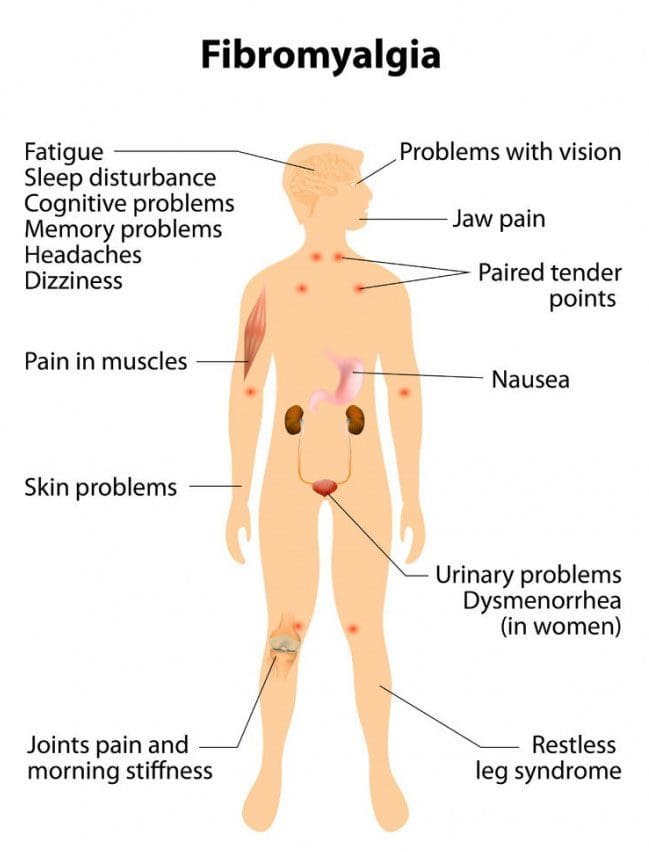
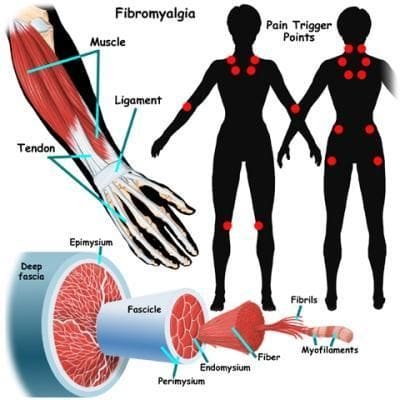
Fibromyalgia is a chronic pain disorder affecting millions and mostly women. It is physically and emotionally distressing. Those with the condition experience widespread chronic muscle pain. Research has shown that individuals with fibromyalgia could have a lower threshold for pain. This can come from injury, emotional distress, or abnormal levels of substances/chemicals in the brain and spine linked to pain sensitivity. One of the most common treatments is chiropractic medicine.
Common symptoms/conditions individuals report:
Chronic fatigue syndrome
Irritable bladder
Irritable bowel syndrome
Migraines
Sleep disorders
Restless legs syndrome
TMJ or Temporomandibular joint disorder
Raynaud’s Syndrome�-�a�rare blood vessel disorder causing the toes and hands to feel cold or numb.
Doctors are still trying to figure out the relationship between these conditions and fibromyalgia.
Causes
Doctors have yet to determine the exact cause, however, research is ongoing and beginning to shed light on the condition. Some possible causes include:
Abnormalities in the endocrine system
Abnormalities in the autonomic nervous system
Genetics
Muscle tissue abnormalities
Abnormal blood flow
As research has discovered many conditions/disorders do not have one cause but rather, several factors that impact the probability of developing the condition.
Questions
It has become one of the most common chronic pain conditions. 1 in 50 Americans are dealing with fibromyalgia. The condition can be difficult to diagnose, and, because of its chronic nature, it can linger for months and even years. Typically it causes pain throughout the body and creates areas that become tender to the slightest touch. There are both traditional and alternative treatments available.
Traditional approaches to manage the pain:
Anti-inflammatory’s
Over-the-counter pain relievers
Sleep medications
Muscle relaxants
Fibromyalgia medications include:
Lyrica – pregabalin, which is a nerve pain medication
Cymbalta – duloxetine hydrochloride, which is an antidepressant that can also help manage pain
Savella – milnacipran HCI, which is an antidepressant and nerve pain medicine
The type of treatment depends on the symptoms. For example, a doctor could prescribe an antidepressant to reduce pain and depression. If stress, anxiety, and trouble sleeping are presenting,�a therapeutic exercise program could be the answer. Individuals prefer natural remedies/therapies instead of more medications like vitamin therapy, acupuncture, and meditation.
Other treatment options include alternative treatments like:
The most common issue is constant and consistent pain, which can affect the entire body for weeks and even months. Individuals realize that chiropractic helps restore overall health and aids the body to heal itself. Adjustments to the spine bring alignment and balance back to the body. Also incorporated is soft tissue work that can relieve and reduce painful pressure/trigger points and decrease pain in tender spots.
Range of motion is increased
Chiropractic medicine also adjusts the body’s joints and helps loosen them up. This increases the range of motion and allows the individual to move more freely and easily. Depending on how long the individual has been dealing with the condition, it can take a few treatments to achieve optimal results, so it does take a commitment from the individual patient. However, in the long run, it is well worth the time.
Sleep is improved
The pain associated with fibromyalgia often affects an individual’s ability to sleep well. Being unable to sleep normally will leave you exhausted, foggy, unable to accomplish things and irritable to downright angry. A chiropractor’s ability to loosen the body’s joints, massage tender points, and kickstart the body’s self-healing mechanisms means individuals with this condition can enjoy deep sleep, and stay asleep.
Complements other therapies
Medicines/treatments/therapies can counteract with each other, or get mixed up and cause side effects. Chiropractic medicine can be utilized in combination with medications/treatments, either traditional or natural. Individuals diagnosed with this condition should speak to their chiropractor about the different treatments available. Customized treatment programs are created case-by-case and are tailored to the specific needs of that individual. Remember there is not a one-stop solution.
Empowers the individual
Individuals that have to deal with painful, chronic conditions can exhaust themselves with the varying treatment options and can feel as if they have no control over the situation. This causes stress, anxiety, and depression, which works against achieving overall wellness. With chiropractic, individuals are more in charge of their treatment plan, which leads to an optimistic outlook in their recovery.�
Chiropractic medicine treats not only the symptoms of fibromyalgia but attempts to get to the root cause to alleviate the condition or to activate the body’s self-healing response. Patients that commit will see the benefits along with reduced pain, better mobility, and sound sleep.
The best benefit is being able to take control of the circumstances and playing a vital role in the managing of an individual’s well-being. Understand that there are options available for fibromyalgia pain management. If you or a loved one has been diagnosed with fibromyalgia, don�t go it alone. Dr. Alex Jimenez is passionate about helping those who are injured or struggling with a condition get relief. Contact us today to schedule an appointment.
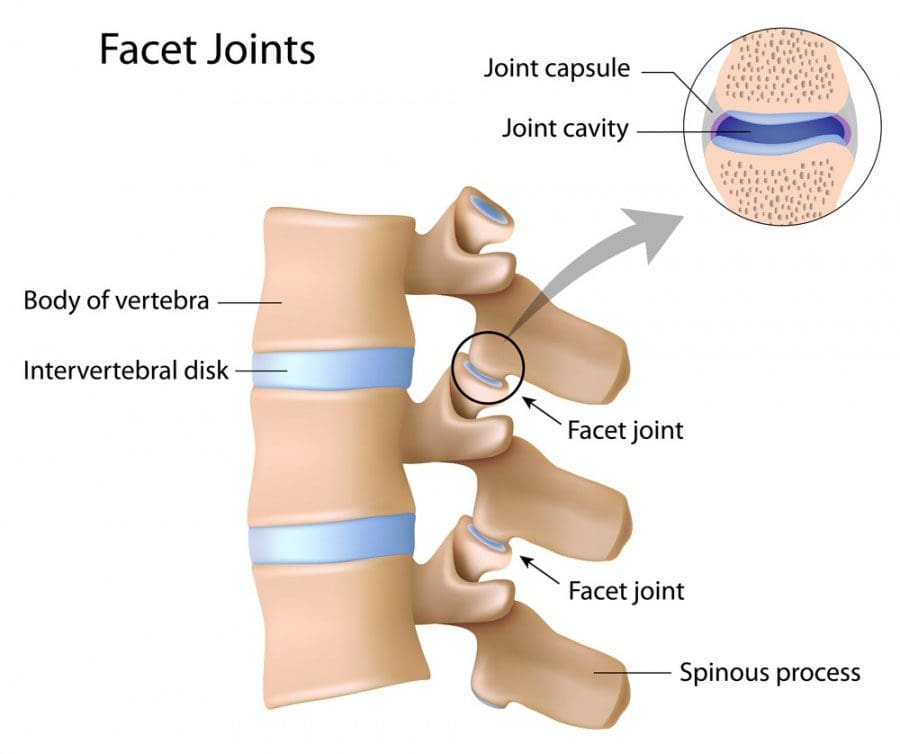
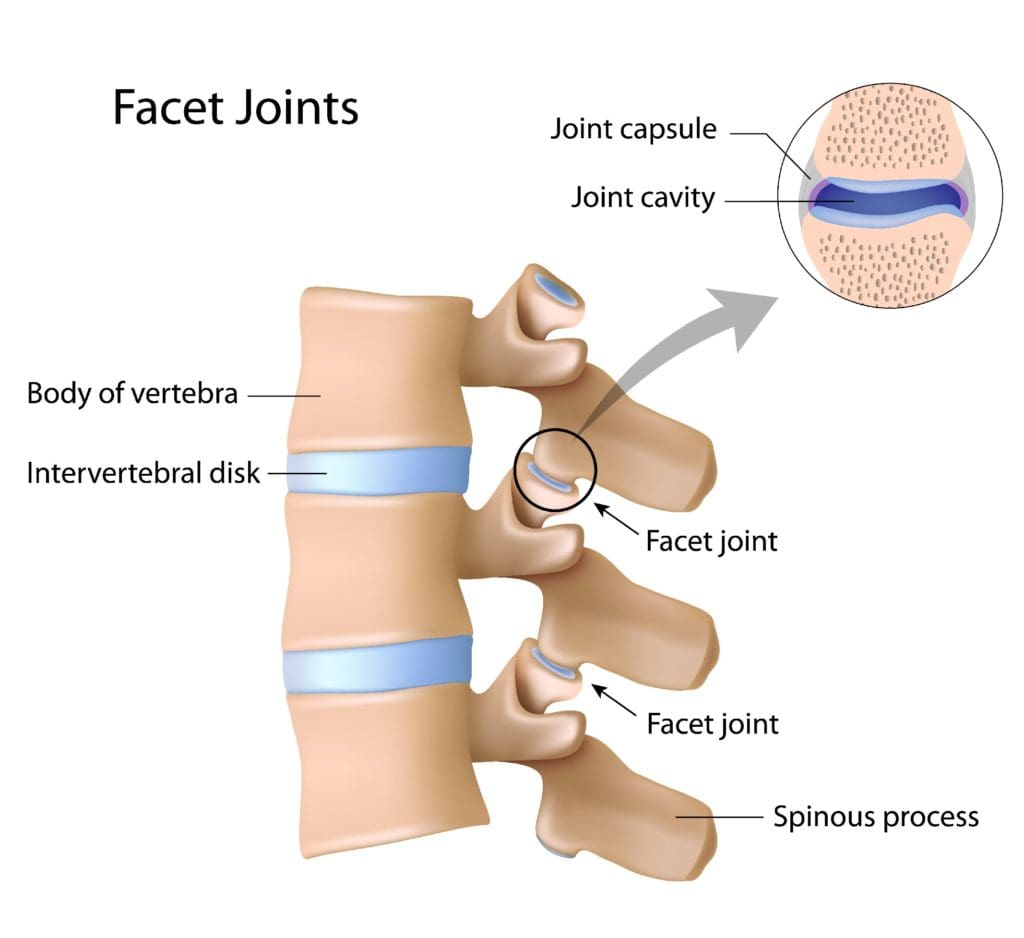
The most�common type of arthritis in children and adolescents is Juvenile idiopathic arthritis aka (JIA) a type of inflammatory arthritis that affects kids 16 years and younger. It is a rare condition, that affects around 1 in every 1,000 children. It can cause�joint�pain and stiffness throughout the body, especially the facet joints/spinal joints.
Types of Arthritis that Fall Under JIA
Juvenile Idiopathic arthritis was known as juvenile rheumatoid arthritis, but it is not a child/teenage version of adult rheumatoid arthritis. Juvenile Idiopathic arthritis falls into a group of several types of arthritis. When a doctor diagnoses JIA, they will determine the type.
To better understand how this arthritis affects the spine, it helps to know some of the terminology.
Enthesitis: Inflammation of the entheses is the area where tendons and ligaments connect to bone/s.
Spondyloarthritis: Arthritis that attacks the entheses of the spine. Ankylosing spondylitis is an example of spondyloarthritis.
The neck joints are the most common to be attacked by JIA. Whereas, spondyloarthritis causes pain and stiffness in the low back.
Typical Symptoms
Juvenile idiopathic arthritis happens in children aged 16 years and younger. Symptoms include:
Joint pain
Swelling
Stiffness
Tenderness
Mild heat or a warmness that has been present for at least 6 weeks.
Other symptoms can include muscles and soft tissues becoming tight, erosion of the bone,�joint misalignment, and abnormal growth patterns.
Diagnosis Can Be A Challenge
Diagnosis is not always straightforward, and there are criteria for diagnosing juvenile idiopathic arthritis. The doctor will perform a physical exam and order tests. They will monitor the child�s symptoms for at least 6 weeks initially, and then for 6 months after the onset of the disease. During this time, figuring the number of joints involved helps determine the diagnosis. As joint involvement can vary by the type of arthritis, and symptoms can and do change regularly.
This arthritis attacks the joints of the spine, specifically in the neck. However, with certain types of spondyloarthropathy, the lower back can become the target.
Diagnosing arthritis involves a complete and thorough examination. If a chiropractor has been brought in to help with the case, a medical work-up by a rheumatologist could be recommended. This includes radiology/X-rays or an MRI, urine, blood analysis and physical examinations.
Treatment
A doctor may recommend a multi-disciplinary approach to treat JIA. They may prescribe various types of therapies/treatments focused on stopping the disease’s progression. The treatment plan will include teaching healthy habits to prevent future back pain.
Medication/s
Treatment usually starts with nonsteroidal anti-inflammatory’s. A doctor can also prescribe a corticosteroid to control the inflammation. Most respond well to anti-inflammatory medication, however, these medicines do not treat the underlying disease or the root cause.
Inflammatory arthritis and its progression can be controlled with certain medications. There are disease-modifying antirheumatic medications that can slow the disease�s progression. There are also TNF-blocking medications that can help block a specific protein known as tumor necrosis factor that causes inflammation. Etanercept known on the market as Enbrel and adalimumab aka Humira are examples of TNF-blockers that can prevent the disease from progressing.
Chiropractic
Understand that chiropractic medicine cannot cure arthritis, but it can help alleviate the symptoms and slow the progression. They will use spinal adjustments in conjunction with other treatments. These can include:
Hot and cold treatments
Ultrasound
Massage
Electronic muscle stimulation
Magnet therapy
Physical rehabilitation
Physical Therapy Exercise
Focuses on:
Proper posture
Joint mobility
Deep breathing
Exercises
Healthy lifestyle education
Patients can develop a forward posture that can lead to a hunched back and neck pain. Postural training and back extension exercises are helpful. Stretching and range of motion exercises keep the facet and rib joints functioning and mobile. Deep breathing expands the chest which expands the rib joints and aids lung function. Depending on the type and severity, a doctor might try other approaches like spine surgery.
Optimal Results
If you or someone has been diagnosed with juvenile idiopathic arthritis in the spine,�learn as much as possible about the disease and the ways to combat it. Being informed about this or any disease encourages empowerment and engagement throughout the treatment process.
The best results are achieved by attacking it from all angles. Working with a chiropractor and rheumatologist in combination. A chiropractor will train the individual on how to maintain a healthy diet and maintain an active exercise program to help with movement. This is geared toward a healthy outcome.
IFM's Find A Practitioner tool is the largest referral network in Functional Medicine, created to help patients locate Functional Medicine practitioners anywhere in the world. IFM Certified Practitioners are listed first in the search results, given their extensive education in Functional Medicine