Top 10 Foods & Vitamins to Enhance Your Spinal Health
Unlock the secrets of healthy foods & vitamins support spinal health to enhance your body’s support system and prevent discomfort.
Chiropractic Care and Nutrition: A Comprehensive Guide to Spinal Health and Musculoskeletal Pain Relief
Introduction
Picture this: you’re driving along, minding your own business, when wham!—a fender-bender leaves you with a nagging pain in your neck that just won’t quit. Or maybe you’re an avid cyclist, pedaling your way to glory, only to take a tumble and end up with a sore back that makes every step feel like a chore. Whether it’s a motor vehicle accident (MVA), a sports mishap, or just the wear and tear of daily life, musculoskeletal pain, especially in the spine, can throw a wrench into your wellness journey. But fear not! There’s a dynamic duo that can help you bounce back: chiropractic care and nutrition. Yes, that’s right—adjusting your spine and tweaking your diet can work wonders for your body, and we’re here to break it all down for you.
In this comprehensive guide, we’ll dive into how chiropractic care, led by experts like Dr. Alexander Jimenez, DC, APRN, FNP-BC, at El Paso Back Clinic, can team up with nutrient-packed foods and vitamins to soothe spinal and musculoskeletal pain, boost energy, and strengthen your bones. We’ll explore the science behind why these approaches work, sprinkle in some clinical insights, and even highlight Dr. Jimenez’s unique role in personal injury cases in El Paso. Plus, we’ll toss in a bit of humor to keep things light—because who said healing can’t come with a smile? Let’s get started on your path to feeling like a superhero, minus the cape (but maybe with a smoothie in hand).
The Musculoskeletal System and Spinal Health: The Backbone of Your Body
The musculoskeletal system is like the scaffolding of a building—it holds everything together, keeps you upright, and lets you move like you’re dancing to your favorite tune. At the heart of this system is your spine, a marvel of engineering made up of 33 vertebrae, 220 ligaments, and numerous muscles and nerves working together to keep you balanced and mobile. But when something goes wrong—like a car accident, a bad fall, or even poor posture from too many Netflix marathons—the spine can take a hit, leading to pain, stiffness, and a general feeling of “ugh.”
How the Spine Gets Stressed
The spine is a complex structure that supports your body’s weight, protects your spinal cord, and allows for a wide range of movements. However, it’s vulnerable to injuries from:
- Motor Vehicle Accidents (MVAs): Even a minor fender-bender can cause whiplash, where the neck jerks forward and backward, straining muscles and ligaments (El Paso Back Clinic, n.d.-a).
- Sports Injuries: Cyclists, for example, face risks like collisions or falls that can jar the spine and lead to issues like herniated discs or muscle strains (El Paso Back Clinic, n.d.-b).
- Everyday Wear and Tear: Poor posture, repetitive motions, or carrying a heavy backpack can misalign the spine, causing discomfort over time.
When the spine is out of alignment or injured, it can lead to musculoskeletal pain, inflammation, and reduced mobility. This is where chiropractic care comes in, acting like a mechanic for your body’s framework.
Chiropractic Care: The Art of Alignment
Chiropractic care focuses on restoring the spine’s alignment and improving the function of the musculoskeletal system. Dr. Alexander Jimenez, a distinguished chiropractor in El Paso, uses a variety of techniques to address issues like:
- Spinal Adjustments: Gentle manipulations to correct misalignments, reduce nerve pressure, and relieve pain.
- Trigger Point Therapy: Targeting tight muscle knots to ease tension, especially after MVAs (El Paso Back Clinic, n.d.-c).
- Joint and Biomechanical Restoration: Techniques to improve joint mobility and stability, helping you move freely again (El Paso Back Clinic, n.d.-d).
These methods don’t just mask pain—they address the root cause, helping your body heal naturally. Dr. Jimenez’s approach is backed by advanced imaging and diagnostic evaluations, ensuring precise treatment plans tailored to each patient’s needs (Jimenez, n.d.).
References:
- El Paso Back Clinic. (n.d.-a). Understanding whiplash-associated disorders from motor vehicle accidents: Causes, treatments, and recovery. Retrieved from https://elpasobackclinic.com/
- El Paso Back Clinic. (n.d.-b). Common types of bicycle accidents and the role of chiropractic and integrative medicine in recovery. Retrieved from https://elpasobackclinic.com/
- El Paso Back Clinic. (n.d.-c). Motor vehicle accident recovery: The role of massage therapy and chiropractic care. Retrieved from https://elpasobackclinic.com/
- El Paso Back Clinic. (n.d.-d). Chiropractic care for joint and biomechanical restoration: A comprehensive guide. Retrieved from https://elpasobackclinic.com/
- Jimenez, A. (n.d.). LinkedIn profile. Retrieved from https://www.linkedin.com/in/dralexjimenez/
Nutrition: Fueling Your Spine and Musculoskeletal Recovery
If chiropractic care is the mechanic fixing your spine, think of nutrition as the high-octane fuel that keeps your engine running smoothly. The foods you eat and the vitamins you take play a massive role in reducing inflammation, boosting energy, and supporting bone health—key factors in managing musculoskeletal pain.
Why Nutrition Matters for Spinal Health
Your spine and muscles need specific nutrients to stay strong and resilient. Here’s how a well-balanced diet can help:
- Reducing Inflammation: Chronic inflammation can worsen musculoskeletal pain, especially after injuries like MVAs or sports accidents. Anti-inflammatory foods can calm this fire, easing discomfort (El Paso Back Clinic, n.d.-e).
- Supporting Bone Health: Your vertebrae rely on strong bones to function properly. Nutrients like calcium, vitamin D, and magnesium are essential for bone density and preventing conditions like osteoporosis.
- Boosting Energy: Injuries can leave you feeling drained, but nutrient-dense foods provide the energy needed for recovery and daily activities (El Paso Chiropractor Blog, 2017).
Dr. Jimenez emphasizes that small dietary changes can make a big difference in your health and wellness journey. Let’s explore some key foods and vitamins that can supercharge your recovery.
Top Foods for Energy and Spinal Health
According to Dr. Jimenez’s insights, certain foods can provide the energy and nutrients needed to support spinal health and musculoskeletal recovery (El Paso Chiropractor Blog, 2017). Here are some standouts:
- Oats and Whole Grains: These are packed with complex carbohydrates, providing steady energy for physical activity and recovery. A scoping review on cereals highlights their role in delivering essential nutrients like B vitamins, which support nerve health (Meltzer et al., 2023).
- Fatty Fish (Salmon, Mackerel): Rich in omega-3 fatty acids, these fish reduce inflammation, easing joint and muscle pain. Omega-3s also support nerve function, crucial for spinal health.
- Leafy Greens (Spinach, Kale): Loaded with calcium and magnesium, these greens strengthen bones and relax muscles, reducing spasms that can worsen pain.
- Nuts and Seeds (Almonds, Chia Seeds): These provide healthy fats and magnesium, supporting muscle repair and bone health.
- Coconut Water: A natural hydrator, coconut water replenishes electrolytes lost during exercise or injury recovery, keeping muscles functioning properly (Kalman et al., 2012).
Essential Vitamins for Musculoskeletal Health
Vitamins are like the sidekicks that make your recovery journey smoother. Here are the key players:
- Vitamin D: Enhances calcium absorption, strengthening bones and preventing fractures. Low vitamin D levels are linked to increased pain sensitivity (Shipton & Shipton, 2015).
- Vitamin C: Supports collagen formation, which is vital for repairing ligaments and tendons around the spine. It also acts as an antioxidant, fighting inflammation.
- Vitamin B Complex: B vitamins, especially B6 and B12, support nerve health, reducing pain from conditions like sciatica or pinched nerves.
- Magnesium: Helps relax muscles and prevent cramps, which can exacerbate spinal pain.
Incorporating these nutrients into your diet doesn’t have to be a chore. A smoothie with spinach, berries, and a splash of coconut water can be a tasty way to hit multiple targets at once. Plus, it’s a lot more fun than swallowing a handful of pills!
Clinical Rationale: Why It Works
Dr. Jimenez explains that combining chiropractic care with proper nutrition creates a synergistic effect. Chiropractic adjustments correct structural issues, while nutrients like omega-3s and vitamin D reduce inflammation and support tissue repair. For example, a study on carbohydrate intake found that it enhances muscle recovery and performance, which complements chiropractic efforts to restore mobility (Burke et al., 2022). Similarly, hydration from drinks like coconut water supports muscle function, making chiropractic treatments more effective (Kalman et al., 2012).
References:
- El Paso Chiropractor Blog. (2017, March). 10 foods for energy and performance. Retrieved from https://www.elpasochiropractorblog.com/2017/03/10-foods-for-energy-and-performance.html
- El Paso Back Clinic. (n.d.-e). Chiropractic care benefits for musculoskeletal inflammation. Retrieved from https://elpasobackclinic.com/
- Meltzer, K. R., et al. (2023). Cereals and cereal products – a scoping review for Nordic Nutrition Recommendations 2023. PubMed. https://pubmed.ncbi.nlm.nih.gov/37377303/
- Kalman, D. S., et al. (2012). Coconut water: A sports drink alternative?. PubMed. https://pubmed.ncbi.nlm.nih.gov/22527903/
- Shipton, E. A., & Shipton, E. E. (2015). Vitamin D and pain: Vitamin D and its role in the aetiology and maintenance of chronic pain states and associated comorbidities. PubMed. https://pubmed.ncbi.nlm.nih.gov/25907654/
- Burke, L. M., et al. (2022). The effect of carbohydrate intake on strength and resistance training performance: A systematic review. PubMed. https://pubmed.ncbi.nlm.nih.gov/35241124/
Dr. Alexander Jimenez: El Paso’s Personal Injury Expert
In El Paso, when accidents happen—whether it’s a rear-end collision on I-10 or a wipeout on a mountain bike—Dr. Alexander Jimenez is the go-to expert for personal injury recovery. With his extensive credentials as a chiropractor, advanced practice registered nurse, and family nurse practitioner, Dr. Jimenez brings a unique blend of medical and legal expertise to the table (Jimenez, n.d.).
The Role of Chiropractic Care in Personal Injury Cases
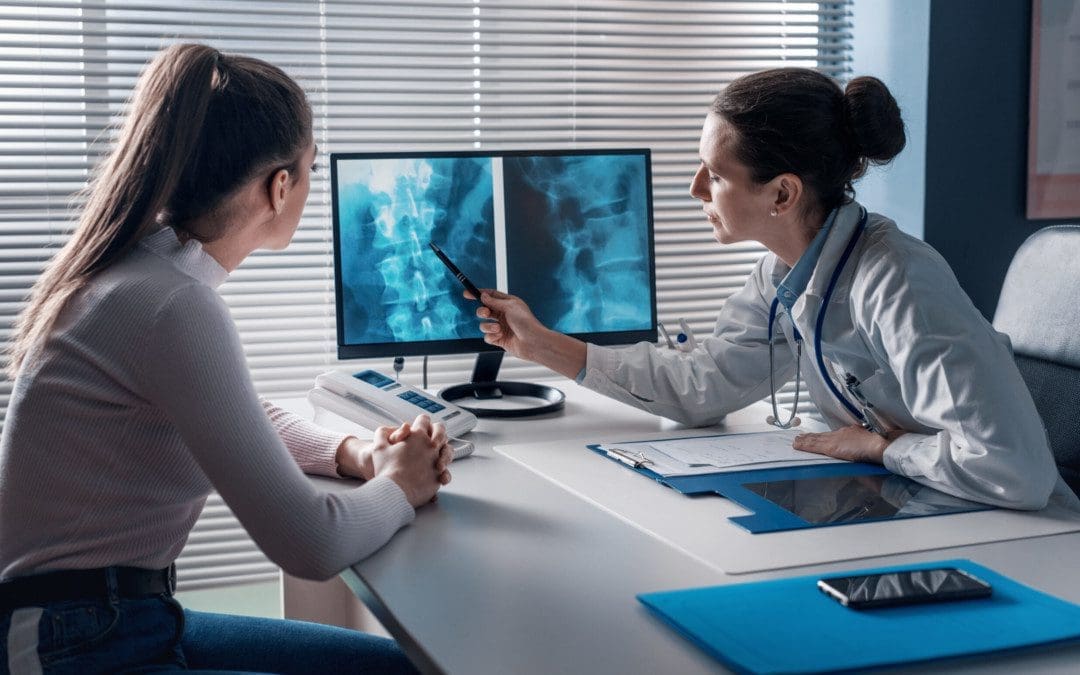
Personal injury cases, like those from MVAs or 18-wheeler accidents, often involve complex musculoskeletal injuries. Dr. Jimenez uses advanced imaging (like X-rays and MRIs) and diagnostic evaluations to pinpoint the exact nature of these injuries, from whiplash-associated disorders (WAD) to herniated discs (El Paso Back Clinic, n.d.-f). His dual-scope approach—combining chiropractic techniques with medical insights—ensures comprehensive care that addresses both immediate pain and long-term recovery.
For example, after an 18-wheeler accident, patients may suffer from severe spinal trauma. Dr. Jimenez employs spinal adjustments, trigger point therapy, and durable medical equipment (like braces or supports) to stabilize the spine and promote healing (El Paso Back Clinic, n.d.-g). His ability to document injuries with precision also makes him a vital liaison between patients, legal teams, and insurance providers, ensuring that medical records support compensation claims.
Why El Paso Trusts Dr. Jimenez
Dr. Jimenez’s reputation in El Paso stems from his holistic approach. He doesn’t just treat the injury—he looks at the whole person, incorporating nutrition, lifestyle changes, and even workplace exercise “snacks” (like stair-climbing breaks) to enhance recovery (Hamer et al., 2023). His clinic’s integrative team, including nutritionists and acupuncturists, works together to create personalized treatment plans that get patients back on their feet—literally and figuratively.
References:
- Jimenez, A. (n.d.). LinkedIn profile. Retrieved from https://www.linkedin.com/in/dralexjimenez/
- El Paso Back Clinic. (n.d.-f). Auto accident insights for safe driving and recovering from WAD. Retrieved from https://elpasobackclinic.com/
- El Paso Back Clinic. (n.d.-g). 18-wheeler accidents and their impact on musculoskeletal and spinal health. Retrieved from https://elpasobackclinic.com/
- Hamer, M., et al. (2023). Exercise in the workplace: Examining the receptivity of practical and time-efficient stair-climbing “exercise snacks”. PubMed. https://pubmed.ncbi.nlm.nih.gov/37377304/
Specific Musculoskeletal Issues and Chiropractic Solutions
Let’s zoom in on five common musculoskeletal issues and how chiropractic care, paired with nutrition, can help. Think of this as your playbook for tackling pain and getting back to your best self.
1. Sciatica
What It Is: Sciatica is that pesky pain that shoots down your leg from a pinched nerve in your lower back, often caused by a herniated disc or spinal misalignment.
Chiropractic Fix: Dr. Jimenez uses spinal adjustments to realign the spine, relieving pressure on the sciatic nerve. Trigger point therapy can also ease muscle tension that contributes to the pain (El Paso Back Clinic, n.d.-c).
Nutrition Boost: Anti-inflammatory foods like salmon and turmeric can reduce nerve inflammation, while magnesium-rich foods (like almonds) help relax muscles.
2. Whiplash
What It Is: Whiplash happens when your neck snaps back and forth, often in MVAs, straining muscles and ligaments.
Chiropractic Fix: Gentle neck adjustments and massage therapy restore mobility and reduce pain. Dr. Jimenez uses diagnostic imaging to assess the extent of the injury (El Paso Back Clinic, n.d.-f).
Nutrition Boost: Vitamin C-rich foods (like oranges) support collagen repair in damaged ligaments, while coconut water keeps you hydrated for optimal recovery (Kalman et al., 2012).
3. Herniated Discs
What It Is: A herniated disc occurs when the soft center of a spinal disc bulges out, pressing on nerves and causing pain.
Chiropractic Fix: Spinal decompression and adjustments reduce disc pressure, while biomechanical restoration strengthens supporting muscles (El Paso Back Clinic, n.d.-d).
Nutrition Boost: Calcium and vitamin D (from dairy or fortified plant milk) strengthen spinal bones, preventing further disc issues.
4. Joint Inflammation
What It Is: Inflammation in joints, like the knees or shoulders, can stem from injuries or overuse, limiting mobility.
Chiropractic Fix: Joint manipulations improve alignment and reduce inflammation, complemented by integrative therapies like acupuncture (El Paso Back Clinic, n.d.-e).
Nutrition Boost: Omega-3s from fatty fish and antioxidants from berries combat inflammation, supporting chiropractic efforts.
5. Muscle Strains
What It Is: Overstretched or torn muscles, common in sports injuries or accidents, cause pain and weakness.
Chiropractic Fix: Massage therapy and adjustments restore muscle balance and improve blood flow to the injured area (El Paso Back Clinic, n.d.-c).
Nutrition Boost: Protein-rich foods (like eggs or plant-based proteins) aid muscle repair, while B vitamins support nerve recovery (Meltzer et al., 2023).
References:
- El Paso Back Clinic. (n.d.-c). Motor vehicle accident recovery: The role of massage therapy and chiropractic care. Retrieved from https://elpasobackclinic.com/
- El Paso Back Clinic. (n.d.-d). Chiropractic care for joint and biomechanical restoration: A comprehensive guide. Retrieved from https://elpasobackclinic.com/
- El Paso Back Clinic. (n.d.-e). Chiropractic care benefits for musculoskeletal inflammation. Retrieved from https://elpasobackclinic.com/
- El Paso Back Clinic. (n.d.-f). Auto accident insights for safe driving and recovering from WAD. Retrieved from https://elpasobackclinic.com/
- Kalman, D. S., et al. (2012). Coconut water: A sports drink alternative?. PubMed. https://pubmed.ncbi.nlm.nih.gov/22527903/
- Meltzer, K. R., et al. (2023). Cereals and cereal products – a scoping review for Nordic Nutrition Recommendations 2023. PubMed. https://pubmed.ncbi.nlm.nih.gov/37377303/
Eating Right To Feel Better- Video
Practical Tips for Incorporating Chiropractic Care and Nutrition
Ready to take charge of your spinal health? Here are some actionable tips to combine chiropractic care with nutrition for maximum impact:
- Schedule Regular Chiropractic Visits: Work with a chiropractor like Dr. Jimenez to create a personalized treatment plan. Regular adjustments can prevent small issues from becoming big problems.
- Eat a Rainbow: Fill your plate with colorful fruits and veggies to get a range of vitamins and antioxidants. A spinach salad with salmon and a sprinkle of chia seeds is a spine-friendly meal.
- Stay Hydrated: Sip on coconut water or water throughout the day to keep muscles and joints lubricated (Kalman et al., 2012).
- Supplement Wisely: Consider a vitamin D or omega-3 supplement if your diet falls short, but consult with a healthcare provider first.
- Move Smart: Incorporate low-impact exercises like walking or stair-climbing “exercise snacks” to support spinal health without overdoing it (Hamer et al., 2023).
- Listen to Your Body: If you’re in pain after an accident, don’t wait—seek chiropractic care and nutritional guidance to start healing ASAP.
References:
- Kalman, D. S., et al. (2012). Coconut water: A sports drink alternative?. PubMed. https://pubmed.ncbi.nlm.nih.gov/22527903/
- Hamer, M., et al. (2023). Exercise in the workplace: Examining the receptivity of practical and time-efficient stair-climbing “exercise snacks”. PubMed. https://pubmed.ncbi.nlm.nih.gov/37377304/
The Legal Side: Dr. Jimenez as a Liaison in Personal Injury Cases
Personal injury cases, like those from MVAs or 18-wheeler accidents, require more than just medical treatment—they need clear documentation to support legal claims. Dr. Jimenez excels in this area, acting as a bridge between medical care and legal processes. His use of advanced imaging and dual-scope procedures ensures that injuries are thoroughly evaluated and documented, providing critical evidence for attorneys and insurance companies (El Paso Back Clinic, n.d.-g).
For example, in cases of whiplash or spinal trauma, Dr. Jimenez’s detailed reports can clarify the extent of injuries, helping victims secure fair compensation. His expertise makes him a trusted figure in El Paso’s personal injury community, ensuring patients get both the care and justice they deserve.
References:
- El Paso Back Clinic. (n.d.-g). 18-wheeler accidents and their impact on musculoskeletal and spinal health. Retrieved from https://elpasobackclinic.com/
Conclusion
Chiropractic care and nutrition are powerful allies in the fight against musculoskeletal pain and spinal issues. By addressing structural misalignments with chiropractic techniques and fueling your body with nutrient-rich foods, you can reduce pain, boost energy, and strengthen your bones for a healthier, more vibrant life. Dr. Alexander Jimenez and the team at El Paso Back Clinic offer a holistic approach that combines cutting-edge treatments with practical dietary advice, tailored to your unique needs. Whether you’re recovering from a car accident, a sports injury, or just want to feel better, these strategies can pave the way to lasting wellness.
Disclaimer: This blog post is intended for informational purposes only and should not be taken as medical advice. Always consult with a qualified healthcare provider, such as a chiropractor or nutritionist, before starting any new treatment or dietary plan. The information provided is based on clinical insights and research, but is not a substitute for professional medical guidance. For personalized care, contact El Paso Back Clinic at 915-850-0900 or visit https://elpasobackclinic.com/.
References:
- El Paso Chiropractor Blog. (2017, March). 10 foods for energy and performance. Retrieved from https://www.elpasochiropractorblog.com/2017/03/10-foods-for-energy-and-performance.html
- El Paso Back Clinic. (n.d.-a). Understanding whiplash-associated disorders from motor vehicle accidents: Causes, treatments, and recovery. Retrieved from https://elpasobackclinic.com/
- El Paso Back Clinic. (n.d.-b). Common types of bicycle accidents and the role of chiropractic and integrative medicine in recovery. Retrieved from https://elpasobackclinic.com/
- El Paso Back Clinic. (n.d.-c). Motor vehicle accident recovery: The role of massage therapy and chiropractic care. Retrieved from https://elpasobackclinic.com/
- El Paso Back Clinic. (n.d.-d). Chiropractic care for joint and biomechanical restoration: A comprehensive guide. Retrieved from https://elpasobackclinic.com/
- El Paso Back Clinic. (n.d.-e). Chiropractic care benefits for musculoskeletal inflammation. Retrieved from https://elpasobackclinic.com/
- El Paso Back Clinic. (n.d.-f). Auto accident insights for safe driving and recovering from WAD. Retrieved from https://elpasobackclinic.com/
- El Paso Back Clinic. (n.d.-g). 18-wheeler accidents and their impact on musculoskeletal and spinal health. Retrieved from https://elpasobackclinic.com/
- Jimenez, A. (n.d.). LinkedIn profile. Retrieved from https://www.linkedin.com/in/dralexjimenez/
- Kalman, D. S., et al. (2012). Coconut water: A sports drink alternative?. PubMed. https://pubmed.ncbi.nlm.nih.gov/22527903/
- Meltzer, K. R., et al. (2023). Cereals and cereal products – a scoping review for Nordic Nutrition Recommendations 2023. PubMed. https://pubmed.ncbi.nlm.nih.gov/37377303/
- Shipton, E. A., & Shipton, E. E. (2015). Vitamin D and pain: Vitamin D and its role in the aetiology and maintenance of chronic pain states and associated comorbidities. PubMed. https://pubmed.ncbi.nlm.nih.gov/25907654/
- Burke, L. M., et al. (2022). The effect of carbohydrate intake on strength and resistance training performance: A systematic review. PubMed. https://pubmed.ncbi.nlm.nih.gov/35241124/
- Hamer, M., et al. (2023). Exercise in the workplace: Examining the receptivity of practical and time-efficient stair-climbing “exercise snacks”. PubMed. https://pubmed.ncbi.nlm.nih.gov/37377304/