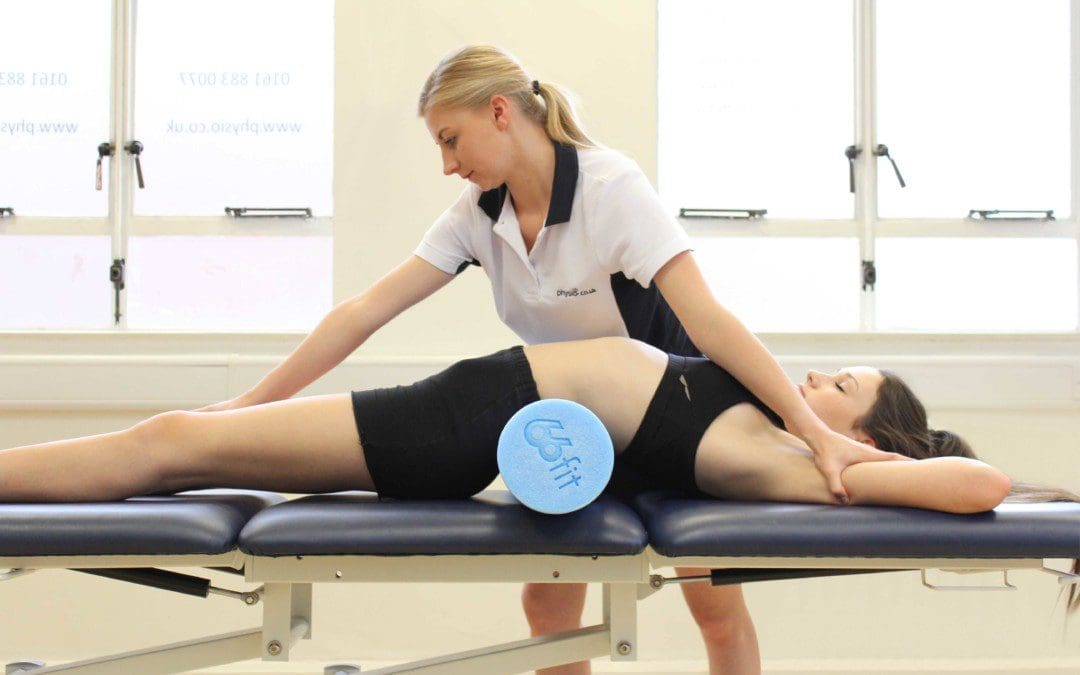
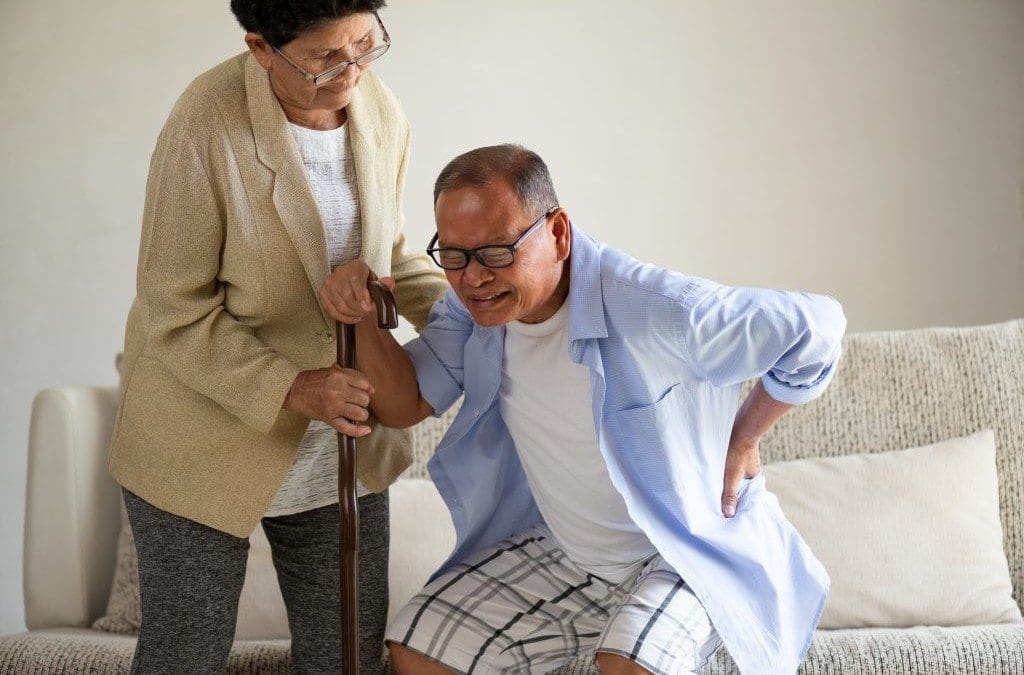
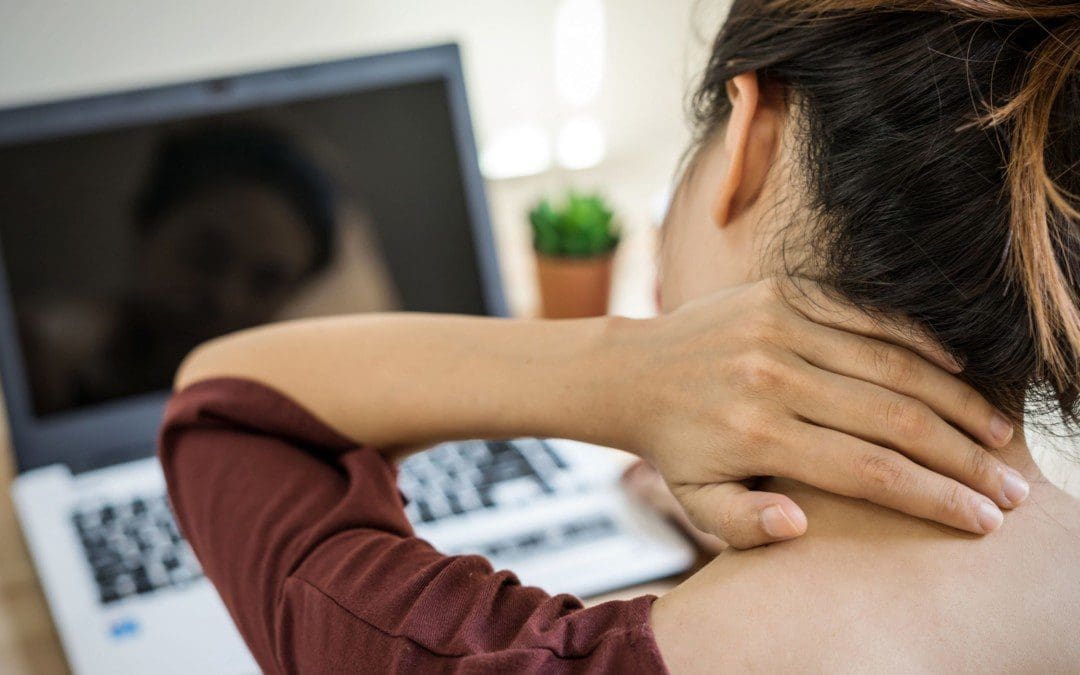
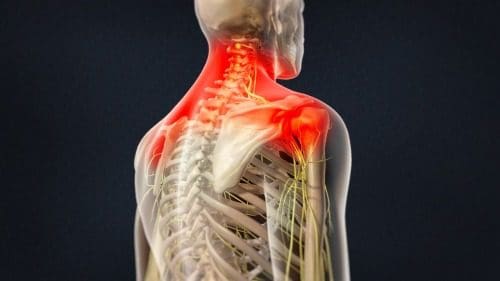
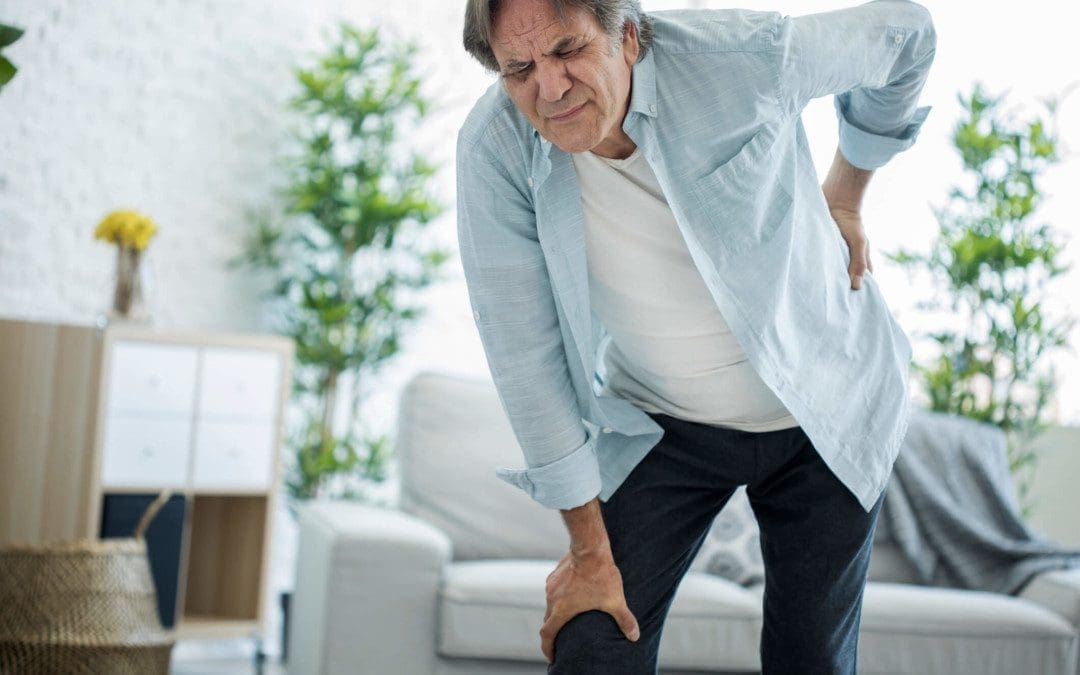
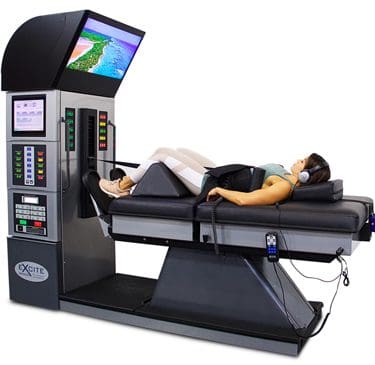
Dealing with pain in muscles can cause multiple risks, leading to disability and unhappy life. Environmental factors play a role in shaping a person’s health and wellness journey. Eating habits, sleeping patterns, and physical activity levels affect the muscles, tissues, joints, and vital organs, all essential for a healthy body. However, pathogens and environmental factors can cause chronic conditions, challenging the body’s functioning. Fortunately, various treatments can reduce musculoskeletal pain and help revitalize the body. This article will discuss traction therapy and spinal decompression and how they can help alleviate musculoskeletal pain. We utilize and incorporate valuable information about our patients to certified medical providers using non-surgical treatments like traction therapy and spinal decompression to relieve musculoskeletal pain. We encourage and refer patients to associated medical providers based on their findings while supporting that education is a remarkable and fantastic way to ask our providers the essential questions at the patient’s acknowledgment. Dr. Alex Jimenez, D.C., comprises this information as an educational service. Disclaimer
What Is Traction Therapy?
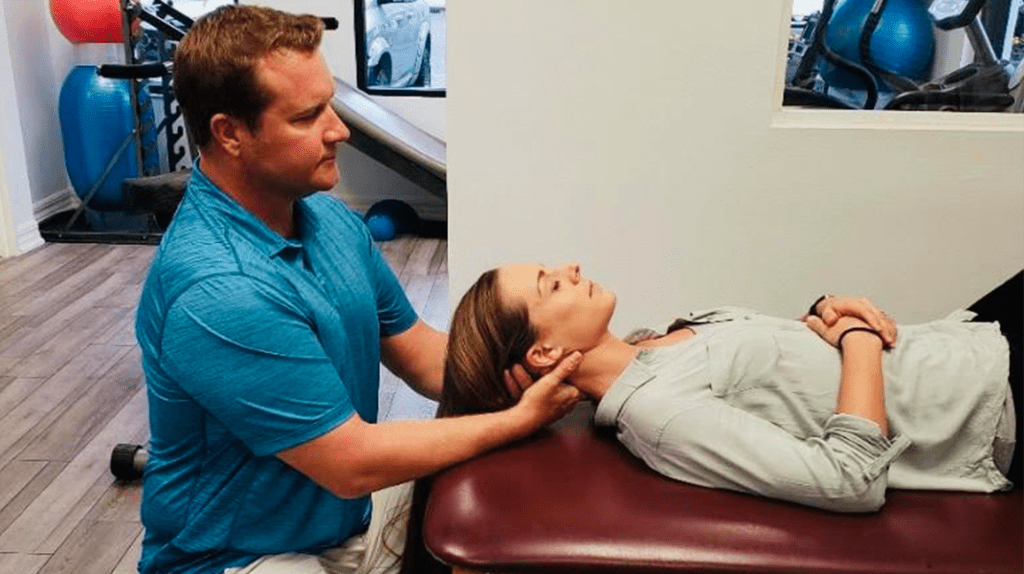
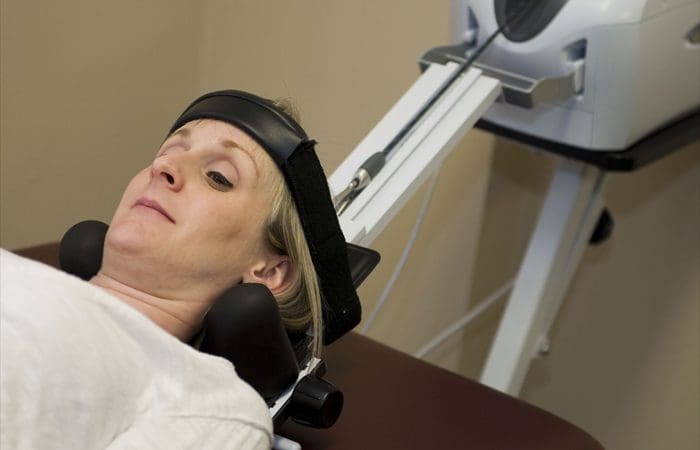
Are you experiencing referred pain in different parts of your body that seem connected? Are your muscles feeling tight or strained? Or have you noticed that you’re hunching over more than usual? If you’re dealing with musculoskeletal pain related to these issues, consider incorporating non-surgical treatments like spinal decompression and traction therapy to alleviate the pain. Research studies have revealed that traction therapy is a commonly used conservative treatment for reducing musculoskeletal pain along the spine. This therapy also reduces pain and relieves pressure on the spinal disc and nerves while restoring joint function. Physical therapists, massage therapists, and chiropractors frequently use traction therapy by applying gentle force to stretch and elongate soft tissues while restoring spine mobility. Traction therapy is known to be effective in treating musculoskeletal disorders such as herniated discs, sciatica, and referred musculoskeletal pain.
How Does It Help Musculoskeletal Pain?
When environmental factors cause pain issues in the body, they can cause damage to the spine, leading to muscles, spinal discs, and nerves compensating for the pain. This can result in referred pain in various body parts. Pain specialists use traction therapy to reduce the effects of musculoskeletal pain. Research indicates that technological changes and living standards can cause musculoskeletal pain and weaken muscle groups. Combined with non-invasive techniques, traction therapy can improve the body’s kinetic function by correcting spinal subluxation, rehydrating, and restoring the spinal disc. It can also help treat chronic musculoskeletal conditions related to spinal subluxation caused by musculoskeletal pain.
Revitalize and Rebuild with Chiropractic Care-Video
Do you suffer from muscle or joint pain, especially in your back? You may have noticed limited mobility or stiffness in your muscles. If so, you may be experiencing musculoskeletal pain associated with your spine. Fortunately, non-surgical treatments, such as spinal decompression and traction therapies, are available, which can help alleviate pressure on your spine and rehydrate your discs. These therapies stretch your muscles gently, reducing referred pain and restoring mobility to the affected joints. The video above demonstrates how these treatments can revitalize your body, reduce pain, and accelerate the healing process naturally. Additionally, physical therapy and chiropractic care can be combined with these treatments to promote optimal health and wellness.
What Is Spinal Decompression?
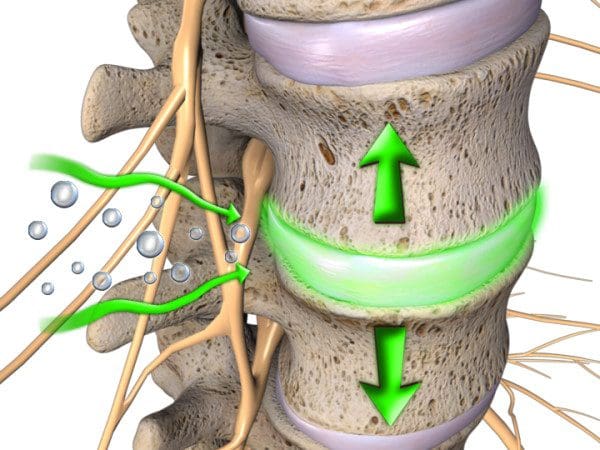
Have you ever experienced pain in different parts of your body due to issues with your spine? Spinal decompression therapy can help. It can alleviate musculoskeletal disorders associated with the spine and restore your body to normal. Spinal decompression reduces pressure on the spinal disc by gently stretching the spine and increasing hydration, which can decrease stress on the trapped nerve root. Studies have shown that it is a non-surgical option for individuals suffering from musculoskeletal pain.
How Do These Two Therapies Work Together?
“The Ultimate Spinal Decompression,” written by Dr. Eric Kaplan, D.C., FIAMA, and Dr. Perry Bard, D.C., explains that spinal decompression and traction therapy both address musculoskeletal pain related to the spine but in different ways. Traction therapy reduces pressure on the outer part of the spinal disc, while spinal decompression creates negative pressure inside the disc to hydrate it. Both treatments work together to restore blood flow and nutrients to the affected area and promote natural healing. These safe and non-invasive therapies have been reported to reduce pain after just a few sessions.
Conclusion
Regarding musculoskeletal pain, non-surgical treatments like traction therapy and spinal decompression allow the body to naturally heal itself by reducing pain through gentle stretching and remobilizing the joints. These non-invasive treatments help realign the body out of subluxation. Pain specialists can combine traction therapy and spinal decompression with associated therapies to help the individual be more mindful of their bodies while getting them back to their daily routine without worrying about constant pain.
References
Choi, Jioun, et al. “Influences of Spinal Decompression Therapy and General Traction Therapy on the Pain, Disability, and Straight Leg Raising of Patients with Intervertebral Disc Herniation.” Journal of Physical Therapy Science, Feb. 2015, www.ncbi.nlm.nih.gov/pmc/articles/PMC4339166/.
Kaplan, Eric, and Perry Bard. The Ultimate Spinal Decompression. JETLAUNCH, 2023.
Oh, Hyunju, et al. “The Impact of Manual Spinal Traction Therapy on the Pain and Oswestry Disability Index of Patients with Chronic Back Pain.” Journal of Physical Therapy Science, Dec. 2018, ncbi.nlm.nih.gov/pmc/articles/PMC6279706/.
Öten, Erol, et al. “Traction Therapy in Lumbar Disc Hernias: A Finite Element Analysis Study.” Joint Diseases and Related Surgery, 2022, www.ncbi.nlm.nih.gov/pmc/articles/PMC9057540/.
Back pain is a common issue experienced by people all over the world. The human body’s main structure is the back, divided into three sections: cervical, thoracic, and lumbar. These sections help in body movement, including twisting and turning, moving the extremities, and have a relationship with the gut and central nervous system. The surrounding muscles in the back also provide support and protect the spine. However, normal activities like bending down to pick up a heavy object, sitting down for an extended period, or falling can cause changes that lead to back pain, misalignment, and risk profiles in the upper and lower extremities. Today’s article focuses on the causes of back pain and the treatments available to relieve its effects. We utilize and incorporate valuable information about our patients to certified medical providers using non-surgical treatments to reduce the impact of back pain. We encourage and refer patients to associated medical providers based on their findings while supporting that education is a remarkable and fantastic way to ask our providers the essential questions at the patient’s acknowledgment. Dr. Alex Jimenez, D.C., comprises this information as an educational service. Disclaimer
An Overview Of Back Pain
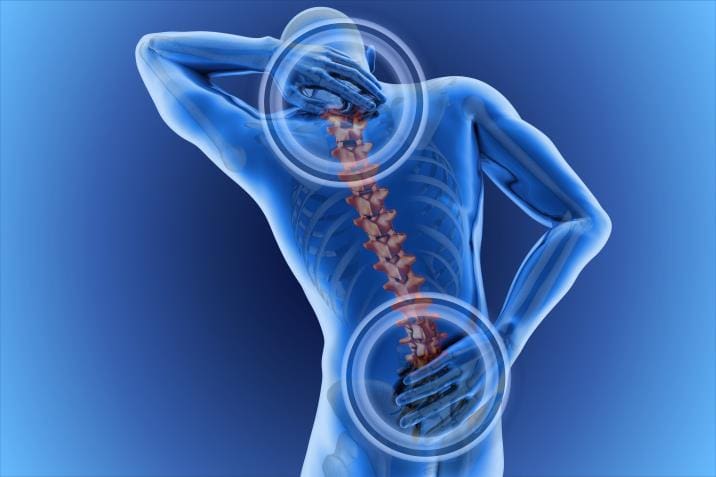
Do you have pain in your upper, middle, or lower back? Do you experience aches and pains in the morning? Did lifting something heavy cause you pain? These symptoms could be signs of back pain, a common and costly reason for emergency room visits. Research studies reveal that back pain can have various causes and affect the entire body, either mechanically or non-specifically. The three sections of the back – cervical, thoracic, and lumbar – can all be impacted, causing referred pain in different parts of the body. For instance, cervical (upper) back pain can cause stiffness in the neck, while thoracic (middle) back pain can lead to shoulder and posture issues. Lumbar (low) back pain, the most common type, can cause hip and sciatic problems. Additional research studies reveal that back pain is a complex issue that can severely affect body function, and environmental factors can also influence it.
Causes Of Back Pain
Various factors can be the cause of back pain, thus resulting in spine misalignment. In their book, “The Ultimate Spinal Decompression,” Dr. Eric Kaplan, D.C., FIAMA, and Dr. Perry Bard, D.C., explain that the back muscles play a significant role in protecting the spine. Environmental factors can also impact the spine, leading to potential back pain. The book further notes that wear and tear and disc protrusion on the spine can result in disc herniation and degeneration, also associated with back pain. Some common causes of back pain include:
Visceral-somatic/Somato-visceral pain (Affected organ or muscle causes referred pain to different body parts)
Pregnancy
Further research indicates that various environmental factors, such as physical activity, lifestyle, stress, and work conditions, are associated with back pain and can overlap as risk factors. If left untreated, these environmental factors can lead to chronic conditions and significantly impact a person’s quality of life.
Chiropractic Secrets Exposed- Video
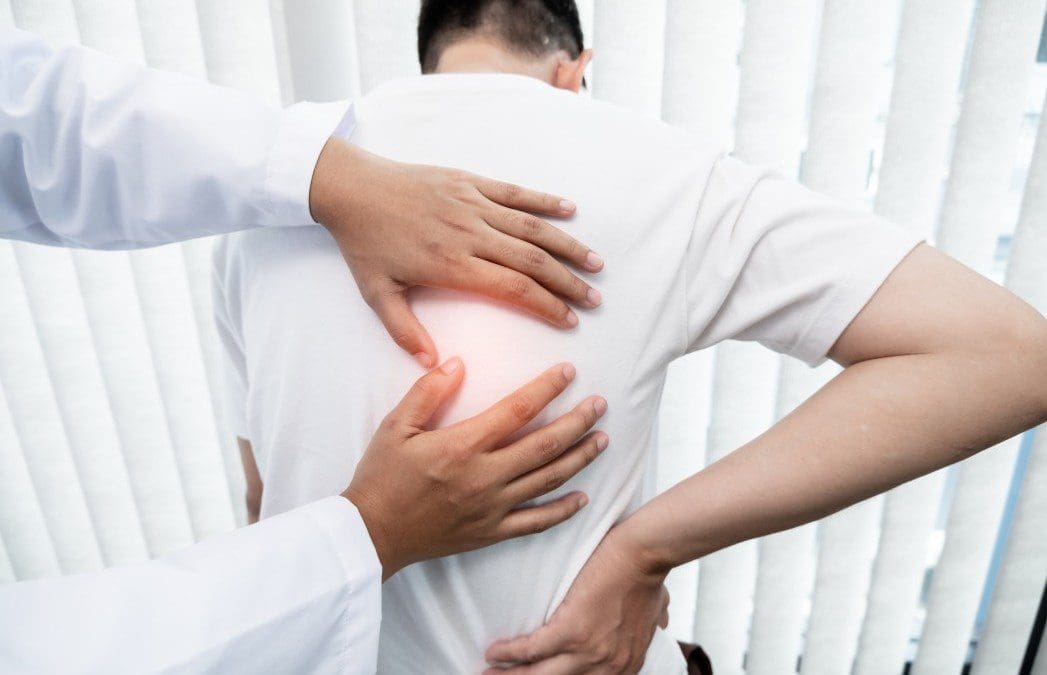
Have you been feeling numbness or tingling in your arms or legs? Do you experience back muscle pain when you stretch? Or do you feel pain in your low back or other parts of your body? These issues are often associated with back pain and, if left untreated, can lead to disability and loss of function. Fortunately, there are many ways to reduce back pain and its associated symptoms and promote natural healing. The video above explains how non-surgical treatments like chiropractic care can help alleviate back pain through manual manipulation. This treatment can realign the spine, stretch out tight muscles, and restore the body’s range of motion.
Treatments For Back Pain
If you are experiencing back pain, various treatments can help ease your symptoms and improve your mobility. You have two options for treating back pain: surgical and non-surgical. Surgical treatment may be necessary if you are experiencing nerve compression or have sustained an injury that requires spinal fusion. Non-surgical treatments can help relieve pressure on your spine, reduce back pain, and even alleviate pain in other areas of your body. Some non-surgical treatments for back pain include:
Physical therapy
Exercise
Chiropractic care
Acupuncture
Spinal Decompression
According to research, non-surgical treatments can alleviate pressure on spinal discs, loosen tight muscles, improve joint mobility, and promote natural healing. Many people supplement these treatments with healthy lifestyle choices, making small adjustments to their routine and paying closer attention to their physical well-being.
Conclusion
Since back pain is a widespread problem affecting people globally, it can be caused by various environmental factors that impact the cervical, thoracic, and lumbar back sections, leading to overlapping risk profiles and affecting different body parts. Tight and strained muscles and a compressed spine are common symptoms of this issue. However, treatments available can effectively reduce pain, stretch tight muscles, and relieve pressure off the spinal disc. By incorporating these treatments, individuals can alleviate back pain and allow their bodies to heal naturally.
References
Allegri, Massimo, et al. “Mechanisms of Low Back Pain: A Guide for Diagnosis and Therapy.” F1000Research, 28 June 2016, www.ncbi.nlm.nih.gov/pmc/articles/PMC4926733/.
Casiano, Vincent E, et al. “Back Pain.” In: StatPearls [Internet]. Treasure Island (FL), 20 Feb. 2023, www.ncbi.nlm.nih.gov/books/NBK538173/.
Choi, Jioun, et al. “Influences of Spinal Decompression Therapy and General Traction Therapy on the Pain, Disability, and Straight Leg Raising of Patients with Intervertebral Disc Herniation.” Journal of Physical Therapy Science, Feb. 2015, www.ncbi.nlm.nih.gov/pmc/articles/PMC4339166/.
Kaplan, Eric, and Perry Bard. The Ultimate Spinal Decompression. JETLAUNCH, 2023.
See, Qin Yong, et al. “Acute Low Back Pain: Diagnosis and Management.” Singapore Medical Journal, June 2021, www.ncbi.nlm.nih.gov/pmc/articles/PMC8801838/.
Everybody is always moving in their vehicles as they go from one place to another in less time. Sometimes accidents happen as vehicles collide with each other and cause excruciating pain to the body as it lunges forward, causing back and neck pain to the individual. These are physical effects on the body, but the emotional impact also takes a toll on the individual. It can cause a person to become miserable and affect their quality of life. Today’s article discusses the effects of an auto accident are cause the back and body, as well as how non-surgical decompression therapy can help alleviate the pain in the back from an auto accident. Patients are referred to qualified, skilled providers specializing in spinal decompression and non-surgical treatments. We go hand in hand with our patients by referring them to our associated medical providers based on their examination when it’s appropriate. We find that education is valuable for asking critical questions to our providers. Dr. Jimenez DC provides this information as an educational service only. Disclaimer
Can my insurance cover it? Yes, it may. If you are uncertain, here is the link to all the insurance providers we cover. If you have any questions or concerns, please call Dr. Jimenez at 915-850-0900.
The Effects Of Auto Accidents On The Back
Have you suffered from back pain after a vehicle collision? What about experiencing whiplash or neck pain? Or has your lower back been feeling stiff and aches more? Many of these symptoms are signs that the spine, back, and neck all have suffered from the effects of an auto accident. Research has shown that the impact of a person in an auto accident causes the body to rapidly lunge forward and back after a complete stop, causing damage to the body, especially on the spine. After the auto accident has occurred, many individuals don’t feel the effects of the injuries that are caused by auto accidents sometimes until the day after the accident. This is due to the adrenaline in the body, which is both a neurotransmitter and a hormone and is fully turned on to the max. Additional information has stated that many individuals suffer from low back pain after a motor vehicle collision. Even if the accident was non-lethal, the impact can cause strain on the lower back muscles and compress the spinal nerves, making them irritated.
How The Body Is Affected
Research studies have shown that the impact of an auto accident may cause the body to have non-fatal physical injuries but also cause psychological trauma that can affect a person’s psyche. Many people that have experienced an auto accident will have various emotions that leave them in shock. During that process, emotions like distress, helplessness, anger, shock, and frustration are presented as the individual who was in the accident experience these negative emotions. Additional research also found that many individuals can experience low back pain episodes reoccurring along with the emotional presence that they are feeling. Fortunately, there are ways to alleviate low back pain caused by auto accidents and can help restore the spine to its functionality.
Spinal Decompression Therapy Alleviates Auto Accident Injuries- Video
Have you experienced low back pain after a car accident? How about feeling the effects of muscle stiffness on the neck and low back the day after? Do emotions like stress, frustration, and shock affect your quality of life? These are signs and symptoms of what a person is going through after being involved in an auto accident and dealing with neck and back pain. There are ways to treat neck and back pain through decompression, and the video above explains the impressive effects of what decompression does to the individual. Decompression is a non-surgical treatment that allows gentle traction to alleviate the flattened spinal disc and take the pressure off the aggravated nerves surrounding the spine. The gentle traction also pumps the nutrients back to the dehydrated discs while increasing their heights. This link will explain what decompression offers and the impressive results for many individuals who suffer from back or neck pain due to an auto accident.
How Spinal Decompression Helps Relieve The Spine After Auto Accidents
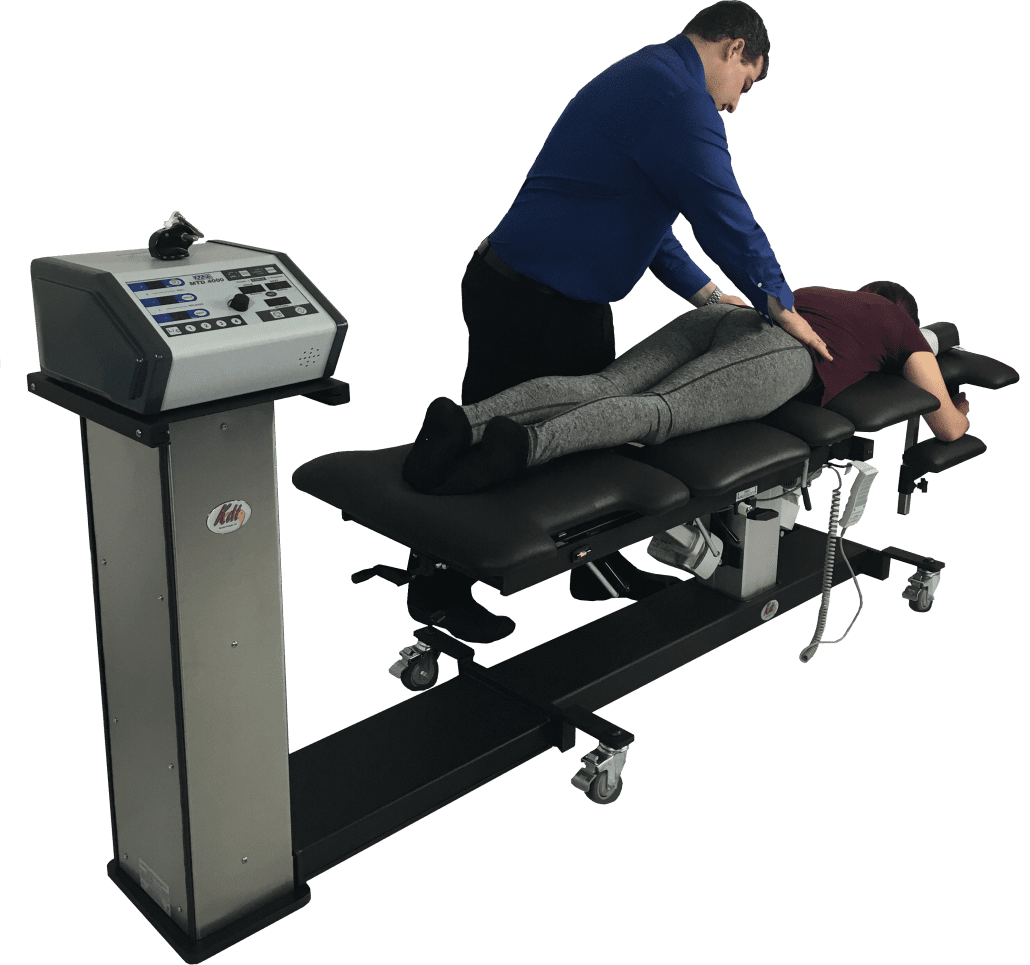
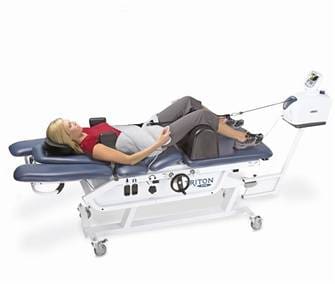
After a person suffers from an auto accident, they experience pain in their spine and back the day before or after. Many individuals who suffer from low back pain, neck pain, and whiplash from auto accidents tend to find ways to alleviate the pain in their spine. One of these treatments is spinal decompression. Spinal decompression allows the individual to sit on a traction table in a supine position and be strapped in. Research studies have mentioned that spinal decompression is a non-surgical treatment for many individuals suffering from low back pain. In contrast, the traction machine slowly but gently pulls the spine to relieve the pain caused by a spinal injury due to an accident. This will provide effective recovery for many individuals suffering from low back pain. Additional information also mentioned that the effectiveness of decompression could reduce the inflammatory markers induced by the aggravated nerve roots through negative pressure, thus causing relief to the back.
Conclusion
Overall, suffering low back pain or neck pain after an auto accident is nerve-wracking for many individuals. The emotional and physical trauma caused by a motor vehicle collision can dampen a person’s mood, and the residual pain afterward can affect their quality of life. Utilizing decompression for non-surgical treatments can provide beneficial results in restoring functionality back in the spine and alleviating the pain the person is in. When people use decompression, they can get back to their activities and become pain-free from their lower back.
References
Daniel, Dwain M. “Non-Surgical Spinal Decompression Therapy: Does the Scientific Literature Support Efficacy Claims Made in the Advertising Media?” Chiropractic & Osteopathy, BioMed Central, 18 May 2007, https://www.ncbi.nlm.nih.gov/pmc/articles/PMC1887522/.
Kang, Jeong-Il, et al. “Effect of Spinal Decompression on the Lumbar Muscle Activity and Disk Height in Patients with Herniated Intervertebral Disk.” Journal of Physical Therapy Science, The Society of Physical Therapy Science, Nov. 2016, https://www.ncbi.nlm.nih.gov/pmc/articles/PMC5140813/.
Nolet, Paul S, et al. “Exposure to a Motor Vehicle Collision and the Risk of Future Back Pain: A Systematic Review and Meta-Analysis.” Accident; Analysis and Prevention, U.S. National Library of Medicine, July 2020, https://pubmed.ncbi.nlm.nih.gov/32438092/.
Nolet, Paul S, et al. “The Association between a Lifetime History of Low Back Injury in a Motor Vehicle Collision and Future Low Back Pain: A Population-Based Cohort Study.” European Spine Journal: Official Publication of the European Spine Society, the European Spinal Deformity Society, and the European Section of the Cervical Spine Research Society, U.S. National Library of Medicine, Jan. 2018, https://pubmed.ncbi.nlm.nih.gov/28391385/.
Salam, Mahmoud M. “Motor Vehicle Accidents: The Physical versus the Psychological Trauma.” Journal of Emergencies, Trauma, and Shock, Medknow Publications & Media Pvt Ltd, 2017, https://www.ncbi.nlm.nih.gov/pmc/articles/PMC5357873/.
Toney-Butler, Tammy J, and Matthew Varacallo. “Motor Vehicle Collisions – Statpearls – NCBI Bookshelf.” In: StatPearls [Internet]. Treasure Island (FL), StatPearls Publishing, 5 Sept. 2021, https://www.ncbi.nlm.nih.gov/books/NBK441955/.
The lower half of the body consists of the low back, hips, legs, and feet to stabilize the upper body. The motor-sensory function helps the lower portion of the body move the leg muscles and sense when the lower back muscles are in pain. The lower back muscles help twist and turn the upper body without feeling discomfort or pain when it is in motion. Many ordinary factors put the lower back muscles to the test, which can become a nuisance later on if not treated right away. Factors like lifting and carrying heavy objects, being hunched over, and injuries can affect the lower back while causing immense pain to the lumbar spine. When injuries occur in the lower back, unwanted symptoms start to take effect, causing the individual to suffer and find some relief to alleviate the pain. Today’s article will focus on what causes lumbar stenosis, how it is associated with low back pain, and how traction therapy can help alleviate lumbar stenosis for many people. Patients are referred to qualified, skilled providers who specialize in spinal decompression and traction therapy. We go hand in hand with our patients by referring them to our associated medical providers based on their examination when it’s appropriate. We find that education is valuable for asking critical questions to our providers. Dr. Jimenez DC provides this information as an educational service only. Disclaimer
Can my insurance cover it? Yes, it may. If you are uncertain, here is the link to all the insurance providers we cover. If you have any questions or concerns, please call Dr. Jimenez at 915-850-0900.
What Causes Lumbar Stenosis?
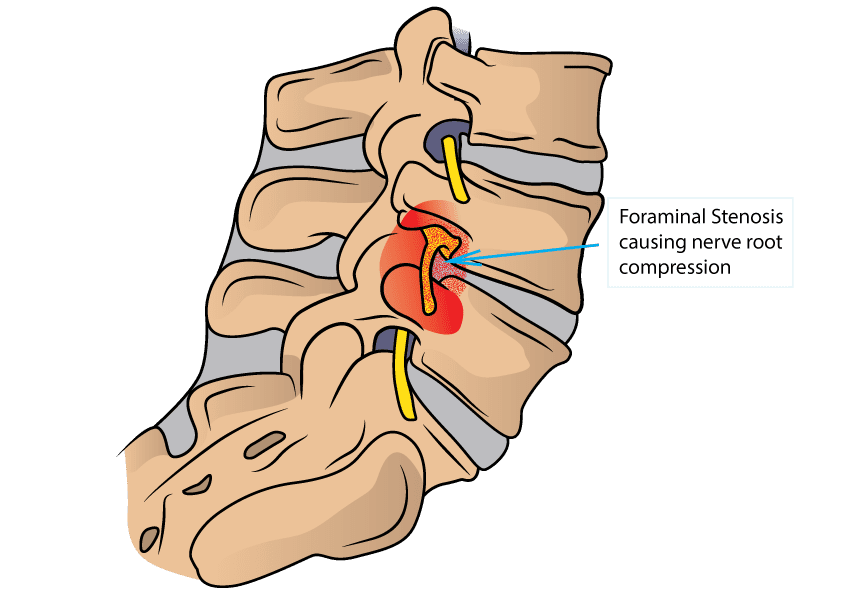
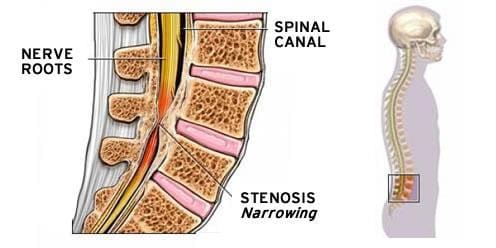
Experiencing mild to chronic pain in your lower back? Do you feel unstable when walking or running to your destination? Or have you experienced symptoms of muscle weakness or tenderness around your lower back? Many of these symptoms are caused by lumbar spinal stenosis. Research studies have defined lumbar stenosis as intervertebral spinal discs in the lumbar regions starting to degenerate naturally, causing the lower extremities to become hypermobile around the facet joints. When this happens to the spinal joint over time, it causes a reduction in the spinal canal, making the nerve roots that surround the spine irritated. Lumbar stenosis will gradually worsen as the pain symptoms range from mild to severe. Other research studies have shown that lumbar stenosis is caused due to natural aging in the spine that causes the degeneration process, thus leading to pain symptoms associated with stenosis.
How Low Back Pain Is Associated With Stenosis?
Research studies have found that lumbar stenosis is associated with leg and back pain when a person has lumbar stenosis, a common source in the lower back. Other back issues and symptoms are also playing an effect on the development of lumbar stenosis. Degenerative spondylosis causes an increased load on the posterior portions of the spine where the hips are located at. Additional research studies have shown that many suffering individuals will exhibit various symptoms associated with lumbar stenosis. Some of the signs that lumbar spinal stenosis does include:
Neurogenic claudication
Radiating pain in the lower limbs (buttock, legs, and feet)
Decrease sensory functions
Severe pain in posture stance
Increase chances of falling down
An Overview On Lumbar Traction-Video
Feeling radiating pain in your lower limbs? Do you feel muscle stiffness or tenderness in certain parts of your lower back? Have you experienced severe pain from standing or sitting for too long? Having lumbar spinal stenosis is no laughing matter for your lower back. The pain can become excruciating if it isn’t being taken care of, and that is where lumbar traction can help. The video above explains why lumbar traction is terrific when dealing with low back pain and lumbar stenosis. Lumbar traction helps loosen the tense muscles and resets the spinal discs that aggravate the nerve roots. Lumbar traction also provides relief to individuals suffering from sciatic nerve pain and can help rehydrate the dry intervertebral discs in the body. This link will explain what lumbar traction therapy offers and the impressive results for many individuals who suffer from lumbar spinal stenosis or other low back pain issues
How Traction Therapy Helps Alleviate Lumbar Stenosis
Many individuals looking for treatments that can help alleviate lumbar stenosis and low back can try lumbar traction therapy. Research studies have shown that traction therapy can help many suffering patients dealing with low back pain or lumbar stenosis will have a decrease in radicular pain in their lower back and legs. Lumbar traction helps relieve the surrounding nerves’ aggravated pressure, and radiculopathy symptoms are decreased in the lower back. Other research studies have mentioned that lumbar traction can help widen the spinal disc space in the spine while reducing low back pain and causing the sensory-motor functions to return to the legs. Lumbar traction therapy has many beneficial results for lower back pain relief for individuals.
Conclusion
Living with low back pain or lumbar stenosis is not a laughing matter for a person’s health. Overall, experiencing low back pain is no joke when associated with other symptoms like lumbar spinal stenosis. Lumbar stenosis causes the spinal canal to become narrow, and it can press on the surrounding nerve roots in the lumbar region. Many individuals who suffer from lumbar stenosis will have a wide range of pain in their lower extremities while feeling unstable when they are moving. When this happens, therapies like lumbar traction can help decompress the affected nerve roots and help widen the spinal canal and discs back to their original state. Incorporating traction and decompression therapy to alleviate low back pain can do many wonders for the individual.
Harte, Annette A, et al. “The Effectiveness of Motorised Lumbar Traction in the Management of LBP with Lumbo Sacral Nerve Root Involvement: A Feasibility Study.” BMC Musculoskeletal Disorders, BioMed Central, 29 Nov. 2007, https://www.ncbi.nlm.nih.gov/pmc/articles/PMC2217540/.
Lee, Byung Ho, et al. “Lumbar Spinal Stenosis: Pathophysiology and Treatment Principle: A Narrative Review.” Asian Spine Journal, Korean Society of Spine Surgery, Oct. 2020, https://www.ncbi.nlm.nih.gov/pmc/articles/PMC7595829/.
Lee, Seung Yeop, et al. “Lumbar Stenosis: A Recent Update by Review of Literature.” Asian Spine Journal, Korean Society of Spine Surgery, Oct. 2015, https://www.ncbi.nlm.nih.gov/pmc/articles/PMC4591458/.
Vanti, Carla, et al. “Vertical Traction for Lumbar Radiculopathy: A Systematic Review.” Archives of Physiotherapy, BioMed Central, 15 Mar. 2021, https://www.ncbi.nlm.nih.gov/pmc/articles/PMC7958699/.
Wu, Lite, and Ricardo Cruz. “Lumbar Spinal Stenosis – Statpearls – NCBI Bookshelf.” In: StatPearls [Internet]. Treasure Island (FL), StatPearls Publishing, 25 Aug. 2021, https://www.ncbi.nlm.nih.gov/books/NBK531493/.
The neck can make sure that the head doesn’t flop around by letting the muscles, ligaments, and the spine hold the head upright. The neck is responsible for twisting and turning the head in all directions without the feeling of discomfort. However, the neck also has soft tissues, and nerve roots spread out from the cervical area of the spine that helps control the shoulders, arms, and hands. When a person suffers from a neck injury, it can cause unwanted pain and discomfort to the neck muscles and disrupt the motor functions in the upper body. Luckily, some treatments help alleviate the pain and restore motor function to the neck. Today’s article post will examine how cervical stenosis affects the neck and the cervical spine and how traction therapy can help alleviate cervical stenosis for many suffering individuals. Patients are referred to qualified, skilled providers who specialize in spinal decompression therapy. We go hand in hand with our patients by referring them to our associated medical providers based on their examination when it’s appropriate. We find that education is valuable for asking crucial questions to our providers. Dr. Jimenez DC provides this information as an educational service only. Disclaimer
Can my insurance cover it? Yes, it may. If you are uncertain, here is the link to all the insurance providers we cover. If you have any questions or concerns, please call Dr. Jimenez at 915-850-0900.
How Does Cervical Stenosis Affect The Neck?
Has your neck been feeling stiff lately? Do you suffer from any pain in your neck after stretching from side to side? How about feeling discomfort after being hunched over for an extended period? All these issues are due to neck pain, and if a traumatic event or injury affects the neck even more, it can lead to the development of cervical stenosis. Like the lower back, the neck can also be injured as the soft tissues, and nerve roots spread out from the cervical area are compressed and aggravated. Research studies have found that cervical stenosis develops when the spinal column in the cervical spine becomes narrow due to either degenerative spinal changes or traumatic incidents. When the spinal canal becomes more limited, it can cause unwanted neck issues like cervical herniation and neck pain. If the nerve roots are aggravated due to being compressed, it can disrupt the sensory-motor function of the shoulders and arms, and hands. Additional information has shown that the symptoms of cervical stenosis symptoms develop gradually over time as there is no pain in the early stages. However, as cervical stenosis begins to progress in compressing the spinal canal and provoking the nerve roots, motor functions in the hands will start to lose their function in writing or grasping items. This can become a problem for many individuals if cervical stenosis is not treated immediately.
What Other Causes Does It Do To The Cervical Spine?
Since cervical stenosis progresses gradually without any pain symptoms in the early stages and becomes worse in the advanced settings, other causes can start affecting the neck and cervical spine. One of them is cervical myelopathy. Research studies have shown that it is a condition where the spinal cord becomes compressed and causes a disturbance in the upper extremity portions. When the upper part of the body begins to feel sharp electric sensations radiating from the neck down to the hands, it can cause muscle weakness and numbness in each section of the upper body. Other causes like natural degenerative issues can also result from cervical stenosis occurring in the cervical spine. Other research studies have shown that degenerative causes associated with cervical stenosis can activate pro-inflammatory factors in the spinal joints and cause excruciating swelling and pain-like symptoms along the spine. However, there are treatments to help reduce the pro-inflammatory markers and alleviate spinal cord compression along the cervical spine.
Traction Therapy For Cervical Stenosis-Video
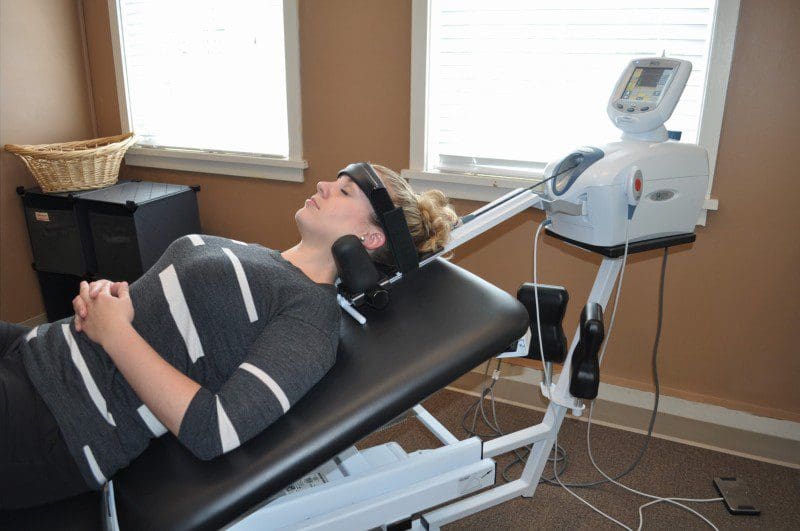
Do you have neck pain? Do your shoulders feel tight and tense? Have you lost the sensation in your hands? Traction therapy alleviates spinal stenosis in the cervical area and has given many beneficial factors for people who need neck pain relief. Experiencing cervical stenosis can dampen a person’s day and progressively worsen if it is not treated right away; traction therapy can help alleviate cervical stenosis. The video above shows how traction therapy works using the cervical mechanics from the Chatanooga decompression table. Cervical traction helps loosen up the tight muscle tissues and resets the cervical spine by setting it back in its proper alignment. This allows the spinal cord and nerve roots to feel relief from the pressure they’ve been under. Cervical traction also helps rehydrate the dry spinal discs with the nutrients beneficial to the body. This link will explain what traction has to offer and the impressive results for many individuals who suffer from cervical spinal stenosis or other issues that occur in the neck.
Traction Therapy To Alleviate Cervical Stenosis
Many treatments associated with neck pain do have beneficial results when people are trying to relieve the pain. Some people use ice/hot packs to ease tense neck muscles, while others take over-the-counter medicine to stop the pain for the remainder of the day. Traction therapy is one treatment that seems to alleviate the pain and help restore the cervical spine. Research studies have mentioned that cervical traction is a non-surgical procedure that uses a tension pull on the cervical spine to increase the height of the spinal disc and take the pressure off the spinal cord and surrounding nerve roots. Traction on the cervical spine helps relax the neck muscles while also providing much-needed relief to the cervical spine. Additional research mentioned the beneficial properties that cervical traction offers to help separate the vertebral bodies while providing movement on the facet joints and gently stretching the soft tissues.
Conclusion
The neck makes sure that the head stays upright and can make everyday motions without feeling pain or discomfort. When traumatic events or injuries affect the sensory-motor functions of the neck, it can narrow the spinal canal in the cervical spine and cause many unwanted symptoms like cervical stenosis. Cervical stenosis can develop over time and can progressively become worse if it is not treated right away. Some of the symptoms can induce muscle weakness, numbness, and pain along the neck, shoulders, arms, and hands in the body’s upper portion. Traction therapy for the cervical spine can help ease the painful symptoms by taking the pressure off the spinal canal and help reset the spine back in alignment. Incorporating cervical traction for neck pain can help many suffering individuals become pain-free on their health and wellness journey.
References
Abi-Aad, Karl R, and Armen Derian. “Cervical Traction – Statpearls – NCBI Bookshelf.” In: StatPearls [Internet]. Treasure Island (FL), StatPearls Publishing, 1 May 2022, https://www.ncbi.nlm.nih.gov/books/NBK470412/.
Bjerke, Benjamin. “Cervical Stenosis with Myelopathy.” Spine, Spine-Health, 10 July 2017, https://www.spine-health.com/conditions/spinal-stenosis/cervical-stenosis-myelopathy.
Burns, Stephen P, et al. “Cervical Stenosis in Spinal Cord Injury and Disorders.” The Journal of Spinal Cord Medicine, Taylor & Francis, July 2016, https://www.ncbi.nlm.nih.gov/pmc/articles/PMC5102300/.
Donnally III, Chester J, et al. “Cervical Myelopathy.” In: StatPearls [Internet]. Treasure Island (FL), StatPearls Publishing, 6 Mar. 2022, https://www.ncbi.nlm.nih.gov/books/NBK482312/.
Meyer, Frerk, et al. “Degenerative Cervical Spinal Stenosis: Current Strategies in Diagnosis and Treatment.” Deutsches Arzteblatt International, Deutscher Arzte Verlag, May 2008, https://www.ncbi.nlm.nih.gov/pmc/articles/PMC2696878/.
Rulleau, Thomas, et al. “Effect of an Intensive Cervical Traction Protocol on Mid-Term Disability and Pain in Patients with Cervical Radiculopathy: An Exploratory, Prospective, Observational Pilot Study.” PloS One, Public Library of Science, 11 Aug. 2021, https://www.ncbi.nlm.nih.gov/pmc/articles/PMC8357129/.
The spine is located in the back of the body, ensuring that it’s standing, on the move constantly, and resting when needed. This S-shaped curve helps protect the spinal cord from various injuries and helps transmit the signals from the brain and throughout the rest of the body. When injuries start to affect the spinal cord, it can lead to many chronic issues affecting the spine, neck, and lower back. Fortunately, there are available treatments that help alleviate spinal problems in the body, therefore providing relief for the individual. Today’s article emphasizes spinal stenosis, how it affects the spine, and how decompression can help restore the spine for many suffering individuals. Patients are referred to qualified, skilled providers who specialize in spinal decompression therapy. We go hand in hand with our patients by referring them to our associated medical providers based on their examination when it’s appropriate. We find that education is valuable for asking crucial questions to our providers. Dr. Jimenez DC provides this information as an educational service only. Disclaimer
Can my insurance cover it? Yes, it may. If you are uncertain, here is the link to all the insurance providers we cover. If you have any questions or concerns, please call Dr. Jimenez at 915-850-0900.
What Is Spinal Stenosis?
Have you felt radiating pain traveling along your back? How about muscle weakness in certain parts of your body? Do you feel weird sensations on your legs, neck, or lower back? These are signs that you could be encountering spinal stenosis along your spine, causing these symptoms. Research studies have defined spinal stenosis as a frequent condition in the cervical and lumbar portions of the spine that compressed the nerve roots connected to the spinal column. Spinal stenosis usually occurs when a person has experienced traumatic injuries and degenerative changes that affect the spinal canal either with mechanical force or spinal issues like disc herniation. Additional information has found that when many people are suffering from spinal stenosis, it can become progressively worse if it is not treated beforehand and can cause symptoms affecting the spine. Some of the signs that spinal stenosis can cause to a person depending on how severe it has affected their spine; which can include:
Radiating pain goes from dull to electric-shooting pain depending on the area in which spinal stenosis occurs.
Pins and needles sensations run from the legs, arms, or neck that occasionally flare-up.
Numbness that affects the arms and legs
Muscle weakness reduces the motor functions of the legs and arms while causing coordination problems to the person.
How Does It Affect The Spine?
Since spinal stenosis causes nerve root compression and narrowing of the spinal canal, it can affect many people dealing with excruciating pain along their spine. Research studies have shown that when spinal stenosis affects the spine, it causes degeneration of the spinal discs between the spinal joints to become unstable, hypermobile, and even hypertrophy. What this does is that it reduces the spinal canal, causing intermittent neurogenic claudication, which makes a person lose their balance and fall. Additional research has shown that when intermittent neurogenic claudication is associated with spinal stenosis, it affects the nerve roots through mechanical compression. This results in factors like venous congestion, diminished arterial blood flow to the spine, and even decreased nerve root impulse conduction to the spinal column. All is not lost as there are available treatments for many people who suffer from spinal stenosis.
An Overview On Spinal Stenosis-Video
Have you been feeling various pains that range from dull to excruciating along your back? Do you feel muscle weakness located in the arms or legs? Or have you been experiencing weird tingling sensations that cause numbness to your arms or legs? These are symptoms of spinal stenosis and can affect your overall health while causing you pain. Fortunately, spinal decompression might be the answer that you are seeking. The video above explains the causes of spinal stenosis and how to treat them non-surgical. Spinal decompression helps the spinal column gently move and stretch the spinal discs back to their position and restore their original functionality. This will cause the spinal canal to be relieved and alleviate the symptoms affecting the spine’s motor functions. Not only that, but many suffering individuals will notice that other issues like back, neck, and leg pain are reduced in their bodies. Spinal decompression for alleviating spinal stenosis has given many beneficial factors for people that need relief. This link will explainhow spinal decompression offers impressive results for many individuals who suffer from spinal stenosis or other spinal issues.
How Decompression Help Restore The Spine
With many treatments available for relieving spinal stenosis, research shows that non-surgical treatments like physiotherapy and spinal decompression can help reduce the pain symptoms caused by spinal stenosis and help improve the functionality back to the legs and lower back. Decompression does to the spine because it uses mechanical and manual traction to help loosen the stiff muscles and cause tension to reset the spinal discs back in place. Additional research has also shown that laminectomy, a form of surgical decompression, has been used to alleviate spinal stenosis by releasing the neural structures affected along the spine. With these treatments, many suffering individuals will feel much better and slowly regain their sense of purpose in the world without being in pain.
Conclusion
The spine helps the body protect the spinal cord while keeping it standing straight. When some injuries or issues affect the spine, it can lead to spinal problems like spinal stenosis. Spinal stenosis occurs when the nerve roots are compressed and narrow the spinal canal. The symptoms that spinal stenosis causes to the body can affect the sensory and motor functions to cause numbness and various pain ranging from dull to sudden sharp pain. Therefore, with decompression therapy, many individuals will feel relief from spinal stenosis as the spinal column becomes wider and allows the spinal discs to return to their proper position. Many people who use decompression treatments will feel much better and notice that their functionality is coming back, so they can keep on moving.
Estefan, Martin, and Gaston O Camino Willhuber. “Laminectomy.” In: StatPearls [Internet]. Treasure Island (FL), StatPearls Publishing, 1 May 2022, https://www.ncbi.nlm.nih.gov/books/NBK542274/.
Lee, Seung Yeop, et al. “Lumbar Stenosis: A Recent Update by Review of Literature.” Asian Spine Journal, Korean Society of Spine Surgery, Oct. 2015, https://www.ncbi.nlm.nih.gov/pmc/articles/PMC4591458/.
Lurie, Jon, and Christy Tomkins-Lane. “Management of Lumbar Spinal Stenosis.” BMJ (Clinical Research Ed.), British Medical Journal Publishing Group, 4 Jan. 2016, https://www.ncbi.nlm.nih.gov/pmc/articles/PMC6887476/.
Munakomi, Sunil, et al. “Spinal Stenosis And Neurogenic Claudication.” In: StatPearls [Internet]. Treasure Island (FL), StatPearls Publishing, 12 Feb. 2022, https://www.ncbi.nlm.nih.gov/books/NBK430872/.
The spine has an S-shaped curve that helps the body keep standing and even protects the spinal cord from injuries. As part of the central nervous system, which helps transport the signals that the brain wants the send out to the rest of the body through the nerve roots that are branched out all over the body. The nerve roots have their job in providing the body motor and sensory functions incorporated in making the body move around. When the nerve roots or the spine becomes injured, it can lead to back and neck issues that can abruptly affect a person’s quality of life and cause them to be in constant pain. When this happens, a person will not be able to function correctly due to their nerves being aggravated and their spine being compressed. Today’s article focuses on two spinal conditions known as disc herniation and disc degenerative, how they affect the spine, and how nonsurgical decompression can help alleviate disc herniation and degenerative disc symptoms. Patients that are referred to qualified, skilled providers who specialize in decompression therapy. We accompanied our patients by referring them to our associated medical providers based on their examination when it’s appropriate. We find that education is valuable for asking crucial questions to our providers. Dr. Jimenez DC provides this information as an educational service only. Disclaimer
Can my insurance cover it? Yes, it may. If you are uncertain, here is the link to all the insurance providers we cover. If you have any questions or concerns, please call Dr. Jimenez at 915-850-0900.
How Degenerative Discs & Herniation Affect The Spine
Have you been experiencing pain running down from your neck to your lower back? How about shifting to a comfortable position that lessens the pain? Do your muscles ache after being hunched all day or after work? Many of these symptoms are spinal issues that inflict pain on the neck and back. The two spinal issues that affect the spine are degenerative discs and herniation. Research studies have shown that degenerative discs usually affect the spine through natural aging and wear and tear on the discs in between the spine. Degenerative spinal discs will begin to inflict more pressure on the spinal discs and even cause the spinal vertebrae to start rubbing against each other. Additional information has found that disc degeneration starts early throughout a person’s life. Disc herniation is often considered the early step for disc degeneration in the spine, thus causing painful symptoms to rise.
For disc herniation, research studies have mentioned that when the spine is dealing with disc herniation, disc degeneration is not too far behind. When the spine begins to flatten and squeeze on the discs, it can rapidly dehydrate them and protrude out of its original position. Other times disc herniation is mainly caused when a person is lifting or carrying heavy weights from one place to another. This causes the body itself to be unstable and invokes pain in the lower back or neck. Additional research has shown that the pathology of intervertebral discs is a common disorder that many people do suffer from. The pathology of intervertebral disc disorders can cause various symptoms that can progressively worsen over time if it is not treated right away.
The Symptoms These Two Cause In The Spine
The symptoms of disc herniation and degeneration are usually the same, depending on where the pain is located in the body. For disc degeneration, research shows that when a person suffers from degenerative discs in the spine, they experience continuous moderate low back pain that can cause the lower half to ache. This goes the same way for disc herniation, as many people will change their movements and postures to relieve the pain. Other symptoms that disc herniation and degeneration cause in the spine and body include:
Leg pain
Muscle tenderness
Sciatica
Nerve pain
Loss of sensory functions on the feet and back
Thankfully, there are treatments available to lessen the effects of disc herniation and degeneration. Experiencing these symptoms can dampen a person’s day since they are in constant pain. When the pain symptoms range from mild to severe, many suffering individuals try to find ways to alleviate the pain and try to get by through the rest of their day.
An Overview Of Spinal Decompression Works- Video
Have you been experiencing low back pain throughout the day? Does your sciatic nerve flare up every time you are out and about? Do you feel muscle tenderness in certain parts of your back? Disc herniation and degeneration are spinal issues that can affect your quality of life and make you in constant pain if it is not taken care of. Fortunately, treatment is available that can help provide you with the relief you desperately need: spinal decompression. The video above explains how spinal decompression works on individuals suffering from degenerative discs in their spine. Spinal decompression can help stop the progression of degenerative discs by utilizing mechanical traction on the spine to gently pull on the spinal joints to increase the height of the compressed discs and take the pressure off of the nearby nerve roots. Spinal decompression can also help loosen the tight, tense muscles in the cervical and lumbar portions of the body and provide fantastic relief. Spinal decompression for either the lumbar or cervical regions of the spine has many beneficial factors in preventing disc herniation and stopping the progression of disc degeneration. This link will explainhow spinal decompression offers impressive relief for many people who suffer from neck and low back pain herniation or disc degeneration.
With many available treatments that help alleviate the symptoms of disc degeneration and herniation on the spine and back, nonsurgical spinal decompression can help reset the spinal discs back to their original position. Research studies mentioned that nonsurgical spinal decompression is one of the most widely used methods for conservative treatment that incorporates negative pressure and sufficient tension to the spine, causing an increase in the disc height. Nonsurgical decompression can also help loose ligaments to retighten in the spinal cord, thus resetting the herniated disc back in the spine and even rehydrating the disc. Many people will begin to get their quality of life back together after a few sessions with spinal decompression and not be in constant pain.
Conclusion
The spine has an essential job in ensuring that the body is standing and that it can be on the move. The S-shaped curvature located in the back has nearby ligaments, nerves, and muscles to protect the spine and spinal cord from injuries. Unfortunately, the body and the spine age naturally and can cause the spinal discs to harden and eventually crack. This causes disc herniation and degeneration, causing a wide range of pain issues that affect the entire body. Treatments like spinal decompression allow the spinal discs to be restored to their original function and provide relief to the nearby components around the spine. Incorporating spinal decompression can bring back a person’s quality of life and stop these spinal issues from progressing further.
References
Al Qaraghli, Mustafa I, and Orlando De Jesus. “Lumbar Disc Herniation – Statpearls – NCBI Bookshelf.” In: StatPearls [Internet]. Treasure Island (FL), StatPearls Publishing, 30 Aug. 2021, https://www.ncbi.nlm.nih.gov/books/NBK560878/.
Choi, Jioun, et al. “Influences of Spinal Decompression Therapy and General Traction Therapy on the Pain, Disability, and Straight Leg Raising of Patients with Intervertebral Disc Herniation.” Journal of Physical Therapy Science, The Society of Physical Therapy Science, Feb. 2015, https://www.ncbi.nlm.nih.gov/pmc/articles/PMC4339166/.
Donnally, Chester J, et al. “Lumbar Degenerative Disk Disease – Statpearls – NCBI Bookshelf.” In: StatPearls [Internet]. Treasure Island (FL), StatPearls Publishing, 6 Mar. 2022, https://www.ncbi.nlm.nih.gov/books/NBK448134/.
Zielinska, Nicol, et al. “Risk Factors of Intervertebral Disc Pathology-a Point of View Formerly and Today-A Review.” Journal of Clinical Medicine, MDPI, 21 Jan. 2021, https://www.ncbi.nlm.nih.gov/pmc/articles/PMC7865549/.
IFM's Find A Practitioner tool is the largest referral network in Functional Medicine, created to help patients locate Functional Medicine practitioners anywhere in the world. IFM Certified Practitioners are listed first in the search results, given their extensive education in Functional Medicine