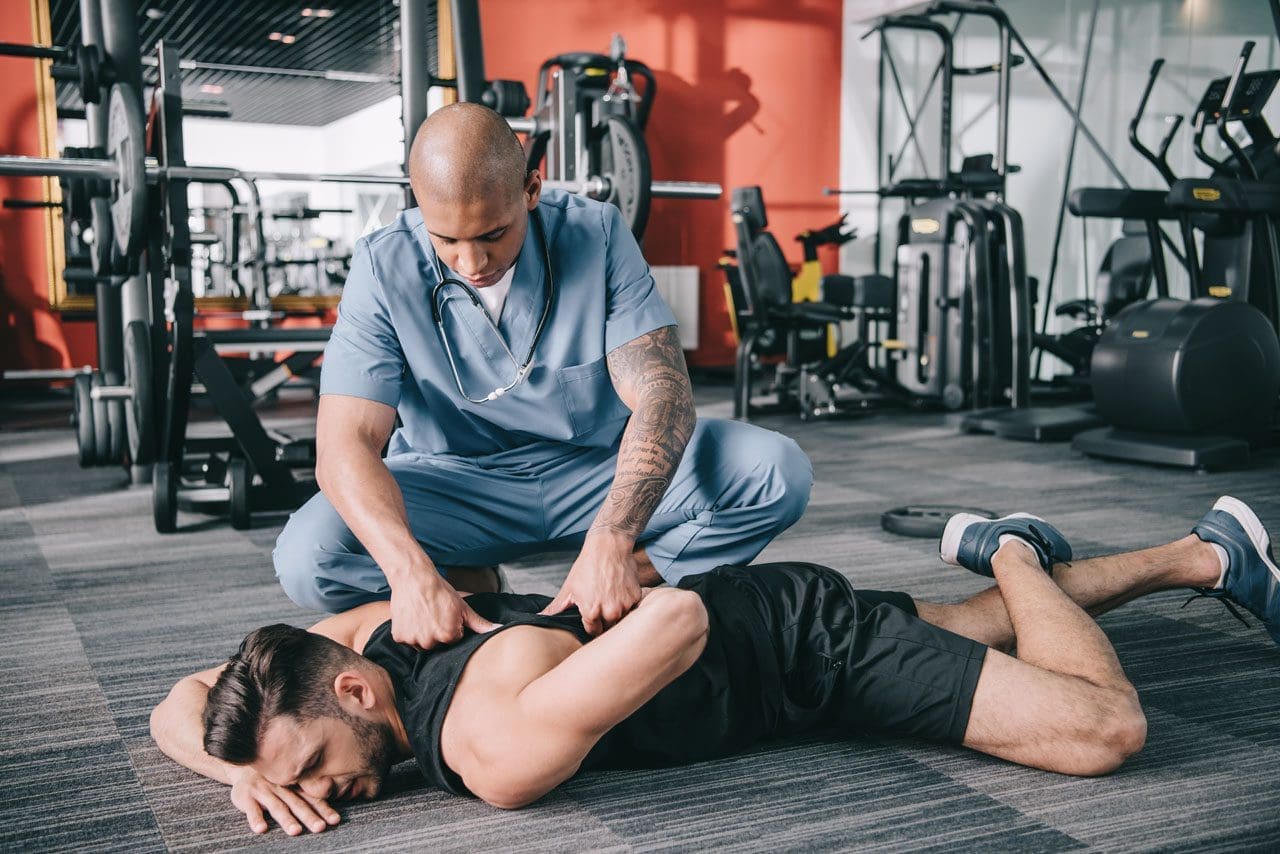
Sports activities will result in aches, pains, and injuries that need to be examined by a doctor or specialist for proper diagnosis and treatment. Finding the right sports injury specialist can be one of the most difficult parts of dealing with an injury. The following may help when deciding if a sports chiropractic specialist can help.
Sports Injury Specialist
Sports medicine is the study and practice of medical principles related to the science of sports:
Injury prevention
Injury diagnosis and treatment
Nutrition
Psychology
Sports medicine focuses on the medical and therapeutic aspects of sports physical activity. These individuals can be physicians, surgeons, chiropractors, physical therapists, or providers who regularly work with athletes. Athletes often prefer providers with athletic treatment experience.
Doctor To See First for a Sports Injury
Individuals that belong to an HMO or PPO may find that their primary care physician is the first doctor to see for injury.
A family doctor may not be a sports medicine specialist but may have the expertise to deal with the injury.
Minor musculoskeletal injuries like acute sprains and strains respond well to immediate standard treatments like rest, ice, compression, and elevation.
Individuals with complicated overuse or training injuries, chronic conditions such as tendonitis, or who require surgery will be referred to a specialist.
Family Doctor Treatment
Nearly all family practice physicians can diagnose and treat various sports-related injuries.
Other non-traditional methods to treat conditions and illnesses.
Some may have specific experience in treating sports-related injuries.
Finding the Right Specialist
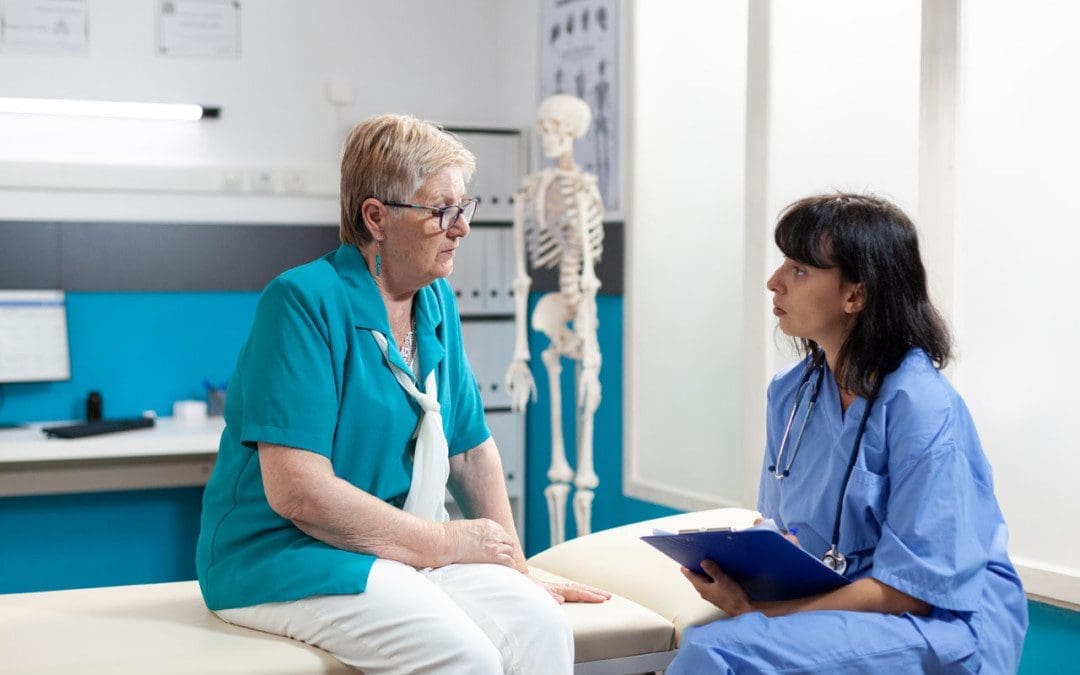
It is important to find a doctor who can design a treatment plan to heal and rehabilitate the injury properly and get the athlete back to their sport quickly and safely. Medicine is science and art, and injury treatment should be personalized to specific goals of healing and performance. When selecting a healthcare provider to treat injuries or provide advice, personal recommendations from trusted sources are recommended to screen providers. As well as asking other athletes, local teams, gyms, athletic clubs, and healthcare organizations can direct individuals in the right direction. If you can’t find a confident recommendation, look for a certified sports medicine physician online or call the clinic. When calling the office, questions to think about include:
What is your treatment specialty?
What experience do you have treating athletes?
What special training do you have in sports injury care?
What degrees and certifications do you have?
How I Tore My ACL
References
Bowyer, B L et al. “Sports medicine. 2. Upper extremity injuries.” Archives of physical medicine and Rehabilitation vol. 74,5-S (1993): S433-7.
Chang, Thomas J. “Sports Medicine.” Clinics in podiatric medicine and surgery vol. 40,1 (2023): xiii-xiv. doi:10.1016/j.cpm.2022.10.001
Ellen, M I, and J Smith. “Musculoskeletal rehabilitation and sports medicine. 2. Shoulder and upper extremity injuries.” Archives of physical medicine and Rehabilitation vol. 80,5 Suppl 1 (1999): S50-8. doi:10.1016/s0003-9993(99)90103-x
Haskell, William L et al. “Physical activity and public health: updated recommendation for adults from the American College of Sports Medicine and the American Heart Association.” Medicine and science in sports and exercise vol. 39,8 (2007): 1423-34. doi:10.1249/mss.0b013e3180616b27
Sherman, A L, and J L Young. “Musculoskeletal rehabilitation and sports medicine. 1. Head and spine injuries.” Archives of physical medicine and Rehabilitation vol. 80,5 Suppl 1 (1999): S40-9. doi:10.1016/s0003-9993(99)90102-8
Zwolski, Christin, et al. “Resistance Training in Youth: Laying the Foundation for Injury Prevention and Physical Literacy.” Sports Health vol. 9,5 (2017): 436-443. doi:10.1177/1941738117704153
Pretty much everyone experiences a muscle cramp at some point. A muscle cramp is an involuntarily contracted muscle that does not relax, similar to a spasm, but a cramp lasts longer and is usually a forcible contraction. During a cramp, the muscles tighten without voluntary input from the brain and over-tighten. They can last anywhere from a few seconds to an hour or longer. They can be prevented through adequate nutrition and hydration, attention to safety when engaged in physical activity or exercise, and attention to posture and ergonomics. Injury Medical Chiropractic and Functional Medicine Clinic can develop personalized treatment plans for individuals experiencing musculoskeletal issues.
Muscle Cramp
Muscle cramps can occur in any muscle. The cramp may involve a portion of a muscle, the entire muscle, or several muscles that function together. A muscle or a few tissue fibers that involuntarily contracts is in a spasm. If the spasm is forcefully sustained, it turns into a cramp. They can cause a noticeable and/or hardening of the involved muscle/s. They can be experienced as mild twitches or can be excruciatingly painful. Some can involve the simultaneous contraction of muscles that normally move body parts in opposite directions. It is not uncommon for a cramp to flare up multiple times until it finally stops.
Causes
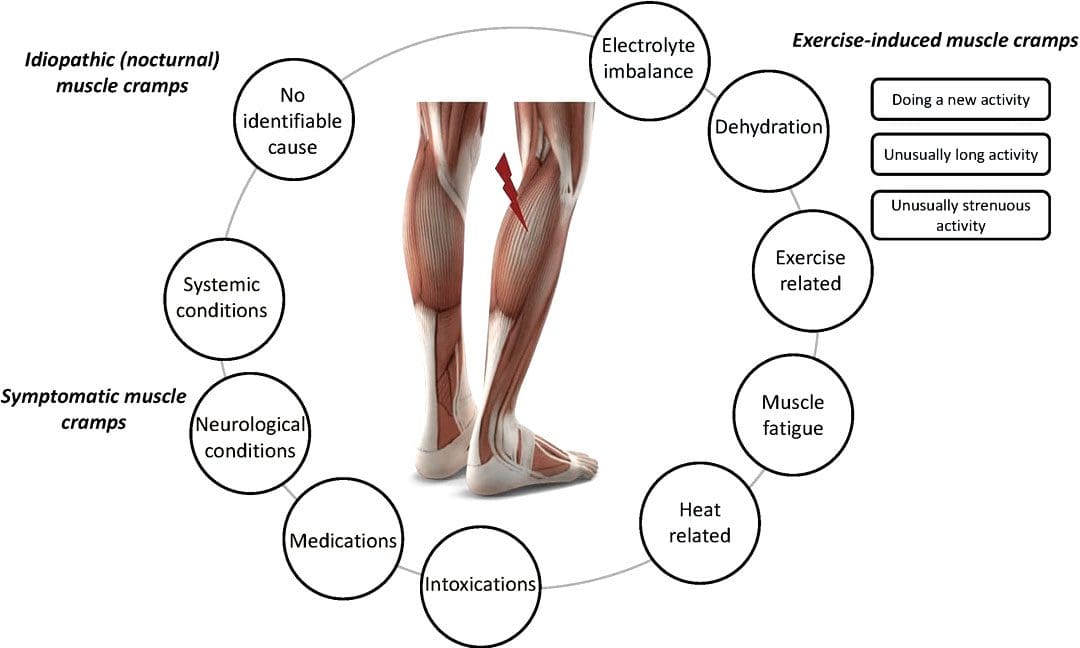
They can occur during physical activity, exercise, rest, or night, depending on the cause. There are various causes that, include:
Most times, they are not a cause for alarm; however, depending on the individual, their age, type of physical activity, and medical history, cramps could indicate a more serious underlying problem such as a thyroid disorder, liver cirrhosis, atherosclerosis, ALS, or a problem or condition of the spine or spinal nerves.
Muscles Involved
The muscles involved can indicate the mechanism and cause.
If the cramp is triggered by fatigue, a drop in muscle glycogen, dehydration, or an electrolyte imbalance, it’s most frequently to the calf muscles, feet, or back of the thigh/hamstring muscles.
This is typically due to a combination of fatigue and dehydration.
If it is triggered by nerve irritation, like a spinal disc injury, cramps tend to present in the forearm, hand, calf, and foot, depending on whether the disc injury is in the neck or lower back.
If there is a joint sprain in the neck, mid-back, or lower back, the cramp will present where the injury is and around the surrounding muscles.
A calf cramp happens when lying down because the foot points down, shortening the calf muscles.
A shortened muscle is more likely to go into spasm, especially if it is exhausted from activities and if the body is dehydrated, which is pretty common.
For two muscles that work together performing the same movement, called agonists, and the one muscle is weaker, the secondary muscle has to work harder, often going into a spasm or cramp from the added stress.
For example, if the buttock/gluteal muscles are weak, the hamstrings eventually spasm when exhausted.
Chiropractic
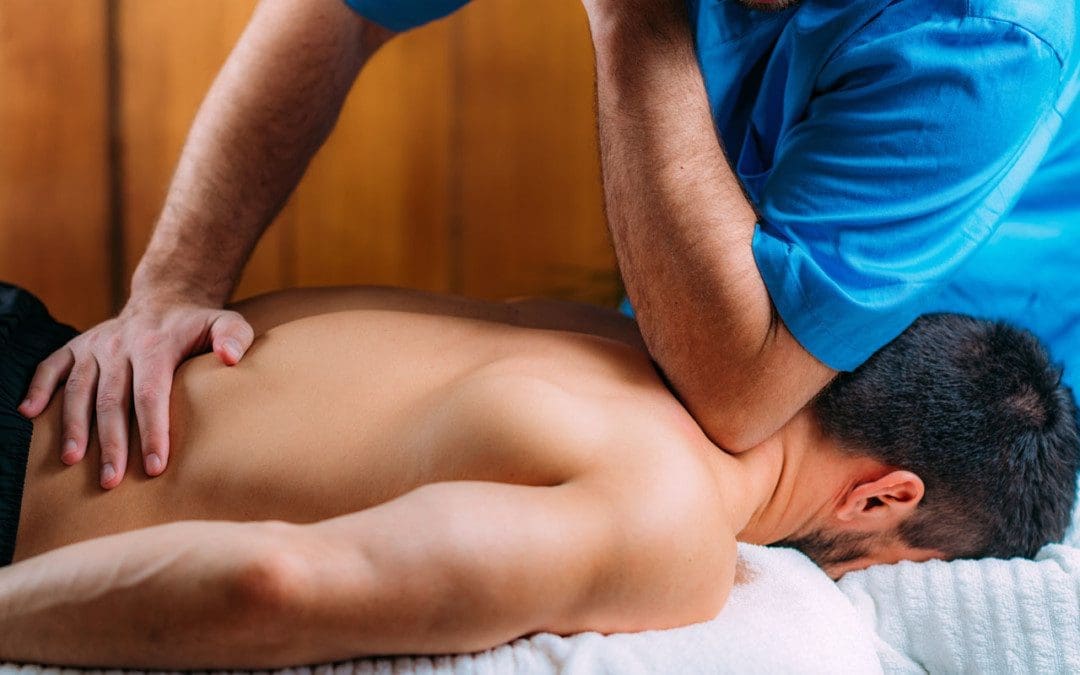
First, the cause needs to be identified through medical history and examination. There can be an underlying nerve irritation and interference, restricting the muscle or muscle group, which needs to be dealt with for the therapy to be effective. Chiropractic care, combined with therapeutic stretching and massage therapy, can:
Relieve muscle cramping
Improve blood circulation
Increase muscle movement
Improve musculoskeletal function
All help to diminish and prevent muscle cramping.
Adjustments will restore proper alignment and restore nerve communication. These treatments help to release toxins, loosen and relax the muscle tissues, and provide relief.
Say Goodbye to Pain With Chiropractic
References
Blyton, Fiona, et al. “Non-drug therapies for lower limb muscle cramps.” The Cochrane Database of systematic reviews vol. 1,1 CD008496. 18 Jan. 2012, doi:10.1002/14651858.CD008496.pub2
FIELDS, A. “Leg cramps.” California Medicine vol. 92,3 (1960): 204-6.
Garrison, Scott R et al. “Magnesium for skeletal muscle cramps.” The Cochrane Database of systematic reviews vol. 9,9 CD009402. 21 Sep. 2020, doi:10.1002/14651858.CD009402.pub3
Katzberg, Hans D. “Case Studies in Management of Muscle Cramps.” Neurologic clinics vol. 38,3 (2020): 679-696. doi:10.1016/j.ncl.2020.03.011
Miller, Kevin C et al. “An Evidence-Based Review of the Pathophysiology, Treatment, and Prevention of Exercise-Associated Muscle Cramps.” Journal of athletic training vol. 57,1 (2022): 5-15. doi:10.4085/1062-6050-0696.20
Miller, Timothy M, and Robert B Layzer. “Muscle cramps.” Muscle & nerve vol. 32,4 (2005): 431-42. doi:10.1002/mus.20341
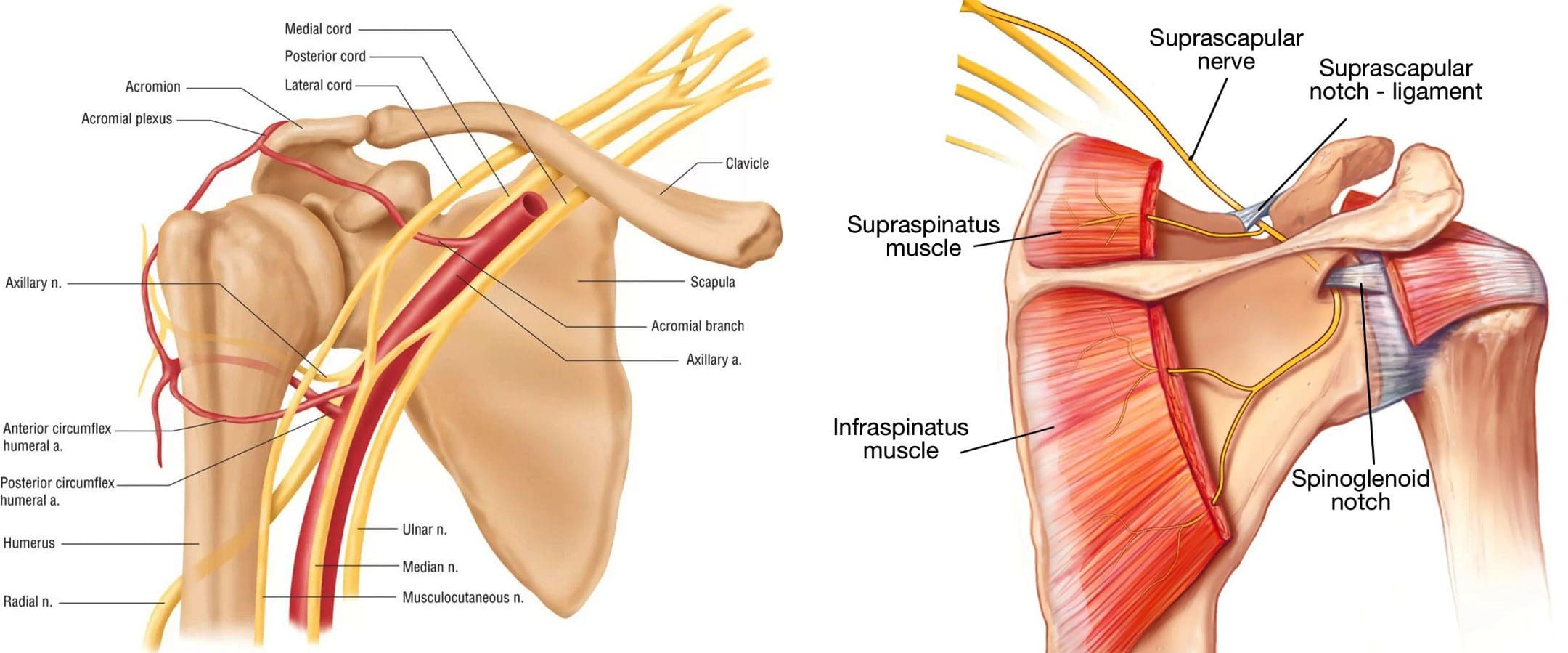
An acute injury or changes to the upper body over time can cause a compressed/pinched nerve in the shoulder. A pinched nerve in the shoulder happens when a muscle, ligament, tendon, or bone irritates or presses on a nerve exiting the neck. Shoulder nerve pain can develop from various sources, such as overuse work injuries, sports injuries, household chores, tendinitis, arthritis, torn cartilage, and other medical conditions, and injuries can contribute to symptoms. Chiropractors are highly qualified to treat pinched nerves. They are trained in whole-body realignment and rehabilitation techniques that find the root source and relieve pressure on compressed nerves.
Shoulder Nerve Pain
The shoulder joint is one of the most complex joints because of its wide range of motion. It is used so frequently that repetitive motion strain is common, often leading to injury. It is usually because of the continued use combined with an unhealed strain/injury that leads to shoulder nerve injury or when surrounding tissues like cartilage or tendons irritate or compress the nerves.
Pinched nerves also occur when a nerve root in the neck is damaged through wear and tear or an acute injury.
Individuals 50 years and older are likely to experience pinched nerves because of degeneration in the cervical spine and/or arthritis.
A nerve can become pinched when bone spurs form around the spinal discs.
Bone spurs are formations of bone that grow when discs weaken with age.
Bone spurs grow around the discs putting pressure on the nerve root.
Symptoms
Compressed Pinched Nerve/Cervical Radiculopathy
Pain sensations in the shoulder.
Tingling and/or pins and needles in fingers or hand.
Weakness in shoulder and arm muscles.
Symptoms have been known to overlap with shoulder arthritis, frozen shoulder, swimmer’s shoulder, or rotator cuff tears, so it’s always best to consult a chiropractor to understand possible causes. Other conditions with symptoms to compare:
Shoulder Arthritis
Stiffness in the joint.
Aching inside the shoulder.
Grinding when moving the joint.
Frozen Shoulder/Adhesive Capsulitis
Stiffness in the joint.
Pain in one shoulder.
Decreased range of motion and movement.
Swimmer’s Shoulder/Impingement
Pain and discomfort in the shoulder.
Weakness in the surrounding area.
Stiffness or tightness in the joint.
Impeded range of motion.
Rotator Cuff Tears
Pain and discomfort symptoms when moving the shoulder.
Weakness in the arm.
Deep aching sensations along the top and side of the joint.
Chiropractic Treatment
Chiropractors are experts on the neuromusculoskeletal system. First, a thorough medical examination will be conducted, including health history and regular activities, to understand the nature of the symptoms. Depending on the type of injury, tests, and exams may be needed to help diagnose and pinpoint the cause. Then the chiropractor will develop a personalized treatment plan. The objective is to relieve pressure and tension on the nerves and relax the muscles. In addition to adjusting the joint or other impacted areas, the therapy team will provide at-home exercises and stretches to maintain the adjustments and expedite healing.
Chiropractic Rehab
References
Kokkalis, Zinon T et al. “Nerve Injuries around the Shoulder.” Journal of long-term effects of medical implants vol. 27,1 (2017): 13-20. doi:10.1615/JLongTermEffMedImplants.2017019545
Leider, Joseph D et al. “Treatment of suprascapular nerve entrapment syndrome.” Orthopedic reviews vol. 13,2 25554. 11 Jul. 2021, doi:10.52965/001c.25554
Matzkin, Elizabeth, et al. “Swimmer’s Shoulder: Painful Shoulder in the Competitive Swimmer.” The Journal of the American Academy of Orthopaedic Surgeons vol. 24,8 (2016): 527-36. doi:10.5435/JAAOS-D-15-00313
Neviaser, Andrew S, and Jo A Hannafin. “Adhesive capsulitis: a review of current treatment.” The American Journal of sports medicine vol. 38,11 (2010): 2346-56. doi:10.1177/0363546509348048
Safran, Marc R. “Nerve injury about the shoulder in athletes, part 1: suprascapular nerve and axillary nerve.” The American Journal of sports medicine vol. 32,3 (2004): 803-19. doi:10.1177/0363546504264582
Strakowski, Jeffrey A, and Christopher J Visco. “Diagnostic and therapeutic musculoskeletal ultrasound applications of the shoulder.” Muscle & Nerve vol. 60,1 (2019): 1-6. doi:10.1002/mus.26505
Setting spinal goals is important for an individual’s treatment plan to ensure a thorough and successful recovery following:
Surgery
Trauma
Spinal condition
When developing goals with a surgeon or spine specialist, utilizing a well-known method known as SMART is recommended. Individuals are encouraged to set goals to accomplish personal growth and improvement. It is a model for forming goals and objectives that for medical purposes include:
This could be fitness trackers, daily journaling – writing, video, health coach, etc.
Attainable
Determine if the goal is achievable.
Figure out what tools or skill sets are needed to reach the goal.
Realistic
Results-oriented goals.
Measure results or output, including accomplishments.
Time Frame
Set goals within a doable time frame.
Goal setting helps individuals monitor their progress when recovering from injury, surgery, and/or spinal conditions. Making goals smaller makes it easier to achieve improvements. It’s recommended to have a partner assistant during the goal-setting because the pain can compromise decision-making. Pain affects the mind’s abilities to assess improvement and treatment response rationally. Taking the most important goals and focusing on small building blocks helps individuals maintain motivation during a long recovery process.
Difference Between Goal Setting and Treatment
A standard treatment plan is structured for a specific result and is not set up for adjusting the way goal setting does. A treatment plan is created and prescribed to a patient with little patient input. Goal setting is a collaboration between a patient and a doctor setting objectives as stepping-off points to achieve goals. Goal setting empowers patients with education, skillsets, and tools to succeed and continue that mindset as their lives move on. Achieving short-term goals helps individuals reflect positively on small gains that set a solid foundation for more challenging future goals.
Spinal Treatment Goals
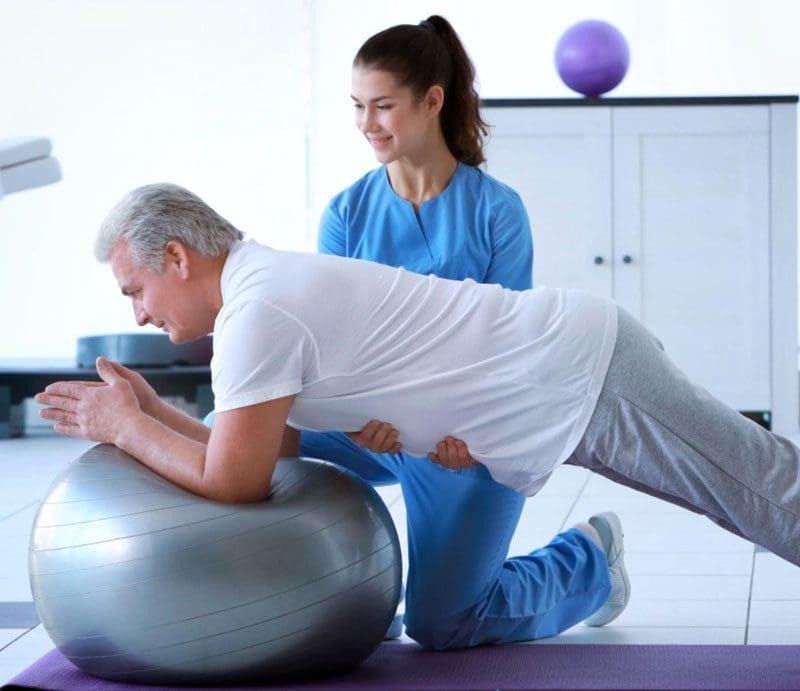
Goals are personalized/custom-tailored to the individual’s case and condition. For example, a patient could set a goal of returning to weekend sports activities. Therefore, achieving the goal could require the individual to engage in exercise five days a week for the next two weeks that could include physical therapy rehabilitation:
These activities are small goals that help the body adapt to handling additional physical stress.
Goal Setting When In Recovery
Spinal issues are dealt with by creating reasonable small objectives to reach a goal. SMART goal setting is an instrumental framework for medical providers to help identify what is important to the patient. Modifications on SMART goals can be done to adjust to the individual’s needs. Spinal goals help patients accomplish what is necessary, keeping them empowered and motivated.
Body Composition
Too Comfortable With Goals
An individual may have a great deal of success doing the same workouts initially but then notice they’re getting easier and are not seeing the same rate of progression. That same workout routine, same weights, and equipment will only go so far in goal achievement. In recovery, as the body gets stronger and fitness levels improve, it is recommended to consistently challenge yourself to avoid falling into a rehabilitation fitness plateau. Part of the recovery process is to change up workouts to challenge the body to achieve optimal health and healing. Individuals are recommended to:
Increase weight and or reps
Increase the amount of weight or the number of reps in each set.
Increase or decrease the tempo
Shorten the rest period between sets to keep the heart rate high or slow down to focus on muscle contraction.
Experiment with different types of workout sets
If you’ve been doing the same kinds of lifts, try drop sets, supersets, or AMRAP (as many reps as possible) to challenge your muscles differently.
Individuals doing high-intensity interval training are recommended to incorporate a long run or bike ride.
Changing the workout routine will keep challenging the body, which is great for health progress.
References
Alexanders, Jenny et al. “Goal setting practices used within anterior cruciate ligament rehabilitation: An exploration of physiotherapists understanding, training, and experiences.” Musculoskeletal care vol. 19,3 (2021): 293-305. doi:10.1002/msc.1535
Bovend’Eerdt, Thamar J H et al. “Writing SMART rehabilitation goals and achieving goal attainment scaling: a practical guide.” Clinical rehabilitation vol. 23,4 (2009): 352-61. doi:10.1177/0269215508101741
Haas, B et al. “Rehabilitation goals of people with spinal cord injuries can be classified against the International Classification of Functioning, Disability and Health Core Set for spinal cord injuries.” Spinal cord vol. 54,4 (2016): 324-8. doi:10.1038/sc.2015.155
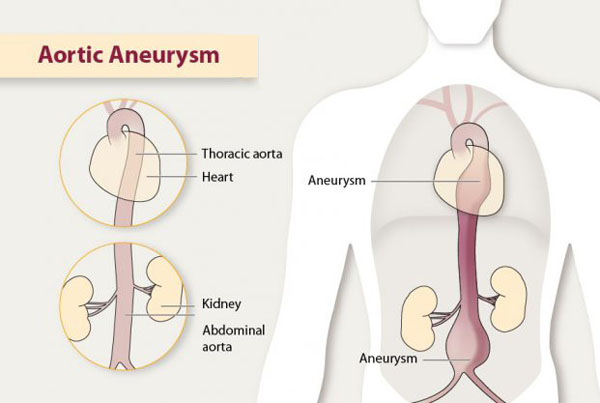
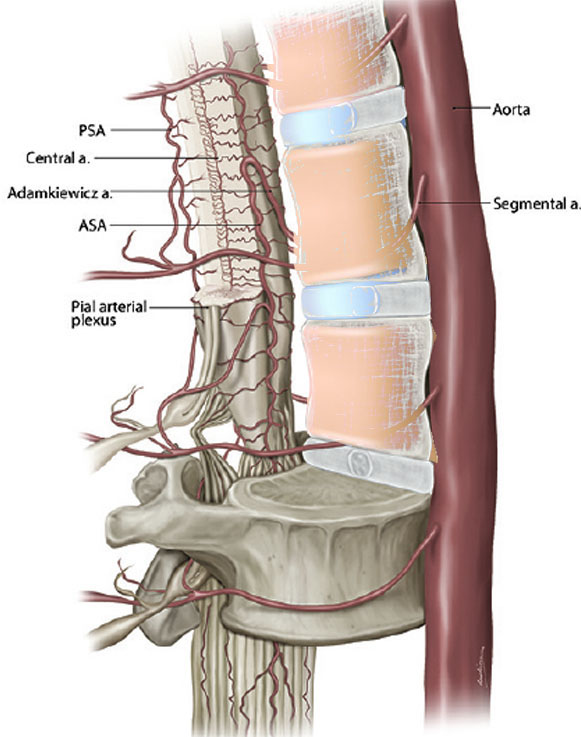
Finding the right sciatica chiropractic specialist to diagnose the cause especially, when it is an abdominal aortic aneurysm can be a challenge. There can cause diagnostic confusion with the root cause never being discovered or identified. Fortunately, Dr. Jimenez is a sciatica specialist with over 30 years of experience in differential sciatica diagnosis, and treatment.
Sciatica Chiropractic Specialist Diagnosis
Diagnostic Tools
Abdominal aneurysms are usually discovered for another ailment like a hernia or for routine tests like an ultrasound of the heart or stomach.Diagnosis of an abdominal aneurysm depends on the condition, medical and family history, and the physical examination. If a doctor or sciatica chiropractic specialist suspects an aortic aneurysm, then specialized tests will help with a confirmation.
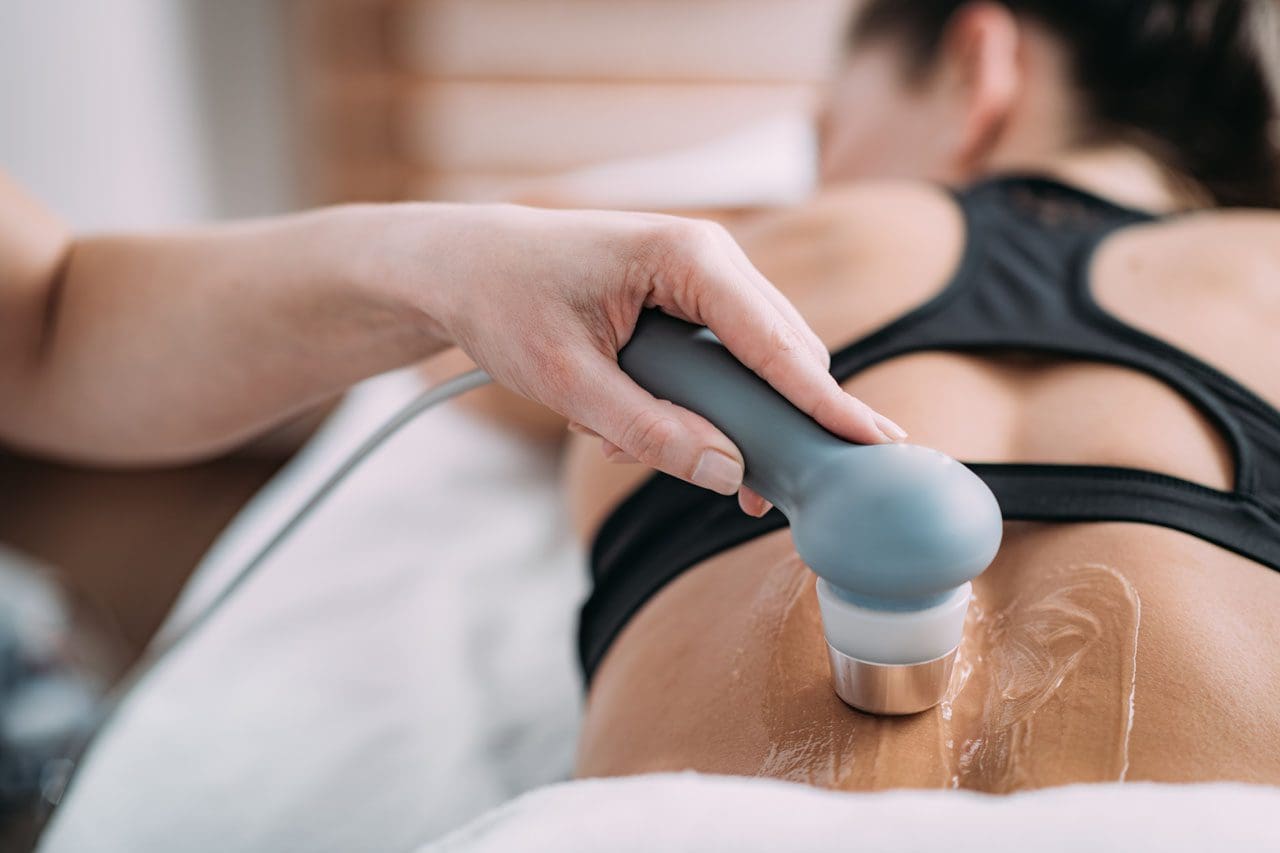
Ultrasonography
The simplest and most used diagnostic test is ultrasonography. It utilizes sound waves for diagnostic purposes that send the recorded images to a monitor. It gives an accurate assessment of the size and location of the aneurysm. The patient will lie on a table while a technician moves a wand around the abdomen.
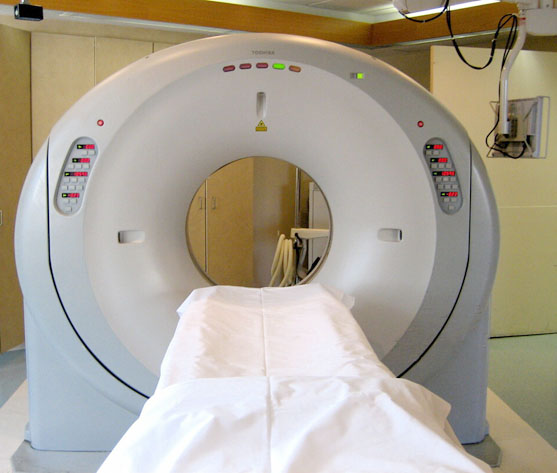
Computed tomography CT scan
This test is often used in conjunction with ultrasonography if more data/info is needed. Usually, this is to determine the exact location of the aneurysm in relation to the visceral or renal arteries. It provides cross-sectional detail with clear images of the aorta and can detect the size and shape. The patient lies on a table inside a machine. A contrast dye could be injected into the blood vessels to make the arteries more visible on the images known as CT angiography.
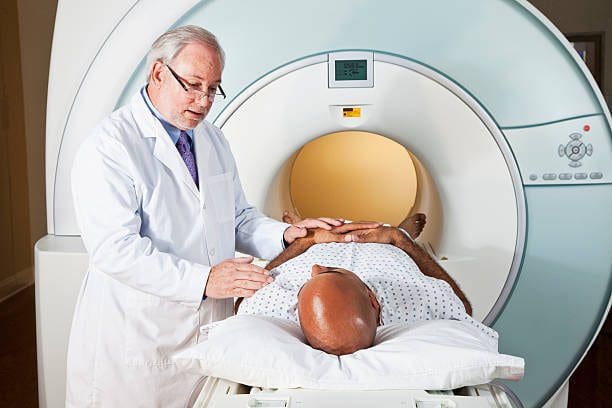
Magnetic Resonance Imaging
Magnetic resonance imaging or MRI uses a magnetic field and radio wave energy pulses to record images of the body. The patient lies on a table that slides into the imaging compartment. Contrast dye can also be injected into the blood vessels to make the images more visible known as magnetic resonance angiography.
Emergency Symptoms
Certain symptoms can indicate an emergency. The conditions are rare, but it is very important to seek medical attention should any of these symptoms present with back pain:
Severe abdominal pain
Fever out of nowhere
Bowel and/or bladder incontinence
Loss of or an unusual sensation in the groin, as well as the legs and possibly into the foot
If back pain presents after an injury medical care is recommended to check for damage/injury to the spine.
Abdominal Aneurysm Symptoms
Abdominal aneurysms often don�t present any symptoms, which is why individuals go through their days unaware, and when back pain does present a doctor may only focus on the back pain symptoms and not the cause, leaving the aneurysm to continue to develop and worsen. Aneurysms do occur in women but are more common in men and those ages 65 and older. The main cause is atherosclerosis which is a hardening of the arteries. But injury and infection can also cause an aneurysm. Those with symptoms can include:
Throbbing pain around the back or side
Deep pain in the back or side
Pain in the buttocks, groin, or legs
Sciatica symptoms
The Sciatic Connection
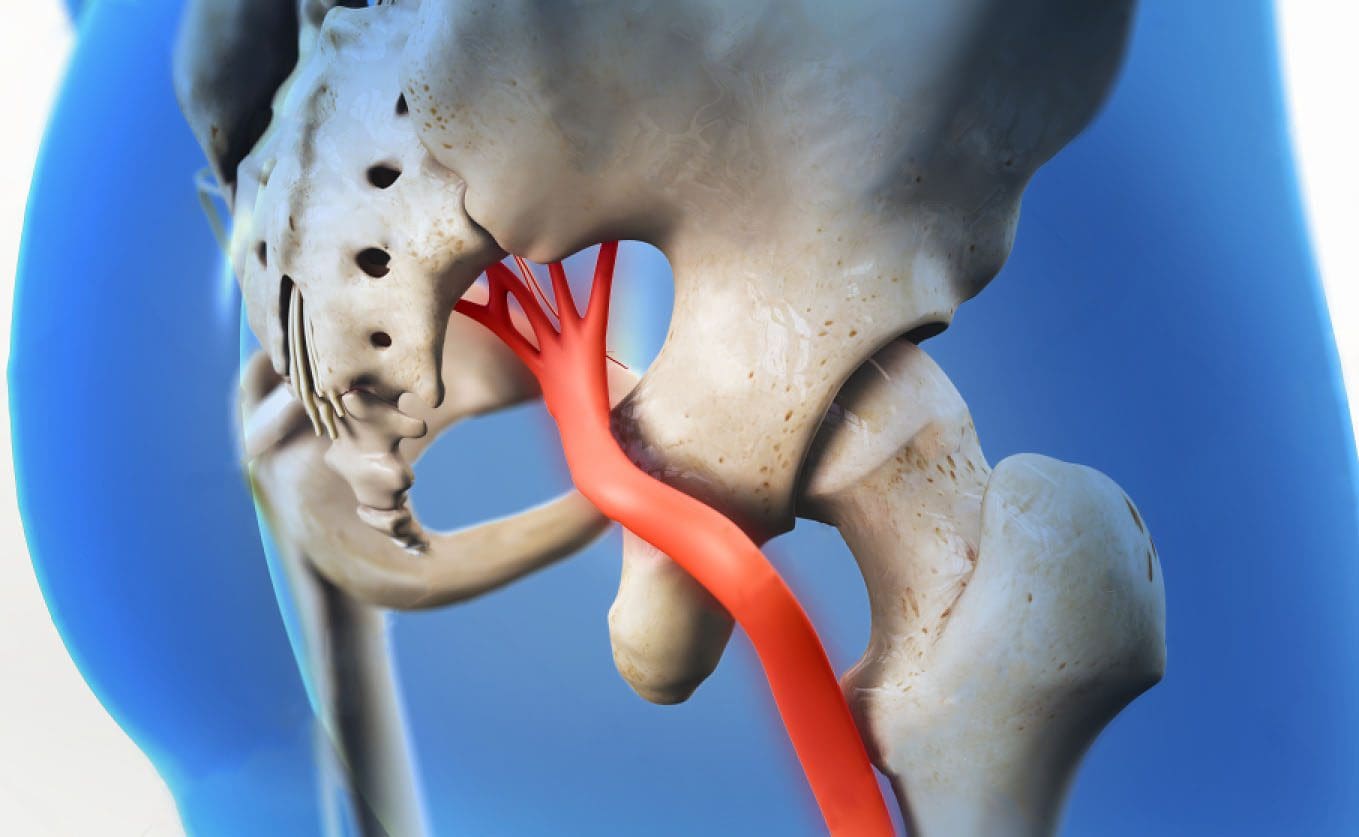
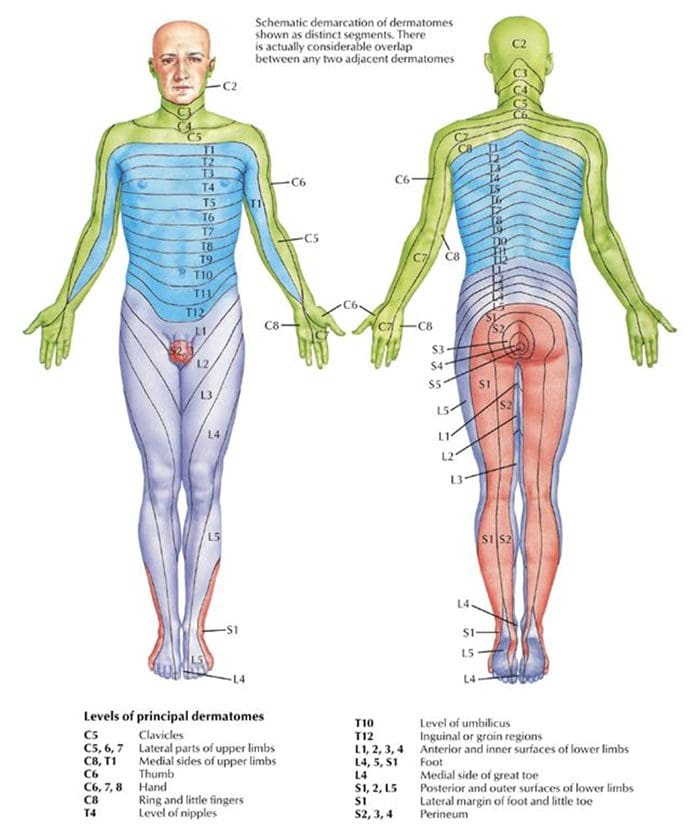
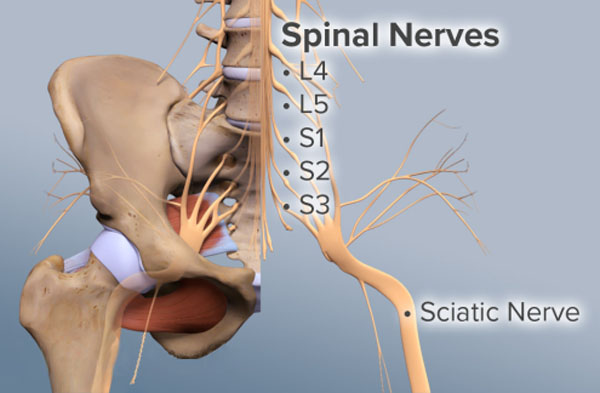
A diagnosis of the root cause of the sciatica is crucial for developing an effective treatment plan to alleviate the sciatic pain. If an aneurysm is present then referring the individual to the proper aortic aneurysm repair specialist is a top priority. If sciatica is suspected, a doctor or chiropractor will review medical history and perform a physical examination. Medical imaging tests and diagnostic nerve blocks could be used if necessary. Sciatica pain usually follows the dermatome or areas of the skin that is supplied by the sciatic nerve. The pain can also include deeper tissues called dynatomes.
Physical examination
During a physical examination, the sciatica chiropractic specialist will look for various responses when:
Straightening the leg with movements that elongate the nerve
Gently pressing the toes or calf area
Seeing if there is any type of pain associated with these movements in the low back, buttock, thigh, leg, and foot
Sciatica Clinical Tests
Two examples of clinical tests for sciatica include:
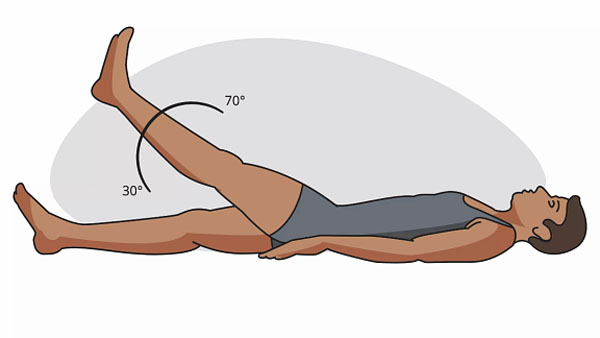
Straight leg raise – SLR
The patient lies on their back and the chiropractor lifts one leg at a time with the other leg remaining flat or bent at the knee. If pain presents while lifting the affected leg this is usually an indication of sciatica.
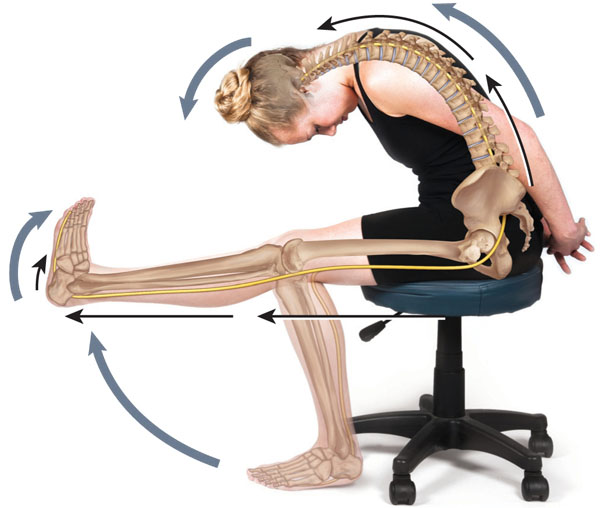
Slump
The patient sits upright with their hands behind their back. The patient then bends/slumps forward at the hips. The neck bends down with the chin touching the chest and one knee is extended as far as possible. If pain occurs in this position, sciatica could be present.
These tests could possibly be positive only when the nerve is mechanically compressed. Other causes like inflammation or chemical irritation of the nerve might not cause pain when performing these tests. This test could also help reveal a possible abdominal aneurysm as abdominal pain could present.
Chiropractic Sciatica Treatment
Manual manipulation improves the alignment of the spine. This technique helps address the underlying condition/s that can cause sciatic nerve pain, like herniated discs or spinal stenosis. Manual manipulation also creates an optimal healing environment. An aortic aneurysm specialist could work with a sciatica chiropractic specialist to help with spinal realignment if the aneurysm caused any kind of shifting or slipping of the discs along with releasing the sciatic nerve if it is compressed.
Massage Therapy
Massage therapy like deep tissue massage can also have benefits. Massage:
Improves blood circulation, which also creates an optimal healing response in the body
Releases toxins in the low back muscles that spasmed or knotted up
Relaxes tight muscles that could be contributing to the pain
Releases endorphins or the hormones that function as the body’s natural pain relievers
Sciatica Pain Chiropractor
Dr. Alex Jimenez�s Blog Post Disclaimer
The scope of our information is limited to chiropractic, musculoskeletal, physical medicines, wellness, and sensitive health issues and/or functional medicine articles, topics, and discussions. We use functional health & wellness protocols to treat and support care for injuries or disorders of the musculoskeletal system. Our posts, topics, subjects, and insights cover clinical matters, issues, and topics that relate and support directly or indirectly our clinical scope of practice.*
Our office has made a reasonable attempt to provide supportive citations and has identified the relevant research study or studies supporting our posts. We also make copies of supporting research studies available to the board and or the public upon request. We understand that we cover matters that require an additional explanation as to how it may assist in a particular care plan or treatment protocol; therefore, to further discuss the subject matter above, please feel free to ask Dr. Alex Jimenez or contact us at 915-850-0900. The provider(s) Licensed in Texas& New Mexico*
A chiropractor, or (DC), is a healthcare professional that focuses on the diagnosis, treatment, and prevention of a variety of health issues associated with the musculoskeletal and nervous system. Dr. Jimenez is a back pain specialist who utilizes chiropractic care to safely and effectively correct any spinal misalignments, or subluxations, which may be causing painful symptoms. Individuals describe how Dr. Jimenez and his staff helped them recover the natural integrity of their spine. These patients recommend Dr. Jimenez as the choice for back pain.
El Paso Back Clinic
We are blessed to present to you�El Paso�s Premier Wellness & Injury Care Clinic.
As El Paso�s Chiropractic Rehabilitation Clinic & Integrated Medicine Center,�we passionately are focused on treating patients after frustrating injuries and chronic pain syndromes. We focus on improving your ability through flexibility, mobility and agility programs tailored for all age groups and disabilities. �
We want you to live a life filled with more energy, positive attitude, better sleep, less pain, proper body weight and educated on how to maintain this way of life. �
Call Us And Let Us Get You Healthy!
If you have enjoyed this video and we have helped you in any way, please feel free to subscribe and recommend�us. �
Approximately 8 out of 10 people will experience sciatica or a sharp electrical surge that painfully runs through the back down to the foot. It can then lead to having numbness in different areas of the back, leg, and foot. Here are two such cases that describe their back pain and their inability to engage in activities. �
Truide discusses how her pregnancy caused her back pain.
Dionicio discusses how truck driving triggered his back pain.
These patients utilized chiropractic care with Dr. Alex Jimenez, DC and are now back on their feet, pain-free and ready to get on with their lives. The El Paso Back Clinic is the place to go for sciatica back pain relief.
El Paso Back Clinic
We are blessed to present to you�El Paso�s Premier Wellness & Injury Care Clinic.
As El Paso�s Chiropractic Rehabilitation Clinic & Integrated Medicine Center,�we passionately are focused on treating patients after frustrating injuries and chronic pain syndromes. We focus on improving your ability through flexibility, mobility and agility programs tailored for all age groups and disabilities. �
We want you to live a life filled with more energy, positive attitude, better sleep, less pain, proper body weight and educated on how to maintain this way of life. �
Only the best for you�
If you have enjoyed this video and we have helped you in any way, please feel free to subscribe and recommend�us. �
IFM's Find A Practitioner tool is the largest referral network in Functional Medicine, created to help patients locate Functional Medicine practitioners anywhere in the world. IFM Certified Practitioners are listed first in the search results, given their extensive education in Functional Medicine