Spinal decompression and Digestion. No one wants to worry about stomach issues. A rich and unhealthy diet can cause digestive issues, stomach pain, and back pain. This can turn into a severe chronic condition; studies have found links between spinal problems and gastrointestinal tract symptoms, which include:
Abdominal pain that radiates.
Constipation.
Difficulty controlling bowel movements.
Diarrhea.
Nausea.
Vomiting.
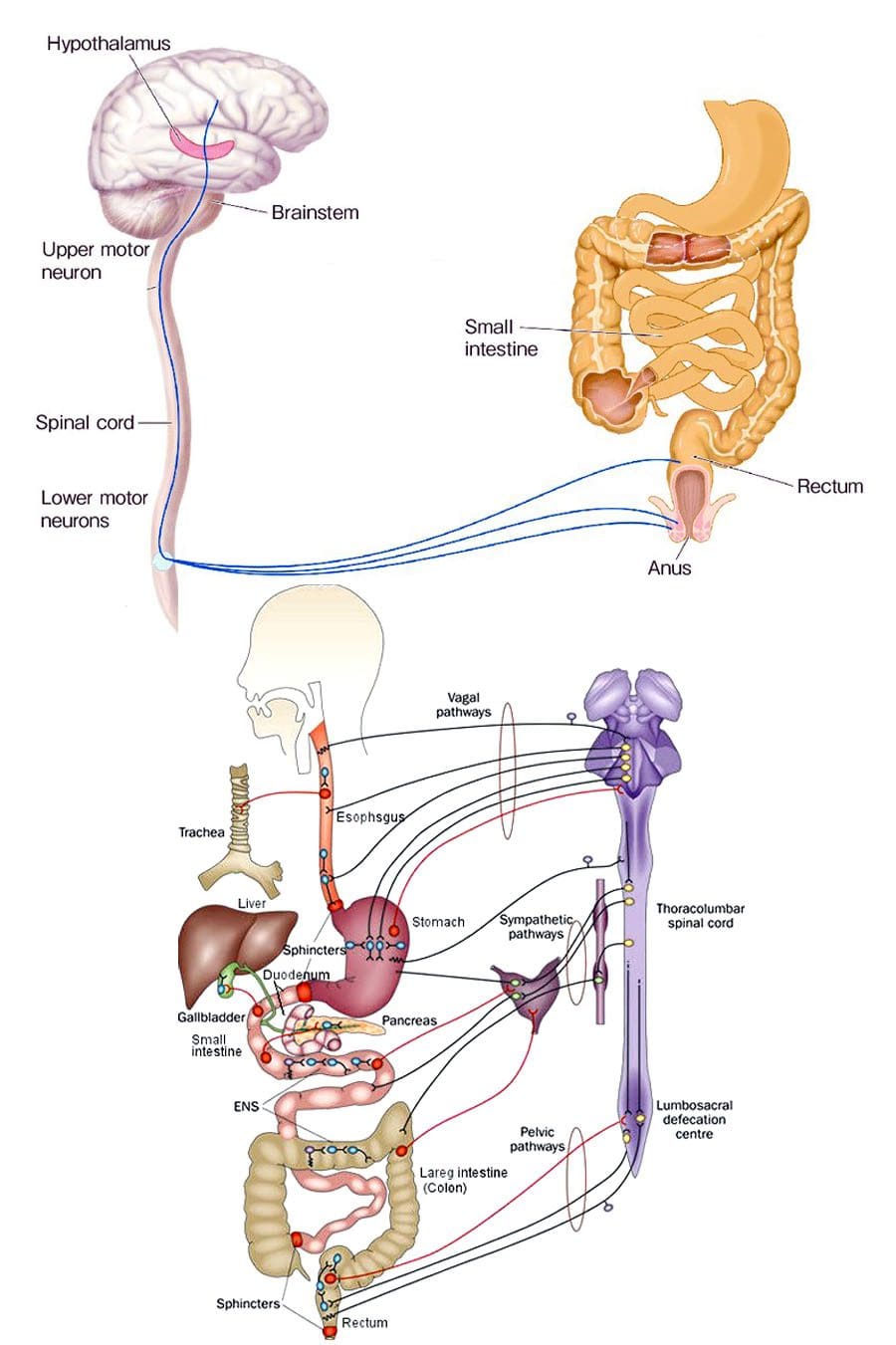
Chiropractic treats the spine that is essential to the function of the central nervous system, which is responsible for digestion. When the nervous system is not functioning correctly, the other systems begin to malfunction. Chiropractic manual and motorized spinal decompression can help with digestion by releasing trapped gas from joints while improving blood circulation that is natural and non-invasive.
Spinal Decompression and Digestion
Spinal alignment and digestion are closely connected. The nerves in the thoracic and lumbar regions affect digestion. When the spine is out of alignment, it stresses the nerves. Nerves that are pinched or constricted are inhibited/disrupted from sending the proper signals to the digestive system. This can lead to new or worsening digestive problems. Spinal conditions that can cause digestive issues:
Herniated discs
Ankylosing spondylosis
Spinal cord injuries
Tumors
Studies have found that digestive issues, including discomfort, heartburn, and bloating, have decreased with regular chiropractic and spinal decompression and decreased constipation and irregular bowel movements. This comes from chiropractic reactivating the body’s natural ability to heal itself.
Increased Circulation
When the spine gets decompressed, it opens up the spine to circulate fluids throughout the body.
This flushes the lymphatic system, increasing the immune system’s function.
Increasing the circulation also provides additional oxygen and nutrients to the brain, improving signaling, memory, and concentration.
Improved Digestion
Poor posture compresses the abdomen and cramps the space the gastrointestinal tract needs to process food properly.
Decompressing the spine and correcting posture allows room for the muscles to contract, expand, and properly circulate waste.
Bowel Program
Treatment focuses on preventing further injuries and helping improve the individual’s quality of life. A doctor, chiropractor, health coach, or nutritionist can recommend a bowel program to help retrain the body to maintain regular bowel movements. These programs are personalized to the individual’s specific condition that takes into account:
Level of the spine injury or condition
Food and drink intake
Bowel movement pattern
Digestive problems
General health
Individual preferences
A bowel program sets up the timing of food intake, fluid intake, medications, and techniques to help bowel movements. The objective is to prevent spontaneous bowel movements, help pass stools regularly, and empty the rectum daily.
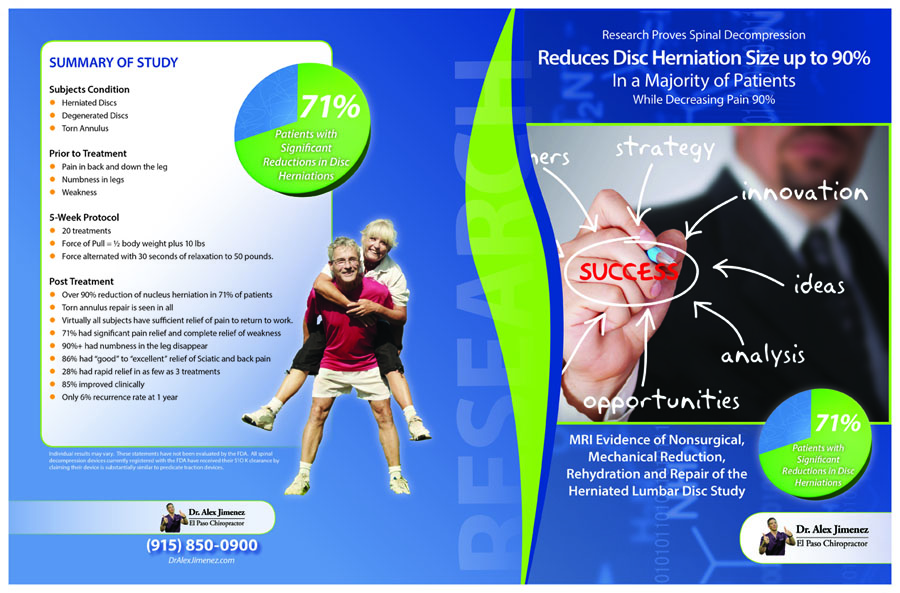
Spinal Decompression Reduced Disc Herniation UP To 90%
DRX9000 Decompression Treatment
References
Browning, Kirsteen N, and R Alberto Travagli. “Central nervous system control of gastrointestinal motility and secretion and modulation of gastrointestinal functions.” Comprehensive Physiology vol. 4,4 (2014): 1339-68. doi:10.1002/cphy.c130055
Holmes, Gregory M, and Emily N Blanke. “Gastrointestinal dysfunction after spinal cord injury.” Experimental neurology vol. 320 (2019): 113009. doi:10.1016/j.expneurol.2019.113009
Kehl, Amy S et al. “Relationship between the gut and the spine: a pilot study of first-degree relatives of patients with ankylosing spondylitis.” RMD open vol. 3,2 e000437. 16 Aug. 2017, doi:10.1136/rmdopen-2017-000437
Lara, Francisco Javier Pérez et al. “Chronic abdominal syndrome due to nervous compression. Study of 100 cases and proposed diagnostic-therapeutic algorithm.” Journal of gastrointestinal surgery: official journal of the Society for Surgery of the Alimentary Tract vol. 19,6 (2015): 1059-71. doi:10.1007/s11605-015-2801-8
Creating a healthy, safe ergonomic work environment is important to protect your back, neck and whole body. Just by taking simple breaks and enhancing your workspace with a sit-stand desk will protect your spine and general health.
Break Taking
Working in the same position and using the same muscles, joints, and ligaments for hours is not good for any part of your body. Ergonomists are lifestylescientists that design spaces/equipment/tools to reduce discomfort, fatigue, and injury, agree that taking frequent and brief rest breaks is essential for total and optimal body health. And, it�s not just your legs that need a break every now and then.
At work, start practicing:
Eye breaks:Looking at the computer screen for a long time changes how the eyes work. What happens is you blink less and expose the eyes to the air. Therefore, every 15 minutes look away from the screen for a minute or two to a distant area that is at least 20 feet away or further. This allows the muscles in the eye to relax. Also, blink your eyes real quick for a few seconds. This refreshes the tear ducts and clears dust from the surface of the eyes.
Micro-breaks: These are breaks that are less than two minutes and perfect to utilize between office jobs. Most people work in bursts rather than continuously. So in between these bursts�take a rest in a:
Relaxed
Flat
Straight posture
These breaks are short but perfect for stretching, standing up, and moving around, or switching to a different task like making a phone call or making some copies, etc. These types of breaks are a break from using the same set of muscles over and over.
Rest breaks: These you want to do every 30 to 60 minutes. This is the break to, get up, move around, and do something else non-office related. Go get a beverage, quick conversation with a coworker, or take a walk around the office or building. As long it’s within reason. This allows your body and mind to empty and workout different muscles. Practice this and the feeling of tiredness will be a thing of the past.
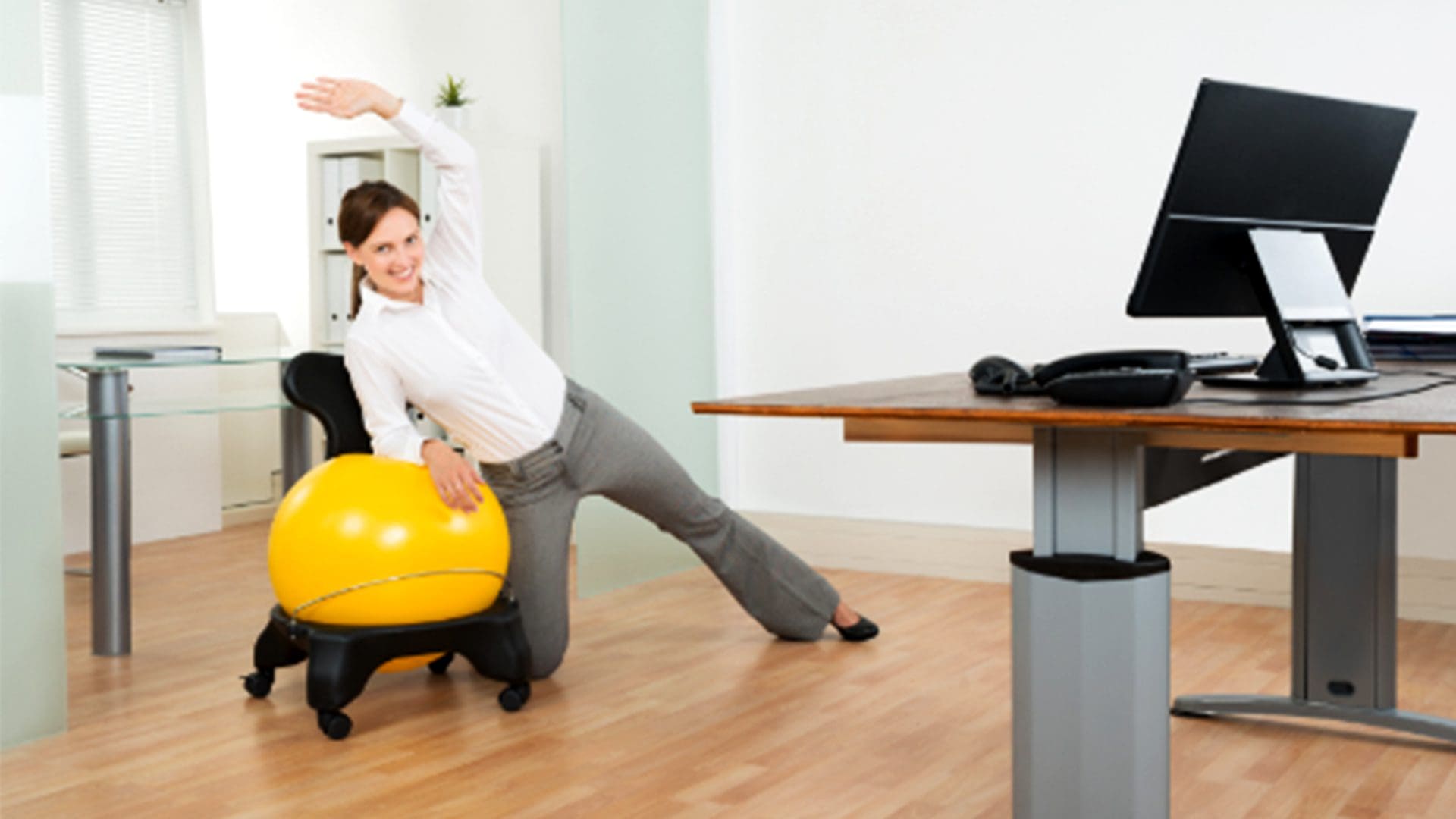
Exercise breaks: This is purely a stretching and gentle exercise break to do to relieve muscle fatigue. These should be done every one to two hours.
Ergonomic software: It is easy to lose track of how long you’ve been working. There is software that monitors how long you’ve been on the computer and will alert you to take a break at different intervals and offer easy ergonomic exercises to keep your muscles loose and in top office shape.
Ergonomic Products
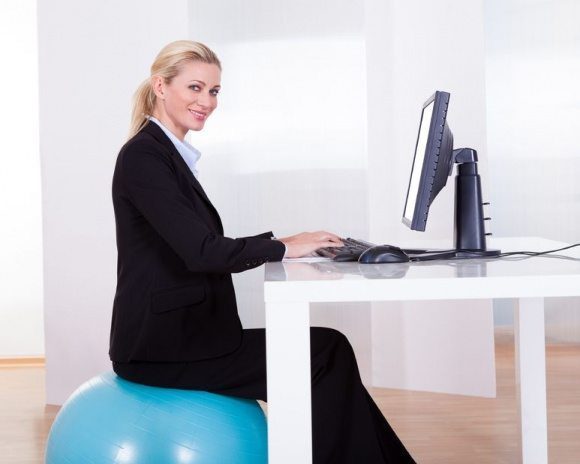
There are plenty of products out there to improve your workplace environment and promote top spine health. Consider an ergonomic chair, computer accessories, or sit-stand desk to help maintain proper posture.
These products can be adjusted and customized to your needs. They encourage healthy long-term habits that can reduce and prevent various types of injuries. Sit-to-stand desks allow transition from sitting to a standing position. Varying your posture throughout the day is highly beneficial to general health and even helps to burn extra calories.
These ergonomic products are for creating a healthy/safe work environment. Therefore take some time to research the product you are interested in before buying.� Here are a few questions to think about:
Do the manufacturer’s claims make sense or are too good to be true?
Is there evidence that can support their claims?
Is it a cheap knock-off? Knock off products should be avoided as they can worsen and create more injuries. However, when it comes to the brand name products, don’t go for the fully loaded models that could cost quite a bit, instead find something in the middle but that still meets ergonomic standards.
Are you comfortable using the product?
What do experts/reviews say about the product? If it’s not recommended then don’t use it.
Some products can feel strange or uncomfortable because they make you change the way you work. Don’t panic, as this is the point of the product that you have to get used to. But it will be beneficial to your overall health. However, if a product continues to feel uncomfortable or causes pain after short use, then discontinue using and try something else.
Improving spinal health and hygiene at work is as simple as taking breaks for light stretching, walking around, and utilizing ergonomic office products to stay fit and injury-free. Whatever you choose, understand how your back and neck are moving/functioning during the workday/night by using ergonomic practices that will keep your body/mind healthy and prevent office injuries.
Control *FOOT MOTION & POSTURE* with Functional Foot Orthotics | El Paso, Tx (2019)
NCBI Resources
Ergonomics is a scientific discipline that�s been in existence for many years. Keeping their work environments safe and efficient and traditionally concerned with factory workers, ergonomic professionals have expanded their work to include all types of workers from laborers to seniors to office workers & students.
It looks for means to improve our environment to lower the risks of illness and harm, enhance productivity, and improve the caliber of our work life.
IFM's Find A Practitioner tool is the largest referral network in Functional Medicine, created to help patients locate Functional Medicine practitioners anywhere in the world. IFM Certified Practitioners are listed first in the search results, given their extensive education in Functional Medicine