The muscles in the body help provide motion and protect the skeletal joints from harm. Each muscle group has ligaments, tissues, and muscle fibers that retract, stretch, and contract the body while helping the host to do everyday movements, breath, digest food, stabilize, and even rest. When a person is dealing with pain from a traumatic event or making repetitive motions, it can affect the muscles over time. Factors like not drinking enough water, constantly looking down on the phones, and being hunched over can cause strain on the muscles, causing overlapping pain on top of other chronic issues that may develop. When the muscles begin to cause pain along the shoulders and neck, it can become a risk of developing trigger points in the levator scapulae muscles. Today’s article examines the levator scapulae muscles, how trigger points affect these muscles, and how treatments can help manage the trigger points on the levator scapulae muscles. We refer patients to certified providers who specialize in musculoskeletal treatments to aid individuals suffering from trigger points associated with the neck and shoulders affecting the levator scapulae muscles. We also guide our patients by referring them to our associated medical providers based on their examination when appropriate. We ensure to find that education is the solution to asking our providers insightful questions. Dr. Jimenez DC observes this information as an educational service only. Disclaimer
What Is The Levator Scapulae?
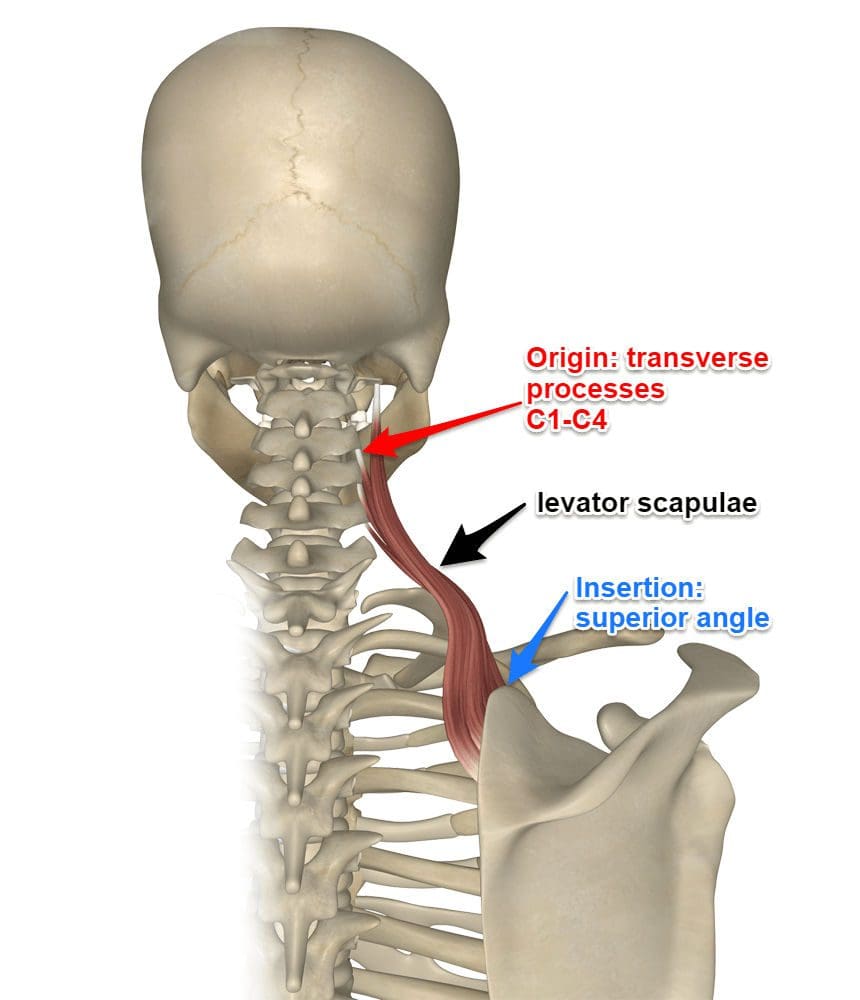
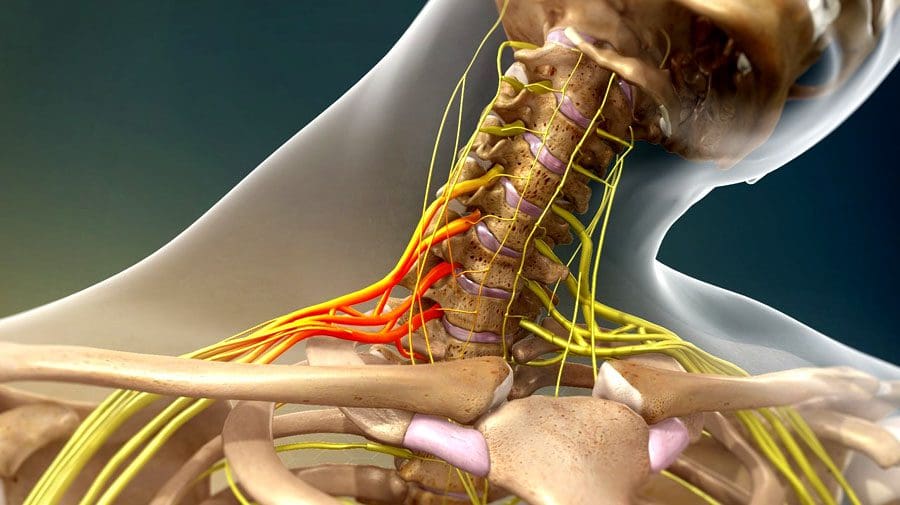
Have you been dealing with pain along the neck or shoulders? Do you feel stiffness when turning your head from side to side? Or do you feel tenderness in the base of your neck and shoulders? Many individuals with shoulder and neck pain risk developing trigger points along the levator scapulae. The levator scapulae muscles originate from the posterior tubercles of the C1 through C4 vertebrae in the neck that is between the superior angle and the root of the scapulae spine. This superficial muscle’s primary function is to elevate the scapulae or the shoulder blades while working together with the trapezius and rhomboid muscles to assist the movement. The levator scapulae muscles also assist in providing neck extension, ipsilateral rotation, and lateral flexion. When pathologies like fibromyalgia, levator scapulae syndrome, or cervical myofascial pain begin to affect the levator scapulae muscles, the symptoms can potentially involve the shoulders and neck to cause referred pain to the upper extremities.
How Trigger Points Affect The Levator Scapulae?
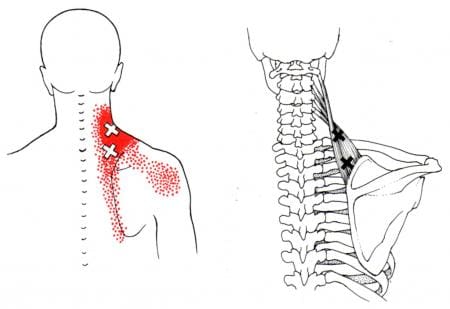
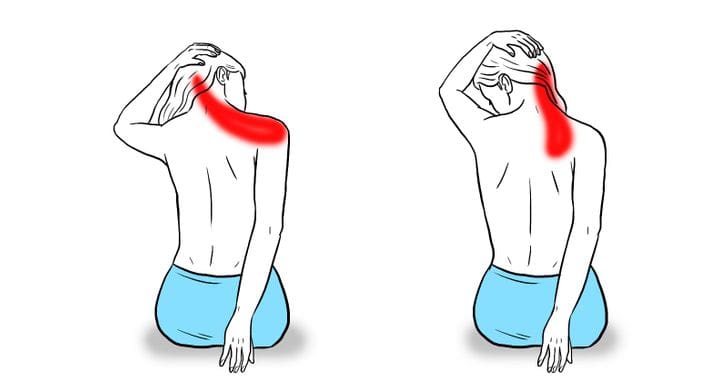
Many individuals with shoulder and neck pain have described radiating pain from their neck to their shoulders. Known as referred pain, the pain is located in one area of the body but in a different location. Studies reveal that when pain radiates from the neck and shoulders, any movements that are overstretching the levator scapulae can aggravate overlapping symptoms on the affected side. This allows small nodules to form along the levator scapulae muscle fibers, causing trigger points to affect the shoulder and neck muscles.
Trigger point associated with the levator scapulae muscles causes the individual to have pain-like symptoms in the neck that causes muscle stiffness. This causes an emphasis on referred pain symptoms from the levator scapulae, like neck tension and restriction of range of motion on the neck. Studies reveal that pain over the superior angle of the levator scapulae is a common musculoskeletal disorder that is often accompanied by radiating pain on the neck, head, and shoulders. Some of the ways that trigger points form along the levator scapulae muscle can be due to ordinary factors like:
Stress
Posture
Over-exercising
Upper respiratory infections
Some of these factors above can shorten the levator scapulae muscle and restrict muscle movement to provide a full range of motion for the head and neck to turn. To that point, treatments are available to help loosen up and stretch the levator scapulae muscles to allow rotation and flexion on the neck and shoulders.
Trigger Points Anatomy On The Levator Scapulae- Video
Have you been dealing with stress that is affecting your neck and shoulders? Have you been dealing with neck stiffness when turning your head? Or have you been feeling muscle tenderness between the neck and shoulders? Some of these symptoms are associated with trigger points affecting the levator scapulae muscles between the neck and shoulder. The video above overviews common trigger points and how they affect the levator scapulae, causing shoulder and neck pain. Since the levator scapulae muscles lay behind the trapezius muscle, studies reveal that trigger points or myofascial pain syndrome can cause hyperirritability in the muscle tissues and affect mobility functions in the nerve ends. Even though referred pain affects the neck and shoulder of the body, treatments are available to manage trigger points on the levator scapulae and relieve neck and shoulder pain.
Treatments To Manage Trigger Points On The Levator Scapulae
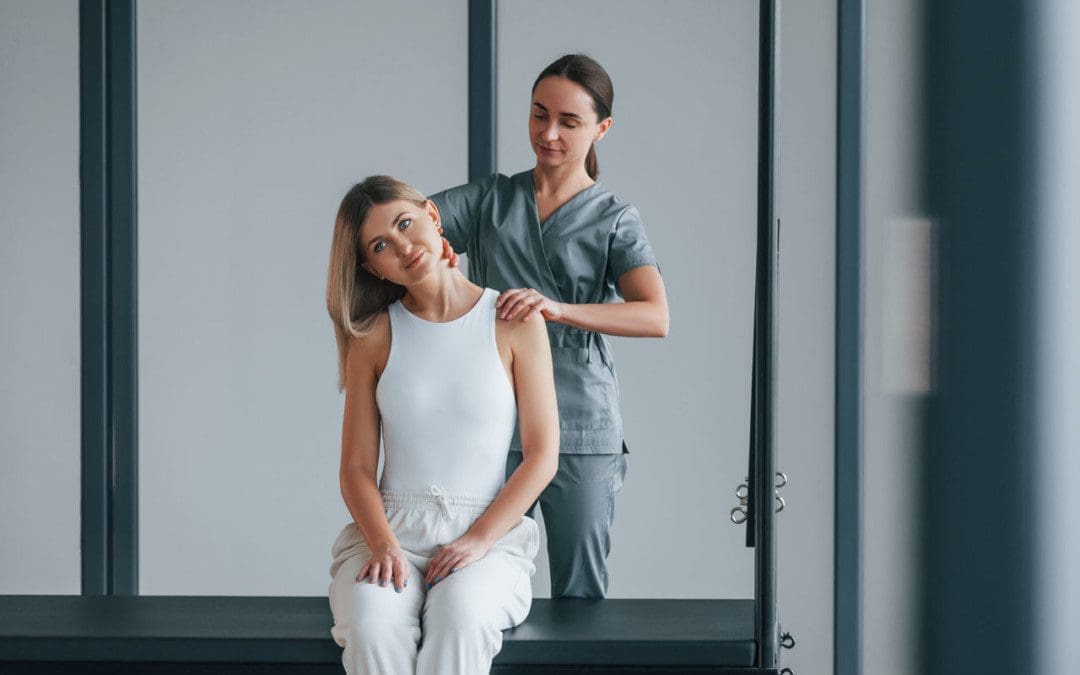
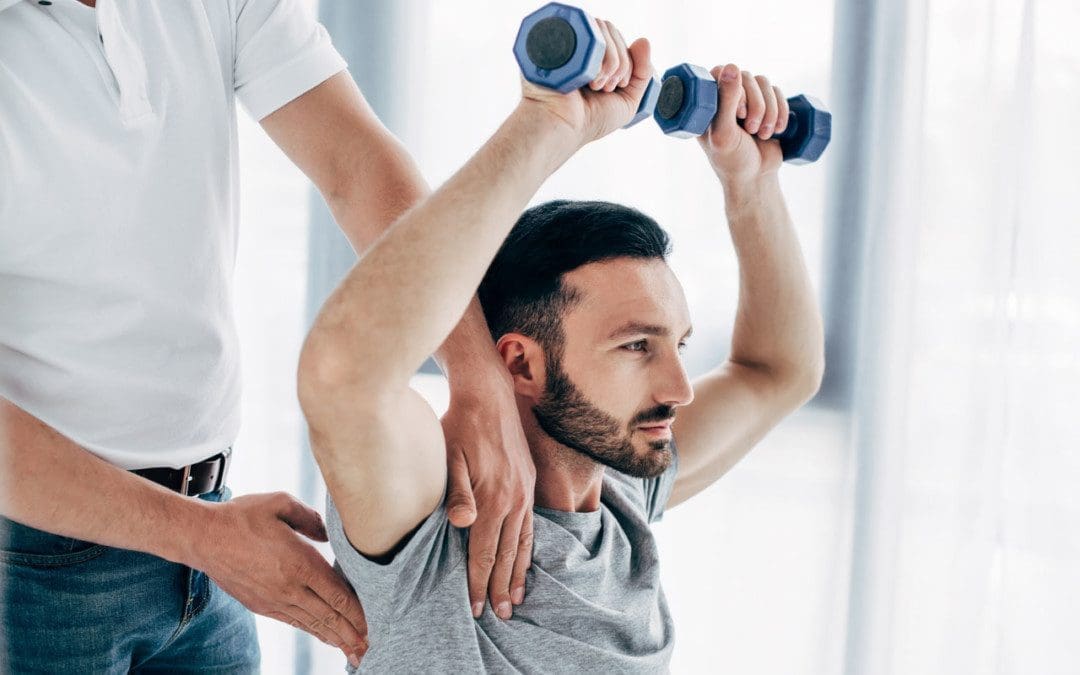
When there is trigger point pain affecting the levator scapulae, some common complaints that many individuals often complain about are neck and shoulder pain. However, various ways can alleviate the pain symptoms from the neck and shoulders while managing trigger points associated with the levator scapulae. Studies reveal that stretching the levator scapulae muscle in a seated position can improve muscle length along the levator scapulae and the cervical range of motion. Stretching the levator scapulae muscle can help reduce the pain along the levator muscle. To that point, it even helps reduce muscle imbalances and movement dysfunction along the cervical joints. Many individuals are referred to pain specialists like chiropractors by their doctors to reduce pain and functionality disability in the neck and realign the spine to loosen up the stiff muscles caused by subluxation. Realigning the cervical spine and stretching can reduce future trigger points and reduce pain symptoms from affecting the muscle.
Conclusion
The levator scapulae muscles in the body provide movement functionality to the neck and shoulders. The levator scapulae work together with the trapezius and rhomboid muscles to elevate the shoulder blades and assist with neck extension, ipsilateral rotation, and lateral flexion. When pathologies affect the levator scapulae muscles, they can develop trigger point pain along the muscle and cause neck and shoulder pain. The factors that cause trigger point pain can either be ordinary or traumatic and cause referred pain to the neck and shoulders. Fortunately, treatments like stretching and adjustments can help reduce the pain and loosen up stiff muscles along the levator scapulae. This will allow a cervical range of motion back to the neck and shoulder and elongate the levator scapulae.
References
Akamatsu, Flávia Emi, et al. “Trigger Points: An Anatomical Substratum.” BioMed Research International, Hindawi Publishing Corporation, 2015, https://www.ncbi.nlm.nih.gov/pmc/articles/PMC4355109/.
Henry, James P, and Sunil Munakomi. “Anatomy, Head and Neck, Levator Scapulae Muscles.” In: StatPearls [Internet]. Treasure Island (FL), StatPearls Publishing, 13 Aug. 2021, https://www.ncbi.nlm.nih.gov/books/NBK553120/.
Jeong , Hyo-Jung, et al. “Stretching Position Can Affect Levator Scapular Muscle Activity, Length, and Cervical Range of Motion in People with a Shortened Levator Scapulae.” Physical Therapy in Sport : Official Journal of the Association of Chartered Physiotherapists in Sports Medicine, U.S. National Library of Medicine, 4 Apr. 2017, https://pubmed.ncbi.nlm.nih.gov/28578252/.
Kulow, Charlotte, et al. “Levator Scapulae and Rhomboid Minor Are United.” Annals of Anatomy = Anatomischer Anzeiger : Official Organ of the Anatomische Gesellschaft, U.S. National Library of Medicine, Aug. 2022, https://pubmed.ncbi.nlm.nih.gov/35367623/.
Menachen, A, et al. “Levator Scapulae Syndrome: An Anatomic-Clinical Study.” Bulletin (Hospital for Joint Diseases (New York, N.Y.)), U.S. National Library of Medicine, 1993, https://pubmed.ncbi.nlm.nih.gov/8374486/.
Sports exercise headaches are exertion headaches that involve pain during or immediately after sports, exercise, or some physical activity. They come on quickly but can last a few minutes, hours, or days. Activities associated with exercise headaches include running, weightlifting, tennis, swimming, and rowing. Chiropractic, massage, decompression, and traction therapies can realign the body and relax the muscles allowing for optimal circulation and certain strategies to help prevent future episodes. Usually, there is no underlying disease or disorder, but it is recommended to talk to a healthcare provider to make sure.
Sports Exercise Headaches
When individuals exert their bodies intensely, they need added blood and oxygen, particularly with activities that involve tightening/tensing the abdominal muscles or increasing chest pressure. Doctors and scientists believe an exertional headache occurs when intense physical activity causes the veins and arteries to expand to circulate more blood. The expansion and increased blood circulation generate pressure in the skull that can cause pain.
Alternate Triggers
Exercising is not the only cause; other physical activities that can trigger an exertion headache include:
Sneezing
Coughing
Straining to use the bathroom
Sexual intercourse
Lifting or moving a heavy object
Symptoms
Symptoms of a sports exercise headache include:
Neck stiffness or pain
Pain on one or both sides of the head
Pulsating pain discomfort
Throbbing pain discomfort
Shoulder tightness, discomfort, and/or pain
Sometimes individuals report the headache can feel like a migraine that could include:
Vision problems like blind spots
Nausea
Vomiting
Light sensitivity
Most exercise headaches last five to 48 hours and can continue for three to six months.
Diagnosis
An underlying disease or disorder does not cause most exertional headaches. However, individuals experiencing severe or frequent headaches should consult their doctor or a healthcare provider. Tests will be ordered to rule out possible causes that include:
MRI will take computer-generated images of the brain.
A spinal tap/lumbar puncture takes a sample of fluid from the spine for testing.
If there is no underlying cause found, the medical provider can diagnose exertion headaches if there have been at least two headaches that:
Were caused by exercise or physical activity.
Started during or after the physical activity.
Lasted less than 48 hours.
Chiropractic Treatment
According to the American Chiropractic Association, spinal adjustments are an effective headache treatment option. This includes migraines, tension headaches, or sports exercise headaches. Using the targeted approaches, chiropractic restores the body’s natural alignment to improve function and alleviate stress on the nervous system. This allows the body to operate at optimal levels reducing muscle stress and muscle tension.
DOC Decompression Table
References
American Migraine Foundation. Secondary Headaches. (https://americanmigrainefoundation.org/resource-library/secondary-headaches/) Accessed 11/17/2021.
Evans, Randolph W. “Sports and Headaches.” Headache vol. 58,3 (2018): 426-437. doi:10.1111/head.13263
International Headache Society. HIS Classification ICHD-3. (https://ichd-3.org/other-primary-headache-disorders/4-2-primary-exercise-headache/) Accessed 11/17/2021.
McCrory, P. “Headaches and exercise.” Sports medicine (Auckland, N.Z.) vol. 30,3 (2000): 221-9. doi:10.2165/00007256-200030030-00006
National Headache Foundation. Exertional Headaches. (https://headaches.org/2007/10/25/exertional-headaches/) Accessed 11/17/2021.
Ramadan, Nabih M. “Sports-related headache.” Current pain and headache reports vol. 8,4 (2004): 301-5. doi:10.1007/s11916-004-0012-1
Trotta K, Hyde J. Exercise-induced headaches: prevention, management, and treatment. (https://www.uspharmacist.com/article/exerciseinduced-headaches-prevention-management-and-treatment) U.S. Pharm. 2017;42(1):33-36. Accessed 11/17/2021.
The body’s nerves are the communication system that carries messages between the brain and the rest of the body. Some nerves transmit messages from the brain to muscles to make the body move, while others relay pain, pressure, or temperature signals. Tiny fibers bundled inside each nerve carry the messages with an outer layer/sheathing that insulates and protects the nerves. The brachial plexus is a network of nerves that send signals from the spinal cord to the shoulders, arms, and hands. A brachial plexus nerve injury occurs when the nerves are over-stretched, compressed, torn, cut, or ripped from the spinal cord.
Brachial Plexus Nerve Injury
The injury involves the head or neck hitting or getting hit and shifting to one side while the shoulder is stretched/pulled in the opposite direction.
Minor brachial plexus injuries are commonly known as stingers or burners and are common in sports like football, wrestling, hockey, soccer, and basketball.
Severe brachial plexus injuries can cause arm paralysis and usually result from vehicle or motorcycle accidents.
Other conditions like inflammation or tumors can affect the brachial plexus.
Sometimes babies can sustain brachial plexus injuries during birth.
Pressure and stretching injuries do not physically sever the nerve but can disrupt communication.
Cutting injuries vary depending on the severity of the cut and because the nerves are in a protective canal that can also be fractured or broken. If the canal remains intact, the nerve fibers could grow back with time.
However, surgery is necessary to repair the damage if the canal is broken.
Signs and symptoms of a brachial plexus nerve injury can vary, depending on the severity and location of the injury. Usually, only one arm is affected.
Minor Injuries
Minor damage comes from over-stretching or mild compression.
An electric or burning sensation shoots down the arm.
Numbness and weakness in the arm.
Neck pain.
These symptoms usually last for a few seconds or minutes but can linger for days or longer.
Severe Injuries
More-severe symptoms result from injuries that impact, tear, or rupture the nerves.
The most severe injury occurs when the nerve root is torn from the spinal cord.
Symptoms include:
Intense pain.
Writhing neck pain.
Weakness or inability to use specific shoulder, arm, and/or hand muscles.
Complete lack of movement and feeling in the shoulder, arm, and/or hand.
Symptoms in both arms.
Complications
With time, most brachial plexus injuries in children and adults heal with minimal long-term damage. But some injuries can cause long-lasting problems that include:
Joint Stiffness
The joints can stiffen, making movement difficult.
Healthcare providers often recommend ongoing chiropractic and physical rehabilitation during recovery.
Atrophy
Nerves regrow slowly and can take some time to completely heal after the injury.
During that time, lack of use can cause the muscles to break down.
Chronic Pain
Nerve damage can cause pain signals to be constantly firing.
Numbness
It can occur in the arm or hand, increasing the risk of worsening the injury or causing new injuries.
Disability
Recovery from a severe brachial plexus injury depends on age, damage, location, and severity.
Even with surgery, individuals can experience long-term muscle weakness or paralysis.
Chiropractic Treatment and Rehabilitation
Treatment depends on the severity of the damage. Chiropractic can help realign, rehabilitate, stretch, and strengthen the muscles, nerves, tendons, joints, and ligaments to expedite recovery. For less severe injuries:
Muscle strengthening and posture exercises help maintain motion.
Therapeutic massage will stimulate circulation and keep the muscles loose.
For severe injuries:
Surgery
Continued chiropractic and physical rehabilitation to maintain thorough circulation, range of motion, and relaxed muscles.
The Brachial Plexus
References
Brucker, J et al. “Brachial plexus birth injury.” The Journal of neuroscience nursing: Journal of the American Association of Neuroscience Nurses vol. 23,6 (1991): 374-80. doi:10.1097/01376517-199112000-00006
Gutkowska, Olga, et al. “Brachial plexus injury after shoulder dislocation: a literature review.” Neurosurgical review vol. 43,2 (2020): 407-423. doi:10.1007/s10143-018-1001-x
Joyner, Benny, et al. “Brachial plexus injury.” Pediatrics in review vol. 27,6 (2006): 238-9. doi:10.1542/pir.27-6-238
Noland, Shelley S et al. “Adult Traumatic Brachial Plexus Injuries.” The Journal of the American Academy of Orthopaedic Surgeons vol. 27,19 (2019): 705-716. doi:10.5435/JAAOS-D-18-00433
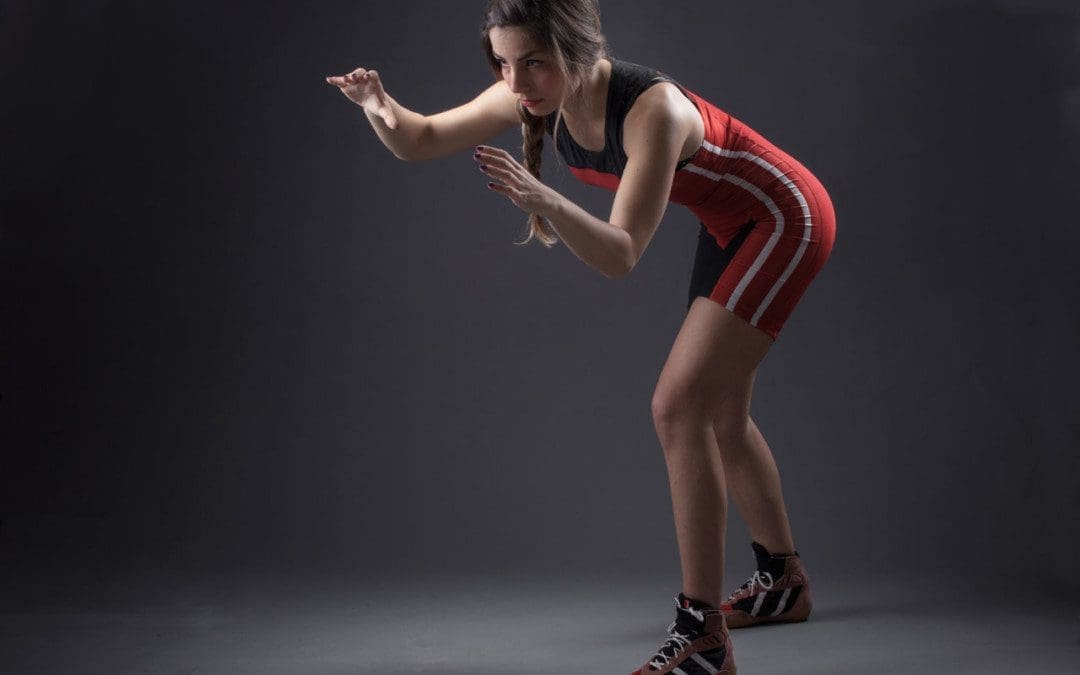
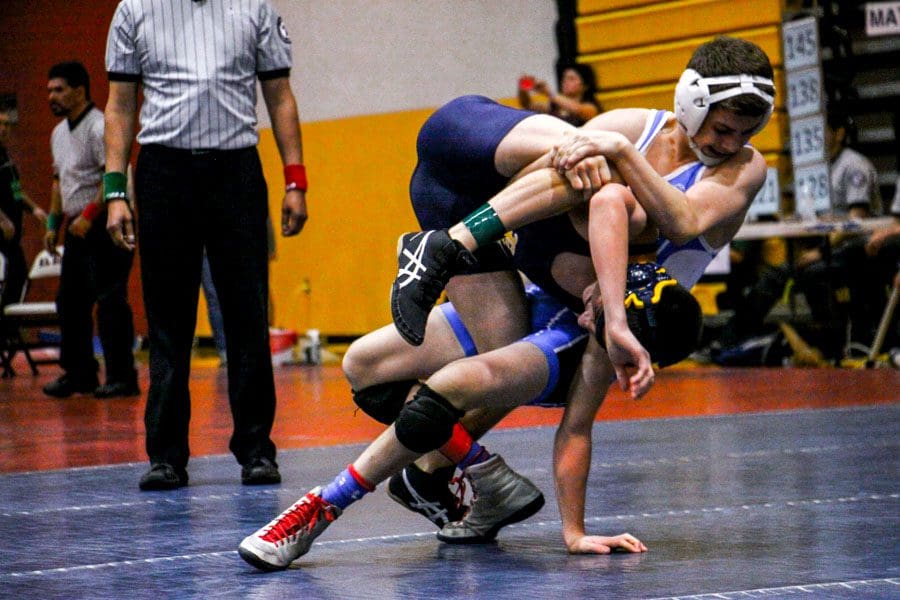
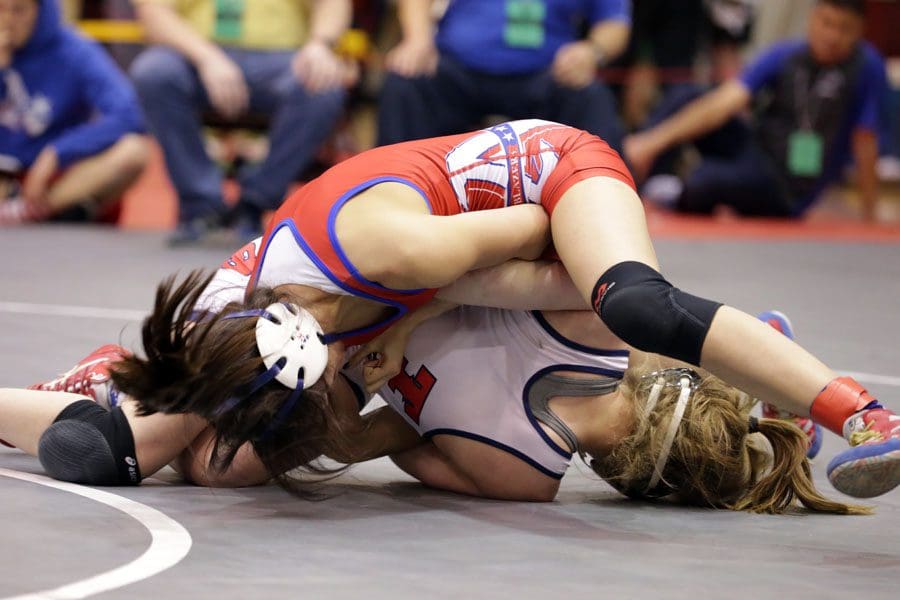
Wrestling is a sport that requires speed, strength, and endurance that involves intense physical contact, pushing and pulling the muscles, tendons, ligaments, and joints to their limits. Wrestlers’ are constantly contorting their bodies. Pushing the body to its limits increases the risk of developing wrestling injuries that include:
The most common injuries usually occur from forceful contact or twisting forces. And if a wrestler has been injured, there is an increase for re-injury. Wrestling tournaments typically take place over days, often with back-to-back matches, which significantly fatigues the body and increases injury risk. The most common wrestling injuries include:
Muscle strains of the lower extremities and/or the back.
Chronic problems can result from hours in the forward stance posture and repetitive motions.
Dislocations and sprains of the elbow or shoulder from take-downs.
Cauliflower ear – is a condition that can cause ear deformity and develops from friction or blunt trauma to the ears.
Skin infections occur from constant contact, sweating, bleeding, and rolling on the mats. Infections include herpes gladitorium, impetigo, folliculitis, abscesses, and tinea/ringworm.
Concussions are usually caused by hard falls/slams or violent collisions with the other wrestler.
Injuries can cause wrestlers to alter/change their technique, exacerbating the existing damage and potentially creating new injuries.
Chiropractic Rehabilitation and Strengthening
There can be a variety of pain generators/causes when it comes to wrestling injuries. Joints and muscles can get overstretched, muscles can spasm, and nerves can become compressed and/or irritated. For example, a neck muscle spasm could be caused by nerve irritation from a shifted vertebrae. To determine the specific cause or causes of the injury/pain, a detailed chiropractic examination will be performed that includes:
Range of motion testing
Ligament tests
Muscle palpation
Gait testing
Injuries often relate to the proper weight, neuromuscular control, core strength, proper technique, hygiene, and hydration management. Successful treatment depends on identifying the root cause of the wrestling injury. Chiropractic restores proper alignment through massage, specific manual adjustments, decompression, and traction therapies. Adjustments can include the back, neck, shoulder, hips, elbows, knees, and feet. Once correct body alignment is achieved, rehabilitative exercises and stretches are implemented to correct and strengthen muscle function. We work with a network of regional medical doctors specializing in referral situations and strive to return the athlete to their sport as soon as possible.
Wrestling Match
References
Boden, Barry P, and Christopher G Jarvis. “Spinal injuries in sports.” Neurologic clinics vol. 26,1 (2008): 63-78; viii. doi:10.1016/j.ncl.2007.12.005
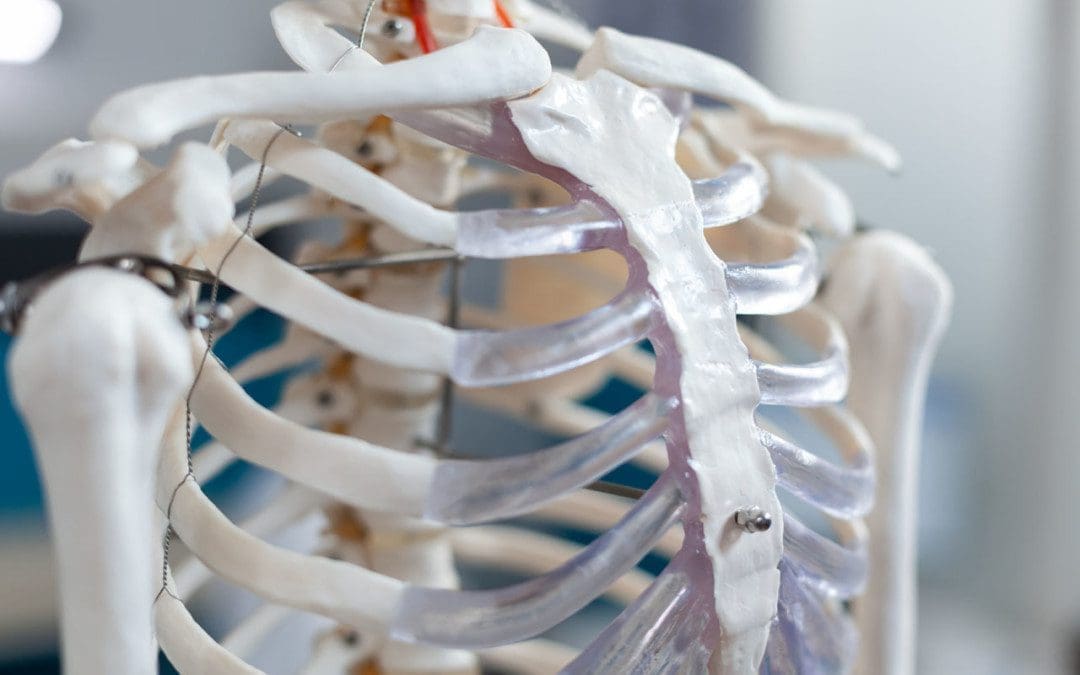
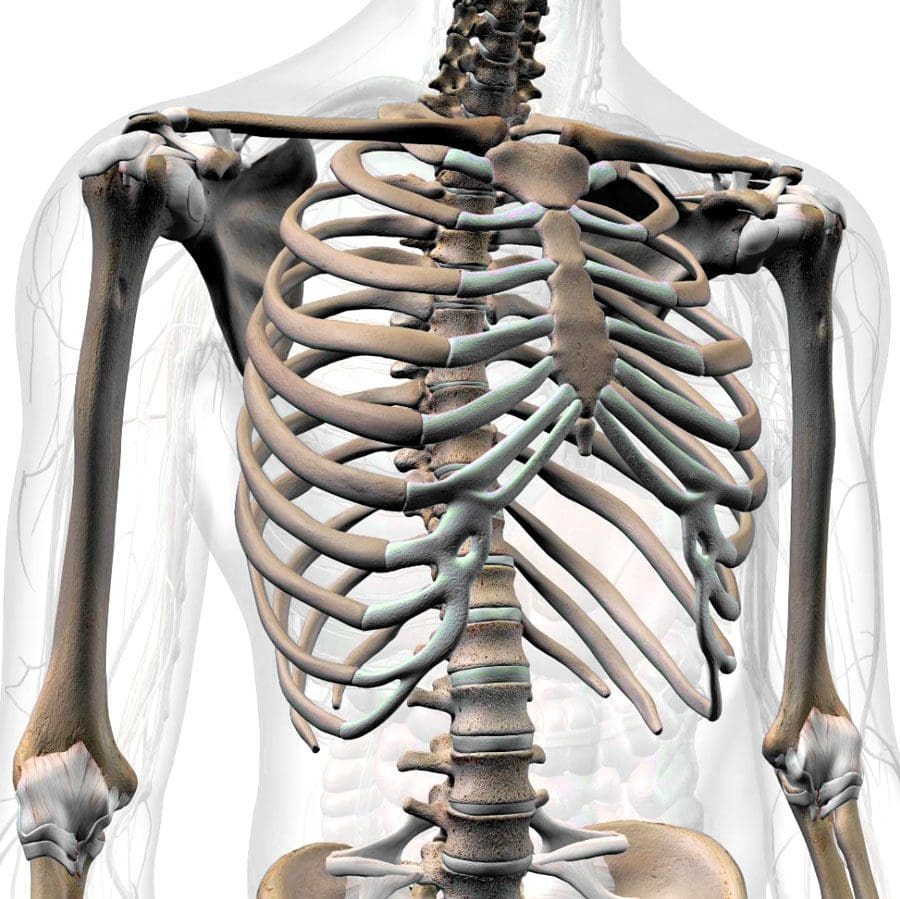
The ribs are designed to protect the lungs and heart and assist breathing. Twenty-four ribs start at the shoulders in the thoracic spine region and run down the mid-back covering the front, back, and side of the chest. Almost all ribs are attached in two places, including the spine in the back and the sternum in the front of the chest, by cartilage joints. Trauma, poor posture, intense coughing, sneezing, and heaving are a few factors that can cause mechanical rib dysfunction or rib misalignment.
Rib dysfunction and misalignment are typically caused by unhealthy postures like slumped back and rounded shoulders, weakened posterior muscles, and repetitive stress from work, sports, and intense physical activity. Any ribs can become misaligned, causing dysfunction and stress on the body. A chiropractor can adjust and reset the rib as they do for misaligned and compressed spinal joints.
Rib Cage Design
The ribcage is flexible and expands when inhaling. Each rib is attached to the spine by three joints in the back and the breastbone in the front. Breathing is an involuntary reflex that is impossible to avoid movement in these joints. The joints are small but allow flexing, so the ribs rise and fall with each breath. These rib joints can become inflamed from rib misalignment causing movement problems that can restrict breathing.
Rib Misalignment
Rib misalignment symptoms can include:
Difficulty breathing.
Difficulty when trying to sit up.
Dull, achy, deep pain next to the spine or under the shoulder blade.
Unexplained back pain.
Pain when moving or walking.
Painful sneezing and/or coughing.
Tenderness and pain in the front of the chest.
The formation of a lump over the affected rib.
Swelling and/or bruising in the region.
Numbness in nearby or surrounding ribs.
Radiating pain from the back to the front and vice versa.
Improvement when pressure is applied to the affected rib.
Rib Dysfunction
Up to 50% of emergency room visits for chest pain symptoms result from non-cardiac factors, with the majority being rib misalignment and the muscles and joints around the rib cage becoming irritated/inflamed.
Causes
There can be several reasons for a misaligned rib. The more common causes include:
Unhealthy Postures
Unhealthy postures stress the body that can place pressure on the posterior portion of the ribcage.
With time, the ribs can start to shift out of alignment.
Physical Activity, Exercise, and Sports
Working out intensely can cause the ribs to shift out of position.
Weight lifting improperly can cause the body to shift along with the muscles involved not being strong enough to handle the added weight and movement, causing rib misalignment.
Pregnancy
As a woman’s body changes, the weight shifts to the front.
This can create a downward pull on the rib cage, increasing misalignment risk.
Intense Coughing or Sneezing
Excessive or severe coughing, associated with asthma, bronchitis, or pneumonia, can significantly strain the ribcage.
Coughing from a common cold can generate stress to cause a rib to dislocate.
Sneezing hard can also cause a rib to shift out of place.
Illnesses associated with constant coughing and sneezing can increase an individual’s susceptibility to rib misalignment because of the weakened state of the muscles.
Intense Vomiting
Vomiting intensely or heaving can cause the condition.
Vomiting does not necessarily involve the lungs, but the convulsive action can cause a rib shift/pop out.
Chiropractic Treatment
Chiropractic can diagnose and treat rib misalignment/dysfunction by using various stretching or massage techniques to loosen the area, making the muscles more flexible, then applying firm pressure to realign the rib back. The treatment plan will include specific stretches, postural exercises, diet, and other recommendations to prevent rib problems.
Spinal Decompression In 90 Seconds
References
Flodine TE, Thomas M. Osteopathic Manipulative Treatment: Inhaled Rib Dysfunction. [Updated 2021 Aug 15]. In: StatPearls [Internet]. Treasure Island (FL): StatPearls Publishing; 2022 Jan-. Available from: https://www.ncbi.nlm.nih.gov/books/NBK560751/
Jawed, Muzamil. and Bruno Bordoni. “Osteopathic Manipulative Treatment: Muscle Energy Procedure – Exhaled Ribs.” StatPearls, StatPearls Publishing, 19 February 2022.
Bicycling at any level is excellent healthwise, but the specific physical repetitive motions and postures can wear on a cyclist’s body, causing strains and injury to the:
Muscles
Ligaments
Tendons
Nerves
Spine
Injuries can be caused by falls, overused muscles, joints, posture, and/or balance problems, whether riding a bicycle for fun, health, or sport. Chiropractic decompression can treat cycling-related injuries and help prevent common injuries by helping cyclists with conditioning and exercises. Chiropractic adjustments, combined with health coaching and nutrition planning, can maximize the body’s overall athletic ability and increase/improve:
Many cyclists suffer from back pain overuse injuries that are caused by:
Incorrect saddle/seat height or an uneven seat/saddle
Not bending the knee at the end of a pedal stroke forces the cyclist to rock the pelvis side to side to generate enough power, placing added stress on the low back muscles.
Handlebars that are too far forward can cause over-stretching of the spine.
Constantly tilting the head can cause neck and shoulder pain.
Staying in the same position for an extended period strains the spine.
Repetitive hip flexion causes the muscles to become tight and perform less efficiently, straining the rest of the body to make up for the lost support.
Hamstrings that become tight can shorten in length, causing the body to pull on the pelvis and the spine.
Lack of core strength allows more stress to penetrate the glutes, back, and hips.
Riding on bumpy or rough terrain increases body jarring and spinal compression.
Chiropractic Decompression
Chiropractic decompression for cyclists can rehabilitate the body from injuries, alleviate pain, improve blood and nerve circulation and maintain the body’s flexibility. Advanced decompression techniques personalized to the individual realign and release the body from obstructions and toxins in the neural pathways. Nutritional and supplementation recommendations are incorporated to enhance the body’s natural healing abilities, and exercise/stretches to sustain the adjustments.
Spinal Decompress
References
Schultz, Samantha J, and Susan J Gordon. “Recreational cyclists: The relationship between low back pain and training characteristics.” International journal of exercise science vol. 3,3 79-85. 15 Jul. 2010
Silberman, Marc R. “Bicycling injuries.” Current sports medicine reports vol. 12,5 (2013): 337-45. doi:10.1249/JSR.0b013e3182a4bab7
Streisfeld, Gabriel M et al. “Relationship Between Body Positioning, Muscle Activity, and Spinal Kinematics in Cyclists With and Without Low Back Pain: A Systematic Review.” Sports health vol. 9,1 (2017): 75-79. doi:10.1177/1941738116676260
Thompson, M J, and F P Rivara. “Bicycle-related injuries.” American family physician vol. 63,10 (2001): 2007-14.
Restaurant work takes a toll on the body with the repetitive moving, bending, twisting, reaching, prepping, cutting, serving, and washing. This is especially true of the shoulders, arms, and hands. When individuals avoid treating their aches and pains, this can lead to chronic pain conditions that can cause severe and permanent damage to the musculoskeletal system. Chiropractic can alleviate the tingling and pain by removing the compression, re-stretching/lengthening, and strengthening the muscles and nerves to perform at optimal levels.
Restaurant Work
The arms and hands are designed to accomplish various tasks. When functioning normally, tasks can be performed flawlessly. Repetitive/Overuse or trauma can cause nerve compression, stiffness, and pain, decreasing function and affecting daily routines.
Carpal Tunnel
Carpal tunnel syndrome is one of the most common disorders that affect the arm and hands.
The carpal tunnel is a space where a nerve and several tendons pass. If the nerve becomes compressed, it can cause numbness, tingling in the fingers, pain, and muscle weakness, making it difficult to grip objects.
Discomfort and pain start gradually in one or both hands.
It can cause tightness and pain in the shoulder, forearm, wrist, and hand.
It can also cause numbness in the palm and fingers.
Avoid scheduling multiple consecutive long shifts for jobs that require repetitive hand motions.
Body Composition
Sticking To A Meal Plan
Identify personal motivation to stick to a meal plan other than improving body composition. To keep motivation high, individuals need to identify other reasons behind goals. This could be:
Saving money from the food budget.
Spending time with loved ones preparing a healthy recipe.
Setting an example to family and friends.
It can be whatever motivates you.
Reassess and tweak the meal plan as needed.
Nutritional needs or dietary preferences change.
Meal planning should be a dynamic process.
Don’t get disappointed if not going as planned.
Refocus by making changes as needed.
References
Gentzler, Marc D, and Janan A Smither. “Using practical ergonomic evaluations in the restaurant industry to enhance safety and comfort: a case study.” Work (Reading, Mass.) vol. 41 Suppl 1 (2012): 5529-31. doi:10.3233/WOR-2012-0872-5529
Laperrière, Ève et al. “Work activity in foodservice: The significance of customer relations, tipping practices and gender for preventing musculoskeletal disorders.” Applied ergonomics vol. 58 (2017): 89-101. doi:10.1016/j.apergo.2016.05.013
Masear, V R et al. “An industrial cause of carpal tunnel syndrome.” The Journal of hand surgery vol. 11,2 (1986): 222-7. doi:10.1016/s0363-5023(86)80055-7
IFM's Find A Practitioner tool is the largest referral network in Functional Medicine, created to help patients locate Functional Medicine practitioners anywhere in the world. IFM Certified Practitioners are listed first in the search results, given their extensive education in Functional Medicine