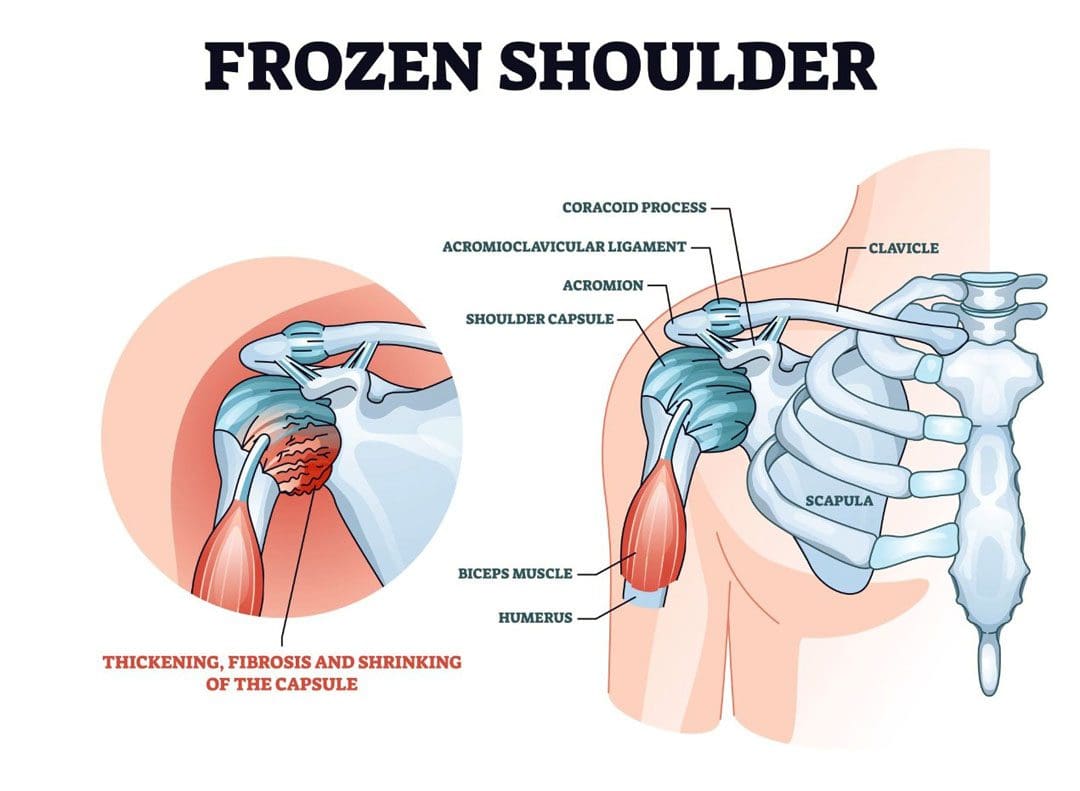
Stiffness and pain developing in the shoulder could be adhesive capsulitis, (frozen shoulder), a condition in the shoulder’s ball-and-socket joint/glenohumeral joint. It usually develops over time and limits the functional use of the arm. The pain and tightness restrict arm movement, and the duration of symptoms can persist for 12-18 months. The cause is often unknown, but it is more common in individuals over 40, individuals with diabetes, thyroid disease, and cardiac conditions have an increased risk of developing the condition, and women tend to develop the condition more than men. Chiropractic treatment can be effective at relieving pain and expediting recovery.
Stiffness and Pain
The shoulder joint allows more movement than any other joint in the body. A frozen shoulder causes the capsule surrounding the shoulder joint to contract and form scar tissue. The capsule contraction and the formation of adhesions cause the shoulder to become stiff, restrict movement, and cause pain and discomfort symptoms.
Stages
The progression is marked by three stages:
Freezing
Stiffness and pain begin to restrict motion.
Frozen
Movement and motion are severely restricted.
Thawing
The shoulder starts to loosen up.
It can take years to fully resolve symptoms.
In mild cases, a frozen shoulder can go away on its own but that does not mean that it is truly healed and correctly aligned.
Even in mild cases seeking treatment is recommended, rather than just waiting for it to go away.
Symptoms
Limited range of motion.
Stiffness and tightness.
Dull or aching pain throughout the shoulder.
Pain can radiate into the upper arm.
Pain can be triggered by the smallest movements.
The symptoms are not always due to weakness or injury, but actual joint stiffness.
Causes
Most frozen shoulders occur with no injury or discernible cause but the condition is often linked to a systemic condition or one that affects the entire body.
Age and Gender
Frozen shoulder most commonly affects individuals between the ages of 40 to 60, and is more common in women than in men.
Endocrine Disorders
Individuals with diabetes have an increased risk of developing a frozen shoulder.
Other endocrine abnormalities like thyroid problems can also lead to the development of this condition.
Shoulder Trauma and/or Surgery
Individuals who sustain a shoulder injury, or undergo surgery on the shoulder can develop a stiff and painful joint.
When injury or surgery is followed by prolonged immobilization/resting the arm, the risk of developing a frozen shoulder increases.
Other Systemic Conditions
Several systemic conditions such as heart disease have also been associated with an increased risk of developing the condition and can include:
High cholesterol
Adrenal disease
Heart and lung disease
Parkinson’s disease
Stiffness and pain can also be associated with damage to the joint from injuries or other shoulder problems that include:
A frozen shoulder associated with any of these causes is considered secondary.
Treatment
A diagnosis is made by observing the range of motion in the shoulder, considering the two types:
Active Range
This is how far an individual can move a body part on their own.
Passive Range
This is how far another person like a therapist or doctor can move the body part.
Therapies
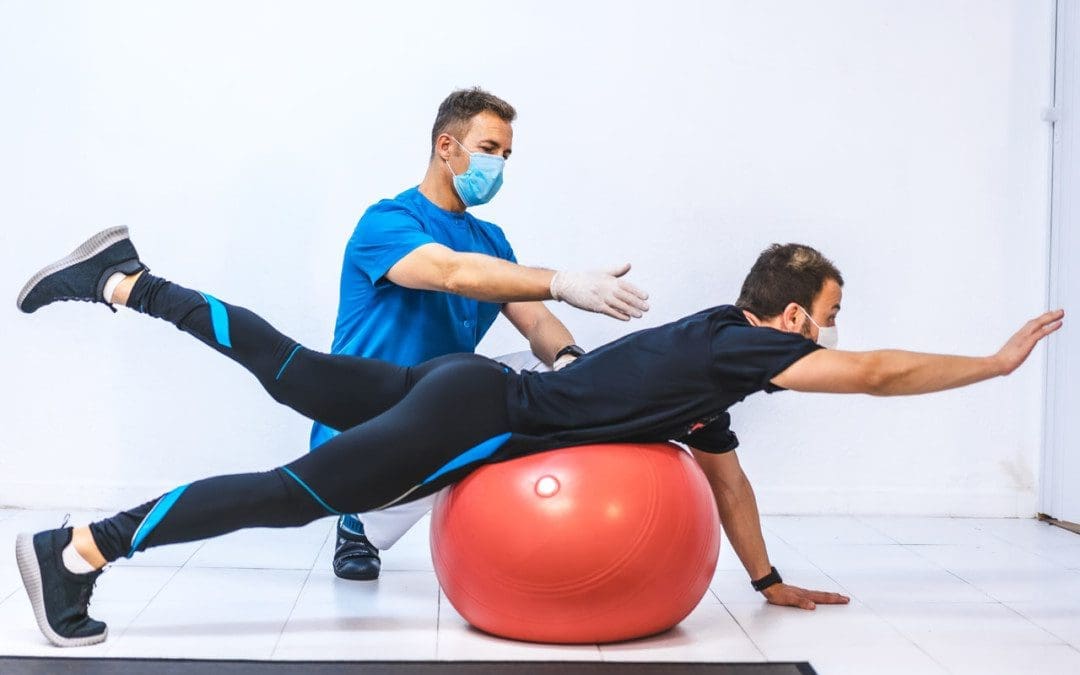
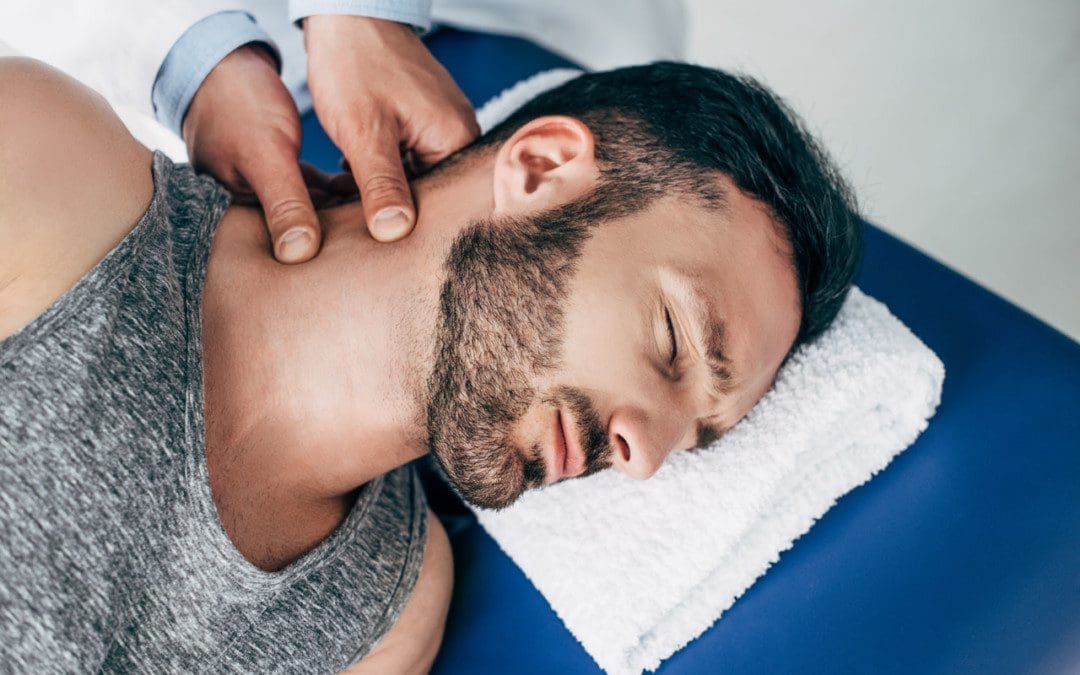
Chiropractic, massage, and physical therapy involve stretches, realignment, and exercises to relieve pain symptoms and restore mobility and function.
Usually, strength is not affected by a frozen shoulder but a chiropractor may want to strengthen the surrounding muscles to better support the shoulder and prevent worsening the injury or causing a new injury.
Anti-inflammatory medications and corticosteroid injections may help manage pain symptoms.
Getting a diagnosis and treatment during the freezing stage can keep the condition from progressing and expedite recovery time.
Enhancing Health: Evaluation and Treatment
References
Brun, Shane. “Idiopathic frozen shoulder.” Australian Journal of general practice vol. 48,11 (2019): 757-761. doi:10.31128/AJGP-07-19-4992
Chan, Hui Bin Yvonne, et al. “Physical therapy in the management of frozen shoulder.” Singapore medical journal vol. 58,12 (2017): 685-689. doi:10.11622/smedj.2017107
Cho, Chul-Hyun, et al. “Treatment Strategy for Frozen Shoulder.” Clinics in orthopedic surgery vol. 11,3 (2019): 249-257. doi:10.4055/cios.2019.11.3.249
Duzgun, Irem, et al. “Which method for frozen shoulder mobilization: manual posterior capsule stretching or scapular mobilization?.” Journal of Musculoskeletal & neuronal interactions vol. 19,3 (2019): 311-316.
Jain, Tarang K, and Neena K Sharma. “The effectiveness of physiotherapeutic interventions in the treatment of frozen shoulder/adhesive capsulitis: a systematic review.” Journal of back and musculoskeletal rehabilitation vol. 27,3 (2014): 247-73. doi:10.3233/BMR-130443
Kim, Min-Su, et al. “Diagnosis and treatment of calcific tendinitis of the shoulder.” Clinics in shoulder and elbow vol. 23,4 210-216. 27 Nov. 2020, doi:10.5397/cise.2020.00318
Millar, Neal L et al. “Frozen shoulder.” Nature reviews. Disease primers vol. 8,1 59. 8 Sep. 2022, doi:10.1038/s41572-022-00386-2
Upper and middle/mid-back pain and/or pain between the shoulder blades is common for individuals who spend long hours sitting or standing. Stress, tension, and repetitive movements can cause middle-back trigger points to develop. Symptoms occur anywhere from the neck’s base to the bottom of the rib cage. Trigger point development and reoccurrence can contribute to chronic upper and middle back pain. Injury Medical Chiropractic and Functional Medicine Clinic can release, relieve and help prevent trigger points through various therapies and treatment plans.
Middle Back Trigger Points
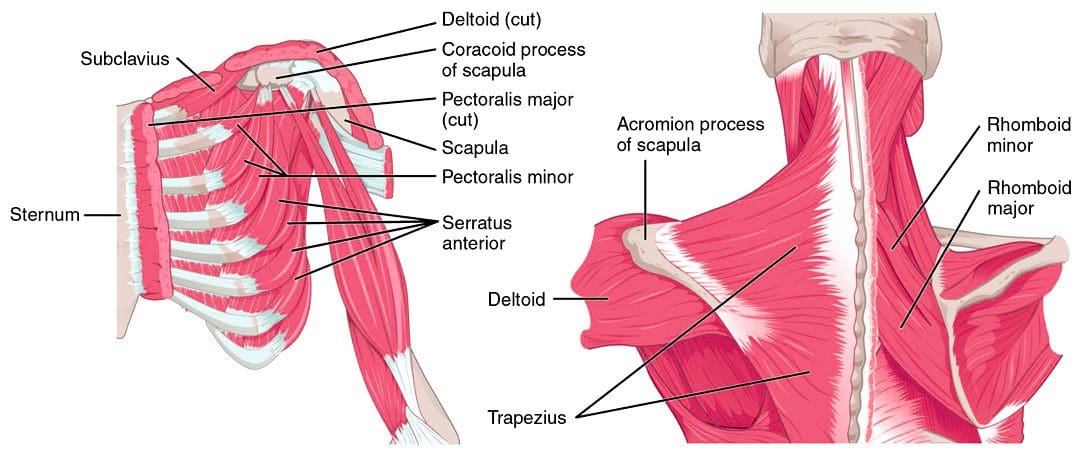
The ribs attach to the sternum and adhere to and wrap around the back. Pain and sensation symptoms can radiate to other places where the nerve travels if a nerve in this area is pinched, irritated, or injured. The muscle groups of the chest region also have a significant role in middle back trigger point development. Tension in the chest muscles can overload the muscles of the mid-back region, causing tightness. This happens to individuals that release the trigger points in the mid-back muscles but fail to address the trigger points in the chest muscles, causing reactivation that could worsen the injury. Three muscle groups can cause trigger point referred pain between the shoulder blades include:
Rhomboid Trigger Points Between the Shoulder Blades
The Rhomboid muscle group is found in the mid-back region, between the shoulder blades.
These muscles attach along the spine and run diagonally downward to connect to the inside of the shoulder blade.
The contraction causes the shoulder blades to retract and rotate.
Trigger points only cause pain in the region of the muscle group.
They can cause tenderness in the region and the spinous process or the bony tip extending from the lamina or part that can be felt when touching the back.
The pain is often described as burning.
Rhomboid Trigger Symptoms
A common symptom is superficial aching between the shoulder blades that individuals try to rub with their fingers to get relief.
Intense pain can extend upward to the shoulder area above the blade and into the neck area.
Individuals may hear or feel a crunching and snapping as they move the shoulder blades.
The common rounded-shoulder and forward-head hunching posture are nearly always present in individuals with these trigger points.
Middle Trapezius Trigger Points
The trapezius is the large, diamond-shaped muscle group that forms the base of the neck and upper back.
It has attachment points at the bottom of the skull, along the spine, collarbone, and shoulder blade.
When this muscle contracts, it moves the shoulder blade.
Movements can also affect the neck and head region.
Trigger points in the middle portion of this muscle refer to pain between the shoulder blades and the spine.
Trigger points develop for several reasons, including unhealthy postures, stress, injuries, falls, and sleeping positions.
Additionally, tension and added trigger points in the chest muscles can overload the Trapezius muscle fibers, causing trigger point development.
Trapezius Symptoms
It can be difficult to distinguish pain from the middle trapezius and rhomboid trigger points.
Pain in the middle trapezius can have more of a burning sensation and often extends over the thoracic spine.
The pain referral to the spine can activate secondary trigger points in the surrounding muscles.
Pectoralis Major Trigger Points
The Pectoralis Major muscle group is the large, flat muscles in the upper chest region.
The muscle has four overlapping sections that attach to the ribs, collarbone, chest bone, and upper arm at the shoulder.
The muscle group contracts when pushing with the arms in front of the body and rotating the arms inward towards the trunk.
Trigger points can radiate pain symptoms to the chest, shoulder, and breast regions.
Numbness and/or pain can radiate down the inside of the arm and into the fingers.
Trigger points in this muscle group can activate triggers in the upper back, causing pain symptoms between the shoulder blades.
Pectoralis Major Symptoms
Individuals will present with chest pain, front shoulder pain, and pain traveling down the inside of the arm to the elbow.
If referred pain occurs on the person’s left side, it can be similar to cardiac pain.
Consult a cardiologist to rule out cardiac involvement before investigating trigger points.
The pain will initially occur on one side of the chest but can spread to the other as it intensifies.
In many, the pain is only experienced with the movement of the arms and goes away or decreases with rest.
Simultaneous pain in the mid-back, between the shoulder blades, frequently occurs.
In women, there may be nipple sensitivity and pain in the breast.
The breast can become enlarged from the tension causing impaired lymphatic drainage.
Chiropractic Treatment
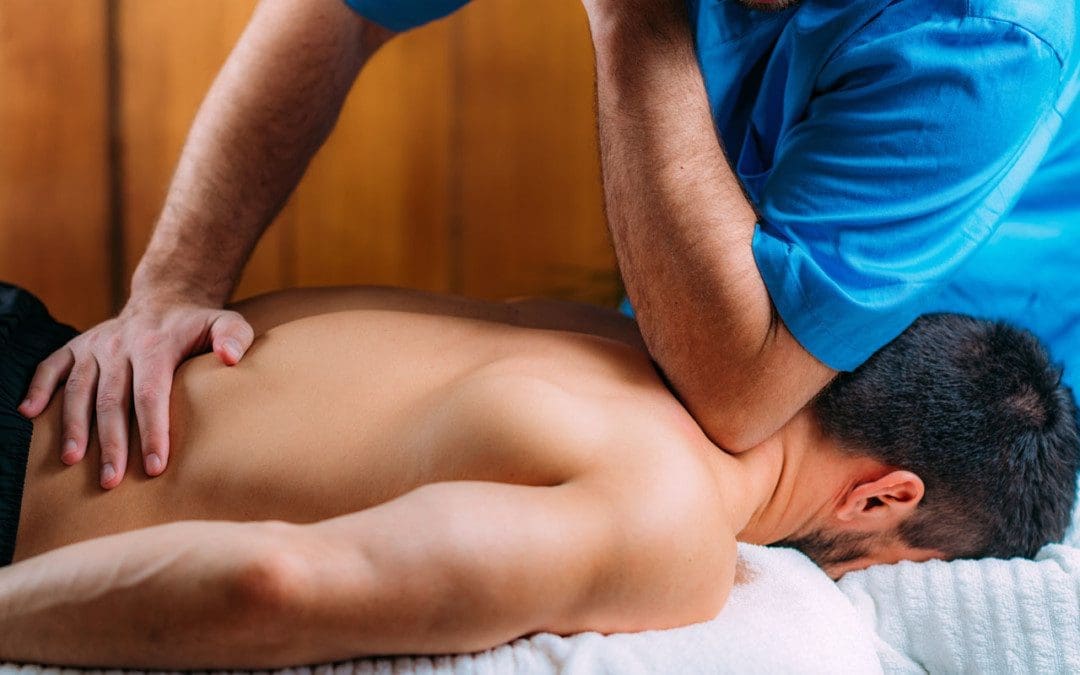
Chiropractors treat myofascial pain syndromes such as myofascial trigger points or adhesions with various therapies. A chiropractor will locate trigger points by pressing muscle tissue or manipulating the muscle fibers. Once the trigger points have been found, treatment can include:
Barbero, Marco, et al. “Myofascial pain syndrome and trigger points: evaluation and treatment in patients with musculoskeletal pain.” Current Opinion in Supportive and palliative care vol. 13,3 (2019): 270-276. doi:10.1097/SPC.0000000000000445
Bethers, Amber H et al. “Positional release therapy and therapeutic massage reduce muscle trigger and tender points.” Journal of Bodywork and movement therapies vol. 28 (2021): 264-270. doi:10.1016/j.jbmt.2021.07.005
Birinci, Tansu, et al. “Stretching exercises combined with ischemic compression in pectoralis minor muscle with latent trigger points: A single-blind, randomized, controlled pilot trial.” Complementary therapies in clinical practice vol. 38 (2020): 101080. doi:10.1016/j.ctcp.2019.101080
Farrell C, Kiel J. Anatomy, Back, Rhomboid Muscles. [Updated 2023 May 16]. In: StatPearls [Internet]. Treasure Island (FL): StatPearls Publishing; 2023 Jan-. Available from: https://www.ncbi.nlm.nih.gov/books/NBK534856/
Gupta, Lokesh, and Shri Prakash Singh. “Ultrasound-Guided Trigger Point Injection for Myofascial Trigger Points in the Subscapularis and Pectoralis Muscles.” Yonsei medical journal vol. 57,2 (2016): 538. doi:10.3349/ymj.2016.57.2.538
Moraska, Albert F et al. “Responsiveness of Myofascial Trigger Points to Single and Multiple Trigger Point Release Massages: A Randomized, Placebo-Controlled Trial.” American Journal of physical medicine & Rehabilitation vol. 96,9 (2017): 639-645. doi:10.1097/PHM.0000000000000728
Sadria, Golnaz, et al. “A comparison of the effect of the active release and muscle energy techniques on the latent trigger points of the upper trapezius.” Journal of bodywork and movement therapies vol. 21,4 (2017): 920-925. doi:10.1016/j.jbmt.2016.10.005
Tiric-Campara, Merita, et al. “Occupational overuse syndrome (technological diseases): carpal tunnel syndrome, a mouse shoulder, cervical pain syndrome.” Acta informatica medica : AIM : journal of the Society for Medical Informatics of Bosnia & Herzegovina : casopis Drustva za medicinsku informatiku BiH vol. 22,5 (2014): 333-40. doi:10.5455/aim.2014.22.333-340
An acute injury or changes to the upper body over time can cause a compressed/pinched nerve in the shoulder. A pinched nerve in the shoulder happens when a muscle, ligament, tendon, or bone irritates or presses on a nerve exiting the neck. Shoulder nerve pain can develop from various sources, such as overuse work injuries, sports injuries, household chores, tendinitis, arthritis, torn cartilage, and other medical conditions, and injuries can contribute to symptoms. Chiropractors are highly qualified to treat pinched nerves. They are trained in whole-body realignment and rehabilitation techniques that find the root source and relieve pressure on compressed nerves.
Shoulder Nerve Pain
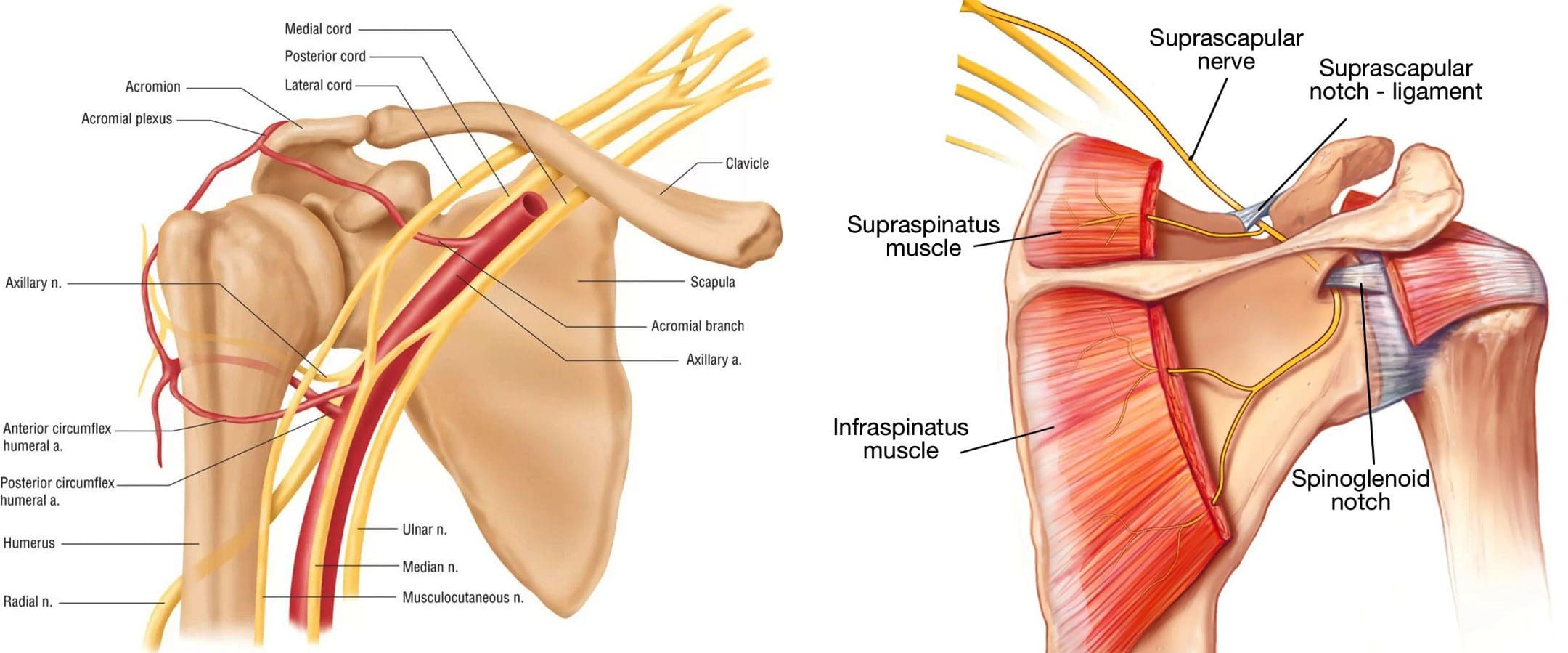
The shoulder joint is one of the most complex joints because of its wide range of motion. It is used so frequently that repetitive motion strain is common, often leading to injury. It is usually because of the continued use combined with an unhealed strain/injury that leads to shoulder nerve injury or when surrounding tissues like cartilage or tendons irritate or compress the nerves.
Pinched nerves also occur when a nerve root in the neck is damaged through wear and tear or an acute injury.
Individuals 50 years and older are likely to experience pinched nerves because of degeneration in the cervical spine and/or arthritis.
A nerve can become pinched when bone spurs form around the spinal discs.
Bone spurs are formations of bone that grow when discs weaken with age.
Bone spurs grow around the discs putting pressure on the nerve root.
Symptoms
Compressed Pinched Nerve/Cervical Radiculopathy
Pain sensations in the shoulder.
Tingling and/or pins and needles in fingers or hand.
Weakness in shoulder and arm muscles.
Symptoms have been known to overlap with shoulder arthritis, frozen shoulder, swimmer’s shoulder, or rotator cuff tears, so it’s always best to consult a chiropractor to understand possible causes. Other conditions with symptoms to compare:
Shoulder Arthritis
Stiffness in the joint.
Aching inside the shoulder.
Grinding when moving the joint.
Frozen Shoulder/Adhesive Capsulitis
Stiffness in the joint.
Pain in one shoulder.
Decreased range of motion and movement.
Swimmer’s Shoulder/Impingement
Pain and discomfort in the shoulder.
Weakness in the surrounding area.
Stiffness or tightness in the joint.
Impeded range of motion.
Rotator Cuff Tears
Pain and discomfort symptoms when moving the shoulder.
Weakness in the arm.
Deep aching sensations along the top and side of the joint.
Chiropractic Treatment
Chiropractors are experts on the neuromusculoskeletal system. First, a thorough medical examination will be conducted, including health history and regular activities, to understand the nature of the symptoms. Depending on the type of injury, tests, and exams may be needed to help diagnose and pinpoint the cause. Then the chiropractor will develop a personalized treatment plan. The objective is to relieve pressure and tension on the nerves and relax the muscles. In addition to adjusting the joint or other impacted areas, the therapy team will provide at-home exercises and stretches to maintain the adjustments and expedite healing.
Chiropractic Rehab
References
Kokkalis, Zinon T et al. “Nerve Injuries around the Shoulder.” Journal of long-term effects of medical implants vol. 27,1 (2017): 13-20. doi:10.1615/JLongTermEffMedImplants.2017019545
Leider, Joseph D et al. “Treatment of suprascapular nerve entrapment syndrome.” Orthopedic reviews vol. 13,2 25554. 11 Jul. 2021, doi:10.52965/001c.25554
Matzkin, Elizabeth, et al. “Swimmer’s Shoulder: Painful Shoulder in the Competitive Swimmer.” The Journal of the American Academy of Orthopaedic Surgeons vol. 24,8 (2016): 527-36. doi:10.5435/JAAOS-D-15-00313
Neviaser, Andrew S, and Jo A Hannafin. “Adhesive capsulitis: a review of current treatment.” The American Journal of sports medicine vol. 38,11 (2010): 2346-56. doi:10.1177/0363546509348048
Safran, Marc R. “Nerve injury about the shoulder in athletes, part 1: suprascapular nerve and axillary nerve.” The American Journal of sports medicine vol. 32,3 (2004): 803-19. doi:10.1177/0363546504264582
Strakowski, Jeffrey A, and Christopher J Visco. “Diagnostic and therapeutic musculoskeletal ultrasound applications of the shoulder.” Muscle & Nerve vol. 60,1 (2019): 1-6. doi:10.1002/mus.26505
Bruxism is an abnormal jaw clenching or grinding of the teeth, either while awake or during sleep. This can cause neck and shoulder tension caused by excess pressure on the neck and jaw muscles. Individuals may not realize they have bruxism until a dentist notices excess wear and tear or a chiropractor examines their symptoms. Bruxism can play a role in temporomandibular disorders. Doctors and dentists agree that factors like stress increase the likelihood of jaw clenching. Dentists usually recommend a mouth guard to prevent grinding. Chiropractic care, massage, and decompression therapy can relieve symptoms, release and relax the muscles, realign the spine, and restore function.
Bruxism
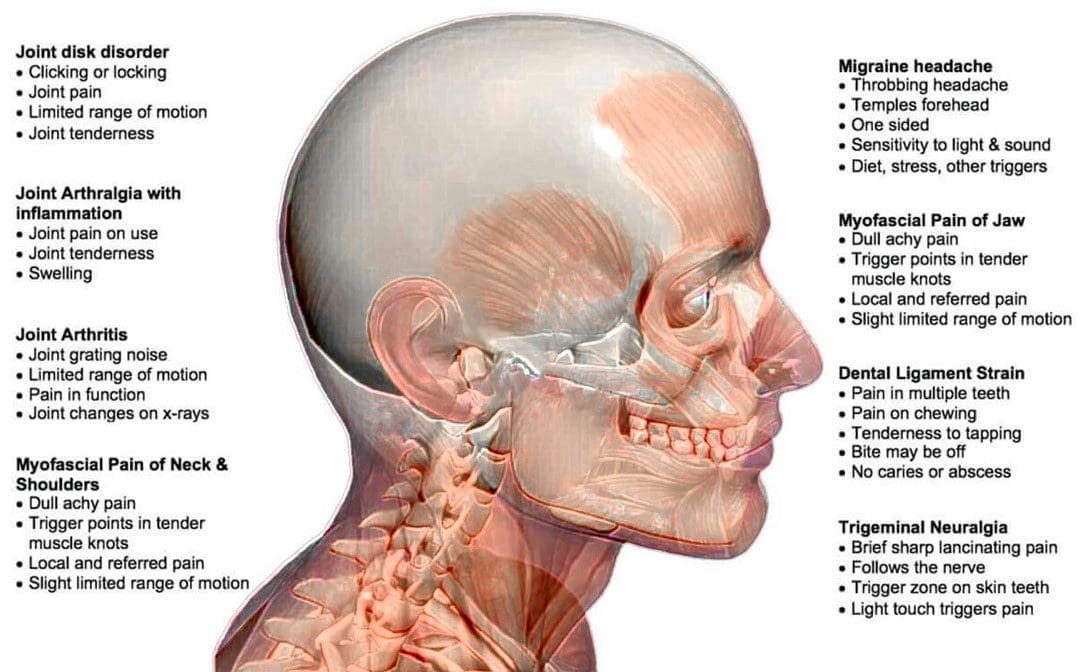
There is awake bruxism and sleep bruxism. A tight jaw generates tension extending to the neck, shoulder, and upper back muscles. Over time, that excess strain irritates the joints, causing inflammation. Jaw clenching and teeth grinding can lead to health issues like damaged teeth, neck, shoulder, and upper back pain symptoms, and tension headaches.
Symptoms
Signs and symptoms can include:
Face, jaw, neck, and upper back aches, tightness, and soreness.
Tired or tight jaw muscles.
Headaches that start in the temples.
What feels like earache pain symptoms.
Damage from clenching on the inside of the cheek.
Increased tooth sensitivity.
Teeth that are loose, flattened, chipped, or fractured.
Sleep problems.
Risk Factors
Emotional tension – Stress, anxiety, frustration, and anger.
An unhealthy lifestyle – smoking, excess drinking, caffeine, etc., disrupts brain and cardiovascular functions.
Medications
Chiropractic Care for Jaw Clenching
If there is a jaw clenching or grinding issue, it is recommended to see a dentist for a professional diagnosis. Then a chiropractor can develop a personalized treatment plan that utilizes massage and decompression therapy to re-position the jaw, stretch, release and relax the muscles. They will recommend exercises to strengthen and maintain the relaxed jaw muscles and awareness exercises to help identify triggers and prevent clenching.
Jaw Exercises
References
Capellini, Verena Kise, et al. “Massage therapy in managing myogenic TMD: a pilot study.” Journal of applied oral science: Revista FOB vol. 14,1 (2006): 21-6. doi:10.1590/s1678-77572006000100005
Kuhn, Monika, and Jens Christoph Türp. “Risk factors for bruxism.” Swiss dental journal vol. 128,2 (2018): 118-124.
Nishida, Norihiro et al. “Stress analysis of the cervical spinal cord: Impact of the morphology of spinal cord segments on stress.” The journal of spinal cord medicine vol. 39,3 (2016): 327-34. doi:10.1179/2045772315Y.0000000012
Ohayon, M M et al. “Risk factors for sleep bruxism in the general population.” Chest vol. 119,1 (2001): 53-61. doi:10.1378/chest.119.1.53
Santos Miotto Amorim, Cinthia, et al. “Effectiveness of two physical therapy interventions, relative to dental treatment in individuals with bruxism: study protocol of a randomized clinical trial.” Trials vol. 15 8. 7 Jan. 2014, doi:10.1186/1745-6215-15-8
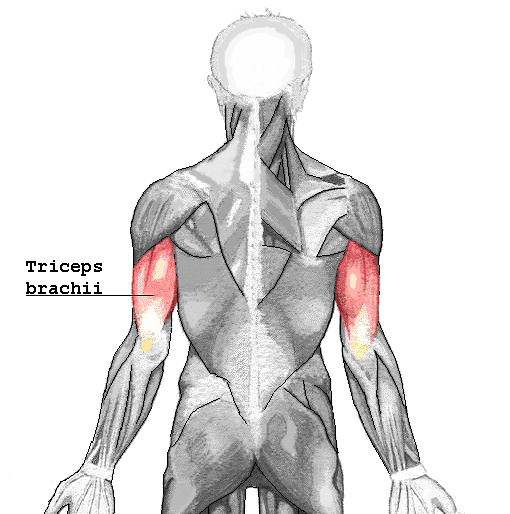
One of the many muscles that help stabilize the shoulders and provide movement when the arms are in motion. The tricep muscles are one of the most underrated muscles that many people don’t seem to take care of when working out. The other muscles in the upper arms and shoulders are more likely to be worked on when it comes to being physically active. The deltoids, biceps, and brachialis muscles are some of the muscles that get much more attention when working on shoulder mobility. Still, the triceps provide the functionality to the shoulders as well. When the shoulders or the upper arms are injured and develop pain-like symptoms in the muscle groups, it can develop trigger points along the affected muscle. Today’s article looks at the tricep muscles, how trigger points affect them, and ways to manage trigger points along the tricep muscles. We refer patients to certified providers who specialize in arm pain treatments to aid individuals suffering from trigger points associated with the tricep muscles along the upper arms and elbows. We also guide and inform our patients by referring them to our associated medical providers based on their examination when appropriate. We established that education is a great solution to asking our providers profound questions the patient requests. Dr. Jimenez DC takes note of this information as an educational service only. Disclaimer
What Do The Tricep Muscles Do?
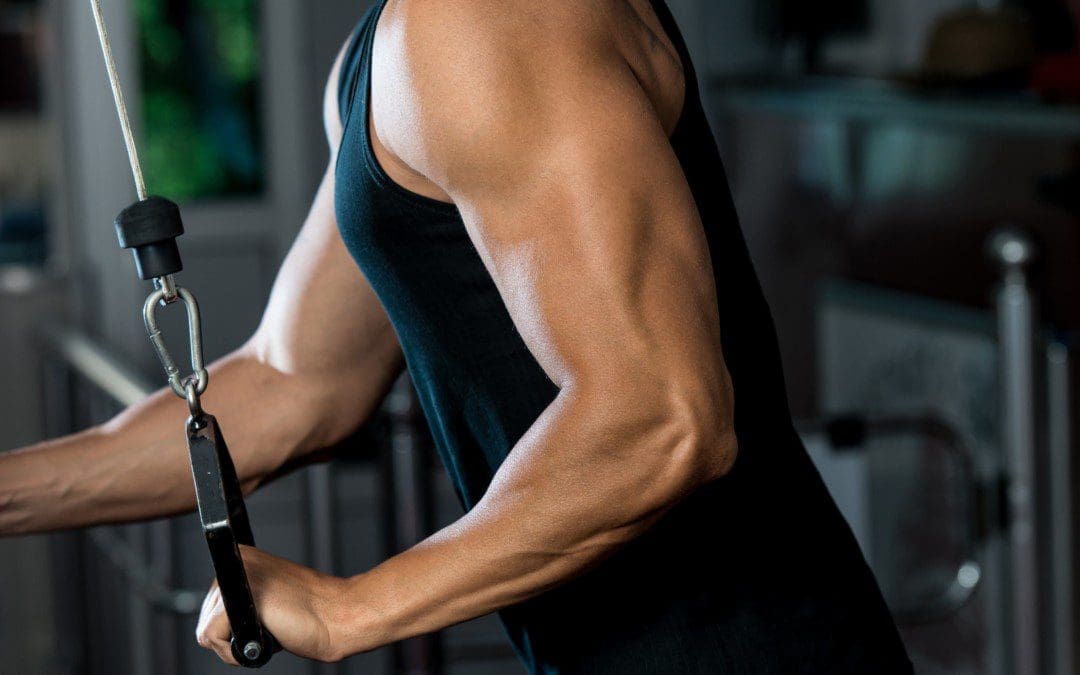
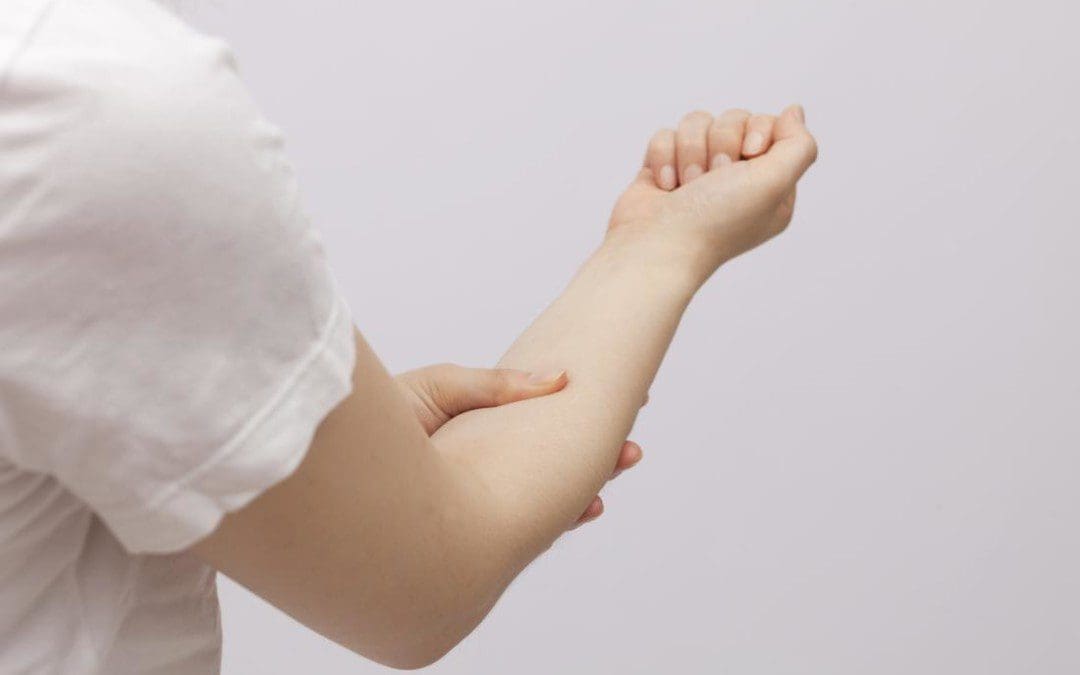
Do you experience pain underneath your forearm? How about feeling a dull ache on your elbows? Or do you feel a numbing sensation on your ring and pinky fingers? Individuals experiencing these symptoms in their arms could potentially develop trigger points along their tricep muscles. The tricep muscles are located under the upper arm and are a large, thick horseshoe-shaped muscle at the end of the arm. As stated earlier, the tricep muscles are one of the most underrated muscles in the arm that no one tends to work on during a workout, so they can be easily overlooked. However, the tricep muscles help in providing stability to the shoulders and help strengthen the arms. One of the main functions the triceps offer is that they allow the extension of the elbow joints. Studies reveal that the three head tendons that make up the triceps can influence elbow extension torque. The three heads of the triceps have different patterns of force when it comes to various activities during different shoulder evaluations. To that point, multiple combinations of the shoulder and elbows at different angles can affect the tricep’s shoulder extensions. Since many individuals don’t work on their triceps often, it can potentially develop issues that can make this underrated muscle weak.
How Trigger Points Affect The Tricep Muscles?
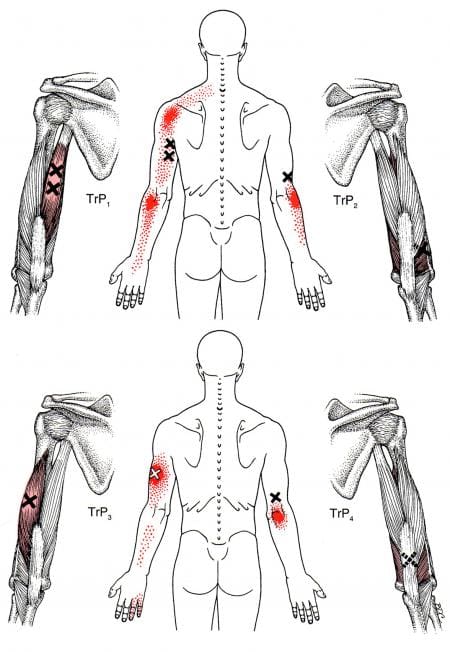
When the triceps don’t get worked on during a workout, it can lead to muscle weakness when doing pushups or when someone suffers from an injury with direct trauma in the elbows. When the tricep muscles become affected, it can lead to chronic conditions that are associated with myofascial pain or trigger points. Trigger points in the triceps can be formed when there are restrictions in extending the elbow joints. Studies reveal that when the triceps become overloaded from overusing the forearms from normal activities, it could potentially lead to tricep tendon rupture. To that point, which leads to the development of trigger points to invoke pain in the triceps and elbow joint. According to Dr. Janet Travell, M.D., trigger points associated with the tricep muscles could potentially involve referred pain in the vicinity of the elbow joints. What this refers to is that trigger points can mimic other chronic conditions so in this case, referred pain caused by trigger points associated with the tricep muscles can be mistakenly attributed to arthritis on the elbow joints. All is not lost, as there are ways to manage trigger points affecting the tricep muscles.
Treating Trigger Points On The Triceps- Video
Have you been experiencing pain in your shoulders, elbows, and hands? Do you have limited mobility when extending your elbows? Or do you notice that your triceps are weaker than normal? If you have been dealing with any of these symptoms, it could be due to trigger points associated with the tricep muscles that are causing referred pain to the upper arms and elbows. The triceps in the upper arms is one of the most underrated muscles people tend to overlook. When individuals begin to succumb to injuries that affect their triceps, it can lead to the development of trigger points along the muscle fibers in the tricep muscles. Trigger points can occur in the tricep muscles due to overusing the forearm muscles, causing stress in the elbow joint and the muscle itself. When the trigger points become active, it can lead to limited mobility to the elbow joint, causing the individual thinks they are developing arthritis when it is the trigger points causing the referred pain. There are ways that many people can manage trigger points associated with the elbows along the triceps to relieve the pain from the muscle. The video above shows where the active trigger points are located and how to release them through palpations and massage. Treating the trigger points along the tricep muscles allows many individuals to regain mobility in their elbows and upper arms.
Managing Trigger Points Along The Triceps
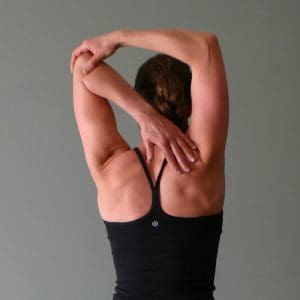
As stated earlier, the triceps are the underrated muscle that people tend to forget. When the tricep muscles succumb to trigger points, it can lead to referred pain along the elbow joints, causing pain-like symptoms affecting the elbow’s mobility function. When this happens to the upper arms, there are various ways to strengthen the tricep muscles and manage trigger points from developing in the future. Incorporating exercises targeting the tricep muscles can help improve mobility to the elbows and shoulders. If a person is playing sports like tennis, they can opt for a lighter racket and have a more lightweight grip on the handle. Suppose a person is in pain from their triceps. In that case, however, studies reveal that upper limb rehabilitation can help reduce the pain along the triceps and improve the mobility range caused by pain associated with trigger points. People can continue their daily activities without pain when they utilize these various ways to enhance their triceps’ functionality.
Conclusion
As the most underrated muscle that people tend to forget to work out, the tricep muscle can be overlooked. This large, thick horseshoe-shaped muscle has a job that provides stability to the shoulders and allows an extension to the elbow joints. When individuals don’t work on their tricep muscles, it can lead to muscle weakness and pain-like symptoms that lead to the development of trigger points. Trigger points associated with the tricep muscles can cause referred pain to the elbow joint, making many individuals believe they have arthritis. However, many individuals can regain mobility to their elbows by incorporating exercises targeting the triceps and utilizing treatments to manage trigger points along the muscle fibers. They can do daily activities that require the triceps without pain.
References
Landin, Dennis, et al. “Functions of the Triceps Brachii in Humans: A Review.” Journal of Clinical Medicine Research, Elmer Press, Apr. 2018, https://www.ncbi.nlm.nih.gov/pmc/articles/PMC5827912/.
Lennon, Olive, et al. “Effect of the Triceps Brachii Facilitation Technique on Scapulohumeral Muscle Activation during Reach and Point in a Healthy Population.” Physiotherapy Canada. Physiotherapie Canada, University of Toronto Press, 2019, https://www.ncbi.nlm.nih.gov/pmc/articles/PMC6855346/.
Mangano, Tony, et al. “Chronic Tendonopathy as a Unique Cause of Non Traumatic Triceps Tendon Rupture in a (Risk Factors Free) Bodybuilder: A Case Report.” Journal of Orthopaedic Case Reports, Indian Orthopaedic Research Group, 2015, https://www.ncbi.nlm.nih.gov/pmc/articles/PMC4719357/.
Tiwana, Manpreet S, et al. “Anatomy, Shoulder and Upper Limb, Triceps Muscle.” In: StatPearls [Internet]. Treasure Island (FL), StatPearls Publishing, 6 Aug. 2021, https://www.ncbi.nlm.nih.gov/books/NBK536996/.
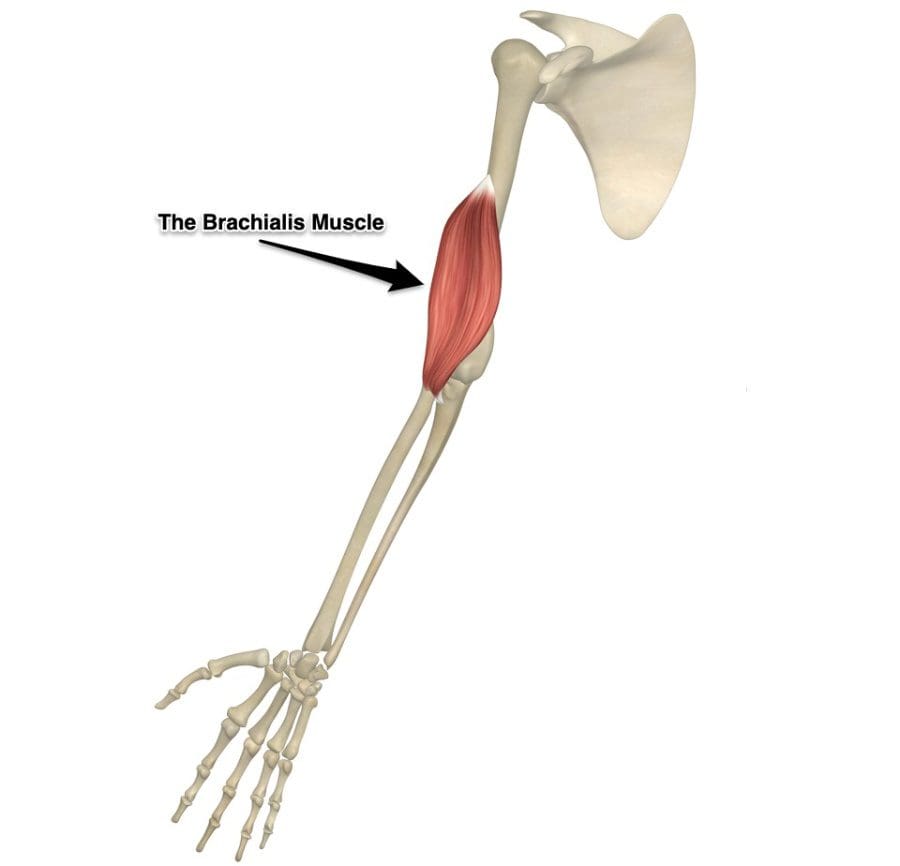
When it comes to the human body in motion, the arms can carry, lift, and move items from one place to another without pain. The arms have different muscles that work together to protect the arm and shoulder joints while providing mobility and movement. One of the muscles that help the arms carry items is the brachialis muscles, which work together with the bicep and tricep muscles. As part of the forearm, it can succumb to various injuries affecting the muscle, tendons, and ligaments. When this happens, referred pain can affect the arm and develop trigger points to overlap chronic conditions that can potentially cause more pain. Today’s article looks at the brachialis muscle’s function, how trigger points affect the muscle, and various ways to manage brachialis trigger points. We refer patients to certified providers who specialize in arm pain treatments to aid individuals suffering from trigger points associated with the brachialis muscles along the upper arms. We also guide and inform our patients by referring them to our associated medical providers based on their examination when appropriate. We established that education is a great solution to asking our providers profound questions the patient requests. Dr. Jimenez DC takes note of this information as an educational service only. Disclaimer
What Is The Brachialis Muscle Function?
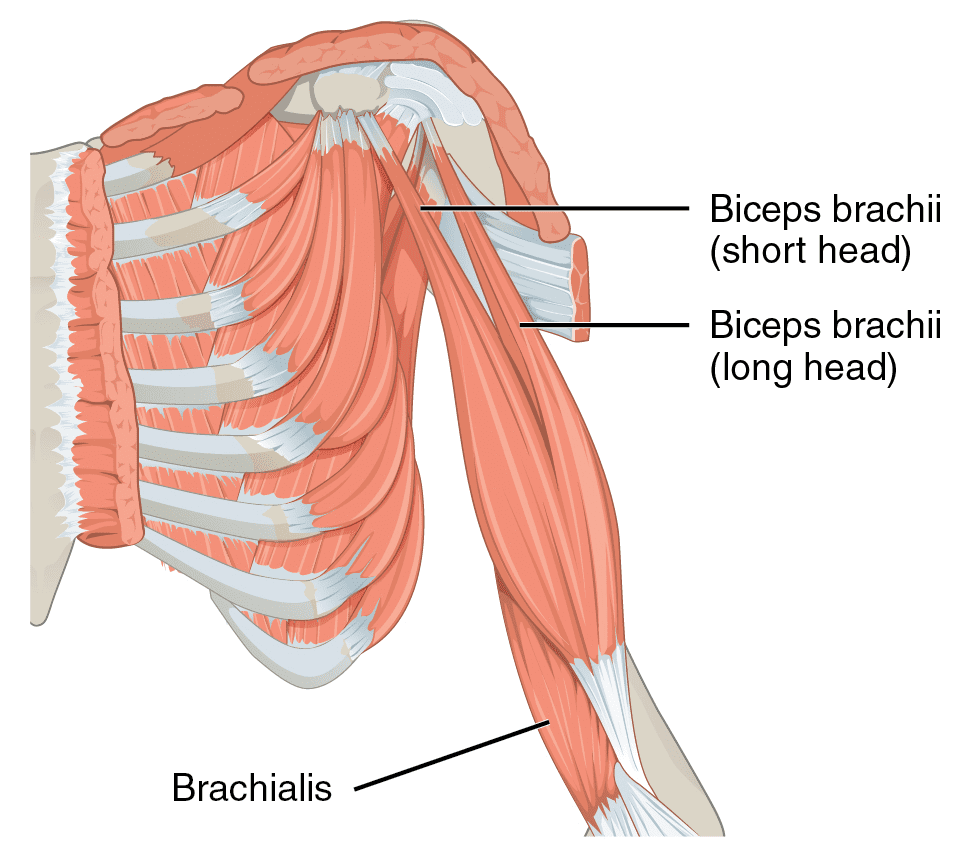
Have you been experiencing muscle strain in your forearms? What about stiffness in your wrist? Or do your arm muscles begin to spasm out of nowhere? Many people who have experienced these pain symptoms might be caused by trigger points associated with the brachialis muscle. The brachialis is an important muscle that flexes the forearm at the elbow. This muscle works with the biceps as it can carry heavy items, like the deltoid, and is the opposite of the tricep muscles. However, it can become overused and succumb to injuries that can invoke pain in the arm muscles, thus leading to the development of trigger points along the brachialis muscle.
How Does Trigger Points Affect The Brachialis Muscle?
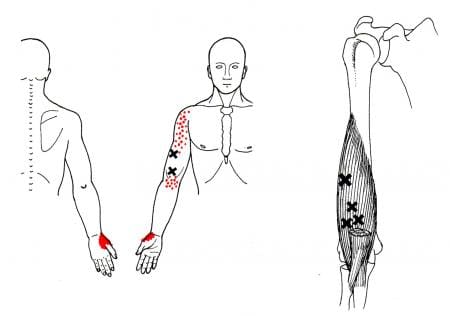
When the brachialis muscle becomes injured, many people will experience pain when flexing their elbows inward or outward. According to Dr. Travell, M.D., these pain symptoms may be due to referred pain and tenderness from brachialis trigger points or radial nerve entrapment. During heaving lifting, the forearm flexion stress overload activates trigger points along the brachialis. Studies reveal that excessive sudden physical stress or repetitive activities may result from a muscle sprain or tear in the brachialis muscle. To that point, these symptoms associated with trigger points can cause overlapping risk profiles that can mask the condition. Some of the conditions that can overlap and activate trigger points include:
Carrying heavy groceries
Holding power tools
Tennis elbow
Playing a string instrument
Studies also reveal that active trigger points along the affected muscle can increase weight coefficients and alter motor control without co-contraction patterns. This is due to trigger points becoming tricky to diagnose and mimic other conditions affecting the arms’ muscle group. Many people with pain-like symptoms associated with trigger points often complain about numbness or deep pain in their arms and hands. To that point, trigger points can also be involved with nerve entrapment in the brachialis muscles.
The Brachialis Trigger Points Release-Video
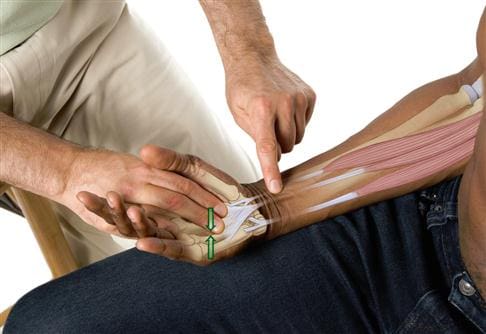
Have you been experiencing stiffness in your hands and arms? What about muscle spasms near your elbow? Or does constant pain affect your forearm muscles when you bend your arm? Many of these symptoms are associated with trigger points affecting the brachialis muscle that is causing pain in the forearms. Trigger points or myofascial pain syndrome can affect a person’s well-being by impairing their mobility in the affected areas, causing pain, and even reducing their overall sense of life. Trigger points affecting the brachialis muscles can mimic chronic conditions like nerve entrapment that can affect the motor function of the forearm. Luckily, trigger points are treatable, and there are ways to reduce the pain-like symptoms from the affected brachialis muscles. The video above shows how to treat trigger points along the forearm. Incorporating non-invasive treatments to reduce future trigger points to form can reduce the pain symptoms and release the trapped nerves that are causing motor function problems in the arms.
Ways To Manage Brachialis Trigger Points
As stated earlier, trigger points are tricky to diagnose since they can mimic other chronic conditions along the affected muscles. When the affected muscle succumbs to injuries and is not treated, it can develop tiny knots along the taut muscle band fibers known as trigger points over time. To that point, it can cause referred pain-like symptoms along the muscle group. Luckily, treatments can help reduce pain-like symptoms and prevent trigger points from forming along the muscle fibers. Studies reveal that trigger point injections are one of the various treatments that can help reduce pain in the brachialis muscle. With gentle stretching and physical therapy, allow mobility back to the arm. One way to manage brachialis trigger points that many people can use is to place a pillow at the angle of the elbow to prevent the arms from tightening or use a hot pack to relax the forearm muscles to relieve muscle strain and aches. Another way is not to overuse their forearms when playing an instrument or carrying items on their forearms. This can prevent trigger points from forming in the future and reduce pain-like symptoms from affecting the forearms.
Conclusion
The brachialis is the main muscle that is important to the forearms. This large muscle works with the bicep and tricep muscles to help the host carry heavy objects while bending at the elbows. However, like all the muscles in the body, the brachialis muscles can succumb to injuries and develop trigger points along the brachialis muscle fiber bands. Trigger points along the brachialis muscle are associated with pain-like symptoms that can mimic conditions like tennis elbow or nerve entrapment in the forearms. Fortunately, various treatments are utilized by doctors to help many patients dealing with trigger points along the brachialis muscle and can help reduce pain in the forearms. This allows mobility back to the arms and prevents future trigger points from forming.
References
Geri, Tommaso, et al. “Myofascial Trigger Points Alter the Modular Control during the Execution of a Reaching Task: A Pilot Study.” Scientific Reports, Nature Publishing Group UK, 5 Nov. 2019, https://www.ncbi.nlm.nih.gov/pmc/articles/PMC6831581/.
Plantz, Mark A, and Bruno Bordoni. “Anatomy, Shoulder and Upper Limb, Brachialis Muscle.” In: StatPearls [Internet]. Treasure Island (FL), StatPearls Publishing, 22 Feb. 2022, https://www.ncbi.nlm.nih.gov/books/NBK551630/.
Sharma, Pankaj, et al. “Isolated Traumatic Brachialis Muscle Tear: A Case Report and Review of Literature.” Bulletin of Emergency and Trauma, Shiraz University of Medical Sciences, Oct. 2017, https://www.ncbi.nlm.nih.gov/pmc/articles/PMC5694606/.
Suh, Mi Ri, et al. “Ultrasound-Guided Myofascial Trigger Point Injection into Brachialis Muscle for Rotator Cuff Disease Patients with Upper Arm Pain: A Pilot Study.” Annals of Rehabilitation Medicine, Korean Academy of Rehabilitation Medicine, Oct. 2014, https://www.ncbi.nlm.nih.gov/pmc/articles/PMC4221396/.
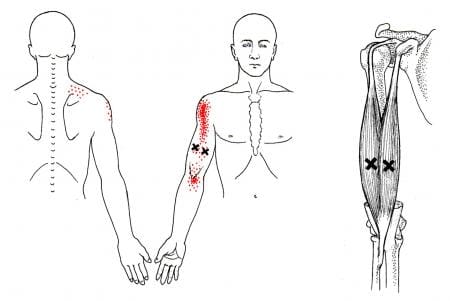
The upper arms allow the individual to move the arms, hands, and fingers, enabling them to do everyday activities without feeling pain or injuries. Different muscles in the upper arms allow precise movements, from threading a needle to throwing a ball across the field. These muscles also work with the shoulders, allowing a full range of motion and flexion. One of the muscles that help the upper arms is the bicep brachii, which provide flexion to the arm. However, like all the muscles in the body, they can succumb to pain caused by trigger points. Today’s article looks at the bicep muscles’ function, how trigger points affect the muscles, and how to manage trigger points associated with the bicep muscles. We refer patients to certified providers who specialize in arm pain treatments to aid individuals suffering from trigger points associated with the bicep brachii muscles along the upper arms. We also guide and inform our patients by referring them to our associated medical providers based on their examination when appropriate. We established that education is a great solution to asking our providers profound questions the patient requests. Dr. Jimenez DC takes note of this information as an educational service only. Disclaimer
What Are The Bicep Muscles Function?
Have you been dealing with radiating pain down to your elbow? Do your upper arm muscle ache when carrying items from place to place? Or have you experienced muscle spasms in your arms and hands? Many people experiencing these symptoms might risk developing trigger points along their bicep muscles. The bicep brachii is a large, thick muscle that covers the joints and is located in the upper arms. The bicep muscle consists of two attachments: the short head (caput breve) and the ling head (caput longum). It works together with the coracobrachialis muscle to support stability to the shoulders.
Studies reveal that these two muscle bands work together to provide multiple actions between the shoulder and elbow joints by being in conjunction with the other muscles. The main function of the bicep muscles is that it is one of the three muscles that can flex the elbow and shoulders. The biceps also allow flexion and supination or outward rotation of the forearms at 90 degrees. This muscle is very important for athletes that require lifting, carrying, or throwing and can make the individual stronger. To that point, the bicep muscle can also succumb to injuries that can cause pain to the upper arms and shoulders.
How Does Trigger Points Affect The Bicep Muscles?
When the bicep muscles succumb to injuries, it can be due to overusing the long head of the bicep muscles and can lead to bicep tendon rupture. When the bicep muscle succumbs to a tendon rupture, it is due to excessive eccentric force that brings the arms to an extension rather than flexion. Other issues affecting the biceps can correlate to rotator cuff pathology and can be associated with being a common source of shoulder pain. Studies reveal that since the bicep is closely associated with the rotator cuff, tendinopathy can form due to repetitive traction, friction, and rotation of the shoulder joints. To that point, it can lead to the development of trigger points along the bicep muscles. Trigger point pain can be complicated to diagnose since it can mimic other chronic conditions. For trigger points to occur along the bicep muscles, pain-like symptoms are caused when the arm is above the shoulder. To that point, it causes symptoms of aches, stiffness, and muscle weakness in the bicep muscles.
Trigger Points Affecting The Bicep Brachii- Video
Have you experienced muscle aches and stiffness when lifting your arms above your shoulders? Do you find difficulty to bend your elbows? Or have you been experiencing radiating pain along the shoulders, arms, and hands? These pain-like symptoms are associated with trigger points along the bicep muscles and can evoke motor dysfunction in the upper arms. The video above gives an overview how trigger points affect the bicep brachii and cause symptoms like “frozen shoulder” to affect the entire arm. Studies reveal that trigger points are the most frequent causes of chronic musculoskeletal pain that causes the muscle tissue to become hyperirritable. Trigger points can also cause referred pain to the affected muscles, causing limited range of motion to the joints. When the bicep muscles are being affected by trigger points, it can cause stress on the muscle and cause hyper-extension to the arm. According to Dr. Travell, M.D., when trigger points affect the bicep brachii muscles and cause referred pain and tenderness on the ball-and-socket joint, the symptoms associated with trigger points are mistaken as a rheumatic joint disease unless the affected bicep is examined for trigger points. Thankfully, there are ways to manage trigger points associated with the bicep muscles to reduce pain in the upper arms.
Managing Trigger Points Associated With The Bicep Muscles
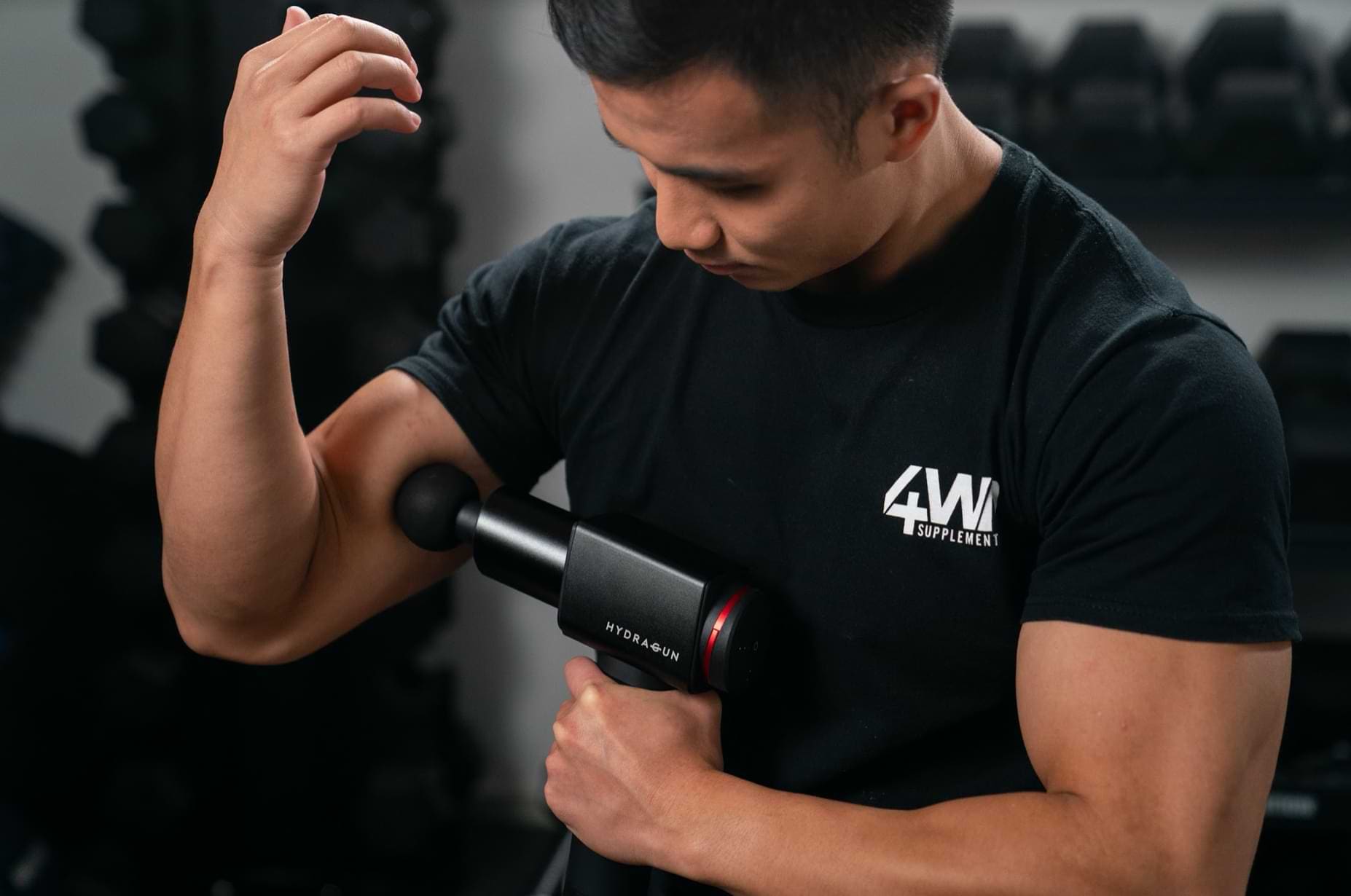
When individuals are suffering from pain along their bicep muscles, it can cause them to be miserable as they cannot participate in various activities that require their arms; when trigger points are formed along the taut muscle band of the bicep muscles, the radiating pain from the shoulder to the elbow, causing stiffness and muscle aches. Fortunately, various techniques can help manage trigger points associated with the bicep muscles. Studies reveal that many people can manage trigger points related to the bicep muscles to reduce shoulder pain by resting, modifying their activities, and seeking more non-invasive treatments to reduce the pain associated with the bicep muscles. Many people can do various arm and shoulder stretches to reduce the stiffness of the bicep muscles. This allows gentle stretching along the upper arm muscles and releases tension through slow, even breathing and prolonged shortening of the bicep muscles.
Conclusion
The bicep has two attachments that provide mobility and are a large thick muscle that covers the upper arm joints. The bicep muscles also work together with the coracobrachialis muscle to help support the shoulders by making them stable. When the bicep muscles become overused and succumb to injuries, they can develop trigger points along the bicep muscles, causing referred pain to the arms and shoulders. When this happens, the muscles become stiff and can become painful when doing simple actions like lifting their arms or playing a sport. When this happens, many individuals become miserable since they can’t participate. Fortunately, various techniques can help reduce the pain symptoms in the arms and prevent future injuries. Gentle stretching and muscle massages can release the trigger points from the bicep muscles and improve arm mobility to the biceps.
References
Akamatsu, Flávia Emi, et al. “Trigger Points: An Anatomical Substratum.” BioMed Research International, Hindawi Publishing Corporation, 2015, https://www.ncbi.nlm.nih.gov/pmc/articles/PMC4355109/.
Landin, Dennis, et al. “Actions of the Biceps Brachii at the Shoulder: A Review.” Journal of Clinical Medicine Research, Elmer Press, Aug. 2017, https://www.ncbi.nlm.nih.gov/pmc/articles/PMC5505302/.
McDevitt, Amy W, et al. “Physical Therapy Interventions for the Management of Biceps Tendinopathy: An International Delphi Study.” International Journal of Sports Physical Therapy, NASMI, 1 June 2022, https://www.ncbi.nlm.nih.gov/pmc/articles/PMC9159730/.
Raney, Elise B, et al. “Pain and the Pathogenesis of Biceps Tendinopathy.” American Journal of Translational Research, e-Century Publishing Corporation, 15 June 2017, https://www.ncbi.nlm.nih.gov/pmc/articles/PMC5489872/.
Tiwana, Manpreet S, et al. “Anatomy, Shoulder and Upper Limb, Biceps Muscle.” In: StatPearls [Internet]. Treasure Island (FL), StatPearls Publishing, 11 Aug. 2021, https://www.ncbi.nlm.nih.gov/books/NBK519538/.
IFM's Find A Practitioner tool is the largest referral network in Functional Medicine, created to help patients locate Functional Medicine practitioners anywhere in the world. IFM Certified Practitioners are listed first in the search results, given their extensive education in Functional Medicine