Understand the symptoms of shoulder pain in the upper trapezius and discover helpful methods for alleviating the pain.
Chiropractic Care for Upper Trapezius Shoulder Pain: A Comprehensive Guide to Relief
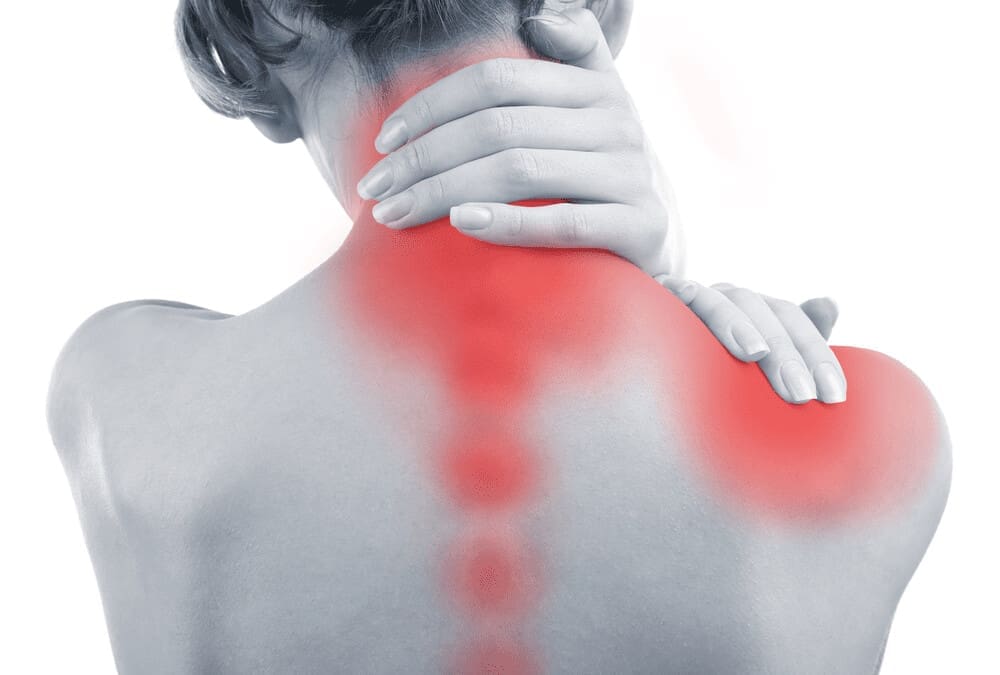
Shoulder pain, particularly from the upper trapezius muscle, is a widespread issue that affects people across various walks of life—office workers, athletes, and those managing daily stresses. This pain can limit mobility, disrupt sleep, and reduce overall quality of life. Chiropractic care offers a non-invasive, holistic approach to managing upper trapezius pain by addressing its root causes and promoting long-term recovery. This in-depth guide explores the anatomy and function of the upper trapezius, the causes of associated shoulder pain, the role of myofascial trigger points, and evidence-based nonsurgical treatments, including chiropractic care. Drawing on clinical insights from Dr. Alexander Jimenez, DC, APRN, FNP-BC, a dual-licensed chiropractor and family nurse practitioner, we’ll highlight how integrative care can transform lives for those dealing with shoulder pain.
Understanding the Upper Trapezius Muscle: Anatomy and Function
Anatomy of the Upper Trapezius
The trapezius muscle is a large, triangular muscle spanning the upper back and neck, divided into upper, middle, and lower regions. The upper trapezius originates from the occipital bone at the skull’s base, the ligamentum nuchae (a fibrous neck structure), and the cervical vertebrae’s spinous processes (C1-C7). It inserts into the lateral clavicle, acromion, and scapular spine (Ziaeifar et al., 2019).
Located close to the skin’s surface, the upper trapezius is easily palpable and susceptible to tension or tenderness. It is innervated by the spinal accessory nerve (cranial nerve XI) and receives blood from the occipital artery’s branches, making it a critical structure for shoulder and neck stability.
Biomechanics and Function
The upper trapezius plays a vital role in upper body movement and stability:
Scapular Elevation: It lifts the shoulder blade, as seen when shrugging shoulders.
Scapular Upward Rotation: It aids in rotating the scapula upward, essential for overhead arm movements like reaching or throwing.
Neck Extension and Lateral Flexion: It supports backward head extension and side tilting.
Stabilization: It stabilizes the shoulder girdle during arm movements, ensuring proper alignment.
These functions make the upper trapezius essential for tasks like carrying heavy bags, typing, or engaging in sports like swimming or CrossFit. However, repetitive or static activities can strain this muscle, leading to pain and dysfunction (Brandt et al., 2014).
References:
Ziaeifar, M., Arab, A. M., Karimi, N., & Nourbakhsh, M. R. (2019). Dry needling versus trigger point compression of the upper trapezius: A randomized clinical trial with two-week and three-month follow-up. Journal of Manual & Manipulative Therapy, 27(3), 152–161. https://doi.org/10.1080/10669817.2018.1530421
Brandt, M., Sundstrup, E., Jakobsen, M. D., Jay, K., Colado, J. C., Wang, Y., & Andersen, L. L. (2014). Association between neck/shoulder pain and trapezius muscle tenderness in office workers. Pain Research and Treatment, 2014, 352735. https://doi.org/10.1155/2014/352735
Causes of Shoulder Pain in the Upper Trapezius
Upper trapezius-related shoulder pain can arise from multiple factors, often related to lifestyle, injury, or biomechanics. Identifying these causes is key to effective treatment.
1. Repetitive Strain and Overuse
Prolonged activities like typing or overhead sports can overwork the upper trapezius, leading to muscle fatigue and tightness. Office workers, for instance, often maintain static postures, increasing strain, while athletes may experience overuse from repetitive motions (Aydın et al., 2021; Silva et al., 2022).
2. Poor Posture
Forward head posture, common among those using computers or smartphones for extended periods, places excessive stress on the upper trapezius. This posture forces the muscle to overcompensate to stabilize the neck and shoulders, leading to pain (Brandt et al., 2014).
3. Stress and Muscle Tension
Psychological stress triggers involuntary tightening of the upper trapezius, as the body responds by tensing neck and shoulder muscles. Chronic stress can perpetuate this tension, causing persistent discomfort (Cleveland Clinic, 2025).
4. Trauma or Injury
Acute injuries, such as whiplash from car accidents or falls, can strain or tear the upper trapezius, resulting in pain and limited mobility. Whiplash-associated disorders (WAD) are particularly linked to trapezius dysfunction (Voerman et al., 2007).
5. Myofascial Trigger Points
Myofascial trigger points are hyperirritable spots within the muscle that cause localized or referred pain. These points often develop in the upper trapezius due to overuse, poor posture, or injury, contributing to shoulder and neck pain (Ziaeifar et al., 2019).
6. Occupational and Ergonomic Factors
Sedentary jobs and poor workstation ergonomics increase the risk of trapezius pain. Inadequate chair support, improper monitor height, or repetitive tasks can exacerbate muscle strain, particularly in office workers (Brandt et al., 2014).
References:
Aydın, N. S., Çelenay, Ş. T., & Özer Kaya, D. (2021). Muscle activation of the upper trapezius and functional typing performance during computer typing task: A comparison of two different wrist immobilization methods. Journal of Bodywork and Movement Therapies, 27, 472–476. https://doi.org/10.1016/j.jbmt.2021.05.001
Silva, E. R., Maffulli, N., & Santos, G. M. (2022). Function, strength, and muscle activation of the shoulder complex in CrossFit practitioners with and without pain: A cross-sectional observational study. Journal of Orthopaedic Surgery and Research, 17(1), 24. https://doi.org/10.1186/s13018-022-02915-x
Brandt, M., Sundstrup, E., Jakobsen, M. D., Jay, K., Colado, J. C., Wang, Y., & Andersen, L. L. (2014). Association between neck/shoulder pain and trapezius muscle tenderness in office workers. Pain Research and Treatment, 2014, 352735. https://doi.org/10.1155/2014/352735
Voerman, G. E., Vollenbroek-Hutten, M. M. R., & Hermens, H. J. (2007). Upper trapezius muscle activation patterns in neck-shoulder pain patients and healthy controls. European Journal of Applied Physiology, 102(1), 1–9. https://doi.org/10.1007/s00421-006-0215-8
Ziaeifar, M., Arab, A. M., Karimi, N., & Nourbakhsh, M. R. (2019). Dry needling versus trigger point compression of the upper trapezius: A randomized clinical trial with two-week and three-month follow-up. Journal of Manual & Manipulative Therapy, 27(3), 152–161. https://doi.org/10.1080/10669817.2018.1530421
What is Upper Cross Syndrome- Video
Myofascial Trigger Points and Their Impact on Shoulder Pain
What Are Myofascial Trigger Points?
Myofascial trigger points are tight, sensitive areas in skeletal muscle that form palpable nodules within taut muscle bands. These points can cause localized pain or refer pain to other areas, such as the neck, head, or shoulders. In the upper trapezius, trigger points are common due to the muscle’s constant engagement in stabilizing and moving the shoulder girdle (Ziaeifar et al., 2019).
How Trigger Points Cause Shoulder Pain
Trigger points in the upper trapezius contribute to shoulder pain in several ways:
Localized Pain: Trigger points feel like tender knots, causing sharp or aching pain when pressed.
Referred Pain: Pain can radiate to the neck, head (causing tension headaches), or arm.
Restricted Mobility: Muscle tightness limits neck and shoulder movement, making tasks like turning the head or lifting painful.
Muscle Weakness: Chronic trigger points may weaken the upper trapezius, leading to compensatory overuse of other muscles and worsening pain (Stieven et al., 2021).
These points often arise from repetitive strain, poor posture, or stress, creating a cycle of pain and dysfunction if untreated (Cleveland Clinic, 2025).
Clinical Impact
Research shows a strong link between neck/shoulder pain intensity and trapezius muscle tenderness, with higher pain levels corresponding to greater tenderness severity (Brandt et al., 2014). This underscores the importance of targeting trigger points to alleviate chronic shoulder pain.
References:
Ziaeifar, M., Arab, A. M., Karimi, N., & Nourbakhsh, M. R. (2019). Dry needling versus trigger point compression of the upper trapezius: A randomized clinical trial with two-week and three-month follow-up. Journal of Manual & Manipulative Therapy, 27(3), 152–161. https://doi.org/10.1080/10669817.2018.1530421
Stieven, F. F., Ferreira, G. E., de Araújo, F. X., de Medeiros, F. S., da Rosa, L. H. T., de Oliveira, M. X., & da Silva, M. F. (2021). Immediate effects of dry needling and myofascial release on local and widespread pressure pain threshold in individuals with active upper trapezius trigger points: A randomized clinical trial. Journal of Manipulative and Physiological Therapeutics, 44(2), 95–102. https://doi.org/10.1016/j.jmpt.2020.07.003
Brandt, M., Sundstrup, E., Jakobsen, M. D., Jay, K., Colado, J. C., Wang, Y., & Andersen, L. L. (2014). Association between neck/shoulder pain and trapezius muscle tenderness in office workers. Pain Research and Treatment, 2014, 352735. https://doi.org/10.1155/2014/352735
Chiropractic Care for Upper Trapezius Pain: Clinical Rationale
Chiropractic care is a non-invasive, patient-centered approach to managing upper trapezius pain by addressing musculoskeletal dysfunction and promoting healing. Experts like Dr. Alexander Jimenez, DC, APRN, FNP-BC, leverage advanced diagnostics and integrative therapies to provide effective relief.
Why Chiropractic Care Helps
Spinal and Joint Alignment:
Misalignments in the cervical spine or shoulder girdle can exacerbate upper trapezius tension. Chiropractic adjustments restore proper alignment, reducing muscle stress and improving biomechanics (Jimenez, 2025).
Adjustments enhance nerve function, minimizing irritation that contributes to trigger points.
Myofascial Release and Soft Tissue Therapy:
Chiropractors use myofascial release to target trigger points, relieving tension and improving muscle elasticity (Stieven et al., 2021).
These techniques enhance blood flow and reduce stiffness, supporting recovery.
Postural Correction:
Poor posture significantly contributes to upper trapezius pain. Chiropractors assess and correct posture through exercises and ergonomic guidance, reducing muscle strain (Brandt et al., 2014).
Pain Reduction and Mobility:
Chiropractic interventions reduce pain intensity and restore range of motion by addressing muscle and joint dysfunction, enabling patients to resume daily activities (Crookes et al., 2023).
Holistic Approach:
Chiropractors consider lifestyle factors like stress or repetitive activities, offering strategies like stretching or strengthening to prevent pain recurrence (Jimenez, 2025).
Dr. Alexander Jimenez’s Clinical Approach
Dr. Alexander Jimenez, a dual-licensed chiropractor and family nurse practitioner, is renowned for his integrative approach to musculoskeletal health. His practice emphasizes:
Advanced Imaging and Diagnostics: Using X-rays, MRIs, and ultrasound to identify structural issues in the spine and shoulder, such as misalignments or soft tissue damage (Jimenez, 2025).
Dual-Scope Procedures: Combining chiropractic adjustments with diagnostic tools like electromyography (EMG) to assess muscle activation and pinpoint trapezius dysfunction.
Personalized Treatment Plans: Tailoring interventions based on diagnostic findings, incorporating adjustments, myofascial release, and rehabilitative exercises.
Patient Education: Empowering patients with ergonomic advice, posture correction, and lifestyle modifications to prevent pain recurrence.
Dr. Jimenez’s approach aligns with research supporting chiropractic care and soft tissue therapies for reducing shoulder pain and improving function (Jimenez, 2025; Crookes et al., 2023).
References:
Stieven, F. F., Ferreira, G. E., de Araújo, F. X., de Medeiros, F. S., da Rosa, L. H. T., de Oliveira, M. X., & da Silva, M. F. (2021). Immediate effects of dry needling and myofascial release on local and widespread pressure pain threshold in individuals with active upper trapezius trigger points: A randomized clinical trial. Journal of Manipulative and Physiological Therapeutics, 44(2), 95–102. https://doi.org/10.1016/j.jmpt.2020.07.003
Brandt, M., Sundstrup, E., Jakobsen, M. D., Jay, K., Colado, J. C., Wang, Y., & Andersen, L. L. (2014). Association between neck/shoulder pain and trapezius muscle tenderness in office workers. Pain Research and Treatment, 2014, 352735. https://doi.org/10.1155/2014/352735
Crookes, T., Ewald, A., & Jennings, M. (2023). Chronic shoulder pain. Australian Journal of General Practice, 52(11), 753–758. https://doi.org/10.31128/AJGP-04-23-6790
Nonsurgical Treatments for Myofascial Trigger Points in the Upper Trapezius
Several nonsurgical treatments effectively reduce myofascial trigger point pain in the upper trapezius, supported by research evidence. These can complement chiropractic care for optimal outcomes.
1. Dry Needling
Dry needling involves inserting a thin needle into a trigger point to elicit a twitch response, which releases muscle tension and reduces pain. It significantly decreases pain intensity and improves neck and arm function, with effects lasting up to three months (Ziaeifar et al., 2019). It also produces local and distant pain relief (Stieven et al., 2021).
2. Trigger Point Compression
Trigger point compression applies sustained pressure to a trigger point until the muscle relaxes. This technique reduces pain and disability in the upper trapezius, with benefits persisting for months (Ziaeifar et al., 2019). It’s a non-invasive option often used by chiropractors.
3. Myofascial Release
Myofascial release uses gentle, sustained pressure to release fascial restrictions. A single session can increase pressure pain thresholds, reducing pain sensitivity in the upper trapezius (Stieven et al., 2021). It’s commonly integrated into chiropractic treatments.
4. Thermal Ultrasound
Thermal ultrasound uses sound waves to heat and soften trigger points, reducing tissue stiffness. It significantly increases tissue depth (indicating less stiffness) compared to sham treatments, offering a comfortable intervention (Draper et al., 2010).
5. Stretching Relaxation
Daily stretching exercises targeting the upper trapezius reduce tension and stiffness while improving elasticity. A two-week regimen showed significant improvements in muscle properties (Li et al., 2024).
6. Mechanical Vibration Massage
Mechanical vibration massage uses oscillatory devices to decrease tension and stiffness. Applied daily for two weeks, it enhances trapezius muscle elasticity and reduces pain (Li et al., 2024).
7. Pulse Massage
Pulse massage, involving rhythmic pressure, similarly reduces tension and stiffness in the upper trapezius, offering benefits when used consistently (Li et al., 2024).
8. Trigger Point Massage
Trigger point massage applies direct pressure to relieve tension and pain, improving circulation, mobility, and sleep quality. It can be performed at home or by a licensed therapist (Cleveland Clinic, 2025).
9. Rigid Taping
Rigid taping limits wrist movement to reduce upper trapezius strain during tasks like typing. It improves typing performance compared to splinting, making it a practical option for office workers (Aydın et al., 2021).
References:
Ziaeifar, M., Arab, A. M., Karimi, N., & Nourbakhsh, M. R. (2019). Dry needling versus trigger point compression of the upper trapezius: A randomized clinical trial with two-week and three-month follow-up. Journal of Manual & Manipulative Therapy, 27(3), 152–161. https://doi.org/10.1080/10669817.2018.1530421
Stieven, F. F., Ferreira, G. E., de Araújo, F. X., de Medeiros, F. S., da Rosa, L. H. T., de Oliveira, M. X., & da Silva, M. F. (2021). Immediate effects of dry needling and myofascial release on local and widespread pressure pain threshold in individuals with active upper trapezius trigger points: A randomized clinical trial. Journal of Manipulative and Physiological Therapeutics, 44(2), 95–102. https://doi.org/10.1016/j.jmpt.2020.07.003
Draper, D. O., Mahaffey, C., Kaiser, D., Eggett, D., & Jarmin, J. (2010). Thermal ultrasound decreases tissue stiffness of trigger points in upper trapezius muscles. Physiotherapy Theory and Practice, 26(3), 167–172. https://doi.org/10.3109/09593980903423079
Li, G., Liu, D., Yang, D., & He, L. (2024). The impact of different muscle relaxation techniques on the upper trapezius and its relationship with the middle trapezius. Journal of Physiological Investigation, 67(4), 225–232. https://doi.org/10.4103/ejpi.EJPI-D-24-00041
Aydın, N. S., Çelenay, Ş. T., & Özer Kaya, D. (2021). Muscle activation of the upper trapezius and functional typing performance during computer typing task: A comparison of two different wrist immobilization methods. Journal of Bodywork and Movement Therapies, 27, 472–476. https://doi.org/10.1016/j.jbmt.2021.05.001
Ergonomic Adjustments: Use a supportive chair and position monitors at eye level to maintain neutral posture (Brandt et al., 2014).
Regular Stretching: Perform daily upper trapezius stretches to enhance flexibility (Li et al., 2024).
Stress Management: Practice relaxation techniques like deep breathing or yoga to reduce muscle tension (Cleveland Clinic, 2025).
Strengthening Exercises: Strengthen scapular stabilizers, such as the lower trapezius, to reduce upper trapezius strain (Silva et al., 2022).
Routine Chiropractic Care: Regular adjustments prevent misalignments and maintain muscle function (Jimenez, 2025).
References:
Brandt, M., Sundstrup, E., Jakobsen, M. D., Jay, K., Colado, J. C., Wang, Y., & Andersen, L. L. (2014). Association between neck/shoulder pain and trapezius muscle tenderness in office workers. Pain Research and Treatment, 2014, 352735. https://doi.org/10.1155/2014/352735
Li, G., Liu, D., Yang, D., & He, L. (2024). The impact of different muscle relaxation techniques on the upper trapezius and its relationship with the middle trapezius. Journal of Physiological Investigation, 67(4), 225–232. https://doi.org/10.4103/ejpi.EJPI-D-24-00041
Silva, E. R., Maffulli, N., & Santos, G. M. (2022). Function, strength, and muscle activation of the shoulder complex in CrossFit practitioners with and without pain: A cross-sectional observational study. Journal of Orthopaedic Surgery and Research, 17(1), 24. https://doi.org/10.1186/s13018-022-02915-x
Upper trapezius shoulder pain, often driven by repetitive strain, poor posture, stress, or myofascial trigger points, can significantly impact daily life. Chiropractic care, combined with nonsurgical treatments like dry needling, myofascial release, and thermal ultrasound, offers a powerful solution to alleviate pain and restore function. Experts like Dr. Alexander Jimenez emphasize integrative, evidence-based approaches to address both symptoms and underlying causes, empowering patients for long-term wellness.
Disclaimer: This article is for informational purposes only and does not constitute medical advice. Shoulder pain may have various causes, and persistent or severe symptoms require evaluation by a qualified healthcare provider. Consult a chiropractor, physician, or physical therapist for a proper diagnosis and personalized treatment plan. Seek immediate professional care for chronic or worsening symptoms.
References:
Ziaeifar, M., Arab, A. M., Karimi, N., & Nourbakhsh, M. R. (2019). Dry needling versus trigger point compression of the upper trapezius: A randomized clinical trial with two-week and three-month follow-up. Journal of Manual & Manipulative Therapy, 27(3), 152–161. https://doi.org/10.1080/10669817.2018.1530421
Stieven, F. F., Ferreira, G. E., de Araújo, F. X., de Medeiros, F. S., da Rosa, L. H. T., de Oliveira, M. X., & da Silva, M. F. (2021). Immediate effects of dry needling and myofascial release on local and widespread pressure pain threshold in individuals with active upper trapezius trigger points: A randomized clinical trial. Journal of Manipulative and Physiological Therapeutics, 44(2), 95–102. https://doi.org/10.1016/j.jmpt.2020.07.003
Aydın, N. S., Çelenay, Ş. T., & Özer Kaya, D. (2021). Muscle activation of the upper trapezius and functional typing performance during computer typing task: A comparison of two different wrist immobilization methods. Journal of Bodywork and Movement Therapies, 27, 472–476. https://doi.org/10.1016/j.jbmt.2021.05.001
Silva, E. R., Maffulli, N., & Santos, G. M. (2022). Function, strength, and muscle activation of the shoulder complex in CrossFit practitioners with and without pain: A cross-sectional observational study. Journal of Orthopaedic Surgery and Research, 17(1), 24. https://doi.org/10.1186/s13018-022-02915-x
Brandt, M., Sundstrup, E., Jakobsen, M. D., Jay, K., Colado, J. C., Wang, Y., & Andersen, L. L. (2014). Association between neck/shoulder pain and trapezius muscle tenderness in office workers. Pain Research and Treatment, 2014, 352735. https://doi.org/10.1155/2014/352735
Voerman, G. E., Vollenbroek-Hutten, M. M. R., & Hermens, H. J. (2007). Upper trapezius muscle activation patterns in neck-shoulder pain patients and healthy controls. European Journal of Applied Physiology, 102(1), 1–9. https://doi.org/10.1007/s00421-006-0215-8
Crookes, T., Ewald, A., & Jennings, M. (2023). Chronic shoulder pain. Australian Journal of General Practice, 52(11), 753–758. https://doi.org/10.31128/AJGP-04-23-6790
Draper, D. O., Mahaffey, C., Kaiser, D., Eggett, D., & Jarmin, J. (2010). Thermal ultrasound decreases tissue stiffness of trigger points in upper trapezius muscles. Physiotherapy Theory and Practice, 26(3), 167–172. https://doi.org/10.3109/09593980903423079
Li, G., Liu, D., Yang, D., & He, L. (2024). The impact of different muscle relaxation techniques on the upper trapezius and its relationship with the middle trapezius. Journal of Physiological Investigation, 67(4), 225–232. https://doi.org/10.4103/ejpi.EJPI-D-24-00041
Auto injuries in rotator cuffs can lead to significant discomfort. Discover how to manage and recover from these injuries effectively.
Shoulder Pain and Injuries from Motor Vehicle Accidents: A Comprehensive Guide
Welcome to the grim reality of motor vehicle accidents (MVAs), where the road to recovery can be as bumpy as a poorly paved highway. If you’ve ever found yourself clutching your shoulder after a car crash, you’re not alone. Shoulder injuries are a common souvenir of MVAs, and they come with a side of pain that can make you feel like you’re auditioning for a role in a tragic play. But fear not, dear reader, for we’re about to dissect the clinical reasons behind this misery with a touch of Wednesday Addams’ dark humor—because nothing says “fun” like exploring the mechanics of bodily harm.
In this extensive guide, we’ll unravel why shoulder pain and injuries are so prevalent after MVAs, focusing on the rotator cuff’s starring role in this unfortunate drama. We’ll also spotlight Dr. Alexander Jimenez, a distinguished chiropractor in El Paso, Texas, whose expertise in treating MVA victims and navigating personal injury cases is nothing short of legendary. So, let’s buckle up (safely, of course) and dive into the twisted world of shoulder injuries.
Anatomy of the Shoulder: A Delicate Dance of Bones and Tendons
To understand why your shoulder throws a tantrum after an MVA, let’s first take a peek under the hood. The shoulder is like a gothic ballroom, where bones, muscles, and tendons perform a delicate dance—until a car crash turns it into a mosh pit.
The shoulder is a ball-and-socket joint, where the head of the humerus (upper arm bone) nestles into the glenoid cavity of the scapula (shoulder blade). This design allows for a wide range of motion, letting you wave dramatically or throw a punch in slow motion. However, this flexibility comes at a cost: stability. The shoulder relies heavily on soft tissues for support, particularly the rotator cuff.
The rotator cuff is a quartet of muscles—supraspinatus, infraspinatus, teres minor, and subscapularis—and their tendons, which wrap around the humeral head to keep it snug in the socket. These tendons pass through a tight space called the subacromial space, making them vulnerable to pinching or tearing when subjected to sudden forces. It’s like trying to thread a needle during an earthquake—not exactly a recipe for success.
When an MVA strikes, the rotator cuff can take a beating, leading to pain that feels like a personal vendetta from your own body. Understanding this anatomy sets the stage for why shoulder injuries are so common in car accidents.
References
Frank, C. B., Shrive, N. G., Lo, I. K. Y., & Hart, D. A. (2004). Form and function of tendon and ligament. In J. A. Buckwalter, T. A. Einhorn, & S. R. Simon (Eds.), Orthopaedic Basic Science: Biology and Biomechanics of the Musculoskeletal System (pp. 229-253). American Academy of Orthopaedic Surgeons.
Lo, I. K. Y., Thornton, G., Miniaci, A., Frank, C. B., Rattner, J. B., & Bray, R. C. (2003). Structure and function of diarthrodial joints. In J. B. McGinty (Ed.), Operative Arthroscopy (3rd ed., pp. 41-126). Lippincott Williams & Wilkins.
Mechanisms of Shoulder Injury in MVAs: A Crash Course in Chaos
Picture this: you’re cruising along, minding your own business, when another car decides to play bumper cars with your vehicle. The result? Your shoulder becomes the unwilling star of a physics experiment gone wrong. Let’s break down how MVAs wreak havoc on your shoulder, with a nod to the grim absurdity of it all.
Mechanism
Description
Impact on Shoulder
Impact and Force Transmission
Collisions transfer massive forces through the vehicle to your body, even with seatbelts and airbags.
Shoulders absorb shock, straining muscles and tendons.
Bracing for Impact
Instinctively gripping the steering wheel or dashboard positions shoulders awkwardly.
Rotator cuff tendons are stretched or torn under sudden force.
Whiplash Effect
Rapid back-and-forth head and neck movement is often associated with rear-end collisions.
Strains shoulder muscles and tendons, mimicking neck injury patterns.
Direct Trauma
Shoulder hitting the steering wheel, door, or dashboard during a crash.
Causes fractures, dislocations, or soft tissue damage.
Indirect Forces
Seatbelt pulling on the shoulder or body twisting during impact.
Leads to sprains, tears, or nerve injuries.
Imagine you’re in a rear-end collision. Your hands grip the steering wheel, shoulders tensed, as your body lurches forward and snaps back. The seatbelt digs into your shoulder, and the rotator cuff tendons scream in protest. It’s like your shoulder is caught in a medieval torture device, only with worse music playing in the background.
These mechanisms explain why shoulder injuries are so prevalent in MVAs. The sudden, forceful movements exploit the shoulder’s delicate balance of mobility and stability, often targeting the rotator cuff (Alexander Orthopaedics, 2023).
MVAs can leave your shoulder with a variety of injuries, each with its brand of discomfort. Here’s a rundown of the most common culprits, served with a side of dark humor to keep things grimly entertaining.
Injury Type
Description
Symptoms
Rotator Cuff Tears
Tears in the tendons stabilizing the shoulder, ranging from partial to full-thickness.
Severe pain, weakness, difficulty lifting arm, popping sounds.
Sprains and Strains
Damage to ligaments (sprains) or muscles/tendons (strains).
Damage to nerves supplying the arm, often from side-impact or rollover crashes.
Numbness, weakness, tingling, or paralysis in the arm.
Acromioclavicular (AC) Joint Injuries
Damage to the joint connecting the collarbone and shoulder blade.
Pain at the top of the shoulder, instability, swelling.
Rotator cuff tears are the grim celebrities of MVA injuries, often stealing the spotlight due to their frequency and impact. A 2008 study noted nearly 2 million Americans sought medical attention for rotator cuff issues, many linked to trauma like car accidents (El Paso Chiropractor Blog, 2016). Brachial plexus injuries, meanwhile, are the shadowy villains, causing nerve-related chaos that can leave your arm feeling like it’s auditioning for a zombie flick.
If your shoulder is staging a protest after an MVA, it’s likely sending you some clear signals. Recognizing these symptoms and getting a proper diagnosis is crucial unless you enjoy living in a world of perpetual discomfort.
Common symptoms include:
Pain: Sharp or aching, especially when moving the arm.
Weakness: Difficulty lifting objects or raising the arm.
Limited Range of Motion: Feeling like your shoulder is stuck in a straitjacket.
Swelling or Bruising: Visual cues that your shoulder is not happy.
Popping or Clicking: Sounds that make you wince with every movement.
Numbness or Tingling: Suggesting nerve involvement, like a brachial plexus injury.
Diagnosing these injuries requires a mix of clinical evaluation and advanced imaging. Healthcare providers may use:
X-rays: To detect fractures or dislocations.
MRI: For detailed views of soft tissues like rotator cuff tendons.
CT Scans: To assess complex bone injuries.
Ultrasound: Occasionally used for soft tissue evaluation.
Electromyography (EMG): To check nerve function in suspected brachial plexus injuries.
Dr. Alexander Jimenez, with his expertise in chiropractic care, utilizes advanced imaging and dual-scope procedures to assess the extent of shoulder injuries precisely. His approach ensures accurate diagnoses, which are critical for both treatment and legal documentation in personal injury cases (El Paso Back Clinic, n.d.).
Chiropractic Care After Accidents and Injuries- Video
Treatment Options: Mending the Broken Dance
Treating shoulder injuries from MVAs is like trying to fix a broken music box—delicate work that requires patience and precision. Treatment depends on the injury’s severity, but here are the main approaches:
Treatment
Description
Best For
Conservative Treatment
Rest, ice, compression, elevation (RICE), and over-the-counter pain relievers.
Mild sprains, strains, or minor tears.
Chiropractic Care
Adjustments and manipulations are made to realign the spine and shoulders, thereby reducing pain.
Exercises to restore strength, flexibility, and range of motion.
Most shoulder injuries, post-surgical recovery.
Medications
Prescription pain relievers or anti-inflammatories.
Moderate to severe pain and inflammation.
Injections
Corticosteroids to reduce inflammation.
Persistent pain not responding to conservative measures.
Surgery
Repairing large tears, stabilizing joints, or fixing fractures.
Severe rotator cuff tears, dislocations, fractures.
Dr. Jimenez’s multidisciplinary approach combines chiropractic care with functional medicine, addressing not just the injury but the whole person. His clinic offers tailored rehabilitation programs, including gentle therapies for post-surgical recovery, rooted in evidence-based practices (El Paso Back Clinic, n.d.). It’s like giving your shoulder a new script for a less tragic performance.
Importance of Early Treatment: Avoiding a Lifetime of Gloom
Ignoring shoulder pain after an MVA is like ignoring a creaking floorboard in a haunted house—it’s only going to get worse. Early treatment is critical for several reasons:
Preventing Chronic Pain: Untreated injuries can lead to persistent pain syndromes, turning your shoulder into a lifelong nemesis.
Avoiding Muscle Atrophy: Inactivity due to pain can weaken shoulder muscles, leading to increased instability.
Reducing Re-injury Risk: Proper rehabilitation strengthens the shoulder, making it less prone to future damage.
Supporting Legal Claims: Early documentation of injuries is vital for personal injury cases, ensuring fair compensation.
Dr. Jimenez emphasizes the importance of prompt evaluation, as delays can complicate recovery and impact legal outcomes. His clinic’s focus on early intervention helps patients avoid the grim fate of chronic pain (AICA Orthopedics College Park, 2022).
Personal Injury Cases in El Paso: Dr. Jimenez’s Expertise
El Paso, with its bustling border traffic, sees its fair share of MVAs, making personal injury cases a significant concern. Navigating these cases is like walking through a legal labyrinth, but Dr. Alexander Jimenez serves as a guiding light for victims.
With over 30 years of experience, Dr. Jimenez is a top-rated chiropractor in El Paso, recognized by Three Best Rated® from 2015 to 2024. His clinic specializes in treating complex injuries from MVAs, including shoulder pain, using a blend of chiropractic care, physical therapy, and functional medicine. What sets him apart is his ability to bridge the worlds of medicine and law.
Dr. Jimenez uses advanced imaging (like MRI and CT scans) and dual-scope procedures to provide detailed diagnoses, which are crucial for personal injury claims. His comprehensive medical reports serve as vital evidence, helping victims secure compensation for medical costs, lost wages, and pain and suffering. In El Paso’s unique legal landscape, his expertise is invaluable (El Paso Back Clinic, n.d.; LinkedIn, n.d.).
Shoulder pain and injuries from motor vehicle accidents are a serious matter, driven by the complex interplay of forces on the shoulder’s delicate structure. Rotator cuff tears, sprains, fractures, and nerve injuries can significantly impact your quality of life, but early diagnosis and treatment can make a world of difference. In El Paso, Dr. Alexander Jimenez stands out as a beacon of hope, offering expert care and legal support to MVA victims. His holistic approach and meticulous documentation ensure that patients not only recover but also receive the justice they deserve.
Disclaimer: This blog post is for informational purposes only and should not be taken as medical advice. Always consult a qualified healthcare professional for diagnosis and treatment of shoulder injuries.
Can individuals with shoulder pain, find pain relief from electroacupuncture therapy to reduce stiffness associated with the neck?
Introduction
When many individuals are dealing with pain-like symptoms that are caused by environmental factors, it can affect their daily performance or their routines. Some of the most common pain areas that people usually get are from the neck, shoulder, or back. Since the musculoskeletal system has various upper and lower quadrant muscles, they have an outstanding relationship with the nerve roots that spread out to the muscles to provide sensory-motor functions. When environmental factors or traumatic injuries start to affect the musculoskeletal system, it can lead to a life of disability, pain, and discomfort. So, when individuals are dealing with shoulder pain that is causing issues with their neck, it can lead to various pain-like symptoms in the upper quadrants and searching for treatments to reduce their pain. Treatments like electroacupuncture can provide a positive outlook on reducing shoulder pain associated with the neck. Today’s article focuses on how shoulder pain correlates with the neck, how electroacupuncture positively reduces shoulder pain, and how it can reduce neck and shoulder stiffness. We talk with certified medical providers who consolidate our patients’ information to assess how shoulder pain is correlated with neck issues. We also inform and guide patients on how non-surgical treatments like electroacupuncture can help reduce shoulder pain and relieve the neck. We encourage our patients to ask their associated medical providers intricate and important questions about how their neck and shoulder pain affects their daily routine. Dr. Jimenez, D.C., includes this information as an academic service. Disclaimer.
How Does Shoulder Pain Correlate With The Neck?
Have you been dealing with stiffness in your neck or shoulders that is causing your hands to feel numb? Do you feel muscle strain from the sides of your neck that rotating your shoulders causes temporary relief? Or do you feel muscle soreness in your shoulders after laying on one side for too long? Many of these pain-like issues are correlated with shoulder pain, which can become a frequent musculoskeletal condition that can evolve into chronic problems over time. (Suzuki et al., 2022) This can cause the upper body extremities that work with the shoulders to deal with muscular issues that cause the shoulder and neck muscles to become hypersensitive. Since shoulder pain can often correlate with neck issues or the cervical spine, various environmental and traumatic factors can cause musculoskeletal conditions like muscular tightness in the neck, disc degeneration, or even cervical spondylosis, which can cause referred pain to the shoulders.
Additionally, many working individuals at a desk job can experience shoulder pain associated with the neck as they are in a forward hunched position that causes significant stress on the soft tissues surrounding and supporting the cervical spine, which can risk the development of neck and shoulder pain. (Moon & Kim, 2023) This is due to the numerous nerve roots that run through the neck and shoulder region, causing the pain signals to invoke referred pain in the soft muscle tissues. At the same time, when people dealing with shoulder pain correlating with the neck are doing repetitive motions, compression, or staying in a fixed position for an extended period, it can become overlapping risk profiles, thus increasing the spread of neck and shoulder pain. (Elsiddig et al., 2022) To that point, when people are dealing with neck problems, it can influence the shoulders, leading to discomfort, reduced mobility, pain, stiffness, and decreased quality of life that can impact a person. (Onda et al., 2022) However, when the shoulder pain associated with the neck becomes too much, many people will seek treatment to reduce the pain.
The Science Of Motion- Video
The Positive Effects Of Electroacupuncture Reducing Shoulder Pain
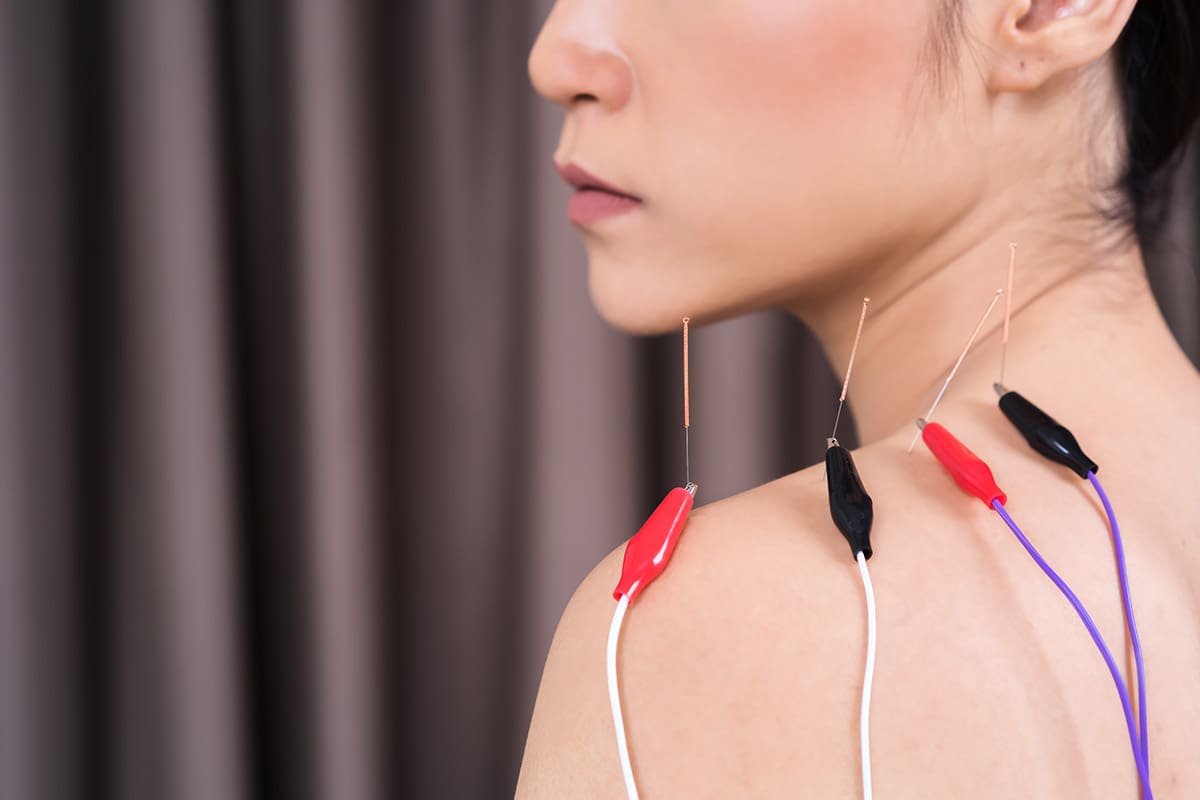
When many people are looking for alternative and complementary non-surgical therapies, electroacupuncture is the answer for individuals suffering from shoulder pain correlating with the neck. Like traditional acupuncture, electroacupuncture involves electric stimulation and needle insertion into specific points or acupoints on the body by highly trained professionals to enhance therapeutic effects on the affected muscle area. For shoulder pain, electroacupuncture controls pain by activating the central nervous system and inducing the body’s natural biochemicals to promote healing. (Heo et al., 2022) While shoulder pain associated with the neck can arise from a variety of causes, electroacupuncture can target these issues by:
Additionally, electroacupuncture can be combined with physical therapy to reduce neck and shoulder stiffness. When people incorporate exercises that target the neck and shoulders while combining electroacupuncture, they can see a long-term positive effect on pain reduction. (Duenas et al., 2021) The neck and shoulders will have improved flexibility and mobility from the exercises. At the same time, blood flow can help speed up the healing process, and the pain signals are blocked by electroacupuncture. For many individuals dealing with shoulder pain correlating with the neck, electroacupuncture can be an effective treatment to promote healing on the affected muscles and reduce pain.
References
Duenas, L., Aguilar-Rodriguez, M., Voogt, L., Lluch, E., Struyf, F., Mertens, M., Meulemeester, K., & Meeus, M. (2021). Specific versus Non-Specific Exercises for Chronic Neck or Shoulder Pain: A Systematic Review. J Clin Med, 10(24). https://doi.org/10.3390/jcm10245946
Elsiddig, A. I., Altalhi, I. A., Althobaiti, M. E., Alwethainani, M. T., & Alzahrani, A. M. (2022). Prevalence of neck and shoulder pain among Saudi universities’ students who are using smartphones and computers. J Family Med Prim Care, 11(1), 194-200. https://doi.org/10.4103/jfmpc.jfmpc_1138_21
Heo, J. W., Jo, J. H., Lee, J. J., Kang, H., Choi, T. Y., Lee, M. S., & Kim, J. I. (2022). Electroacupuncture for the treatment of frozen shoulder: A systematic review and meta-analysis. Front Med (Lausanne), 9, 928823. https://doi.org/10.3389/fmed.2022.928823
Moon, S. E., & Kim, Y. K. (2023). Neck and Shoulder Pain with Scapular Dyskinesis in Computer Office Workers. Medicina (Kaunas, Lithuania), 59(12). https://doi.org/10.3390/medicina59122159
Onda, A., Onozato, K., & Kimura, M. (2022). Clinical features of neck and shoulder pain (Katakori) in Japanese hospital workers. Fukushima J Med Sci, 68(2), 79-87. https://doi.org/10.5387/fms.2022-02
Suzuki, H., Tahara, S., Mitsuda, M., Izumi, H., Ikeda, S., Seki, K., Nishida, N., Funaba, M., Imajo, Y., Yukata, K., & Sakai, T. (2022). Current Concept of Quantitative Sensory Testing and Pressure Pain Threshold in Neck/Shoulder and Low Back Pain. Healthcare (Basel), 10(8). https://doi.org/10.3390/healthcare10081485
Can various therapeutic options provide relief for individuals with upper crossed syndrome to restore muscle strength?
Introduction
Many individuals often suffer neck and shoulder pain from poor posture, improper heavy lifting, musculoskeletal conditions, auto accidents, whiplash, etc. The surrounding muscles that connect the neck and shoulders help protect the cervical and thoracic region of the spine and can succumb to injuries that can cause pain-like symptoms causing discomfort to the individual. Neck, shoulder, and back pain are the three most common issues many individuals have experienced. These musculoskeletal disorders can also correlate with pre-existing conditions; many people will feel pain and discomfort while trying to find the relief they seek. One of the most common issues people often experience is upper crossed syndrome, which can be associated with neck and shoulder pain. Today’s article explains what upper cross syndrome is and how it affects the neck and shoulders while also diving into how different therapeutic options like spinal decompression and chiropractic care can reduce the effects of upper cross syndrome. We speak with certified medical providers who incorporate our patients’ information to provide numerous treatment plans to mitigate upper-crossed syndrome in the neck and shoulders. We also inform our patients that there are many therapeutic options, like chiropractic care and spinal decompression, to minimize muscle pain in the neck and shoulders. We encourage our patients to ask intricated and educational questions to our associated medical providers about the pain-like symptoms they are experiencing correlating with upper-crossed syndrome. Dr. Alex Jimenez, D.C., utilizes this information as an academic service. Disclaimer
What Is Upper Crossed Syndrome?
Have you been dealing with muscle pain in your shoulders or neck after being on the computer for a while? Do you feel stiffness in your shoulders that rotating them causes temporary relief? Or does it hurt when you turn your head from side to side? Many of these pain-like scenarios are often associated with upper-cross syndrome. Many people don’t often realize that upper crossed syndrome is a musculoskeletal condition that affects the neck, shoulder, and chest muscles and causes them to be weak and tight due to poor posture. The upper crossed syndrome can cause referred pain to the upper extremities, leading to cervicogenic headaches, limited range of motion, trigger points in the muscles, and muscle imbalance. (Moore, 2004) When many people are dealing with upper crossed syndrome due to poor posture, it can lead to many issues in the neck and shoulders.
How Does It Affect The Neck & Shoulders?
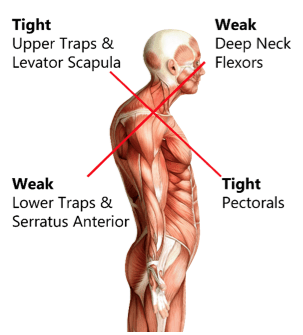
Now, why does upper crossed syndrome affect the neck and shoulders? Many people unintentionally hunched over when looking at their phones, being on the computer, or relaxing at home. This causes specific muscles in the neck and shoulder region, like the serratus and lower trapezius muscles, to become weak while the pectoral and neck muscles are tight. (Chu & Butler, 2021) This, in turn, causes the shoulders to be more rounded and hunched, causing the neck and head to crane forward. When people are dealing with upper crossed syndrome, many would often complain about pain-like symptoms like:
Headaches
Neck Strain
Muscle tightness
Upper back pain
Restricted range of motion
Numbness/Tingling sensations in the arms
The upper crossed syndrome can also occur gradually over time and cause nerve compression to the upper extremities. When the upper neck and shoulder muscles start to affect the surrounding nerve roots, which then leads to nerve dysfunction in the sensory and motor skills when a person picks up an object. (Lee & Lim, 2019) However, many individuals dealing with upper-crossed syndrome can seek treatment to relieve muscle pain in their neck and shoulders.
An Overview Of Upper Crossed Syndrome- Video
Since upper cross syndrome is a musculoskeletal condition that affects the neck and shoulders, it can result in muscle imbalance and pain in the individual. Many people, especially in the working field, develop this syndrome by being hunched over for an extended period. (Mujawar & Sagar, 2019) This causes the head to be more forward, the neck posture to be curved and hunched, and the shoulders to be rounded. The video above explains upper-crossing syndrome, its causes, and how it is treated.
Numerous treatments can help restore muscle strength and reduce muscle pain in the neck and shoulders. Treatments like spinal decompression can help reduce upper crossed syndrome by slowly using gentle traction to the cervical spine region and gently stretching the neck muscles to provide relief. Spinal decompression is one of the non-surgical treatments that many individuals with headaches associated with upper crossed syndrome can find the comfort they seek through pain reduction and improve their quality of life. (Eskilsson et al., 2021) At the same time, spinal decompression can be part of a personalized treatment plan that many individuals can add to their daily routine to prevent the pain from returning. (Saunders, 1983)
Chiropractic Care Restoring Muscle Strength
Just like spinal decompression, chiropractic care is a non-surgical treatment that can be combined with various stretching techniques to restore the neck’s range of motion and reduce pain associated with upper-crossed syndrome. (Mahmood et al., 2021) Chiropractic care incorporates manual and mechanical techniques like MET (muscle energy techniques) and spinal manipulation to realign the spine out of subluxation. When chiropractors integrate MET to manage upper crossed syndrome, many individuals find that their pain has decreased, their cervical range of motion is improved, and their neck disability is reduced. (Gillani et al., 2020) When many individuals start thinking about their health and wellness, they can make small changes to improve their posture and be more mindful of their bodies to reduce the chances of upper-cross syndrome returning.
References
Chu, E. C., & Butler, K. R. (2021). Resolution of Gastroesophageal Reflux Disease Following Correction for Upper Cross Syndrome-A Case Study and Brief Review. Clin Pract, 11(2), 322-326. https://doi.org/10.3390/clinpract11020045
Eskilsson, A., Ageberg, E., Ericson, H., Marklund, N., & Anderberg, L. (2021). Decompression of the greater occipital nerve improves outcome in patients with chronic headache and neck pain – a retrospective cohort study. Acta Neurochir (Wien), 163(9), 2425-2433. https://doi.org/10.1007/s00701-021-04913-0
Gillani, S. N., Ain, Q., Rehman, S. U., & Masood, T. (2020). Effects of eccentric muscle energy technique versus static stretching exercises in the management of cervical dysfunction in upper cross syndrome: a randomized control trial. J Pak Med Assoc, 70(3), 394-398. https://doi.org/10.5455/JPMA.300417
Mahmood, T., Afzal, W., Ahmad, U., Arif, M. A., & Ahmad, A. (2021). Comparative effectiveness of routine physical therapy with and without instrument assisted soft tissue mobilization in patients with neck pain due to upper crossed syndrome. J Pak Med Assoc, 71(10), 2304-2308. https://doi.org/10.47391/JPMA.03-415
Moore, M. K. (2004). Upper crossed syndrome and its relationship to cervicogenic headache. J Manipulative Physiol Ther, 27(6), 414-420. https://doi.org/10.1016/j.jmpt.2004.05.007
Mujawar, J. C., & Sagar, J. H. (2019). Prevalence of Upper Cross Syndrome in Laundry Workers. Indian J Occup Environ Med, 23(1), 54-56. https://doi.org/10.4103/ijoem.IJOEM_169_18
One of the many muscles that help stabilize the shoulders and provide movement when the arms are in motion. The tricep muscles are one of the most underrated muscles that many people don’t seem to take care of when working out. The other muscles in the upper arms and shoulders are more likely to be worked on when it comes to being physically active. The deltoids, biceps, and brachialis muscles are some of the muscles that get much more attention when working on shoulder mobility. Still, the triceps provide the functionality to the shoulders as well. When the shoulders or the upper arms are injured and develop pain-like symptoms in the muscle groups, it can develop trigger points along the affected muscle. Today’s article looks at the tricep muscles, how trigger points affect them, and ways to manage trigger points along the tricep muscles. We refer patients to certified providers who specialize in arm pain treatments to aid individuals suffering from trigger points associated with the tricep muscles along the upper arms and elbows. We also guide and inform our patients by referring them to our associated medical providers based on their examination when appropriate. We established that education is a great solution to asking our providers profound questions the patient requests. Dr. Jimenez DC takes note of this information as an educational service only. Disclaimer
What Do The Tricep Muscles Do?
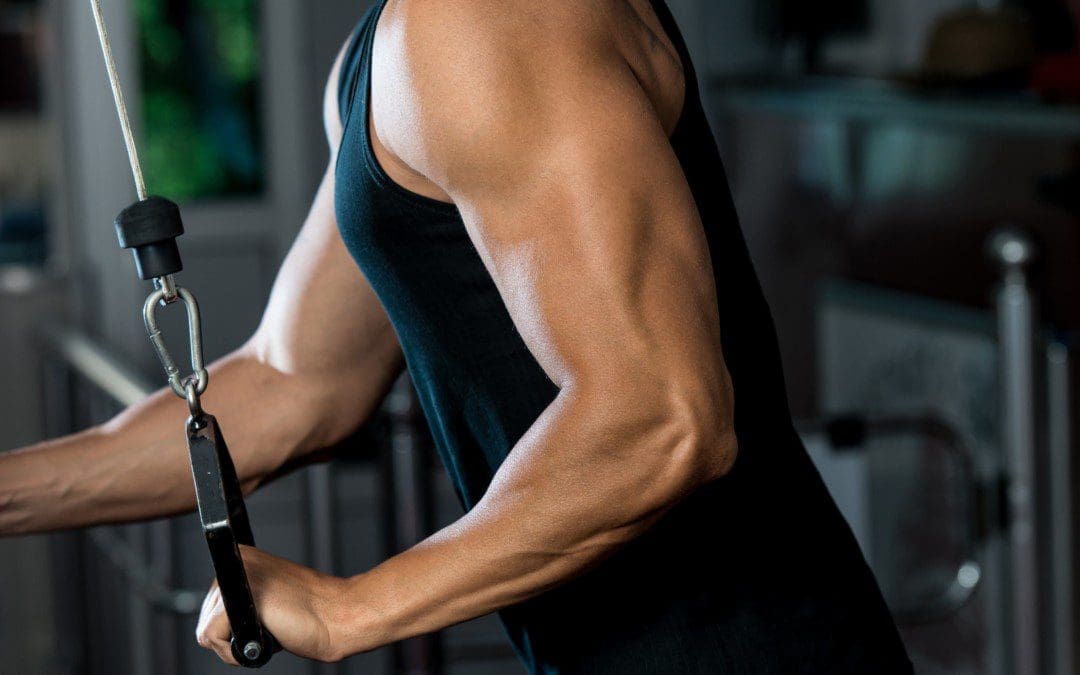
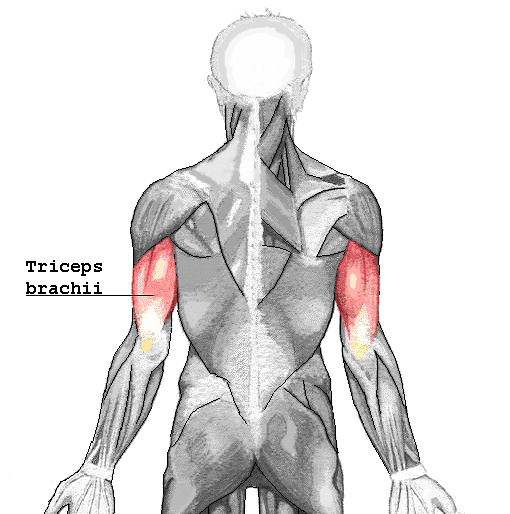
Do you experience pain underneath your forearm? How about feeling a dull ache on your elbows? Or do you feel a numbing sensation on your ring and pinky fingers? Individuals experiencing these symptoms in their arms could potentially develop trigger points along their tricep muscles. The tricep muscles are located under the upper arm and are a large, thick horseshoe-shaped muscle at the end of the arm. As stated earlier, the tricep muscles are one of the most underrated muscles in the arm that no one tends to work on during a workout, so they can be easily overlooked. However, the tricep muscles help in providing stability to the shoulders and help strengthen the arms. One of the main functions the triceps offer is that they allow the extension of the elbow joints. Studies reveal that the three head tendons that make up the triceps can influence elbow extension torque. The three heads of the triceps have different patterns of force when it comes to various activities during different shoulder evaluations. To that point, multiple combinations of the shoulder and elbows at different angles can affect the tricep’s shoulder extensions. Since many individuals don’t work on their triceps often, it can potentially develop issues that can make this underrated muscle weak.
How Trigger Points Affect The Tricep Muscles?
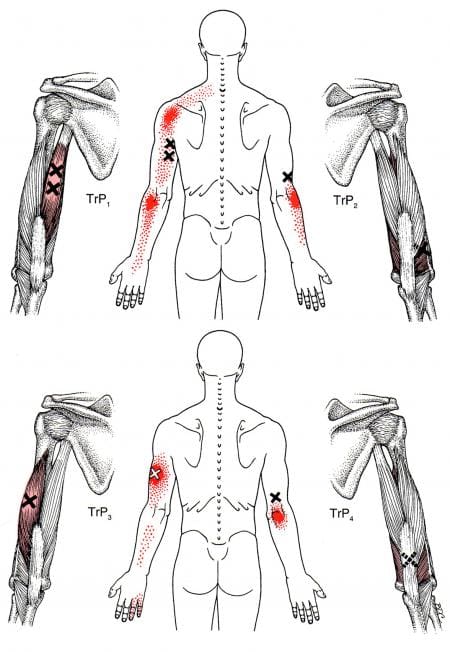
When the triceps don’t get worked on during a workout, it can lead to muscle weakness when doing pushups or when someone suffers from an injury with direct trauma in the elbows. When the tricep muscles become affected, it can lead to chronic conditions that are associated with myofascial pain or trigger points. Trigger points in the triceps can be formed when there are restrictions in extending the elbow joints. Studies reveal that when the triceps become overloaded from overusing the forearms from normal activities, it could potentially lead to tricep tendon rupture. To that point, which leads to the development of trigger points to invoke pain in the triceps and elbow joint. According to Dr. Janet Travell, M.D., trigger points associated with the tricep muscles could potentially involve referred pain in the vicinity of the elbow joints. What this refers to is that trigger points can mimic other chronic conditions so in this case, referred pain caused by trigger points associated with the tricep muscles can be mistakenly attributed to arthritis on the elbow joints. All is not lost, as there are ways to manage trigger points affecting the tricep muscles.
Treating Trigger Points On The Triceps- Video
Have you been experiencing pain in your shoulders, elbows, and hands? Do you have limited mobility when extending your elbows? Or do you notice that your triceps are weaker than normal? If you have been dealing with any of these symptoms, it could be due to trigger points associated with the tricep muscles that are causing referred pain to the upper arms and elbows. The triceps in the upper arms is one of the most underrated muscles people tend to overlook. When individuals begin to succumb to injuries that affect their triceps, it can lead to the development of trigger points along the muscle fibers in the tricep muscles. Trigger points can occur in the tricep muscles due to overusing the forearm muscles, causing stress in the elbow joint and the muscle itself. When the trigger points become active, it can lead to limited mobility to the elbow joint, causing the individual thinks they are developing arthritis when it is the trigger points causing the referred pain. There are ways that many people can manage trigger points associated with the elbows along the triceps to relieve the pain from the muscle. The video above shows where the active trigger points are located and how to release them through palpations and massage. Treating the trigger points along the tricep muscles allows many individuals to regain mobility in their elbows and upper arms.
Managing Trigger Points Along The Triceps
As stated earlier, the triceps are the underrated muscle that people tend to forget. When the tricep muscles succumb to trigger points, it can lead to referred pain along the elbow joints, causing pain-like symptoms affecting the elbow’s mobility function. When this happens to the upper arms, there are various ways to strengthen the tricep muscles and manage trigger points from developing in the future. Incorporating exercises targeting the tricep muscles can help improve mobility to the elbows and shoulders. If a person is playing sports like tennis, they can opt for a lighter racket and have a more lightweight grip on the handle. Suppose a person is in pain from their triceps. In that case, however, studies reveal that upper limb rehabilitation can help reduce the pain along the triceps and improve the mobility range caused by pain associated with trigger points. People can continue their daily activities without pain when they utilize these various ways to enhance their triceps’ functionality.
Conclusion
As the most underrated muscle that people tend to forget to work out, the tricep muscle can be overlooked. This large, thick horseshoe-shaped muscle has a job that provides stability to the shoulders and allows an extension to the elbow joints. When individuals don’t work on their tricep muscles, it can lead to muscle weakness and pain-like symptoms that lead to the development of trigger points. Trigger points associated with the tricep muscles can cause referred pain to the elbow joint, making many individuals believe they have arthritis. However, many individuals can regain mobility to their elbows by incorporating exercises targeting the triceps and utilizing treatments to manage trigger points along the muscle fibers. They can do daily activities that require the triceps without pain.
References
Landin, Dennis, et al. “Functions of the Triceps Brachii in Humans: A Review.” Journal of Clinical Medicine Research, Elmer Press, Apr. 2018, https://www.ncbi.nlm.nih.gov/pmc/articles/PMC5827912/.
Lennon, Olive, et al. “Effect of the Triceps Brachii Facilitation Technique on Scapulohumeral Muscle Activation during Reach and Point in a Healthy Population.” Physiotherapy Canada. Physiotherapie Canada, University of Toronto Press, 2019, https://www.ncbi.nlm.nih.gov/pmc/articles/PMC6855346/.
Mangano, Tony, et al. “Chronic Tendonopathy as a Unique Cause of Non Traumatic Triceps Tendon Rupture in a (Risk Factors Free) Bodybuilder: A Case Report.” Journal of Orthopaedic Case Reports, Indian Orthopaedic Research Group, 2015, https://www.ncbi.nlm.nih.gov/pmc/articles/PMC4719357/.
Tiwana, Manpreet S, et al. “Anatomy, Shoulder and Upper Limb, Triceps Muscle.” In: StatPearls [Internet]. Treasure Island (FL), StatPearls Publishing, 6 Aug. 2021, https://www.ncbi.nlm.nih.gov/books/NBK536996/.
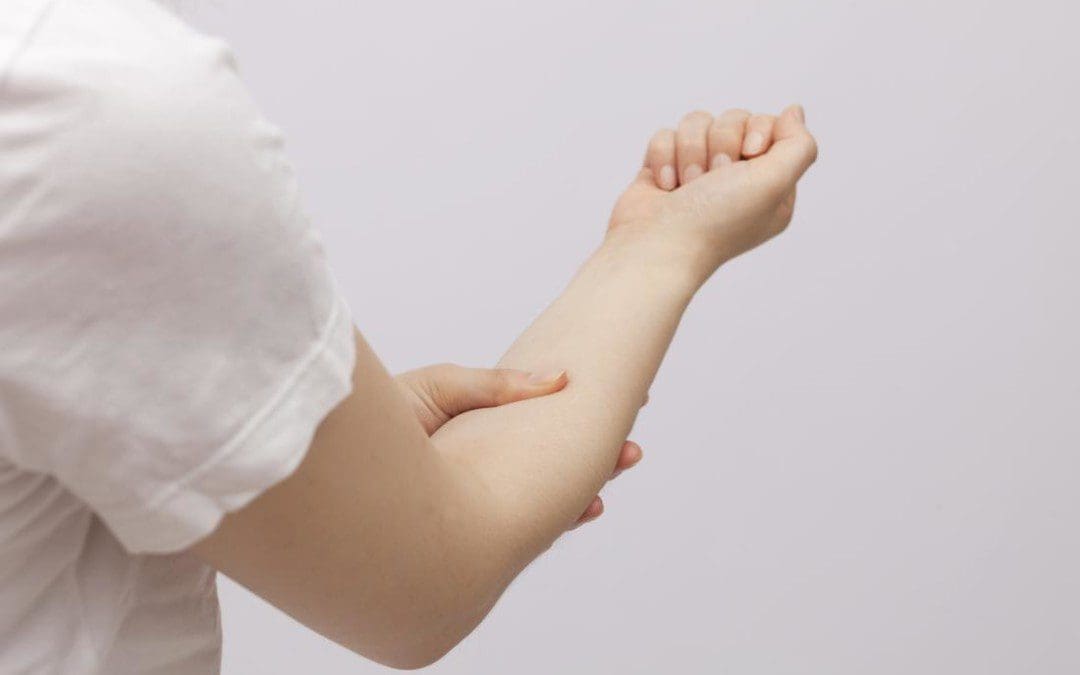
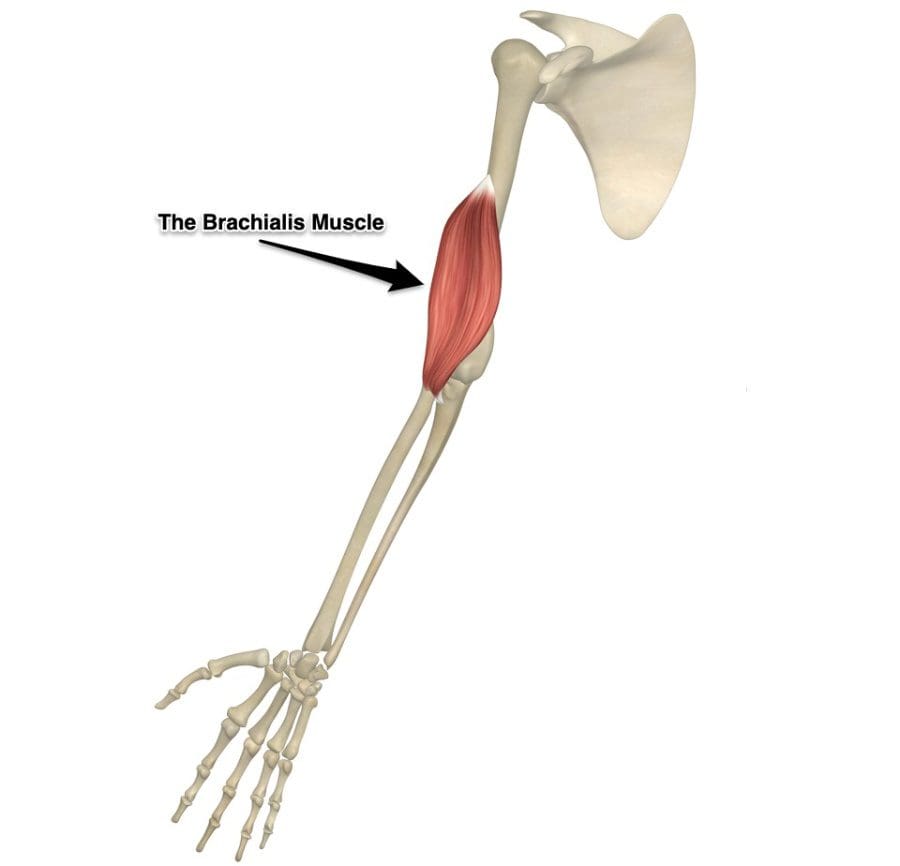
When it comes to the human body in motion, the arms can carry, lift, and move items from one place to another without pain. The arms have different muscles that work together to protect the arm and shoulder joints while providing mobility and movement. One of the muscles that help the arms carry items is the brachialis muscles, which work together with the bicep and tricep muscles. As part of the forearm, it can succumb to various injuries affecting the muscle, tendons, and ligaments. When this happens, referred pain can affect the arm and develop trigger points to overlap chronic conditions that can potentially cause more pain. Today’s article looks at the brachialis muscle’s function, how trigger points affect the muscle, and various ways to manage brachialis trigger points. We refer patients to certified providers who specialize in arm pain treatments to aid individuals suffering from trigger points associated with the brachialis muscles along the upper arms. We also guide and inform our patients by referring them to our associated medical providers based on their examination when appropriate. We established that education is a great solution to asking our providers profound questions the patient requests. Dr. Jimenez DC takes note of this information as an educational service only. Disclaimer
What Is The Brachialis Muscle Function?
Have you been experiencing muscle strain in your forearms? What about stiffness in your wrist? Or do your arm muscles begin to spasm out of nowhere? Many people who have experienced these pain symptoms might be caused by trigger points associated with the brachialis muscle. The brachialis is an important muscle that flexes the forearm at the elbow. This muscle works with the biceps as it can carry heavy items, like the deltoid, and is the opposite of the tricep muscles. However, it can become overused and succumb to injuries that can invoke pain in the arm muscles, thus leading to the development of trigger points along the brachialis muscle.
How Does Trigger Points Affect The Brachialis Muscle?
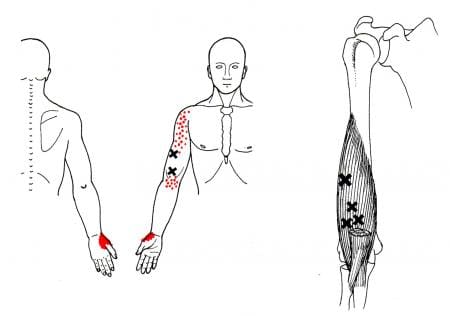
When the brachialis muscle becomes injured, many people will experience pain when flexing their elbows inward or outward. According to Dr. Travell, M.D., these pain symptoms may be due to referred pain and tenderness from brachialis trigger points or radial nerve entrapment. During heaving lifting, the forearm flexion stress overload activates trigger points along the brachialis. Studies reveal that excessive sudden physical stress or repetitive activities may result from a muscle sprain or tear in the brachialis muscle. To that point, these symptoms associated with trigger points can cause overlapping risk profiles that can mask the condition. Some of the conditions that can overlap and activate trigger points include:
Carrying heavy groceries
Holding power tools
Tennis elbow
Playing a string instrument
Studies also reveal that active trigger points along the affected muscle can increase weight coefficients and alter motor control without co-contraction patterns. This is due to trigger points becoming tricky to diagnose and mimic other conditions affecting the arms’ muscle group. Many people with pain-like symptoms associated with trigger points often complain about numbness or deep pain in their arms and hands. To that point, trigger points can also be involved with nerve entrapment in the brachialis muscles.
The Brachialis Trigger Points Release-Video
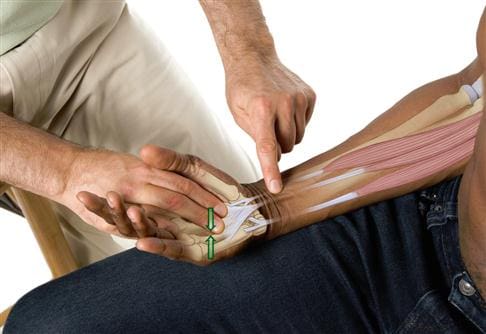
Have you been experiencing stiffness in your hands and arms? What about muscle spasms near your elbow? Or does constant pain affect your forearm muscles when you bend your arm? Many of these symptoms are associated with trigger points affecting the brachialis muscle that is causing pain in the forearms. Trigger points or myofascial pain syndrome can affect a person’s well-being by impairing their mobility in the affected areas, causing pain, and even reducing their overall sense of life. Trigger points affecting the brachialis muscles can mimic chronic conditions like nerve entrapment that can affect the motor function of the forearm. Luckily, trigger points are treatable, and there are ways to reduce the pain-like symptoms from the affected brachialis muscles. The video above shows how to treat trigger points along the forearm. Incorporating non-invasive treatments to reduce future trigger points to form can reduce the pain symptoms and release the trapped nerves that are causing motor function problems in the arms.
Ways To Manage Brachialis Trigger Points
As stated earlier, trigger points are tricky to diagnose since they can mimic other chronic conditions along the affected muscles. When the affected muscle succumbs to injuries and is not treated, it can develop tiny knots along the taut muscle band fibers known as trigger points over time. To that point, it can cause referred pain-like symptoms along the muscle group. Luckily, treatments can help reduce pain-like symptoms and prevent trigger points from forming along the muscle fibers. Studies reveal that trigger point injections are one of the various treatments that can help reduce pain in the brachialis muscle. With gentle stretching and physical therapy, allow mobility back to the arm. One way to manage brachialis trigger points that many people can use is to place a pillow at the angle of the elbow to prevent the arms from tightening or use a hot pack to relax the forearm muscles to relieve muscle strain and aches. Another way is not to overuse their forearms when playing an instrument or carrying items on their forearms. This can prevent trigger points from forming in the future and reduce pain-like symptoms from affecting the forearms.
Conclusion
The brachialis is the main muscle that is important to the forearms. This large muscle works with the bicep and tricep muscles to help the host carry heavy objects while bending at the elbows. However, like all the muscles in the body, the brachialis muscles can succumb to injuries and develop trigger points along the brachialis muscle fiber bands. Trigger points along the brachialis muscle are associated with pain-like symptoms that can mimic conditions like tennis elbow or nerve entrapment in the forearms. Fortunately, various treatments are utilized by doctors to help many patients dealing with trigger points along the brachialis muscle and can help reduce pain in the forearms. This allows mobility back to the arms and prevents future trigger points from forming.
References
Geri, Tommaso, et al. “Myofascial Trigger Points Alter the Modular Control during the Execution of a Reaching Task: A Pilot Study.” Scientific Reports, Nature Publishing Group UK, 5 Nov. 2019, https://www.ncbi.nlm.nih.gov/pmc/articles/PMC6831581/.
Plantz, Mark A, and Bruno Bordoni. “Anatomy, Shoulder and Upper Limb, Brachialis Muscle.” In: StatPearls [Internet]. Treasure Island (FL), StatPearls Publishing, 22 Feb. 2022, https://www.ncbi.nlm.nih.gov/books/NBK551630/.
Sharma, Pankaj, et al. “Isolated Traumatic Brachialis Muscle Tear: A Case Report and Review of Literature.” Bulletin of Emergency and Trauma, Shiraz University of Medical Sciences, Oct. 2017, https://www.ncbi.nlm.nih.gov/pmc/articles/PMC5694606/.
Suh, Mi Ri, et al. “Ultrasound-Guided Myofascial Trigger Point Injection into Brachialis Muscle for Rotator Cuff Disease Patients with Upper Arm Pain: A Pilot Study.” Annals of Rehabilitation Medicine, Korean Academy of Rehabilitation Medicine, Oct. 2014, https://www.ncbi.nlm.nih.gov/pmc/articles/PMC4221396/.
The upper arms allow the individual to move the arms, hands, and fingers, enabling them to do everyday activities without feeling pain or injuries. Different muscles in the upper arms allow precise movements, from threading a needle to throwing a ball across the field. These muscles also work with the shoulders, allowing a full range of motion and flexion. One of the muscles that help the upper arms is the bicep brachii, which provide flexion to the arm. However, like all the muscles in the body, they can succumb to pain caused by trigger points. Today’s article looks at the bicep muscles’ function, how trigger points affect the muscles, and how to manage trigger points associated with the bicep muscles. We refer patients to certified providers who specialize in arm pain treatments to aid individuals suffering from trigger points associated with the bicep brachii muscles along the upper arms. We also guide and inform our patients by referring them to our associated medical providers based on their examination when appropriate. We established that education is a great solution to asking our providers profound questions the patient requests. Dr. Jimenez DC takes note of this information as an educational service only. Disclaimer
What Are The Bicep Muscles Function?
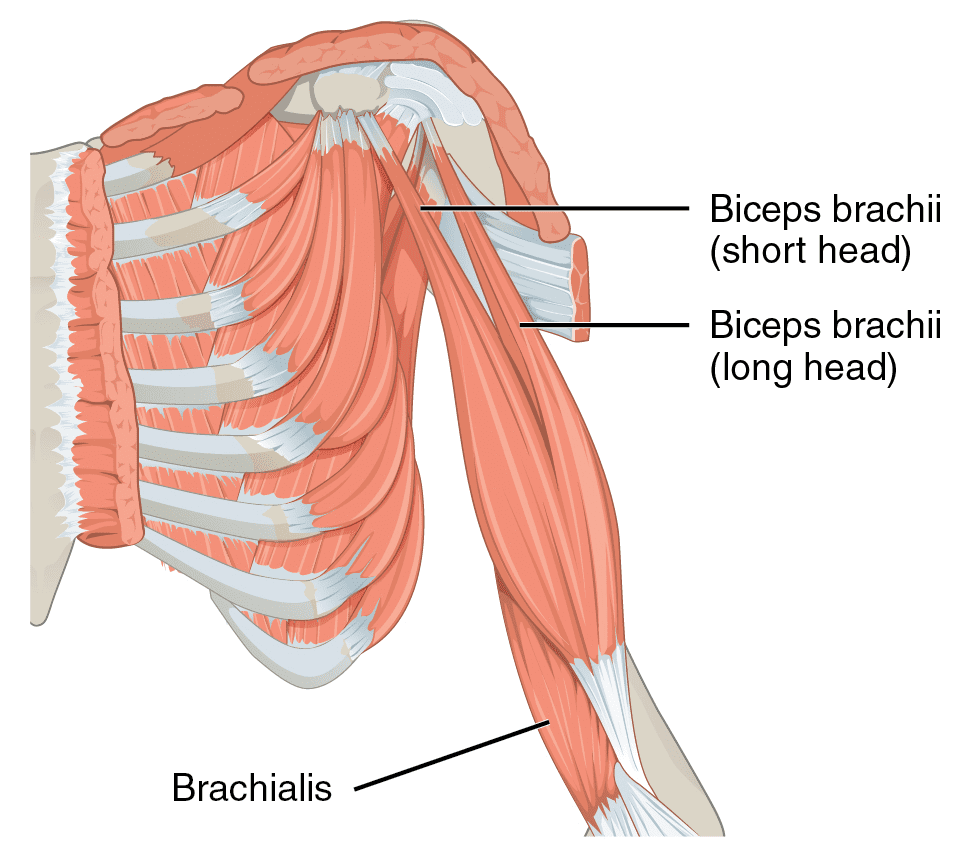
Have you been dealing with radiating pain down to your elbow? Do your upper arm muscle ache when carrying items from place to place? Or have you experienced muscle spasms in your arms and hands? Many people experiencing these symptoms might risk developing trigger points along their bicep muscles. The bicep brachii is a large, thick muscle that covers the joints and is located in the upper arms. The bicep muscle consists of two attachments: the short head (caput breve) and the ling head (caput longum). It works together with the coracobrachialis muscle to support stability to the shoulders.
Studies reveal that these two muscle bands work together to provide multiple actions between the shoulder and elbow joints by being in conjunction with the other muscles. The main function of the bicep muscles is that it is one of the three muscles that can flex the elbow and shoulders. The biceps also allow flexion and supination or outward rotation of the forearms at 90 degrees. This muscle is very important for athletes that require lifting, carrying, or throwing and can make the individual stronger. To that point, the bicep muscle can also succumb to injuries that can cause pain to the upper arms and shoulders.
How Does Trigger Points Affect The Bicep Muscles?
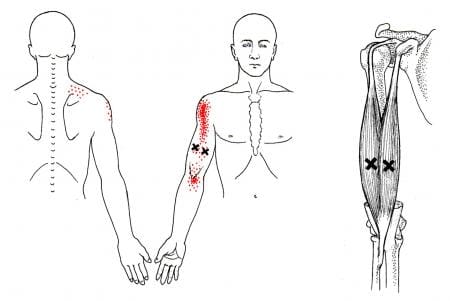
When the bicep muscles succumb to injuries, it can be due to overusing the long head of the bicep muscles and can lead to bicep tendon rupture. When the bicep muscle succumbs to a tendon rupture, it is due to excessive eccentric force that brings the arms to an extension rather than flexion. Other issues affecting the biceps can correlate to rotator cuff pathology and can be associated with being a common source of shoulder pain. Studies reveal that since the bicep is closely associated with the rotator cuff, tendinopathy can form due to repetitive traction, friction, and rotation of the shoulder joints. To that point, it can lead to the development of trigger points along the bicep muscles. Trigger point pain can be complicated to diagnose since it can mimic other chronic conditions. For trigger points to occur along the bicep muscles, pain-like symptoms are caused when the arm is above the shoulder. To that point, it causes symptoms of aches, stiffness, and muscle weakness in the bicep muscles.
Trigger Points Affecting The Bicep Brachii- Video
Have you experienced muscle aches and stiffness when lifting your arms above your shoulders? Do you find difficulty to bend your elbows? Or have you been experiencing radiating pain along the shoulders, arms, and hands? These pain-like symptoms are associated with trigger points along the bicep muscles and can evoke motor dysfunction in the upper arms. The video above gives an overview how trigger points affect the bicep brachii and cause symptoms like “frozen shoulder” to affect the entire arm. Studies reveal that trigger points are the most frequent causes of chronic musculoskeletal pain that causes the muscle tissue to become hyperirritable. Trigger points can also cause referred pain to the affected muscles, causing limited range of motion to the joints. When the bicep muscles are being affected by trigger points, it can cause stress on the muscle and cause hyper-extension to the arm. According to Dr. Travell, M.D., when trigger points affect the bicep brachii muscles and cause referred pain and tenderness on the ball-and-socket joint, the symptoms associated with trigger points are mistaken as a rheumatic joint disease unless the affected bicep is examined for trigger points. Thankfully, there are ways to manage trigger points associated with the bicep muscles to reduce pain in the upper arms.
Managing Trigger Points Associated With The Bicep Muscles
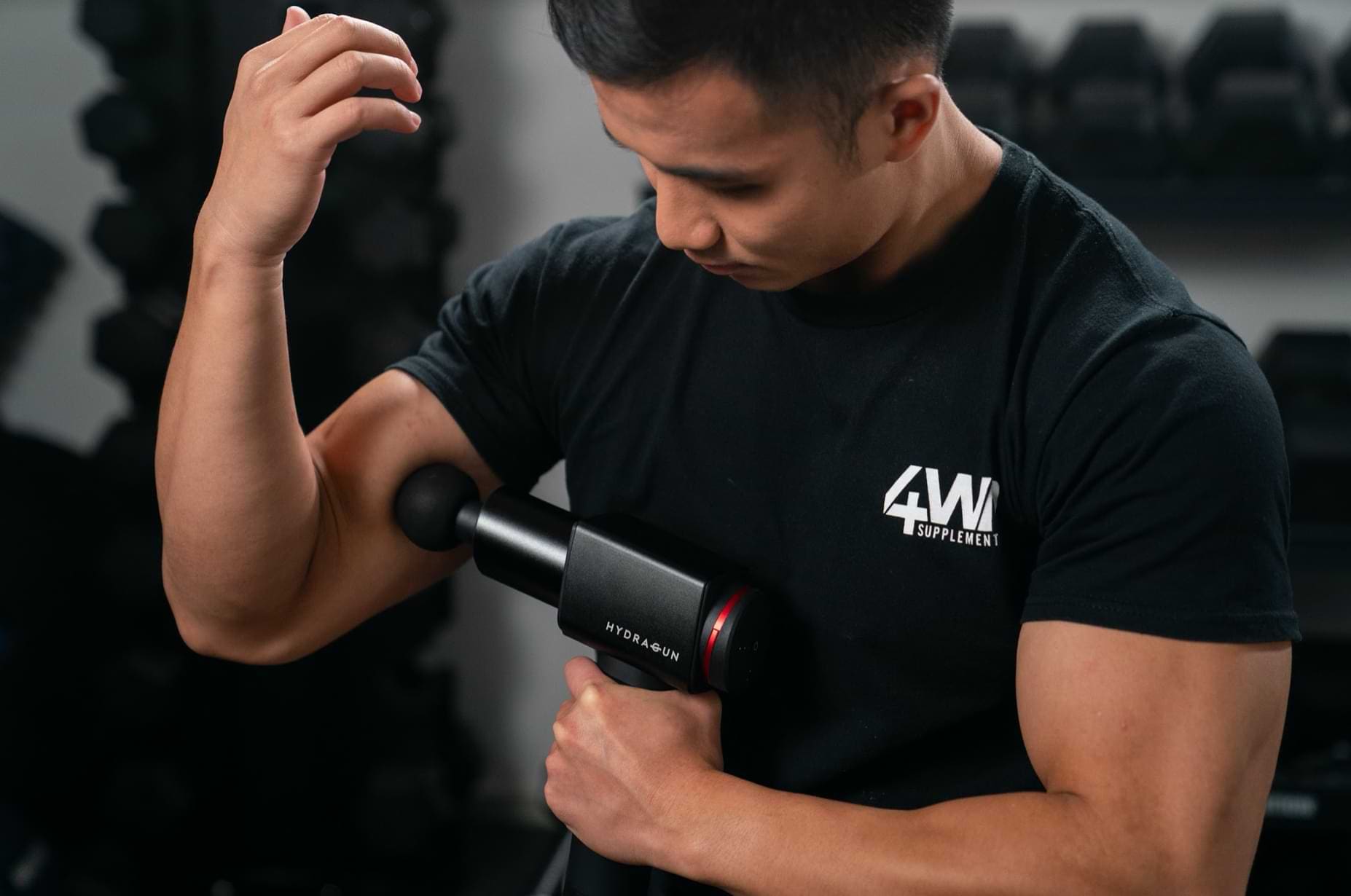
When individuals are suffering from pain along their bicep muscles, it can cause them to be miserable as they cannot participate in various activities that require their arms; when trigger points are formed along the taut muscle band of the bicep muscles, the radiating pain from the shoulder to the elbow, causing stiffness and muscle aches. Fortunately, various techniques can help manage trigger points associated with the bicep muscles. Studies reveal that many people can manage trigger points related to the bicep muscles to reduce shoulder pain by resting, modifying their activities, and seeking more non-invasive treatments to reduce the pain associated with the bicep muscles. Many people can do various arm and shoulder stretches to reduce the stiffness of the bicep muscles. This allows gentle stretching along the upper arm muscles and releases tension through slow, even breathing and prolonged shortening of the bicep muscles.
Conclusion
The bicep has two attachments that provide mobility and are a large thick muscle that covers the upper arm joints. The bicep muscles also work together with the coracobrachialis muscle to help support the shoulders by making them stable. When the bicep muscles become overused and succumb to injuries, they can develop trigger points along the bicep muscles, causing referred pain to the arms and shoulders. When this happens, the muscles become stiff and can become painful when doing simple actions like lifting their arms or playing a sport. When this happens, many individuals become miserable since they can’t participate. Fortunately, various techniques can help reduce the pain symptoms in the arms and prevent future injuries. Gentle stretching and muscle massages can release the trigger points from the bicep muscles and improve arm mobility to the biceps.
References
Akamatsu, Flávia Emi, et al. “Trigger Points: An Anatomical Substratum.” BioMed Research International, Hindawi Publishing Corporation, 2015, https://www.ncbi.nlm.nih.gov/pmc/articles/PMC4355109/.
Landin, Dennis, et al. “Actions of the Biceps Brachii at the Shoulder: A Review.” Journal of Clinical Medicine Research, Elmer Press, Aug. 2017, https://www.ncbi.nlm.nih.gov/pmc/articles/PMC5505302/.
McDevitt, Amy W, et al. “Physical Therapy Interventions for the Management of Biceps Tendinopathy: An International Delphi Study.” International Journal of Sports Physical Therapy, NASMI, 1 June 2022, https://www.ncbi.nlm.nih.gov/pmc/articles/PMC9159730/.
Raney, Elise B, et al. “Pain and the Pathogenesis of Biceps Tendinopathy.” American Journal of Translational Research, e-Century Publishing Corporation, 15 June 2017, https://www.ncbi.nlm.nih.gov/pmc/articles/PMC5489872/.
Tiwana, Manpreet S, et al. “Anatomy, Shoulder and Upper Limb, Biceps Muscle.” In: StatPearls [Internet]. Treasure Island (FL), StatPearls Publishing, 11 Aug. 2021, https://www.ncbi.nlm.nih.gov/books/NBK519538/.
IFM's Find A Practitioner tool is the largest referral network in Functional Medicine, created to help patients locate Functional Medicine practitioners anywhere in the world. IFM Certified Practitioners are listed first in the search results, given their extensive education in Functional Medicine