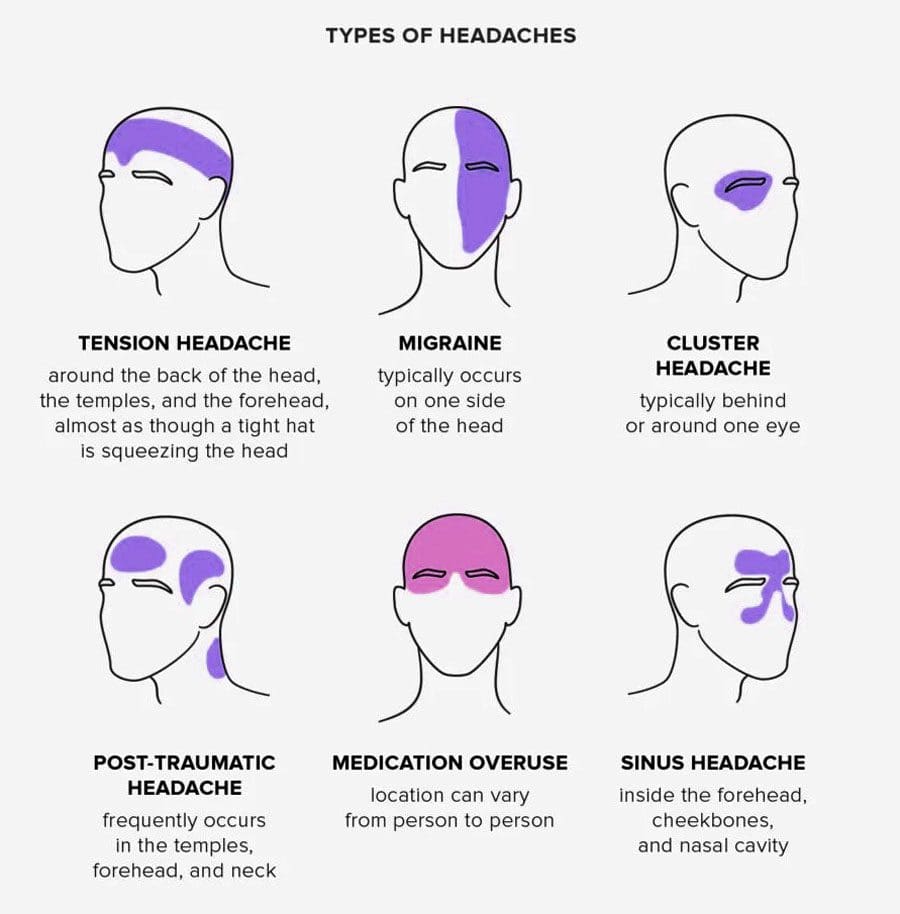
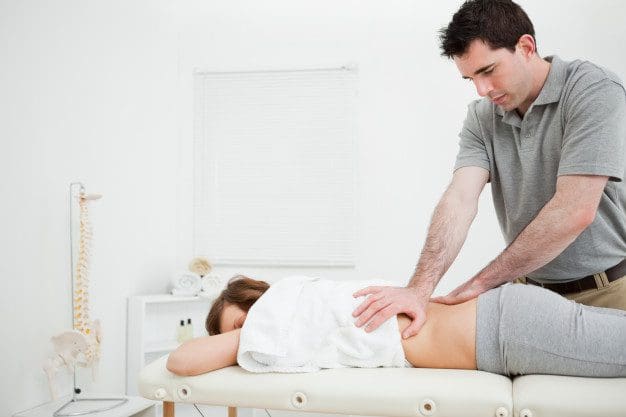
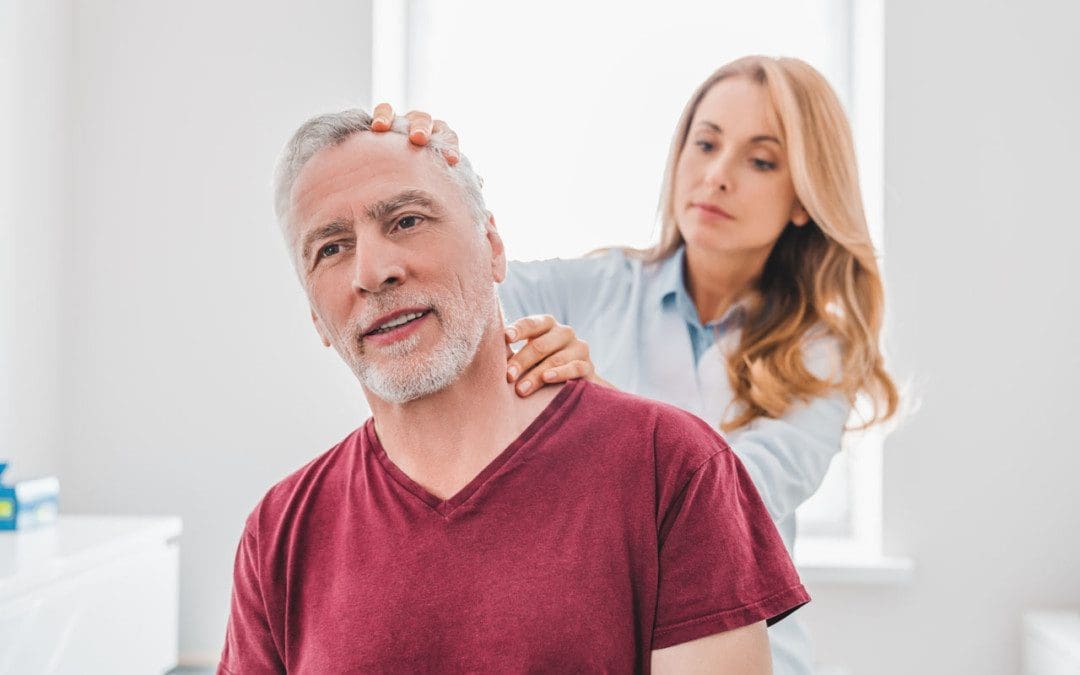
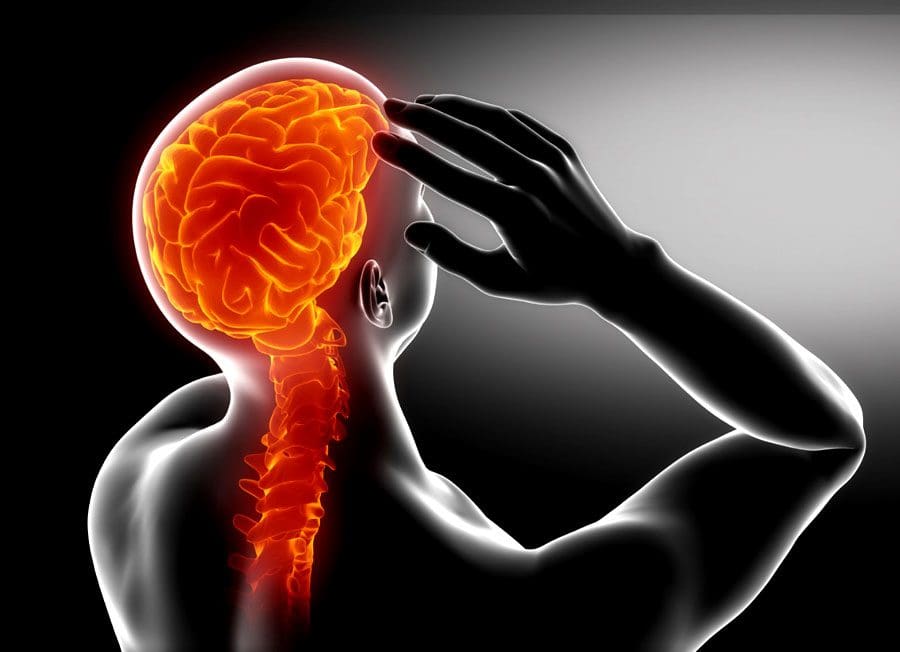
Headaches are a common condition that most experience and can differ greatly regarding type, severity, location, and frequency. Headaches range from mild discomfort to constant dull or sharp pressure and severe throbbing pain. A headache chiropractor, through therapeutic massage, decompression, and adjustments, alleviates the headaches, whether tension, migraine, or cluster, releasing the tension and restoring normal function.
Headache Chiropractor
Ninety-five percent of headaches are primary headaches caused by overactivity, muscle tension, or problems with pain-sensitive structures in the head. These are not a symptom of an underlying disease and include tension, migraine, or cluster headaches. The other 5 percent of headaches are secondaryand are caused by an underlying condition, infection, or physical issue. Headaches have various causes or triggers. These include:
Long hours driving
Stress
Insomnia
Blood sugar changes
Foods
Smells
Noises
Lights
Excessive exercise or physical activity
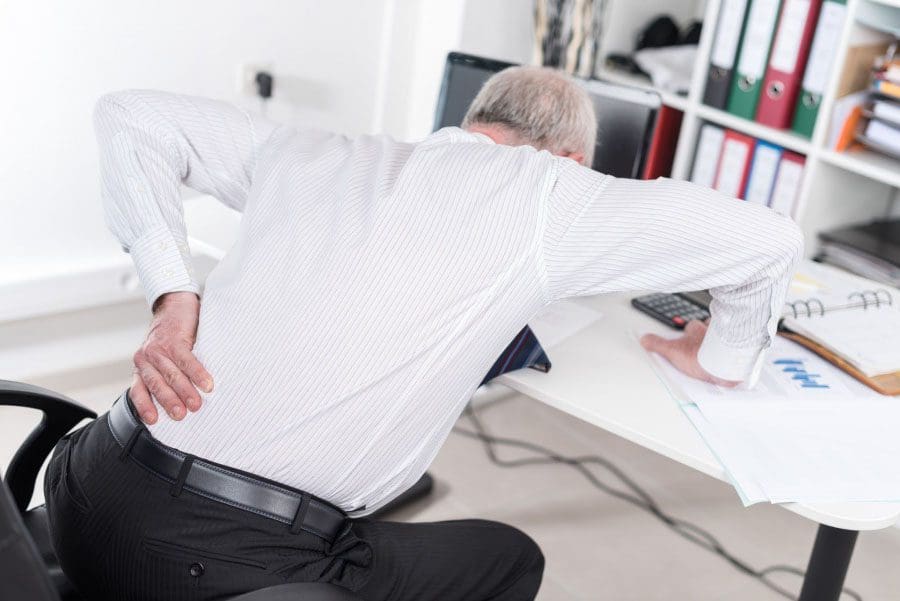
Individuals spend more hours in one fixed position or posture, like sitting in front of a computer or standing at a workstation. This can increase joint irritation and muscle tension in the upper back, neck, and scalp, causing achiness and discomfort that builds up to throbbing soreness. The headache’s location and the discomfort experienced can indicate the type of headache.
Chiropractic Care
Chiropractors are experts in the neuromusculoskeletal system. Research shows that a headache chiropractor can adjust the spine’s alignment to improve spinal function, release and relax the tense muscles, and alleviate nervous system stress helping decrease the intensity and frequency. Treatment includes:
The Injury Medical Chiropractic and Functional Medicine Teamwill develop a personalized treatment plan for the individual’s specific condition and needs.
Migraine Treatment
References
Biondi, David M. “Physical treatments for headache: a structured review.” Headache vol. 45,6 (2005): 738-46. doi:10.1111/j.1526-4610.2005.05141.x
Bronfort, G et al. “Efficacy of spinal manipulation for chronic headache: a systematic review.” Journal of manipulative and physiological therapeutics vol. 24,7 (2001): 457-66.
Bryans, Roland, et al. “Evidence-based guidelines for the chiropractic treatment of adults with headache.” Journal of manipulative and physiological therapeutics vol. 34,5 (2011): 274-89. doi:10.1016/j.jmpt.2011.04.008
Côté, Pierre, et al. “Non-pharmacological management of persistent headaches associated with neck pain: A clinical practice guideline from the Ontario Protocol for traffic injury management (OPTIMa) collaboration.” European journal of pain (London, England) vol. 23,6 (2019): 1051-1070. doi:10.1002/ejp.1374
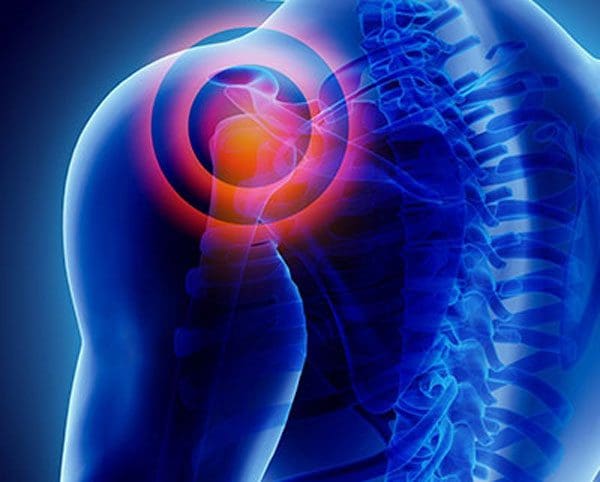
Shoulder and arm pain can be debilitating, especially when there is no obvious cause or injury that needs to be treated. A rare condition known as brachial neuritiscan cause spasms along with pain down the arm, followed by numbness, tingling, and weakness. If not diagnosed and treated early, the symptoms can worsen with time. The pain experienced can be described as sharp, searing, and shooting. Brachial neuritis can be intense and disabling when it presents for hours and even days.
Utilizing a chiropractic approach, shoulder and spinal adjustments can provide relief and a faster healing/recovery from the inflammatory condition. Individuals experiencing shoulder, arm, and possible hand pain should consult with a chiropractor about a potential home and clinic treatment plan to improve their condition.
Medical History and Examination
The process of diagnosing brachial neuritis involves an individual’s medical history and physical exam. More complicated cases could require imaging studies and electrodiagnostic tests. The first steps in diagnosing the cause of shoulder and/or arm pain include:
Medical history
Information will be collected on an individual’s:
Medical history
Family history
Underlying conditions
Recent illnesses or injuries
Lifestyle habits
How and when symptoms began
Current symptoms
Physical examination
A chiropractor will palpate or inspect by feeling the neck, shoulder, and arm for irregularities. Then they will examine the range of motion, strength, and reflexes. If the individual’s history and physical exam suggest that the cause could be brachial neuritis or other condition involving the nerves, imaging studies, and diagnostic tests could be required to evaluate further.
Symptoms of Brachial Neuritis
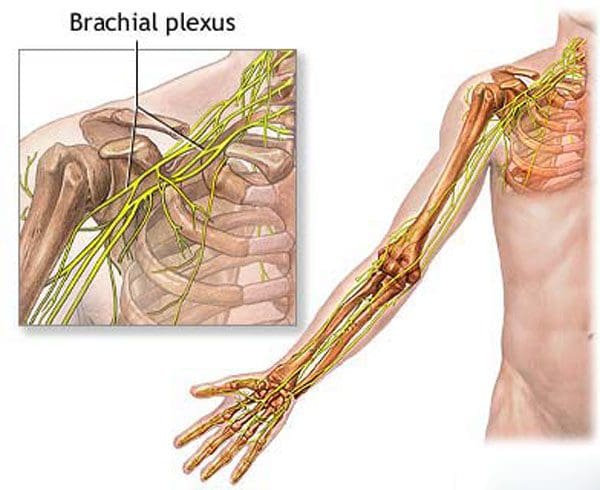
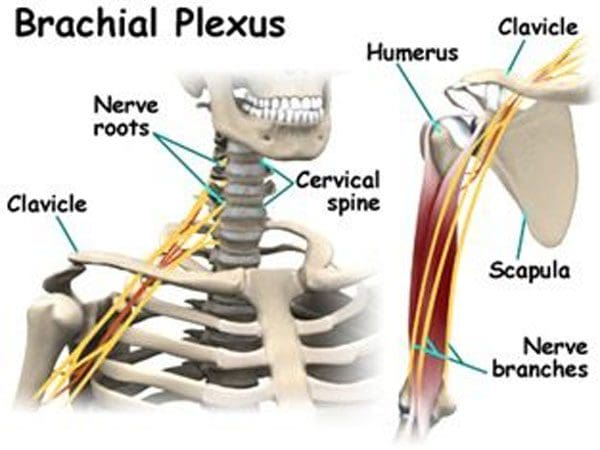
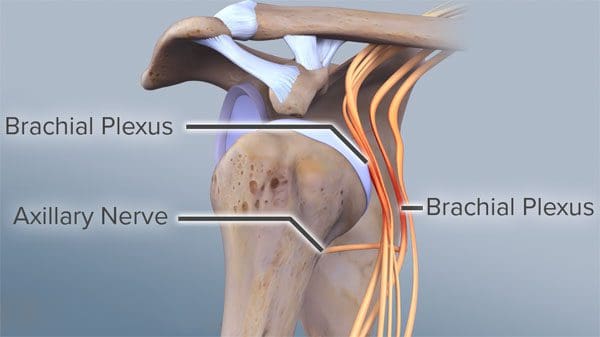
The condition is also known as Parsonage-Turner Syndrome. It affects the brachial plexus, a set of nerves that run from the neck and upper back to the shoulders. The condition usually affects only one side of the body and presents randomly.
What happens is the nerves become inflamed.
Inflammation can be triggered through an autoimmune response. This is often the result of an infection, surgical procedure, or other internal stressors. The inflammation can lead to severe debilitating shoulder pain over a few days.
This also leads to long-term numbness, weakness in the shoulder and arm.
The pain becomes worse with movement.
Typically, the pain goes away on its own within a few days.
Numbness, weakness, or tingling in the shoulder or arm continues.
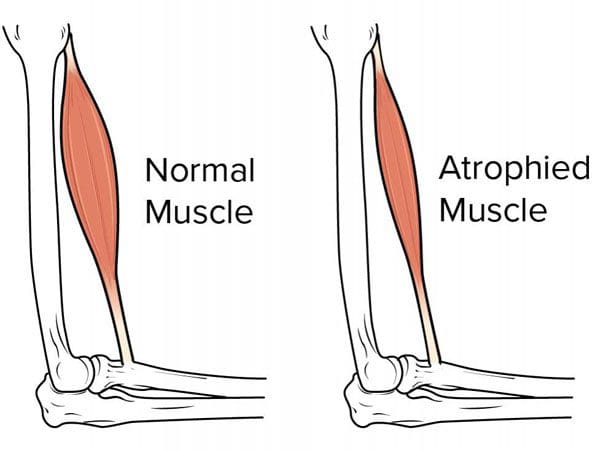
Over time the symptoms begin to worsen and, if left untreated, could lead to muscular atrophy of the arm.
The pain and weakness can make it difficult to move the arm, leading to decreased strength.
Symptoms can last up to a year or more.
This is why individuals have to find ways to strengthen their shoulder/arm despite the condition.
Chiropractic Relief
Treatment requires a pain management program until the pain subsides. Once the pain is manageable, chiropractic, physical therapy, exercises, and stretches could improve mobility and strength. Chiropractic can provide relief and tools necessary to prevent the worsening of symptoms. Chiropractic helps to:
Reduces pain
Improves mobility
Restores strength
Chiropractic manipulation will ensure that the nerves near the brachial plexus do not become compressed, but if they are, then chiropractic can be utilized to decompress/release them. In addition, trigger point release and massage can help alleviate the tension in the surrounding tissues of the arm and shoulder.
A chiropractor will educate the individuals on effective pain management techniques for home, including ice/heat therapy and stretching exercises. These techniques will help restore the proper alignment and flow of the spinal vertebrae, nerves, and muscle tissues, allowing the body to heal quickly, naturally, and more effectively.
Chiropractic Shoulder Pain Treatment
References
Feinberg, Joseph H, and Jeffrey Radecki. Parsonage-turner syndrome. HSS journal: the musculoskeletal journal of Hospital for Special Surgery vol. 6,2 (2010): 199-205. doi:10.1007/s11420-010-9176-x
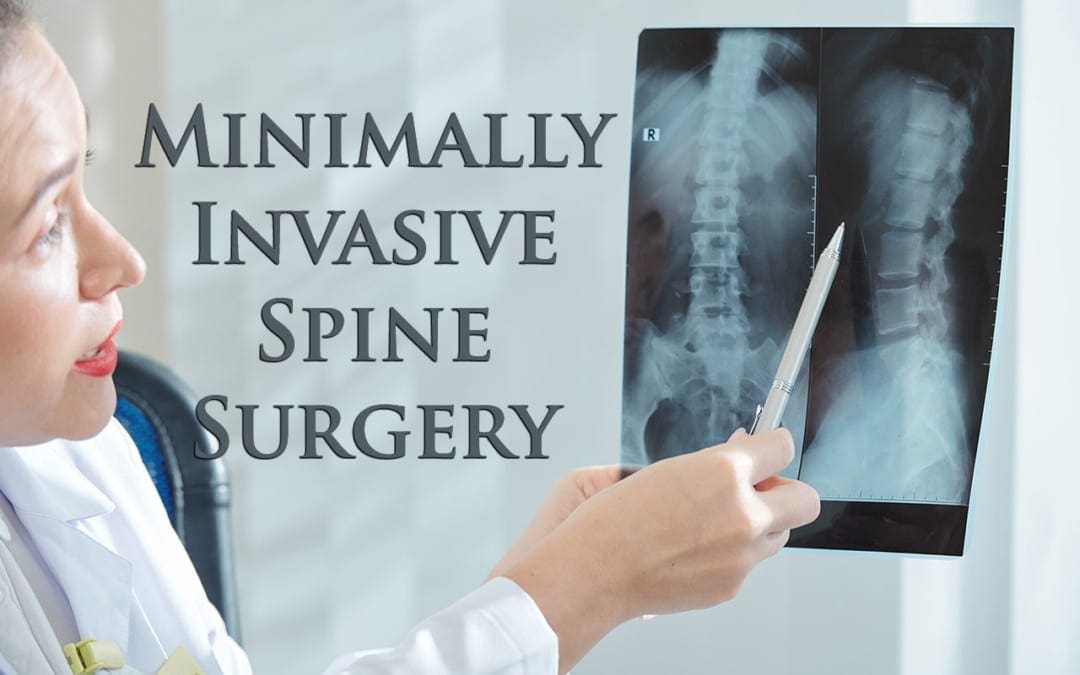
Minimally invasive spine surgery known as M.I.S.S is an option to traditional open surgical procedures, as well as an alternative when non-surgical approaches are working but the pain or condition is becoming worse, regardless. These are performed to treat a variety of spinal disorders like:
Bone spurs
Degenerative disc disease
Herniated disc
Scoliosis
Spinal instability
Spinal stenosis
Spinal tumors
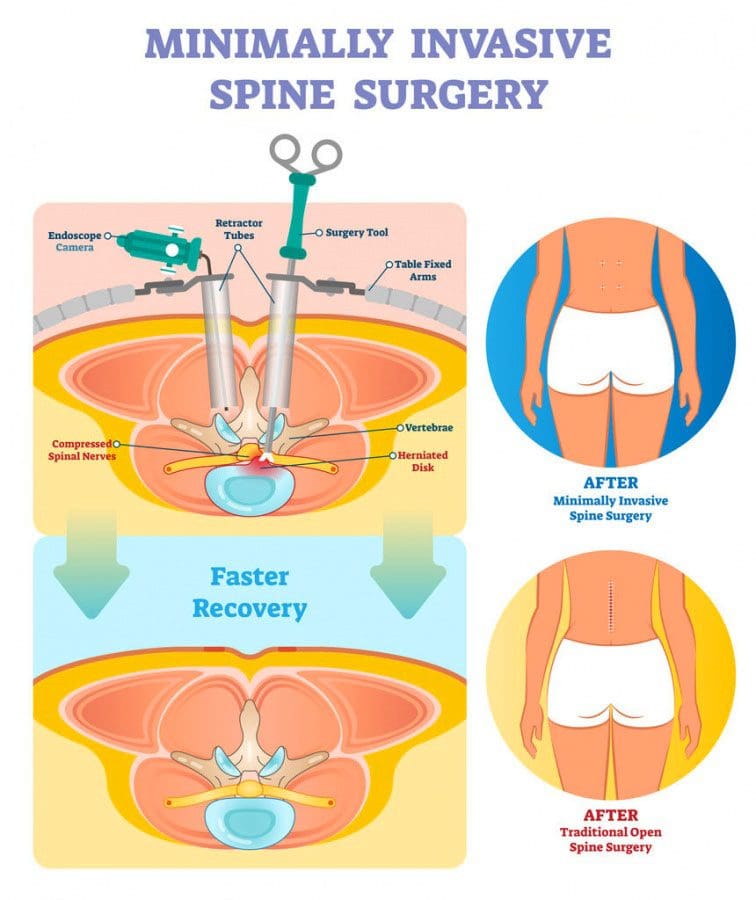
Minimally invasive surgery can offer potential benefits. These include
A small/tiny incision/s
Minimal cutting through soft tissues like ligaments, and muscles
Outpatient option/s
Reduced post-operative pain
Quicker recovery
�
The Focus of Spine Surgery
There are two main goals when it comes to spine surgery or rather the goal/focus of the surgery. These are decompressing and stabilizing the spine.
�
Decompression of the spine
Spinal decompression involves removing any tissue/s that are compressing/pinching the nerve structures like a spinal nerve root or the spinal cord itself. Bone spurs and fragments from a herniated disc are the types of tissue/s that can cause neural compression.
�
Stabilization of the spine
An abnormal movement of one or more levels/segments of the spinal cord can cause back pain, neck pain, or both. Surgeries that are meant to stabilize and stop these abnormal movements utilize spine instrumentation combined with fusion.
�
Spine Surgery Techniques
Minimally invasive spine surgery techniques include:
Rather than cutting through soft tissues, a tubular retraction instrument generates a tunnel that expands and passes between the muscle/s to access the spine’s column. Then an endoscope or a tiny video camera goes in and around the area, projecting a visualization of what’s happening on a monitor during the procedure.
�
This is the surgeon’s/team’s eyes as they work to repair the damage. The surgery is run through the tubular retraction system along with any specially designed instruments that are needed. Types of surgical procedures performed with minimally invasive surgery include:
Discectomy
Microdiscectomy
Foraminotomy
Microforaminotomy
Microlaminectomy
Microlaminotomy
The micro means that the surgery is done using a special microscopic camera to view the disc/s and nerve/s. Imaging scans, systems, and image-guidance technologies, like fluoroscopy, which is a real-time x-ray are utilized during the surgery pinpointing the key aspects of the patient�s spinal anatomy. The surgical imaging shows 2D and 3D views, which guides the placement of any instrumentation, like pedicle screws.
�
Disorders Treated with Minimally Invasive Surgery
�
Degenerative disc disease
Degenerative disc disease is known as DDD often develops progressively in older adults and affects the intervertebral discs. The normal wear and tear of cellular age-related changes in the body can cause the spine’s discs to:
Stiffen
Lose Flexibility
Loss of Strength
Loss of Height
Lose shape, along with the ability to absorb/distribute the forces associated with moving
These structural changes increase the risk of disc herniation and subluxations.
�
Herniated discs
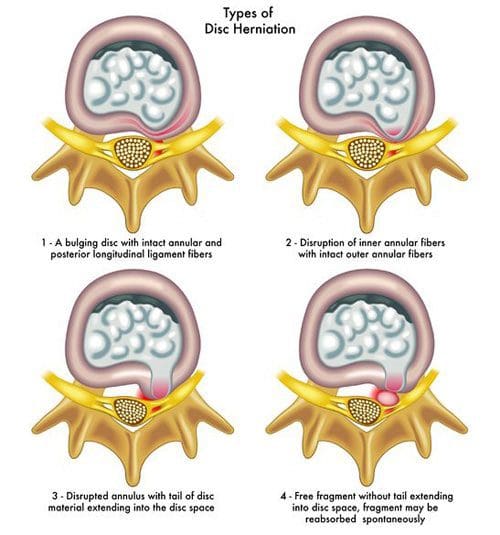
A herniated disc also called a slipped, bulging, and ruptured disc. This happens when the soft gel cushion of a disc breaks through the protective outer layer. Other than the damaged disc, the loose interior gel can also irritate and inflame the nerves causing back pain. �
�
Scoliosis
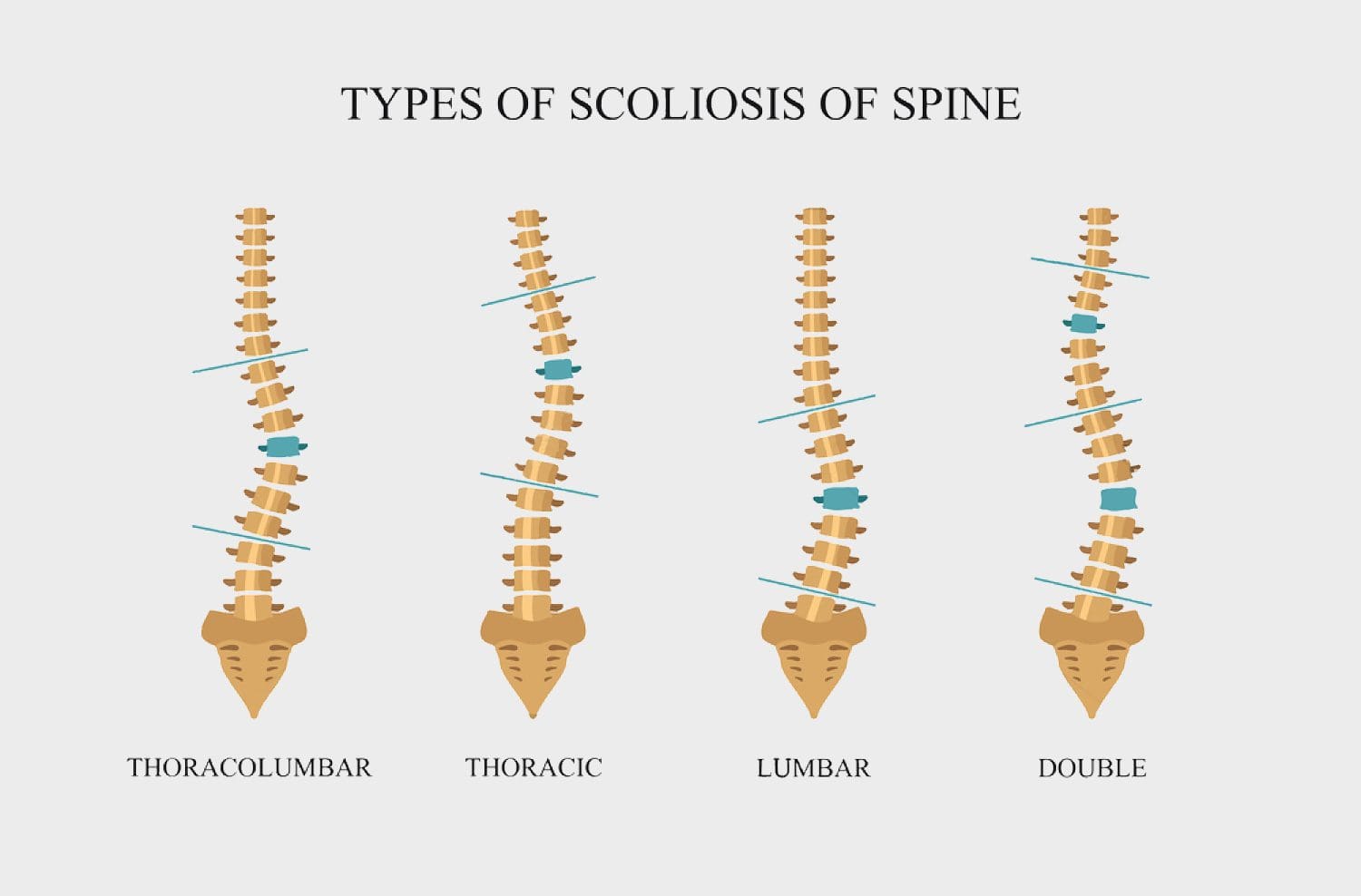
Scoliosis is an abnormal sideways curve of the spine that can cause progressive spinal deformity. A scoliotic curve can look like an �S� or �C.� Most cases have no known cause, and while the condition is more commonly associated with children, adults can develop scoliosis, as well.
�
Spinal stenosis
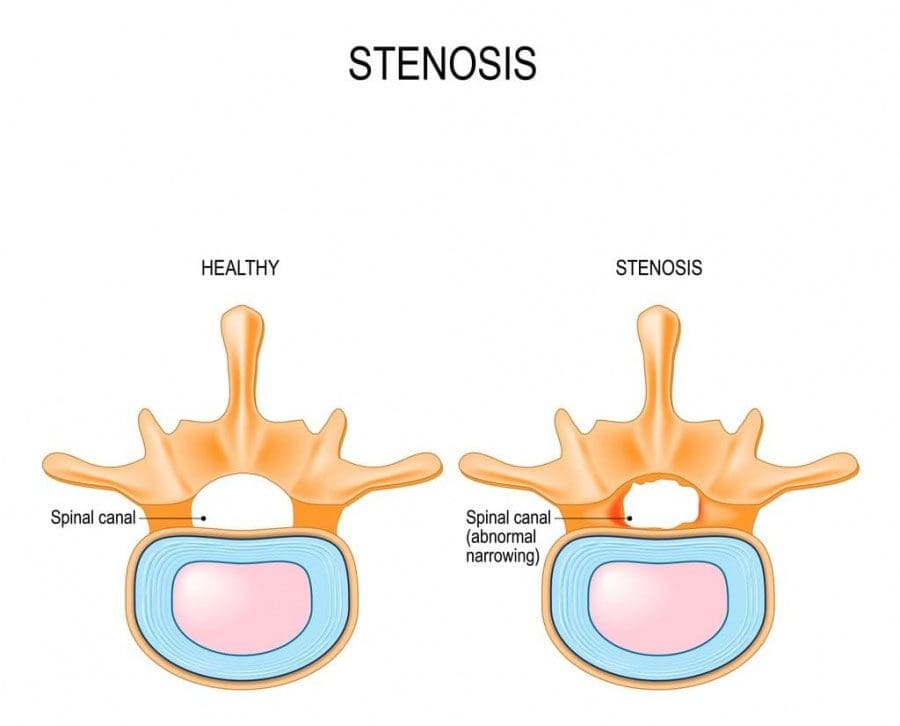
Spinal stenosis happens when the spinal nerve roots and the spinal cord become compressed/pinched. These nerves branch off the spinal cord and exit the spinal canal through passageways called neuroforamen. Nerve and spinal cord compression can cause symptoms like:
Pain
Weakness
Tingling sensations
Numbness
Sometimes, pain can travel into the arms or legs
�
Spine Surgery Risks
With any spine surgery there are potential risks and complications that can occur. Here are some possible complications that can happen during and after surgery, with both open and minimally invasive procedures.
Minimally invasive spine surgery does offer many benefits:
Tiny incision
Less pain
Reduced risk
Faster recovery
Let’s not forget that M.I.S.S is still surgery. Less than 5% of people with back or neck pain need spine surgery and, surgery is the last resort for treating pain and symptoms caused by a spinal condition/disorder.
It is only when non-surgical treatments like chiropractic, acupuncture, physical therapy, medication, or spinal injections do not reduce symptoms in 3 to 6 months. This is when you qualify to be a candidate for spine surgery. There are certain types of spinal disorders that require urgent or immediate surgical intervention.
Talk with your doctor, chiropractor, or spine specialist about the pain, the symptoms, and compare the results of the different therapies/treatments and go from there. With any type of surgery there are many considerations to discuss before making a decision to treat back or neck pain and if minimally invasive surgery could be an option.
Lumbago is a term that means mild to extreme pain in the muscles and joints of the lower spine/back. The pain can be acute or chronic and affects both young and older individuals. The spine is a very intricate structure and when one component fails to function properly it can affect the entire body, causing pain and loss of mobility. Back pain costs about $100 billion in medical bills, disability, and lost workdays.
Tiny bones, known as vertebrae, are stacked on top of each other, which forms the spine. The way these bones are joined facilitates movement, flexibility, and range of motion. In between�each vertebra are small, fluid-filled discs that are the padding/cushions between the bones. When these discs become damaged, injured, or shift out of place it can affect the surrounding nerves, muscles, and ligaments causing pain and making movement difficult.
At some point, an individual will experience some form of back pain. This could be a sore back from yard work, tough manual labor or hard workout, etc. This is a normal occurrence and can be taken care of at home. If you have a sprained or strained back but not a serious injury icing can help reduce swelling, muscle spasms, and pain for the first 24 to 48 hours after the injury. After 48 hours, switch to heat to warm and relax the sore muscle tissues.
Causes
There are a variety of conditions that can cause low back pain. The more common conditions:
Herniated Disc is one of the most common spinal disc issues.
Osteoarthritis or Spondylosis
Osteoporosis
Rheumatoid Arthritis
Scoliosis
Spinal Stenosis
Spinal Tumor
Factors that can contribute to back pain and can exacerbate the pain during episodes of lumbago.
Exposure to a cold damp environment
Poor posture
Sudden movement/s
Coughing
Sneezing
Lumbago Symptoms
Common symptoms of lumbago.
The pain can radiate into the buttocks, thigh/s, and the groin and can cause tingling/numbing/electrical sensations to be felt in the low back, buttocks, and legs and feet.
The pain can be aggravated when moving around. Bending forward, backward and side-to-side can limit mobility.
Spine muscle spasms can cause the back to feel stiff with a constant soreness.
The pain can affect proper posture, which causes individuals to walk bent or hunched to one side.
Lumbago rarely causes serious symptoms that need immediate medical attention.
See A Chiropractor
A chiropractor can help you create a natural, non-surgical treatment/exercise/health plan to control low back pain and prevent future episodes of lumbago. Treatments include physical therapy, chiropractic, supplements, and alternative medicine like acupuncture.
The “LIFE CHANGING” Foot Orthotics | El Paso, Tx (2020)
NCBI Resources
Everyone needs to take care of their back/spine because it is what holds us up as long as we keep it straight and strong.�Strengthening the core�can help prevent a weak and misaligned spine from getting worse�and helps to eliminate pain. Back safety should be priority one, as it affects all aspects of your life. Not only are you protecting your back, but preventing future injury.
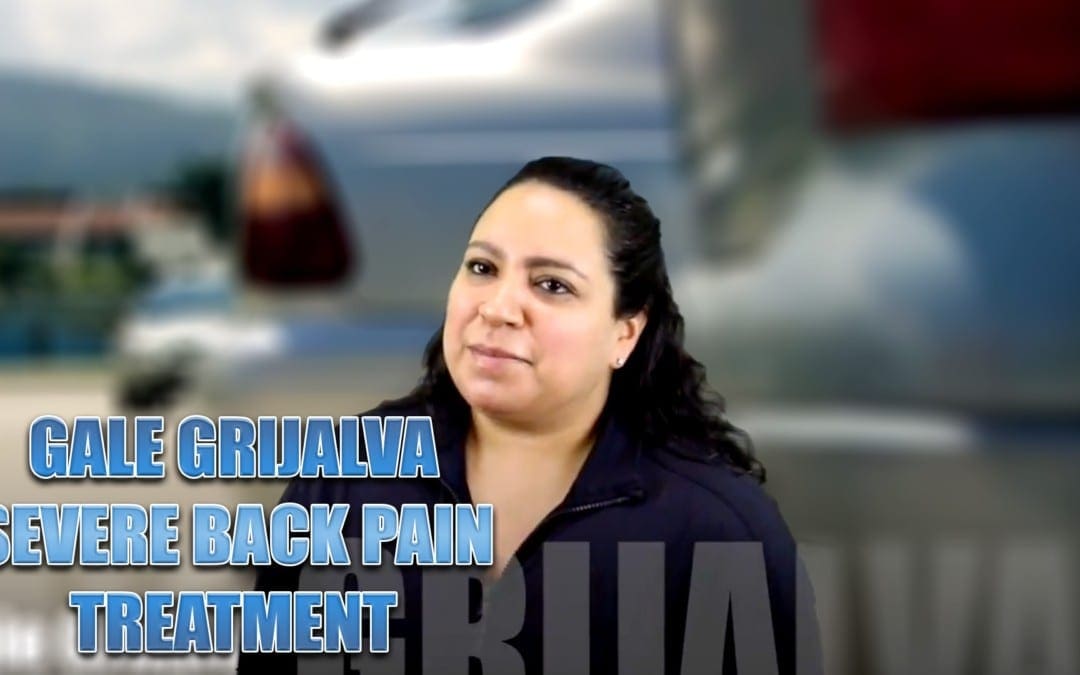
Gale Grijalva suffered from severe back pain as a result of an automobile accident injury. Where it was once very difficult to go about her regular daily tasks, Gale Grijalva is now able to participate in physical activities she wasn’t able to engage in before thanks to Dr. Alex Jimenez, chiropractor in El Paso, TX. Gale Grijalva describes how patient Dr. Jimenez is and she discusses how thoroughly he’s been able to help her, including answering any concerns she may have. Gale Grijalva also experienced results through rehabilitation.
Chiropractic Severe Back Pain Treatment
Severe chronic back pain is a serious, recurring condition which affects a person’s everyday life. Back pain lasting over three months is considered chronic. The spine is an essential component of the body. Severe chronic back pain might be the backbone’s manner of telling the body that there is an issue. The spine is composed of bony vertebrae, soft spinal discs, facet joints, tendons, ligaments and tendons. Within the bony vertebral artery lies the spinal cord, the delicate but effective nerve pathway of the central nervous system.
We are blessed to present to you�El Paso�s Premier Wellness & Injury Care Clinic.
As El Paso�s Chiropractic Rehabilitation Clinic & Integrated Medicine Center,�we passionately are focused treating patients after frustrating injuries and chronic pain syndromes. We focus on improving your ability through flexibility, mobility and agility programs tailored for all age groups and disabilities.
If you have enjoyed this video and/or we have helped you in any way please feel free to subscribe and recommend�us.
IFM's Find A Practitioner tool is the largest referral network in Functional Medicine, created to help patients locate Functional Medicine practitioners anywhere in the world. IFM Certified Practitioners are listed first in the search results, given their extensive education in Functional Medicine

 Headache Chiropractor