Discover effective chiropractic care options for sports injuries & sciatica to support your healing journey.
Sciatica Pain and Sports Injuries: A Comprehensive Guide to Chiropractic Care and Recovery
Introduction: The Sciatica Struggle and the Sports Connection
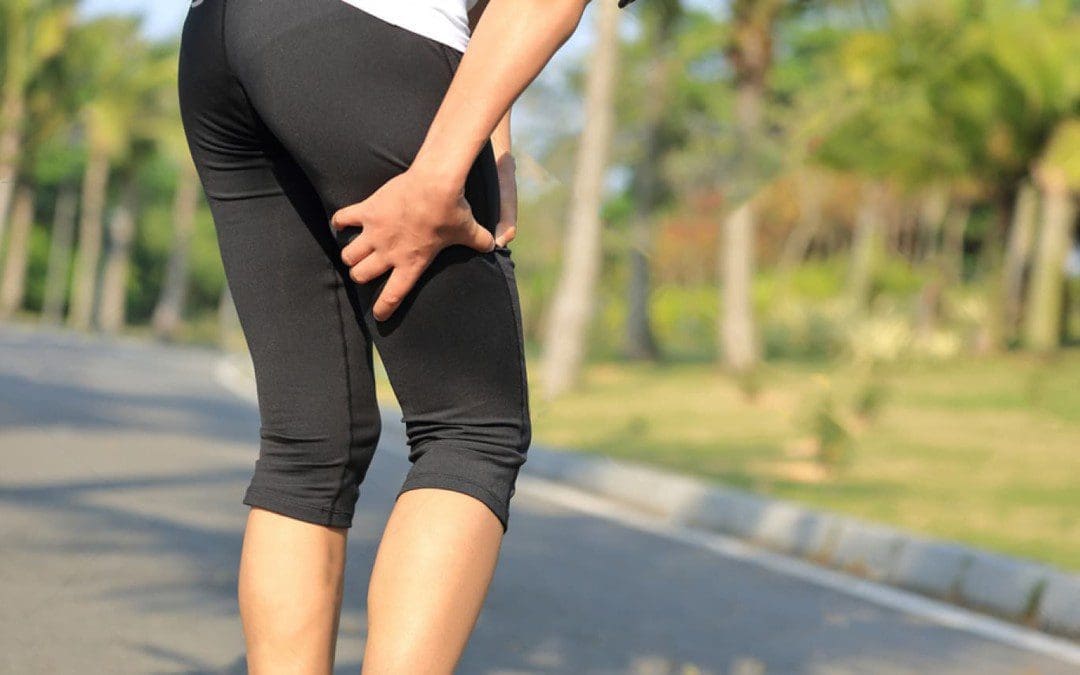
Imagine this: you’re sprinting down the soccer field, weaving through defenders like a pro, when suddenly a sharp, electric jolt shoots down your leg. Or maybe you’re just sitting at your desk, minding your own business, and a nagging pain in your lower back decides to throw a party that radiates all the way to your toes. Welcome to the world of sciatica—a condition that can make even the toughest athletes feel like they’ve been tackled by an invisible linebacker. Sciatica isn’t just a pain in the… well, you know where. It’s a complex musculoskeletal issue that can stem from various causes, including sports injuries, and it affects millions of people worldwide.
At El Paso Back Clinic, led by the esteemed Dr. Alexander Jimenez, DC, APRN, FNP-BC, patients find hope through advanced chiropractic care and integrative treatments tailored to alleviate sciatica pain and restore mobility. Whether you’re an athlete sidelined by a sports injury or someone dealing with the aftermath of a car accident, understanding sciatica and its connection to the musculoskeletal system is key to recovery. In this comprehensive guide, we’ll dive into the causes of sciatica, explore how sports injuries contribute to it, and highlight how chiropractic care, combined with non-surgical treatments, can help you get back on your feet. Plus, we’ll sprinkle in a bit of humor to keep things light—because nobody likes a blog post that’s as stiff as a bad back!
What Is Sciatica? Understanding the Basics
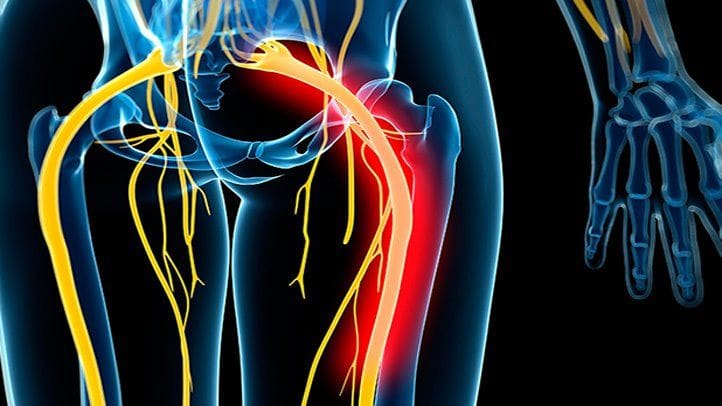
Sciatica isn’t just one thing—it’s a symptom of an underlying issue affecting the sciatic nerve, the longest nerve in your body, which runs from your lower back through your hips, buttocks, and down each leg. When this nerve gets irritated or compressed, it can cause pain, numbness, tingling, or weakness that radiates along its path. Think of it like a garden hose with a kink: the water (or in this case, nerve signals) can’t flow properly, and the result is discomfort that can range from mildly annoying to downright debilitating.
Common Symptoms of Sciatica
Pain: A sharp, burning, or aching sensation that starts in the lower back or buttocks and travels down one leg.
Numbness or Tingling: That “pins and needles” feeling, like your leg fell asleep but decided to stay that way.
Weakness: Difficulty moving your leg or foot, making you feel like you’re auditioning for a role as a wobbly penguin.
One-Sided Symptoms: Sciatica typically affects only one side of the body, though it can occasionally be bilateral (both sides).
Causes of Sciatica
Sciatica can be triggered by various conditions, many of which involve the musculoskeletal system. Some of the most common culprits include:
Lumbar Disc Herniation: When the soft inner material of a spinal disc bulges or ruptures, it can press on the sciatic nerve roots (Wang et al., 2022).
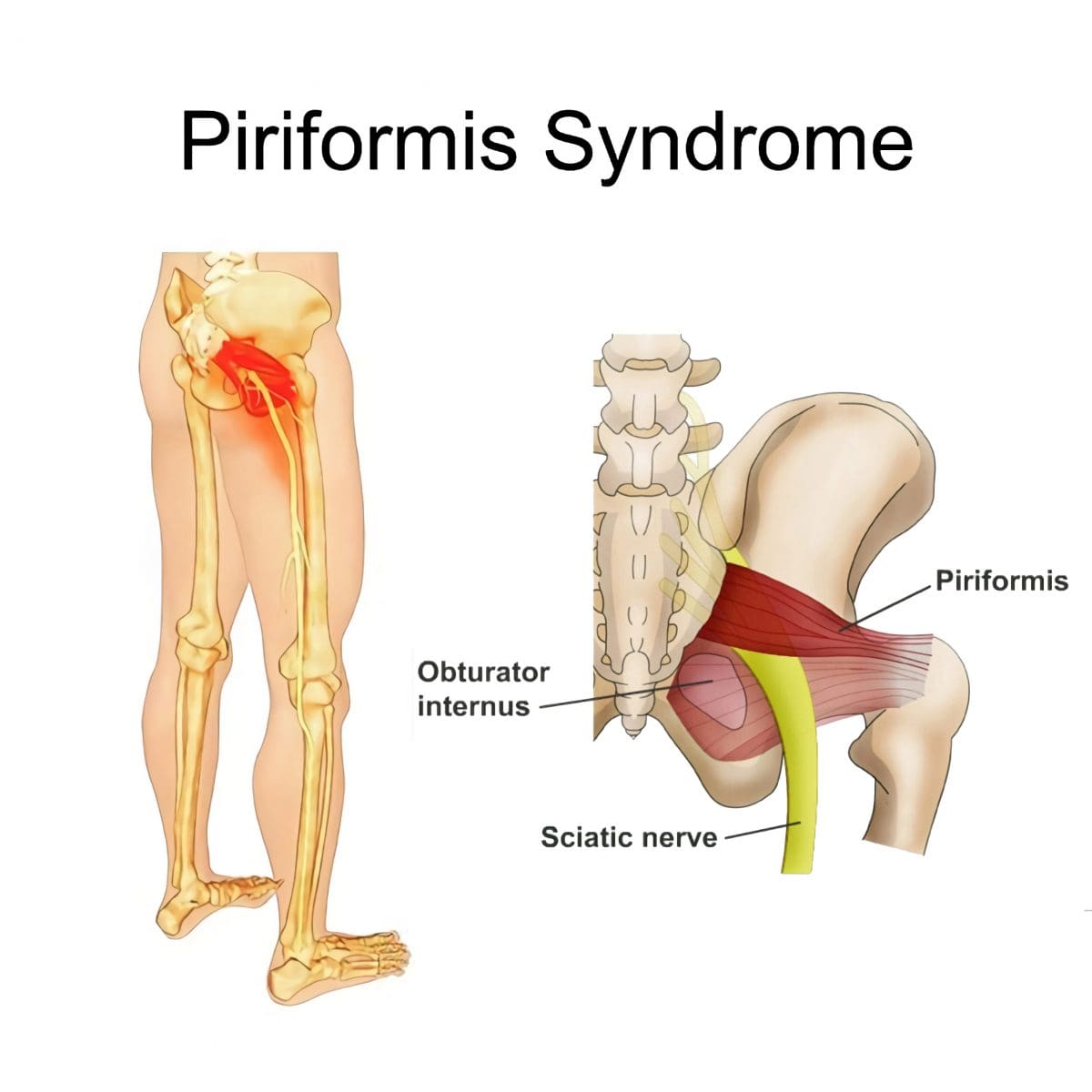
Piriformis Syndrome: The piriformis muscle in the buttocks can irritate the sciatic nerve if it becomes tight or inflamed (Hicks et al., 2021).
Spinal Stenosis: Narrowing of the spinal canal can compress nerve roots, leading to sciatica symptoms.
Degenerative Arthritis: Wear and tear on the spine can cause bone spurs or disc degeneration, irritating the nerve.
Trauma or Injury: Sports injuries, car accidents, or even a bad fall can damage the spine or surrounding tissues, contributing to sciatica (El Paso Back Clinic, n.d.).
Hicks, B. L., Lam, J. C., & Varacallo, M. (2021). Piriformis syndrome: A cause of nondiscogenic sciatica. Current Sports Medicine Reports, 20(2), 97–102. https://pubmed.ncbi.nlm.nih.gov/33560090/
Wang, Y., Chen, J., & Chen, L. (2022). Association between chiropractic spinal manipulation and lumbar discectomy in adults with lumbar disc herniation and radiculopathy: Retrospective cohort study using United States’ data. BMJ Open, 12(12), e068262. https://pubmed.ncbi.nlm.nih.gov/36523295/
The Musculoskeletal System and Sciatica: A Complex Relationship
The musculoskeletal system—your bones, muscles, ligaments, and tendons—works together like a well-oiled machine to keep you moving. But when one part of this system gets out of whack, it can throw everything off balance, including the sciatic nerve. Let’s break down how the musculoskeletal system plays a role in sciatica and why sports injuries can be a major contributing factor.
How the Musculoskeletal System Contributes to Sciatica
The sciatic nerve is surrounded by muscles, bones, and connective tissues, all of which can influence its function. Here’s how:
Spinal Misalignment: When vertebrae in the lumbar spine are misaligned, they can compress nerve roots, leading to sciatica. This is often seen in conditions like spondylolisthesis, where one vertebra slips over another.
Muscle Imbalances: Tight or weak muscles, such as the piriformis or hamstrings, can put pressure on the sciatic nerve or alter spinal alignment.
Joint Dysfunction: Stiff or hypermobile joints in the spine or pelvis can disrupt normal biomechanics, irritating the nerve.
Inflammation: Injuries or overuse can cause inflammation in surrounding tissues, which can compress or irritate the sciatic nerve (Jensen et al., 2023).
Sports Injuries and Sciatica: The Connection
Athletes, whether weekend warriors or seasoned pros, are no strangers to musculoskeletal injuries. Sports like football, soccer, running, or even yoga can put significant stress on the body, leading to injuries that may trigger or exacerbate sciatica. Here’s how sports injuries can contribute:
Direct Trauma: A hard tackle in football or a fall during a basketball game can cause pelvic fractures or spinal injuries, which may compress the sciatic nerve (El Paso Back Clinic, n.d.).
Overuse Injuries: Repetitive motions, like running or cycling, can lead to muscle tightness or inflammation, such as piriformis syndrome, which irritates the sciatic nerve (Hicks et al., 2021).
Poor Biomechanics: Improper form during weightlifting or running can strain the spine or pelvis, leading to disc herniation or misalignment.
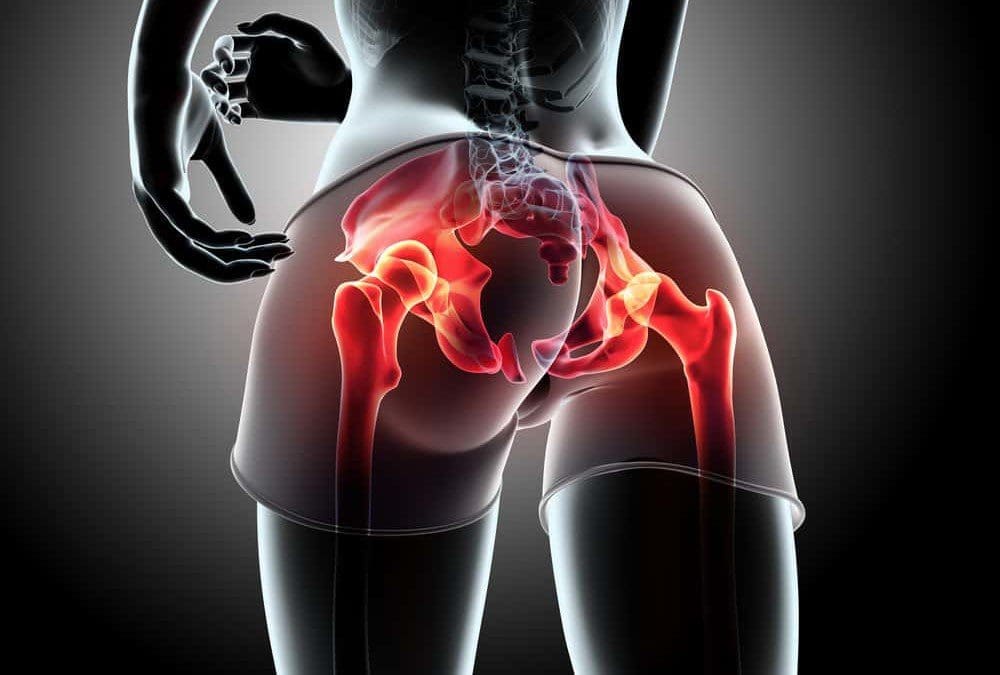
Pelvic Injuries: A broken pelvis, as discussed in El Paso Back Clinic’s article, can directly affect the sciatic nerve due to its proximity to the nerve’s path (El Paso Back Clinic, n.d.).
For example, imagine a runner who pushes through a tight hamstring without stretching properly. Over time, this tightness can pull on the pelvis, misalign the spine, and irritate the sciatic nerve. Or picture a soccer player who takes a hard fall, bruising their lower back and causing inflammation that pinches the nerve. These scenarios highlight how sports injuries can set the stage for sciatica.
Hicks, B. L., Lam, J. C., & Varacallo, M. (2021). Piriformis syndrome: A cause of nondiscogenic sciatica. Current Sports Medicine Reports, 20(2), 97–102. https://pubmed.ncbi.nlm.nih.gov/33560090/
Jensen, R. K., Kongsted, A., Kjaer, P., & Koes, B. (2023). Surgical versus non-surgical treatment for sciatica: Systematic review and meta-analysis of randomised controlled trials. BMJ, 381, e070730. https://pubmed.ncbi.nlm.nih.gov/37019468/
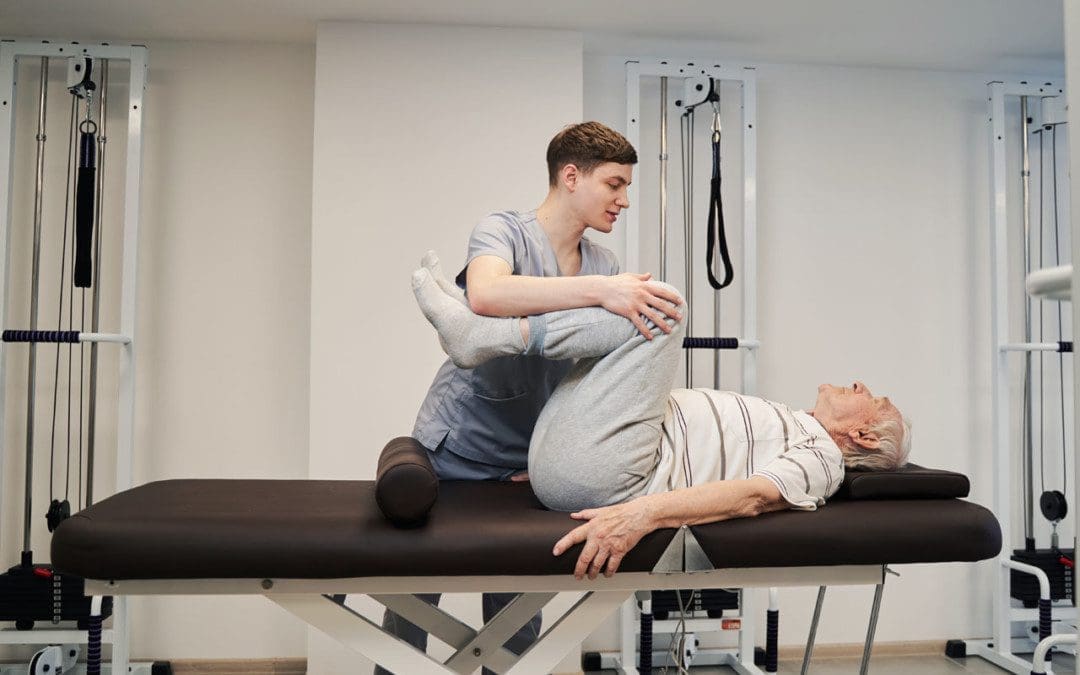
Sports Injury Rehabilitation- Video
Risk Factors for Sciatica: Why Athletes Are at Risk
Sciatica doesn’t discriminate—it can affect anyone, from desk jockeys to elite athletes. However, certain factors increase the likelihood of developing sciatica, particularly in those who engage in sports. Let’s explore these risk factors and why athletes might be more susceptible.
Key Risk Factors
Obesity: Excess weight puts extra pressure on the spine, increasing the risk of disc herniation and sciatica (Cao et al., 2021).
Sedentary Lifestyle: Prolonged sitting or inactivity weakens core muscles, leading to poor spinal support and nerve compression.
Age: As we age, degenerative changes in the spine, like arthritis or disc wear, become more common, increasing sciatica risk.
Occupational Hazards: Jobs or activities involving heavy lifting, twisting, or prolonged sitting can strain the spine.
Sports Injuries: High-impact or repetitive sports activities can cause trauma or overuse injuries, leading to sciatica (El Paso Back Clinic, n.d.).
Poor Posture: Slouching or improper body mechanics during sports or daily activities can misalign the spine, irritating the sciatic nerve.
Why Athletes Are Vulnerable
Athletes often push their bodies to the limit, which can lead to musculoskeletal issues that trigger sciatica. For instance:
High-Impact Sports: Football, rugby, or gymnastics involve jarring movements that can stress the spine or pelvis.
Repetitive Motions: Runners or cyclists may develop muscle imbalances or overuse injuries that affect the sciatic nerve.
Inadequate Recovery: Skipping rest days or neglecting proper warm-ups and cool-downs can lead to chronic inflammation or injury.
Improper Equipment: Worn-out running shoes or an ill-fitting bike saddle can alter biomechanics, contributing to sciatica.
Think of an athlete’s body like a finely tuned race car: it performs beautifully until a single misaligned part causes the whole system to sputter. That’s where chiropractic care comes in to realign the wheels and get you back on the track.
References
Cao, H., Zhang, Z., & Lu, T. (2021). Causal associations of obesity with the intervertebral degeneration, low back pain, and sciatica: A two-sample Mendelian randomization study. Frontiers in Endocrinology, 12, 740746. https://pubmed.ncbi.nlm.nih.gov/34956081/
Chiropractic Care: A Non-Surgical Solution for Sciatica
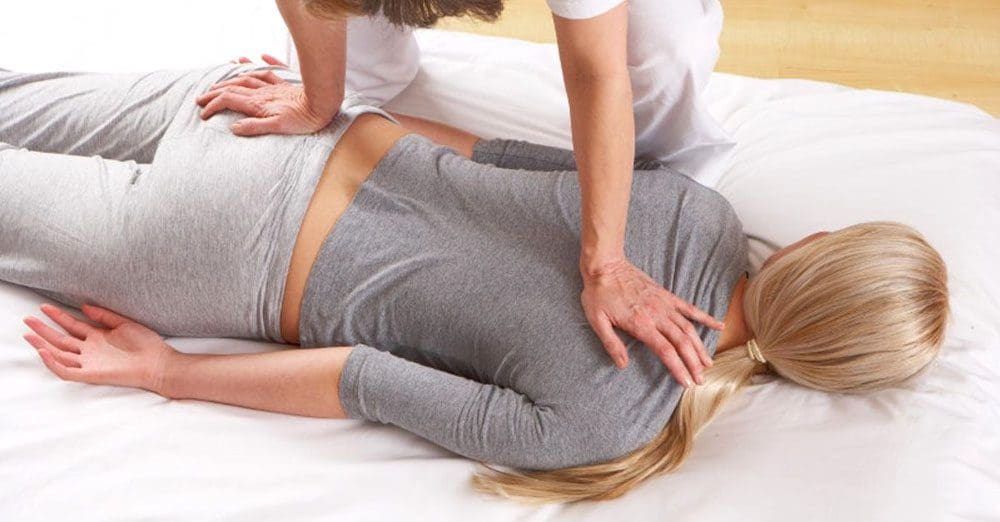
Chiropractic care is like the superhero of non-surgical treatments for sciatica—it swoops in to save the day without the need for scalpels or long recovery times. At El Paso Back Clinic, Dr. Alexander Jimenez and his team use a variety of chiropractic techniques to address the root causes of sciatica, helping patients regain mobility and reduce pain.
How Chiropractic Care Helps
Chiropractic care focuses on restoring proper alignment and function to the musculoskeletal system, which can alleviate pressure on the sciatic nerve. Here’s how it works:
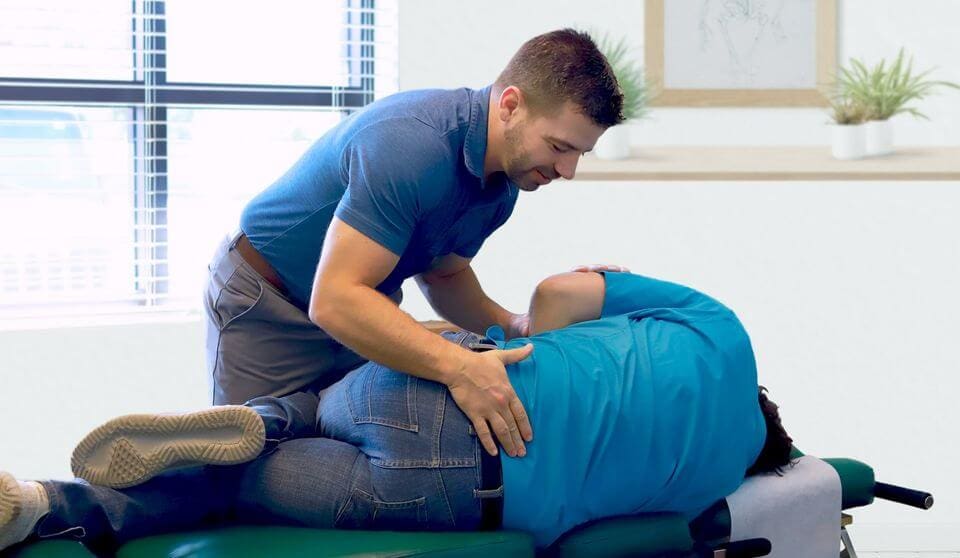
Spinal Adjustments: Gentle manipulations correct misalignments in the spine, reducing nerve compression and improving biomechanics (Wang et al., 2022).
Soft Tissue Therapy: Techniques like myofascial release or trigger point therapy relax tight muscles, such as the piriformis, that may be irritating the nerve (Hicks et al., 2021).
Joint Mobilization: Restoring mobility to stiff joints in the spine or pelvis can reduce strain on the sciatic nerve.
Postural Correction: Chiropractors assess and correct posture issues that contribute to sciatica, ensuring long-term relief.
Benefits of Chiropractic Care for Sciatica
Pain Reduction: By addressing the root cause, chiropractic care can significantly reduce sciatica pain without relying on medications.
Improved Mobility: Restoring joint and muscle function helps patients move more freely, whether they’re athletes or office workers.
Non-Invasive: Unlike surgery, chiropractic care avoids the risks and recovery time associated with invasive procedures (Jensen et al., 2023).
Holistic Approach: Chiropractors often combine adjustments with lifestyle advice, exercises, and nutrition to support overall health.
Dr. Jimenez’s approach at El Paso Back Clinic is particularly effective because it integrates advanced diagnostic tools, like imaging and biomechanical assessments, to pinpoint the exact cause of sciatica. This precision ensures that treatments are tailored to each patient’s unique needs, whether their sciatica stems from a sports injury, a car accident, or a broken pelvis.
References
Hicks, B. L., Lam, J. C., & Varacallo, M. (2021). Piriformis syndrome: A cause of nondiscogenic sciatica. Current Sports Medicine Reports, 20(2), 97–102. https://pubmed.ncbi.nlm.nih.gov/33560090/
Jensen, R. K., Kongsted, A., Kjaer, P., & Koes, B. (2023). Surgical versus non-surgical treatment for sciatica: Systematic review and meta-analysis of randomised controlled trials. BMJ, 381, e070730. https://pubmed.ncbi.nlm.nih.gov/37019468/
Wang, Y., Chen, J., & Chen, L. (2022). Association between chiropractic spinal manipulation and lumbar discectomy in adults with lumbar disc herniation and radiculopathy: Retrospective cohort study using United States’ data. BMJ Open, 12(12), e068262. https://pubmed.ncbi.nlm.nih.gov/36523295/
Integrative Non-Surgical Treatments for Sciatica
While chiropractic care is a cornerstone of sciatica treatment, combining it with other non-surgical therapies can enhance outcomes, especially for athletes recovering from sports injuries. Dr. Jimenez and his team at El Paso Back Clinic incorporate a variety of integrative approaches to address sciatica and its overlapping symptoms.
Complementary Therapies
Acupuncture: This ancient practice involves inserting thin needles into specific points to reduce pain and inflammation. Studies show acupuncture can be effective for sciatica, particularly when tailored to neuropathic pain mechanisms (Li et al., 2020; Zhang et al., 2019).
Massage Therapy: Therapeutic massage can relax tight muscles, improve circulation, and reduce inflammation, complementing chiropractic adjustments.
Nutritional Support: A diet rich in anti-inflammatory foods, like omega-3s and antioxidants, can support recovery by reducing systemic inflammation (El Paso Back Clinic, n.d.).
Durable Medical Equipment: Braces or supports can stabilize the spine or pelvis during recovery, especially after injuries like a broken pelvis.
Acupuncture for Sciatica: A Closer Look
Acupuncture deserves a special mention because of its growing evidence base. Research suggests that acupuncture can modulate pain pathways and reduce inflammation, making it a valuable tool for sciatica management. For example, a randomized controlled pilot study found that acupuncture provided significant pain relief for sciatica patients, with effects varying based on the “dose” of treatment (Zhang et al., 2019). By combining acupuncture with chiropractic care, patients can address both the structural and neurological components of sciatica.
The Role of Nutrition
Nutrition plays a critical role in musculoskeletal recovery. After a sports injury or accident, inflammation can exacerbate sciatica symptoms. Dr. Jimenez emphasizes a diet that includes:
Anti-Inflammatory Foods: Fish, nuts, leafy greens, and berries to reduce inflammation.
Hydration: Proper fluid intake to support tissue repair and disc health.
Supplements: Omega-3 fatty acids or turmeric may help manage inflammation, though patients should consult a professional before starting supplements.
By integrating these therapies, El Paso Back Clinic creates a comprehensive treatment plan that addresses the multifaceted nature of sciatica, helping patients recover faster and more effectively.
Li, Q., Liu, R., & Zhao, J. (2020). The management of sciatica by acupuncture: An expert consensus using the improved Delphi survey. Evidence-Based Complementary and Alternative Medicine, 2020, 8565987. https://pubmed.ncbi.nlm.nih.gov/32595769/
Zhang, W., Liu, Y., & Yu, L. (2019). Therapeutic efficacy and the impact of the “dose” effect of acupuncture to treat sciatica: A randomized controlled pilot study. Journal of Pain Research, 12, 351–360. https://pubmed.ncbi.nlm.nih.gov/30666157/
Dr. Alexander Jimenez: A Leader in Personal Injury Care in El Paso
In El Paso, Dr. Alexander Jimenez stands out as a distinguished practitioner for victims of personal injuries, including those with sciatica caused by sports injuries or motor vehicle accidents. With his credentials as a Doctor of Chiropractic (DC), Advanced Practice Registered Nurse (APRN), and Family Nurse Practitioner-Board Certified (FNP-BC), Dr. Jimenez brings a unique blend of expertise to patient care. His practice at El Paso Back Clinic is renowned for its integrative approach, combining advanced diagnostics with holistic treatments.
Dr. Jimenez’s Approach to Personal Injury Cases
Personal injury cases, such as those involving car accidents or sports injuries, often require meticulous documentation and medical expertise to ensure patients receive proper care and legal support. Dr. Jimenez excels in this area by:
Advanced Imaging: Using X-rays, MRIs, or CT scans to identify structural issues like disc herniation or pelvic fractures that may cause sciatica (El Paso Back Clinic, n.d.).
Diagnostic Evaluations: Conducting thorough physical exams and biomechanical assessments to pinpoint the root cause of pain.
Dual-Scope Procedures: Combining chiropractic adjustments with medical interventions, such as injections or referrals to specialists, when needed.
Legal Liaison: Providing detailed medical reports and collaborating with legal teams to document injuries accurately, ensuring patients receive fair compensation.
Dr. Jimenez’s ability to bridge medical and legal needs makes him a trusted advocate for personal injury victims in El Paso. His work ensures that patients not only recover physically but also have the documentation needed to navigate insurance claims or legal proceedings.
Small Changes, Big Impact: Lifestyle Tips for Sciatica Prevention
Preventing sciatica or managing its symptoms doesn’t always require major interventions. Dr. Jimenez emphasizes that small, intentional changes in daily routines can make a significant difference. Here are some practical tips, infused with a touch of humor to keep you smiling:
Stay Active, But Smart: Regular exercise strengthens core muscles, but don’t go full Hulk mode without warming up. Gentle stretches before and after workouts can prevent muscle tightness.
Mind Your Posture: Slouching is the sciatic nerve’s archenemy. Sit up straight, like you’re trying to impress your high school crush at a reunion.
Ergonomic Workspace: Adjust your chair and desk to support your spine. Think of your office chair as a throne, not a torture device.
Stretch Like a Cat: Incorporate daily stretches for your hamstrings, piriformis, and lower back. Channel your inner feline and make stretching a ritual.
Stay Hydrated: Your spinal discs love water like a plant loves sunlight. Drink up to keep them plump and healthy.
Proper Footwear: Athletes, ditch those worn-out sneakers. Good shoes are like loyal friends—they support you through every step.
By making these small tweaks, you can reduce the risk of sciatica and support your musculoskeletal health, whether you’re hitting the gym or just navigating daily life.
The Role of Advanced Diagnostics in Sciatica Treatment
One of Dr. Jimenez’s strengths is his use of advanced diagnostics to create personalized treatment plans. Sciatica can have multiple causes, and pinpointing the exact source is crucial for effective treatment. At El Paso Back Clinic, patients benefit from:
Imaging Studies: X-rays, MRIs, or CT scans to visualize disc herniation, spinal stenosis, or pelvic injuries.
Electromyography (EMG): Tests to assess nerve function and identify compression sites.
Biomechanical Assessments: Evaluating posture, gait, and joint mobility to identify underlying dysfunctions.
These tools allow Dr. Jimenez to develop targeted interventions, whether it’s chiropractic adjustments, acupuncture, or physical therapy, ensuring that patients receive the most effective care for their specific condition.
To bring this all together, let’s consider a hypothetical case study inspired by real-world scenarios at El Paso Back Clinic. Meet Sarah, a 30-year-old avid runner who developed sciatica after a minor fall during a trail race. The impact caused a pelvic misalignment, which irritated her sciatic nerve, leading to burning pain down her left leg. Initially, Sarah thought it was just a pulled muscle, but the pain persisted, affecting her ability to run or even sit comfortably.
Sarah visited El Paso Back Clinic, where Dr. Jimenez conducted a thorough evaluation. An X-ray revealed a subtle pelvic tilt, and a physical exam confirmed piriformis tightness. Dr. Jimenez developed a treatment plan that included:
Chiropractic Adjustments: To correct pelvic and spinal alignment.
Acupuncture: To reduce inflammation and modulate pain signals.
Physical Therapy: To strengthen core muscles and improve running form.
Nutritional Counseling: To support tissue repair with an anti-inflammatory diet.
Within weeks, Sarah’s pain decreased significantly, and she was back to running with proper form and better shoes. Her case highlights how sports injuries can trigger sciatica and how an integrative approach can lead to lasting recovery.
Sciatica can be a challenging condition, but with the right care, recovery is within reach. At El Paso Back Clinic, Dr. Alexander Jimenez and his team offer a beacon of hope for those struggling with sciatica, whether it’s caused by sports injuries, car accidents, or other musculoskeletal issues. By combining chiropractic care, acupuncture, physical therapy, and nutritional support, patients can address the root causes of their pain and regain their quality of life. Dr. Jimenez’s expertise in personal injury cases also ensures that patients receive the medical and legal support they need to navigate complex situations.
Disclaimer: This blog post is intended for informational purposes only and should not be considered medical advice. Always consult a qualified healthcare professional, such as Dr. Alexander Jimenez at El Paso Back Clinic, for a proper diagnosis and treatment plan tailored to your specific condition. Sciatica and musculoskeletal injuries require individualized care, and self-treatment without professional guidance may worsen symptoms.
References
Cao, H., Zhang, Z., & Lu, T. (2021). Causal associations of obesity with the intervertebral degeneration, low back pain, and sciatica: A two-sample Mendelian randomization study. Frontiers in Endocrinology, 12, 740746. https://pubmed.ncbi.nlm.nih.gov/34956081/
Hicks, B. L., Lam, J. C., & Varacallo, M. (2021). Piriformis syndrome: A cause of nondiscogenic sciatica. Current Sports Medicine Reports, 20(2), 97–102. https://pubmed.ncbi.nlm.nih.gov/33560090/
Jensen, R. K., Kongsted, A., Kjaer, P., & Koes, B. (2023). Surgical versus non-surgical treatment for sciatica: Systematic review and meta-analysis of randomised controlled trials. BMJ, 381, e070730. https://pubmed.ncbi.nlm.nih.gov/37019468/
Li, Q., Liu, R., & Zhao, J. (2020). The management of sciatica by acupuncture: An expert consensus using the improved Delphi survey. Evidence-Based Complementary and Alternative Medicine, 2020, 8565987. https://pubmed.ncbi.nlm.nih.gov/32595769/
Vickers, A. J., & Vertosick, E. A. (2021). Extra-spinal sciatica and sciatica mimics: A scoping review. Pain Medicine, 22(1), 70–81. https://pubmed.ncbi.nlm.nih.gov/32951055/
Wang, Y., Chen, J., & Chen, L. (2022). Association between chiropractic spinal manipulation and lumbar discectomy in adults with lumbar disc herniation and radiculopathy: Retrospective cohort study using United States’ data. BMJ Open, 12(12), e068262. https://pubmed.ncbi.nlm.nih.gov/36523295/
Zhang, W., Liu, Y., & Yu, L. (2019). Therapeutic efficacy and the impact of the “dose” effect of acupuncture to treat sciatica: A randomized controlled pilot study. Journal of Pain Research, 12, 351–360. https://pubmed.ncbi.nlm.nih.gov/30666157/
Get insights into handling sciatica associated with low back & hip pain and regain your active lifestyle with essential care techniques.
Chiropractic Care for Sciatica: Unraveling the Pain in Your Hips and Lower Back
Picture this: you’re trudging through your day, minding your own grim business, when a sharp, electric jolt shoots from your lower back down to your toes, like a lightning bolt with a personal vendetta. Welcome to the world of sciatica, where your sciatic nerve decides it’s the star of a horror show, and your hips and lower back are the unwilling stage. If life were a gothic novel, sciatica would be the brooding villain, lurking in the shadows of your spine, ready to ruin your day with a sinister cackle. But fear not—Dr. Alexander Jimenez, El Paso’s own maestro of musculoskeletal mayhem, is here to banish this pain with the precision of a chiropractic sorcerer.
This blog post is your guide to understanding sciatica, its connection to low back and hip pain, and how chiropractic care, under the expert hands of Dr. Jimenez, can help you reclaim your life from this nerve-wracking nuisance. We’ll dissect the sciatic nerve’s role, explore how its tantrums disrupt your daily routine, and highlight why personal injury cases in El Paso turn to Dr. Jimenez for his diagnostic wizardry. With a touch of dark humor to keep things delightfully grim, let’s dive into the spine-chilling world of sciatica and its remedies.
The Sciatic Nerve: The Body’s Longest Drama Queen
The sciatic nerve is the rockstar of your nervous system, stretching from your lower back through your hips, buttocks, and down each leg like a diva demanding attention. It’s the longest nerve in your body, and when it’s irritated, it throws a tantrum that rivals a toddler in a haunted house. According to Dr. Alexander Jimenez, a chiropractor and functional medicine expert, sciatica occurs when this nerve gets compressed or irritated, often by a herniated disc, spinal stenosis, or even a rogue muscle like the piriformis playing the villain (Jimenez, n.d., dralexjimenez.com).
Anatomy of a Meltdown
The sciatic nerve originates from the L4-S3 nerve roots in the lumbar spine, weaving through the pelvis and branching out to innervate your legs. Think of it as the body’s electrical wiring, transmitting signals for movement and sensation. When something—like a bulging disc or a tight piriformis muscle—pinches this nerve, it’s like short-circuiting a haunted mansion’s lights. The result? Pain, numbness, tingling, or weakness that can radiate from your lower back to your toes, making every step feel like a dance with a skeleton.
Piriformis syndrome, for instance, is a sneaky culprit. This small muscle in your buttocks can clamp down on the sciatic nerve like a gothic clamp, causing nondiscogenic sciatica (Khalili et al., 2020). Lumbar disc degeneration or herniation is another common offender, pressing on nerve roots and sending pain shooting down your leg like a ghostly arrow (Valat et al., 2010). Even asymptomatic disc abnormalities, as seen in MRI scans, can set the stage for sciatica’s grand entrance (Jensen et al., 1994).
Why Your Hips and Lower Back Are the Stage
The hips and lower back are the sciatic nerve’s favorite performance venues. The lumbar spine bears the weight of your upper body, making it prone to wear and tear, like an old crypt crumbling under centuries of neglect. Disc degeneration, spinal misalignment, or muscle imbalances in the hips can compress the nerve, turning your daily routine into a tragic opera. Dr. Jimenez explains that poor posture, prolonged sitting, or trauma from motor vehicle accidents (MVAs) can exacerbate this, as the spine and pelvis lose their structural harmony (Jimenez, n.d., elpasobackclinic.com).
How Sciatica Ruins Your Day (and Your Goth Aesthetic)
Sciatica doesn’t just cause pain; it’s a full-blown saboteur of your daily routine. Imagine trying to enjoy a moonlit stroll, only to be halted by a stabbing pain that makes you wince like you’ve seen a cheerful puppy. Sciatica can make sitting, standing, walking, or even lying down feel like a punishment straight out of a medieval dungeon.
Daily Routine Disruptions
Sitting: Prolonged sitting, like binge-watching a horror series, compresses the sciatic nerve, especially if your posture resembles a slouched gargoyle. This can lead to numbness or a burning sensation that makes your office chair feel like a torture device.
Walking: Each step can trigger a jolt of pain, turning a simple grocery run into a grim pilgrimage. You might limp like a zombie, favoring one leg to avoid aggravating the nerve.
Sleeping: Finding a comfortable position is like solving a cursed puzzle. The pain might keep you awake, leaving you as sleepless as a vampire in daylight.
Exercise: Your usual workout routine—whether it’s yoga or lifting weights—becomes a battle against your own body. The nerve’s irritation can limit mobility, making you feel like a marionette with tangled strings.
Overlapping Risk Profiles
Sciatica doesn’t work alone; it’s got a whole cast of musculoskeletal minions. Low back pain and hip issues often tag along, creating a trifecta of torment. According to Dr. Jimenez, injuries from MVAs, poor ergonomics, or degenerative conditions like arthritis can weaken the spine and pelvis, increasing the risk of sciatic nerve compression (Jimenez, n.d., linkedin.com). For example:
Herniated Discs: A disc bulging out like a ghoul from a crypt can press on the nerve roots, causing sciatica and low back pain (Valat et al., 2010).
Spinal Stenosis: Narrowing of the spinal canal, like a haunted hallway closing in, can squeeze the nerve, leading to pain and weakness.
Hip Muscle Imbalances: Tight hip flexors or a grumpy piriformis can pull your pelvis out of alignment, irritating the sciatic nerve like an annoying poltergeist.
These overlapping issues create a vicious cycle: pain limits movement, reduced movement weakens muscles, and weak muscles exacerbate misalignment, making sciatica a persistent guest at your misery banquet.
Chiropractic Care: The Antidote to Sciatica’s Curse
If sciatica is the villain, chiropractic care is the hero wielding a spine-cracking sword. Dr. Alexander Jimenez and his team at El Paso Back Clinic use a holistic, non-invasive approach to tame the sciatic beast. Chiropractic care focuses on restoring spinal and pelvic alignment, reducing nerve compression, and promoting healing—without the need for potions or invasive surgeries.
Why Chiropractic Care Works
Chiropractic adjustments target the root causes of sciatica, not just the symptoms. Here’s the clinical rationale, straight from the crypt:
Spinal Alignment: Misaligned vertebrae, or subluxations, can compress the sciatic nerve. Adjustments realign the spine, reducing pressure and restoring nerve function (Chou et al., 2007). It’s like straightening a crooked portrait to stop it from haunting your dreams.
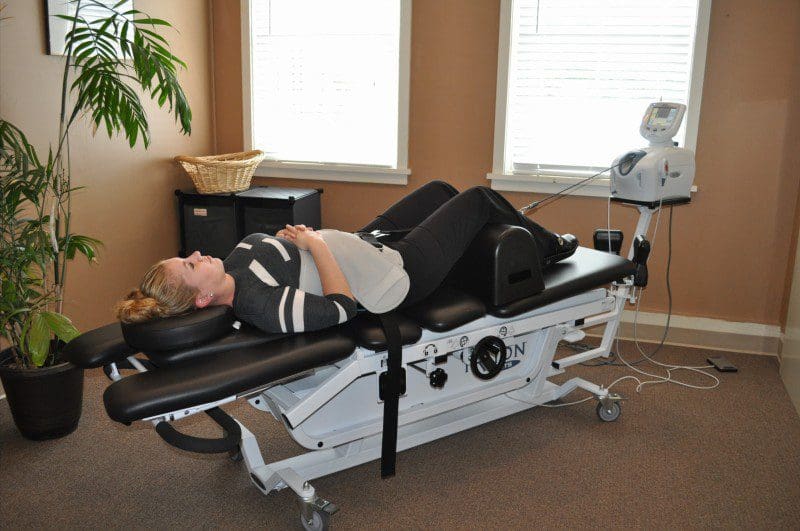
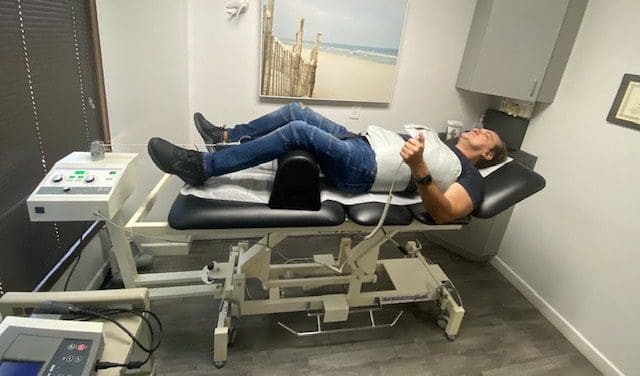
Disc Decompression: Techniques like spinal decompression therapy gently stretch the spine, creating space for herniated discs to retreat, easing nerve irritation (Jimenez, n.d., dralexjimenez.com).
Muscle Relaxation: Chiropractors use soft tissue therapies, like myofascial release, to loosen tight muscles (e.g., the piriformis), reducing nerve compression (Khalili et al., 2020).
Improved Biomechanics: By correcting posture and pelvic alignment, chiropractic care prevents future nerve irritation, ensuring your spine doesn’t turn into a haunted house again.
Studies support this approach. A systematic review found nonpharmacologic therapies, including chiropractic care, effective for acute and chronic low back pain, with benefits for sciatica (Chou et al., 2007). Another meta-analysis showed that spinal manipulation provides significant pain relief for sciatica compared to placebo (Li et al., 2023).
Dr. Jimenez’s Approach
Dr. Jimenez doesn’t just crack spines; he’s a detective of discomfort. Using advanced imaging (like MRI or X-rays) and diagnostic evaluations, he pinpoints the exact source of sciatica, whether it’s a herniated disc, spinal stenosis, or a piriformis tantrum. His dual-scope procedures—combining chiropractic adjustments with functional medicine—address inflammation, muscle imbalances, and biomechanical issues. For example, he might pair spinal adjustments with nutritional counseling to reduce systemic inflammation, speeding up recovery (Jimenez, n.d., elpasobackclinic.com).
References
Chou, R., et al. (2007). Nonpharmacologic therapies for acute and chronic low back pain: A review of the evidence. PubMed. https://pubmed.ncbi.nlm.nih.gov/17909210/
Personal Injury Cases in El Paso: Dr. Jimenez’s Expertise
In El Paso, where car accidents are as common as tumbleweeds, personal injury cases often involve sciatica and related musculoskeletal woes. Motor vehicle accidents (MVAs) can jolt the spine like a skeleton on a rollercoaster, causing whiplash, disc herniations, or pelvic misalignments that trigger sciatica. Dr. Jimenez stands out as a beacon for victims, bridging the gap between medical recovery and legal documentation.
The Role of MVAs in Sciatica
MVAs are a leading cause of sciatica, as the sudden impact can misalign the spine or pelvis, compressing the sciatic nerve. Whiplash-associated disorders (WAD) from rear-end collisions, for instance, can strain the lower back and hips, setting the stage for nerve irritation (Jimenez, n.d., elpasobackclinic.com). Even minor fender-benders can cause microtraumas, leading to chronic pain if left untreated.
Dr. Jimenez: The Legal-Medical Liaison
Dr. Jimenez’s expertise goes beyond the chiropractic table. As a distinguished practitioner, he uses advanced imaging (MRI, CT) and diagnostic tools to document injuries with forensic precision, crucial for personal injury claims. His reports detail how trauma from an MVA correlates with sciatica, providing clear evidence for legal cases. His dual-scope approach—combining chiropractic adjustments with therapies like massage or acupuncture—ensures patients recover while building a robust medical record for attorneys (Jimenez, n.d., linkedin.com).
For example, a patient with sciatica from an 18-wheeler crash might receive spinal decompression, trigger point therapy, and nutritional guidance to reduce inflammation. Dr. Jimenez’s documentation ties these treatments to the accident, strengthening the patient’s case while promoting healing. His clinic’s use of durable medical equipment, like braces or TENS units, further supports recovery and legal claims.
Sciatica isn’t just a spine problem; it’s a whole-body conspiracy. Dr. Jimenez’s integrative approach at El Paso Back Clinic combines chiropractic care with complementary therapies to banish pain and restore function.
Key Therapies
Massage Therapy: Trigger point therapy targets tight muscles, like the piriformis, to release nerve compression. It’s like exorcising a demon from your buttocks (Khalili et al., 2020).
Nutritional Counseling: A diet rich in anti-inflammatory foods (e.g., omega-3s, turmeric) reduces systemic inflammation, easing nerve irritation (Jimenez, n.d., dralexjimenez.com).
Exercise Rehabilitation: Targeted stretches and strengthening exercises restore hip and core stability, preventing future sciatica flare-ups. Think of it as training your body to fend off ghosts.
Patient Education: Educating patients on posture, ergonomics, and movement prevents recurrence. Knowledge is power, even against a nerve with a grudge (Cote et al., 2022).
The Role of Patient Education
Patient education is key to long-term relief. Studies show that informed patients are more likely to adhere to treatment plans and avoid behaviors that worsen sciatica, like sitting on a wallet thicker than a gothic novel (Cote et al., 2022). Dr. Jimenez empowers patients with practical tips, like using lumbar supports or avoiding high heels, to keep sciatica at bay.
Cote, P., et al. (2022). Patient education materials for non-specific low back pain and sciatica: A systematic review and meta-analysis. PubMed. https://pubmed.ncbi.nlm.nih.gov/36265509/
Ignoring sciatica is like ignoring a creaking floorboard in a haunted house—it only gets worse. Chronic nerve compression can lead to:
Permanent Nerve Damage: Prolonged irritation may cause numbness or weakness that doesn’t fade, like a ghost that never leaves.
Chronic Pain: Untreated sciatica can evolve into a constant companion, making every day feel like a funeral procession.
Reduced Mobility: Limited movement can weaken muscles, increasing the risk of falls or further injuries, as if life needed more plot twists.
Emotional Toll: Chronic pain can lead to depression or anxiety, turning your psyche into a gothic novel’s protagonist (Valat et al., 2010).
Dr. Jimenez emphasizes early intervention to prevent these grim outcomes. His clinic’s comprehensive approach ensures that sciatica doesn’t overstay its welcome.
While we’ve danced with dark humor to make this journey through sciatica’s shadows more bearable, the condition itself is no laughing matter. Sciatica can profoundly impact your quality of life, turning simple tasks into daunting challenges. Dr. Alexander Jimenez and the El Paso Back Clinic offer a beacon of hope, using chiropractic care, advanced diagnostics, and holistic therapies to address the root causes of sciatica and related low back and hip pain. For personal injury victims in El Paso, Dr. Jimenez’s expertise ensures not only recovery but also the documentation needed for justice.
Disclaimer: This blog post is for informational purposes only and should not be taken as medical advice. Always consult a qualified healthcare provider, such as Dr. Jimenez, for a personalized diagnosis and treatment plan. Sciatica and its associated conditions require professional evaluation to ensure safe and effective care.
Can individuals utilize chiropractic care to reduce sciatica pain and help restore mobility to their lower back and legs?
Introduction
Many individuals are always on the move and utilize the lower half of the body to go from one location to another. From the lower back to the feet, many individuals do repetitive movement that causes the lower back muscles to be constantly stretched. This, in turn, can lead to overlapping risk profiles that can affect the lower back and a long nerve connected to the lower back, known as the sciatic nerve. When numerous issues affect the sciatic nerve, many individuals experience pain and discomfort over time, which can develop into something chronic without treatment. Luckily, when individuals begin to think about their health and wellness, it reduces the chances of pain and discomfort from returning. Today’s article looks at the causes of sciatica and how non-surgical treatments like chiropractic care can help relieve sciatica pain and restore mobility to the lower back and legs. We discuss with certified medical providers who inform our patients how sciatica pain correlates with the lower back. While asking informed questions to our associated medical providers, we advise patients to incorporate non-surgical treatments like chiropractic care to reduce sciatica pain and help realign the body. Dr. Alex Jimenez, D.C., encompasses this information as an academic service. Disclaimer.
What Causes Sciatica?
Do you feel numbness or tingling sensations in your legs, making walking unbearable? Do you experience pain or discomfort in your lower back after lifting a heavy object? Or how long have you stretched your body after sitting down or standing excessively at work? Many of these scenarios are often correlated with low back pain. However, low back pain is always connected with sciatica and can impact the body. While the sciatic nerve plays a huge role in direct motor function to the hamstrings and lower extremities, sciatica is when environmental factors impact or compress the sciatic nerve, causing pain-like symptoms to the lower extremities. (Davis et al., 2024) Since the sciatic nerve is large and travels down to the feet, it allows mobility to the lower extremities. When many individuals experience low back pain, they will also experience sciatica.
Sciatica also means that pain will always be transmitted along the sciatic nerve root, leading to various impairments and socioeconomic consequences and affecting a person’s quality of life. (Siddiq et al., 2020) Many of the causes of sciatica pain can vary as they are all correlated with low back pain. Some of the various environmental factors that can cause sciatica include:
Physical inactivity
Excessive sitting or standing
Poor posture
Musculoskeletal conditions
Another environmental factor that leads to the development of sciatica is disc degeneration. This can cause the nerves to be irritated due to herniation and cause asymptomatic overlapping risk profiles (Zhou et al., 2021). When people are dealing with the overlapping risk profiles of sciatica, many often seek treatment to reduce the pain and restore mobility to the lower extremities.
Sciatica: Causes, Symptoms, & Tips- Video
How Chiropractic Care Reduces Sciatica
Since sciatica is commonly experienced as a frequent symptom cause of low back and leg pain, the symptoms can range from a mild tingling sensation to a burning sensation, and treatment is needed. Many individuals will seek out non-surgical treatments to reduce the pain caused by sciatica. Non-surgical treatments are non-invasive, affordable, and customizable to the individual. One of the non-surgical treatments is chiropractic care, which can help many individuals dealing with sciatica. A chiropractor can diagnose a person’s sciatica and assess the root cause of the symptoms to provide the most appropriate form of treatment. The main goal for chiropractic care is to restore the natural mobility of the spine and provide progressive relief from pain and stiffness in the lower extremities while improving a person’s daily living. (Kruse et al., 2019)
Chiropractic Care Restores Lower Back & Leg Mobility
Chiropractors utilize manual and mechanical spinal manipulation to increase lumbar spinal mobility and flexibility and improve the legs biomechanically. (Siciliano et al., 2024) Chiropractic treatments can also use various methods like neural mobilization intervention to decrease the pain and restore nerve function in the lower extremities and lower back. (Peacock et al., 2023) This allows individuals to have a reduced disability from sciatica associated with low back pain, and it is possible to prevent sciatica from occurring in the future. As many people begin to become more mindful of what is causing their sciatica, they can find effective ways to improve their spine’s well-being and prevent sciatica symptoms from affecting the lower extremities.
Kruse, R. A., White, B. A., & Gudavalli, S. (2019). Management of Lumbar Radiculopathy Associated With an Extruded L4-L5 Spondylolytic Spondylolisthesis Using Flexion-Distraction Manipulation: A Case Study. J Chiropr Med, 18(4), 311-316. https://doi.org/10.1016/j.jcm.2019.02.001
Peacock, M., Douglas, S., & Nair, P. (2023). Neural mobilization in low back and radicular pain: a systematic review. J Man Manip Ther, 31(1), 4-12. https://doi.org/10.1080/10669817.2022.2065599
Siciliano, T. B., Gudavalli, M. R., & Kruse, R. (2024). Spinal manipulation and mobilization forces delivered treating sciatica: a case report. Front Integr Neurosci, 18, 1356564. https://doi.org/10.3389/fnint.2024.1356564
Siddiq, M. A. B., Clegg, D., Hasan, S. A., & Rasker, J. J. (2020). Extra-spinal sciatica and sciatica mimics: a scoping review. Korean J Pain, 33(4), 305-317. https://doi.org/10.3344/kjp.2020.33.4.305
Zhou, J., Mi, J., Peng, Y., Han, H., & Liu, Z. (2021). Causal Associations of Obesity With the Intervertebral Degeneration, Low Back Pain, and Sciatica: A Two-Sample Mendelian Randomization Study. Front Endocrinol (Lausanne), 12, 740200. https://doi.org/10.3389/fendo.2021.740200
The sciatic nerve is the longest in the body and is the central nerve in the leg. A critical nerve that comes off the spine runs through the pelvis, into the buttocks, down the back of each thigh, and finally into the feet. It is a mixed nerve meaning it is made up of both motor/movement) and sensory/sensation fibers. The nerves merge with the spinal nerve roots before they enter the spinal cord, where the sensory information travels to and from the brain. If the nerve is inflamed, compressed, twisted, damaged, or injured, this can negatively affect the muscles’ function, leading to chronic pain conditions. Injury Medical Function Restoration Chiropractors will do precisely that for the sciatic nerve and the rest of the body.
Nerve Roots and Branches
Different nerve roots make up the sciatic nerve, with two starting in the lower back and three at the bottom of the spine or sacrum. At the knees, the nerve splits into two branches:
The peroneal nerve runs from the knee’s outer part to the foot’s outer part and splits into two main branches below the knee.
The tibial nerve goes down the back of the calf, extending to the heel and sole.
There are smaller branches at the:
Hips
Inner thighs
Calves
Feet
Sciatic Nerve Function
The sciatic nerve’s purpose serves motor functions by assisting the muscles in the legs and feet to move, walk, run, and stand. And for the sensory function of feeling sensations in the legs and feet includes pain, numbness, burning, and electrical sensations.
Motor Functions
The nerve provides motor functions that power movement to the muscles that move the thighs, legs, and feet. Essential motor functions:
Motor function signs of sciatic nerve problems include difficulty or inability to walk, bend the leg, and/or stand on tiptoe or the heel.
Sensory Functions
The nerve provides sensation to the different areas; when the nerve is injured, the corresponding area may feel unique/abnormal sensations with differing degrees of numbness, pins-and-needles, and pain. Commonly affected areas include:
Front, back, and outside the thigh.
Front, back, and outside the lower leg.
The top and outer side of the foot.
Bottom of the foot.
Between the toes.
Like motor function disruption, sensory impairment is determined by where the problems are occurring.
Function Restoration Chiropractor
Affected, reduced, and inhibited motor and sensory functions can lead to muscle weakness, chronic pain, and permanent nerve damage. Function restoration chiropractor and physical therapeutic massage can help manage nerve compression and irritation. Spinal manipulations restore misaligned vertebral discs taking the pressure off the nerve relieving the pain, and regaining nerve signal flow and mobility. Chiropractic will induce deep muscle relaxation to stop muscle spasms, release tension, soothe the nerve, release endorphins, and restore sciatic nerve function.
Spinal Decompression
References
Bouche, P. “Compression and entrapment neuropathies.” Handbook of clinical neurology vol. 115 (2013): 311-66. doi:10.1016/B978-0-444-52902-2.00019-9
Cook, Chad E et al. “Risk factors for first-time incidence sciatica: a systematic review.” Physiotherapy research international: the journal for researchers and clinicians in physical therapy vol. 19,2 (2014): 65-78. doi:10.1002/pri.1572
Giuffre BA, Jeanmonod R. Anatomy, Sciatic Nerve. [Updated 2021 Jul 29]. In: StatPearls [Internet]. Treasure Island (FL): StatPearls Publishing; 2022 Jan-. Available from: https://www.ncbi.nlm.nih.gov/books/NBK482431/
The muscles in our body help us be active when we want to be, rest and repair after activities, and continue to provide everyday movements that help keep the body functioning correctly. For athletes and the general population, physical training and eating healthy foods help deliver fuel to not only the internal organs but also help support the muscles, ligaments, and skeletal joints from injuries. As many individuals start to think about their health and wellness, many factors tend to pop up that can cause them to halt their health and wellness journey. Issues like stress, accidents, traumatic events, and lifestyle habits can affect the body and, over time, can become the risk of developing into chronic problems. An example would be where a person is experiencing hip pain associated with piriformis syndrome. Today’s article looks at piriformis syndrome, how it can cause more than hip pain, and how there are available treatments for piriformis syndrome. We refer patients to certified providers specializing in musculoskeletal therapies to help those with piriformis syndrome. We also guide our patients by referring to our associated medical providers based on their examination when it’s appropriate. We find that education is the solution to asking our providers insightful questions. Dr. Alex Jimenez DC provides this information as an educational service only. Disclaimer
What Is Piriformis Syndrome?
Have you been experiencing pain radiating from the buttock down to your legs? Does it hurt when you are sitting down? Or are you feeling tingling sensations and numbness on your butt and thighs? Some of these symptoms might be signs that you might be experiencing piriformis syndrome. Research studies have defined piriformis syndrome as a clinical condition where everyday stress affecting the body causes the piriformis muscle (the small muscle deep in the buttock region) to become tight and irritates the sciatic nerve. When that sciatic nerve becomes aggravated, it can become the risk of developing into sciatica. Many individuals don’t realize that the sciatic nerve also gets affected when their piriformis muscles in the buttock region become overused and tight through strenuous activities. This is due to the belief that any unusual traumatic abnormality in the piriformis muscle will be associated with sciatica symptoms. However, when a person is experiencing buttock pain that travels down the leg caused by the affected piriformis muscle, many will rule out some of the more common causes of sciatica like nerve root impingement triggered by disc herniation.
Surprisingly, three primary causing factors can be associated with piriformis syndrome. The first causing factor is myofascial trigger points may be the results of referred pain (pain or discomfort from another body location). The second causing factor is nerve entrapment against the greater sciatic foramen passing through the various piriformis muscles. And finally, the third causing factor is sacroiliac joint dysfunction due to piriformis muscle spasm. Studies reveal that the piriformis muscle helps stabilize the sacroiliac joint; when the small muscle starts to become irritated, it causes pain in the buttock region. But how does sacroiliac dysfunction relates to piriformis syndrome? Well, since low back pain is associated with sacroiliac dysfunction, the pain will often radiate down to the knee and the groin muscles while becoming a risk of developing piriformis syndrome.
Piriformis Syndrome Causes More Than Hip Pain?
Due to its broad size in the greater sciatic foramen, the piriformis muscle can become overused and tight, thus becoming piriformis syndrome. Piriformis syndrome can also become a risk to the numerous vessels and nerves that exit out in the pelvis region and may become compressed, causing more than just hip pain. Studies reveal that piriformis syndrome may be masquerading as ischiofemoral impingement triggering extra-articular hip pain by entrapping the quadratus femoris muscle causing groin pain. Another cause that piriformis syndrome is associated with is chronic pelvic pain. How does chronic pelvic pain correlate with piriformis syndrome? Chronic pelvic pain is a non-cyclic pain localized in the pelvis, potentially involving the surrounding muscles like the piriformis muscle supporting the irritated hip joint and pelvis region. Piriformis syndrome could also be an overlapping condition risk of developing other health issues like fibromyalgia in many people. Some conditions have common symptoms associated with piriformis syndrome, including:
Tingling sensations
Numbness
Muscle tenderness
Pain while sitting
Discomfort while exercising
The Difference Between Sciatica & Piriformis Syndrome-Video
Have you found it challenging to be comfortable while sitting down doing leisure activities? How about radiating pain that travels down your leg? Or do your hips feel tight and stiff? Experiencing these symptoms means that you might suffer from piriformis syndrome. The video above explains the difference between piriformis syndrome and sciatica. Studies reveal that piriformis syndrome is classically defined as sciatic pain; however, it is not sciatica. Sciatica is caused by compressed sciatic nerve due to herniated disc in the lumbar spine. In contrast, piriformis syndrome is caused when a traumatic injury or an underlying condition causes the piriformis muscle to spasm and aggravate the sciatic nerve. Various factors like prolonged sitting, repetitive movements that involve the legs, and even extensive stair climbing can cause the piriformis muscle to be easily damaged or injured, causing piriformis syndrome. Fortunately, there are ways to alleviate sciatic nerve pain and improve piriformis syndrome.
Treatments Available For Piriformis Syndrome
Many treatments are accessible to manage the pain and discomfort caused by piriformis syndrome for suffering individuals. Some people take over-the-counter medicine to decrease the pain, while others utilize a hot/cold pack on the affected area to relieve discomfort. The symptoms associated with piriformis syndrome usually go away without any additional treatment; however, if the pain or discomfort is still there, many people might benefit from alternative options for treatment, like chiropractic care, physical therapy, or even spinal decompression. Whether it is through gentle stretching, spinal manipulation, or decompression, these treatments are for anyone dealing with piriformis syndrome and its associated symptoms. Physical therapy can help decrease the painful symptoms associated with piriformis syndrome through gentle stretches that help return a person’s range of motion. Chiropractic care incorporates spinal adjustments and manual manipulations to treat various injuries or conditions. Spinal decompression uses traction to gently pull on the spine to release the aggravated nerve from causing pain. The relief can gradually restore a person’s natural health while managing its associated symptoms with various treatments available for individuals with piriformis syndrome.
Conclusion
Piriformis syndrome is a condition where everyday stress affects the piriformis muscle in the buttock region to become irritated and tight while aggravating the sciatic nerve. Many think traumatic abnormalities affecting their piriformis muscle will be associated with sciatica symptoms. However, sciatica is due to nerve root compression triggered by disc herniation. Piriformis syndrome is where that small muscle is overused from various factors that cause more than hip and butt pain. Some overlapping conditions associated with piriformis syndrome can become mediators for groin and pelvic pain. Fortunately, chiropractic care, physical therapy, and decompression can help restore the body gradually by managing piriformis syndrome and its associated symptoms.
References
Hicks, Brandon L., et al. “Piriformis Syndrome.” In: StatPearls [Internet]. Treasure Island (FL), StatPearls Publishing, 21 Apr. 2022, https://www.ncbi.nlm.nih.gov/books/NBK448172/.
Newman, David P, and Liang Zhou. “Piriformis Syndrome Masquerading as an Ischiofemoral Impingement.” Cureus, Cureus, 16 Sept. 2021, https://www.ncbi.nlm.nih.gov/pmc/articles/PMC8520408/.
Professionals, Northwest Medical. “Piriformis Syndrome/Sacroiliac Dysfunction.” Northwest Medical Center, 2021, https://nw-mc.com/piriformis-syndromesacroiliac-dysfunction/.
Ro, Tae Hoon, and Lance Edmonds. “Diagnosis and Management of Piriformis Syndrome: A Rare Anatomic Variant Analyzed by Magnetic Resonance Imaging.” Journal of Clinical Imaging Science, Medknow Publications & Media Pvt Ltd, 21 Feb. 2018, https://www.ncbi.nlm.nih.gov/pmc/articles/PMC5843966/.
The lower half of the body helps provide stability to the upper half of the body. The hips, legs, and feet have sensory and motor functions from the nerves part of the peripheral nervous system. These nerves are connected to the lumbar region of the spine that makes the hips rotate, the feet sense where it is going, and the legs move around freely. One of the nerves connected to the lumbar regions of the spine is the sciatic nerve. The sciatic nerve extends from the spinal cord’s lower lumbar region through the buttock muscle region and travels down to the legs. When unwanted symptoms start to affect the lower half of the body, it can cause the sciatic nerves to become trapped in the buttock muscle region and irritated, causing sciatica to develop. Today’s article will focus on the deep gluteal syndrome, how it affects the sciatic nerve, and how decompression treatments can help relieve trapped sciatic nerves. Referring patients to qualified and skilled providers who specialize in spinal decompression therapy. We guide our patients by referring to our associated medical providers based on their examination when it’s appropriate. We find that education is essential for asking insightful questions to our providers. Dr. Alex Jimenez DC provides this information as an educational service only. Disclaimer
Can my insurance cover it? Yes, it may. If you are uncertain, here is the link to all the insurance providers we cover. If you have any questions or concerns, please call Dr. Jimenez at 915-850-0900.
What Is Deep Gluteal Syndrome?
Do you feel pain in your hips and buttock regions? How about stinging, burning pain that is causing leg pain? Do your buttock muscles gradually begin to feel numbness or spasms throughout the day? If you have been dealing with these symptoms, it could be deep gluteal syndrome. Research studies have defined deep gluteal syndrome as a presence of pain located in the buttock region that causes the surrounding muscles to press on the nerve roots and cause unwanted pain. When a person suffers from an accident like falling and landing on their butt, the muscles feel the effects of that fall and start to compress the sciatic nerve that is traveling down the leg and causes pain to the body’s lower extremities. Other studies have shown that deep gluteal syndrome factors can cause this condition to develop over time due to increased muscle tension that aggravates the sciatic nerve. Other causes of the deep gluteal syndrome can include prolonged sitting. The butt muscles start to pinch the sciatic nerves constantly, the muscles from the buttock start to feel tender to the touch, and abnormalities in the piriformis muscles can lead to the development of sciatica.
How Does It Affect The Sciatic Nerve & Symptoms?
Since deep gluteal syndrome causes muscle tension in the buttock region, it can aggravate the sciatic nerve and causes sciatica-like symptoms in the legs. Research studies have mentioned that deep gluteal syndrome can cause a painful presence in the buttock muscles while trapping the sciatic nerve within the gluteal space, causing the sciatic nerve to become irritated. Since the sciatic nerve is located in the spinal cord and goes all the way to the legs, sciatica is presented whenever the lower half of the body is suffering from factors like herniated discs, piriformis syndrome, and even deep gluteal syndrome.
Some of the symptoms that deep gluteal syndrome causes to the lower regions of the body are sciatica. Since the sciatic nerve is located in the lower back and runs across the butt and down to the legs, it can cause leg pain since the nerves are either trapped by the buttock muscles or irritated due to a compressed disc in the spine. Other symptoms that are caused by deep gluteal syndrome involve:
Muscle tenderness
Tingling sensations traveling down the legs
Pain becomes worse during light to moderate exercises
Muscle aches on the hips, lower back, and buttock
Spinal Decompression With The DRX9000- Video
Do you feel less mobility in your hips? How about the excruciating pain that travels down to your legs? Does it hurt when you walk or sit down for long periods? This could result from deep gluteal syndrome associated with sciatica, and decompression therapy might be the relief you are looking for. The video above explains how the DRX9000 helps relieve herniated discs from aggravating the sciatic nerve. The DRX9000 is part of a wellness treatment known as decompression therapy that incorporates gentle traction on the spinal discs by increasing their height between the spinal joints and promoting a healing factor for those suffering from low back pain issues. Decompression therapy can be in surgical and non-surgical treatments depending on the severity of pain that the spine is in. Incorporating spinal decompression as part of your wellness treatment is beneficial. This link will explainhow decompression offers optimal comfort for many people who suffer from sciatica and deep gluteal syndrome while also getting them back to their health and wellness journey.
How Decompression Can Help Relieve Deep Gluteal Syndrome
With sciatica-like symptoms associated with deep gluteal syndrome affecting the buttock and the legs, many people have turned to find some relief to ease the tense muscles that aggravate the sciatic nerve. Research studies have shown that endoscopic decompression surgery allows the individual to be supine while physicians gently move the piriformis muscle away from the sciatic nerve and relieve the pain. Other decompression treatments can also help lower the sciatic nerve’s inflammation, causing the legs to be under and reducing muscle spasms occurring, as research has found.
Conclusion
Overall, having pain in the lower half of the body is never a good thing. The lower half of the body allows stability for the upper half as the motor functions provide the legs to move around. When an injury starts to affect the lower half, it can cause sciatica-like symptoms associated with the deep gluteal syndrome. These conditions can cause motor dysfunction in the legs and cause a person to become unstable. Treatments like decompression therapy allow the buttock muscles to ease off the sciatic nerve and provide relief to the legs. As part of a person’s wellness journey, decompression treatments will enable the return of leg mobility to the individual without feeling pain around the lower regions of the body.
References
Ham, Dong Hun, et al. “Effectiveness of Endoscopic Sciatic Nerve Decompression for the Treatment of Deep Gluteal Syndrome.” Hip & Pelvis, Korean Hip Society, Mar. 2018, https://www.ncbi.nlm.nih.gov/pmc/articles/PMC5861023/.
Hopayian, Kevork, and James Heathcote. “Deep Gluteal Syndrome: An Overlooked Cause of Sciatica.” The British Journal of General Practice : the Journal of the Royal College of General Practitioners, Royal College of General Practitioners, 26 Sept. 2019, https://www.ncbi.nlm.nih.gov/pmc/articles/PMC6774708/.
Martin, Hal David, et al. “Deep Gluteal Syndrome.” Journal of Hip Preservation Surgery, Oxford University Press, July 2015, https://www.ncbi.nlm.nih.gov/pmc/articles/PMC4718497.
Son, Byung-Chul, et al. “Decompression of the Sciatic Nerve Entrapment Caused by Post-Inflammatory Scarring.” Journal of Korean Neurosurgical Society, The Korean Neurosurgical Society, Feb. 2015, https://www.ncbi.nlm.nih.gov/pmc/articles/PMC4345190/.
The central nervous system in the body controls every muscle, tissue, organ, and nerve all over the entire structure. Since the nervous system in the body contains two main parts that keep the body functioning: the central nervous system and the peripheral nervous system, these two systems work hand in hand as the central nervous system is composed of the brain and the spinal cord. In contrast, the peripheral nervous system is composed of all the nerves branched out from the spinal cord and extended throughout the entire body. One of these nerves is the sciatic nerve, and when it gets irritated, it can send hot, burning pain from the lower back down to the feet. Luckily, non-surgical treatments like decompression can help alleviate sciatic nerve pain for many suffering individuals. For today’s article, we will be discussing the sciatic nerve, what happens when it gets affected and how decompression therapy can help alleviate sciatic nerve pain. By referring patients to qualified and skilled providers specializing in spinal decompression therapy. To that end, and when appropriate, we advise our patients to refer to our associated medical providers based on their examination. We find that education is the key to asking valuable questions to our providers. Dr. Alex Jimenez DC provides this information as an educational service only. Disclaimer
Can my insurance cover it? Yes, it may. If you are uncertain, here is the link to all the insurance providers we cover. If you have any questions, please call Dr. Jimenez at 915-850-0900.
What Is The Sciatic Nerve?
Are you feeling a searing, burning pain traveling from your buttocks to your feet? Has this pain felt uncomfortable when you try to stretch it out? Or does this pain hinders your ability to walk around to relieve the symptoms? It could be due to your sciatic nerve becoming irritated. Research shows that the sciatic nerve is the largest in the human body, originating from the lower back and traveling down to the feet. This nerve is part of the peripheral nervous system and is an important nerve that allows the legs to function like generally walking, running, and even standing so the body doesn’t fall over, as research shows. The sciatic nerve in the body provides two functions for the legs: motor function, which makes the leg’s muscles move from one place to another, and sensory function, which helps the person feel the sensations on their feet. When there are factors that cause the sciatic nerve to become irritated, it can lead to unwanted pain that can affect either side of the legs causing sciatica to form.
What Happens When The Sciatic Nerve Gets Affected?
When the sciatic nerve is being affected by numerous factors, research studies have stated that irritation, compression, and inflammatory factors affecting the lower back portion of the body also affect the sciatic nerve. This causes a symptom known as sciatica, and it can affect the lower half of the body down to the feet, affecting one side of the body in either leg. Research studies have found that sciatica usually starts to affect the legs through a herniated disc in the spine that pinches the sciatic nerve, causing searing, burning pain radiating down the back of the leg. Fortunately, there are treatments available to help sciatic nerve pain from progressing further and can even help alleviate other issues affecting the lumbar area of the back. When it is not treated right away, sciatica can cause permanent nerve damage to the lower half of the body.
Decompression Benefiting The Sciatic Nerve- Video
Feeling agonizing, burning pain emitting from the buttocks down to the feet? Does it hurt to walk a short distance? How about feeling low back pain on top of leg pain? You could be experiencing sciatic nerve pain, and decompression might give you the relief you are searching for. The video above explains the top 3 ways to apply traction or decompression to the spine and how it can help relieve back issues like sciatic nerve pain. Decompression helps the spine by taking the compressed spinal disc pressure off the irritated sciatic nerve root. This allows instant relief to individuals suffering from sciatica and alleviates other back and leg issues that make them miserable. Suppose you want to learn more about decompression and how it can benefit you in relieving sciatic nerve pain or even sciatica in the lower half of the body? This link will explain what it does for the sciatic nerve and the lower back.
Decompression Can Help Alleviate Sciatic Nerve Pain
Many beneficial treatments can help alleviate sciatic nerve pain and relieve many individuals suffering. Treatments like surgical decompression can help ease sciatic nerve pain. Research studies have found that endoscopic sciatic nerve decompression is helpful to help take the pressure off the sciatic nerve and improve the person’s hip function. This type of surgical decompression can help reduce the sciatic nerve pain associated with deep gluteal syndrome entrapping the sciatic nerve and causing radicular pain. Other treatments that can help with sciatic nerve pain are non-surgical decompression. Research studies have shown that non-surgical decompression can help increase the space of the intervertebral discs that are compressed and reduces the pressure off the irritated sciatic nerve root. Non-surgical decompression allows the lower half of the body to feel relieved by decreasing the mechanical stress it’s been under, improves mobility in the lower half, and reduces muscle spasms in the legs. Decompression treatments are beneficial to anyone that wants relief from sciatic nerve pain in their legs.
Conclusion
Therefore, the sciatic nerve is the largest in the peripheral nervous system, located in the lower back, and travels down to the feet. This nerve has two primary functions that help the legs be in motion and feel sensations occurring in the feet. When unwanted factors start to affect the lower back, it can either irritate, compress, or inflame the sciatic nerve causing symptoms like sciatica to affect the legs. Treatments like decompression therapy can help take the pressure off the irritated sciatic nerve and relieve the individual from low back and leg pain. Incorporating decompression therapy is beneficial for many individuals that want to be pain-free on their health and wellness journey.
References
Giuffre, Brittney A, and Rebecca Jeanmonod. “Anatomy, Sciatic Nerve.” In: StatPearls [Internet]. Treasure Island (FL), StatPearls Publishing, 29 July 2021, https://www.ncbi.nlm.nih.gov/books/NBK482431/.
Ham, Dong Hun, et al. “Effectiveness of Endoscopic Sciatic Nerve Decompression for the Treatment of Deep Gluteal Syndrome.” Hip & Pelvis, Korean Hip Society, Mar. 2018, https://www.ncbi.nlm.nih.gov/pmc/articles/PMC5861023/.
Medical Professionals, Cleveland Clinic. “Sciatic Nerve: What Is, Anatomy, Function & Conditions.” Cleveland Clinic, 15 June 2021, https://my.clevelandclinic.org/health/body/21618-sciatic-nerve-and-sciatica.
Staff, Mayo Clinic. “Sciatica.” Mayo Clinic, Mayo Foundation for Medical Education and Research, 1 Aug. 2020, https://www.mayoclinic.org/diseases-conditions/sciatica/symptoms-causes/syc-20377435.
Wegner, Inge, et al. “Traction for Low-Back Pain with or without Sciatica.” The Cochrane Database of Systematic Reviews, John Wiley & Sons, Ltd, 19 Aug. 2013, https://www.ncbi.nlm.nih.gov/pmc/articles/PMC6823219/.
Yeomans, Steven. “Sciatic Nerve and Sciatica.” Spine, Spine-Health, 7 June 2019, https://www.spine-health.com/conditions/sciatica/sciatic-nerve-and-sciatica.
IFM's Find A Practitioner tool is the largest referral network in Functional Medicine, created to help patients locate Functional Medicine practitioners anywhere in the world. IFM Certified Practitioners are listed first in the search results, given their extensive education in Functional Medicine